
Photos from current listings. Actual item, color, and included accessories may vary.
Electrical Circuit Tester Buying Guide
An electrical circuit tester covers two distinct tools: non-contact voltage pens for AC presence checks and power-probe style automotive testers for DC circuit diagnostics. The core trade-off is measurement safety and load-handling capability versus simple go/no-go indication. Buy a CAT III/IV rated true-RMS meter or a bidirectional power probe with fused leads for durable diagnostics; skip unrated pens and single-LED testers for anything beyond basic outlet checks.
Median $84.00
Key takeaways
- Non-contact voltage pens detect 6-500V AC via capacitive coupling; they indicate presence only and cannot measure voltage or current.
- Automotive power probes operate on 8-35V DC with bidirectional load switching, applying battery voltage or ground to test relays, motors, and fuses.
- True-RMS multimeters with CAT III 600V or CAT IV 600V ratings are required for safe panel and feeder measurements; CAT II is only for plug-in loads.
At a glance
- Category
- Multimeters & Electrical Testers
- Last updated
- Nov 28, 2026
Current offers
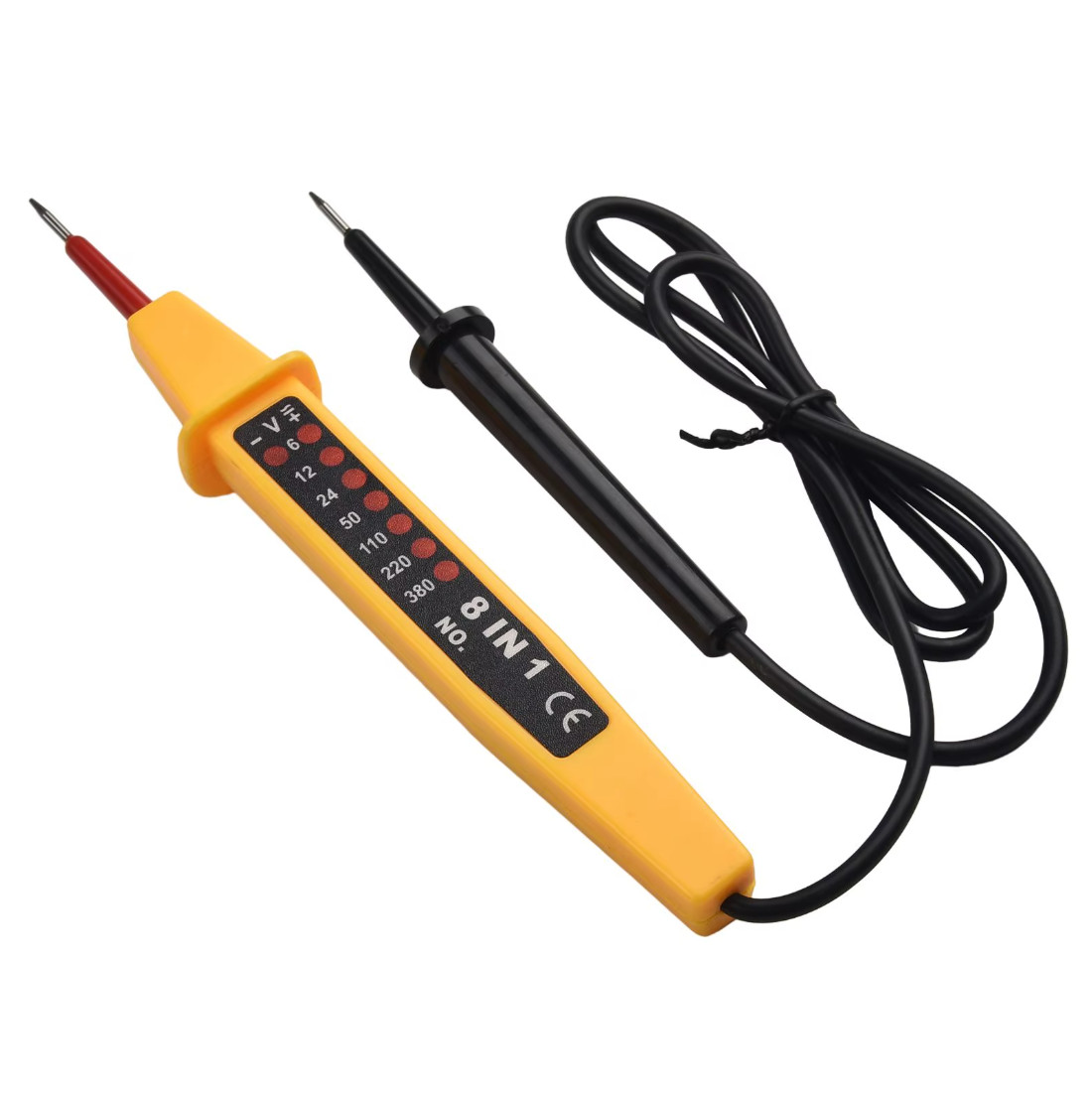 8-In-1 Tester Voltage AC DC 6-500V Auto Electrical Pen Circuit Detector Tester$7.99View on eBay
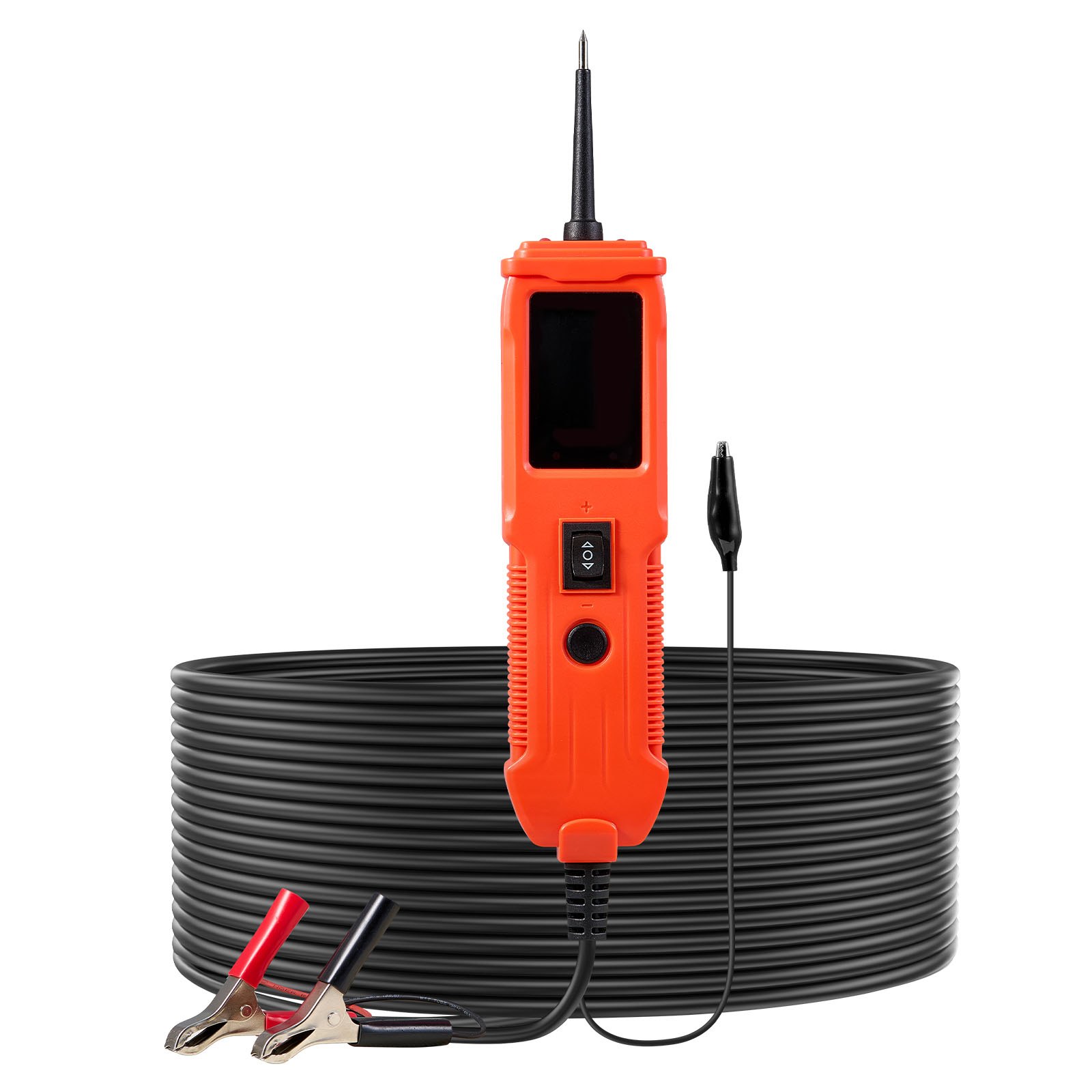 Automotive Circuit Tester, 8 - 35 DCV Power Probe With TFT Color Display And Lighting, 13 Ft / 4 M Cable, ABS Shell Electrical Detector Finder$62.99View on Mallflare
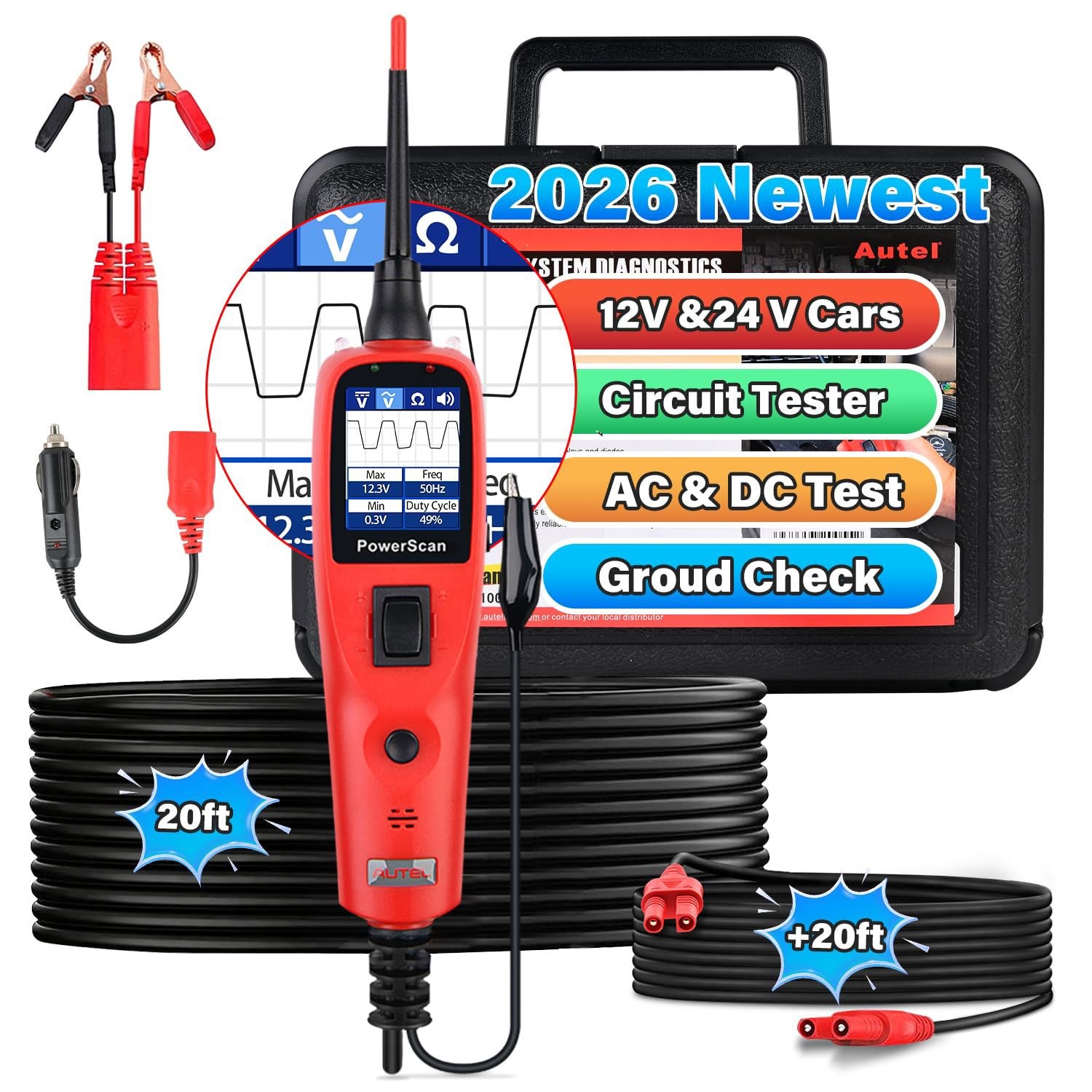 Autel PowerScan PS100 Circuit Tester Electrical Diagnostic Power Probe 12V/24V$84.00View on eBay
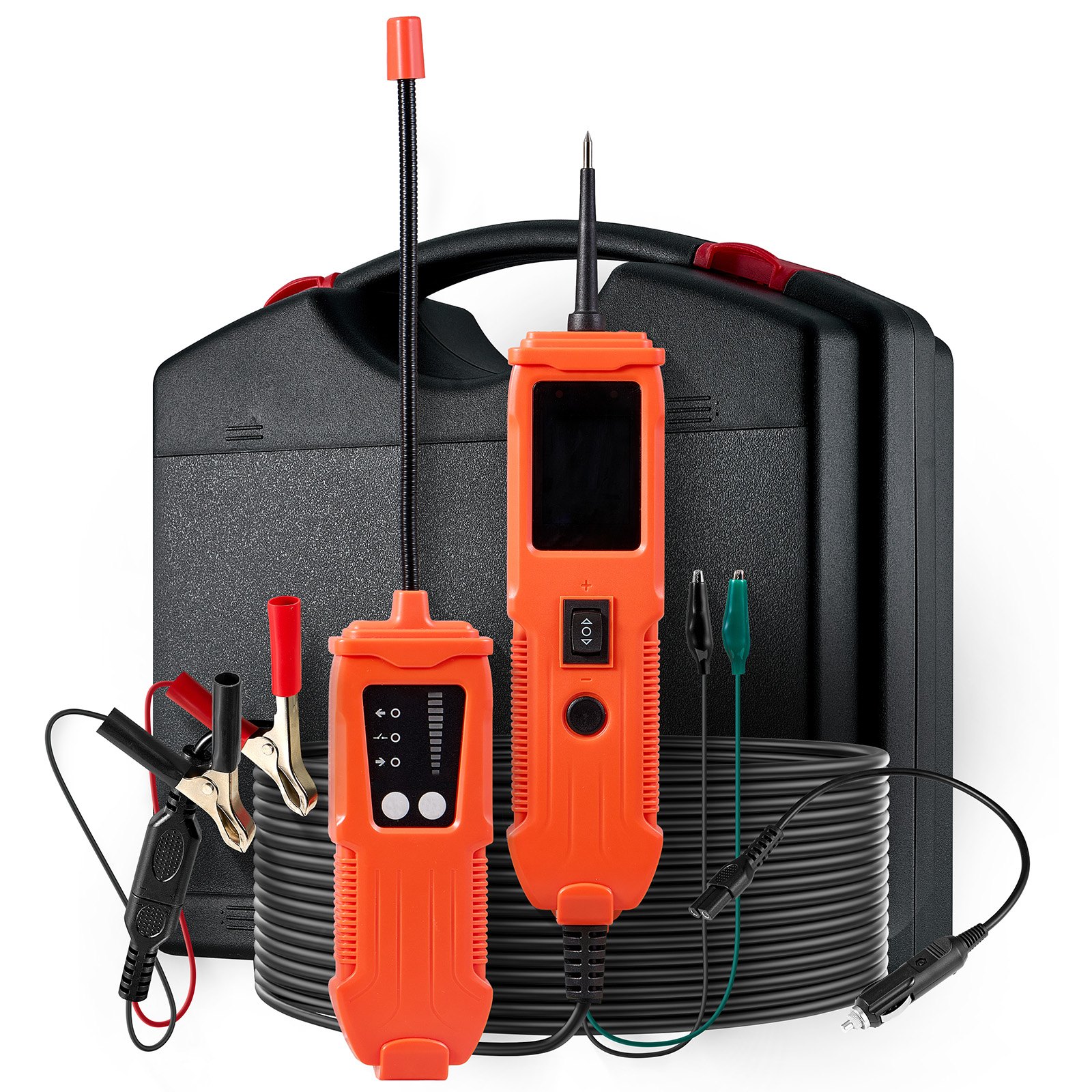 Automotive Circuit Tester Kit, 8 - 35 DCV Power Probe With TFT Color Display And Lighting, 2-in-1 Electrical 19.7 Ft / 6 M Extension Cable$117.99View on Mallflare
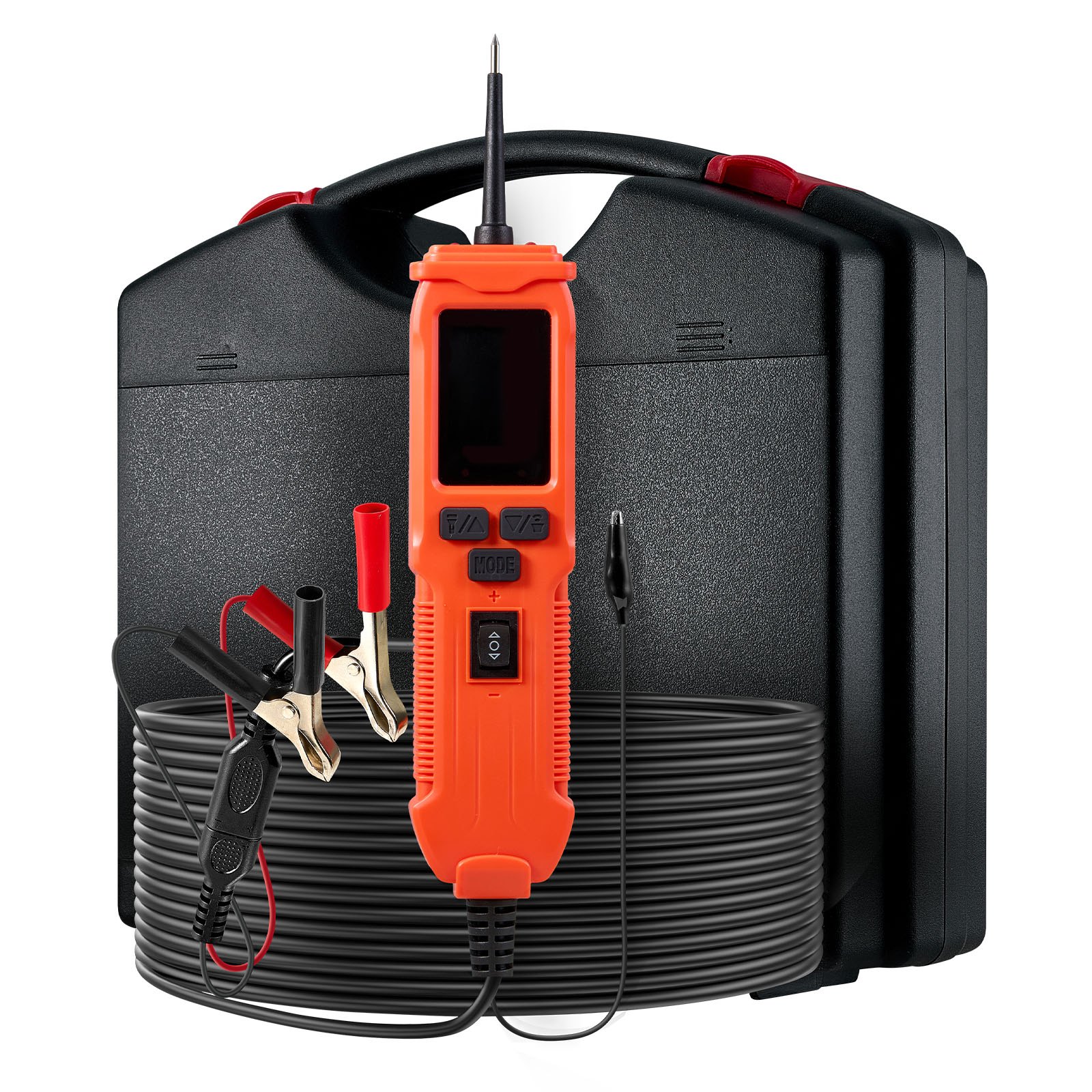 Automotive Circuit Tester, 8 - 35 DCV Power Probe With TFT Color Display And Lighting, 19.7 Ft / 6 M Cable, 2-in-1 Electrical Detector Finder$120.99View on Mallflare
Highlights
- Non-contact voltage pens detect 6-500V AC via capacitive coupling; they indicate presence only and cannot measure voltage or current.
- Automotive power probes operate on 8-35V DC with bidirectional load switching, applying battery voltage or ground to test relays, motors, and fuses.
- True-RMS multimeters with CAT III 600V or CAT IV 600V ratings are required for safe panel and feeder measurements; CAT II is only for plug-in loads.
- TFT color display power probes add voltage readouts, polarity indication, and continuity tone; ABS-shell models survive drops better than thin plastic pens.
Best use cases
- Best fit: automotive 12V/24V diagnostics — choose a bidirectional power probe with 8-35V DC range, fused leads, and at least 13 ft cable for engine-bay reach.
- Best fit: household outlet and switch checks — choose a CAT III 600V non-contact pen plus a true-RMS multimeter; skip automotive probes for AC mains.
- Wrong fit: live panel or feeder work — unrated 6-500V pens and CAT II meters lack arc-flash protection; use only CAT IV 600V rated testers.
- Wrong fit: precision electronics or low-current logic — power probes inject load and can damage sensitive circuits; use a high-impedance digital multimeter instead.
Buying tips
- Match the voltage range to the task: 6-500V AC pens suit outlet checks; 8-35V DC power probes suit automotive; 600V CAT III/IV meters suit panels.
- Cable length determines reach: 13 ft (4 m) handles engine bays; 19.7 ft (6 m) suits trailers and long runs; coiled leads should be silicone-insulated for flexibility.
- Bidirectional load switching distinguishes a true power probe from a basic test light; it can apply 12V or ground to actuate components without jumper wires.
- Check fuse protection on the probe tip and lead: a blown fuse protects the circuit under test; replaceable ATO or blade fuses are preferred over soldered protection.
Specs
| Tester Type | Non-contact AC pen vs DC power probe |
|---|---|
| Voltage Range | 6-500V AC / 8-35V DC / 600V CAT |
| Safety Rating | CAT II / CAT III 600V / CAT IV 600V |
| Display & Load | LED indicator vs TFT readout + load switch |
Related searches
What to check before buying
- Confirm the circuit voltage: automotive 12V/24V DC systems need an 8-35V DC probe; household 120V/230V AC needs a CAT III pen or meter.
- Verify cable length reaches from battery or panel to the farthest test point; 13 ft minimum for engine bays, 19.7 ft for trailers.
- Check the probe tip and lead connectors match your vehicle or panel: standard 4mm banana jacks for meters; piercing probes for automotive wire.
- Ensure the tester is fused and includes a continuity tone or display readout; non-contact pens alone cannot confirm a circuit is de-energized.
FAQ
Data sources: eBay / Amazon listings and product attribute feeds. Updated Nov 28, 2026.
Some links on this page are affiliate links. If you buy after clicking one, we may earn a commission at no extra cost to you. This does not change which products appear here or their order. Affiliate disclosure.