
Photos from current listings. Actual item, color, and included accessories may vary.
Non Contact Voltage Tester Buying Guide
A non-contact voltage tester is a pen-style capacitive sensor that detects AC voltage through insulation, wiring, and outlet slots without metal-to-conductor contact. The core trade-off is sensitivity versus false-positive rejection: wide-range 12-1000V pens catch low-voltage control circuits but chirp near stray capacitance, while fixed-range 90-1000V units are steadier for mains-only work. Buy a two-tier tester with a self-test and CAT III/IV rating for panel and branch-circuit work; skip unrated no-name pens for anything beyond quick outlet checks.
Median $12.99
Key takeaways
- Dual-range 12-1000V models detect low-voltage HVAC/thermostat and doorbell circuits that fixed 90-1000V mains-only pens miss entirely.
- Fixed-range 90-1000V sensors reject phantom capacitance from adjacent wires and require deliberate contact with the insulated slot to trigger.
- Fluke VoltAlert-style pens add continuous self-test circuitry and CAT IV 1000V rating; generic pens typically carry no safety category rating.
At a glance
- Category
- Multimeters & Electrical Testers
- Last updated
- Nov 28, 2026
Current offers
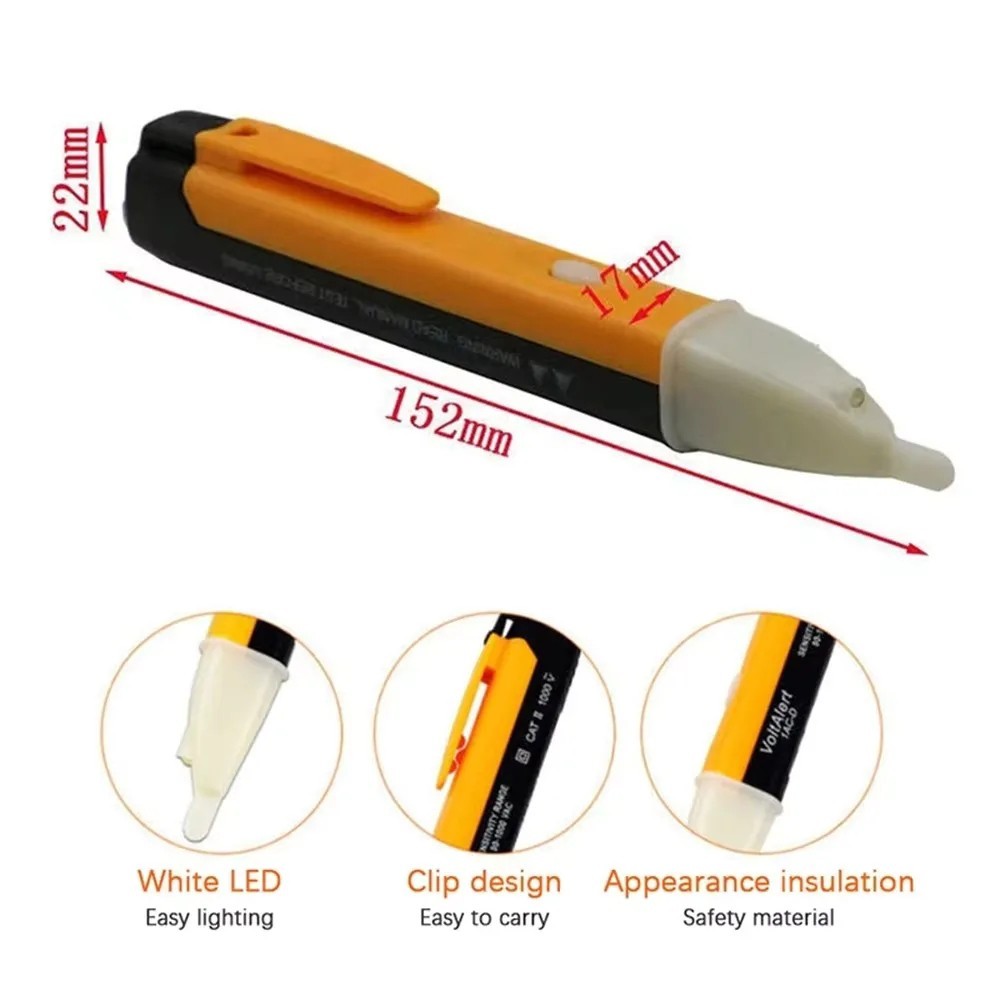 Non Contact AC Voltage Tester Pen 90-1000V LED Detector$6.89View on eBay
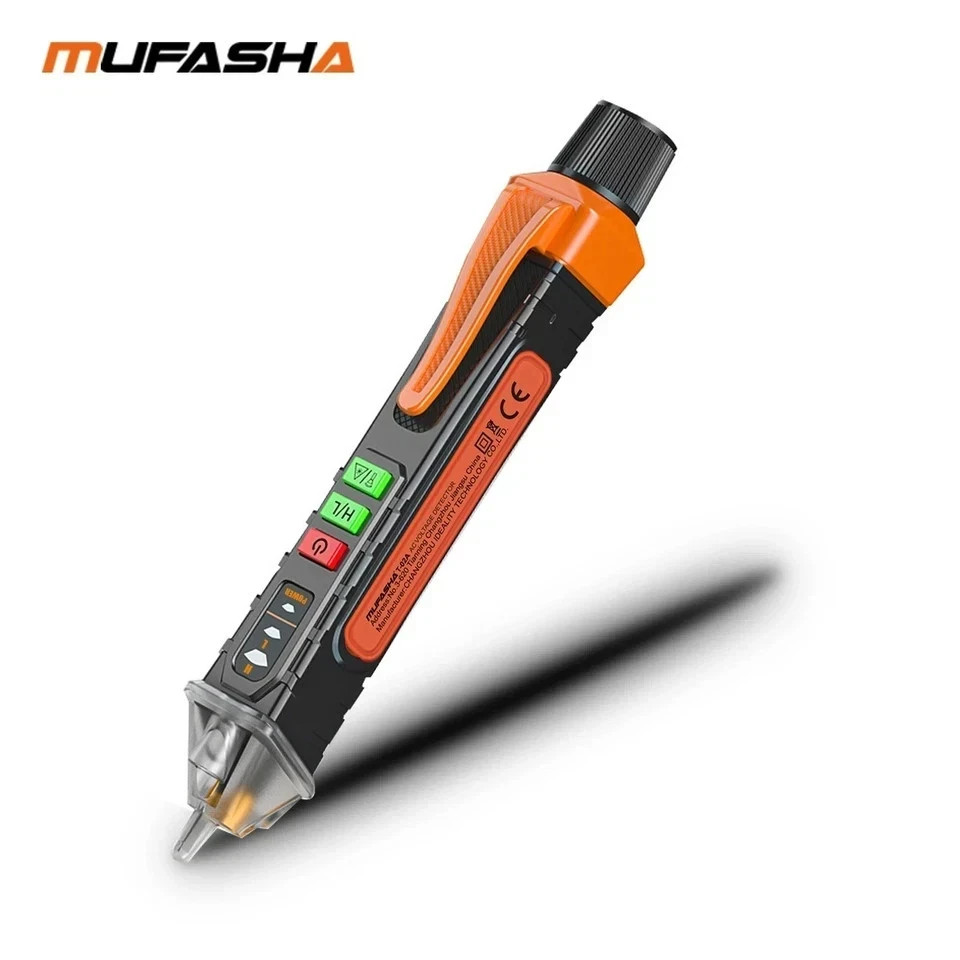 Non-Contact Voltage Detector 12-1000V AC Tester Pen Smart Breakpoint Finder$7.35View on eBay
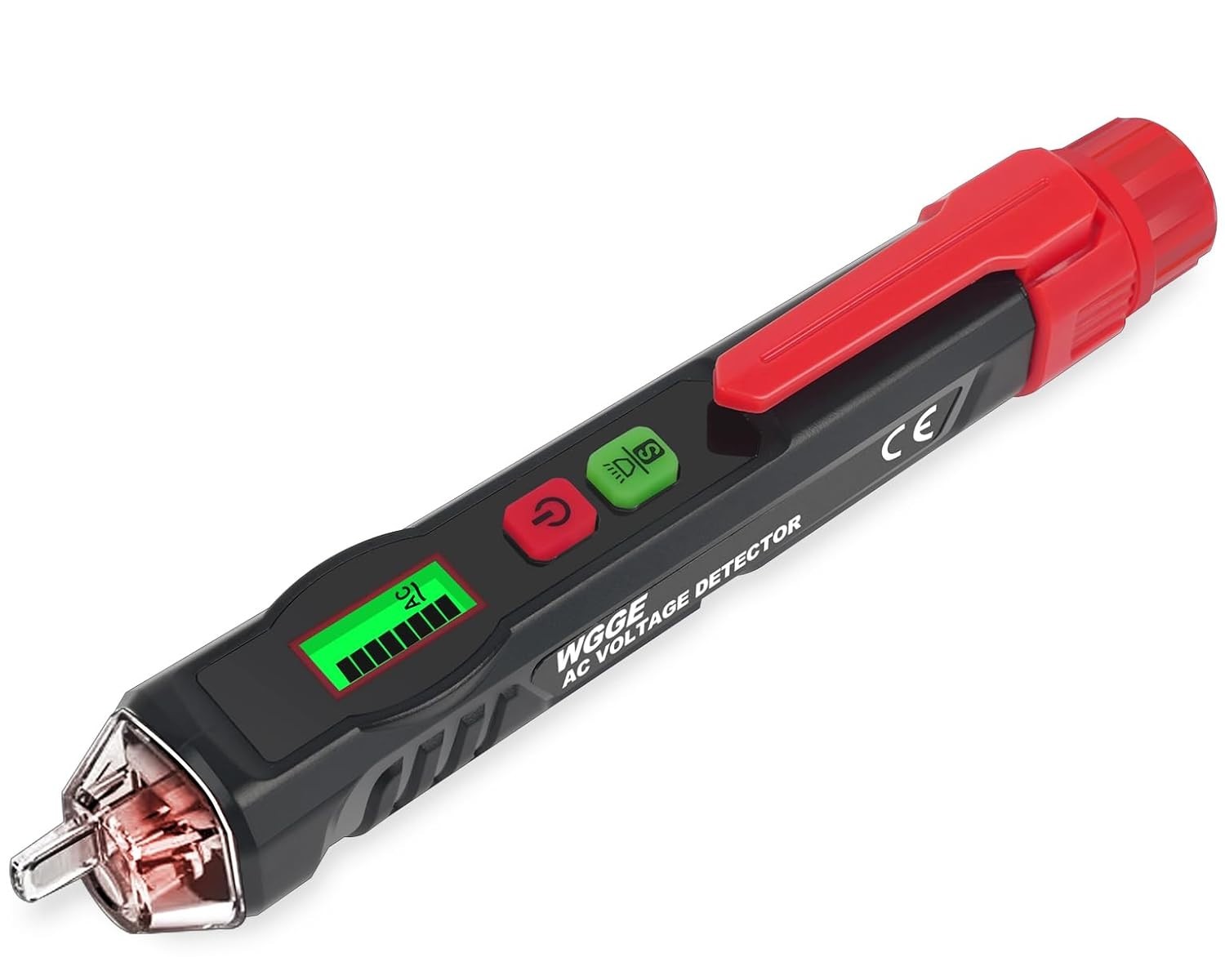 AC Voltage Tester/Non-Contact Voltage Tester with Dual Range AC 12V-1000V$12.99View on eBay
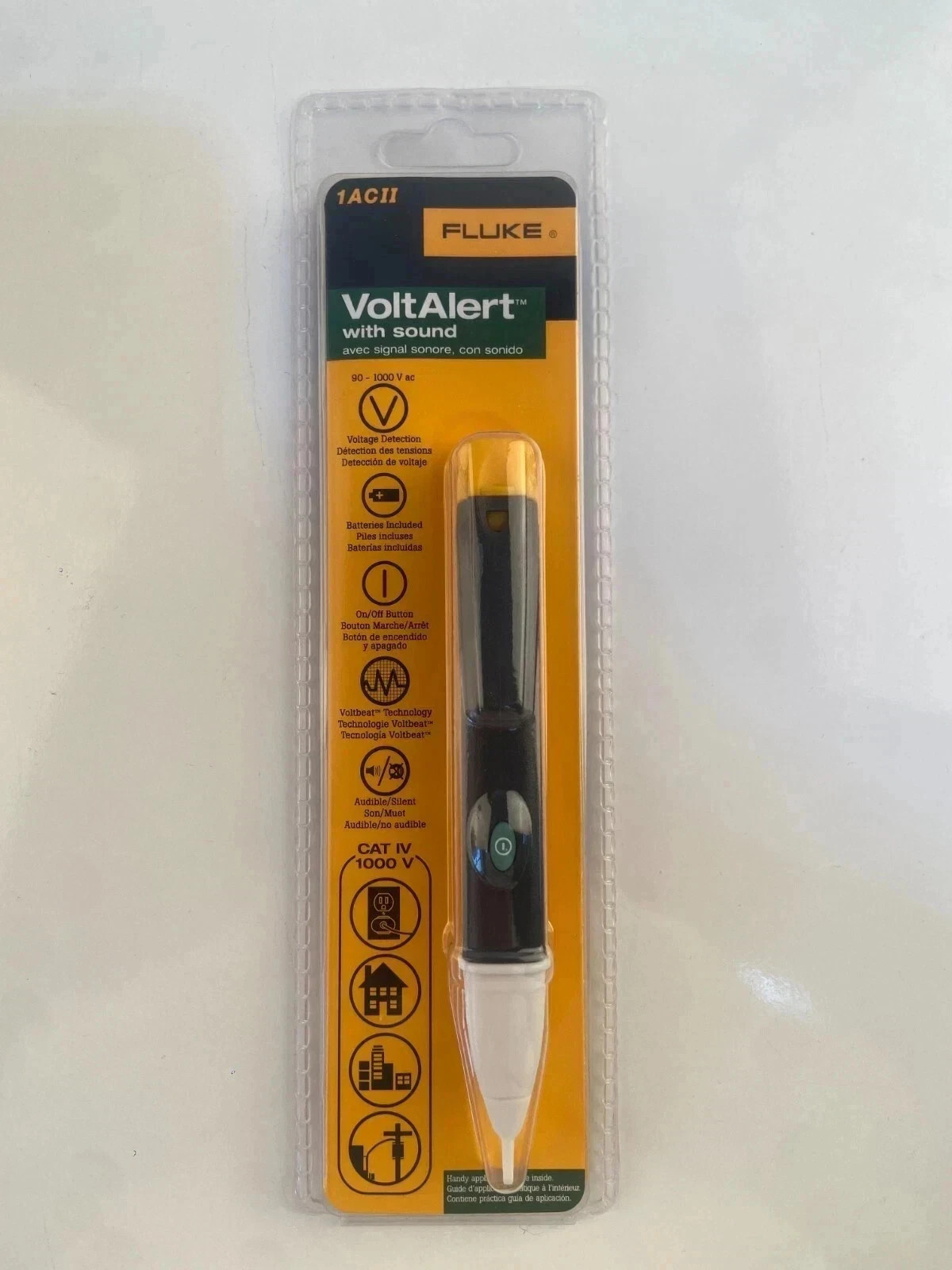 Fluke 1AC II VoltAlert Non-Contact Voltage Tester, Pocket-Sized, 90-1000V AC-NEW$20.00Last checked Nov 27, 2026View on eBay
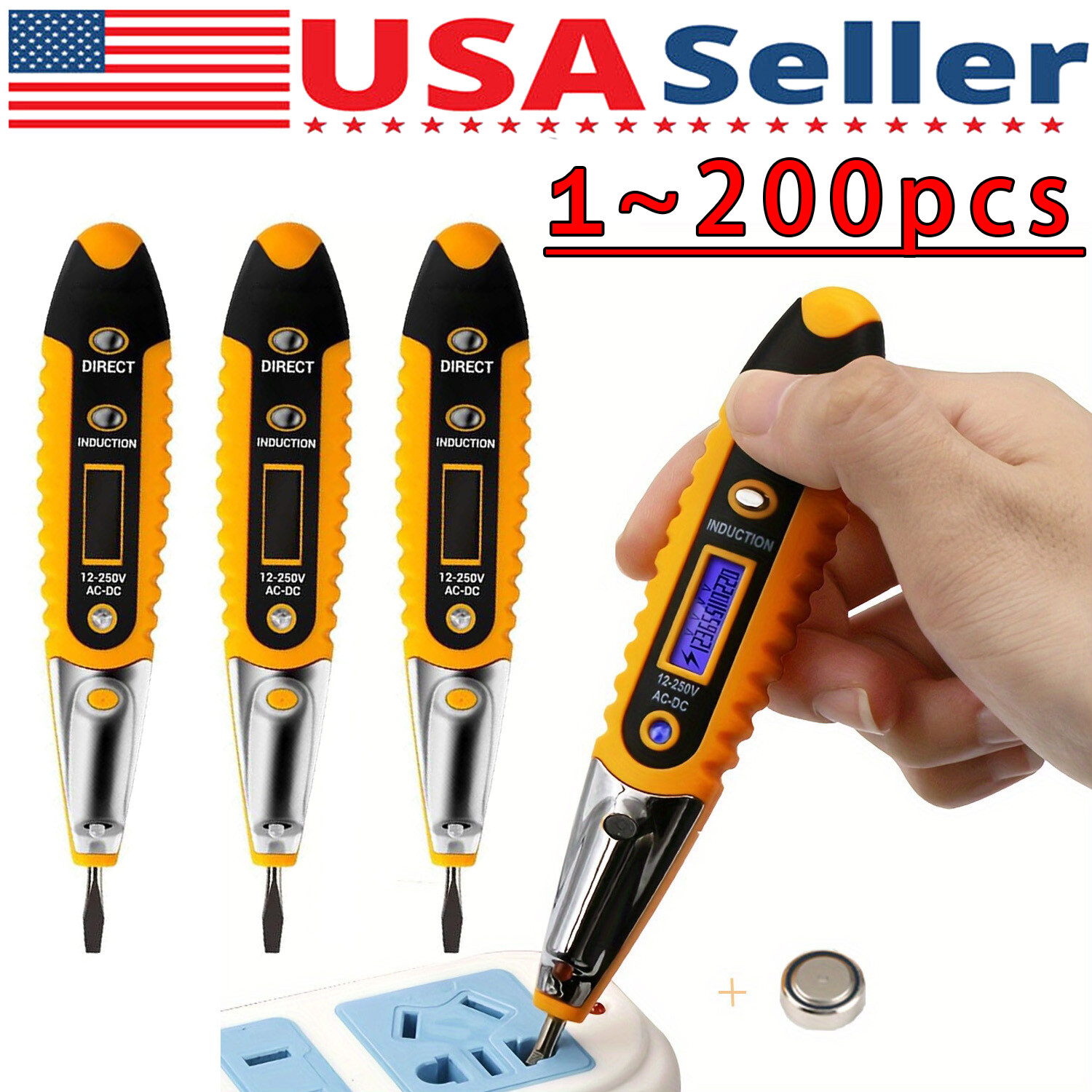 Voltage Electric Tester Volt Detector Test Pen AC DC Non-Contact Sensor 12-1000V$170.29Last checked Nov 27, 2026View on eBay
Highlights
- Dual-range 12-1000V models detect low-voltage HVAC/thermostat and doorbell circuits that fixed 90-1000V mains-only pens miss entirely.
- Fixed-range 90-1000V sensors reject phantom capacitance from adjacent wires and require deliberate contact with the insulated slot to trigger.
- Fluke VoltAlert-style pens add continuous self-test circuitry and CAT IV 1000V rating; generic pens typically carry no safety category rating.
- Adjustable-sensitivity models with a breakpoint finder mode narrow the detection field to locate a cable break inside a wall run.
Best use cases
- Homeowner outlet and switch checks: pick a fixed 90-1000V pen with auto self-test; skip 12V-rated dual-range pens whose low threshold false-triggers on switch loops.
- HVAC, thermostat, and doorbell diagnostics: pick a dual-range 12-1000V pen; skip 90-1000V-only units that cannot register 24V control wiring.
- Panel and feeder verification before lockout: pick a CAT III/IV-rated pen as a secondary check behind a multimeter; skip unrated generic pens for anything above branch circuits.
- Cable break and in-wall fault tracing: pick a model with adjustable sensitivity or breakpoint-finder mode; skip basic single-threshold pens for locating faults.
Buying tips
- Match the detection floor to your lowest circuit: 12V for HVAC/thermostat/doorbell work, 90V for pure mains 120/240V AC applications.
- Demand a CAT III 1000V or CAT IV 600V rating for panel work; an unrated pen offers no transient-overvoltage protection if you contact a live conductor.
- Choose a pen with an always-on self-test circuit and a visual/audible dual alert; a silent-fail sensor reads dead on a live wire.
- For breakpoint finding, adjustable sensitivity below 12V equivalent field strength is the functional difference; fixed-threshold pens only confirm presence, not location.
Specs
| Detection Range | 12-1000V AC dual-range vs 90-1000V |
|---|---|
| Safety Rating | CAT III 1000V / CAT IV 600V vs unrated |
| Alert Type | Audible + LED vs LED-only |
| Self-Test | Continuous auto self-test vs manual only |
Related searches
What to check before buying
- Confirm your lowest voltage circuit: HVAC 24V, doorbell 16V, and thermostat lines require a 12V-floor dual-range tester.
- Check the outlet type and depth: standard 120V duplex and switch plates need only a slim pen tip; deep GFCI slots may require a longer probe.
- Verify the safety category matches your panel: CAT III 1000V minimum for distribution boards, CAT IV 600V for service-entrance work.
- Confirm the alert type: audible buzzer plus LED is required for noisy or bright environments where a single indicator is easy to miss.
FAQ
Data sources: eBay / Amazon listings and product attribute feeds. Updated Nov 28, 2026.
Some links on this page are affiliate links. If you buy after clicking one, we may earn a commission at no extra cost to you. This does not change which products appear here or their order. Affiliate disclosure.