
Photos from current listings. Actual item, color, and included accessories may vary.
Non Contact Voltage Tester Pen Buying Guide
A non-contact voltage tester pen detects AC voltage through insulation via capacitive coupling, letting you check live wires without touching conductors. The core trade-off is sensitivity versus false-positive rejection: wide-range 12–1000V pens catch low-voltage control lines but can chirp on ghost voltage, while 90–1000V models are more stable on mains wiring but blind to thermostat and doorbell circuits. Choose a pen rated for your lowest expected voltage and with a CAT III safety rating if you work inside panels.
Median $12.99
Key takeaways
- Sensitivity tier determines use: 12–1000V pens detect low-voltage HVAC and irrigation control lines; 90–1000V pens are mains-only and ignore phantom signals on long runs.
- CAT rating matters: CAT III 1000V pens are built for distribution panels and fixed wiring; CAT II pens are only safe on portable appliances and outlets.
- Dual-range switchable pens let you toggle between low (12–100V) and high (100–1000V) sensitivity, reducing false alerts from adjacent live wires.
At a glance
- Category
- Multimeters & Electrical Testers
- Last updated
- Nov 28, 2026
Current offers
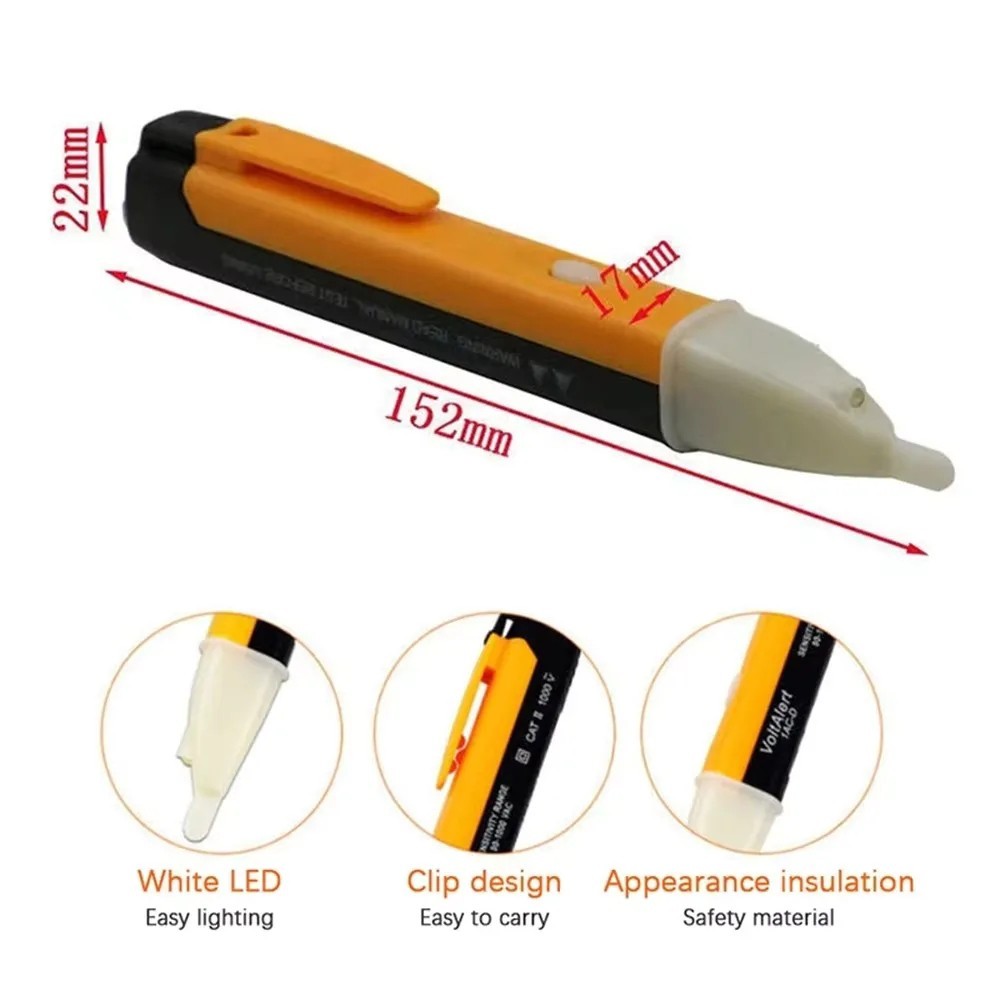 Non Contact AC Voltage Tester Pen 90-1000V LED Detector$6.89View on eBay
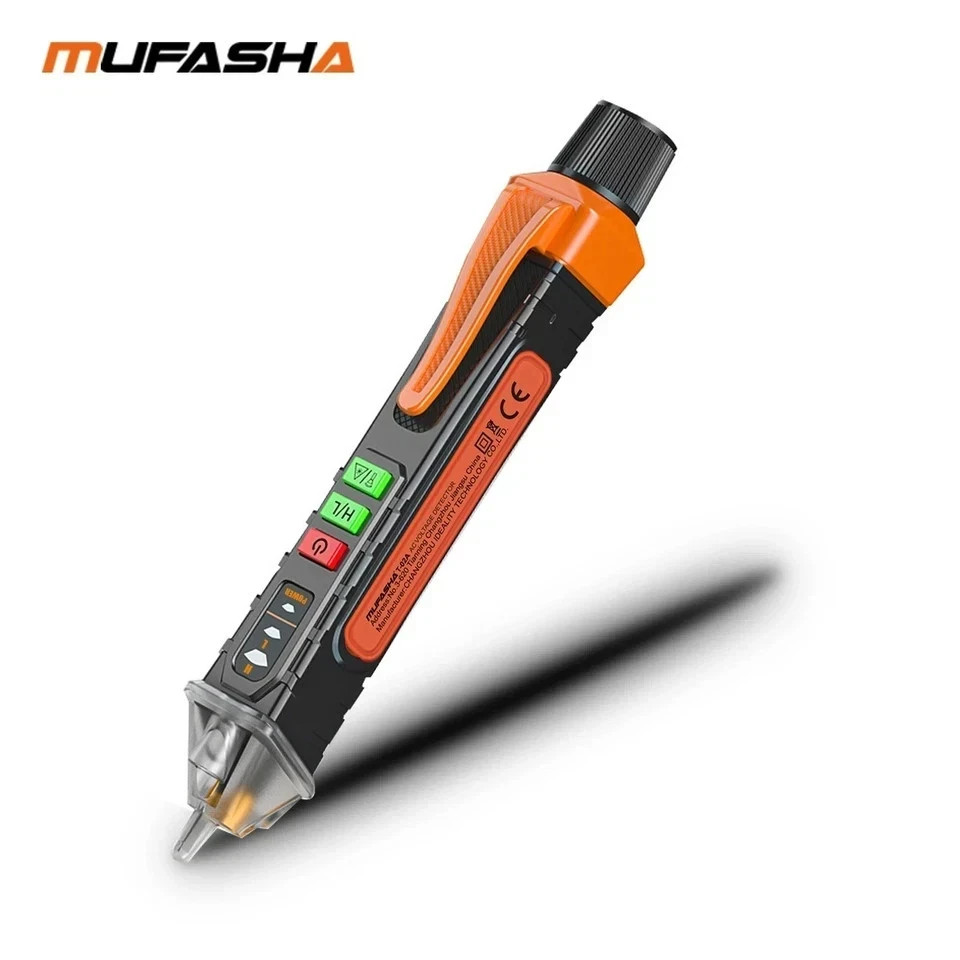 Non-Contact Voltage Detector 12-1000V AC Tester Pen Smart Breakpoint Finder$7.35View on eBay
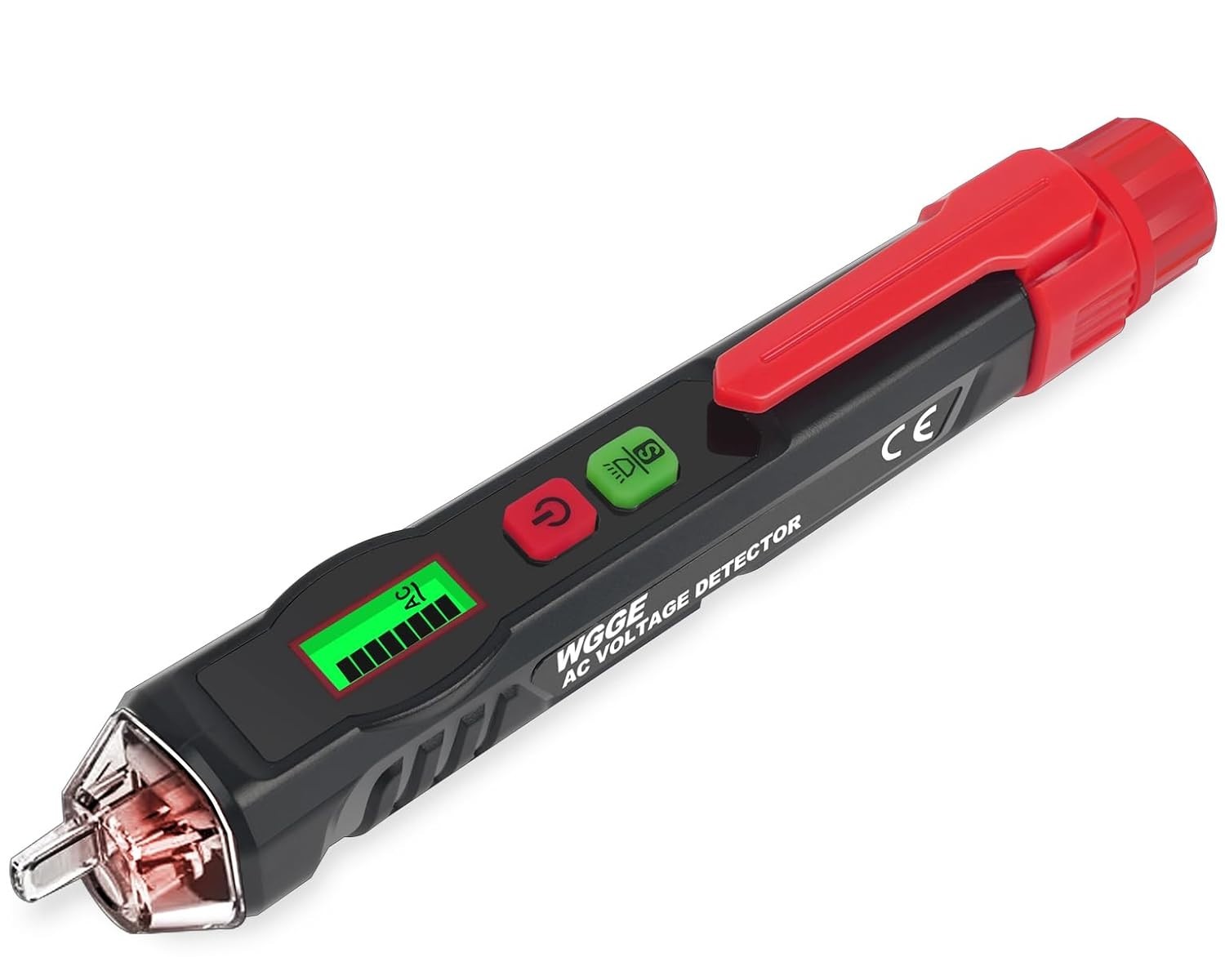 AC Voltage Tester/Non-Contact Voltage Tester with Dual Range AC 12V-1000V$12.99View on eBay
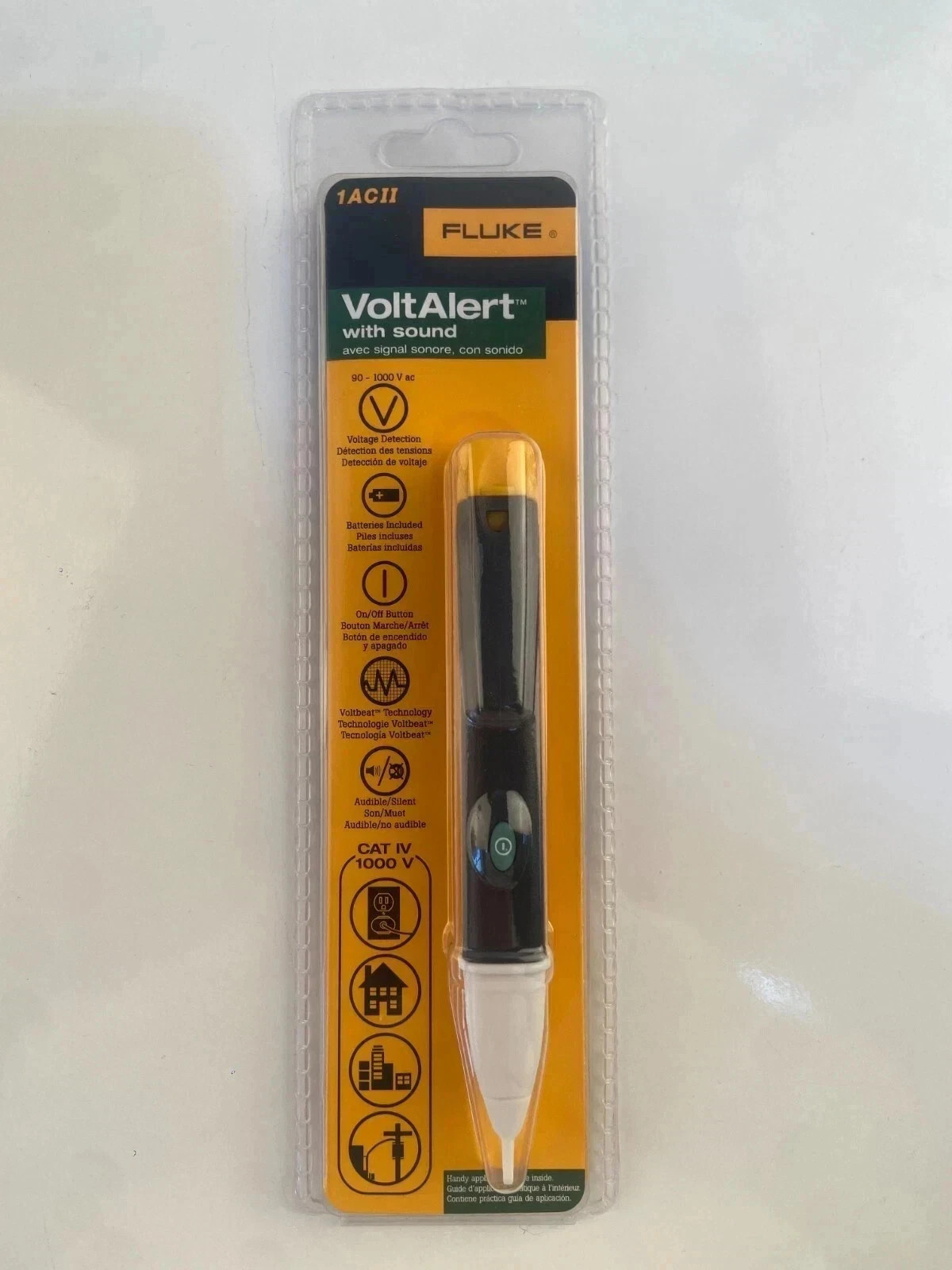 Fluke 1AC II VoltAlert Non-Contact Voltage Tester, Pocket-Sized, 90-1000V AC-NEW$20.00Last checked Nov 27, 2026View on eBay
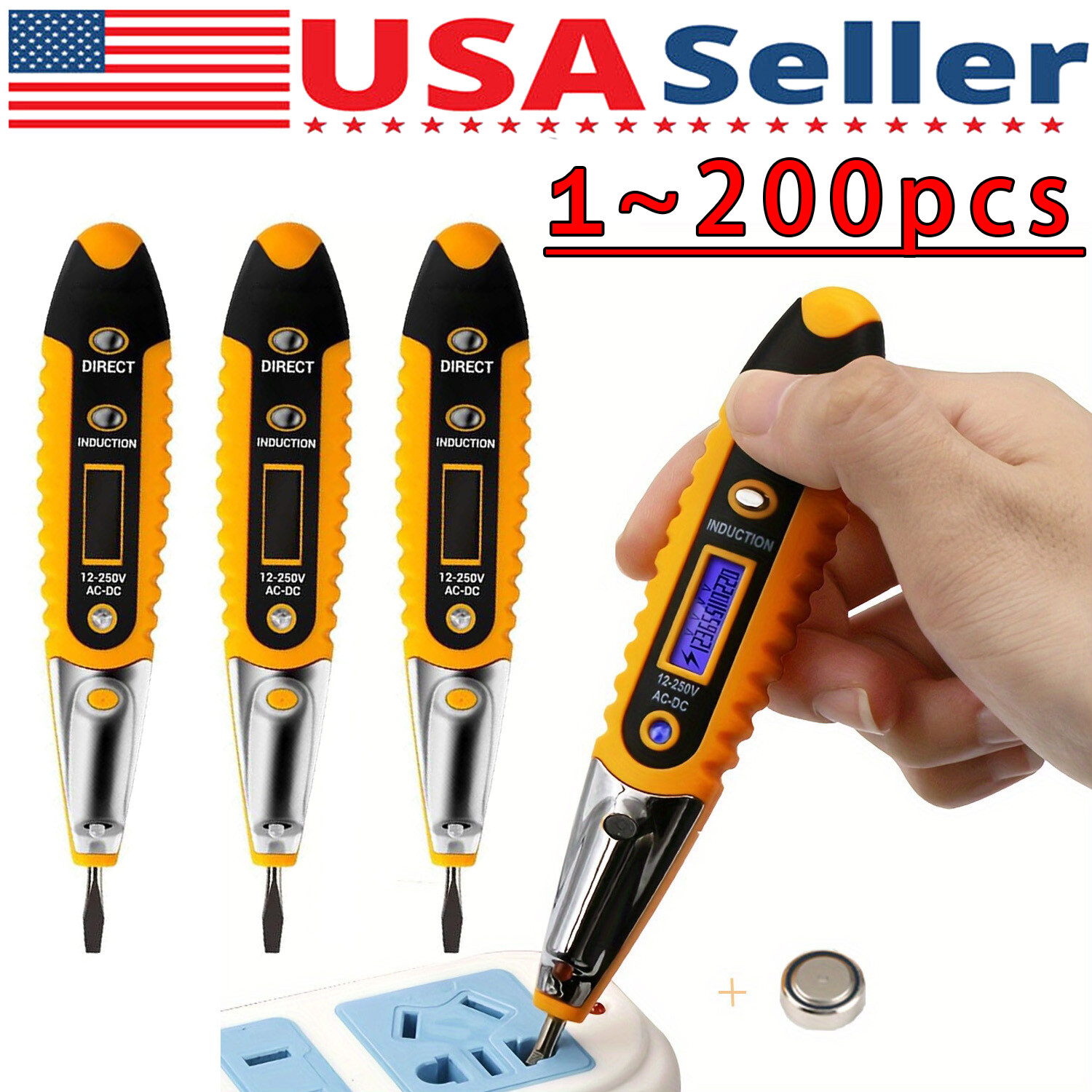 Voltage Electric Tester Volt Detector Test Pen AC DC Non-Contact Sensor 12-1000V$170.29Last checked Nov 27, 2026View on eBay
Highlights
- Sensitivity tier determines use: 12–1000V pens detect low-voltage HVAC and irrigation control lines; 90–1000V pens are mains-only and ignore phantom signals on long runs.
- CAT rating matters: CAT III 1000V pens are built for distribution panels and fixed wiring; CAT II pens are only safe on portable appliances and outlets.
- Dual-range switchable pens let you toggle between low (12–100V) and high (100–1000V) sensitivity, reducing false alerts from adjacent live wires.
- Fluke 1AC II uses a continuous self-test circuit that chirps and flashes if the sensor or battery fails—an integrity check most budget pens lack.
Best use cases
- Best fit: a 90–1000V CAT III pen for homeowners checking outlets, switches, and breaker legs before DIY work—skip 12V models that false-alarm near bundled Romex.
- Best fit: a 12–1000V dual-range pen for HVAC techs and irrigation installers tracing 24V thermostat and valve wires—single-range mains pens cannot see these.
- Wrong fit: using any non-contact pen to confirm a circuit is de-energized for lockout/tagout—pair it with a contact multimeter; pens indicate presence, not absence of voltage.
- Wrong fit: a pocket pen as a sole tester for 240V appliance circuits—choose a CAT III 1000V-rated model with a proven self-test, not a generic unrated pen.
Buying tips
- Match the lower threshold to your work: 12V for HVAC/irrigation, 90V for general mains; a 12–1000V pen covers both but costs more than a single-range unit.
- Demand a CAT III 1000V rating printed on the pen or manual for panel and fixed-wiring work; unrated pens are for receptacle checks only.
- Prefer pens with an audible plus visual alert and a built-in flashlight—bright LEDs and a tone matter in dim panel closets and crawlspaces.
- Check battery type: AAA cells are field-replaceable anywhere; coin-cell pens are slimmer but die mid-job without a spare.
Specs
| Voltage Range | 12–1000V AC vs 90–1000V AC |
|---|---|
| Safety Rating | CAT II 300V to CAT III 1000V |
| Alert Type | Audible + LED vs LED-only |
| Battery Type | AAA replaceable vs coin cell |
Related searches
What to check before buying
- Confirm the pen's lower detection limit is below the lowest voltage you expect—24V HVAC lines need a 12V-capable pen.
- Verify the CAT rating matches your environment: CAT III for breaker panels and fixed wiring, CAT II for cord-and-plug appliances.
- Ensure the pen has a self-test or auto-test function so you can confirm sensor and battery health before each use.
- Check tip size and body length: a slim 3–4 mm tip fits outlet slots and terminal blocks; pocket clips help on service calls.
FAQ
Data sources: eBay / Amazon listings and product attribute feeds. Updated Nov 28, 2026.
Some links on this page are affiliate links. If you buy after clicking one, we may earn a commission at no extra cost to you. This does not change which products appear here or their order. Affiliate disclosure.