
Photos from current listings. Actual item, color, and included accessories may vary.
Voltage Tester Pen Buying Guide
A voltage tester pen is a handheld non-contact or contact voltage detector used to quickly check for live AC wiring, often with additional functions like continuity or NCV sensitivity. The key trade-off is between a simple, safety-rated non-contact pen and a multi-function tester that adds DC voltage, continuity, or outlet testing at the cost of complexity and slower response. Buy a CAT III or CAT IV rated pen from a known brand for any household or professional use; skip unrated generic pens for anything beyond basic presence checks.
Median $14.77
Key takeaways
- Non-contact pens detect AC voltage via capacitive coupling; range typically 12–1000 V AC with dual sensitivity modes for distinguishing live wires in walls versus at outlets.
- CAT safety rating (CAT II, CAT III, CAT IV) and voltage rating determine transient overvoltage protection; CAT III 1000 V is the minimum for distribution panel and fixed-installation work.
- Contact testers with 6–24 V DC ranges suit automotive use; AC-only non-contact pens will not detect 12 V DC circuits in cars or low-voltage controls.
At a glance
- Category
- Multimeters & Electrical Testers
- Last updated
- Nov 28, 2026
Current offers
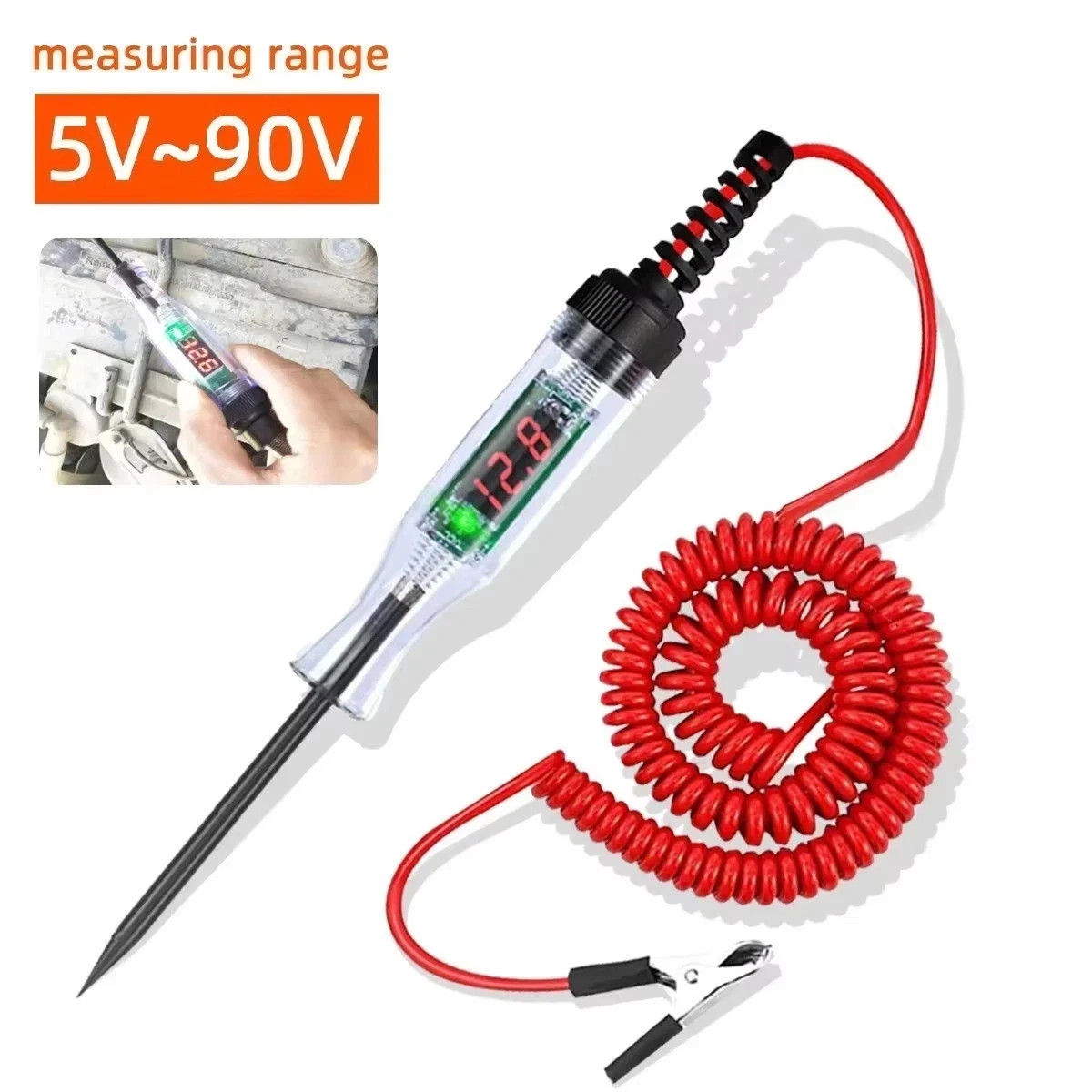 Digital Electric Voltage Circuit Tester Automotive Test Light Car Truck 6V12V24V$4.99View on eBay
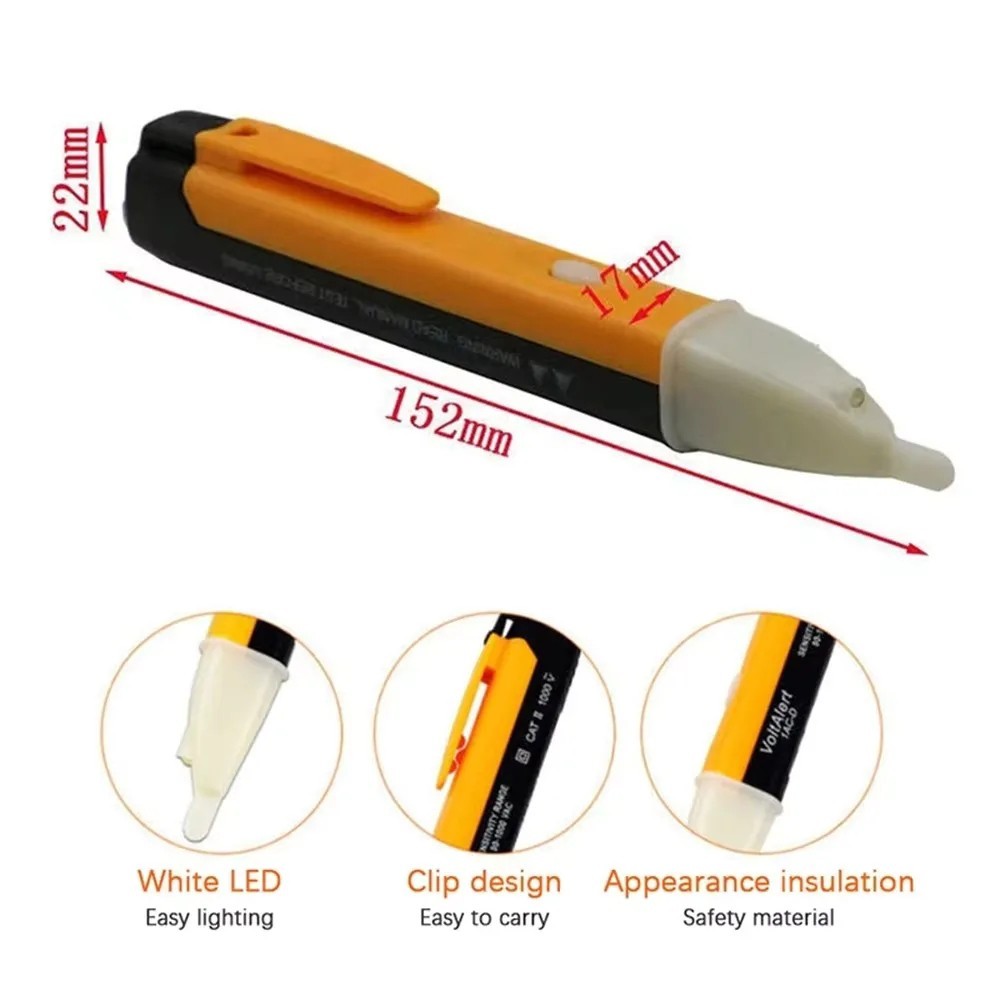 Non Contact AC Voltage Tester Pen 90-1000V LED Detector$6.89View on eBay
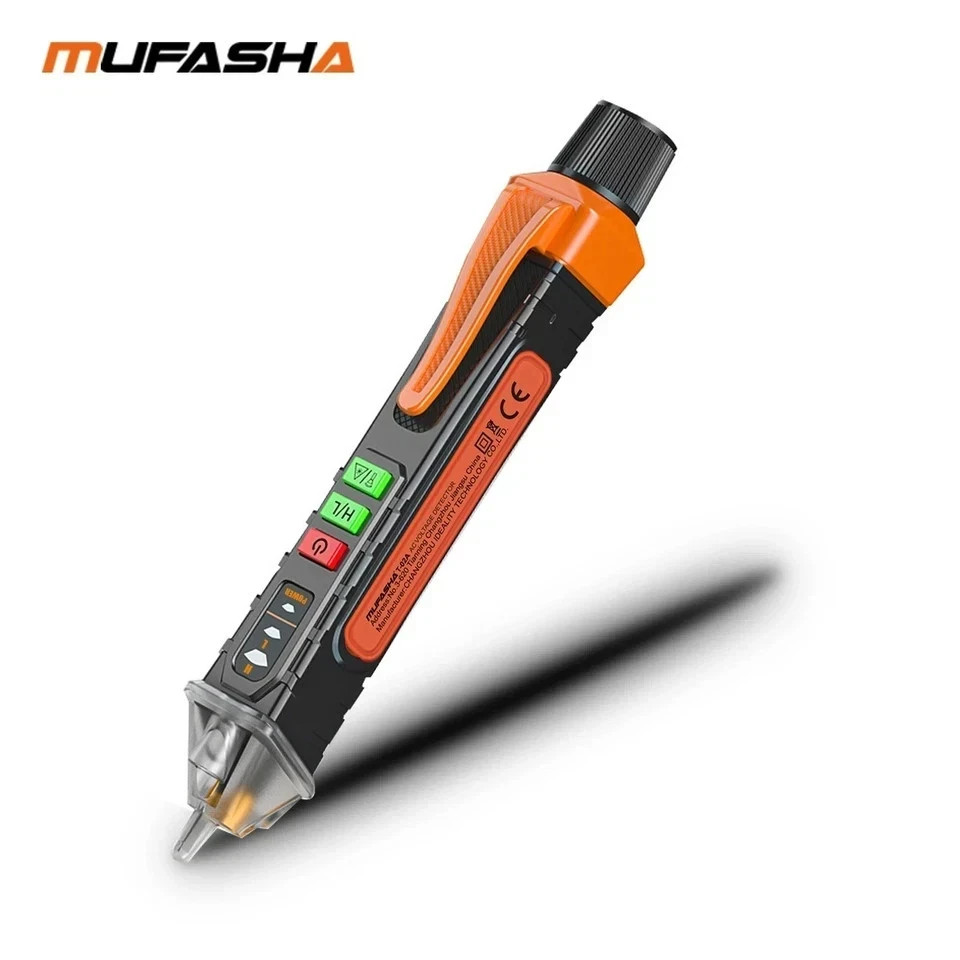 Non-Contact Voltage Detector 12-1000V AC Tester Pen Smart Breakpoint Finder$7.35View on eBay
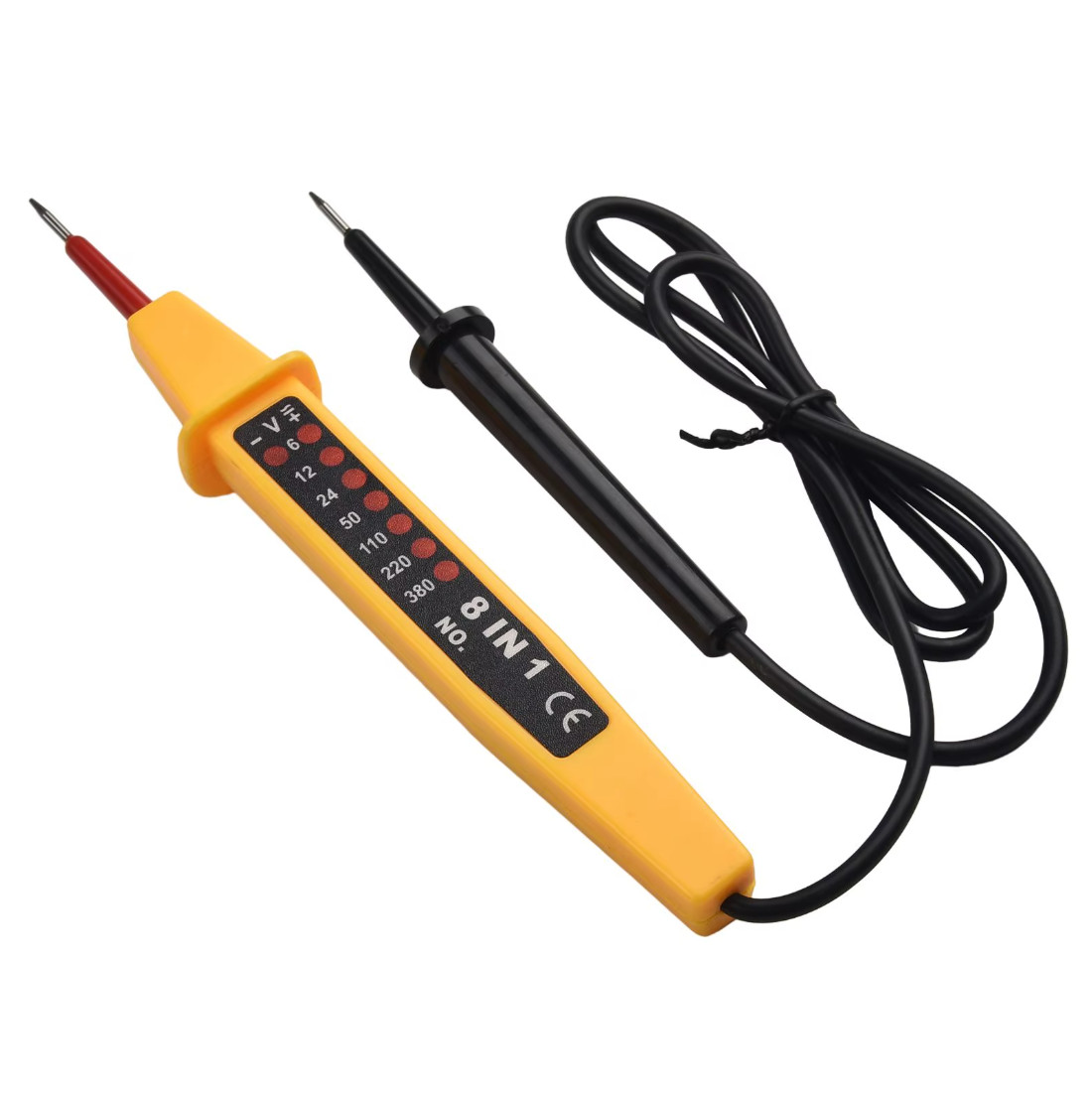 8-In-1 Tester Voltage AC DC 6-500V Auto Electrical Pen Circuit Detector Tester$7.99View on eBay
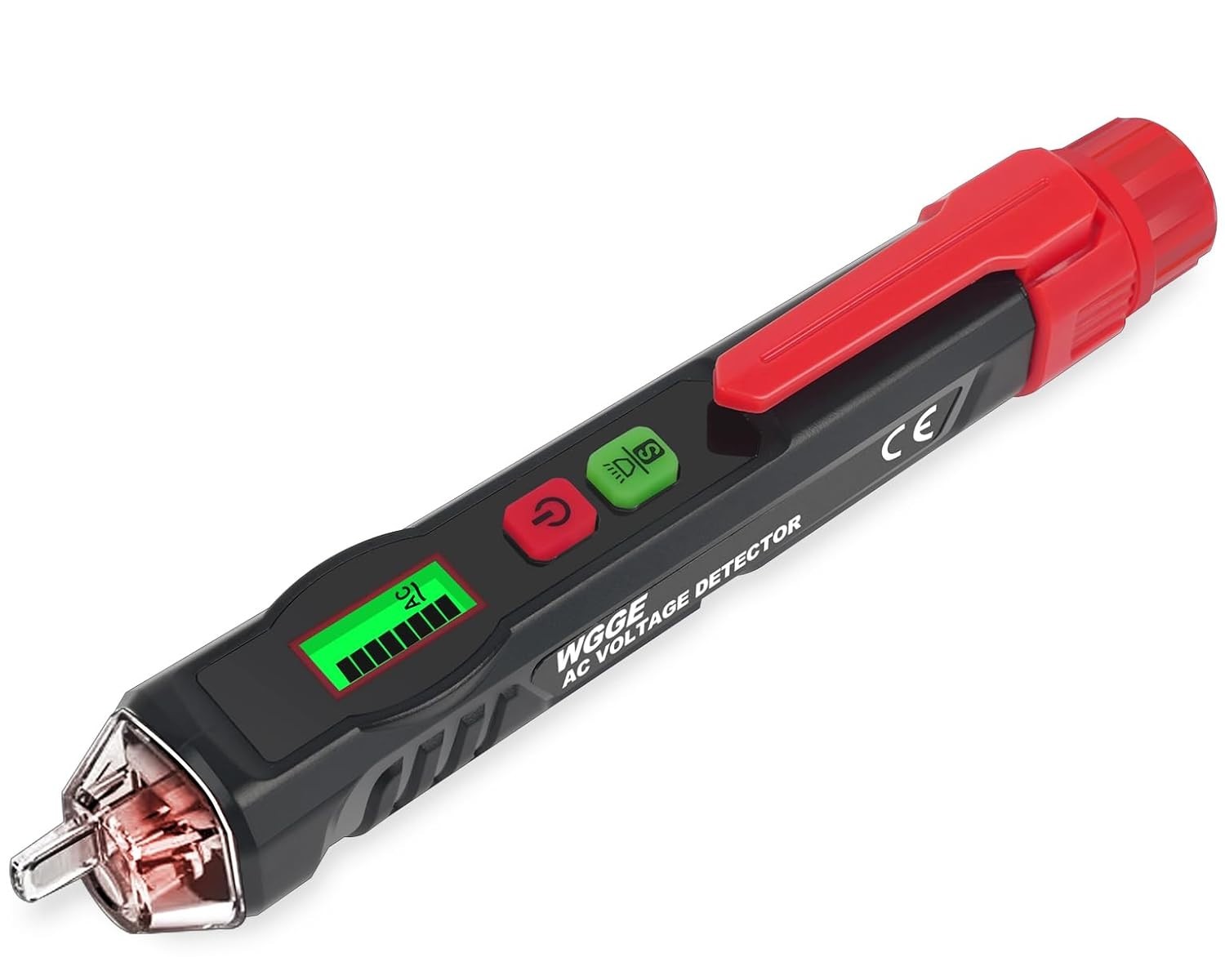 AC Voltage Tester/Non-Contact Voltage Tester with Dual Range AC 12V-1000V$12.99View on eBay
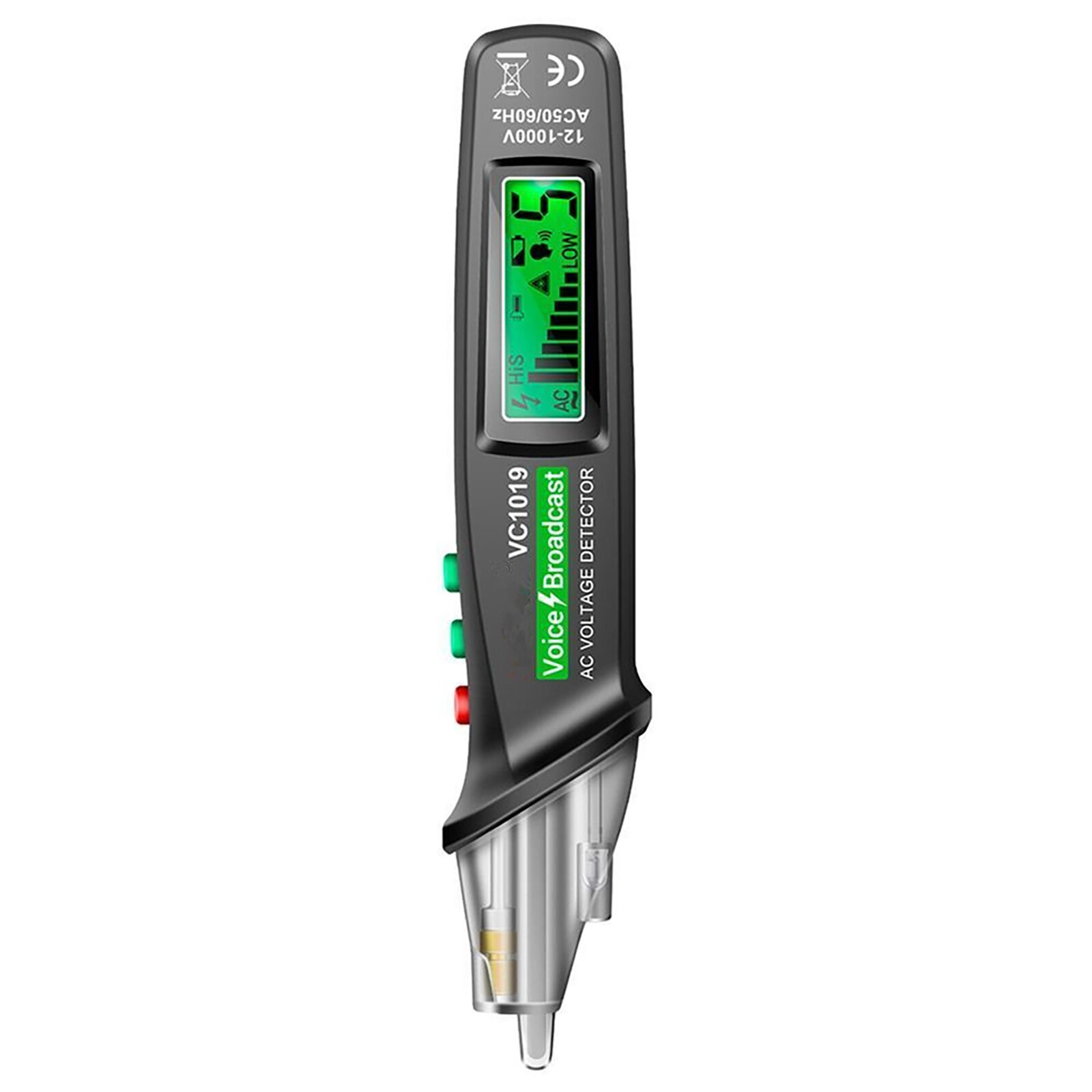 12V-1000V Positioning Voltage Tester Electric Wire Detector Test Pen Tool Kit$13.58View on eBay
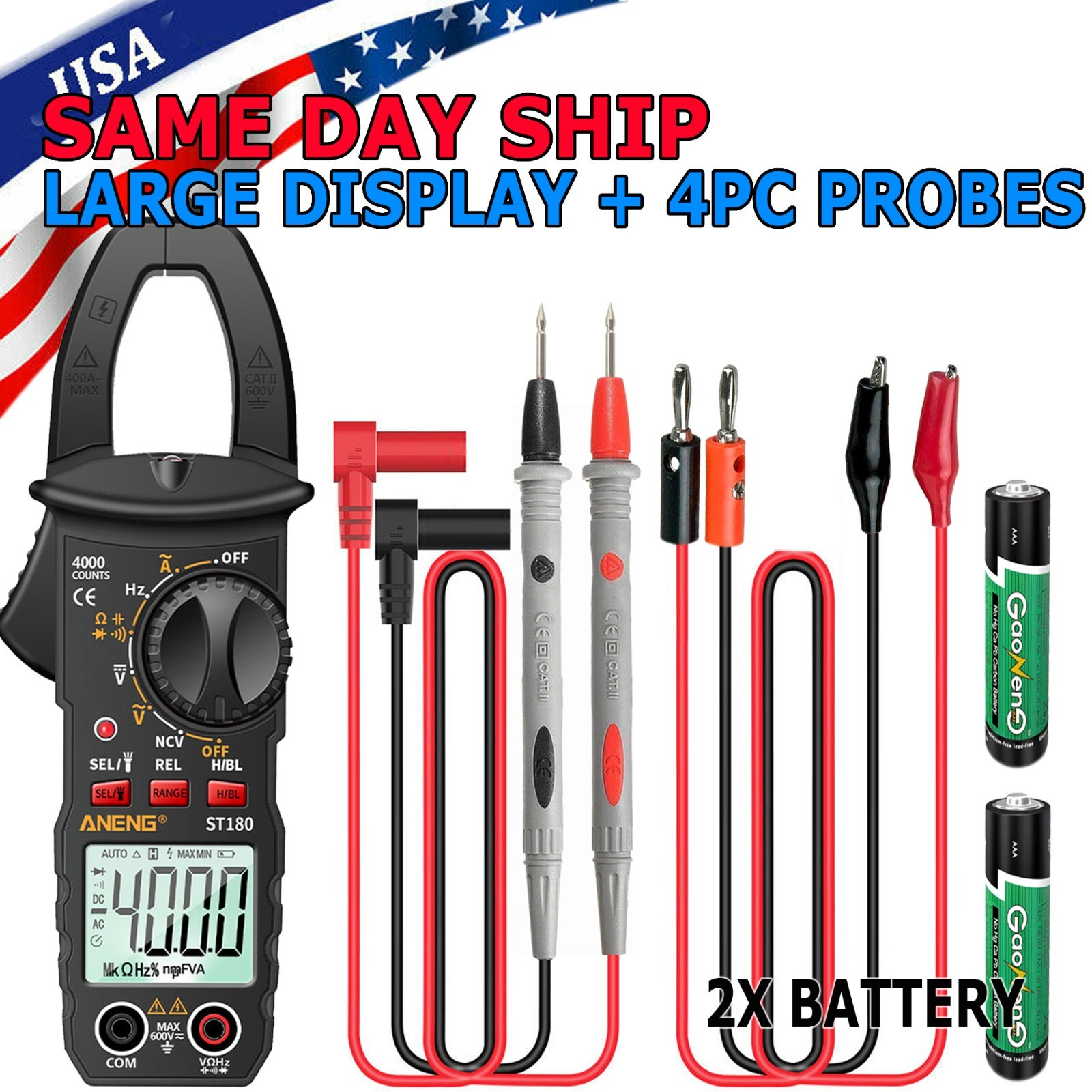 Digital Multimeter Tester AC DC Voltage RMS Amps Clamp Meter Auto Range Handheld$15.95Last checked Nov 27, 2026View on eBay
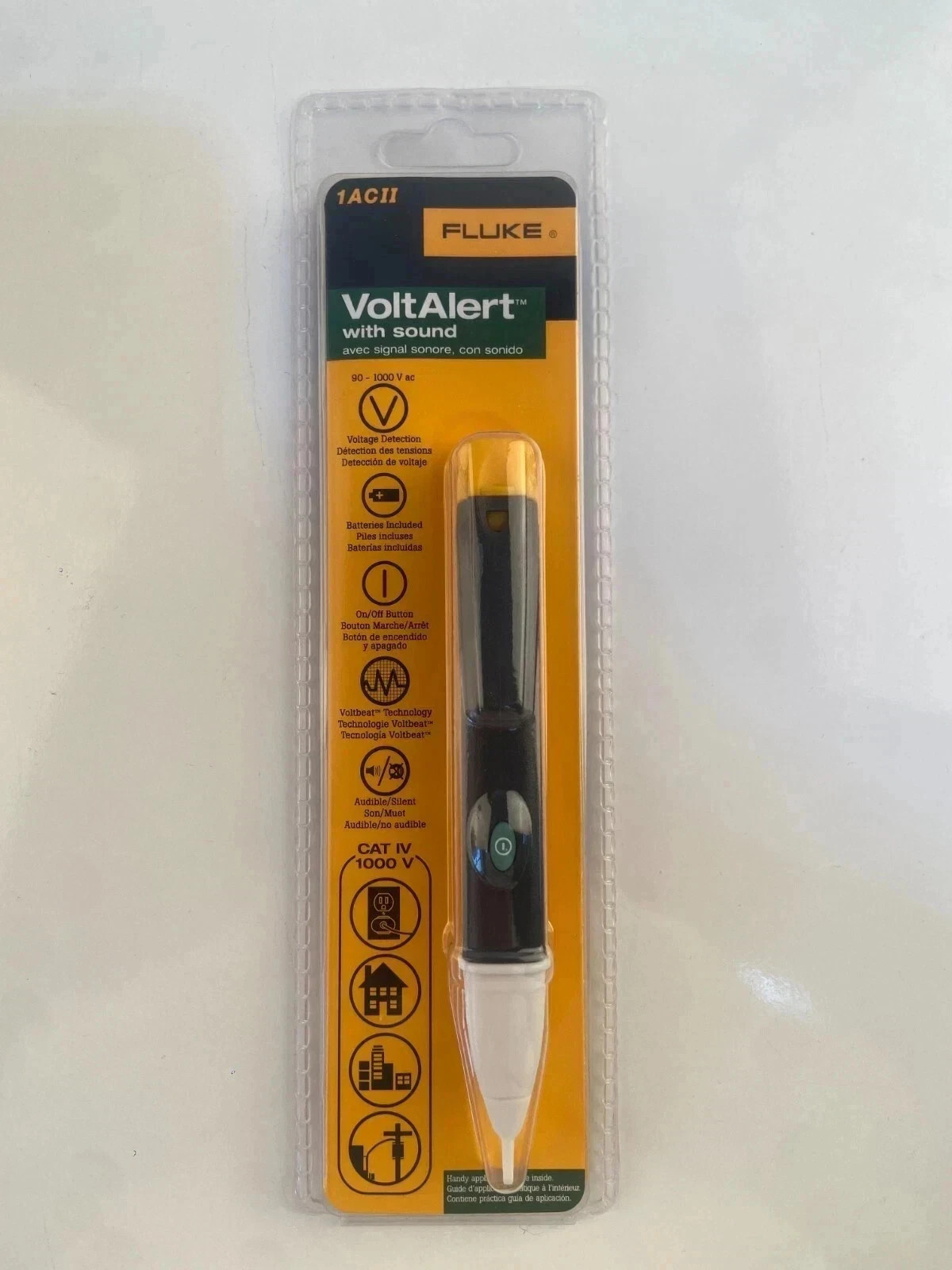 Fluke 1AC II VoltAlert Non-Contact Voltage Tester, Pocket-Sized, 90-1000V AC-NEW$20.00Last checked Nov 27, 2026View on eBay
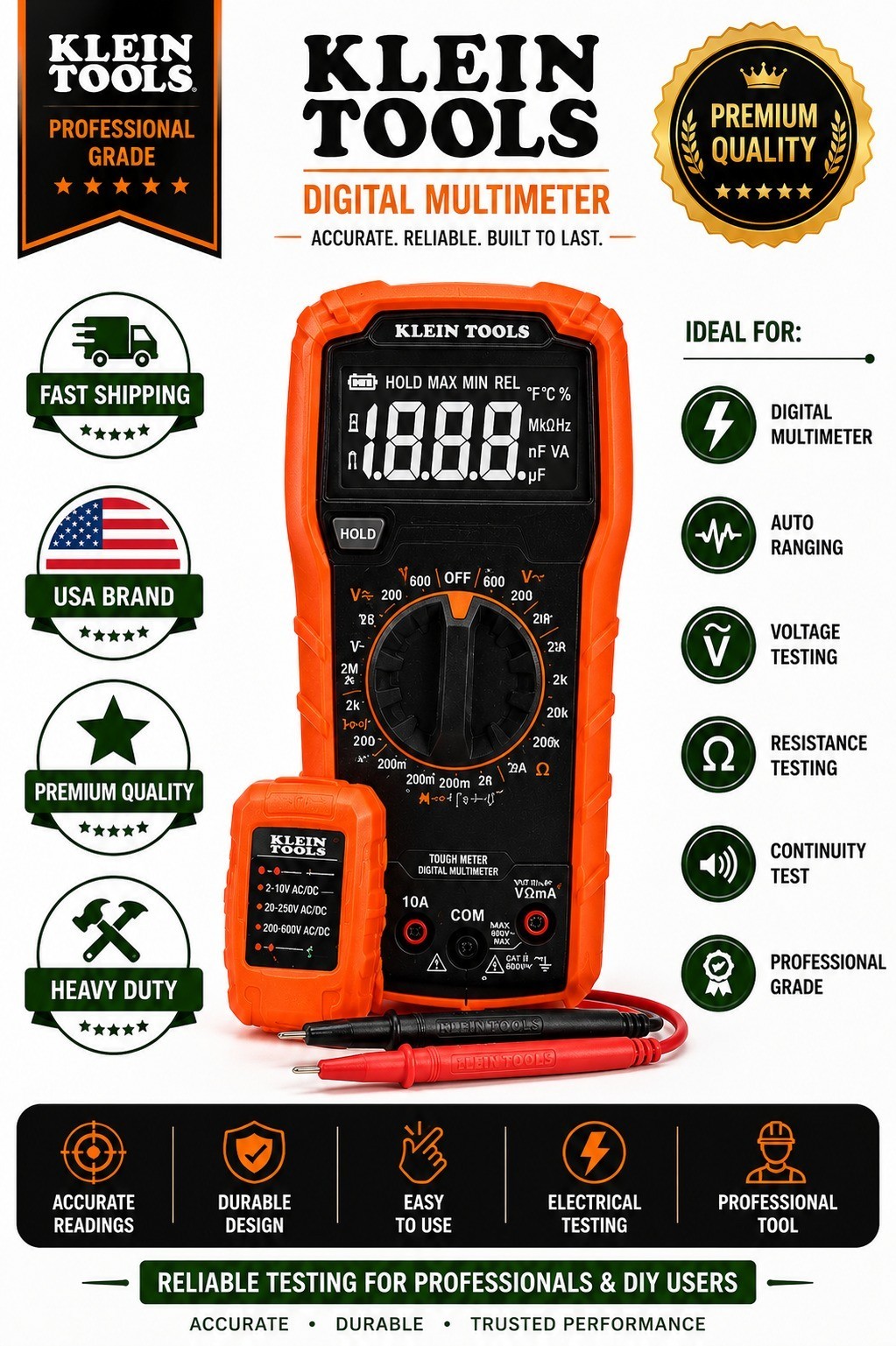 Klein Tools 69149P Digital Multimeter Voltage Tester Outlet Test Kit New$34.99View on eBay
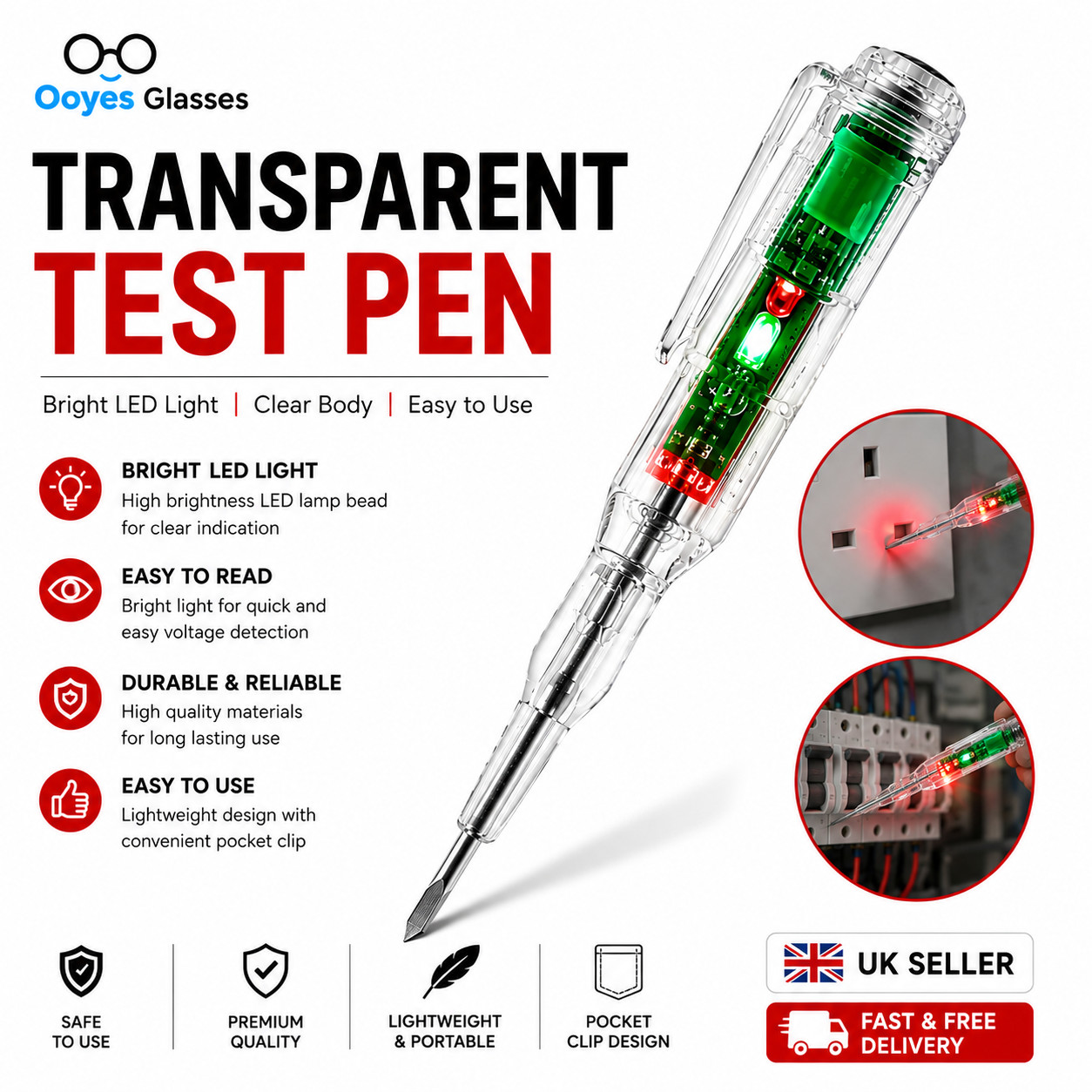 AC24-250V Screwdriver Test Pen Power Circuit Tester Voltage Test Pen + Buzzer$50.00View on eBay
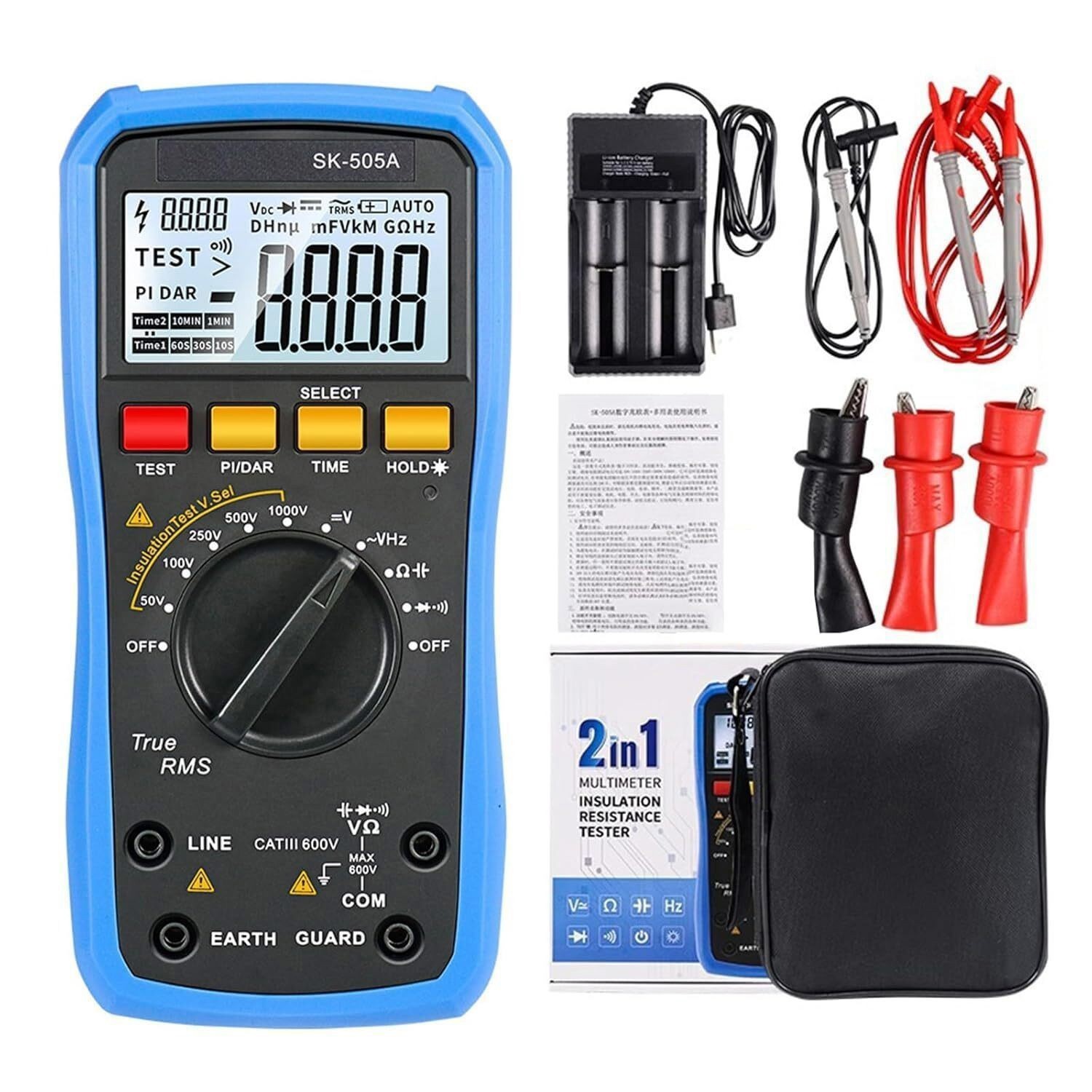 Digital Megohmmeter Insulation Tester 2500V + Multimeter AC DC Voltage Capacitan$56.00View on eBay
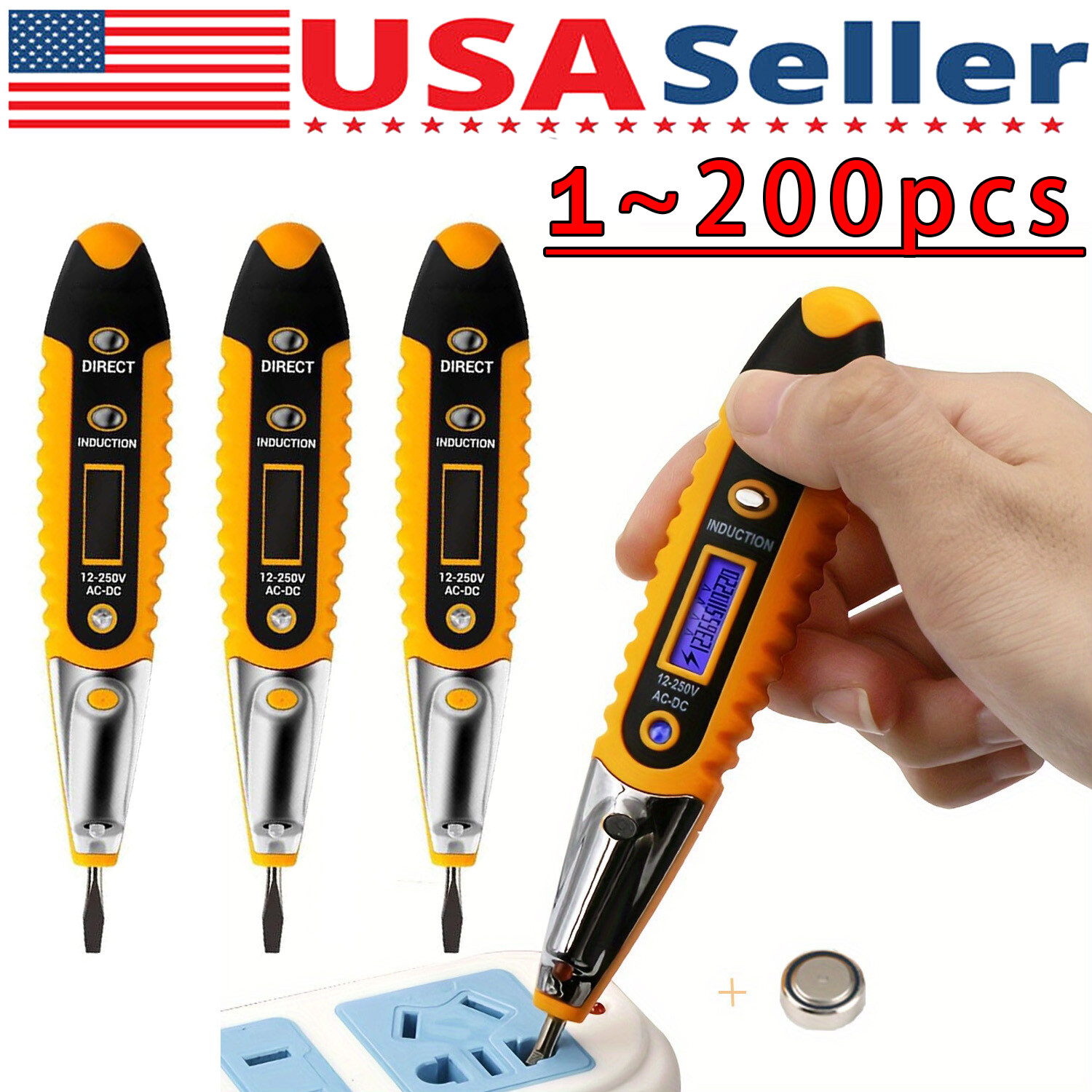 Voltage Electric Tester Volt Detector Test Pen AC DC Non-Contact Sensor 12-1000V$170.29Last checked Nov 27, 2026View on eBay
Highlights
- Non-contact pens detect AC voltage via capacitive coupling; range typically 12–1000 V AC with dual sensitivity modes for distinguishing live wires in walls versus at outlets.
- CAT safety rating (CAT II, CAT III, CAT IV) and voltage rating determine transient overvoltage protection; CAT III 1000 V is the minimum for distribution panel and fixed-installation work.
- Contact testers with 6–24 V DC ranges suit automotive use; AC-only non-contact pens will not detect 12 V DC circuits in cars or low-voltage controls.
- Dual-range pens (e.g., 12–1000 V and 90–1000 V) offer high sensitivity for tracing wires in walls and low sensitivity for confirming live versus ghost voltage at receptacles.
Best use cases
- Best fit: a CAT III 1000 V non-contact pen with dual sensitivity for homeowners checking outlets, switches, and tracing breaks in walls; skip if you need DC or continuity.
- Best fit: a contact voltage tester with 6–24 V DC and 120–480 V AC ranges for automotive and HVAC technicians; skip non-contact AC-only pens for DC circuits.
- Best fit: an 8-in-1 pen with NCV, continuity, and DC voltage for light commercial diagnostics in one tool; skip if you require CAT IV rating for utility work.
Buying tips
- Match the CAT rating to the job: CAT II for portable appliances, CAT III for distribution panels and fixed wiring, CAT IV for service entrance and outdoor conductors.
- Choose a non-contact pen with a stated detection range of at least 12–1000 V AC and a low-sensitivity mode to avoid false positives from ghost voltage.
- For automotive work, select a tester rated for 6–24 V DC; AC-only non-contact pens will not indicate presence of 12 V battery voltage.
- Verify the pen includes an audible alert plus visual LED and a self-test function; a self-test confirms the circuit and battery are functional before each use.
Specs
| Detection Type | Non-contact AC vs contact AC/DC |
|---|---|
| Voltage Range | 12–1000 V AC / 6–24 V DC |
| Safety Rating | CAT II 300 V to CAT IV 600 V |
| Alert Type | Audible + LED / dual sensitivity |
Related searches
What to check before buying
- Confirm the pen's CAT rating and voltage rating meet or exceed the highest voltage you will test; CAT III 1000 V covers most residential panels.
- Check the detection range covers your lowest expected voltage; 12 V AC minimum is needed for low-voltage lighting, while 90 V minimum suits mains-only checks.
- Ensure the pen has a built-in flashlight or bright LED for dark panel and crawlspace work, and a pocket clip for one-handed access.
- Verify battery type and availability (commonly 2x AAA or LR44) and that the pen has an auto-power-off to preserve battery life.
FAQ
Data sources: eBay / Amazon listings and product attribute feeds. Updated Nov 28, 2026.
Some links on this page are affiliate links. If you buy after clicking one, we may earn a commission at no extra cost to you. This does not change which products appear here or their order. Affiliate disclosure.