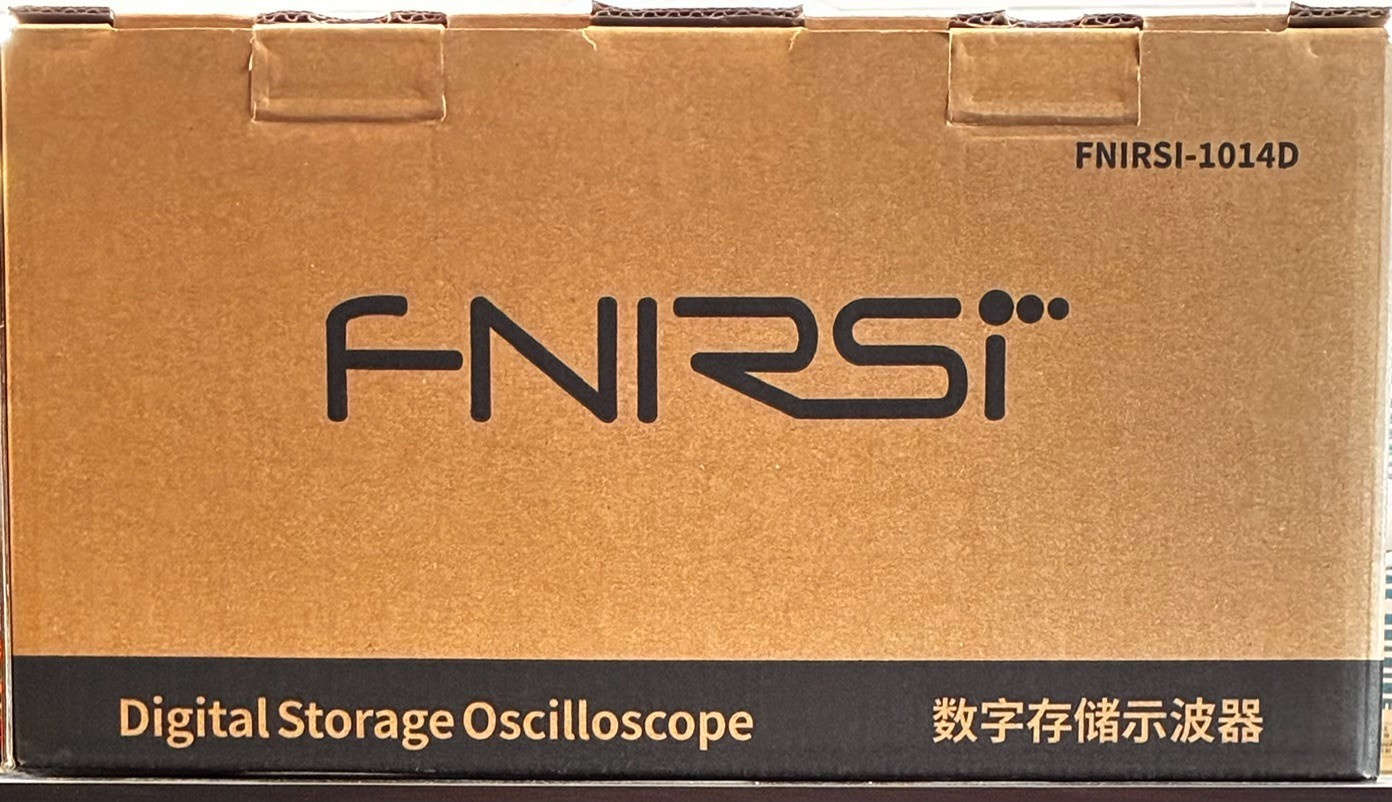

Photos from current listings. Actual item, color, and included accessories may vary.
FNIRSI 1014D Buying Guide
The FNIRSI 1014D is a 2-channel, 100 MHz bandwidth digital storage oscilloscope with an integrated 1 GS/s sampler and a built-in signal generator, aimed at hobbyists and field technicians who need basic waveform capture on a budget. The primary trade-off is bandwidth and sample rate versus a higher-resolution front end and deeper memory found in bench scopes costing several times more. The decision rule: buy it for sub-50 MHz signal work and portable convenience, skip it for RF, high-speed digital, or precise low-level analog measurements where 8-bit vertical resolution and 1 GS/s single-shot sampling are limiting.
Median $140.00
Key takeaways
- 100 MHz analog bandwidth with 2 channels and 1 GS/s real-time sample rate delivers usable accuracy only for signals well below the 100 MHz front-end limit
- 8-bit vertical ADC resolution across 1 mV/div to 10 V/div ranges means small signals riding on large offsets lose detail unless you use AC coupling or external attenuation
- Integrated 2-in-1 design includes a built-in arbitrary waveform/signal generator output, eliminating a separate function generator for basic stimulus testing
At a glance
- Category
- Oscilloscopes, Signal & Spectrum Analyzers
- Status
- Listings available
- Last updated
- Nov 28, 2026
Current offers
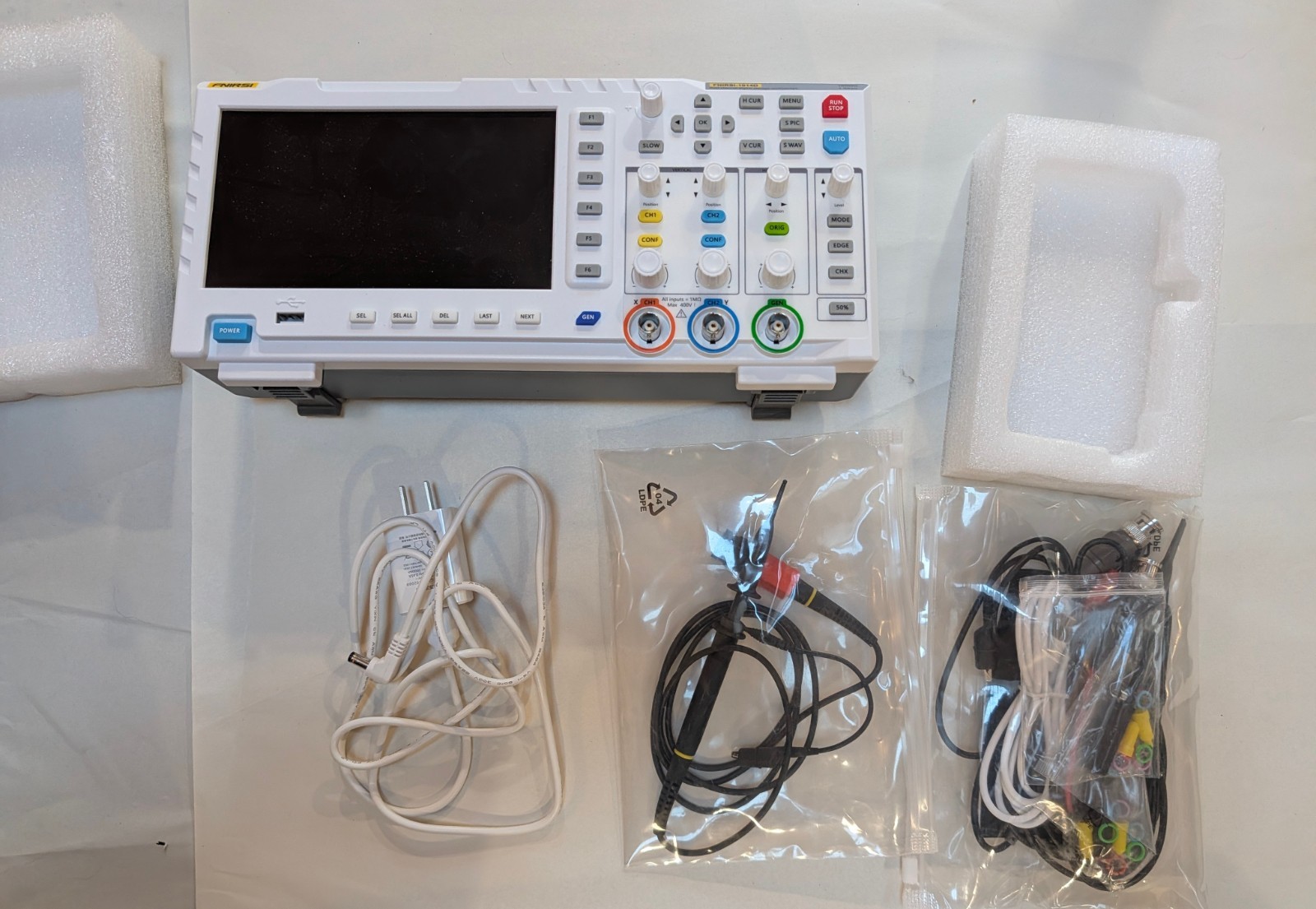
Highlights
- 100 MHz analog bandwidth with 2 channels and 1 GS/s real-time sample rate delivers usable accuracy only for signals well below the 100 MHz front-end limit
- 8-bit vertical ADC resolution across 1 mV/div to 10 V/div ranges means small signals riding on large offsets lose detail unless you use AC coupling or external attenuation
- Integrated 2-in-1 design includes a built-in arbitrary waveform/signal generator output, eliminating a separate function generator for basic stimulus testing
- Deep memory is modest relative to bench scopes, so long single-shot captures and high-frequency zooming are best limited to repetitive or low-sample-density waveforms
Best use cases
- Best fit: audio, power-supply ripple, sensor, and Arduino/microcontroller digital debugging up to roughly 25–50 MHz—capture integrity is reliable and the built-in generator speeds loop testing.
- Best fit: field or classroom use where portability and USB/battery operation matter more than absolute vertical accuracy or memory depth.
- Wrong fit: RF, spectrum, or EMI work—this is a time-domain oscilloscope, not a spectrum analyzer; buy a dedicated spectrum analyzer or SDR for frequency-domain measurements.
- Skip if you routinely measure signals above 50 MHz, need >8-bit vertical resolution, or require deep memory for long serial protocol captures—step up to a 200 MHz, 12-bit bench scope.
Buying tips
- Budget probes on the high-impedance side: stock 10:1 probes typically rated 100 MHz work, but for signals above 50 MHz buy 100 MHz+ switchable probes to avoid probe bandwidth limiting the 100 MHz front end.
- Match sample rate to signal: 1 GS/s is only ~10x oversampling at 100 MHz, so use it at or below 50 MHz for reliable single-shot capture; use equivalent-time sampling only on repetitive waveforms.
- Confirm voltage input: standard 1 MΩ input with typical 400 V peak CAT I/II rating suits low-voltage bench work—do not connect directly to mains or high-energy circuits without a differential probe.
- Treat the built-in generator as a convenience, not a lab source: verify its amplitude and offset range for your stimulus needs, and add an external function generator if you need low distortion or precise frequency accuracy.
Specs
| Bandwidth | 100 MHz, 2 channels |
|---|---|
| Sample Rate | 1 GS/s real-time |
| Vertical Resolution | 8-bit ADC |
| Built-in Generator | Arbitrary waveform (2-in-1) |
Alternatives to compare
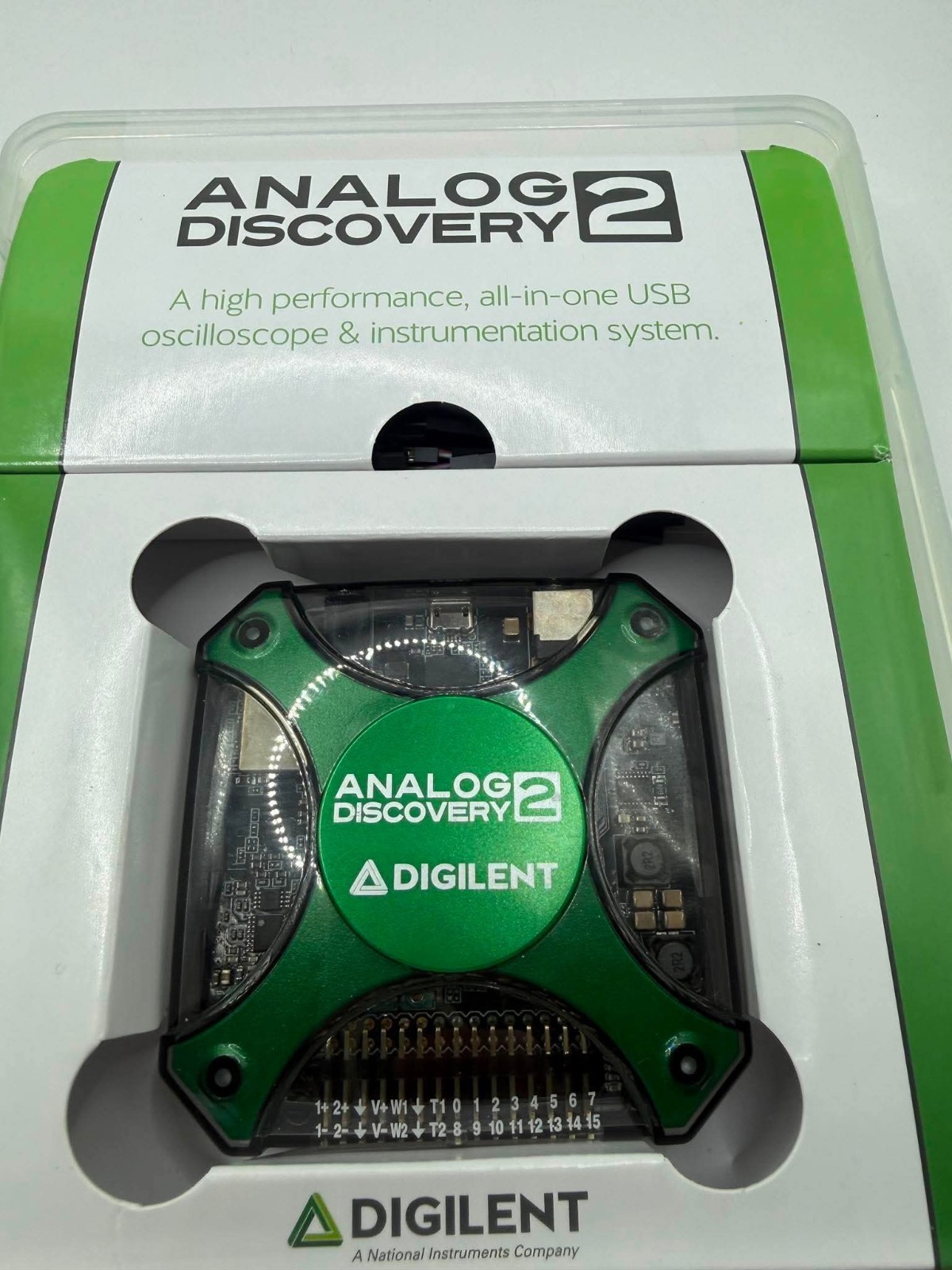
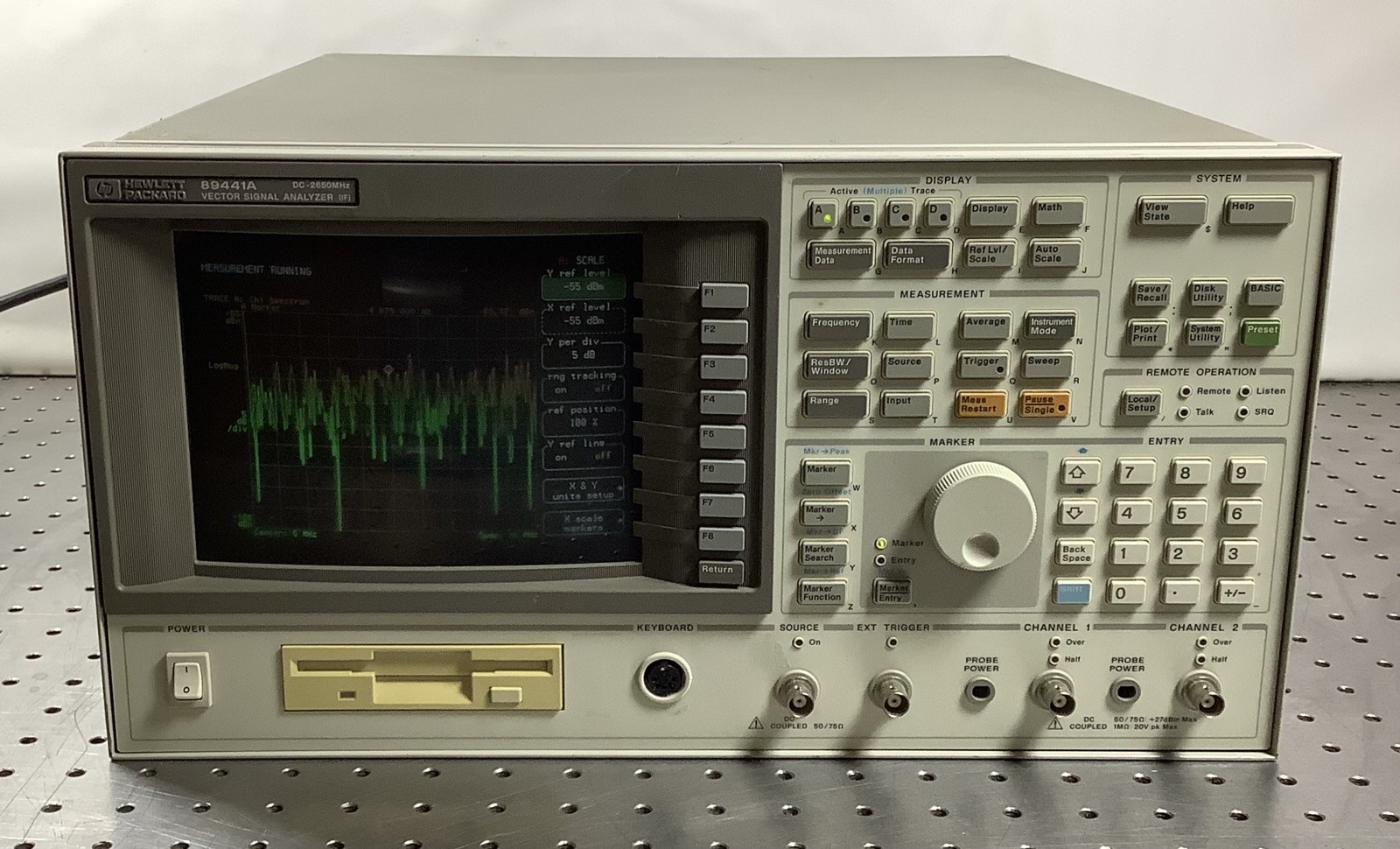
Related searches
What to check before buying
- Measure the signals you actually probe: if fundamental or edge rates exceed ~50 MHz, this scope's 100 MHz front end and 1 GS/s sampling will under-resolve—size up before buying.
- Check bench or field environment: confirm a stable USB power source or battery operation and adequate screen visibility for your lighting, since this is a portable-class instrument.
- Verify probe compatibility: ensure you have 10:1 probes with BNC connectors rated at least to the signal bandwidth you intend to measure.
- Confirm input safety category against your circuit: household mains or industrial high-energy nodes require differential/isolated probes, not the stock single-ended inputs.
FAQ
Data sources: eBay / Amazon listings and product attribute feeds. Updated Nov 28, 2026.
Some links on this page are affiliate links. If you buy after clicking one, we may earn a commission at no extra cost to you. This does not change which products appear here or their order. Affiliate disclosure.