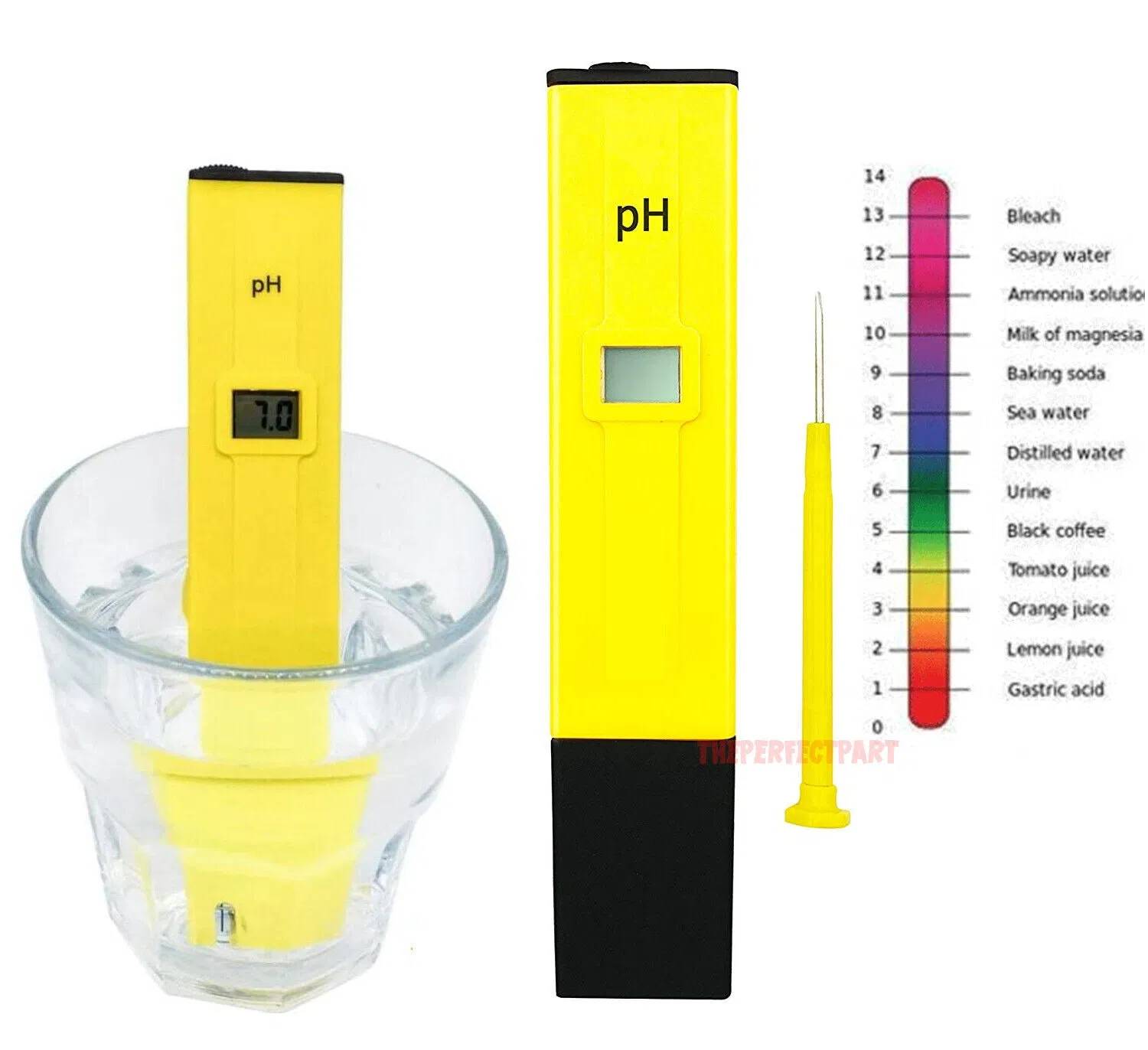

Photos from current listings. Actual item, color, and included accessories may vary.
Aquarium Ph Monitor Buying Guide
An aquarium pH monitor is a continuous or spot-check instrument that tracks water acidity to protect fish, corals, and plants from dangerous swings. The core trade-off is between cheap single-junction pen testers that drift within weeks and lab-grade monitors with replaceable double-junction probes and calibration memory. Buy a monitor with a detachable BNC probe and two-point calibration if pH stability matters; skip sealed pen meters for reef or discus systems.
Key takeaways
- Probe junction type decides lifespan: single-junction gel probes last 3-6 months in hard water; double-junction KCl-refillable probes last 12-24 months.
- Resolution and accuracy tiers: pen testers typically ±0.1 pH; continuous monitors with ATC and calibration reach ±0.01 pH, which reef keepers need.
- Detachable BNC probes let you replace only the sensor; sealed pen meters become e-waste when the bulb fouls or drifts.
At a glance
- Category
- Spectroscopy, Analysis & Detection Instruments
- Last updated
- Nov 28, 2026
Current offers
Highlights
- Probe junction type decides lifespan: single-junction gel probes last 3-6 months in hard water; double-junction KCl-refillable probes last 12-24 months.
- Resolution and accuracy tiers: pen testers typically ±0.1 pH; continuous monitors with ATC and calibration reach ±0.01 pH, which reef keepers need.
- Detachable BNC probes let you replace only the sensor; sealed pen meters become e-waste when the bulb fouls or drifts.
- Continuous monitors with high/low alarm relays prevent pH crashes overnight; standalone pens only give a snapshot reading.
Best use cases
- Reef tank with SPS or LPS corals: pick a continuous monitor with ±0.01 accuracy, detachable double-junction probe, and alarm output; skip pen testers.
- Planted freshwater or community tank: a calibrated pen tester with ATC and two-point calibration is sufficient; skip lab-grade controllers.
- Breeding discus or shrimp: choose a monitor with programmable high/low alarms and hold calibration data through power loss; skip meters without memory.
- Quick spot checks across multiple tanks: a pocket pen with ATC and replaceable electrode is the right fit; skip fixed inline controllers.
Buying tips
- Match probe junction to water hardness: double-junction for hard tap water or marine tanks; single-junction gel only for soft freshwater.
- Require at least two-point calibration (pH 4.00 and 7.00 buffers) and automatic temperature compensation (ATC) from 0-50°C.
- For continuous monitoring, confirm the controller accepts a standard BNC probe so replacements cost less than a new unit.
- Check probe cable length and thread: inline monitors need 1/2-inch NPT or 3/4-inch fittings matching your sump or reactor port.
Specs
| Probe Junction | Double-junction vs single-junction |
|---|---|
| Accuracy Tier | ±0.01 pH monitor / ±0.1 pH pen |
| Calibration Points | 2-point (4.00 & 7.00) minimum |
| Probe Connection | Detachable BNC vs sealed electrode |
Related searches
What to check before buying
- Measure sump or tank wall thickness and confirm the probe holder or suction cup fits your rim or baffle.
- Verify your water temperature range falls inside the meter's ATC spec (typically 0-50°C) to avoid reading errors.
- Confirm the power source: continuous monitors need a nearby outlet or USB adapter; pens use button cells or AAA batteries.
- Check that calibration buffer solutions (pH 4.00, 7.00, 10.00) are available locally before buying any meter.
FAQ
Data sources: eBay / Amazon listings and product attribute feeds. Updated Nov 28, 2026.
Some links on this page are affiliate links. If you buy after clicking one, we may earn a commission at no extra cost to you. This does not change which products appear here or their order. Affiliate disclosure.