
Photos from current listings. Actual item, color, and included accessories may vary.
Ph Meter Fermentation Buying Guide
A fermentation pH meter is a food-safe, often spear-probe instrument that measures acidity in mash, brine, yogurt, and cultured solids where glass bulbs and lab-only electrodes fail. The core trade-off is probe architecture: a sealed gel lab electrode is accurate but fragile and slow in semi-solids, while a replaceable, open-junction spear probe survives thick matrices and can be reconditioned. Buy a meter with a detachable or replaceable food probe and ATC if you ferment regularly; skip permanently sealed pen meters for anything thicker than a liquid.
Median $294.04
Key takeaways
- Spear or puncture probes with open or annular junctions handle viscous mash and brined solids; standard glass-bulb pen meters clog and read slowly in these matrices.
- Replaceable electrode modules restore accuracy after protein fouling; sealed non-replaceable pens become drift-prone and disposable once the junction is coated.
- Automatic temperature compensation (ATC) matters because fermentation samples range from chilled brine to warm mash, shifting electrode slope and reading by 0.1-0.3 pH.
At a glance
- Category
- Spectroscopy, Analysis & Detection Instruments
- Last updated
- Nov 28, 2026
Current offers
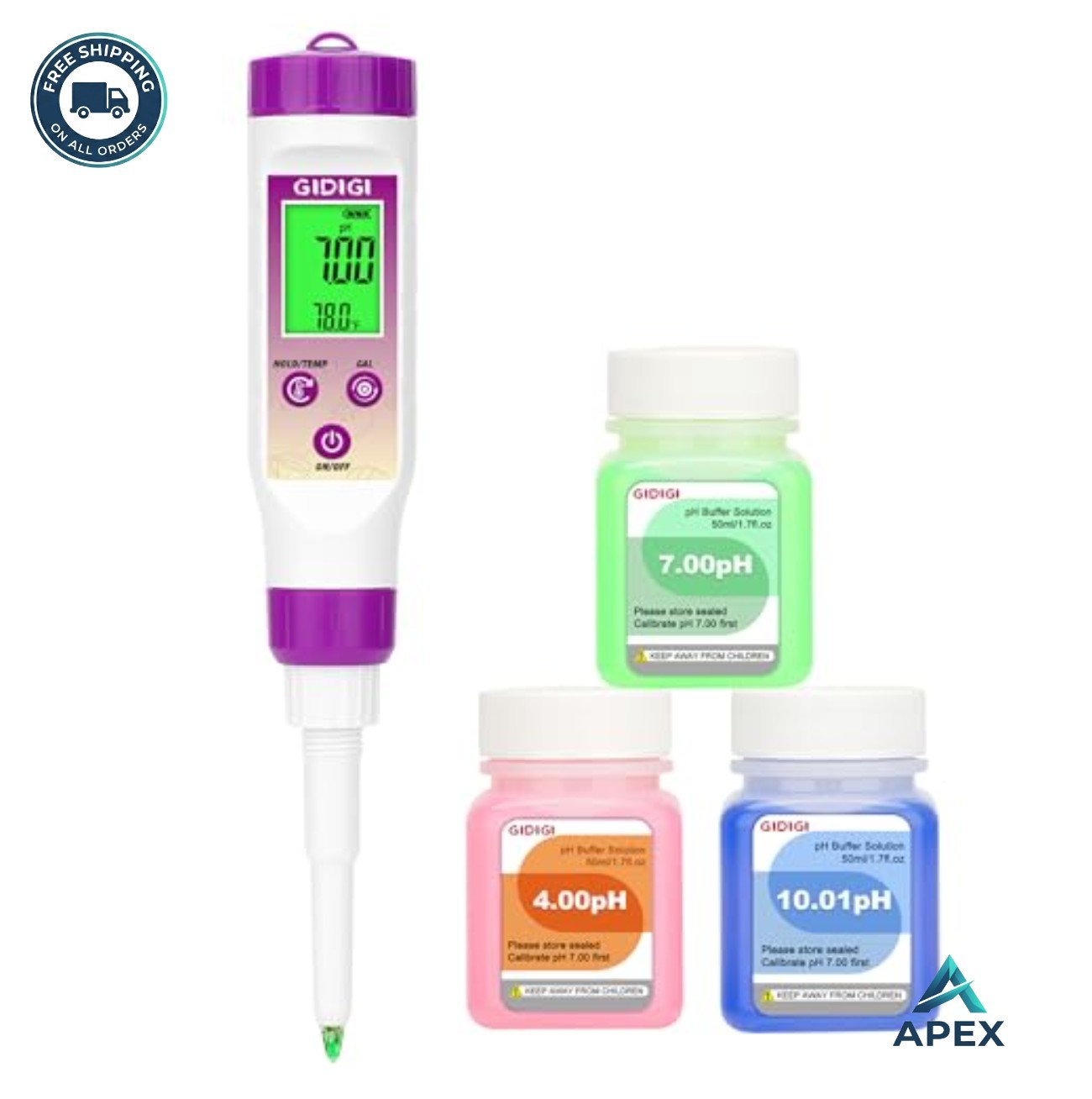 pH Meter for Food Fermentation Spear Probe Replaceable ATC Calibration Kit$77.67View on eBay
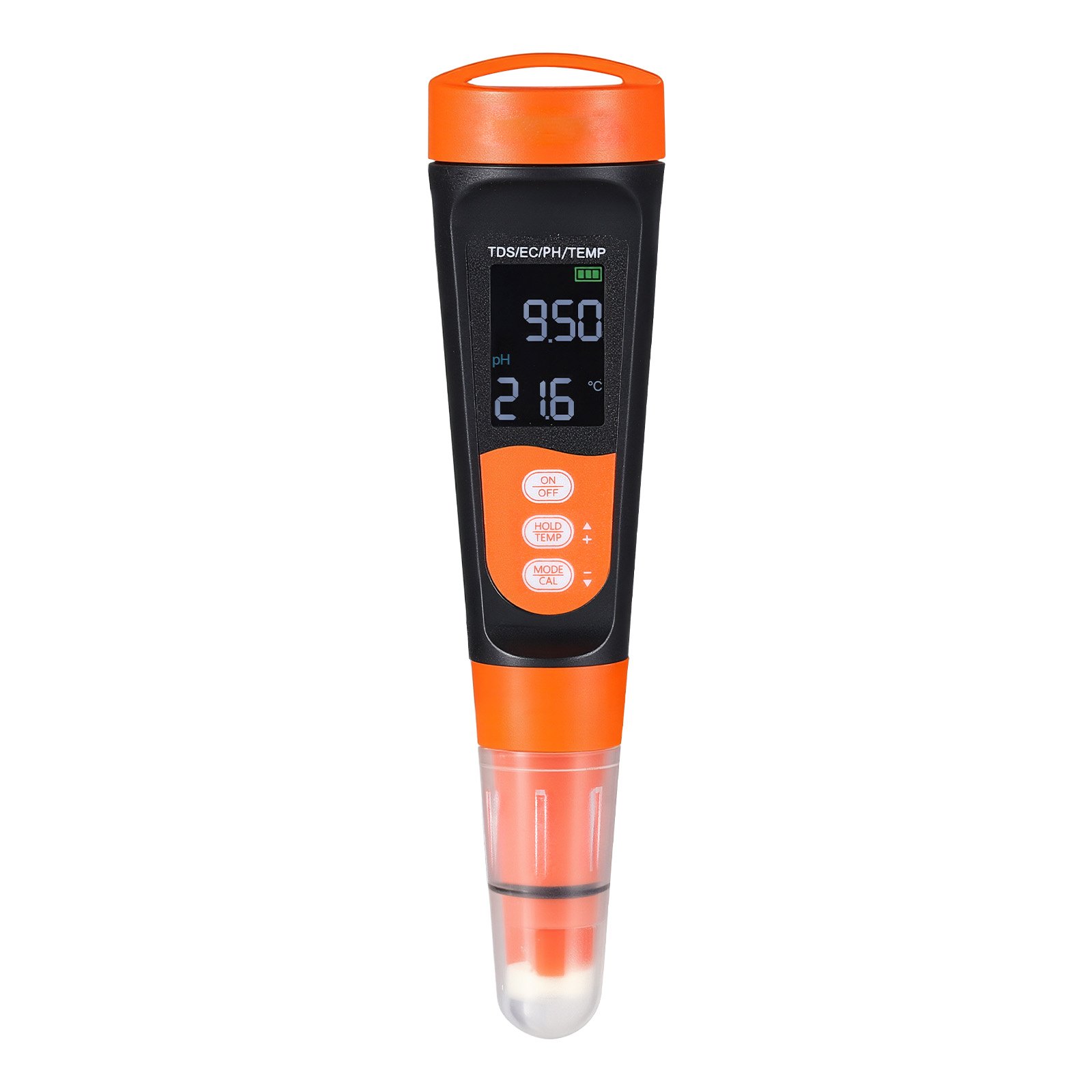 PH Meter, Accurate PH EC Conductivity TDS Ppm Multi-Parameter Measurement, IP68 Waterproof Probe, Pocket Tester Kit With Calibration Powder Packets, VA Display, For Water Quality Testing$147.99View on Mallflare
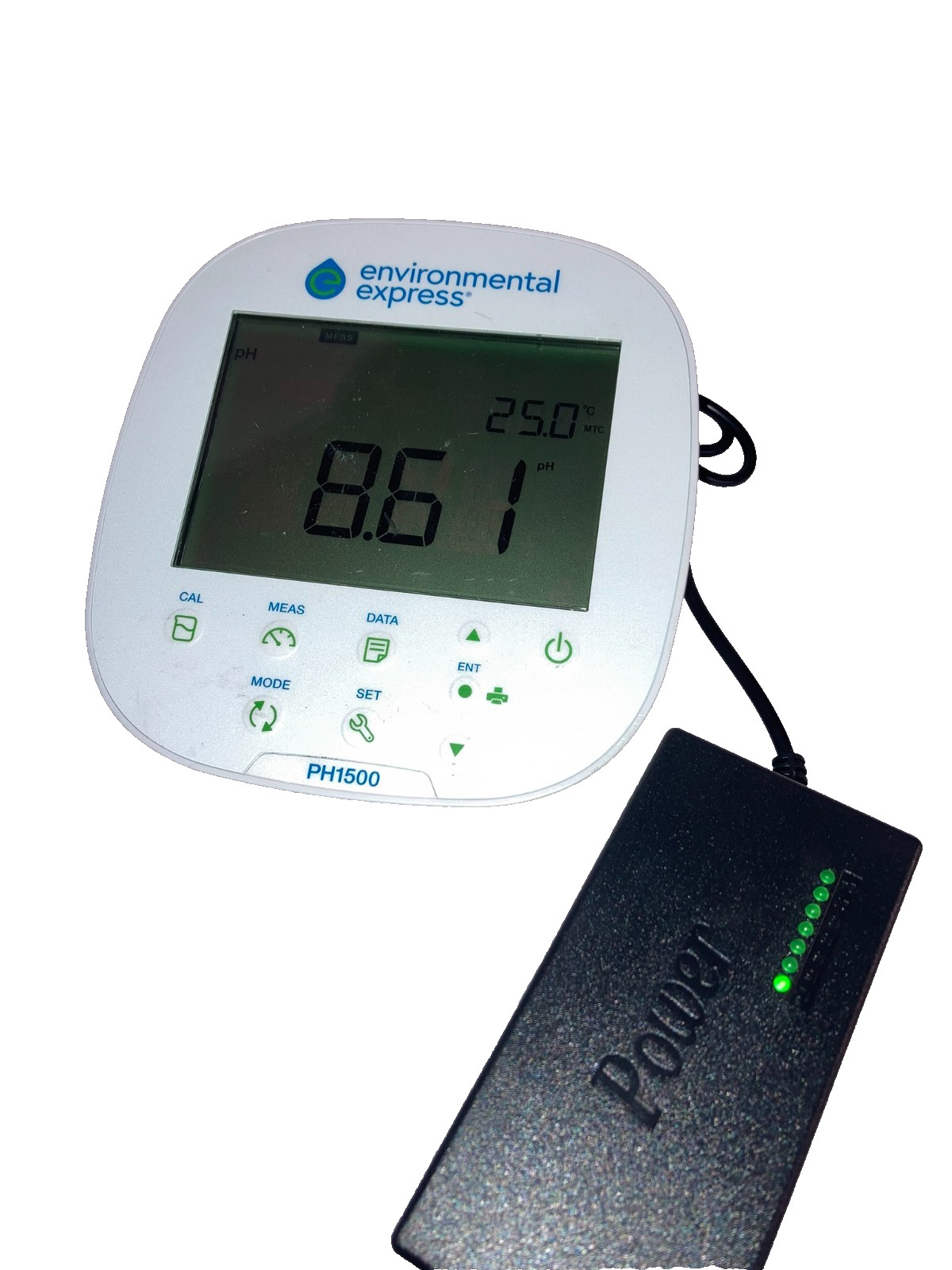 NEW OPEN BOX Environmental Express 1500 pH Benchtop Meter with Power Supply$294.04Last checked Nov 15, 2026View on eBay
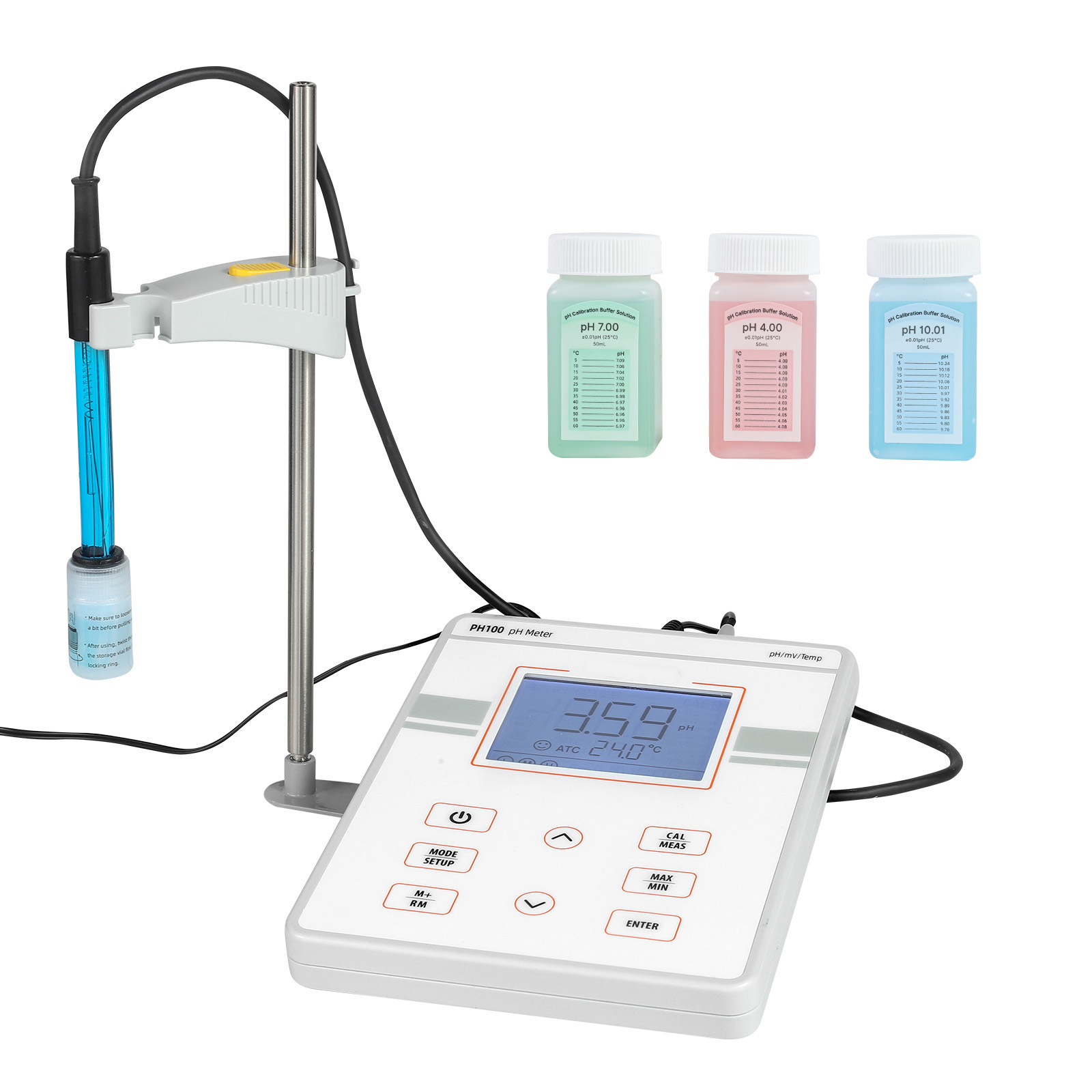 Benchtop PH Meter, 0-14 PH Range, Laboratory Tester Kit With Large Backlit Display, Calibration Solutions, Power Adapter, Stores Up To 50 Readings, For Temperature And Water Quality Testing$372.99View on Mallflare
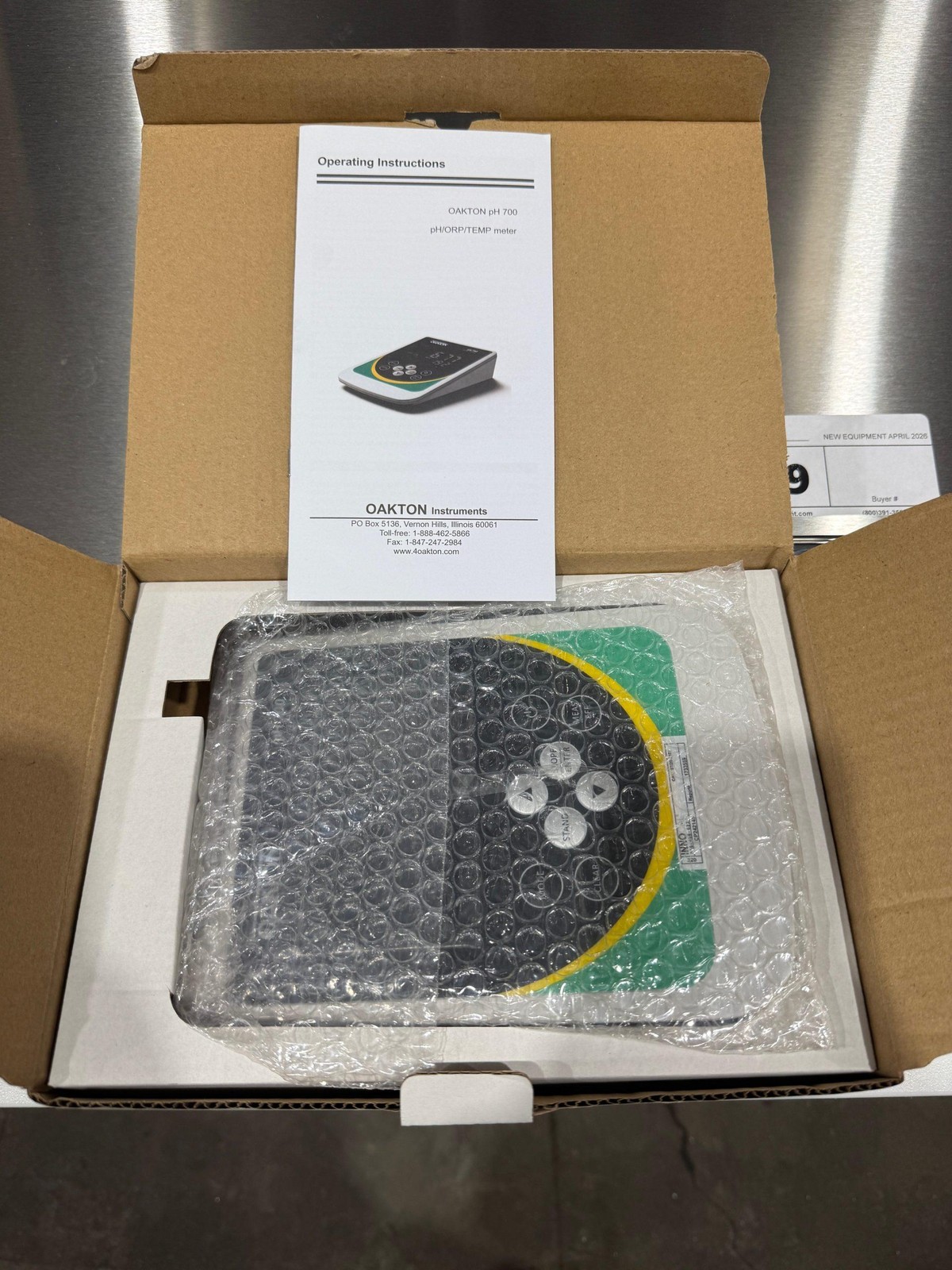 ENVIRONMENTAL EXPRESS OAKTON PH 700 BENCHTOP METER WITH ALL-IN-ONE PH ELECTRODE$695.00Last checked Nov 17, 2026View on eBay
Highlights
- Spear or puncture probes with open or annular junctions handle viscous mash and brined solids; standard glass-bulb pen meters clog and read slowly in these matrices.
- Replaceable electrode modules restore accuracy after protein fouling; sealed non-replaceable pens become drift-prone and disposable once the junction is coated.
- Automatic temperature compensation (ATC) matters because fermentation samples range from chilled brine to warm mash, shifting electrode slope and reading by 0.1-0.3 pH.
- Two-point or three-point calibration at pH 4.01 and 7.00 is the baseline for fermentation accuracy; meters with only single-point offset trim cannot correct slope drift.
Best use cases
- Pick a spear-probe ATC meter with replaceable electrode for vegetable brines, kimchi, mash, and cultured dairy; skip glass-bulb lab pens that foul and crack in semi-solids.
- Pick a flat-surface or spear food probe for yogurt, sourdough, and meat cures where insertion into thick media is required; skip drop-style aquarium or hydroponic pens with exposed bulbs.
- Pick a rugged IP-rated body with detachable probe for outdoor or cellar fermentation; skip unsealed budget pens where moisture ingress kills the circuit before the electrode wears out.
- Pick a standard BNC or proprietary quick-connect electrode platform if you ferment weekly and want to replace probes instead of meters; skip integrated sealed pens if long-term cost per reading matters.
Buying tips
- Confirm the probe is rated for food and semi-solid contact, not just aqueous solutions; food-safe spear or flat probes resist fouling and clean without damaging the junction.
- Require at least two-point calibration with pH 4.01 and 7.00 buffers; single-point trim alone cannot correct electrode slope drift as the junction ages.
- Choose replaceable electrodes or a BNC-style connector when fermenting more than monthly; sealed pens lose accuracy permanently once the reference junction clogs.
- Check ATC range covers your process temperatures (roughly 0-60 C for chilled brine through warm mash); uncompensated meters drift with sample temperature.
Specs
| Probe Type | Spear / flat food vs glass bulb |
|---|---|
| Electrode | Replaceable / BNC vs sealed |
| Calibration | 2-3 point (pH 4.01 / 7.00) |
| Temp Compensation | ATC 0-60 C typical |
Related searches
What to check before buying
- Confirm the probe geometry fits your vessel: spear probes need at least 3-4 cm of sample depth, flat probes need a level surface, and narrow jars favor slim electrodes.
- Verify the meter is rated for food contact and can be cleaned between batches without wetting the connector or battery compartment.
- Match electrode type to matrix: open-junction or annular reference for brines and mash, glass bulb only for clear liquids like kombucha or starter.
- Have fresh pH 4.01 and 7.00 calibration buffers and storage solution on hand; dried or expired buffers are the leading cause of false fermentation readings.
FAQ
Data sources: eBay / Amazon listings and product attribute feeds. Updated Nov 28, 2026.
Some links on this page are affiliate links. If you buy after clicking one, we may earn a commission at no extra cost to you. This does not change which products appear here or their order. Affiliate disclosure.