
Photos from current listings. Actual item, color, and included accessories may vary.
Ph Meter Food Testing Buying Guide
Food pH meters are ruggedized potentiometric instruments with spear or flat-surface electrodes designed to pierce solids, semi-solids, and slurries without clogging. The primary trade-off is electrode junction design and temperature compensation: glass-bulb lab electrodes deliver ±0.01 accuracy but fracture in dense food, while ISFET or durable epoxy-body spear electrodes survive meat and dough at ±0.1 to ±0.2 pH. Buy a meter rated for food-solids contact with automatic temperature compensation (ATC) and a replaceable electrode; skip open-junction lab pens and non-replaceable sealed units for routine food work.
Median $294.04
Key takeaways
- Spear-tip electrodes pierce meats, cheeses, and dough; flat-surface electrodes are required for papers, skins, and moist surfaces where a bulb cannot wet out.
- Glass bulb electrodes achieve ±0.01 pH and 0.1°C resolution but crack against bones or frozen goods; epoxy-body and ISFET sensors trade to ±0.1 pH for impact resistance.
- Automatic temperature compensation (ATC) is mandatory for food because pH shifts roughly 0.003 pH per °C near neutrality; meters without ATC skew readings in hot or chilled samples.
At a glance
- Category
- Spectroscopy, Analysis & Detection Instruments
- Last updated
- Nov 28, 2026
Current offers
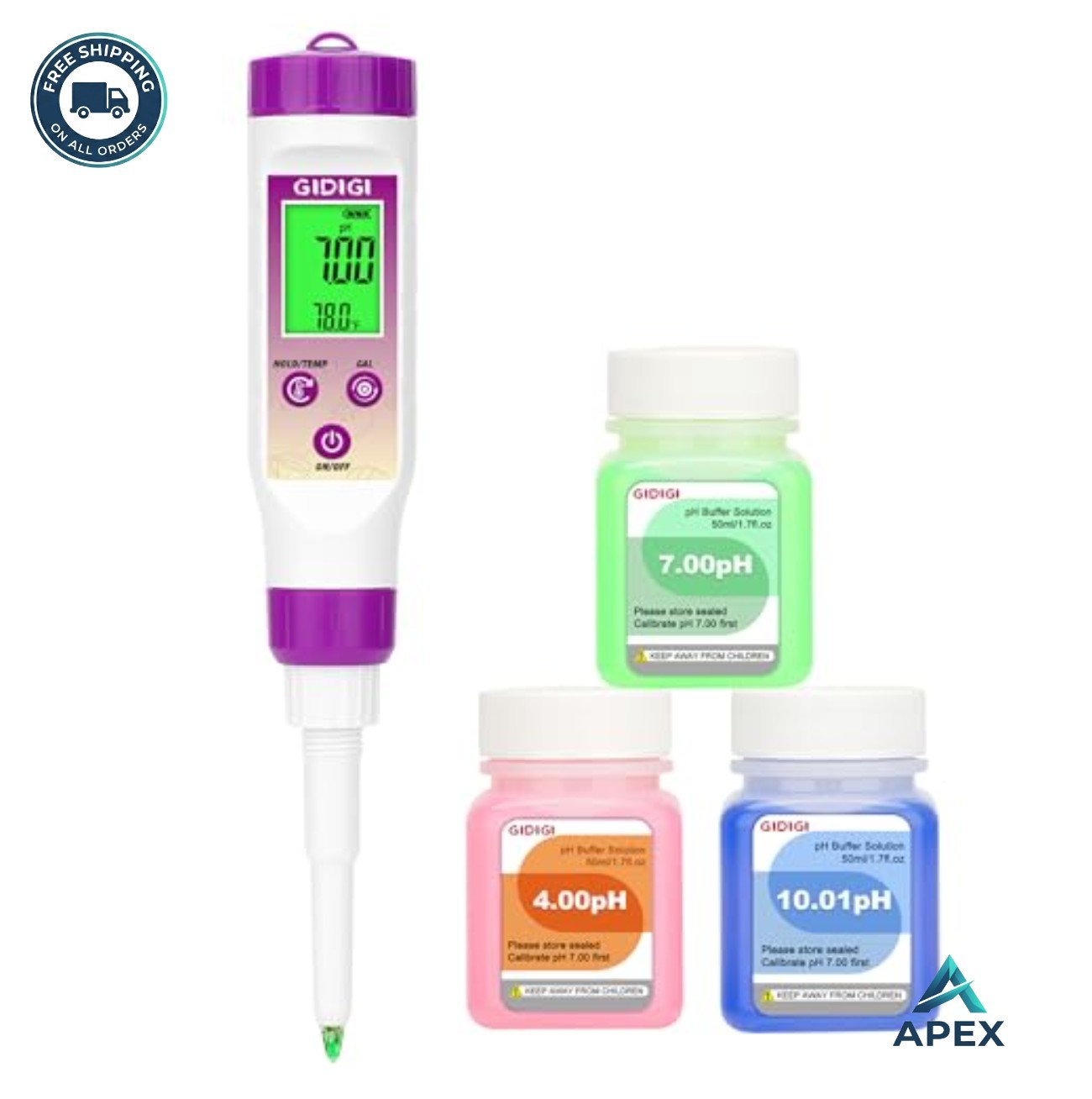 pH Meter for Food Fermentation Spear Probe Replaceable ATC Calibration Kit$77.67View on eBay
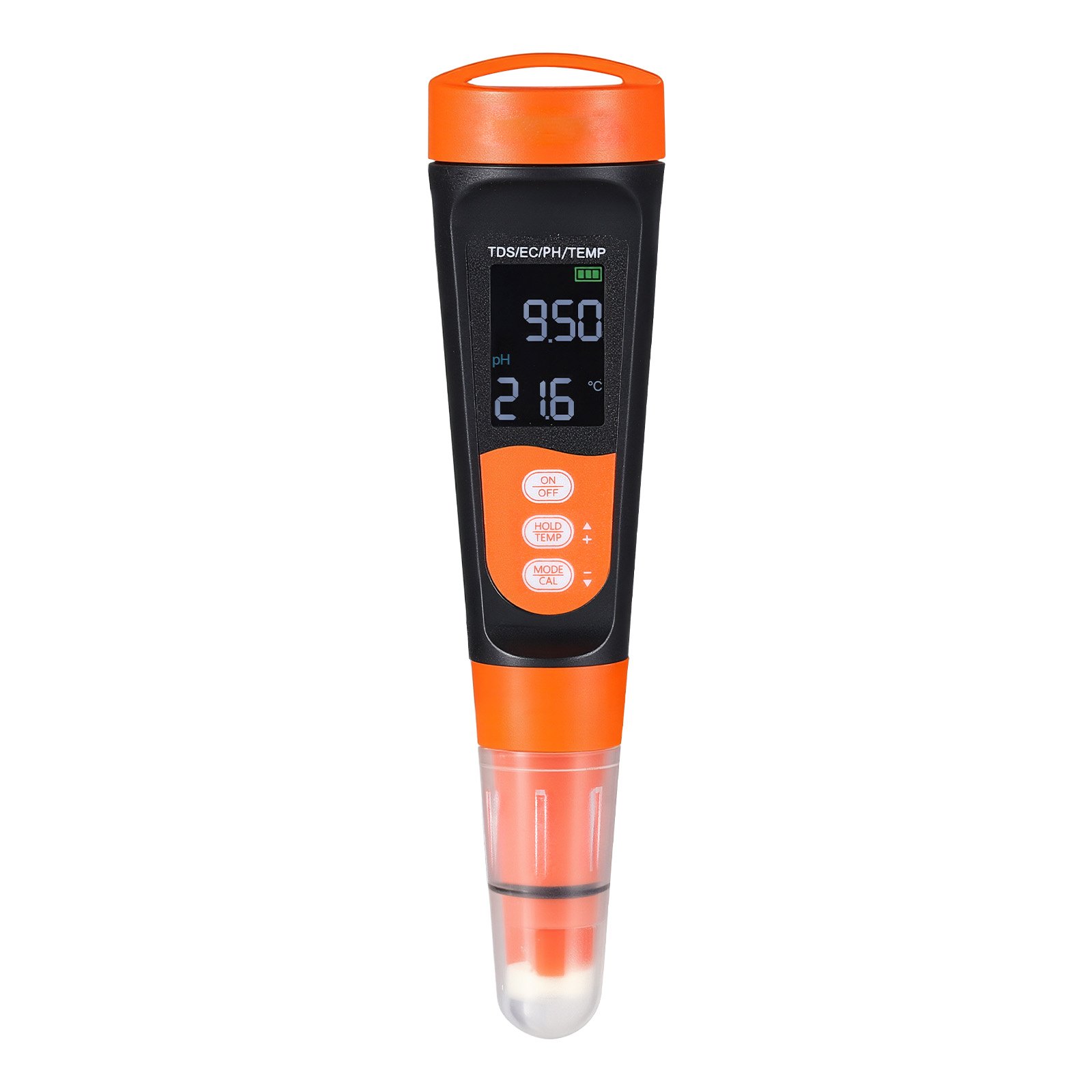 PH Meter, Accurate PH EC Conductivity TDS Ppm Multi-Parameter Measurement, IP68 Waterproof Probe, Pocket Tester Kit With Calibration Powder Packets, VA Display, For Water Quality Testing$147.99View on Mallflare
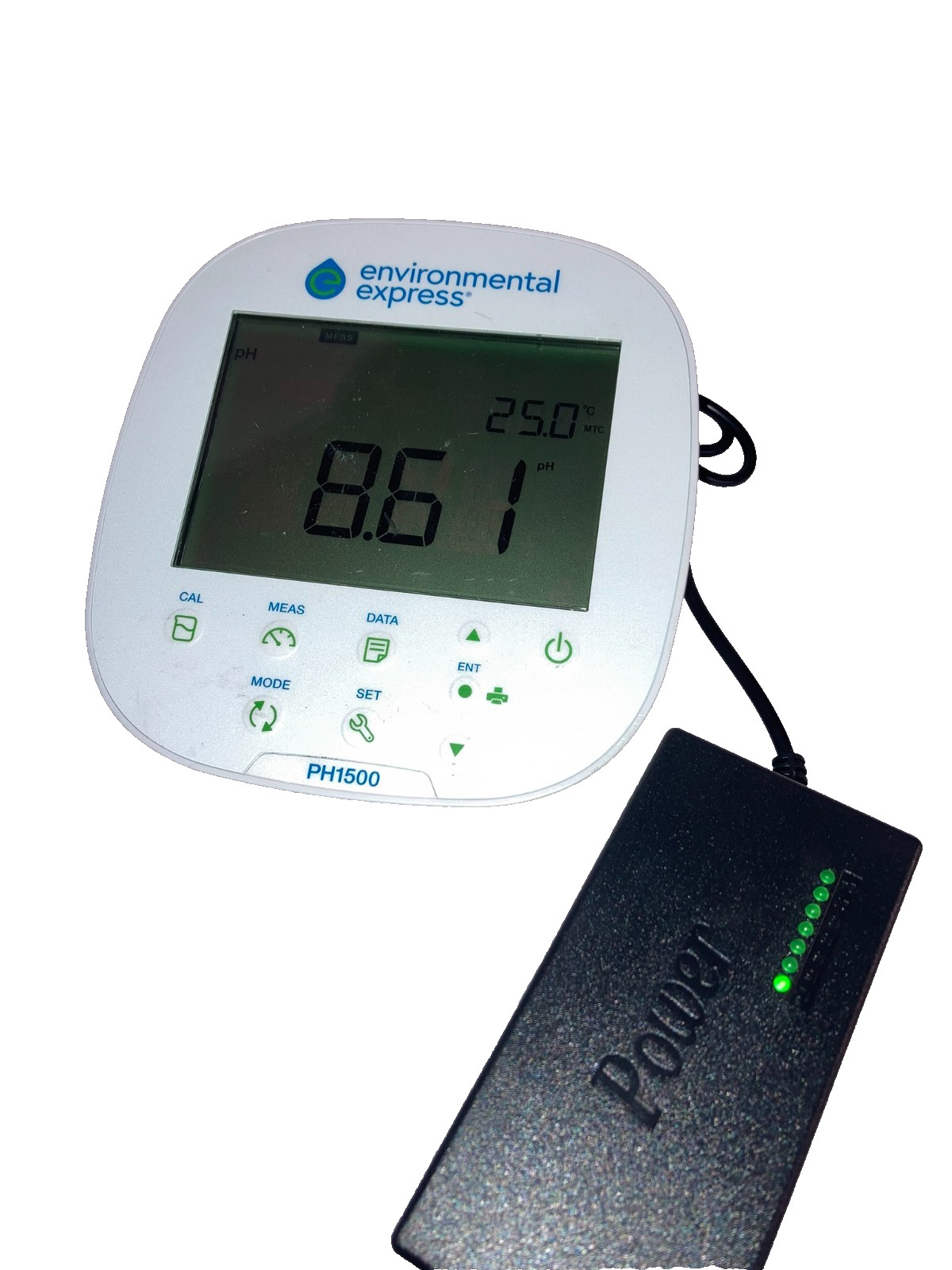 NEW OPEN BOX Environmental Express 1500 pH Benchtop Meter with Power Supply$294.04Last checked Nov 15, 2026View on eBay
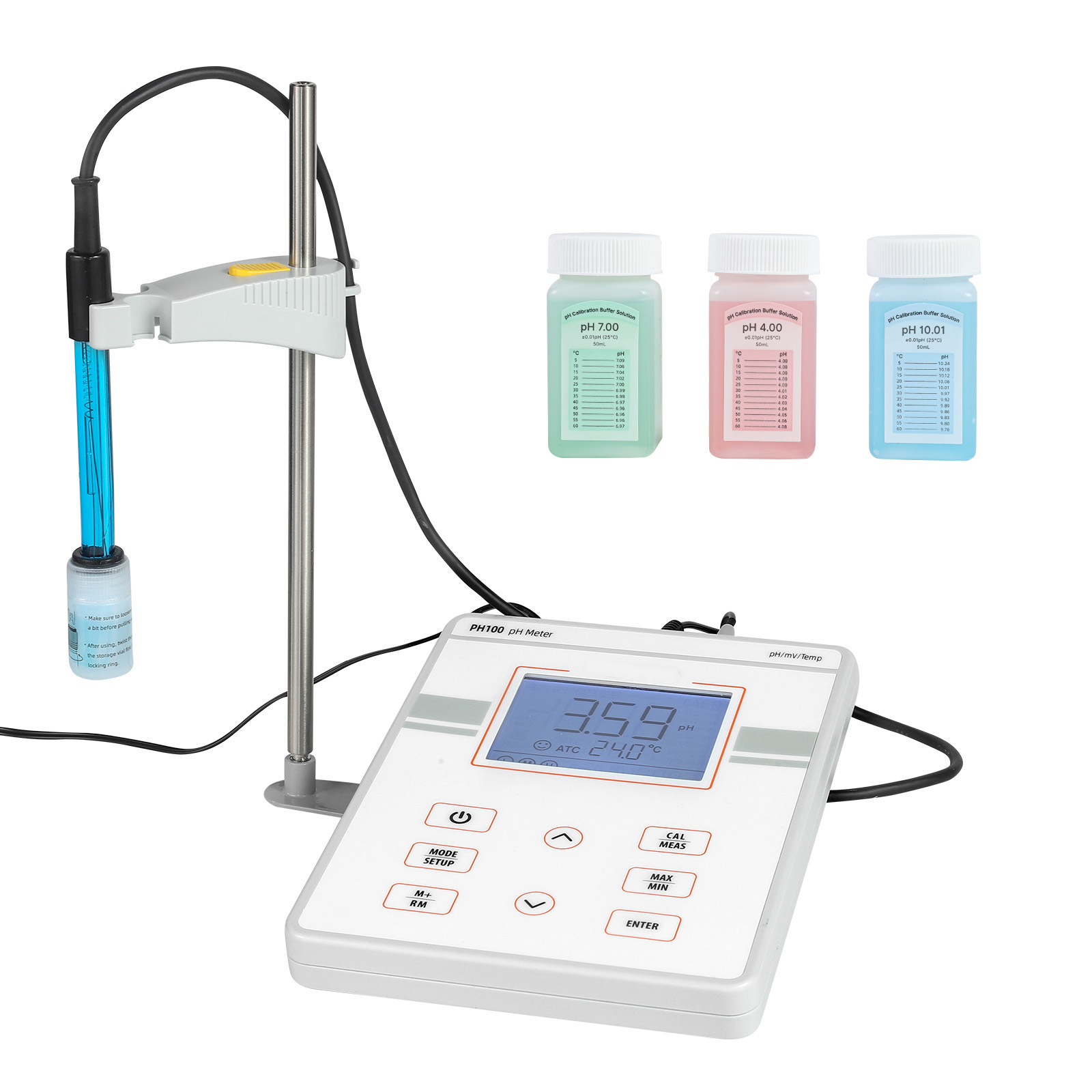 Benchtop PH Meter, 0-14 PH Range, Laboratory Tester Kit With Large Backlit Display, Calibration Solutions, Power Adapter, Stores Up To 50 Readings, For Temperature And Water Quality Testing$372.99View on Mallflare
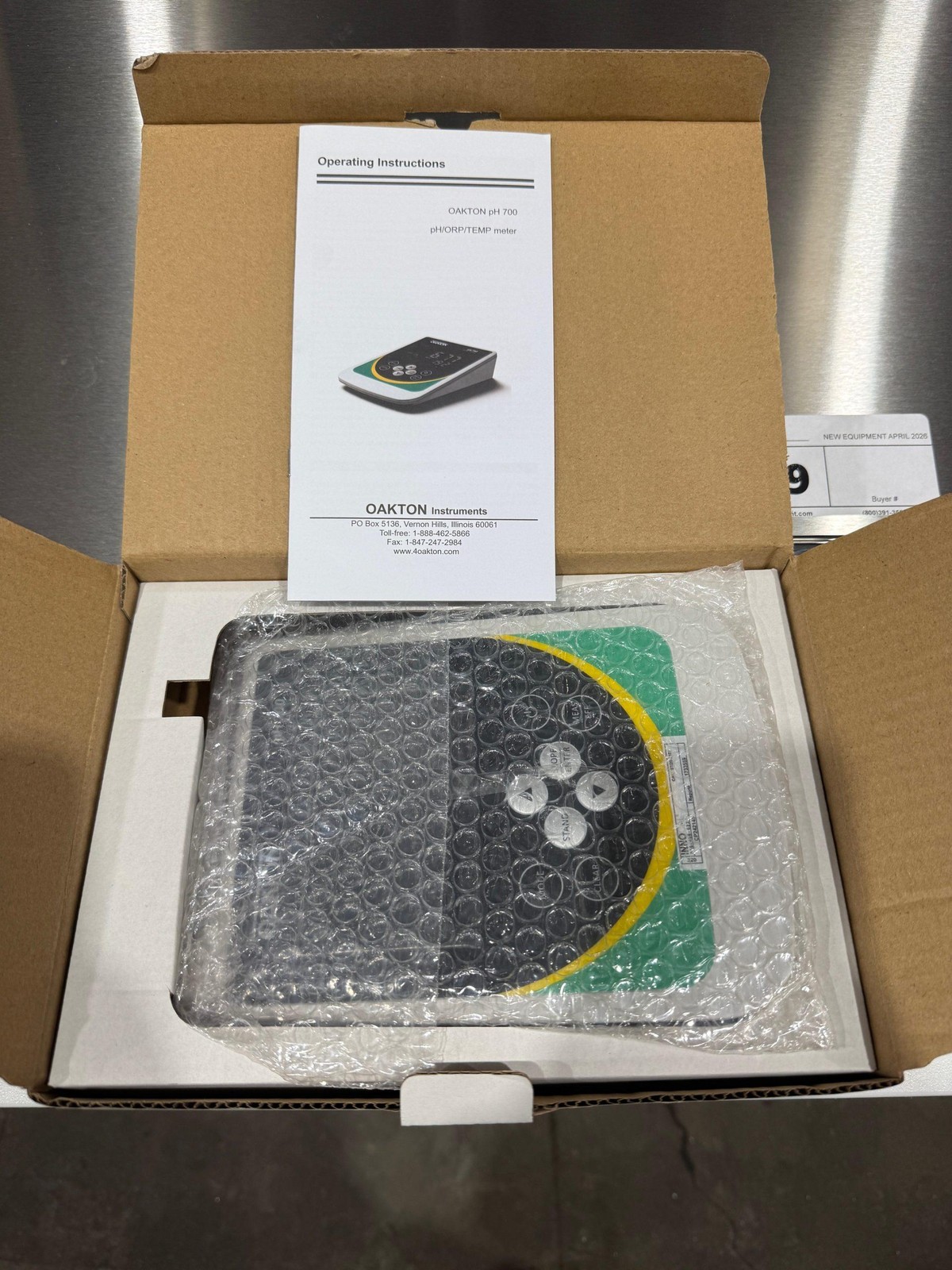 ENVIRONMENTAL EXPRESS OAKTON PH 700 BENCHTOP METER WITH ALL-IN-ONE PH ELECTRODE$695.00Last checked Nov 17, 2026View on eBay
Highlights
- Spear-tip electrodes pierce meats, cheeses, and dough; flat-surface electrodes are required for papers, skins, and moist surfaces where a bulb cannot wet out.
- Glass bulb electrodes achieve ±0.01 pH and 0.1°C resolution but crack against bones or frozen goods; epoxy-body and ISFET sensors trade to ±0.1 pH for impact resistance.
- Automatic temperature compensation (ATC) is mandatory for food because pH shifts roughly 0.003 pH per °C near neutrality; meters without ATC skew readings in hot or chilled samples.
- Replaceable electrodes and a 3-point calibration buffer set (pH 4.01, 7.00, 10.01) define service life; sealed non-replaceable pens become landfill after the junction clogs with fat or protein.
Best use cases
- Pick an epoxy-body spear-tip meter with ATC and a replaceable electrode for raw meat, poultry, and deli slicing — skip glass-bulb lab pens that shatter on bone and read slowly in cold tissue.
- Pick a flat-surface electrode meter for cheese rinds, dough, and paper/swab testing — skip spear designs that puncture packaging and cannot wet a flat sample.
- Pick an ISFET-based meter for high-temperature or viscous sauces where glass junctions clog with protein and fat — skip budget glass pens whose reference junction fouls after a few batches.
- Skip any non-replaceable sealed pen for regulated food safety work (HACCP, bottling, dairy); choose a meter with a detachable BNC electrode and documented buffer calibration instead.
Buying tips
- Match probe geometry to the food matrix: spear tip for solids over 15 mm thick, flat-surface for skins and slurries, and a standard glass bulb only for liquids and filtered extracts.
- Require ±0.1 pH or better accuracy with ATC spanning 0–80°C; ±0.01 pH is justified only for fermentation, brewing, and QA labs where temperature and calibration are controlled.
- Confirm the meter accepts a standard BNC electrode so a replacement costs a fraction of a new unit; sealed pens with proprietary connectors are disposable.
- Use fresh pH 4.01 and 7.00 buffer solutions at the sample temperature for 2-point calibration before each session, and store the electrode in KCl storage solution — never deionized water.
Specs
| Electrode Type | Spear / Flat-surface / Glass bulb |
|---|---|
| Accuracy | ±0.01 pH (lab) to ±0.1 pH (food) |
| Temperature Comp | ATC required; 0-80°C typical glass |
| Electrode Replaceable | BNC detachable vs sealed non-replaceable |
Related searches
What to check before buying
- Measure sample thickness and hardness: a spear electrode needs at least 15 mm of penetrable depth; hard cheese rind or frozen product requires a flat-surface or drill-and-slurry method.
- Verify meter ingress rating and cleaning method: IP65 or better for washdown, and an electrode that tolerates protein/fat cleaning solutions without junction fouling.
- Confirm battery and connector standard: AAA or rechargeable USB-C, standard BNC electrode port, and calibration buffers available in your region.
- Check the operating temperature range against hot samples (sauces, mash, cook-in bags); glass electrodes typically max at 80°C, while ISFET sensors tolerate higher temperatures.
FAQ
Data sources: eBay / Amazon listings and product attribute feeds. Updated Nov 28, 2026.
Some links on this page are affiliate links. If you buy after clicking one, we may earn a commission at no extra cost to you. This does not change which products appear here or their order. Affiliate disclosure.