
Photos from current listings. Actual item, color, and included accessories may vary.
Ph Meter Hydroponic Buying Guide
A hydroponic pH meter is a precision electrochemical tool that measures nutrient solution acidity to keep plant roots in the 5.5–6.5 absorption window. The core trade-off is between cheap analog pen testers with non-replaceable electrodes and modular digital meters with ATC and user-replaceable probes. Buy a meter with a replaceable electrode and two-point calibration; skip sealed, non-serviceable pens for anything beyond casual reservoir checks.
Median $294.04
Key takeaways
- Electrode junction type decides lifespan: ceramic or open-flow reference junctions tolerate nutrient salts and rinse clean, while sealed gel junctions drift permanently once fouled.
- ATC (automatic temperature compensation) is mandatory for hydroponics — without it, a 5°C reservoir swing shifts readings by roughly 0.1–0.2 pH and masks lockout.
- Resolution and accuracy tiers: ±0.01 pH lab-grade benchtop vs ±0.1 pH pocket pens; nutrient dosing needs at least 0.01 resolution to detect trends before deficiency shows.
At a glance
- Category
- Spectroscopy, Analysis & Detection Instruments
- Last updated
- Nov 28, 2026
Current offers
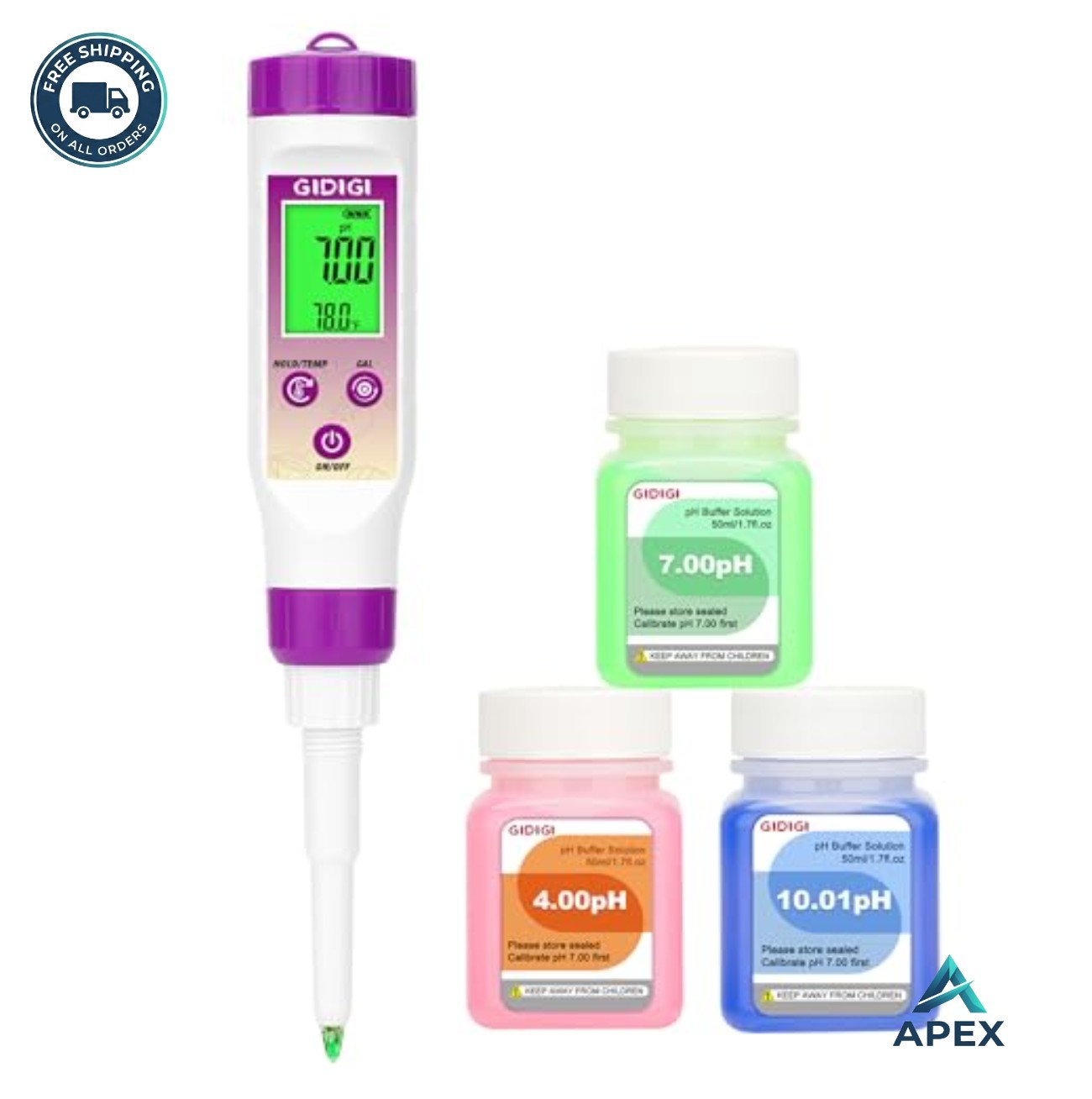 pH Meter for Food Fermentation Spear Probe Replaceable ATC Calibration Kit$77.67View on eBay
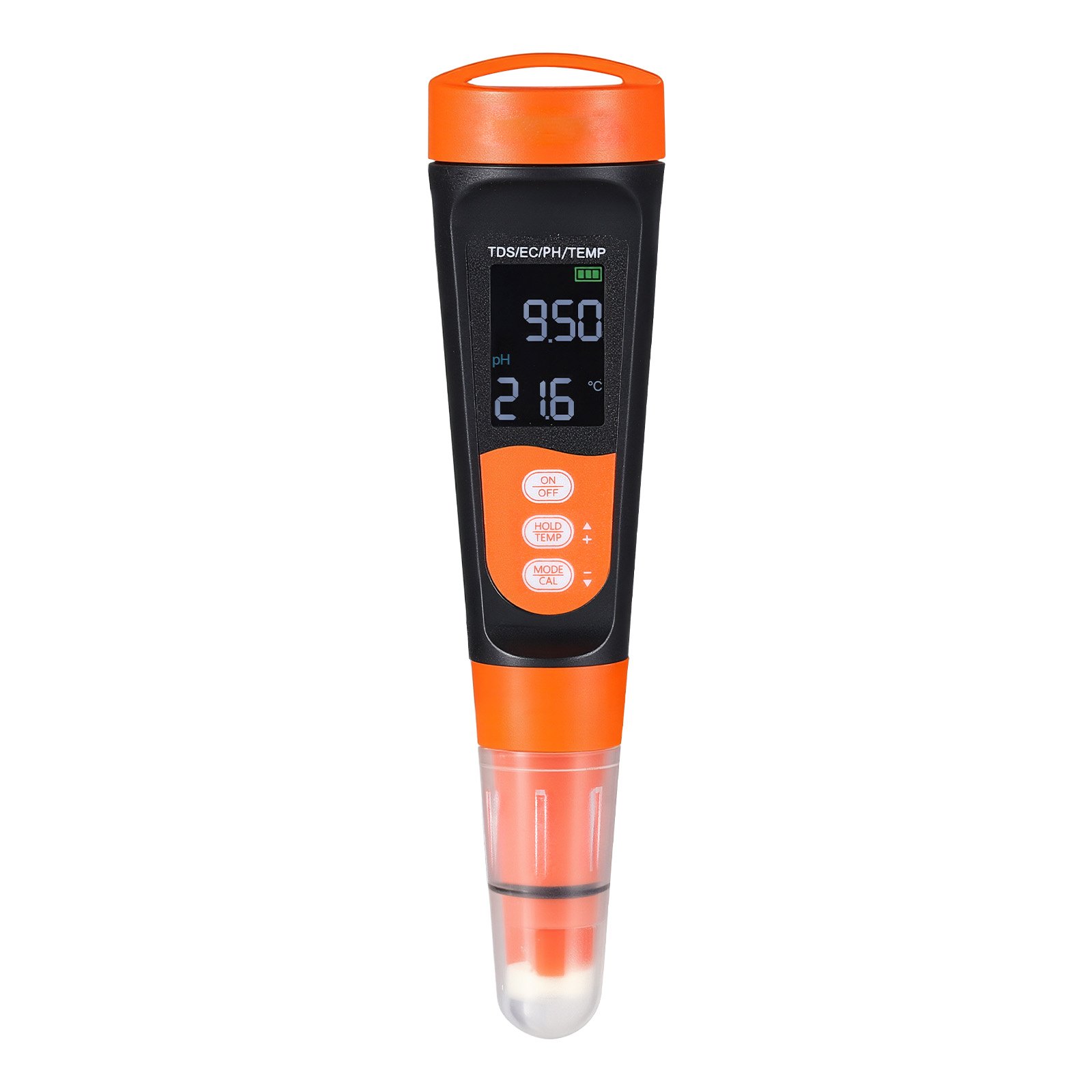 PH Meter, Accurate PH EC Conductivity TDS Ppm Multi-Parameter Measurement, IP68 Waterproof Probe, Pocket Tester Kit With Calibration Powder Packets, VA Display, For Water Quality Testing$147.99View on Mallflare
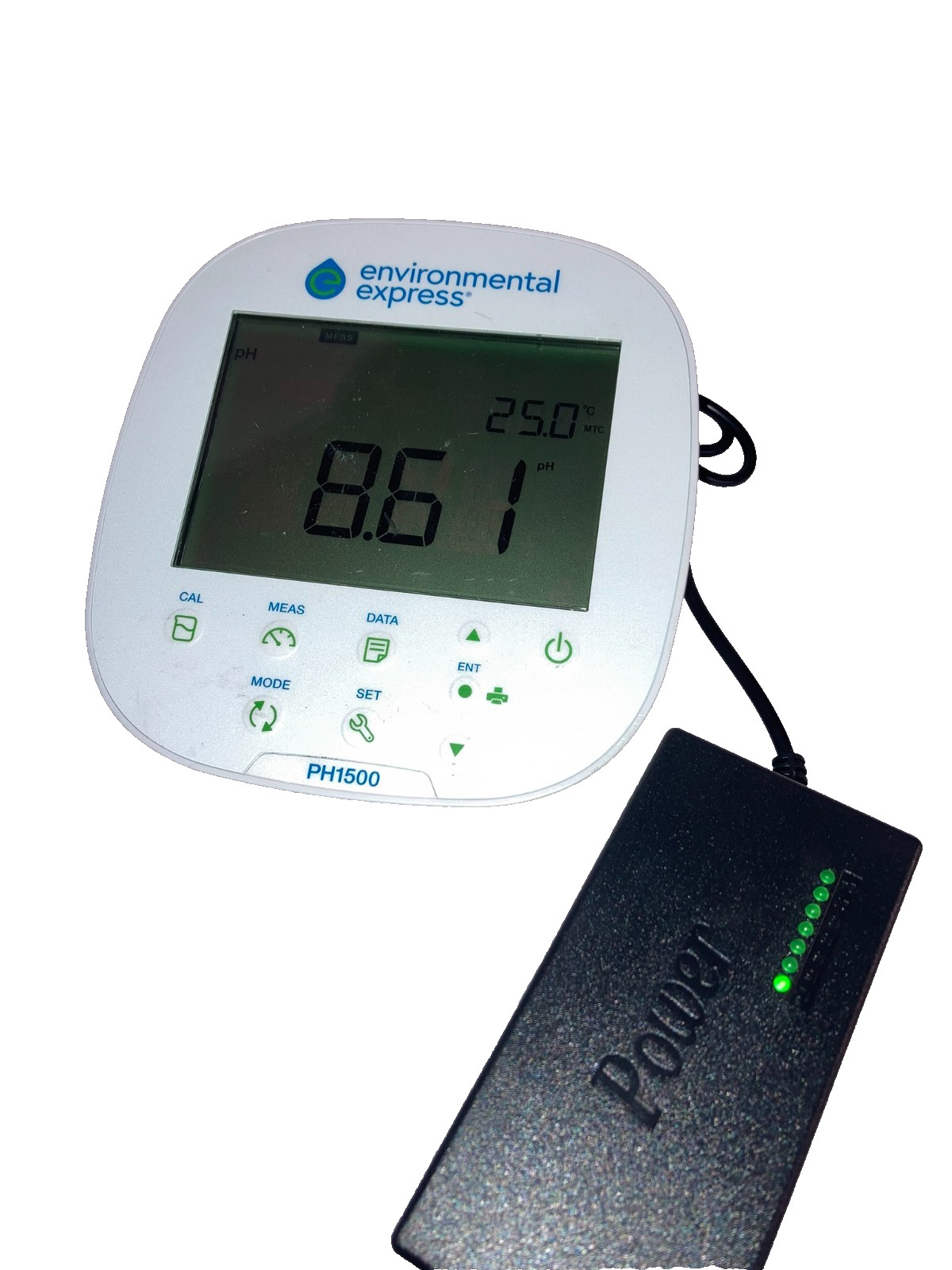 NEW OPEN BOX Environmental Express 1500 pH Benchtop Meter with Power Supply$294.04Last checked Nov 15, 2026View on eBay
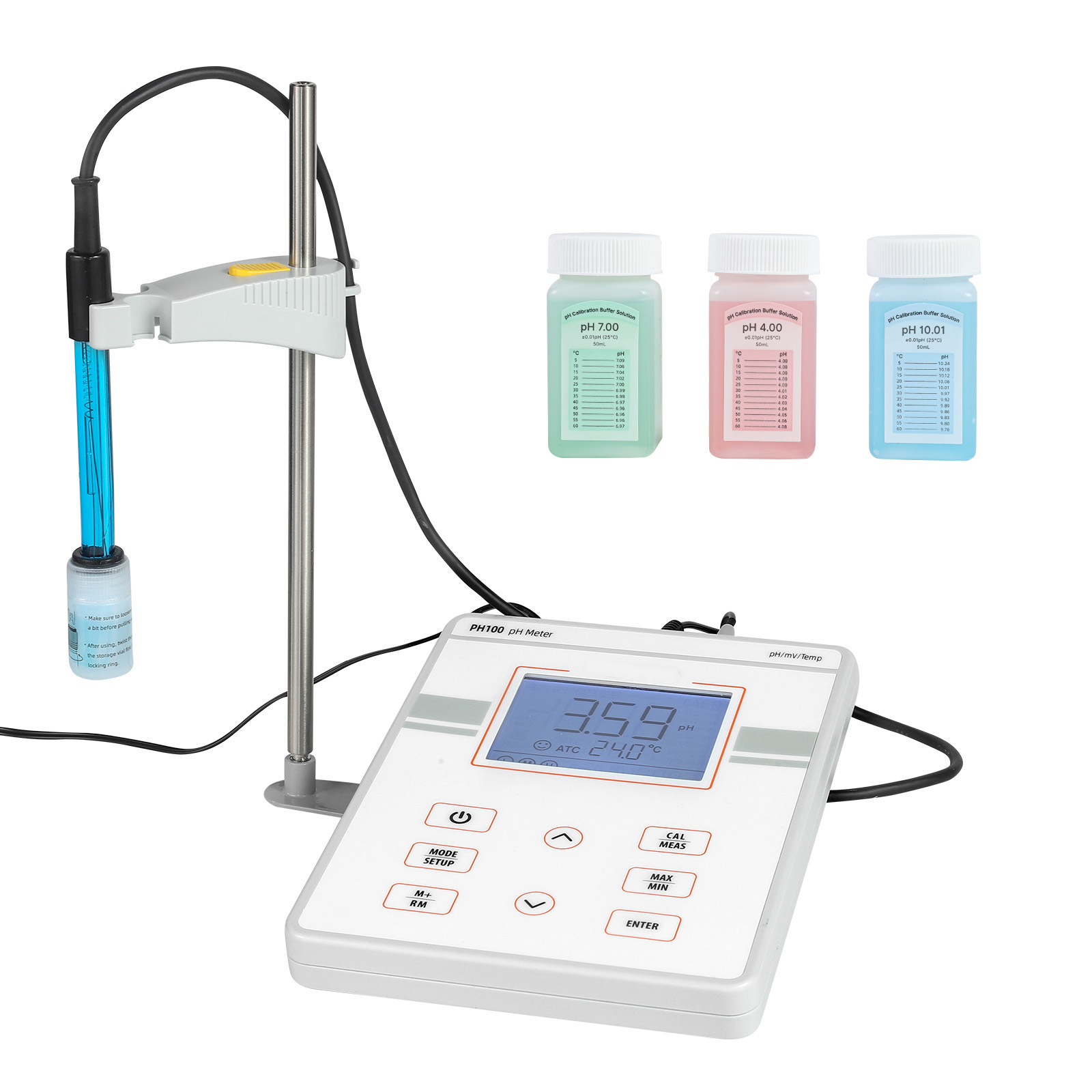 Benchtop PH Meter, 0-14 PH Range, Laboratory Tester Kit With Large Backlit Display, Calibration Solutions, Power Adapter, Stores Up To 50 Readings, For Temperature And Water Quality Testing$372.99View on Mallflare
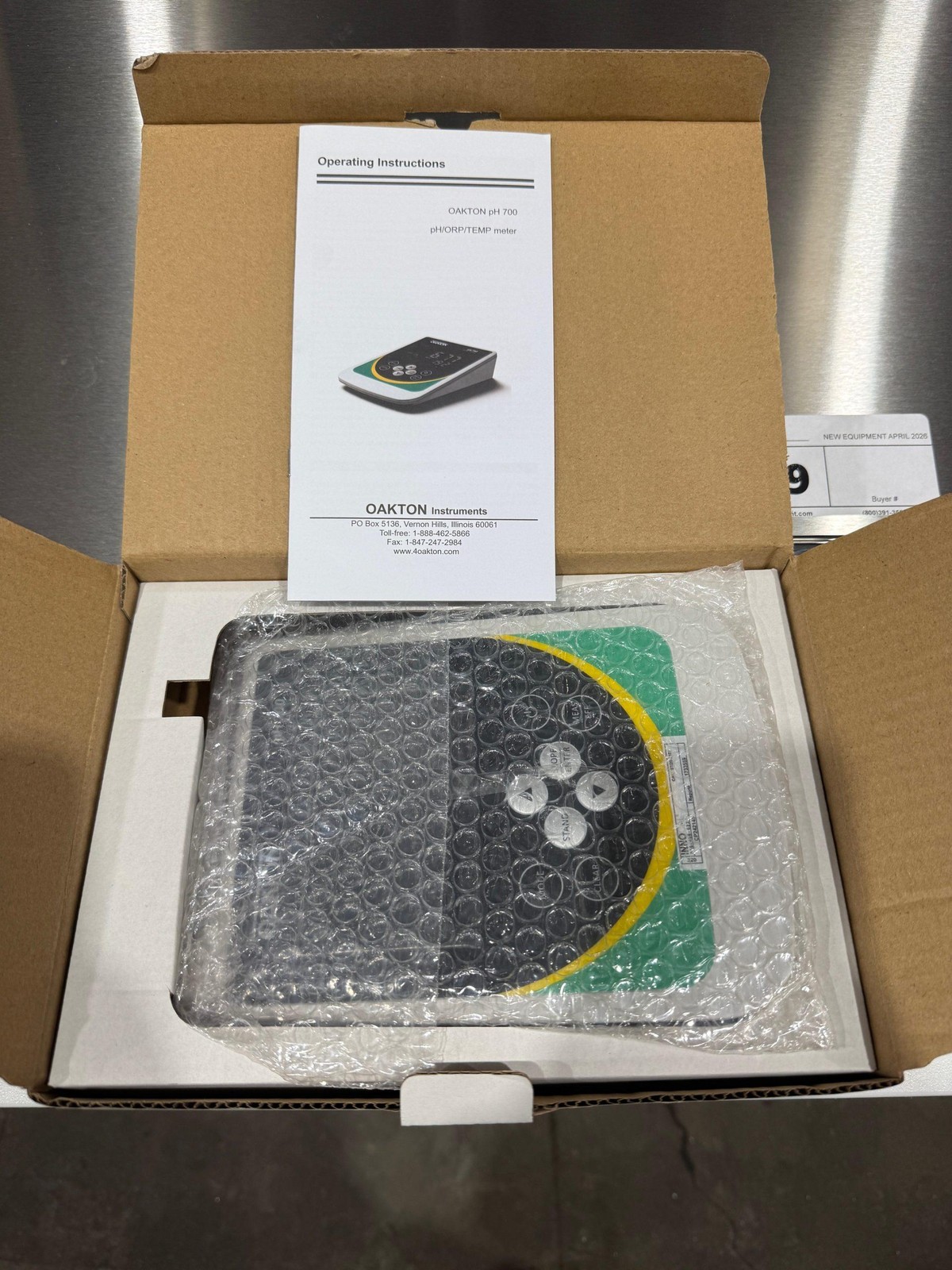 ENVIRONMENTAL EXPRESS OAKTON PH 700 BENCHTOP METER WITH ALL-IN-ONE PH ELECTRODE$695.00Last checked Nov 17, 2026View on eBay
Highlights
- Electrode junction type decides lifespan: ceramic or open-flow reference junctions tolerate nutrient salts and rinse clean, while sealed gel junctions drift permanently once fouled.
- ATC (automatic temperature compensation) is mandatory for hydroponics — without it, a 5°C reservoir swing shifts readings by roughly 0.1–0.2 pH and masks lockout.
- Resolution and accuracy tiers: ±0.01 pH lab-grade benchtop vs ±0.1 pH pocket pens; nutrient dosing needs at least 0.01 resolution to detect trends before deficiency shows.
- Replaceable BNC probes convert a pen into a serviceable instrument — a fresh electrode restores accuracy at a fraction of a new meter's cost and keeps calibration stable season after season.
Best use cases
- Daily single-reservoir monitoring: buy a pocket pen with ATC, ±0.1 pH, and a replaceable probe — skip benchtop units that need mains power and bench space.
- Multi-site or commercial dosing: choose a benchtop meter with ±0.01 pH, BNC input, and data logging (50+ readings) so you can trend drift across tanks — skip pens with fixed electrodes.
- Soil, coco, or rockwool runoff testing: pick a spear-probe or flat-surface electrode designed for semi-solids — skip standard glass bulbs that clog in media.
Buying tips
- Match resolution to task: 0.01 pH for nutrient dosing and recirculating systems; 0.1 pH is acceptable only for quick pass/fail checks of plain water.
- Insist on at least two-point calibration (pH 4.01 and 7.00 buffers) with user-accessible trim pots or push-button cal — one-point cal hides slope errors.
- Check IP rating: IP67/IP68 sealed bodies survive reservoir splashes and greenhouse humidity; unrated meters corrode at the battery compartment within a season.
Specs
| Meter Type | Pocket pen / Benchtop / Spear probe |
|---|---|
| pH Accuracy | ±0.01 pH lab vs ±0.1 pH pen |
| Temperature Comp. | ATC required / manual / none |
| Probe Replaceable | BNC replaceable vs sealed gel |
Related searches
What to check before buying
- Reservoir access: measure your tank opening and water depth — a 6-inch pen reaches shallow trays, but deep reservoirs need a meter with a 1 m probe cable.
- Calibration supply: budget for pH 4.01, 7.00, and 10.01 buffer sachets plus storage solution; dry-stored electrodes degrade within weeks.
- Power and placement: benchtop meters need a nearby outlet and a dry shelf; pens run on button cells or AAA, so confirm the battery type is stocked locally.
- Temperature range: verify the meter's ATC range covers your solution (typically 0–50°C); cold greenhouse water below 10°C slows electrode response and needs longer stabilization time.
FAQ
Data sources: eBay / Amazon listings and product attribute feeds. Updated Nov 28, 2026.
Some links on this page are affiliate links. If you buy after clicking one, we may earn a commission at no extra cost to you. This does not change which products appear here or their order. Affiliate disclosure.