
Photos from current listings. Actual item, color, and included accessories may vary.
Portable Ph Meter Buying Guide
A portable pH meter pairs a glass or ISFET electrode with a handheld meter to measure acidity in liquids, soil, and semi-solids. The core trade-off is electrode quality and calibration stability versus price: lab-grade glass bulbs with replaceable junctions hold calibration for weeks, while sealed low-cost pens drift within days. The decision rule is simple—buy a meter with at least two-point calibration, a replaceable electrode, and ATC if you need reliable readings beyond casual pool or aquarium checks.
Median $294.04
Key takeaways
- Glass bulb electrodes offer the widest linear range (0–14 pH) and fastest response, but require wet storage; ISFET solid-state sensors resist drying and breakage but cost more and have narrower temperature tolerance.
- Two-point or three-point calibration with fresh pH 4.01, 7.00, and 10.01 buffers is the minimum for 0.01 pH accuracy; single-point calibration pens are only suitable for 0.1 pH trend checks.
- Automatic temperature compensation (ATC) corrects electrode slope across 0–50 °C; meters without ATC introduce up to 0.1 pH error per 10 °C deviation from calibration temperature.
At a glance
- Category
- Spectroscopy, Analysis & Detection Instruments
- Last updated
- Nov 28, 2026
Current offers
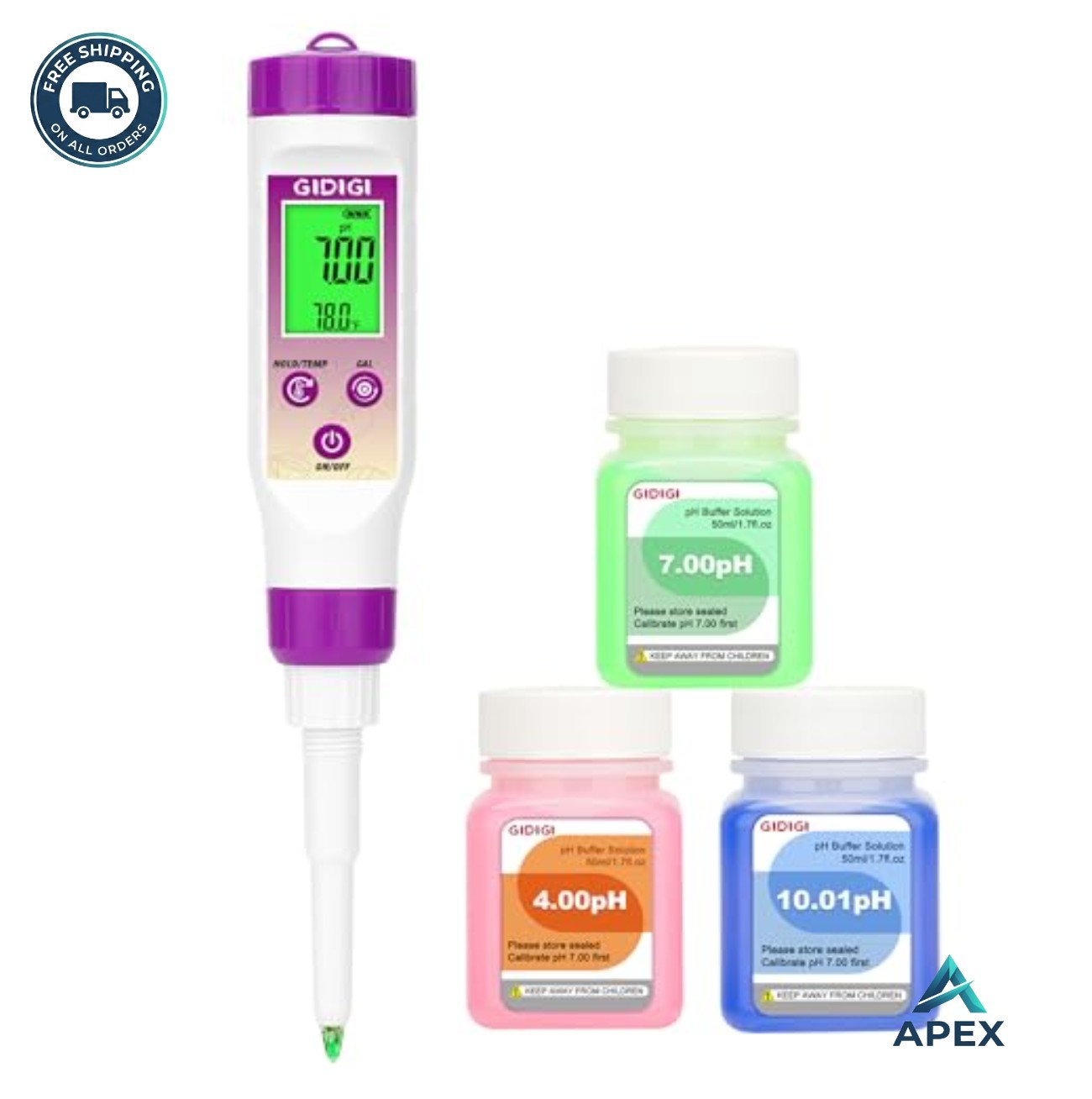 pH Meter for Food Fermentation Spear Probe Replaceable ATC Calibration Kit$77.67View on eBay
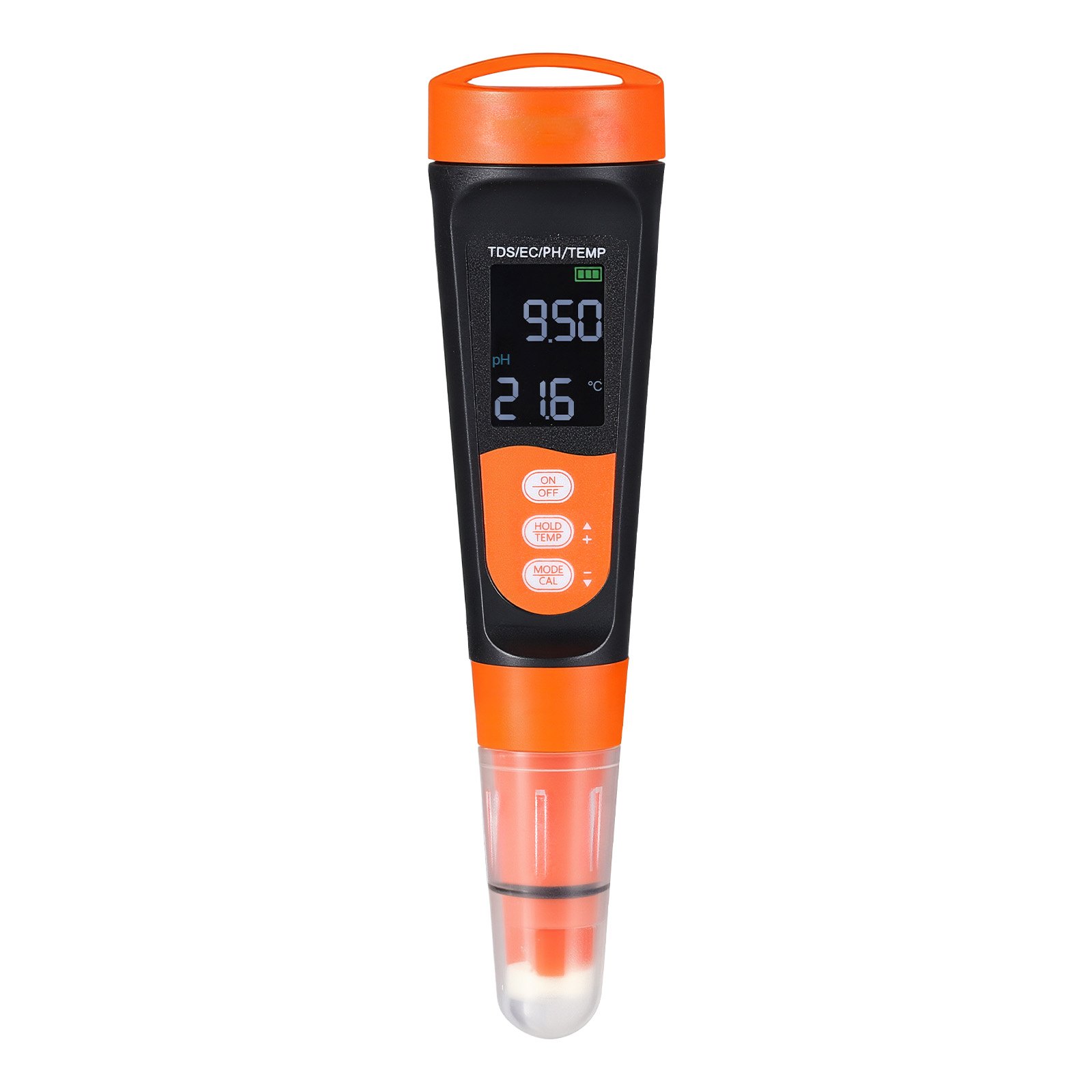 PH Meter, Accurate PH EC Conductivity TDS Ppm Multi-Parameter Measurement, IP68 Waterproof Probe, Pocket Tester Kit With Calibration Powder Packets, VA Display, For Water Quality Testing$147.99View on Mallflare
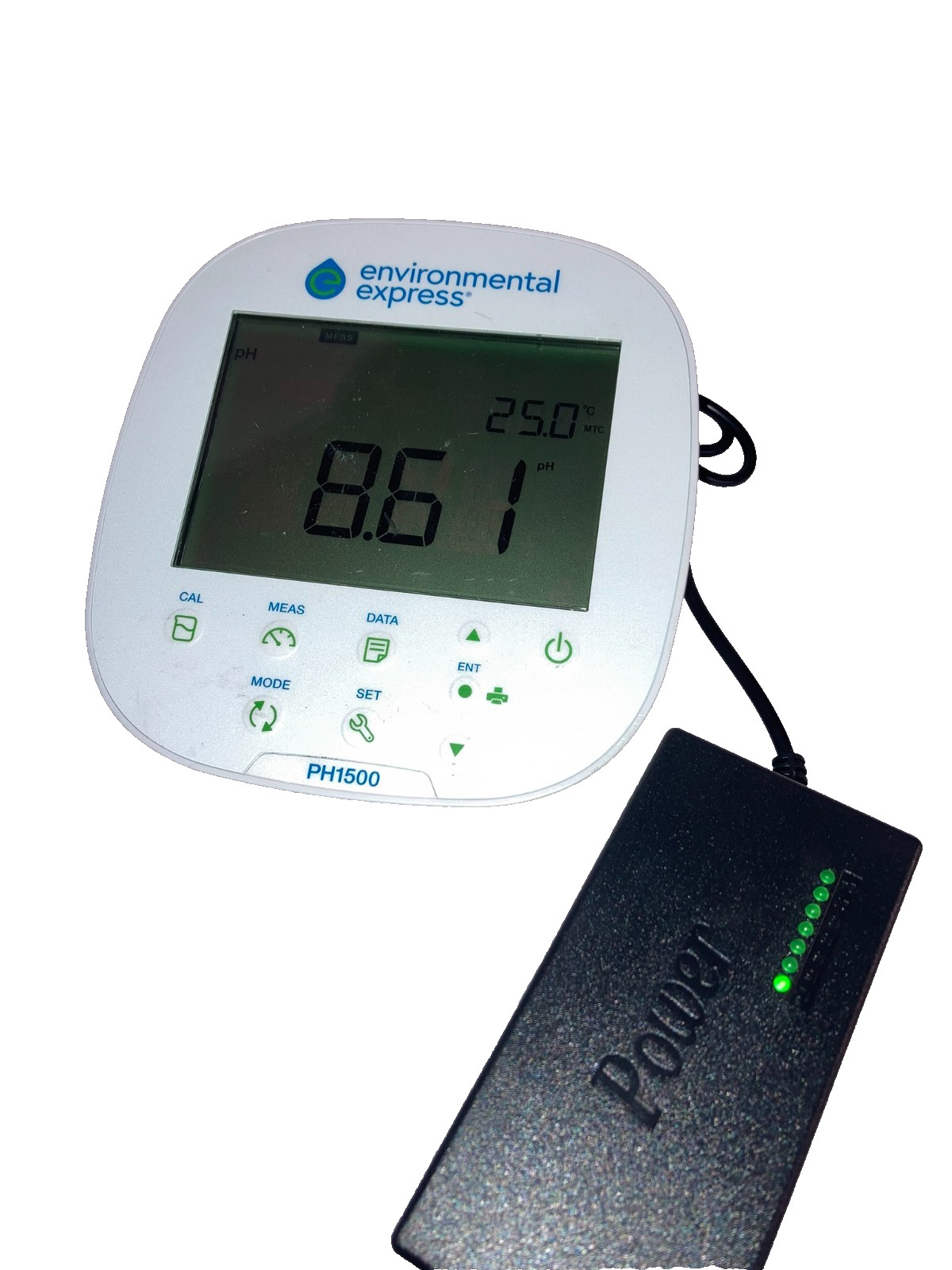 NEW OPEN BOX Environmental Express 1500 pH Benchtop Meter with Power Supply$294.04Last checked Nov 15, 2026View on eBay
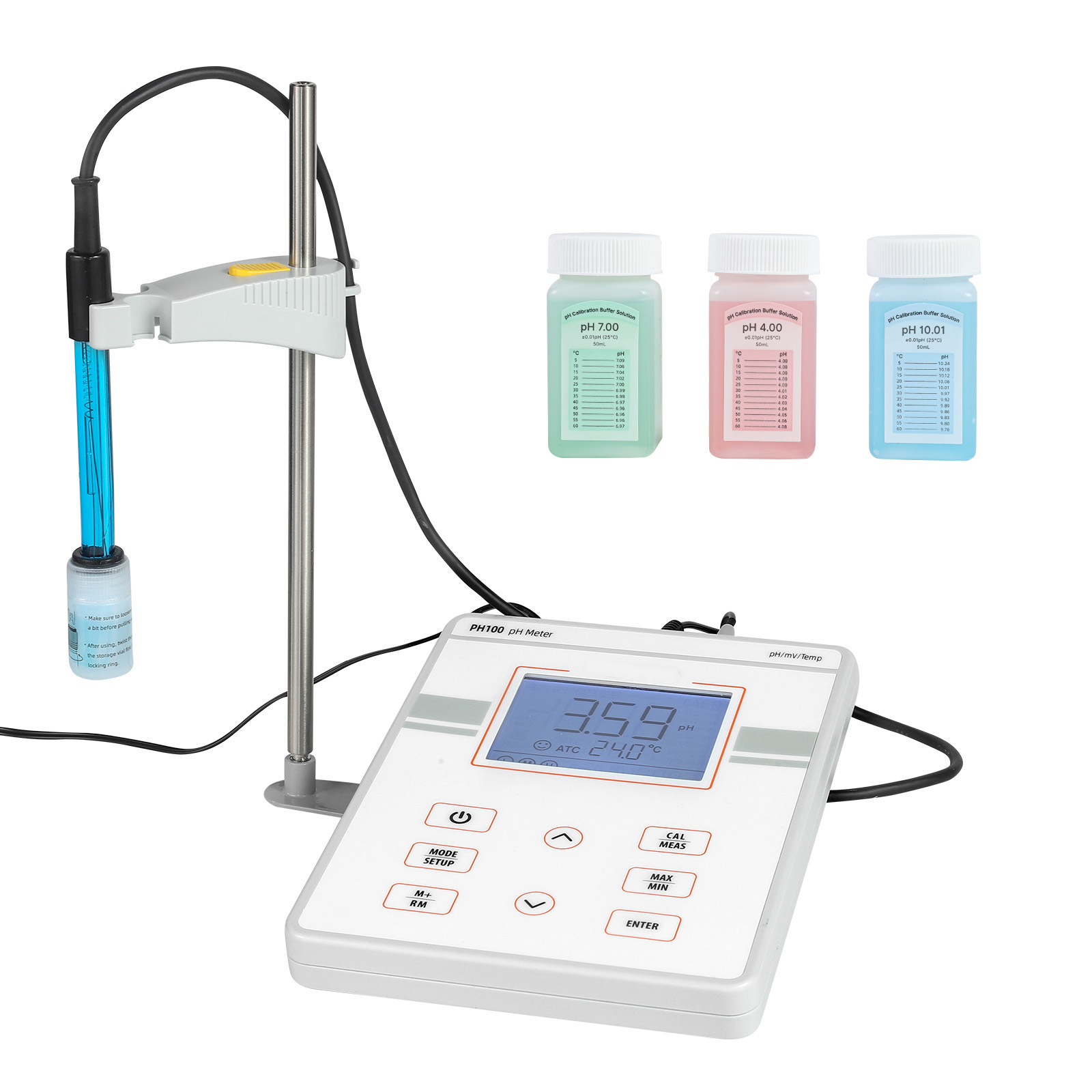 Benchtop PH Meter, 0-14 PH Range, Laboratory Tester Kit With Large Backlit Display, Calibration Solutions, Power Adapter, Stores Up To 50 Readings, For Temperature And Water Quality Testing$372.99View on Mallflare
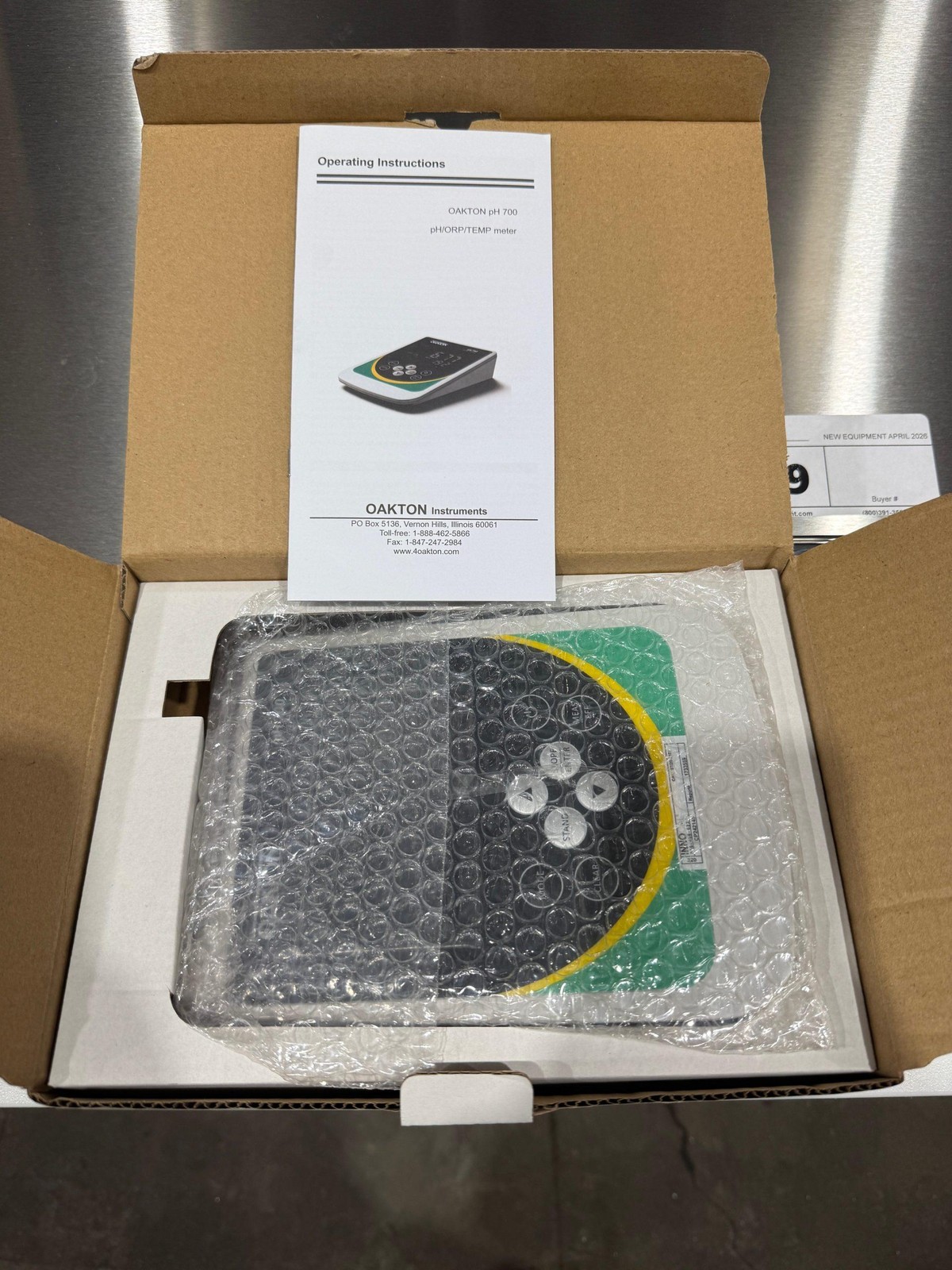 ENVIRONMENTAL EXPRESS OAKTON PH 700 BENCHTOP METER WITH ALL-IN-ONE PH ELECTRODE$695.00Last checked Nov 17, 2026View on eBay
Highlights
- Glass bulb electrodes offer the widest linear range (0–14 pH) and fastest response, but require wet storage; ISFET solid-state sensors resist drying and breakage but cost more and have narrower temperature tolerance.
- Two-point or three-point calibration with fresh pH 4.01, 7.00, and 10.01 buffers is the minimum for 0.01 pH accuracy; single-point calibration pens are only suitable for 0.1 pH trend checks.
- Automatic temperature compensation (ATC) corrects electrode slope across 0–50 °C; meters without ATC introduce up to 0.1 pH error per 10 °C deviation from calibration temperature.
- IP67 waterproof housings and replaceable electrodes define long-term durability; sealed non-replaceable pens become e-waste once the bulb degrades or reference junction clogs.
Best use cases
- Best fit: hydroponics and aquarium keepers should pick a waterproof pen with ATC, two-point calibration, and a replaceable electrode—skip single-point calibrated pool testers that drift in nutrient solutions.
- Best fit: soil and semi-solid testing requires a spear-tip or flat-surface electrode and a meter rated for low-conductivity media; skip glass-bulb lab pens that clog in soil slurries.
- Best fit: field water quality (streams, wells, wastewater) demands IP67 or IP68 sealing, a rugged case, and a calibration alert; skip open-frame benchtop electrodes repackaged as portable units.
- Wrong fit: high-purity or low-conductivity water (below 50 µS/cm) needs a flowing-junction lab electrode; portable pens give unstable readings—choose a benchtop meter instead.
Buying tips
- Match resolution to need: 0.01 pH resolution with ±0.01 accuracy for lab or brewing; 0.1 pH resolution is adequate for pools and aquariums at half the cost.
- Confirm the electrode is user-replaceable and uses a standard BNC or proprietary quick-connect; sealed pens with potted electrodes cannot be revived after contamination.
- Check calibration buffer compatibility: meters calibrated to USA standards (4.01/7.00/10.01) differ from NIST (4.01/6.86/9.18)—buy the buffer set that matches your meter's mode.
- For field use, prioritize IP67 rating and a cap that holds storage solution; dry-stored glass bulbs lose sensitivity permanently within weeks.
Specs
| Electrode Type | Glass bulb / ISFET / Spear tip |
|---|---|
| Accuracy | ±0.01 pH (lab) vs ±0.1 pH (pen) |
| Calibration Points | 1-point / 2-point / 3-point |
| Waterproof Rating | IP67 / IP68 sealed vs open frame |
Related searches
What to check before buying
- Verify the electrode type fits your sample: glass bulb for clear liquids, spear or flat surface for soil and semi-solids, ISFET for rugged field use.
- Confirm the meter includes or accepts pH 4.01 and 7.00 buffer sachets; without fresh buffers, calibration accuracy is unverifiable.
- Check storage requirements: glass electrodes need KCl storage solution in the cap; ISFET sensors can be stored dry.
- Ensure the temperature range covers your environment (0–50 °C for most portable meters; verify ATC limits before use in cold rooms or hot process lines).
FAQ
Data sources: eBay / Amazon listings and product attribute feeds. Updated Nov 28, 2026.
Some links on this page are affiliate links. If you buy after clicking one, we may earn a commission at no extra cost to you. This does not change which products appear here or their order. Affiliate disclosure.