
Photos from current listings. Actual item, color, and included accessories may vary.
Water Ph Tester Buying Guide
A water pH tester is a handheld or benchtop instrument that measures hydrogen-ion activity in liquids, spanning cheap pen-style units, replaceable-probe pens, and lab-grade meters. The core trade-off is electrode quality versus price: glass-bulb probes with replaceable cartridges hold calibration and last years, while sealed plastic-bulb pens drift and die. Buy a replaceable-probe meter with 2-point calibration if you need reliable readings; skip sealed pens if accuracy matters.
Median $147.99
Key takeaways
- Pen-style meters with sealed non-replaceable electrodes typically drift ±0.1–0.2 pH within months; replaceable glass-bulb probes hold ±0.01–0.05 pH with proper storage.
- Two-point calibration (pH 4.00 and 7.00 buffers) is the minimum for meaningful accuracy; one-point or no-calibration pens are only good for trend spotting.
- Automatic temperature compensation (ATC) in the 0–50°C range is standard on decent units; without ATC, readings shift roughly 0.03 pH per °C away from 25°C.
At a glance
- Category
- Spectroscopy, Analysis & Detection Instruments
- Last updated
- Nov 28, 2026
Current offers
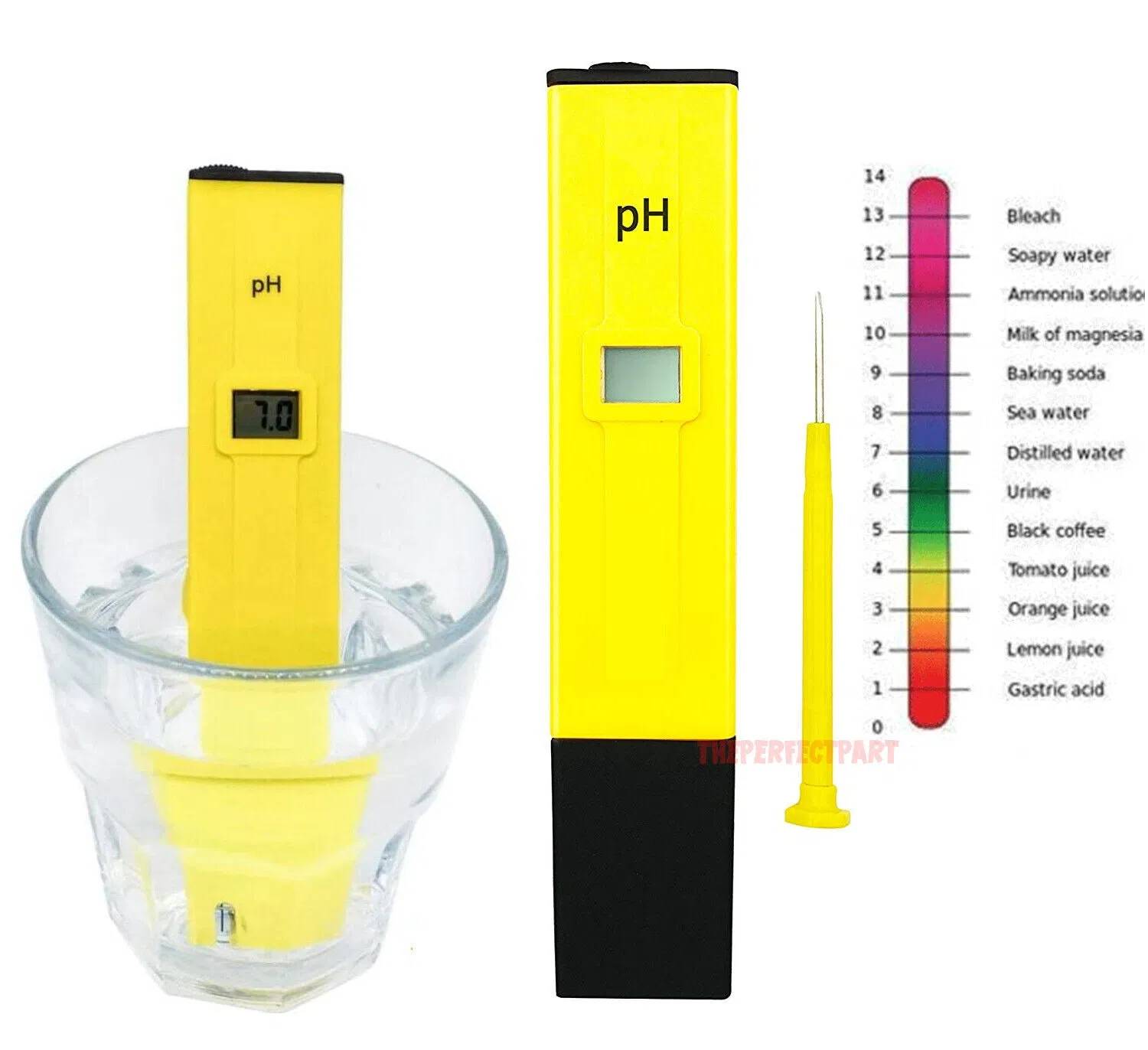 Digital Electric PH Meter LCD Tester Pocket Hydroponics Aquarium Water Test Pen$20.99View on Mallflare
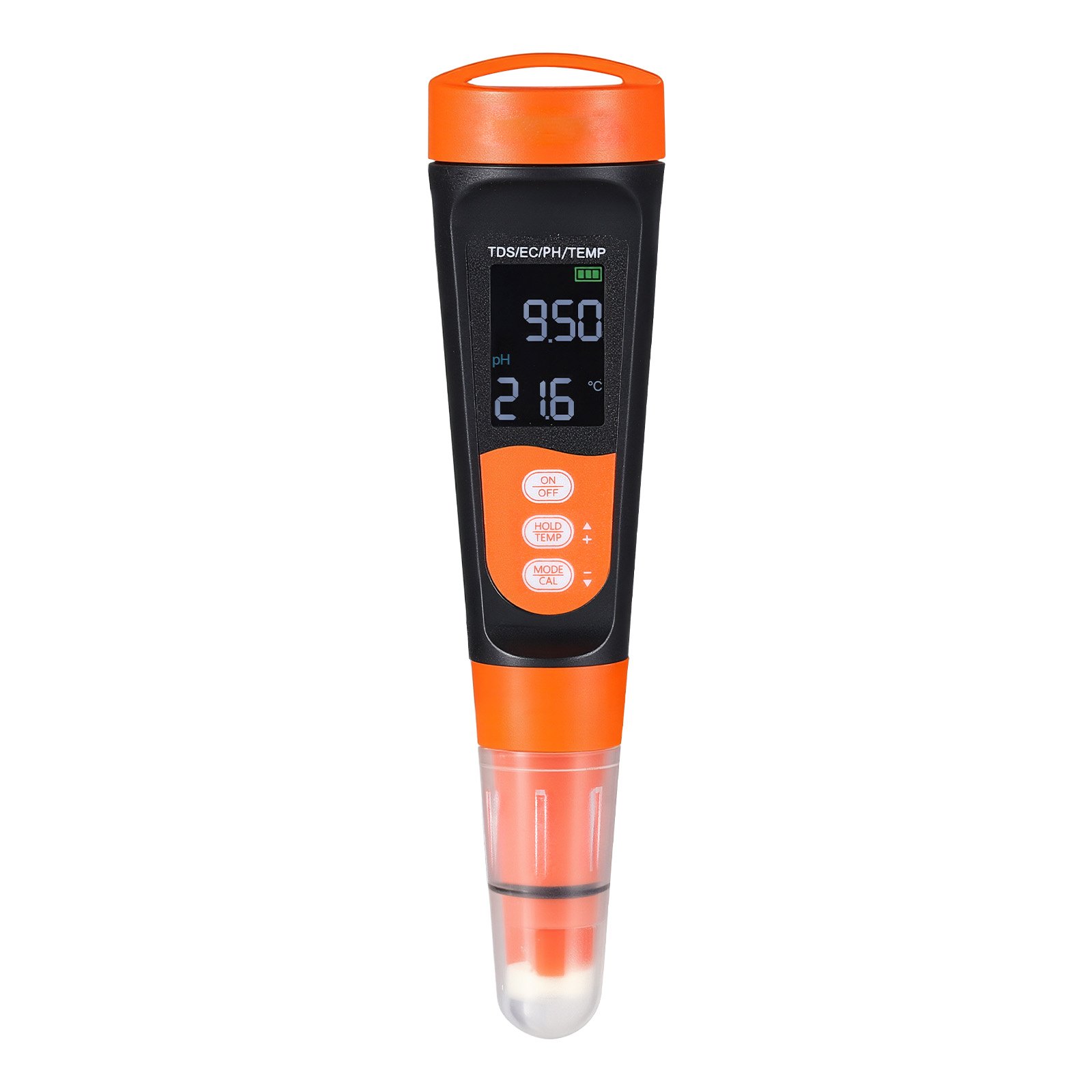 PH Meter, Accurate PH EC Conductivity TDS Ppm Multi-Parameter Measurement, IP68 Waterproof Probe, Pocket Tester Kit With Calibration Powder Packets, VA Display, For Water Quality Testing$147.99View on Mallflare
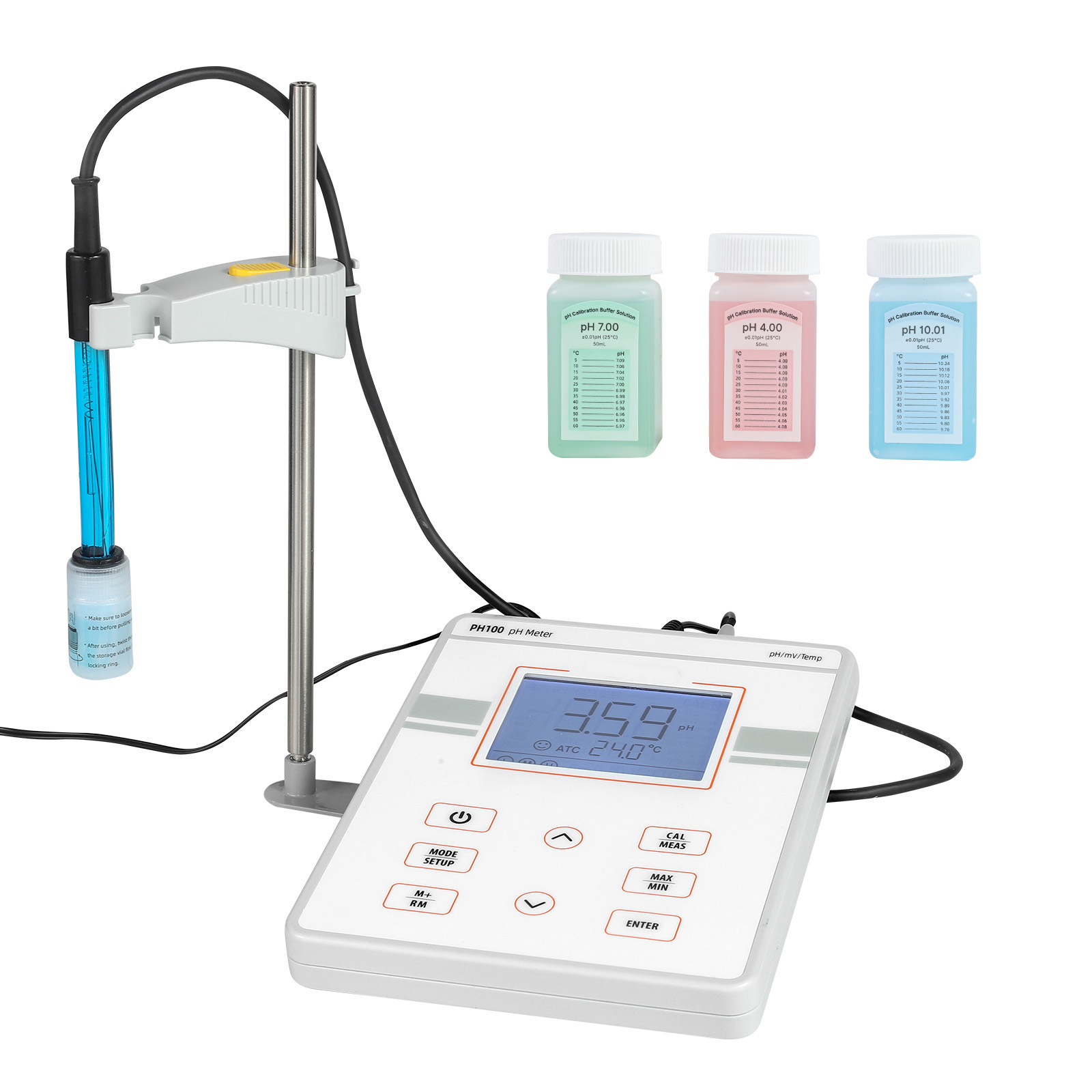 Benchtop PH Meter, 0-14 PH Range, Laboratory Tester Kit With Large Backlit Display, Calibration Solutions, Power Adapter, Stores Up To 50 Readings, For Temperature And Water Quality Testing$372.99View on Mallflare
Highlights
- Pen-style meters with sealed non-replaceable electrodes typically drift ±0.1–0.2 pH within months; replaceable glass-bulb probes hold ±0.01–0.05 pH with proper storage.
- Two-point calibration (pH 4.00 and 7.00 buffers) is the minimum for meaningful accuracy; one-point or no-calibration pens are only good for trend spotting.
- Automatic temperature compensation (ATC) in the 0–50°C range is standard on decent units; without ATC, readings shift roughly 0.03 pH per °C away from 25°C.
- Lab-grade benchtop meters use BNC connectors and separate electrodes; pocket meters trade that modularity for portability but need wet storage caps to keep the bulb hydrated.
Best use cases
- Pool and spa testing: a pen with ±0.1 pH accuracy and ATC is adequate for 7.2–7.8 pH targets; a benchtop meter is overkill unless you also test alkalinity and calcium.
- Brewing, winemaking, and lab work: choose a benchtop or high-accuracy pocket meter with ±0.01 pH resolution and BNC or replaceable electrode; a generic pen cannot resolve mash or fermentation pH shifts.
- Educational and field use: a rugged pen with replaceable probe and calibration sachets fits; skip lab benchtops that need mains power and careful electrode handling.
Buying tips
- Check resolution and accuracy separately: ±0.01 pH resolution with ±0.05 accuracy is realistic for pens; ±0.01 accuracy claims on pens are marketing unless the probe is lab-grade glass.
- Buy fresh pH 4.00 and 7.00 buffer solutions and calibrate before first use and monthly thereafter; store the electrode in pH 4.00 storage solution, not distilled water, which leaches ions.
- For any meter without ATC, measure samples near 25°C or apply a temperature correction; for field use below 10°C or above 40°C, ATC is mandatory.
Specs
| Probe Type | Sealed bulb vs replaceable glass vs BNC |
|---|---|
| Accuracy | ±0.01 pH lab / ±0.05–0.1 pH pen |
| Calibration Points | 2-point (4.00/7.00) minimum |
| Temperature Compensation | ATC 0–50°C vs manual/none |
Related searches
What to check before buying
- Confirm the probe type: sealed plastic bulb (short life, no replacement), replaceable glass bulb (best for regular use), or BNC-connected electrode (lab flexibility).
- Check the calibration kit included: at least pH 4.00 and 7.00 buffer powders or solutions, plus a storage cap or bottle for the electrode.
- Verify the meter's temperature range and ATC spec against your sample temperatures — aquarium and hydroponics water is usually 20–28°C, but field samples may be colder.
- Ensure you have a rinse container and distilled water for between-sample cleaning; residue on the bulb is the most common cause of drifting readings.
FAQ
Data sources: eBay / Amazon listings and product attribute feeds. Updated Nov 28, 2026.
Some links on this page are affiliate links. If you buy after clicking one, we may earn a commission at no extra cost to you. This does not change which products appear here or their order. Affiliate disclosure.