
Photos from current listings. Actual item, color, and included accessories may vary.
Thermal Camera Buying Guide
A thermal camera converts infrared radiance into a false-color temperature map, and the single biggest decision is native IR sensor resolution versus price. Native 256×192 or 320×240 sensors resolve real diagnostic detail; 96×96 or 160×120 sensors with digital super-resolution produce soft images that hide small anomalies. Buy native resolution first, then lens field of view, and treat smartphone dongles as the best value path for Android and iPhone users.
Median $240.00 · New & pre-owned listings
Key takeaways
- Native IR resolution is the decisive spec: 96×96 and 160×120 sensors interpolate detail, while 256×192 and 320×240 resolve small hotspots like loose breaker terminals or window seal leaks.
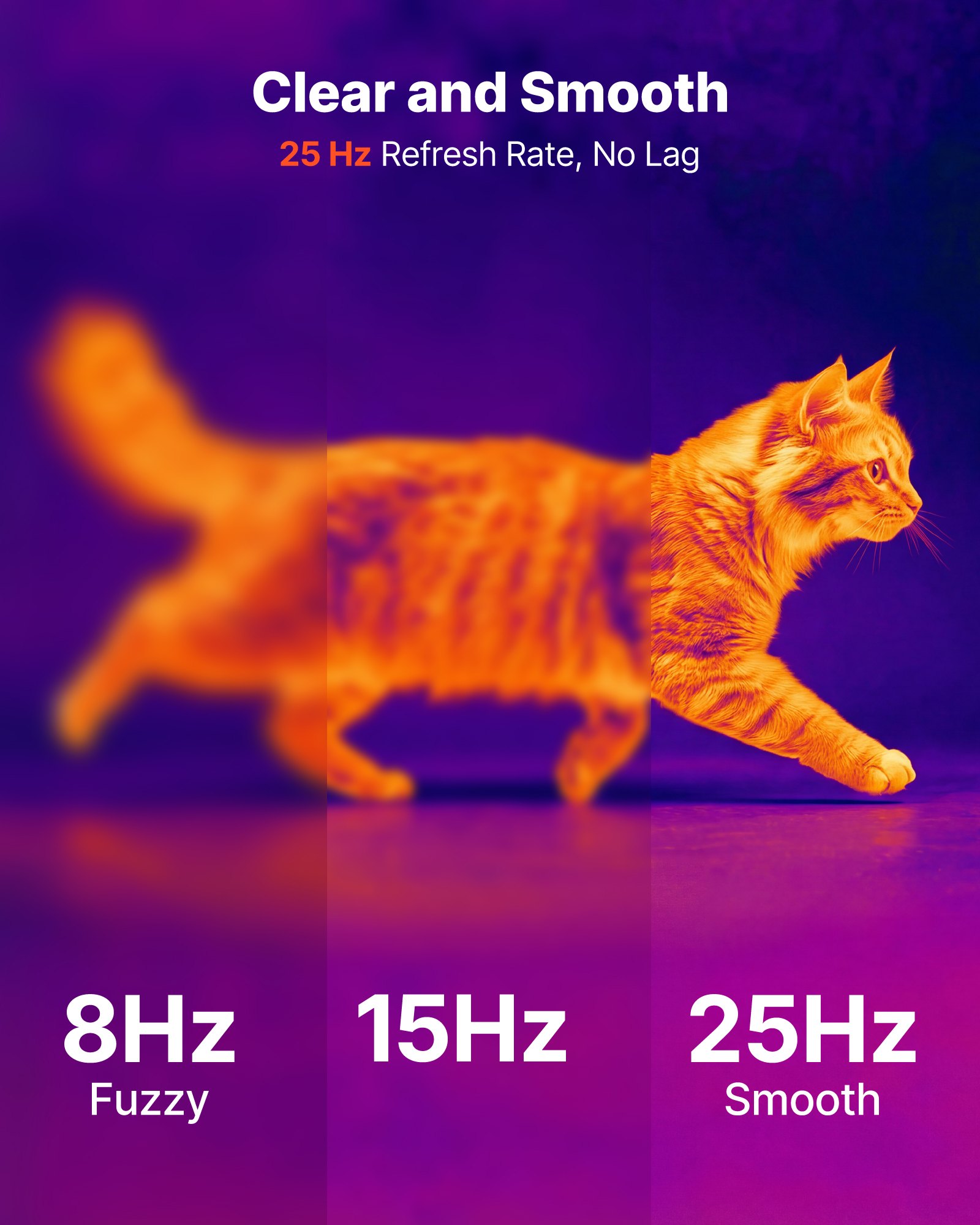
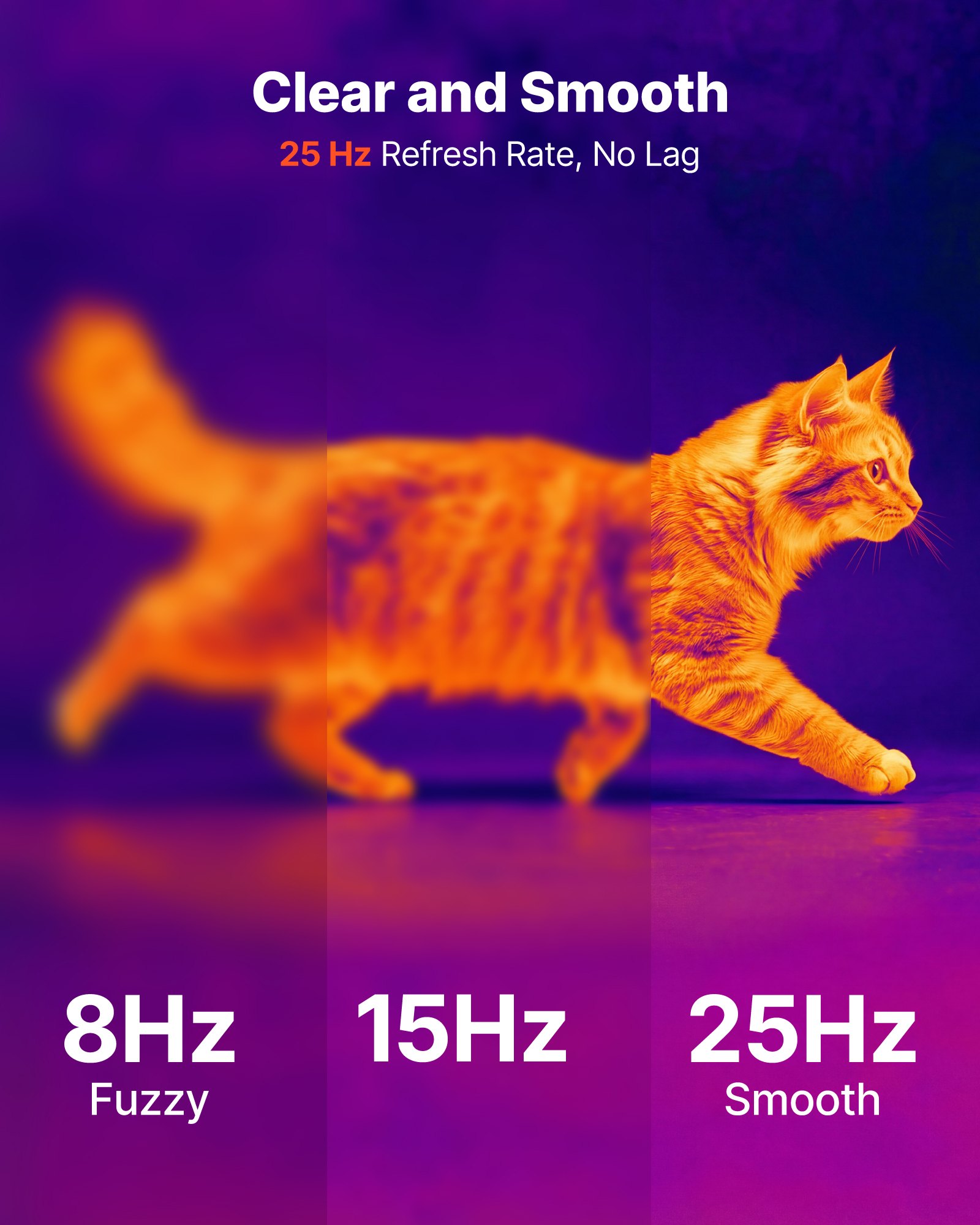
- Refresh rate of 25 Hz delivers smooth live scanning; slower sub-9 Hz detectors smear when you pan across walls, panels, or moving equipment.
- Temperature range split matters: -4°F to 842°F covers HVAC, electrical, and home inspection; ranges to 1022°F or 1112°F (600°C) are needed for automotive exhaust, brakes, and electronics repair.
At a glance
- Category
- Thermal Cameras, Borescopes & Visual Inspection
- Last updated
- Nov 28, 2026
Current offers
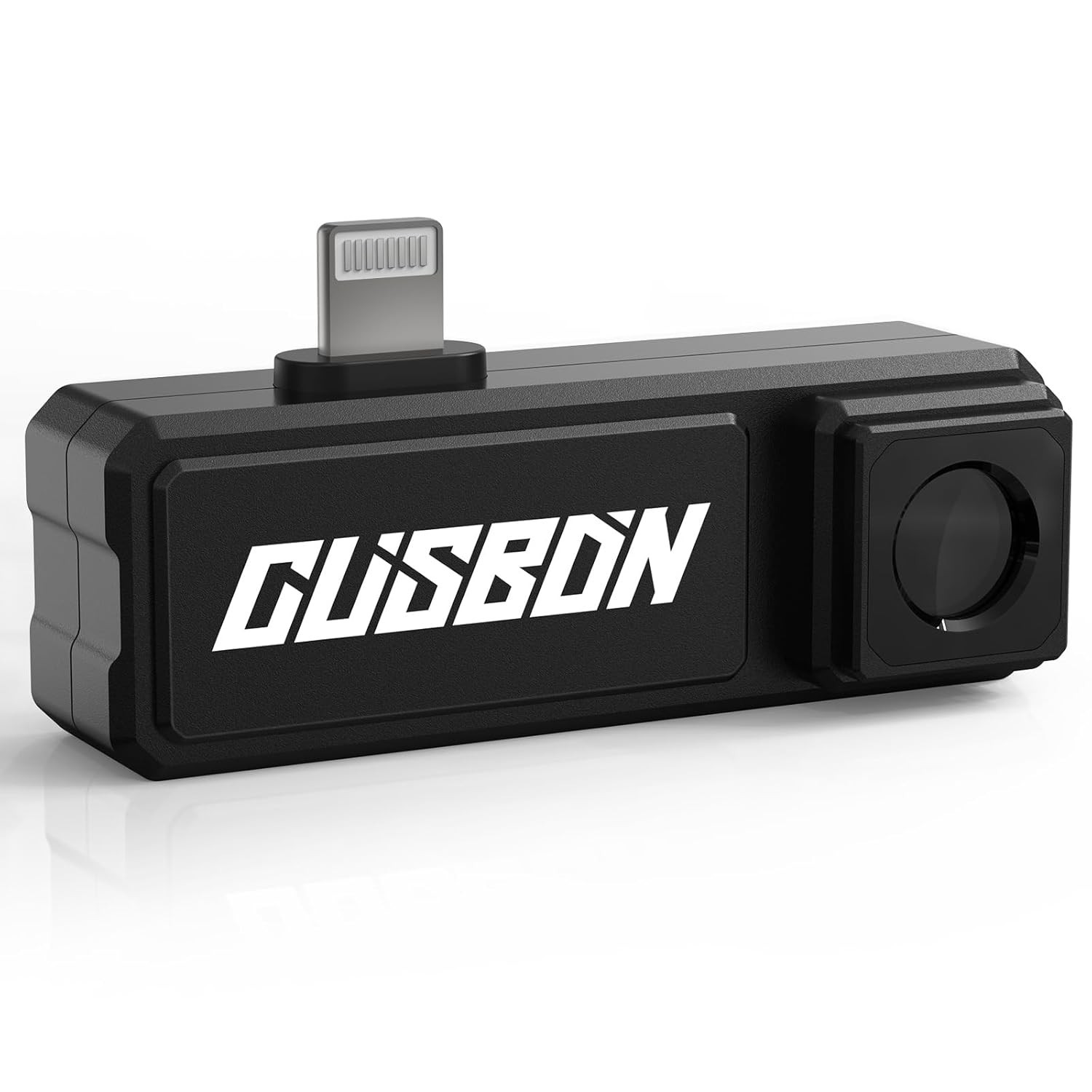 Thermal Imaging Camera Android and iOS 120 x 90 IR -20 °C - 400 °C Temperature$65.95Last checked Nov 27, 2026View on eBay
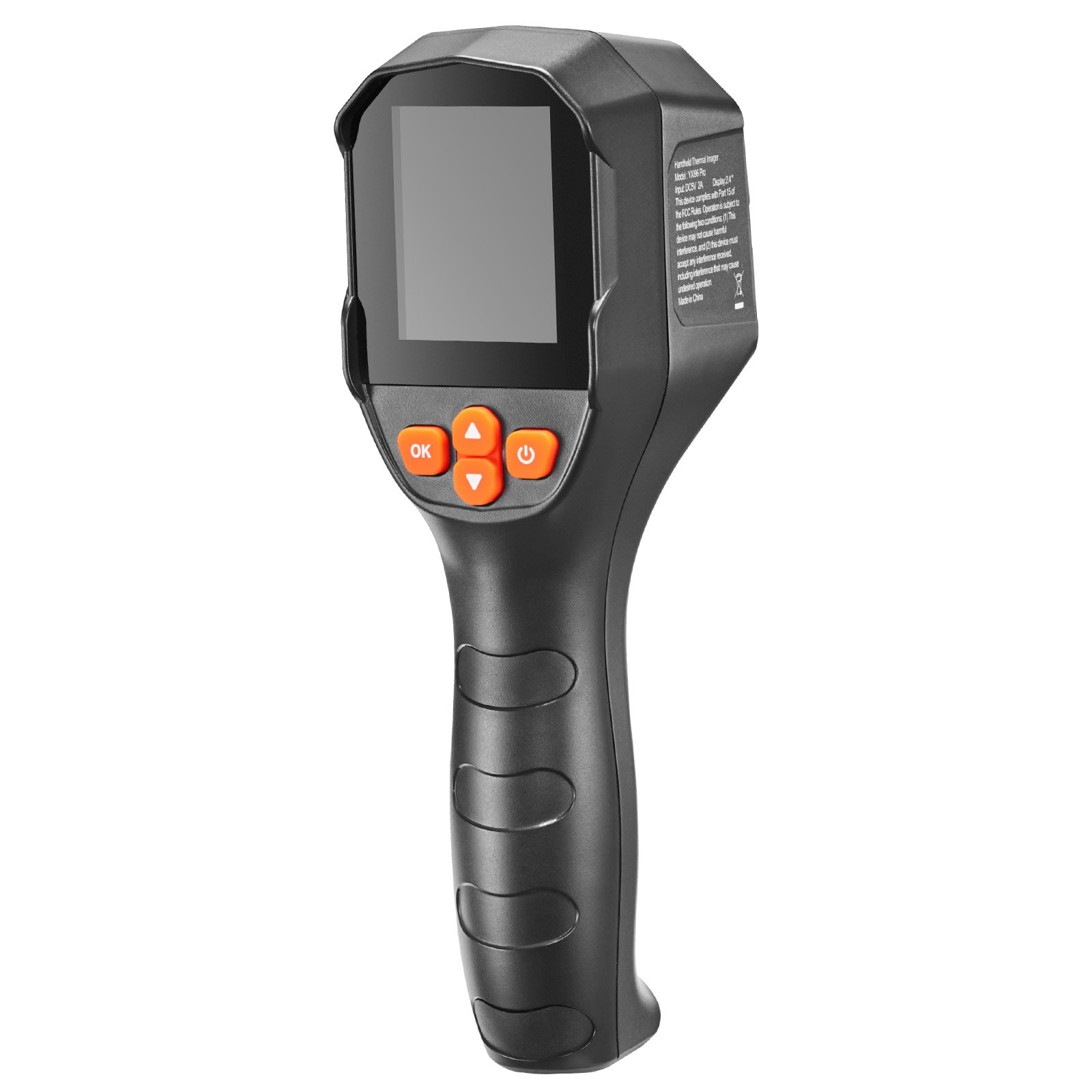 Thermal Camera, TISR Super Resolution 240x180, Imaging With 2MP Visual 96x96 IR 25HZ Refresh Rate, -4°F To 1022°F, 4 Image Modes & 6 Color Palettes$156.99View on Mallflare
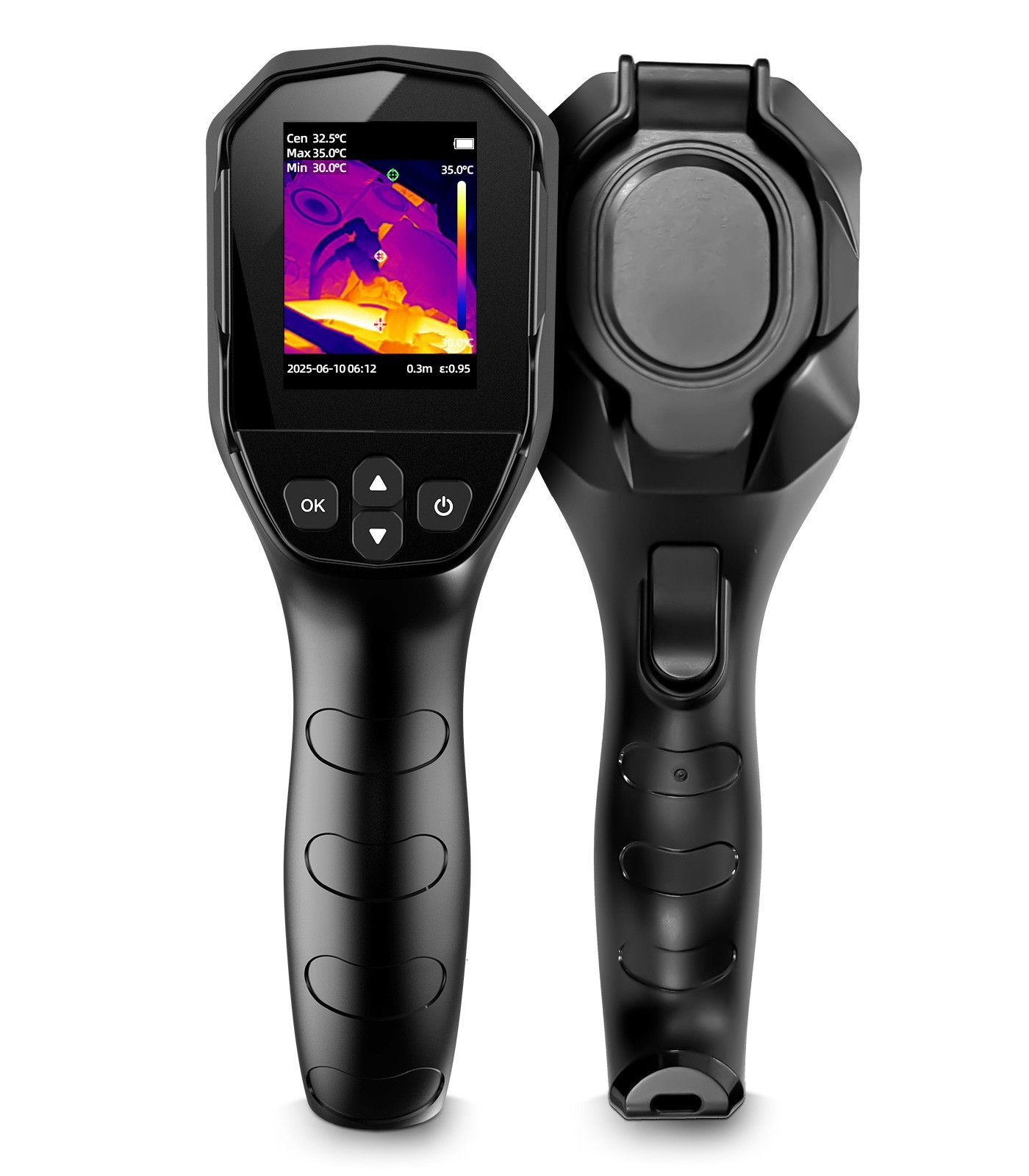 Thermal Camera, 240x240, -4°F–1022°F, 25Hz IR Imaging with Temp Alarm, 50° FOV$79.99Last checked Nov 26, 2026View on eBay
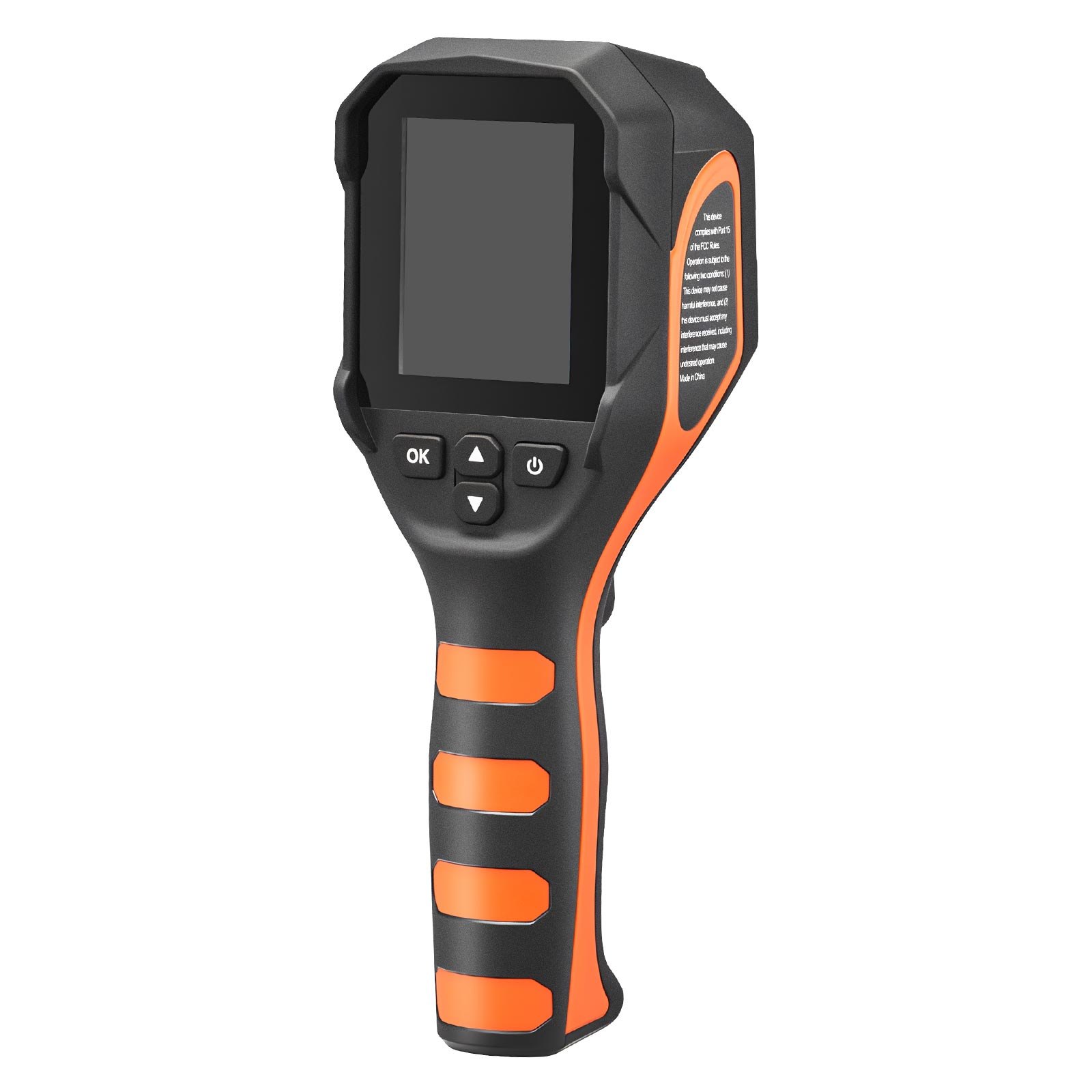 Thermal Camera, 320 X 240 TISR Super Resolution, Imaging With 2MP Visual 160 X 120 IR 25 HZ Refresh Rate, -4°F To 1022°F, 4 Image Modes & 6 Color Palettes$186.99View on Mallflare
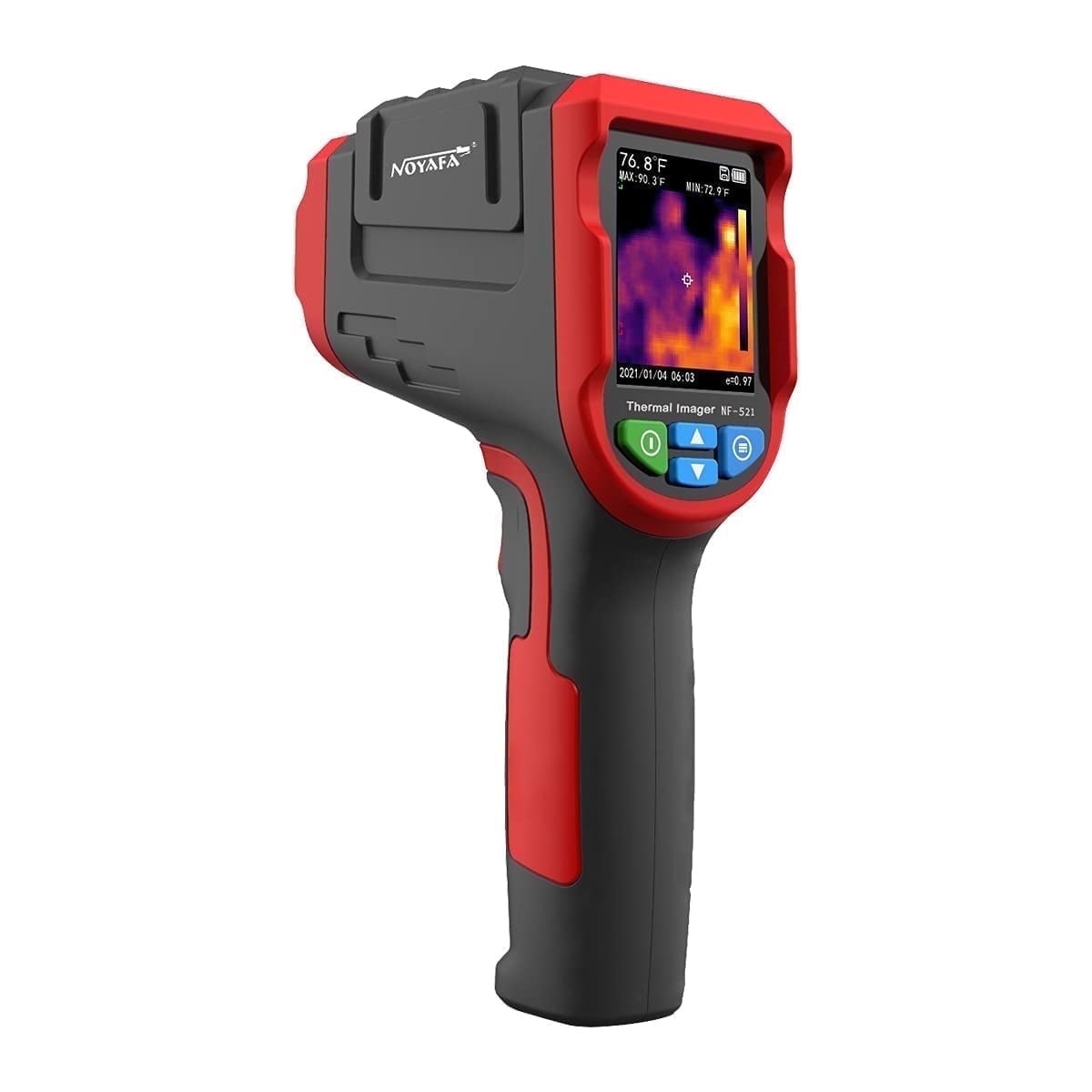 NOYAFA Infrared Thermal Imaging Camera, High Resolution, 2.4 in LCD Display,$89.00View on eBay
 Thermal Imaging Camera For Android, 320 X 240 TISR Super Resolution, 25HZ Refresh Rate Infrared Imager For Smartphone Tablet, 160 X 120 IR -4°F To 1022°F & 15 Color Palettes$203.99View on Mallflare
 320*240 X³IR Resolution P1 Thermal Imaging Camera IOS&Android 600℃ Type-C 25Hz$116.00Last checked Nov 28, 2026View on eBay
 Thermal Imaging Camera For Android, 512 X 384 TISR Super Resolution, 25HZ Refresh Rate Infrared Imager For Smartphone Tablet, 256 X 192 IR -4°F To 1022°F & 15 Color Palettes$238.99View on Mallflare
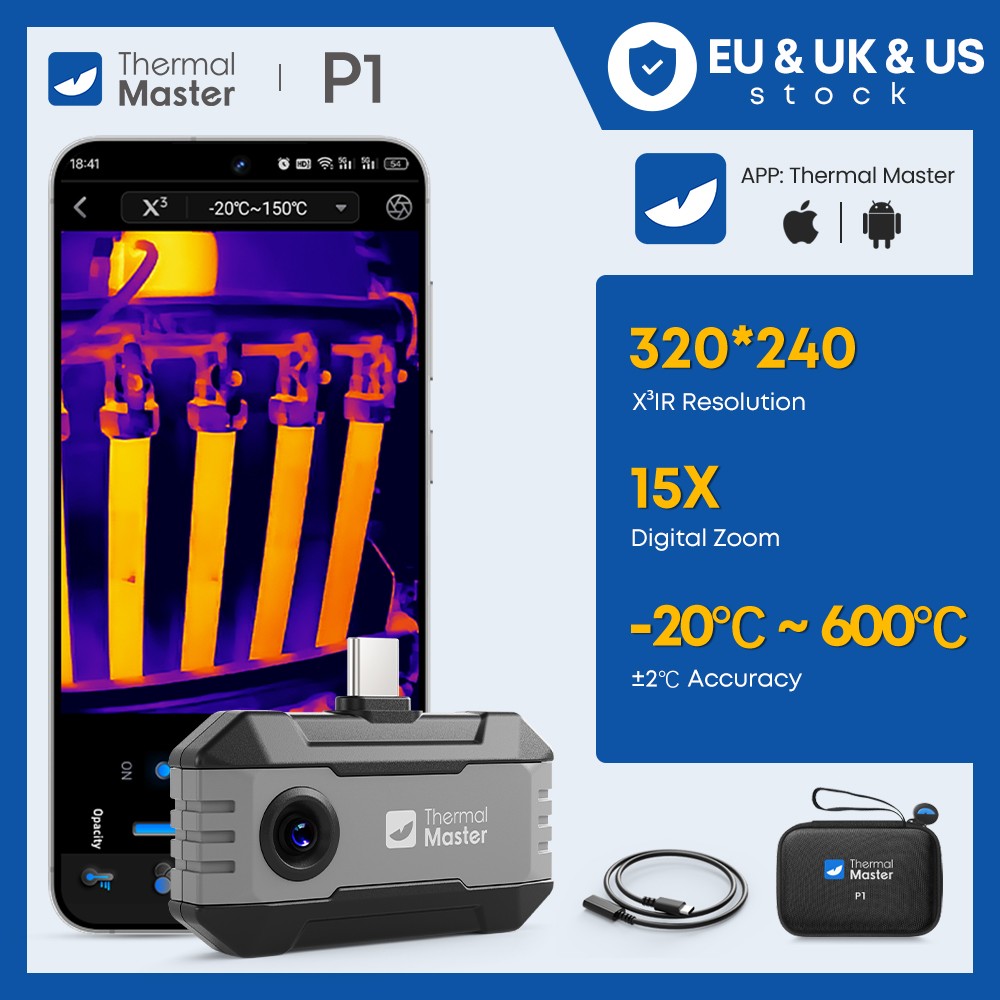 IOS&Android P1 Thermal Camera 320*240 USB-C Infrared Thermal Imager 600℃ Repair$119.93View on eBay
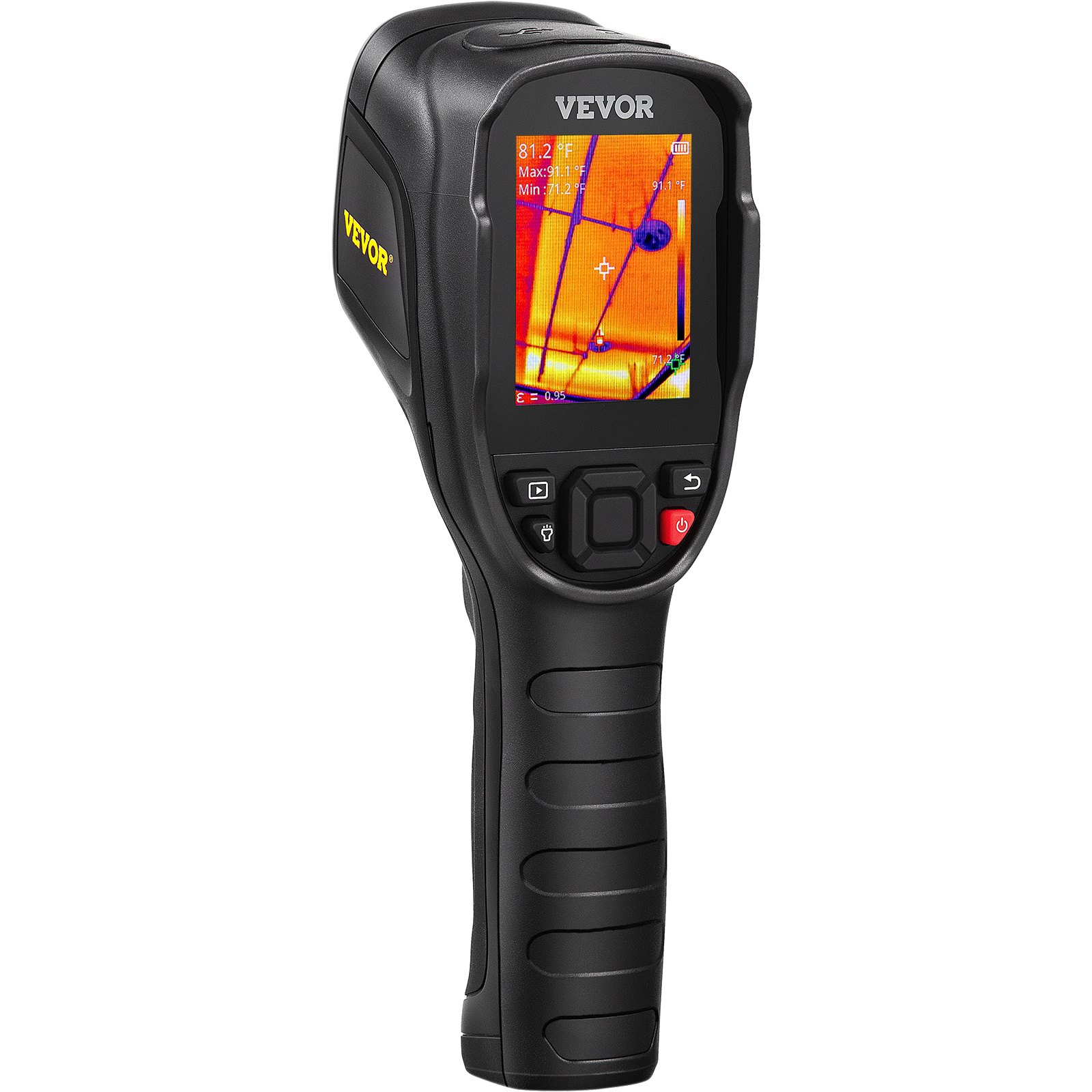 Thermal Imaging Camera, 320 X 240 Pixels Super Resolution, 25Hz Refresh Rate Infrared With -4 To 752°F Temperature Range, 32G Built-in SD Card, And Rechargeable Li-ion Battery$247.99View on Mallflare
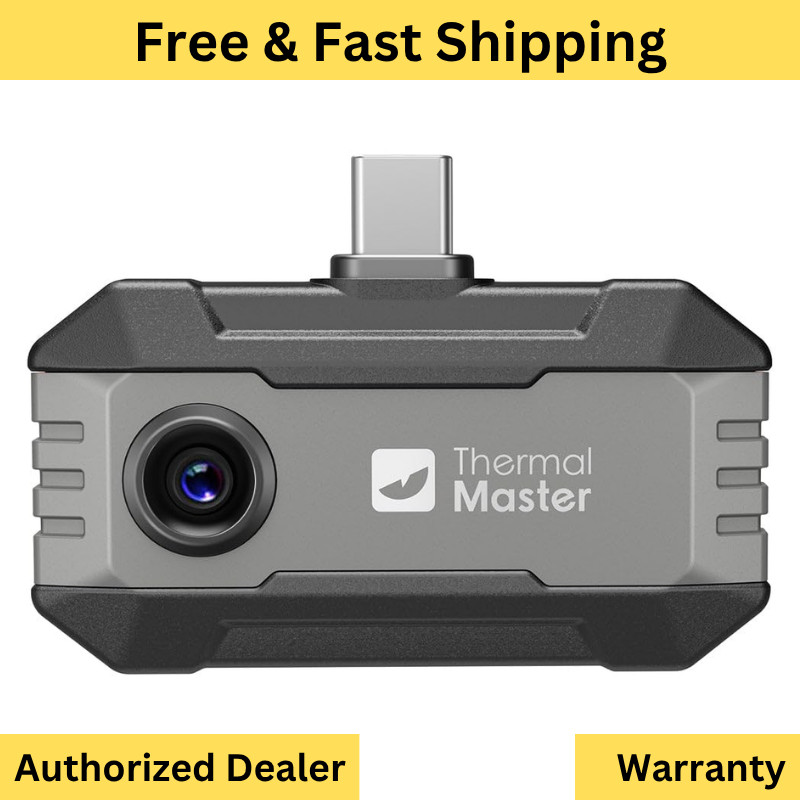 Thermal Master P1 Thermal Camera 320x240 IR Imager for HVAC Android iPhone$129.00View on eBay
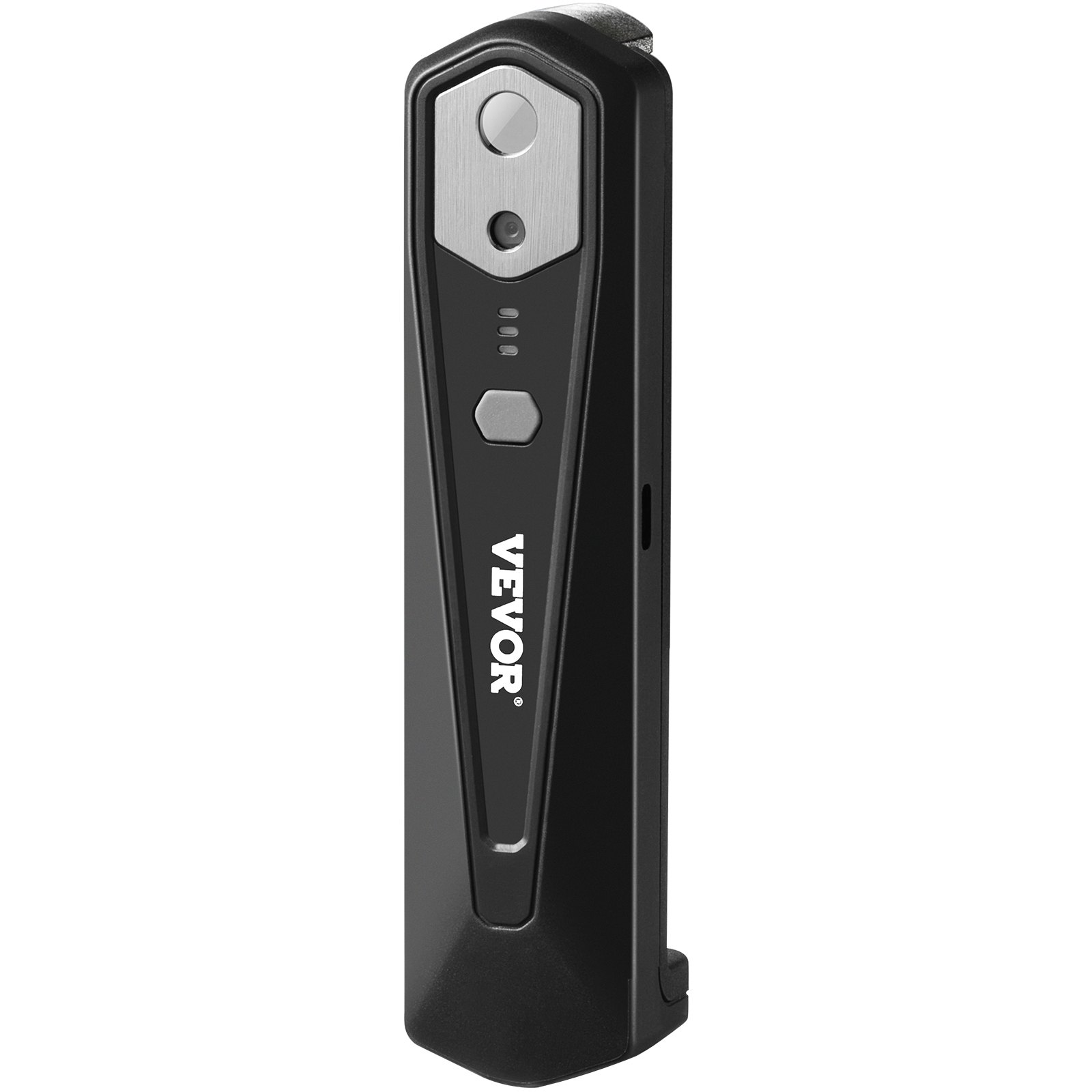 Thermal Imaging Camera For Android & IOS, 256 X 192 IR High Resolution, Wireless Infrared Imager With WiFi & Visual 25Hz Refresh Rate For Smartphone, -4°F-1022°F$248.99View on Mallflare
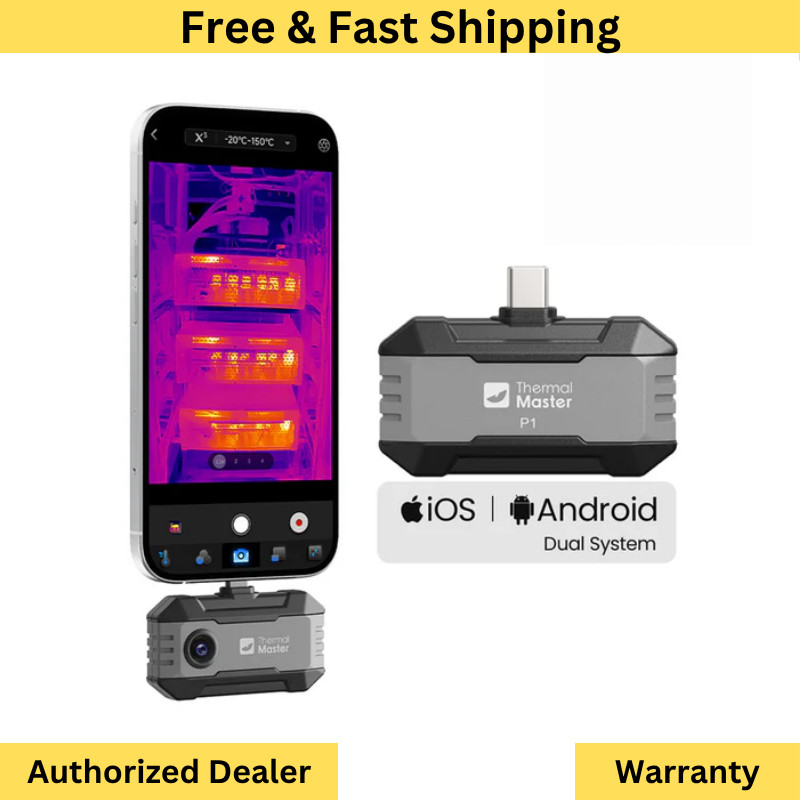 Thermal Master P1 Thermal Camera 320x240 Super IR USB-C iOS Android PC Leak HVAC$129.00View on eBay
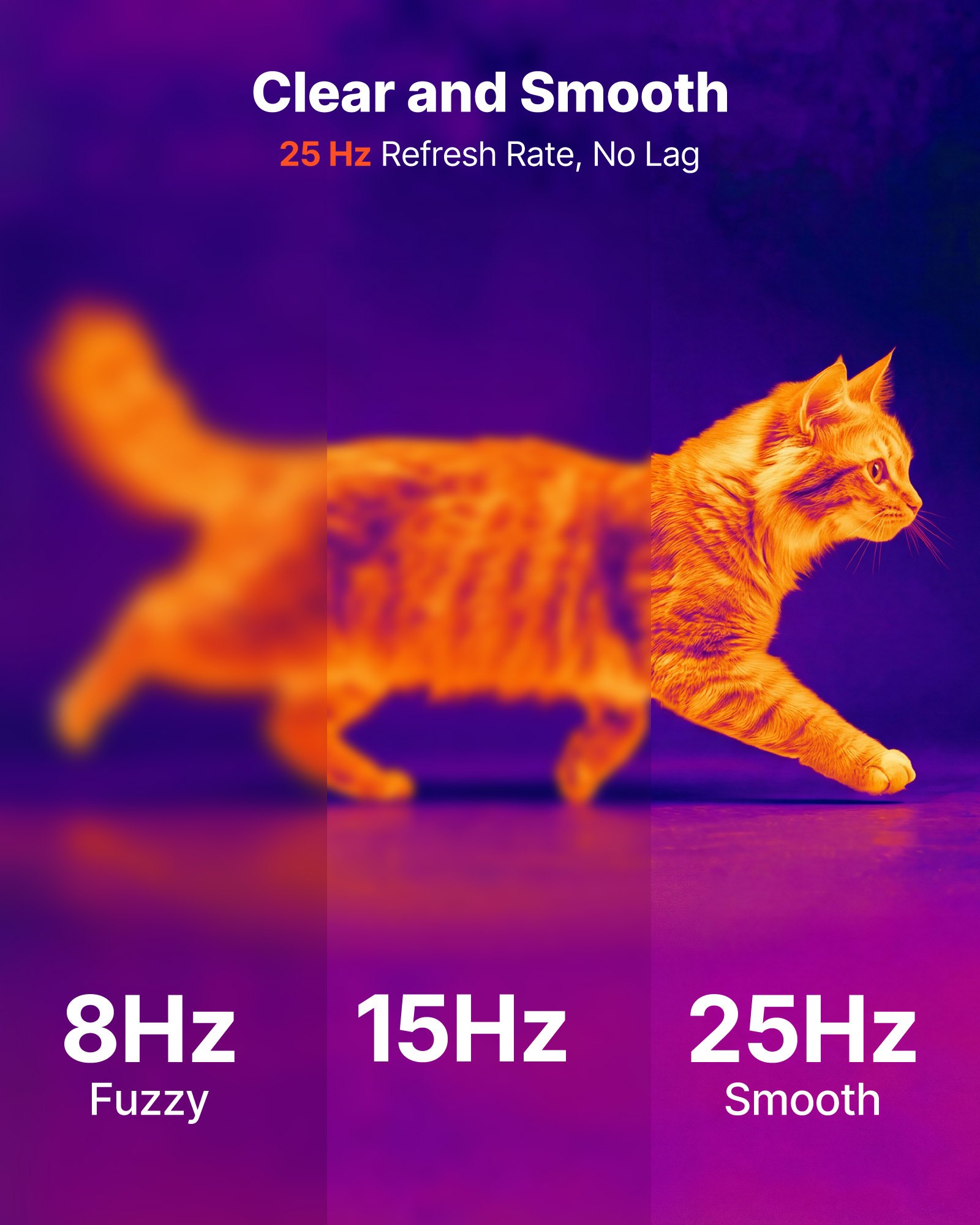 Thermal Imaging Camera For Android & IOS, 512 X 384 Super Resolution With Macro Lens, 25HZ Refresh Rate Infrared Imager For Smartphones Tablets, 256 X 192 IR -4°F To 1022°F$269.99View on Mallflare
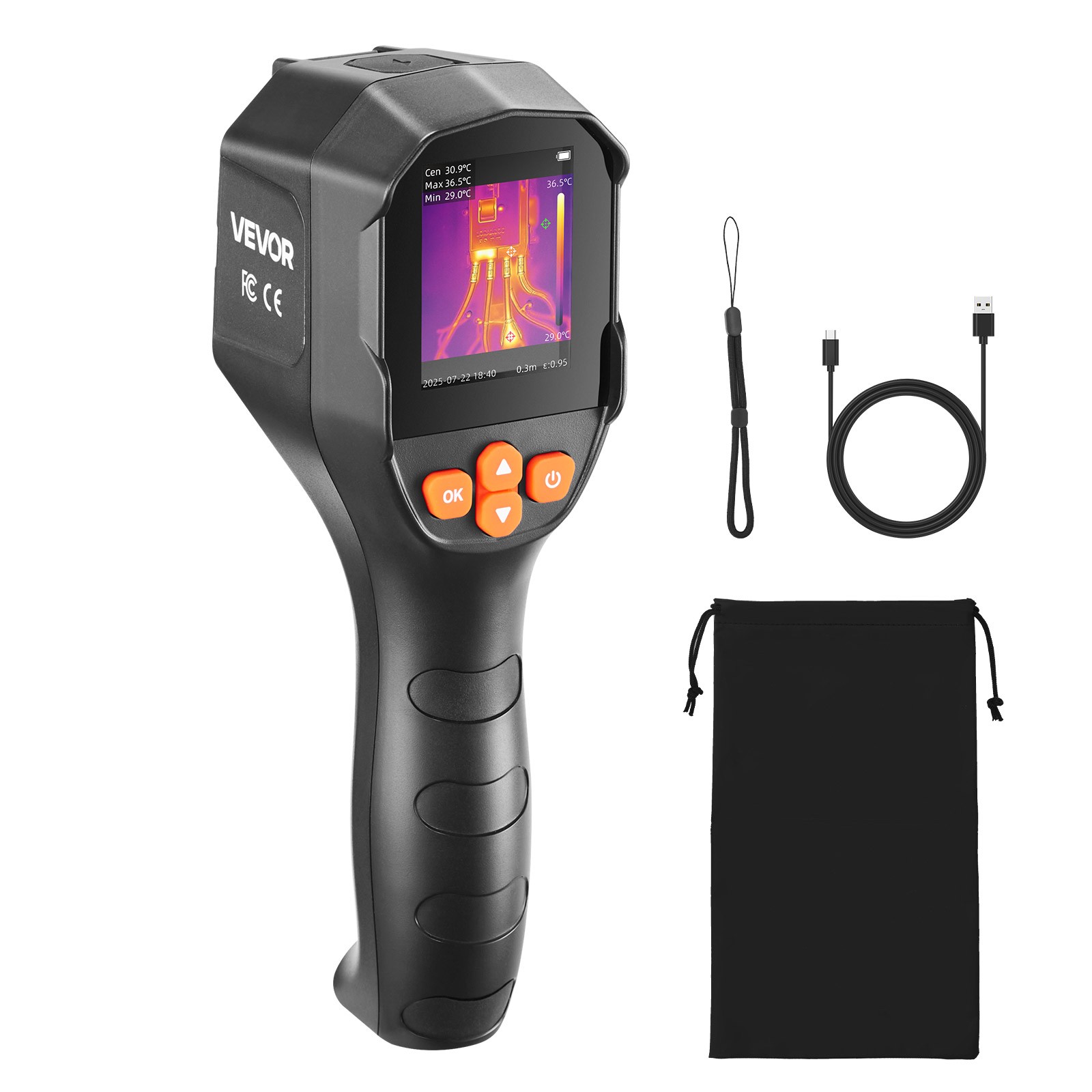 VEVOR Infrared Thermal Imager Temperature Imaging Camera TISR Resolution 240x180$140.90Last checked Nov 28, 2026View on eBay
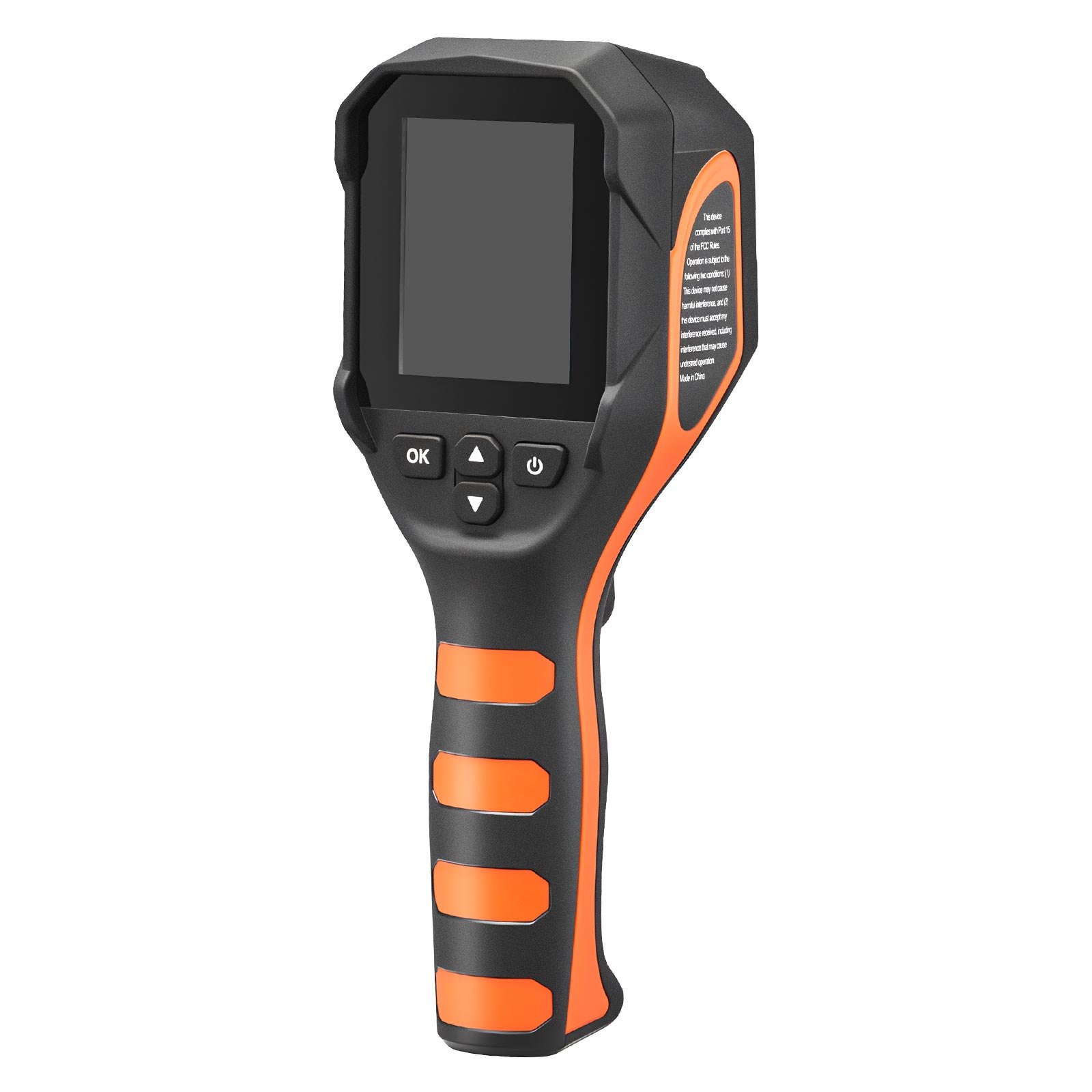 Thermal Camera, 320 X 240 TISR Super Resolution, Imaging With 2MP Visual 256 X 192 IR 25 HZ Refresh Rate, -4°F To 1022°F, 4 Image Modes & 6 Color Palettes$296.99View on Mallflare
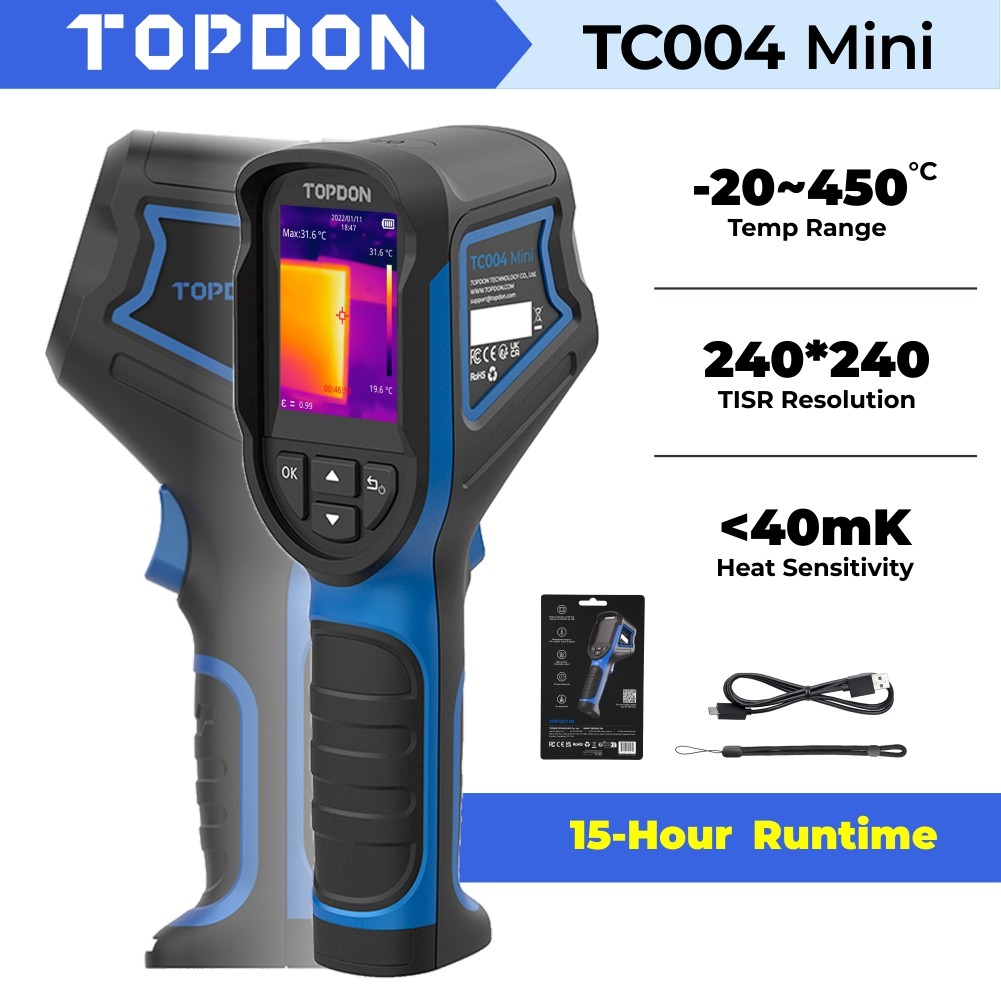 2026 TOPDON TC004 Mini Thermal Imaging Camera 240*240 TISR Long Battery Life US$149.00Last checked Nov 26, 2026View on eBay
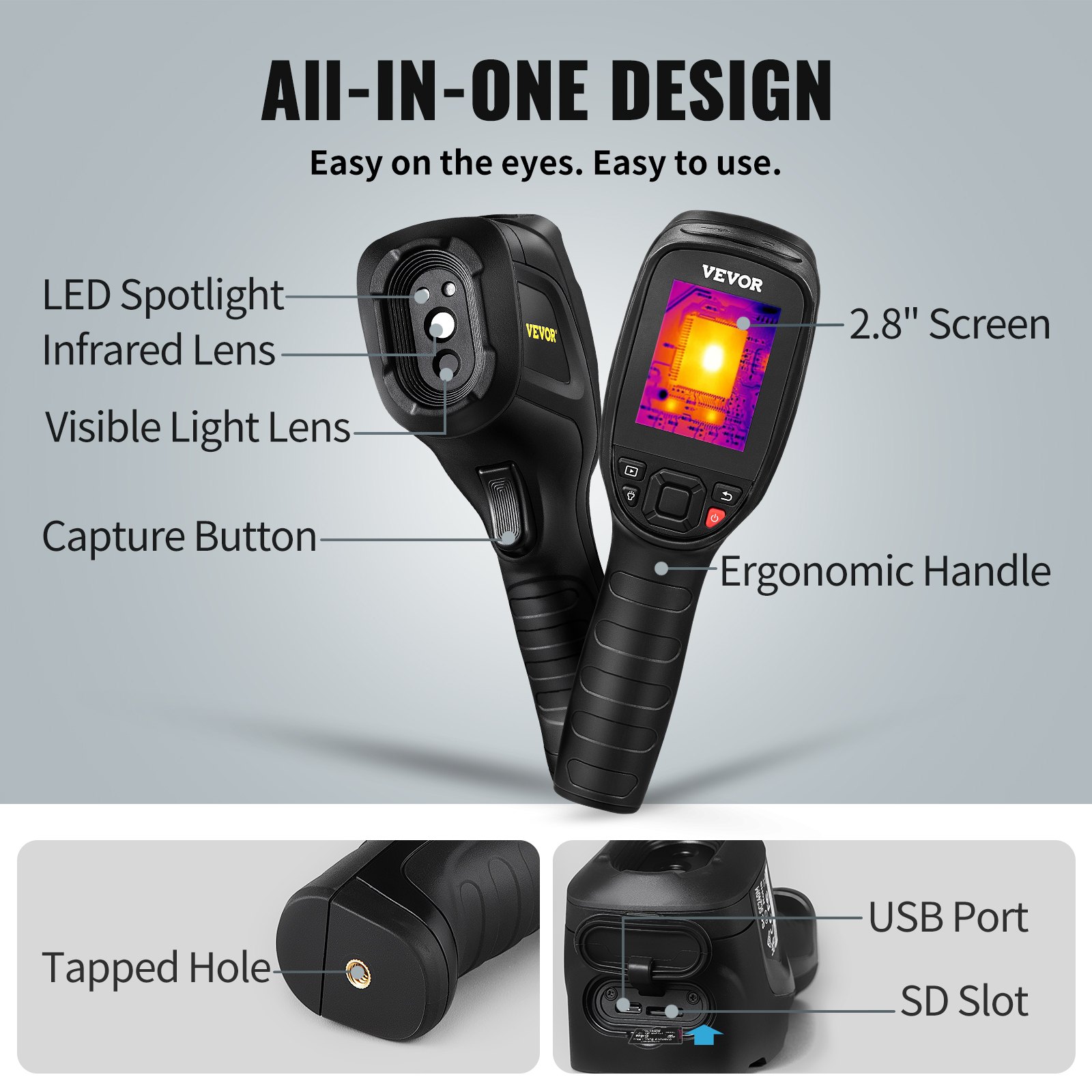 Thermal Imaging Camera, 320 X 240 Pixels Super Resolution With 2MP Visual 25Hz Refresh Rate Infrared , 64G SD Card And Rechargeable Li-ion Battery$324.99View on Mallflare
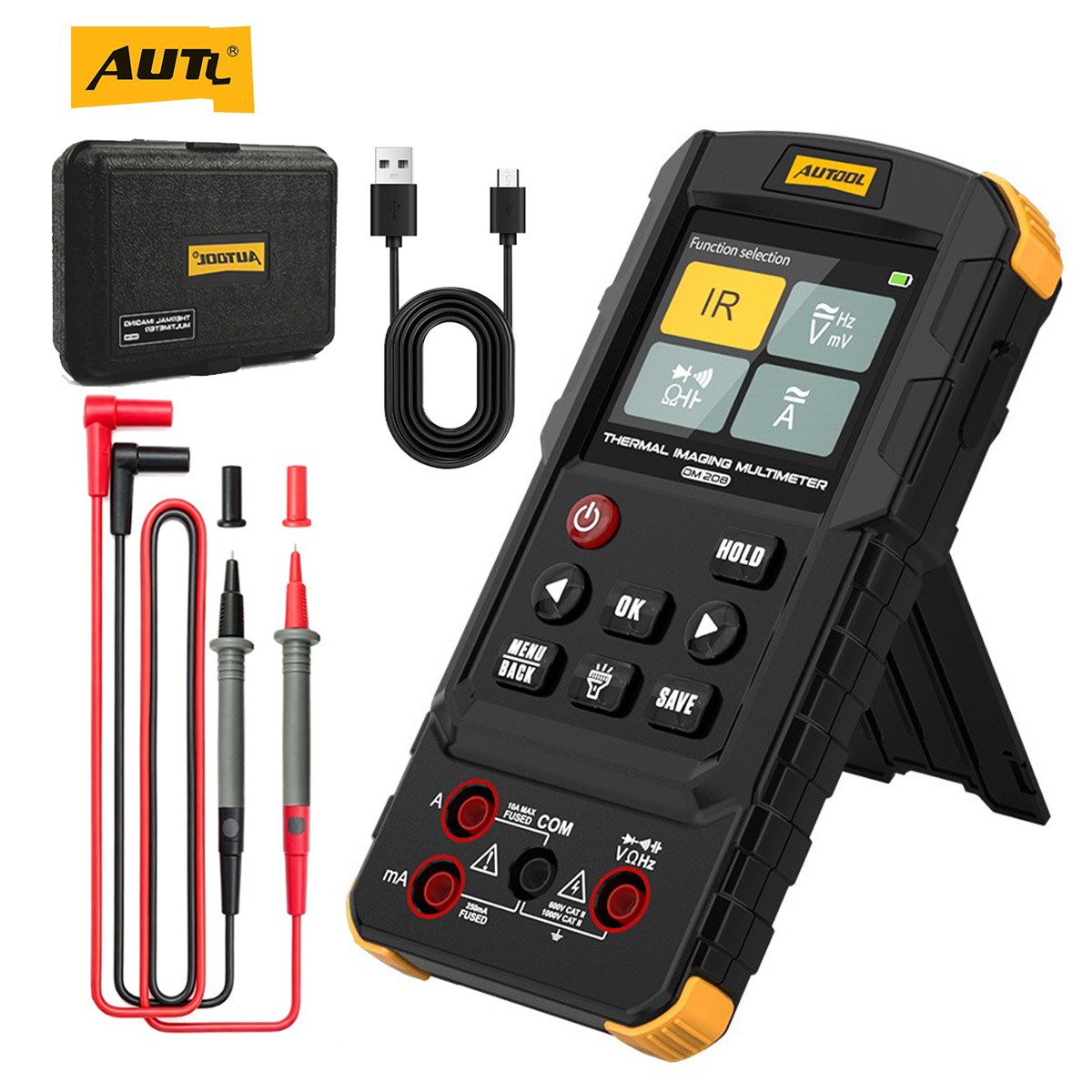 Thermal Imaging Camera 2 in 1 Digital Multimeter 25000count for Car Industrial$149.97View on eBay
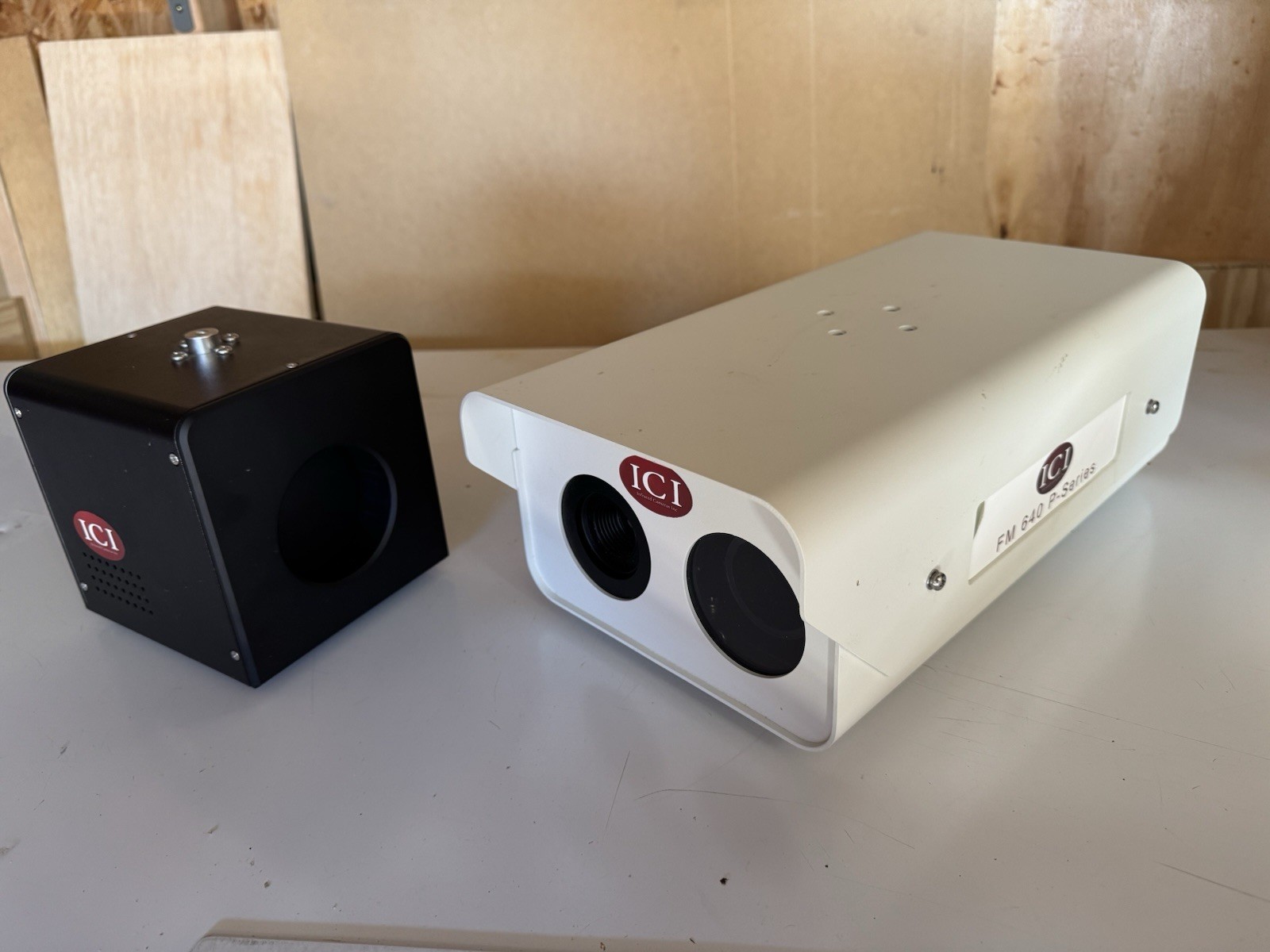 ICI FM640 P-Series Thermal Camera - Camera Only 230$ OBO$205.00Used · Last checked Nov 24, 2026View on eBay
Highlights
- Native IR resolution is the decisive spec: 96×96 and 160×120 sensors interpolate detail, while 256×192 and 320×240 resolve small hotspots like loose breaker terminals or window seal leaks.
- Refresh rate of 25 Hz delivers smooth live scanning; slower sub-9 Hz detectors smear when you pan across walls, panels, or moving equipment.
- Temperature range split matters: -4°F to 842°F covers HVAC, electrical, and home inspection; ranges to 1022°F or 1112°F (600°C) are needed for automotive exhaust, brakes, and electronics repair.
- Smartphone dongles (USB-C or Lightning) use the phone as display and battery, matching the resolution of standalones at lower cost but requiring a compatible port and app.
Best use cases
- Home inspection and HVAC diagnostics: pick a native 256×192 or 320×240 handheld with 25 Hz refresh and at least 2MP visual camera for overlay; skip 96×96 sensors because they cannot resolve small moisture or insulation gaps.
- Android or iPhone thermal add-on: choose a USB-C or Lightning dongle with native 256×192 IR and 25 Hz; skip Wi-Fi-only or app-limited dongles that cap resolution or lock features.
- Automotive and electronics repair: select a camera rated to 1022°F–1112°F (600°C) with 25 Hz and manual emissivity; skip basic 842°F units if you inspect exhaust manifolds, brakes, or power electronics.
- Whole-home energy audit: a 160×120 native sensor with 50° field of view is the minimum for wall scanning; skip 96×96 unless you only need coarse hot/cold confirmation.
Buying tips
- Match sensor to task: 96×96 for coarse checks, 160×120 for walls and ceilings, 256×192 and 320×240 for electrical panels and small mechanical components.
- Field of view trades coverage for detail: 50° FOV scans a room quickly; narrower 25°–35° lenses resolve distant targets like a breaker panel across a basement.
- For phone dongles, confirm the connector matches your phone (USB-C vs Lightning) and that the app supports your OS version; the dongle draws power from the phone and drains battery noticeably.
- Emissivity settings and a visible-light camera matter: adjustable emissivity (0.1–1.0) improves accuracy on shiny metal, and a 2MP visual camera helps locate the thermal spot.
Specs
| IR Sensor Resolution | 96×96 / 160×120 / 256×192 / 320×240 |
|---|---|
| Refresh Rate | 25 Hz standard; <9 Hz for static use |
| Temperature Range | -4°F to 842°F or 1022°F–1112°F |
| Form Factor | Handheld / USB-C dongle / Lightning dongle |
Related searches
What to check before buying
- Measure the distance to your farthest target and compare with the lens FOV and detector resolution; a 320×240 sensor with 50° FOV resolves roughly 2–3 cm per pixel at 3 meters.
- Check your phone's port and OS: USB-C dongles fit most Android and iPhone 15+, while Lightning dongles fit iPhone 14 and earlier.
- Confirm the temperature range covers your hottest target plus margin; HVAC and home inspection fit within 842°F, automotive exhaust needs 1022°F+.
- Verify the camera or dongle includes the app, cable, and any required calibration or emissivity controls; standalone units need a charged battery and a screen you can read outdoors.
FAQ
Data sources: eBay / Amazon listings and product attribute feeds. Updated Nov 28, 2026.
Some links on this page are affiliate links. If you buy after clicking one, we may earn a commission at no extra cost to you. This does not change which products appear here or their order. Affiliate disclosure.