
Photos from current listings. Actual item, color, and included accessories may vary.
Thermal Imaging Camera Buying Guide
Thermal imaging cameras convert infrared radiance into temperature-mapped images, and the decisive split is sensor resolution (the true IR pixel grid) versus marketed 'super resolution' interpolation. Buyers must also choose between standalone handheld units with built-in LCD and smartphone dongles that rely on your phone's screen and battery. The clear rule: prioritize native IR resolution of at least 256x192 for diagnostic work, and accept 120x90 or 160x120 only for coarse hot-spot scanning.
Median $247.99 · New & pre-owned listings
Key takeaways
- Native IR resolution drives detail: 256x192 gives 49,152 temperature pixels versus 19,200 at 160x120 and 10,800 at 120x90; 'super resolution' upscaling adds no real thermal data.
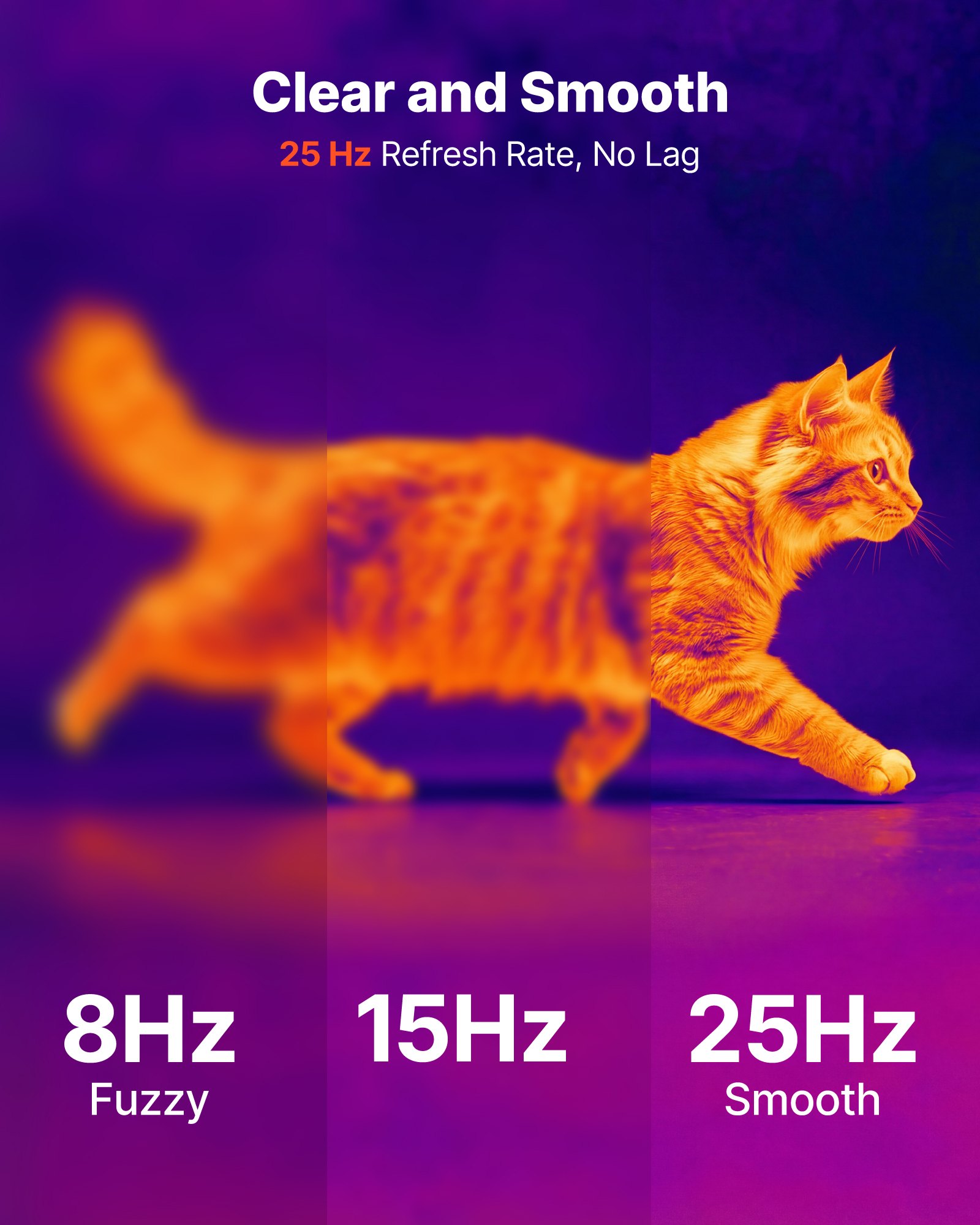
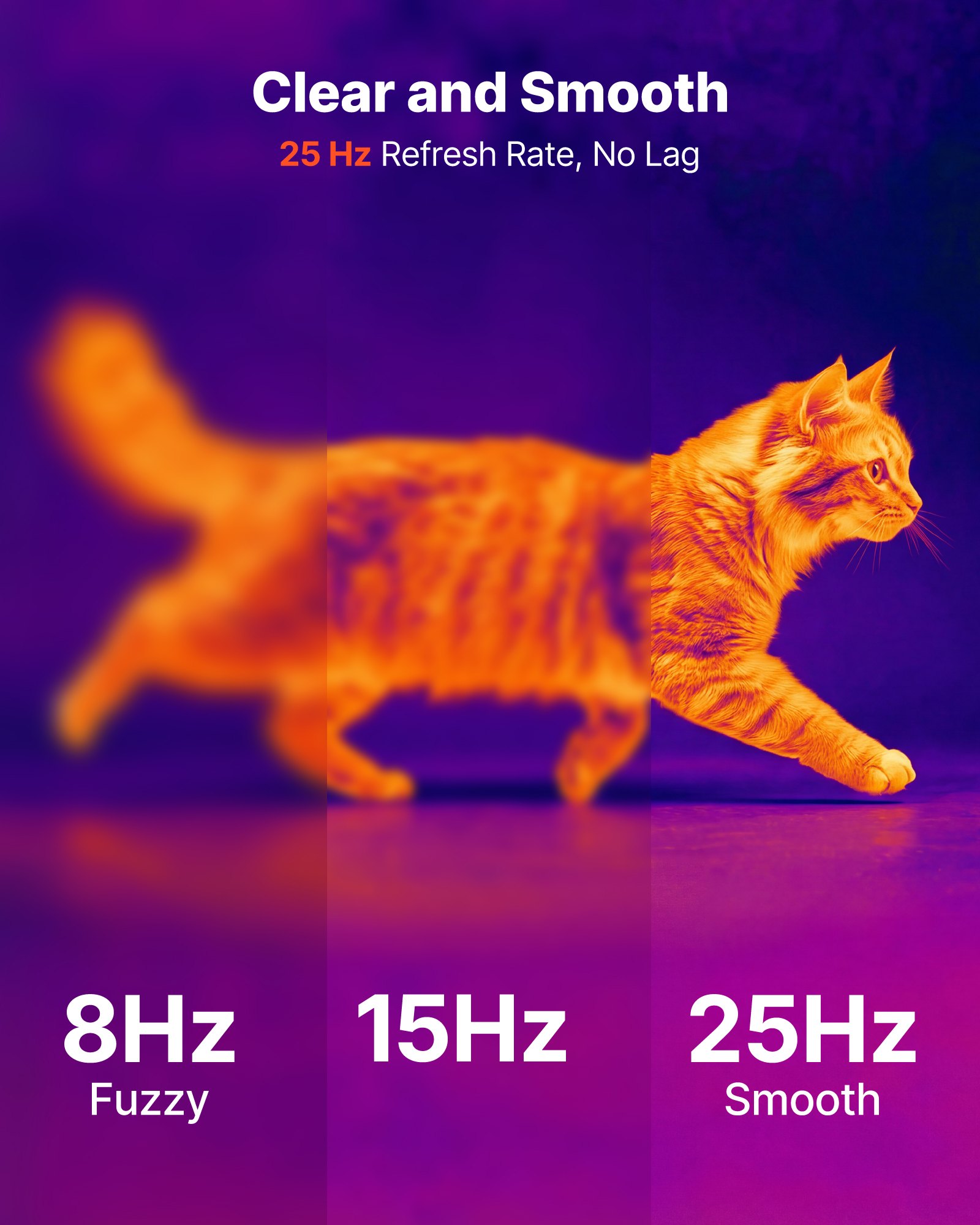
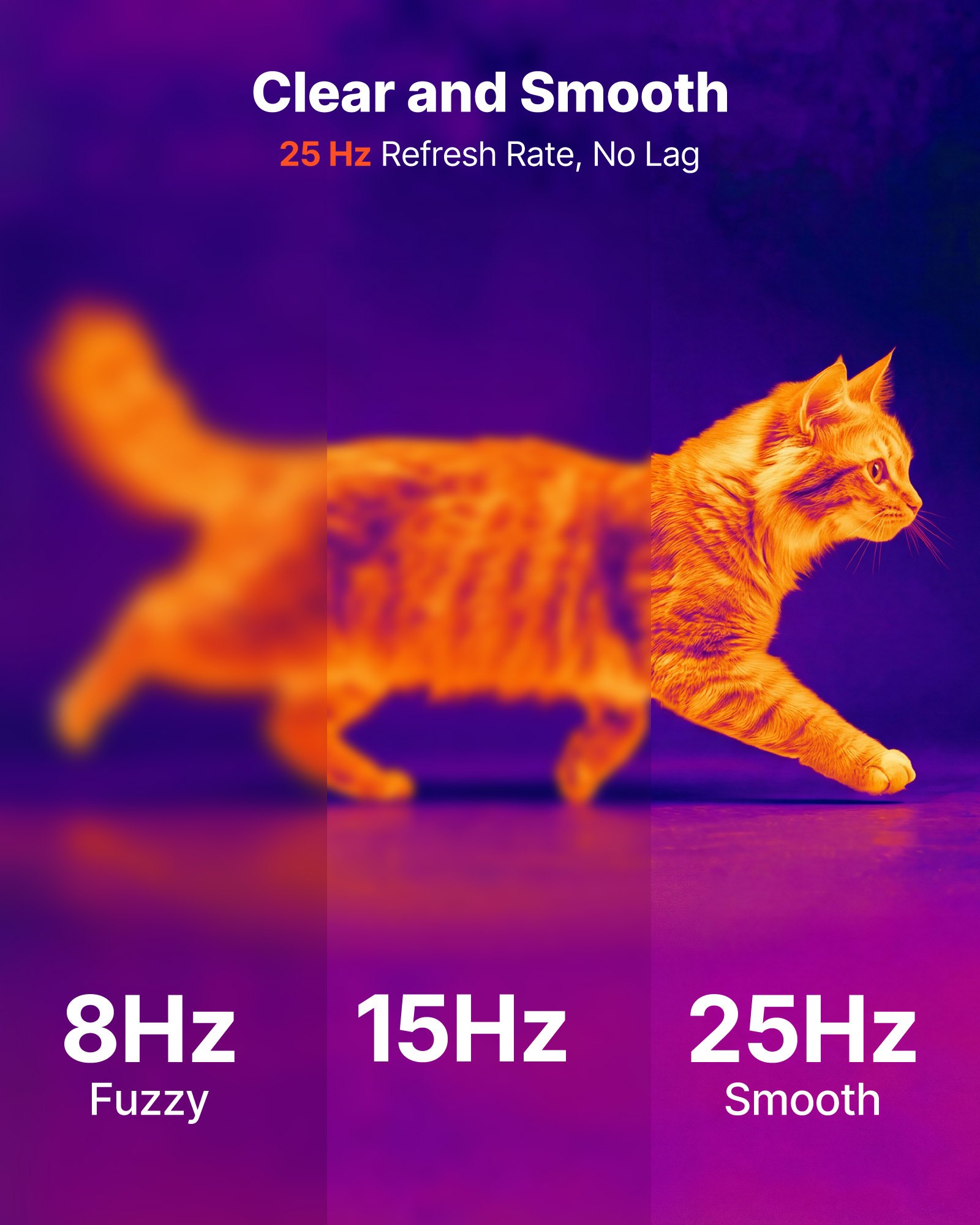
- Refresh rate of 25Hz is the practical standard for handheld scanning; 9Hz models feel laggy when panning across panels or moving targets.
- Temperature range splits use cases: -4°F to 752°F covers HVAC and electrical; ranges to 1022°F suit automotive and light industrial, while cryo or foundry work needs dedicated high-temp models.
At a glance
- Category
- Thermal Cameras, Borescopes & Visual Inspection
- Last updated
- Nov 28, 2026
Current offers
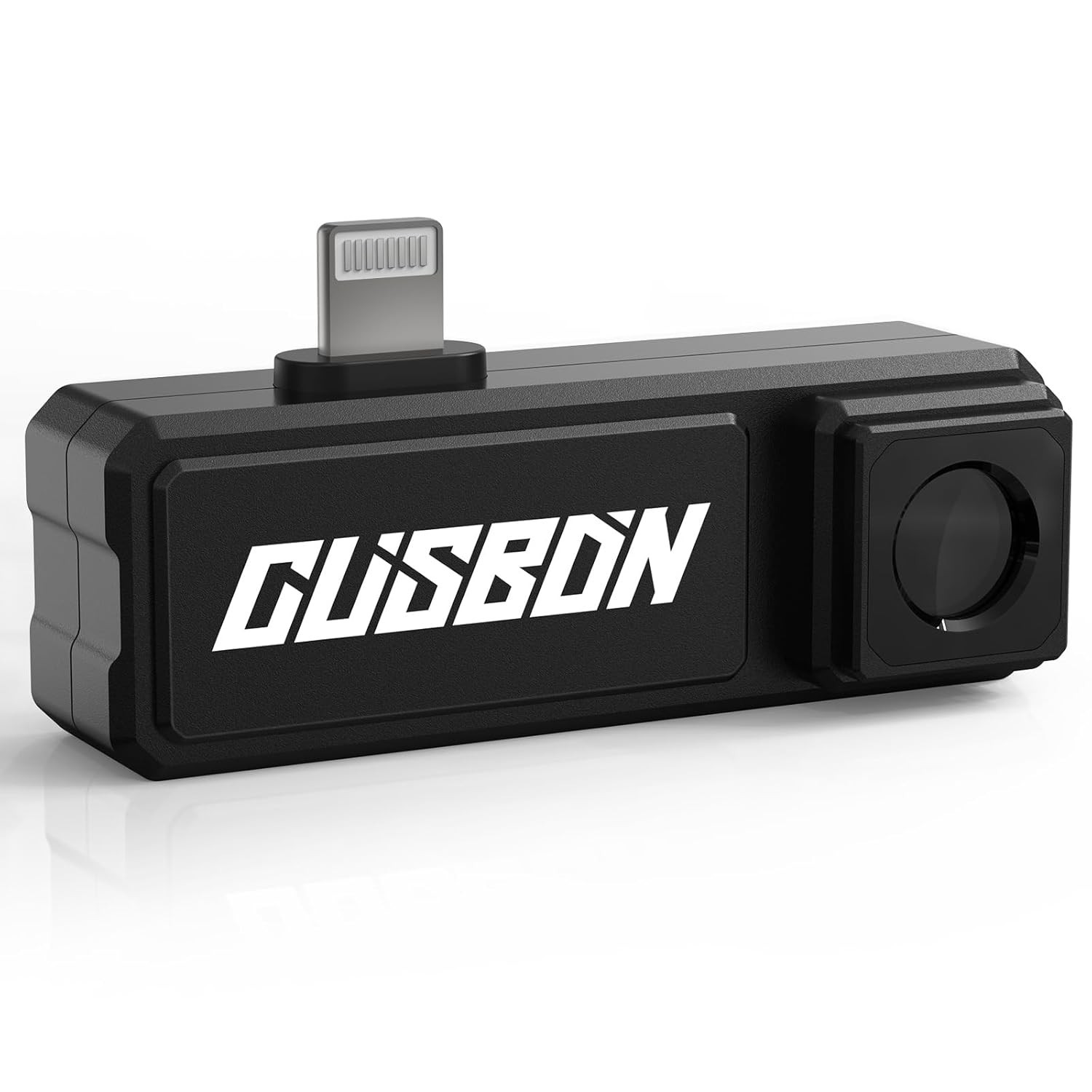 Thermal Imaging Camera Android and iOS 120 x 90 IR -20 °C - 400 °C Temperature$65.95Last checked Nov 27, 2026View on eBay
 Thermal Imaging Camera For Android, 320 X 240 TISR Super Resolution, 25HZ Refresh Rate Infrared Imager For Smartphone Tablet, 160 X 120 IR -4°F To 1022°F & 15 Color Palettes$203.99View on Mallflare
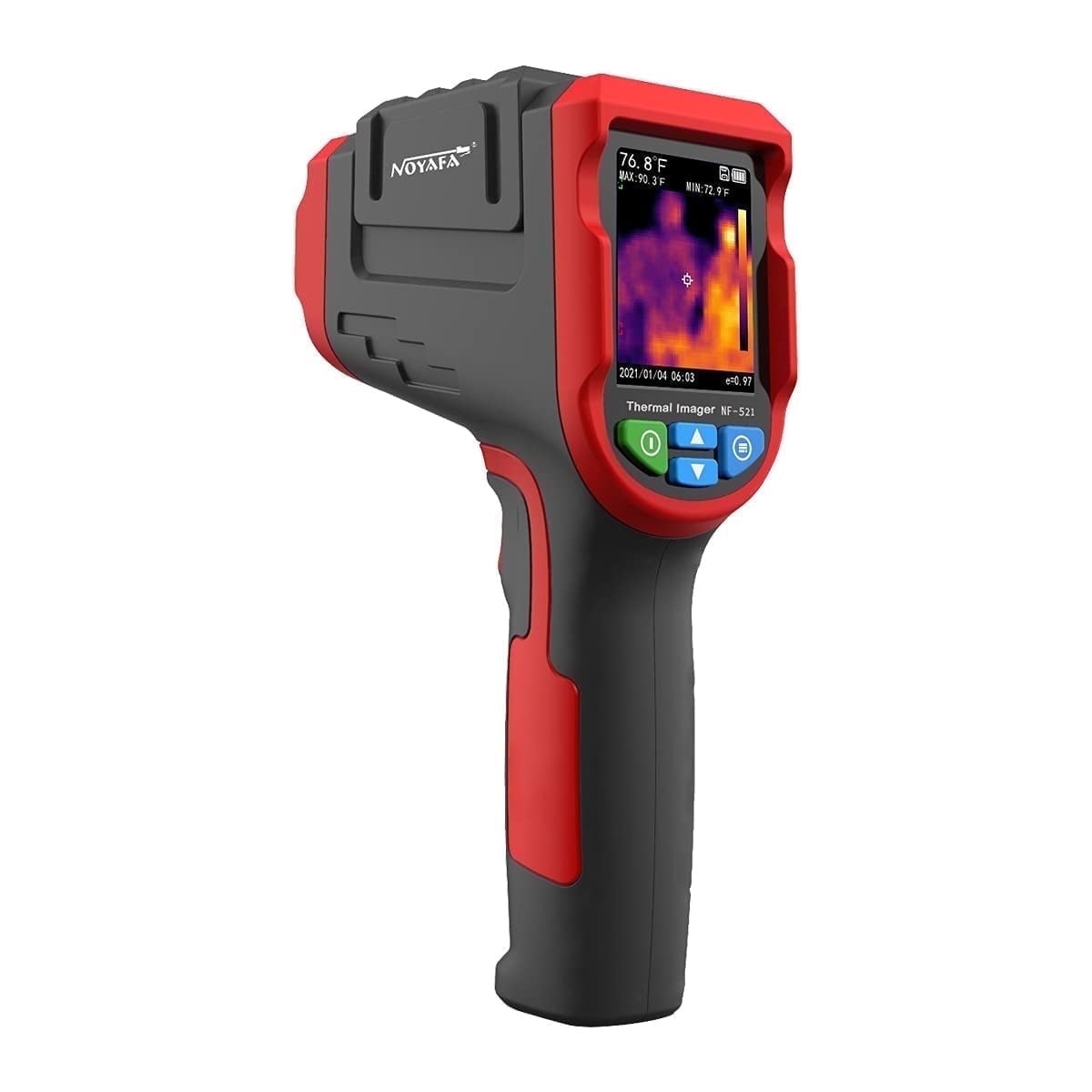 NOYAFA Infrared Thermal Imaging Camera, High Resolution, 2.4 in LCD Display,$89.00View on eBay
 Thermal Imaging Camera For Android, 512 X 384 TISR Super Resolution, 25HZ Refresh Rate Infrared Imager For Smartphone Tablet, 256 X 192 IR -4°F To 1022°F & 15 Color Palettes$238.99View on Mallflare
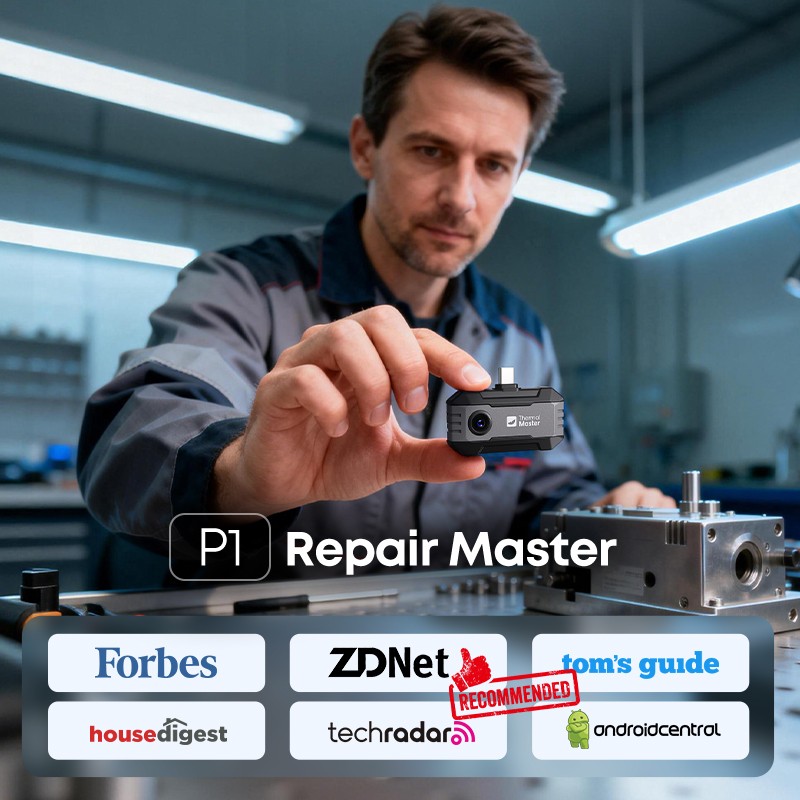 320*240 X³IR Resolution P1 Thermal Imaging Camera IOS&Android 600℃ Type-C 25Hz$116.00Last checked Nov 28, 2026View on eBay
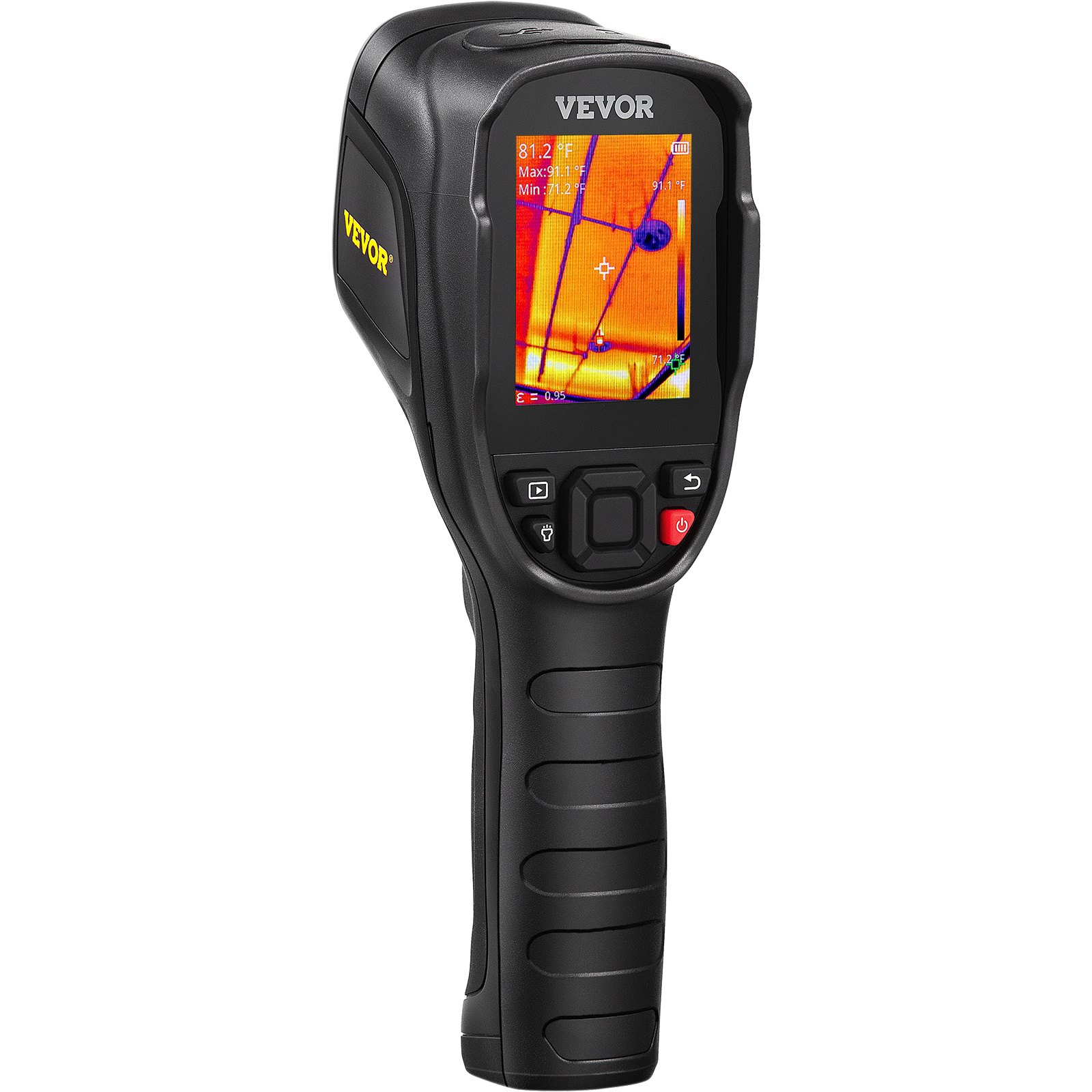 Thermal Imaging Camera, 320 X 240 Pixels Super Resolution, 25Hz Refresh Rate Infrared With -4 To 752°F Temperature Range, 32G Built-in SD Card, And Rechargeable Li-ion Battery$247.99View on Mallflare
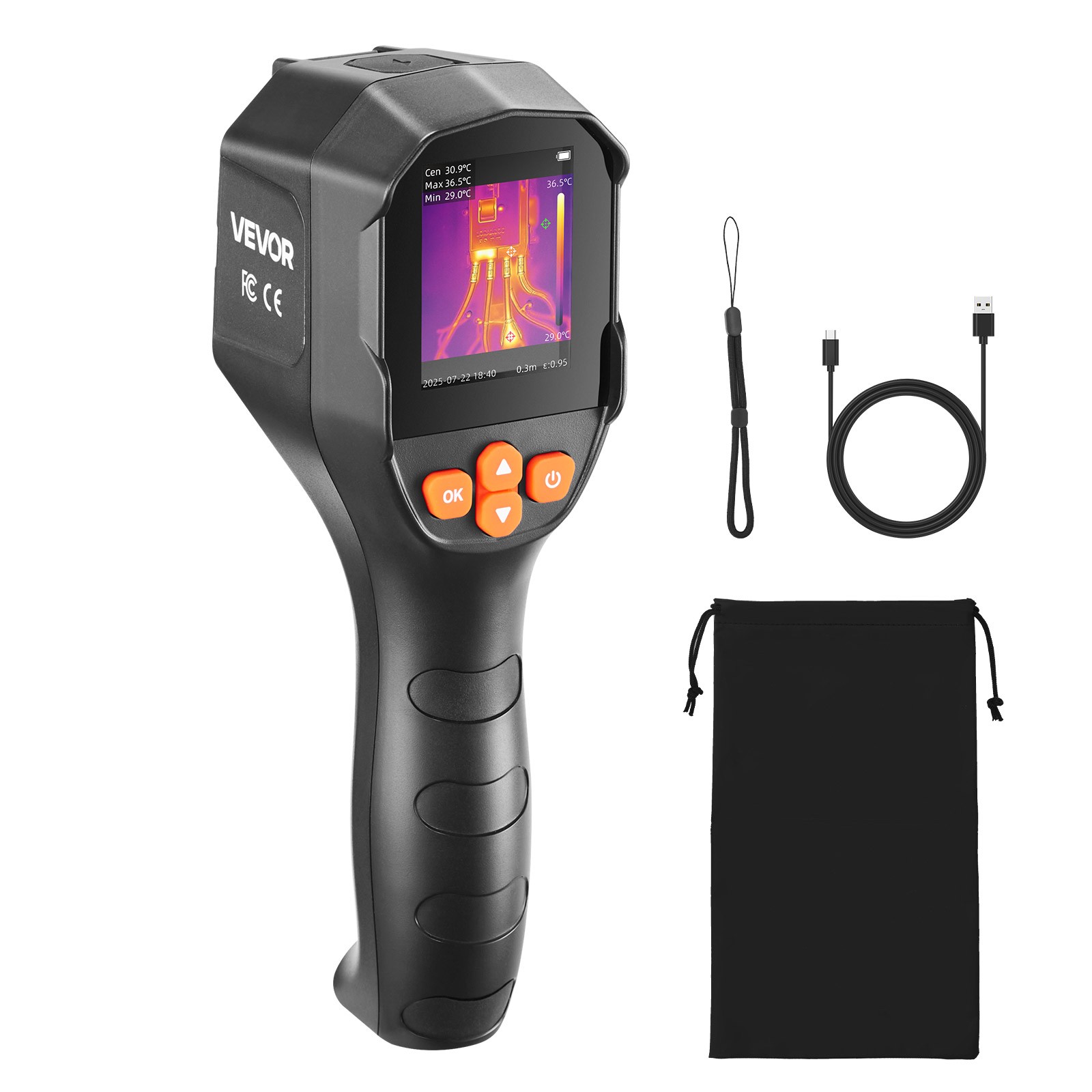 VEVOR Infrared Thermal Imager Temperature Imaging Camera TISR Resolution 240x180$140.90Last checked Nov 28, 2026View on eBay
 Thermal Imaging Camera For Android & IOS, 256 X 192 IR High Resolution, Wireless Infrared Imager With WiFi & Visual 25Hz Refresh Rate For Smartphone, -4°F-1022°F$248.99View on Mallflare
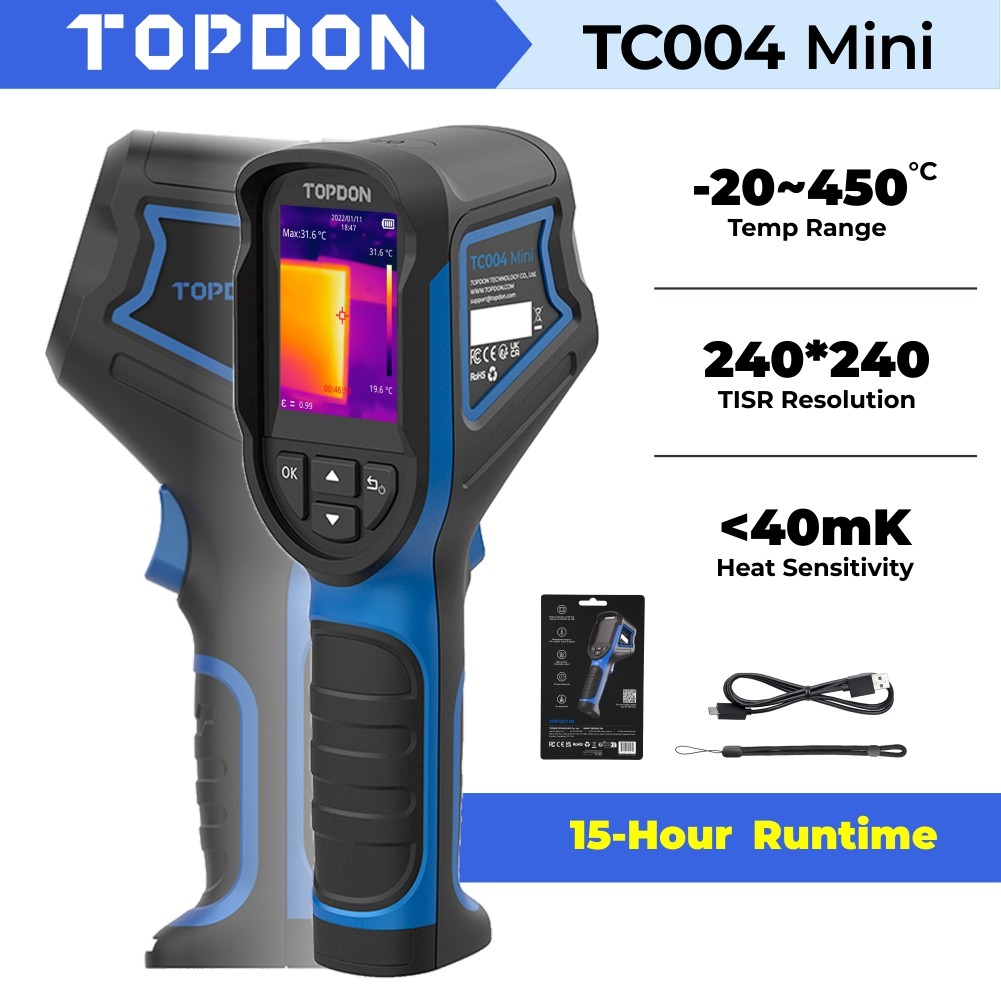 2026 TOPDON TC004 Mini Thermal Imaging Camera 240*240 TISR Long Battery Life US$149.00Last checked Nov 26, 2026View on eBay
 Thermal Imaging Camera For Android & IOS, 512 X 384 Super Resolution With Macro Lens, 25HZ Refresh Rate Infrared Imager For Smartphones Tablets, 256 X 192 IR -4°F To 1022°F$269.99View on Mallflare
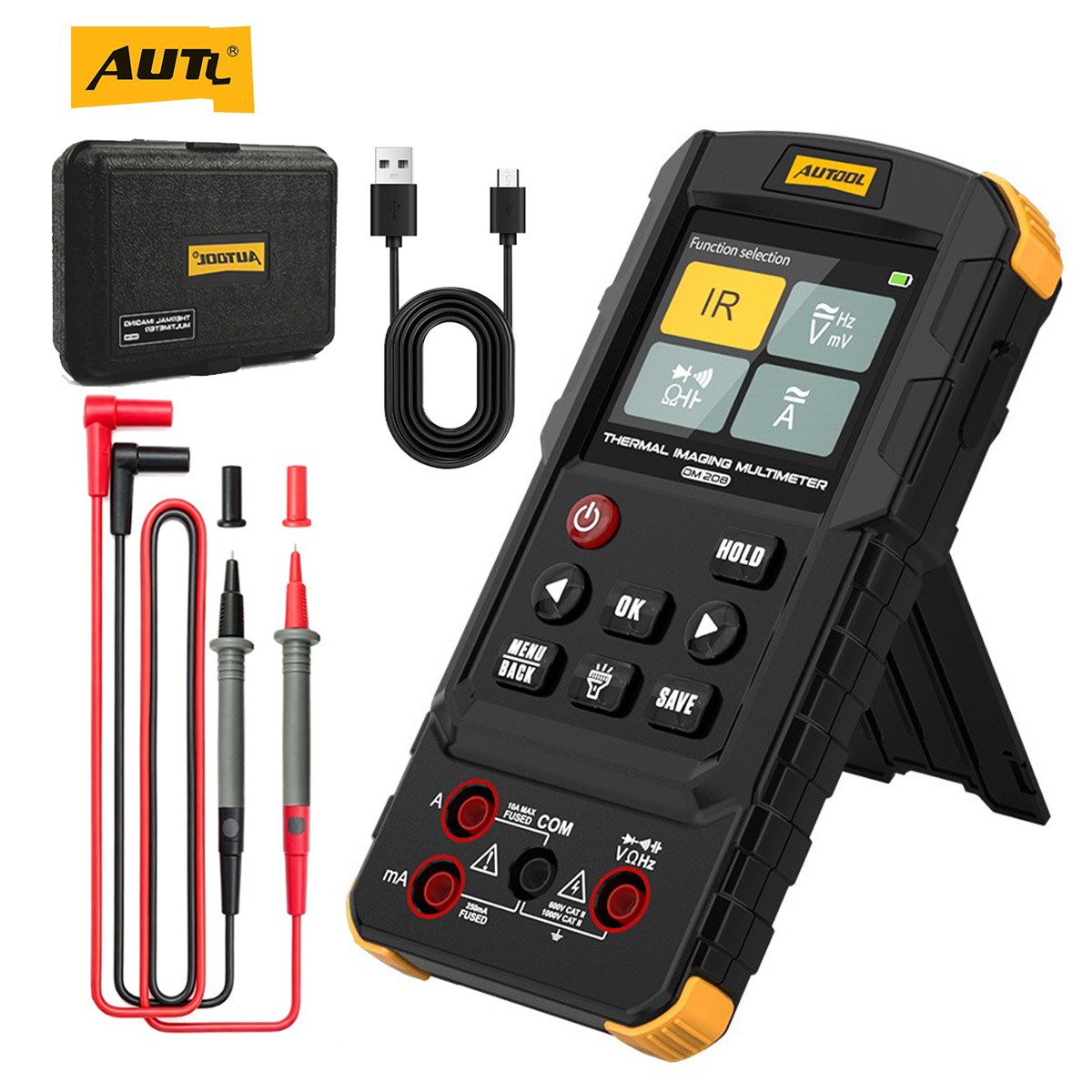 Thermal Imaging Camera 2 in 1 Digital Multimeter 25000count for Car Industrial$149.97View on eBay
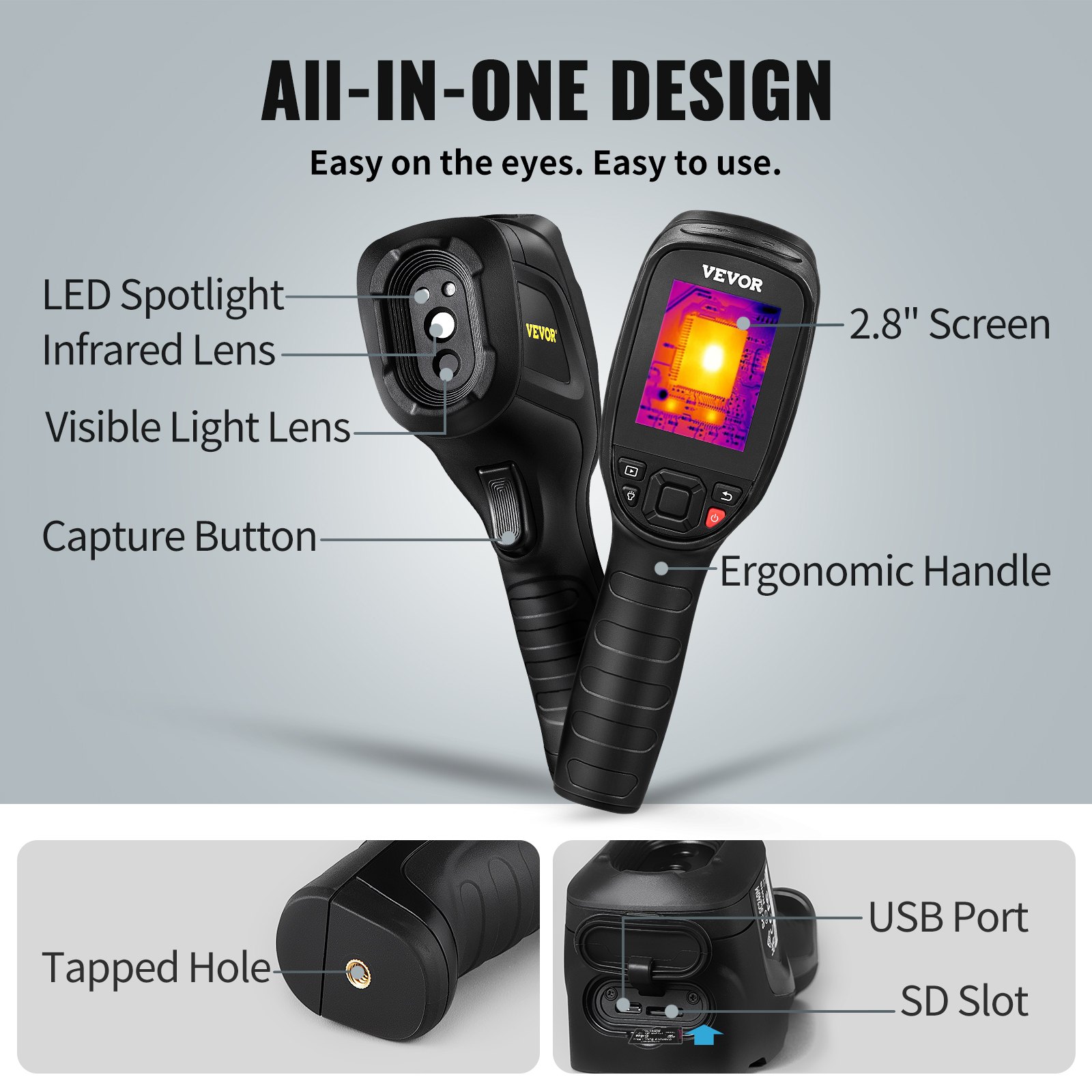 Thermal Imaging Camera, 320 X 240 Pixels Super Resolution With 2MP Visual 25Hz Refresh Rate Infrared , 64G SD Card And Rechargeable Li-ion Battery$324.99View on Mallflare
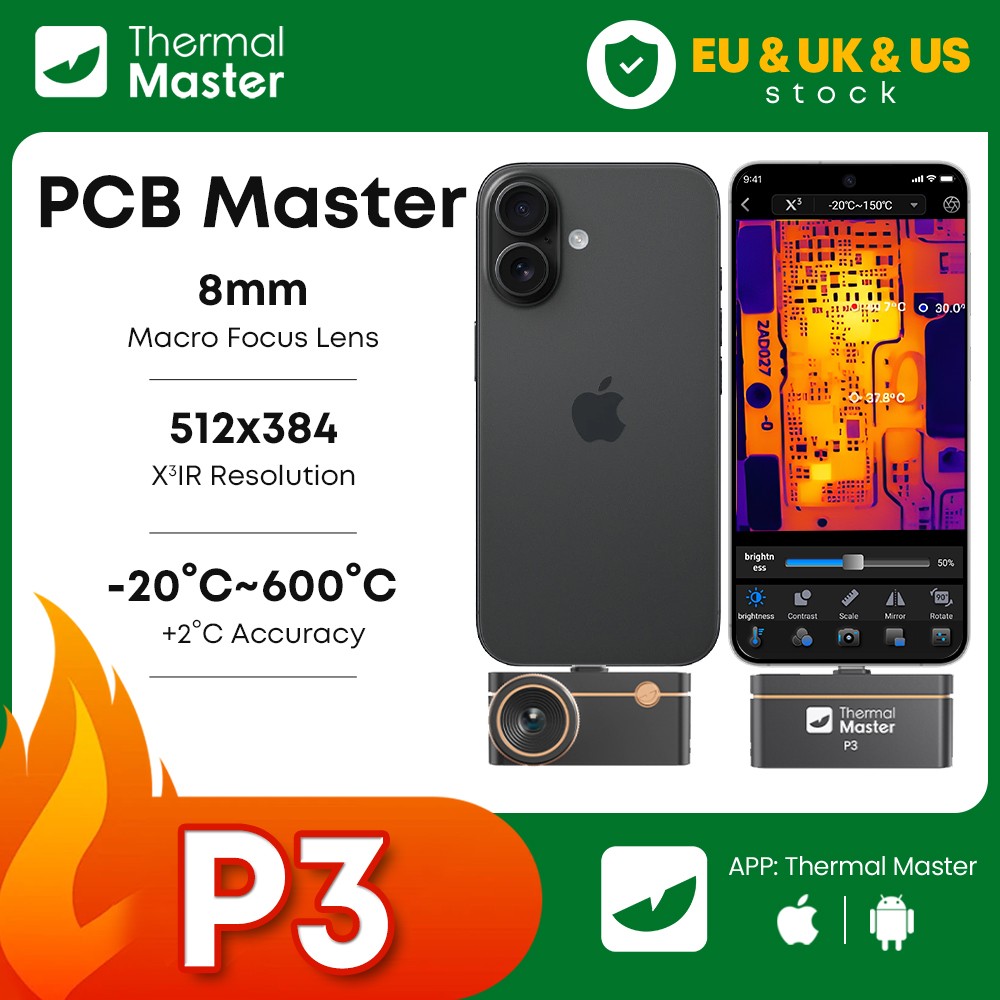 P3 Thermal Imaging Camera for iPhone Android Phone USB-C 512*384 X³IR Resolution$269.00Last checked Nov 14, 2026View on eBay
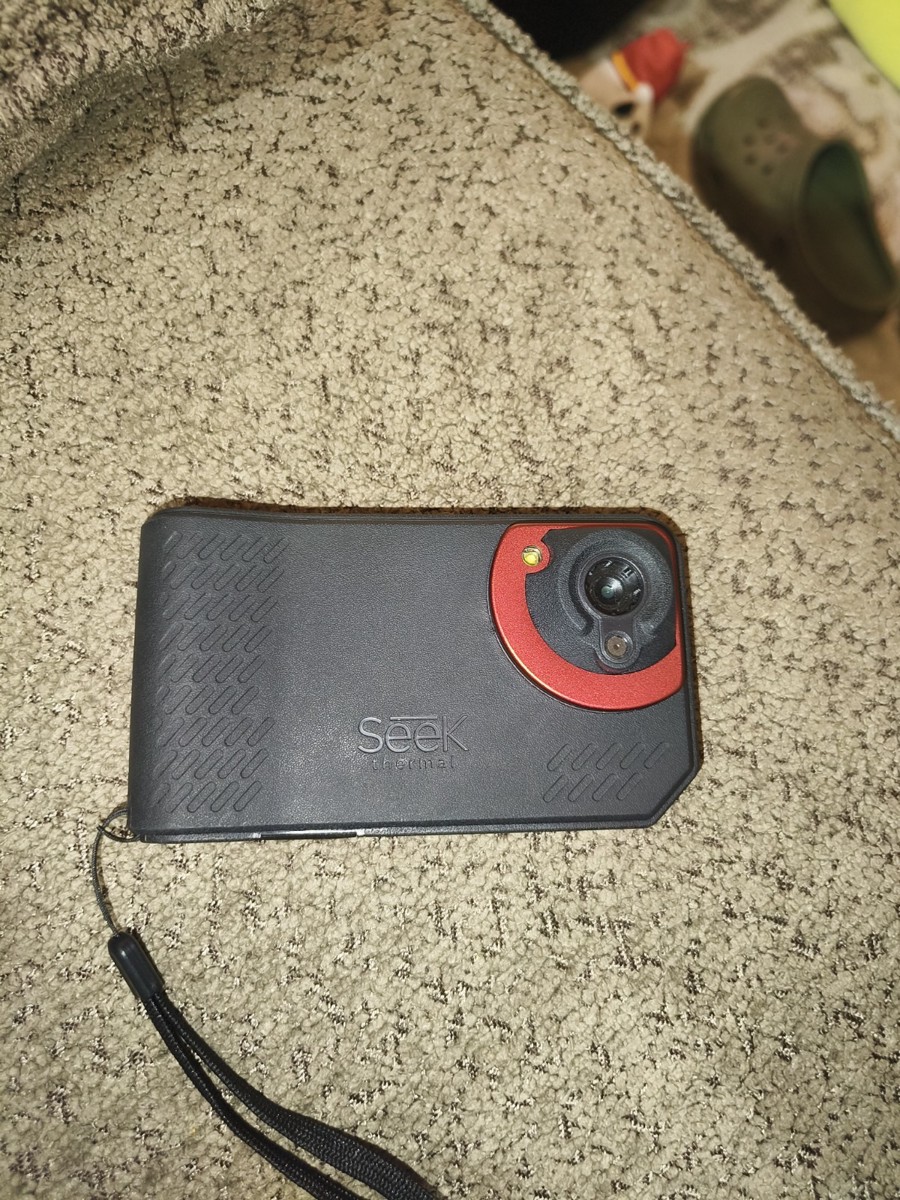 Seek Thermal SQ-AAA Battery Powered Handheld Thermal Imaging Camera - Black$300.00Used · Last checked Nov 24, 2026View on eBay
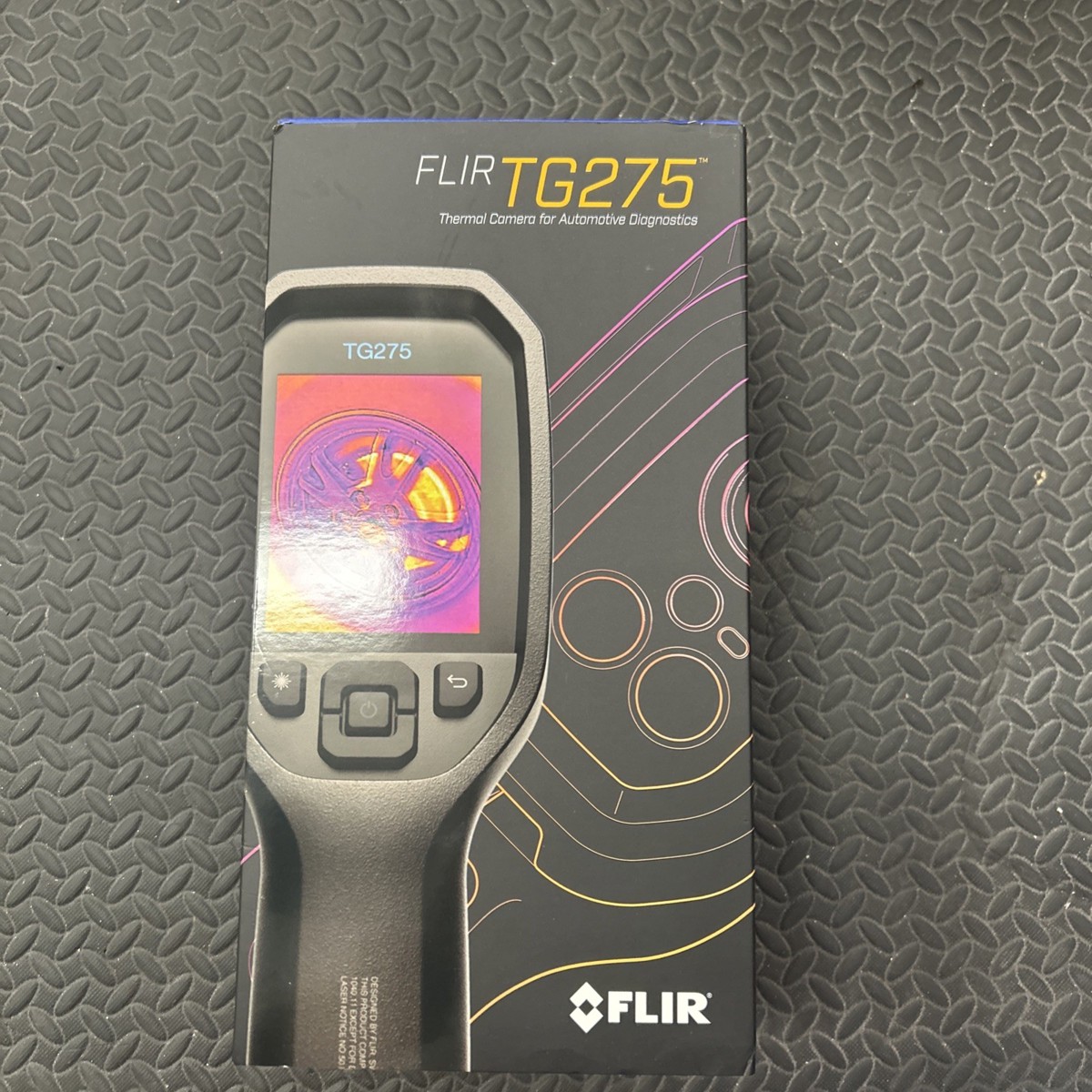 NEW FLIR Thermal Camera: TG275, Thermal Imaging, Adj @ 0.10 to 0.99$339.99New · Last checked Nov 24, 2026View on eBay
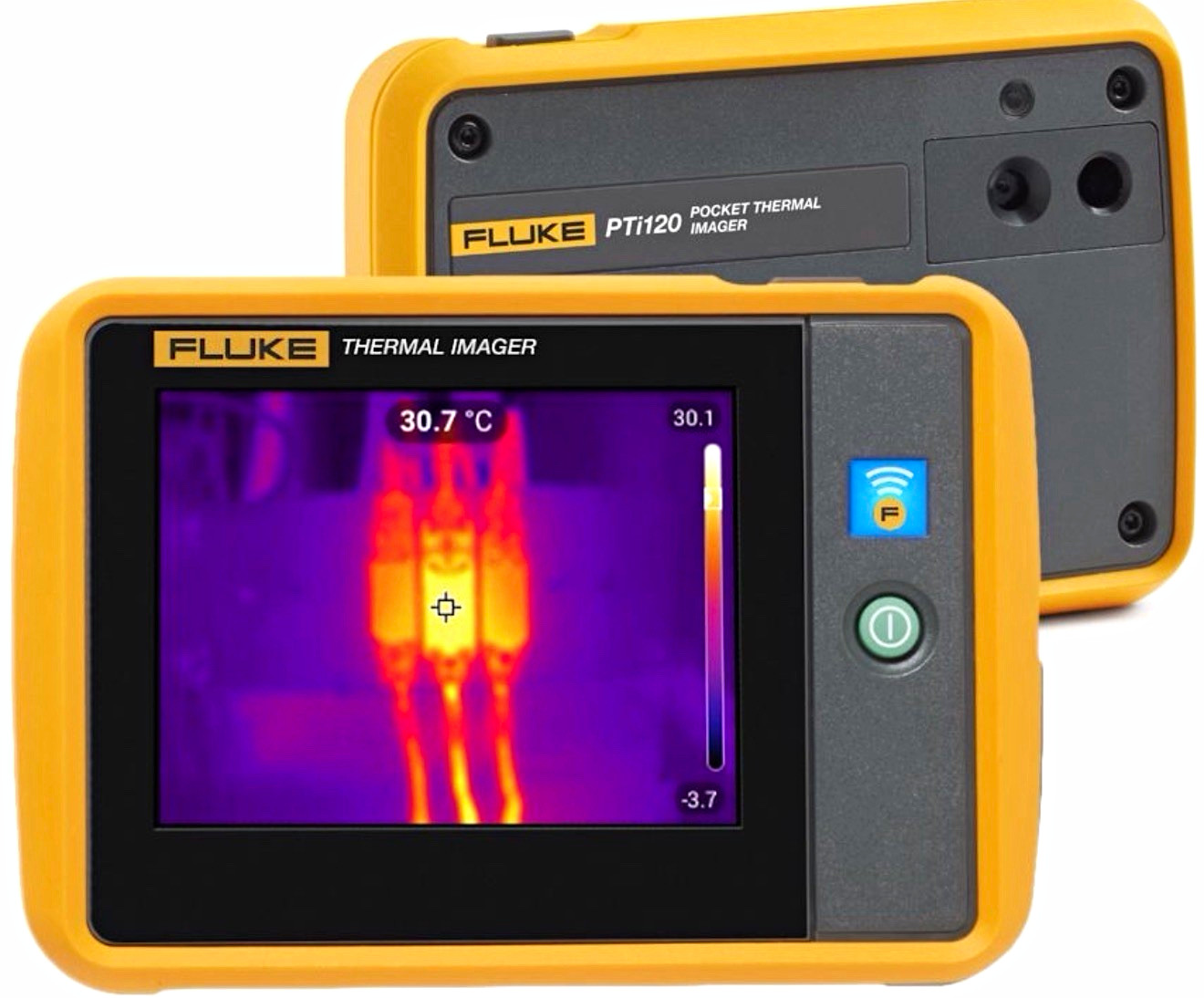 Fluke PTi120 9Hz 400C Pocket Thermal Imaging Camera 120x90 NEW SEALED$499.99New · Last checked Nov 24, 2026View on eBay
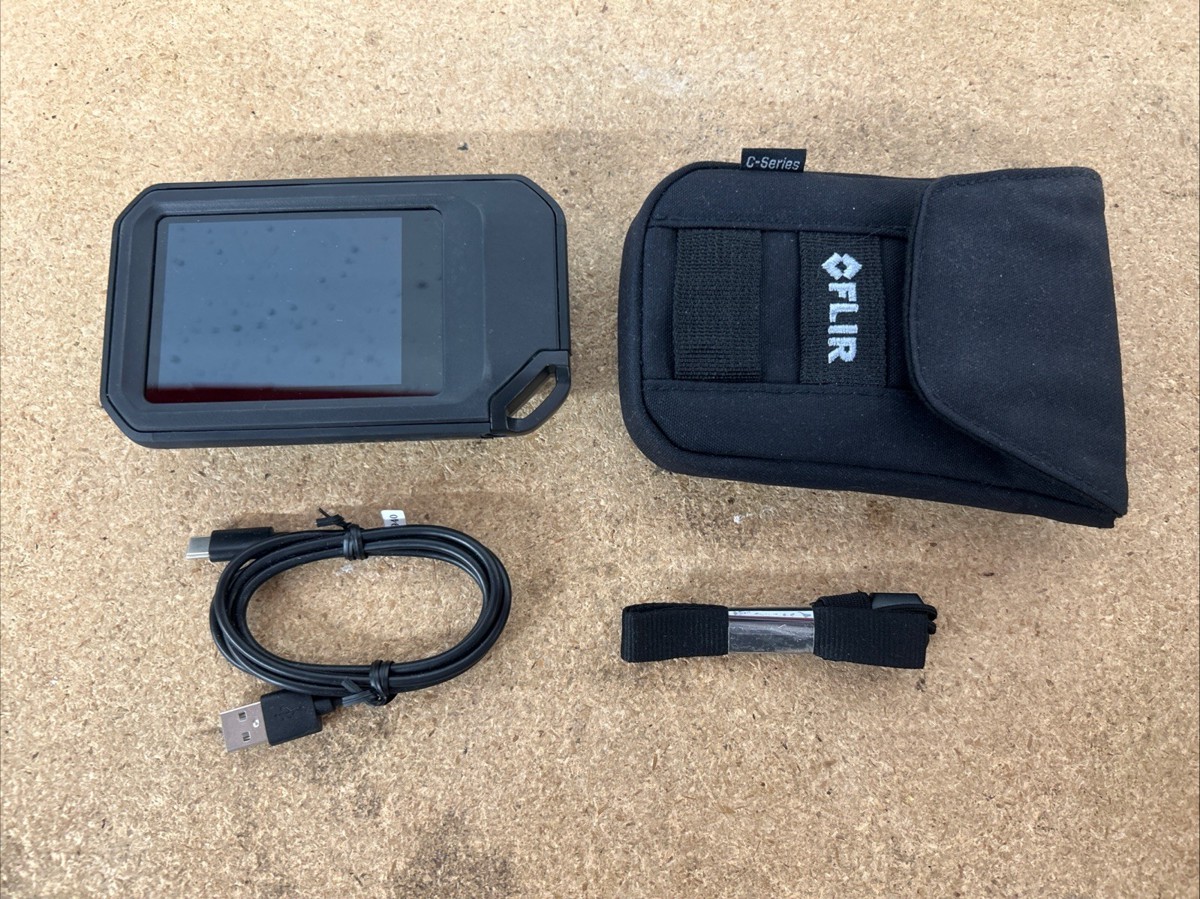 FLIR C8 Compact Thermal Imaging Camera: High Resolution Infrared Imager (320x240$699.99Used · Last checked Nov 24, 2026View on eBay
Highlights
- Native IR resolution drives detail: 256x192 gives 49,152 temperature pixels versus 19,200 at 160x120 and 10,800 at 120x90; 'super resolution' upscaling adds no real thermal data.
- Refresh rate of 25Hz is the practical standard for handheld scanning; 9Hz models feel laggy when panning across panels or moving targets.
- Temperature range splits use cases: -4°F to 752°F covers HVAC and electrical; ranges to 1022°F suit automotive and light industrial, while cryo or foundry work needs dedicated high-temp models.
- Smartphone modules are bus-powered over USB-C or Lightning and output raw radiometric data to the app; standalone units add a 2.4-inch LCD, internal storage, and a rechargeable Li-ion cell.
Best use cases
- Home energy audits and HVAC diagnostics: pick a 256x192 handheld with 25Hz refresh and at least -4°F to 752°F range; skip 120x90 dongles that blur stud and duct leaks.
- Electrical panel and motor inspection: choose a standalone unit with laser pointer and emissivity adjustment; a phone dongle works only if you can safely hold the phone at panel distance.
- Hunting and outdoor observation: select a dedicated thermal monocular with high refresh and rugged housing; smartphone dongles lack weather sealing and eye relief for field use.
- iPhone or Android casual use: buy a native-resolution USB-C or Lightning module matching your phone's port; avoid WiFi-only models for real-time scanning due to latency.
Buying tips
- Match the module connector to your phone: USB-C for modern Android and iPhone 15+, Lightning for iPhone 14 and older; WiFi adapters add lag and battery drain.
- Check the native IR pixel count before the 'super resolution' figure; a 256x192 sensor upscaled to 512x384 outperforms a native 160x120 upscaled to 320x240.
- Verify the temperature range against your target: HVAC and electronics stay under 752°F, automotive brakes and exhaust need 1022°F, and smelting or kiln work requires 2192°F-class sensors.
- Confirm radiometric output (full temperature data per pixel) if you need post-capture analysis; non-radiometric cameras save only colorized JPEGs without temperature values.
Specs
| Native IR Resolution | 120x90 / 160x120 / 256x192 / 384x288 |
|---|---|
| Refresh Rate | 9Hz vs 25Hz |
| Temperature Range | -4°F to 752°F / to 1022°F |
| Phone Connection | USB-C / Lightning / WiFi |
Related searches
What to check before buying
- Measure the distance to your typical target and confirm the field of view and IFOV give at least 3 pixels across the smallest object you must measure.
- Check your phone's port type and OS version against the module's supported app; iOS and Android apps are not interchangeable.
- For standalone units, verify battery type and runtime, storage format (microSD vs internal), and whether a carry case and wrist strap are included.
- Confirm the minimum focus distance for macro work; close-up PCB inspection needs a macro lens or a minimum focus under 4 inches.
FAQ
Data sources: eBay / Amazon listings and product attribute feeds. Updated Nov 28, 2026.
Some links on this page are affiliate links. If you buy after clicking one, we may earn a commission at no extra cost to you. This does not change which products appear here or their order. Affiliate disclosure.