
Photos from current listings. Actual item, color, and included accessories may vary.
Air Quality Monitor Buying Guide
An air quality monitor is a sensor-based device that tracks pollutants and comfort metrics like PM2.5, CO2, TVOC, formaldehyde, temperature, and humidity, with the core trade-off being sensor quality and calibration versus feature count. Durable, decision-grade units use dedicated electrochemical or NDIR cells with published accuracy tolerances; compromised units inflate 'in-1' counts by bundling cheap MOS sensors that drift. The rule: buy a monitor whose primary sensor (PM2.5 or CO2) has a stated accuracy spec and replaceable calibration path, and skip any unit that lists sensor count as its main performance claim.
Median $156.71 · New & pre-owned listings
Key takeaways
- PM2.5 detection relies on laser scattering (optical) sensors — the only type accurate enough for indoor particulate monitoring; cheap IR sensors only give coarse trend data.
- CO2 measurement quality splits by cell type: true NDIR sensors hold ±50 ppm accuracy, while inferred/eCO2 readings from VOC sensors are unreliable for ventilation decisions.
- Formaldehyde and TVOC channels are typically low-cost metal-oxide (MOS) sensors that need burn-in and periodic recalibration; treat their readings as relative trend indicators.
At a glance
- Category
- Environmental & Indoor Air Measurement
- Last updated
- Nov 29, 2026
Current offers
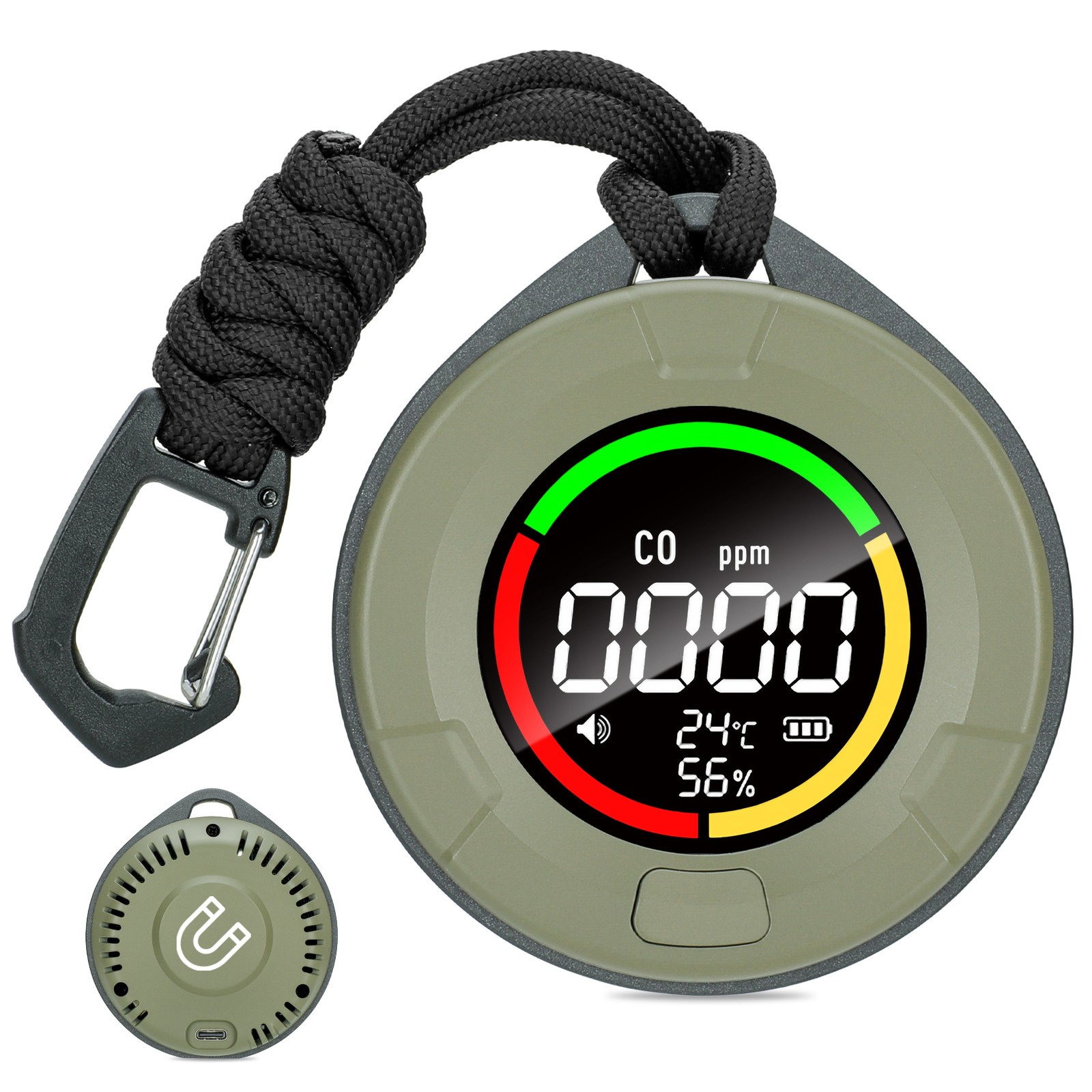 Portable CO2 Detector Mini Indoor air Monitor Home NDIR Sensor 3IN1 US$29.99View on eBay
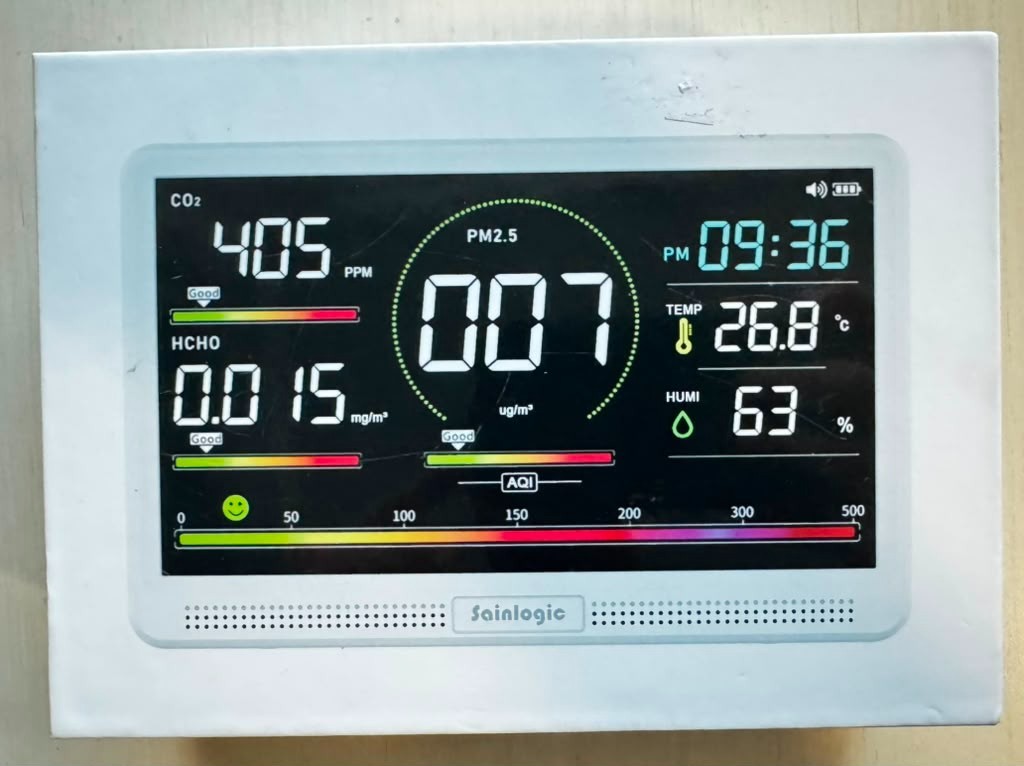 16 in 1 Air Quality Monitor Indoor 7" Display 9 AQI+7 AQI Alerts Air Quality Met$30.00View on eBay
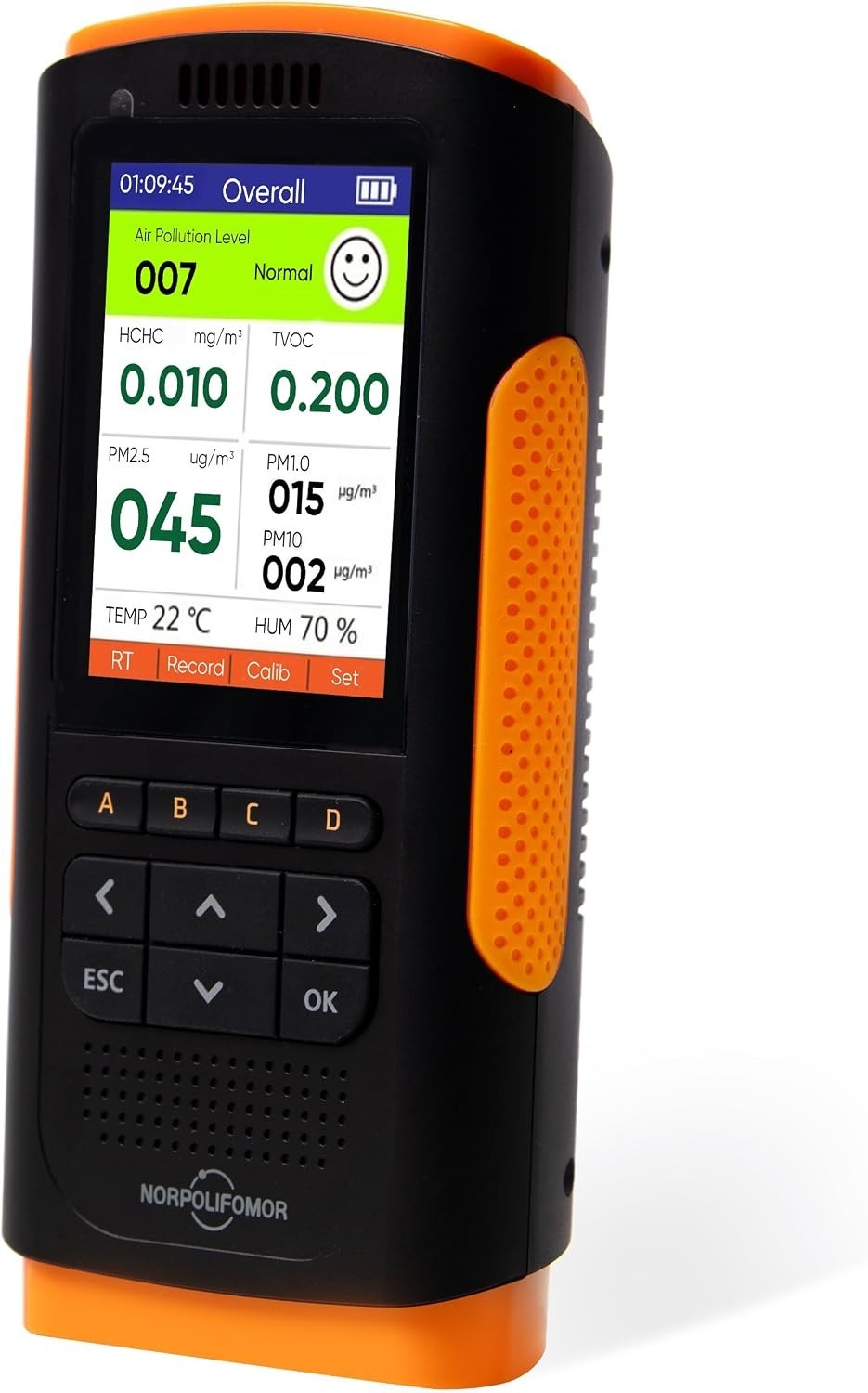 Intelligent Real Time Air Quality Detector AQI Air Quality Monitor, Formaldehyde$35.00View on eBay
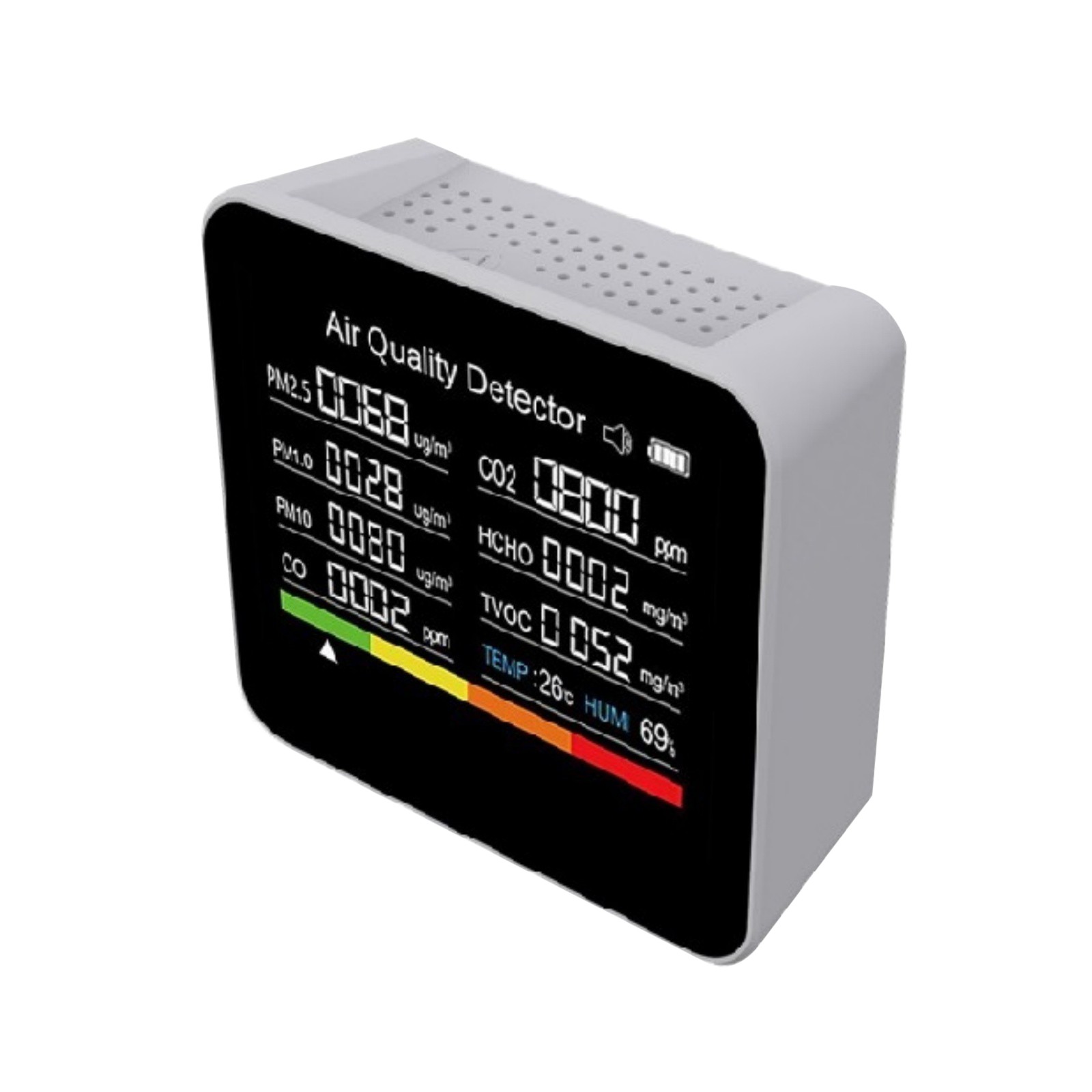 9-in-1 Air Quality Monitor CO2/PM2.5/TVOC/HCHO Detector LED Digital Display$38.80View on eBay
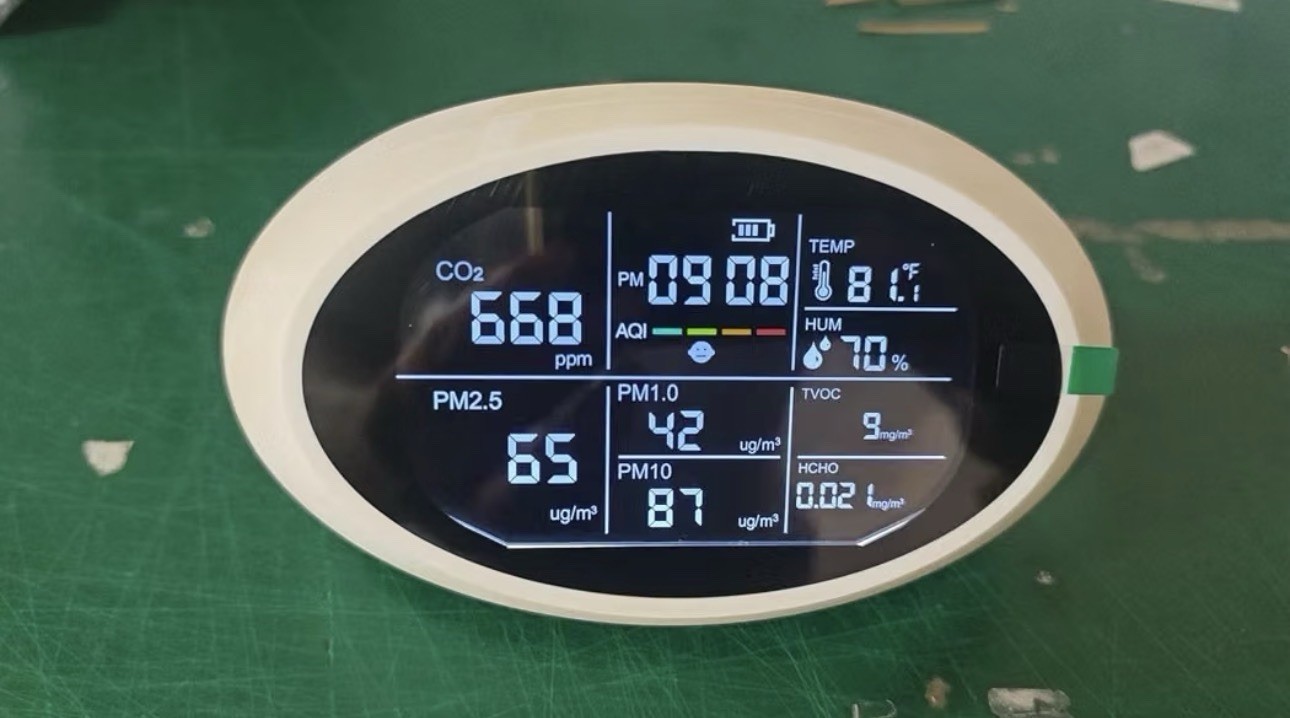 12-in-1 Air Quality Monitor Indoor, Portable Air Quality Monitor, CO2 PM1.0$39.99View on eBay
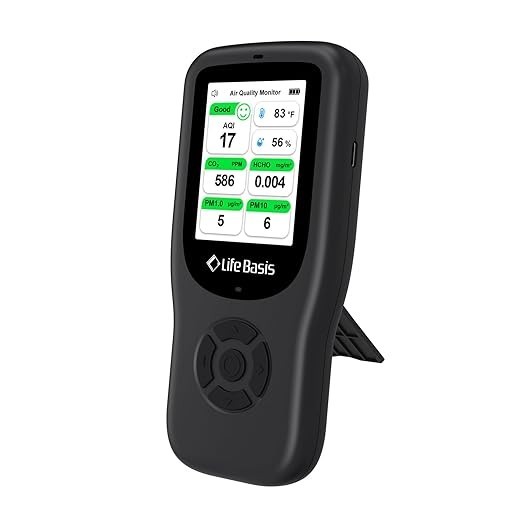 Life Basis Air Quality Monitor Indoor, 11-in-1 Air Quality Detector w. Stand$39.99View on eBay
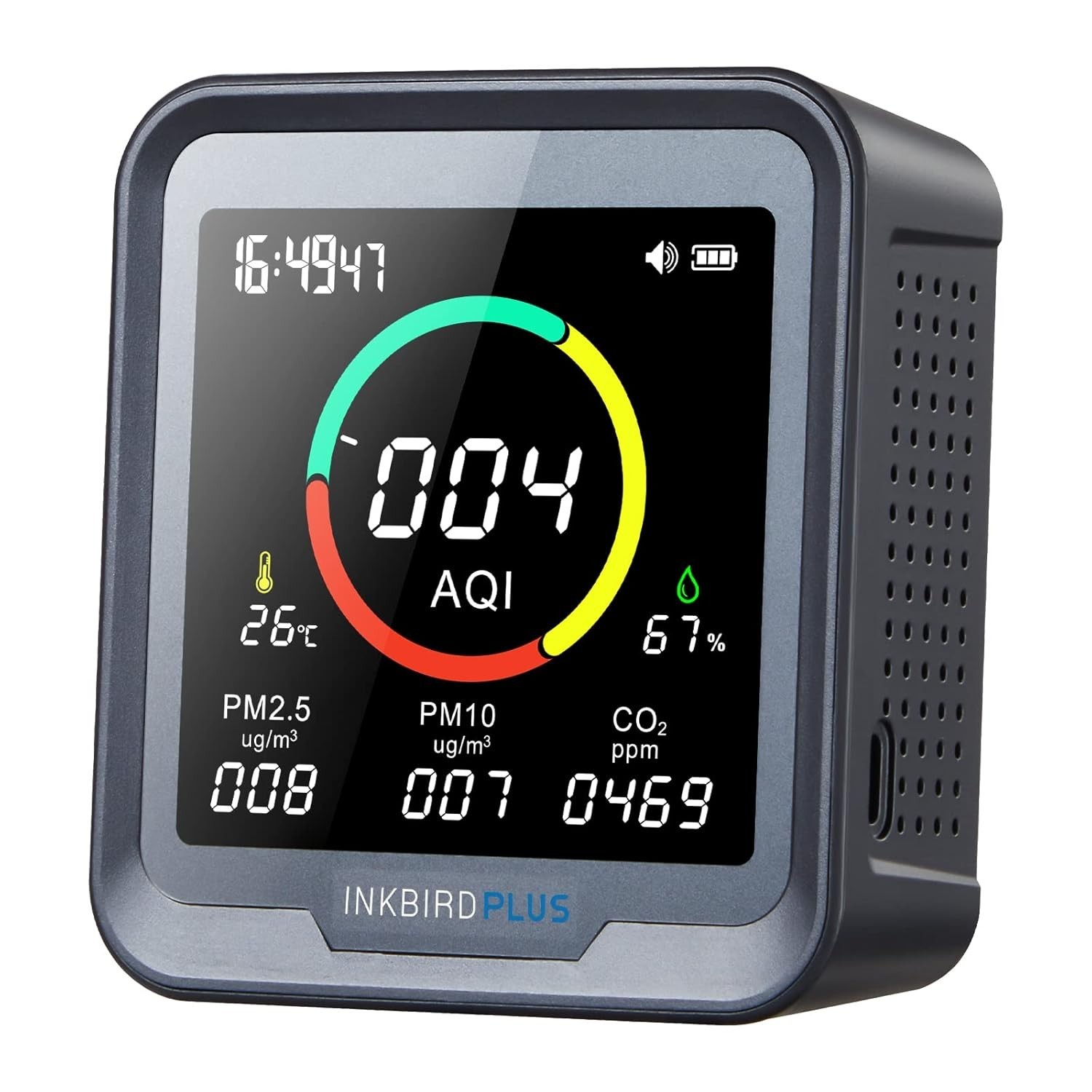 Gas CO2 Detector Air Monitor Quality Tester Temperature Humidity Measuring PM2.5$45.99Last checked Nov 27, 2026View on eBay
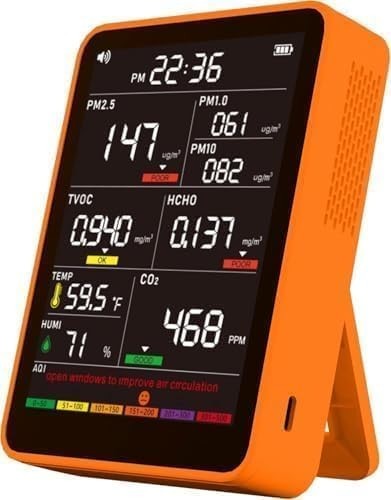 Professional Indoor Air Quality Monitor with AQI Beep Alarms, Portable Real Time$53.99View on eBay
- Professional Indoor Air Quality Monitor Real Time with AQI Beep Alarms Portable$53.99View on eBay
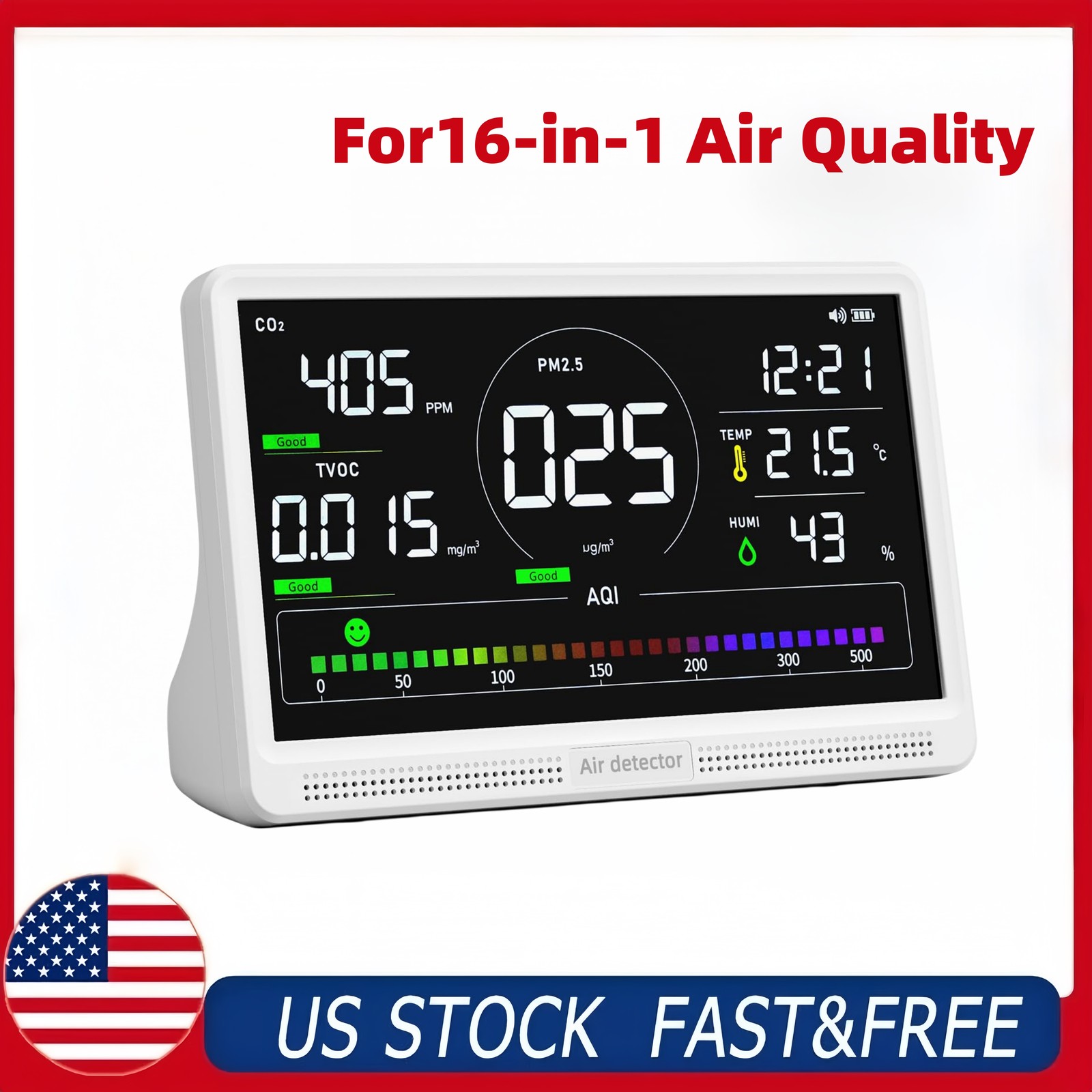 16-in-1 Indoor Air Quality Monitor with CO2, PM2.5, HCHO, TVOC, Temperature$56.99Last checked Nov 27, 2026View on eBay
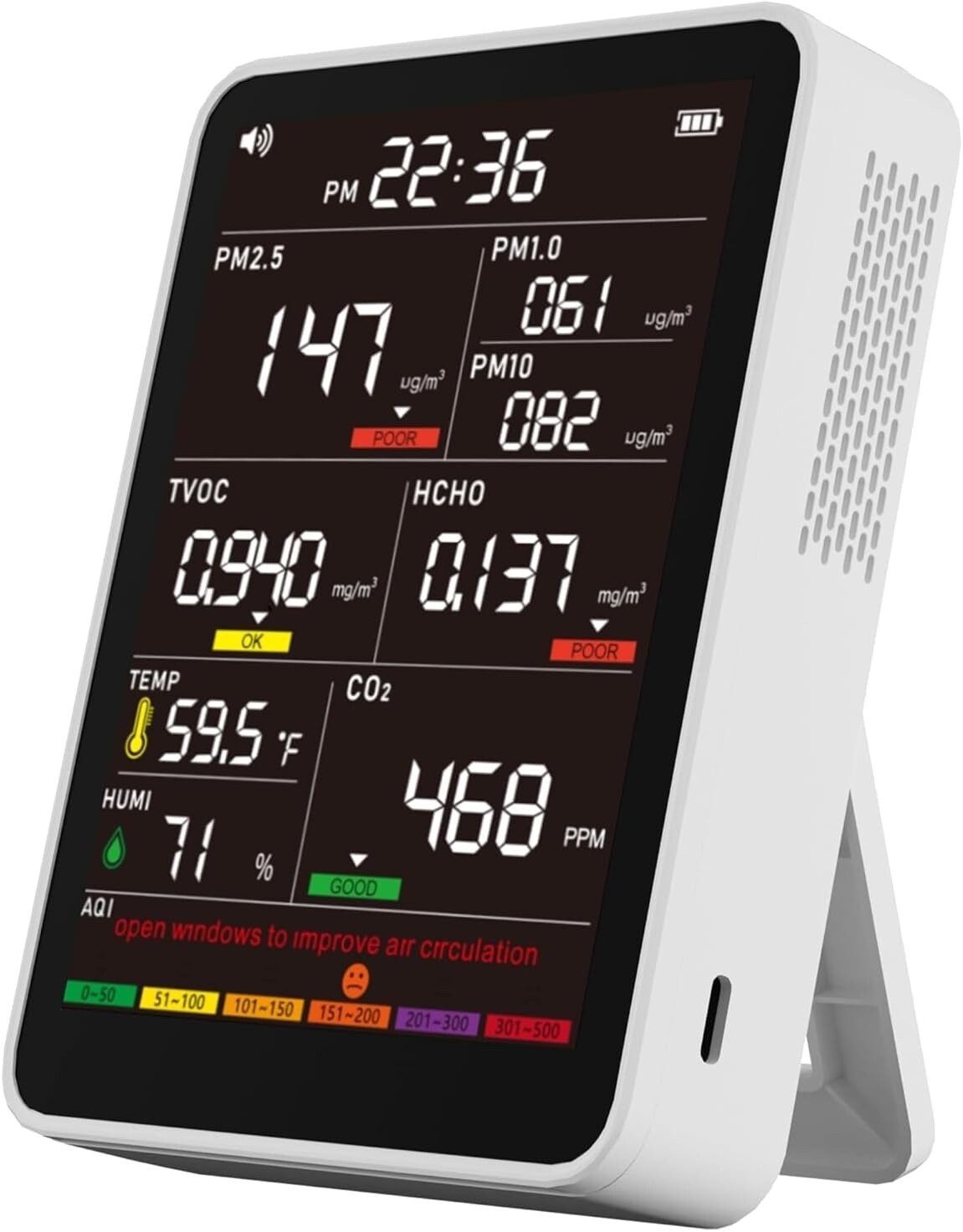 9-in-1 Professional Indoor Air Quality Monitor Indoor Portable AK16$59.99View on eBay
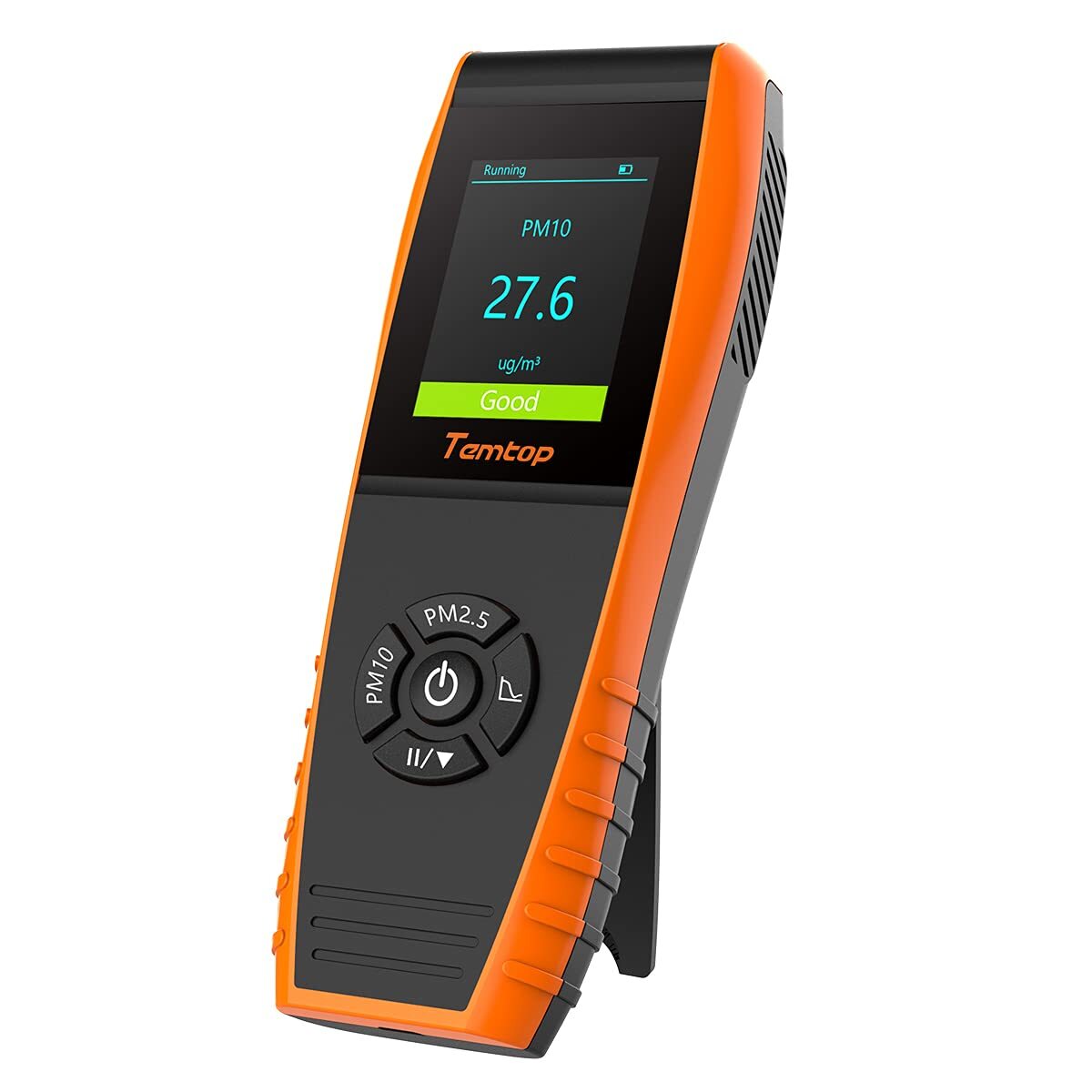 Temtop P600 Air Quality Monitor Particle Detector PM2.5 PM10 Recorder Histogram$69.99Last checked Nov 28, 2026View on eBay
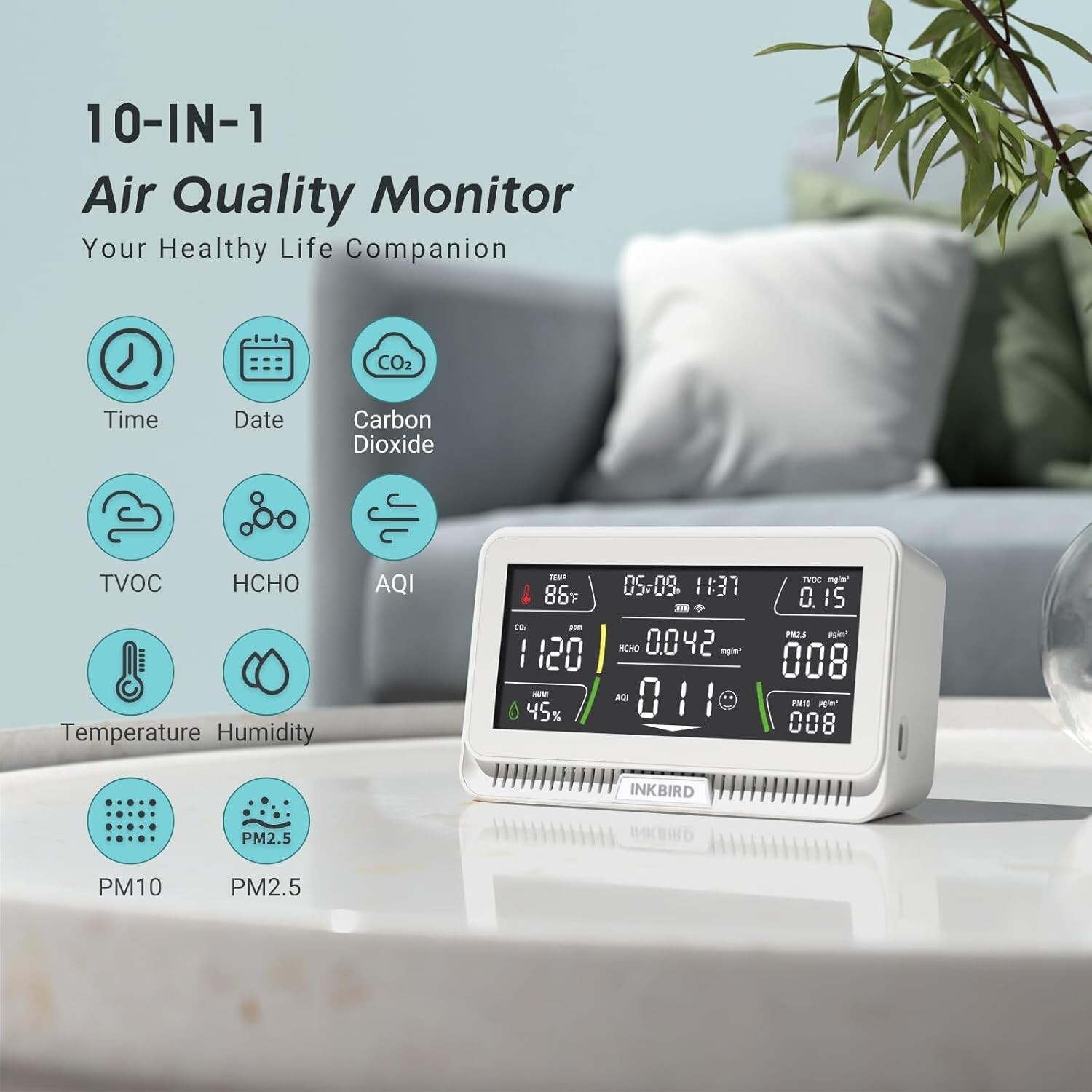 INKBIRD Air Quality Monitor Indoor Co2 Detector Portable 10-in-1 PM2.5 HCHO AQI$70.79View on eBay
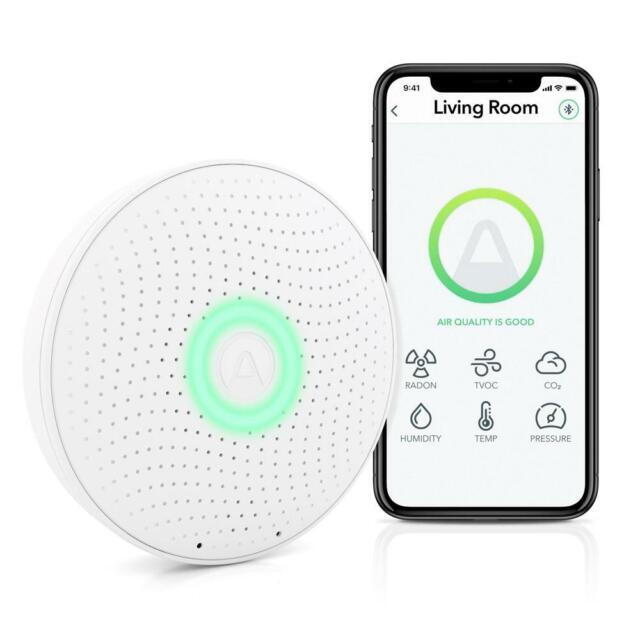 Airthings Wave Plus 2930 Air Quality Monitor$89.00View on eBay
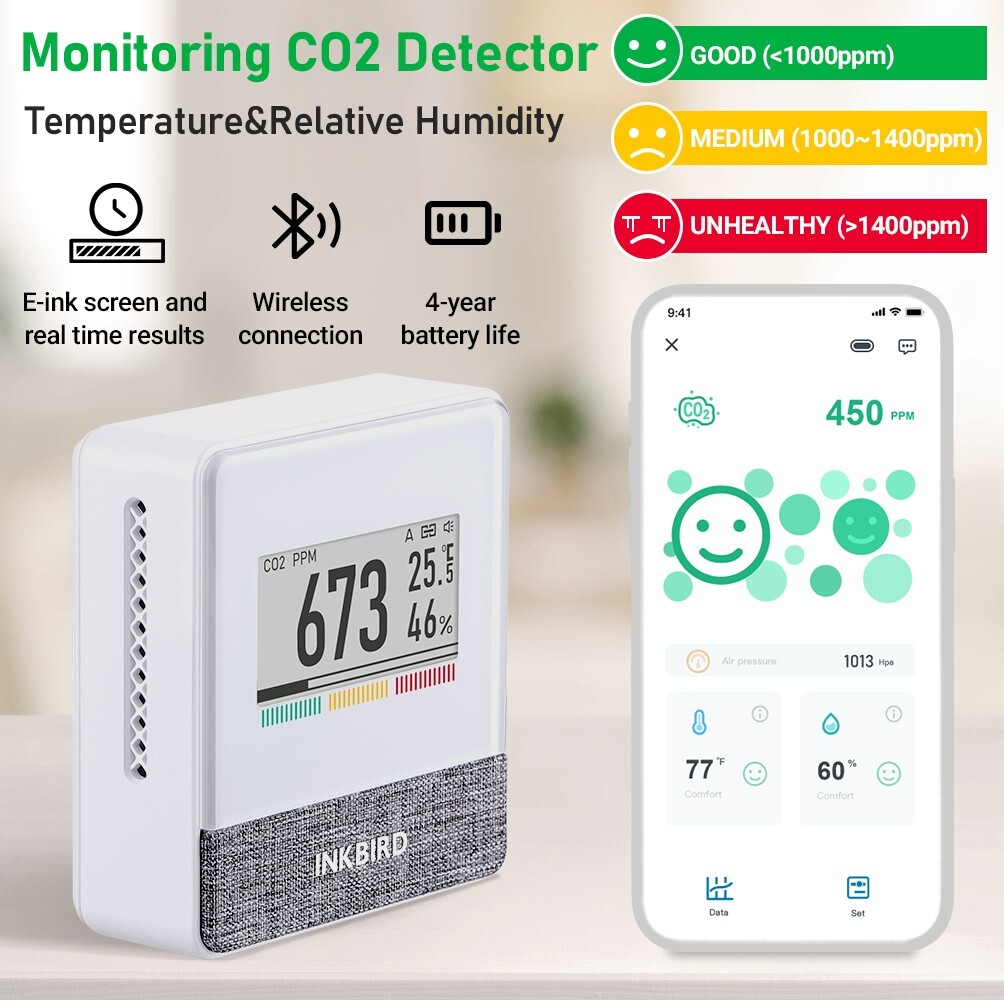 Wireless Indoor Air Quality Monitor INKBIRD IAM-T1 Electronic Ink Display NDIR$89.99Last checked Nov 27, 2026View on eBay
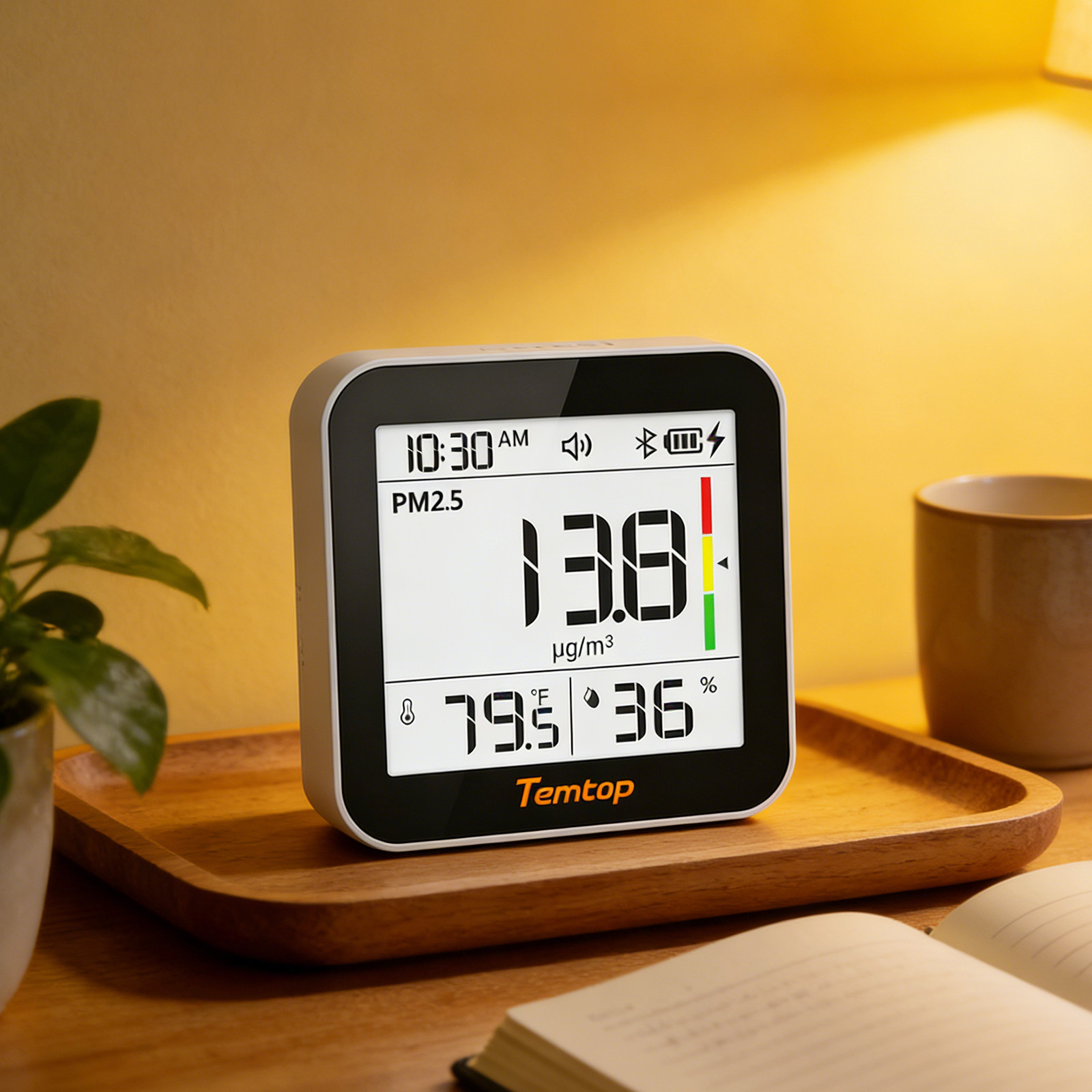 Temtop M10+ Indoor Air Quality Monitor CO2 Detector PM2.5 VOC Home Detector$99.99Last checked Nov 27, 2026View on eBay
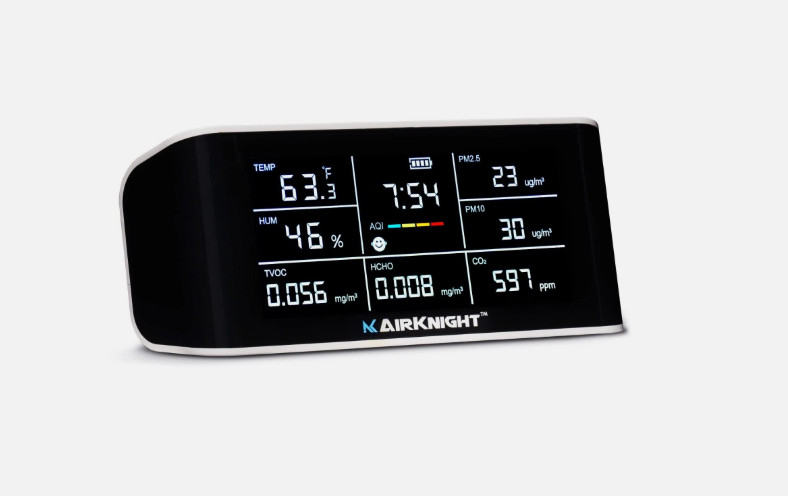 AirKnight 9-in-1 Indoor Air Quality Monitor Indoor Portable CO2 Monitor NEW$100.00View on eBay
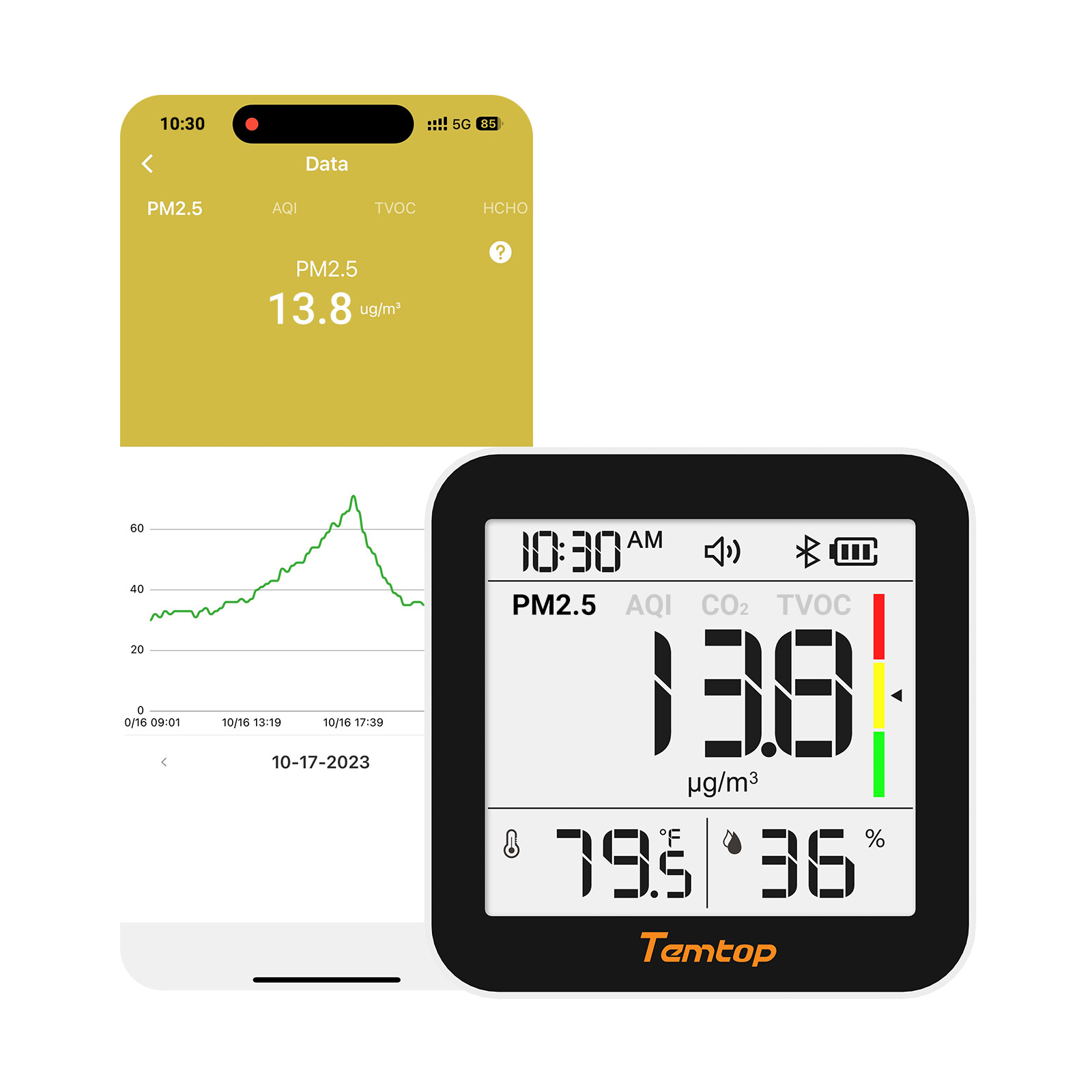 Temtop Indoor Air Quality Monitor 6-in-1 CO2,PM2.5,VOC Detection,temp,Hum, M10+$100.09Last checked Nov 27, 2026View on eBay
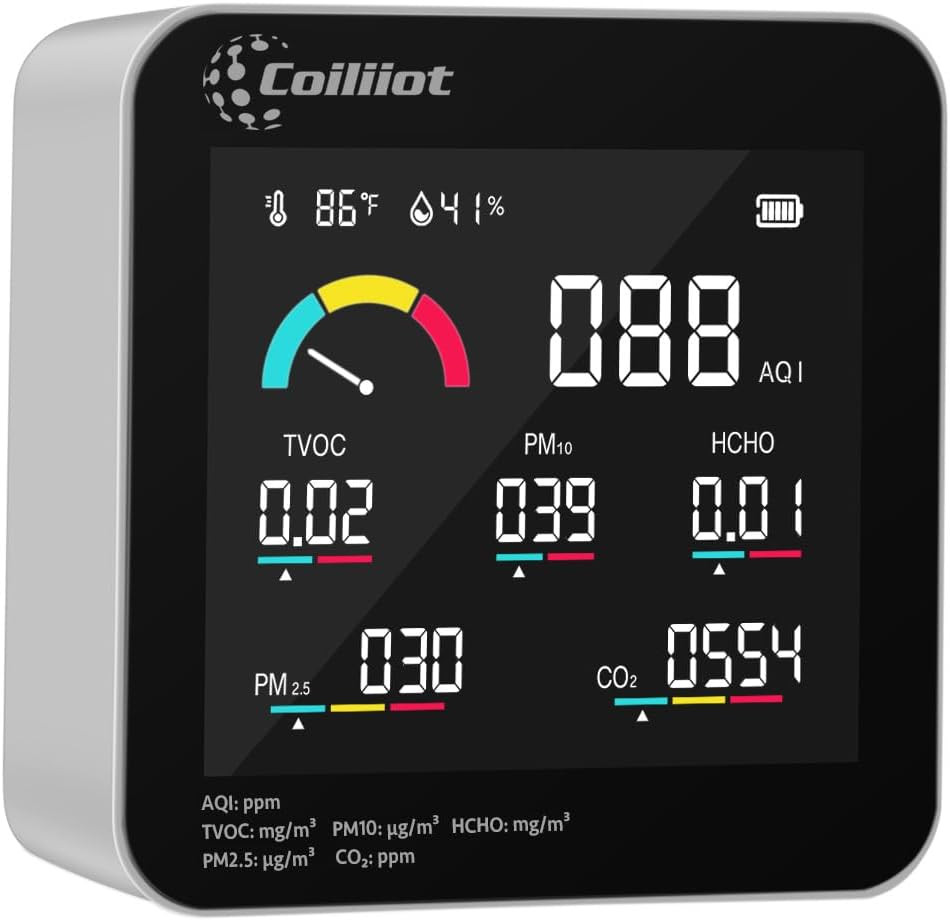 Air Quality Monitor Indoor – CO2 Detector, VOC Meter and AQI Tester Tracks TVOC,$117.32View on eBay
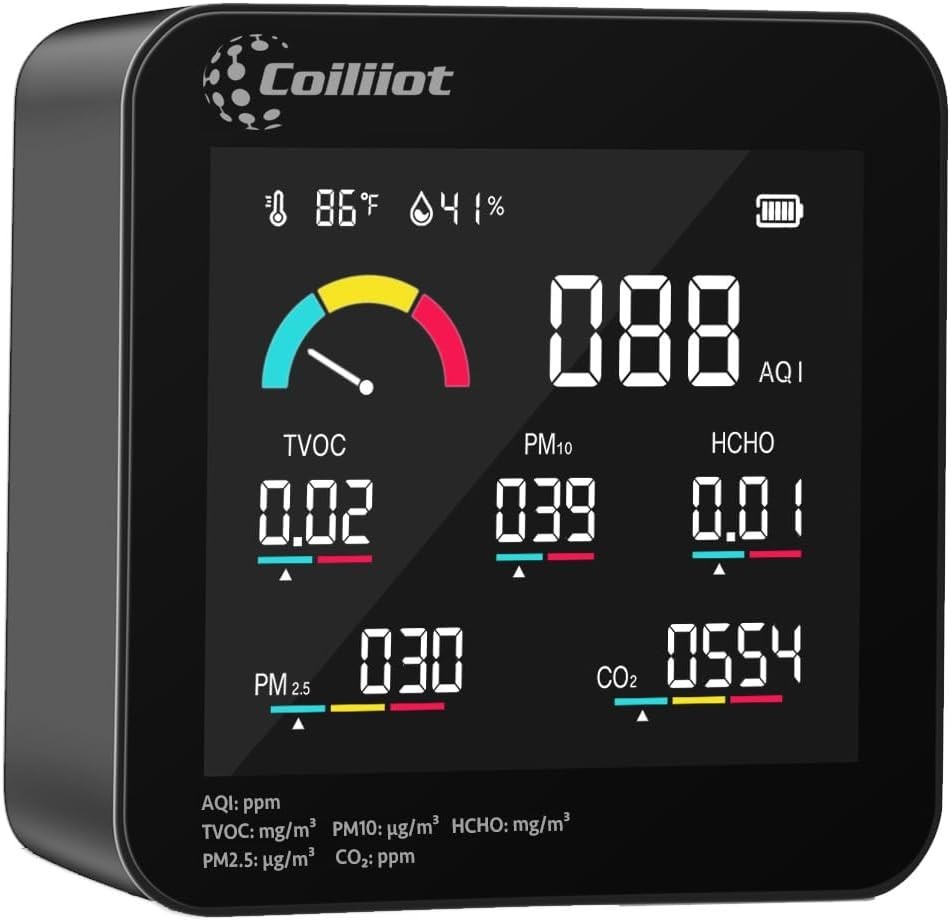 Air Quality Monitor Indoor – CO2 Detector, VOC Meter and AQI Tester Tracks TVOC,$119.32View on eBay
Highlights
- PM2.5 detection relies on laser scattering (optical) sensors — the only type accurate enough for indoor particulate monitoring; cheap IR sensors only give coarse trend data.
- CO2 measurement quality splits by cell type: true NDIR sensors hold ±50 ppm accuracy, while inferred/eCO2 readings from VOC sensors are unreliable for ventilation decisions.
- Formaldehyde and TVOC channels are typically low-cost metal-oxide (MOS) sensors that need burn-in and periodic recalibration; treat their readings as relative trend indicators.
- Displayed 'in-1' counts (9-in-1, 12-in-1, 16-in-1) often duplicate derived AQI sub-indices rather than adding independent sensors — verify the sensor list, not the number.
Best use cases
- Best fit: a laser PM2.5 + NDIR CO2 monitor for bedrooms, offices, and classrooms where ventilation and wildfire-smoke decisions matter; skip multi-sensor units whose CO2 is inferred.
- Best fit: a portable battery-powered PM2.5/PM10 unit for outdoor or travel monitoring; skip desktop-only plug-in models with no battery if you need mobility.
- Best fit: a dedicated radon detector for basement or ground-floor health risk — radon is a separate category from general AQI monitors and cannot be measured by PM2.5 sensors.
- Wrong fit: buying a 16-in-1 unit for mold concerns — mold risk is tracked via humidity and TVOC trends, not formaldehyde ppm; a hygrometer plus ventilation plan is the correct tool.
Buying tips
- Choose laser-scattering PM2.5 sensors over IR for indoor use; demand a stated accuracy range (e.g., ±10 µg/m³) rather than a bare detection range.
- For ventilation decisions, require a true NDIR CO2 sensor rated ±50 ppm + ±5% reading; skip any 'CO2' figure derived from TVOC or eCO2 algorithms.
- Match sensor to concern: PM2.5 for smoke/dust, CO2 for ventilation, TVOC/HCHO for off-gassing trends, humidity for mold risk — no single cheap unit excels at all.
- Prefer units with a calibration or baseline-reset function (fresh-air calibration for CO2, zero-cal for PM) since low-cost sensors drift over 6–12 months.
Specs
| PM Sensor Type | Laser scattering vs IR obscuration |
|---|---|
| CO2 Sensor | True NDIR vs inferred eCO2 |
| VOC/HCHO Sensor | MOS (trend) vs electrochemical |
| Power & Logging | Plug-in + app vs battery portable |
Related searches
What to check before buying
- Confirm placement: units need 30–60 cm clearance from walls and breathable airflow; enclosed shelves or behind curtains skew PM and CO2 readings.
- Check power: desktop units with continuous display and Wi-Fi/app logging need a nearby outlet; battery models trade run time for portability.
- For mold concerns, ensure the unit reports relative humidity with ±3–5% RH accuracy — humidity is the primary mold-risk metric, not HCHO.
- If buying for a child's room or classroom, confirm the display is readable at distance and that alarms (buzzer/LED) are adjustable, not fixed-loud.
FAQ
Data sources: eBay / Amazon listings and product attribute feeds. Updated Nov 29, 2026.
Some links on this page are affiliate links. If you buy after clicking one, we may earn a commission at no extra cost to you. This does not change which products appear here or their order. Affiliate disclosure.