
Photos from current listings. Actual item, color, and included accessories may vary.
Indoor Air Monitor Buying Guide
An indoor air monitor is a sensor package that translates invisible pollutants—CO2, PM2.5, TVOC, formaldehyde—into an actionable display, app, or alarm. The decisive trade-off is sensor grade: NDIR CO2 and laser-scattering particulate sensors track real trends, while low-cost VOC index and 'formaldehyde' channels are calibrated estimates, not lab measurements. Buy a monitor with NDIR CO2 plus laser PM2.5 if you want trend data you can act on; skip sealed units with no calibration path or alarm-only designs that hide raw numbers.
Median $94.99 · New & pre-owned listings
Key takeaways
- NDIR (non-dispersive infrared) is the reference CO2 sensor; eCO2 and TVOC-index sensors infer CO2 from mixed-gas readings and drift with cooking, cleaning, or alcohol vapors.
- Laser scattering PM sensors read PM1.0, PM2.5, and PM10 from particle counts; 'formaldehyde/HCHO' channels on multi-in-1 units are usually metal-oxide estimates, not selective measurements.
- Display size and alarm tiers matter more than channel count: 7-inch screens with 9 AQI+7 AQI alert buzzers are easier to read than 11-in-1 pocket units with 2-inch screens and no audible threshold.
At a glance
- Category
- Environmental & Indoor Air Measurement
- Last updated
- Nov 29, 2026
Current offers
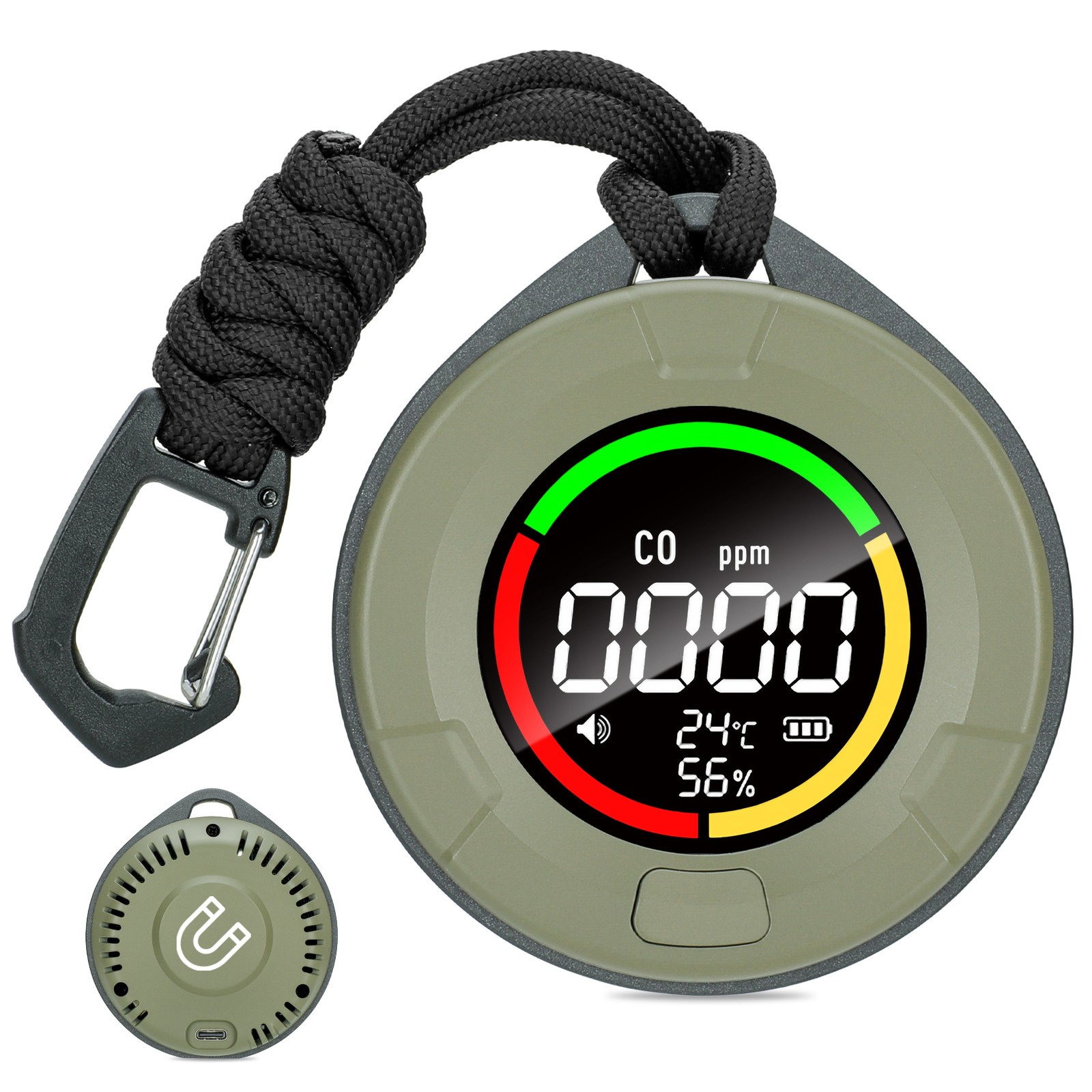 Portable CO2 Detector Mini Indoor air Monitor Home NDIR Sensor 3IN1 US$29.99View on eBay
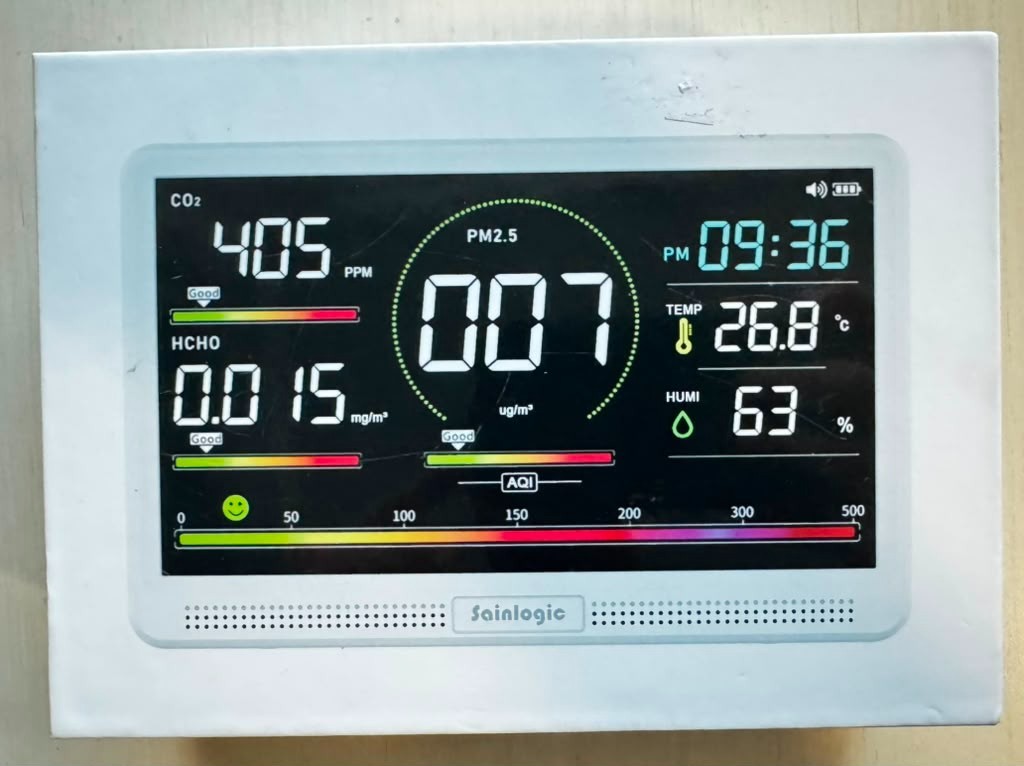 16 in 1 Air Quality Monitor Indoor 7" Display 9 AQI+7 AQI Alerts Air Quality Met$30.00View on eBay
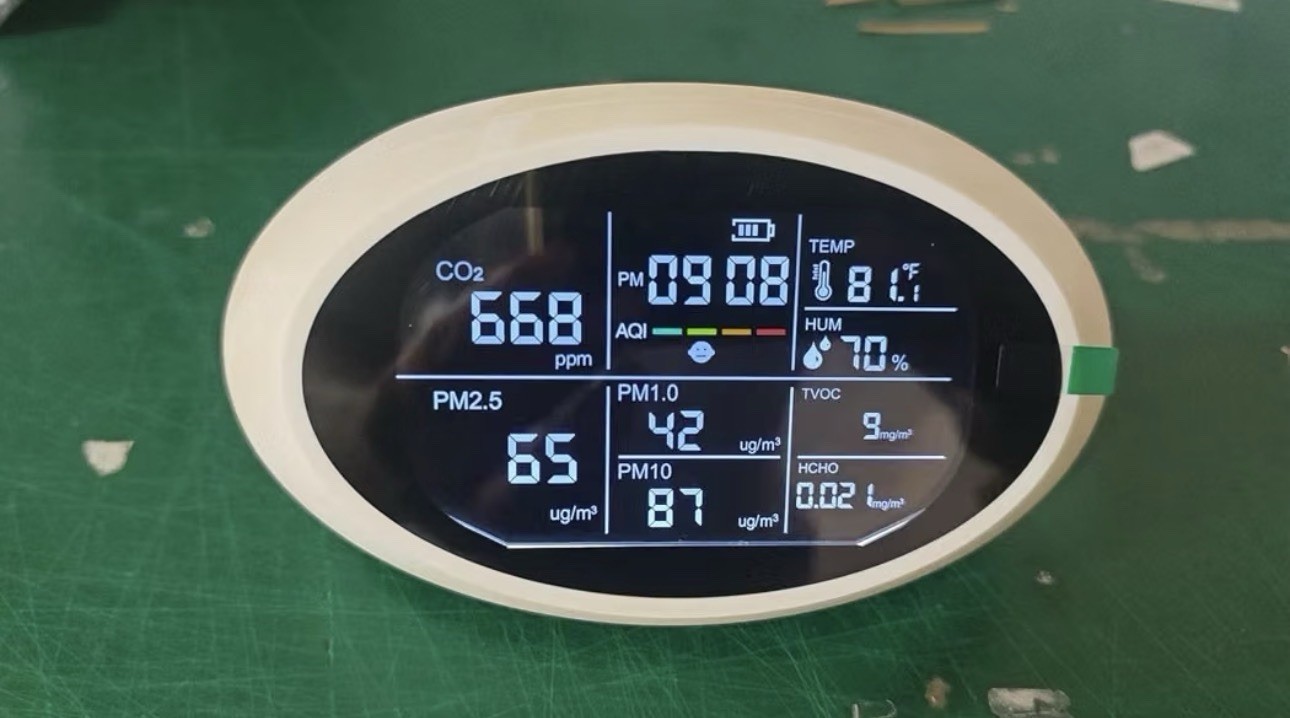 12-in-1 Air Quality Monitor Indoor, Portable Air Quality Monitor, CO2 PM1.0$39.99View on eBay
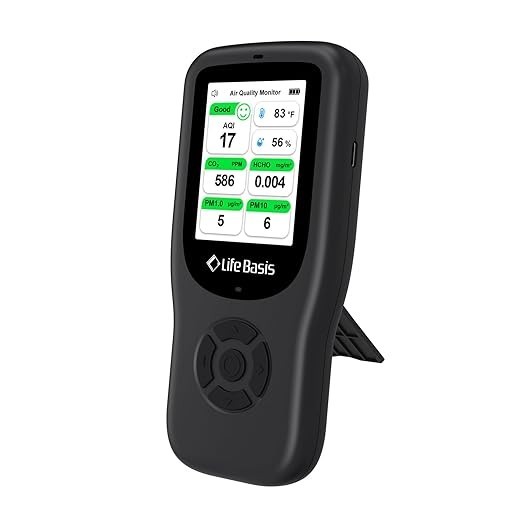 Life Basis Air Quality Monitor Indoor, 11-in-1 Air Quality Detector w. Stand$39.99View on eBay
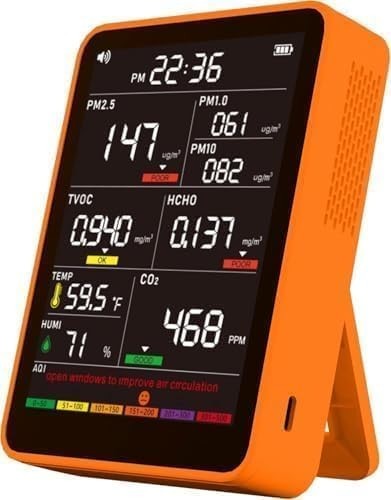 Professional Indoor Air Quality Monitor with AQI Beep Alarms, Portable Real Time$53.99View on eBay
- Professional Indoor Air Quality Monitor Real Time with AQI Beep Alarms Portable$53.99View on eBay
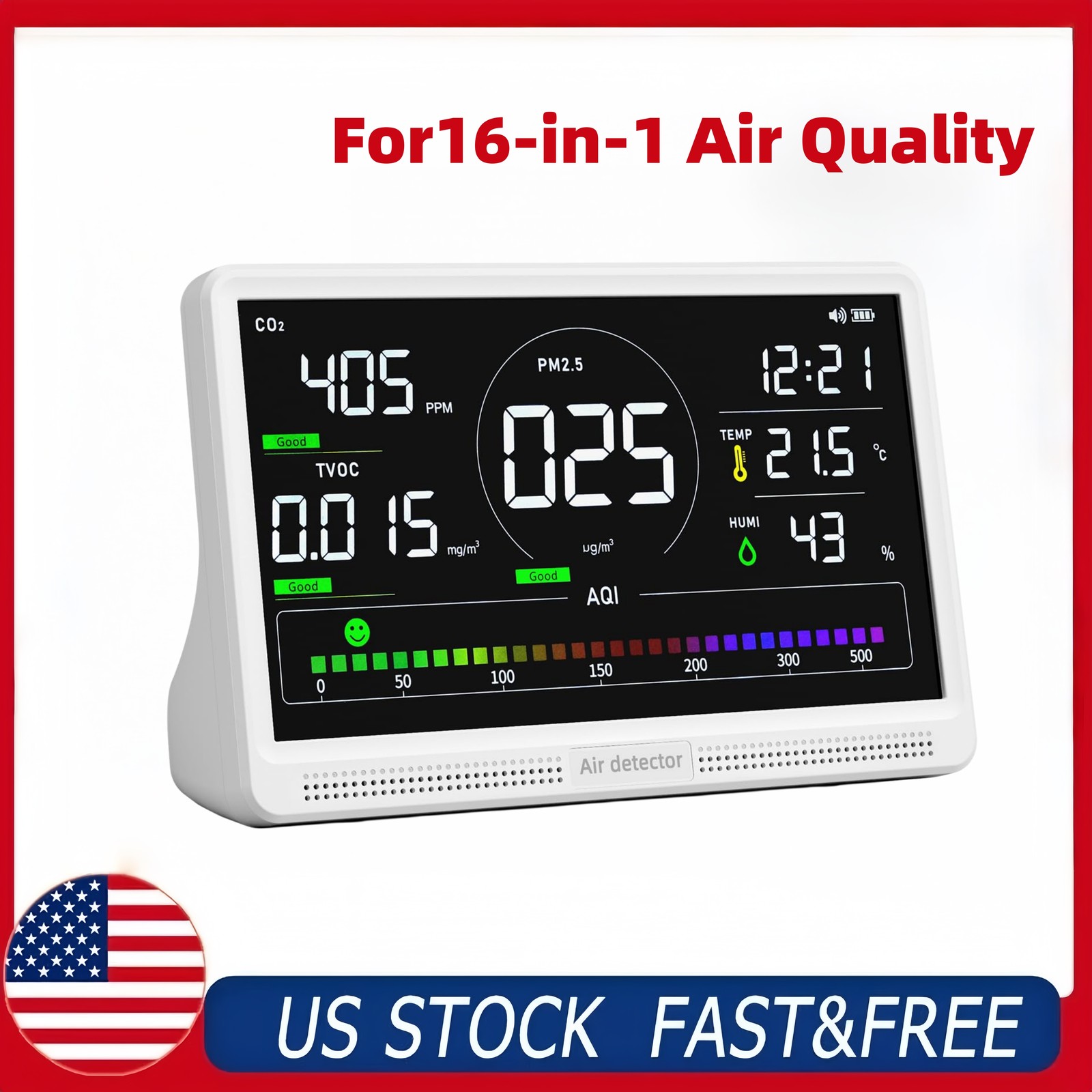 16-in-1 Indoor Air Quality Monitor with CO2, PM2.5, HCHO, TVOC, Temperature$56.99Last checked Nov 27, 2026View on eBay
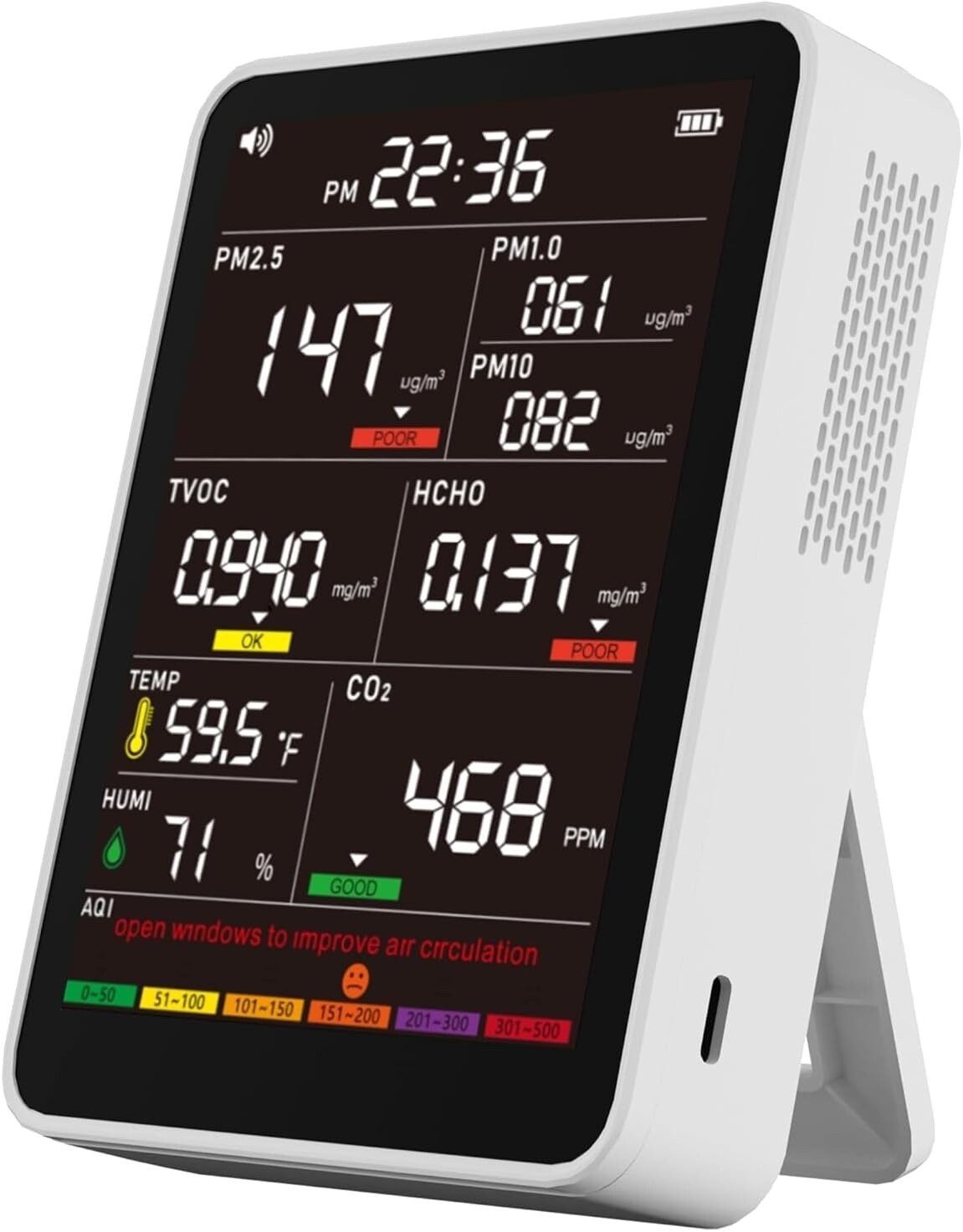 9-in-1 Professional Indoor Air Quality Monitor Indoor Portable AK16$59.99View on eBay
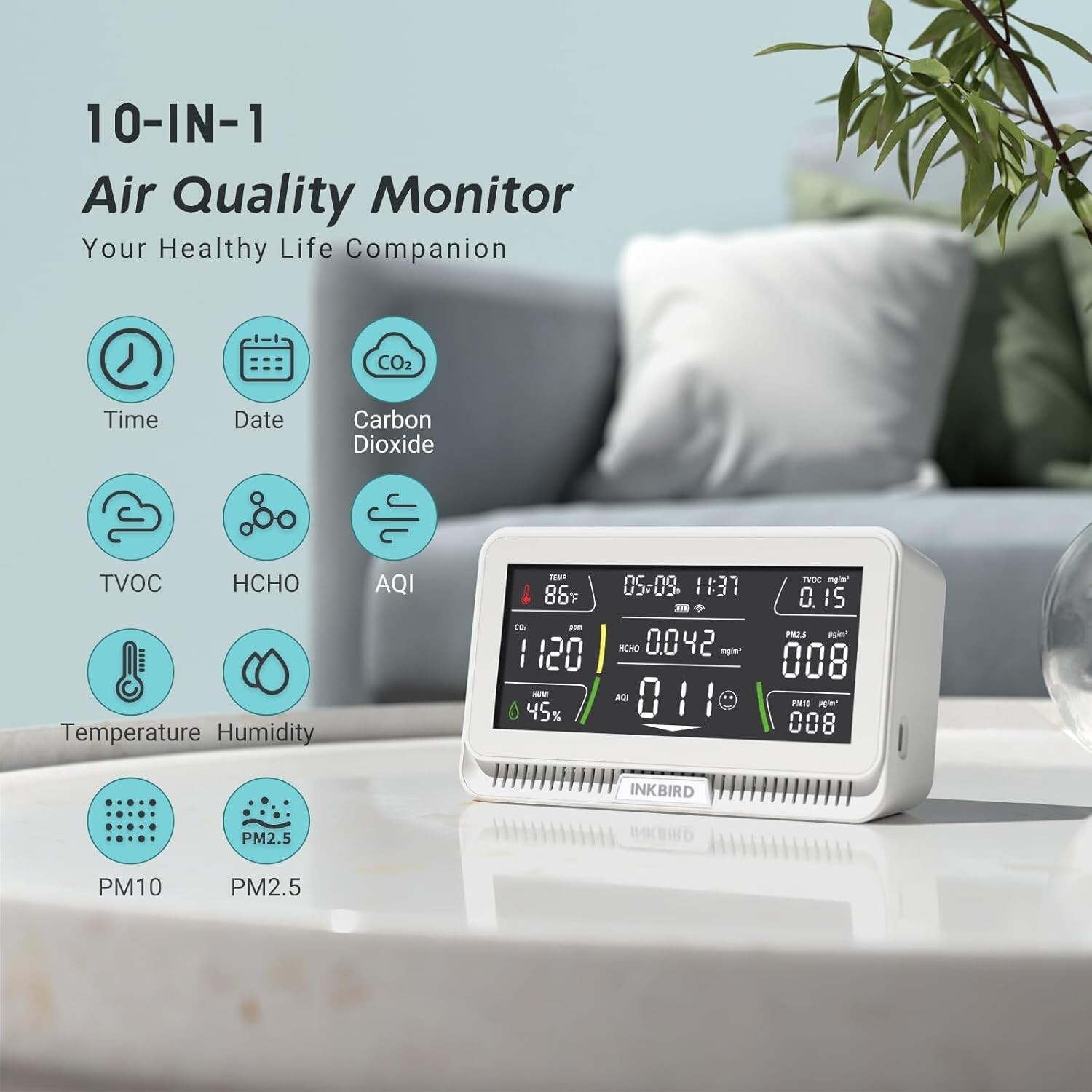 INKBIRD Air Quality Monitor Indoor Co2 Detector Portable 10-in-1 PM2.5 HCHO AQI$70.79View on eBay
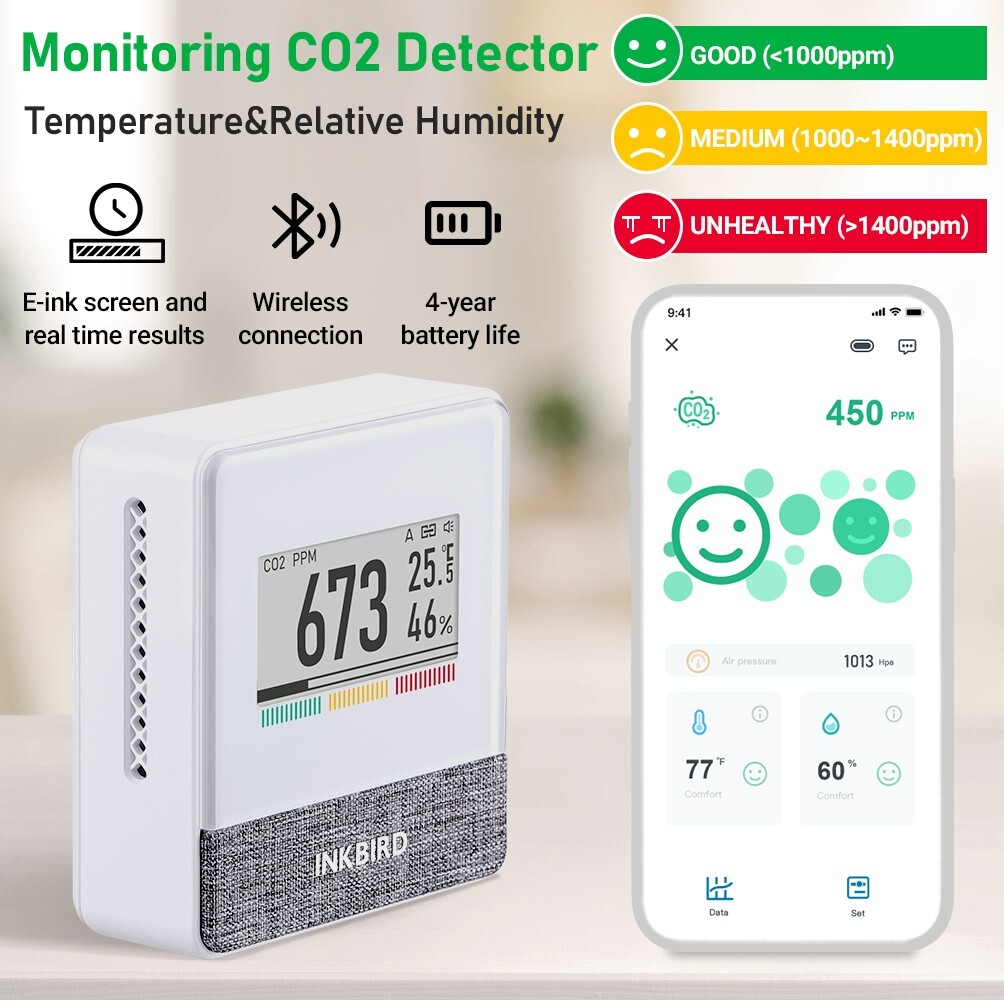 Wireless Indoor Air Quality Monitor INKBIRD IAM-T1 Electronic Ink Display NDIR$89.99Last checked Nov 27, 2026View on eBay
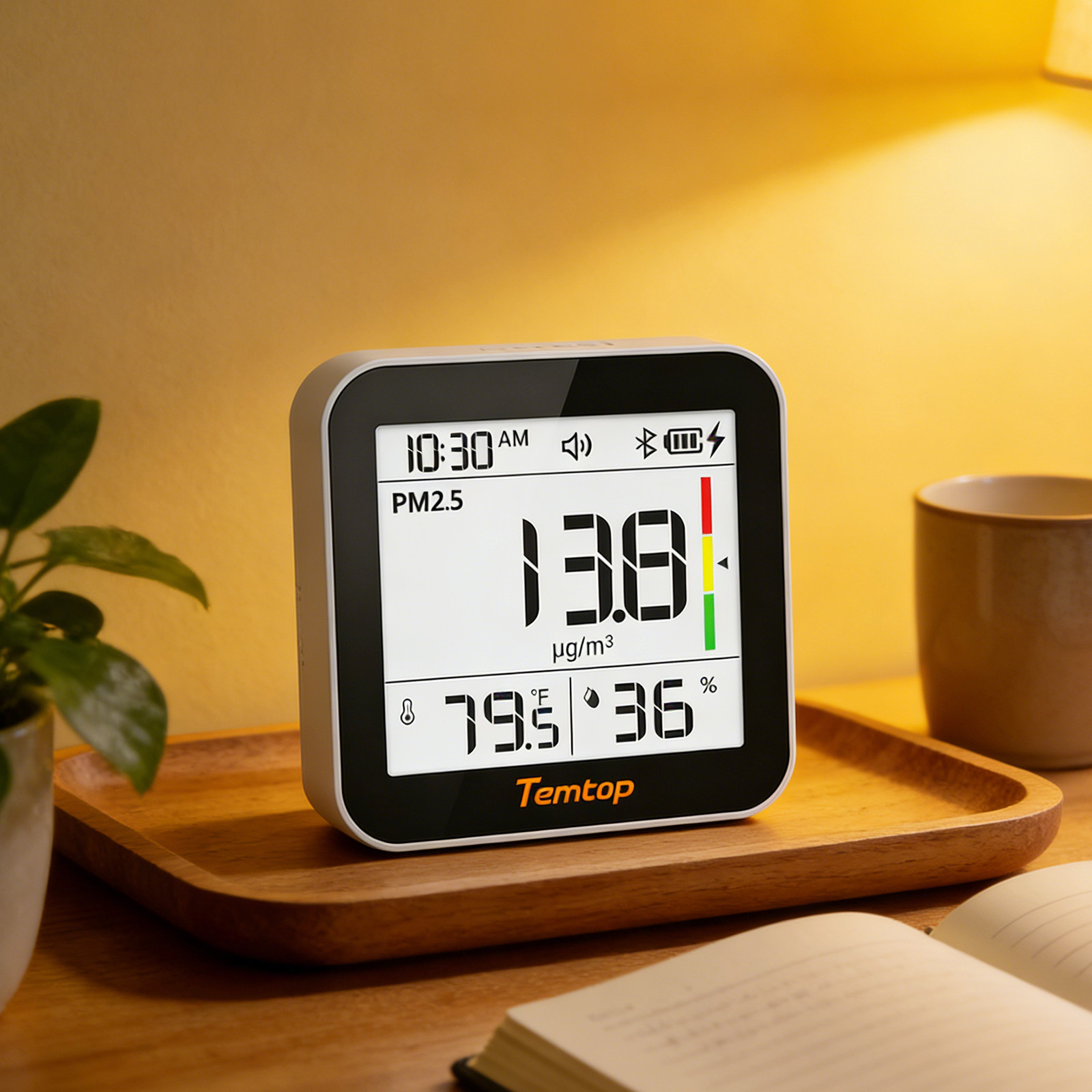 Temtop M10+ Indoor Air Quality Monitor CO2 Detector PM2.5 VOC Home Detector$99.99Last checked Nov 27, 2026View on eBay
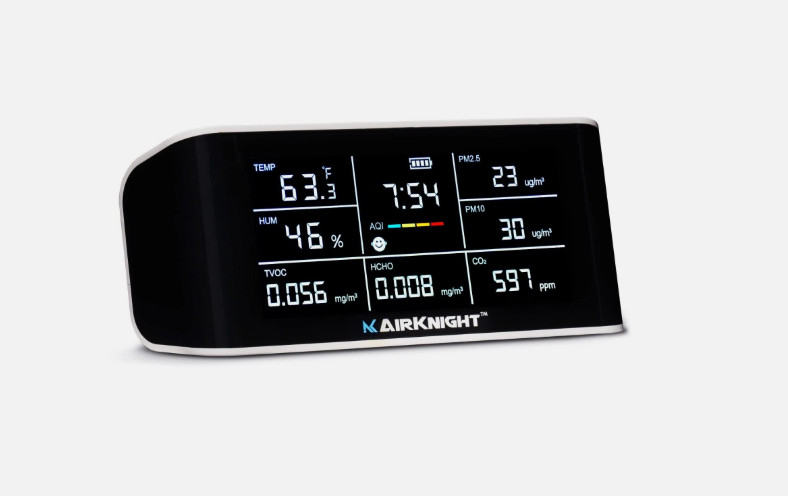 AirKnight 9-in-1 Indoor Air Quality Monitor Indoor Portable CO2 Monitor NEW$100.00View on eBay
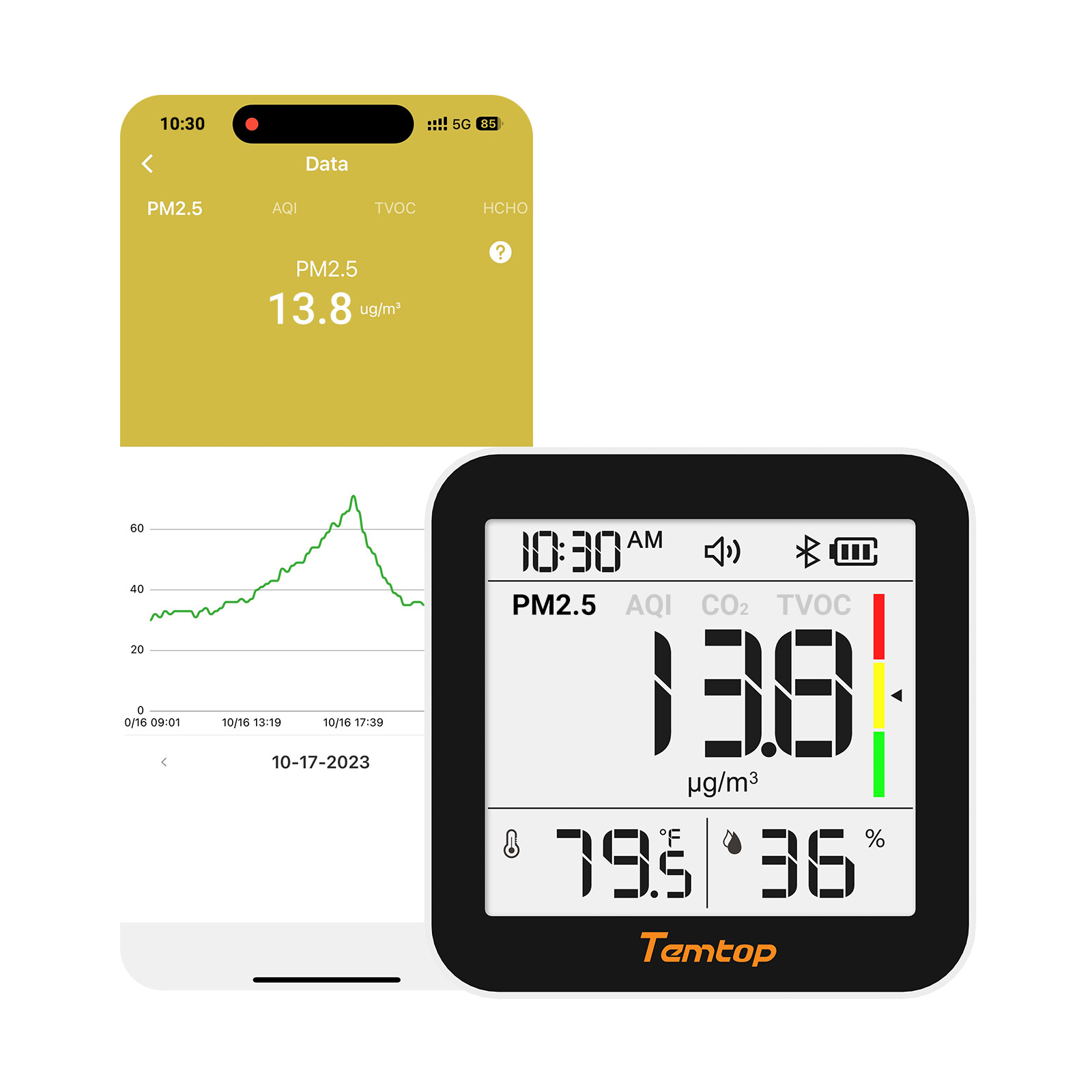 Temtop Indoor Air Quality Monitor 6-in-1 CO2,PM2.5,VOC Detection,temp,Hum, M10+$100.09Last checked Nov 27, 2026View on eBay
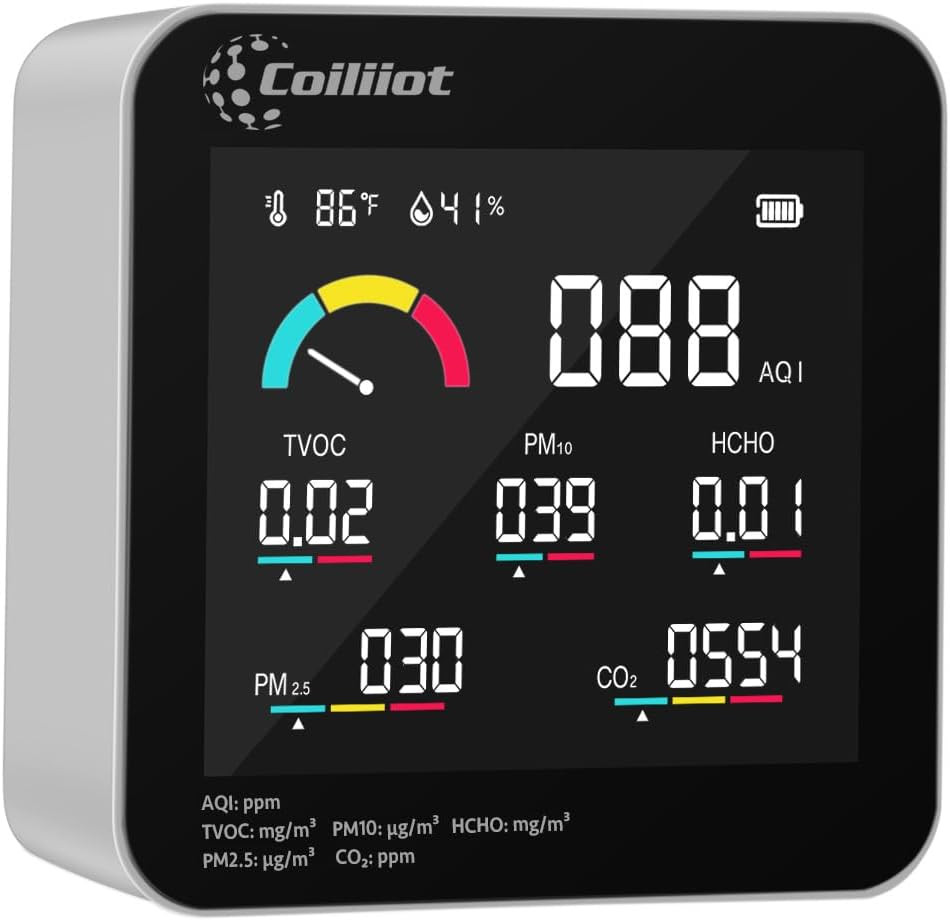 Air Quality Monitor Indoor – CO2 Detector, VOC Meter and AQI Tester Tracks TVOC,$117.32View on eBay
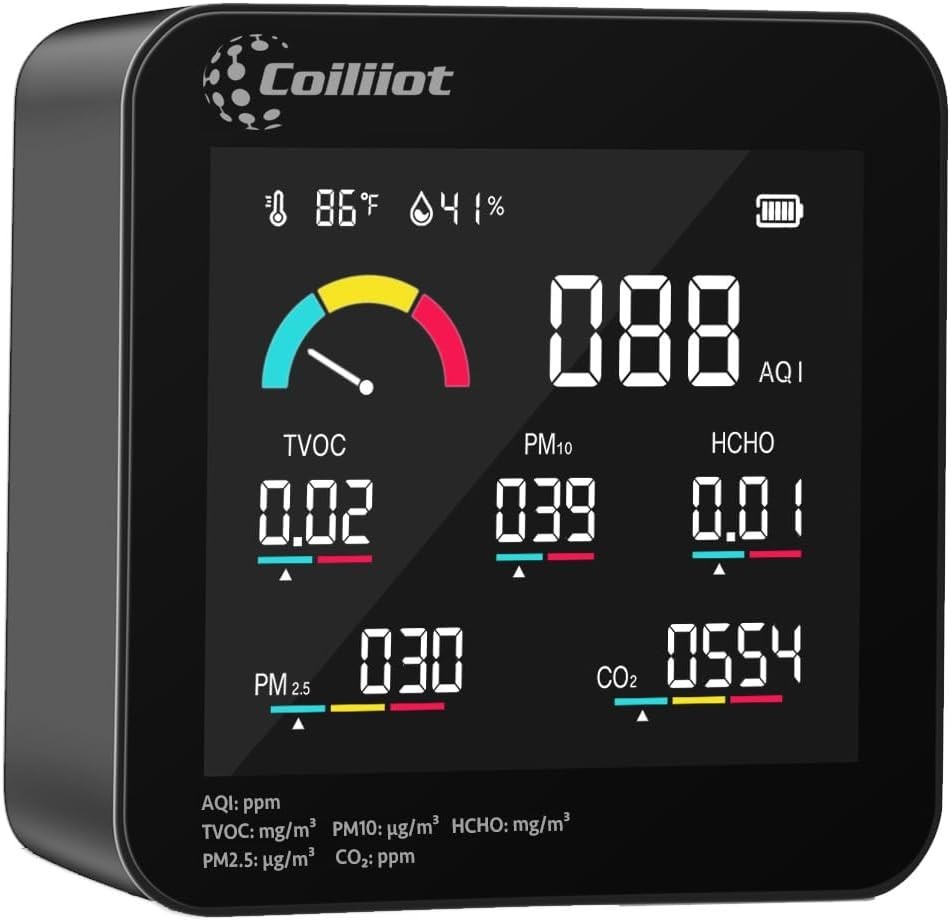 Air Quality Monitor Indoor – CO2 Detector, VOC Meter and AQI Tester Tracks TVOC,$119.32View on eBay
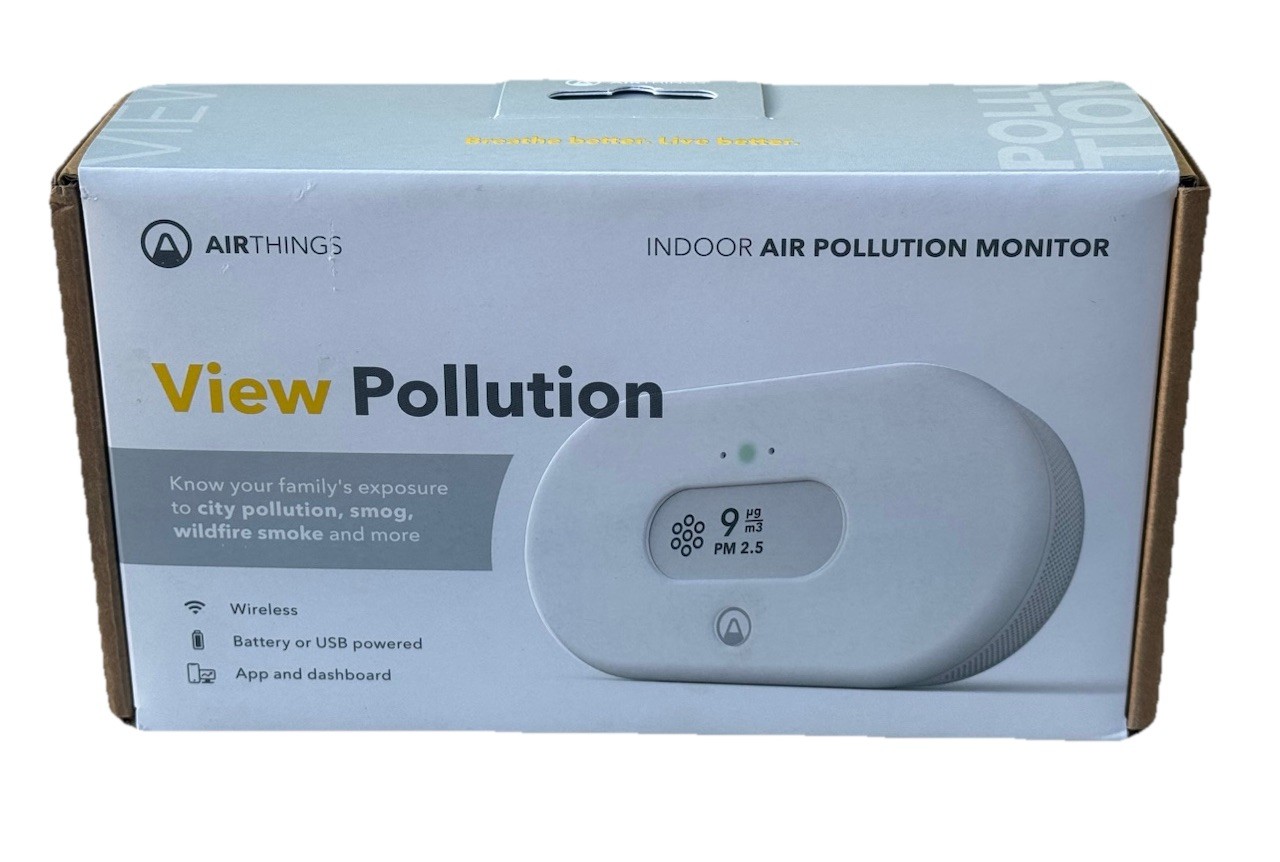 Airthings View Pollution Air Quality Indoor Air Quality Monitor 2980 NEW SEALED$160.00Last checked Nov 27, 2026View on eBay
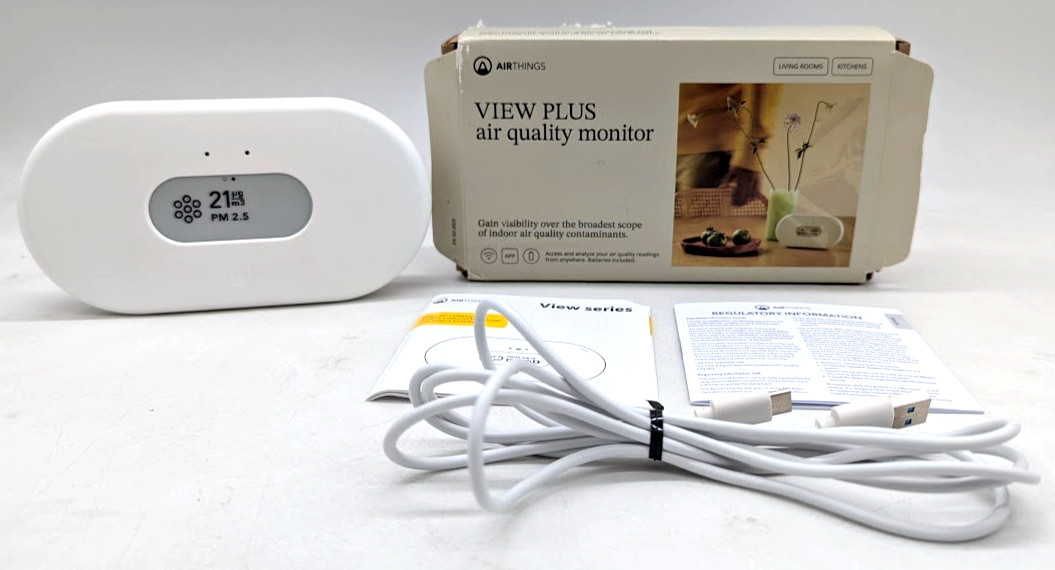 *OPEN BOX* Airthings View Plus Radon and Indoor Air Quality Monitor - White$199.99View on eBay
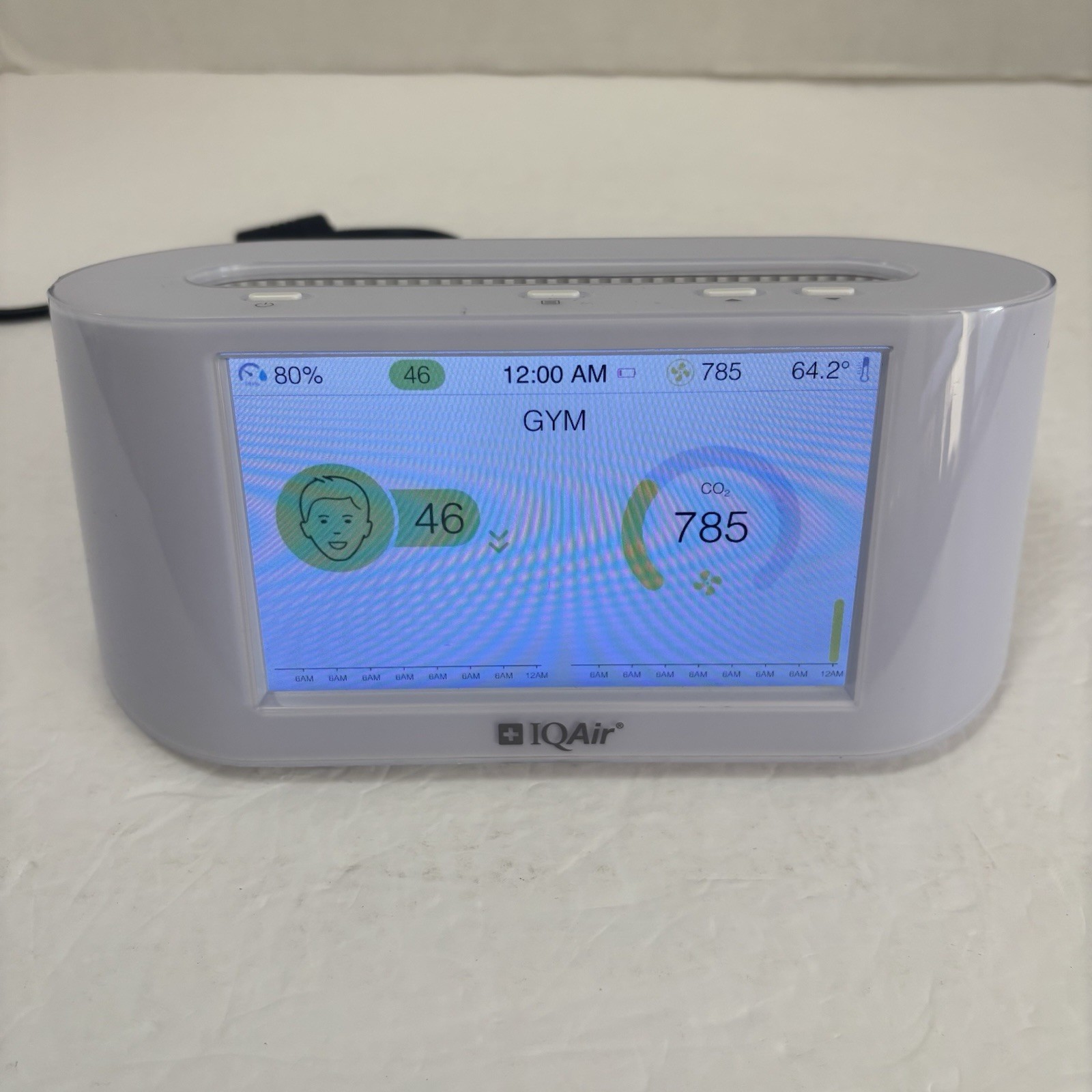 IQAir AirVisual Pro Wi-Fi Indoor/Outdoor Air Quality Monitor Temp Humidity CO2$209.99Used · Last checked Nov 24, 2026View on eBay
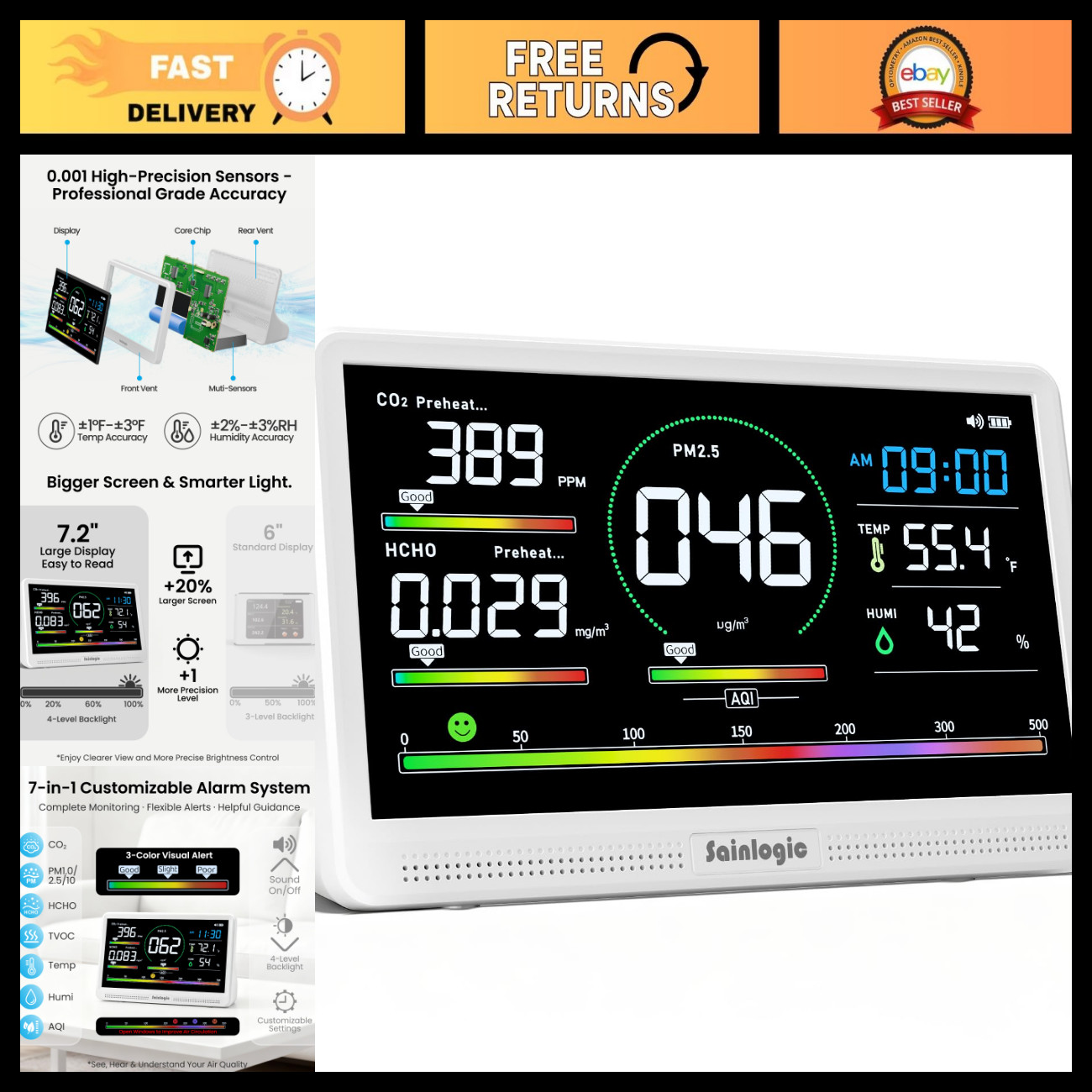 Indoor Air Quality Monitor - 16-in-1 VOC Meter, CO2, HCHO, PM2.5, Humidity, Temp$211.99New · Last checked Nov 24, 2026View on eBay
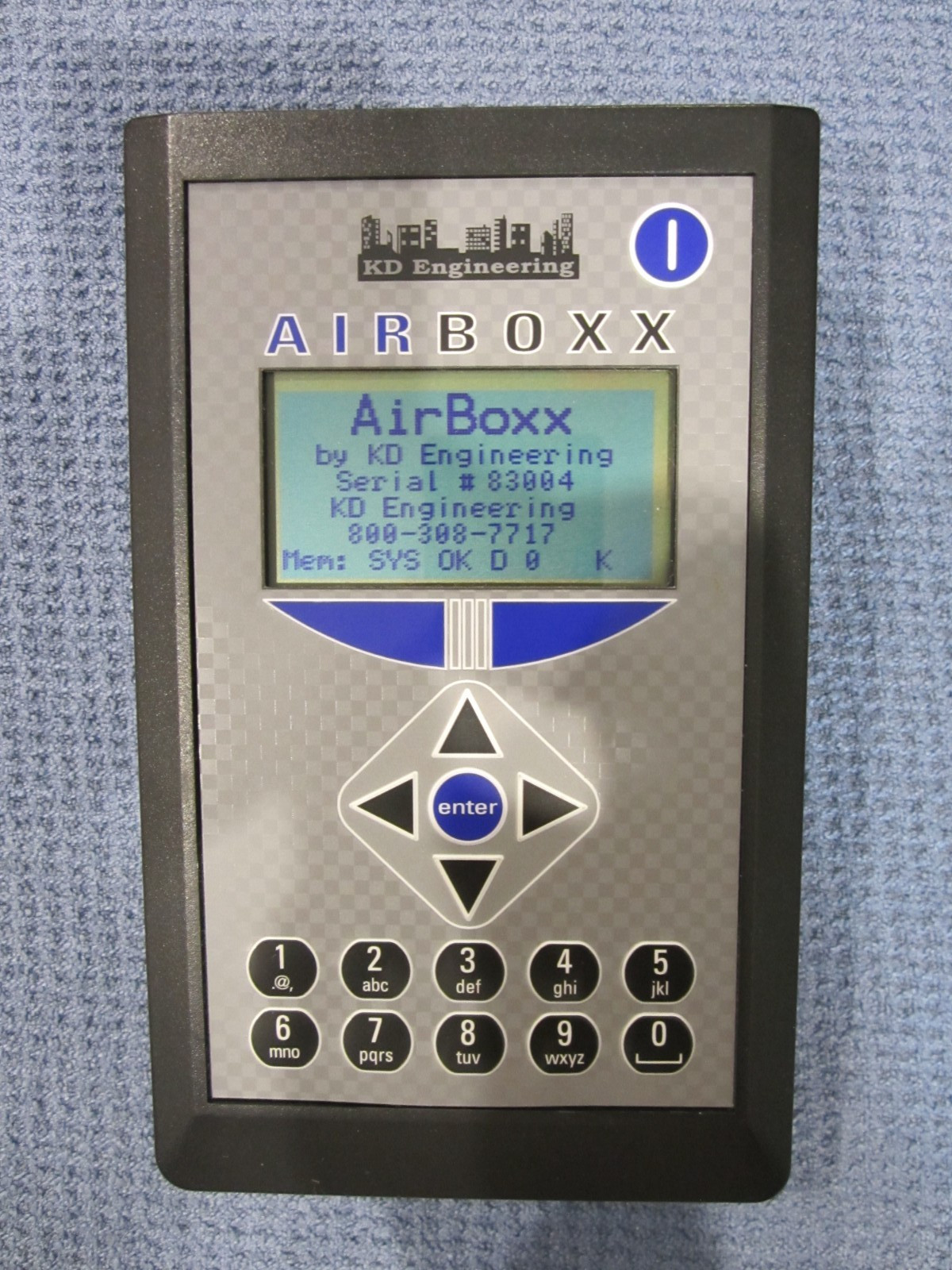 KD Engineering AIRBOXX Indoor Air Quality Monitor$399.99Used · Last checked Nov 24, 2026View on eBay
Highlights
- NDIR (non-dispersive infrared) is the reference CO2 sensor; eCO2 and TVOC-index sensors infer CO2 from mixed-gas readings and drift with cooking, cleaning, or alcohol vapors.
- Laser scattering PM sensors read PM1.0, PM2.5, and PM10 from particle counts; 'formaldehyde/HCHO' channels on multi-in-1 units are usually metal-oxide estimates, not selective measurements.
- Display size and alarm tiers matter more than channel count: 7-inch screens with 9 AQI+7 AQI alert buzzers are easier to read than 11-in-1 pocket units with 2-inch screens and no audible threshold.
- USB-C or USB-A powered desktop units run continuously; battery portables favor CO-only safety monitoring because NDIR and laser modules draw too much current for long runtime.
Best use cases
- Pick NDIR CO2 + laser PM2.5 desktop units for bedrooms, classrooms, and offices where ventilation and filtration decisions depend on trend accuracy; skip TVOC-only pucks there.
- Choose battery portables with CO and combustible-gas alarms for travel, garages, and combustion-appliance checks; skip multi-channel '16-in-1' claims because mobile NDIR/laser runtime is short.
- For nursery or sensitive-sleeper rooms, select units with audible AQI tier alarms and raw numeric PM2.5/CO2 readouts; skip app-only monitors that require a phone to see current levels.
- For rental or temporary spaces, pick plug-in USB-C desktop units with a stand and continuous logging; skip sealed units with no calibration or sensor-replacement path.
Buying tips
- Match the sensor to the concern: NDIR for CO2 ventilation math (target under 1,000 ppm), laser scattering for PM2.5 (target under 12 µg/m³), and treat HCHO/TVOC as relative trend indicators.
- Budget for wall power: continuous laser PM and NDIR CO2 monitoring requires USB power; battery-only units usually downgrade to CO or eCO2 sensing to preserve runtime.
- Check display and alarm tiers over channel count: 7-inch screens with 9+ AQI alerts outperform 16-in-1 claims on small screens with no audible thresholds.
- Choose units with a documented calibration or baseline routine (fresh-air CO2 baseline, PM zero-check) because metal-oxide VOC and HCHO channels drift without periodic re-baselining.
Specs
| CO2 Sensor | NDIR vs eCO2/TVOC index |
|---|---|
| PM Sensor | Laser scattering PM1.0/2.5/10 |
| Power | USB-C desktop vs battery portable |
| Display/Alarm | Raw values + multi-tier AQI buzzer |
Related searches
What to check before buying
- Measure the placement surface: desktop units with stands need 6–8 inches of clearance and a nearby USB outlet, not a shelf blocked by curtains or books.
- Confirm voltage and plug standard for your region (US 110–120V adapters vs EU/UK 220–240V) and that the included cable matches your outlet.
- Verify the unit reports raw numeric PM2.5 and CO2 values, not just a color AQI bar, because trend decisions require numbers.
- Check whether the design needs companion parts—replacement sensor modules, calibration gas, or a phone app—before committing to a tier.
FAQ
Data sources: eBay / Amazon listings and product attribute feeds. Updated Nov 29, 2026.
Some links on this page are affiliate links. If you buy after clicking one, we may earn a commission at no extra cost to you. This does not change which products appear here or their order. Affiliate disclosure.