
Photos from current listings. Actual item, color, and included accessories may vary.
Metal Microscope Buying Guide
A metal microscope is a digital or optical inspection system built around a rigid metal chassis or stand, used for coins, PCBs, and industrial detail work. The core trade-off is sensor/optics quality versus stand rigidity: a heavy cast-metal base with a precision rack-and-pinion column holds focus at high magnification, while stamped or plastic stands drift and blur. Buy a metal-bodied unit with HDMI/USB output and a solid base if you need repeatable inspection; skip lightweight plastic stands unless portability is the only goal.
Median $159.65
Key takeaways
- Stand material decides stability: die-cast aluminum or steel bases with a locking column resist vibration, while stamped-metal or plastic bases flex and lose focus at 500X and above.
- Sensor resolution and output: 13MP CMOS with 1080P HDMI/USB is the industrial tier; 2MP 1080P USB-only is the entry tier and shows visible noise on PCB traces.
- Optical zoom versus digital zoom: continuous optical zoom lenses keep detail at 50-500X, while digital-only systems interpolate and soften edges beyond native resolution.
At a glance
- Category
- Microscopes & Lab Imaging
- Last updated
- Nov 28, 2026
Current offers
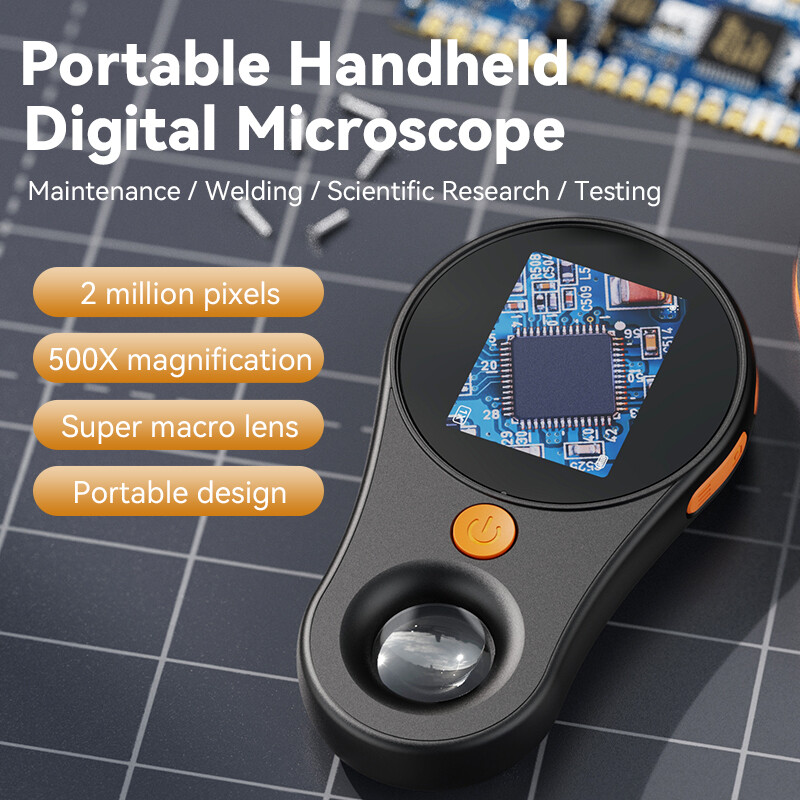 Portable 500X Digital Microscope 2" 1080P w/Metal Stand for Coins PCB$16.77Last checked Nov 27, 2026View on eBay
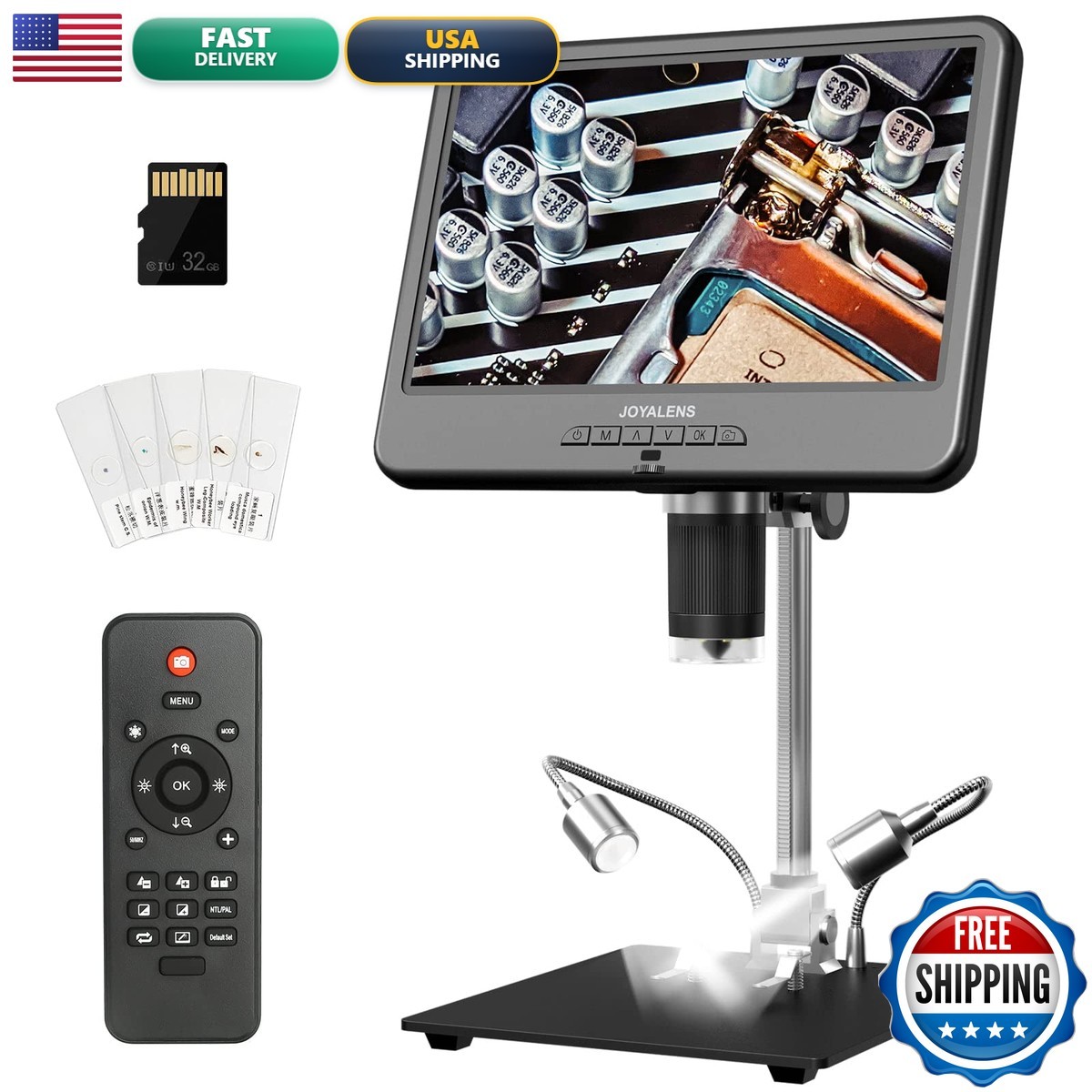 JOYALENS JL210 10.1" Digital Microscope 8 LED 12.6" Metal Stand 32GB$116.26View on eBay
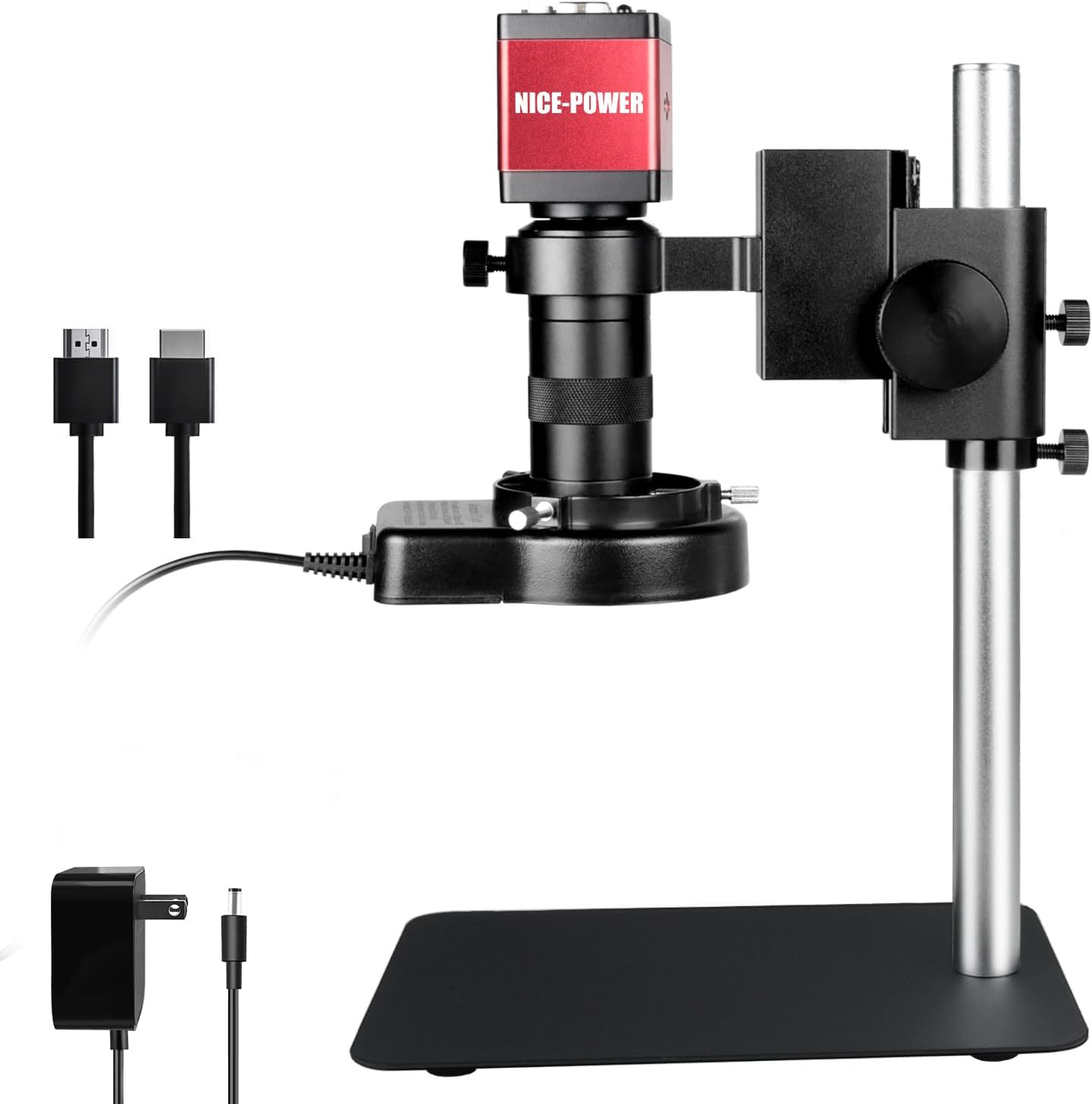 Digital Microscope with Metal Base, 13MP 1080P HDMI VGA Industrial Microscope Ma$203.04Last checked Nov 18, 2026View on eBay
- Digital Microscope with Metal Base, 13MP 1080P HDMI VGA Industrial Microscope Ma$210.12Last checked Nov 18, 2026View on eBay
Highlights
- Stand material decides stability: die-cast aluminum or steel bases with a locking column resist vibration, while stamped-metal or plastic bases flex and lose focus at 500X and above.
- Sensor resolution and output: 13MP CMOS with 1080P HDMI/USB is the industrial tier; 2MP 1080P USB-only is the entry tier and shows visible noise on PCB traces.
- Optical zoom versus digital zoom: continuous optical zoom lenses keep detail at 50-500X, while digital-only systems interpolate and soften edges beyond native resolution.
- Lighting and power: 8-LED ring illumination with dimming is standard; USB-C or 12V DC power determines whether the unit runs from a bench supply or a laptop.
Best use cases
- Coin and stamp inspection: pick a 500X digital unit with a metal stand and USB output for close field marking; skip 10.1-inch all-in-one screens if you need portability.
- PCB and solder rework: choose a 13MP 1080P HDMI/VGA industrial unit with a heavy metal base and 8-LED ring light for live bench work; skip 2MP USB-only models that blur fine traces.
- Classroom or shared lab: an all-in-one 10.1-inch screen unit with 32GB storage avoids tethering to a PC; skip it for field work where a laptop-connected USB scope is lighter.
- High-magnification metallurgy or failure analysis: optical zoom with a rigid column is required; a digital-only 500X unit cannot resolve grain structure and is the wrong fit.
Buying tips
- Match magnification to task: 50-200X covers coins and PCBs; 500X and above needs optical zoom and a locking metal column or focus will drift.
- Check sensor native resolution: 13MP CMOS gives real detail for 1080P output; 2MP sensors upscale and soften edges, so treat 1080P claims on 2MP units as output format, not optical detail.
- Prefer a cast-metal base with a rack-and-pinion or geared column; stamped bases with friction sliders slip under vibration and are the first failure point.
- Confirm output and power: HDMI/VGA for direct monitor use, USB for PC capture, and USB-C or 12V DC input; units without a standard plug need a matching adapter.
Specs
| Stand Material | Die-cast aluminum / steel vs plastic |
|---|---|
| Sensor Resolution | 13MP CMOS vs 2MP CMOS |
| Magnification Range | 50-500X optical / digital |
| Output & Power | HDMI/VGA/USB, USB-C or 12V DC |
Related searches
What to check before buying
- Measure bench or desk depth: a 10.1-inch screen unit with a 12.6-inch metal stand needs roughly 18 inches of clear depth and height.
- Check mounting: a metal base with a 5/8-inch or standard camera thread accepts third-party stands and lenses; proprietary mounts limit upgrades.
- Match lighting to environment: 8-LED ring lights work in dim rooms but glare on shiny metal and coins, so dimmable illumination is required.
- Confirm power standard: USB-C works from any laptop or 5V supply, while 12V DC units need the included adapter and a nearby outlet.
FAQ
Data sources: eBay / Amazon listings and product attribute feeds. Updated Nov 28, 2026.
Some links on this page are affiliate links. If you buy after clicking one, we may earn a commission at no extra cost to you. This does not change which products appear here or their order. Affiliate disclosure.