
Photos from current listings. Actual item, color, and included accessories may vary.
Microscope Buying Guide
Microscopes span optical compound scopes for prepared slides and digital LCD/USB scopes for coins, PCBs, and trichomes. The core trade-off is optical resolution and mechanical stability versus digital convenience and magnification claims. Buy optical for biology and fine detail; buy digital for inspection and imaging, but never trust empty magnification numbers.
Median $143.00 · New & pre-owned listings
Key takeaways
- Optical compound scopes with achromatic objectives and 4-hole nosepiece deliver true resolving power; digital scopes interpolate to 1000X and lose detail beyond ~200X optical.
- Metal body and rack-and-pinion focus with mechanical stage are the durability baseline; plastic focus racks strip and drift on student scopes.
- Digital scopes with 4.3-inch LCD and 1080p sensor give standalone viewing; USB-only models depend on a PC and often top out at 1600x1600 native resolution.
At a glance
- Category
- Microscopes & Lab Imaging
- Last updated
- Nov 28, 2026
Current offers
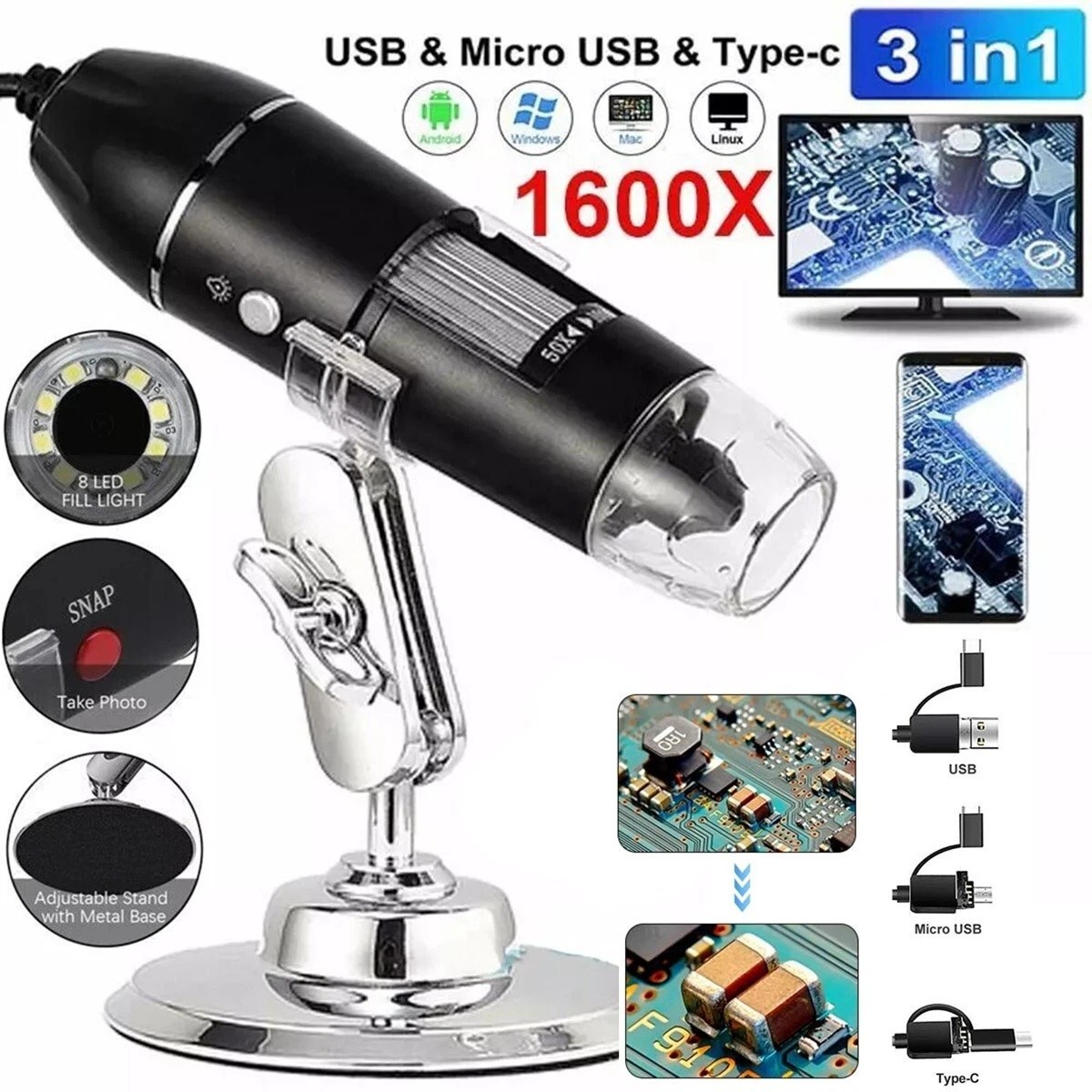 1600x Zoom 8 LED HD USB Microscope Digital Magnifier Endoscope Video Camera US$15.49View on eBay
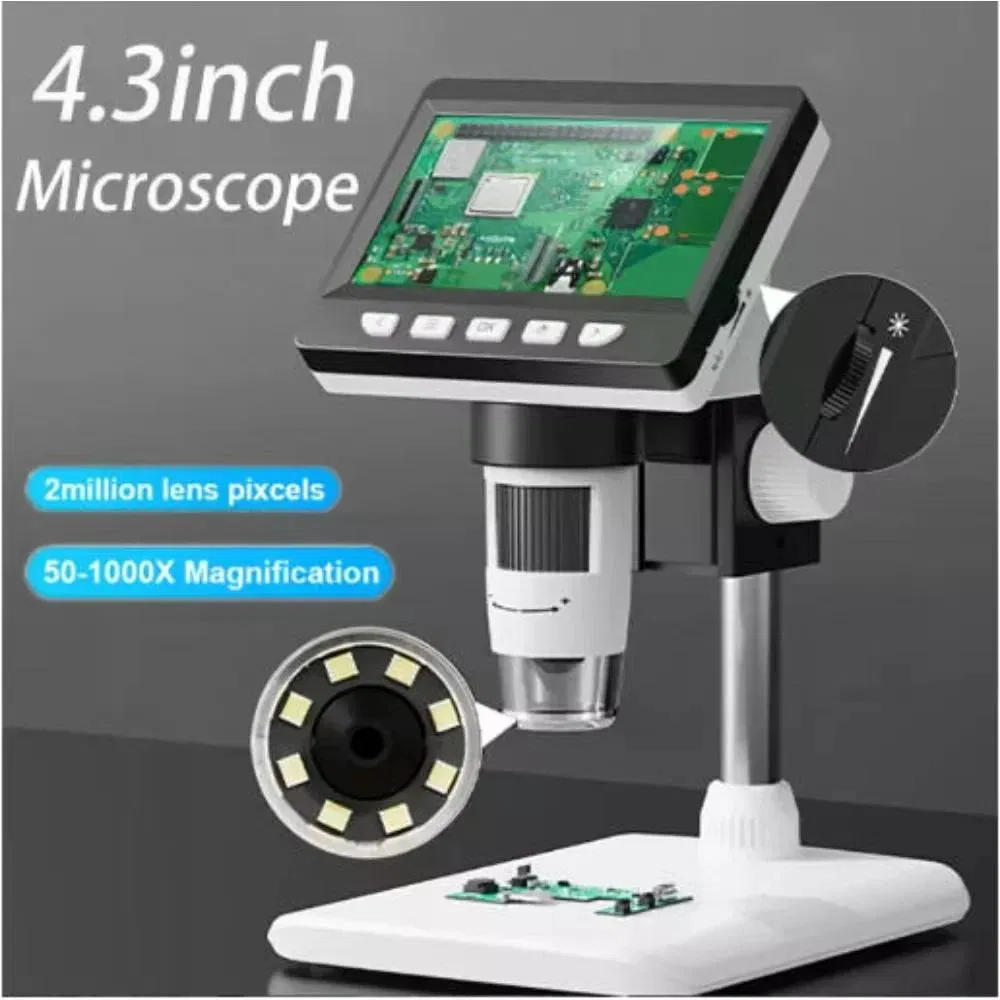 4.3 Inch HD Digital Microscope 50-1600X 8 LED Fill Light 2000mAh Battery Photo Video Manual Focus Adjustable Stand USB Connect for Electronic Repair Jewelry Industrial Teaching Household Black White$68.99View on Mallflare
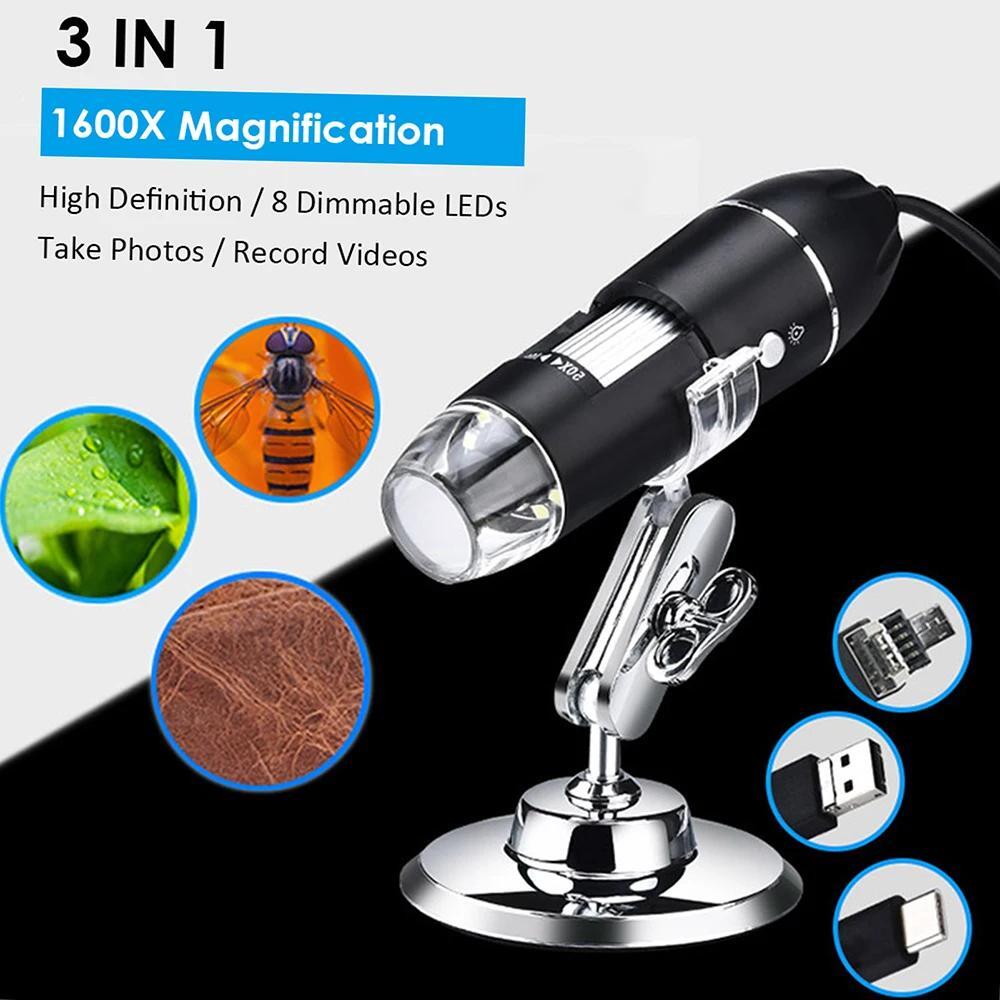 1600X Zoom 8LED HD USB Microscope Digital Magnifier Endoscope Video Camera$15.83View on eBay
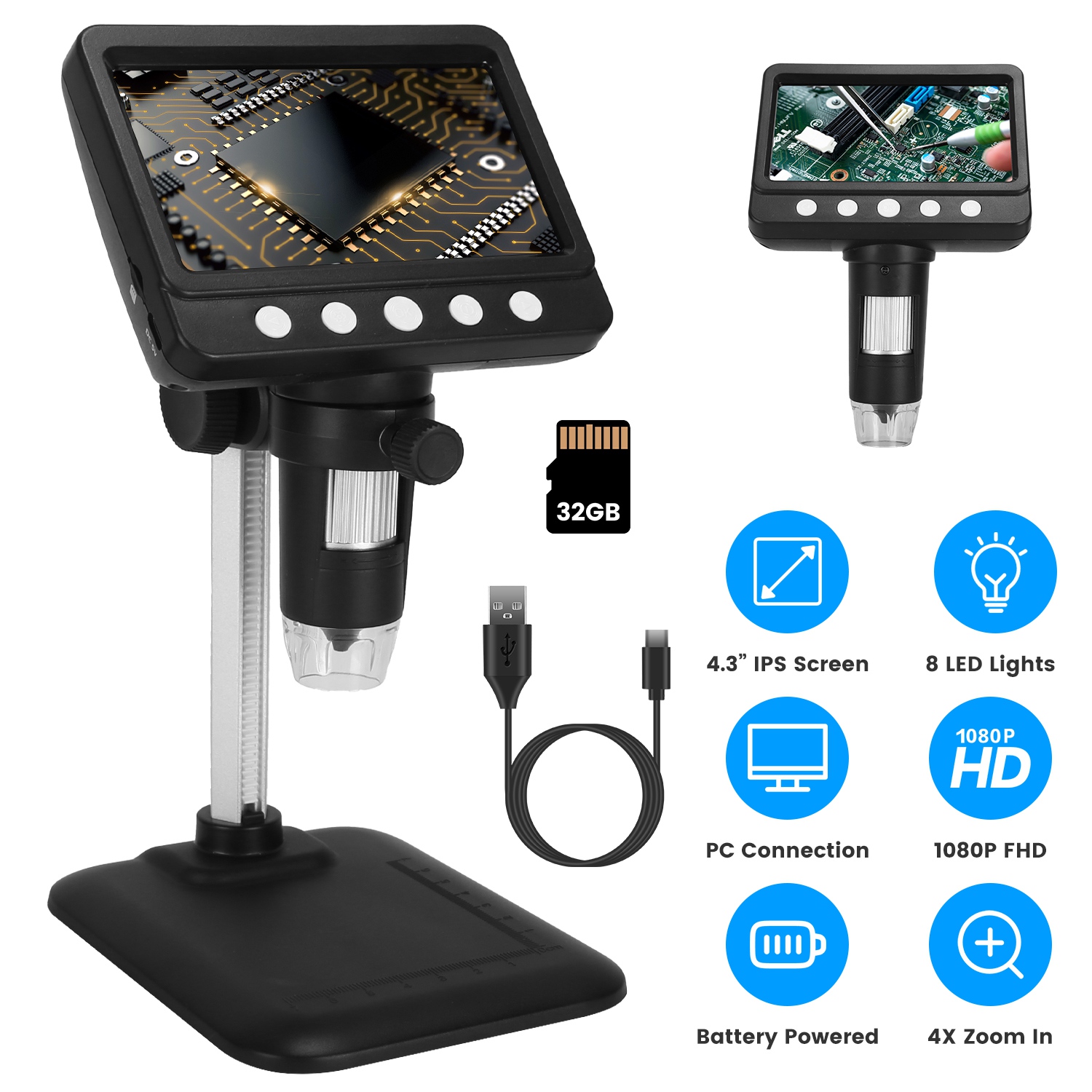 1Pc 4.3Inch LCD Digital Microscope 1,000X 1080P Photo Video Error Coin Magnifier With 8 Dimmable LED Lights PC Views Compatible MacOS Windows Included 32GB Card$74.99View on Mallflare
- 1600x Zoom 8 LED HD USB Microscope Digital Magnifier Endoscope Video Camera US$15.99Last checked Nov 27, 2026View on eBay
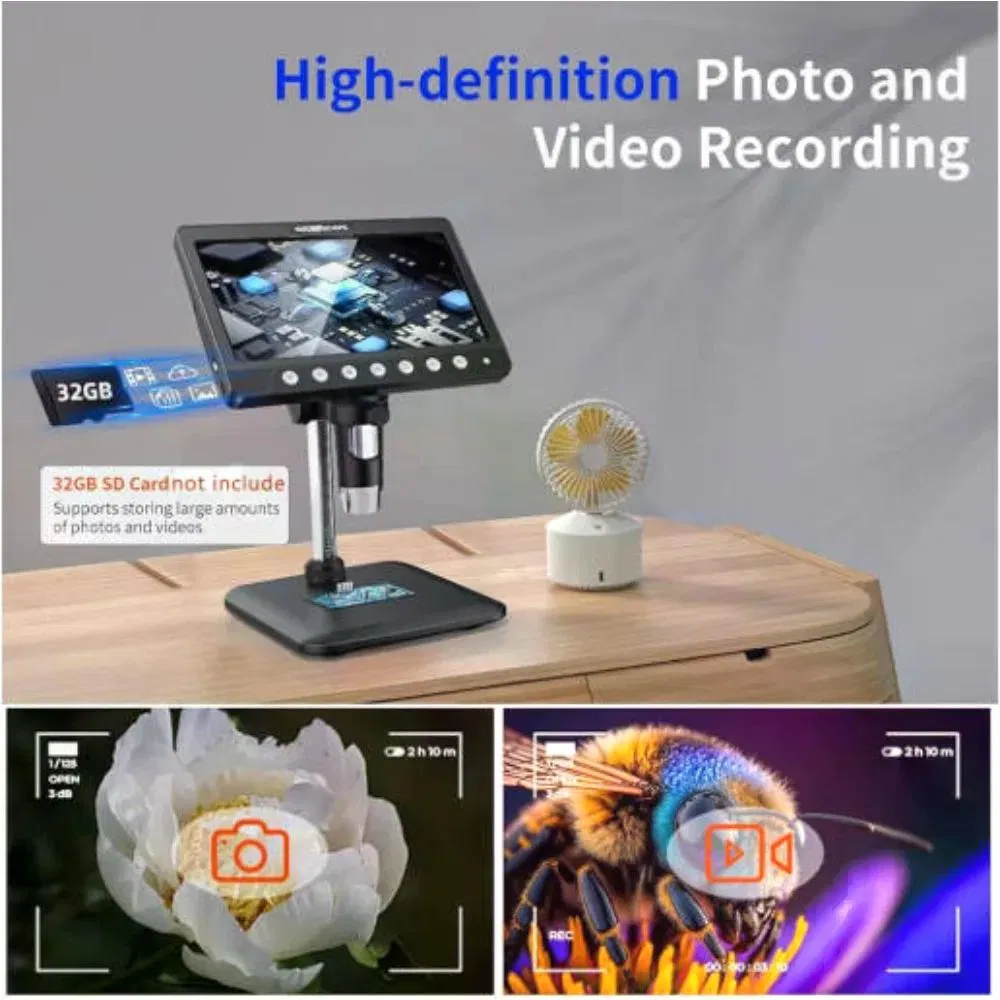 330 7" IPS Digital Microscope, 500MP 50-1200X Magnification, Rechargeable with Remote Control$81.99View on Mallflare
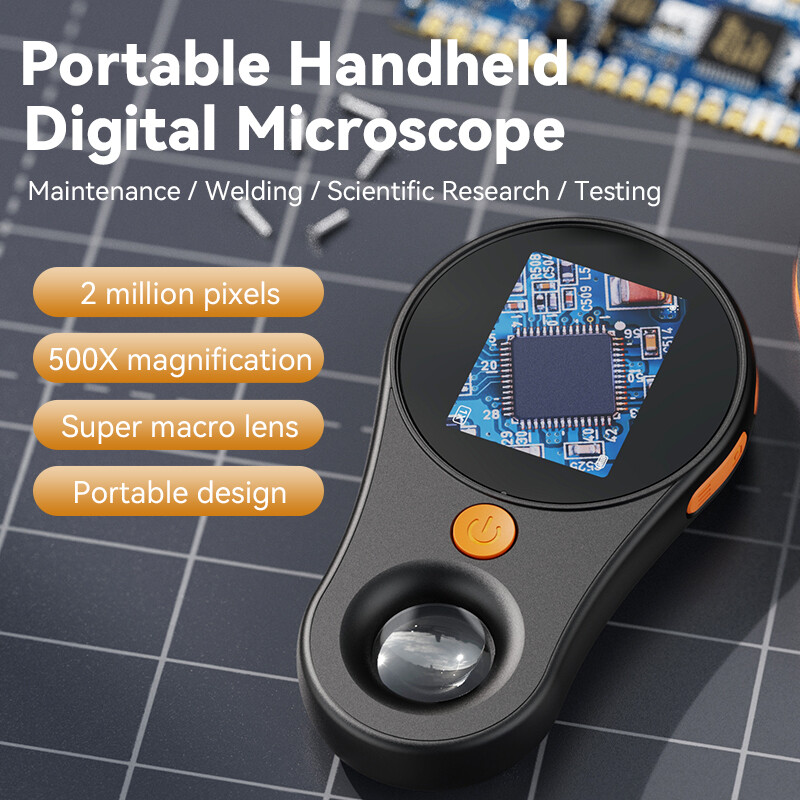 Portable 500X Digital Microscope 2" 1080P w/Metal Stand for Coins PCB$16.77Last checked Nov 27, 2026View on eBay
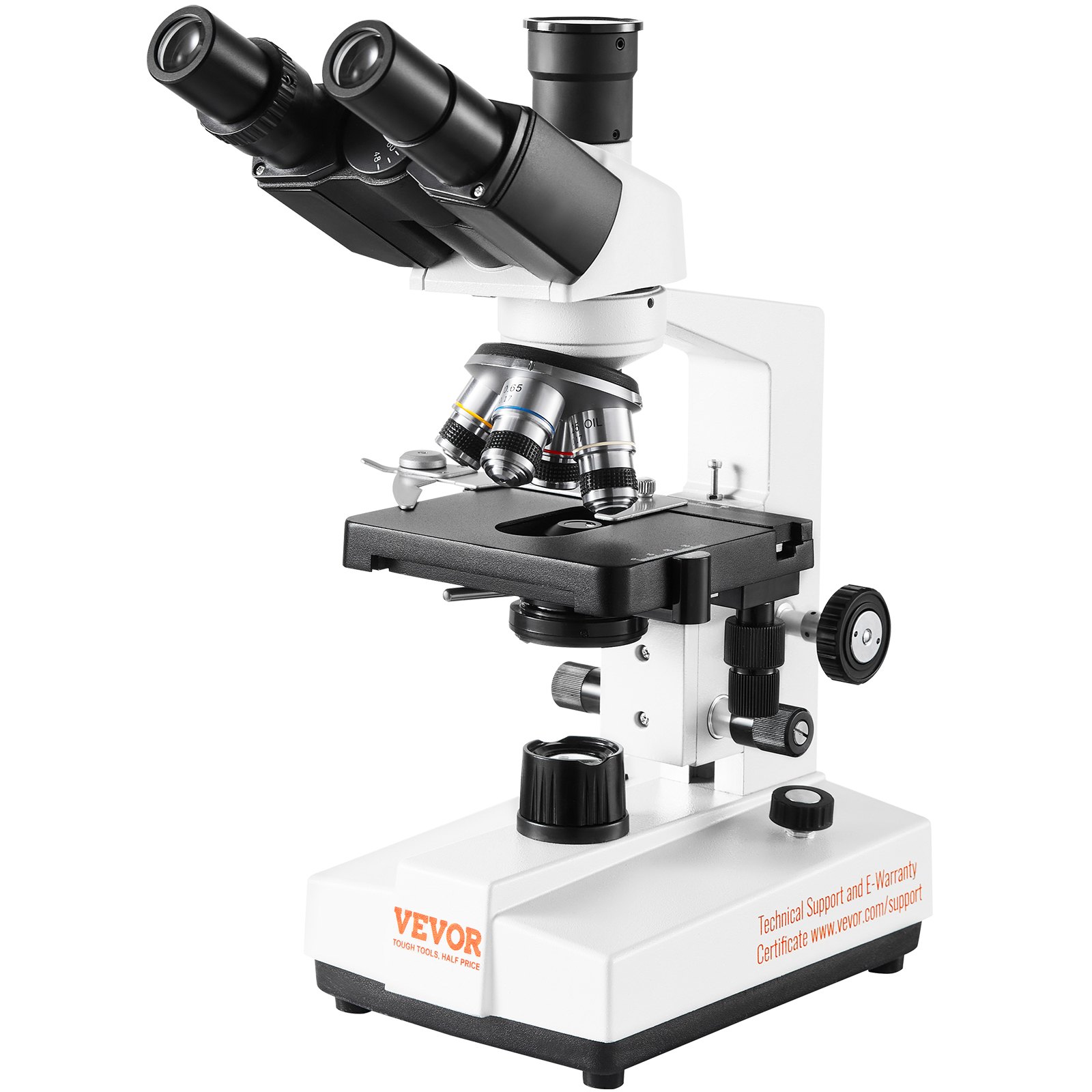 Compound Trinocular Microscope, 40X-5000X Magnification Lab With Two-Layer Mechanical Stage, External Interface, LED Illumination And Slides Included$283.99View on Mallflare
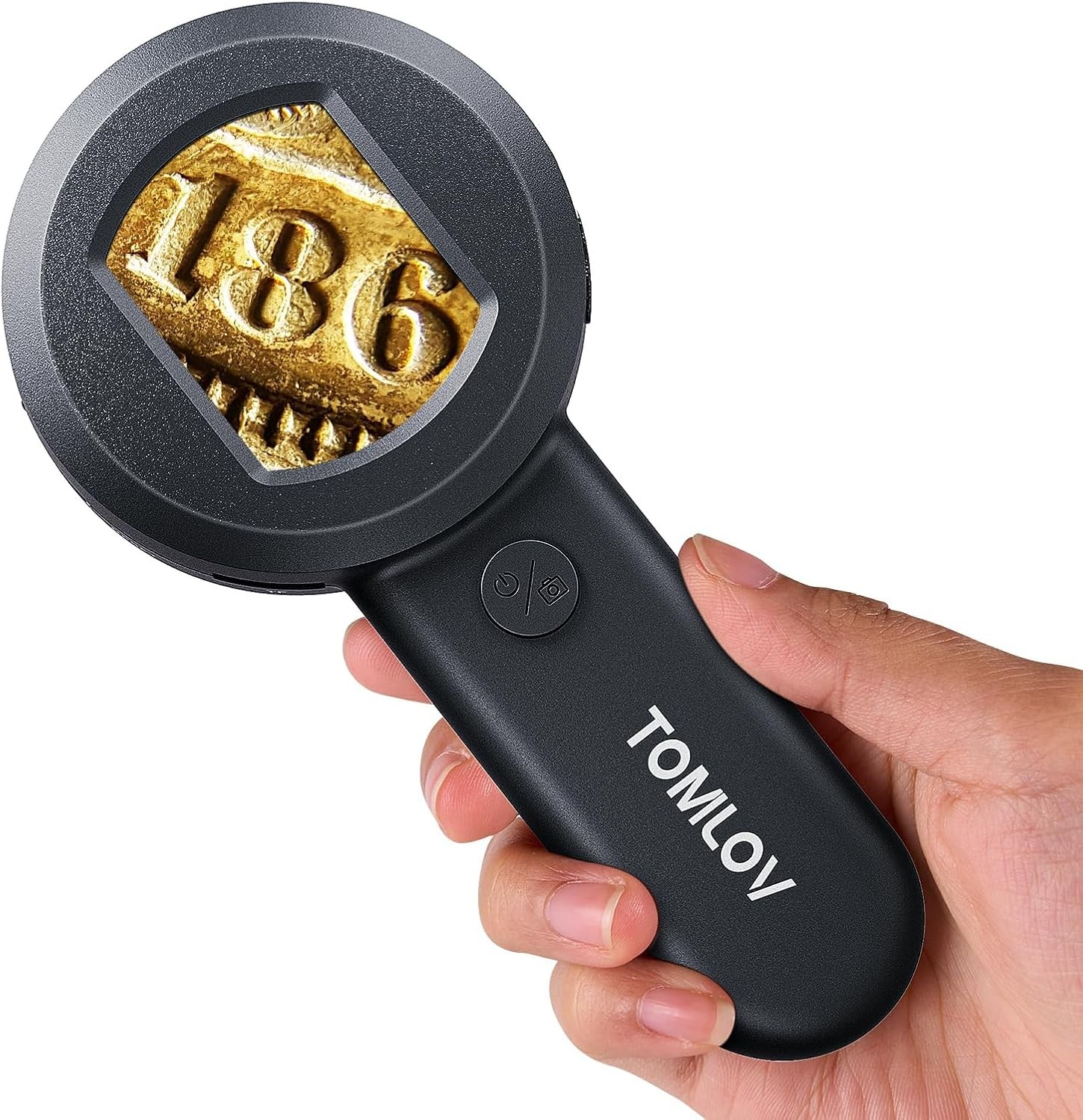 TOMLOV 100X Digital Microscope Coin Trichome Magnifier Jeweler Loupe Illuminated$23.99Last checked Nov 28, 2026View on eBay
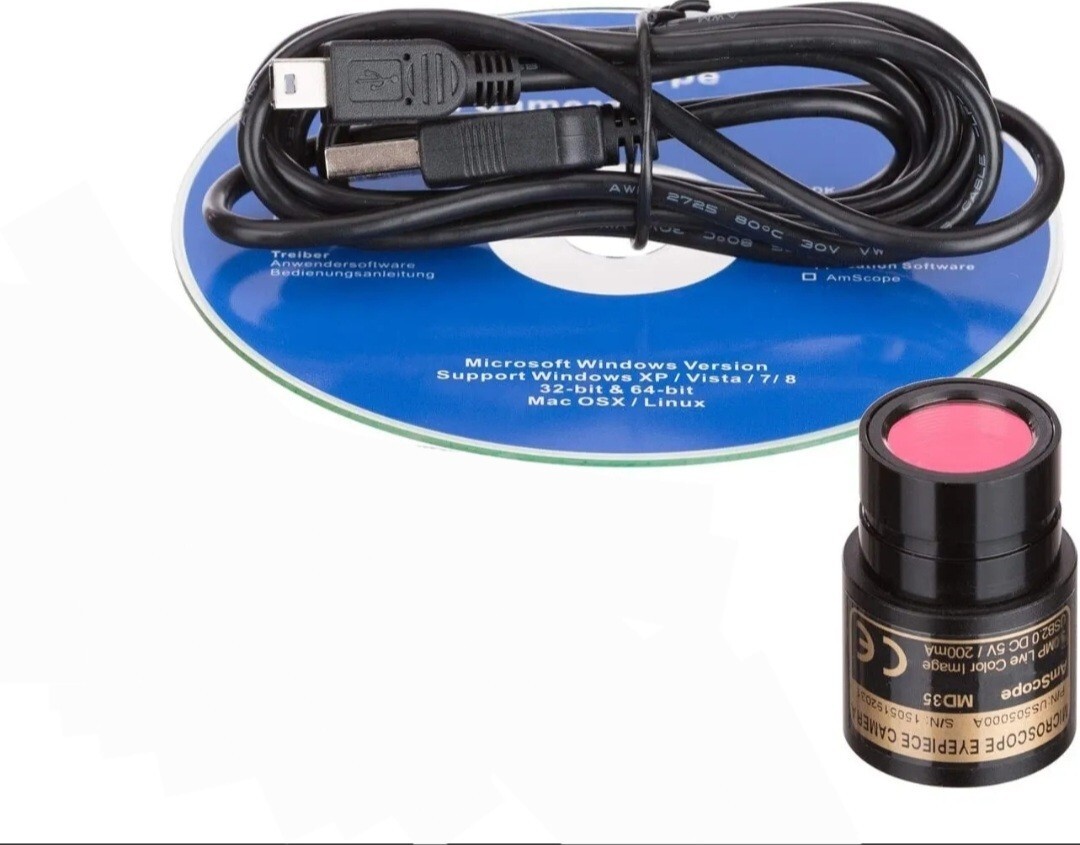 Microscope Eyepiece Camera USB Color CMOS for Still + Video w/ Software 20mm$25.73Last checked Nov 27, 2026View on eBay
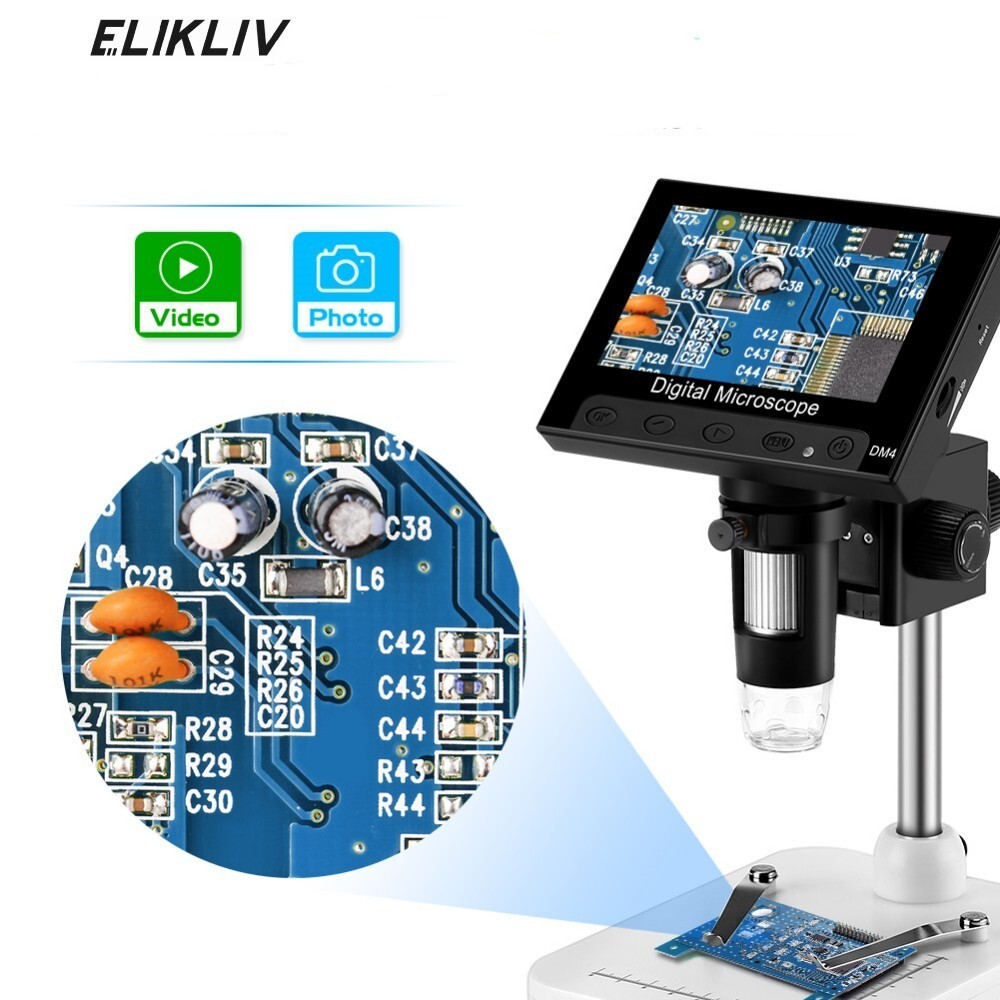 Elikliv 1000X Digital Microscope 4.3'' LCD Screen PCB Repair Coin Magnifier LED$35.99Last checked Nov 27, 2026View on eBay
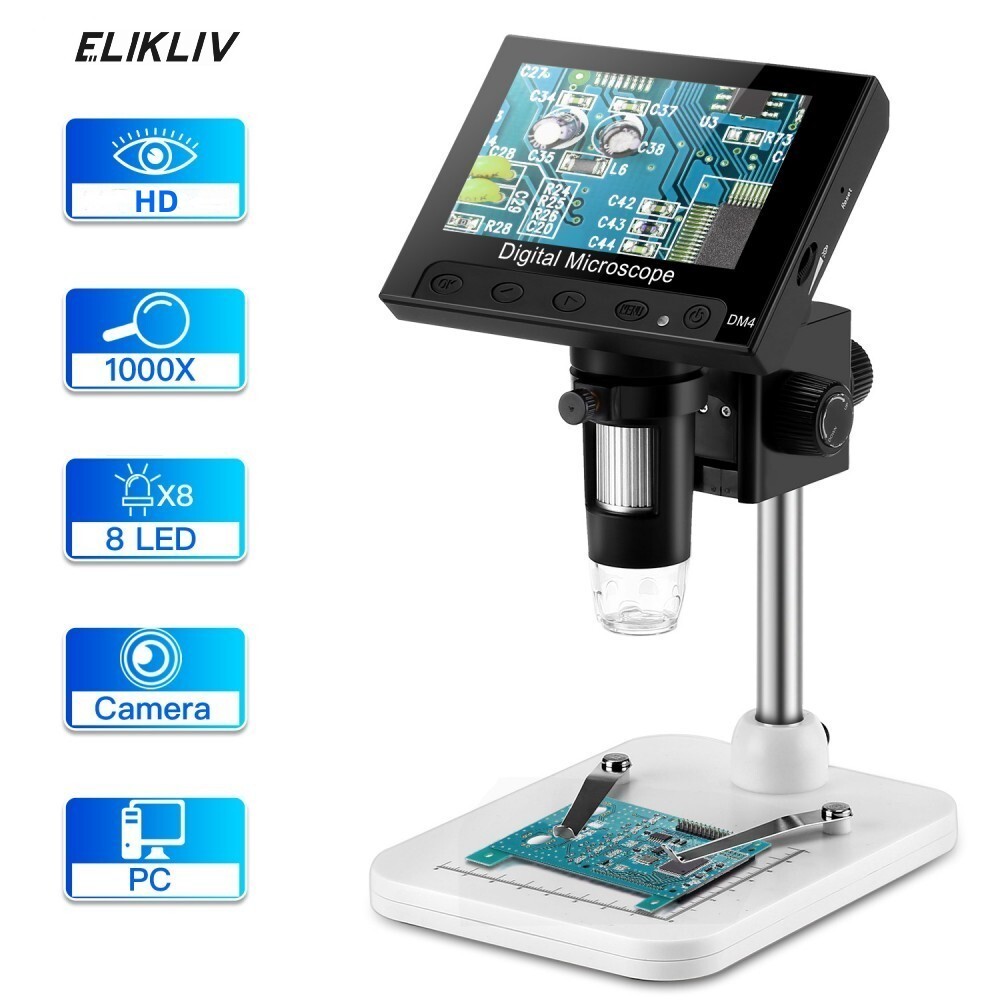 Elikliv Coin Microscope 1000X 4.3'' LCD Digital Microscope with Screen USB HD$36.76Last checked Nov 27, 2026View on eBay
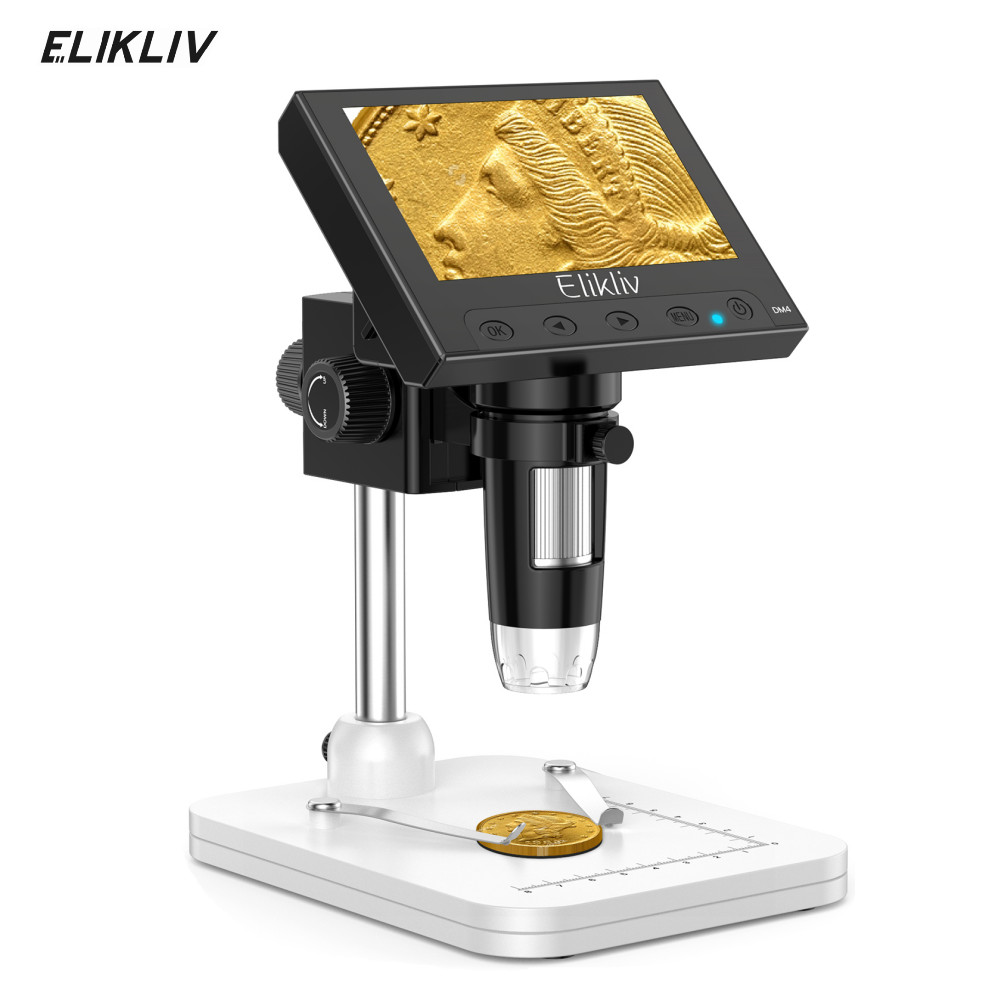 Elikliv Digital Microscope 1000X USB Coin Microscope 4.3" LCD Screen Soldering$39.60Last checked Nov 27, 2026View on eBay
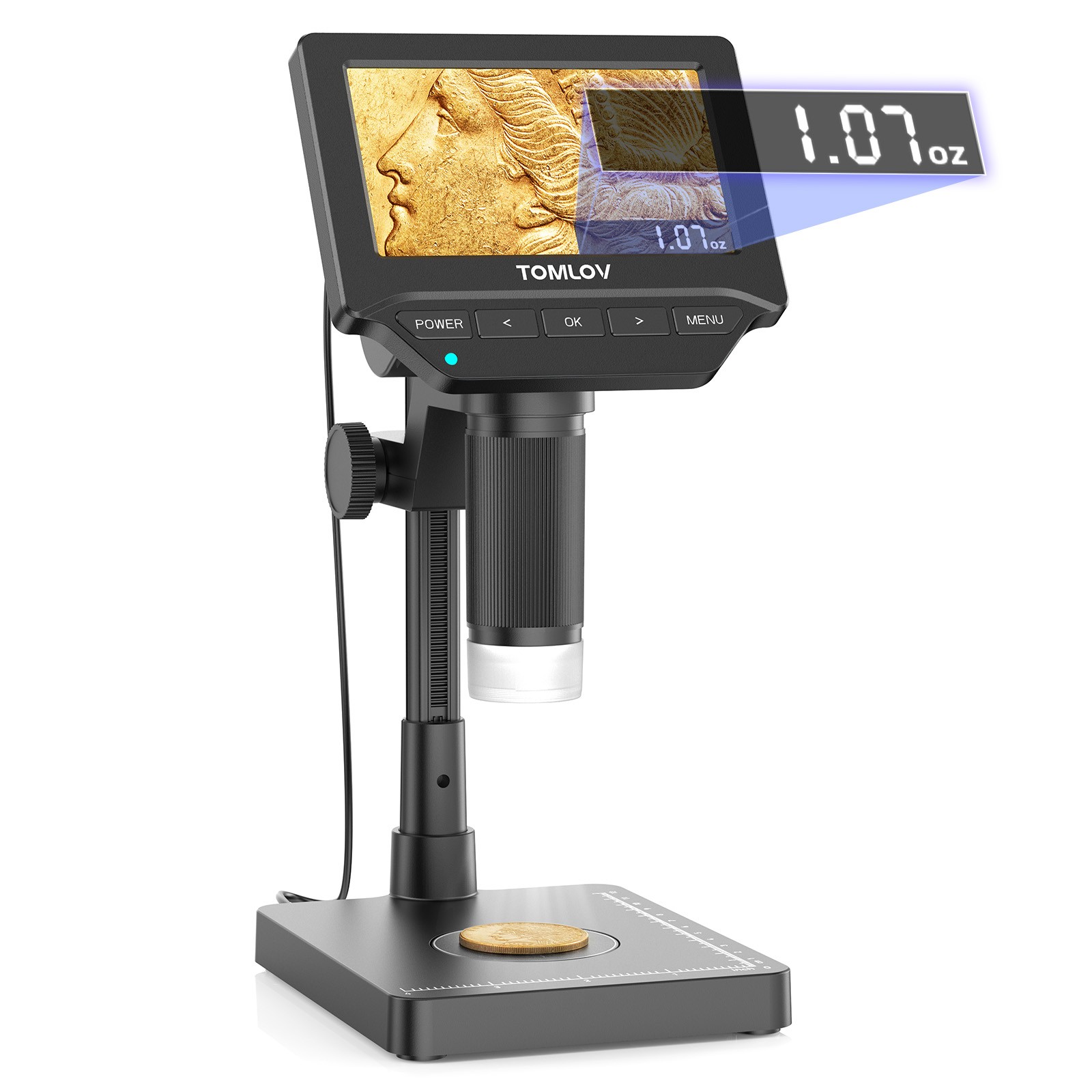 TOMLOV 4.3" Digital Microscope 200X Coin Microscope Weight Scale for Collectors$52.26Last checked Nov 28, 2026View on eBay
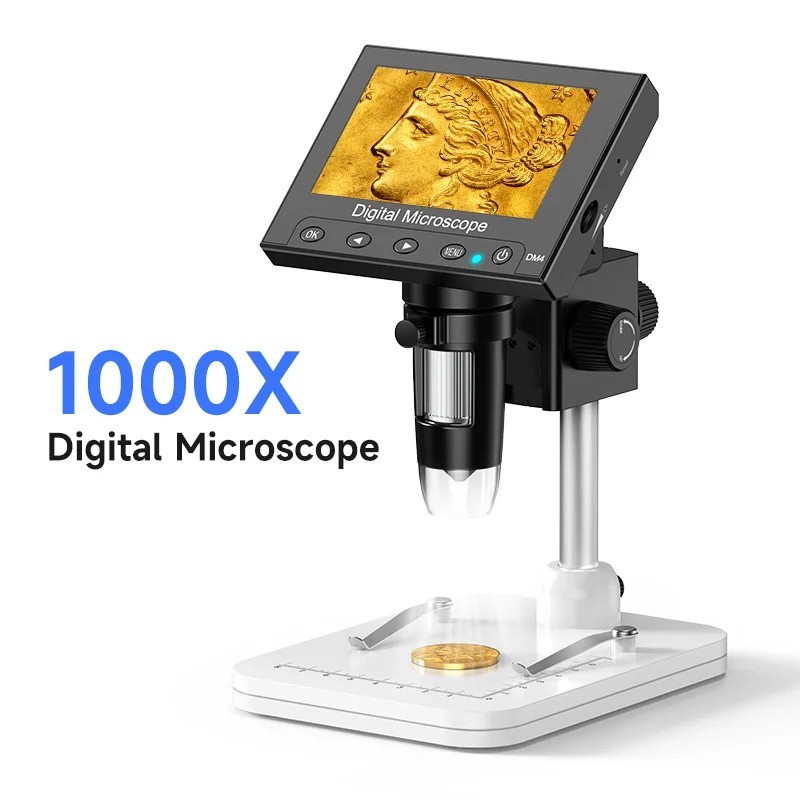 Elikliv Digital Microscope 1000X USB Coin Microscope 4.3" LCD Screen Soldering$53.48Last checked Nov 27, 2026View on eBay
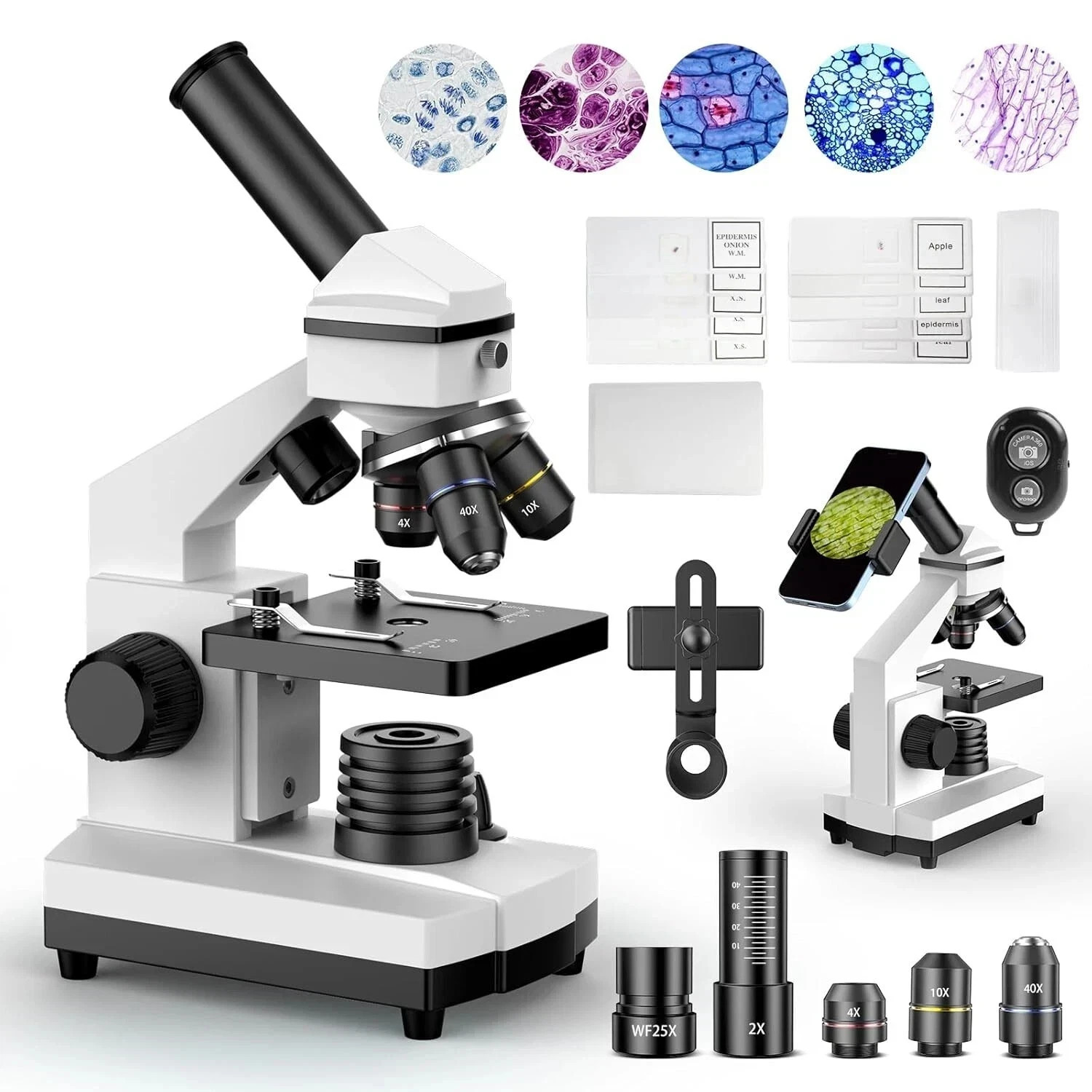 Compound Microscope - 100X-2000X High-Power Biological Microscope(White)$55.85View on eBay
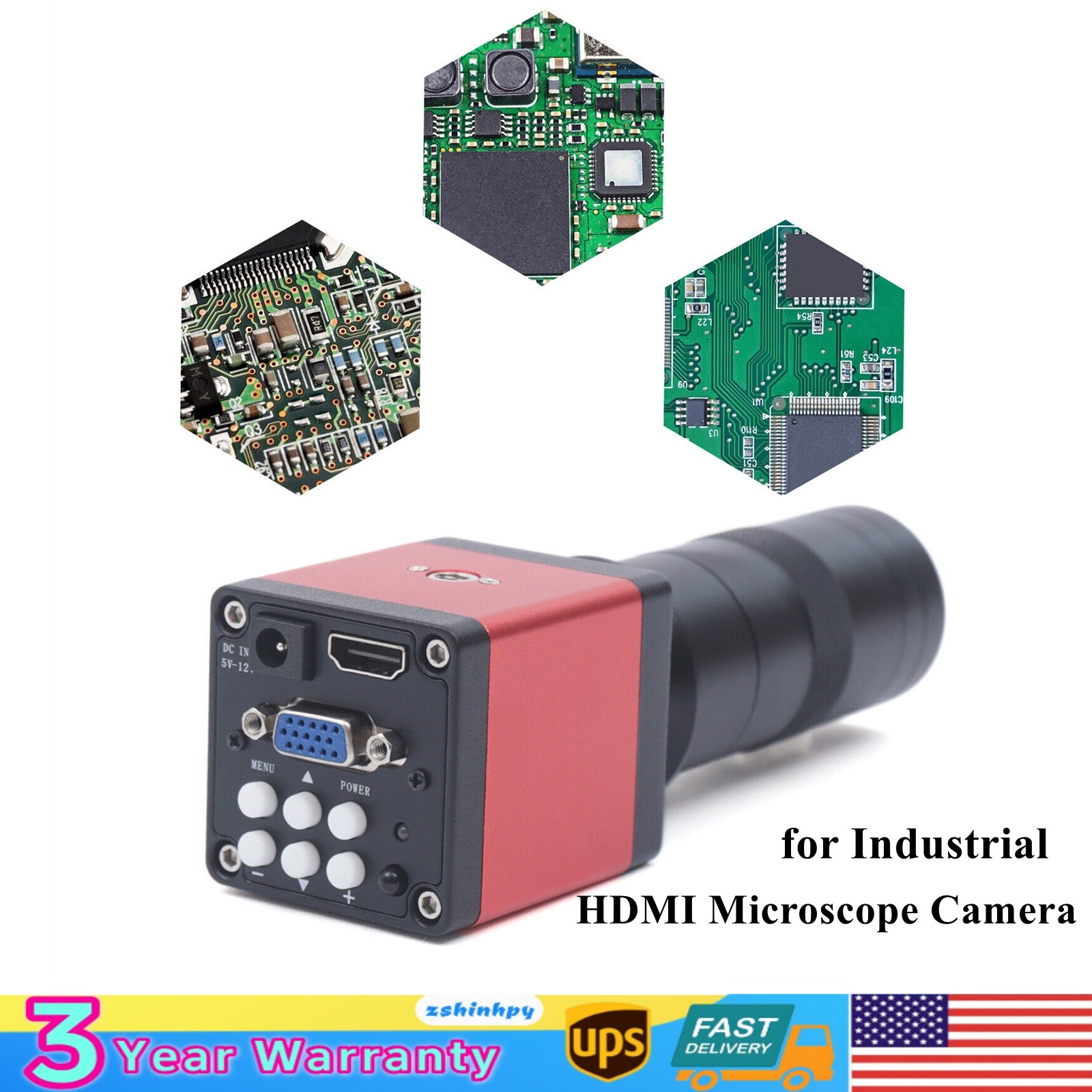 HDMI Video Microscope VGA Camera HD Industrial Digital USB Lens 1080p 14mp 60FPS$59.64View on eBay
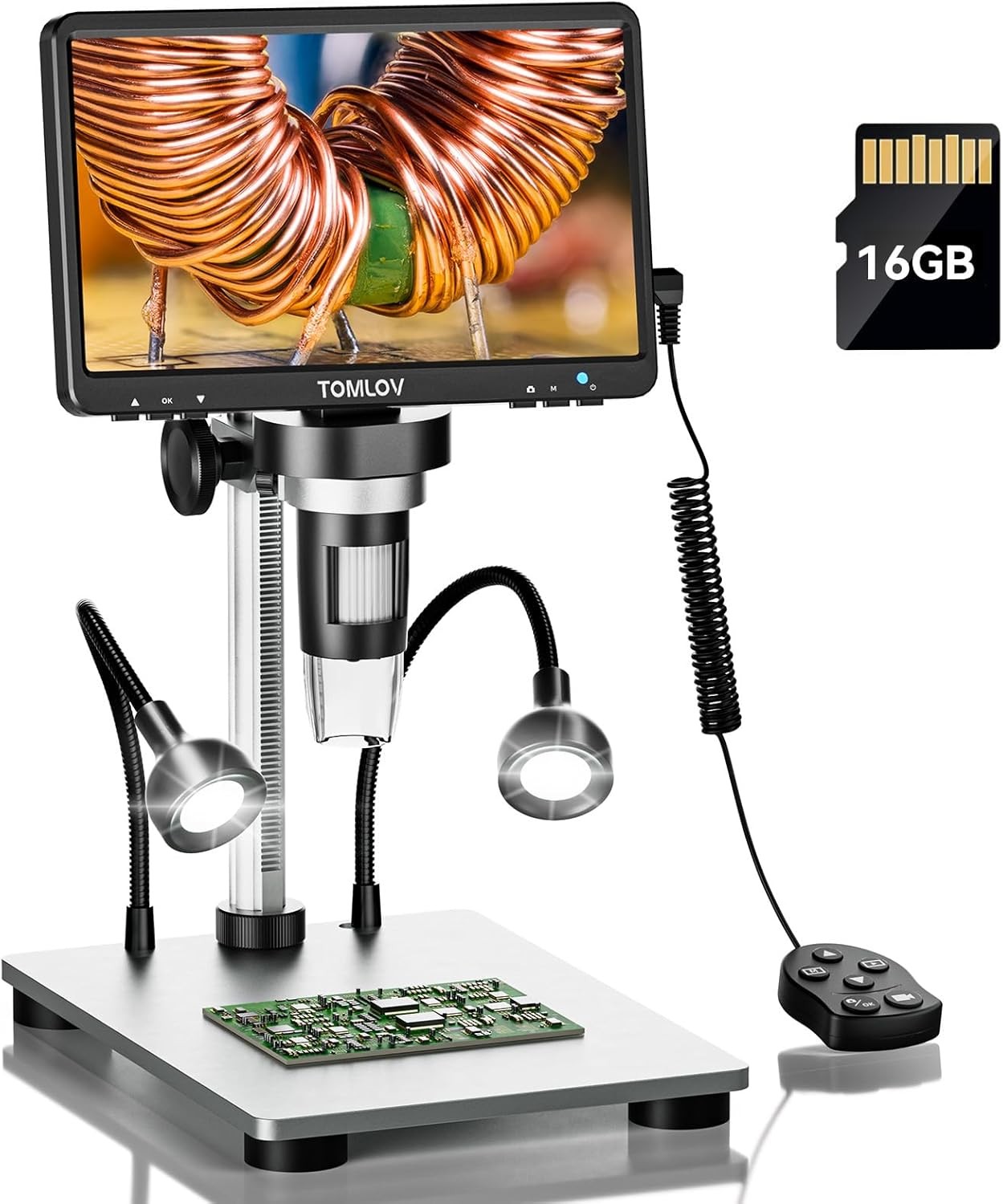 TOMLOV Microscope 7in LCD Digital Coin Microscope 1200x 12MP Soldering Magnifier$69.00Last checked Nov 27, 2026View on eBay
- TOMLOV 7" Digital Microscope 1200X Coin Microscope Soldering Camera Video Record$69.99View on eBay
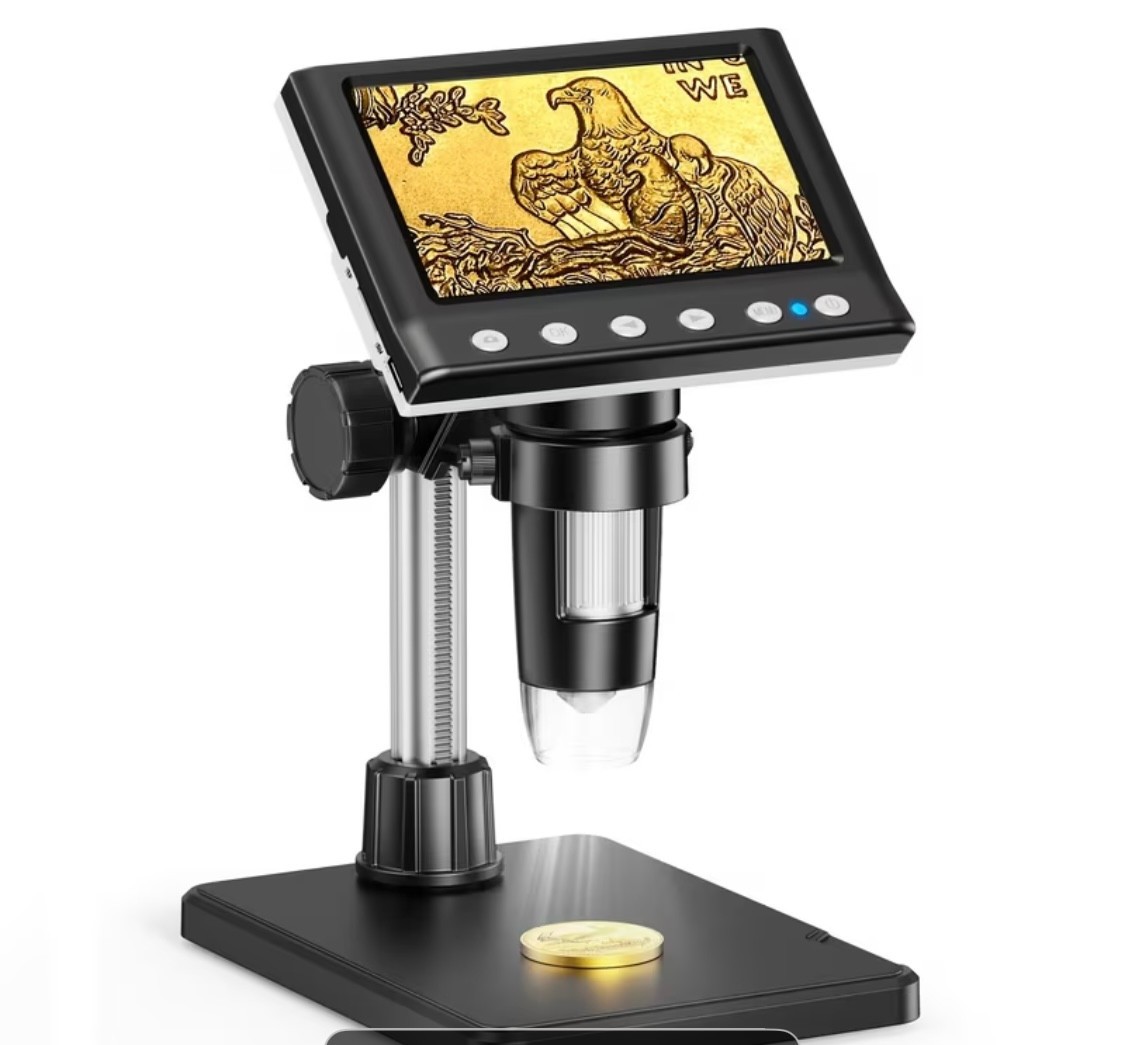 4.3" IPS 1000X LCD Digital Coin Microscope SD Card Slot 1080p USB with PC View$69.99View on eBay
Highlights
- Optical compound scopes with achromatic objectives and 4-hole nosepiece deliver true resolving power; digital scopes interpolate to 1000X and lose detail beyond ~200X optical.
- Metal body and rack-and-pinion focus with mechanical stage are the durability baseline; plastic focus racks strip and drift on student scopes.
- Digital scopes with 4.3-inch LCD and 1080p sensor give standalone viewing; USB-only models depend on a PC and often top out at 1600x1600 native resolution.
- Abbe condenser with iris diaphragm and adjustable LED transmitted light separates usable compound scopes from toy scopes with fixed lighting.
Best use cases
- For students and home biology: choose a monocular compound scope with achromatic 4X/10X/40X objectives, 10X eyepiece, mechanical stage, and coarse/fine focus; skip 1000X+ digital scopes.
- For coin, PCB, and trichome inspection: choose a 4.3-inch LCD digital scope with metal stand and dimmable LEDs; skip USB-only 1600X models if you need standalone use.
- For shared classroom or lab use: choose a binocular compound scope with LED illumination and metal frame; skip plastic-body monocular scopes with fixed stage clips.
- For occasional field or hobby use: choose a 500X handheld digital scope with 2-inch screen; skip it for serious microbiology because resolution and stability are insufficient.
Buying tips
- Match magnification to purpose: compound scopes use objective × eyepiece (e.g., 40X × 10X = 400X), while digital '1000X' claims are digital zoom and do not add optical resolution.
- Pick metal construction for the stand, focus block, and stage; aluminum alloy bodies with rack-and-pinion focus outlast plastic focus mechanisms.
- For digital scopes, require at least a 1080p sensor and a 4.3-inch or larger screen; USB-only scopes without a screen need a PC and offer less flexibility.
- For compound scopes, confirm a built-in LED with dimmer and an Abbe condenser with iris; fixed lighting and no condenser limit contrast and specimen type.
Specs
| Optical Type | Compound / Stereo / Digital LCD |
|---|---|
| Body Material | Aluminum alloy / Metal / Plastic |
| Magnification Basis | Optical 40X–1000X vs Digital 500X–1600X |
| Digital Resolution | 1080p sensor / 4.3-inch LCD |
Related searches
What to check before buying
- Measure your workspace: compound scopes need roughly 30–40 cm depth and 30 cm height clearance; digital scopes with stands need a flat surface and often a USB port.
- Confirm power: choose battery-powered digital scopes for portability; compound scopes with LED illumination require a nearby outlet or batteries.
- Check compatibility: USB digital scopes need drivers or UVC support for macOS/Windows; standalone LCD scopes avoid this entirely.
- Verify included accessories: compound scopes should include a dust cover, spare bulb or LED, and at least two eyepieces; digital scopes need a stand, USB cable, and memory card for photos.
FAQ
Data sources: eBay / Amazon listings and product attribute feeds. Updated Nov 28, 2026.
Some links on this page are affiliate links. If you buy after clicking one, we may earn a commission at no extra cost to you. This does not change which products appear here or their order. Affiliate disclosure.