
Photos from current listings. Actual item, color, and included accessories may vary.
Portable Digital Microscope Buying Guide
A portable digital microscope replaces the eyepiece with an image sensor and screen, trading optical resolution for instant capture and mobility. The key trade-off is sensor resolution and magnification range versus stand stability and lighting quality; models with metal stands and adjustable LED rings beat clip-on or flimsy plastic bases for inspection work. The clear decision rule: buy a standalone unit with a rigid metal stand, manual focus, and at least 1080p capture if you need repeatable inspection; skip pocket clip-ons for anything beyond quick curiosity shots.
Median $78.49 · Pre-owned listings
Key takeaways
- Sensor resolution governs usable detail: 1080p (2MP) is the practical floor for coin/PCB inspection, while 4K (8MP+) enables cropping without pixelation but demands better lighting and focus stability.
- Magnification claims are often digital, not optical: true optical zoom is fixed on most handhelds, so '500X' typically means digital interpolation; prioritize optical lens quality and sensor size over inflated zoom numbers.
- Stand rigidity directly determines focus repeatability: metal column stands with rack-and-pinion or screw focus hold position, while plastic clip bases flex and drift, ruining stacked or measured inspection.
At a glance
- Category
- Microscopes & Lab Imaging
- Last updated
- Nov 28, 2026
Current offers
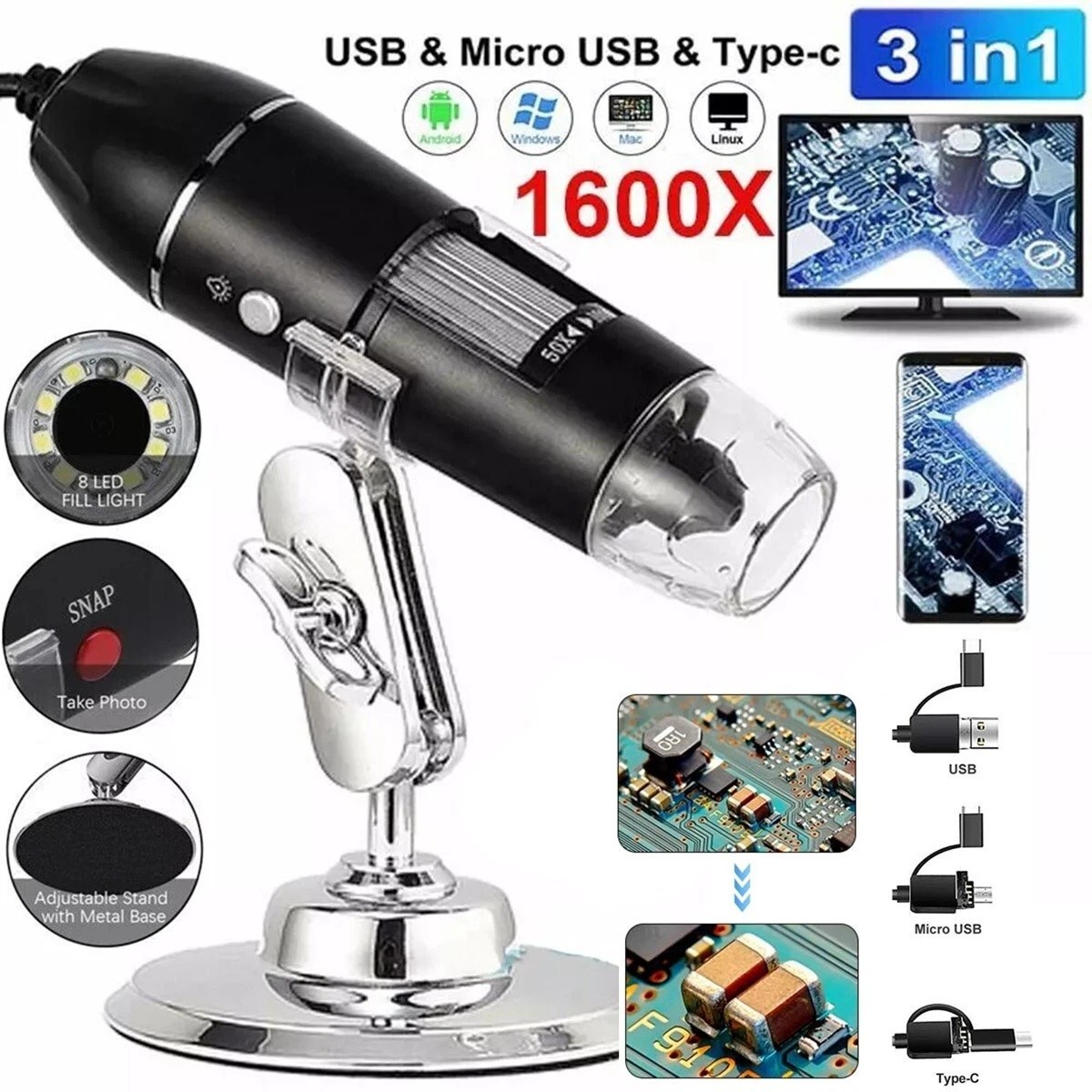 1600x Zoom 8 LED HD USB Microscope Digital Magnifier Endoscope Video Camera US$15.49View on eBay
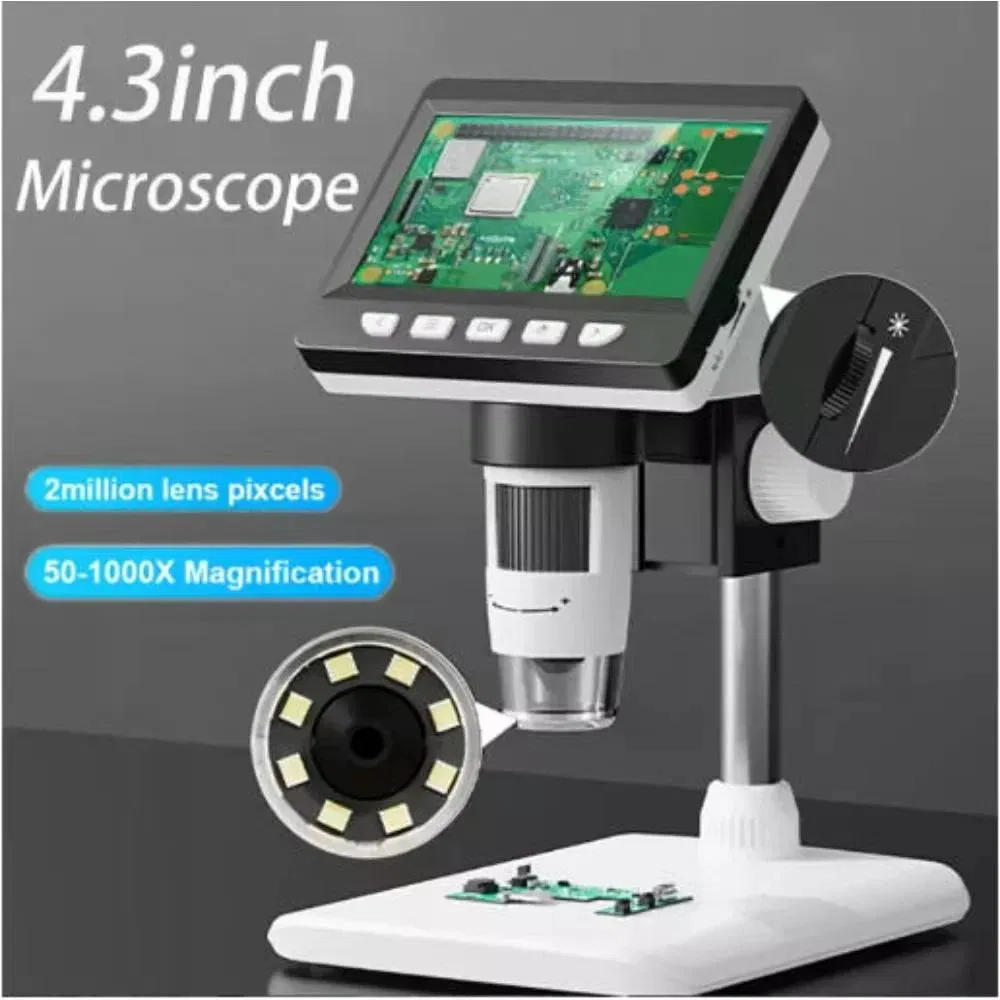 4.3 Inch HD Digital Microscope 50-1600X 8 LED Fill Light 2000mAh Battery Photo Video Manual Focus Adjustable Stand USB Connect for Electronic Repair Jewelry Industrial Teaching Household Black White$68.99View on Mallflare
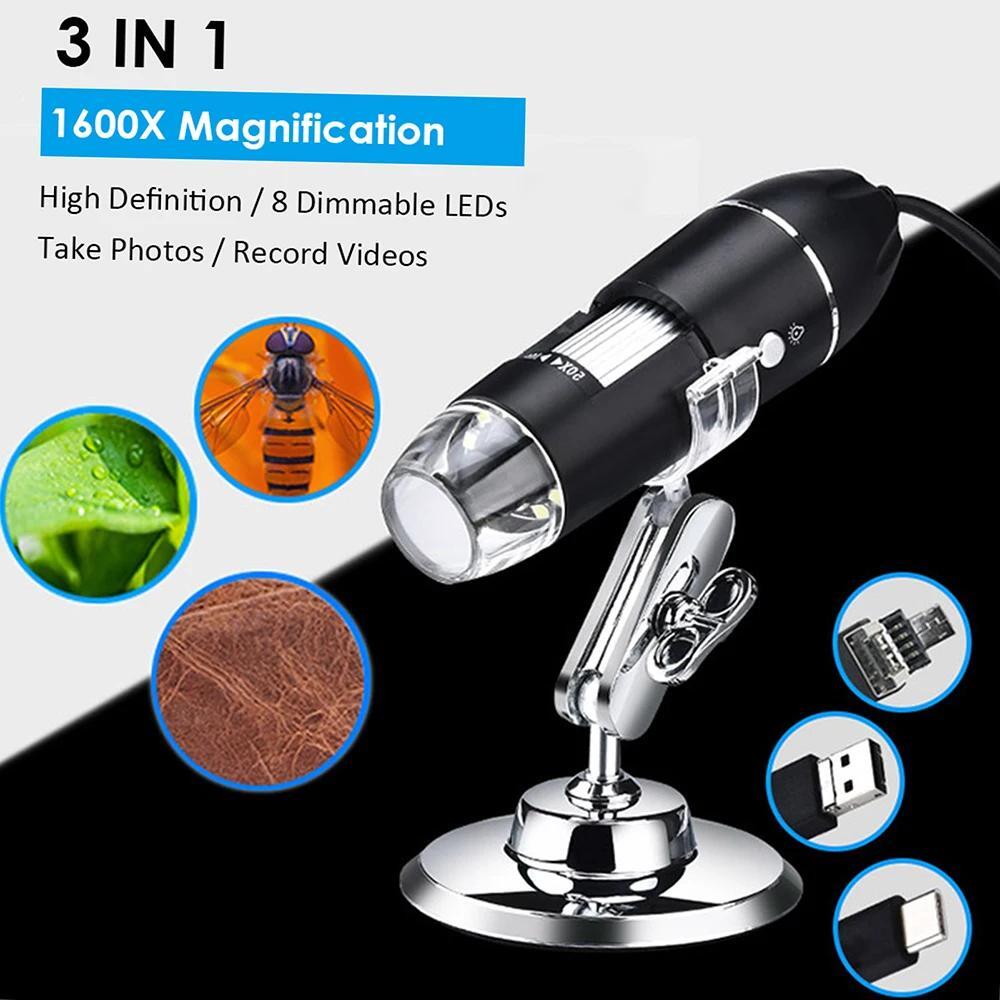 1600X Zoom 8LED HD USB Microscope Digital Magnifier Endoscope Video Camera$15.83View on eBay
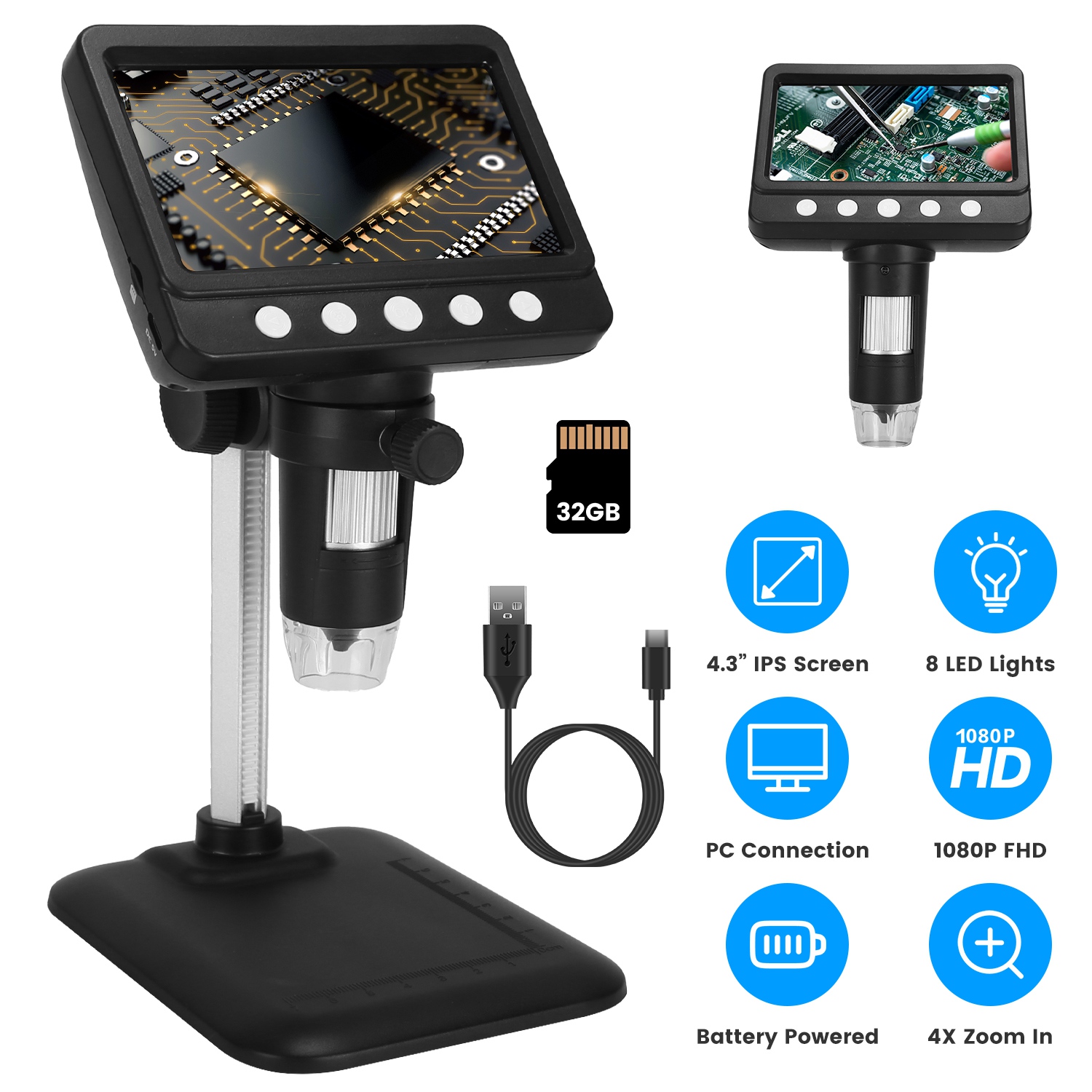 1Pc 4.3Inch LCD Digital Microscope 1,000X 1080P Photo Video Error Coin Magnifier With 8 Dimmable LED Lights PC Views Compatible MacOS Windows Included 32GB Card$74.99View on Mallflare
- 1600x Zoom 8 LED HD USB Microscope Digital Magnifier Endoscope Video Camera US$15.99Last checked Nov 27, 2026View on eBay
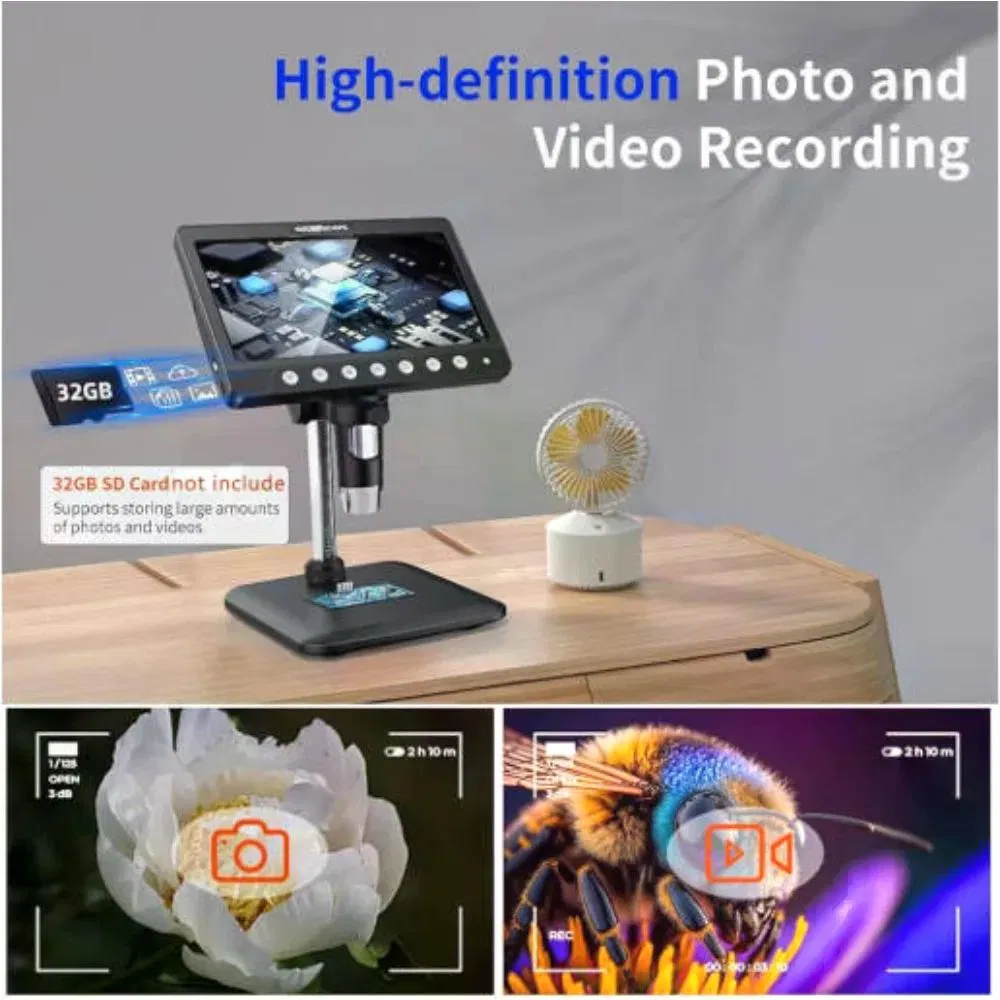 330 7" IPS Digital Microscope, 500MP 50-1200X Magnification, Rechargeable with Remote Control$81.99View on Mallflare
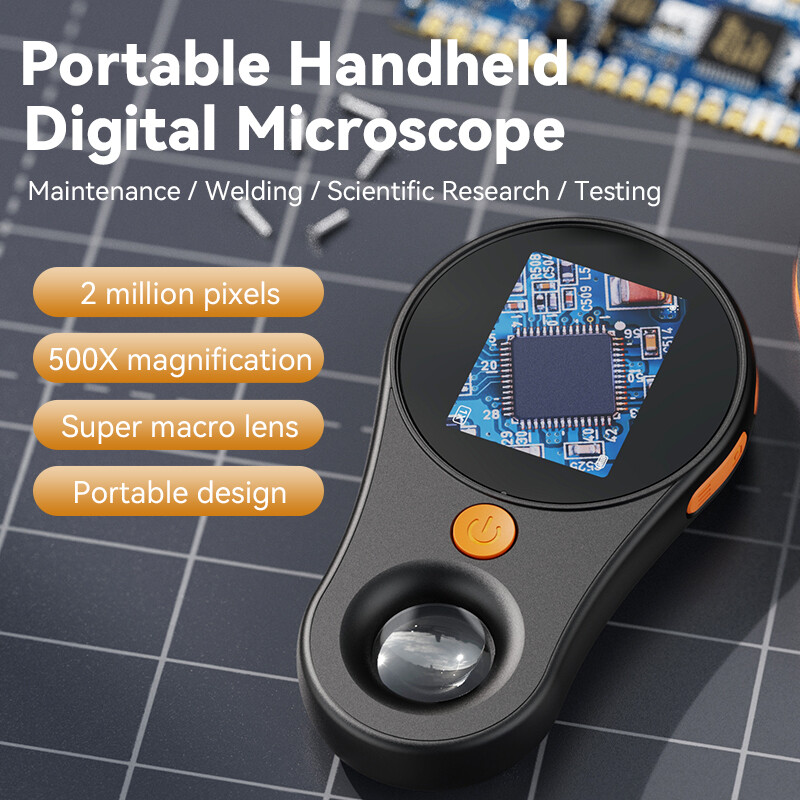 Portable 500X Digital Microscope 2" 1080P w/Metal Stand for Coins PCB$16.77Last checked Nov 27, 2026View on eBay
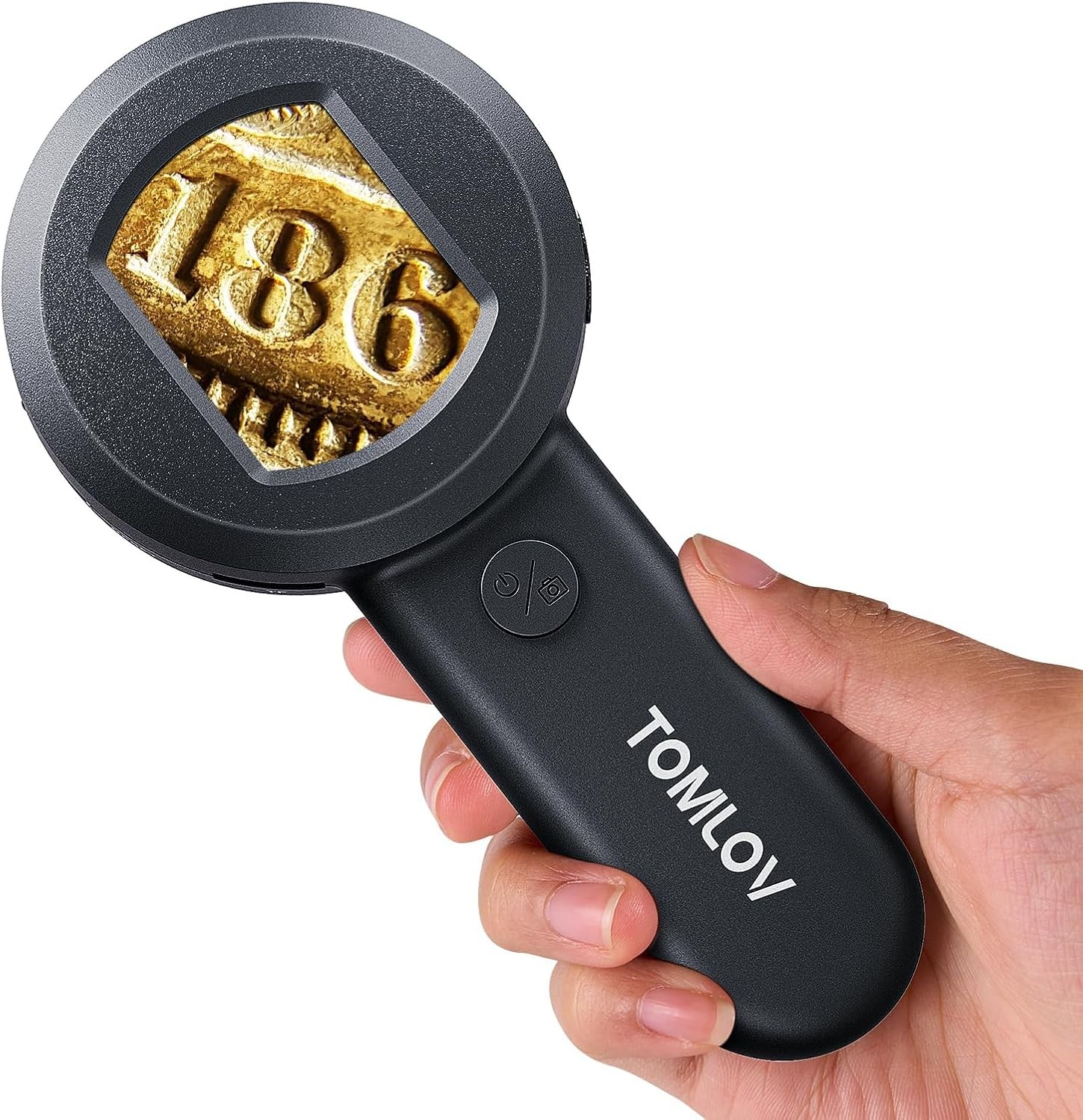 TOMLOV 100X Digital Microscope Coin Trichome Magnifier Jeweler Loupe Illuminated$23.99Last checked Nov 28, 2026View on eBay
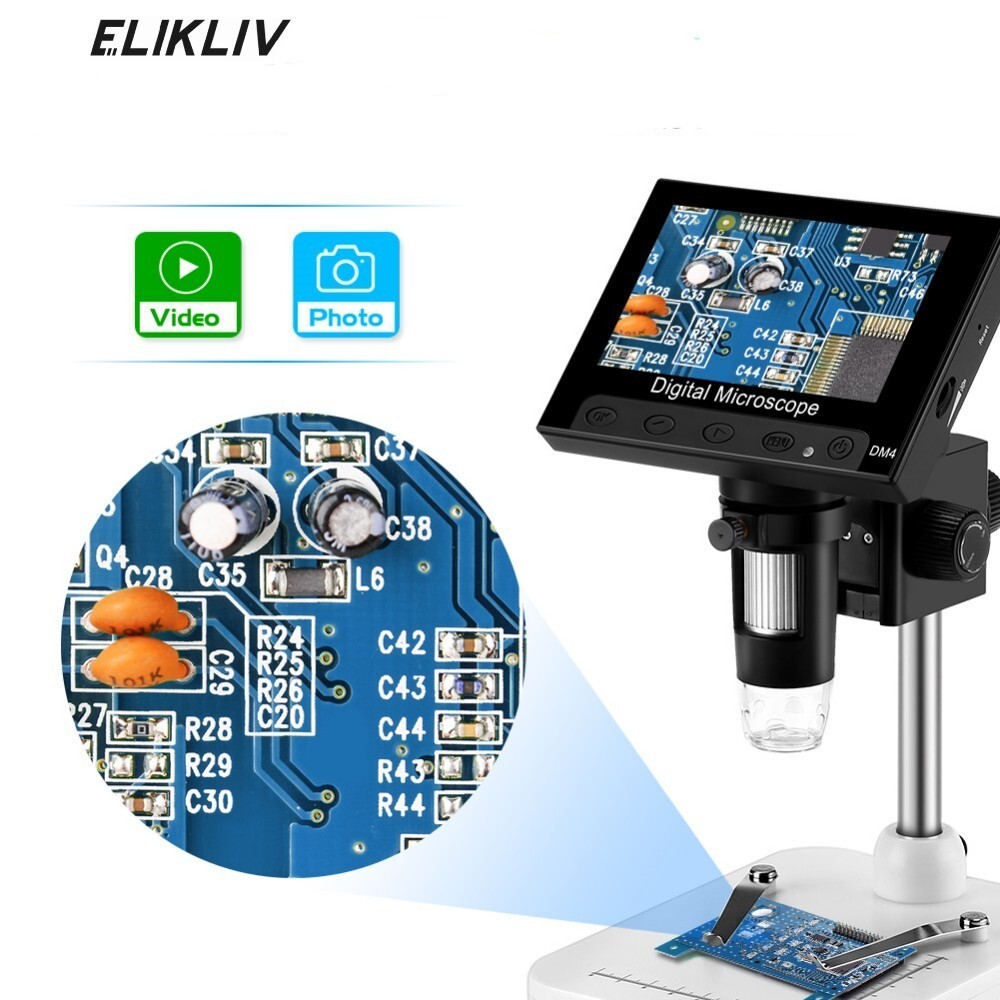 Elikliv 1000X Digital Microscope 4.3'' LCD Screen PCB Repair Coin Magnifier LED$35.99Last checked Nov 27, 2026View on eBay
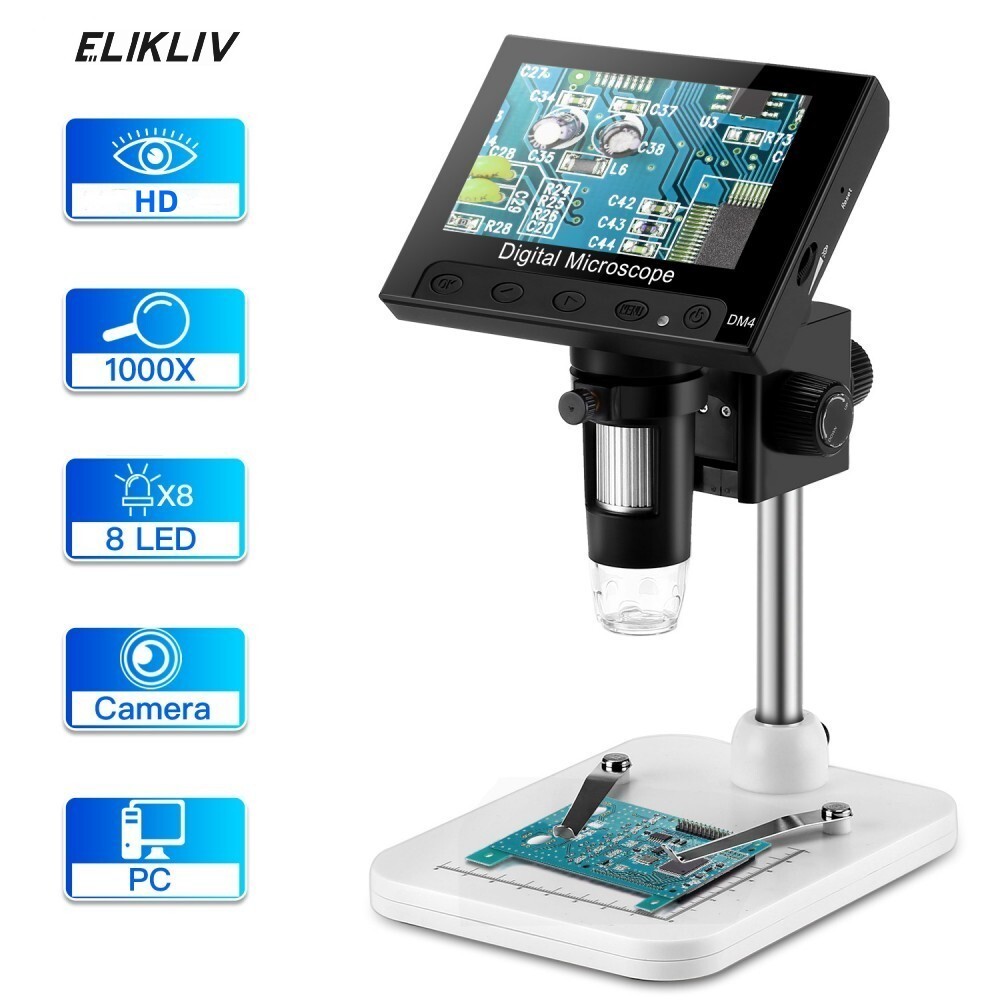 Elikliv Coin Microscope 1000X 4.3'' LCD Digital Microscope with Screen USB HD$36.76Last checked Nov 27, 2026View on eBay
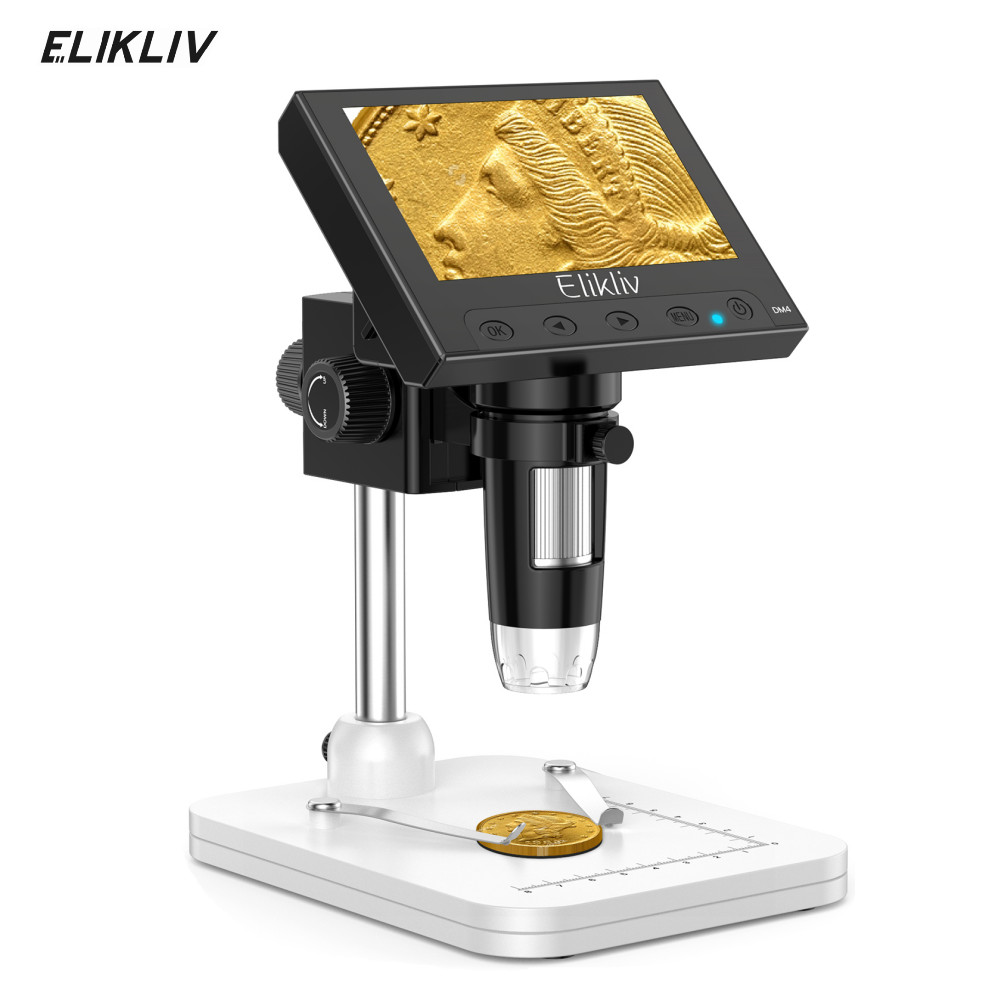 Elikliv Digital Microscope 1000X USB Coin Microscope 4.3" LCD Screen Soldering$39.60Last checked Nov 27, 2026View on eBay
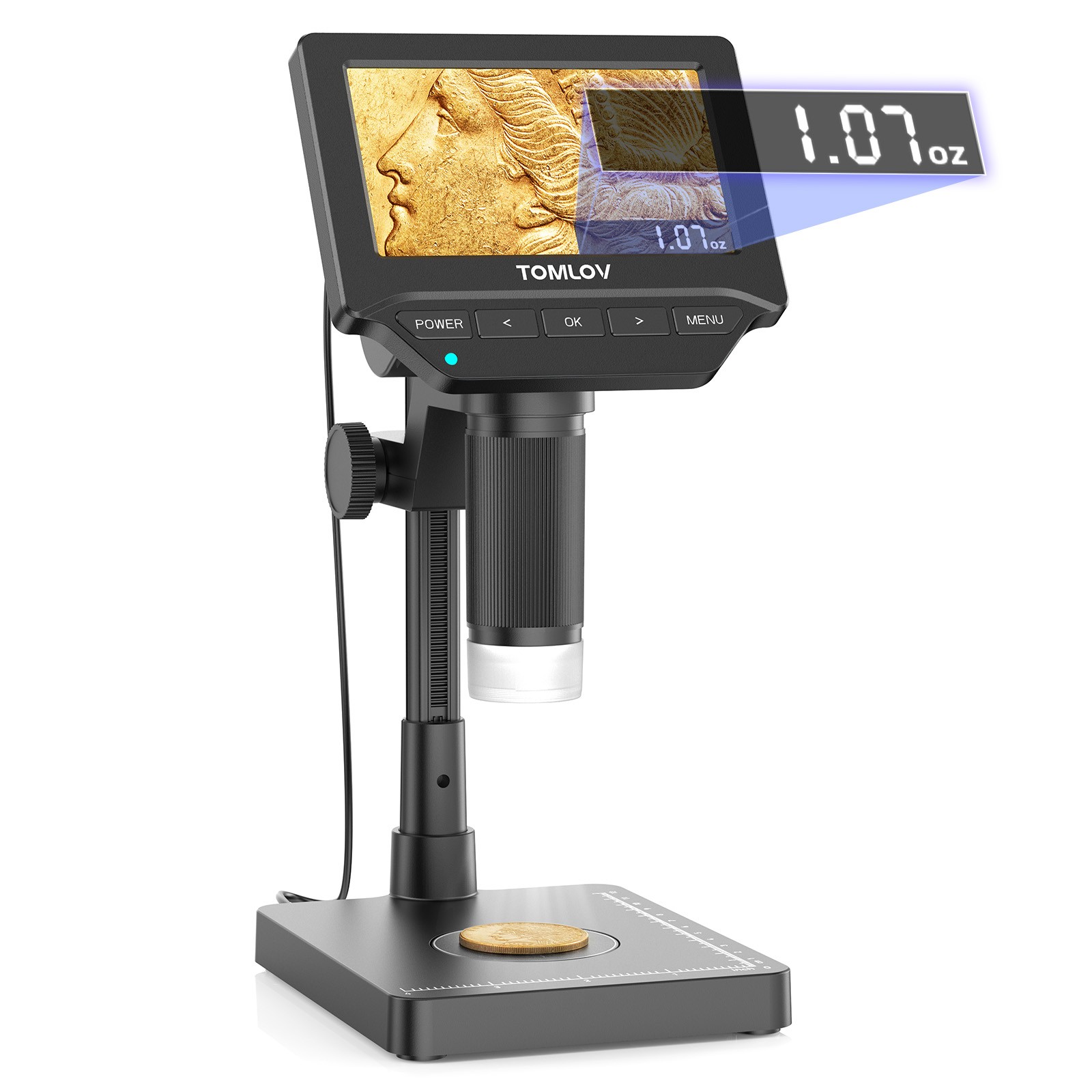 TOMLOV 4.3" Digital Microscope 200X Coin Microscope Weight Scale for Collectors$52.26Last checked Nov 28, 2026View on eBay
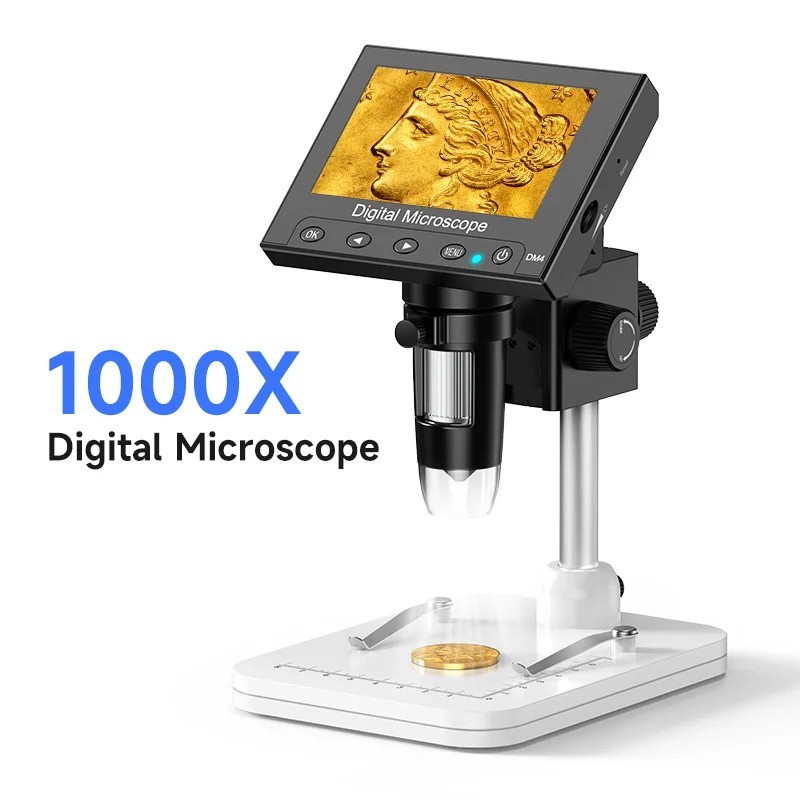 Elikliv Digital Microscope 1000X USB Coin Microscope 4.3" LCD Screen Soldering$53.48Last checked Nov 27, 2026View on eBay
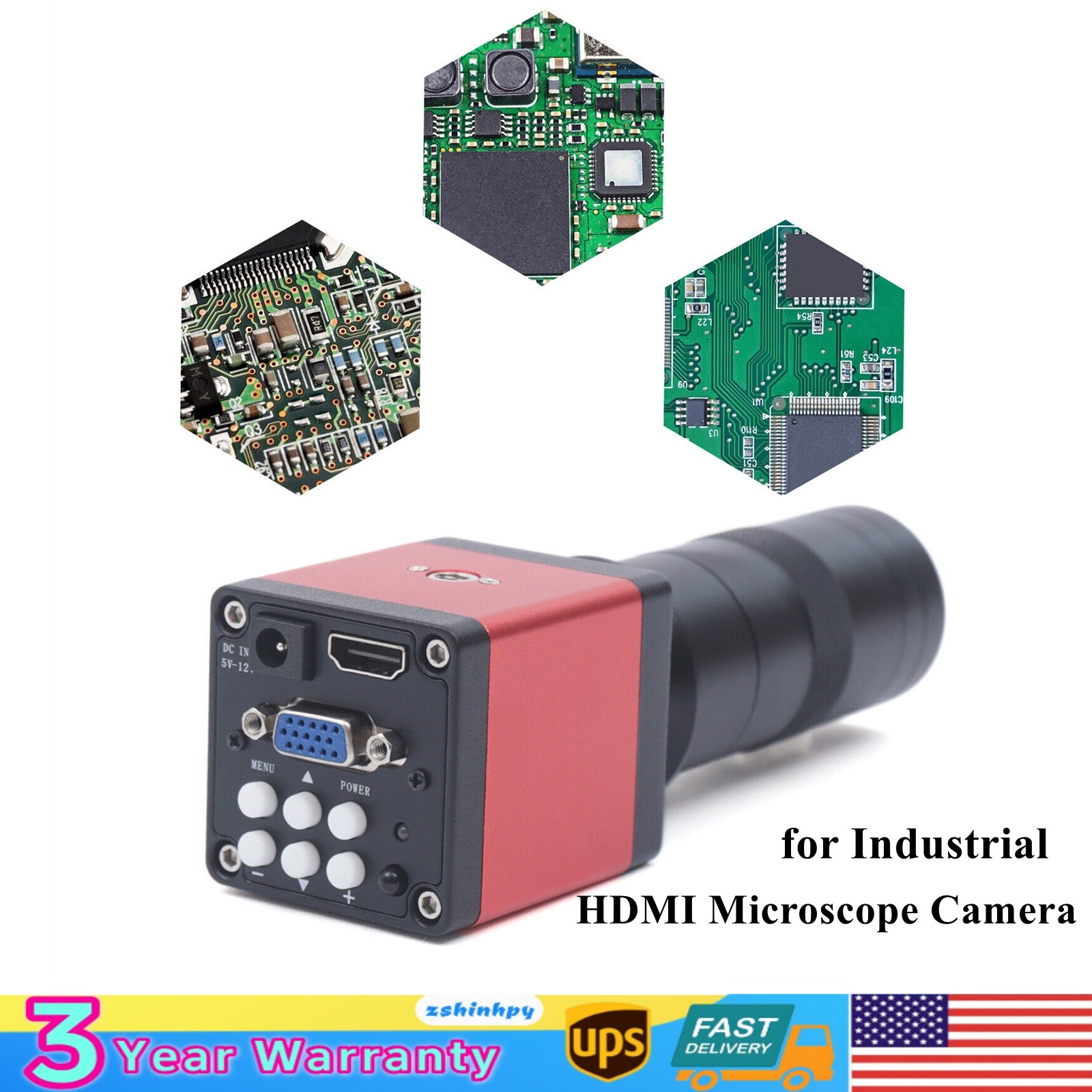 HDMI Video Microscope VGA Camera HD Industrial Digital USB Lens 1080p 14mp 60FPS$59.64View on eBay
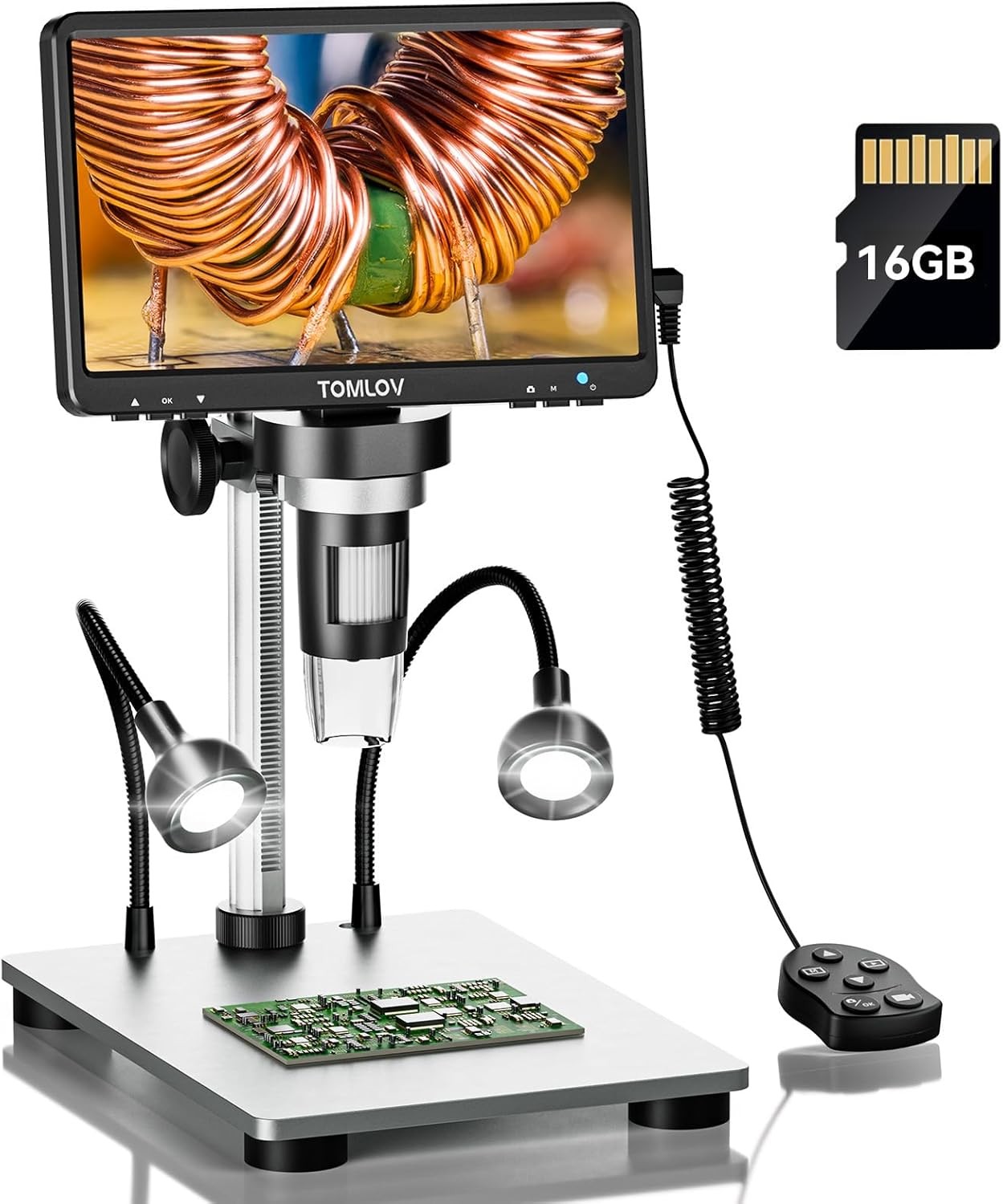 TOMLOV Microscope 7in LCD Digital Coin Microscope 1200x 12MP Soldering Magnifier$69.00Last checked Nov 27, 2026View on eBay
- TOMLOV 7" Digital Microscope 1200X Coin Microscope Soldering Camera Video Record$69.99View on eBay
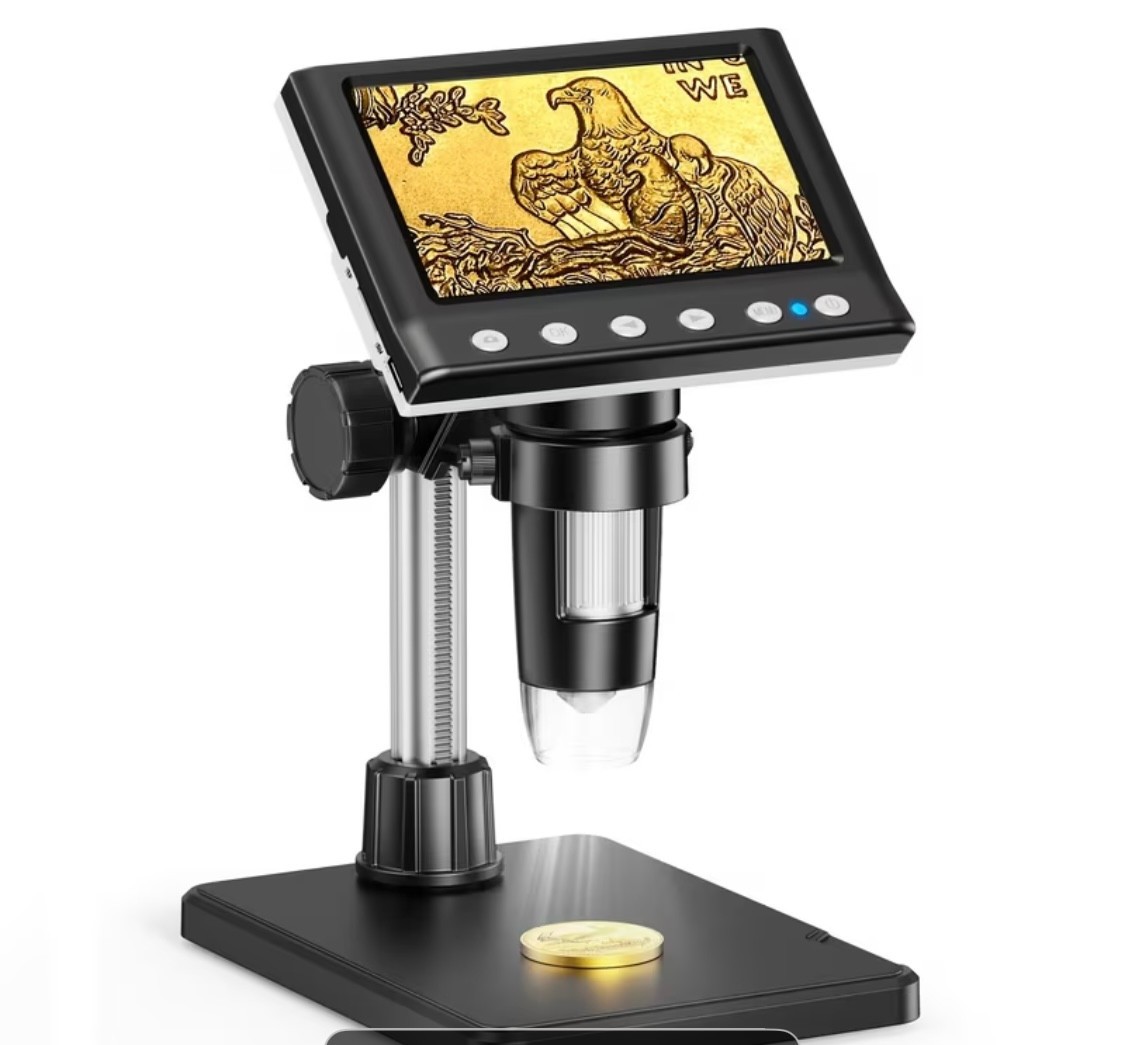 4.3" IPS 1000X LCD Digital Coin Microscope SD Card Slot 1080p USB with PC View$69.99View on eBay
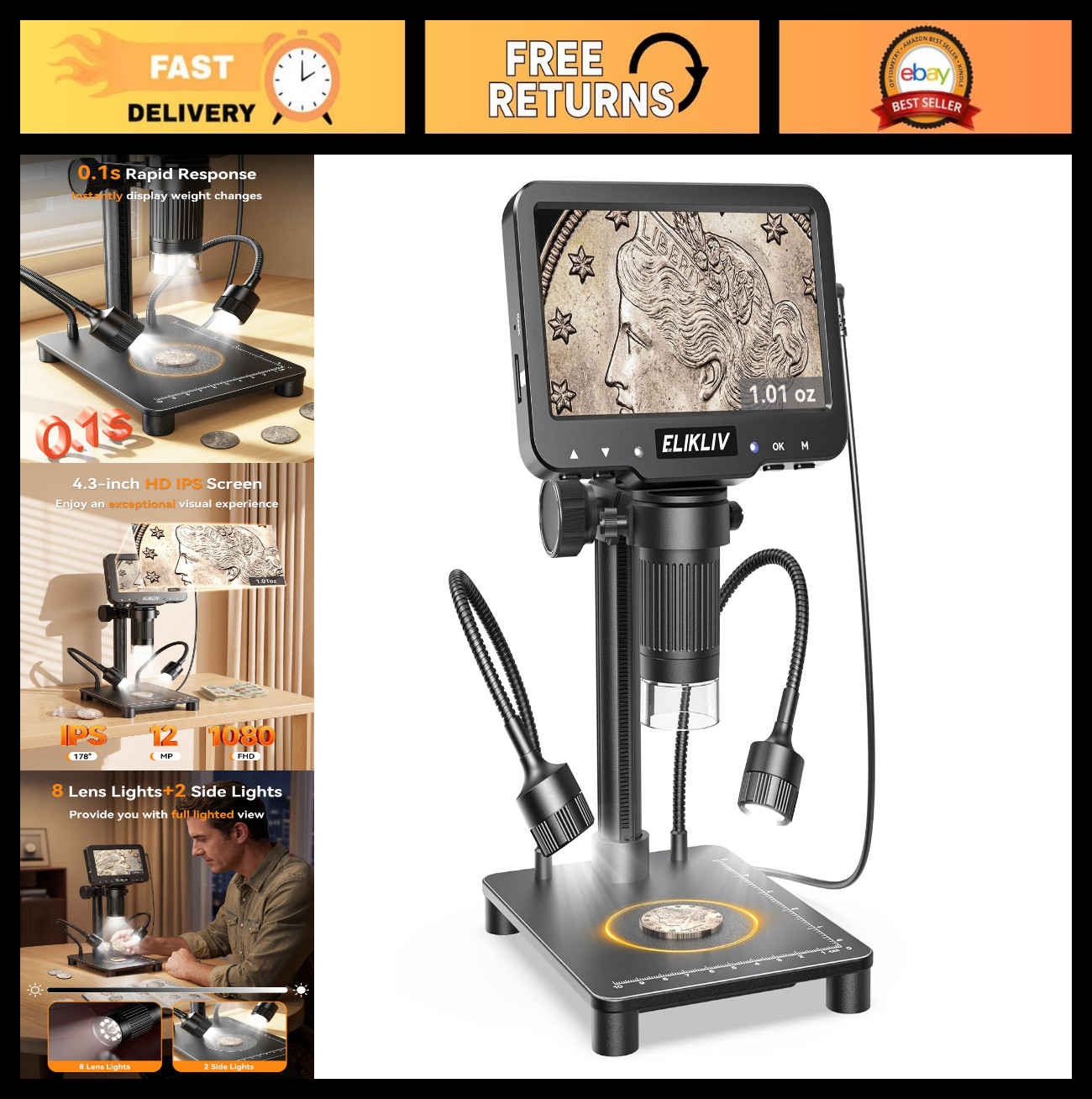 Digital Microscope with Weighing Scale, 12MP Camera, 4.3" LCD, LED Lights - Perf$90.24Last checked Nov 27, 2026View on eBay
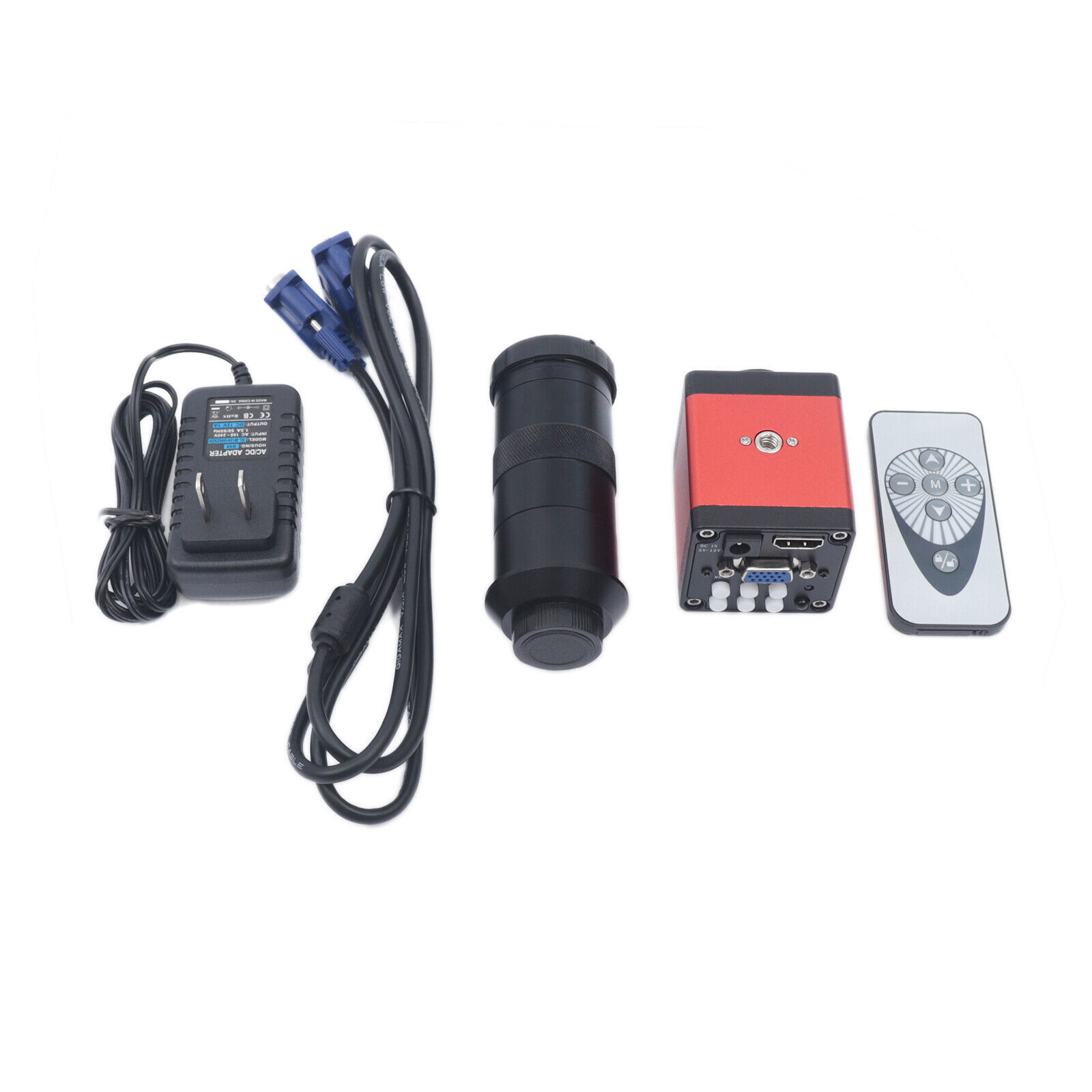 Digital Monocular Microscope Camera Industry Video Inspection HDMI HD 130X 3800W$90.36View on eBay
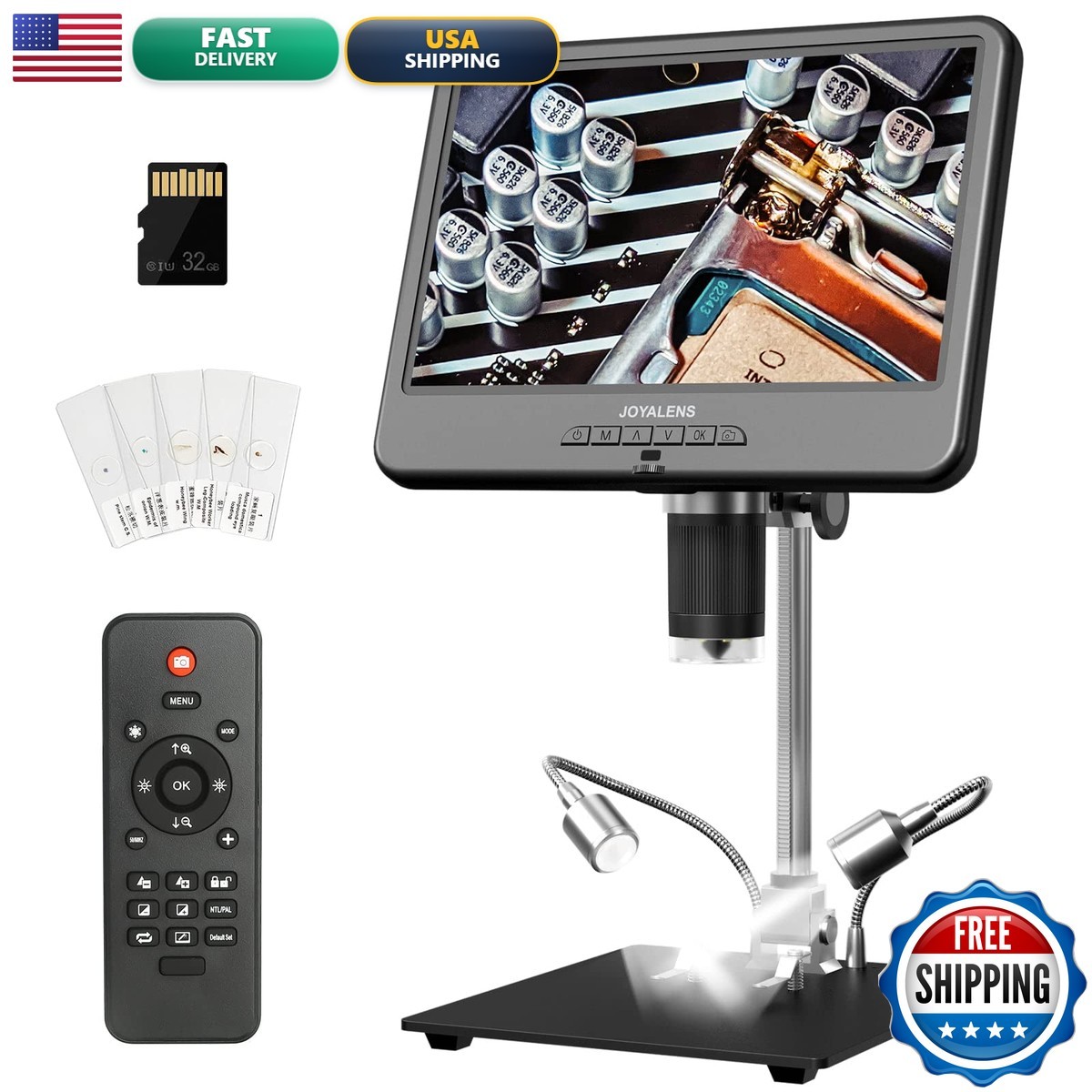 JOYALENS JL210 10.1" Digital Microscope 8 LED 12.6" Metal Stand 32GB$116.26View on eBay
Highlights
- Sensor resolution governs usable detail: 1080p (2MP) is the practical floor for coin/PCB inspection, while 4K (8MP+) enables cropping without pixelation but demands better lighting and focus stability.
- Magnification claims are often digital, not optical: true optical zoom is fixed on most handhelds, so '500X' typically means digital interpolation; prioritize optical lens quality and sensor size over inflated zoom numbers.
- Stand rigidity directly determines focus repeatability: metal column stands with rack-and-pinion or screw focus hold position, while plastic clip bases flex and drift, ruining stacked or measured inspection.
- Lighting is the most underrated spec: adjustable ring LEDs with diffusers prevent glare on reflective surfaces like solder joints and coins, while fixed single-LED units create hot spots and shadows.
Best use cases
- Best fit: coin, stamp, and PCB inspection — choose a 1080p+ unit with metal stand and adjustable ring light for glare control and stable focus at 50–200X.
- Best fit: field biology and rock/insect observation — pick a battery-powered handheld with a 2–5 inch screen and microSD capture; skip models requiring a phone app tether.
- Wrong fit: precision measurement or documentation requiring calibrated scale — portable units lack stage micrometers; use a stereo optical microscope with reticle instead.
- Wrong fit: classroom projection or shared viewing — handheld screens are too small; choose a digital microscope with HDMI/USB output to a monitor or projector.
Buying tips
- Match magnification to task: 20–50X for coins and PCBs, 100–200X for insects/plant trichomes, 500X+ only for prepared slides where lighting and focus are controlled.
- Choose a stand with vertical adjustment via screw or rack, not friction: friction arms sag under camera weight, losing focus within minutes of use.
- Confirm capture and output: 1080p minimum sensor, microSD slot or USB mass storage, and USB-C or micro-USB power; HDMI output if you need live projection.
- Verify focus mechanism: manual focus wheel with fine adjustment beats fixed-focus lenses; autofocus on portables hunts on textured surfaces and slows inspection.
Specs
| Sensor Resolution | 1080p (2MP) min / 4K (8MP+) |
|---|---|
| Magnification | 20–200X optical; 500X digital |
| Stand Type | Metal column / plastic clip |
| Lighting | Adjustable ring LED / fixed LED |
Related searches
What to check before buying
- Measure your workspace: stand footprint needs at least 6x6 inches of flat surface, and vertical clearance for the column plus specimen height.
- Check specimen size: stage opening and working distance must accommodate your largest object (e.g., a full PCB or coin holder) without removing the stand.
- Confirm power: internal rechargeable battery (USB-C preferred) for field use, or USB bus power for bench work; match plug standard to your region.
- Verify companion parts: microSD card (Class 10+), USB-C cable, and any phone adapter if the unit supports app tethering; these are often not included.
FAQ
Data sources: eBay / Amazon listings and product attribute feeds. Updated Nov 28, 2026.
Some links on this page are affiliate links. If you buy after clicking one, we may earn a commission at no extra cost to you. This does not change which products appear here or their order. Affiliate disclosure.