
Photos from current listings. Actual item, color, and included accessories may vary.
Oscilloscope Buying Guide
An oscilloscope is a voltage-versus-time measurement instrument whose usefulness hinges on analog bandwidth, sample rate, and memory depth—not screen size or 'DIY kit' features. The core trade-off is between low-cost handheld DSOs with limited front-end fidelity and bench scopes that meet their bandwidth spec with genuine trigger systems. Buyers should treat any instrument under 50 MHz with less than 100 MS/s real-time sampling as a teaching or audio-only tool, and reserve bench-grade measurement for scopes with proper input attenuation, triggering, and documented sample-rate-to-bandwidth ratios.
Median $137.50
Key takeaways
- Analog bandwidth determines the maximum sine frequency a scope can display within -3 dB; a 50 MHz scope is marginal for 10 MHz digital clocks and inadequate for 100 MHz signals.
- Real-time sample rate should be at least 2.5x the analog bandwidth for single-shot capture; 10x is preferable for glitch detection and modern digital buses.
- Handheld DSOs often spec 2.5 MS/s to 48 MS/s, which is insufficient for anything above audio and low-frequency power supplies.
At a glance
- Category
- Oscilloscopes, Signal & Spectrum Analyzers
- Last updated
- Nov 28, 2026
Current offers
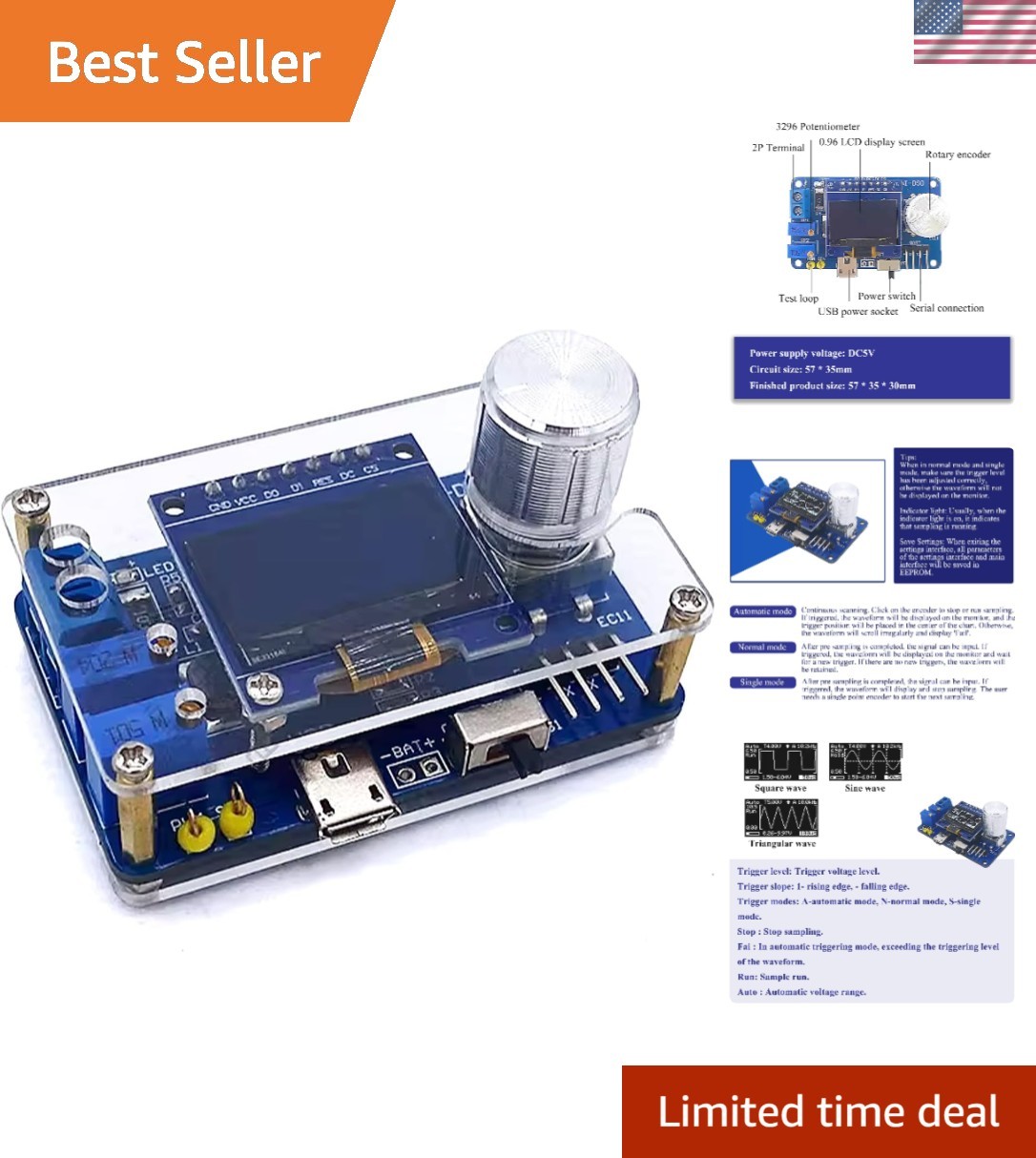 Beginner-Friendly Portable Digital Oscilloscope DIY Kit for Electronics Projects$22.49View on eBay
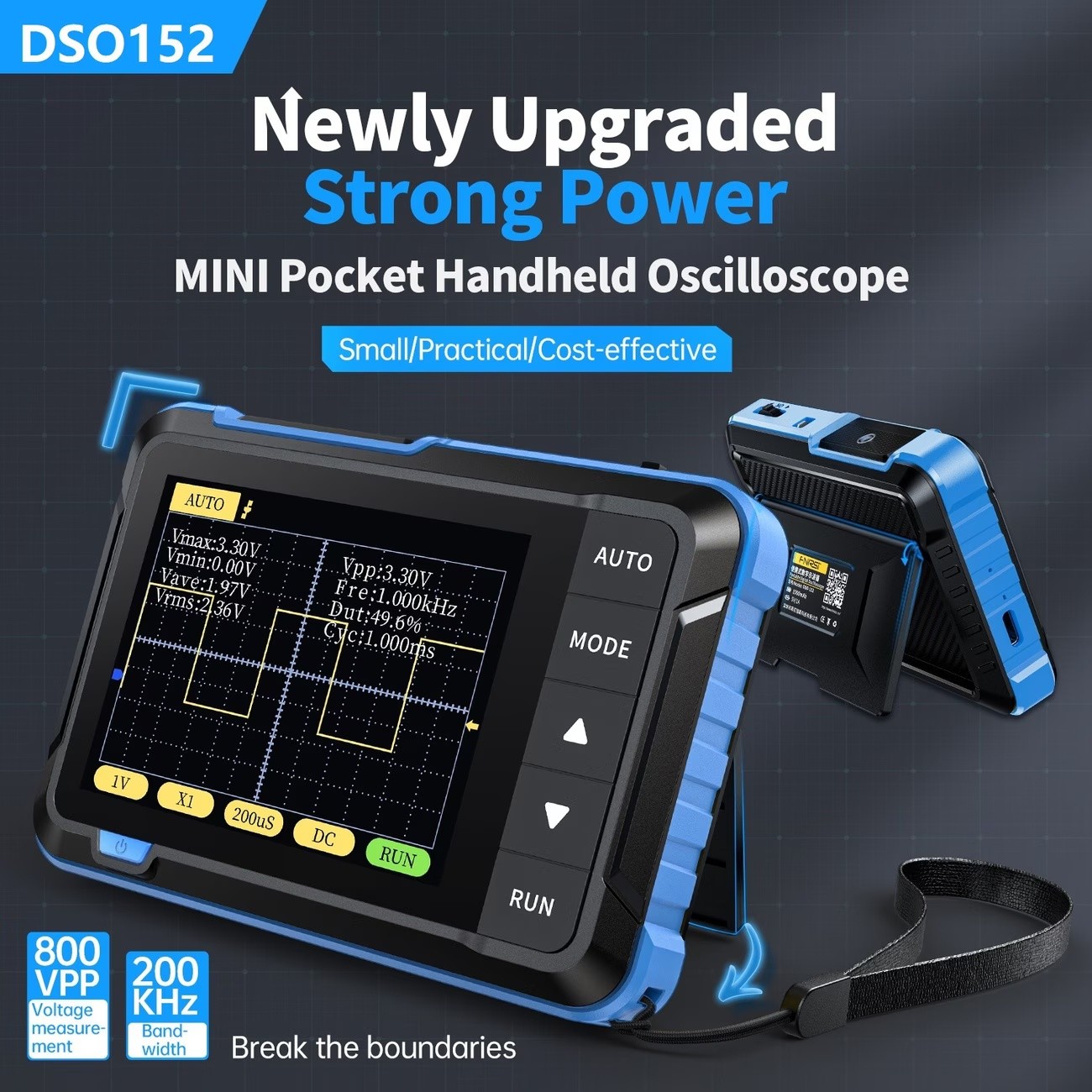 Handheld Digital Oscilloscope Portable Mini DSO for Beginner Repair Teaching$26.99Last checked Nov 27, 2026View on eBay
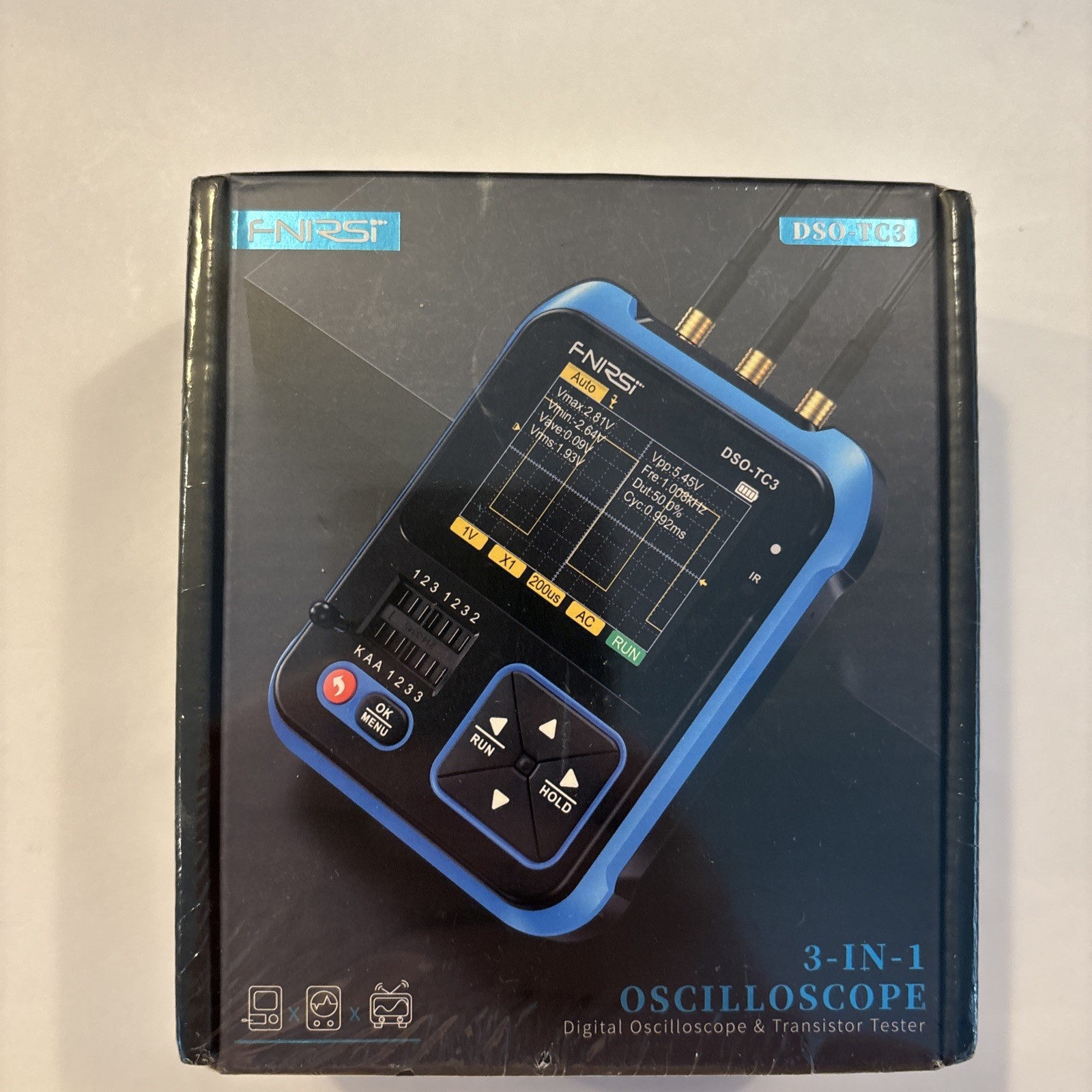 FNIRSI DSO-TC3 3-in-1 Digital Oscilloscope Tester USB-C$28.00View on eBay
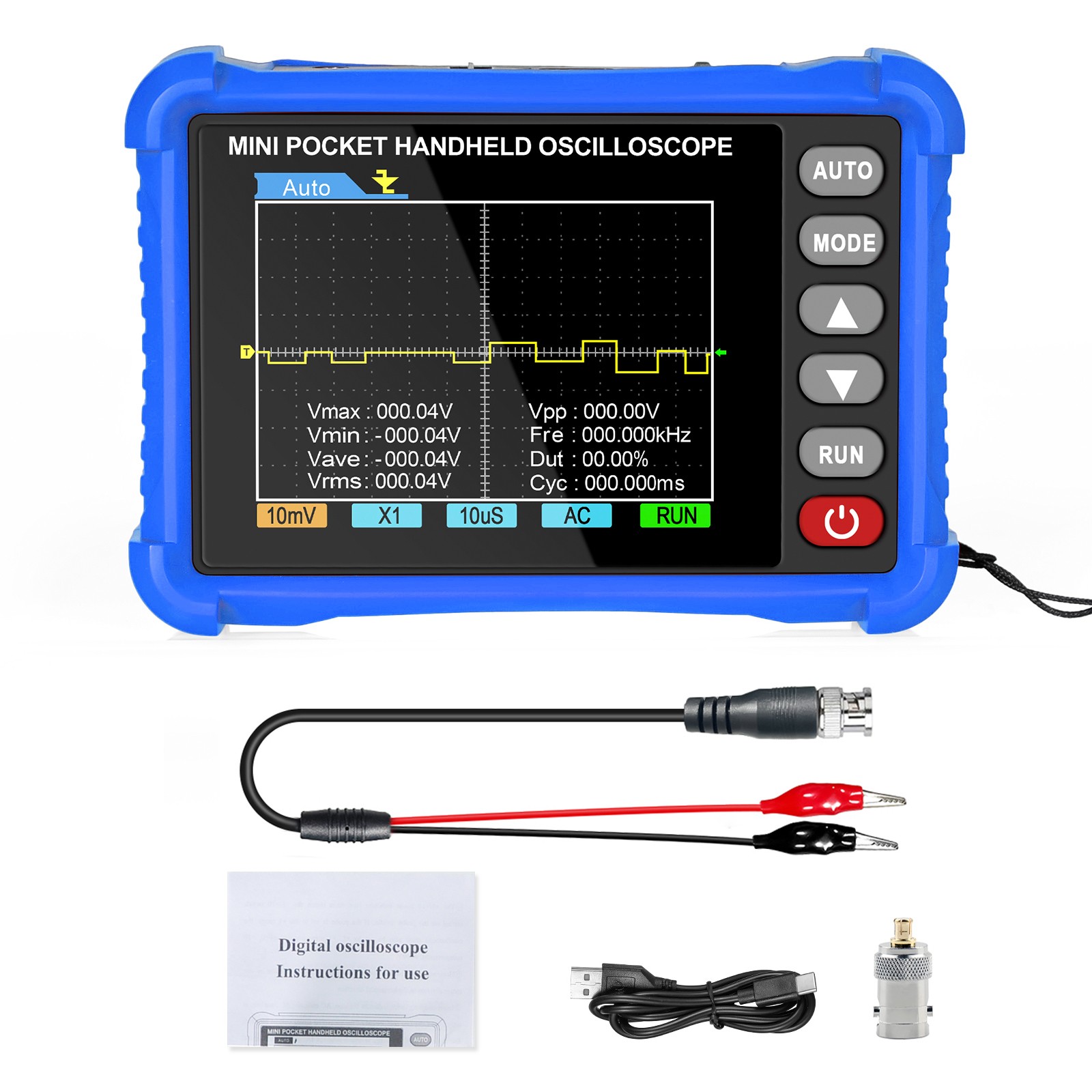 2.5MS/s Sampling Rate Oscilloscope, 2.8" LCD for Electronics Repair & Education$37.95View on eBay
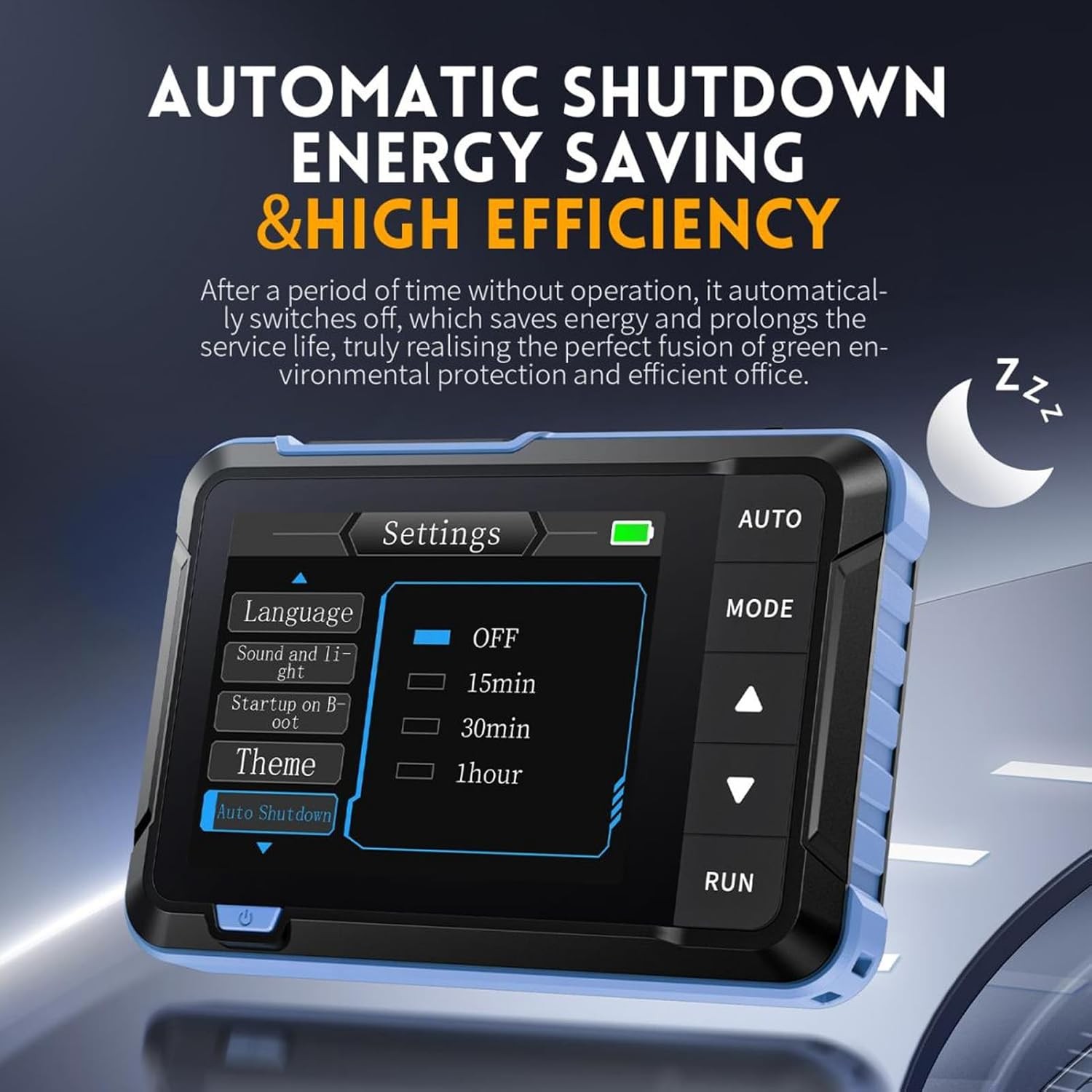 Handheld Oscilloscope Portable Digital DSO for Teaching Repair Electronics$39.57View on eBay
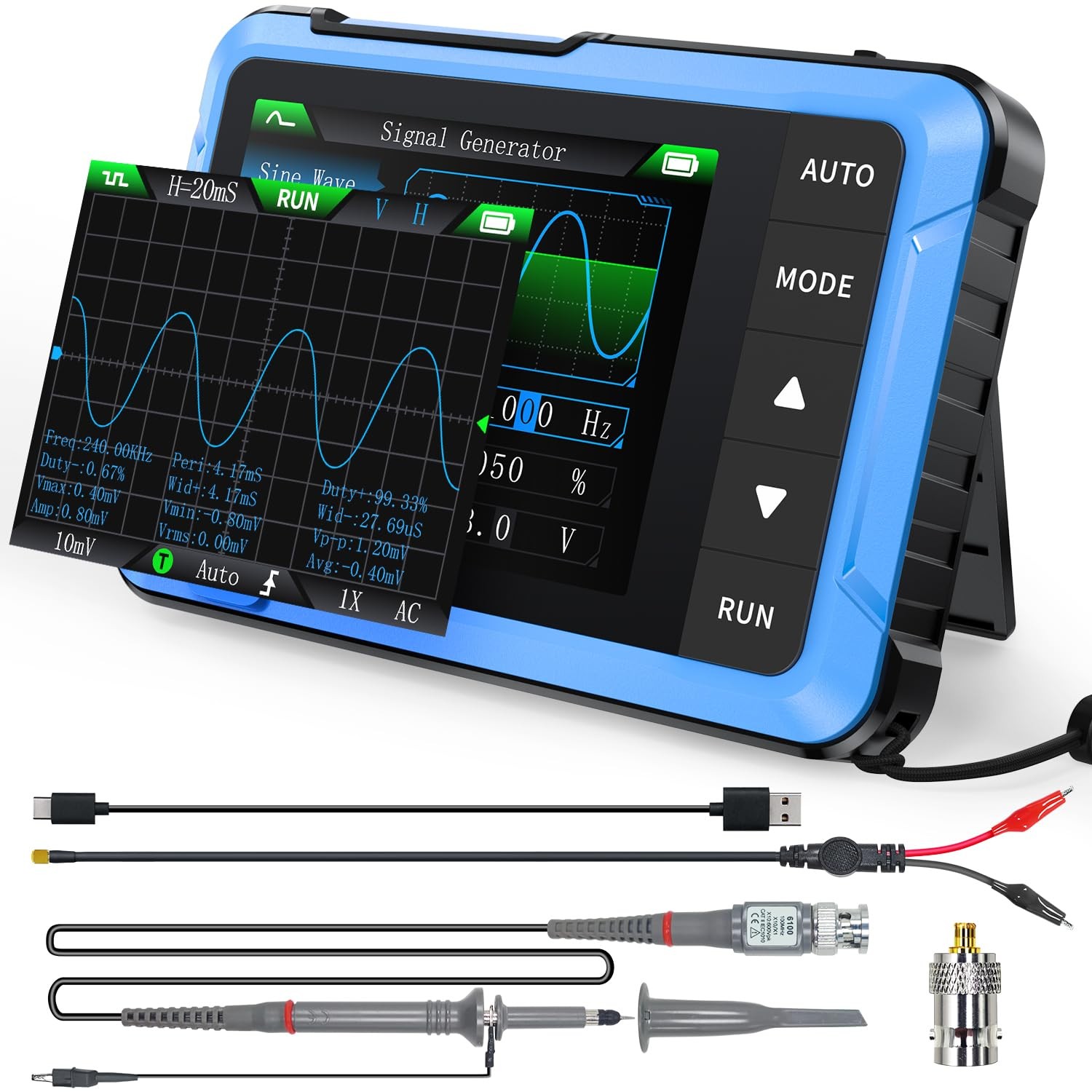 FNIRSI DSO510 2 IN 1 Handheld Digital Oscilloscope Signal Generator 48MS/s 10MHz$55.50Last checked Nov 27, 2026View on eBay
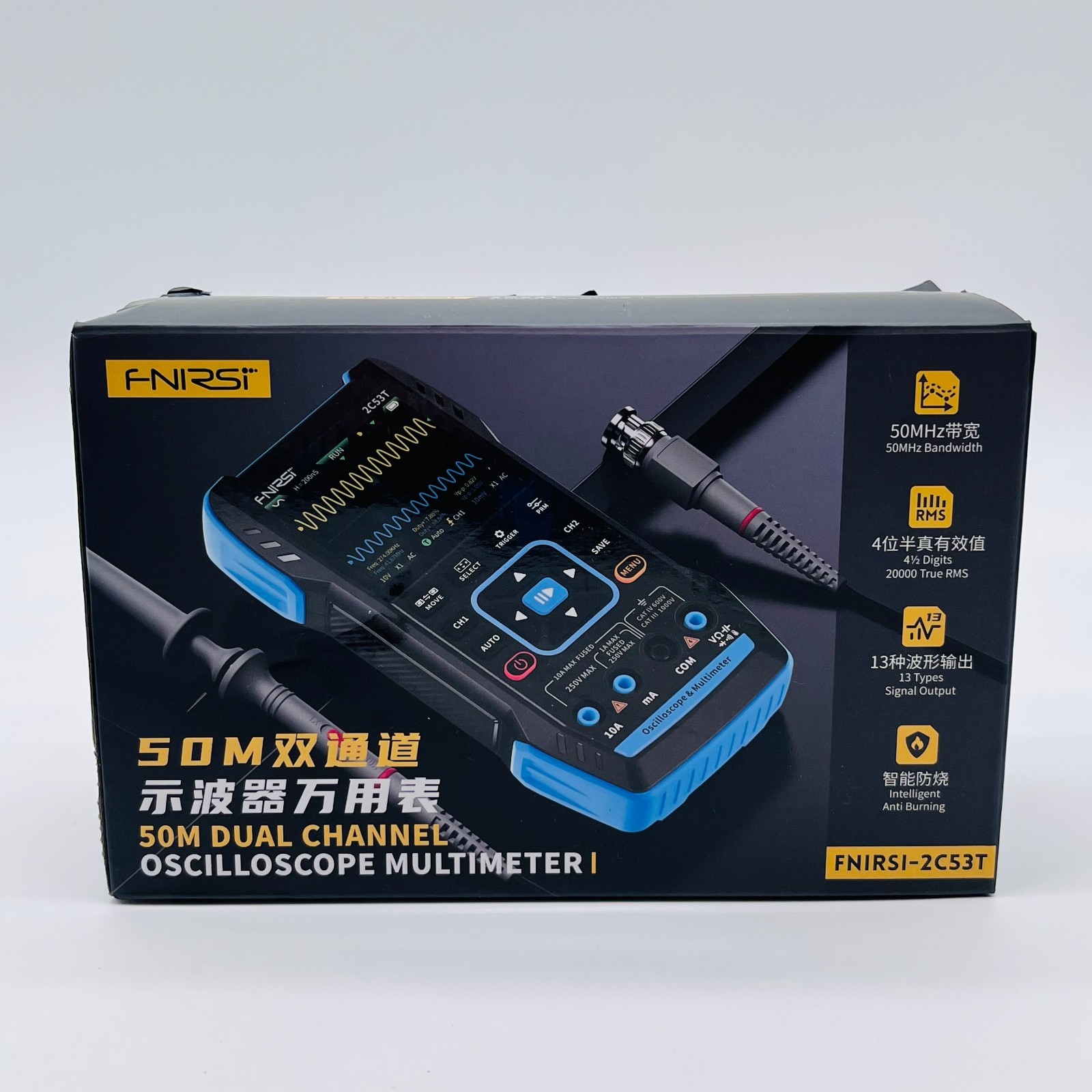 50MHz Dual Channel Oscilloscope Multimeter Signal Generator Model FNIRSI 2C53T$64.50View on eBay
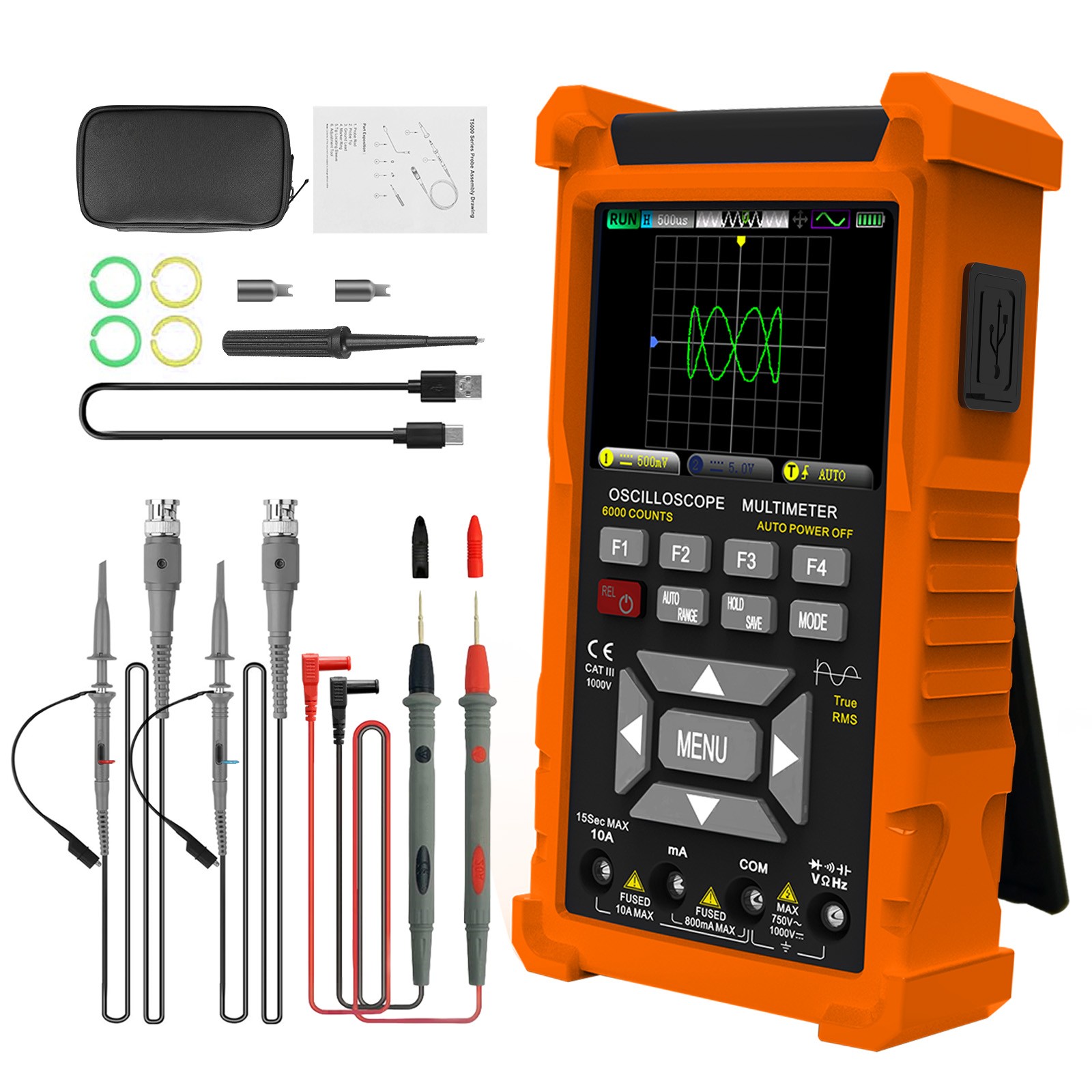 Digital 3in1 Oscilloscope Multimeter AUTO Signal Generator 1000V 50MHz Handheld$79.99View on eBay
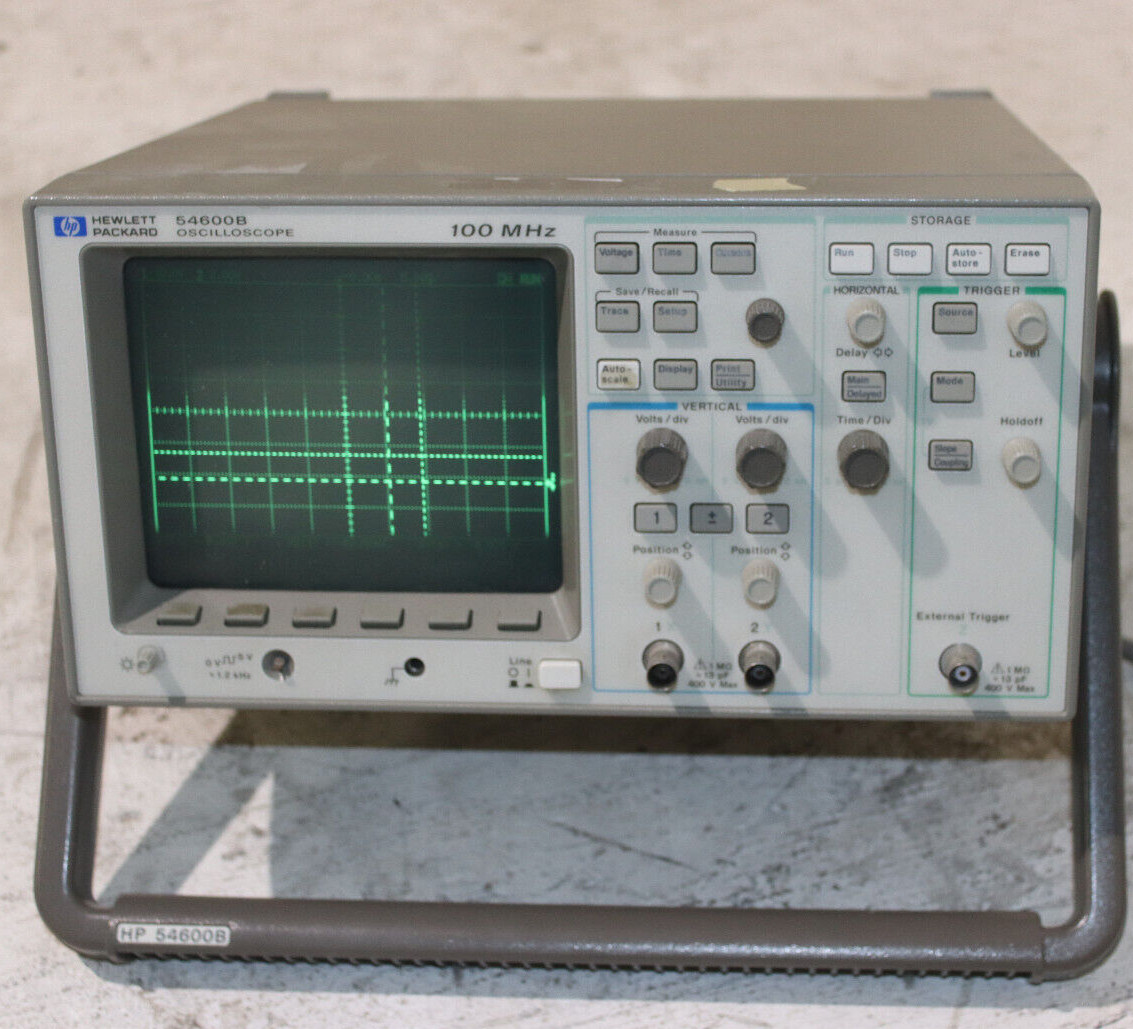 HP 54600B ~ 2-Channel Digital Oscilloscope ~ 100MHZ$125.00View on eBay
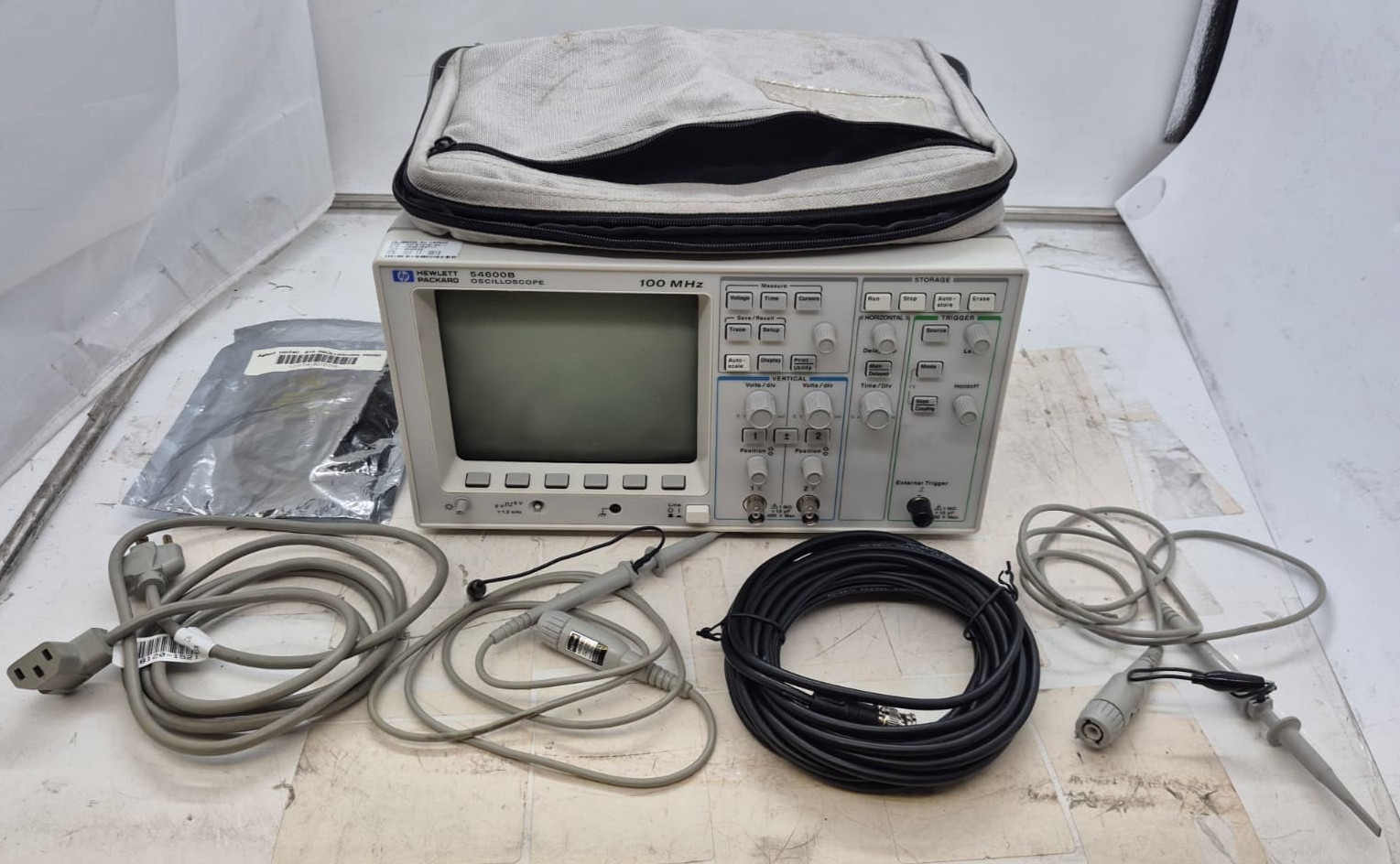 HP 54600B Digital Oscilloscope W/ Front Cover + Case$135.00View on eBay
 FNIRSI 1014D 2 CHANNEL STORAGE OSCILLOSCOPE 100mhz$140.00View on eBay
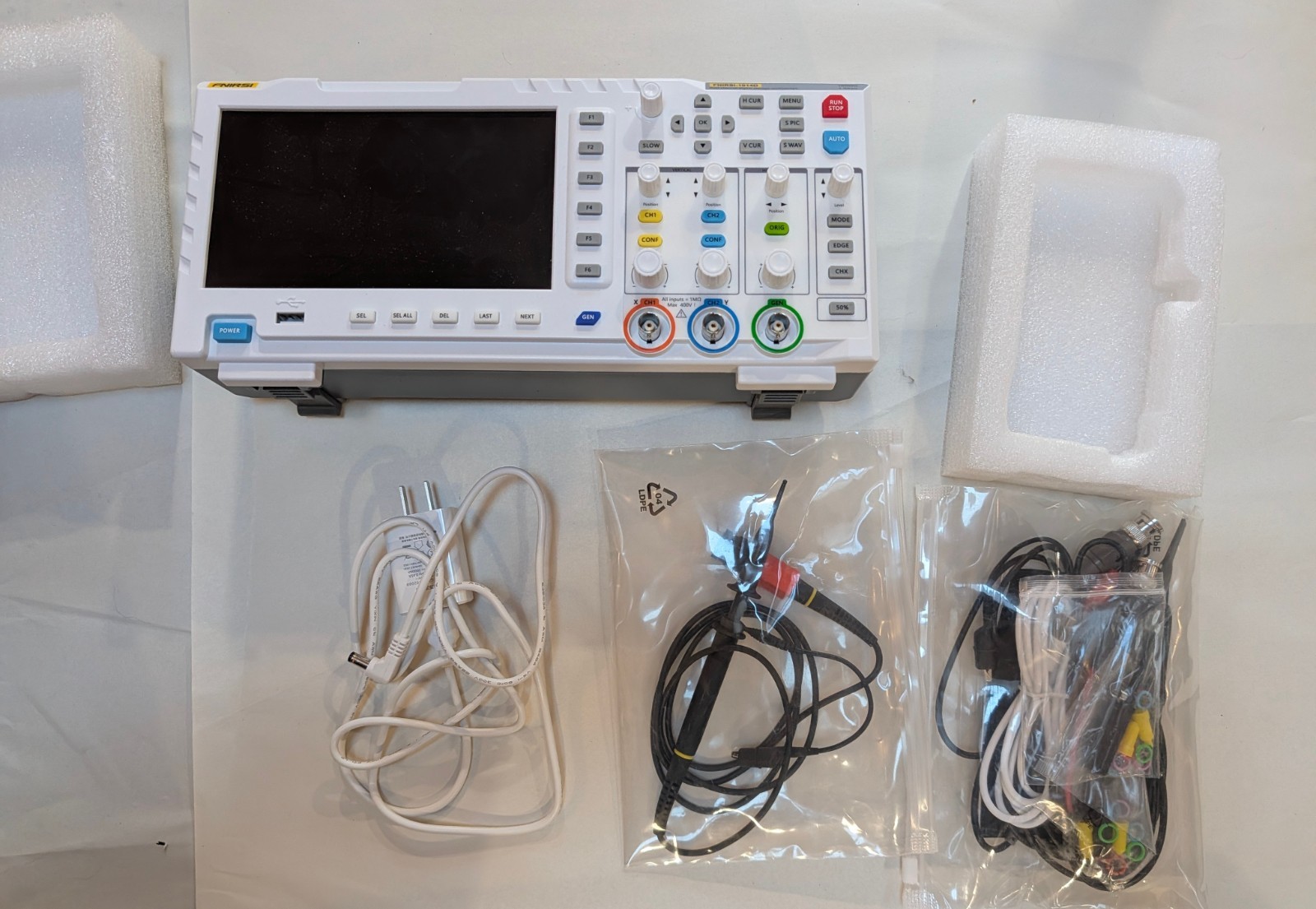 FNIRSI 1014D 100MHz Digital Oscilloscope, 2 Channel Oscilloscope 2-in-1 | 1GSa/s$140.00View on eBay
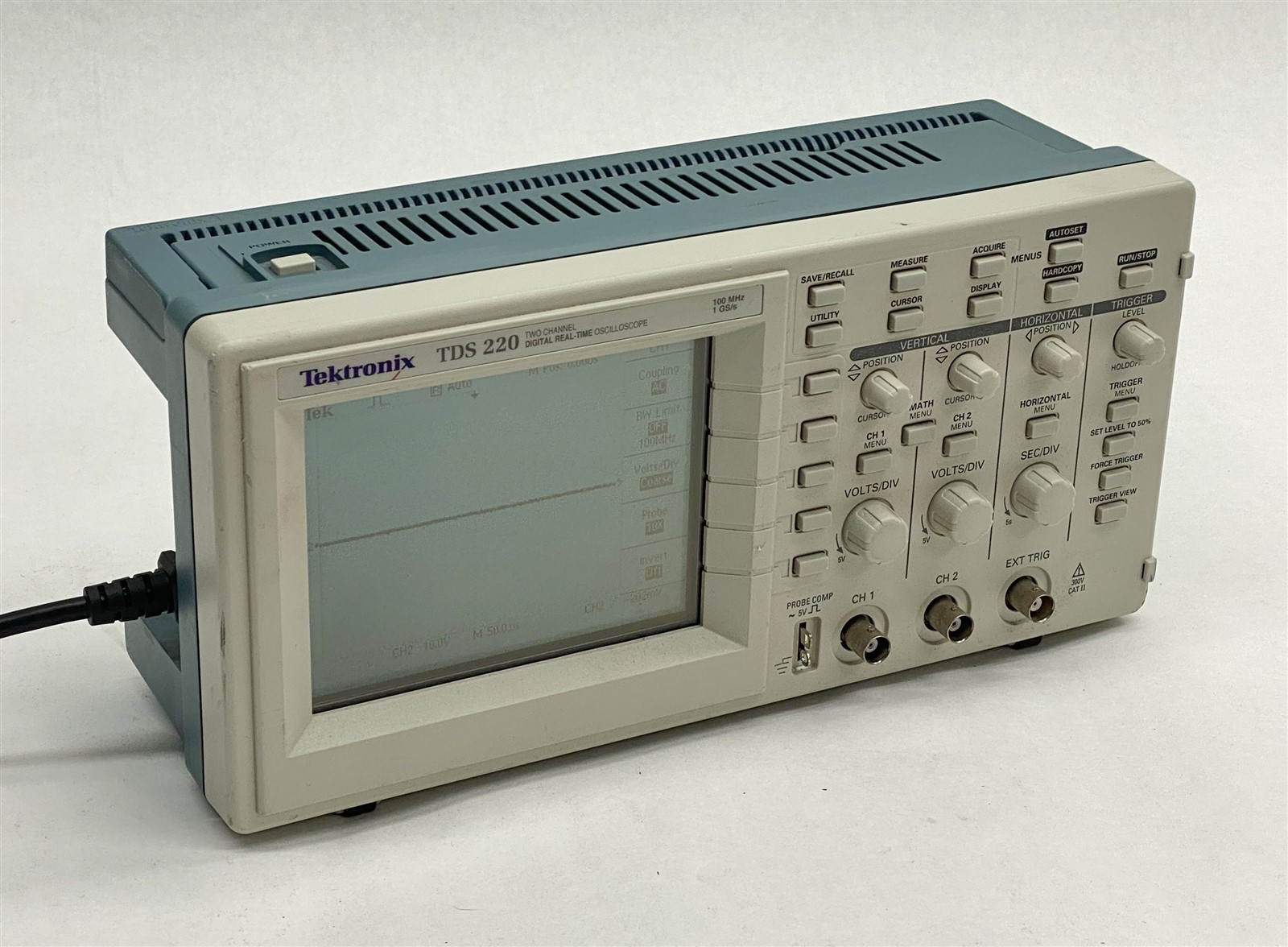 Tektronix TDS220 100MHz 1GS/s 2-Channel Digital Real Time Oscilloscope TDS 220$149.99View on eBay
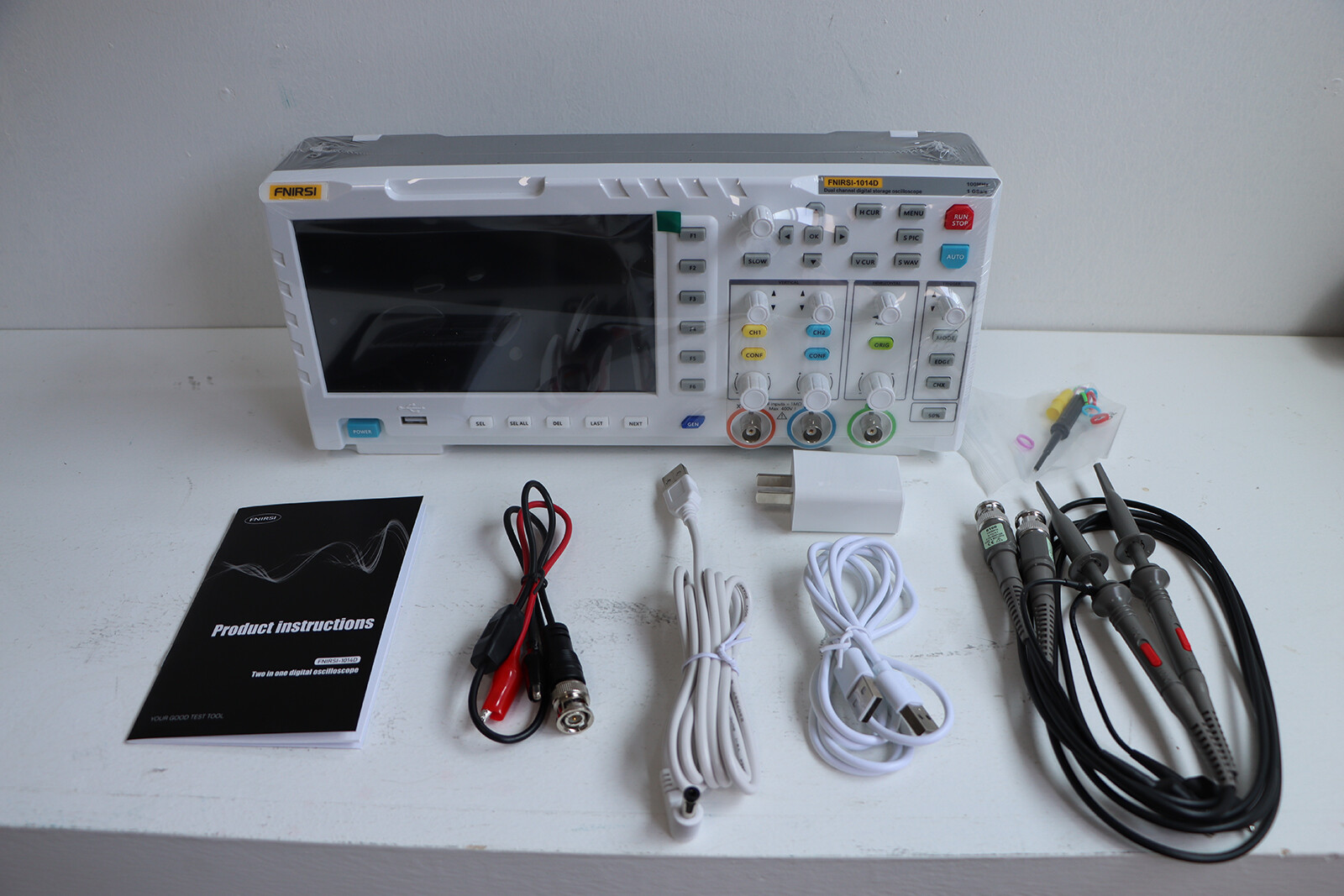 FNIRSI 1014D 7" LCD 2 Channel Signal Generator Digital Storage Oscilloscope H0V2$165.00Last checked Nov 28, 2026View on eBay
- FNIRSI 1014D 7" LCD 2 Channel Signal Generator Digital Storage Oscilloscope H0V2$168.50Last checked Nov 28, 2026View on eBay
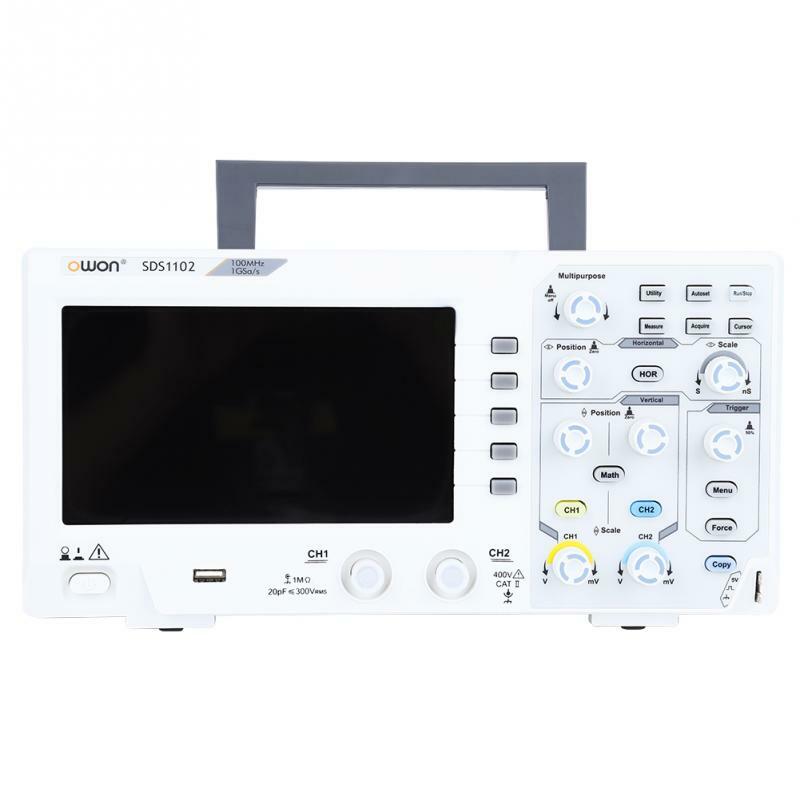 OWON SDS1102 Digital Storage Oscilloscope 2 Channels 100MHZ 1GS/s 10K USB LCD$179.98Last checked Nov 27, 2026View on eBay
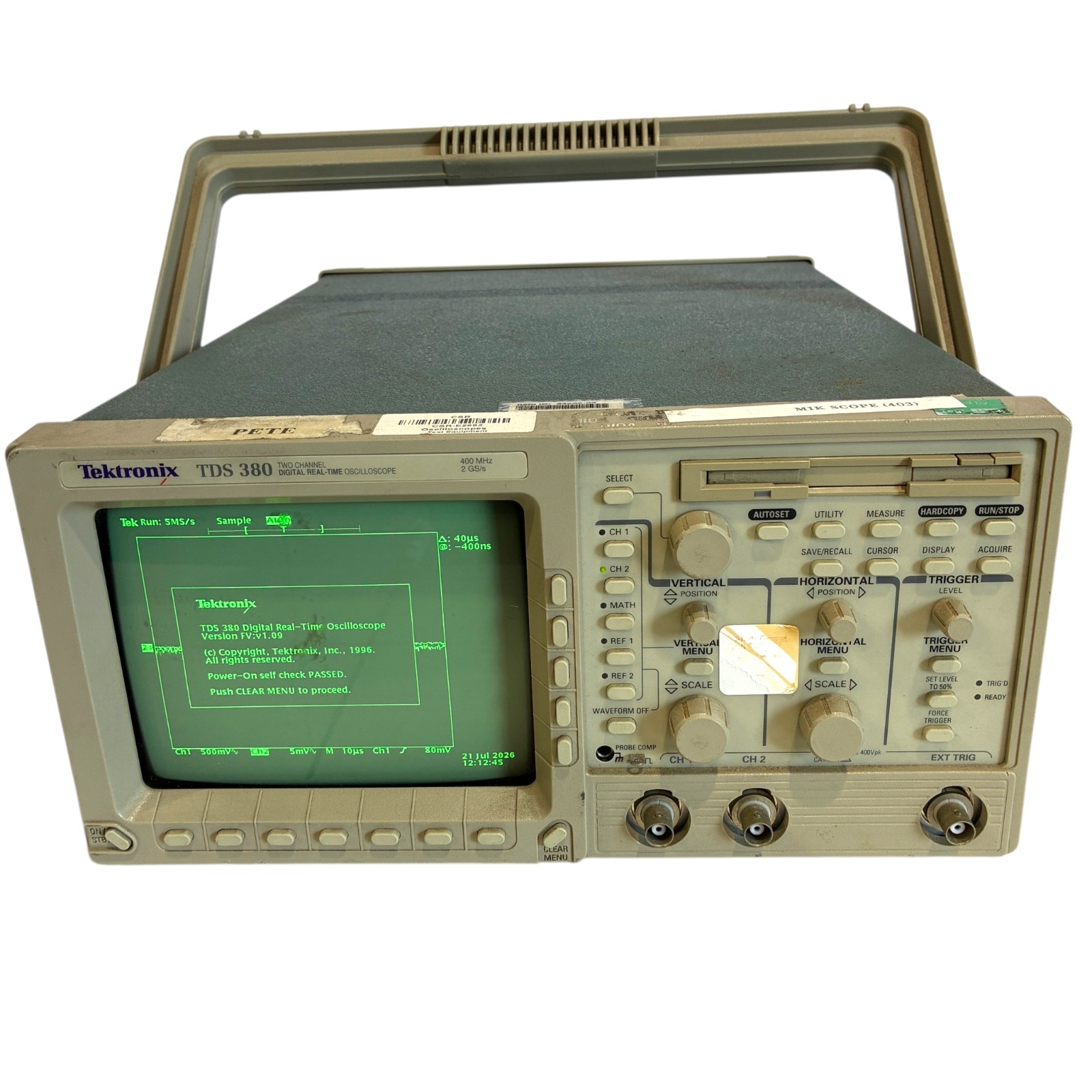 Tektronix TDS 380 400MHz 2GS/s 2 Channel Digital Real-Time Oscilloscope Tested$195.00View on eBay
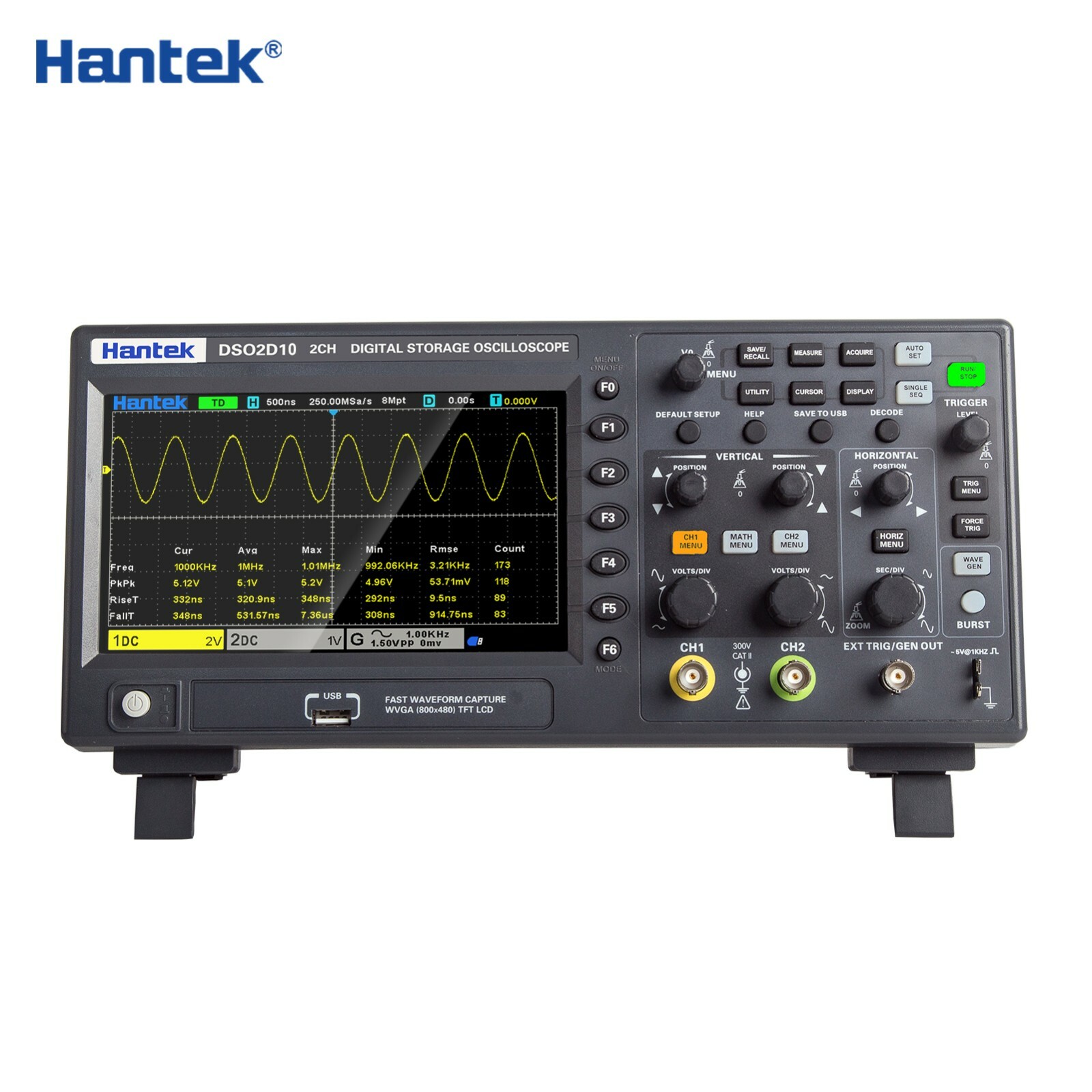 Hantek Digital DSO2000 Series Oscilloscope 2CH+1CH 1GSa/s 100/150MHz 25MHz AWG$199.97View on eBay
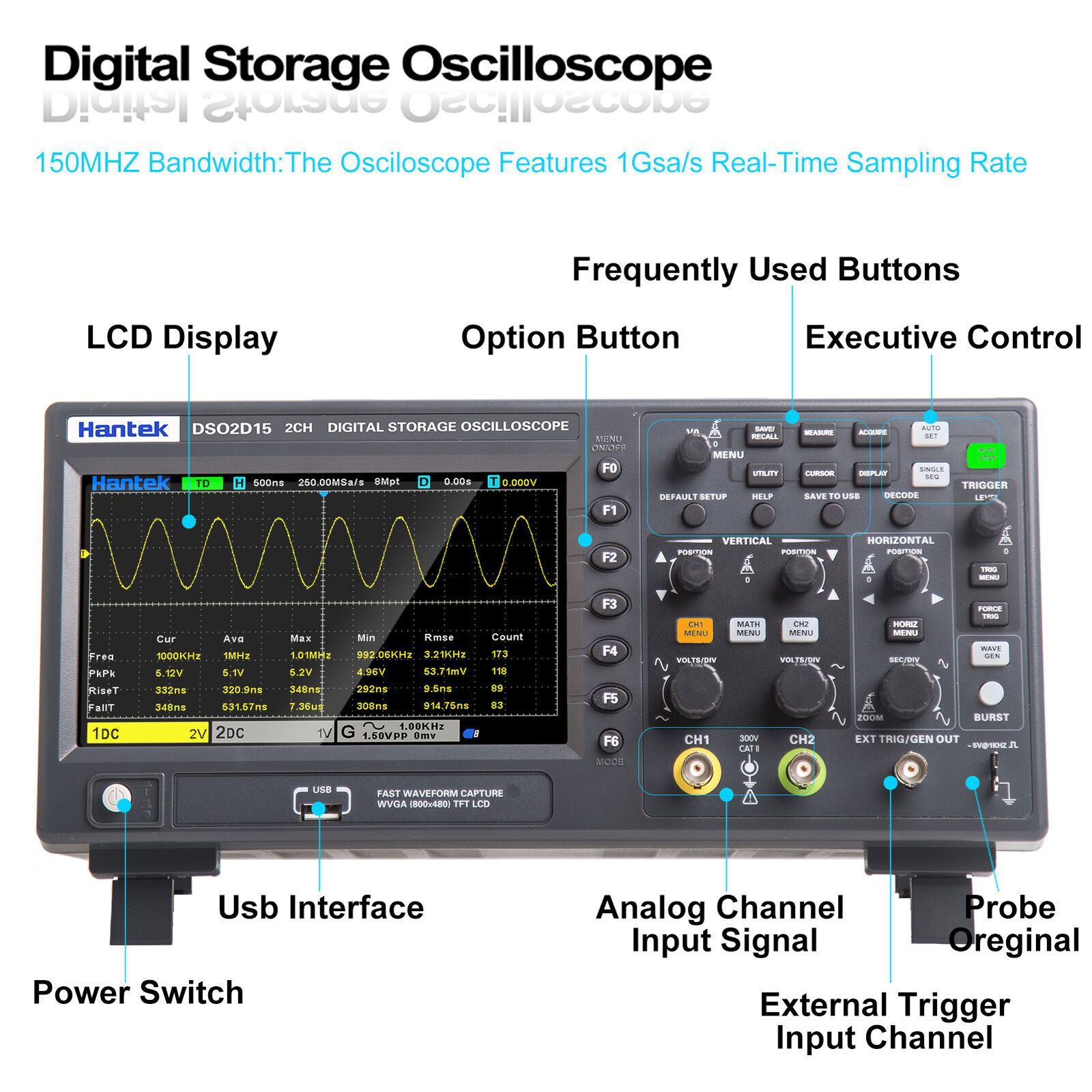 Hantek Digital DSO2000 Series Oscilloscope 2CH+1CH 1GSa/s 100/150MHz 25MHz AWG$209.98Last checked Nov 16, 2026View on eBay
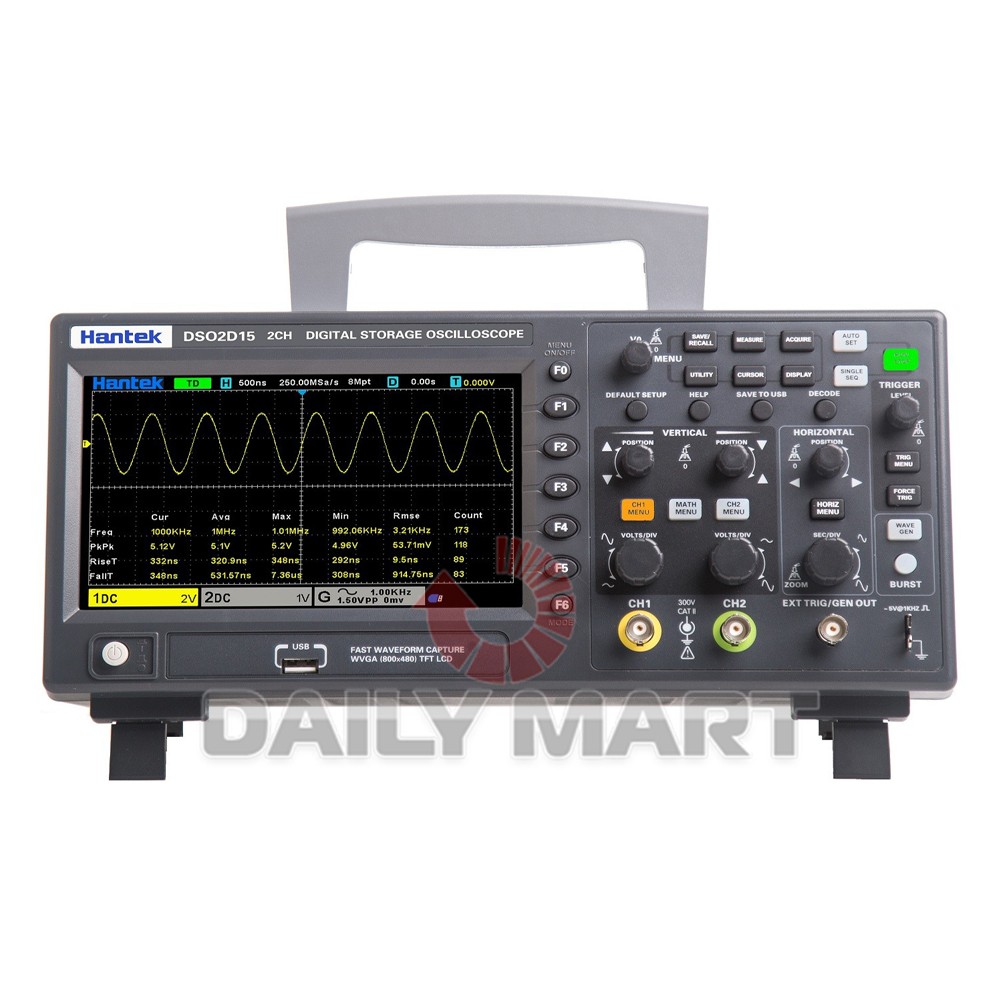 New In Box HANTEK DSO2D15 Digital Storage Oscilloscope 150MHz 2CH$370.50Last checked Nov 17, 2026View on eBay
Highlights
- Analog bandwidth determines the maximum sine frequency a scope can display within -3 dB; a 50 MHz scope is marginal for 10 MHz digital clocks and inadequate for 100 MHz signals.
- Real-time sample rate should be at least 2.5x the analog bandwidth for single-shot capture; 10x is preferable for glitch detection and modern digital buses.
- Handheld DSOs often spec 2.5 MS/s to 48 MS/s, which is insufficient for anything above audio and low-frequency power supplies.
- Input impedance is 1 MΩ in parallel with 10–20 pF on nearly all scopes; standard 10x probes divide the signal and raise input impedance to 10 MΩ.
Best use cases
- Audio and low-frequency repair: a handheld 10–50 MHz DSO with 48 MS/s is adequate for viewing 20 Hz–20 kHz signals, verifying amplifier gain, and tracing DC power rails—skip if you need to see fast transients or digital bus timing.
- Arduino, ESP32, and Raspberry Pi debugging: choose a bench scope with at least 100 MHz bandwidth and 1 GS/s real-time sampling; handheld units below 50 MS/s will alias PWM and SPI edges, producing misleading waveforms.
- Mains power and switch-mode supply work: select a scope rated for 400 V+ input with proper CAT II/III derating and 10x probes; never use a low-voltage handheld DSO on mains without a differential probe or isolation transformer.
- Education and first-time learning: a 2-channel, 50 MHz bench scope with built-in function generator and 1 Mpts memory teaches proper probing and triggering; a 2.5 MS/s kit scope teaches only the UI and will frustrate learners measuring anything faster than audio.
Buying tips
- Match bandwidth to your fastest signal: for digital work, bandwidth ≥ 5x the clock frequency; for 16 MHz Arduino SPI at 8 MHz, choose ≥ 100 MHz, not 50 MHz.
- Check real-time sample rate per channel: a 1 GS/s single-channel spec often halves to 500 MS/s with both channels active; ensure the per-channel rate meets your needs.
- Verify probe compatibility: scopes with standard BNC inputs accept 1x/10x switchable probes; handheld DSOs with proprietary connectors may require vendor-specific probes.
- Prefer scopes with documented trigger types (edge, pulse, video, serial) and adjustable trigger holdoff; absence of these indicates a minimal front-end unsuitable for debugging.
Specs
| Bandwidth | 50 MHz to 200 MHz typical |
|---|---|
| Real-Time Sample Rate | 2.5 MS/s (handheld) to 1 GS/s |
| Channel Count | 2 channels standard |
| Input Impedance | 1 MΩ // 10-20 pF |
Related searches
What to check before buying
- Confirm bench space and power: most bench scopes require a grounded outlet and at least 30 cm depth; handheld DSOs run on USB-C or internal batteries.
- Measure your signal voltage and category: mains-derived circuits require CAT II/III rated probes and scope inputs; low-voltage electronics only need 300 V CAT I.
- Check probe and accessory inclusion: a scope without at least one 10x probe and a compensation adjustment is incomplete for accurate measurements.
- For audio work, confirm AC coupling and vertical sensitivity down to 1 mV/div; DC-only or 10 mV/div minimum scopes miss low-level audio noise.
FAQ
Data sources: eBay / Amazon listings and product attribute feeds. Updated Nov 28, 2026.
Some links on this page are affiliate links. If you buy after clicking one, we may earn a commission at no extra cost to you. This does not change which products appear here or their order. Affiliate disclosure.