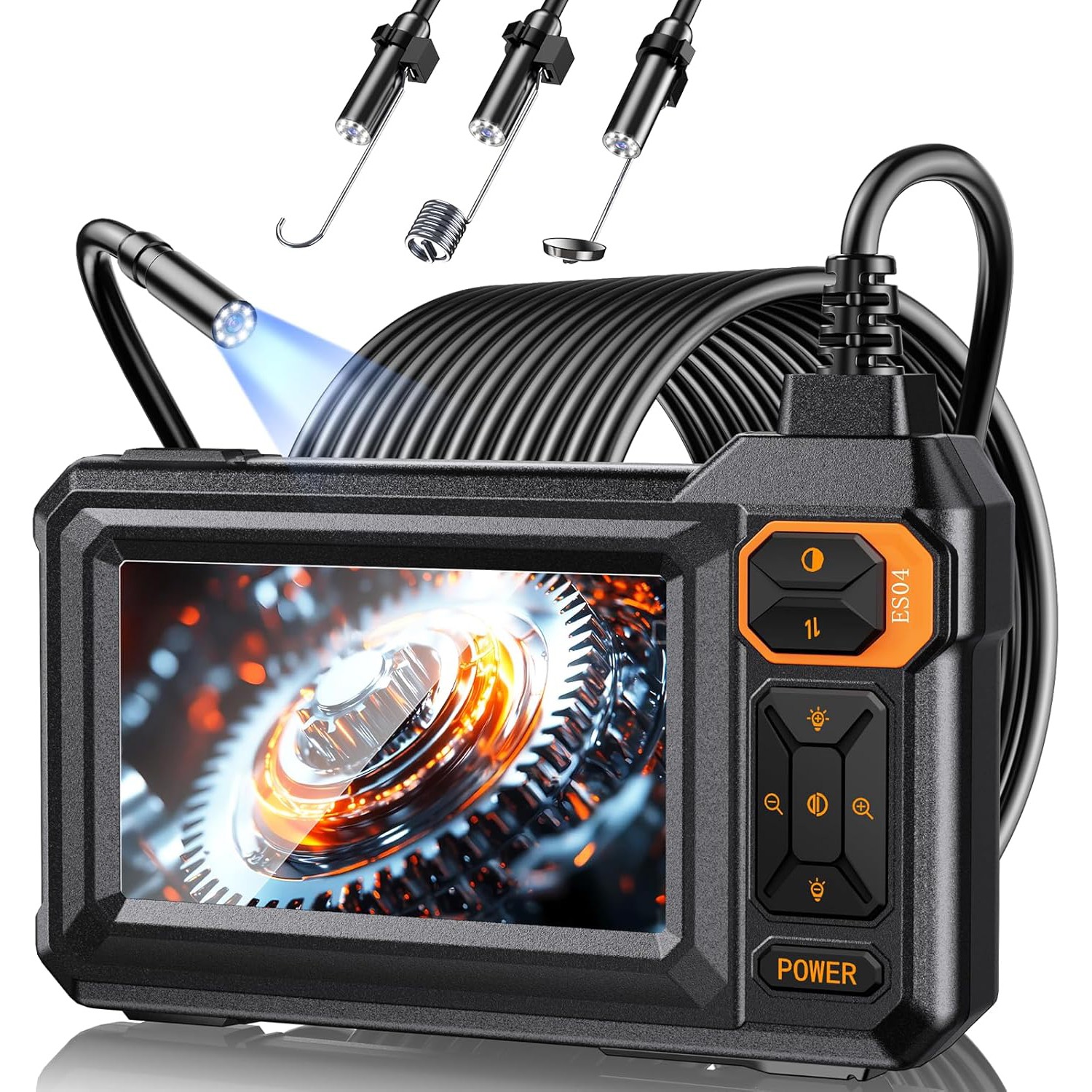

Photos from current listings. Actual item, color, and included accessories may vary.
Digital Inspection Camera Buying Guide
A digital inspection camera (borescope/endoscope) combines a tiny camera head, a flexible or rigid probe, and a handheld display to inspect hidden spaces without disassembly. The primary trade-off is image quality and probe durability versus probe diameter and price tier: thinner probes reach tighter spaces but often sacrifice resolution or articulation, while thicker probes deliver sharper optics and better lighting but may not fit narrow openings. The clear decision rule: buy for the smallest opening you must pass through and the longest distance you must illuminate—anything less than a full-metal connector, IP67 probe, and at least 1080p sensor is a compromise that will fail under repeated shop use.
Median $63.44
Key takeaways
- Sensor resolution tiers: 1080p (1920x1080) is the practical minimum for readable part numbers; 720p probes blur at close focus and are only adequate for locating obstructions, not documenting them.
- Probe diameter determines reach: 3.9mm probes fit spark plug holes and small pipe bends; 5.5mm is the shop-floor standard; 8mm+ probes allow larger sensors and brighter LED arrays but cannot enter tight cavities.
- Articulation vs fixed lens: 360° rotating heads (manual or motorized) let you look around corners inside walls or ducts; fixed forward-view probes are cheaper but require the probe itself to be repositioned to change viewing angle.
At a glance
- Category
- Thermal Cameras, Borescopes & Visual Inspection
- Last updated
- Nov 28, 2026
Current offers
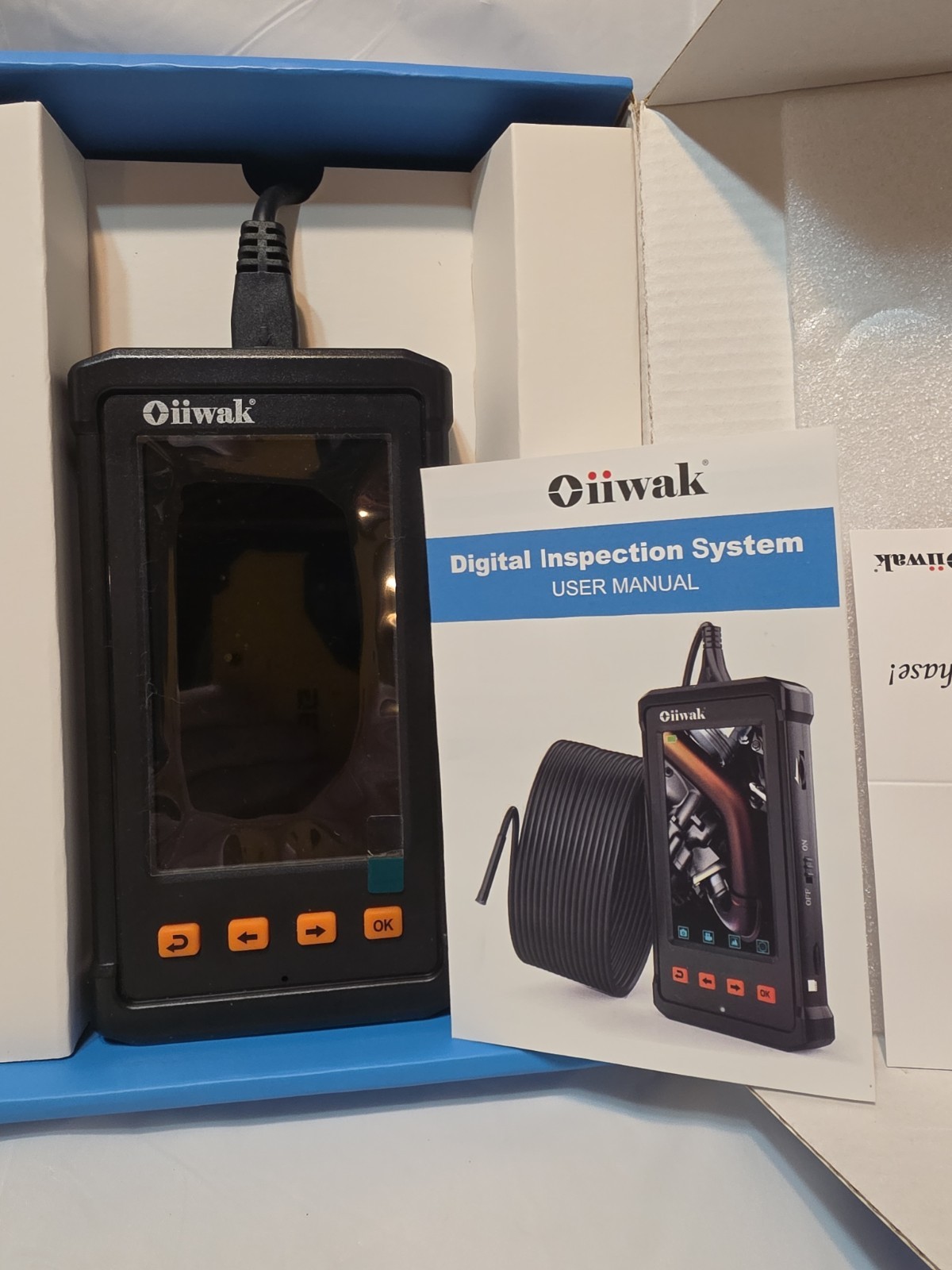
Highlights
- Sensor resolution tiers: 1080p (1920x1080) is the practical minimum for readable part numbers; 720p probes blur at close focus and are only adequate for locating obstructions, not documenting them.
- Probe diameter determines reach: 3.9mm probes fit spark plug holes and small pipe bends; 5.5mm is the shop-floor standard; 8mm+ probes allow larger sensors and brighter LED arrays but cannot enter tight cavities.
- Articulation vs fixed lens: 360° rotating heads (manual or motorized) let you look around corners inside walls or ducts; fixed forward-view probes are cheaper but require the probe itself to be repositioned to change viewing angle.
- Build durability: stainless-steel or fiberglass-reinforced probes with metal camera housings survive oil, coolant, and repeated flexing; plastic-sheathed probes crack at the connector joint, which is the most common failure point.
Best use cases
- Automotive engine and cylinder inspection: pick a 5.5mm probe with 1080p resolution and side-view mirror attachment; skip 3.9mm probes because they lack the light output and field of view for cylinder walls.
- Plumbing and drain line inspection: choose a 15m+ fiberglass probe with a 360° rotating head and IP67 rating; skip short 1-3m probes that cannot reach the main line blockage.
- HVAC duct and wall cavity checks: use a 3.9mm to 5.5mm probe with a 1-3m length and articulating tip; skip 8mm+ probes that cannot pass through narrow duct seams or drilled holes.
- Home DIY and hobby use: a 1080p fixed-lens 5.5mm probe with 1-2m length covers most tasks; skip 720p models because the resolution gap makes fasteners and cracks illegible on the handheld screen.
Buying tips
- Match probe diameter to the smallest hole you must enter: measure the opening first—3.9mm for injector wells and small pipes, 5.5mm for general automotive and household, 8mm+ only for open cavities.
- Choose 1080p minimum resolution: 1920x1080 sensors render readable text and thread pitch at 2-5cm distance; 720p or 640x480 probes are locate-only tools, not inspection-grade.
- Require IP67 or better on the probe and camera head: oil, coolant, and drain water are the normal operating environment; unrated probes short out at the LED ring within weeks.
- For runs over 5m, pick fiberglass-reinforced cable with a metal connector; plastic-jacketed cables kink permanently and lose image signal at the bend.
Specs
| Sensor Resolution | 1080p (1920x1080) minimum; 720p locate-only |
|---|---|
| Probe Diameter | 3.9mm tight / 5.5mm standard / 8mm+ cavity |
| Probe Length | 1-3m close work / 5-15m+ drain runs |
| Waterproof Rating | IP67 or better on probe and camera head |
Related searches
What to check before buying
- Measure the smallest opening and the deepest reach you need: probe diameter must clear the hole, and cable length must exceed the run by at least 1m for handling slack.
- Confirm the handheld display size and battery type: 4.3-inch screens are the practical minimum for detail work; internal lithium batteries need USB-C or micro-USB charging that matches your shop setup.
- Check the camera head lighting: 6-8 LEDs with adjustable brightness are needed for dark cavities; fixed-brightness single-LED heads blow out close-up detail.
- Verify the recording format and storage: microSD recording (JPEG/MP4) lets you document findings; units without a card slot are view-only and useless for insurance or client reports.
FAQ
Data sources: eBay / Amazon listings and product attribute feeds. Updated Nov 28, 2026.
Some links on this page are affiliate links. If you buy after clicking one, we may earn a commission at no extra cost to you. This does not change which products appear here or their order. Affiliate disclosure.