
Photos from current listings. Actual item, color, and included accessories may vary.
Thermal Scanner Buying Guide
A thermal scanner (thermal imaging camera) converts infrared radiation into a visible heat map, letting you inspect electrical panels, building envelopes, and mechanical systems without contact. The core trade-off is sensor resolution and thermal sensitivity versus cost: low-resolution microbolometers blur small anomalies, while high-resolution units resolve fine temperature differences. The decision rule: buy the highest native IR resolution and lowest NETD your budget allows, and skip any model that inflates display resolution without stating native sensor pixels.
Median $240.00 · New & pre-owned listings
Key takeaways
- Native IR resolution (e.g., 160×120, 256×192, 320×240, 640×480) determines how small a hot spot you can resolve; display resolution is upscaled and does not add detail.
- NETD (noise-equivalent temperature difference) of ≤50 mK separates usable diagnostic scanners from toy-grade units; ≤40 mK is preferred for building and electrical work.
- Microbolometer detectors (amorphous silicon or VOx) are the durable standard; older pyroelectric or thermopile-array sensors are slow and unsuitable for scanning.
At a glance
- Category
- Thermal Cameras, Borescopes & Visual Inspection
- Last updated
- Nov 28, 2026
Current offers
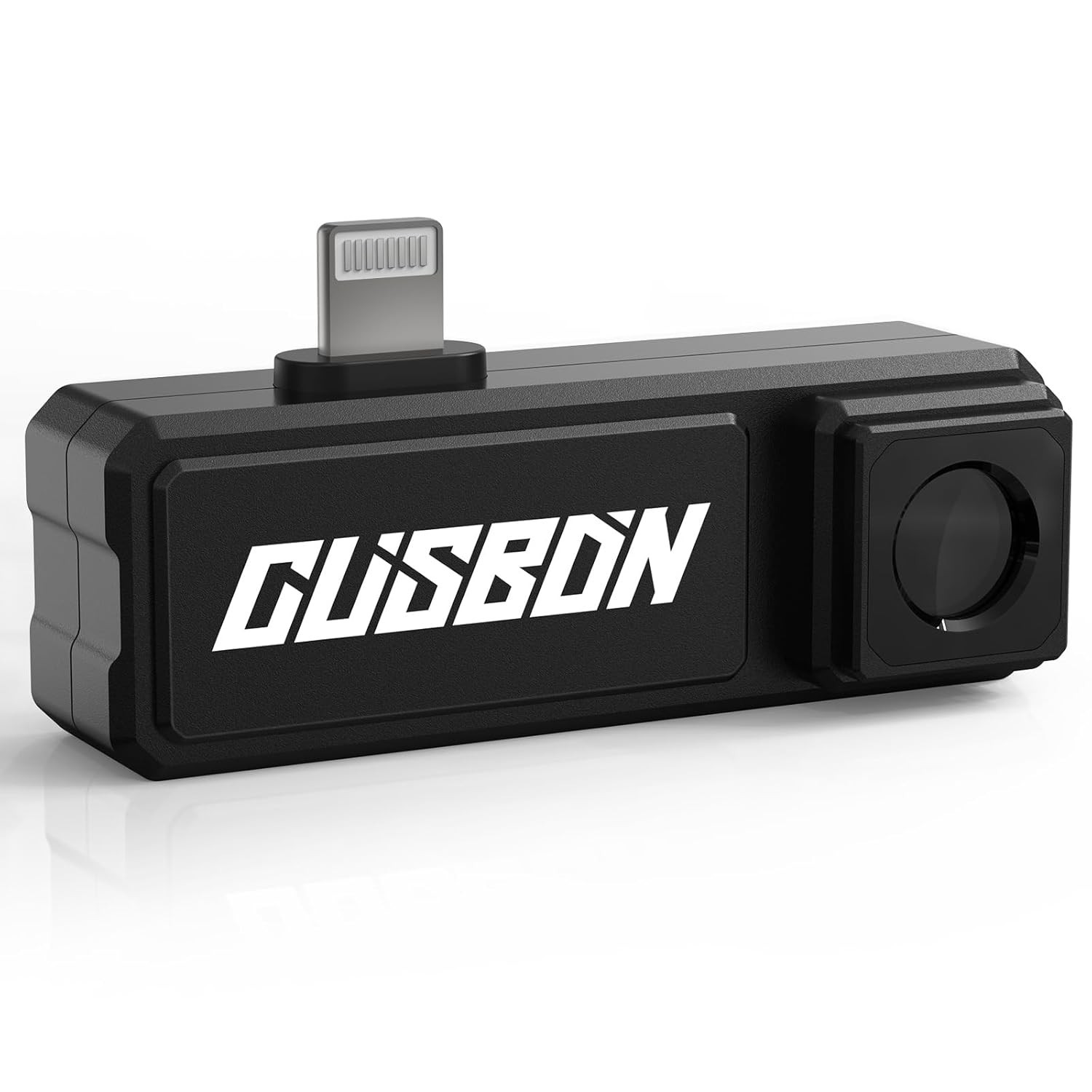 Thermal Imaging Camera Android and iOS 120 x 90 IR -20 °C - 400 °C Temperature$65.95Last checked Nov 27, 2026View on eBay
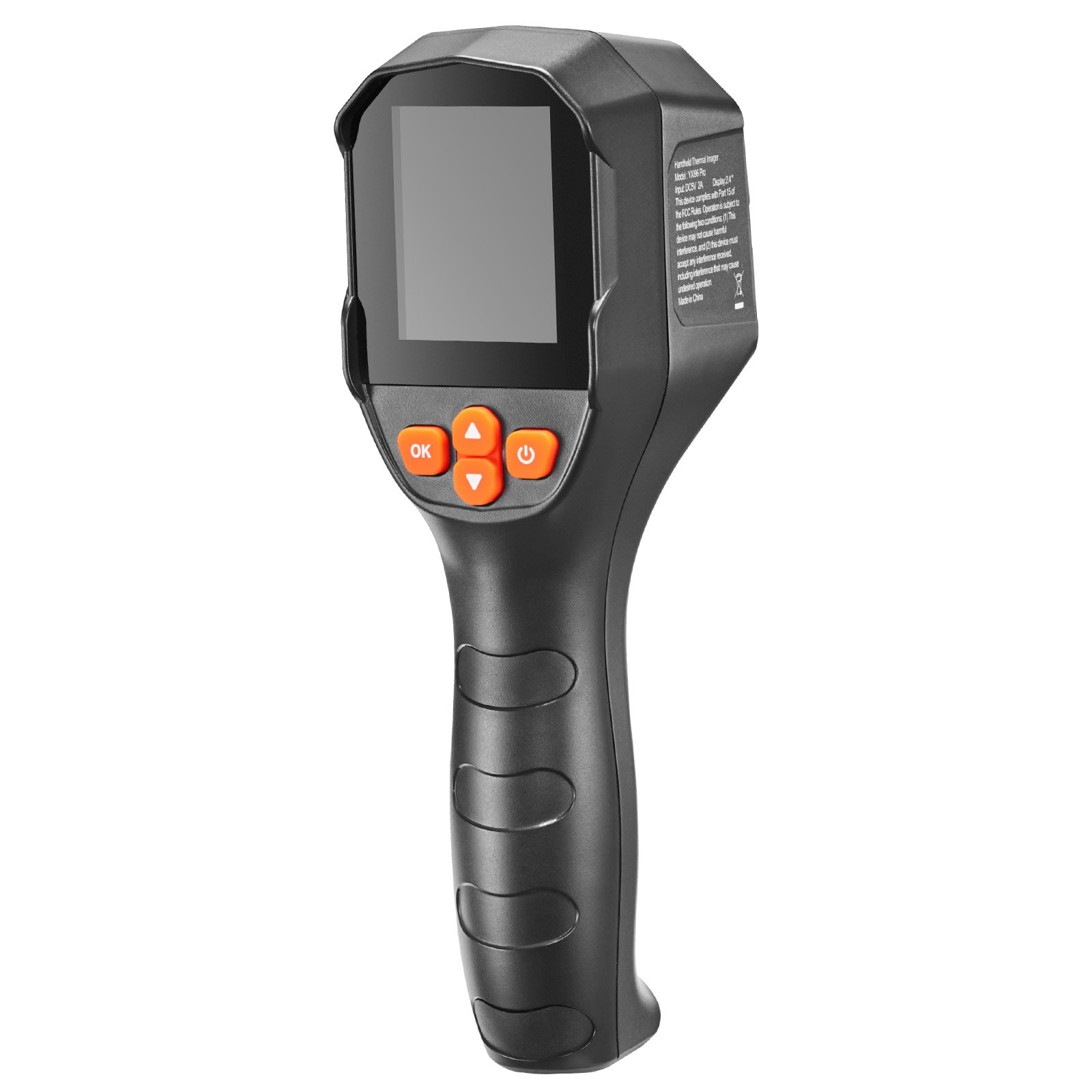 Thermal Camera, TISR Super Resolution 240x180, Imaging With 2MP Visual 96x96 IR 25HZ Refresh Rate, -4°F To 1022°F, 4 Image Modes & 6 Color Palettes$156.99View on Mallflare
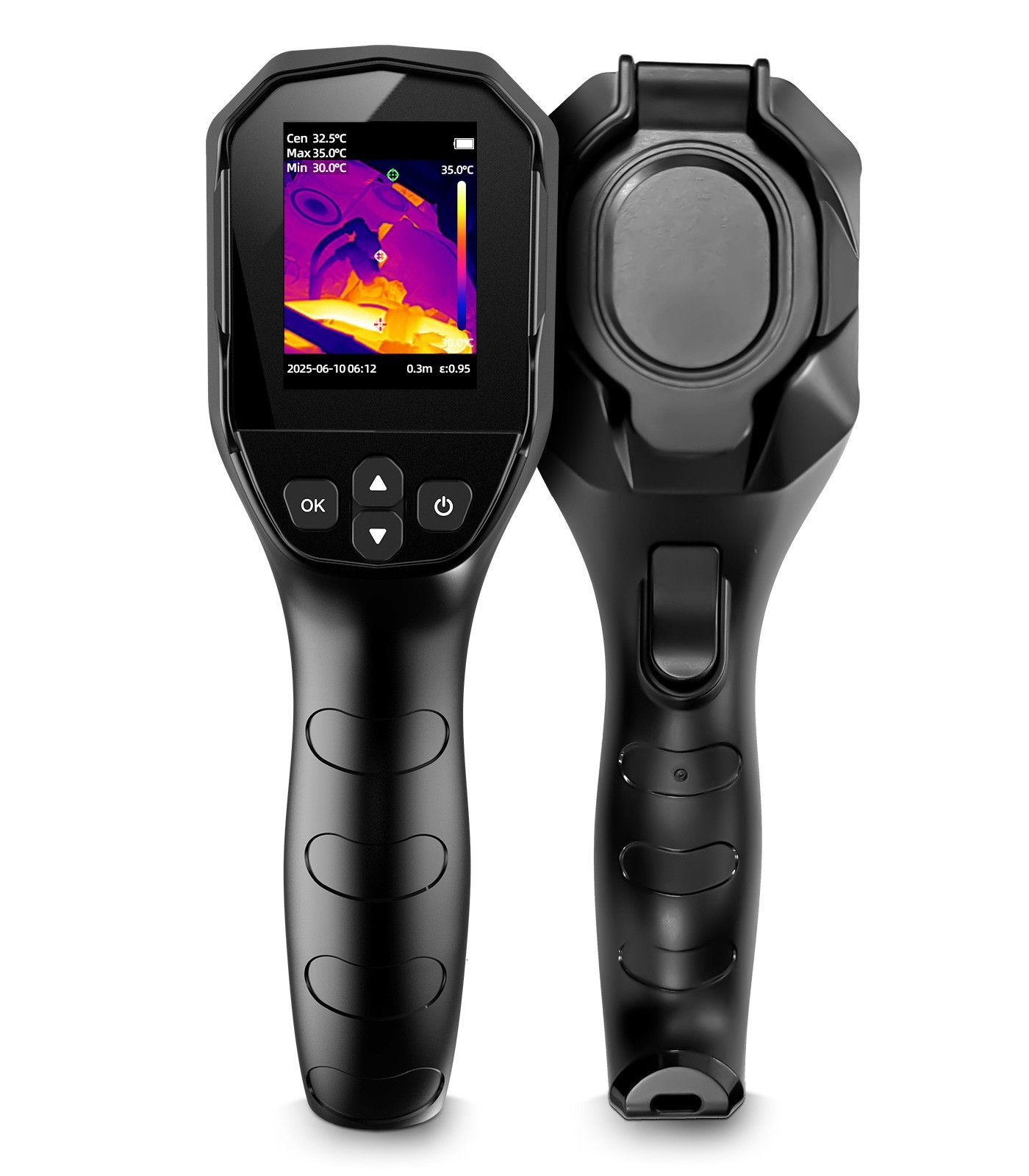 Thermal Camera, 240x240, -4°F–1022°F, 25Hz IR Imaging with Temp Alarm, 50° FOV$79.99Last checked Nov 26, 2026View on eBay
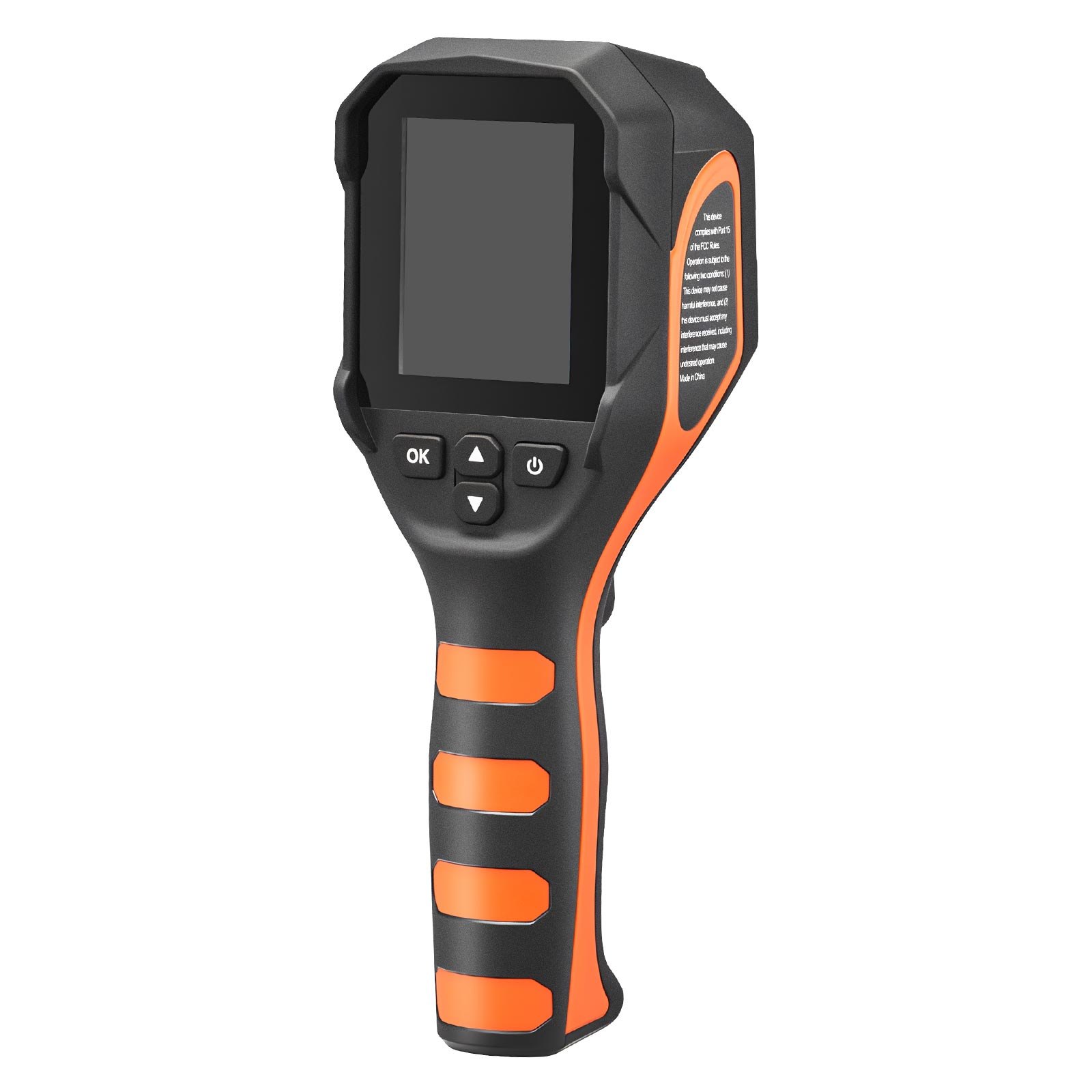 Thermal Camera, 320 X 240 TISR Super Resolution, Imaging With 2MP Visual 160 X 120 IR 25 HZ Refresh Rate, -4°F To 1022°F, 4 Image Modes & 6 Color Palettes$186.99View on Mallflare
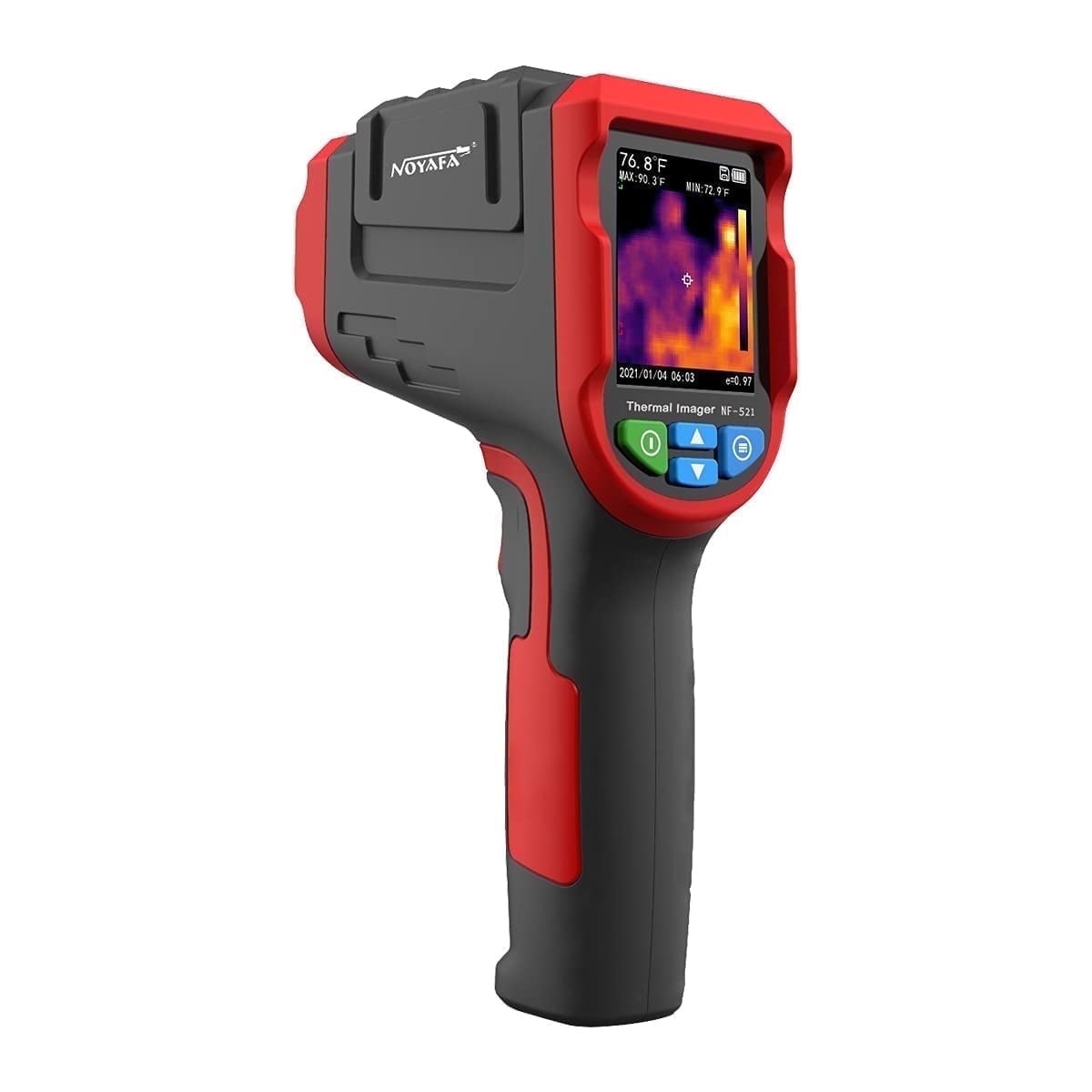 NOYAFA Infrared Thermal Imaging Camera, High Resolution, 2.4 in LCD Display,$89.00View on eBay
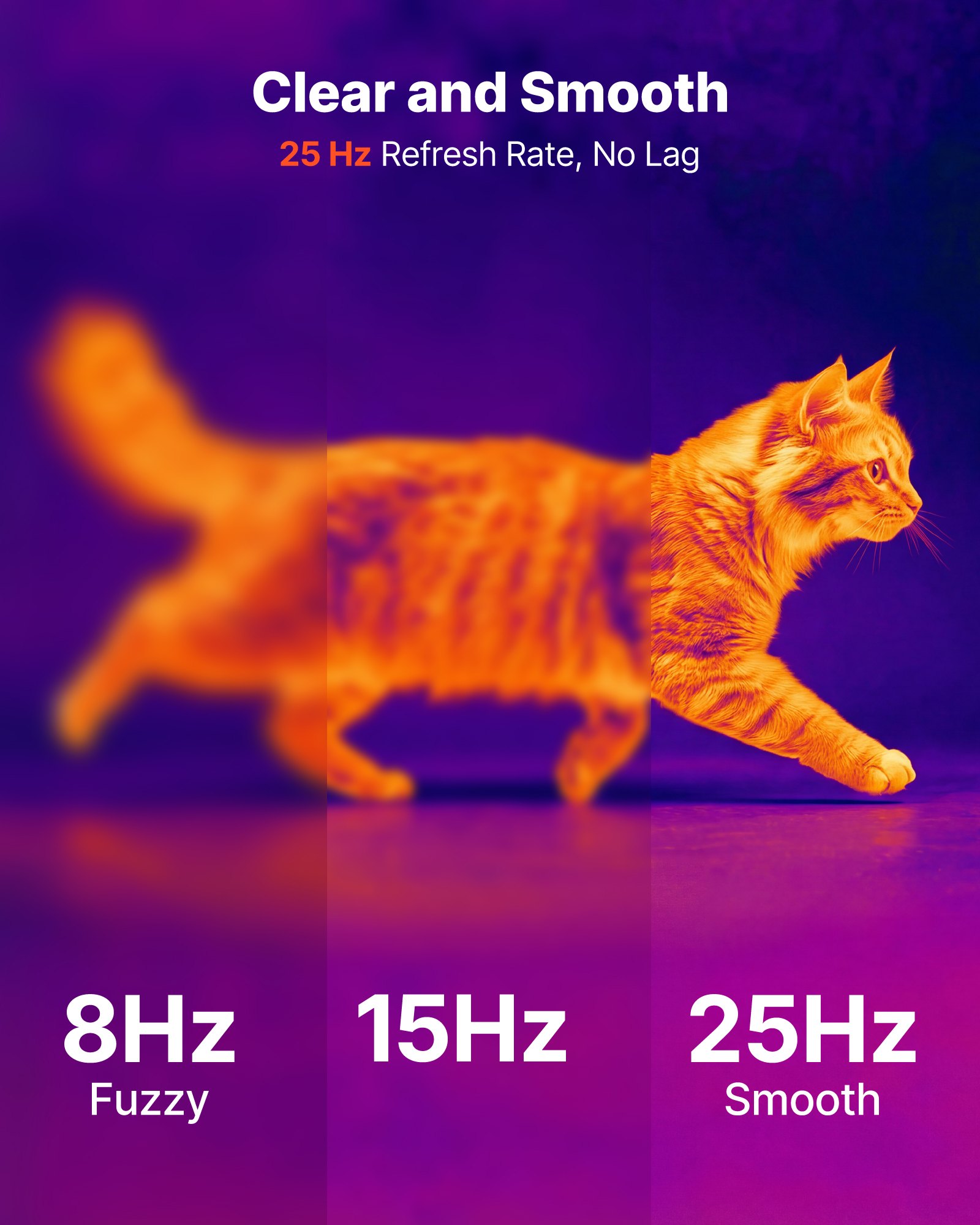 Thermal Imaging Camera For Android, 320 X 240 TISR Super Resolution, 25HZ Refresh Rate Infrared Imager For Smartphone Tablet, 160 X 120 IR -4°F To 1022°F & 15 Color Palettes$203.99View on Mallflare
 320*240 X³IR Resolution P1 Thermal Imaging Camera IOS&Android 600℃ Type-C 25Hz$116.00Last checked Nov 28, 2026View on eBay
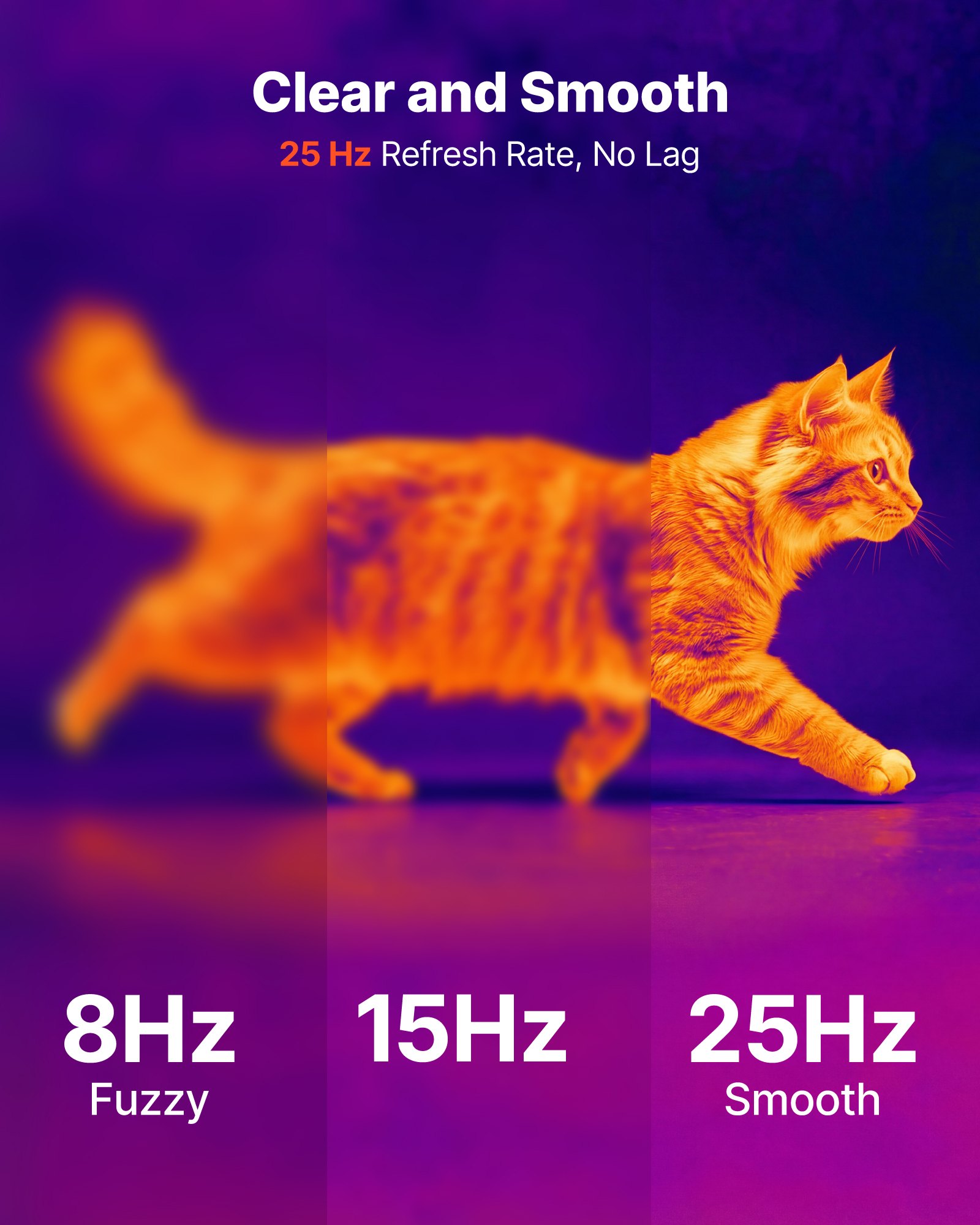 Thermal Imaging Camera For Android, 512 X 384 TISR Super Resolution, 25HZ Refresh Rate Infrared Imager For Smartphone Tablet, 256 X 192 IR -4°F To 1022°F & 15 Color Palettes$238.99View on Mallflare
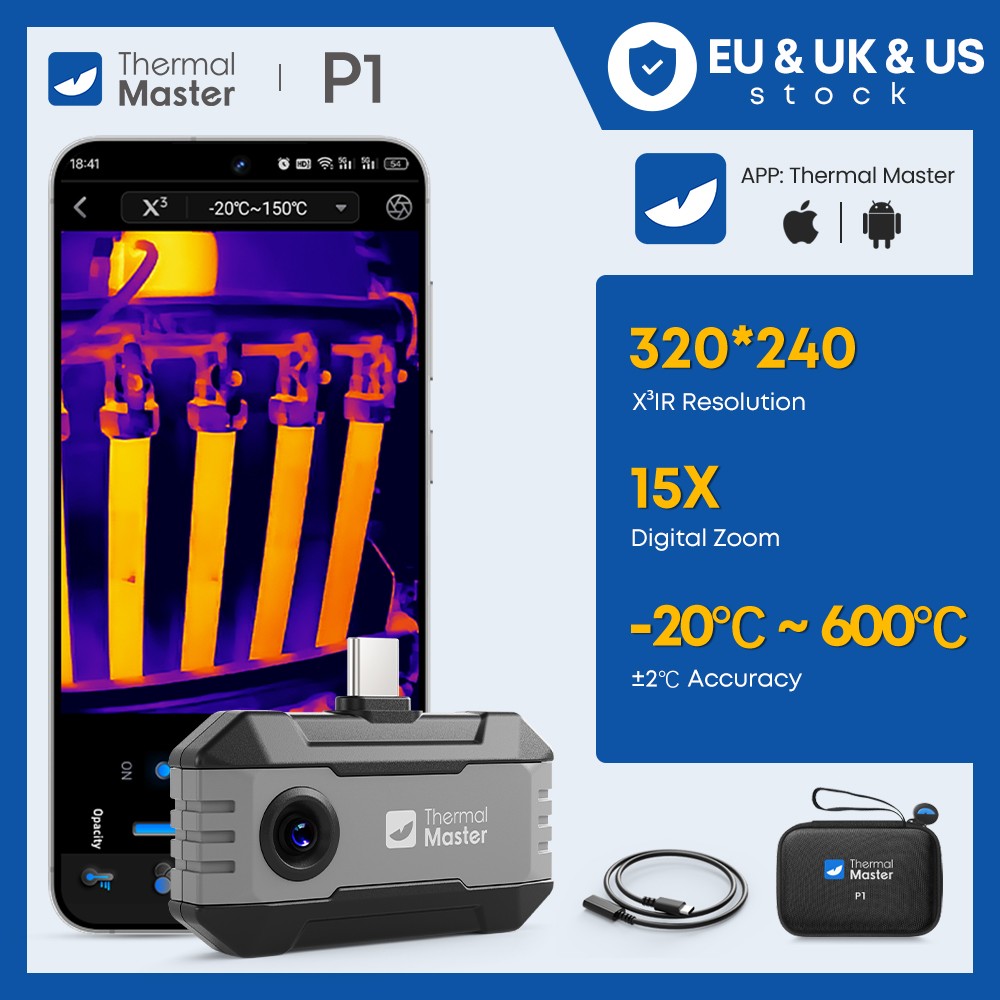 IOS&Android P1 Thermal Camera 320*240 USB-C Infrared Thermal Imager 600℃ Repair$119.93View on eBay
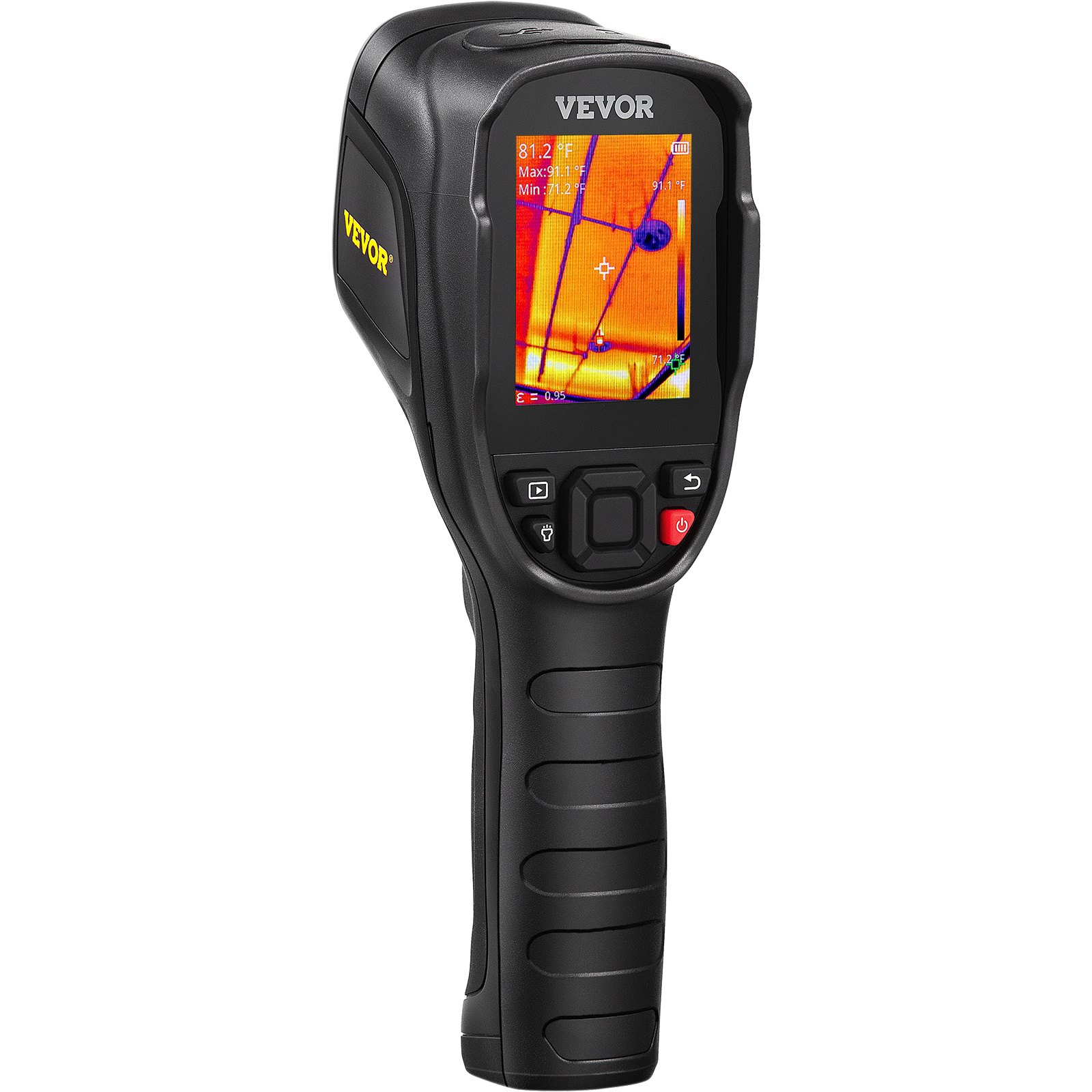 Thermal Imaging Camera, 320 X 240 Pixels Super Resolution, 25Hz Refresh Rate Infrared With -4 To 752°F Temperature Range, 32G Built-in SD Card, And Rechargeable Li-ion Battery$247.99View on Mallflare
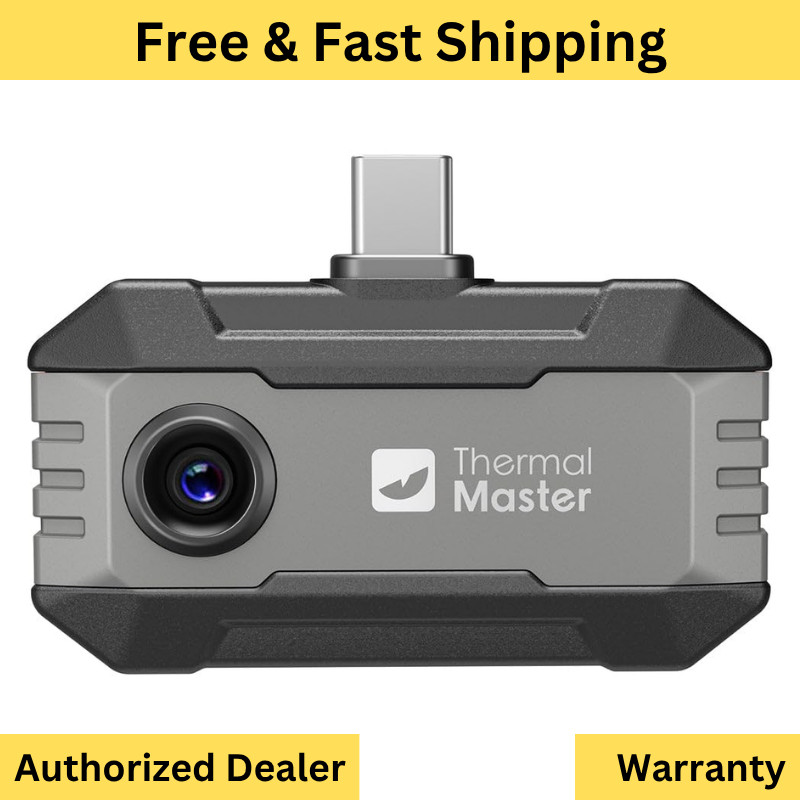 Thermal Master P1 Thermal Camera 320x240 IR Imager for HVAC Android iPhone$129.00View on eBay
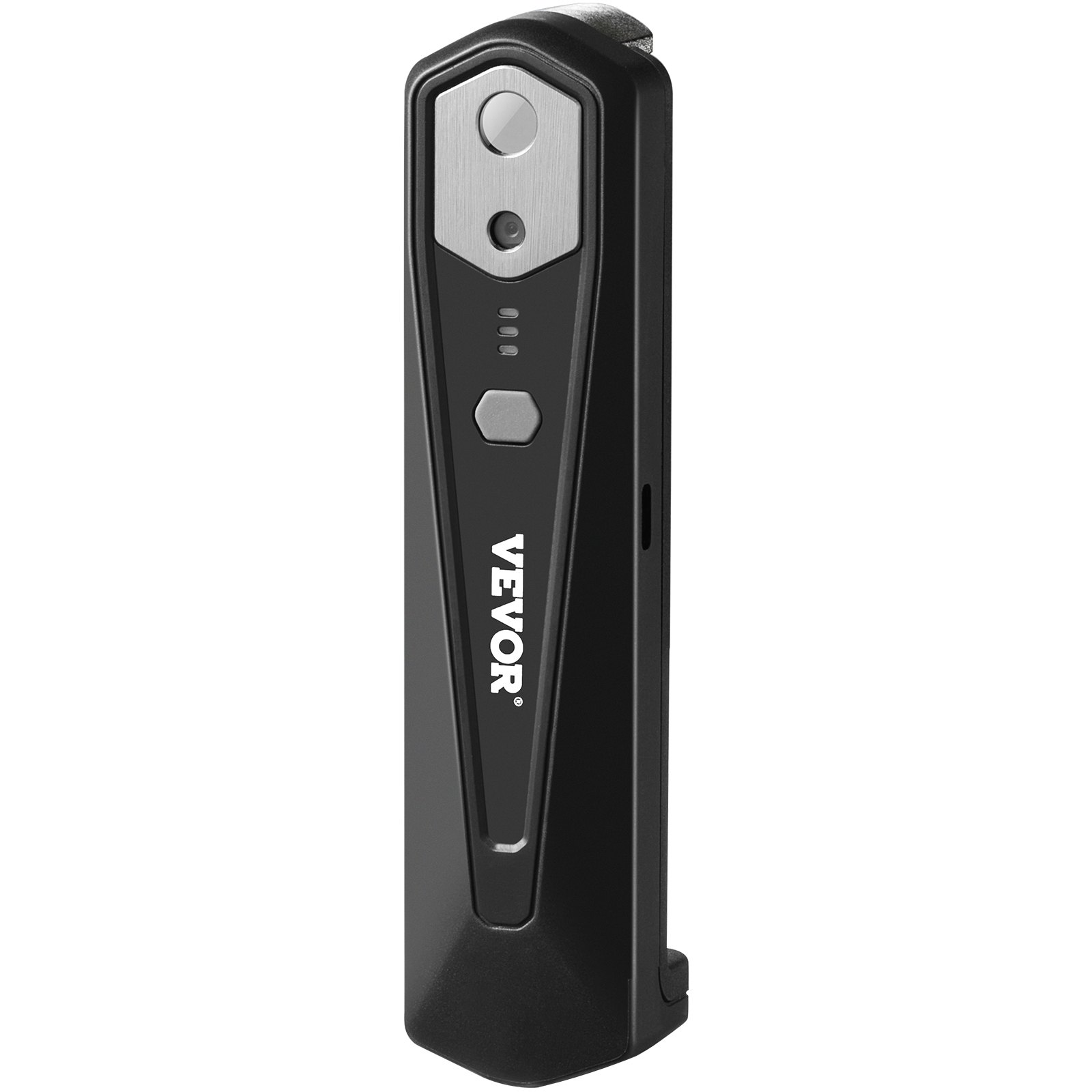 Thermal Imaging Camera For Android & IOS, 256 X 192 IR High Resolution, Wireless Infrared Imager With WiFi & Visual 25Hz Refresh Rate For Smartphone, -4°F-1022°F$248.99View on Mallflare
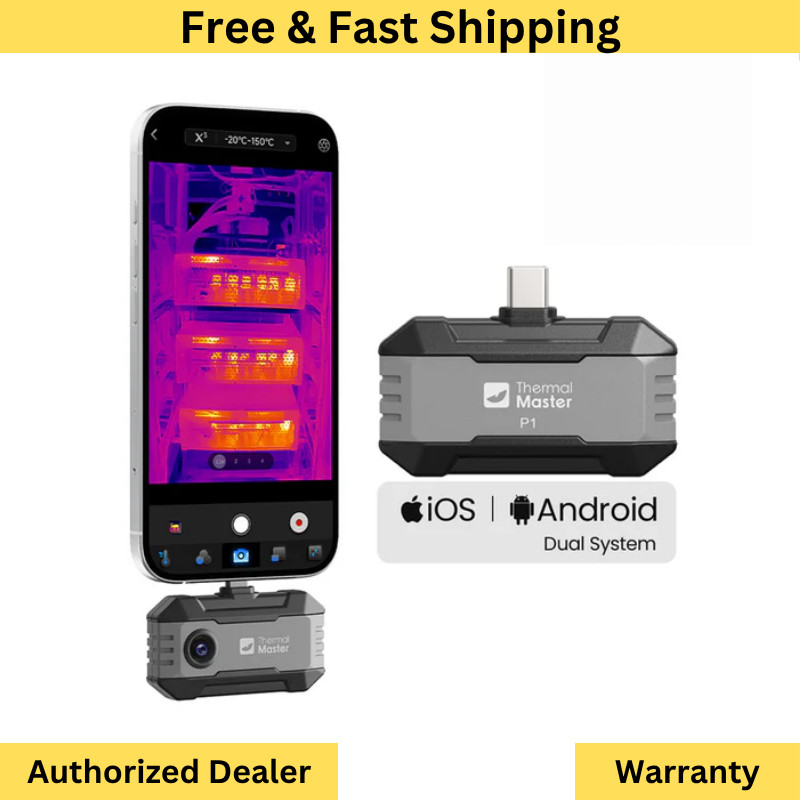 Thermal Master P1 Thermal Camera 320x240 Super IR USB-C iOS Android PC Leak HVAC$129.00View on eBay
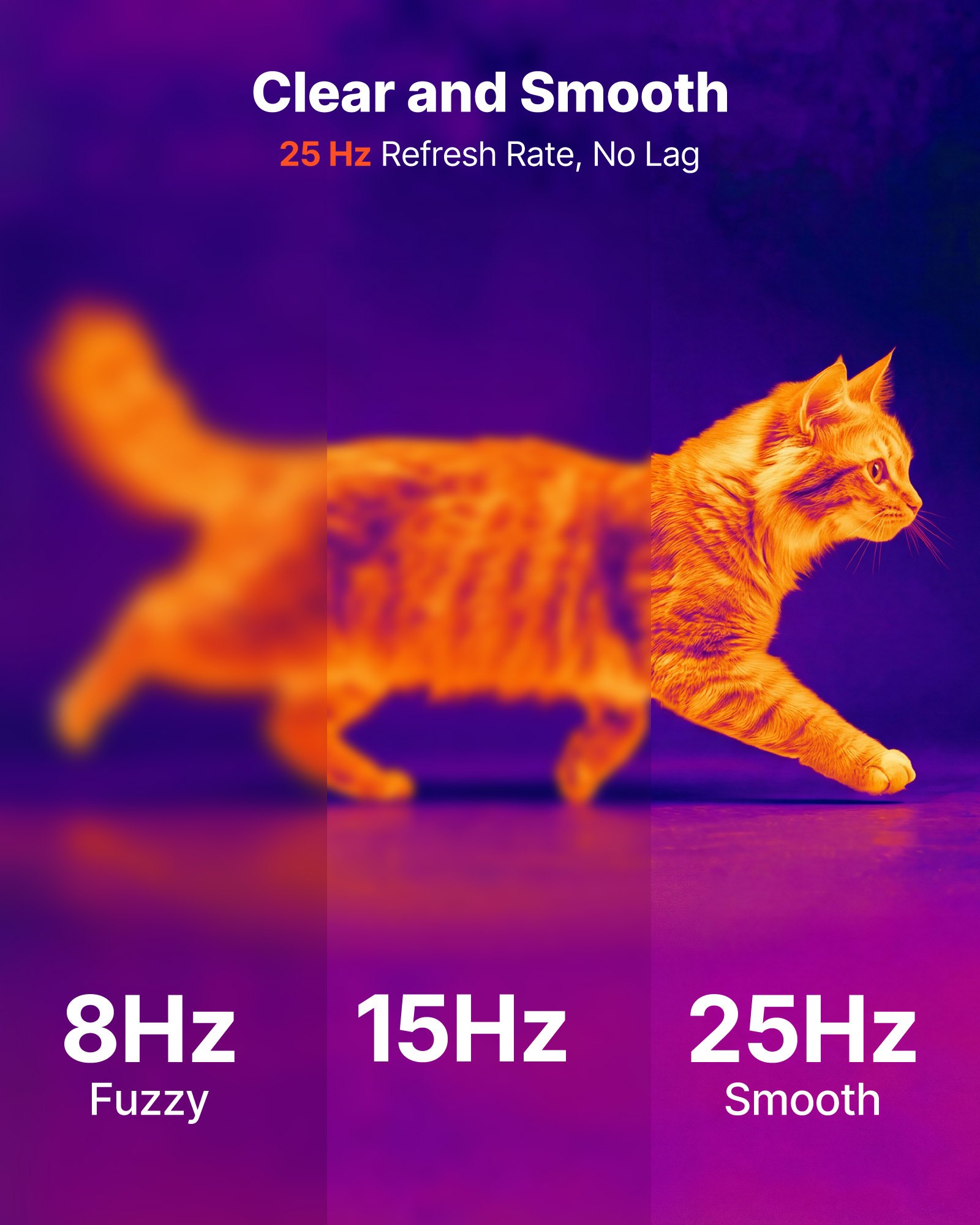 Thermal Imaging Camera For Android & IOS, 512 X 384 Super Resolution With Macro Lens, 25HZ Refresh Rate Infrared Imager For Smartphones Tablets, 256 X 192 IR -4°F To 1022°F$269.99View on Mallflare
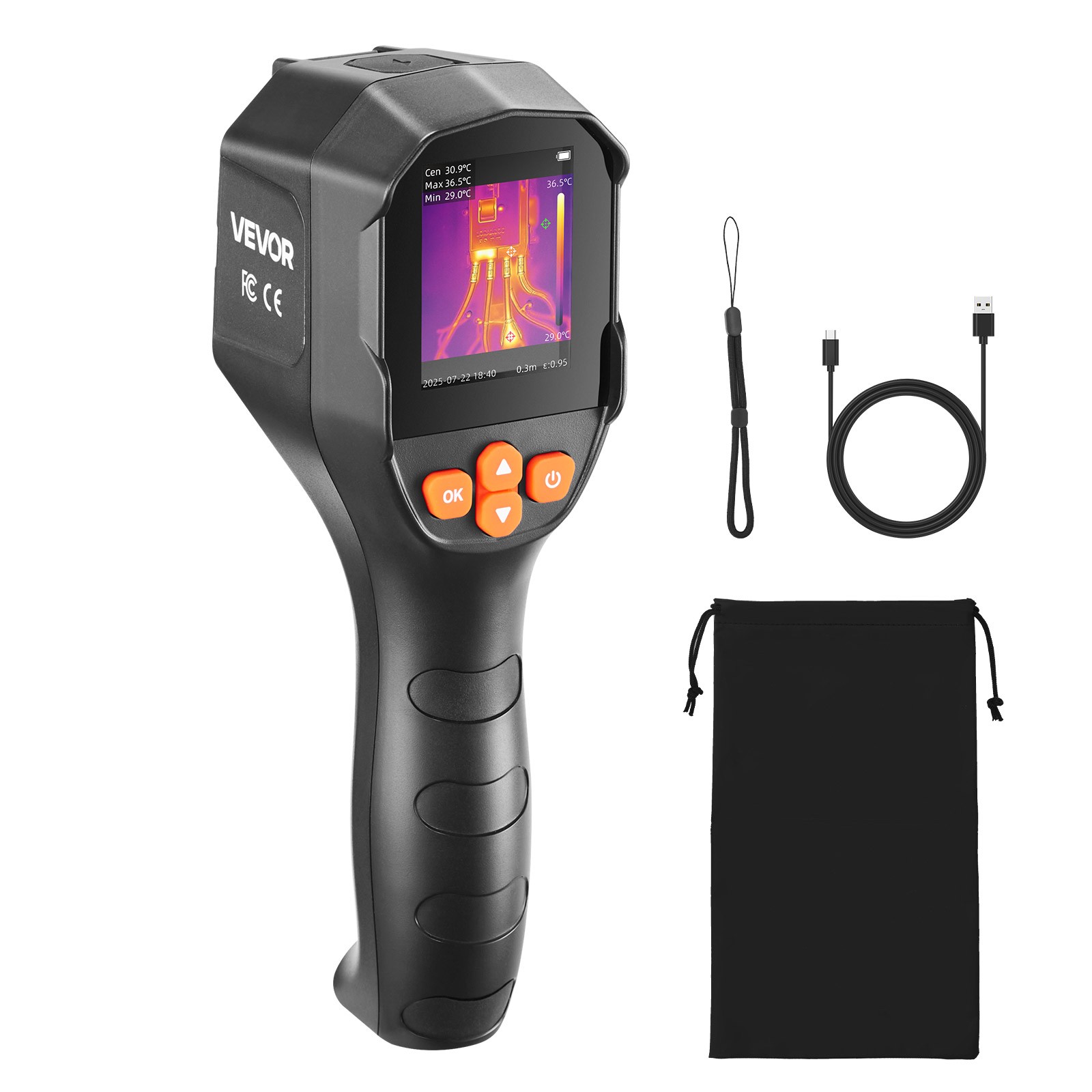 VEVOR Infrared Thermal Imager Temperature Imaging Camera TISR Resolution 240x180$140.90Last checked Nov 28, 2026View on eBay
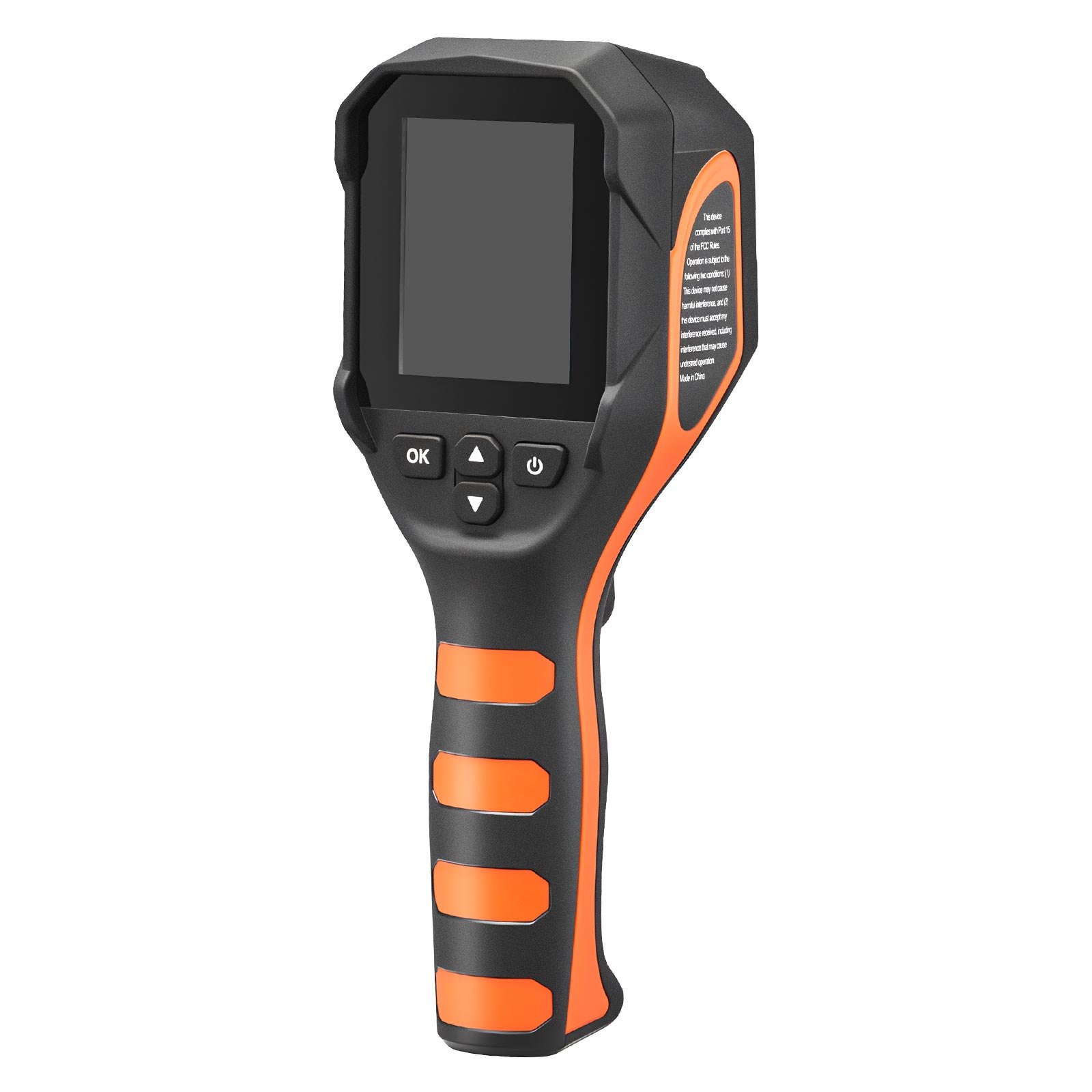 Thermal Camera, 320 X 240 TISR Super Resolution, Imaging With 2MP Visual 256 X 192 IR 25 HZ Refresh Rate, -4°F To 1022°F, 4 Image Modes & 6 Color Palettes$296.99View on Mallflare
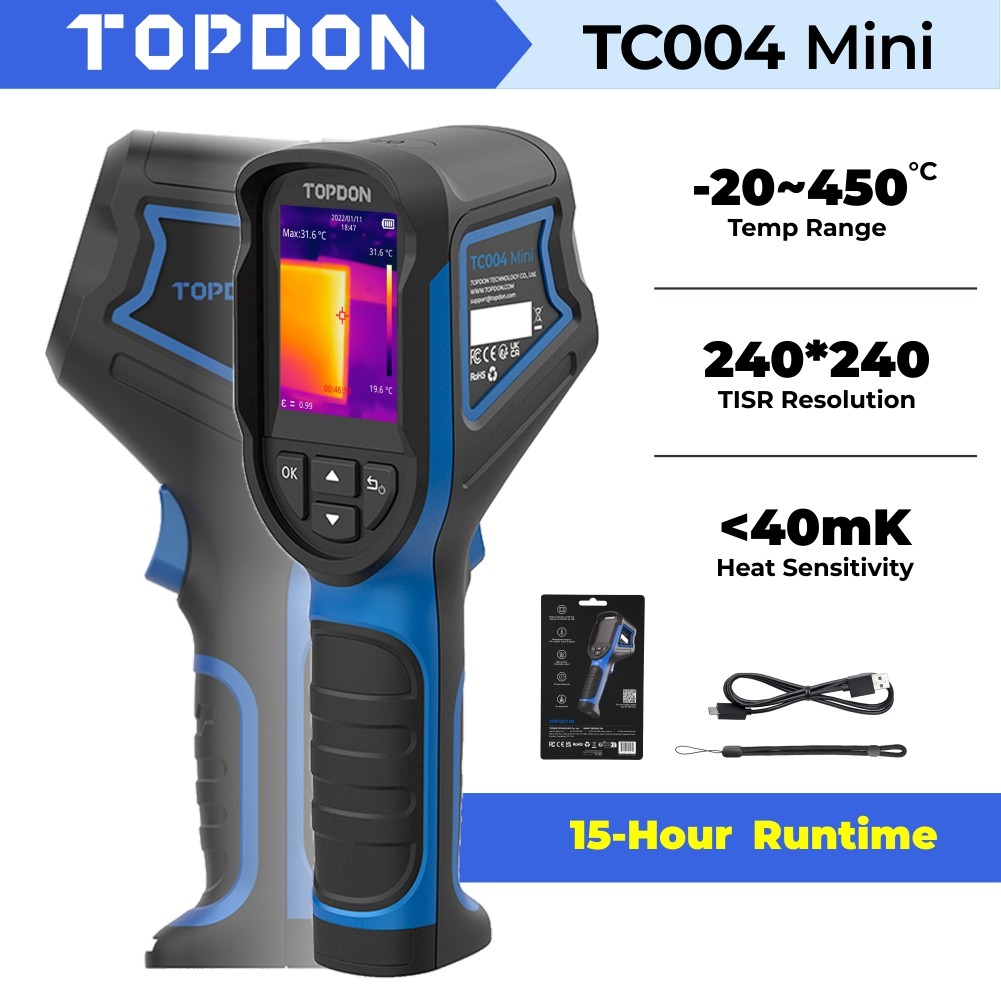 2026 TOPDON TC004 Mini Thermal Imaging Camera 240*240 TISR Long Battery Life US$149.00Last checked Nov 26, 2026View on eBay
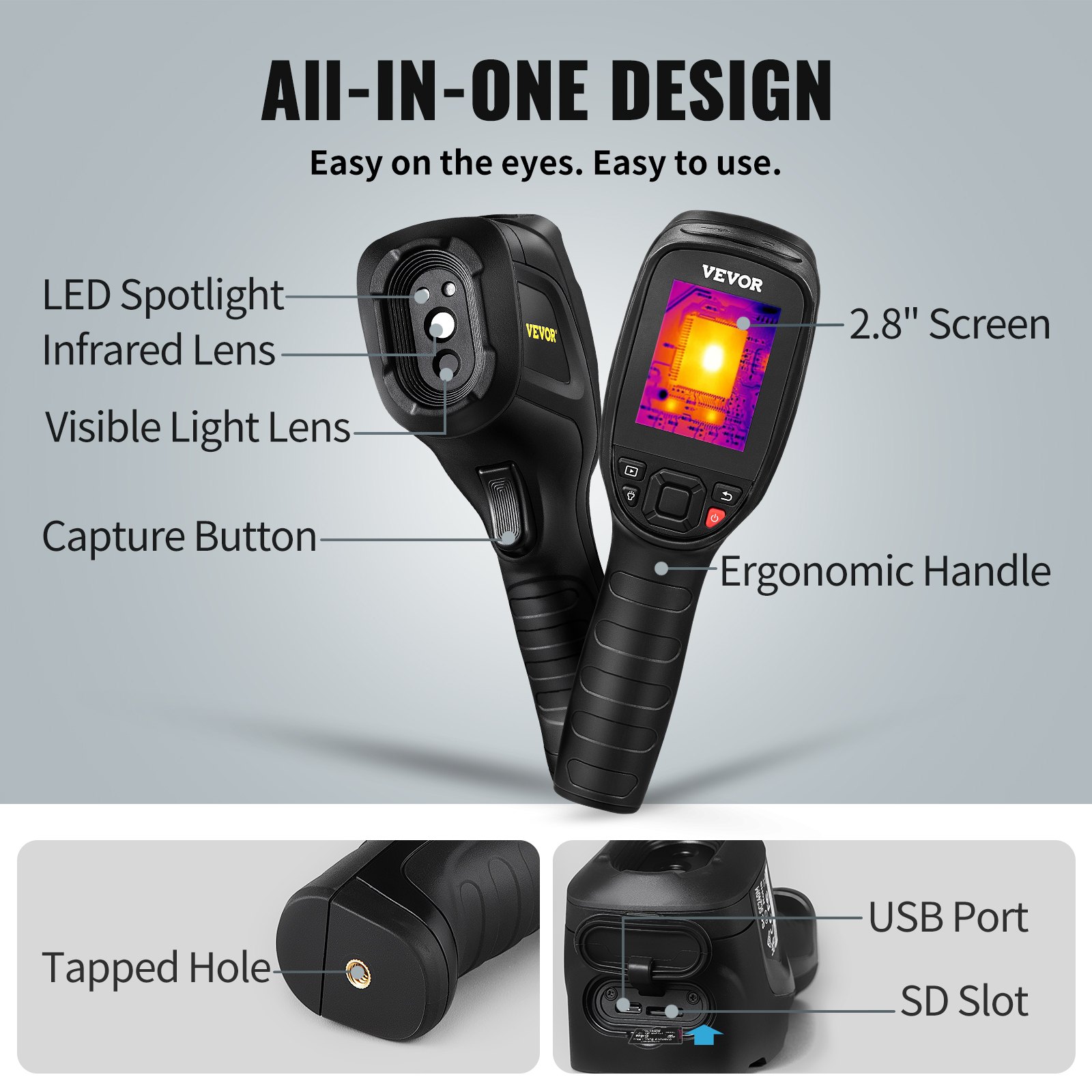 Thermal Imaging Camera, 320 X 240 Pixels Super Resolution With 2MP Visual 25Hz Refresh Rate Infrared , 64G SD Card And Rechargeable Li-ion Battery$324.99View on Mallflare
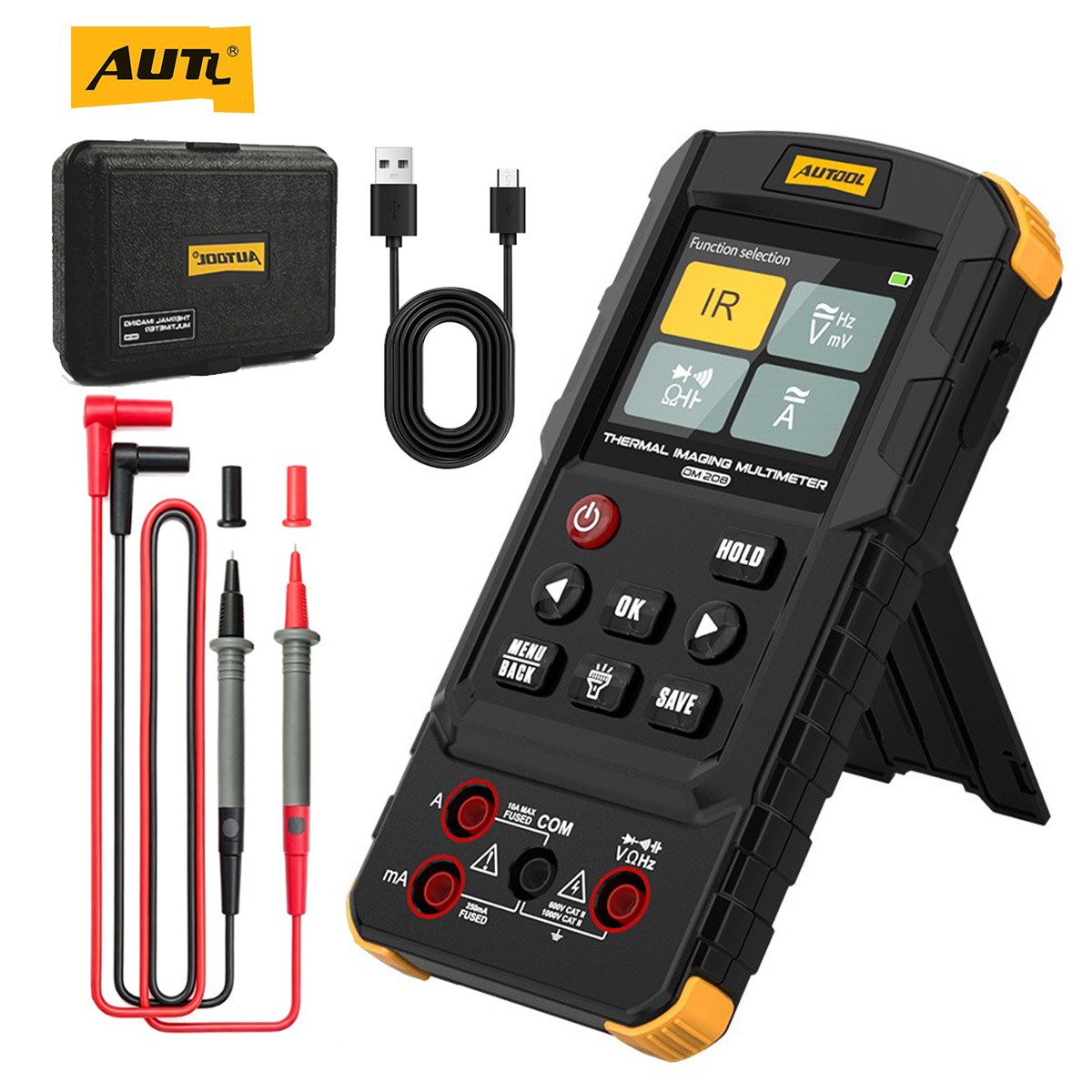 Thermal Imaging Camera 2 in 1 Digital Multimeter 25000count for Car Industrial$149.97View on eBay
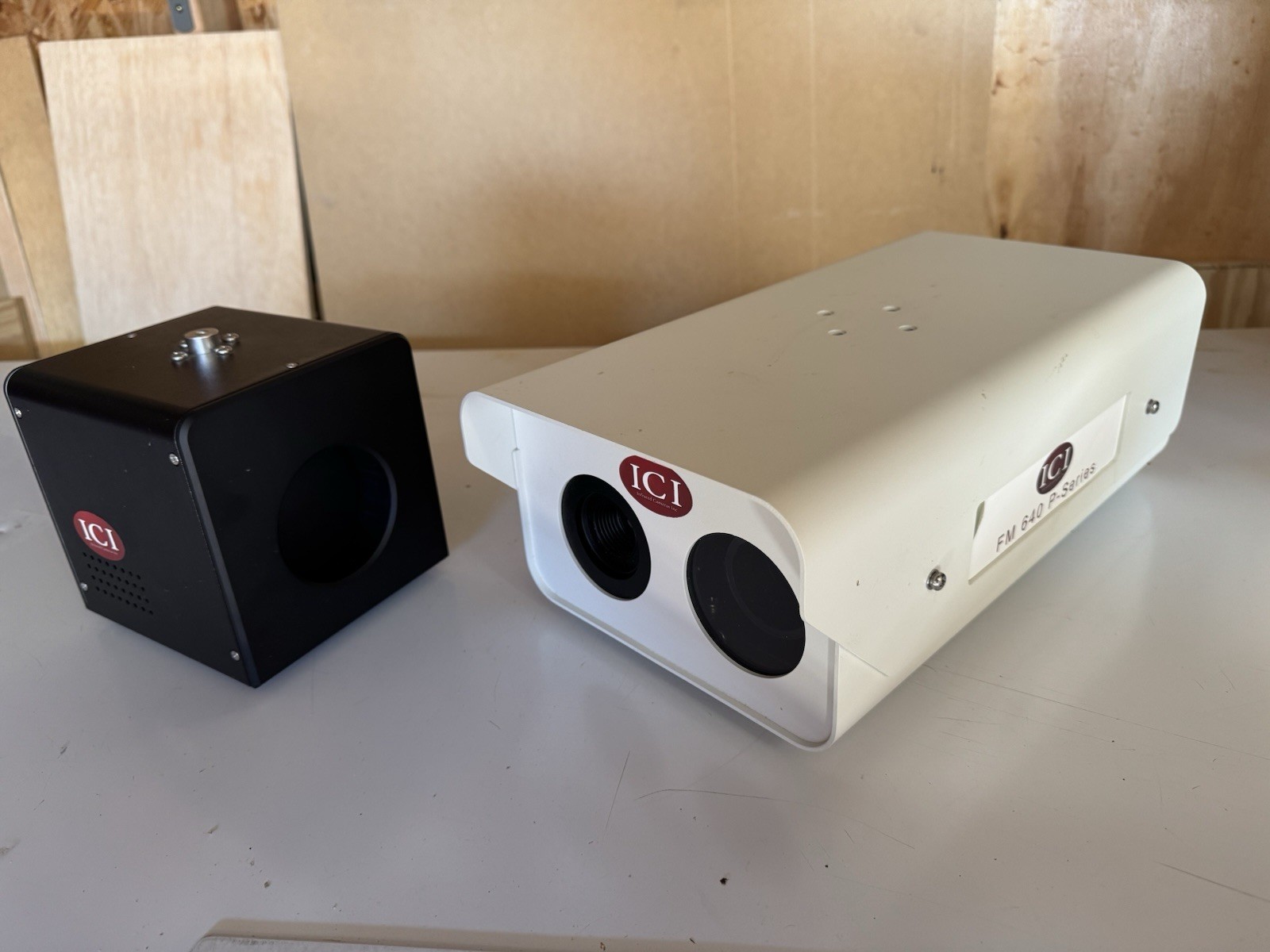 ICI FM640 P-Series Thermal Camera - Camera Only 230$ OBO$205.00Used · Last checked Nov 24, 2026View on eBay
Highlights
- Native IR resolution (e.g., 160×120, 256×192, 320×240, 640×480) determines how small a hot spot you can resolve; display resolution is upscaled and does not add detail.
- NETD (noise-equivalent temperature difference) of ≤50 mK separates usable diagnostic scanners from toy-grade units; ≤40 mK is preferred for building and electrical work.
- Microbolometer detectors (amorphous silicon or VOx) are the durable standard; older pyroelectric or thermopile-array sensors are slow and unsuitable for scanning.
- Temperature accuracy of ±2°C or ±2% of reading is the baseline for diagnostic credibility; wider tolerances mean readings are indicative only.
Best use cases
- Electrical and panel inspection: choose a scanner with at least 256×192 native resolution, ≤50 mK NETD, and a laser pointer for locating the exact anomaly—skip 80×60 entry units that blur breaker-level hotspots.
- Building envelope and HVAC diagnostics: pick a model with 320×240 or higher, manual focus, and a wide temperature range down to -20°C; skip fixed-focus toy units that cannot resolve studs or duct leaks at distance.
- Outdoor and wildlife scanning: select a monocular-style scanner with ≥256×192 resolution, ≥25 Hz refresh, and long detection range; skip smartphone dongles with low frame rates that smear moving heat signatures.
- PCB and small-component inspection: use a close-focus macro-capable scanner with ≤40 mK NETD and high native resolution; a low-resolution fixed-focus scanner will merge adjacent components into one blob.
Buying tips
- Resolution rule: for electrical panels and small components, target at least 256×192 native pixels; for building-wide surveys, 320×240 or 640×480 pays back in fewer missed anomalies.
- NETD threshold: only consider units rated ≤50 mK; below 40 mK is required for subtle building-envelope and moisture-detection work.
- Lens and focus matter: manual focus beats fixed focus for anything beyond arm's length; a fixed-focus scanner is only acceptable for close-range electrical checks.
- Refresh rate: 25 Hz or higher for handheld scanning and moving targets; 9 Hz export-limited models are fine for static inspection but smear motion.
Specs
| Native IR Resolution | 160×120 / 256×192 / 320×240 / 640×480 |
|---|---|
| Thermal Sensitivity (NETD) | ≤50 mK diagnostic; ≤40 mK preferred |
| Focus Type | Fixed-focus vs manual focus |
| Temperature Accuracy | ±2°C or ±2% of reading |
Related searches
What to check before buying
- Confirm the native IR resolution and NETD printed in the spec sheet—not the display resolution—before comparing models.
- Check the temperature measurement range covers your target: electrical panels often exceed 150°C, while building diagnostics need sub-zero capability.
- Verify the focus type (fixed vs manual) and minimum focus distance for your closest inspection target.
- Confirm battery type and runtime, plus whether the unit supports USB-C charging or uses proprietary packs.
FAQ
Data sources: eBay / Amazon listings and product attribute feeds. Updated Nov 28, 2026.
Some links on this page are affiliate links. If you buy after clicking one, we may earn a commission at no extra cost to you. This does not change which products appear here or their order. Affiliate disclosure.