Clay Adams Dynac 0101 vs Segawe Desktop 800-1: Used Swing-Bucket or New Budget Centrifuge?
Need a low-speed lab centrifuge? Compare the used Clay Adams Dynac 0101 with swing-out rotor against the new Segawe Desktop 800-1 at 4000 RPM, and decide which fits your bench.
Last updated Oct 7, 2026
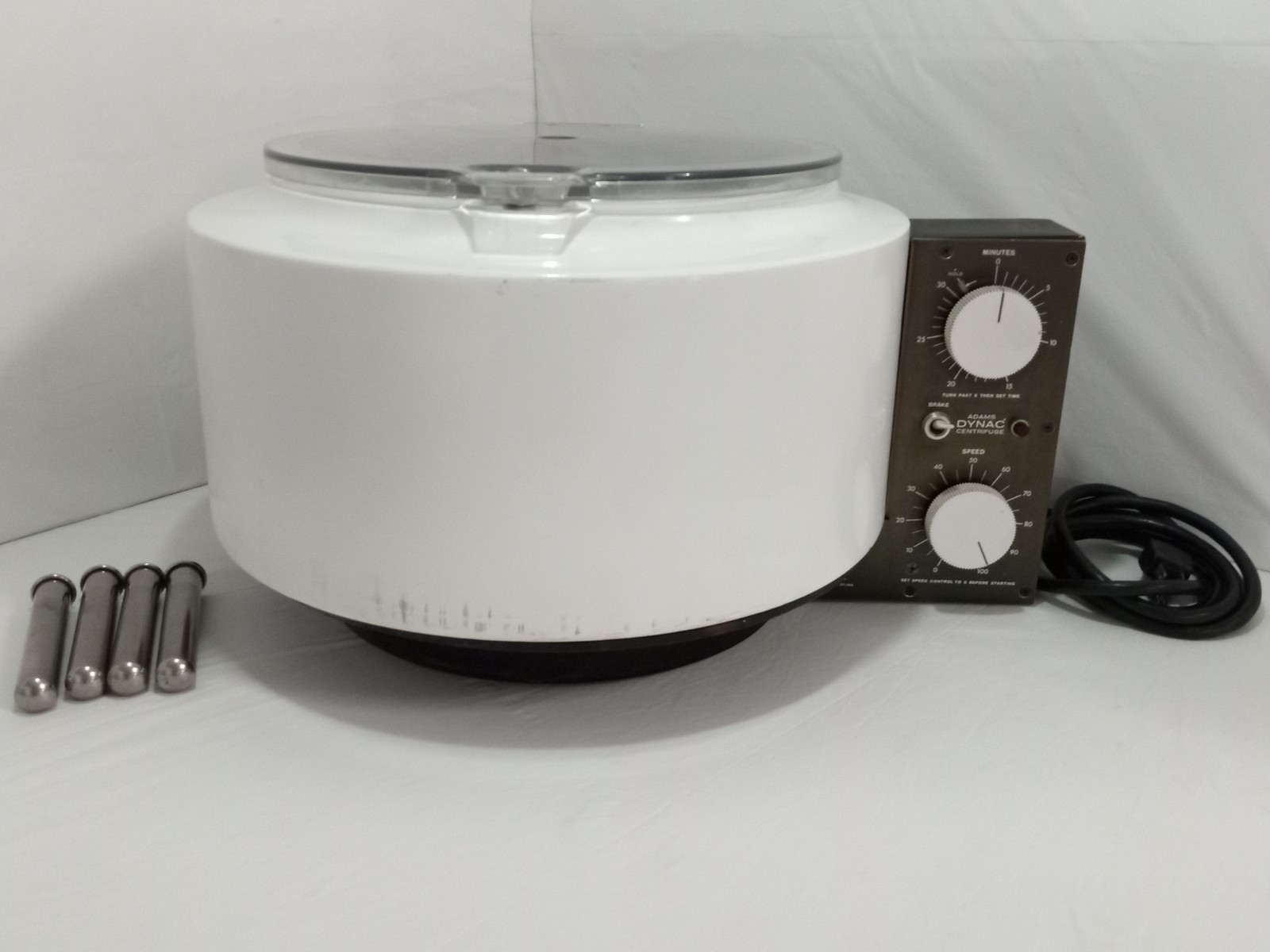
Clay Adams Dynac 0101 Centrifuge 4 Place Swing Out Rotor/Holders ***$35 SHIPPING
$99.99Listed at review time
Affiliate disclosure: We may earn a commission if you buy through links on this page, at no extra cost to you. Confirm live price, stock, and return terms on the seller page. Affiliate disclosure.
For anyone setting up a low-speed centrifuge for routine lab work, the decision often comes down to a classic trade: a used swing-bucket unit with accessories versus a brand-new budget machine with a clean slate. The Clay Adams Dynac 0101 and the Segawe Desktop 800-1 represent those two paths, and the right pick depends on whether you need a flexible rotor or a fresh start.
Quick verdict
If you need to spin several tubes at once and want the option of a balanced single-tube run, the used Clay Adams Dynac 0101 is the better fit. If you prefer a new unit with a timer and a lower price, the Segawe Desktop 800-1 is the sensible choice. The price difference works out to roughly $44, which is meaningful when you're equipping a small lab.
At a glance
| Feature | Clay Adams Dynac 0101 | Segawe Desktop 800-1 |
|---|---|---|
| Price | USD 99.99 | USD 56.19 |
| Condition | Used | New |
| Intended use | Biological laboratory | Medical laboratory |
| Speed type | Low speed | Low speed |
| Timer | Yes | Yes |
Where each model wins
- Clay Adams Dynac 0101 wins when you need a swing-out rotor with four places and a counterweight for odd tube runs. It also brings a biological-lab orientation and controls that the seller says work.
- Segawe Desktop 800-1 wins for budget and peace of mind. It's new, carries a 4000 RPM rating, and includes a timer, so there's no previous-owner wear to worry about.
Product notes
Clay Adams Dynac 0101
This centrifuge earns its place when your work involves multiple tubes or a single tube that needs balancing. The 4-place swing-out rotor holds up to four samples horizontally as they spin, and the included counterweight lets you process one tube without a custom balance. The seller reports that the unit has been tested, with speed and timer controls working as designed. The trade-offs are real: the listing notes it's missing the locking mechanism and is marked "Adults Only," and it shows signs of normal use. For a biological lab that's comfortable with a used instrument and can manage the missing lock, the swing-bucket design and counterweight make this the more versatile centrifuge.
Segawe Desktop 800-1
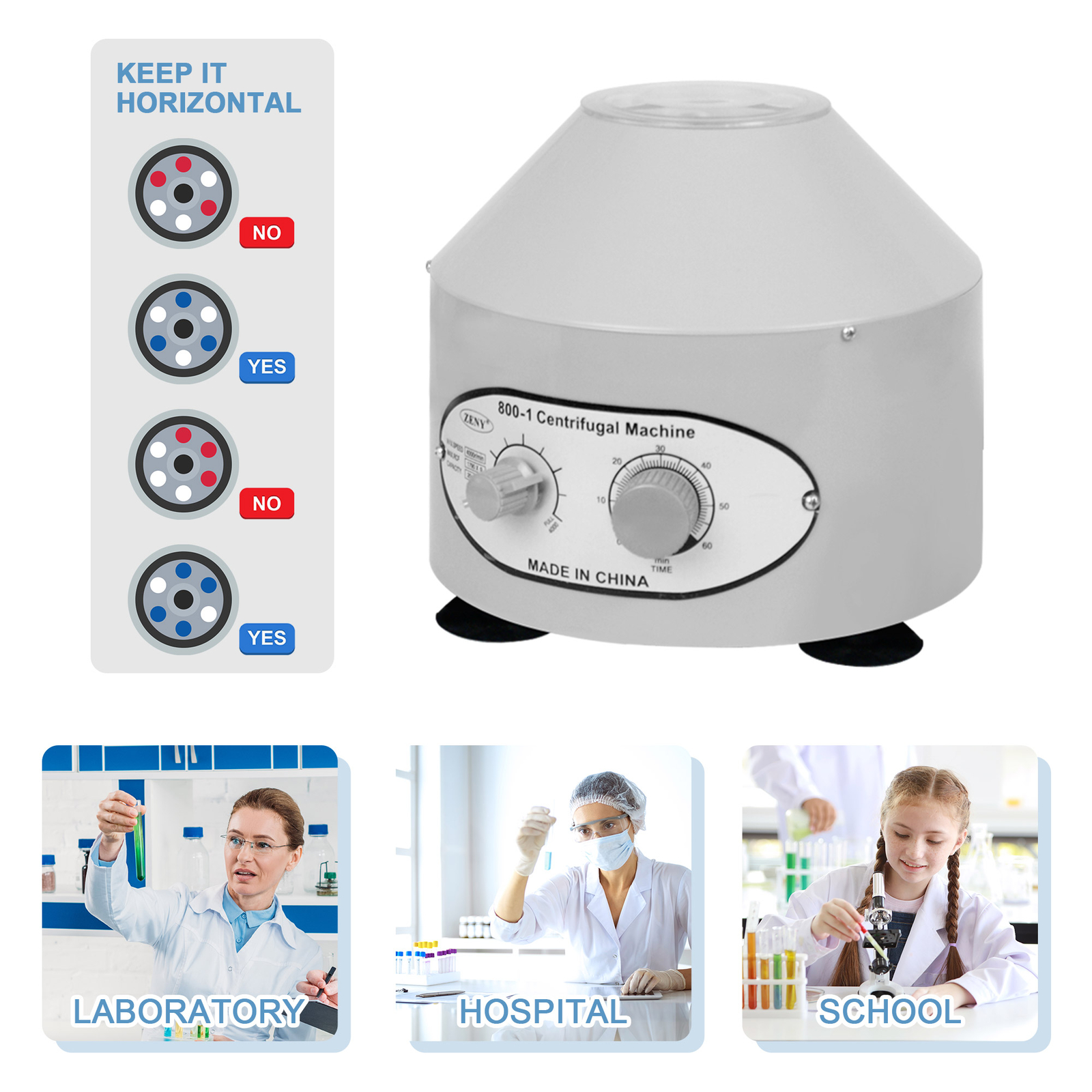
If you want a centrifuge that arrives new, with no wear and no caveats about missing parts, the Segawe Desktop 800-1 is a straightforward choice. It is labeled for medical laboratory use and spins at 4000 RPM, with a timer built into the control. As a desktop machine, it fits neatly on a bench, and the description focuses on separating suspensions, emulsions, and solid particles from liquids, which covers a wide range of routine tasks. Its limitation is speed: at 4000 RPM, it's a low-speed machine, so it isn't meant for high-g-force separations. For everyday clinical-style work, that's usually enough.
Final choice by use case
Choose the Clay Adams Dynac 0101 when you need swing-out flexibility, a counterweight for single-tube spins, and you can work around the missing locking mechanism. Choose the Segawe Desktop 800-1 when you want a new, low-speed centrifuge with a timer for routine medical-laboratory separations. For most basic pelleting and clarity work, the Segawe covers the essentials at the lower cost; for a more adaptable rotor setup, the Dynac is the workhorse.