
Photos from current listings. Actual item, color, and included accessories may vary.
Lab Centrifuge Machine Buying Guide
A lab centrifuge machine separates liquids and solids by density using centrifugal force, defined by rotor capacity, speed, and control precision. The core trade-off is between fixed-speed, low-capacity benchtop units and variable-speed models with interchangeable rotors and safety interlocks. Buy a variable-speed unit with a brushless motor and sealed rotor for repeatable separations; skip single-speed, unsealed units unless your protocol is fixed and non-hazardous.
Median $153.82 · New listings
Key takeaways
- Rotor capacity and tube format are the primary constraints: 6×15/20 mL or 8×15 mL swing-out rotors handle standard blood/urine tubes, while 8×50 mL fixed-angle rotors suit larger-volume separations.
- Speed range and control matter more than top RPM: variable-speed models with digital timers and slow-start/slow-stop ramps prevent pellet resuspension and sample loss.
- Safety and durability hinge on the lid interlock and rotor material: sealed lids with automatic cut-off when opened and aluminum or autoclavable rotors resist corrosion and aerosol release.
At a glance
- Category
- Centrifuges, Mixers & Shakers
- Last updated
- Nov 28, 2026
Current offers
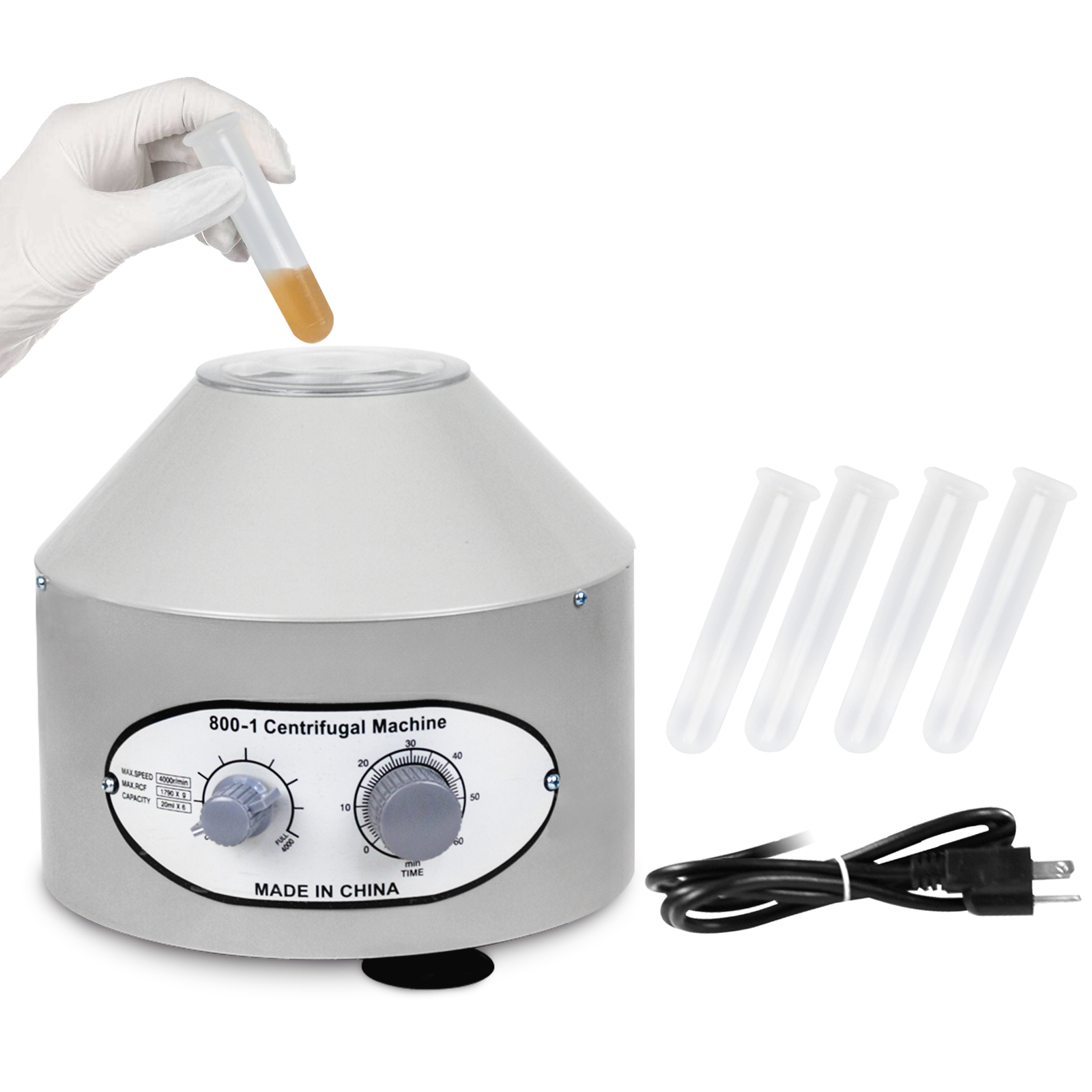 Portable Centrifuge Machine Desktop Lab Centrifuge 4000RPM w/Timer Speed Control$56.19Last checked Nov 27, 2026View on eBay
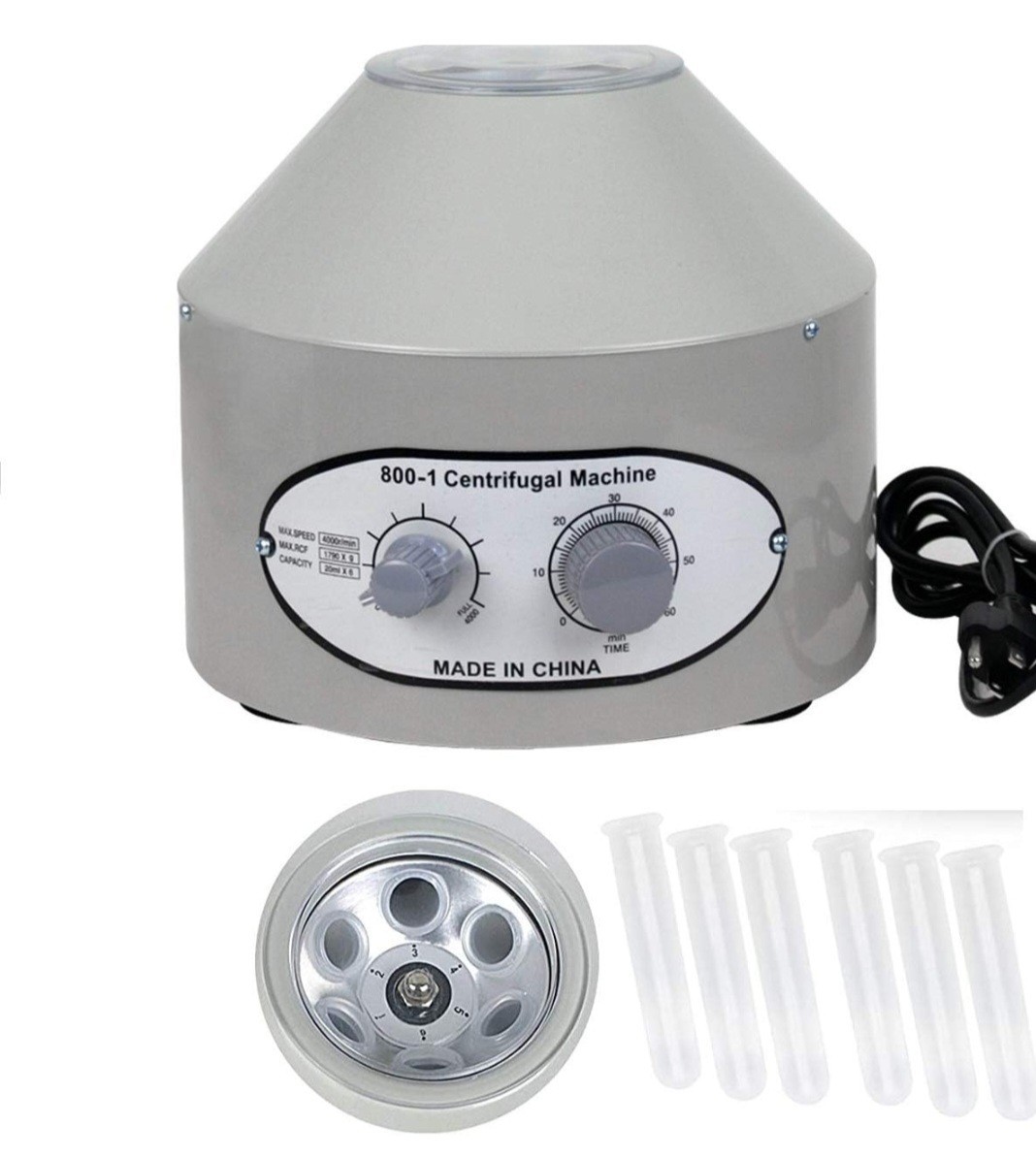 Desktop Electric Lab Laboratory Centrifuge Machine Lab Medical Practice w/Timer$60.00Last checked Nov 27, 2026View on eBay
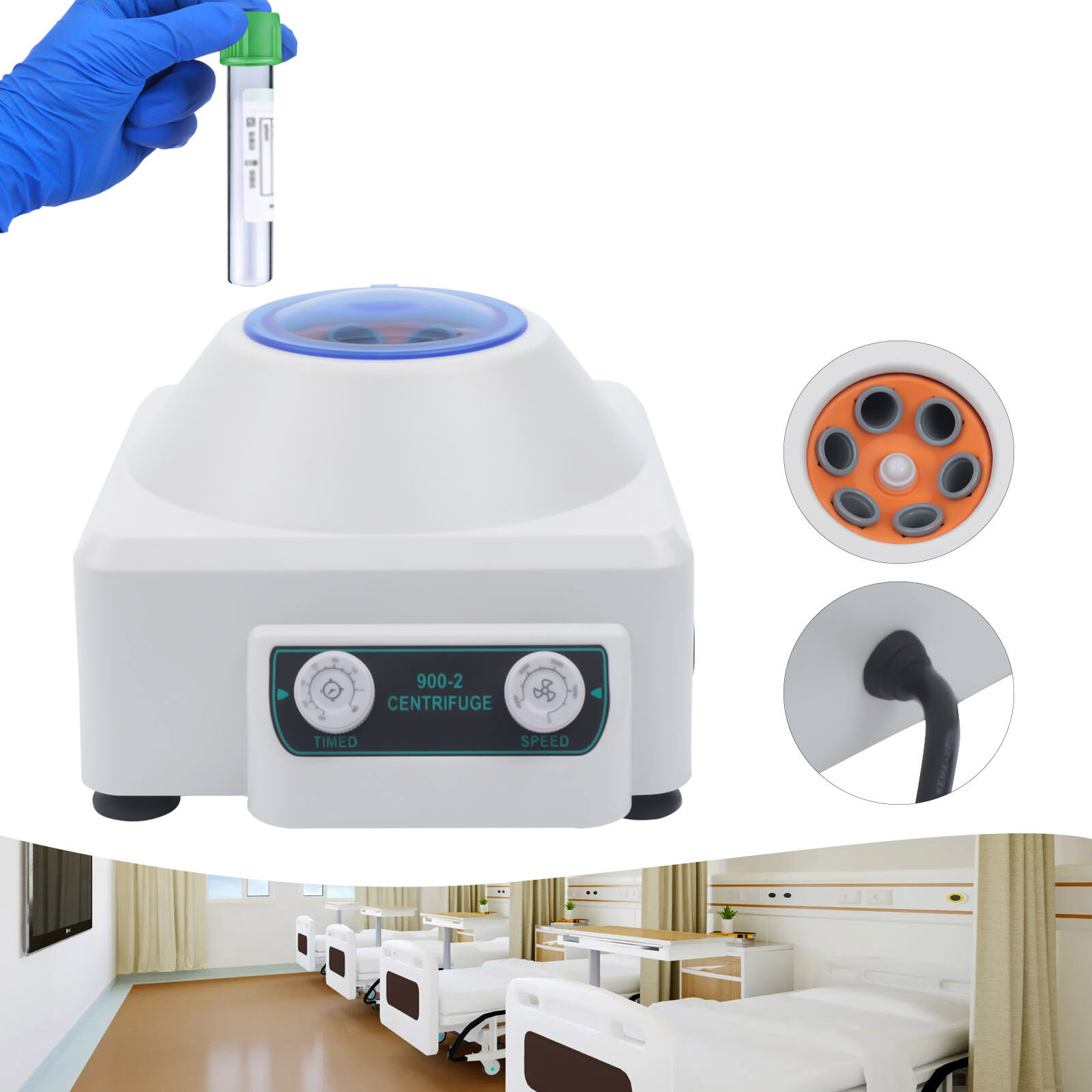 Portable Medical Lab Centrifuge Electric PRP Centrifuge Machine 4000rpm 6x20ml$69.44View on eBay
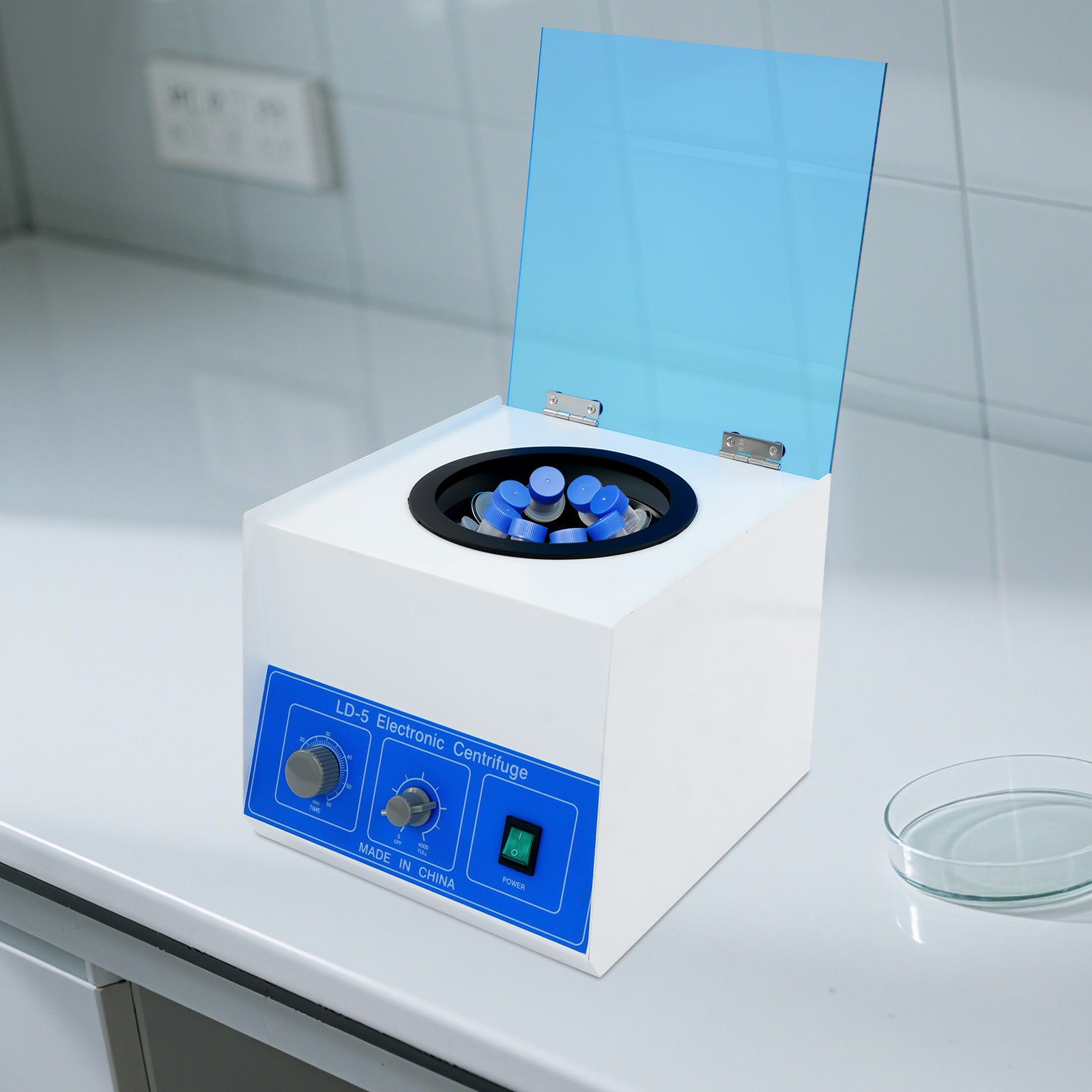 50 ml × 8 Electric Centrifuge Medical Lab Benchtop Centrifugal Separator Machine$153.82View on eBay
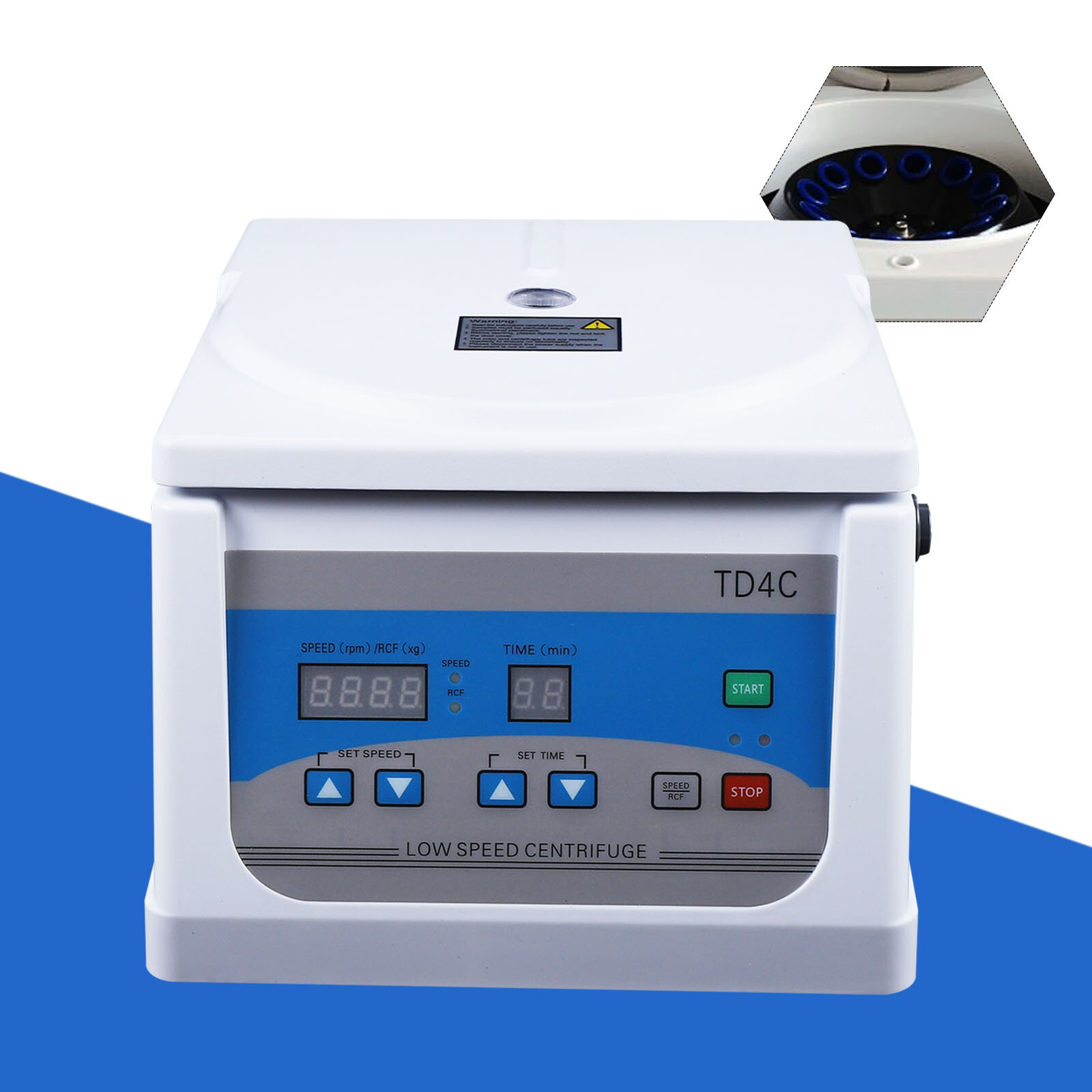 8*15ml Medical Beauty PRP Lab Blood Centrifuge Machine 110V Low Speed Centrifuge$178.32View on eBay
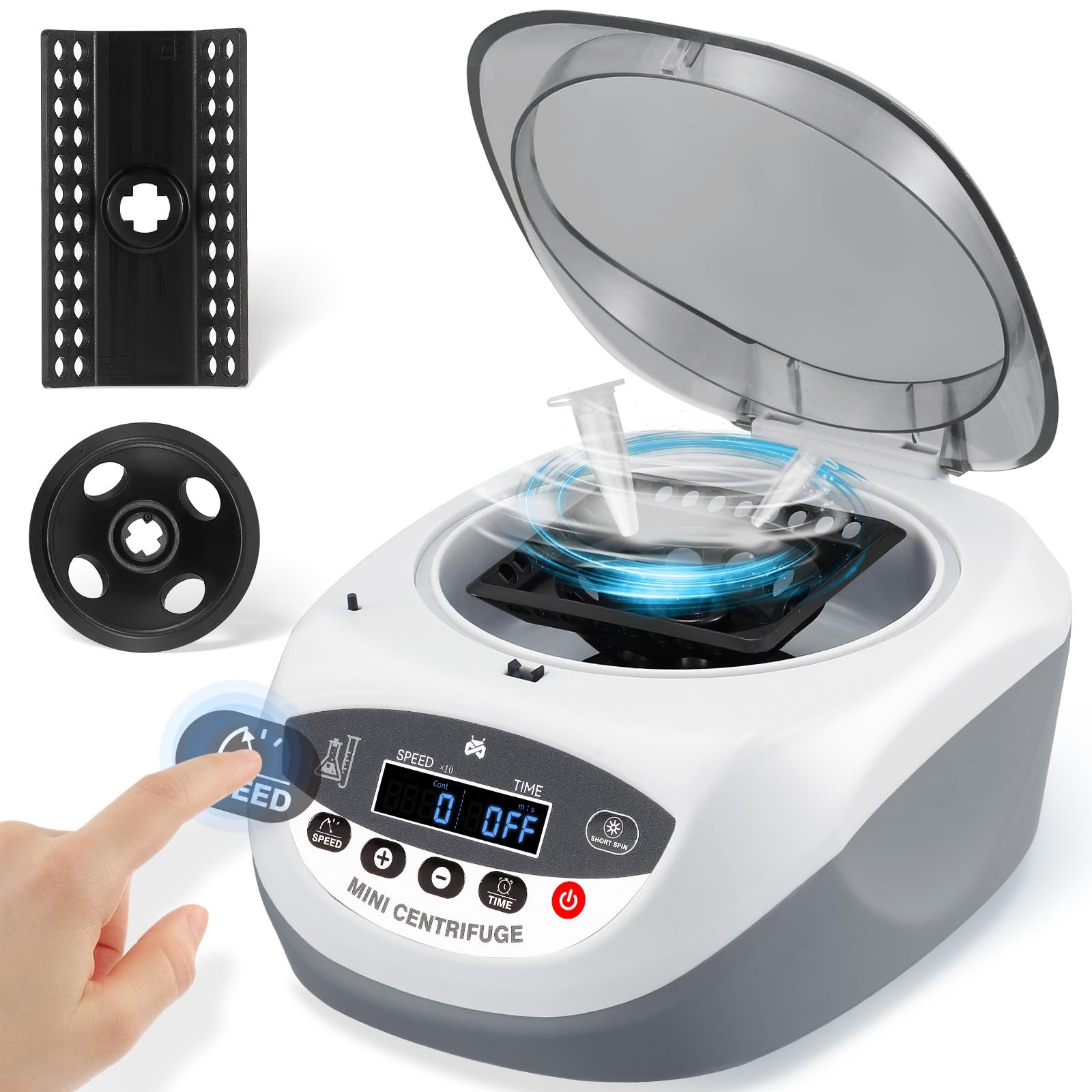 Mini Centrifuge Machine, 12000RPM Lab Benchtop PCR Centrifuges$232.65New · Last checked Nov 26, 2026View on eBay
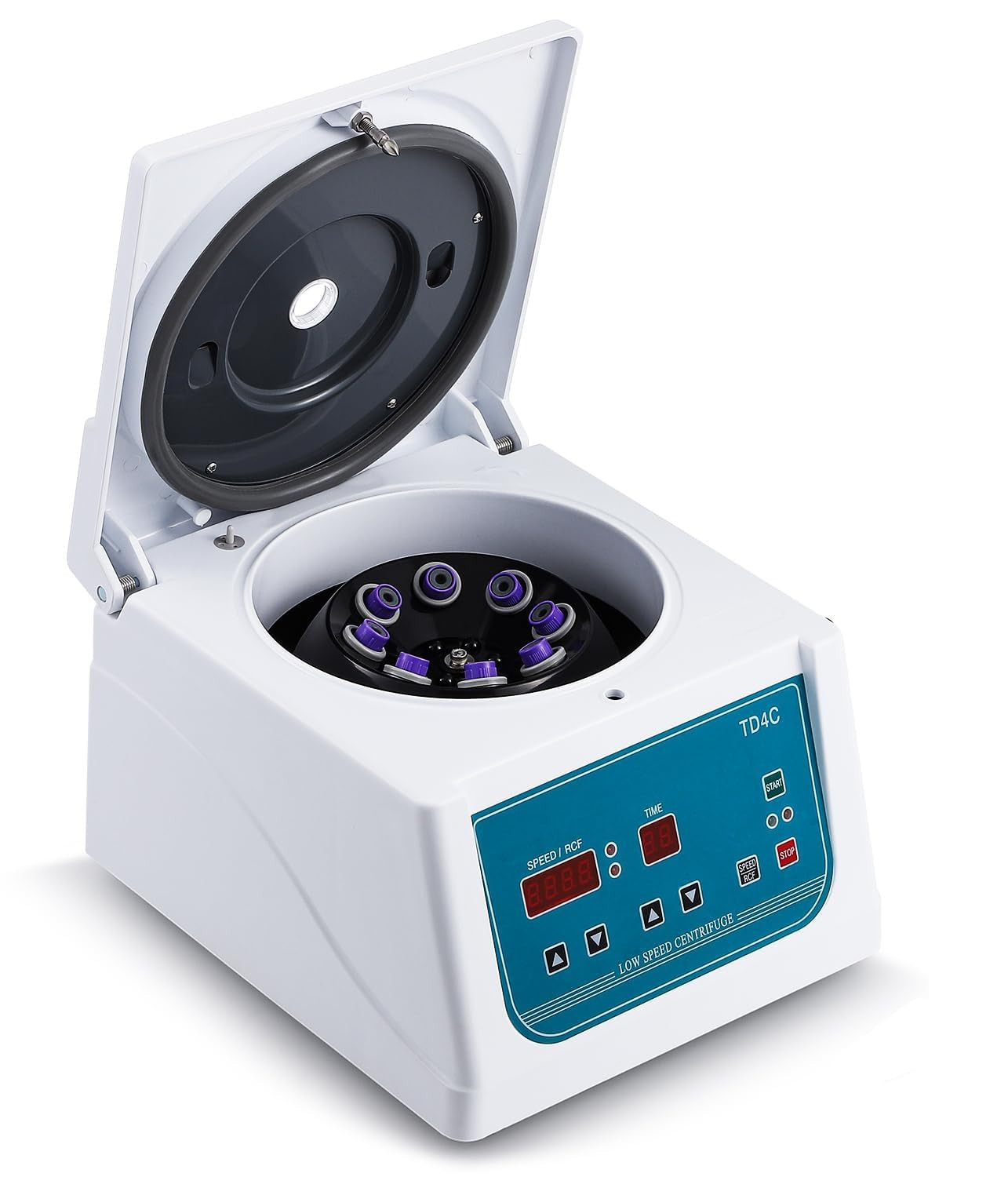 Centrifuge Machine Lab PRP Benchtop Centrifuge 100-4000RPM Low Sp...$419.99New · Last checked Nov 26, 2026View on eBay
Highlights
- Rotor capacity and tube format are the primary constraints: 6×15/20 mL or 8×15 mL swing-out rotors handle standard blood/urine tubes, while 8×50 mL fixed-angle rotors suit larger-volume separations.
- Speed range and control matter more than top RPM: variable-speed models with digital timers and slow-start/slow-stop ramps prevent pellet resuspension and sample loss.
- Safety and durability hinge on the lid interlock and rotor material: sealed lids with automatic cut-off when opened and aluminum or autoclavable rotors resist corrosion and aerosol release.
- Motor type determines longevity and noise: brushless DC motors run cooler and quieter with longer service life than brushed AC motors, which require brush replacement.
Best use cases
- Best fit: clinical or PRP workflows with 15 mL tubes — choose a variable-speed 6×15 mL or 8×15 mL swing-out unit with a sealed lid and timer; skip fixed-speed models that cannot ramp down gently.
- Best fit: high-throughput micro-tube work — choose a microcentrifuge with a 6×1.5/2.0 mL rotor and speeds up to 10,000–13,000 RPM; a 4,000 RPM benchtop unit cannot pellet cellular debris.
- Wrong fit: hazardous or aerosol-prone samples — skip any unit without a sealed rotor or lid interlock; select a model with a fully enclosed, autoclavable rotor and aerosol-tight caps.
- Wrong fit: large-volume 50 mL separations — skip 6×15 mL units entirely; a 4×50 mL or 8×50 mL fixed-angle rotor at ≥4,000 RPM is the minimum for cell pelleting and serum separation.
Buying tips
- Match rotor capacity to your tube format: 6×15 mL covers most blood and urine tubes; 8×15 mL adds throughput; 4×50 mL or 8×50 mL is required for conical 50 mL tubes.
- Choose ≥4,000 RPM for routine clinical separations and ≥10,000 RPM for microcentrifuge work; verify the rotor is rated for that speed, since tube failure occurs above rotor limits.
- Prefer brushless DC motors with digital speed control and a 0–99 min timer over single-speed switched units; variable ramp control reduces sample disturbance.
- Check voltage and plug standard for your region: 110–120 V 60 Hz for North America, 220–240 V 50 Hz elsewhere; dual-voltage models avoid step-up transformers.
Specs
| Motor Type | Brushless DC vs brushed AC |
|---|---|
| Rotor Capacity | 6×15 mL to 8×50 mL |
| Speed Range | 4,000–13,000 RPM variable |
| Lid Safety | Interlock + sealed rotor |
Related searches
What to check before buying
- Measure your bench footprint and overhead clearance: benchtop units typically need 30–40 cm width and 25–35 cm height with the lid open; confirm the lid swing arc clears shelving.
- Confirm tube compatibility: rotor bore diameter and length must match your tube OD and height; 15 mL conical tubes are ~17 mm OD, 50 mL conical tubes ~30 mm OD.
- Verify electrical supply: match the unit's rated voltage and frequency to your outlet and confirm the plug type; use a grounded outlet and avoid extension cords.
- Plan for balance and accessories: tubes must be loaded symmetrically by weight; budget for compatible tube adapters or sleeves if using round-bottom or micro-tubes.
FAQ
Data sources: eBay / Amazon listings and product attribute feeds. Updated Nov 28, 2026.
Some links on this page are affiliate links. If you buy after clicking one, we may earn a commission at no extra cost to you. This does not change which products appear here or their order. Affiliate disclosure.