
Photos from current listings. Actual item, color, and included accessories may vary.
Centrifuge Buying Guide
A centrifuge separates liquids and solids by density using centrifugal force, and the key trade-off is between fixed-speed budget units and variable-speed, rotor-compatible models that handle multiple tube sizes and protocols. The decisive rule: choose a model whose rotor, speed (RPM/RCF), and tube capacity match your exact application; a cheap fixed-speed unit is fine for single-protocol use, but multi-application labs need adjustable speed and interchangeable rotors.
Median $273.90 · New & pre-owned listings
Key takeaways
- Rotor type determines tube compatibility: fixed-angle rotors suit 1.5/2 mL microtubes, swing-out or horizontal rotors are needed for 15/50 mL conical tubes and plate work.
- Speed must be compared as RCF (×g), not RPM: a mini centrifuge at 7,000 RPM may only produce 3,000 ×g, while larger benchtop units reach 4,000–15,000 ×g for cell pelleting.
- Capacity tiers: 6×20 mL and 8×50 mL models cover clinical/PRP workflows, while 0.2/1.5/2 mL 2-in-1 rotors are for molecular biology micro-samples.
At a glance
- Category
- Centrifuges, Mixers & Shakers
- Last updated
- Nov 28, 2026
Current offers
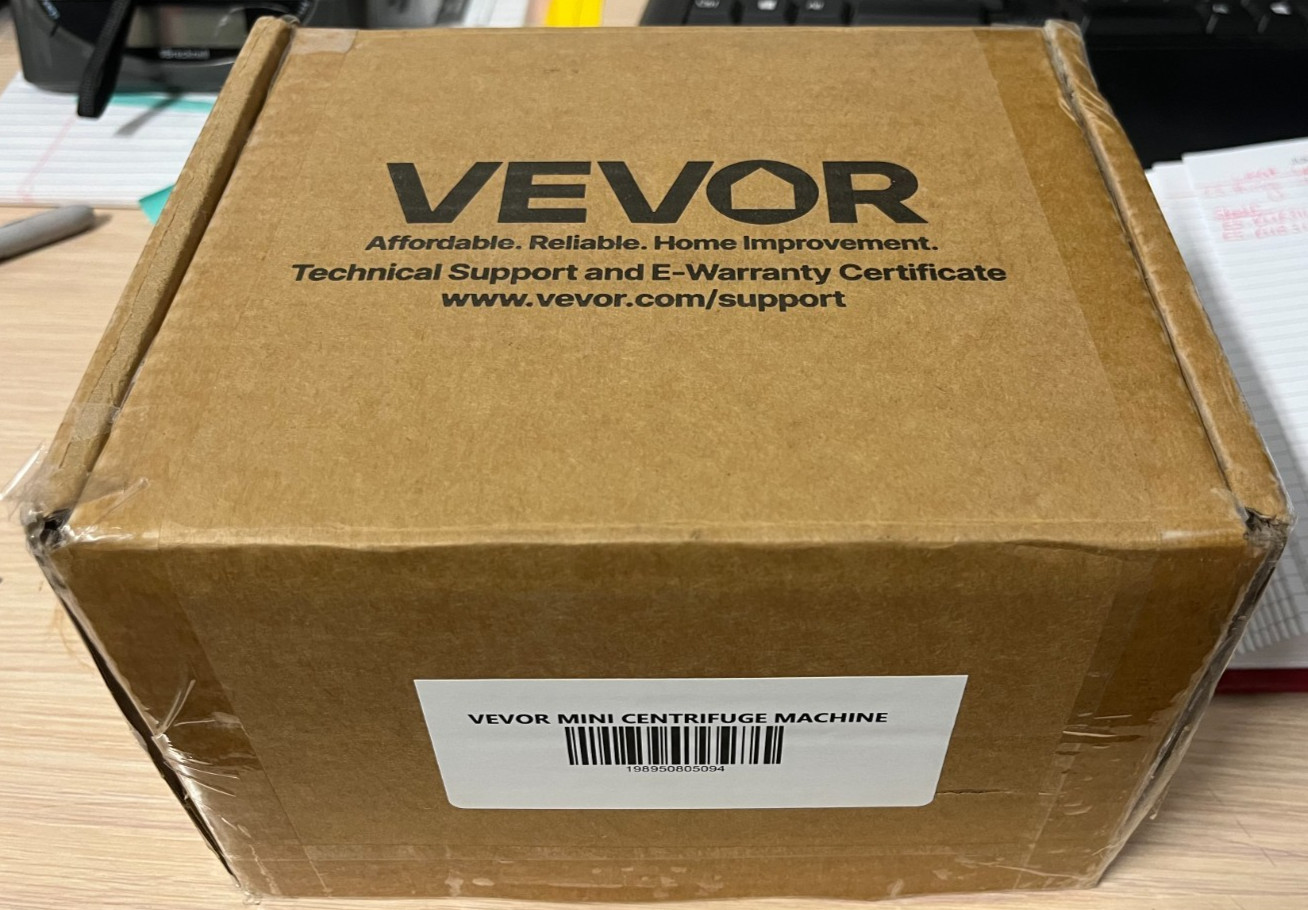 VEVOR Mini Centrifuge Machine, 3013xg RCF Electric Laboratory Centrifuge Machine$49.50Last checked Nov 27, 2026View on eBay
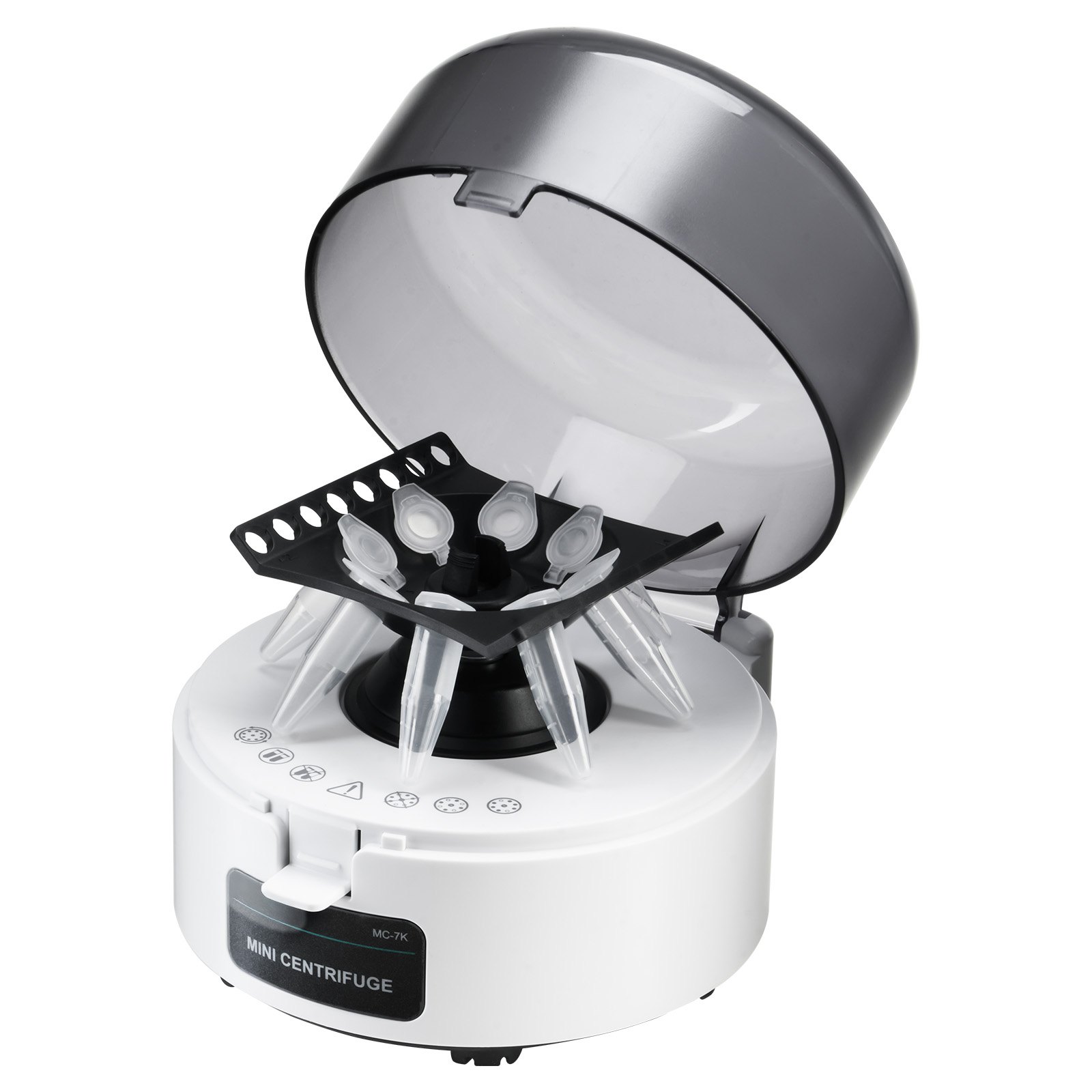 Mini Centrifuge Machine, 3013xg RCF Electric Laboratory With 2-in-1 Rotor For 0.2/1.5/2ml Tube Capacity, Fixed Speed 7000r/min, Low Noise, Widely Used In Various Experiments$75.99View on Mallflare
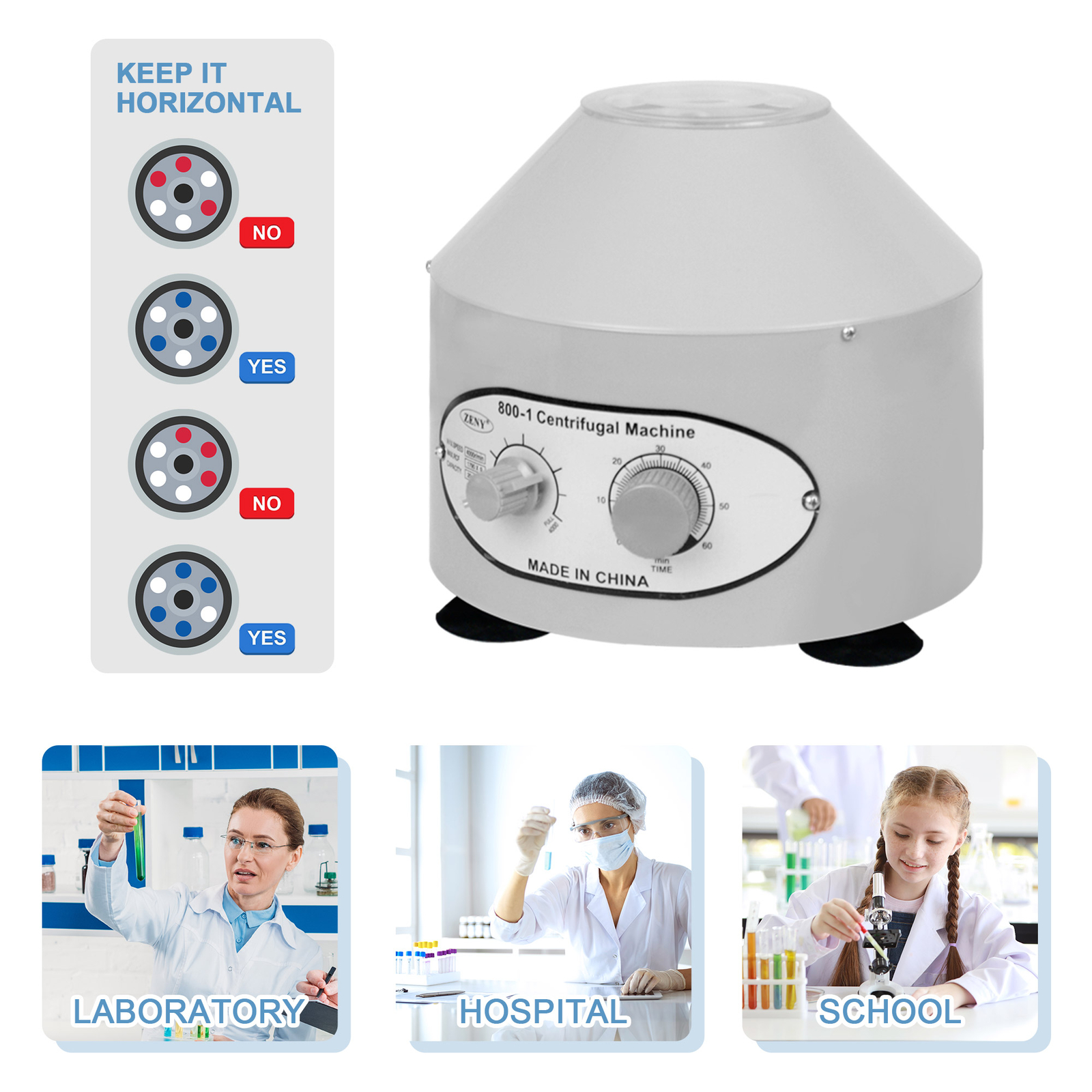 Desktop 800-1 Electric Centrifuge Machine 4000Rpm Laboratory Medical w/ Timer$56.19Last checked Nov 27, 2026View on eBay
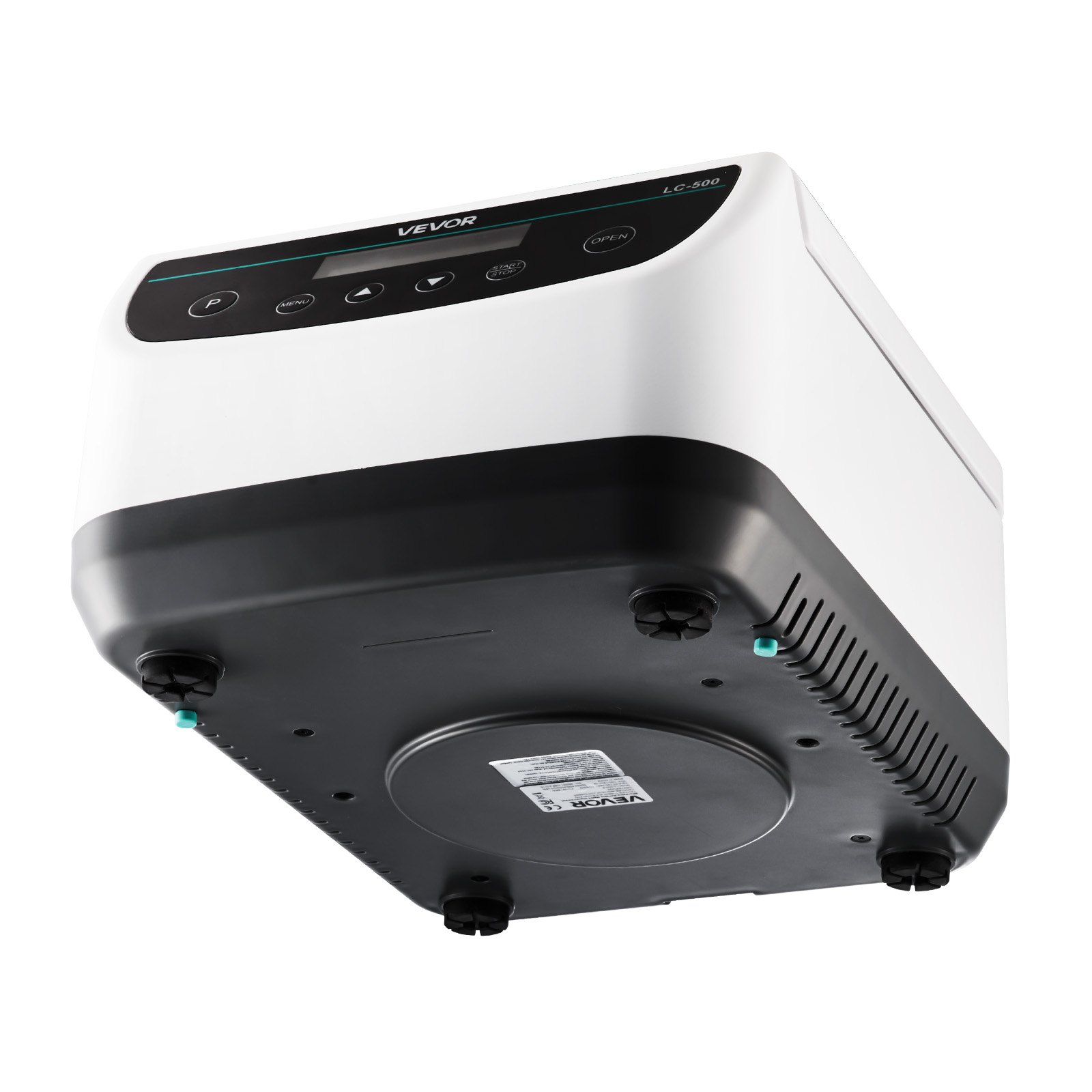 Centrifuge Machine, 100-1900xg RCF Electric Laboratory With 1 Rotor For 2/5/10/15ml Tube Capacity, Low Speed 500-4000rpm Timer, Widely Used In Various Experiments$332.99View on Mallflare
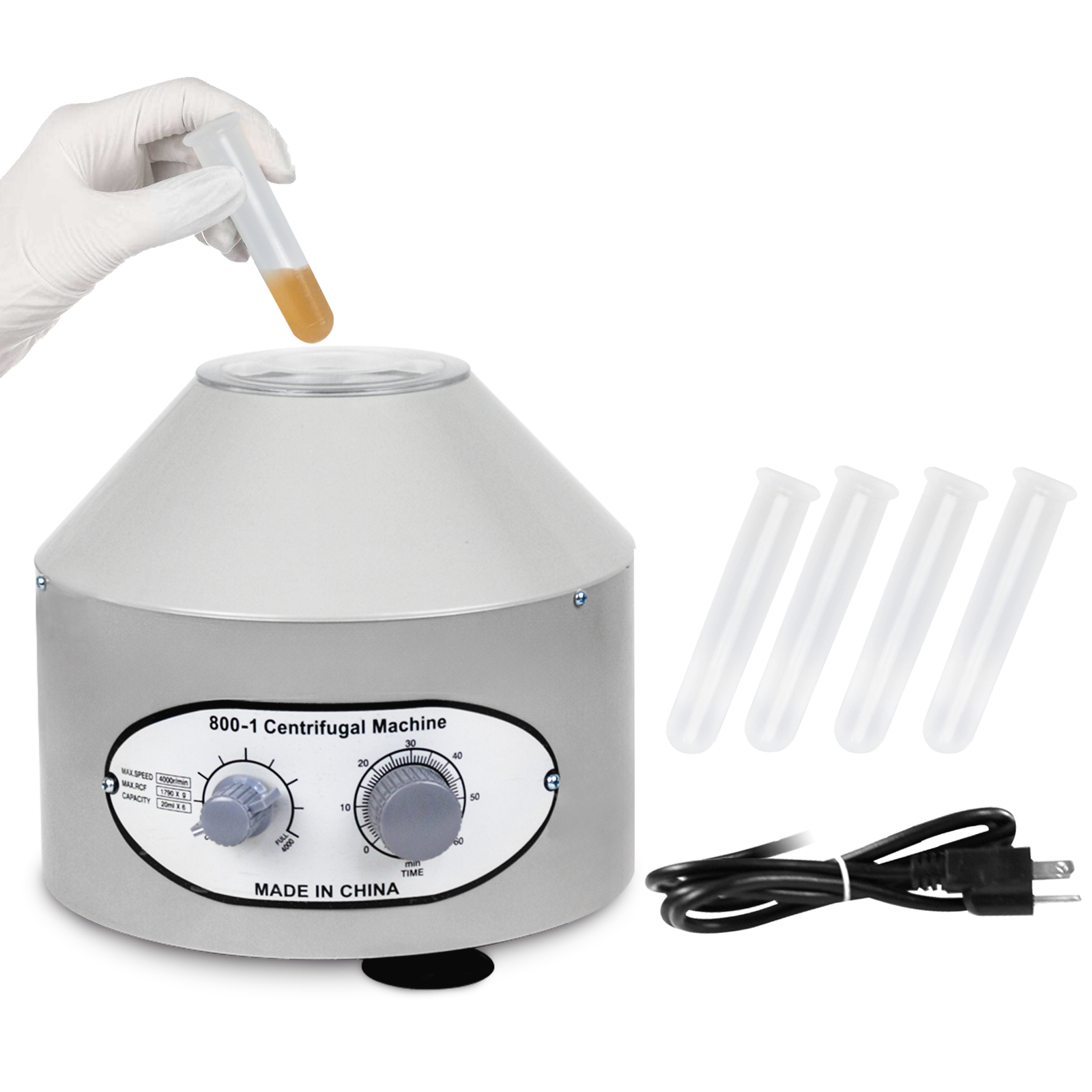 Portable Centrifuge Machine Desktop Lab Centrifuge 4000RPM w/Timer Speed Control$56.19Last checked Nov 27, 2026View on eBay
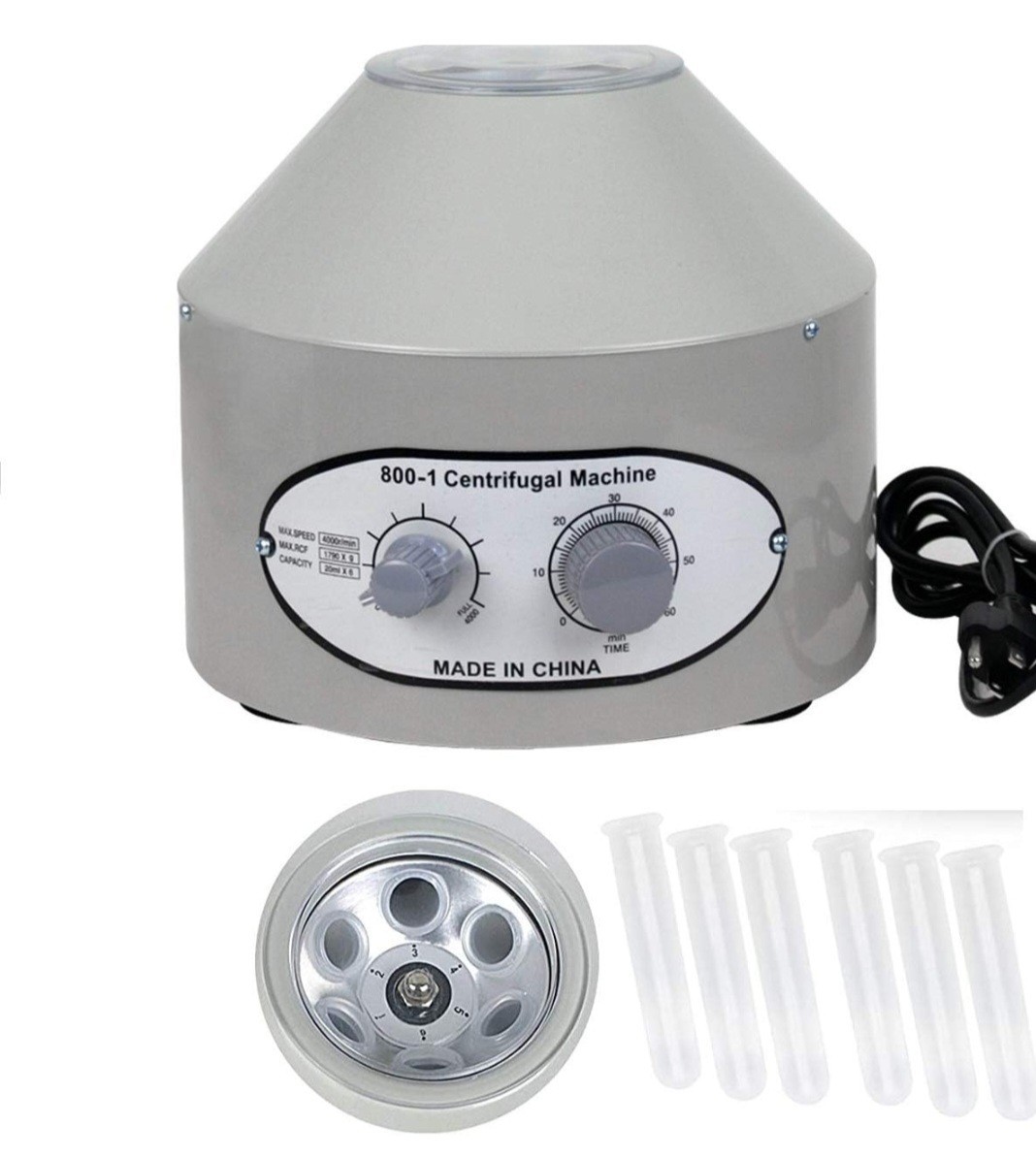 Desktop Electric Lab Laboratory Centrifuge Machine Lab Medical Practice w/Timer$60.00Last checked Nov 27, 2026View on eBay
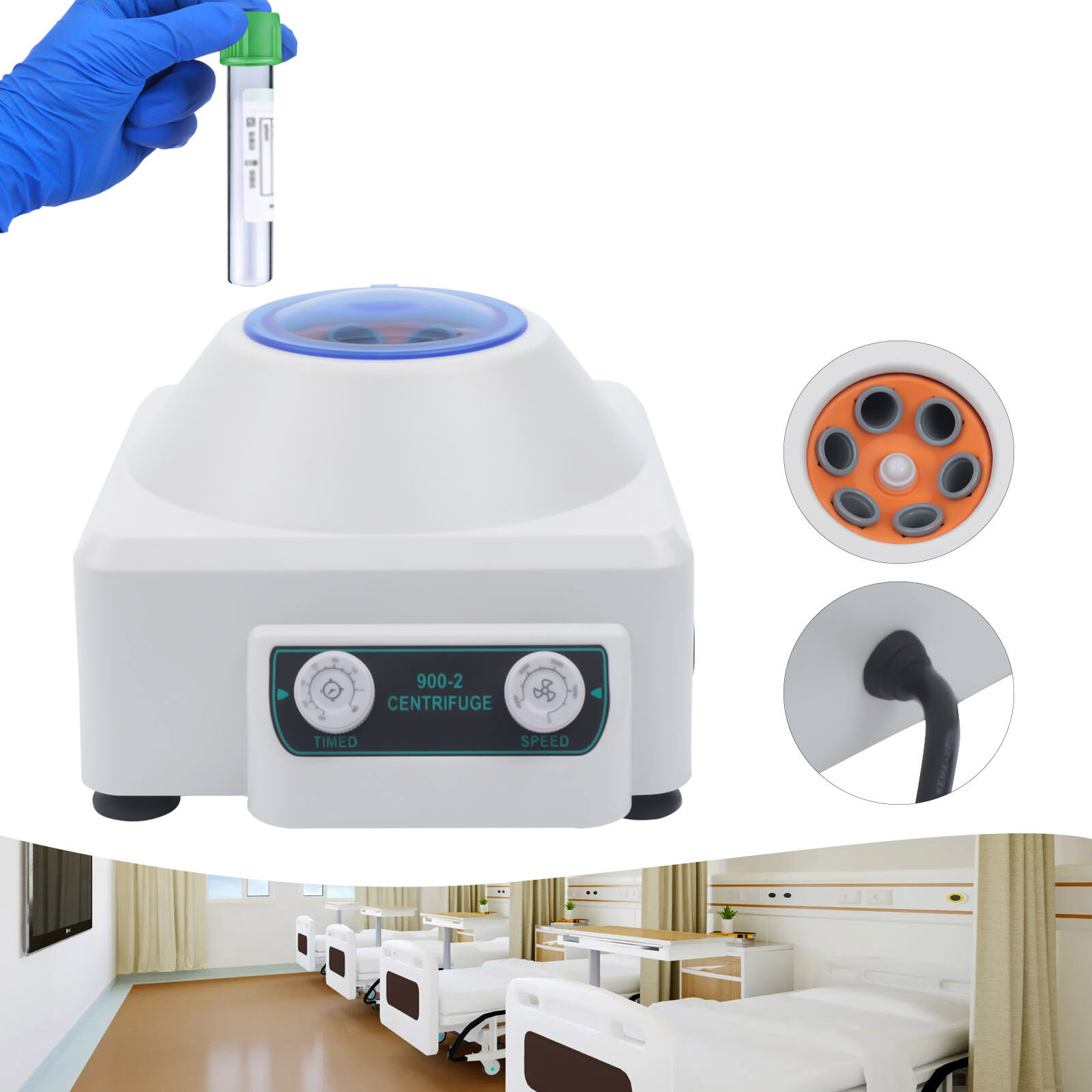 Portable Medical Lab Centrifuge Electric PRP Centrifuge Machine 4000rpm 6x20ml$69.44View on eBay
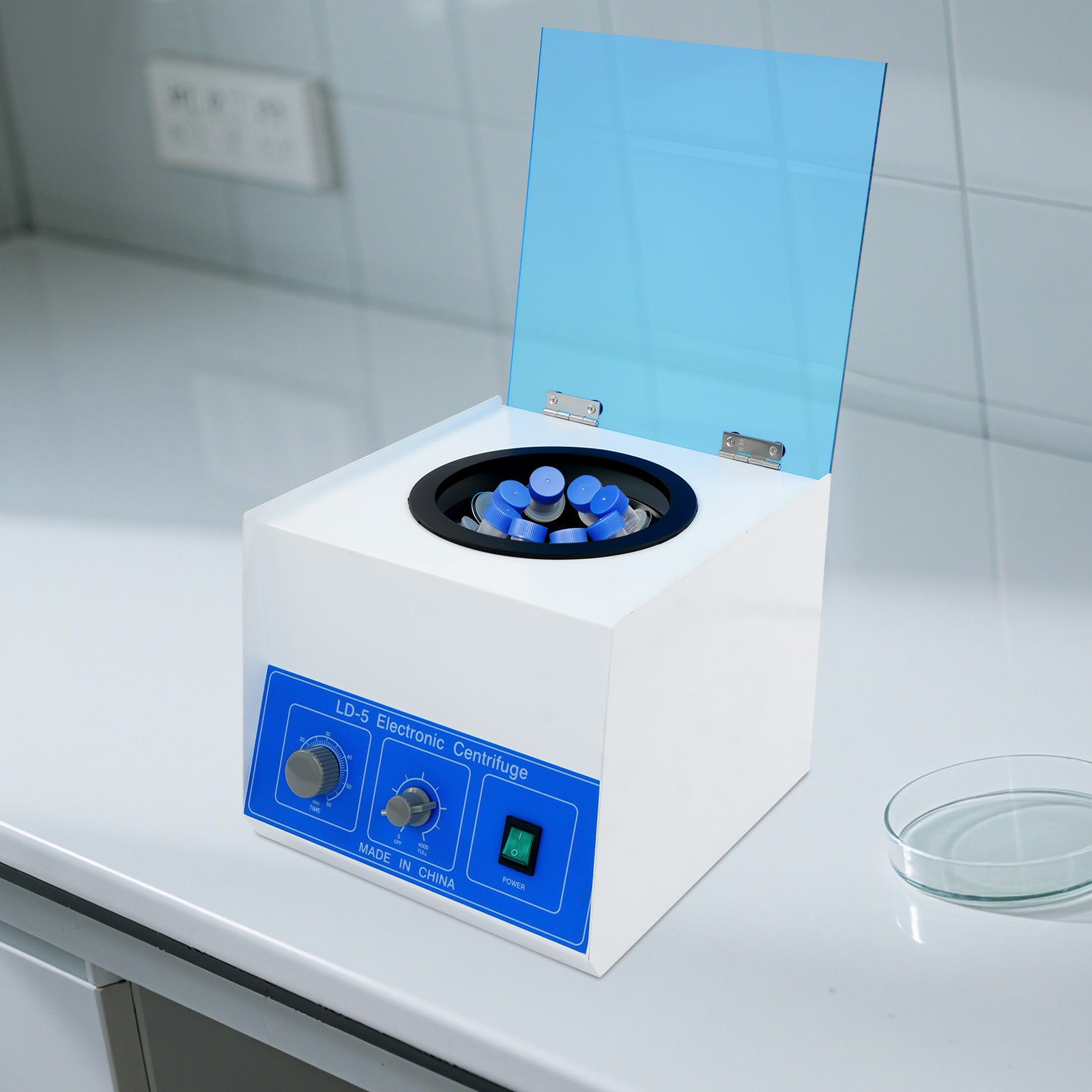 50 ml × 8 Electric Centrifuge Medical Lab Benchtop Centrifugal Separator Machine$153.82View on eBay
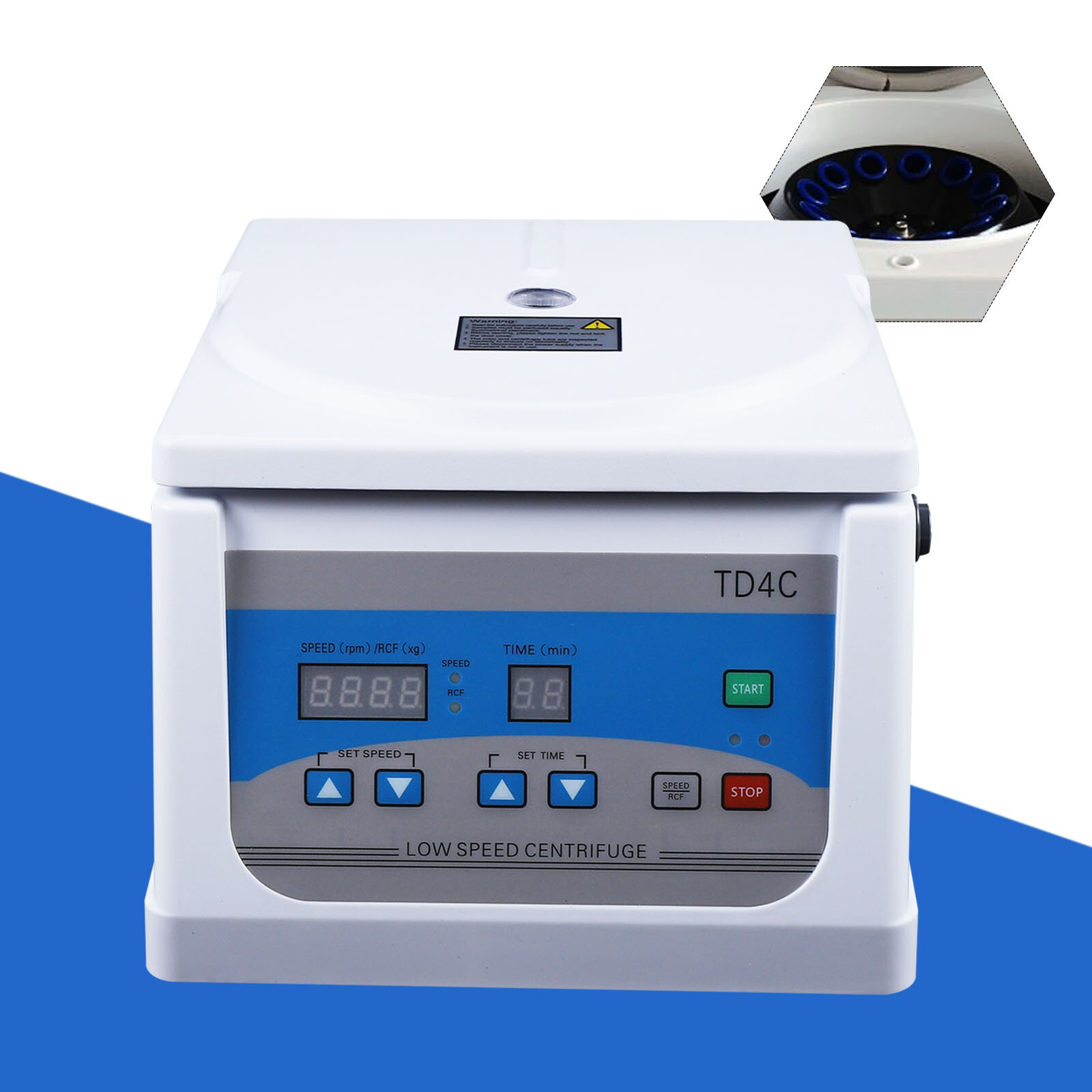 8*15ml Medical Beauty PRP Lab Blood Centrifuge Machine 110V Low Speed Centrifuge$178.32View on eBay
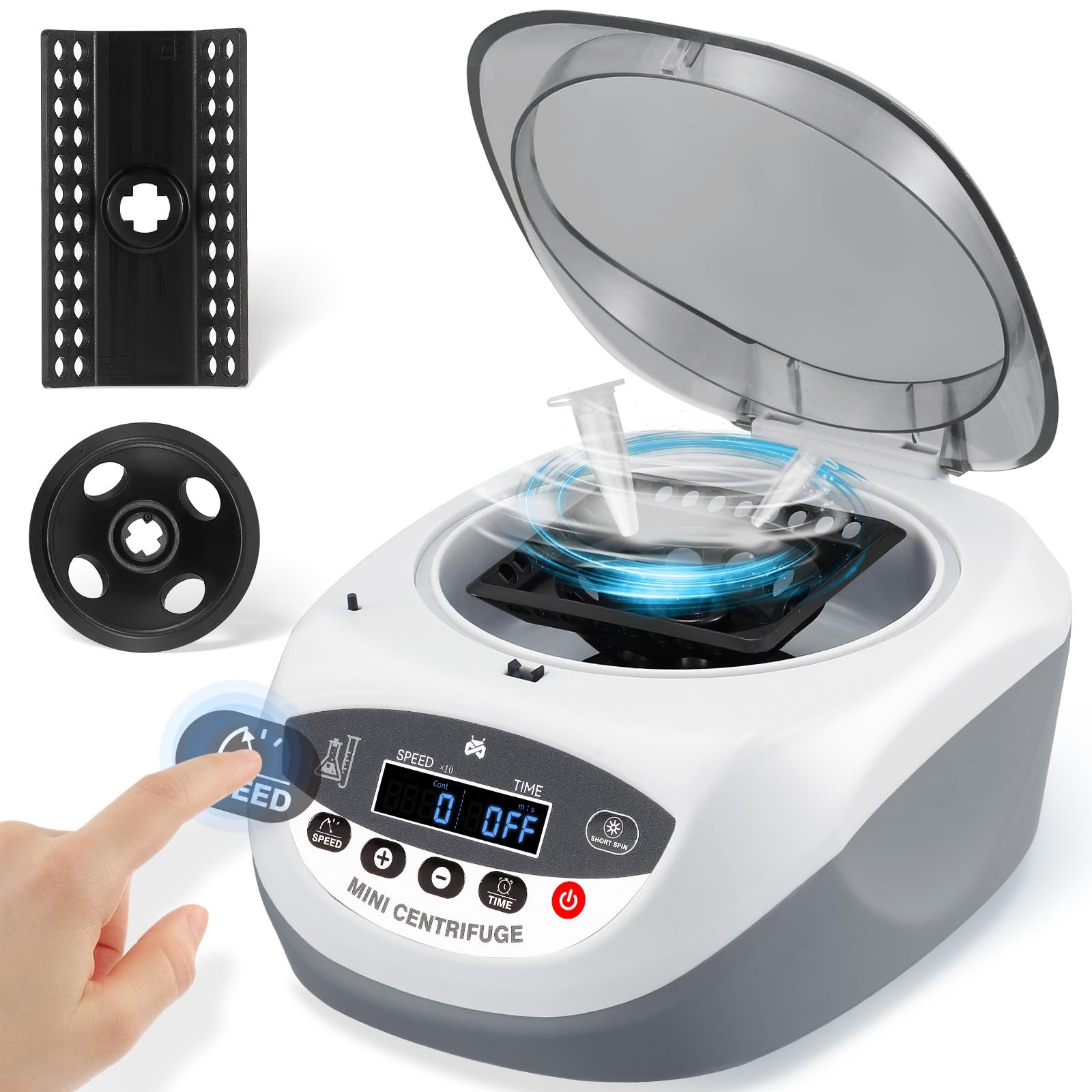 Mini Centrifuge Machine, 12000RPM Lab Benchtop PCR Centrifuges$232.65New · Last checked Nov 26, 2026View on eBay
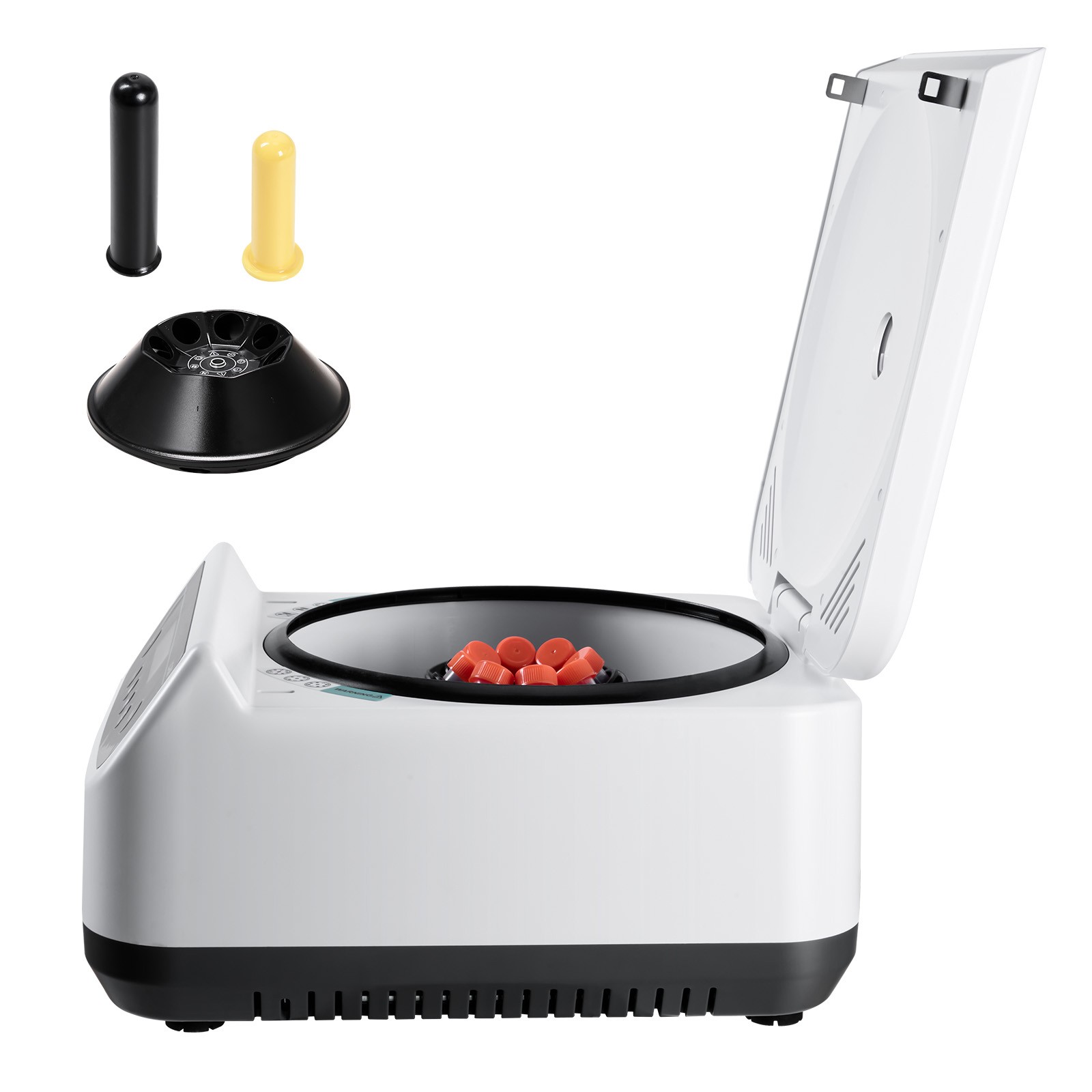 Uimoso Low-Speed Centrifuge Machine with Timer,2/5/10/15ml Capacity, 500-4000rpm$241.19New · Last checked Nov 26, 2026View on eBay
- Centrifuge Machine 2/5/10/15ml Low Speed 500-4000rpm with 1 Rotor and Timer$241.29New · Last checked Nov 26, 2026View on eBay
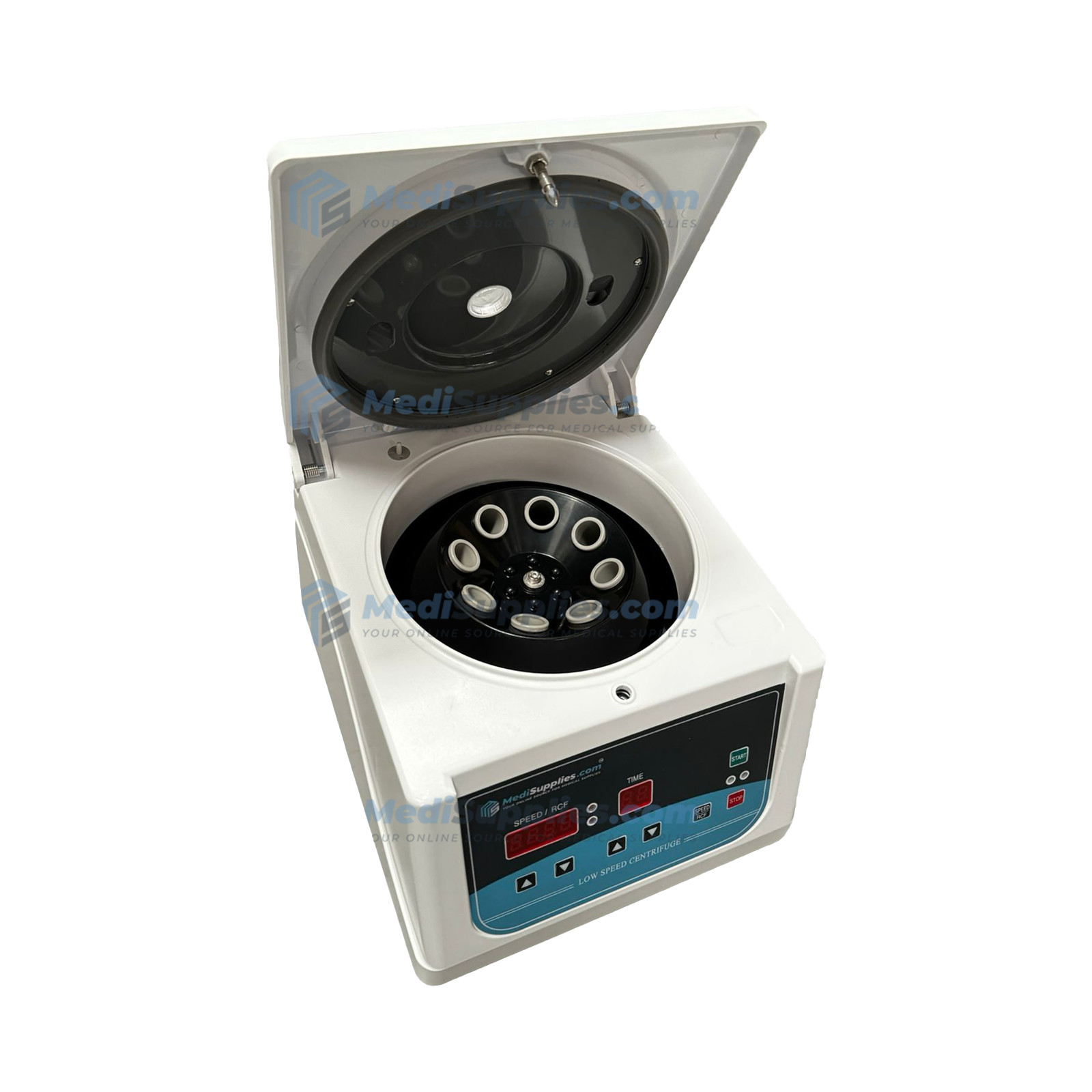 Portable Centrifuge Machine PRP 8x15mL up to 4000 rpm 110-240V 50 Hz$264.99Last checked Nov 18, 2026View on eBay
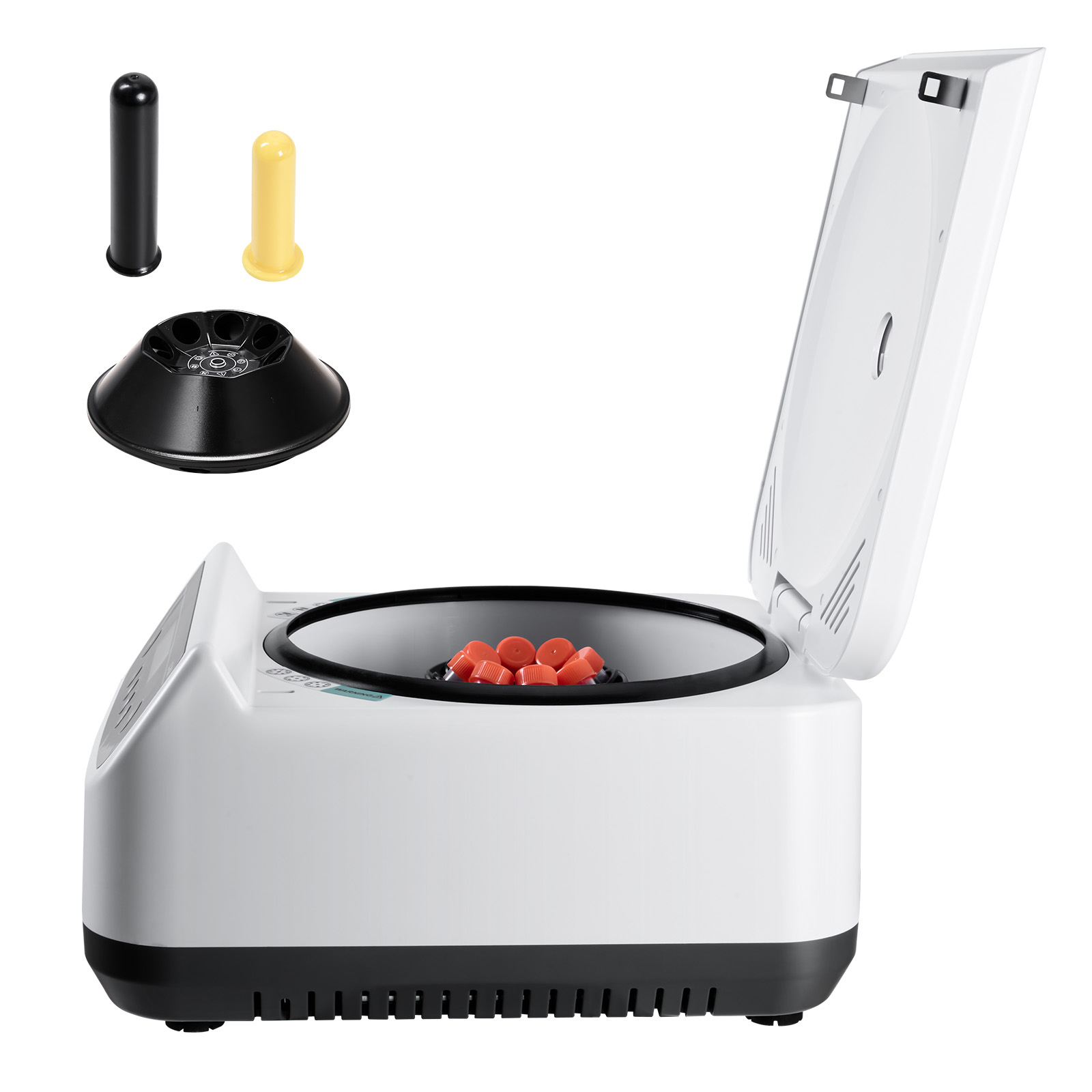 Uimoso Centrifuge Machine 0.2-50ml,500-4000/7000rpm Speed,Rotor & Timer Included$273.90New · Last checked Nov 26, 2026View on eBay
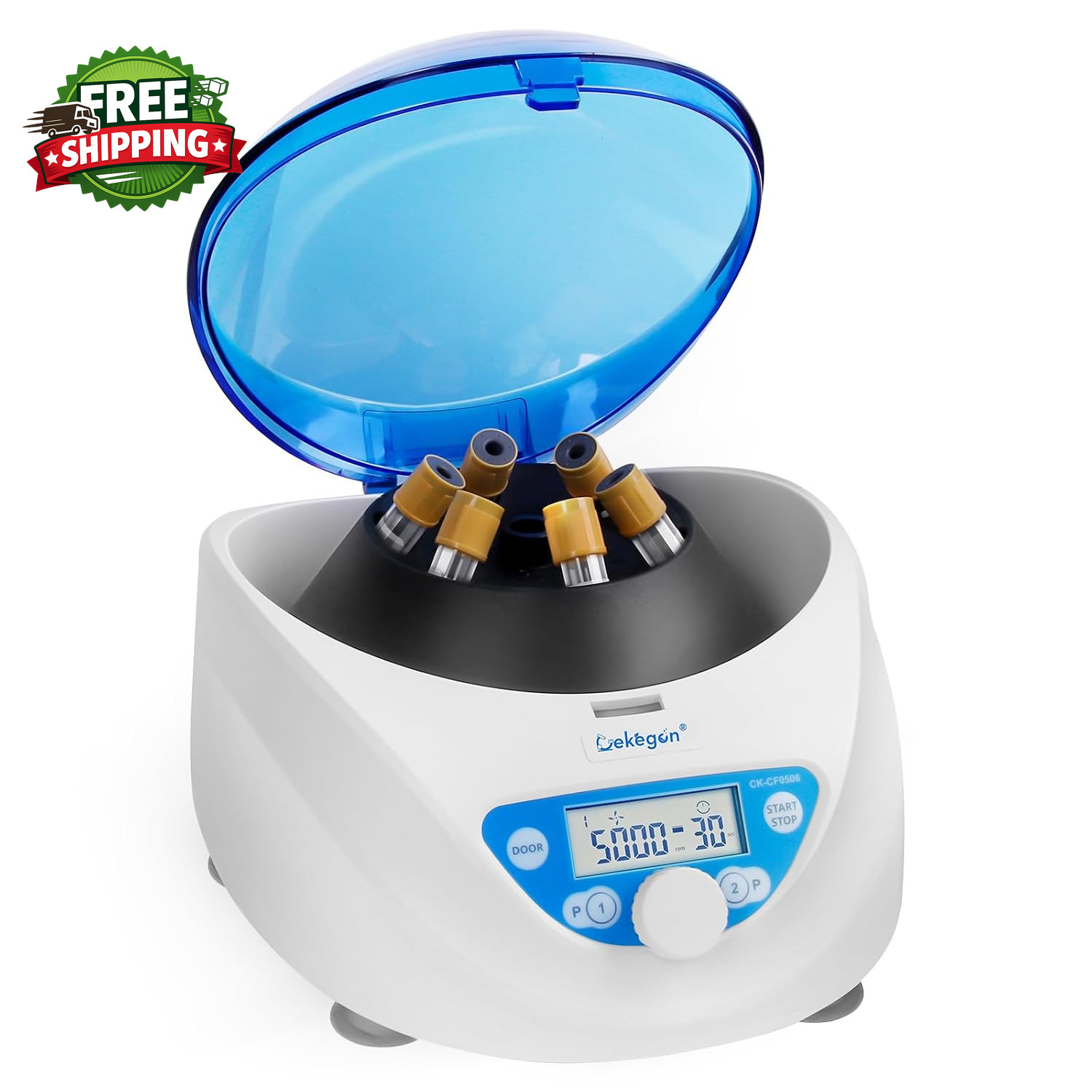 PRP Centrifuge Machine, 6X15Ml 300-5000Rpm Max 2600Xg$276.95New · Last checked Nov 26, 2026View on eBay
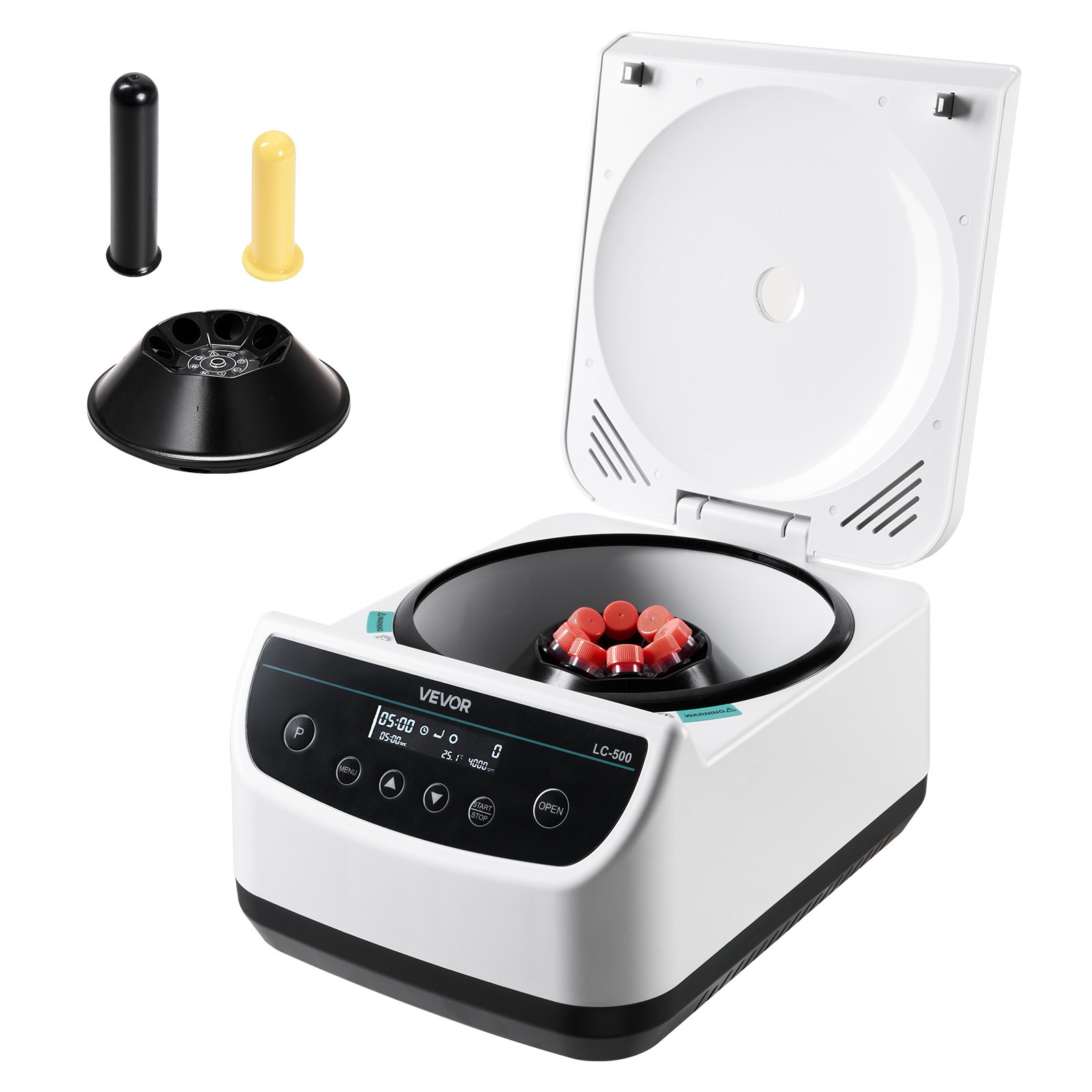 VEVOR Centrifuge Machine 2/5/10/15ml Low Speed 500-4000rpm with 1Rotor and Timer$279.99New · Last checked Nov 26, 2026View on eBay
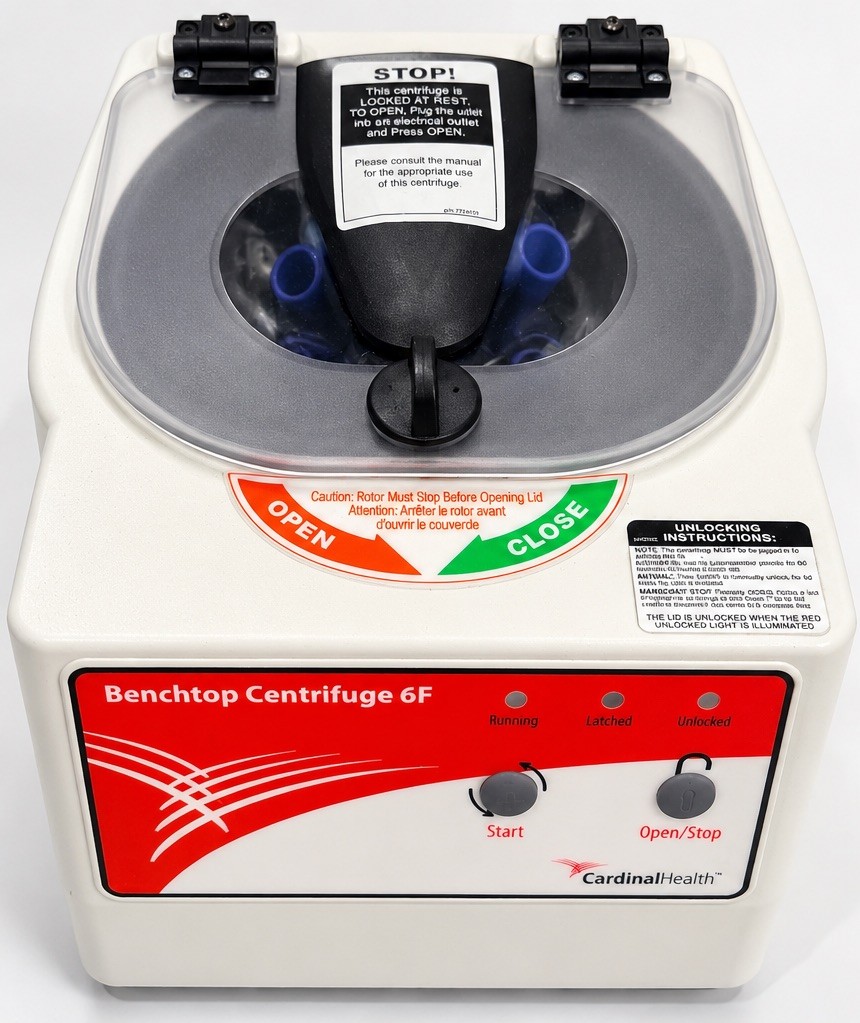 Cardinal Health Benchtop Centrifuge 6F 642E Low Speed Fixed-Angle Rotor$283.50Used · Last checked Nov 26, 2026View on eBay
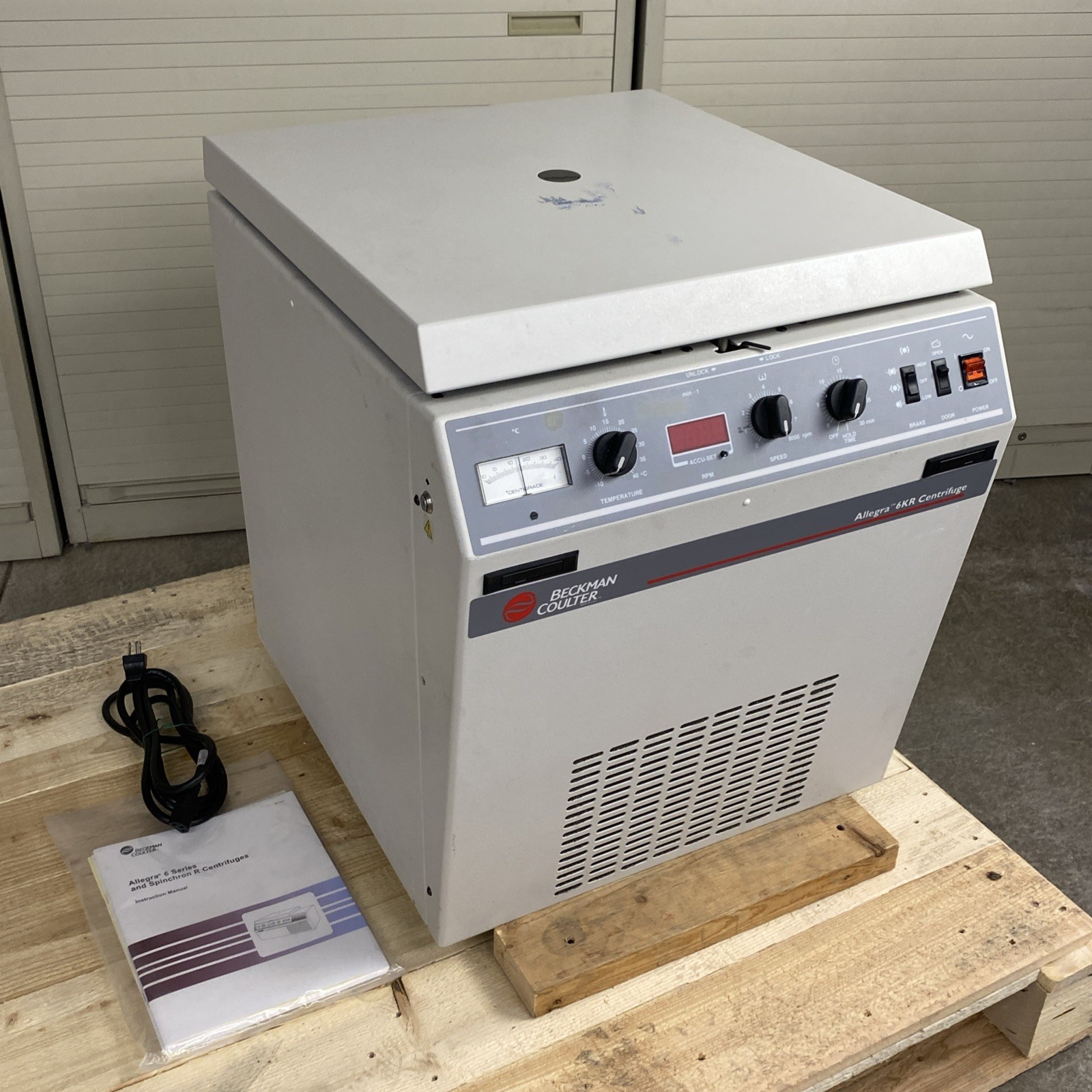 Beckman Coulter Allegra-6kr Refrigerated Benchtop Centrifuge$297.46Used · Last checked Nov 26, 2026View on eBay
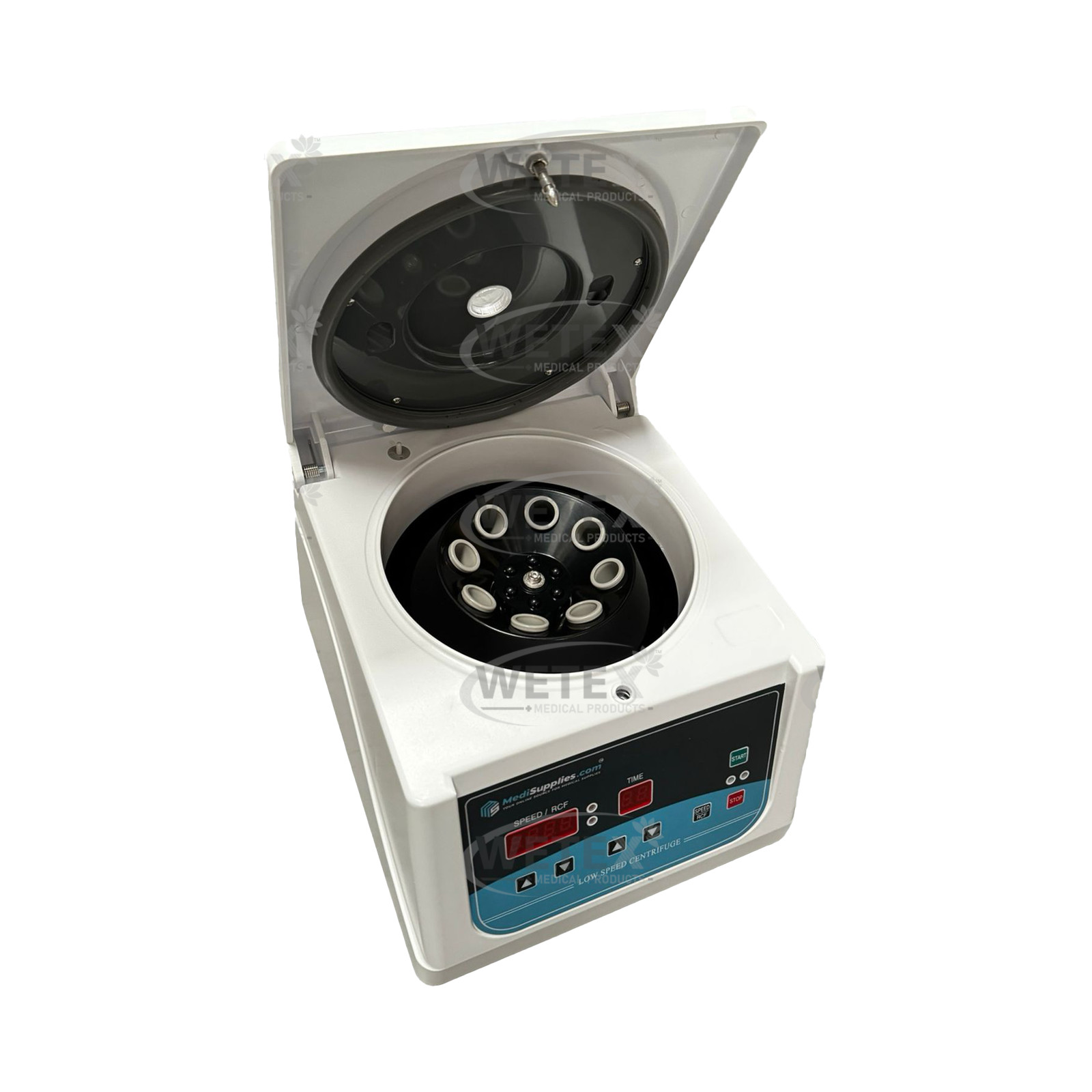 Portable Centrifuge Machine PRP 8x15mL up to 4000 rpm 110-240V 50 Hz$309.99New · Last checked Nov 26, 2026View on eBay
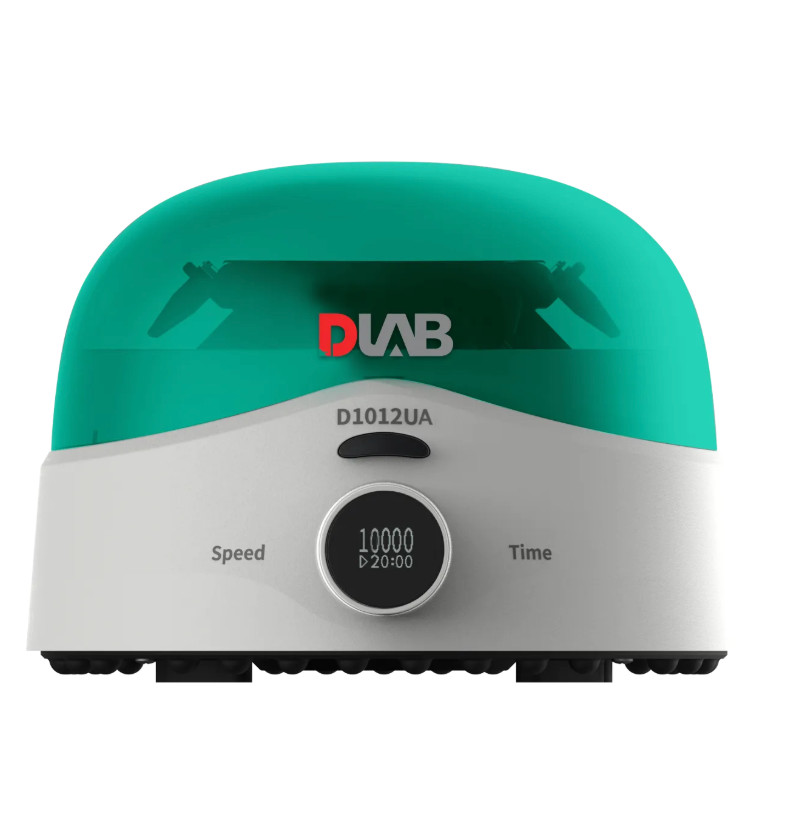 High Speed Centrifuge Machine 10000RPM 0.2/0.5/1.5/2.0mL or 0.2mL PCR Strip$390.60New · Last checked Nov 26, 2026View on eBay
Highlights
- Rotor type determines tube compatibility: fixed-angle rotors suit 1.5/2 mL microtubes, swing-out or horizontal rotors are needed for 15/50 mL conical tubes and plate work.
- Speed must be compared as RCF (×g), not RPM: a mini centrifuge at 7,000 RPM may only produce 3,000 ×g, while larger benchtop units reach 4,000–15,000 ×g for cell pelleting.
- Capacity tiers: 6×20 mL and 8×50 mL models cover clinical/PRP workflows, while 0.2/1.5/2 mL 2-in-1 rotors are for molecular biology micro-samples.
- Drive and control: brushless motors with digital timers and speed control last longer and hold speed under load versus brushed fixed-speed motors.
Best use cases
- Best fit: PRP/platelet-rich plasma and small clinical samples — pick a 4,000 RPM 6×20 mL unit with timer; skip 8×50 mL models that waste bench space.
- Best fit: molecular biology micro-centrifugation (DNA/RNA, spin columns) — choose a 7,000 RPM mini centrifuge with 0.2/1.5/2 mL 2-in-1 rotor; skip fixed-angle 50 mL-only units.
- Best fit: general lab cell pelleting and urine/serum separation — select a variable-speed 4,000–6,000 RPM benchtop with interchangeable rotors; skip uncalibrated single-speed clinical units if you need RCF reproducibility.
- Wrong fit: high-throughput or high-g protocols (>10,000 ×g, 24+ tubes) — benchtop 4,000 RPM units cannot substitute; you need a refrigerated floor or high-speed benchtop centrifuge.
Buying tips
- Match rotor bores to your tubes: 1.5/2 mL microtubes need 11 mm bores; 15 mL conical needs ~17 mm; 50 mL conical needs ~30 mm — a 6×20 mL rotor will not hold 50 mL tubes.
- Check RCF at max speed, not just RPM: for pelleting cells you need at least 3,000–5,000 ×g; for PRP protocols 1,000–2,000 ×g is typical, so a 4,000 RPM unit is adequate.
- Prefer digital timer and speed control over mechanical knobs; fixed-speed models cannot be optimized for different protocols and often lack braking.
- Verify voltage and plug standard (120V US vs 220–240V EU/UK) and confirm the unit includes the rotor and adapters — replacement rotors often cost as much as a budget unit.
Specs
| Max Speed (RPM) | 4,000 / 7,000 / 15,000 RPM |
|---|---|
| Max RCF | 1,500–15,000 ×g |
| Rotor Capacity | 6×20 mL / 8×50 mL / 2 mL micro |
| Control Type | Fixed-speed vs variable digital |
Related searches
What to check before buying
- Measure your bench footprint: benchtop centrifuges typically need at least 30×40 cm clear space plus 20 cm rear clearance for ventilation.
- Confirm tube sizes and max fill volume you will run; buy a rotor whose bore diameter and depth match your tallest tube.
- Check lab voltage and outlet: 120V 60Hz for North America, 220–240V 50Hz elsewhere; dual-voltage models need a step-up transformer.
- Ensure the unit sits on a level, vibration-resistant surface and that the lid interlock and imbalance detection are present for safe operation.
FAQ
Data sources: eBay / Amazon listings and product attribute feeds. Updated Nov 28, 2026.
Some links on this page are affiliate links. If you buy after clicking one, we may earn a commission at no extra cost to you. This does not change which products appear here or their order. Affiliate disclosure.