
Photos from current listings. Actual item, color, and included accessories may vary.
Centrifuge Machine Buying Guide
A centrifuge machine separates liquids and solids by density using centrifugal force, and the primary trade-off is between fixed-speed mini units and variable-speed lab centrifuges with interchangeable rotors. Durable options specify RCF (relative centrifugal force), rotor material, and tube compatibility; compromises hide these behind vague RPM claims. The decision rule: match the RCF and rotor capacity to your application (PRP/medical, lab research, or industrial oil), and skip any unit that does not state both tube size and maximum RCF.
Median $269.45 · New & pre-owned listings
Key takeaways
- Mini centrifuges use fixed 7000 rpm with 2-in-1 rotors for 0.2/1.5/2 mL tubes, delivering ~3013xg RCF for micro-volume protocols.
- Low-speed PRP and medical centrifuges run 4000 rpm with 8x15 mL or 6x20 mL swing-out rotors, sized for blood separation and platelet-rich plasma.
- Variable-speed lab models offer 500-4000 rpm and 100-1900xg RCF with timer control, allowing protocol tuning across 2/5/10/15 mL tube sizes.
At a glance
- Category
- Centrifuges, Mixers & Shakers
- Last updated
- Nov 28, 2026
Current offers
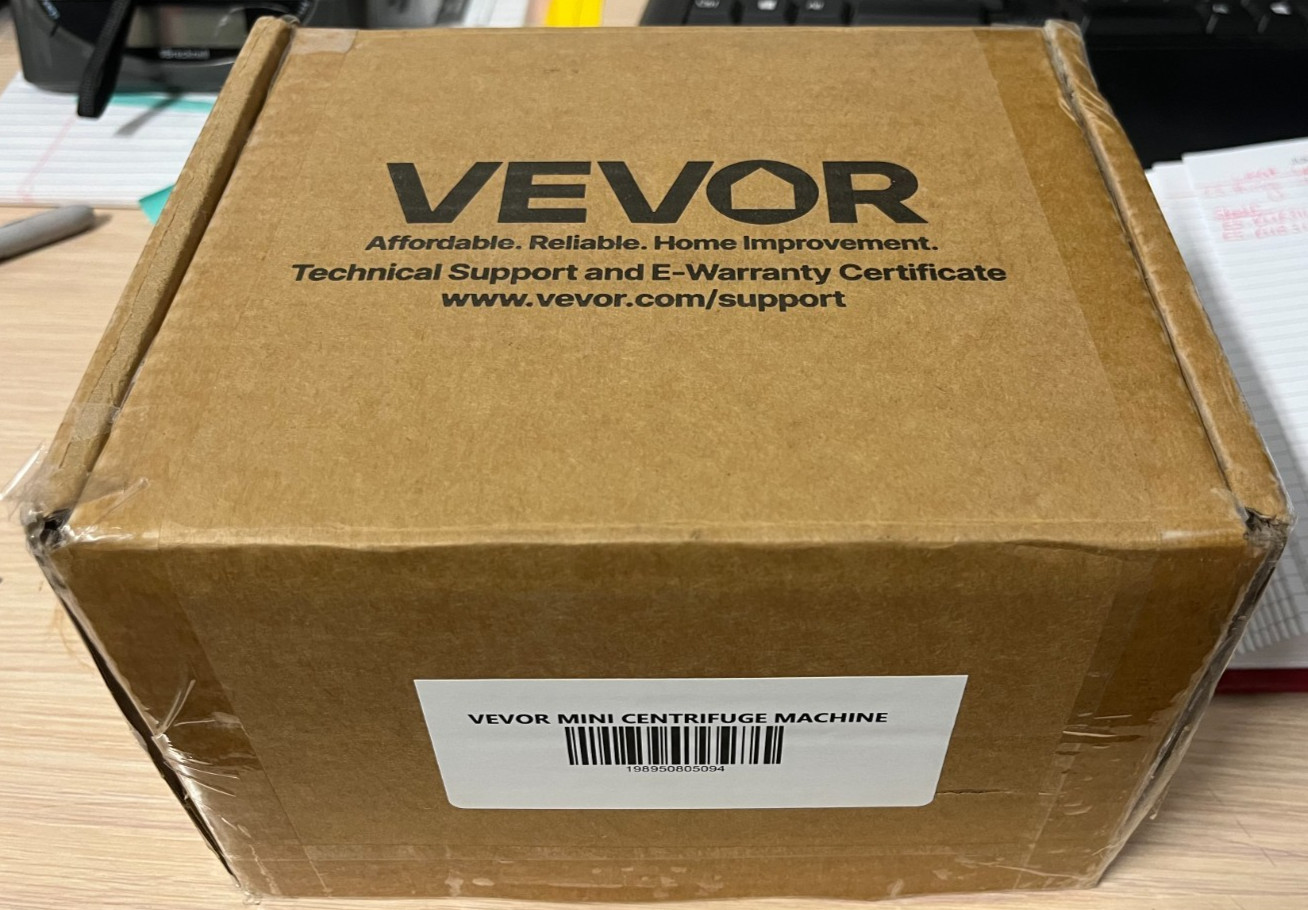 VEVOR Mini Centrifuge Machine, 3013xg RCF Electric Laboratory Centrifuge Machine$49.50Last checked Nov 27, 2026View on eBay
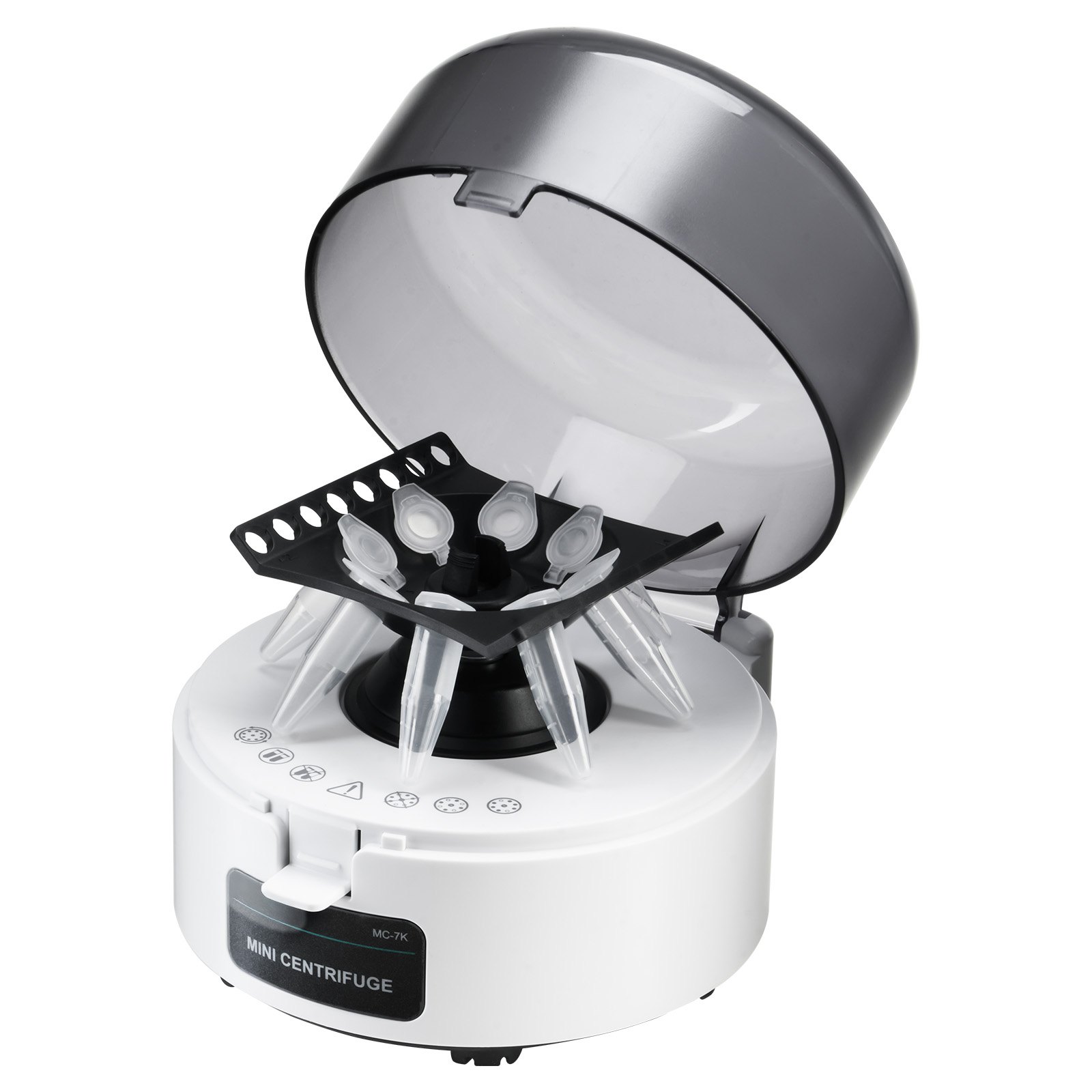 Mini Centrifuge Machine, 3013xg RCF Electric Laboratory With 2-in-1 Rotor For 0.2/1.5/2ml Tube Capacity, Fixed Speed 7000r/min, Low Noise, Widely Used In Various Experiments$75.99View on Mallflare
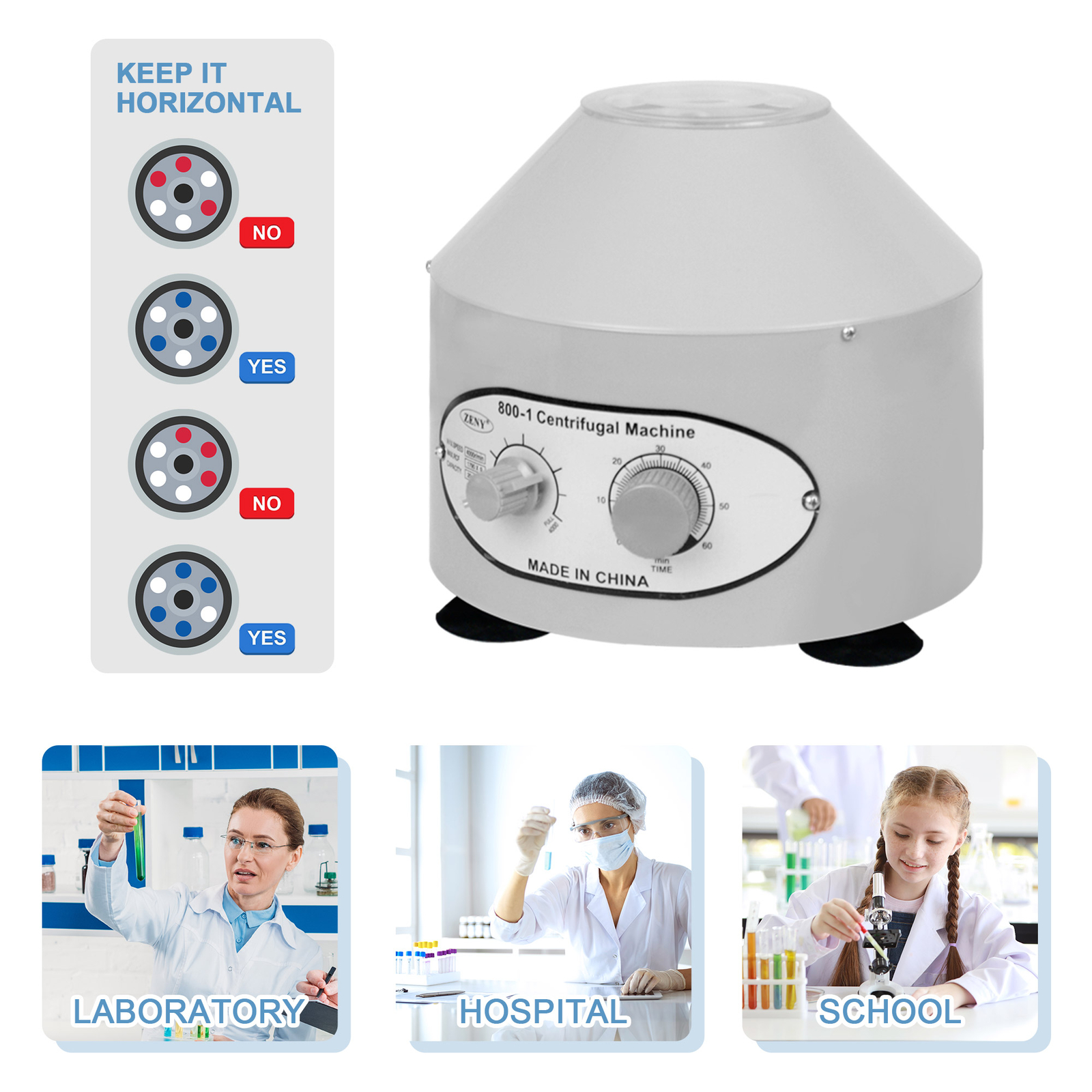 Desktop 800-1 Electric Centrifuge Machine 4000Rpm Laboratory Medical w/ Timer$56.19Last checked Nov 27, 2026View on eBay
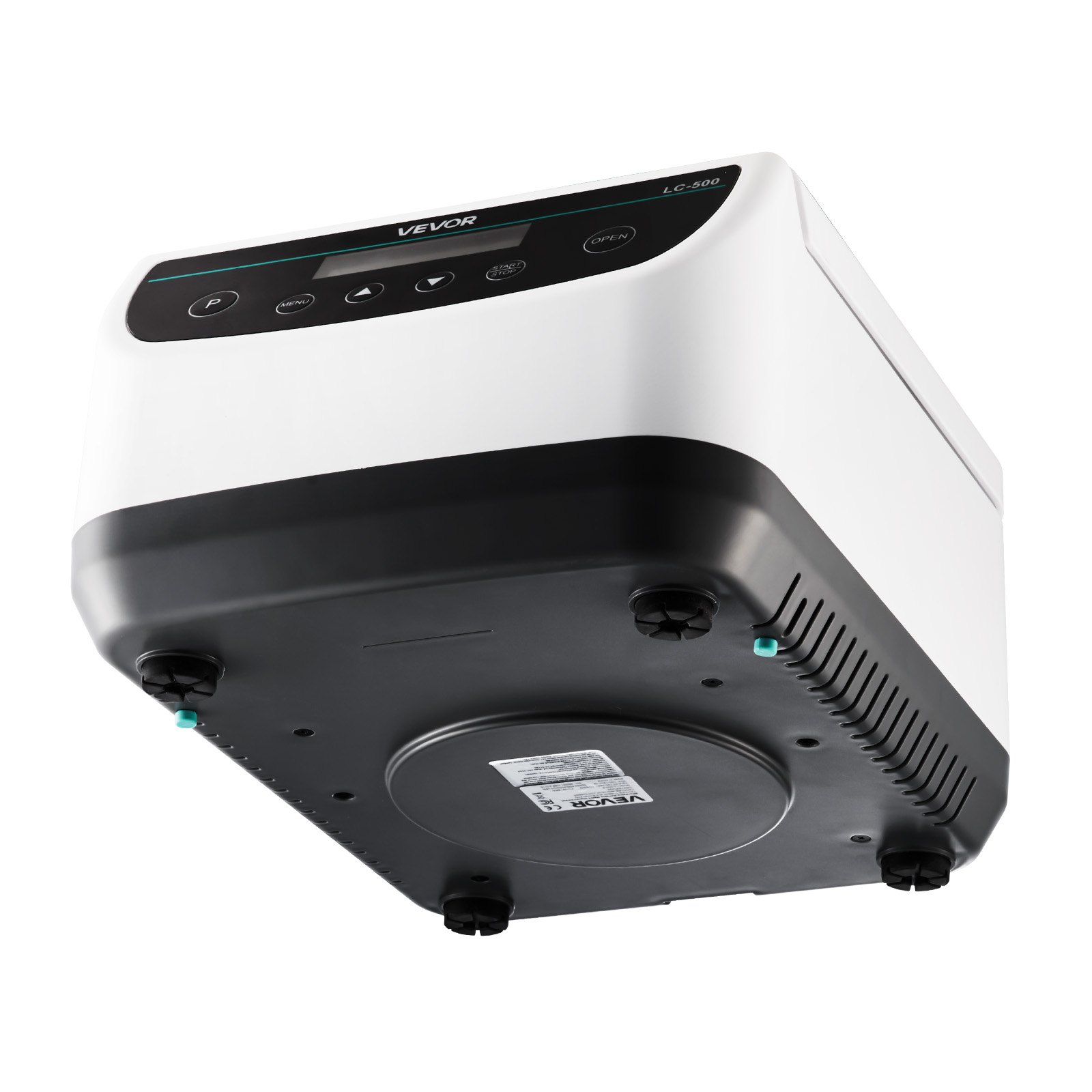 Centrifuge Machine, 100-1900xg RCF Electric Laboratory With 1 Rotor For 2/5/10/15ml Tube Capacity, Low Speed 500-4000rpm Timer, Widely Used In Various Experiments$332.99View on Mallflare
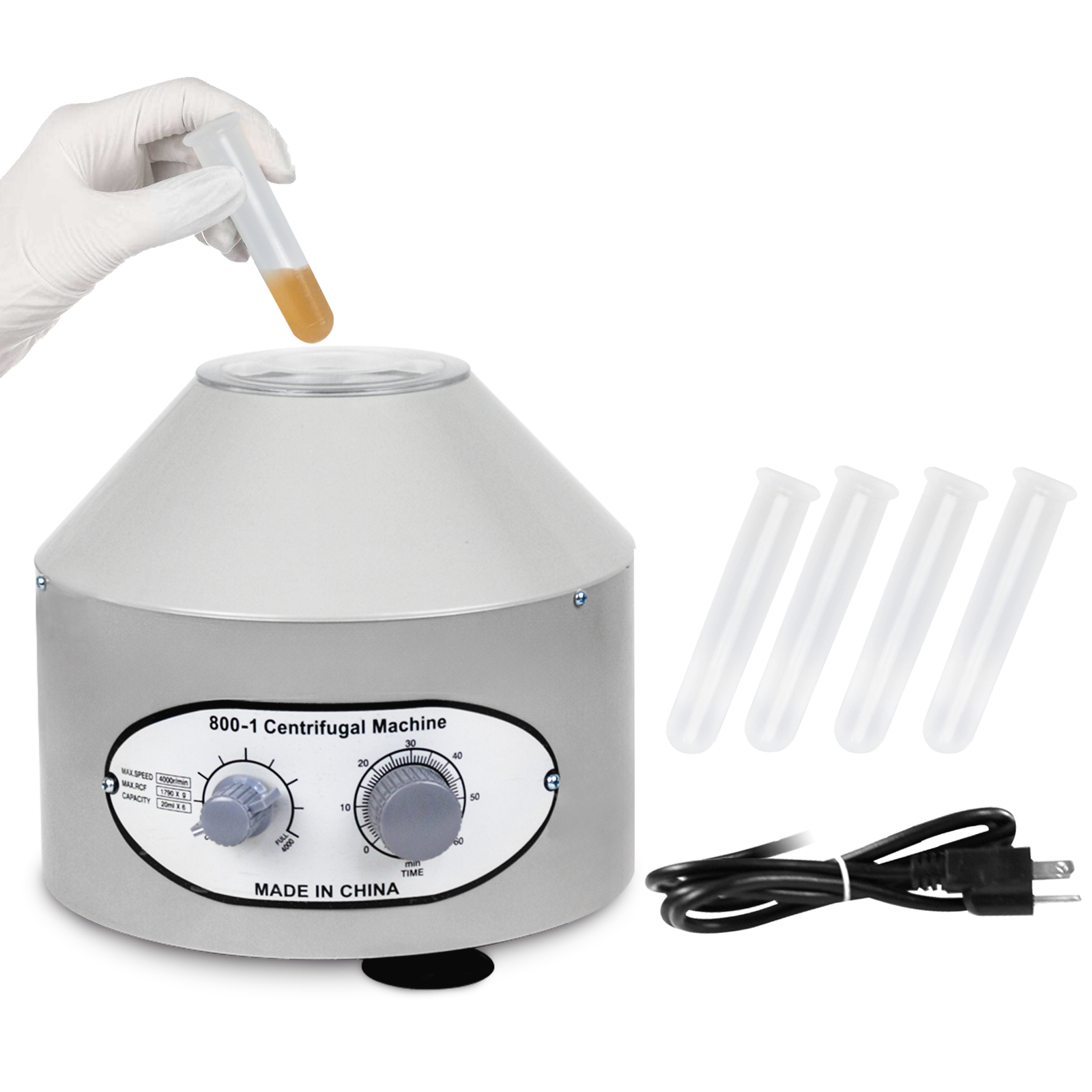 Portable Centrifuge Machine Desktop Lab Centrifuge 4000RPM w/Timer Speed Control$56.19Last checked Nov 27, 2026View on eBay
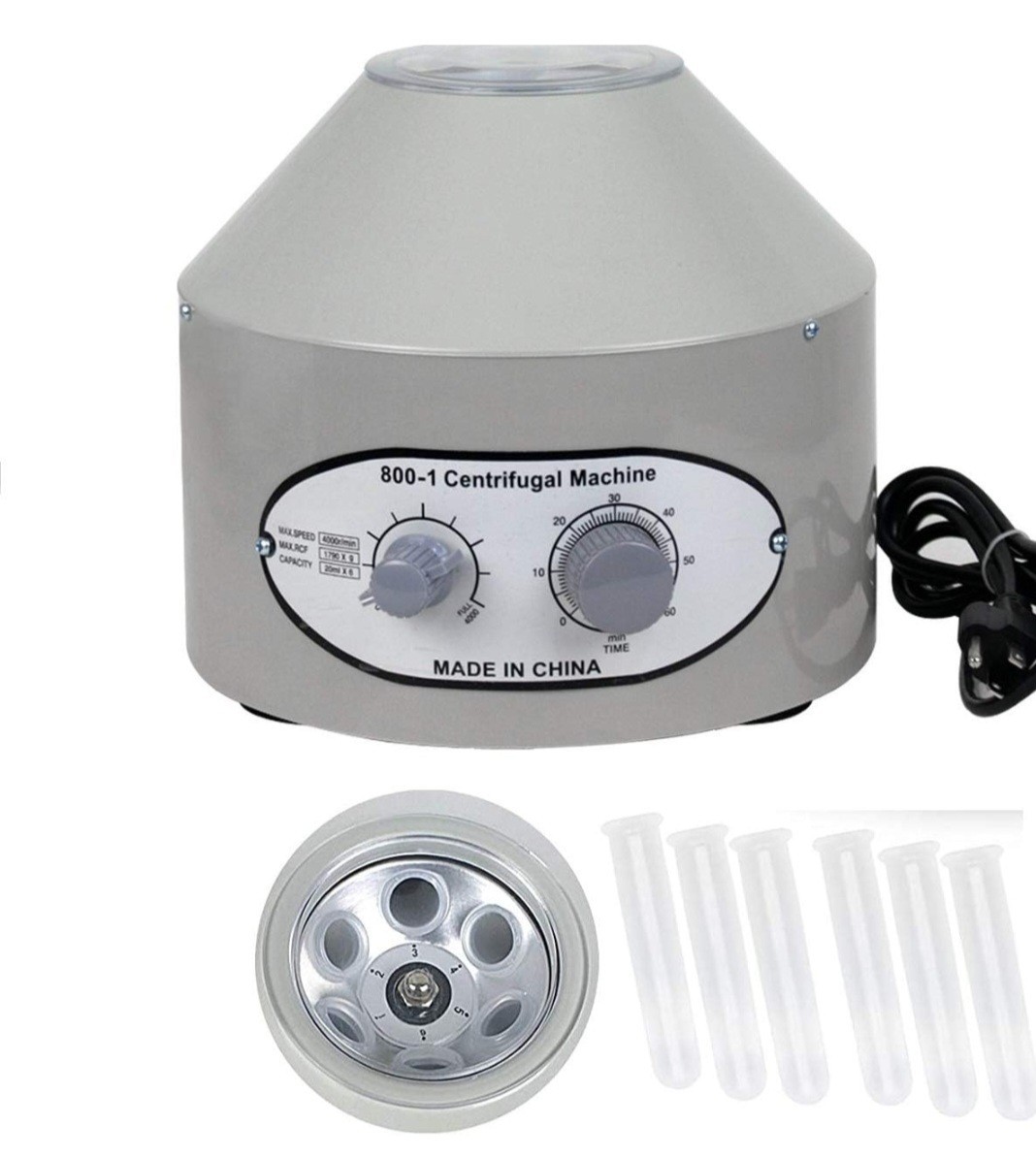 Desktop Electric Lab Laboratory Centrifuge Machine Lab Medical Practice w/Timer$60.00Last checked Nov 27, 2026View on eBay
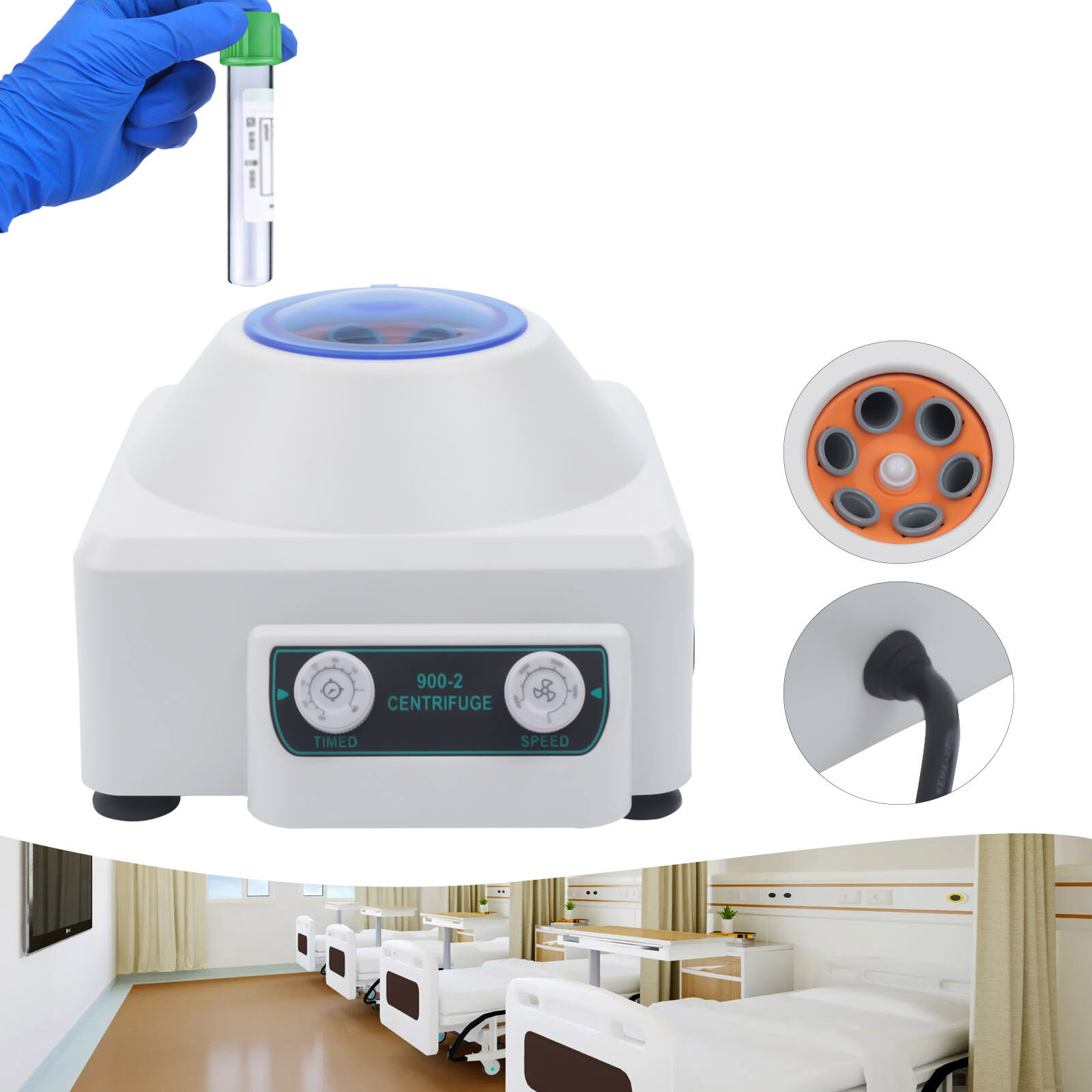 Portable Medical Lab Centrifuge Electric PRP Centrifuge Machine 4000rpm 6x20ml$69.44View on eBay
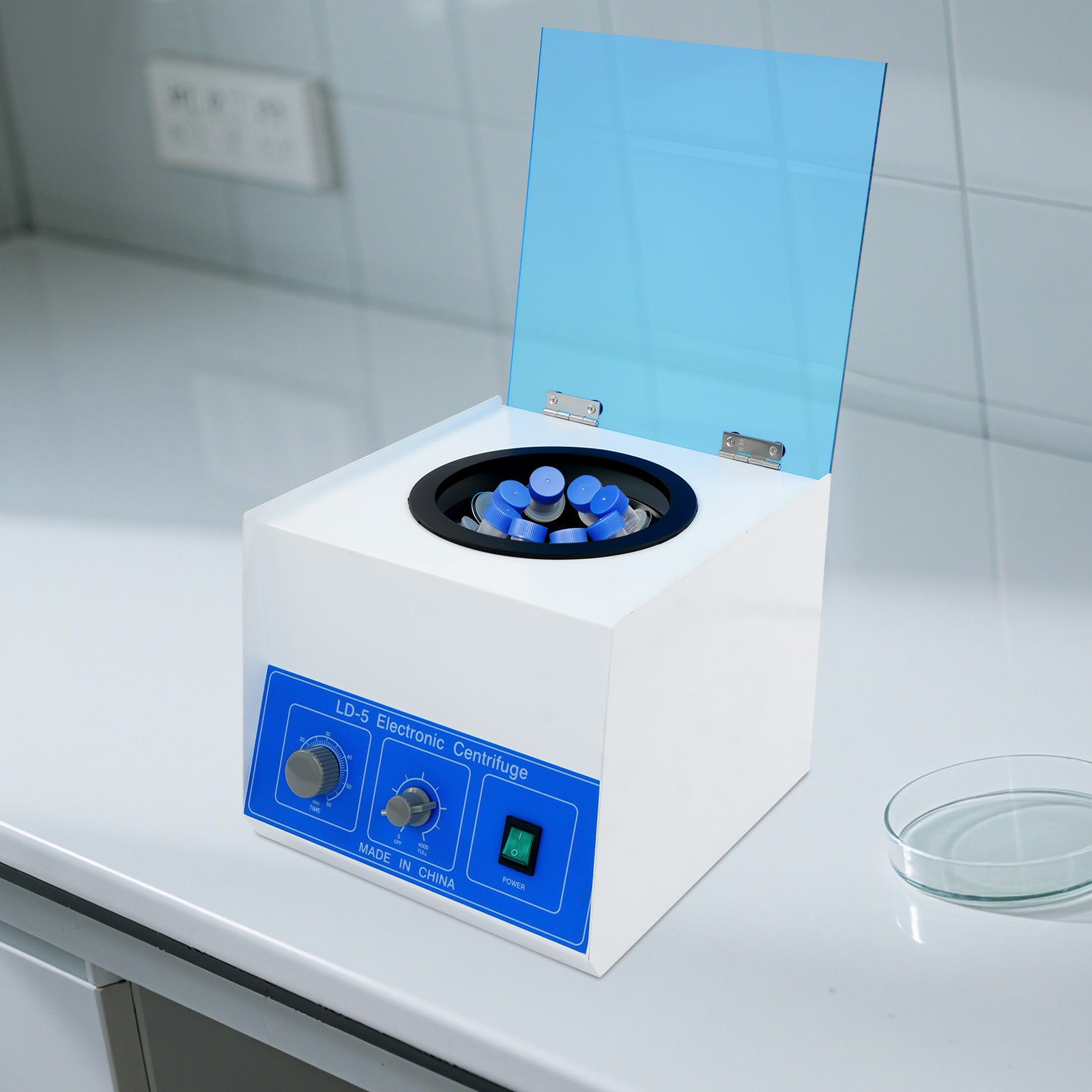 50 ml × 8 Electric Centrifuge Medical Lab Benchtop Centrifugal Separator Machine$153.82View on eBay
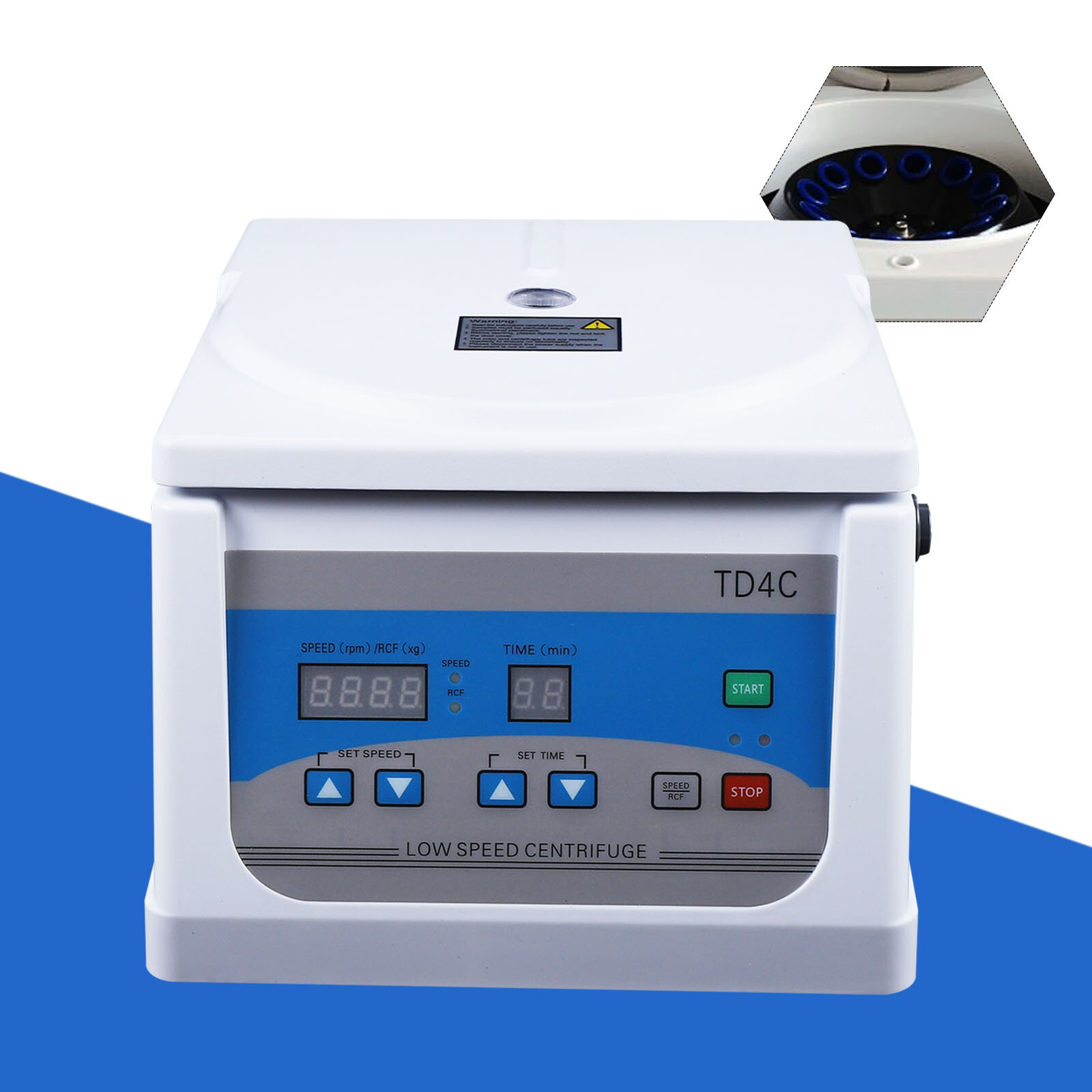 8*15ml Medical Beauty PRP Lab Blood Centrifuge Machine 110V Low Speed Centrifuge$178.32View on eBay
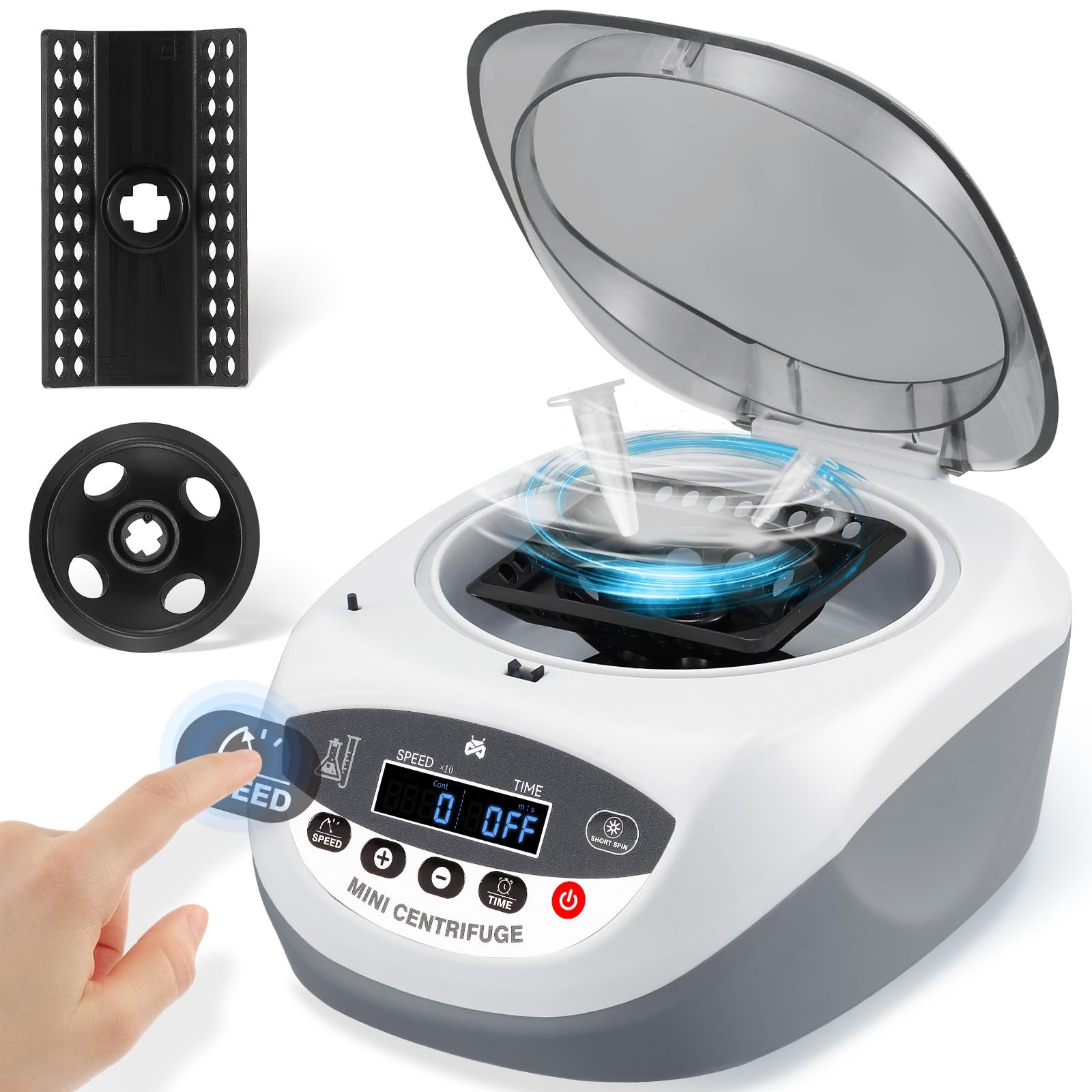 Mini Centrifuge Machine, 12000RPM Lab Benchtop PCR Centrifuges$232.65New · Last checked Nov 26, 2026View on eBay
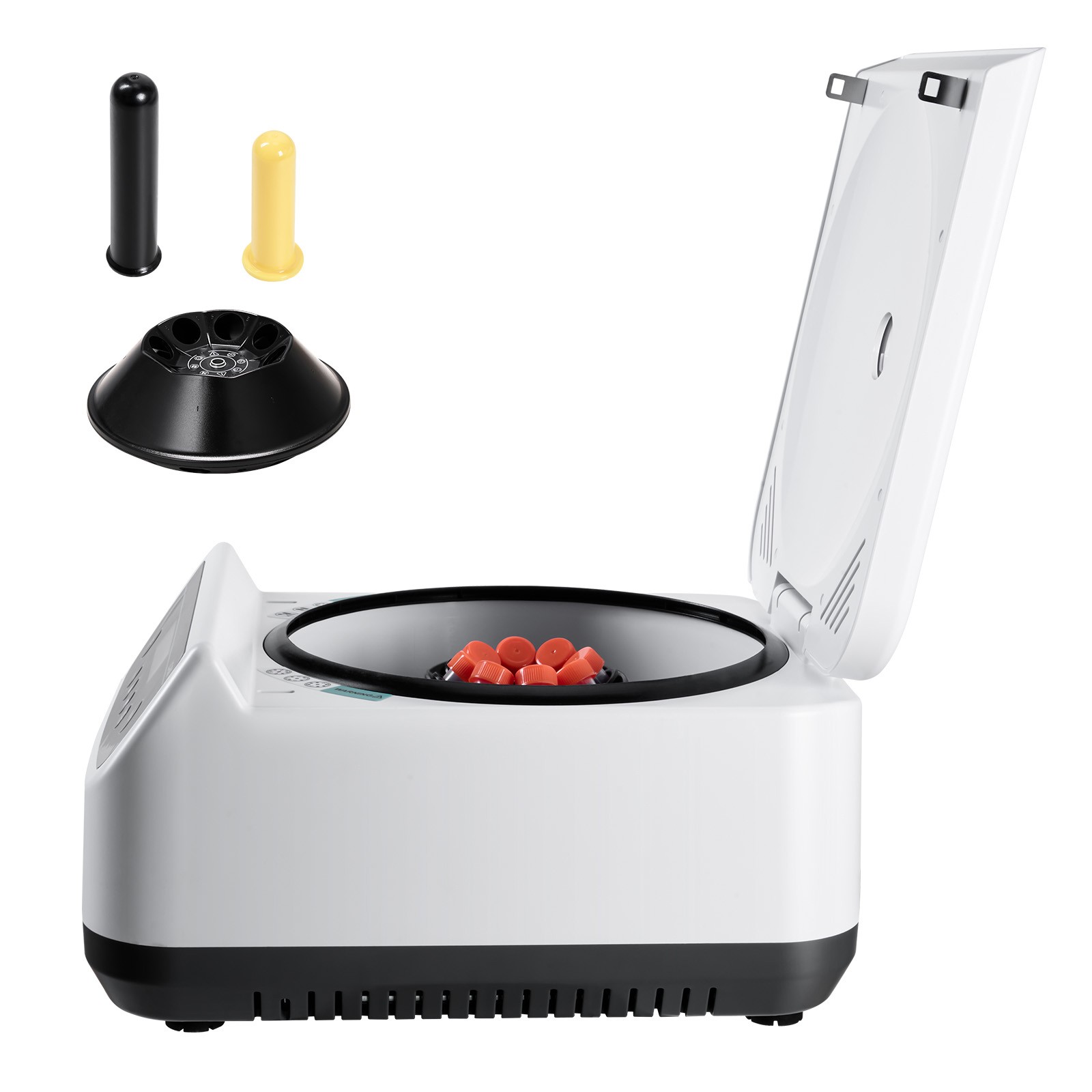 Uimoso Low-Speed Centrifuge Machine with Timer,2/5/10/15ml Capacity, 500-4000rpm$241.19New · Last checked Nov 26, 2026View on eBay
- Centrifuge Machine 2/5/10/15ml Low Speed 500-4000rpm with 1 Rotor and Timer$241.29New · Last checked Nov 26, 2026View on eBay
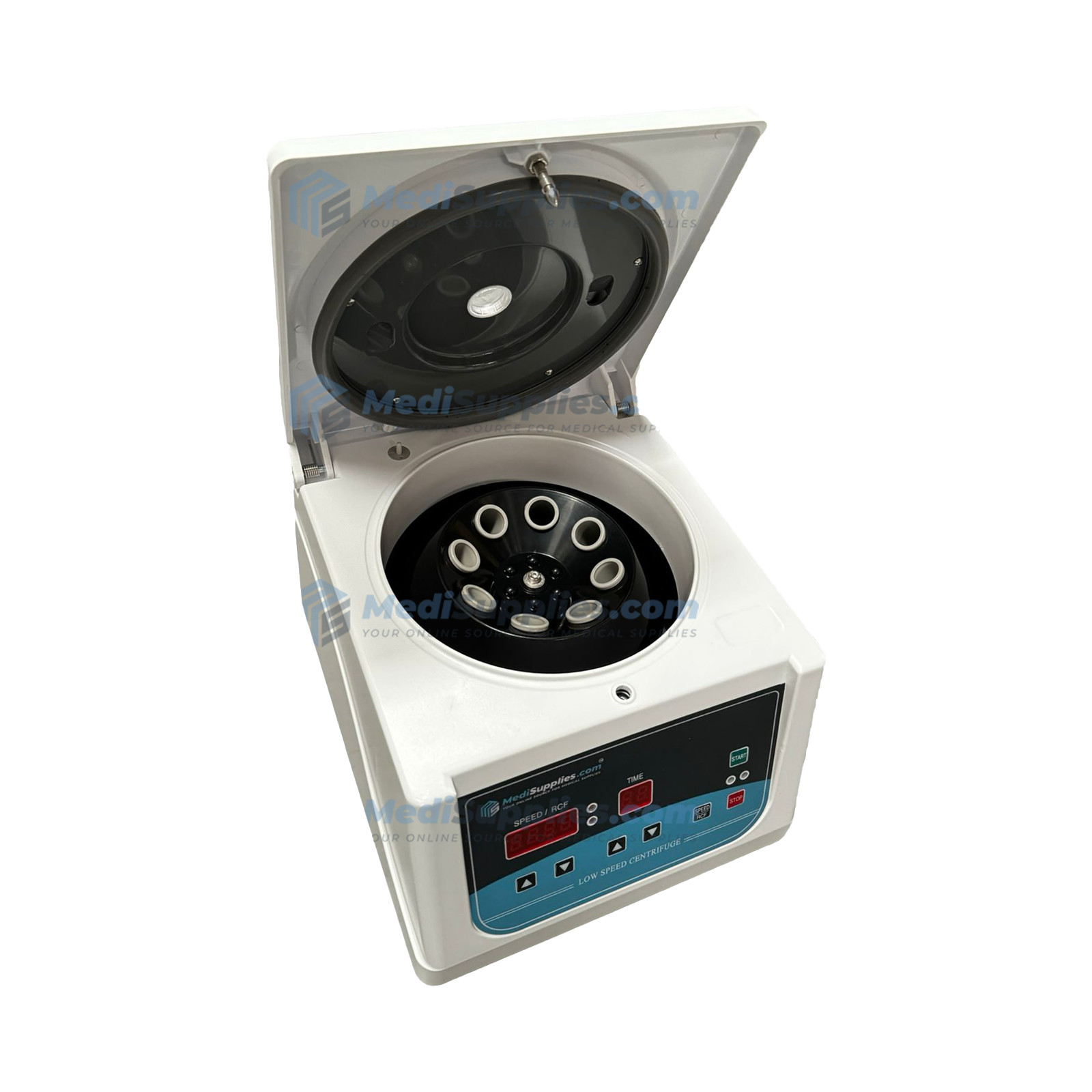 Portable Centrifuge Machine PRP 8x15mL up to 4000 rpm 110-240V 50 Hz$264.99Last checked Nov 18, 2026View on eBay
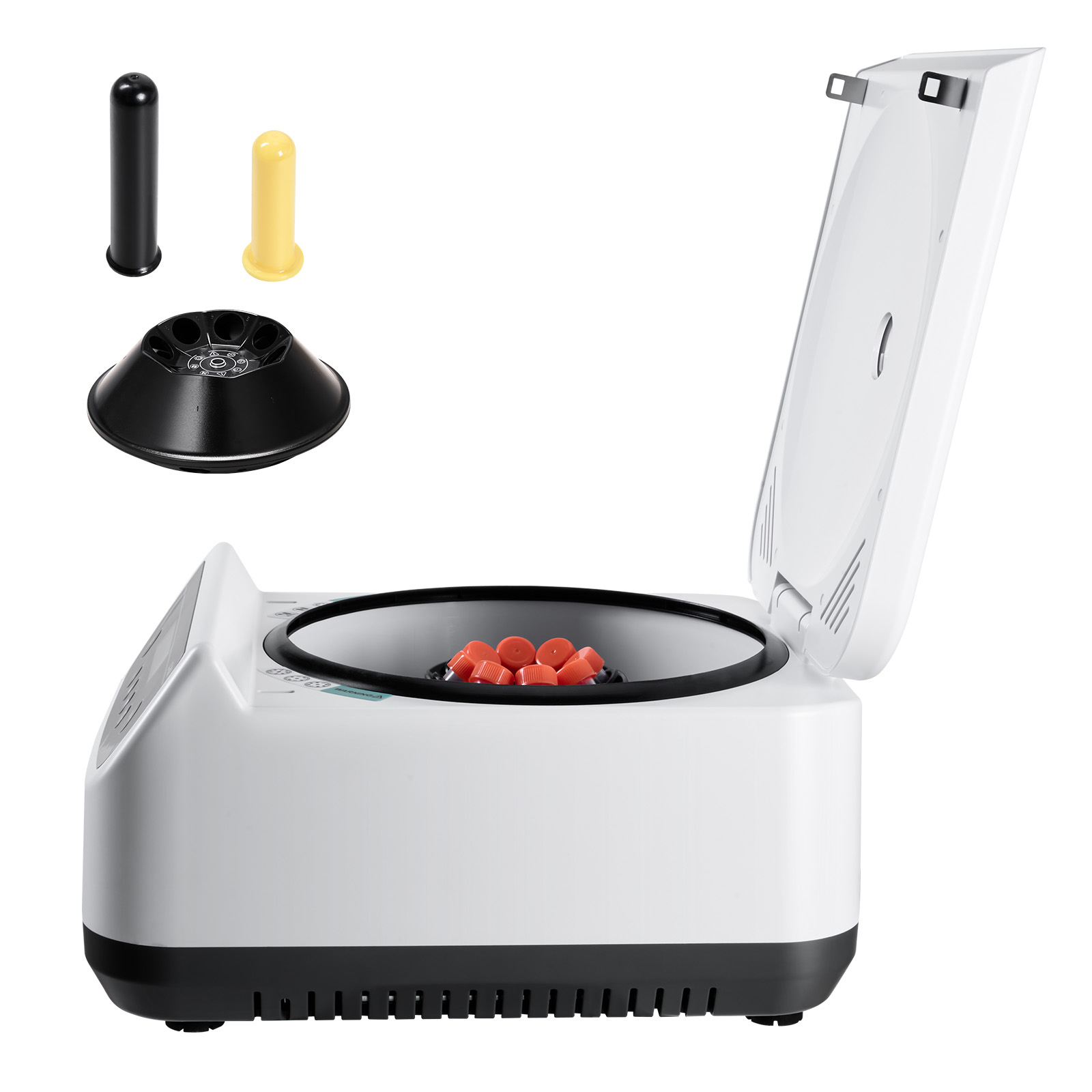 Uimoso Centrifuge Machine 0.2-50ml,500-4000/7000rpm Speed,Rotor & Timer Included$273.90New · Last checked Nov 26, 2026View on eBay
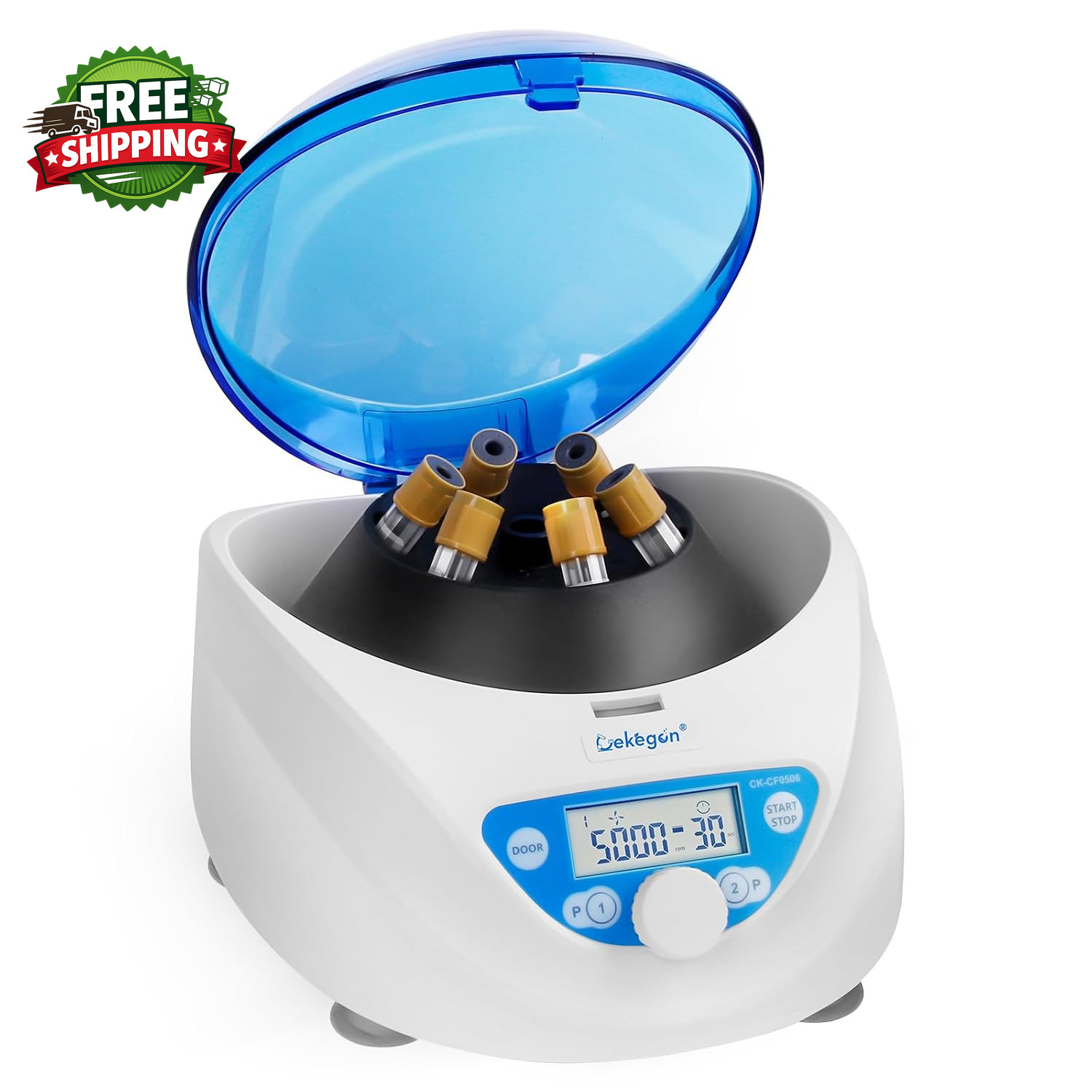 PRP Centrifuge Machine, 6X15Ml 300-5000Rpm Max 2600Xg$276.95New · Last checked Nov 26, 2026View on eBay
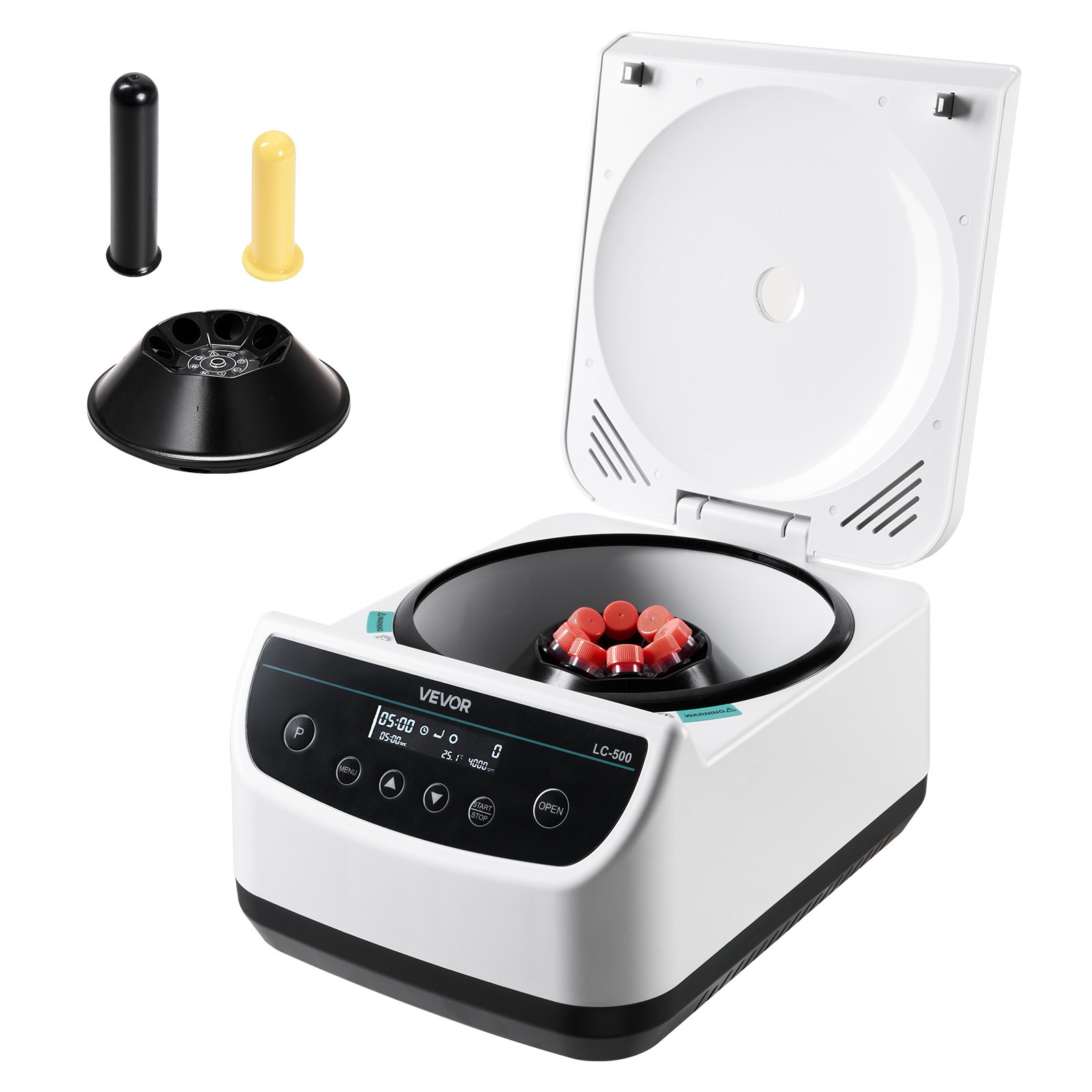 VEVOR Centrifuge Machine 2/5/10/15ml Low Speed 500-4000rpm with 1Rotor and Timer$279.99New · Last checked Nov 26, 2026View on eBay
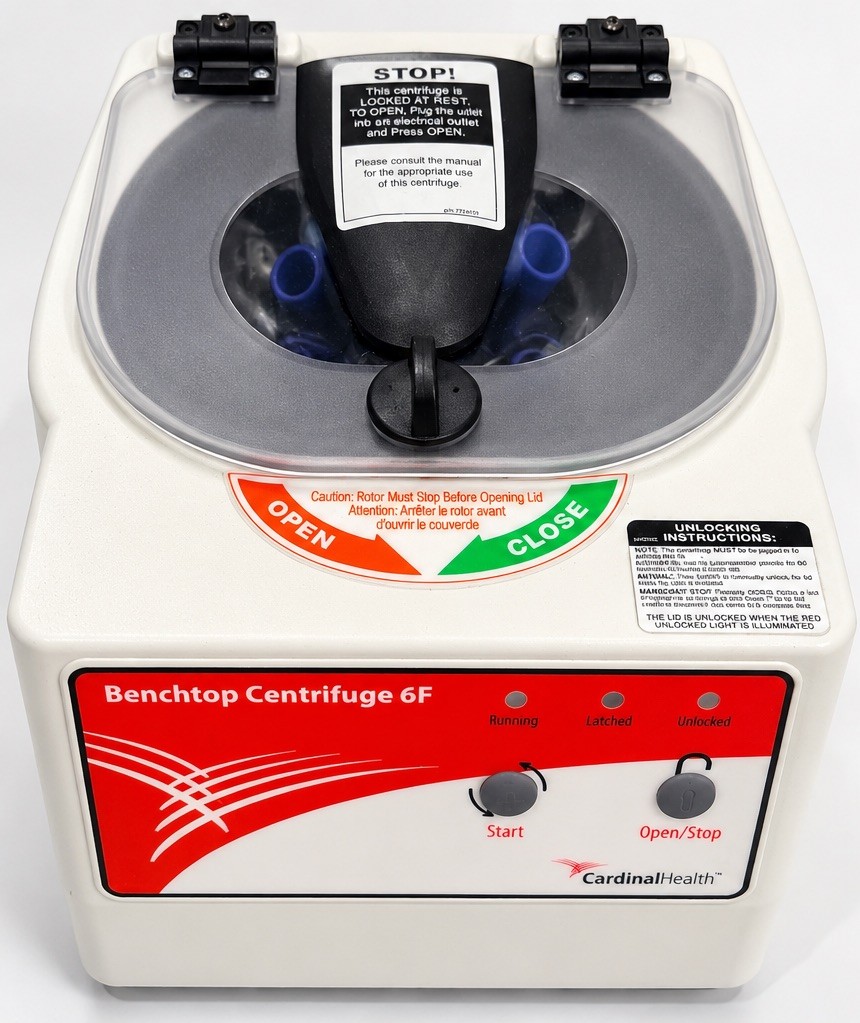 Cardinal Health Benchtop Centrifuge 6F 642E Low Speed Fixed-Angle Rotor$283.50Used · Last checked Nov 26, 2026View on eBay
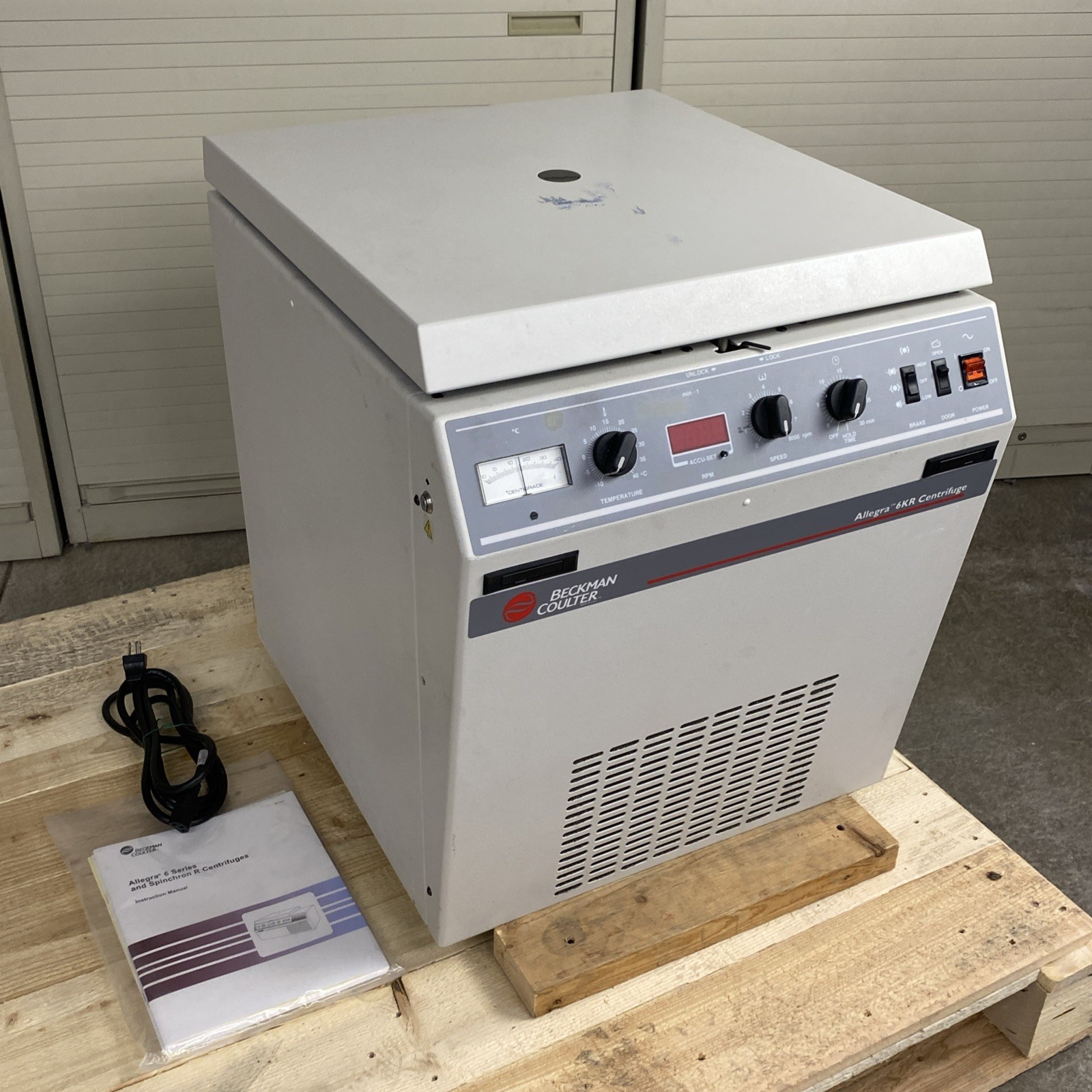 Beckman Coulter Allegra-6kr Refrigerated Benchtop Centrifuge$297.46Used · Last checked Nov 26, 2026View on eBay
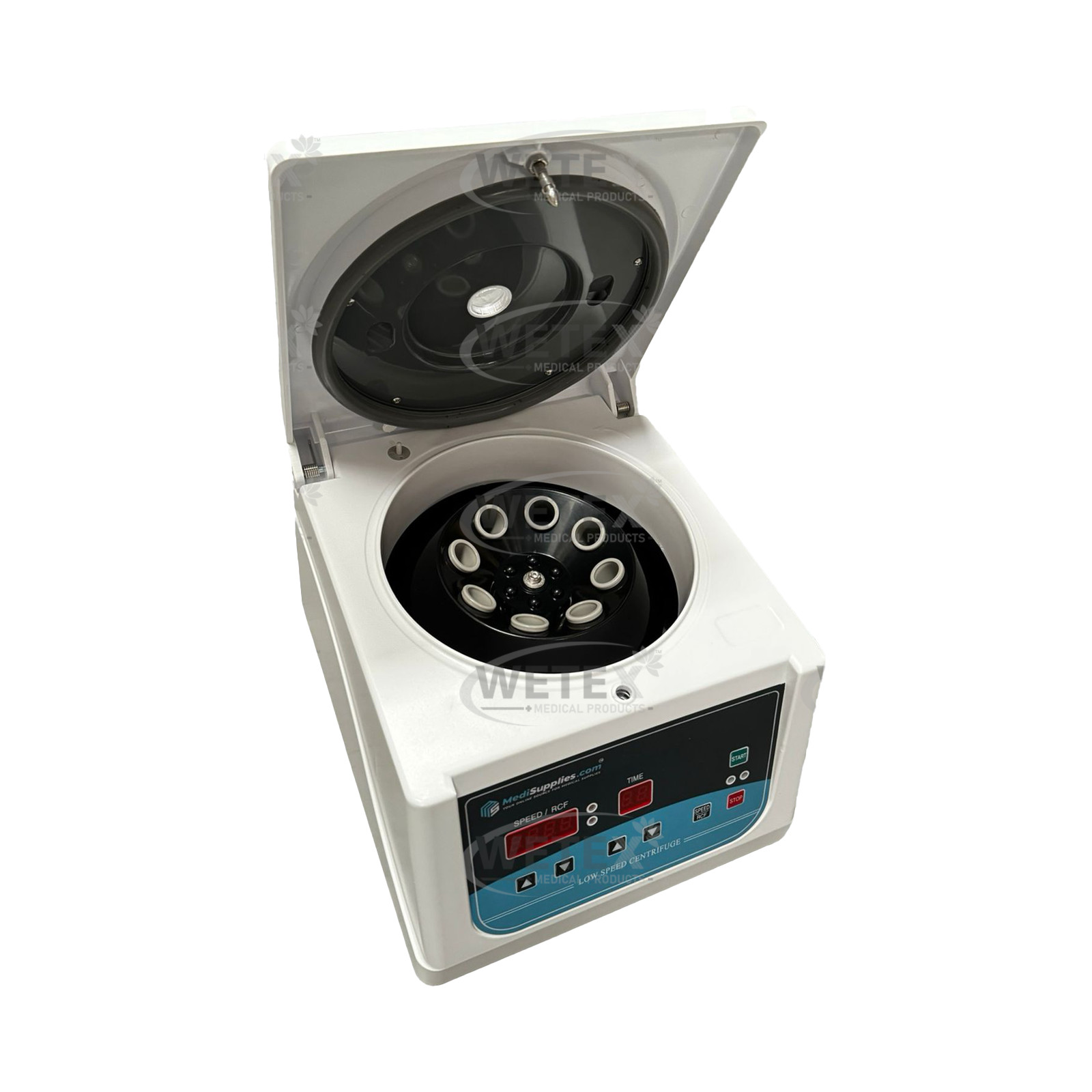 Portable Centrifuge Machine PRP 8x15mL up to 4000 rpm 110-240V 50 Hz$309.99New · Last checked Nov 26, 2026View on eBay
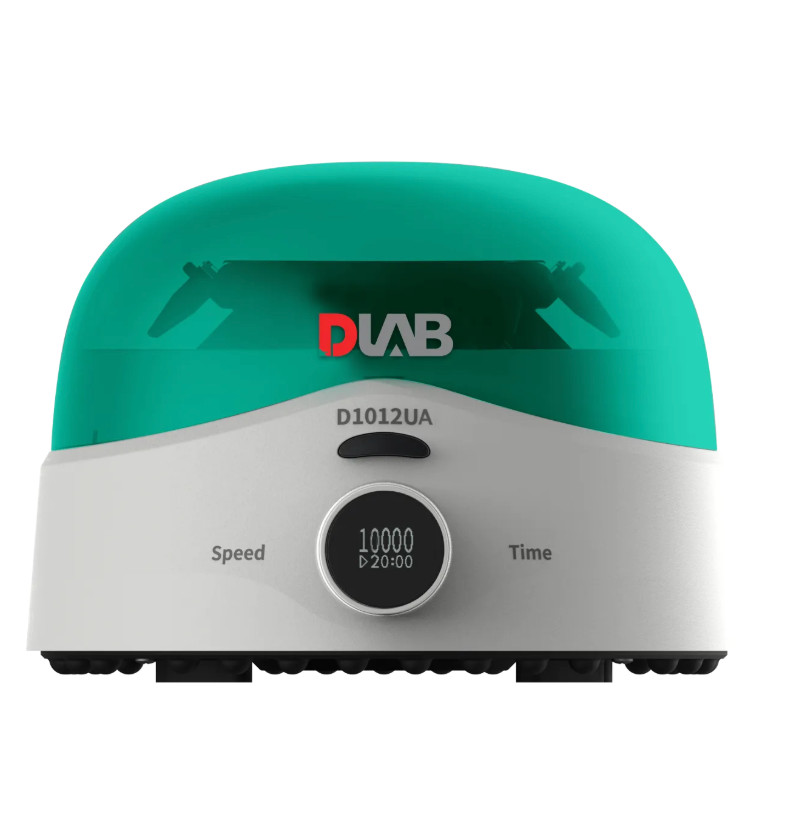 High Speed Centrifuge Machine 10000RPM 0.2/0.5/1.5/2.0mL or 0.2mL PCR Strip$390.60New · Last checked Nov 26, 2026View on eBay
Highlights
- Mini centrifuges use fixed 7000 rpm with 2-in-1 rotors for 0.2/1.5/2 mL tubes, delivering ~3013xg RCF for micro-volume protocols.
- Low-speed PRP and medical centrifuges run 4000 rpm with 8x15 mL or 6x20 mL swing-out rotors, sized for blood separation and platelet-rich plasma.
- Variable-speed lab models offer 500-4000 rpm and 100-1900xg RCF with timer control, allowing protocol tuning across 2/5/10/15 mL tube sizes.
- Industrial oil centrifuges use high-capacity bowl rotors and continuous flow, distinct from benchtop lab units that cap at 15-20 mL per tube.
Best use cases
- For PRP or blood separation, pick a 4000 rpm low-speed unit with an 8x15 mL rotor and timer; skip fixed-speed mini centrifuges that cannot reach the required g-force.
- For molecular biology micro-protocols (DNA/RNA pelleting), choose a 7000 rpm mini centrifuge with a 2-in-1 rotor for 0.2/1.5/2 mL tubes; skip large swing-out rotors.
- For general lab practice needing variable protocols, select a 500-4000 rpm variable-speed centrifuge with 100-1900xg RCF and interchangeable rotor; skip single-speed fixed units.
- For oil purification or industrial separation, use a dedicated continuous-flow or bowl centrifuge; skip benchtop lab centrifuges, which are not built for oil volumes or viscosity.
Buying tips
- Match tube capacity to rotor: 0.2/1.5/2 mL for microcentrifuge work, 15 mL for blood/PRP, 20 mL for larger medical samples; never force a tube size the rotor does not list.
- Compare RCF, not RPM: RCF = 1.118 × r × (rpm/1000)², where r is rotor radius in mm; a higher RPM with a small radius can deliver less separation force than a lower RPM with a large radius.
- For PRP, require a swing-out rotor and ≥4000 rpm; fixed-angle rotors can shear cells and reduce platelet yield.
- Choose 110-240V 50/60 Hz dual-voltage models for portability and international use; single-voltage 110V units need a step-up transformer abroad.
Specs
| Max Speed | 4000-7000 rpm |
|---|---|
| RCF Range | 100-3013xg |
| Rotor Type | Fixed-angle / Swing-out |
| Tube Capacity | 0.2-20 mL |
Related searches
What to check before buying
- Measure bench depth and clearance: benchtop units typically need 30-40 cm width and 25-35 cm height, plus lid clearance.
- Confirm tube compatibility: rotor must list 0.2 mL, 1.5/2 mL, 15 mL, or 20 mL sizes you will use; adapters may be required.
- Check voltage and plug: 110-240V 50/60 Hz dual-voltage is safest; 110V-only units need a transformer in 220V regions.
- Verify RCF maximum exceeds your protocol requirement and that the timer range covers your run times (typically 1-30 min).
FAQ
Data sources: eBay / Amazon listings and product attribute feeds. Updated Nov 28, 2026.
Some links on this page are affiliate links. If you buy after clicking one, we may earn a commission at no extra cost to you. This does not change which products appear here or their order. Affiliate disclosure.