
Photos from current listings. Actual item, color, and included accessories may vary.
Laboratory Centrifuge Machine Buying Guide
A laboratory centrifuge machine separates samples by density using centrifugal force, and the decisive trade-off is between fixed-speed mini centrifuges and variable-speed clinical units with proper rotor balancing. Choose a fixed-speed mini only for quick micro-tube spins; choose a variable-speed unit with interchangeable rotors and a timer for clinical, blood, or multi-volume workflows.
Median $68.00
Key takeaways
- Fixed-speed mini centrifuges spin at roughly 7,000 rpm and 3,000 xg for 0.2/1.5/2 mL tubes — fast but single-purpose.
- Variable-speed clinical centrifuges run 500–4,000 rpm (100–1,900 xg) and accept 2/5/10/15 mL tube rotors with an adjustable timer.
- Benchtop clinical units typically hold 8–12 tubes per run; rotor capacity, not motor wattage, sets throughput.
At a glance
- Category
- Centrifuges, Mixers & Shakers
- Last updated
- Nov 28, 2026
Current offers
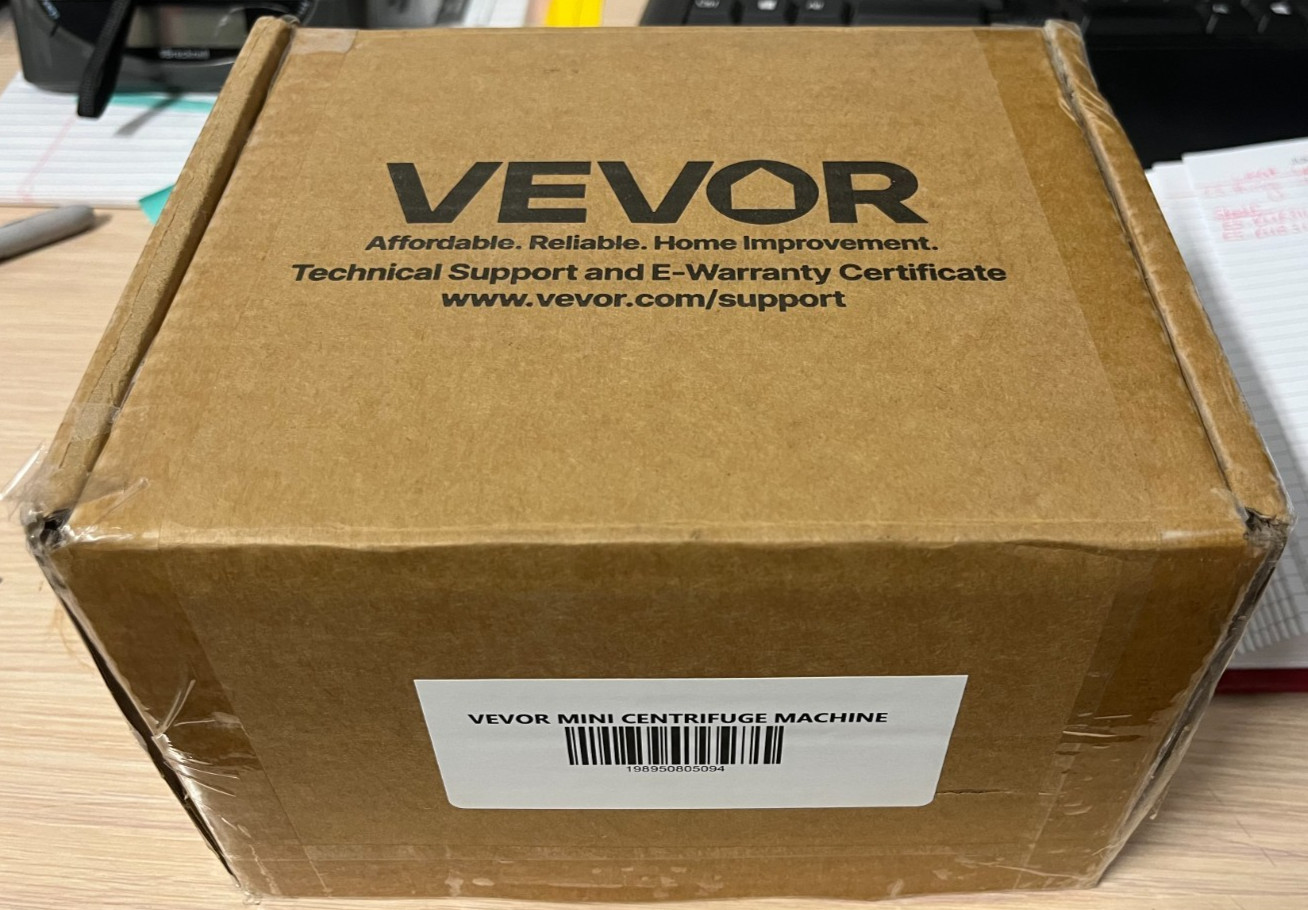 VEVOR Mini Centrifuge Machine, 3013xg RCF Electric Laboratory Centrifuge Machine$49.50Last checked Nov 27, 2026View on eBay
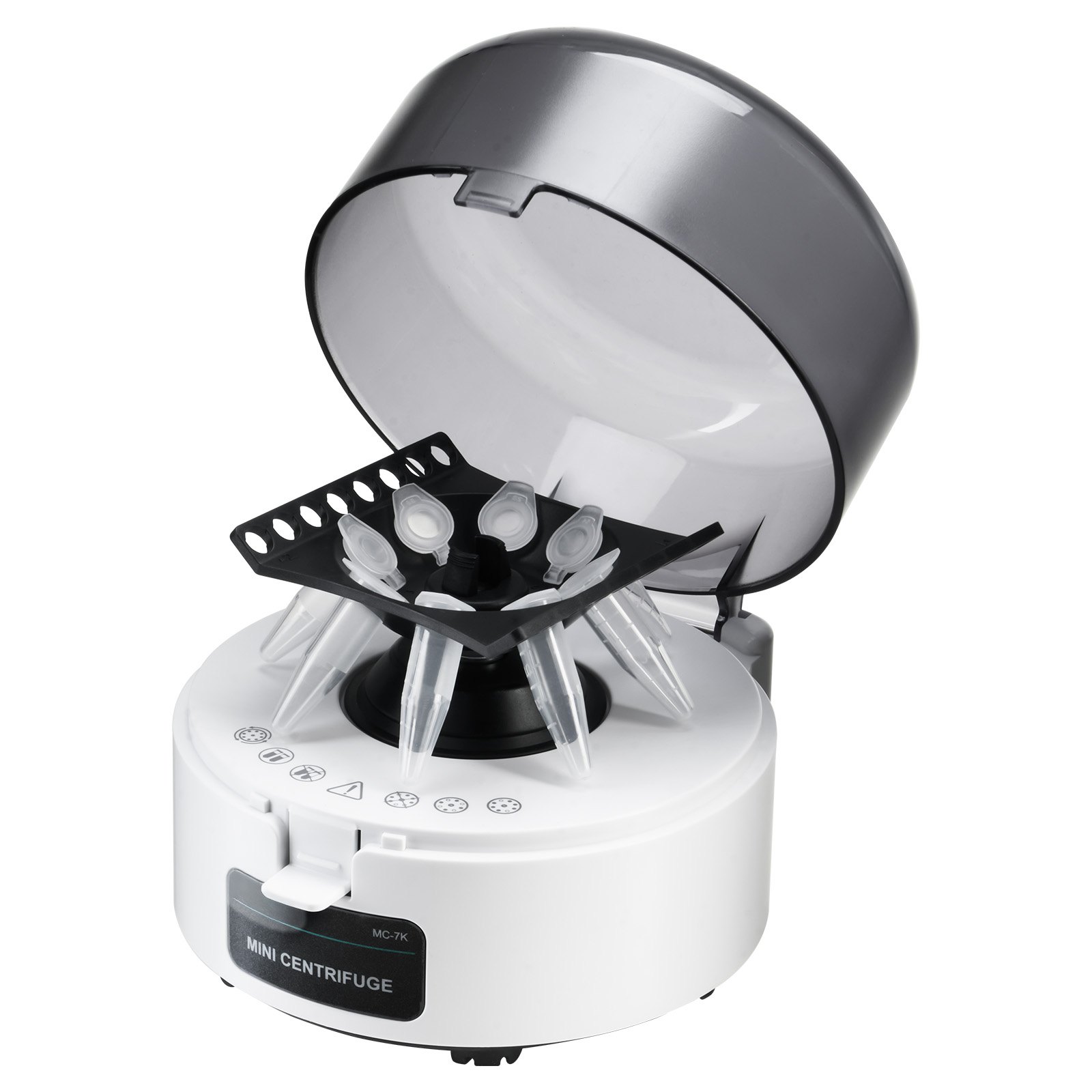 Mini Centrifuge Machine, 3013xg RCF Electric Laboratory With 2-in-1 Rotor For 0.2/1.5/2ml Tube Capacity, Fixed Speed 7000r/min, Low Noise, Widely Used In Various Experiments$75.99View on Mallflare
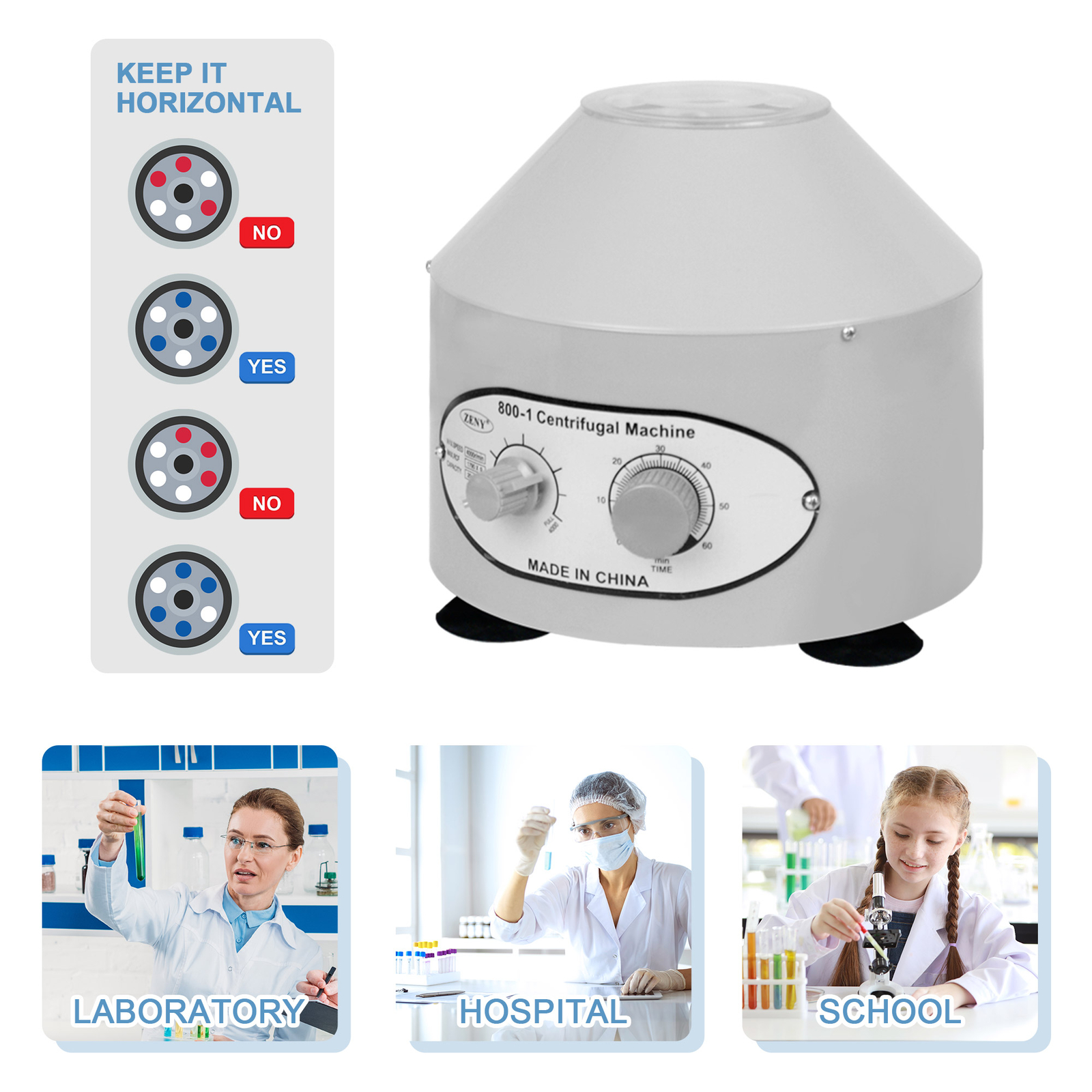 Desktop 800-1 Electric Centrifuge Machine 4000Rpm Laboratory Medical w/ Timer$56.19Last checked Nov 27, 2026View on eBay
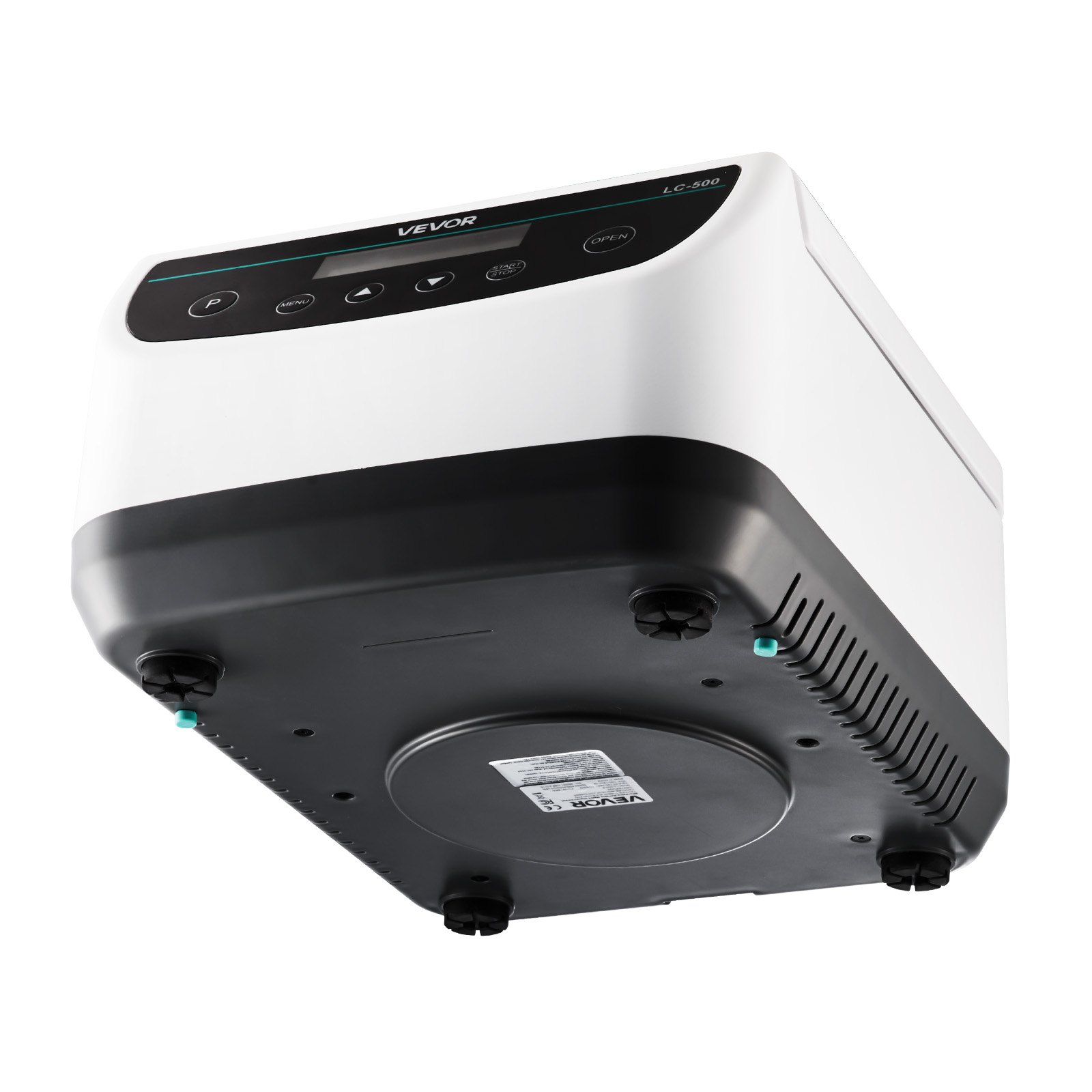 Centrifuge Machine, 100-1900xg RCF Electric Laboratory With 1 Rotor For 2/5/10/15ml Tube Capacity, Low Speed 500-4000rpm Timer, Widely Used In Various Experiments$332.99View on Mallflare
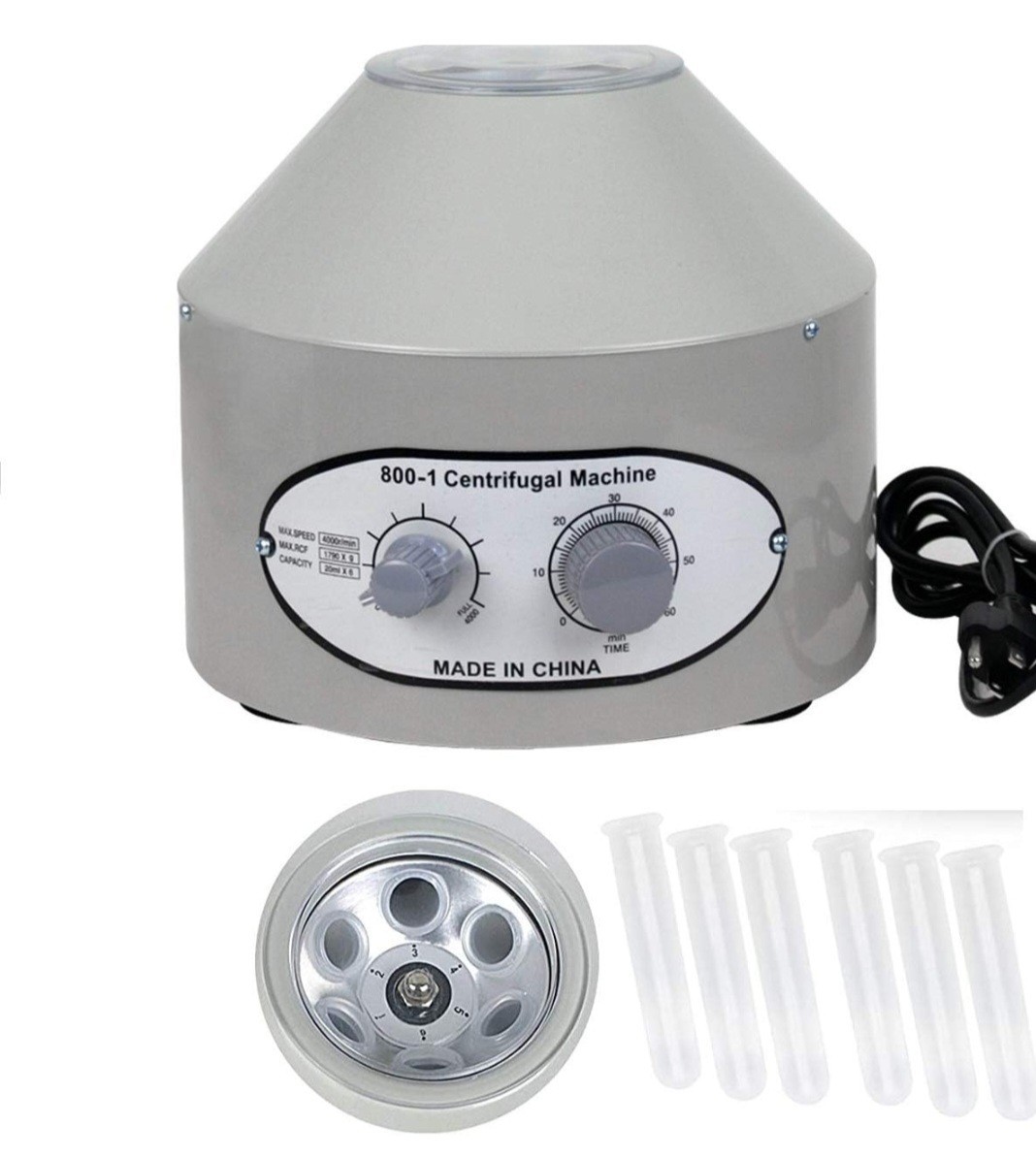 Desktop Electric Lab Laboratory Centrifuge Machine Lab Medical Practice w/Timer$60.00Last checked Nov 27, 2026View on eBay
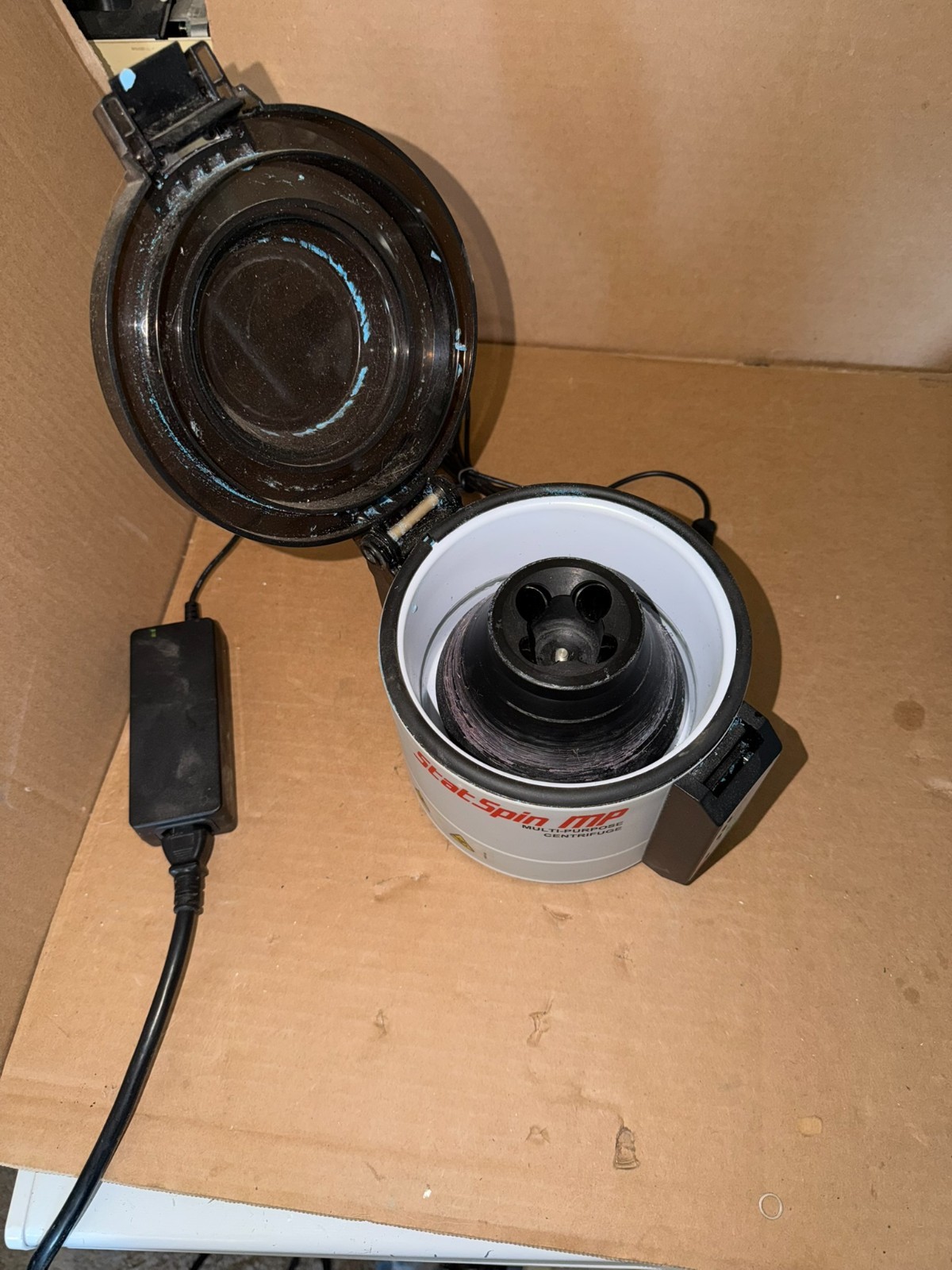 Beckman Coulter StatSpin Express 2 Centrifuge Laboratory Blood Sample 120V$540.00Last checked Nov 18, 2026View on eBay
Highlights
- Fixed-speed mini centrifuges spin at roughly 7,000 rpm and 3,000 xg for 0.2/1.5/2 mL tubes — fast but single-purpose.
- Variable-speed clinical centrifuges run 500–4,000 rpm (100–1,900 xg) and accept 2/5/10/15 mL tube rotors with an adjustable timer.
- Benchtop clinical units typically hold 8–12 tubes per run; rotor capacity, not motor wattage, sets throughput.
- Refurbished high-speed units like Beckman Coulter StatSpin Express 2 run on 120 V and are built for blood-sample separations.
Best use cases
- Pick a fixed-speed 7,000 rpm mini centrifuge for PCR, micro-centrifuge spins, and 1.5 mL tube work where one speed is enough.
- Pick a 500–4,000 rpm variable-speed unit with a 2/5/10/15 mL rotor for blood, urine, and clinical sample prep needing timed low-speed spins.
- Skip the mini centrifuge if you need to spin 10–15 mL tubes — its rotor physically cannot accept them; go variable-speed.
- Skip high-speed refurbished clinical units unless you can verify rotor condition and balance — cracked rotors are a safety and accuracy risk.
Buying tips
- Match rotor capacity to your tube sizes first: 0.2/1.5/2 mL micro-tubes need a mini rotor, while 2/5/10/15 mL tubes require a clinical swing-out or fixed-angle rotor.
- Check the RCF, not just rpm: 3,000 xg suits micro-tube pelleting, but low-speed clinical separations often call for 100–1,900 xg controlled ranges.
- Insist on a timer and adjustable speed for anything beyond single-purpose spins; fixed-speed no-timer units limit protocol flexibility.
- Prefer units with a lid interlock and imbalance detection — these are the core safety mechanisms on benchtop lab centrifuges.
Specs
| Speed Range | Fixed ~7,000 rpm vs 500–4,000 rpm |
|---|---|
| RCF | ~3,000 xg mini vs 100–1,900 xg clinical |
| Tube Compatibility | 0.2/1.5/2 mL vs 2/5/10/15 mL |
| Rotor Type | Fixed micro vs interchangeable clinical |
Related searches
What to check before buying
- Measure your bench space and confirm the unit's footprint plus clearance for the lid to open fully.
- Verify your tube sizes and rotor compatibility — buy the rotor that matches your actual 0.2/1.5/2 mL or 2/5/10/15 mL tubes.
- Confirm the voltage and plug standard matches your lab supply — many clinical centrifuges are 120 V, so check before importing.
- For refurbished or used units, inspect the rotor for cracks and confirm the lid interlock functions before first use.
FAQ
Data sources: eBay / Amazon listings and product attribute feeds. Updated Nov 28, 2026.
Some links on this page are affiliate links. If you buy after clicking one, we may earn a commission at no extra cost to you. This does not change which products appear here or their order. Affiliate disclosure.