When you're looking at multimeters electrical testers, the first question isn't which one is more popular. It's whether you need a number or a signal. Do you want to know exactly how many volts are present, or just whether a wire is live? That split sets these two testers apart: one is a compact digital meter, the other is a pen-style detector.
Quick Verdict
If you need actual measurement values, the Digital Multimeter LCD Voltmeter Ammeter Ohmmeter is the more complete tool at $6.99. If you only need to confirm power is present, the Voltage Electric Tester Test Pen is faster and easier at $4.29.
At a Glance
| What to compare | Digital Multimeter LCD Voltmeter Ammeter Ohmmeter | Voltage Electric Tester Test Pen |
|---|---|---|
| Price | $6.99 | $4.29 |
| Best for | Measuring AC/DC voltage, current, and resistance | Quick live-wire and voltage presence checks |
| Display | LCD digital display | Blue-ray digital display screen |
| Input method | Test leads included | Non-contact sensor plus probe tip |
| Safety features | Shunt resistor, HRC fuse | Insulating ABS shell |
| Price bar |
Where Each Product Wins
Choose the Digital Multimeter if...
- You want a numeric reading for AC/DC voltage, current, and resistance checks.
- You need test leads to reach terminals and components.
- A 1999-count display with Data Hold is enough for your projects.
Choose the Voltage Tester Pen if...
- You want a quick yes/no check before touching a wire.
- You work in dark or awkward spots where a readable blue display helps.
- You prefer a compact, pen-style tool for basic voltage detection.
Product Notes
#### Digital Multimeter LCD Voltmeter Ammeter Ohmmeter
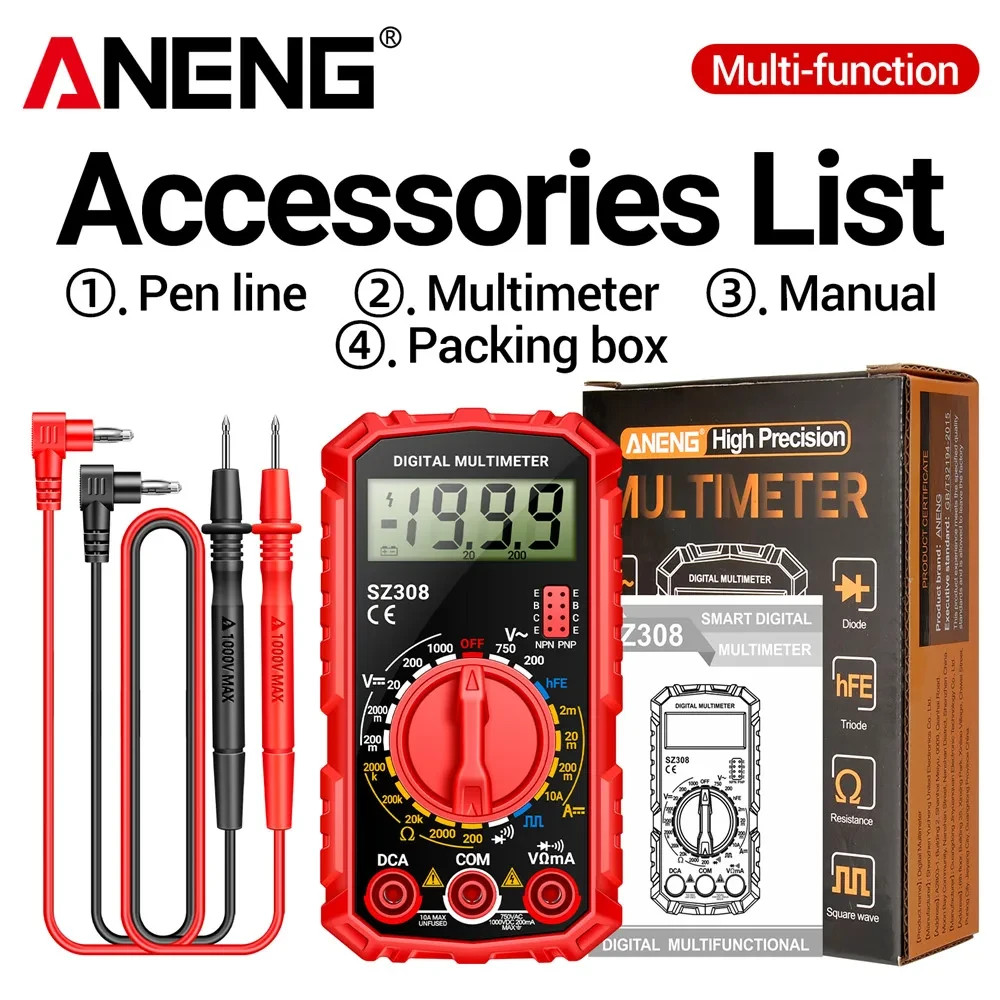
The Digital Multimeter LCD Voltmeter Ammeter Ohmmeter is best for anyone who wants to know the size of the problem. The LCD readout shows measured values, so you can compare a circuit against an expected spec. Data Hold comes in handy when the display is hard to see while you're holding the probes. The input protection features, including an HRC fuse and shunt resistor, give it a layer of safeguarding for everyday electrical work. The limitation is that it needs a bit more skill and patience: you have to choose the right function and read the number. For a quick live-wire check, you'll spend more time than you need to with this meter.
#### Voltage Electric Tester Volt Detector Test Pen
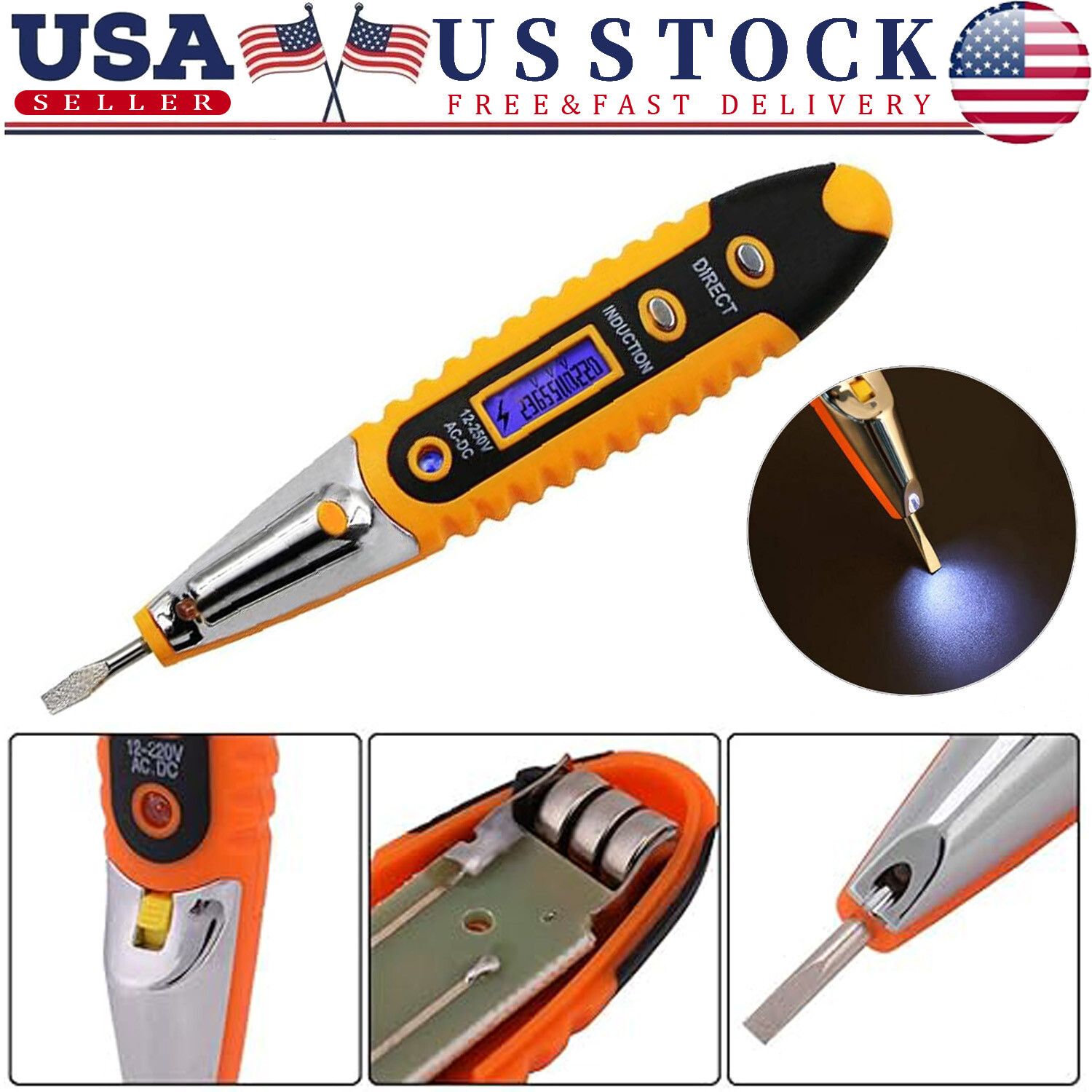
The Voltage Electric Tester Volt Detector Test Pen is the tool to grab when you don't need a number, just a clear answer. Its non-contact sensor detects AC voltage from 12 to 1000V without touching bare wires, and the blue-ray display is readable in low light. The pen also helps distinguish the null line and locate a broken point, which is useful when you're tracing a circuit. The insulating ABS shell and CR-V screwdriver bits make it feel practical and durable. The trade-off: it won't give you an ammeter or ohmmeter reading, and it won't show an exact voltage value. If you need quantitative data, this pen won't replace a multimeter.
Final Choice by Use Case
- For DIYers and hobbyists who want a general-purpose meter: Digital Multimeter LCD Voltmeter Ammeter Ohmmeter.
- For quick safety checks before touching wires: Voltage Electric Tester Test Pen.
- For building a well-rounded electrical kit: Start with the multimeter for real measurements, then add the pen for quick checks.