If you're shopping for multimeters and electrical testers, the first fork in the road is simple: do you need a quick "is this wire live?" check, or a tool that gives you actual electrical measurements? The two options here take opposite approaches, and the right choice depends on the work you do most. One is a pocket-sized safety check; the other is a full diagnostic instrument. Keep that difference in mind as you compare them.
Quick Verdict
If most of your work involves checking outlets, switches, and cords for live voltage, the Electricity Test Pen is the simpler, lighter choice. If you're troubleshooting devices or circuits that need actual readings, the Digital Multimeter is worth the extra money. The pen is easier to carry and quicker to use; the multimeter gives you a much fuller picture of what's happening in the circuit. The right pick isn't about which is better overall-it's about which matches the tasks you face most often.
At a Glance
| Feature | Electricity Test Pen | Digital Multimeter |
|---|---|---|
| Listed price | USD 3.20 | USD 6.99 |
| Relative price | ||
| Readout | Red glow and beep | Digital LCD with Data Hold |
| Safety rating | CAT II 1000V | CAT III |
Where Each Product Wins
- Electricity Test Pen: Wins when speed and portability matter most. You can carry it and get a quick yes/no answer about live voltage before working on something. Use it when you're moving between many points quickly.
- Digital Multimeter: Wins when you need a concrete measurement to compare, record, or act on, rather than just a signal that says "live." Use it when you need to settle on a diagnosis.
Product Notes
Digital Multimeter LCD Voltmeter Ammeter Ohmmeter Volt AC DC Tester Leads Meter
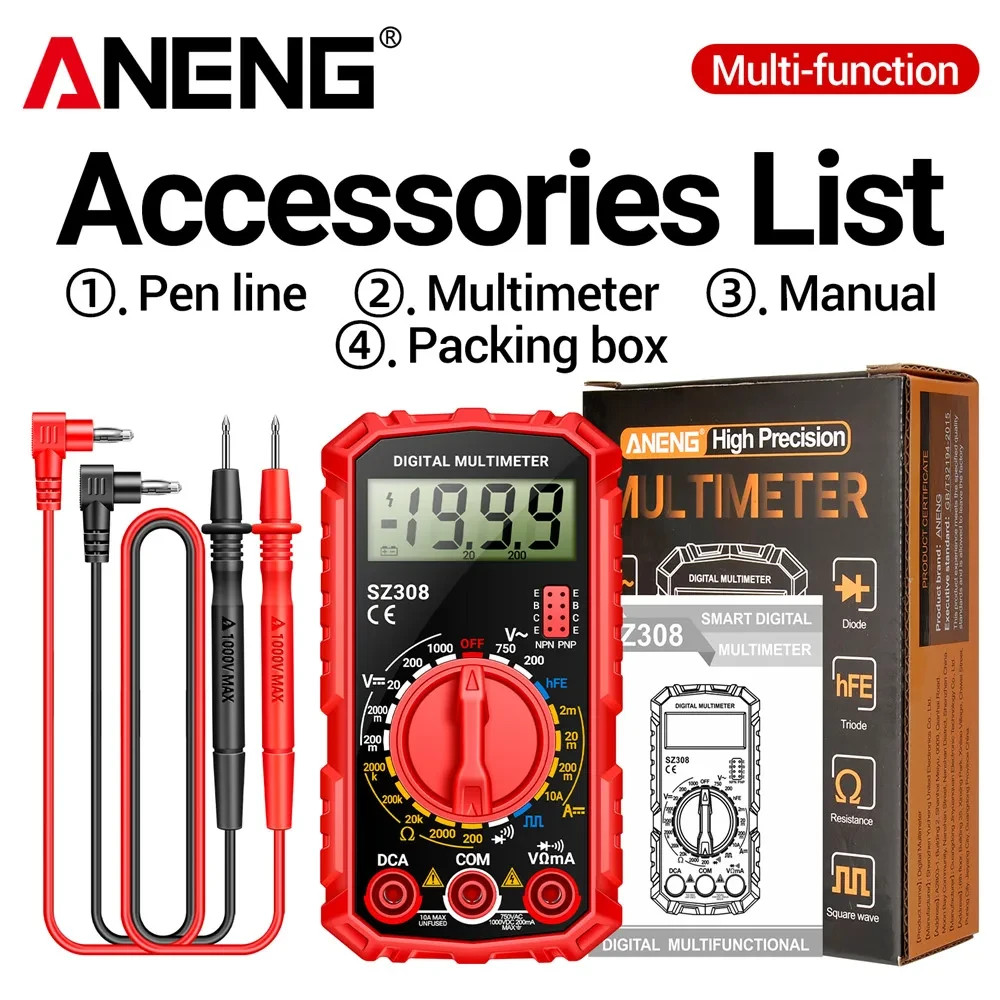
This is the more capable tool of the pair. It measures AC and DC voltage, works as an ammeter for current, and reads resistance, which means you can use it to check batteries, household wiring, and individual electronic components. The bundled test leads let you make solid connections to the circuit or device you're testing, and its handheld form factor makes it easy to move between tasks. You can move from a wall outlet to a battery to a component without switching tools, and that flexibility is what makes it useful beyond simple checks. The main limitation is that you have to attach the leads and position the meter before you get a reading; it's not a one-hand sweep over a wire. If you're doing serious troubleshooting, that trade-off is easy to accept.
Electricity Test Pen Digital 90-1000V AC Voltage Detectors Non-Contact Tester Pen
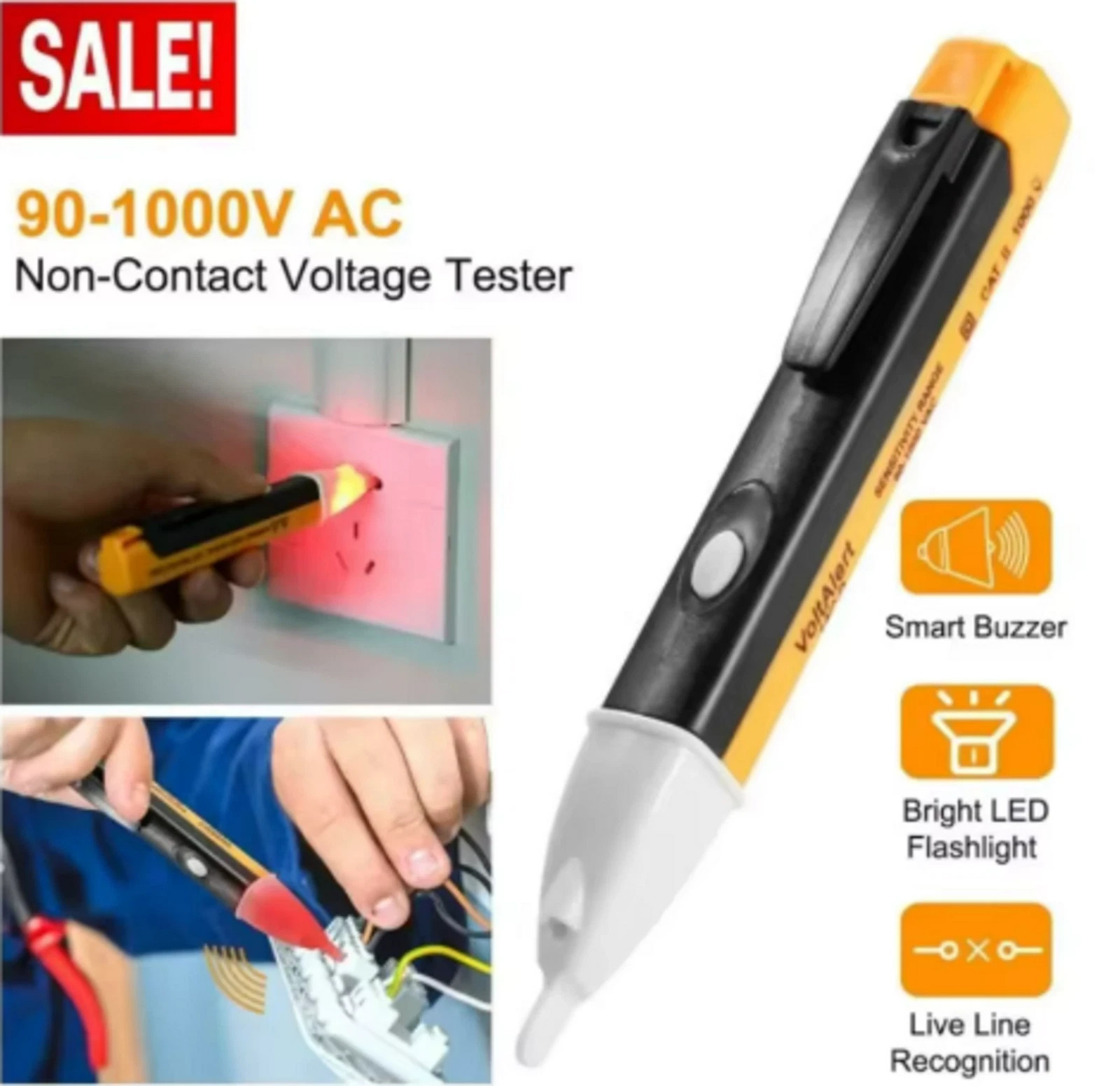
This pen-style detector is the opposite approach: instead of measuring and displaying, it quickly tells you whether AC voltage is present. It covers 90 to 1000V AC at 50 to 500 Hz, which fits typical household outlets and supply cords. At $3.20, it's the lower-priced option by a clear margin, and its pen shape makes it easy to keep nearby. It is designed for a quick check before you touch a terminal strip, outlet, or cord, so you know whether the circuit is energized. The two AAA batteries it needs are not included, so budget for those. You also get a presence signal rather than a measurement value. For a fast, portable live-wire check, this is a sensible choice.
Final Choice by Use Case
If the job is simply to confirm that a circuit is off or that an outlet is live before you work on it, the Electricity Test Pen is the practical pick. If you need to diagnose why a circuit isn't behaving, identify a bad battery, or measure components, the Digital Multimeter gives you the information you need. For most homeowners and DIYers who only occasionally check outlets, the pen's simplicity is a real advantage. For anyone who repairs electronics or does automotive work, the multimeter is the better long-term choice.