If you're adding a pen-style tester to your multimeters electrical testers drawer, the first question is how much feedback you need. Both of these compact detectors cover the same 12-1000V AC range, but they go about it differently: one leans on a built-in digital display, and the other uses light and sound to alert you.
Quick verdict
For everyday checks on live AC wiring, the Non-Contact Voltage Detector gives faster feedback because it tells you with sound and light while you probe. If you also work on DC circuits, the Voltage Electric Tester covers more voltage types for a lower listed price.
Comparison at a glance
| Feature | Voltage Electric Tester 2-Pack | Non-Contact Voltage Detector |
|---|---|---|
| Price | USD 6.59 | USD 7.35 |
| AC voltage range | 12-1000V | 12-1000V |
| Detection modes | AC and DC | AC |
| Alert method | Digital display | LED light and beep |
| Special features | Self-check, null line detection, screwdriver bits | Flashlight, smart breakpoint finder |
| Pens included | 2 | 1 |
Where the Voltage Electric Tester wins
The title includes AC DC, and the description covers direct current power detection, so this pen is the more versatile option if your projects include battery circuits and other DC work. The blue-ray digital display gives you a visible readout on the pen, while the self-check and null line detection functions make it easier to confirm the tool is ready and tell live from neutral. It also locates broken points, which helps when you're tracing a fault.
Where the Non-Contact Voltage Detector wins
This detector is built around hands-free feedback. A bright LED light and audible beep let you keep your eyes on the cable or outlet while you test, and the built-in light comes in handy in dark panels and tight spaces. The smart breakpoint finder is useful for finding where a cable has stopped carrying current, and the compact body carries easily in a pocket.
Product notes
Voltage Electric Tester Volt Detector Test Pen AC DC Non-Contact Sensor 12-1000V
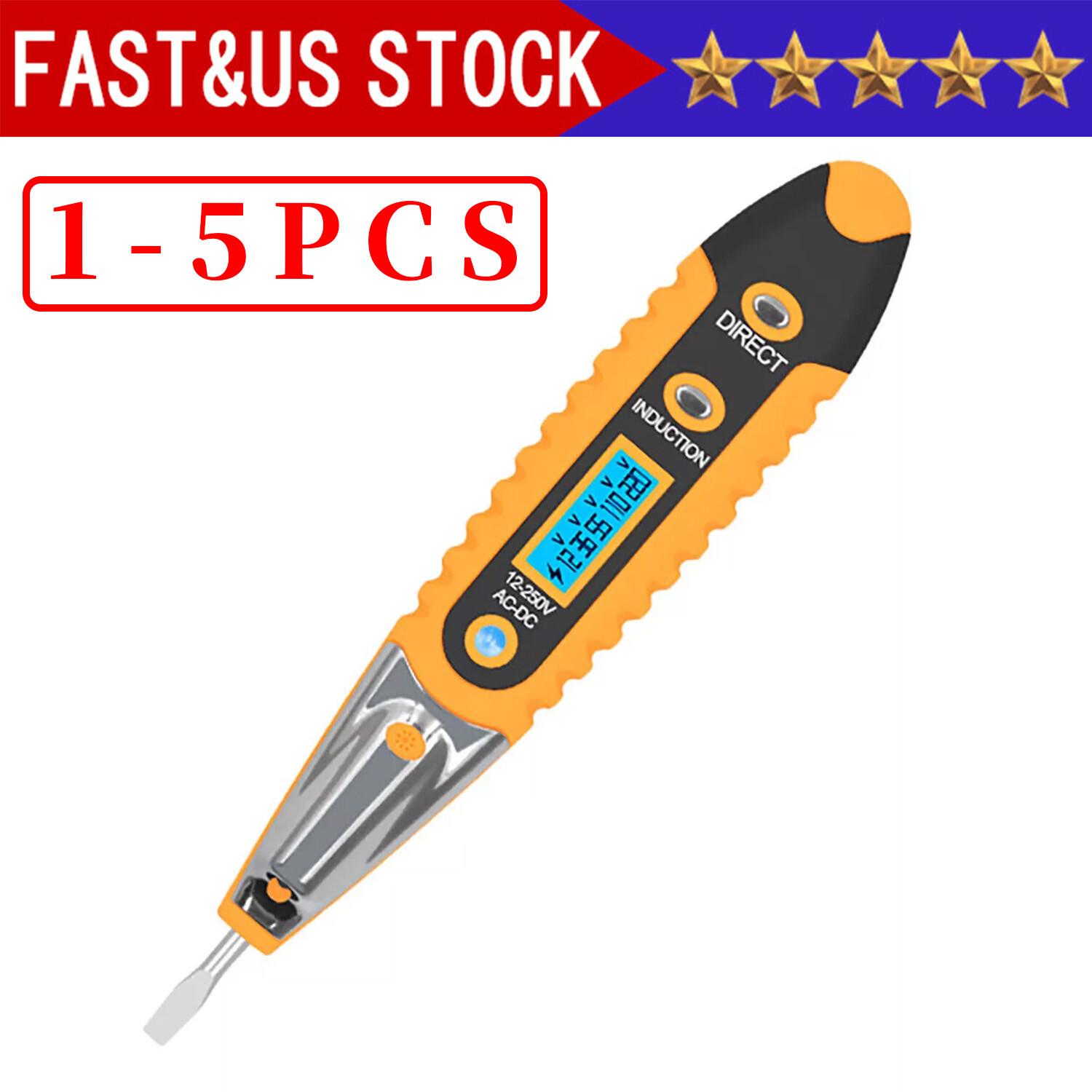
This two-pack is the stronger choice when your projects span both AC and DC. The pen is made with an insulating ABS shell and includes integrated screwdriver bits, so it doubles as a basic probing tool. The blue-ray digital display makes readings easier to see in low light, while the self-check and null line detection functions help you confirm the pen is working and sort out wiring. It also locates broken points in circuits, which is useful when you're tracing a fault. Because the feedback is mainly visual, you'll want to position the display where you can read it while you probe. The set includes two complete pens, giving you a backup for the tool drawer or vehicle.
Non-Contact Voltage Detector 12-1000V AC Tester Pen Smart Breakpoint Finder
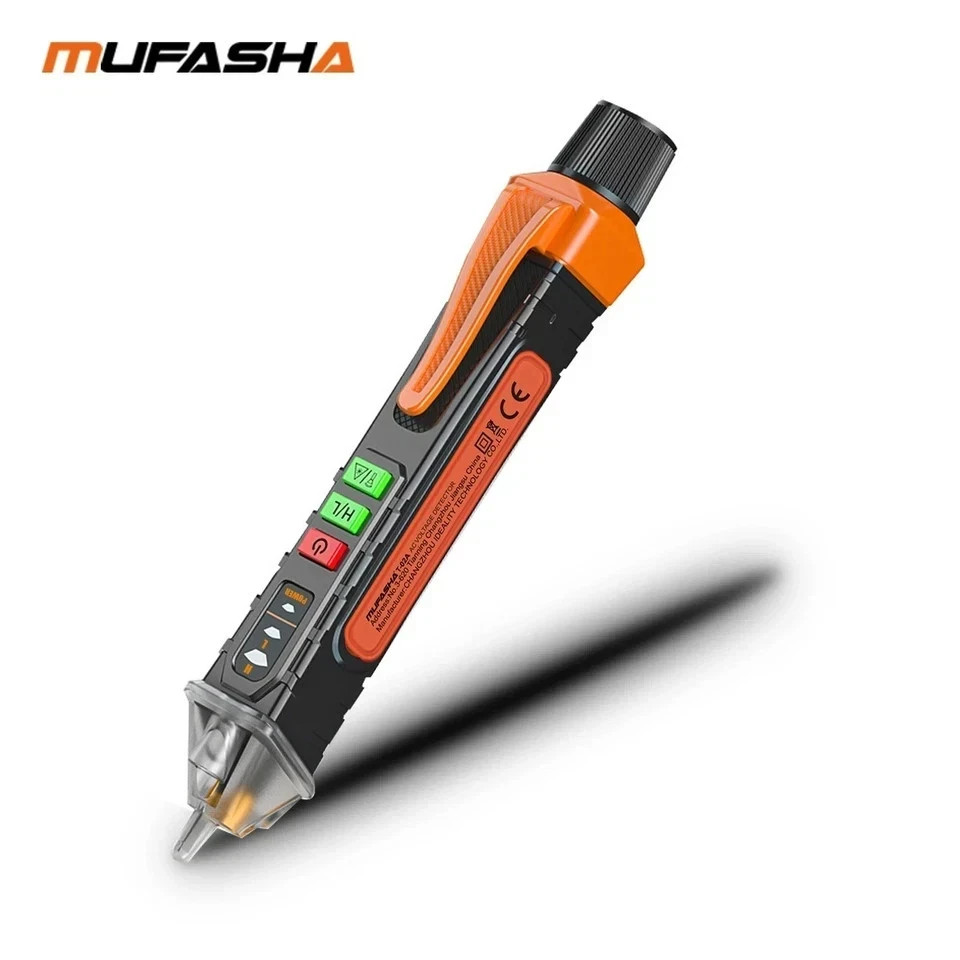
This detector is the pick when you want hands-free alerts during AC troubleshooting. It senses voltage through insulation, and the bright LED plus audible beep let you know when a wire is live without touching it. The listed range covers low-voltage doorbells and thermostats as well as household mains, and the smart breakpoint finder is handy for locating interruptions in cables, outlets, and circuit breakers. The built-in flashlight gives you a light source in dark work areas, and the compact, battery-powered body carries easily in a pocket. Keep in mind that this model is specified for AC circuits and comes as a single unit, so it's a one-pen solution when you're heading out to a job.
Final choice by use case
If your work regularly includes DC circuits and you like having a reserve pen, the Voltage Electric Tester is the practical call. If your priority is fast, clear feedback on live AC wiring in dim or cramped spaces, the Non-Contact Voltage Detector earns its slightly higher price.