For anyone sorting through multimeters and electrical testers, the first decision is which non-contact voltage tester fits the way you work. You want a tool that confirms a circuit is live, but you also want one that matches the tasks you actually do. That brings up two 12-1000V options: a compact voltage test pen and a positioning voltage tester kit. They cover similar ground, yet they take very different approaches to giving you feedback.
Quick Verdict
If you want a straightforward non-contact pen for everyday voltage checks, the Voltage Electric Tester Volt Detector Test Pen is the lower-priced pick. If you'd rather have more helpers while you work in dark or cramped spaces, the 12V-1000V Positioning Voltage Tester Tool Kit delivers, and it costs more. Their price spread is significant-about $9 separates the two-but both stay in the same 12-1000V range, so the real question is how much feedback you want.
At a Glance
| Feature | Voltage Electric Tester Volt Detector Test Pen | 12V-1000V Positioning Voltage Tester Tool Kit |
| Listed price | $4.29 | $13.58 |
| Detection | AC and DC | AC |
| Non-contact | Yes | Yes, sensitivity adjustable |
| Display | Blue-ray digital display | LCD analog display |
| Alerts and extras | Self-checking, screwdriver-style tip | Audible, visual, and voice alarm; flashlight; low-battery indicator; auto shutoff |
Where Each Product Wins
- Voltage Electric Tester Volt Detector Test Pen: This is the pick for quick checks and low-fuss adjustments. It's a compact pen-style tool that keeps your kit light.
- 12V-1000V Positioning Voltage Tester Tool Kit: This is the pick for longer diagnostics. The tool is designed to give you more cues about what you're testing, making it easier to stay focused on the circuit.
Product Notes
Voltage Electric Tester Volt Detector Test Pen
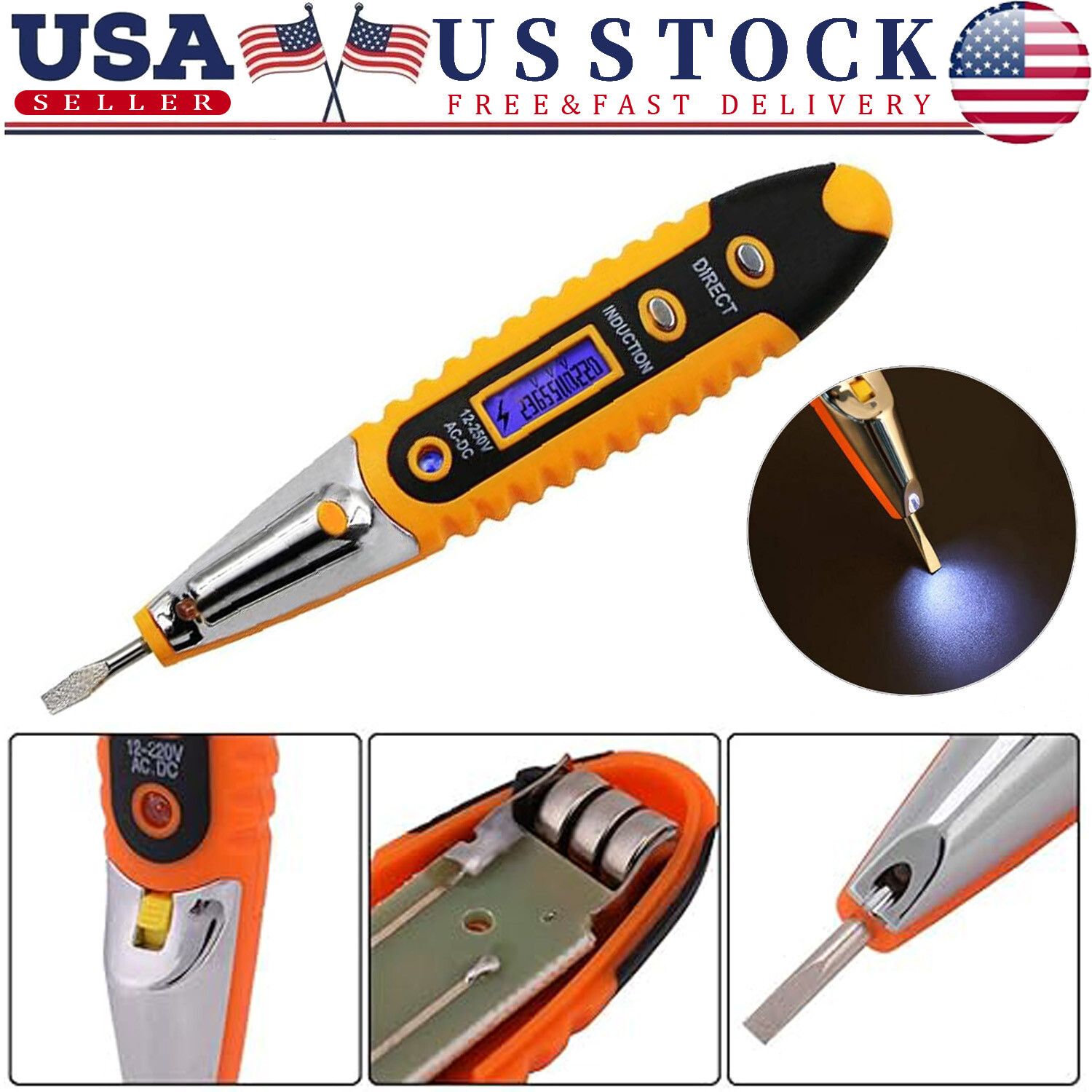
The headline reason to choose this pen is its straightforward approach. It combines AC and DC detection with a self-checking function, so you can confirm the tester is working before you trust it. The blue-ray digital display stays readable in dim conditions, and the flat screwdriver-style tip makes it easy to probe terminals. As a compact non-contact pen, it also slips into a pocket or pouch without adding bulk. On the other side, the pen's feedback centers on the digital display and self-check; the other tester in this pair adds a flashlight, voice alarm, and LCD analog scale. If those extra cues are essential to you, this pen will feel minimal. For routine live-and-dead checks, that minimal approach is easy to live with.
12V-1000V Positioning Voltage Tester Tool Kit
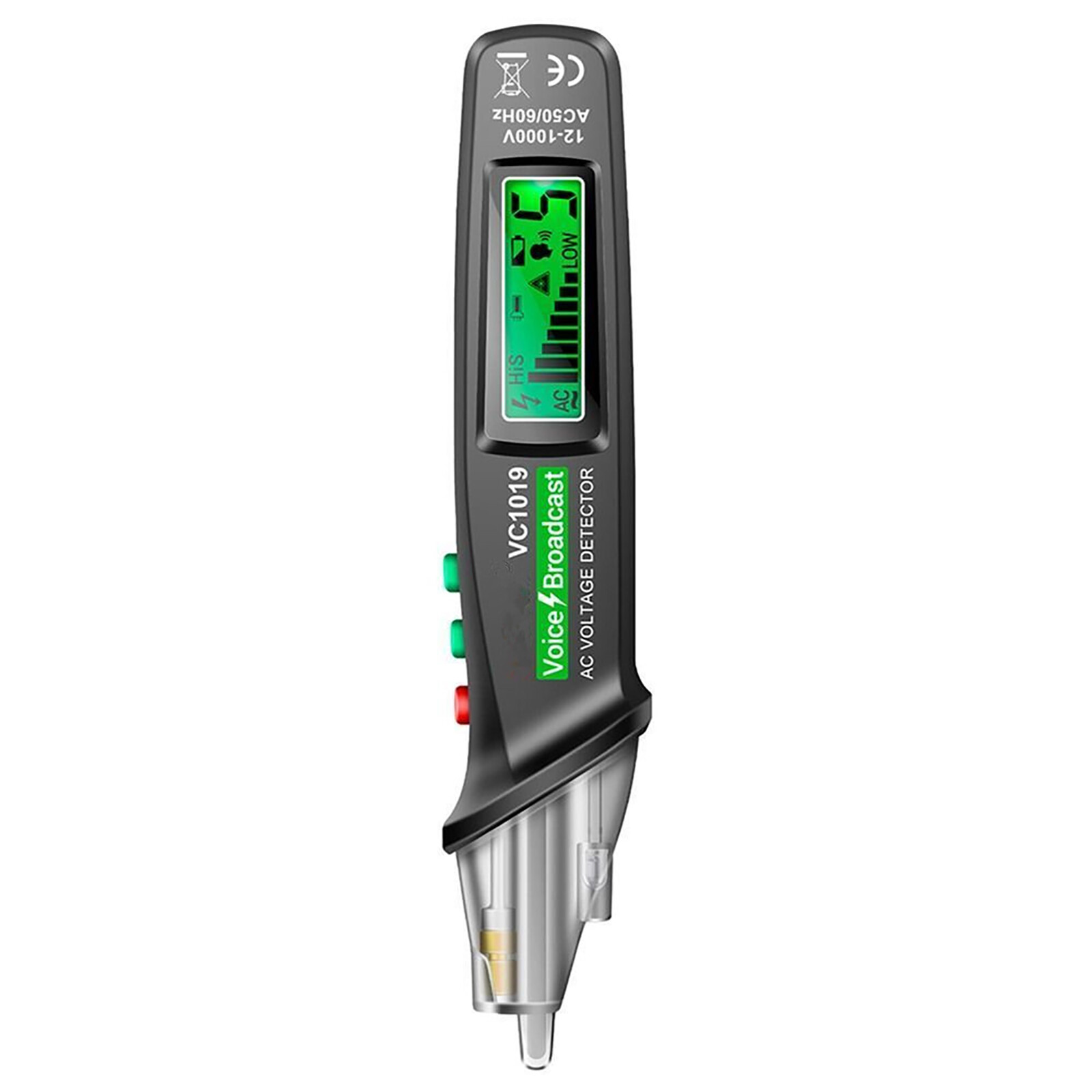
The reason to choose this kit is the amount of feedback it gives you. It pairs a flashlight with audible, visual, and voice alarms, and the LCD analog display can show fire-line and zero-line status. The non-contact sensitivity is adjustable, and the flat probe helps when tracing wires in outlet boxes, breakers, junction boxes, and fuses. It also includes a low-battery indicator and automatic shutdown after five minutes without detection, which helps protect battery life. The main thing to plan around is power: the tester takes two AAA batteries that are not included, so it won't run right out of the box. If your work often takes you into dark panels or crowded wiring areas, this positioning tester's extra helpers are worth the added cost.
Final Choice by Use Case
Choose the Voltage Electric Tester Volt Detector Test Pen when you want a compact, low-fuss option for routine checks. Choose the 12V-1000V Positioning Voltage Tester Tool Kit when you're willing to spend more for a more elaborate tracing tool. Both stay within the same 12-1000V range, so the decision comes down to how much feedback you want while you work.