If you do any electrical work around the house, you quickly run into the same decision: do you buy a simple test pen or a smart non-contact detector? Both of these pen-shaped tools cover the same 12-1000V AC range, but they approach the job differently and sit at opposite ends of the price ladder. In the multimeters and electrical testers space, the real question is how you like to work: do you want the lowest-cost way to confirm a wire is live, or do you want extra feedback and a light to guide you in dark spaces?
Quick Verdict
For most shoppers, the choice is straightforward. If you want a budget-friendly pen with a visual readout and multi-function detection, the Voltage Electric Tester Volt Detector Test Pen AC DC Non-Contact Sensor 12-1000V at $4.29 is the pick. If you'd rather have a built-in flashlight for dark panels, the Non-Contact Voltage Detector 12-1000V AC Tester Pen Smart Breakpoint Finder at $7.35 is worth the extra money.
Comparison Table
| Specification | Voltage Electric Tester | Non-Contact Voltage Detector |
|---|---|---|
| Listed price | USD 4.29 | USD 7.35 |
| AC voltage range | 12-1000V | 12-1000V |
| Listed product type | Voltage Tester Pen | Non-Contact Voltage Detector |
| Price indicator |
Where Each Product Wins
- Voltage Electric Tester wins on price and its blue-ray digital display screen.
- Non-Contact Voltage Detector wins on the audible beep and smart breakpoint finder.
Product Notes
Voltage Electric Tester Volt Detector Test Pen AC DC Non-Contact Sensor 12-1000V
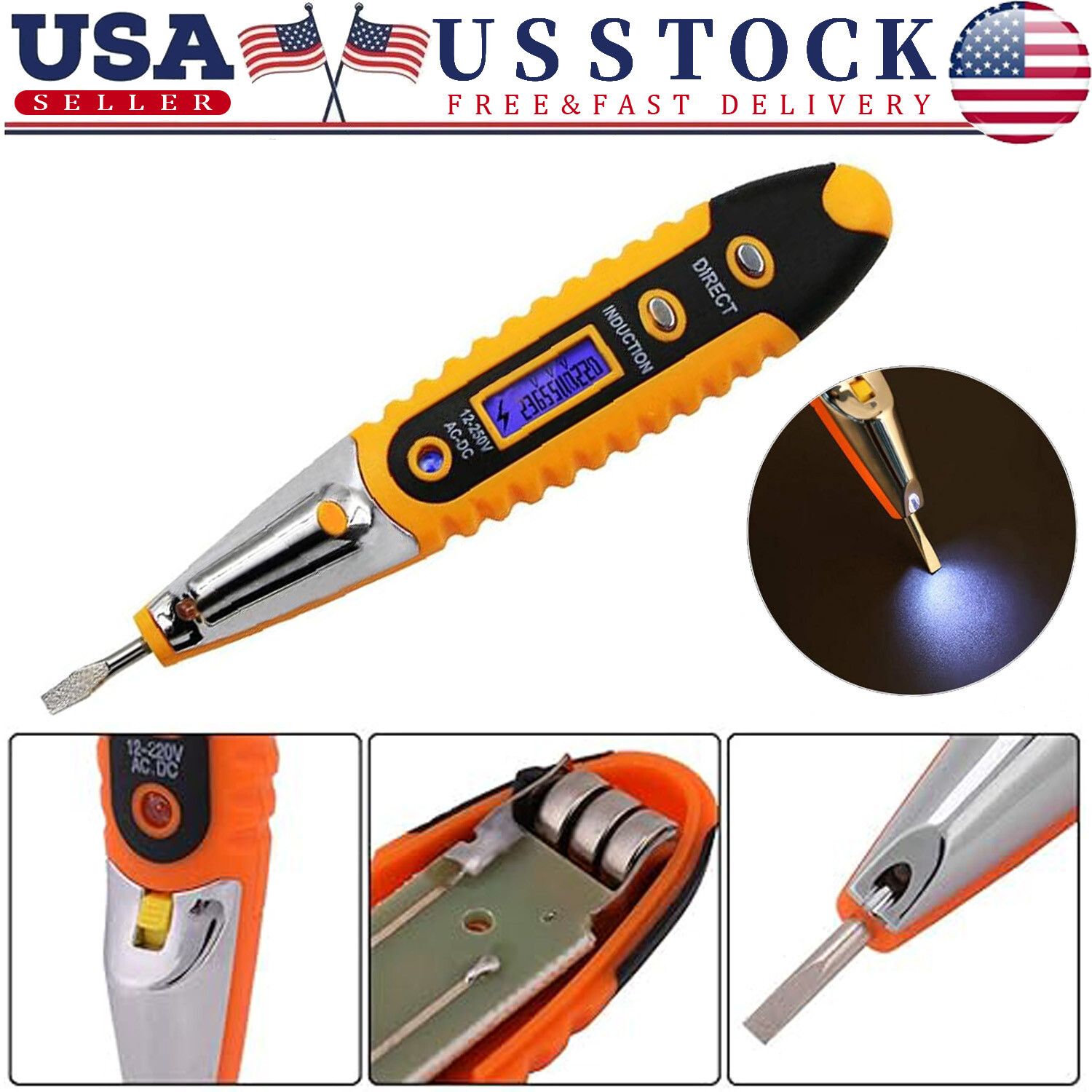
The lower-priced pen in this comparison makes a strong case for anyone who wants a straightforward tester with a readable display. It includes a blue-ray digital display screen that stays easy to read in dim conditions, plus multi-function detection that can distinguish null lines and find broken points. The insulating ABS shell and low power consumption point to a durable, long-lasting tool. The trade-off: the competing detector offers extra conveniences at a higher price. If those conveniences are important, you'll have to spend more; if not, this pen gives you a lot of function for the lower price.
Non-Contact Voltage Detector 12-1000V AC Tester Pen Smart Breakpoint Finder
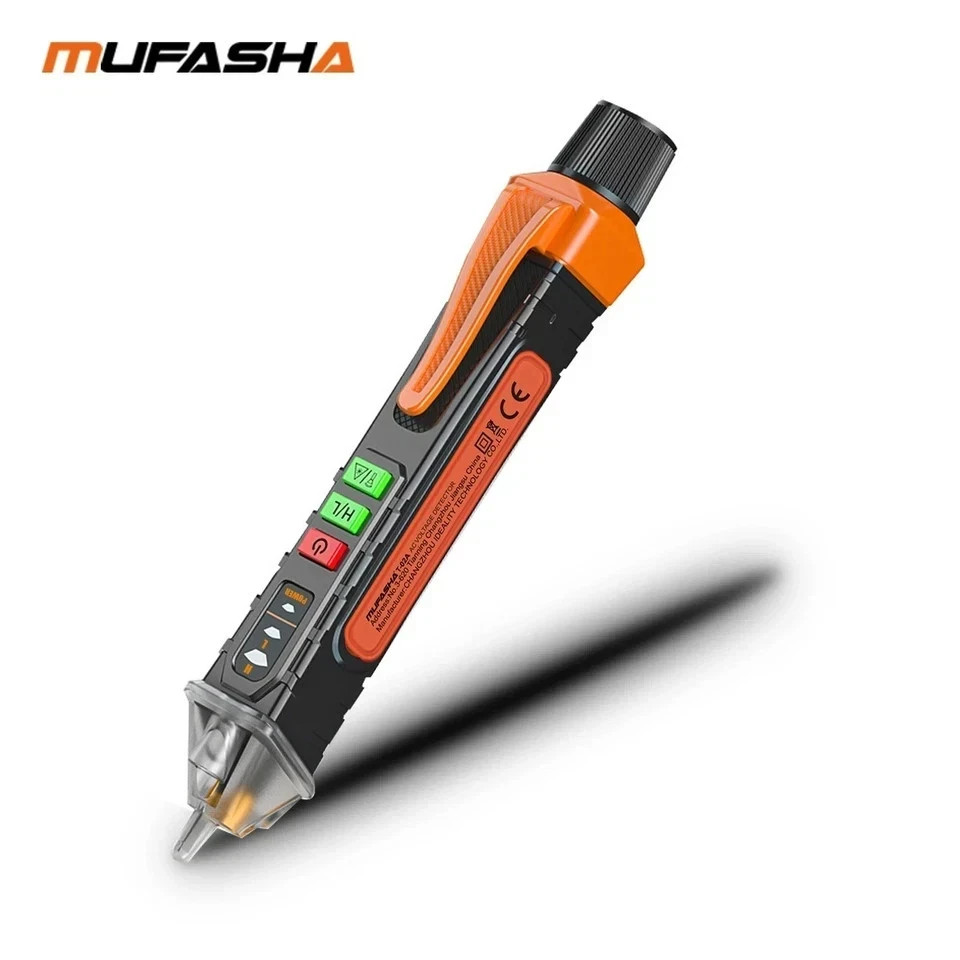
This is the feature-forward option at the higher end of the price range. Its non-contact detection type lets you sense live voltage through insulation, and it pairs that with a bright LED and an audible beep for both visual and sound alerts. The smart breakpoint finder is aimed at locating interruptions in cables, outlets, switches, and circuit breakers, making it a handy troubleshooting tool. The flashlight is the extra advantage that sets it apart from the cheaper pen, helping you see into dark panels. The limitation is cost: you'll pay a noticeable premium over the basic tester, so if you rarely work in dark spots and don't need the beep, the lower-priced pen may be enough.
Final Choice by Use Case
If you're an electrician or DIYer who frequently tests outlets in dark spaces, the higher-priced detector's extra features make it the better investment. If you want a basic tester with a straightforward interface and don't need the extra conveniences of the higher-priced model, the Voltage Electric Tester delivers the same 12-1000V AC coverage at the lower price. For general household troubleshooting where a bright light is handy, step up to the higher-priced pen.