Choosing between a voltage test pen and a digital multimeter is a classic fork in the road for anyone working with electrical circuits. In the multimeters electrical testers category, you have a lightweight pen that checks for voltage, and a full-featured meter that gives you readings. Both fit in a tool bag, but they solve different problems. The pen answers 'is this live?' in a second. The multimeter tells you exactly what the circuit is doing, from voltage to current to resistance. That difference drives the whole buying decision.
Quick Verdict
If your only question is 'is this wire live?', the Voltage Test Pen at $6.59 is the quicker, more affordable pick. If you want to measure voltages, currents, and resistances-or check continuity-the XL830L Digital Multimeter at $7.89 is the more capable tool for just $1.30 more.
At a Glance
| Feature | Voltage Test Pen | XL830L Digital Multimeter |
|---|---|---|
| AC voltage range | 12-1000V | 100mV-600V |
| Measurement scope | Voltage detection | Voltage, current, resistance, continuity, diode, transistor |
| Display | Digital display screen | Backlit display with data hold |
Where Each Product Wins
The Voltage Test Pen is the grab-and-go option for live-wire checks, with no setup and no mode dial to fuss with. It's a simple tool for a simple question. The XL830L Digital Multimeter is the do-it-all meter for anyone who needs actual readings rather than a simple present/absent signal. If your work goes beyond a quick check, the multimeter's extra measurement modes make it the more useful long-term tool. Think of the pen as a fast filter and the multimeter as the instrument.
Product Notes
Voltage Test Pen
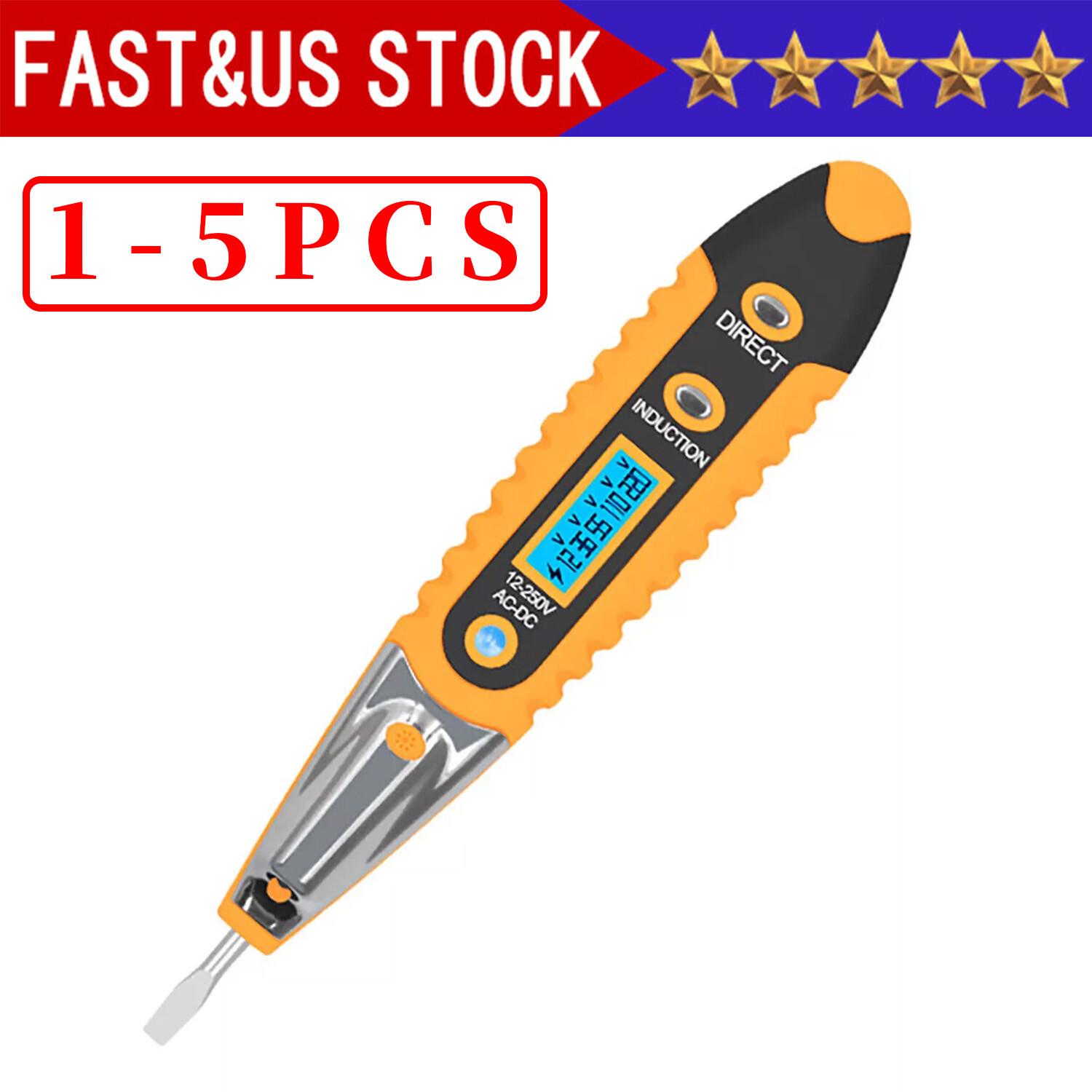
The two pens in this set both detect AC voltage across 12-1000V, so you get a spare tester without paying for a second kit. The digital display screen makes the result easy to read, and the insulating ABS body with a low-power circuit keeps it durable and light in the hand. It's the type of checker you tuck into a pocket for quick trips around the house. The trade-off is that it's designed specifically for voltage detection. For current or resistance readings, the multimeter below is the tool. For a fast, affordable live-wire check, this is the pick.
XL830L Digital Multimeter
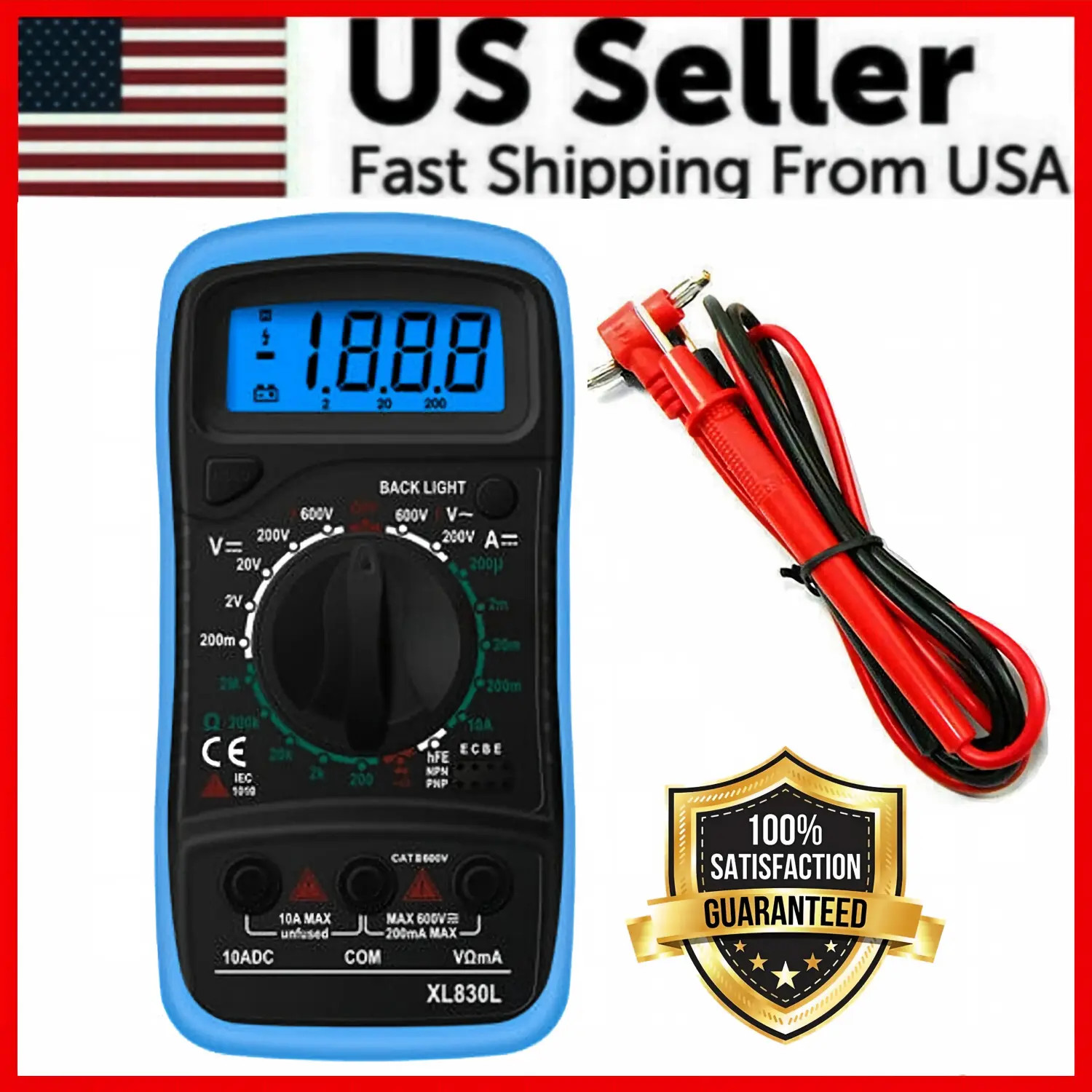
This is the meter for real troubleshooting. It measures voltage, current, resistance, continuity with a buzzer, and tests diodes and transistors. The backlight and data hold are genuinely handy when you're working in dim lighting or need to lock a reading while adjusting the test leads. The handheld form factor fits comfortably in your palm, and the digital readout gives you exact values. The trade-off is that all that capability comes with more complexity than a simple pen, and it costs $1.30 more. For someone who only checks whether a wire is live, that extra money won't buy useful features. If you're repairing electronics, wiring, or appliances, this is the tool that gives you the numbers you need.
Final Choice by Use Case
Grab the Voltage Test Pen for quick voltage presence checks and a spare in the drawer. Choose the XL830L Digital Multimeter when you need measurements, continuity confirmation, or component testing. The choice really comes down to how much information you want from your electrical tester. If you're a homeowner doing occasional checks, the pen is enough. If you're maintaining gear, repairing appliances, or building circuits, the multimeter earns its place.