When you're working around electrical circuits, the first decision is often whether you need a quick voltage check or a full set of measurements. A voltage tester pen and a digital multimeter both belong in the multimeters and electrical testers category, but they serve different moments on the job. One is a compact voltage detector; the other is a handheld meter with a long list of functions.
Quick verdict
- Choose the voltage tester pen for quick live-voltage checks.
- Choose the digital multimeter when you need measured values across more electrical functions.
At a glance
| Product | Best For | Listed Price | Key Strength |
|---|---|---|---|
| Voltage Electric Tester Volt Detector Test Pen AC DC Non-Contact Sensor 12-1000V | Fast live-voltage checks | USD 4.29 | Non-contact voltage detection from 12-1000V AC/DC |
| Digital Multimeter LCD Voltmeter Ammeter Ohmmeter Volt AC DC Tester Lead Meter | Multi-function electrical measurements | USD 8.95 | Voltage, current, resistance, capacitance, continuity, diode, and duty-cycle readings |
Where each product wins
The voltage tester pen wins when speed is the priority. It is the easier tool to grab when you want a quick voltage check, and it keeps the cost low.
The digital multimeter wins when you need numbers. It is the better choice when you are working with circuits and components that require measured values across multiple test functions.
Product notes
Voltage Electric Tester Volt Detector Test Pen AC DC Non-Contact Sensor 12-1000V
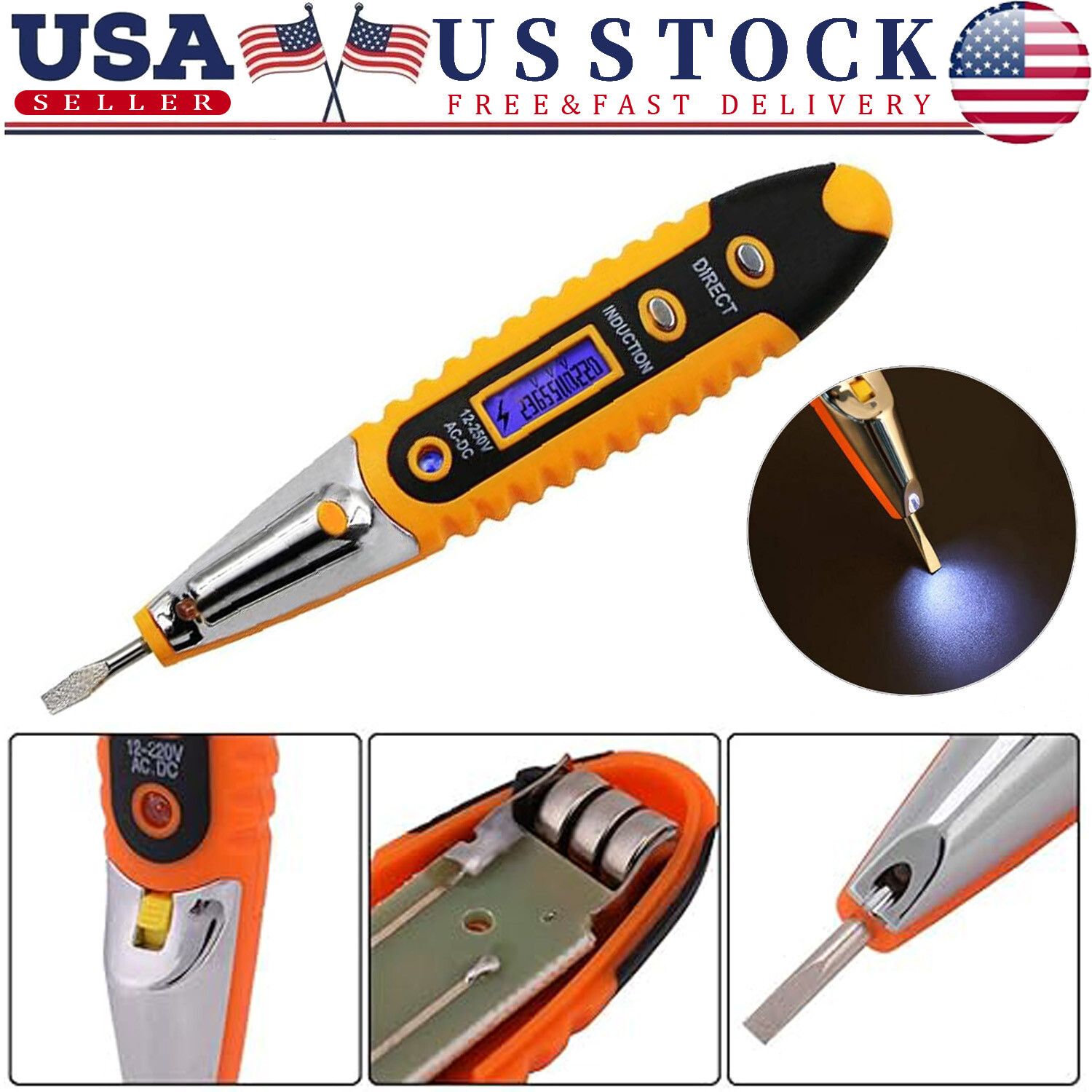
At $4.29, this voltage tester pen gives you a non-contact way to check AC/DC voltage from 12-1000V. It also has a self-check function, null-line identification, and broken-point tracing, plus a blue-ray digital display that is readable in darker work areas. The tradeoff: it is a voltage-focused tester, so if you need resistance, current, capacitance, or continuity readings, you will want the multimeter instead.
Digital Multimeter LCD Voltmeter Ammeter Ohmmeter Volt AC DC Tester Lead Meter
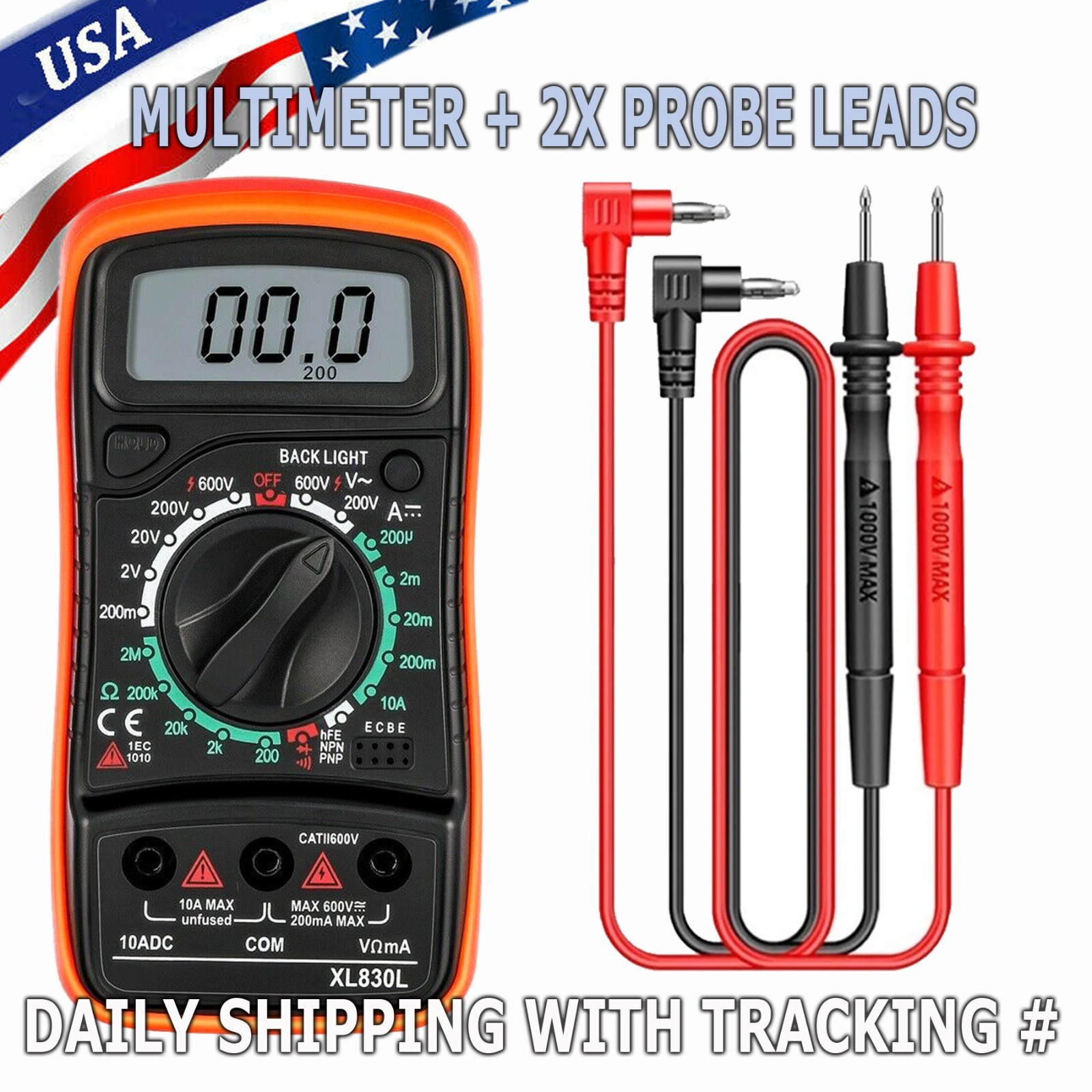
For $8.95, this digital multimeter measures AC/DC voltage and current, resistance, capacitance, continuity, diodes, and duty cycle. It includes auto-ranging, backlight, data hold, auto power off, and low battery indication, with a 3-digit LCD for clear readouts. Its main limitation is that it uses test leads for contact measurements, so when you just need a quick non-contact voltage scan, the pen is the faster tool.
Final choice by use case
Pick the Voltage Electric Tester Pen when you want a low-fuss voltage detector for live/dead checks, broken-point finding, and null-line tracing.
Pick the Digital Multimeter when you want an all-around meter that goes beyond voltage checks.