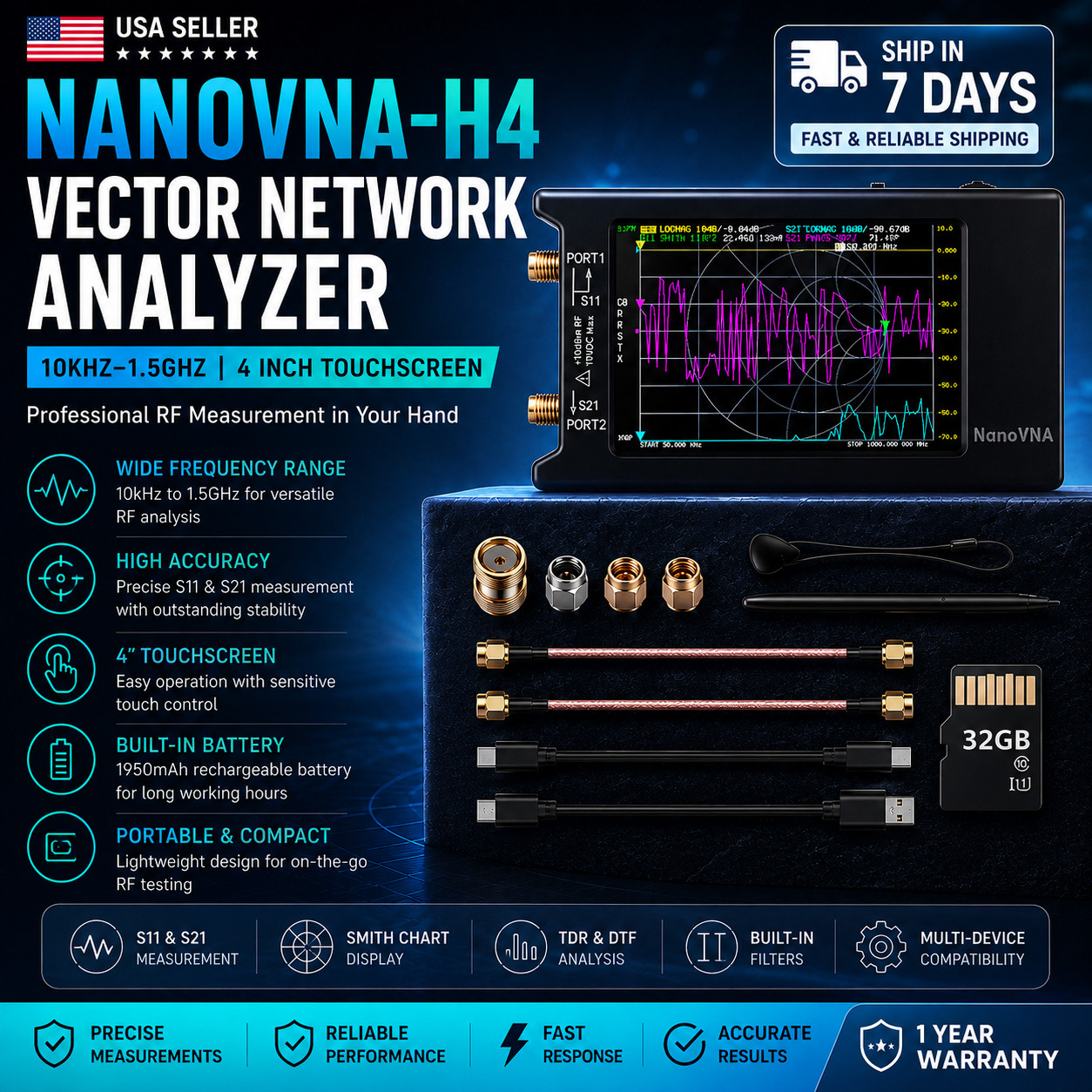
Oscilloscopes, Signal & Spectrum Analyzers
Seesii Zs407 Tinysa
Seesii ZS407 TinySA Ultra+ is an Oscilloscopes Signal Spectrum Analyzers product by Seesii. Key verified specs include Brand: Seesii; Model: ZS407 TinySA Ultra+; GTIN: 6973692199397.
Bench & Gauge
Compare test, measurement & inspection by use case, features, trade-offs, price, returns, and seller terms before you buy.
Seesii ZS407 TinySA Ultra+ is an Oscilloscopes Signal Spectrum Analyzers product by Seesii. Key verified specs include Brand: Seesii; Model: ZS407 TinySA Ultra+; GTIN: 6973692199397.
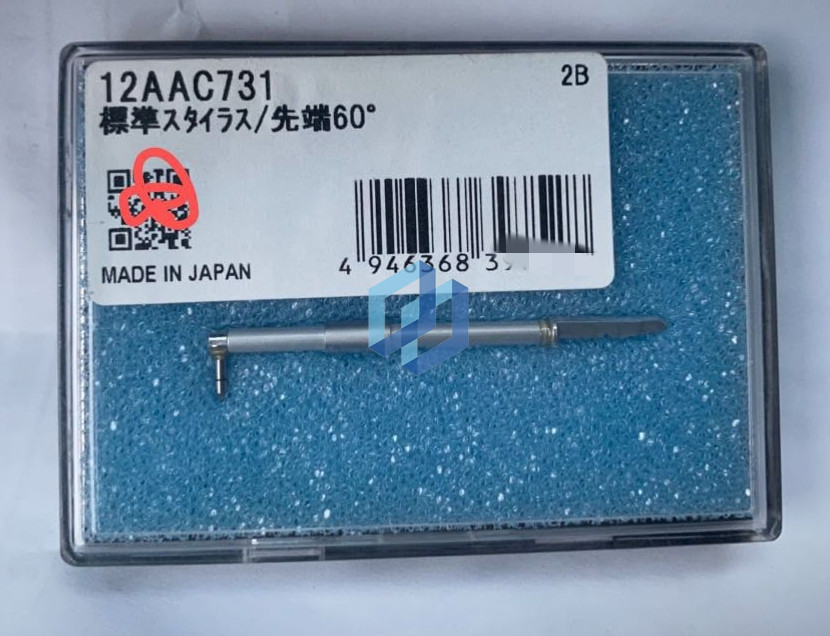
Automatefitting 12AAC731 is a Calibration Equipment Standards product by Automatefitting. Key verified specs include Brand: Automatefitting; Model: 12AAC731; Type: PLC Processor Module.
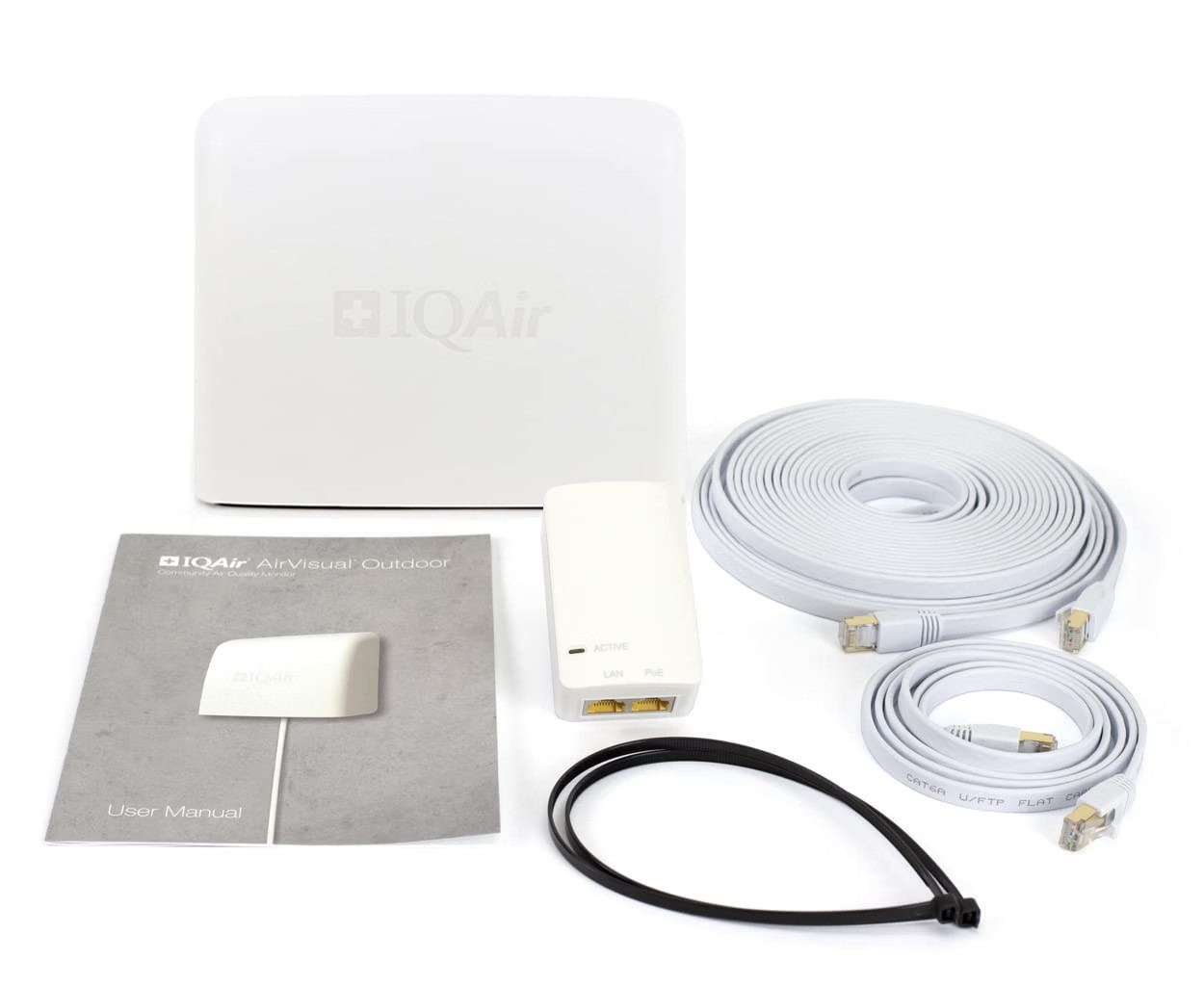
IQAir AirVisual Outdoor 2PM - US is an Environmental Indoor Air Measurement product by IQAir. Key verified specs include Brand: IQAir; Model: AirVisual Outdoor 2PM - US; MPN: AirVisual Outdoor.
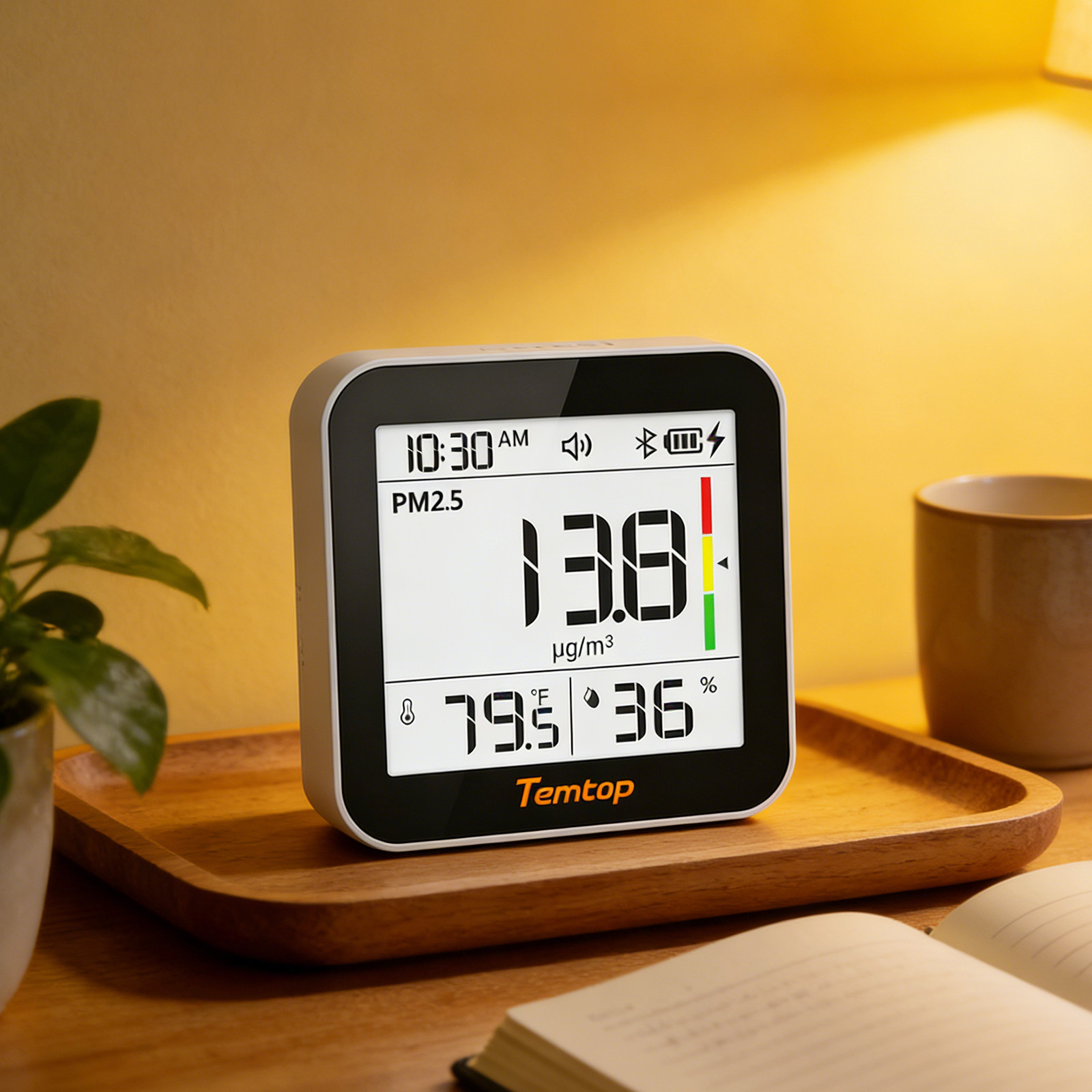
Temtop M10+ is an Environmental Indoor Air Measurement product by Temtop. Key verified specs include Brand: Temtop; Model: M10+; Type: Air Quality Detector App Control.
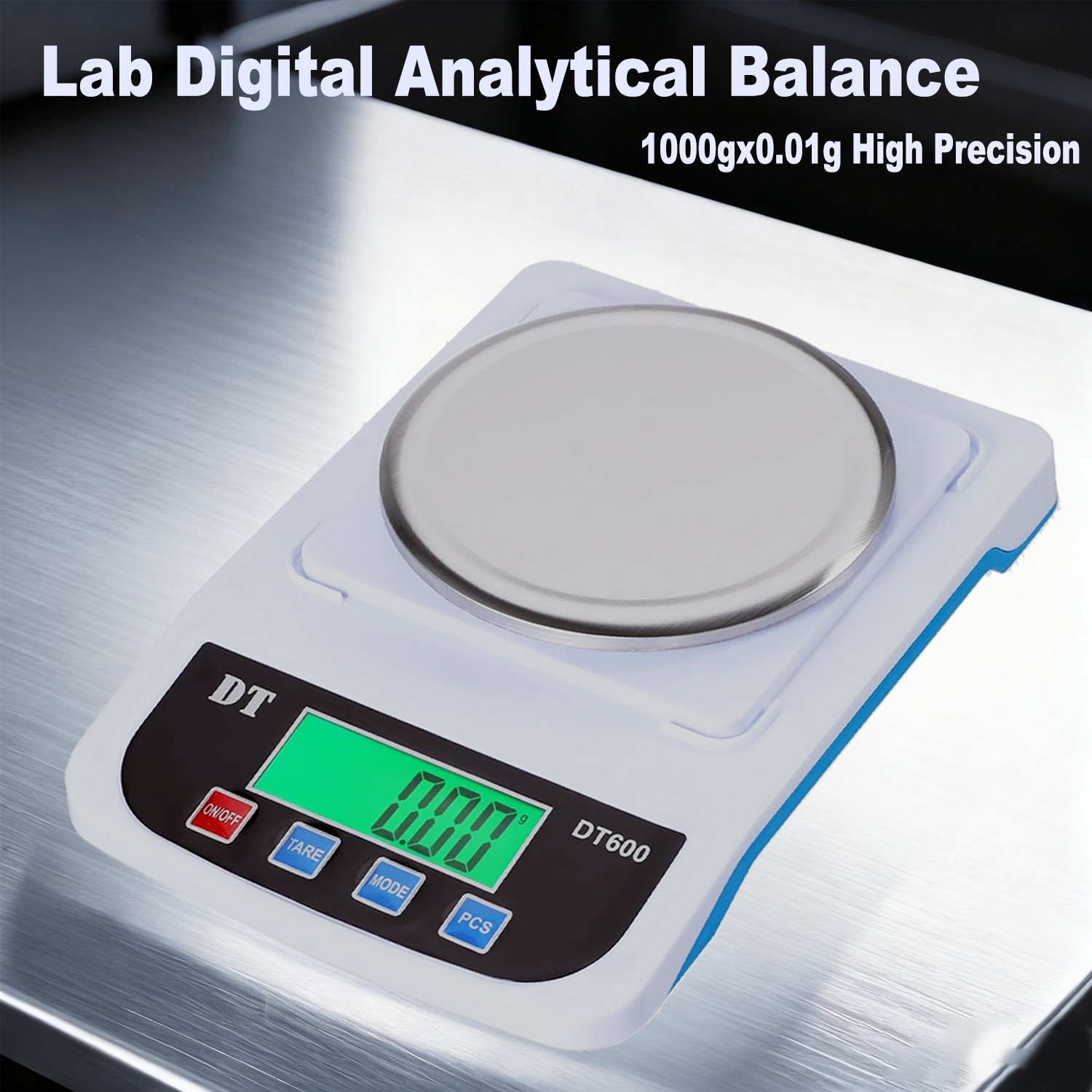
Creahub 1000G/0.01GANALYTICAL Balance is a Lab Balances Scales product by Creahub. Key verified specs include Brand: Creahub; Model: 1000G/0.01GANALYTICAL Balance; Material: Stainless Steel & ABS.
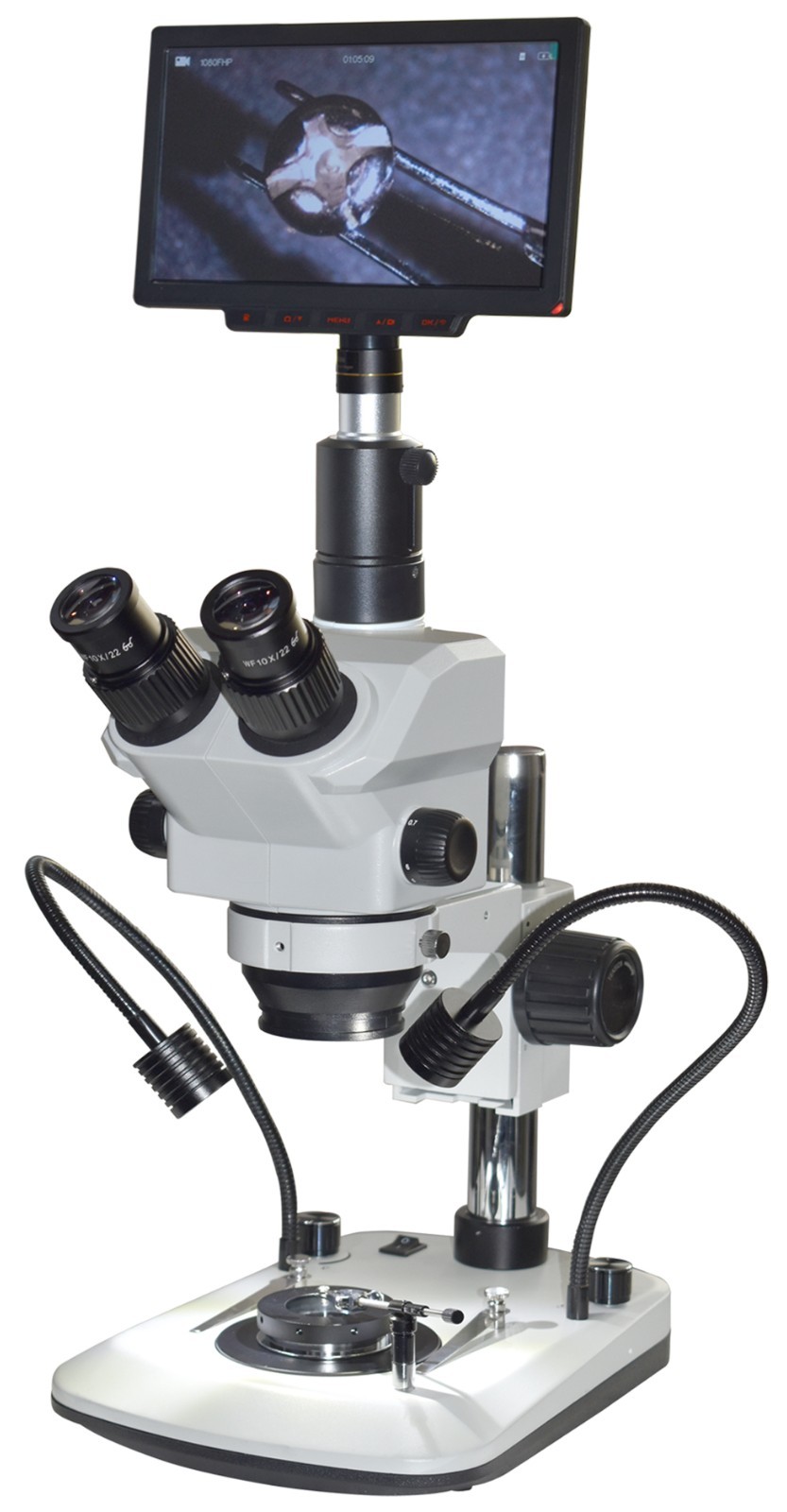
Radical RSM9G is a Microscopes Lab Imaging product by Radical. Key verified specs include Brand: Radical; Model: RSM9G; Country/Region of Manufacture: India.
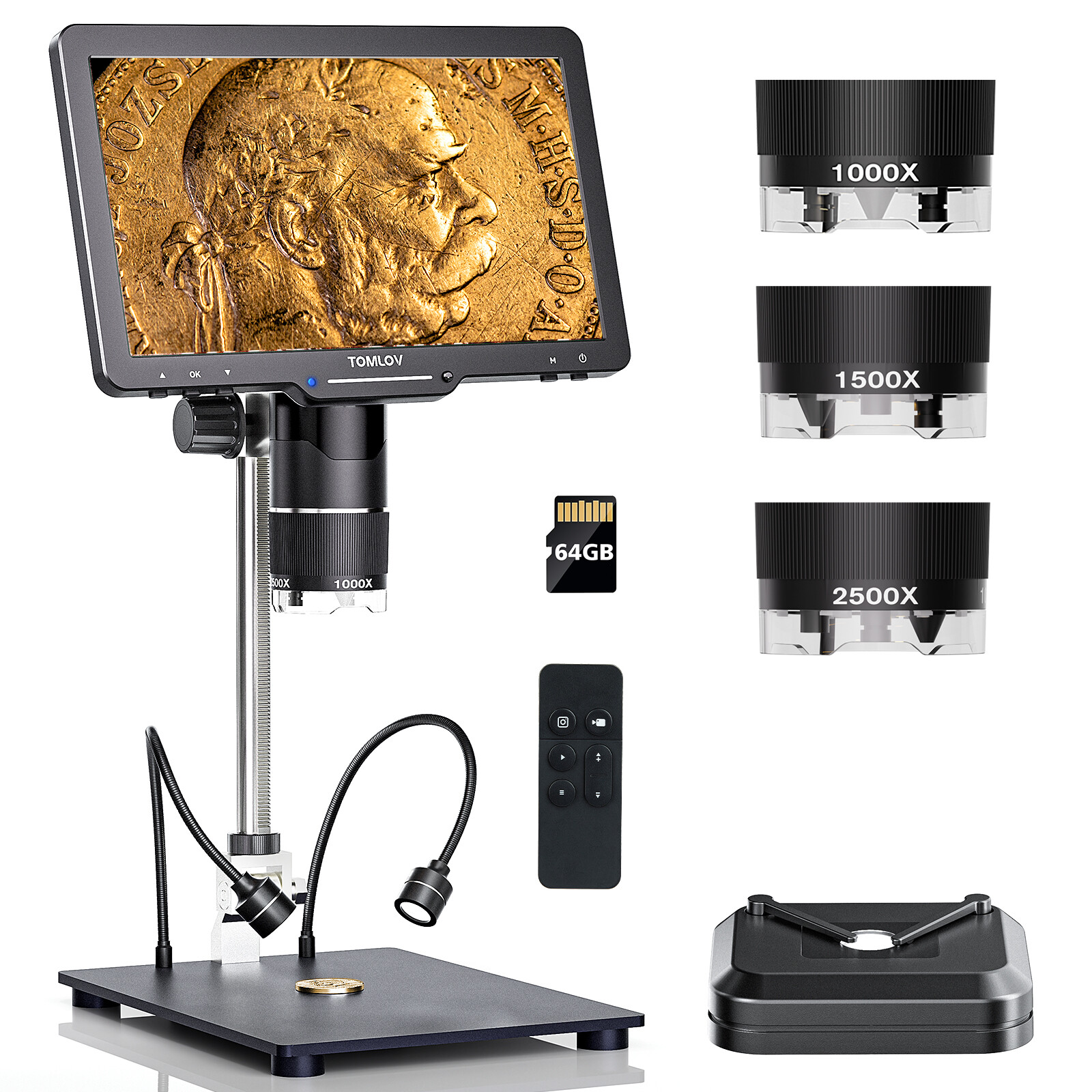
TOMLOV TriL110 is a Microscopes Lab Imaging product by TOMLOV. Key verified specs include Brand: TOMLOV; Model: TriL110; GTIN: 768365814396.
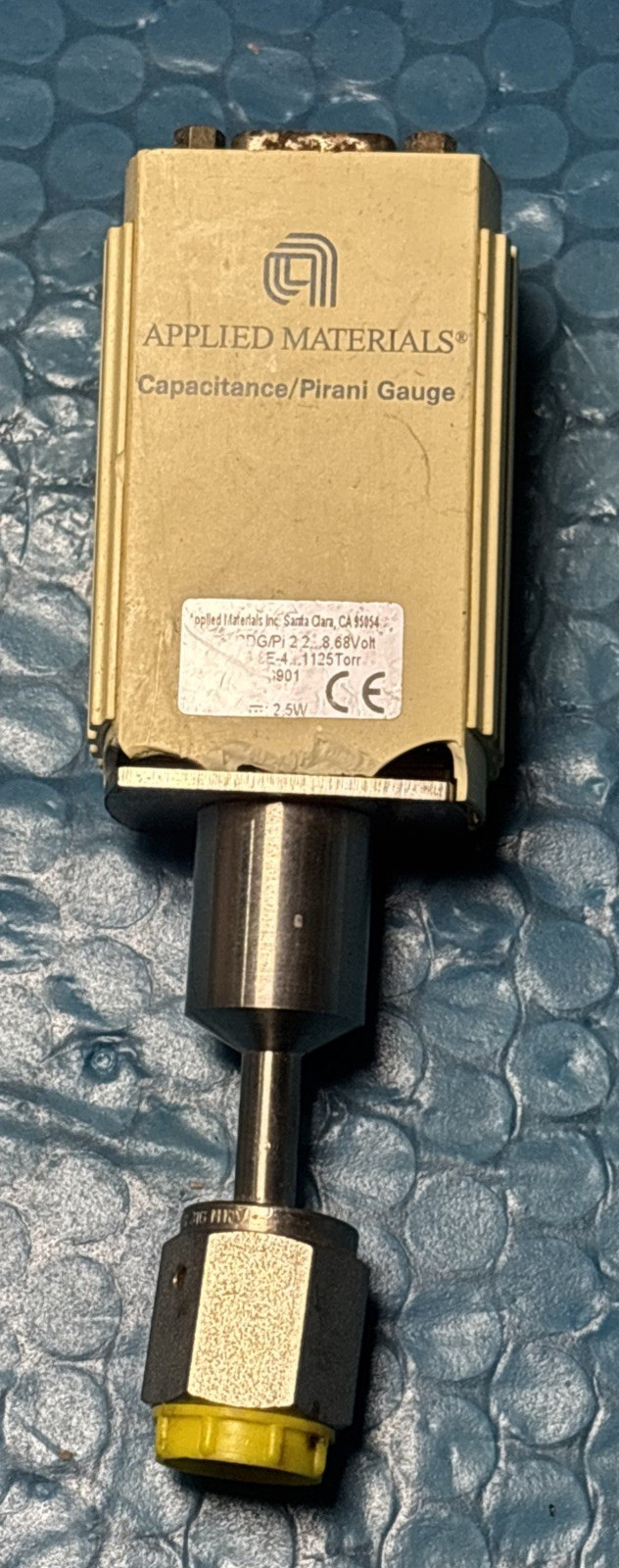
AMAT 0190-09901 is a Pressure Flow Process Measurement product by AMAT. Key verified specs include Brand: AMAT; Model: 0190-09901; Country/Region of Manufacture: United States.
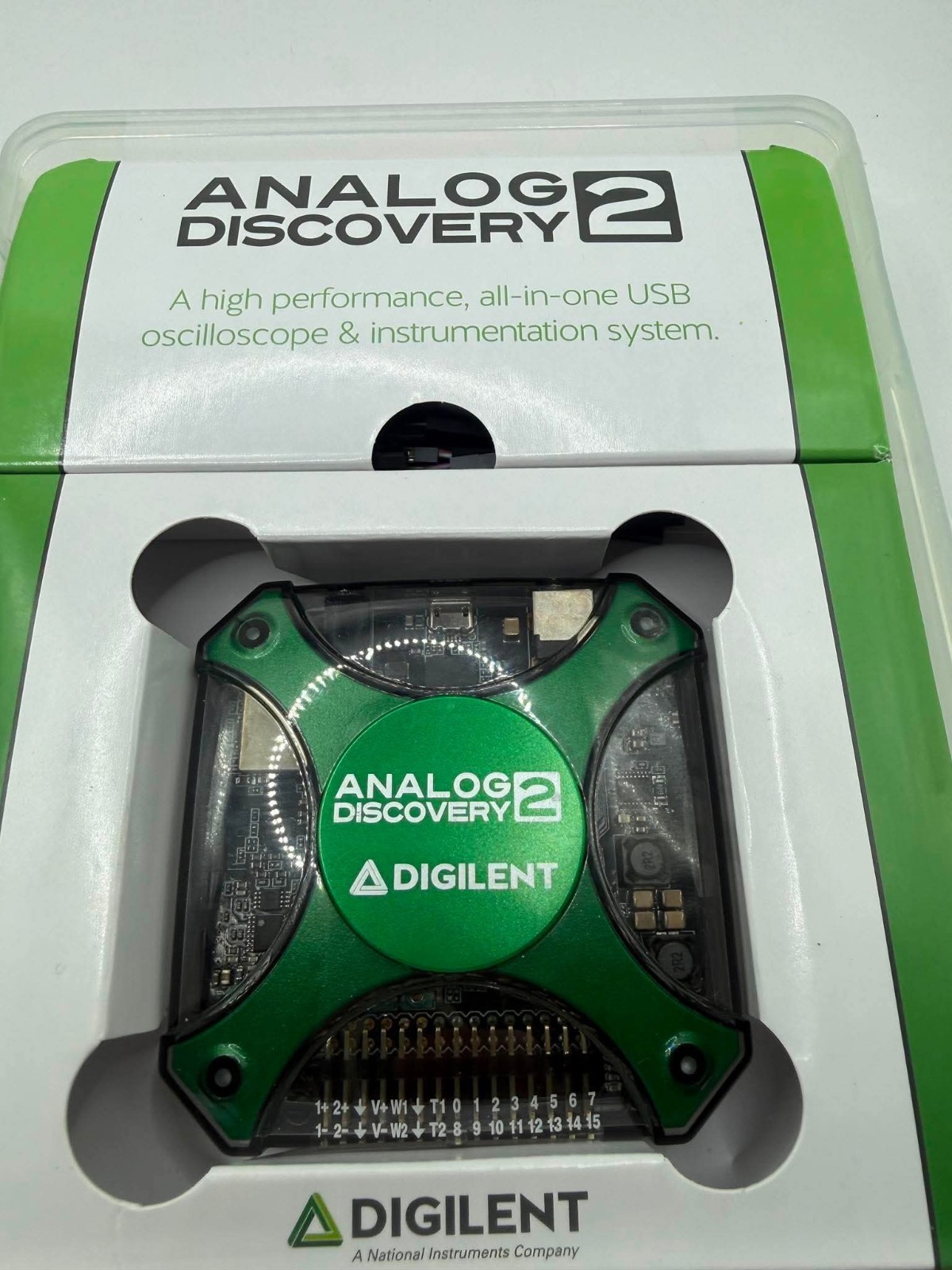
The Digilent Analog Discovery 2 is a USB-powered, pocket-sized multi-instrument that combines a 2-channel 30 MHz oscilloscope, 14-bit 100 MSa/s digitizer, arbitrary waveform generator, logic analyzer, and programmable power supplies into one portable device. The core trade-off is between the convenience of a low-cost, PC-tethered all-in-one and the raw bandwidth, sample rate, and channel isolation of a dedicated benchtop scope. Buy the AD2 for low-frequency embedded work, education, and mixed-signal debug; skip it for high-speed digital, RF, or high-voltage power electronics.
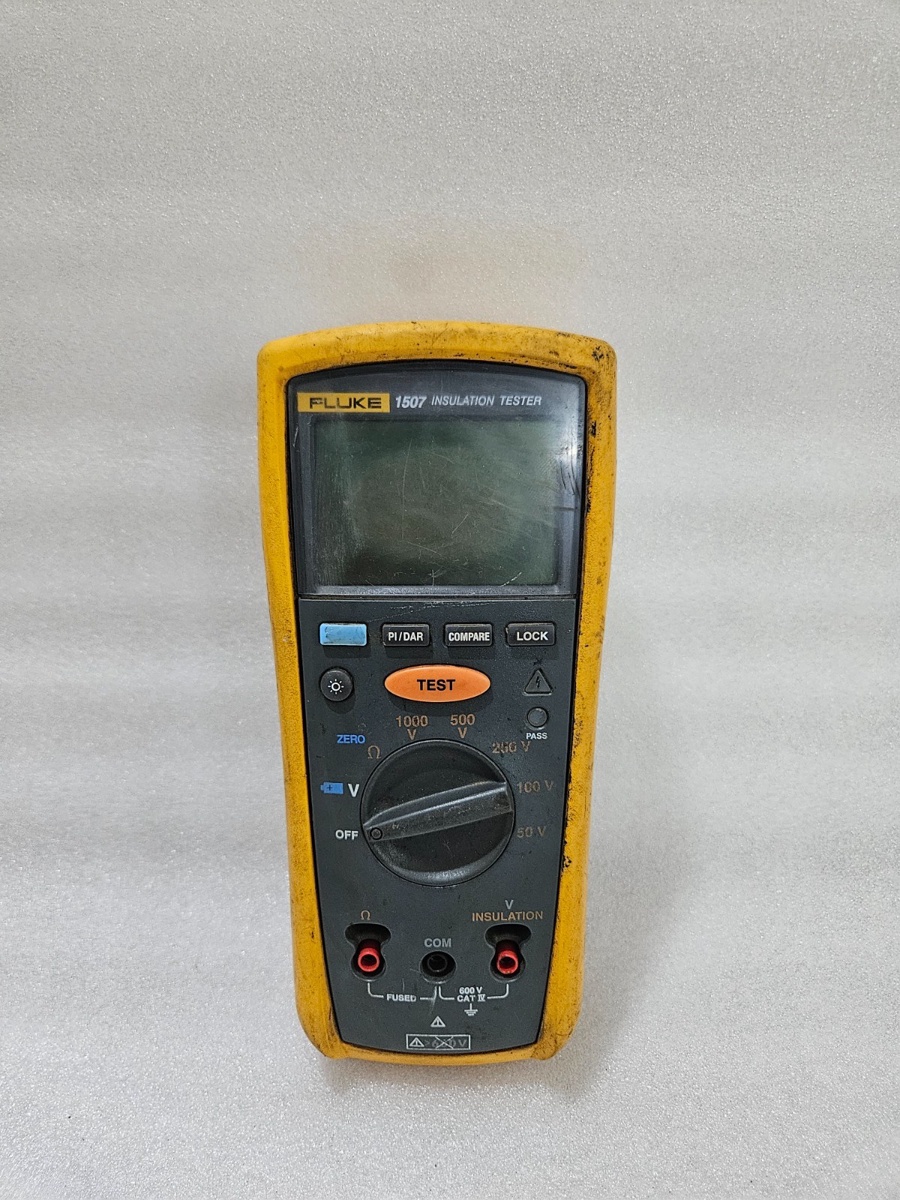
The Fluke 1507 is a battery-powered insulation resistance tester combining 50V–1000V insulation testing with True RMS AC/DC voltage, resistance, and continuity in one handheld unit. The key trade-off is application range versus simplicity: the 1507 covers 50V, 100V, 250V, 500V, and 1000V test voltages with 0.01 MΩ to 10 GΩ resistance range and a 200 mA continuity test, while the lower-tier 1503 stops at 500V and lacks the 1000V range. Choose the 1507 when your work touches 480V–1000V motors, cables, or switchgear; skip it only if your testing never exceeds 500V, where the 1503 saves cost and size.
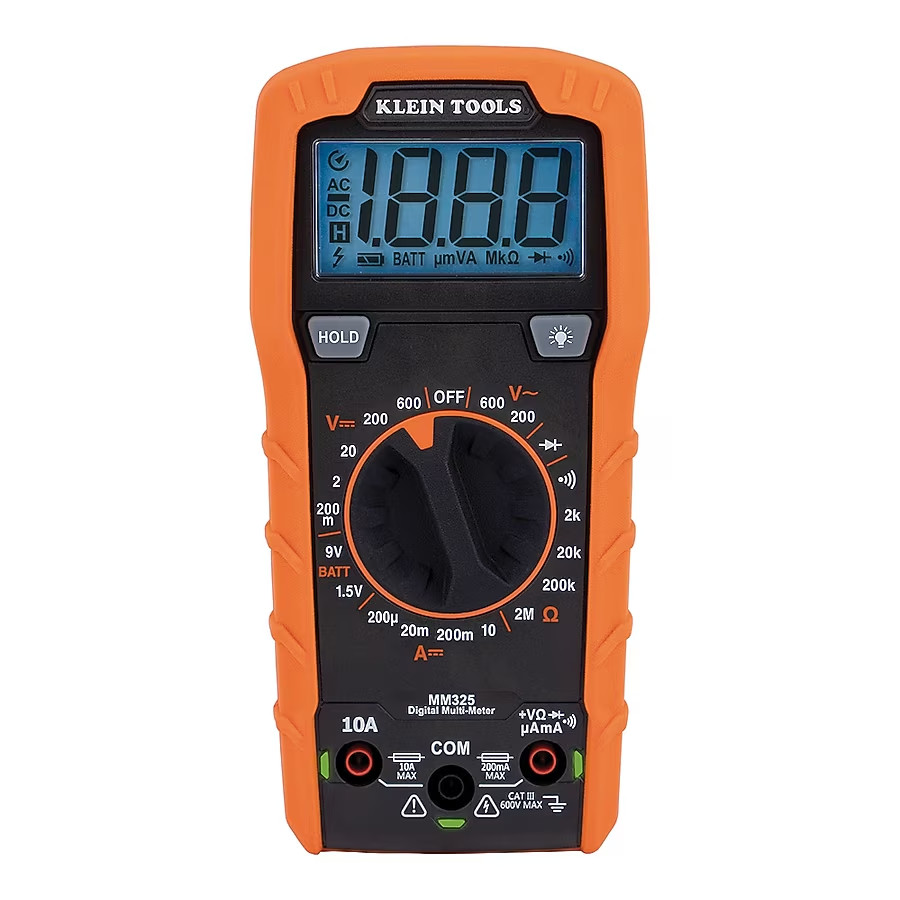
The Klein Tools MM325 is a manual-ranging digital multimeter built for basic electrical verification up to 600V AC/DC, with a backlit display and interchangeable leads. The core trade-off in this segment is manual range selection versus auto-ranging convenience, and the MM325 sits firmly on the manual side with a rugged handheld form. Buy it for straightforward voltage, continuity, and resistance checks; skip it if you need true-RMS AC accuracy or current measurement.
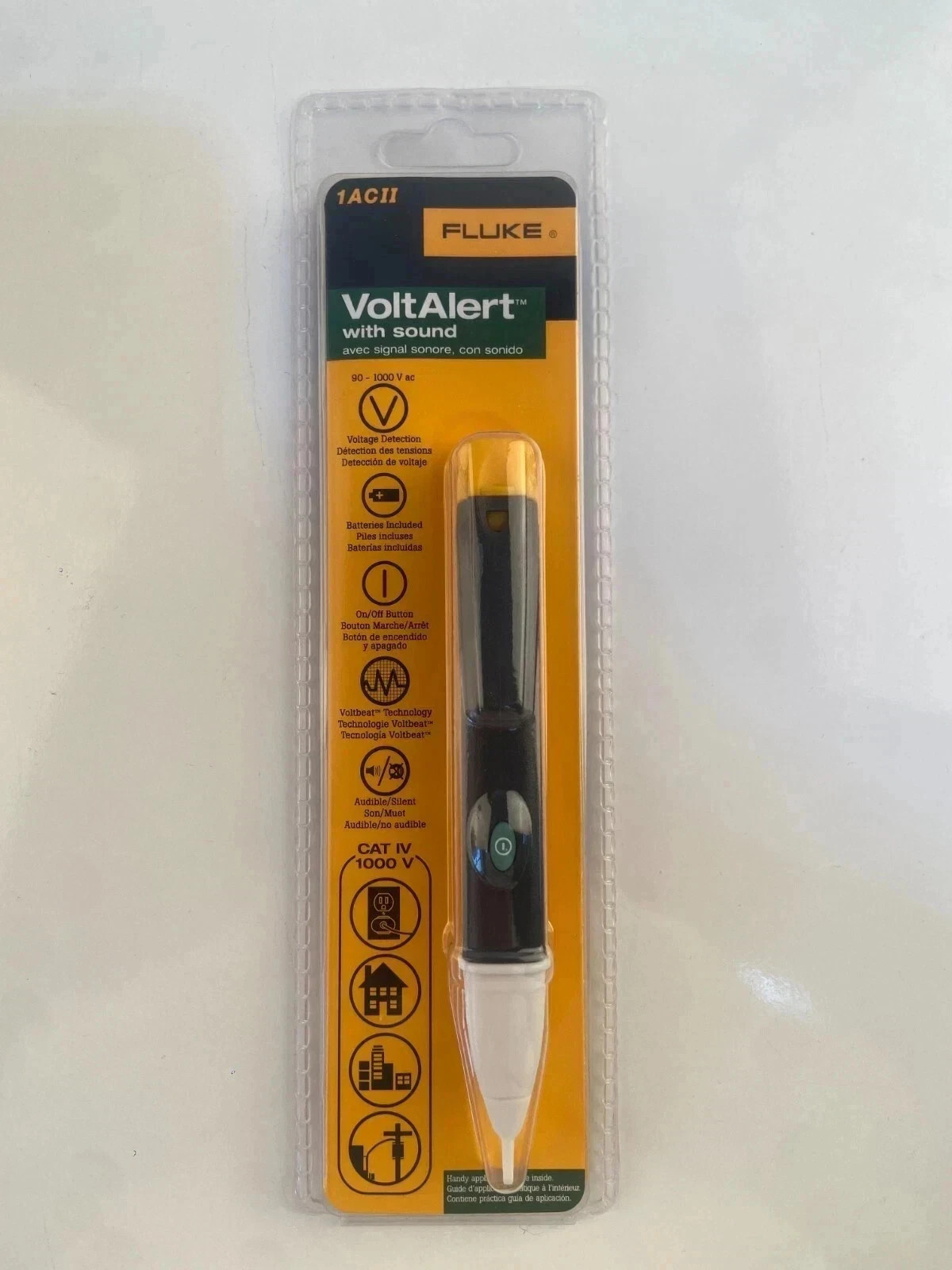
The Fluke 1AC II is a pocket-sized non-contact voltage tester that detects AC voltage from 90 to 1000 V without metallic contact. Its core trade-off is sensitivity and safety margin versus false-positive rate: a fixed 90 V threshold with a low-voltage mode gives electricians a clear go/no-go before touching a conductor. Buy the genuine 1AC II when you need a CAT IV-rated sanity check; skip generic testers that lack a defined voltage threshold and continuous self-test circuitry.
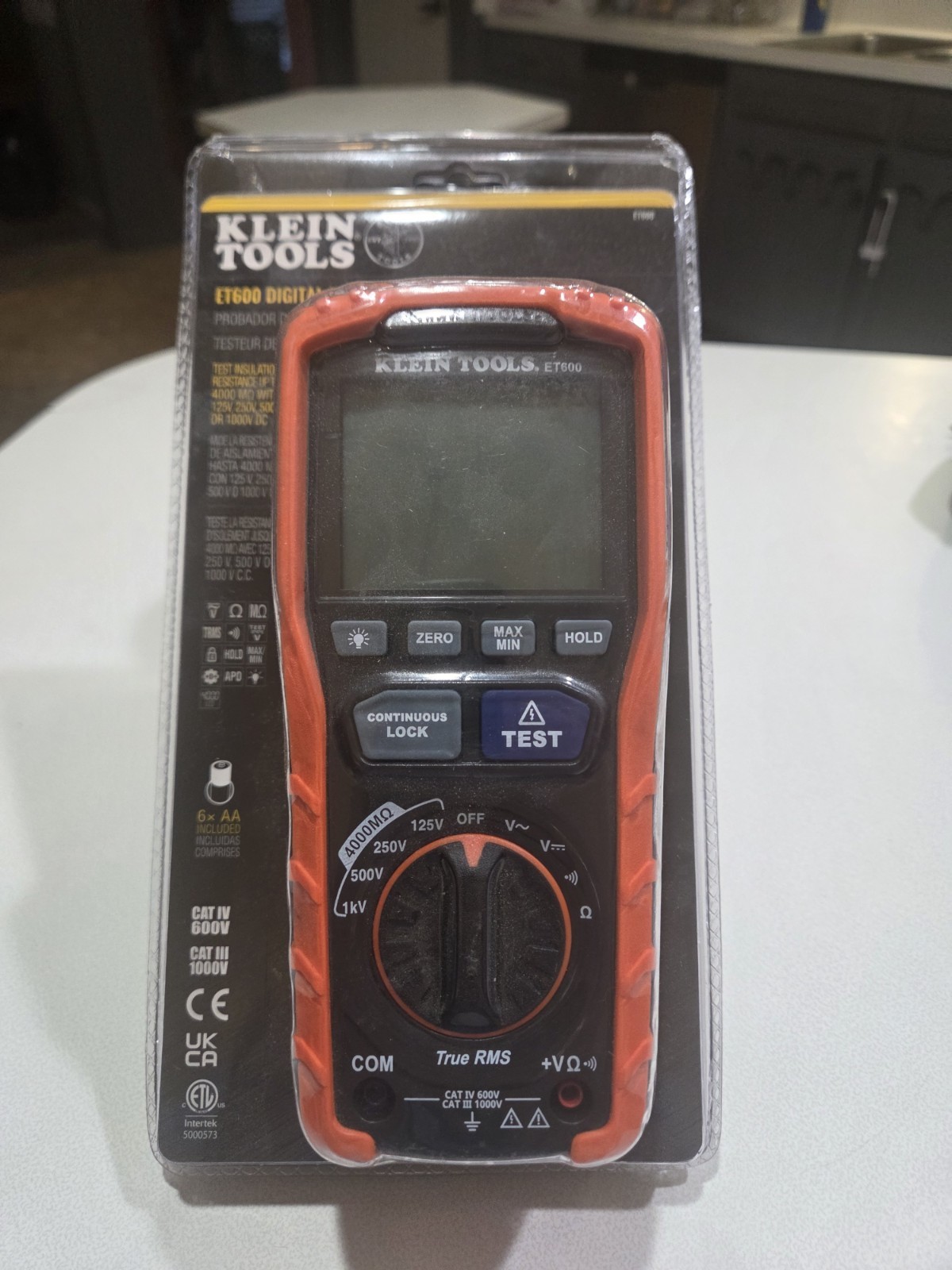
The Klein Tools ET600 is a dedicated insulation resistance tester (megohmmeter) for verifying motor windings, cable jackets, and switchgear insulation, not a general-purpose multimeter for live circuit voltage or current. Its core trade-off is single-function insulation testing at fixed 250/500/1000 V test potentials versus multi-function DMMs that cannot source high-voltage DC for resistance-to-ground checks. Choose the ET600 when insulation integrity is the job; skip it if you need voltage, current, continuity, or capacitance in the same tool.
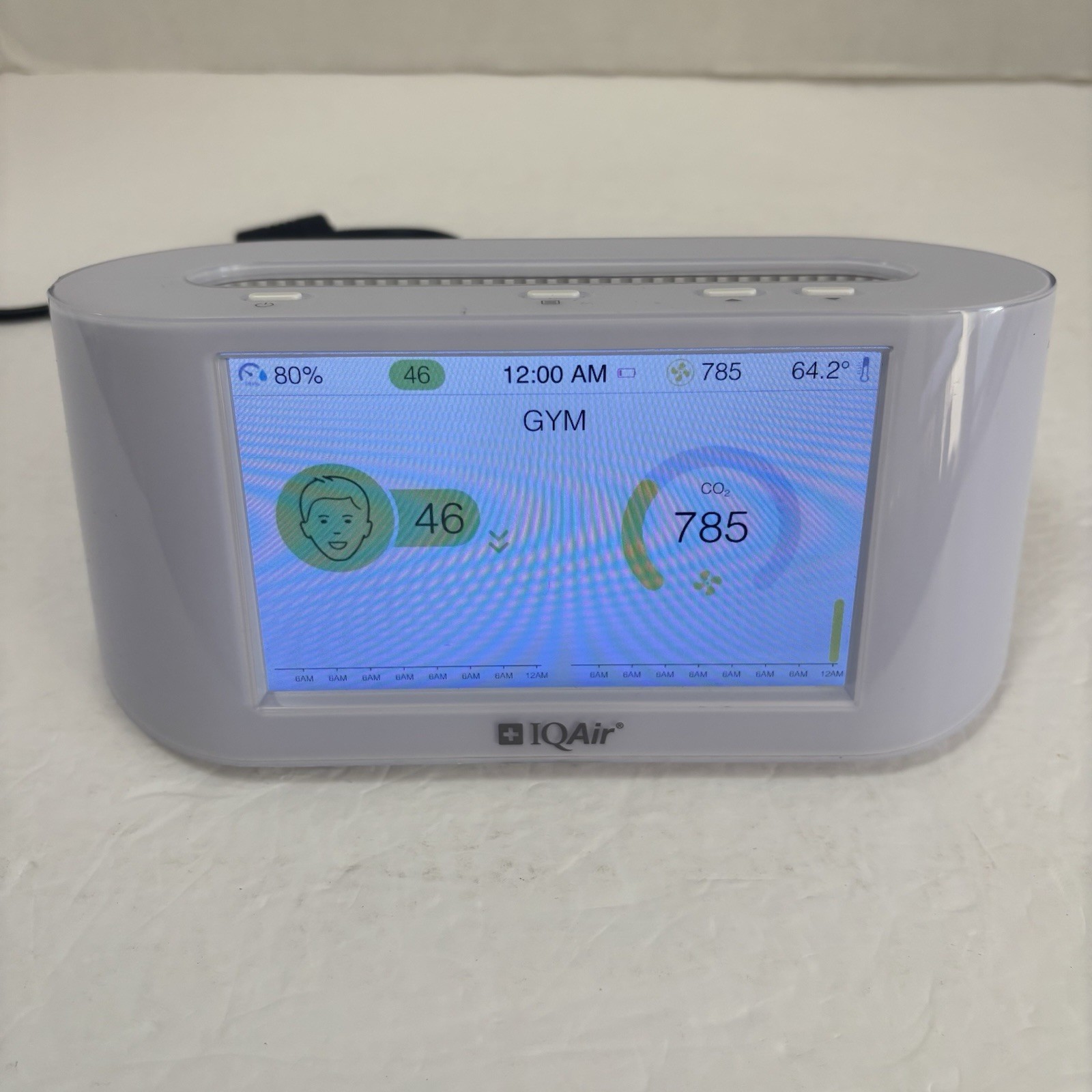
The IQAir AirVisual Pro is a Wi-Fi-enabled indoor/outdoor air quality monitor that tracks PM2.5, CO2, temperature, and humidity, making it a solid pick for households wanting actionable air data without a full sensor array. Buyers often overlook that outdoor readings require the separate AirVisual Outdoor unit or reliance on the nearest public station, so confirm your data source before buying. Also note the Pro model is a monitor only—it pairs with purifiers but does not filter air itself.
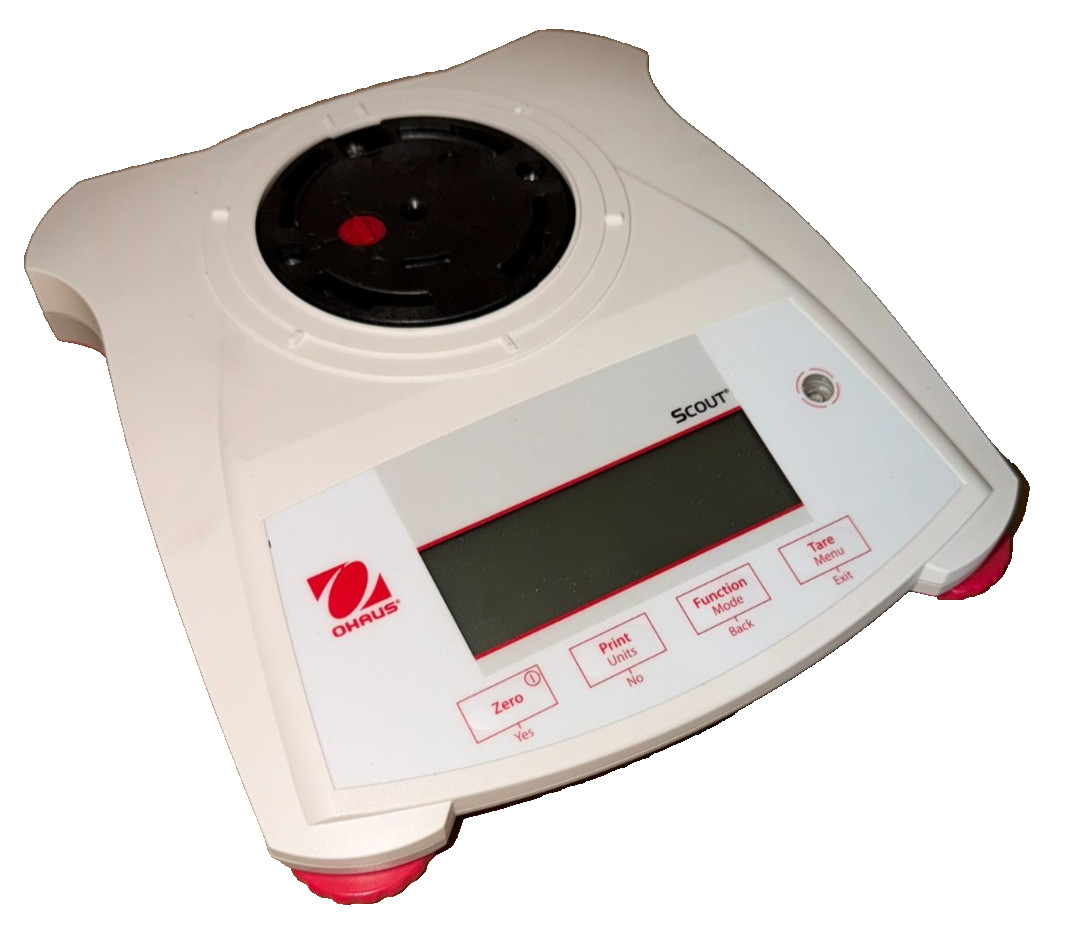
The Ohaus Scout is a portable precision balance line built for field, classroom, and bench weighing where a full-size analytical balance is impractical. The core trade-off is between capacity and readability: higher-capacity Scout models give coarse 0.1–1 g resolution, while lower-capacity models deliver 0.001–0.01 g precision. Buy a model whose capacity comfortably exceeds your heaviest sample with readability matched to your tolerance—skip overloaded high-capacity units if you need milligram-level accuracy.
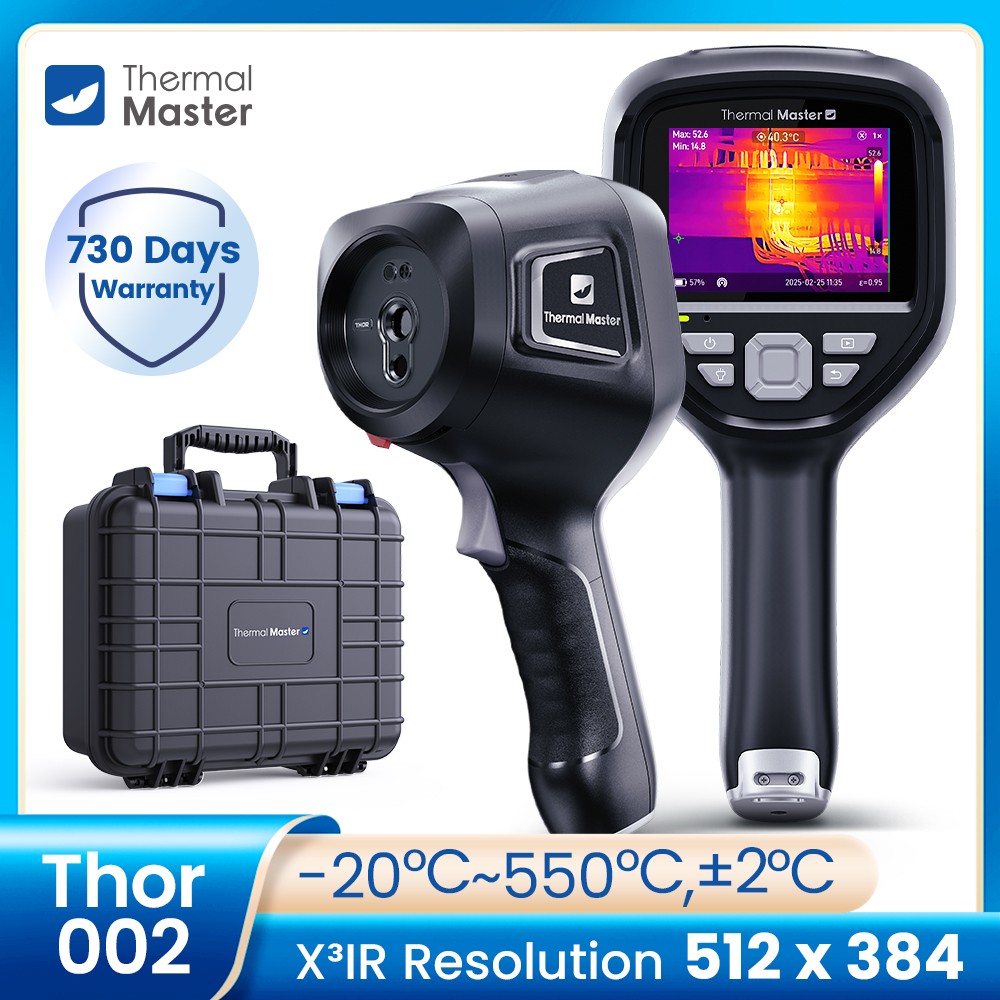
The Thermal Master Thor002 is a handheld dual-lens thermal imager pairing a 512×384 X³IR thermal sensor with a visual camera, aimed at electrical, HVAC, and building-diagnostic work. The core trade-off is sensor resolution and thermal sensitivity versus lens/ergonomic quality: a 512×384 core with ±2℃ accuracy is diagnostic-grade, but a fixed-focus lens and 25Hz frame rate limit fast-moving or close-up targets. Buy the Thor002 when you need 512×384-class resolution and on-screen visual fusion; skip it if you need interchangeable lenses, radiometric video output, or sub-20mK sensitivity for research.
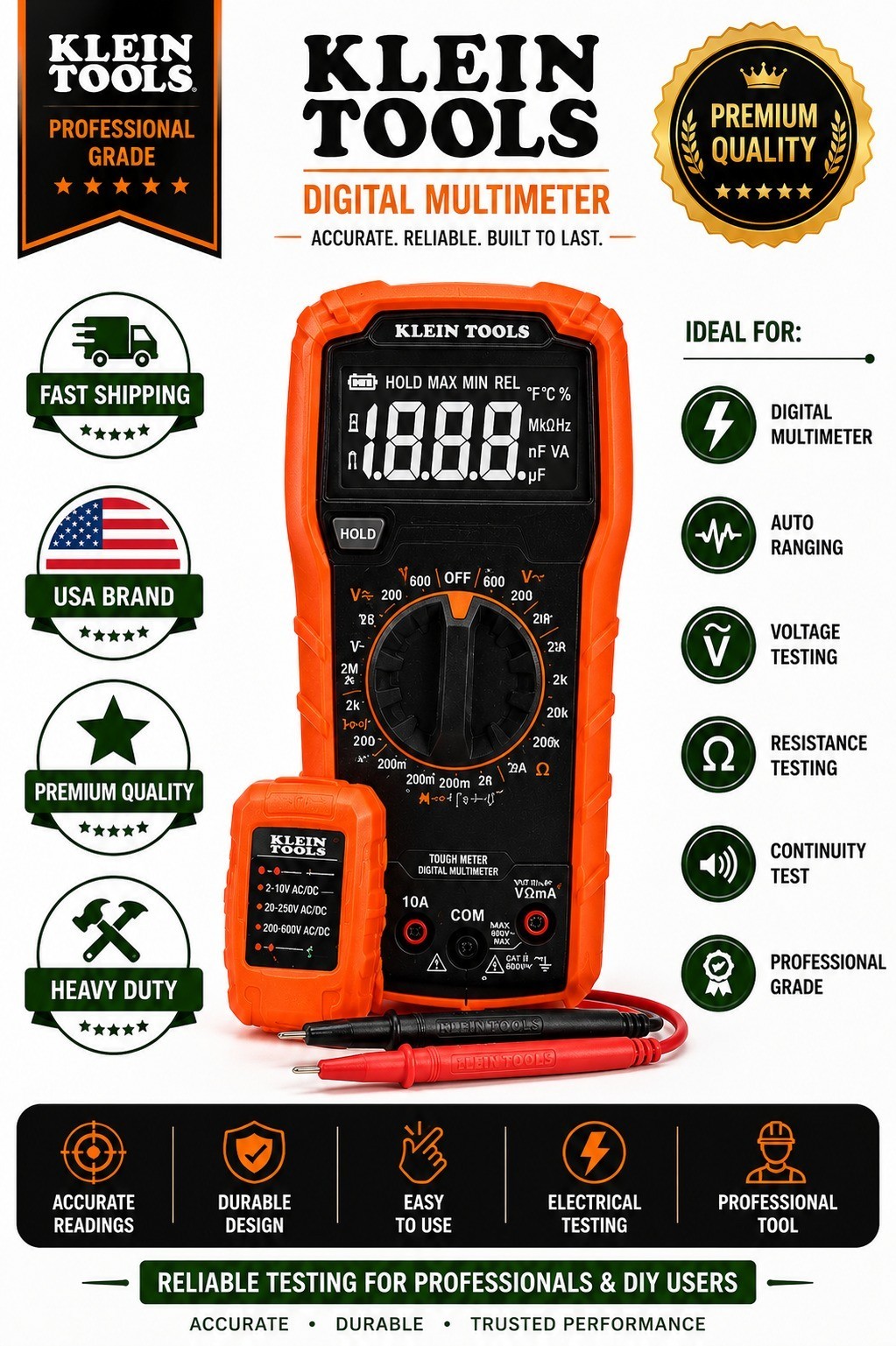
The Klein Tools 69149P is a digital multimeter kit built for basic electrical troubleshooting, bundling a 600V CAT III rated meter with a receptacle tester and non-contact voltage pen. The primary trade-off is measurement resolution and safety certification versus feature depth: it covers AC/DC voltage to 600V and current to 10A, but lacks true-RMS, capacitance, and low-impedance modes found on pricier meters. Buy it if you need a rugged, US-made basic kit for residential/commercial outlet and circuit checks; skip it if you require true-RMS for HVAC, variable-frequency drives, or precise electronics work.
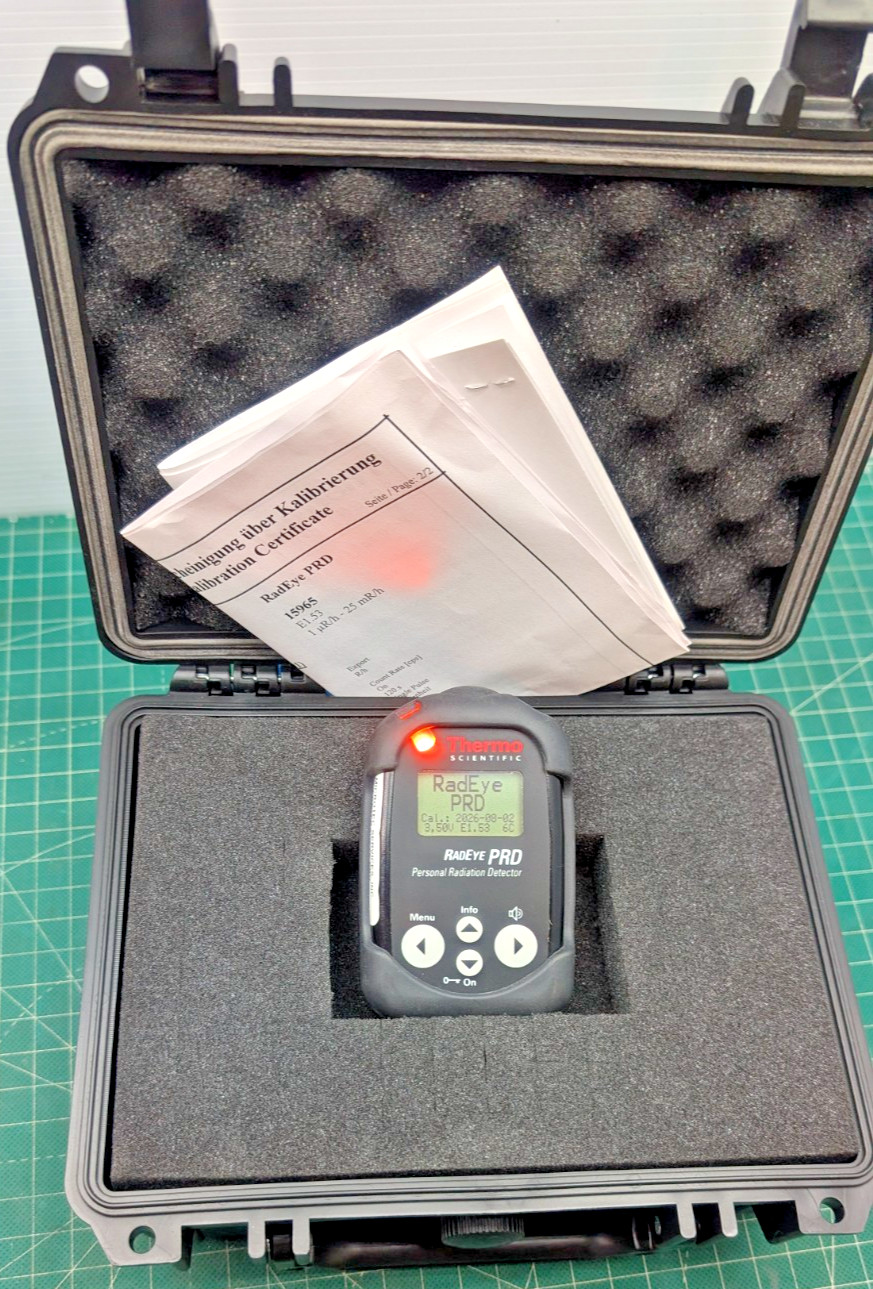
The RadEye PRD is a handheld gamma/neutron radiation pager from Thermo Fisher designed for first responders and industrial safety, valued for its sensitive CsI(Tl) detector and fast response. The key trade-off is between the PRD's high-sensitivity search capability and the PRD-ER's extended-range dose-rate measurement—choose based on whether you need to find weak sources or measure strong fields. A genuine unit is a sealed, factory-calibrated instrument; any offer with 'unlocked menus' or third-party calibration is a compromised or modified device, not a reliable safety tool.
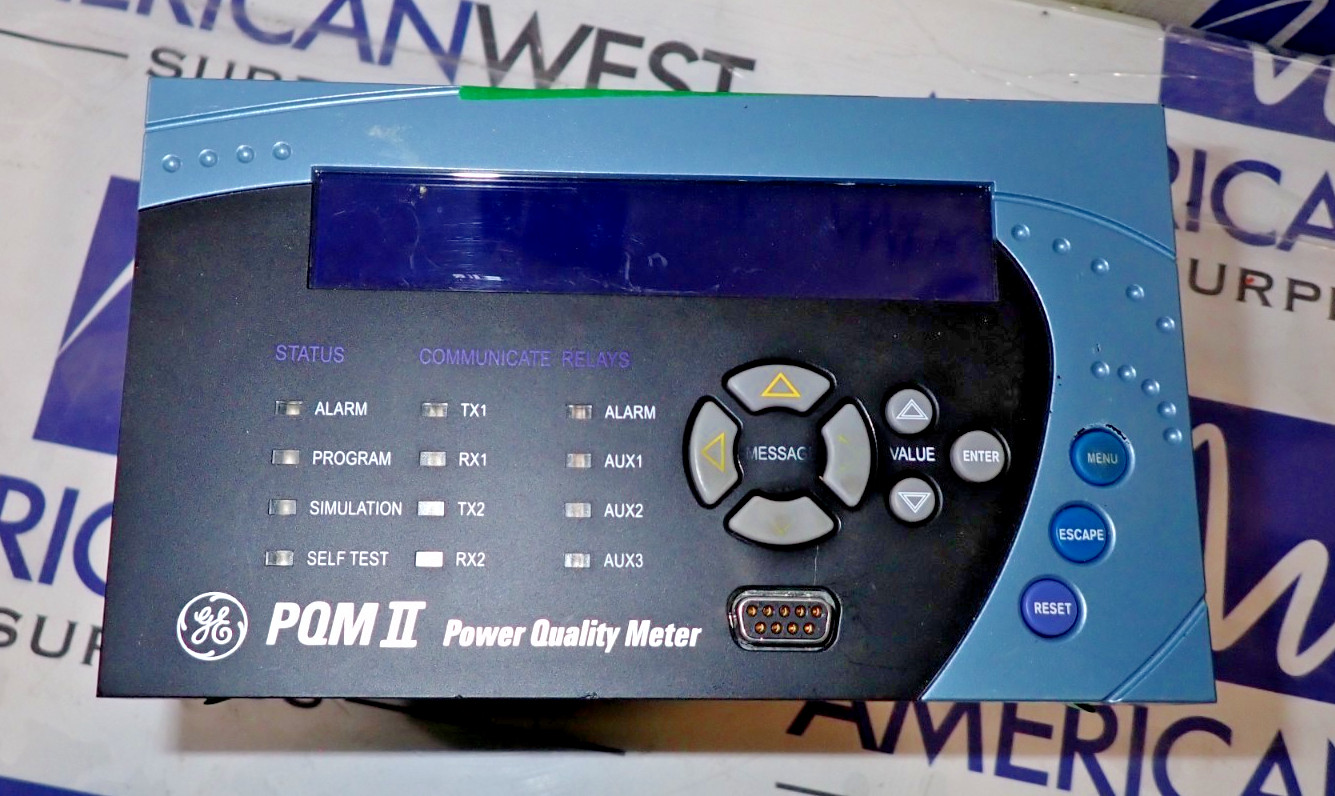
The GE PQM II is a panel-mount three-phase power quality meter designed for continuous monitoring of voltage, current, power, demand, harmonics, and waveform capture in industrial and commercial switchgear. Unlike handheld multimeters, it is a permanently installed device requiring external current transformers (CTs) and a control power source, and its value depends on correct CT sizing, wiring configuration, and communication options rather than portability. The decision rule is simple: buy a PQM II only if you need fixed-mount, CT-based three-phase power quality data with Modbus or analog outputs; choose a portable power quality analyzer or clamp meter for temporary troubleshooting.
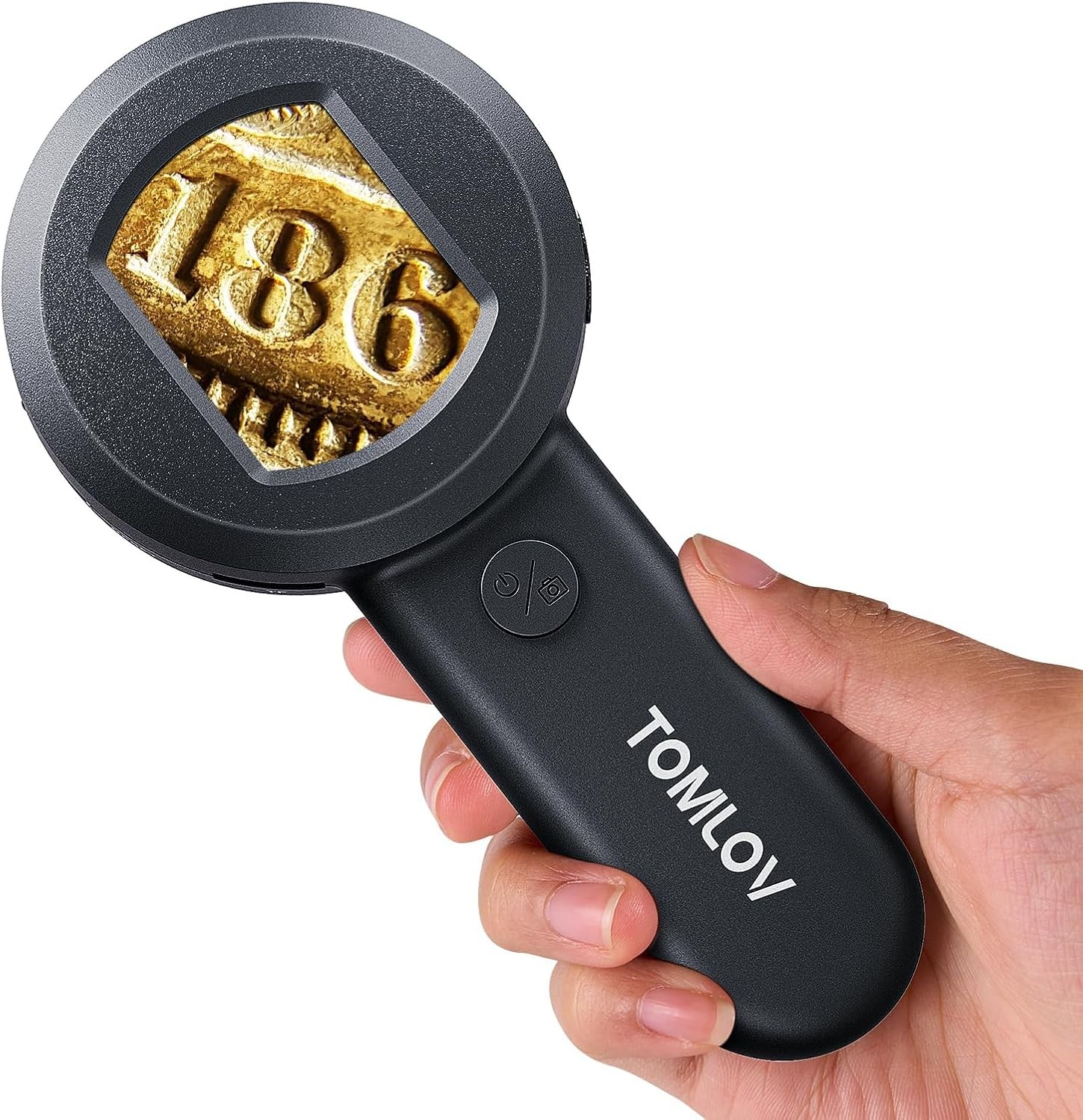
The TOMLOV Digital Coin Microscope is a handheld, screen-integrated digital magnifier built around a 100x optical zoom lens and a 500mAh lithium-ion battery, designed for coin grading, trichome inspection, and jeweler loupe work. The core trade-off is between the convenience of a self-contained screen-and-battery unit and the resolution ceiling of a single fixed-focus lens; buyers should prioritize sensor resolution and true optical magnification over interpolated digital zoom. The clear decision rule: choose a screen-integrated model only if you need untethered field use, and step up to a larger sensor or adjustable-focus stand if your work demands fine detail beyond 100x.
Finding more guides for you…