Bench & Gauge

Bench & Gauge

Test, Measurement & Inspection Reviews & Buying Guides

Compare test, measurement & inspection by use case, features, trade-offs, price, returns, and seller terms before you buy.

Buying guides

Buying guide image
Centrifuges, Mixers & Shakers

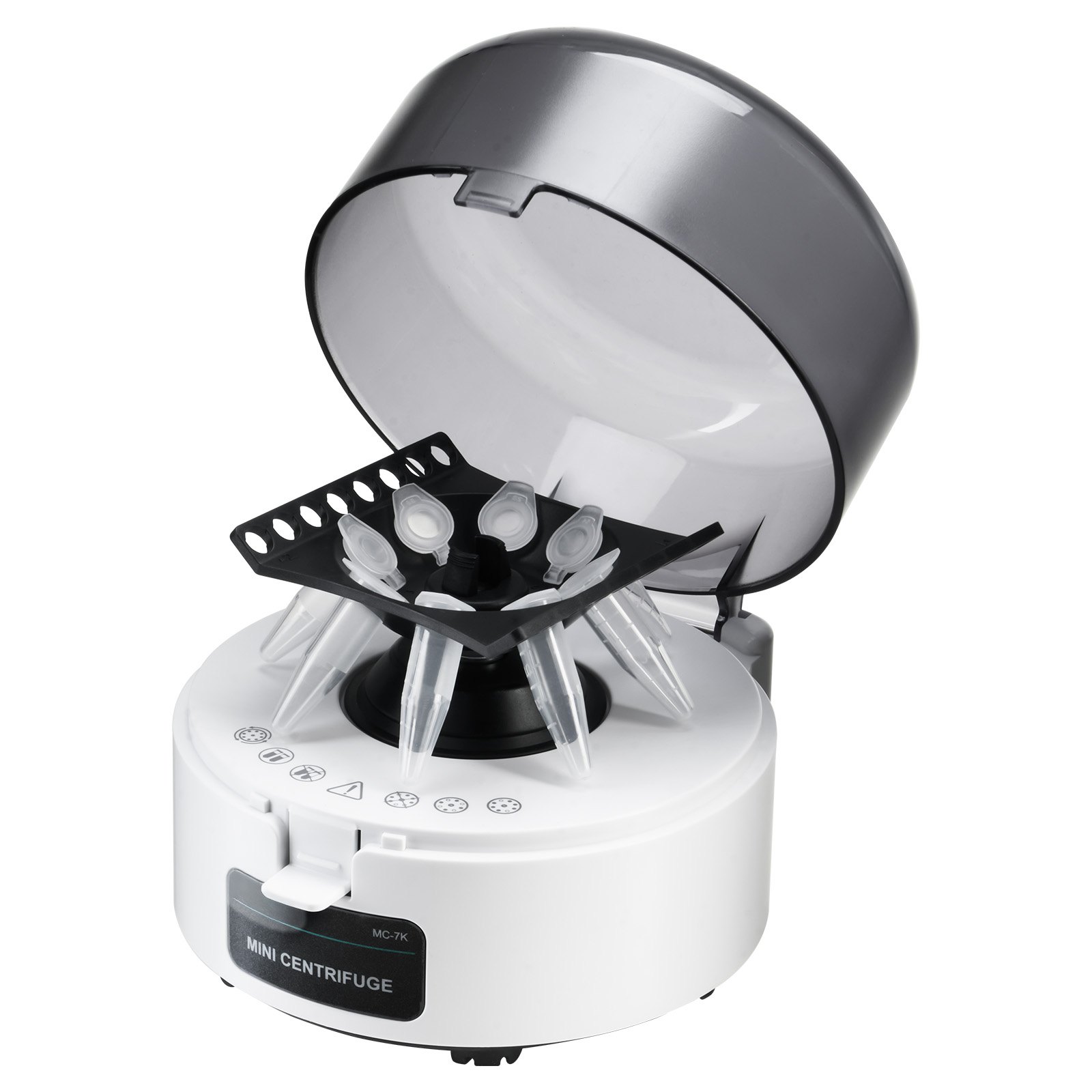
Laboratory Centrifuge Machine

A laboratory centrifuge machine separates samples by density using centrifugal force, and the decisive trade-off is between fixed-speed mini centrifuges and variable-speed clinical units with proper rotor balancing. Choose a fixed-speed mini only for quick micro-tube spins; choose a variable-speed unit with interchangeable rotors and a timer for clinical, blood, or multi-volume workflows.
Buying guide image
Test Leads, Probes, Fixtures & Accessories

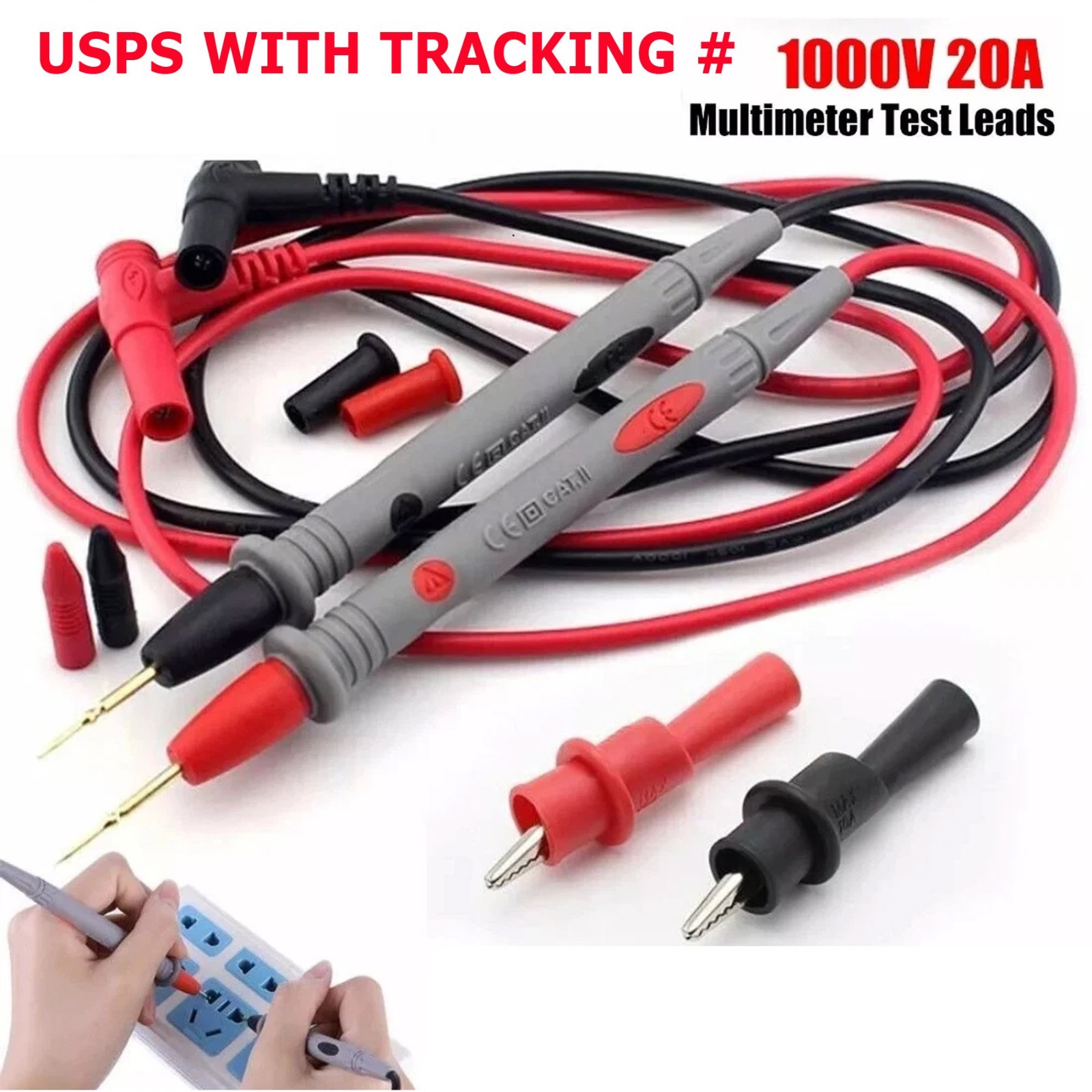
Fluke Test Lead Set

A Fluke test lead set is the safety-critical interface between your meter and live circuits, and the primary trade-off is genuine Fluke silicone insulation with 1000V CAT III/IV ratings versus generic PVC leads that may claim the same voltage without independent certification. The decision rule is simple: buy genuine Fluke sets with molded strain relief and silicone jackets for any mains or industrial work, and reserve generic leads only for low-voltage bench prototyping.

Buying guide image
Data Acquisition & Recorders

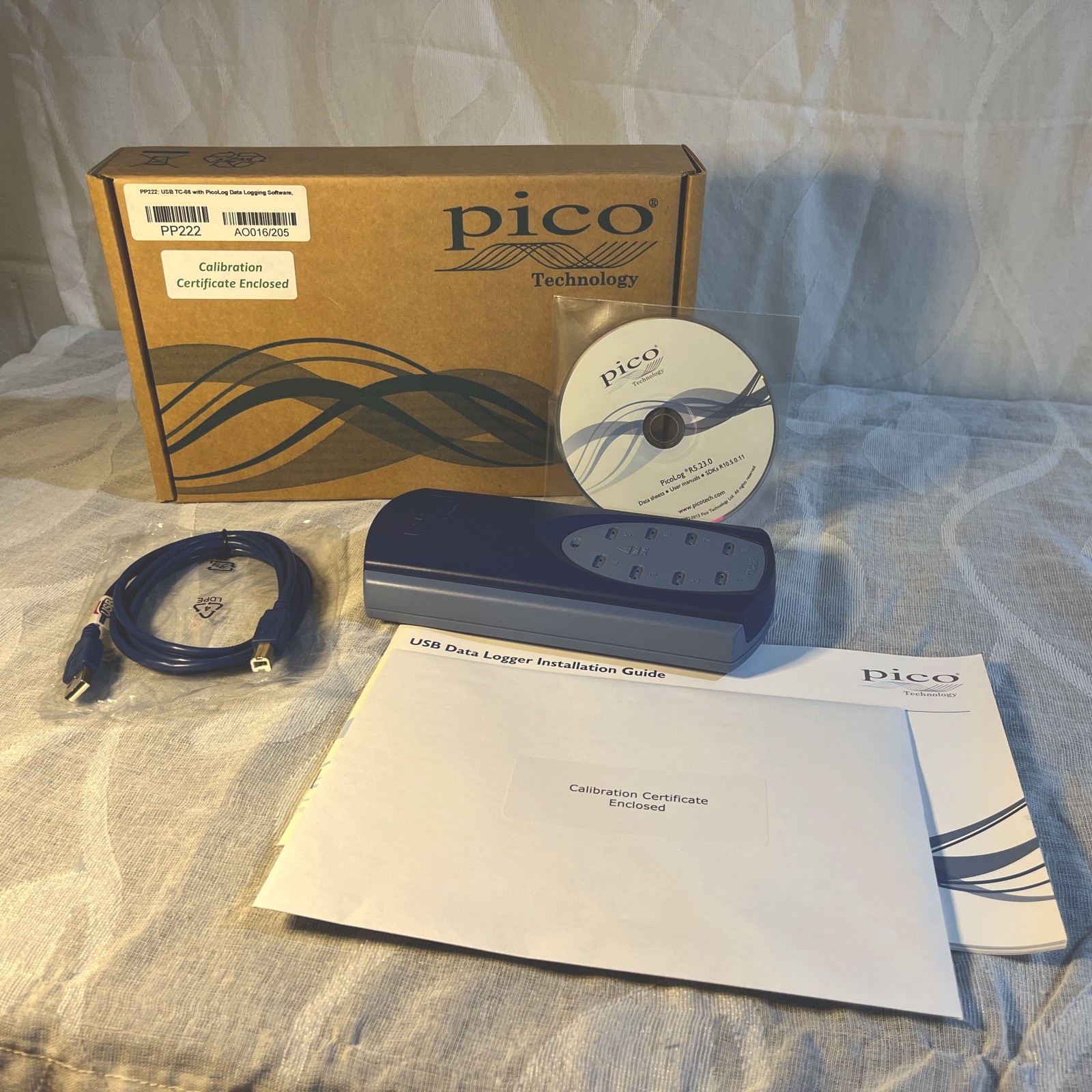
Data Logger With Display

A data logger with display combines onboard sensing or input channels with a local readout, so you can verify live readings and alarm states without a PC. The core trade-off is between standalone logging depth (channel count, sample rate, memory, battery) and wireless/app convenience, which often sacrifices sample rate or adds cloud dependency. Choose a standalone logger with local memory and a real LCD for unattended, regulated, or remote sites; choose Bluetooth/USB app loggers only for short-range, phone-centric spot checks.

Buying guide image
Test Leads, Probes, Fixtures & Accessories

Electrical Test Lead With Alligator Clip

Electrical test leads with alligator clips are flexible insulated wires terminated with spring-loaded jaw clips, used to make hands-free or temporary connections during voltage, current, and continuity testing. The core trade-off is conductor gauge and insulation integrity versus clip contact quality: thin 22-24 AWG leads with loose vinyl boots and stamped-steel jaws fail at high current or repeated flex, while 18 AWG silicone-insulated leads with solid-copper jaws and screwed or crimped terminations hold up. The decision rule: buy leads rated at or above your meter's maximum current and CAT safety level, with silicone insulation for hot or cold work and shrouded banana plugs for any live-circuit testing.

Buying guide image
Multimeters & Electrical Testers

Fluke 117 Multimeter

The Fluke 117 is a true-RMS digital multimeter built for electricians working in commercial and residential settings, featuring non-contact voltage detection and a low-impedance mode to eliminate ghost voltage readings. The key trade-off is its specialized electrical focus versus a general-purpose lab DMM: the 117 lacks current measurement but adds VoltAlert and LoZ, making it a safer choice for panel and outlet work. Choose the 117 if you need a rugged, electrician-specific meter with NCV and ghost-voltage rejection; skip it if you require current (A) measurement or advanced logging.

Buying guide image
Multimeters & Electrical Testers

Fluke 115 Multimeter

The Fluke 115 is a true-RMS digital multimeter built for field electronics and electrical troubleshooting, sitting between hobby-grade meters and high-end logging instruments. The core trade-off is measurement confidence versus feature depth: the 115 gives you Fluke's safety rating and accuracy in a compact, single-display format, but lacks the 117's non-contact voltage and the 179's temperature and backlight. Choose the 115 when you need a rugged, CAT III 600V true-RMS meter for AC/DC, resistance, continuity, capacitance, and frequency—skip it if you require NCV detection, temperature, or data logging.

Buying guide image
Industrial Gauges & Meters

Drywall Moisture Meter

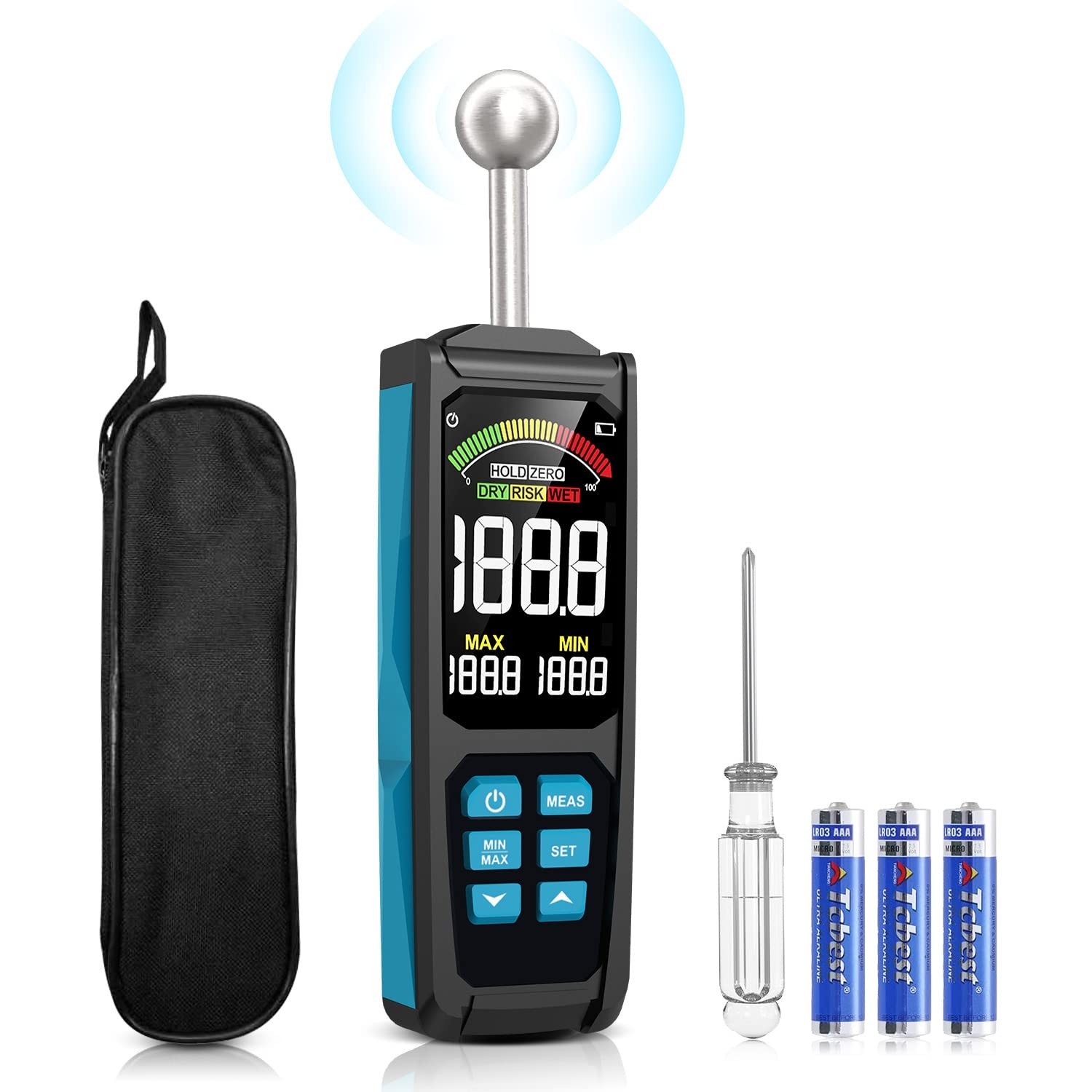
A drywall moisture meter measures percent moisture content (%MC) in gypsum board, joint compound, and framing to confirm a wall is ready to seal, finish, or paint. The core trade-off is between pin-type resistive meters (direct, surface-and-depth readings but leave tiny holes) and pinless capacitive meters (non-destructive but shallow and material-calibration dependent). The decision rule: choose a meter with stated drywall/gypsum calibration, at least 0.1% resolution, and a documented accuracy tolerance; skip generic 2-pin wood meters that lack a gypsum mode or resolution below 1%.

Buying guide image
Multimeters & Electrical Testers

Fluke 87 Multimeter

The Fluke 87 is a professional-grade true-RMS industrial multimeter defined by its high safety rating, 0.05% DC accuracy, and lifetime limited warranty—the benchmark for electricians and engineers. The core trade-off is that its IEC 61010 CAT III 1000 V / CAT IV 600 V protection and 20 kHz true-RMS bandwidth demand a higher budget than a CAT II hobby meter, but deliver survivability and precision in three-phase and utility work. Decision rule: if you regularly probe >250 V or need inrush/motor-circuit diagnostics, buy a genuine 87-series; if you only work bench electronics, a CAT II meter below half the cost is the rational skip.

Buying guide image
Multimeters & Electrical Testers

Fluke 101 Multimeter

The Fluke 101 is a compact, CAT III 600 V digital multimeter built for basic electrical verification—voltage, resistance, continuity, and capacitance—but not for current measurement. Its fixed-function, no-current architecture trades versatility for safety and simplicity, so buyers must decide between this dedicated voltage/resistance checker and a full-featured clamp or current-capable DMM. The clear rule: choose the 101 only if you never need to measure amps; otherwise step up to a model with a current jack and True RMS.

Buying guide image
Multimeters & Electrical Testers

Fluke 107 Multimeter

The Fluke 107 is a compact, CAT III 600 V digital multimeter built for basic electrical troubleshooting in tight spaces. Its core trade-off is sealed, pocketable convenience versus the loss of True RMS and temperature/current-clamp expandability found on larger Fluke 117/177 models. Buy the 107 only if you need a rugged go-anywhere meter for receptacle, continuity, and low-voltage DC checks—skip it if you require non-sinusoidal accuracy or high-energy CAT IV work.

Buying guide image
Multimeters & Electrical Testers

Electrical Circuit Tester

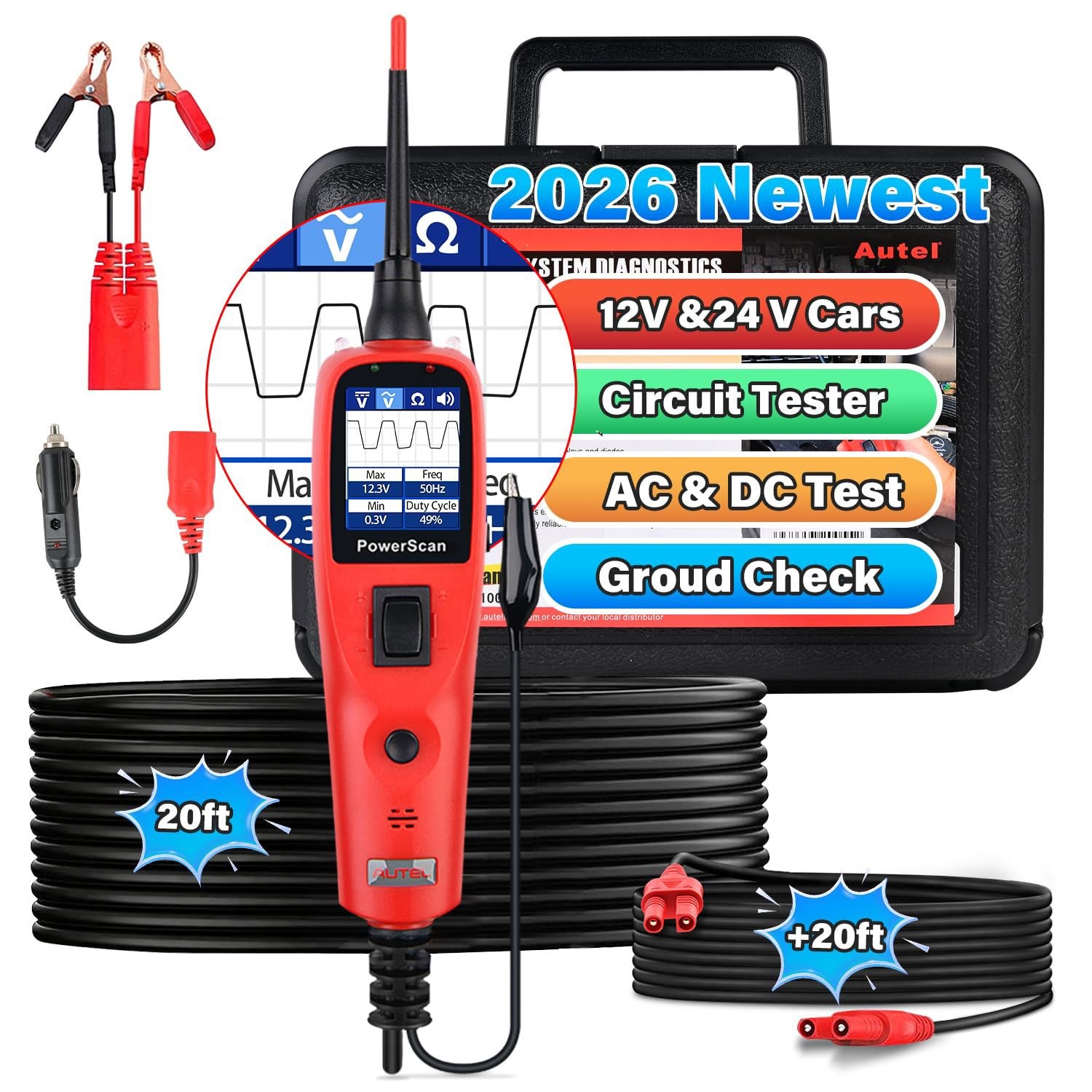
An electrical circuit tester covers two distinct tools: non-contact voltage pens for AC presence checks and power-probe style automotive testers for DC circuit diagnostics. The core trade-off is measurement safety and load-handling capability versus simple go/no-go indication. Buy a CAT III/IV rated true-RMS meter or a bidirectional power probe with fused leads for durable diagnostics; skip unrated pens and single-LED testers for anything beyond basic outlet checks.

Buying guide image
Spectroscopy, Analysis & Detection Instruments

Portable Ph Meter

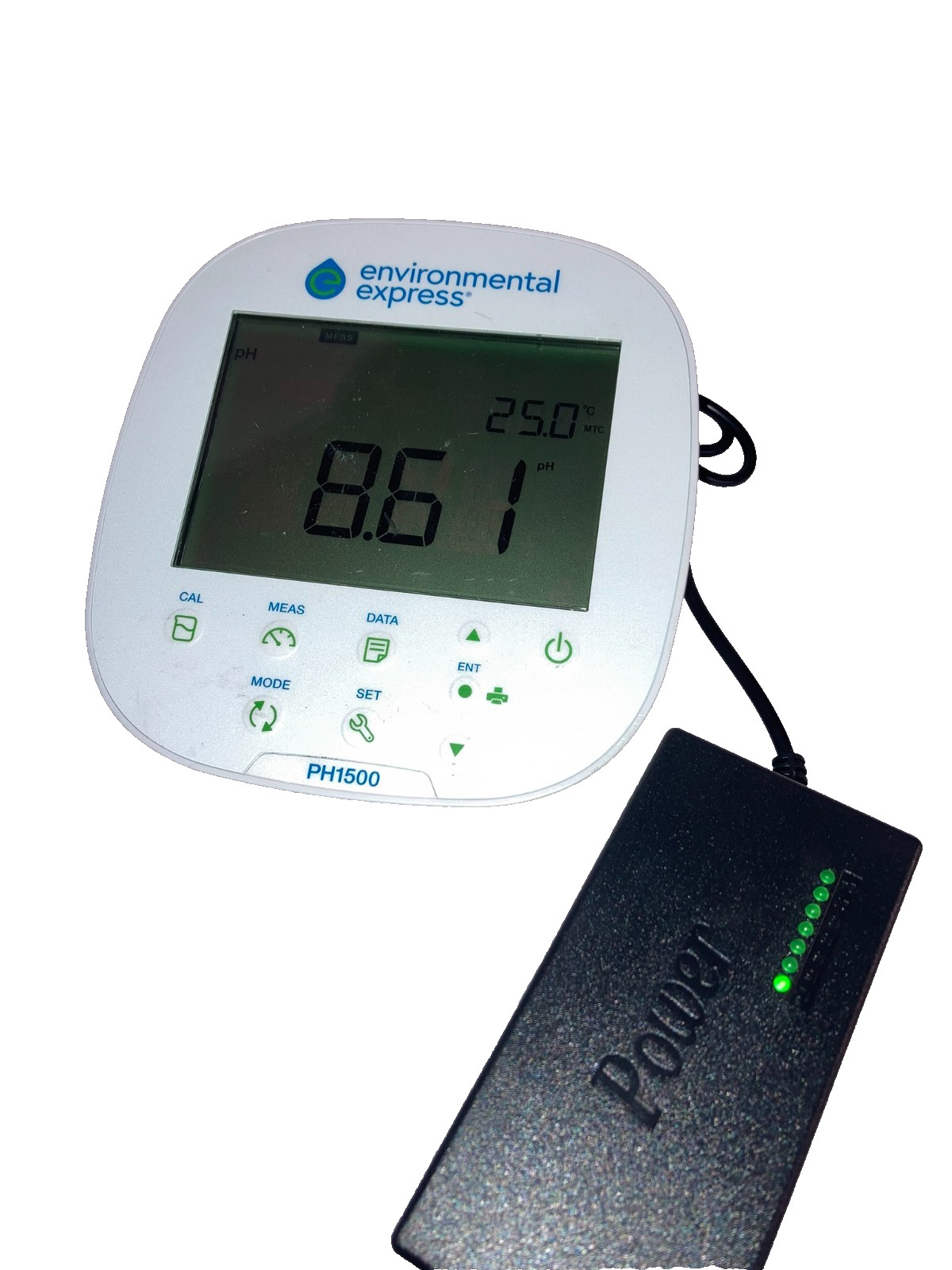
A portable pH meter pairs a glass or ISFET electrode with a handheld meter to measure acidity in liquids, soil, and semi-solids. The core trade-off is electrode quality and calibration stability versus price: lab-grade glass bulbs with replaceable junctions hold calibration for weeks, while sealed low-cost pens drift within days. The decision rule is simple—buy a meter with at least two-point calibration, a replaceable electrode, and ATC if you need reliable readings beyond casual pool or aquarium checks.

Buying guide image
Multimeters & Electrical Testers

Fluke 179 Multimeter

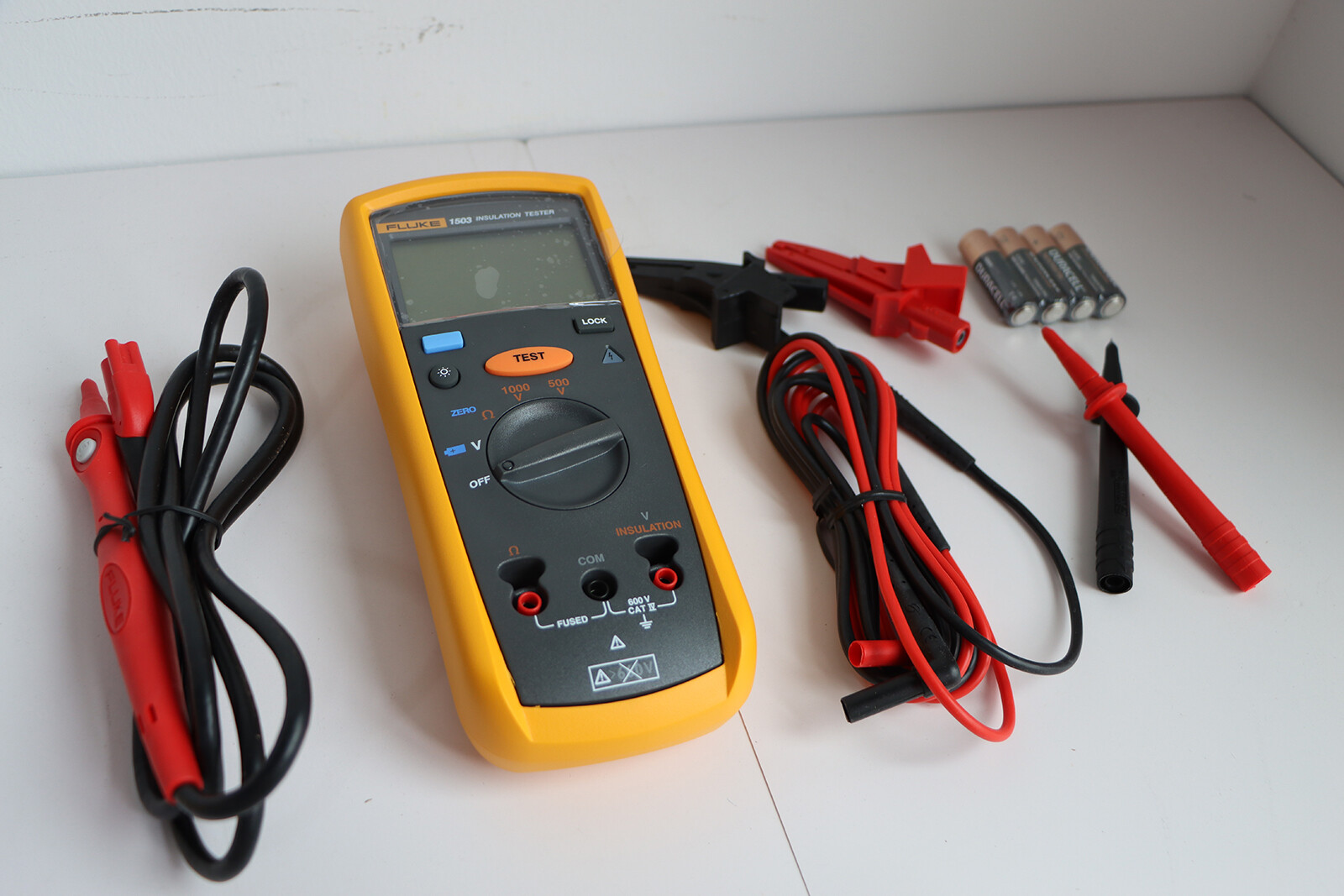
The Fluke 179 is a true-RMS digital multimeter built for industrial and electronics troubleshooting, sitting above entry-level 117/115 models but below logging-capable 287/289 units. Its core trade-off is paying for long-term accuracy, safety rating, and backlit display versus cheaper meters with similar basic ranges. Buy the 179 only if you need true-RMS AC, CAT IV 600 V/CAT III 1000 V safety, and a 10-year warranty; otherwise a 117 or 87V is the smarter tier.

Buying guide image
Multimeters & Electrical Testers

Fluke Multi Meter

Fluke multimeters are professional-grade electrical testers defined by true-RMS measurement, CAT III/IV safety ratings, and lifetime-warranty build quality. The primary trade-off is between bench-level accuracy (0.09% DC V) and field durability (IP67, 3-meter drop), with model tiers separating basic electricians from advanced industrial troubleshooters. Buy a true-RMS Fluke rated for your worst-case voltage environment; skip anything without a CAT rating or non-true-RMS budget clones.

Buying guide image
Multimeters & Electrical Testers

Fluke Multimeter Tester

Fluke multimeters and testers are professional-grade electrical measurement tools defined by True RMS accuracy, CAT III/IV safety ratings, and lifetime-warranty build quality. The core trade-off is between the ruggedized 170/87V series for industrial and field use versus the compact 11x/12x series for basic bench and HVAC tasks. The decision rule: buy a True RMS model rated CAT III 600V or higher with a specified DC accuracy of ±0.5% or better; skip any meter lacking a stated CAT safety rating or True RMS for AC work.

Buying guide image
Multimeters & Electrical Testers

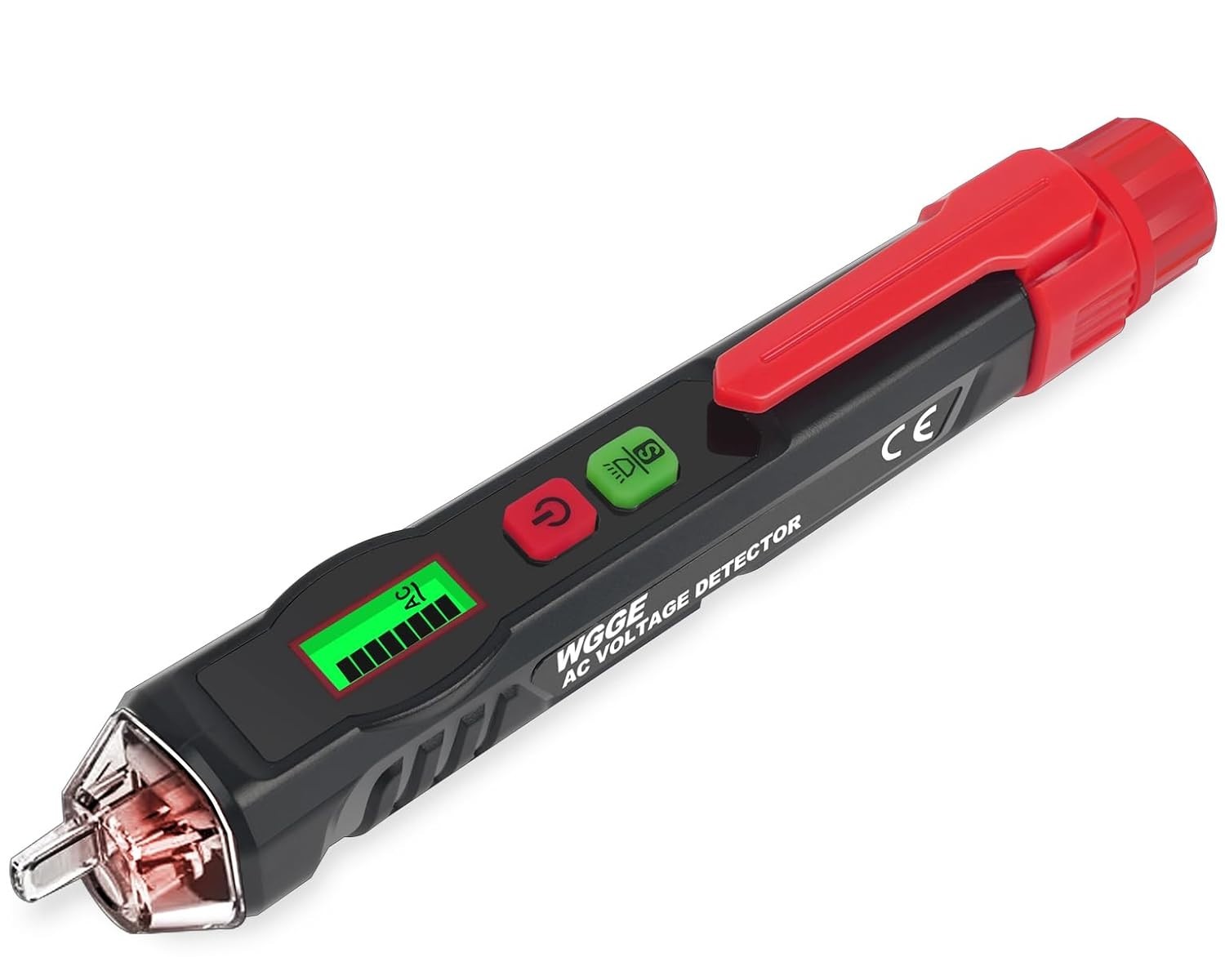
Non Contact Voltage Tester Pen

A non-contact voltage tester pen detects AC voltage through insulation via capacitive coupling, letting you check live wires without touching conductors. The core trade-off is sensitivity versus false-positive rejection: wide-range 12–1000V pens catch low-voltage control lines but can chirp on ghost voltage, while 90–1000V models are more stable on mains wiring but blind to thermostat and doorbell circuits. Choose a pen rated for your lowest expected voltage and with a CAT III safety rating if you work inside panels.

Buying guide image
Multimeters & Electrical Testers

Non Contact Voltage Tester

A non-contact voltage tester is a pen-style capacitive sensor that detects AC voltage through insulation, wiring, and outlet slots without metal-to-conductor contact. The core trade-off is sensitivity versus false-positive rejection: wide-range 12-1000V pens catch low-voltage control circuits but chirp near stray capacitance, while fixed-range 90-1000V units are steadier for mains-only work. Buy a two-tier tester with a self-test and CAT III/IV rating for panel and branch-circuit work; skip unrated no-name pens for anything beyond quick outlet checks.

Buying guide image
Thermal Cameras, Borescopes & Visual Inspection

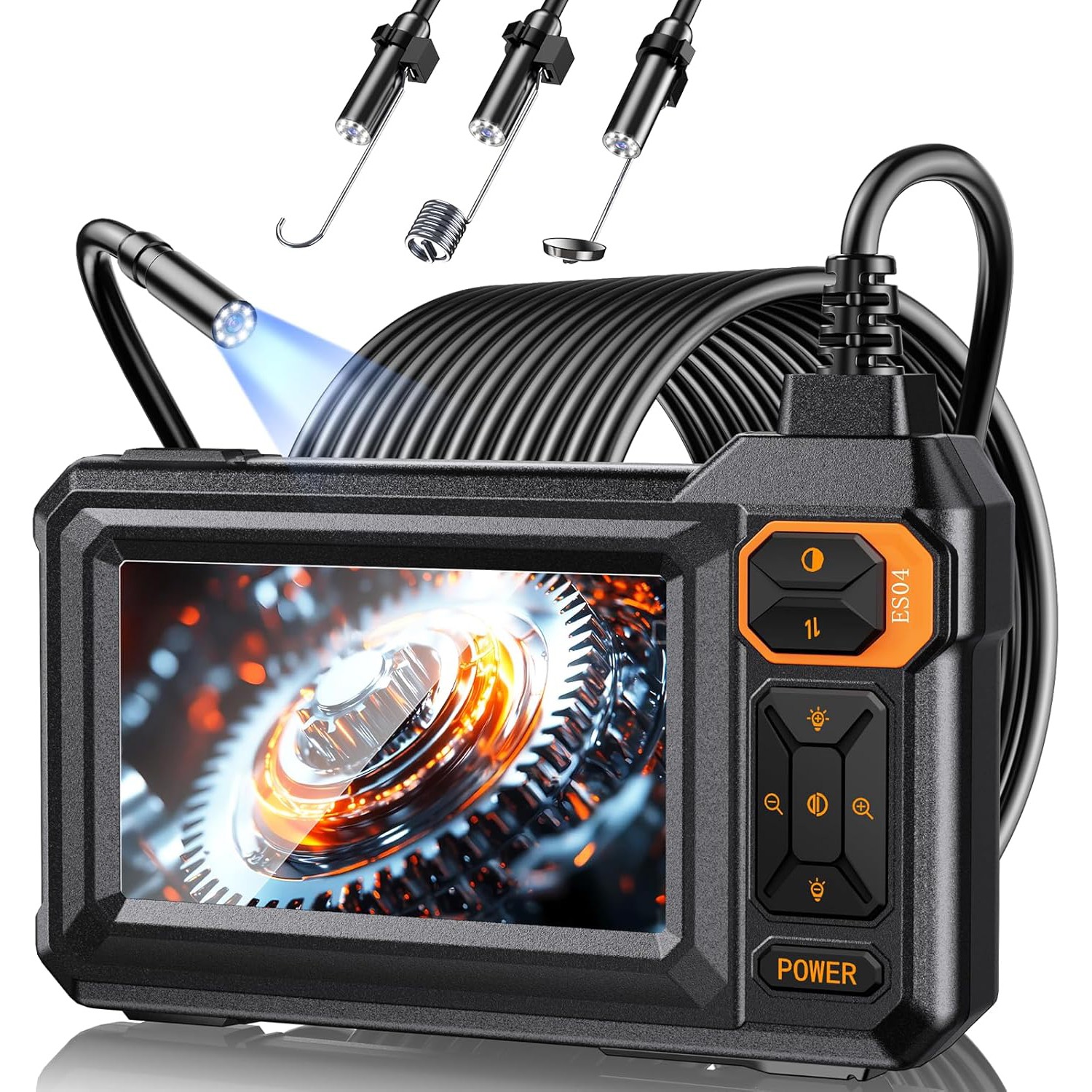
Waterproof Inspection Camera

Waterproof inspection cameras are cabled borescopes combining a sealed IP67 camera head, LED illumination, and a rigid or semi-rigid gooseneck probe to inspect cavities, drains, engines, and walls. The core trade-off is probe diameter versus image quality and articulation: smaller heads reach tighter bends, but larger heads house better sensors and dual/triple lenses. Choose a sealed IP67 head with a semi-rigid cable sized to your smallest access hole; skip unsealed USB units sold as 'water-resistant' for wet or oily work.

Buying guide image
Centrifuges, Mixers & Shakers

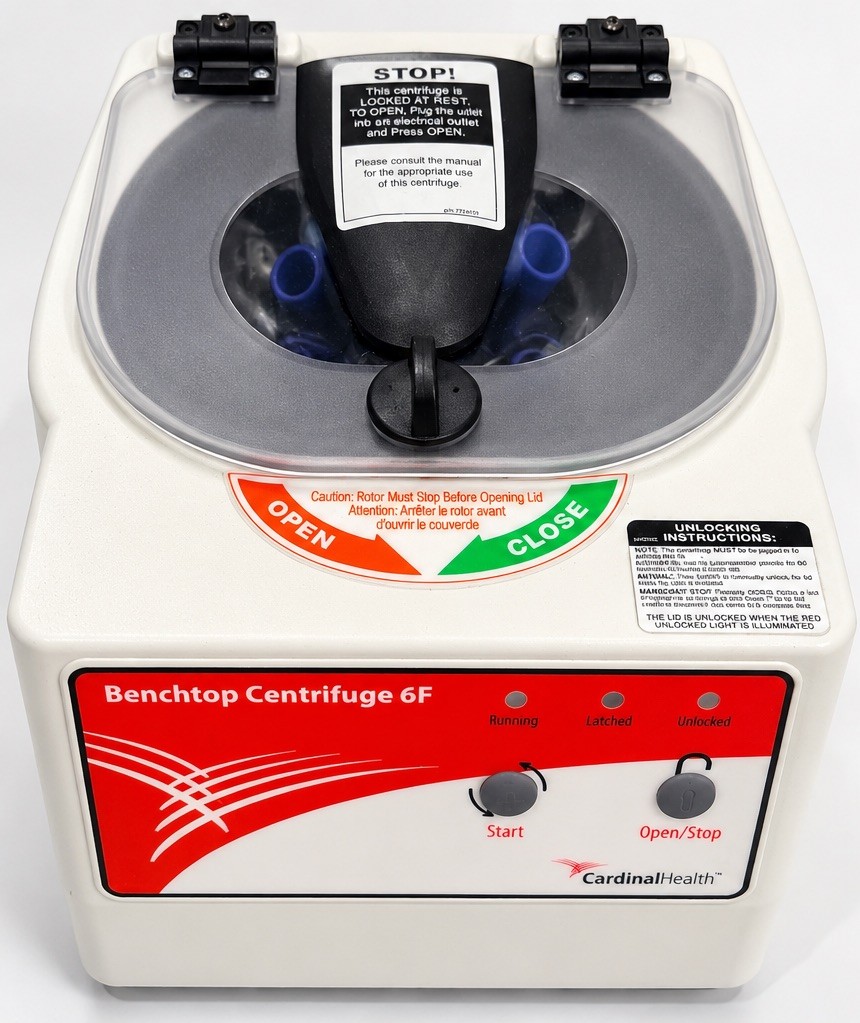
Benchtop Centrifuge

A benchtop centrifuge is a compact lab machine that spins liquid samples to separate components by density, defined by its rotor capacity, speed, and safety enclosure. The core trade-off is between high-speed/low-capacity micro-tubes and lower-speed/high-capacity tube rotors—both are valid, but mixing them up wastes money or ruins separations. The decision rule: match rotor capacity and tube format to your actual sample volume and g-force requirement, and never buy a fixed-angle rotor for protocols that need a swinging-bucket horizontal spin.

Buying guide image
Oscilloscopes, Signal & Spectrum Analyzers

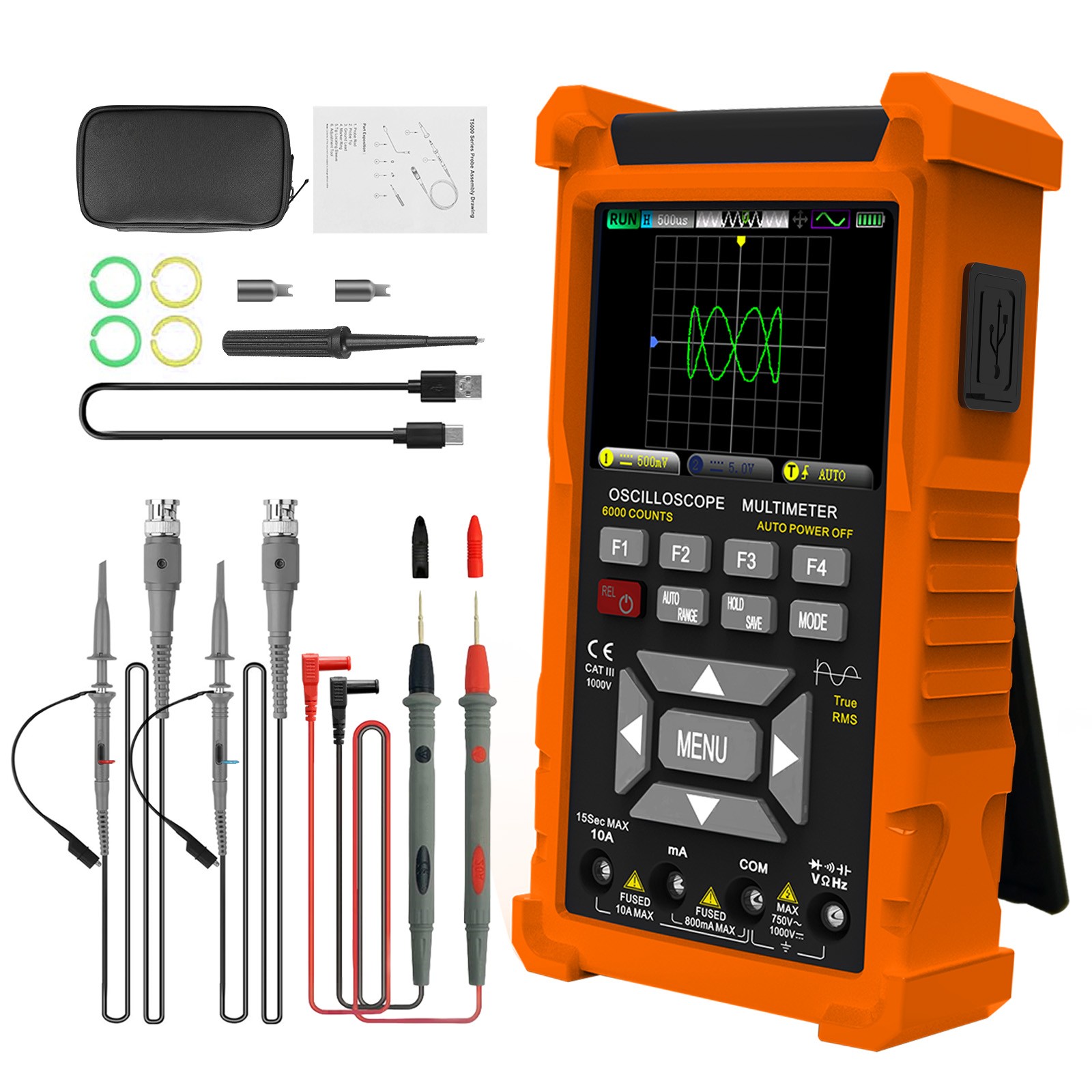
Oscilloscope With Signal Generator

An oscilloscope with signal generator combines waveform viewing and signal sourcing in one instrument, primarily trading off sample rate and bandwidth against built-in arbitrary waveform capability. The key decision is whether you need a true standalone AWG with modulation or a basic repair-grade function generator. Durable options specify real sample rate (MS/s), bandwidth (MHz), and waveform update rate; compromises hide these behind 'equivalent' specs and omit output impedance or amplitude accuracy.

You may also like

Finding more guides for you…