Bench & Gauge

Bench & Gauge

Test, Measurement & Inspection Reviews & Buying Guides

Compare test, measurement & inspection by use case, features, trade-offs, price, returns, and seller terms before you buy.

Buying guides

Buying guide image
Multimeters & Electrical Testers

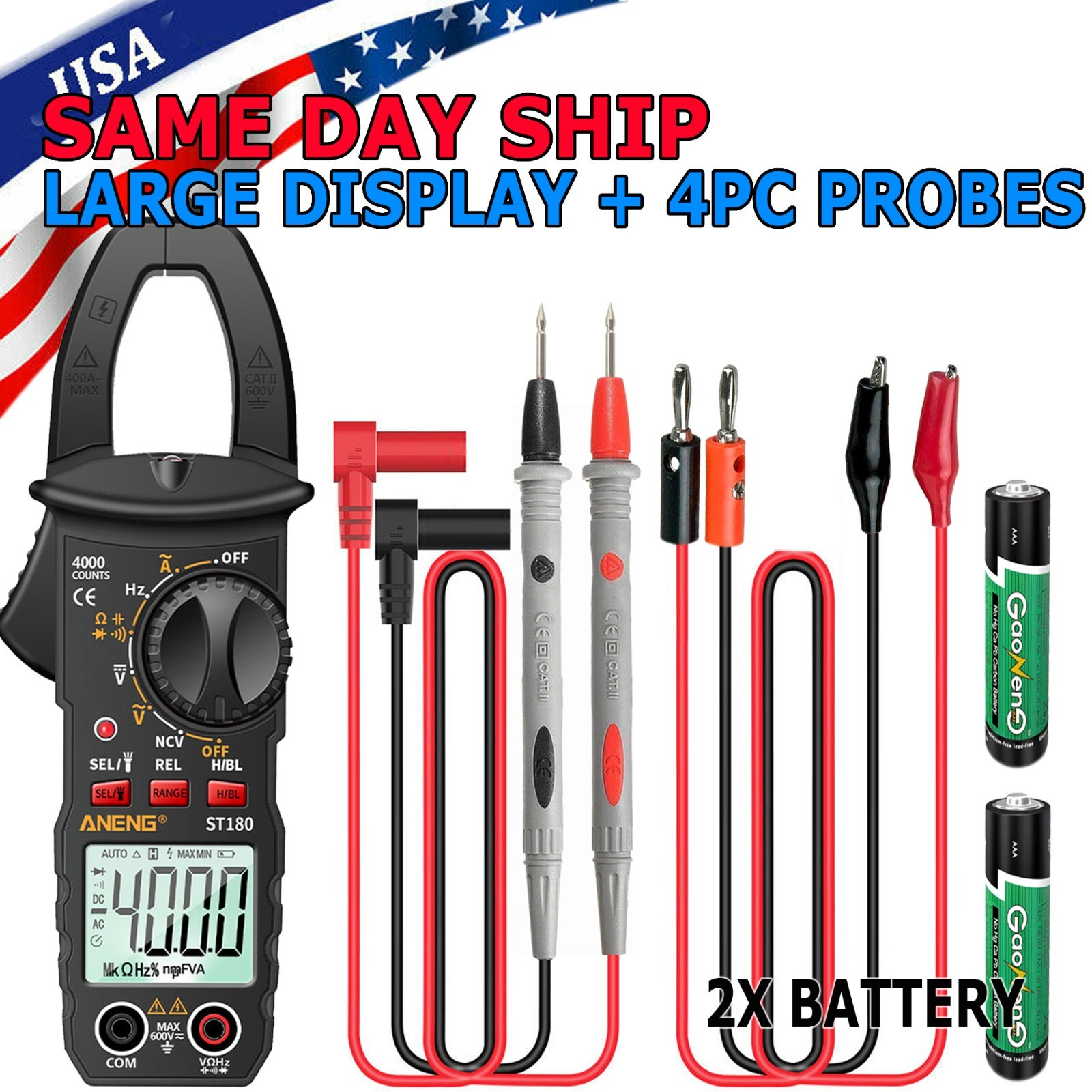
Clamp Meter

A clamp meter measures current without breaking the circuit by clamping around a conductor, and the decisive trade-off is jaw sensing technology: Hall-effect sensors read both AC and DC current, while inductive coils read AC only. Choose a Hall-effect true-RMS clamp rated for your highest expected DC or inrush current; skip AC-only coil clamps and low-resolution 2000-count models for real diagnostic work.
Buying guide image
Calibration Equipment & Standards

Calibration Standard

Calibration standards are reference artifacts—stainless steel test weights, conductivity solutions, RF/microwave kits, and instrument-specific calibration fixtures—used to verify and adjust measurement equipment. The primary trade-off is between accuracy class (OIML/ASTM tolerance) and material stability: lower-tier weights and unsealed solutions drift faster and fail audit trails. The decision rule is to match the standard's tolerance class and construction to your instrument's own accuracy spec, never buying a standard that is less accurate than the device being calibrated.

Buying guide image
Environmental & Indoor Air Measurement

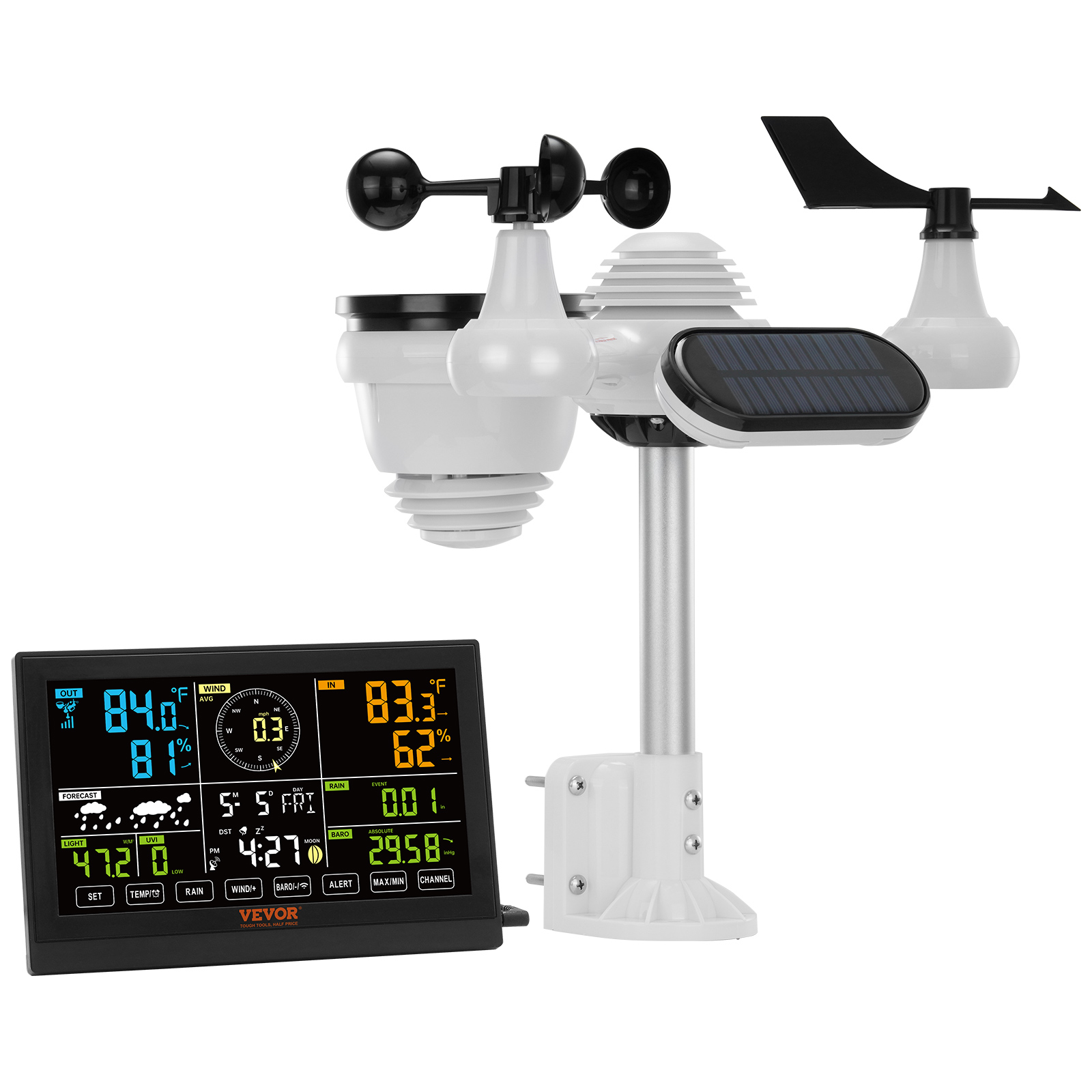
WiFi Weather Station

A WiFi weather station is an indoor display/console paired with wireless outdoor sensors that upload live temperature, humidity, wind, rain, and pressure data to a cloud service for app and web access. The core trade-off is sensor accuracy and wireless range versus the convenience and remote access that WiFi cloud connectivity adds. The decision rule: buy a station with a wired or solar-shielded sensor suite and a documented outdoor sensor range of at least 100 m, because cheap unshielded thermistors and short-range 433 MHz links are the compromises that break reliability.

Buying guide image
Oscilloscopes, Signal & Spectrum Analyzers

Handheld Oscilloscope

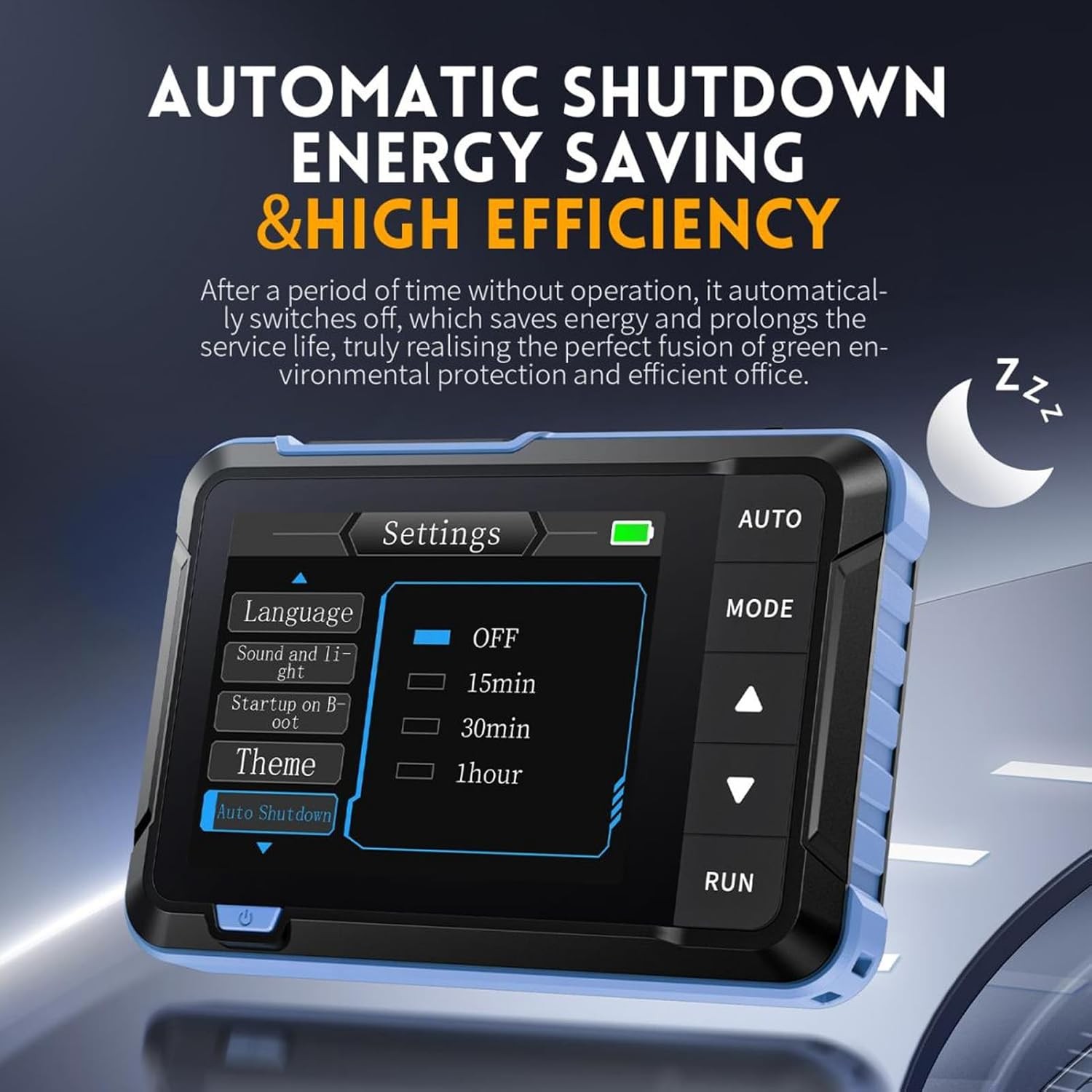
A handheld oscilloscope packs a battery-powered ADC, display, and input front end into a pocket format for field, automotive, and classroom probing where a bench scope can't go. The core trade-off is sample rate and bandwidth versus channel count and build isolation—budget mini DSOs often sacrifice real-time sampling and true RMS accuracy. Buy a unit with at least 2x the bandwidth you need in real-time sampling, proper CAT-rated probes, and a clearly specified input impedance; skip generic '3-in-1' meters that hide their ADC rate.

Buying guide image
Test Leads, Probes, Fixtures & Accessories

Fluke Meter Test Lead

Fluke meter test leads are the interchangeable probe-and-clip assemblies that connect a Fluke multimeter to the circuit under test, and the defining trade-off is safety-rated insulation and connector integrity versus generic aftermarket copies. Genuine Fluke leads carry a CAT III/CAT IV safety rating with double or reinforced insulation and shrouded banana plugs, while bargain replacements often advertise voltage but skip the arc-flash and finger-guard standards. The decision rule is simple: match the CAT rating and current rating to your measurement environment, and reject any lead that does not state both on the probe body.

Buying guide image
Test Leads, Probes, Fixtures & Accessories

Fluke Multimeter Test Lead

Fluke multimeter test leads are the interchangeable probe-and-wire assemblies that connect a Fluke meter to the circuit under test, and the decisive trade-off is safety-rated insulation and probe-tip architecture versus generic aftermarket leads. OEM Fluke silicone leads with shrouded 4mm banana plugs and CAT III/IV ratings survive high-energy transients; commodity PVC leads may fit the jack but not the voltage class. The rule: buy leads whose CAT rating matches your meter's CAT rating and whose plug style matches your Fluke input jack—anything less is a compromise, not an upgrade.

Buying guide image
Microscopes & Lab Imaging

Elikliv Coin Microscope

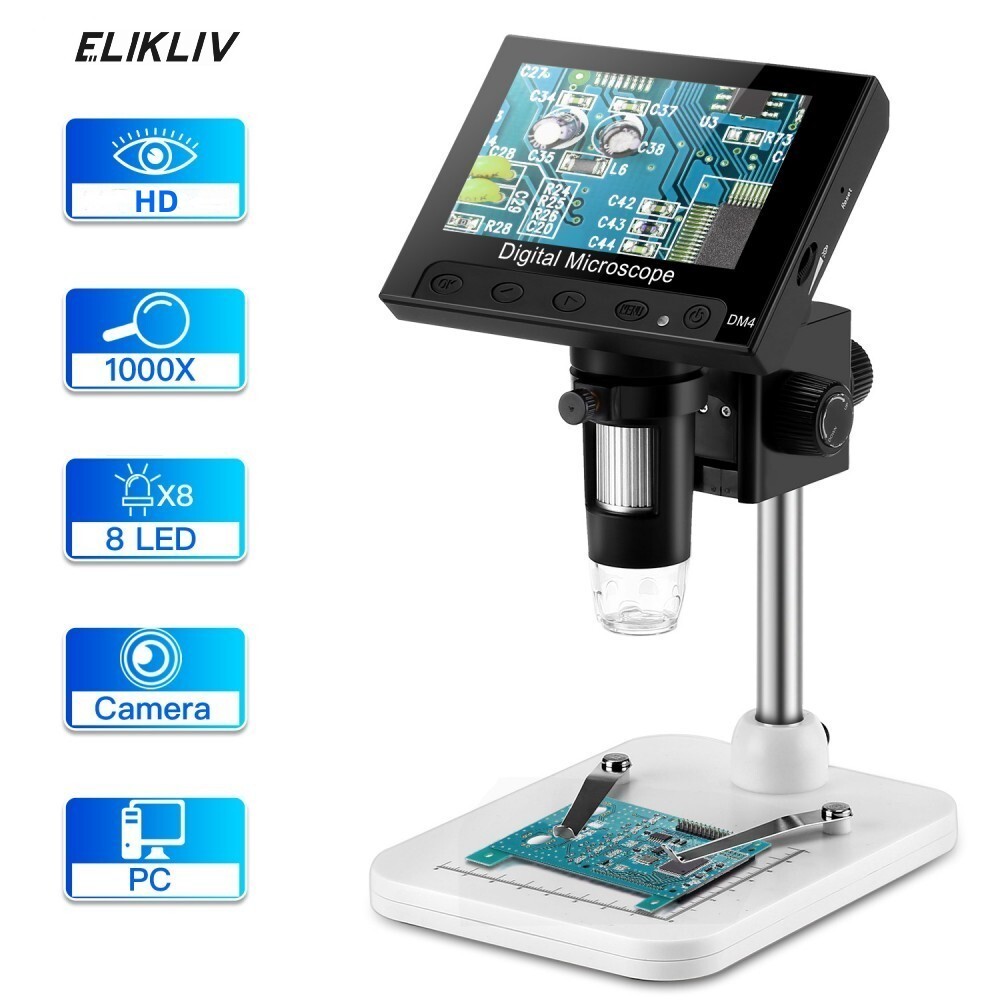
Elikliv coin microscopes are digital LCD microscopes that trade optical precision for plug-and-play magnification and screen-based viewing. The key trade-off is sensor resolution and HDMI/USB output versus true optical zoom and depth of field. Choose a 4.3-inch 1000X model for casual coin inspection or soldering, and step up to a 10-inch 4K/HDMI unit only if you need large-screen detail and PC capture.

Buying guide image
Microscopes & Lab Imaging

Elikliv Digital Microscope

Elikliv digital microscopes are stand-mounted LCD/USB inspection scopes built for coin, PCB, and solder-joint magnification rather than laboratory biology. The core trade-off is sensor/display tier versus true optical resolution: base 4.3-inch 1000X models are low-cost inspection tools, while 7-inch remote-control, 10-inch 12MP, and 4K 52MP HDMI units add screen size, capture quality, and output flexibility. The decision rule is simple: buy the smallest screen and resolution that covers your working distance and target detail—skip 1000X claims on budget units unless you only need macro inspection, not sub-micron measurement.

Buying guide image
Oscilloscopes, Signal & Spectrum Analyzers

Signal Spectrum Analyzer

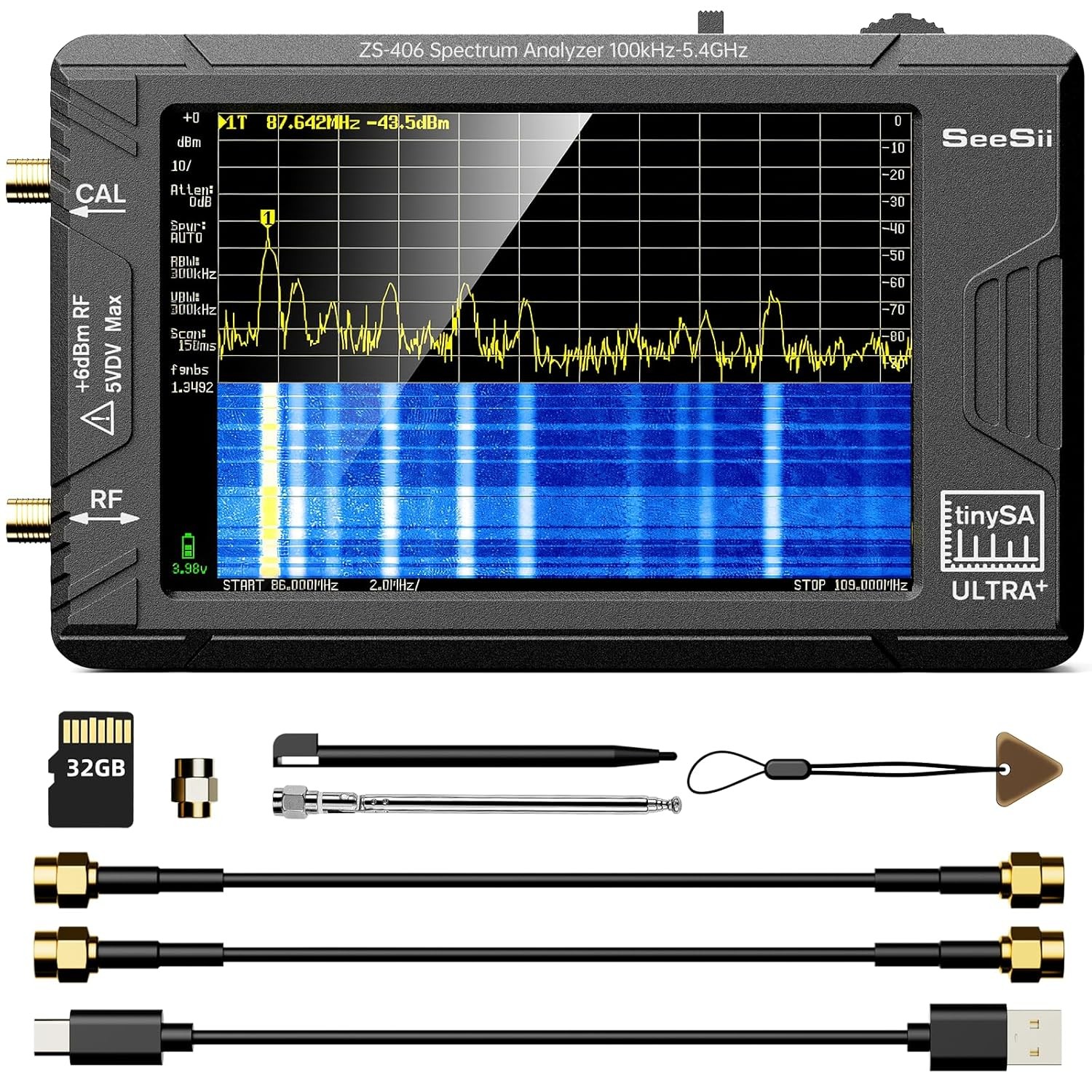
A signal spectrum analyzer is an RF test instrument that displays amplitude versus frequency, letting you see carriers, harmonics, interference, and modulation quality. The core trade-off is frequency range and resolution bandwidth versus calibration accuracy and front-end durability: hobby-grade analyzers trade absolute accuracy and overload protection for low cost and portability. The decision rule is simple: choose a calibrated bench analyzer with a tracking generator for compliance or production work, and a handheld/portable analyzer only for field troubleshooting within its specified safe input range.

Buying guide image
Data Acquisition & Recorders

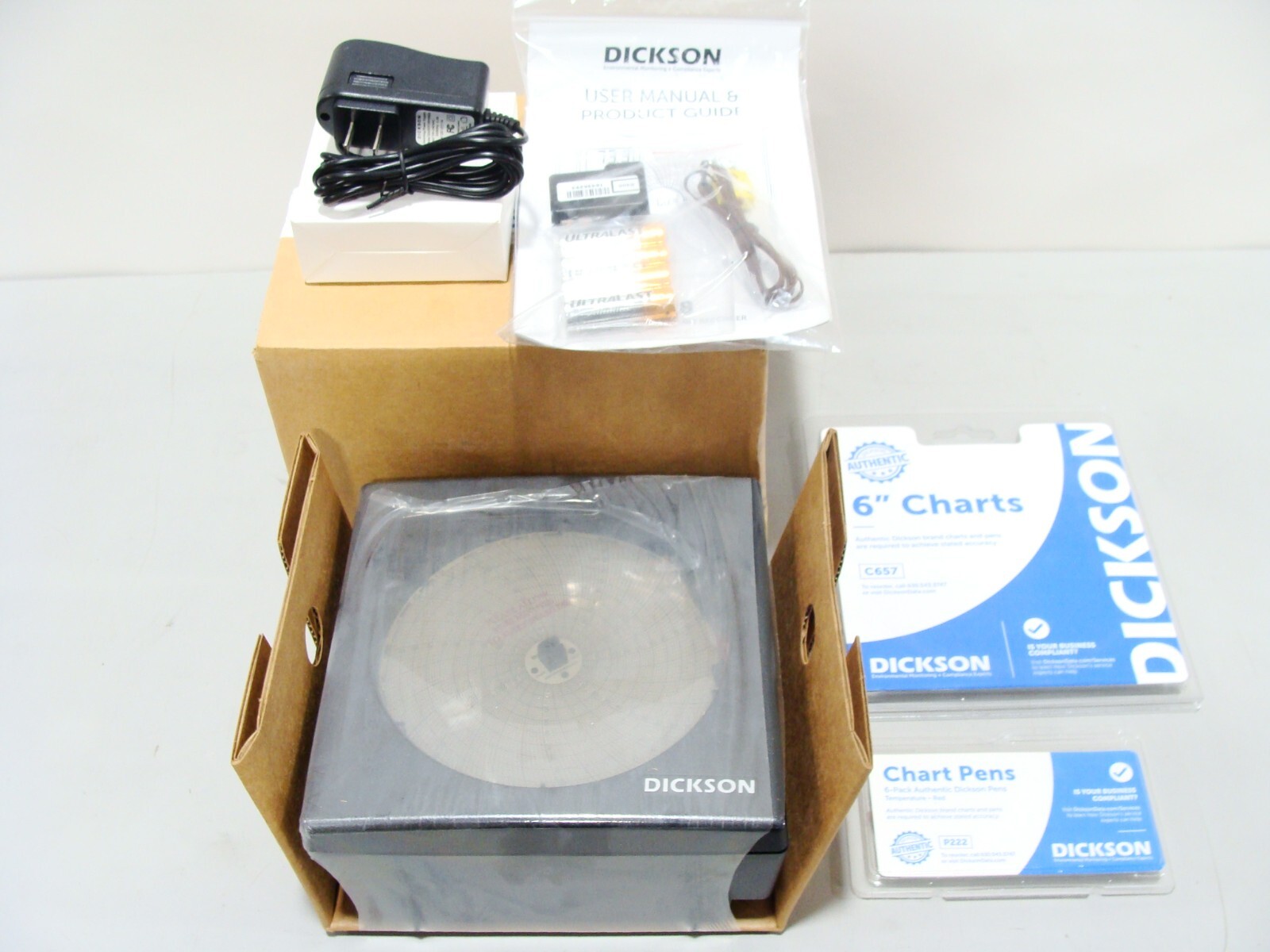
Temperature Recorder

A temperature recorder is a standalone logging instrument that samples and stores temperature over time, with or without humidity, for cold-chain shipping, refrigeration, and process validation. The decisive trade-off is between low-cost Bluetooth/USB loggers with phone-app readout and calibrated chart recorders or validated systems that provide tamper-evident paper trails and audit-ready data. Buy a digital logger with a downloadable PDF/CSV report and a stated accuracy spec for shipping and fridge monitoring; step up to a chart recorder or validated cloud system only when you need permanent physical records or regulatory compliance.

Buying guide image
Test Leads, Probes, Fixtures & Accessories

Fluke Test Lead With Alligator Clip

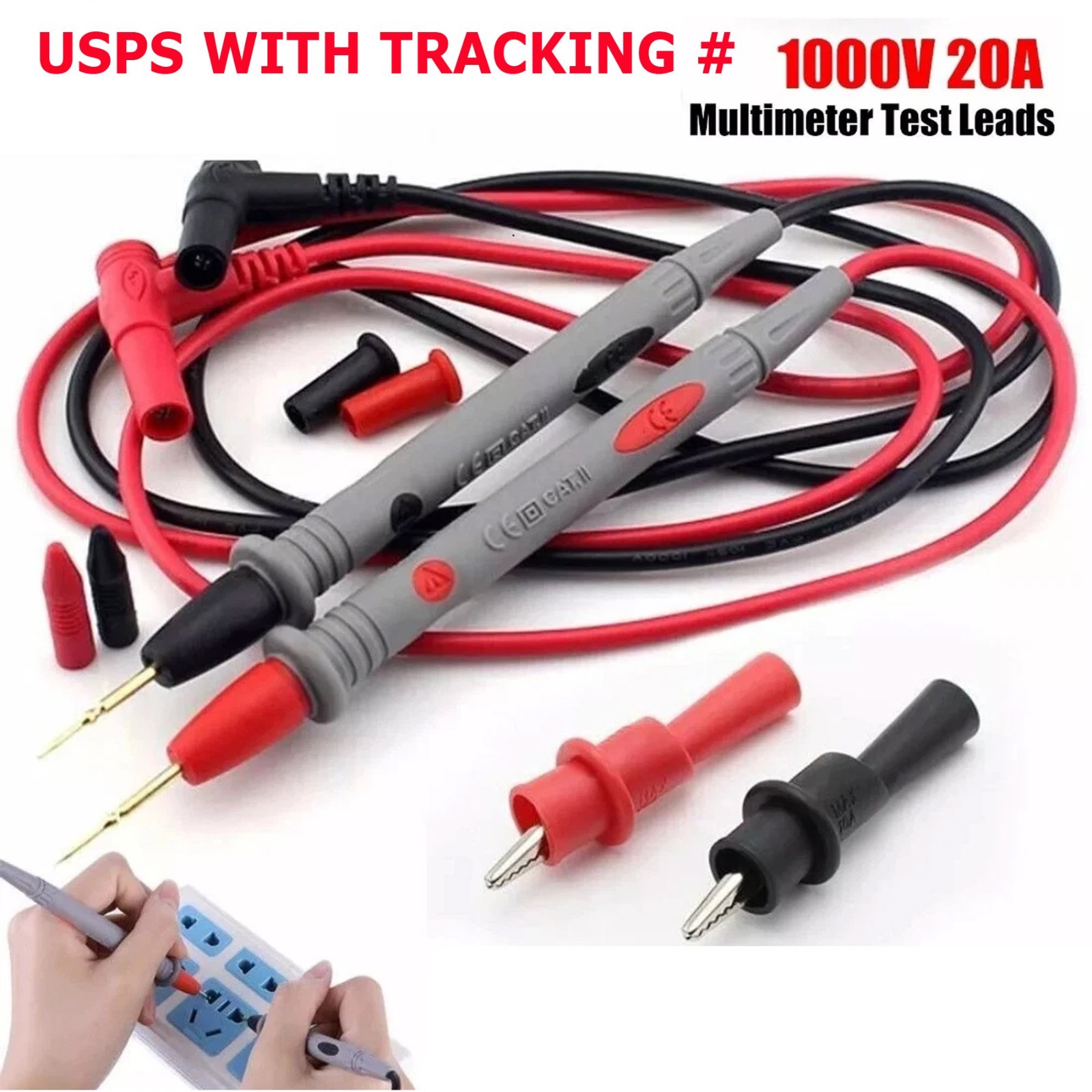
Fluke-compatible test leads with alligator clips are the interface between your meter and the circuit, and the primary trade-off is safety-rated insulation and contact metallurgy versus generic commodity wire. Genuine Fluke leads use silicone insulation, CAT III/IV ratings, and hardened steel or brass clips; generic 1000V/20A leads often meet the voltage number on paper but lack certified CAT safety margins. The decision rule: buy leads with an explicit CAT III 1000V or CAT IV 600V rating and silicone insulation for any work near mains or industrial panels; generic PVC leads are only acceptable for low-voltage bench work.

Buying guide image
Microscopes & Lab Imaging

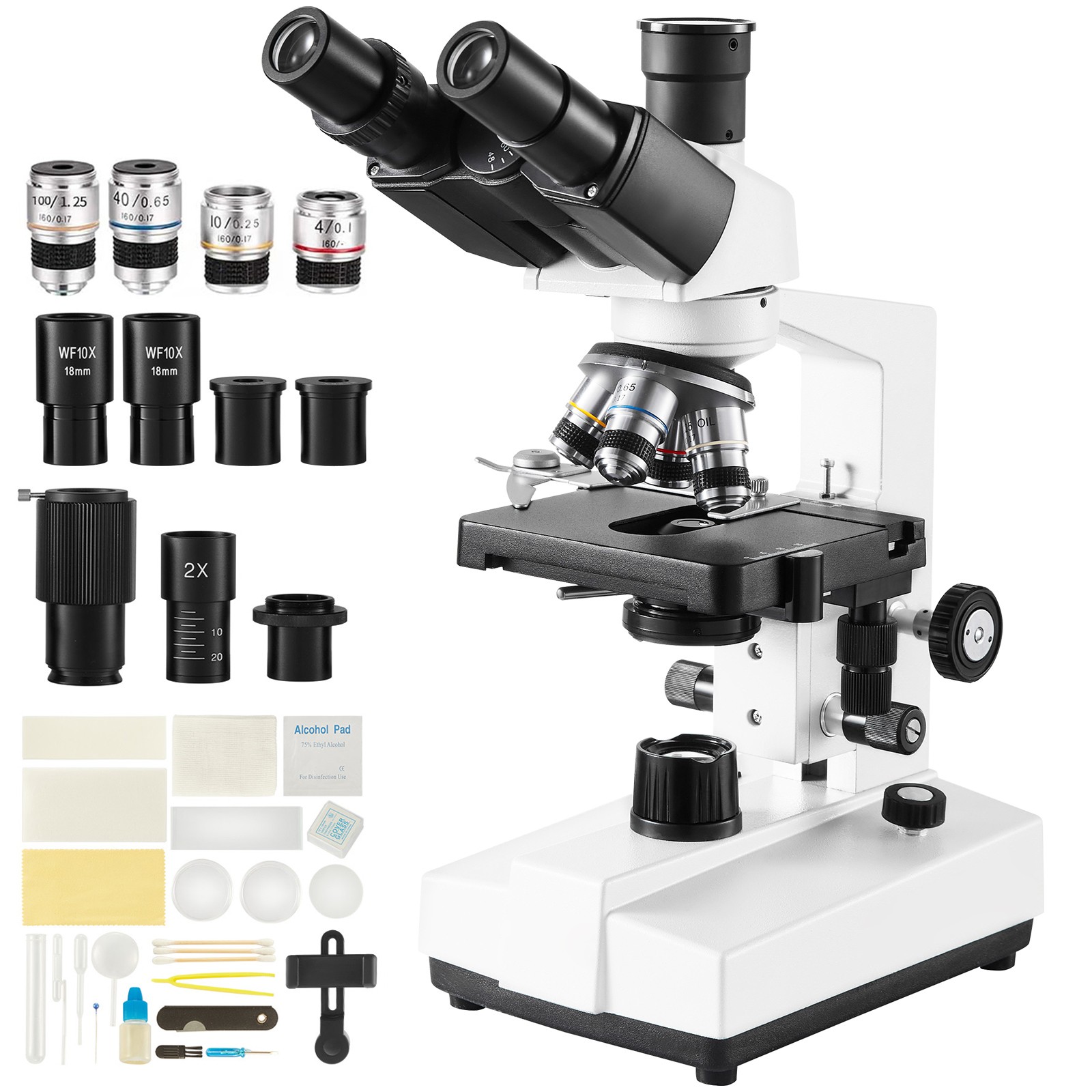
Compound Trinocular Microscope

A compound trinocular microscope uses a dual-ocular viewing head plus a dedicated vertical photo port, letting you observe and capture simultaneously. The core trade-off is optical quality and mechanical rigidity versus ballooned magnification claims: true performance comes from plan achromatic objectives, a sturdy metal stage, and a stable trinocular head, not from digital-zoom multipliers. Buy for real optical limits (typically 40X–1000X with 4×/10×/40×/100× objectives) and skip any listing that markets 2500X–5000X as native optical magnification.

Buying guide image
Microscopes & Lab Imaging

Trinocular Compound Microscope

A trinocular compound microscope adds a dedicated camera port to the standard binocular eyepiece pair, enabling simultaneous viewing and imaging—critical for documentation, teaching, and lab workflows. The primary trade-off is between entry-level achromatic optics with basic LED illumination and plan-achromatic infinity-corrected systems with Köhler illumination, which determines image flatness, color fidelity, and long-term durability. The clear decision rule: choose infinity-corrected optics and a mechanical stage for repeatable imaging work; accept finite-conjugate achromats only for casual visual observation where camera output is secondary.

Buying guide image
Centrifuges, Mixers & Shakers

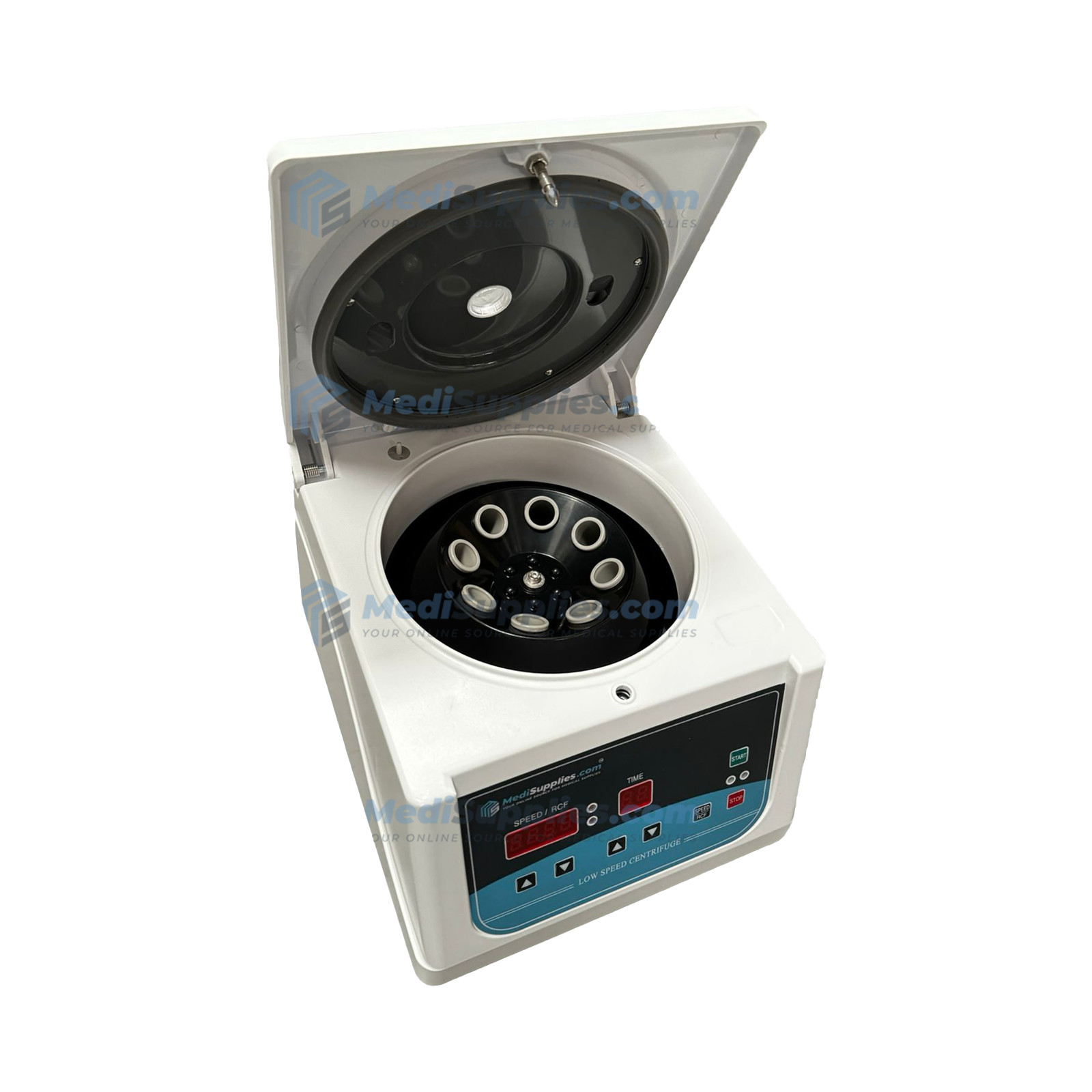
Portable Centrifuge

A portable centrifuge is a compact, benchtop or carry-handle lab device that spins sample tubes to separate liquids by density, typically at 4,000 RPM for PRP, urine, and blood separation. The core trade-off is fixed-speed vs. variable-speed control and rotor capacity (6x15/20 mL vs. 8x15 mL) against build quality and safety interlocks. Buy variable-speed with a metal rotor and lid interlock if you need repeatable separation; skip fixed-speed plastic-rotor units for clinical or PRP work.

Buying guide image
Microscopes & Lab Imaging

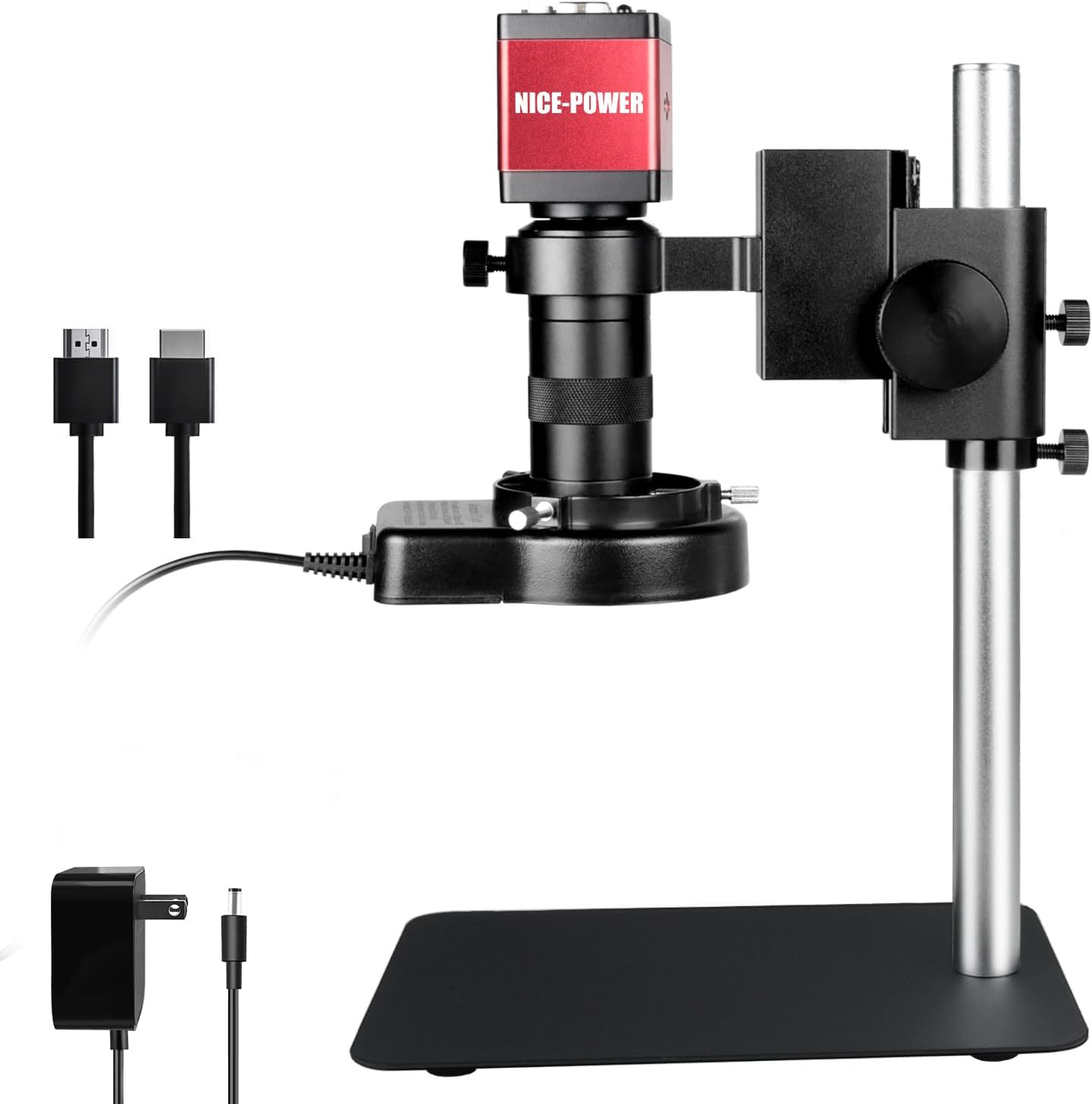
Metal Microscope

A metal microscope is a digital or optical inspection system built around a rigid metal chassis or stand, used for coins, PCBs, and industrial detail work. The core trade-off is sensor/optics quality versus stand rigidity: a heavy cast-metal base with a precision rack-and-pinion column holds focus at high magnification, while stamped or plastic stands drift and blur. Buy a metal-bodied unit with HDMI/USB output and a solid base if you need repeatable inspection; skip lightweight plastic stands unless portability is the only goal.

Buying guide image
Multimeters & Electrical Testers

Klein Tool Multimeter

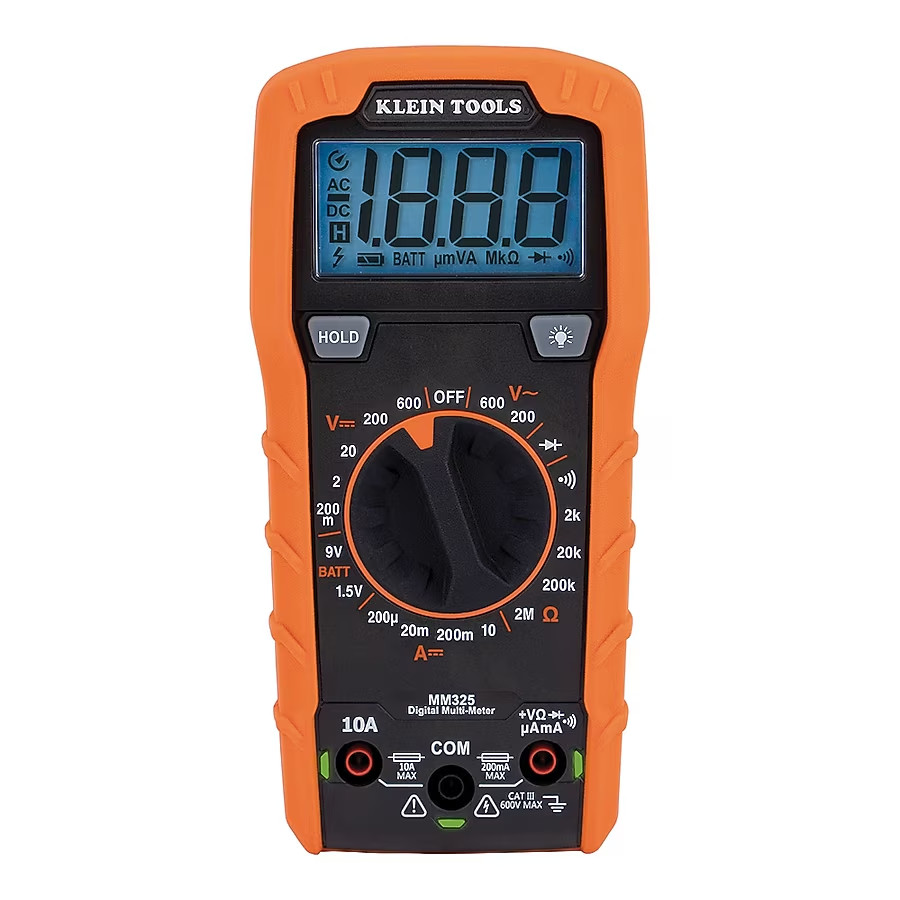
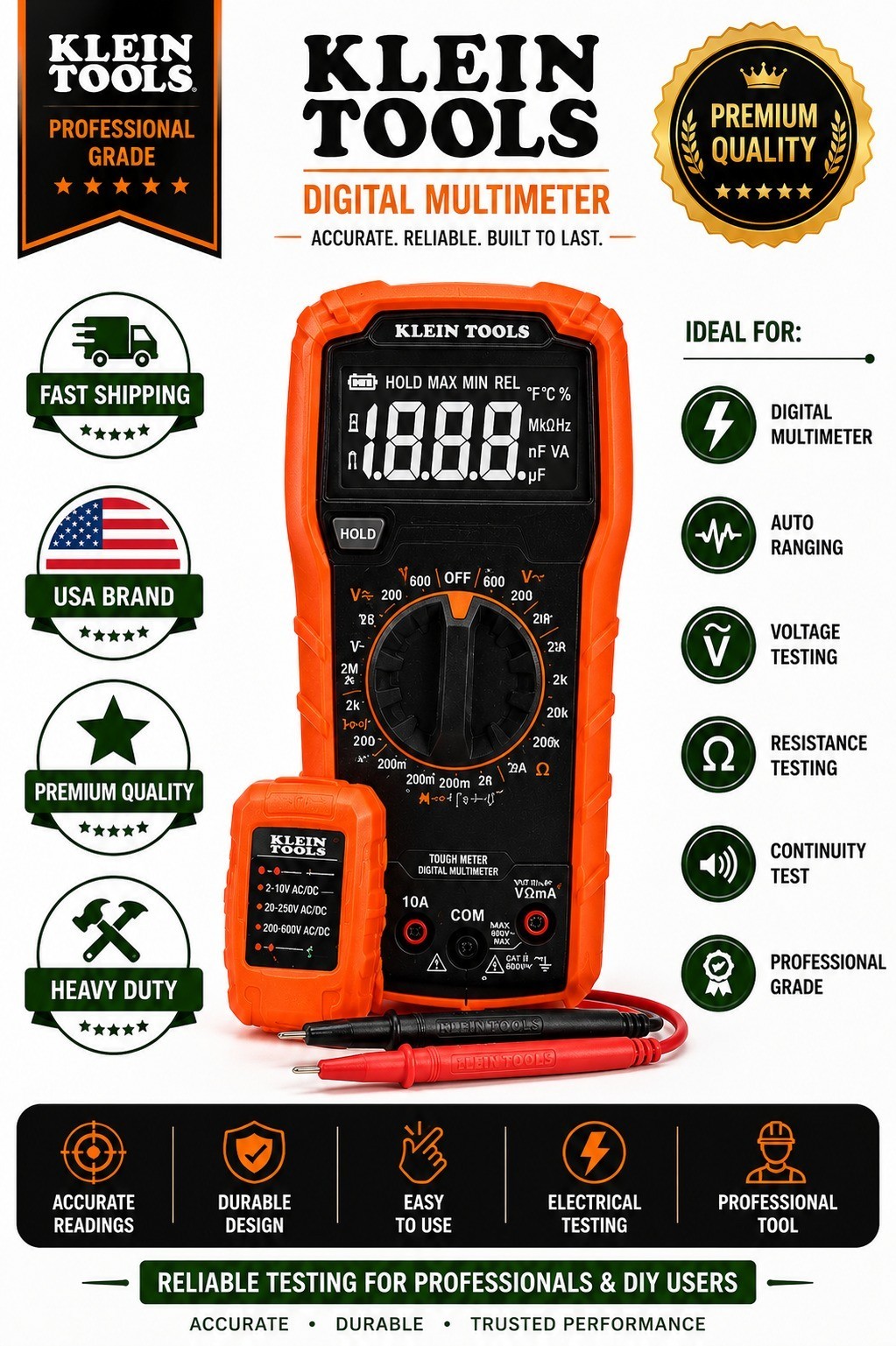
Klein Tools multimeters are trade-grade electrical testers built for electricians who need CAT III/IV safety ratings and job-site durability, not hobbyist bench accuracy. The core trade-off is between basic manual-ranging voltage testers and auto-ranging True RMS models with specialized functions like insulation testing or clamp metering. The decision rule: buy a Klein only if you need a CAT III/IV safety-certified meter for live panel or feeder work; skip it if you need microamp resolution, Bluetooth logging, or lab-grade DC accuracy.

Buying guide image
Multimeters & Electrical Testers

Multimeter Voltage Tester

A multimeter voltage tester combines a digital multimeter and non-contact voltage (NCV) detection to verify live AC/DC circuits, continuity, and outlet wiring. The key trade-off is safety and accuracy (CAT III/IV rating, true-RMS) versus cost and feature depth; cheap models often lack proper fusing and input protection. Decision rule: buy a CAT III-rated true-RMS meter with a 10A fused current input; skip any meter without a CAT safety rating or with a non-fused 10A port.

Buying guide image
Lab Balances & Scales

Weight Scale

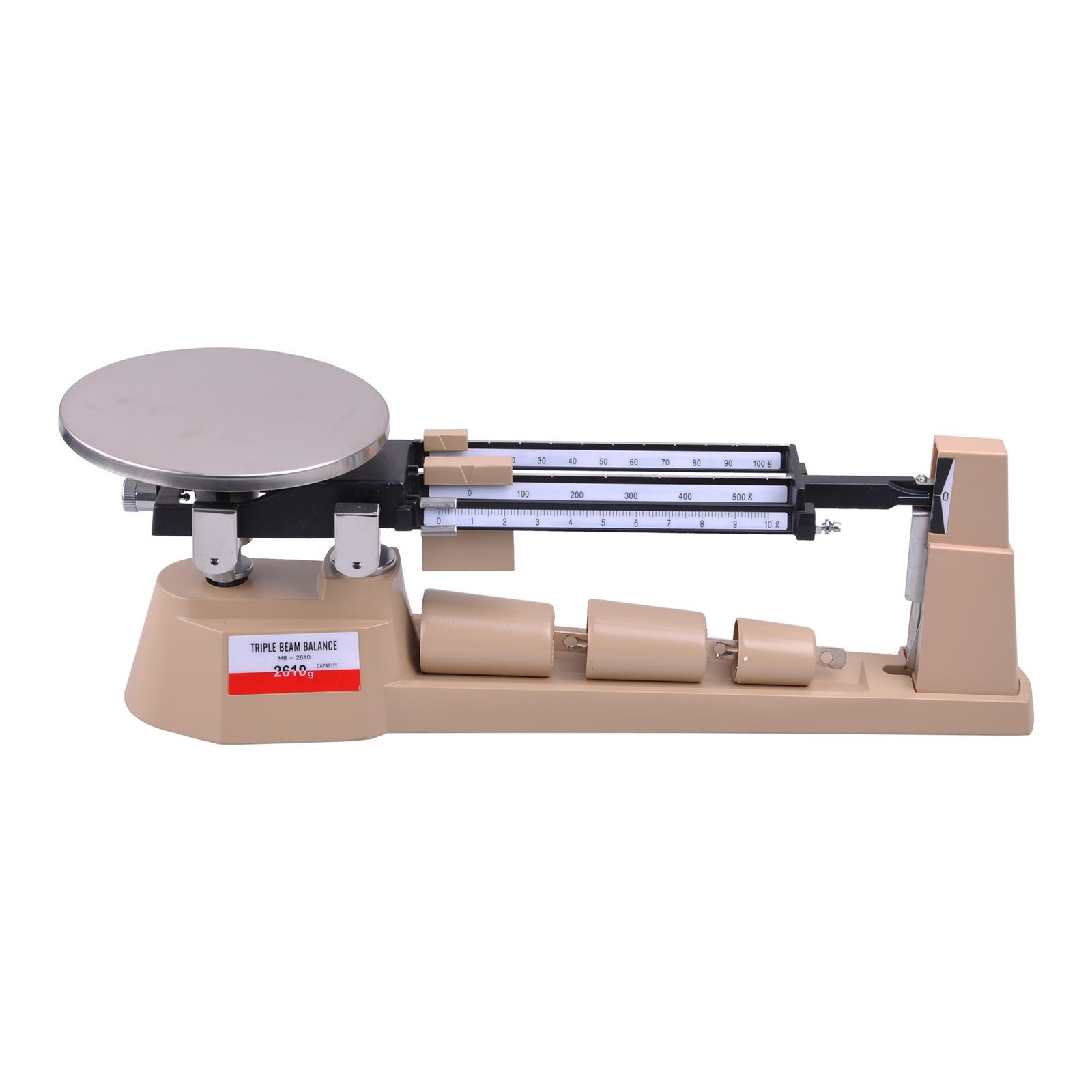
Weight scales for lab and field use split into precision digital balances, mechanical triple-beam balances, and heavy-capacity industrial scales—each optimized for a different accuracy-to-capacity ratio. The core trade-off is readability versus maximum load: higher resolution (0.001 g or 0.01 g) comes with lower capacity, while 100+ lb scales settle for 1–2 g increments. Buy digital for speed and tare functions, mechanical for calibration-free durability, and refrigerant/hanging scales for overload protection.

Buying guide image
Calibration Equipment & Standards

Calibration Weight

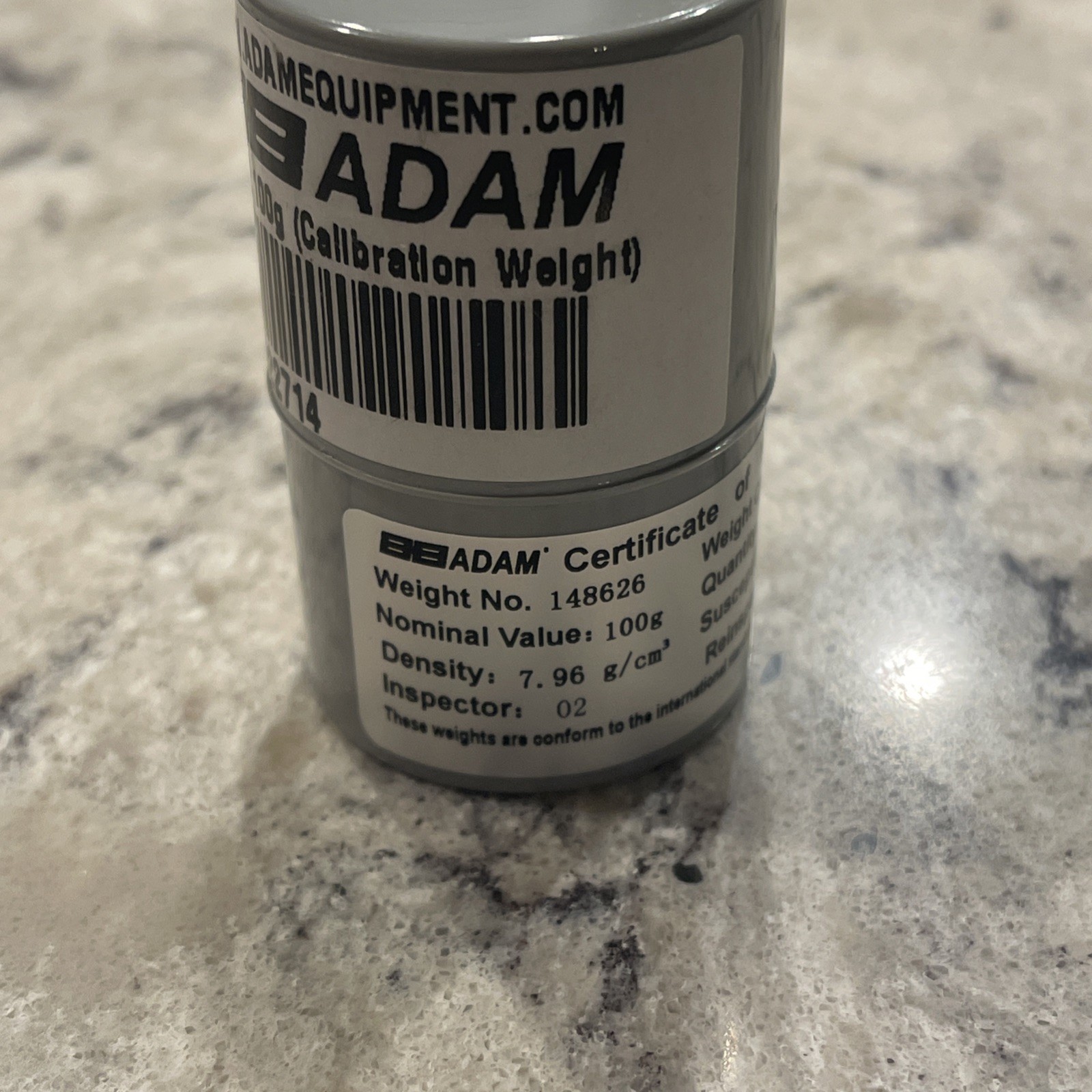
Calibration weights are precision masses used to verify and adjust the accuracy of balances and scales, and the decisive trade-off is material/finish and tolerance class versus cost. OIML and ASTM classes define maximum permissible error, so choosing the right class for your balance's readability is the single rule that separates reliable calibration from guesswork. Skip any weight without a stated tolerance class or non-magnetic, corrosion-resistant construction.

Buying guide image
Environmental & Indoor Air Measurement

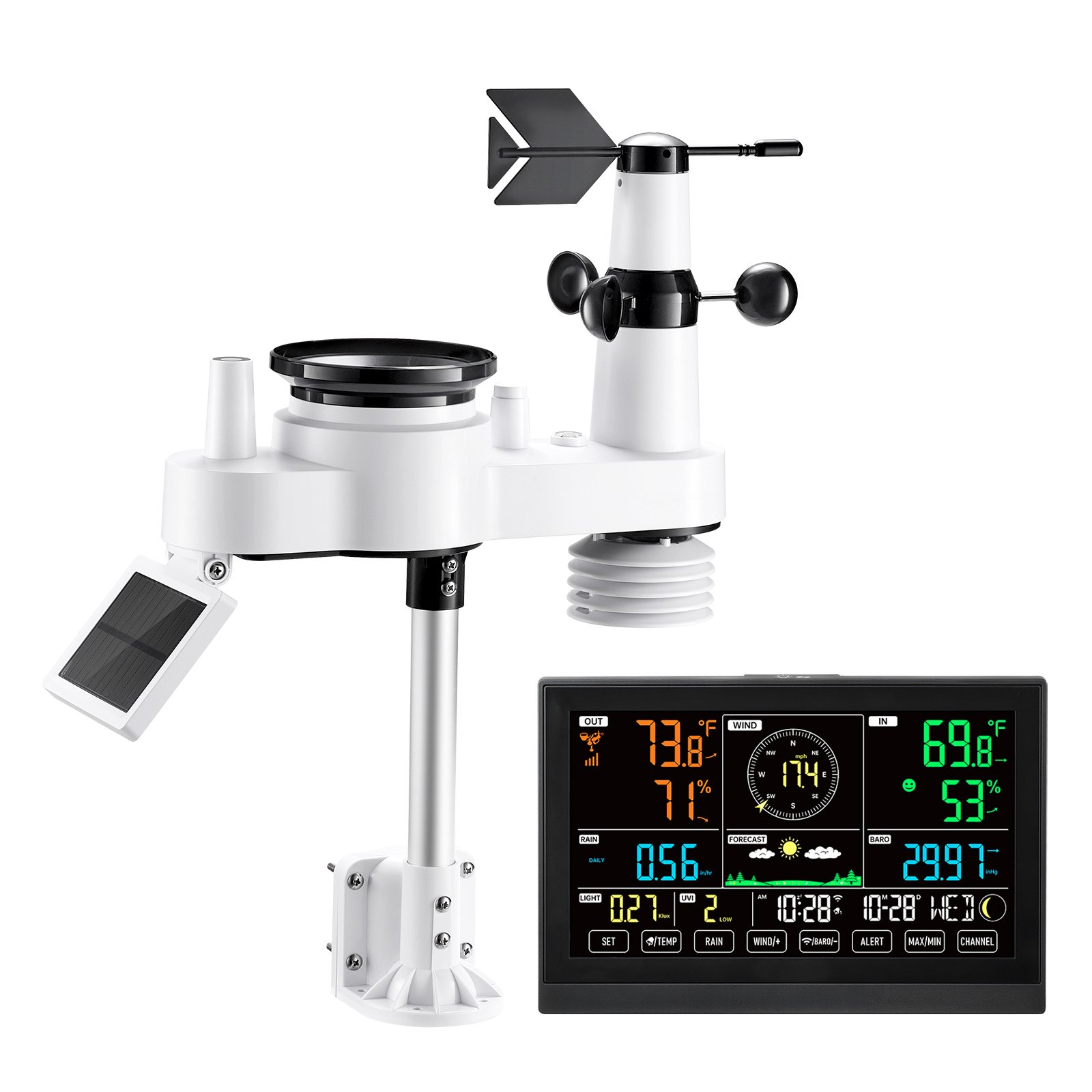
Outdoor Weather Station

Outdoor weather stations range from simple wireless thermo-hygrometer kits to full 7-in-1 sensor arrays that log wind, rain, UV, and barometric pressure. The core trade-off is sensor architecture and wireless range versus display quality and data logging depth: cheap 433 MHz thermo kits cap out around 100–200 ft and lack wind/rain, while 915 MHz or Wi-Fi arrays reach 300–500 ft and add app logging. Choose a true 7-in-1 array if you need wind and rain data; choose a basic wireless thermometer-only kit only if temperature and humidity are the sole requirement.

You may also like

Finding more guides for you…