Bench & Gauge

Bench & Gauge

Test, Measurement & Inspection Reviews & Buying Guides

Compare test, measurement & inspection by use case, features, trade-offs, price, returns, and seller terms before you buy.

Buying guides

Buying guide image
Test Leads, Probes, Fixtures & Accessories

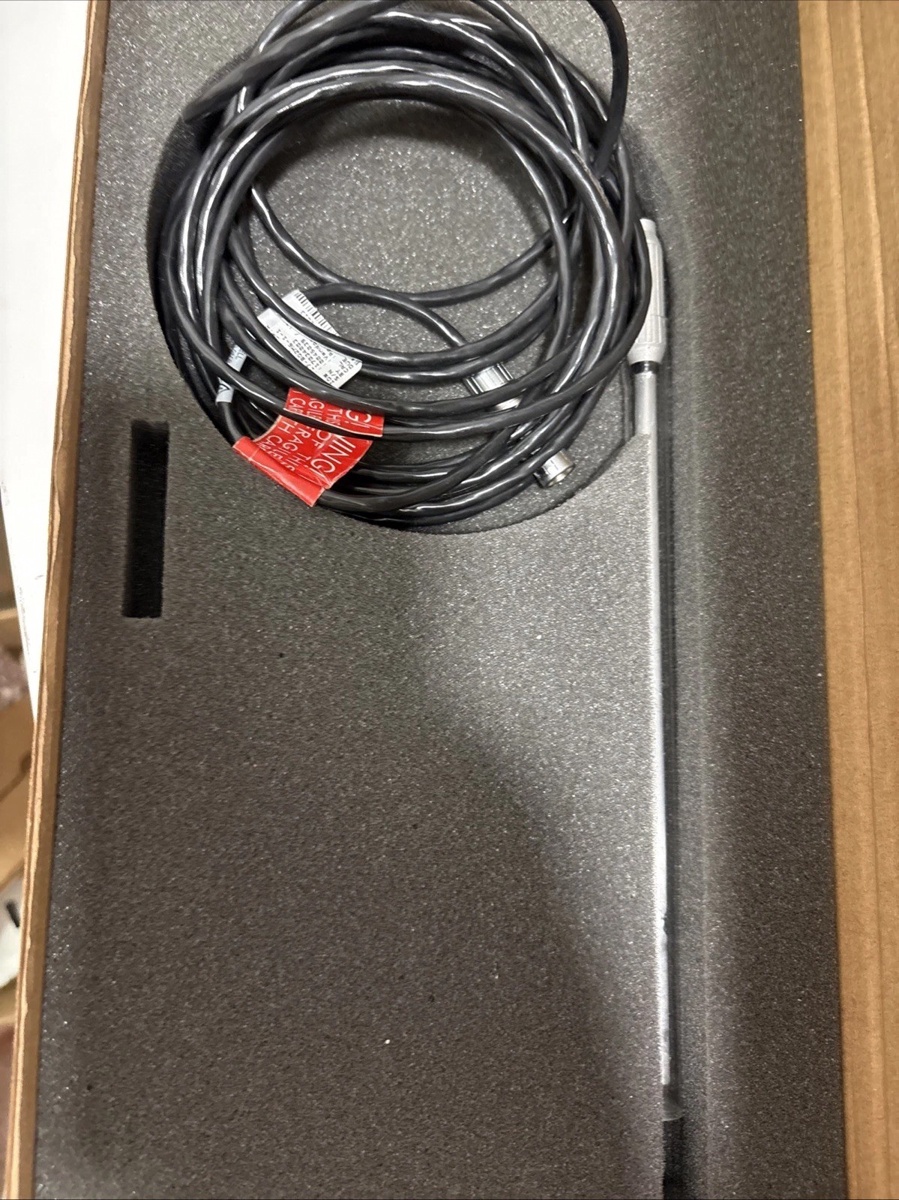
Hall Effect Probe

A Hall Effect probe is a magnetic-field sensor accessory used with oscilloscopes, multimeters, and data loggers to measure DC and AC magnetic fields without breaking the circuit. The core trade-off is between linear analog accuracy (ratiometric Hall ICs) and digital switching simplicity (latching/unipolar switches), plus whether the probe is a bare sensor or a fully shielded, temperature-compensated instrument. Buy durable, calibrated probes with defined sensitivity and bandwidth; skip unbranded bare sensors that lack linearity specs or thermal compensation.
Buying guide image
Industrial Gauges & Meters

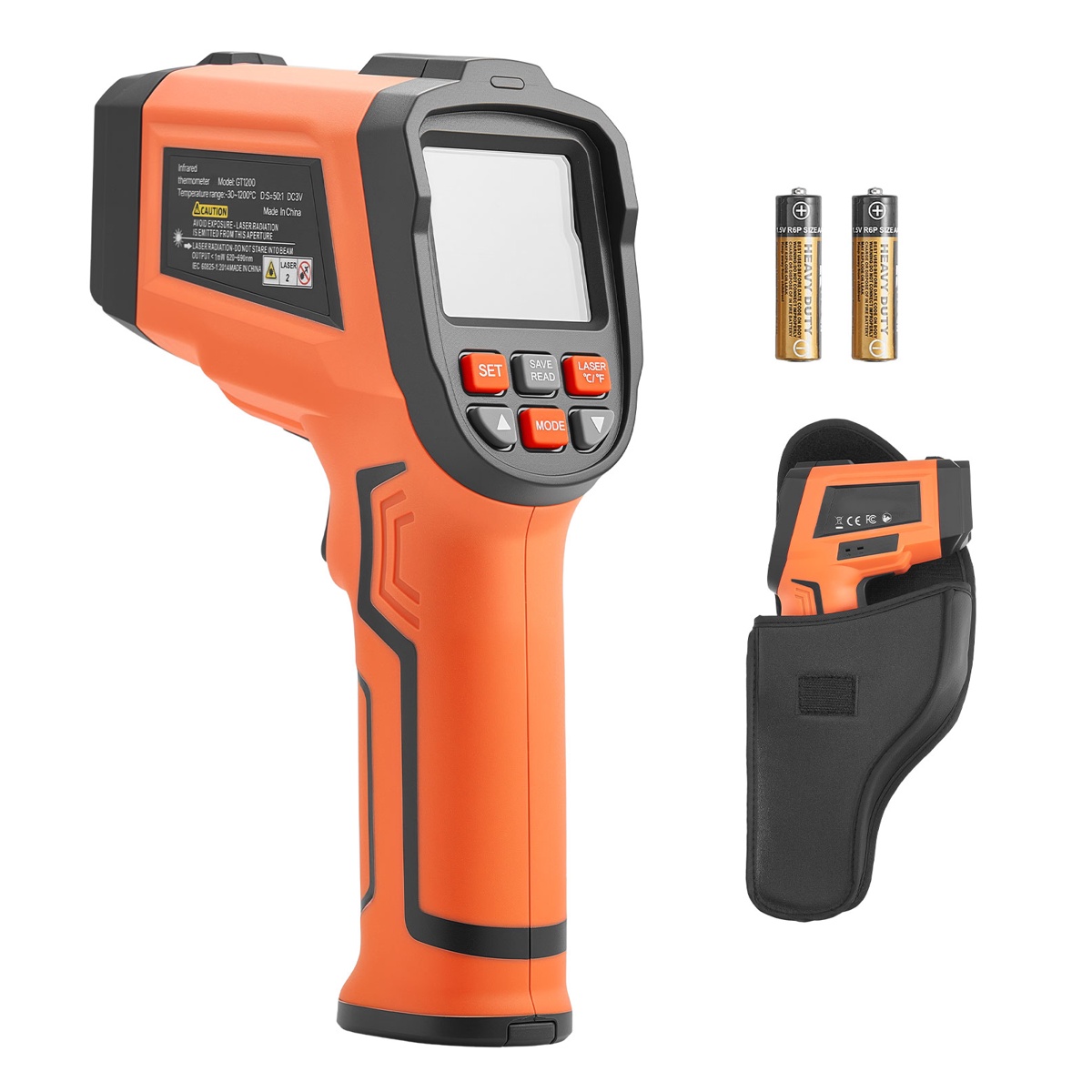
Infrared Thermometer

Infrared thermometers are non-contact surface-temperature tools whose accuracy hinges on distance-to-spot ratio and emissivity calibration, not on the highest advertised temperature range. The core trade-off is optical resolution versus price: tight-spot guns with adjustable emissivity read small or reflective targets reliably, while wide-spot fixed-emissivity units are only trustworthy on matte, close-up surfaces. Choose a gun with a distance-to-spot ratio of at least 12:1 and adjustable emissivity for cooking, HVAC, and metal; accept 8:1 fixed-emissivity only for coarse bulk scans.

Buying guide image
Multimeters & Electrical Testers

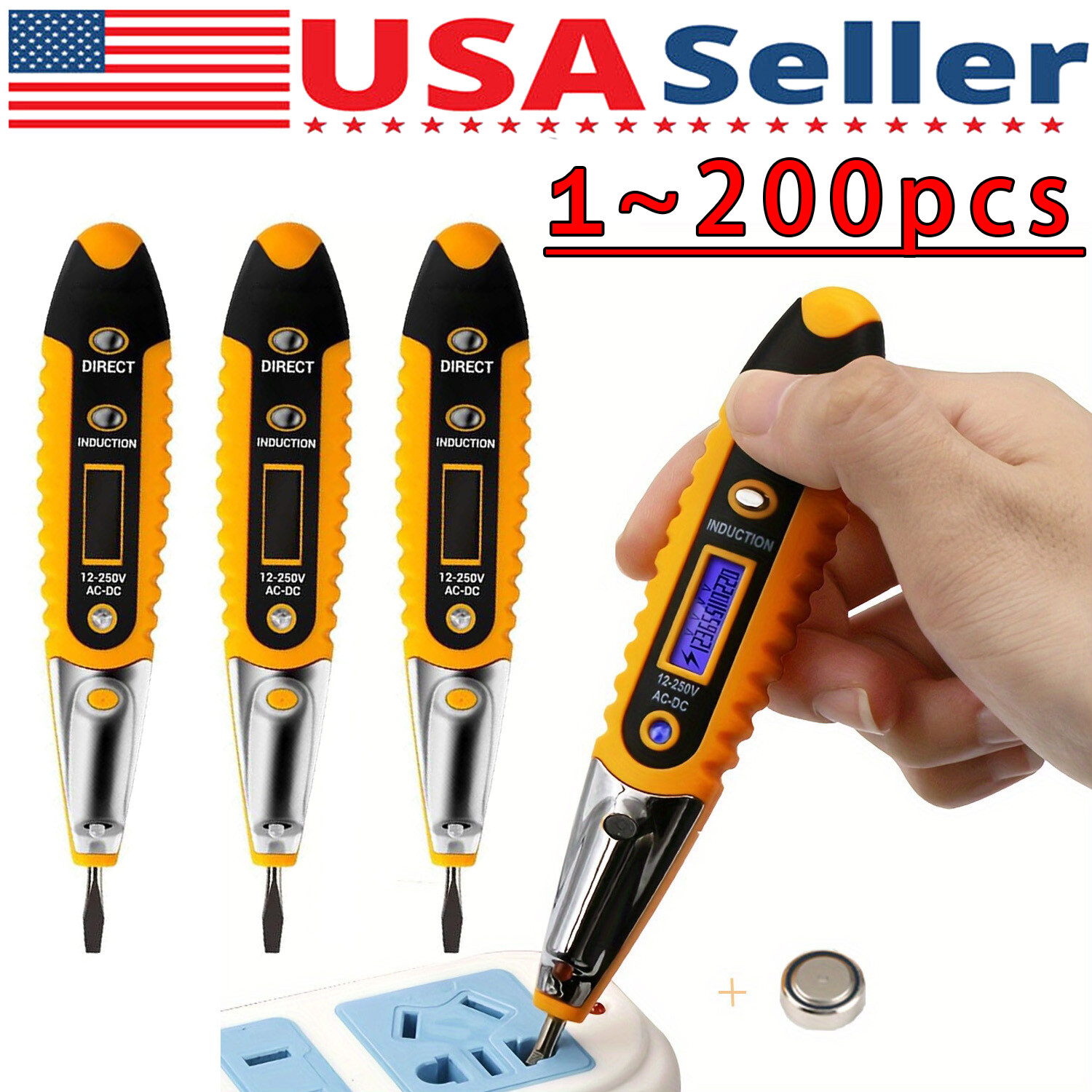
Electric Tester Pen

An electric tester pen is a non-contact voltage detector that senses AC (and sometimes DC) fields through insulation to warn of live wiring before you touch it. The critical trade-off is sensitivity versus false positives: broad-range pens trigger on phantom voltage from adjacent cables, while narrowly calibrated CAT-III/IV pens are safer but demand correct usage. Buy a pen rated for your voltage ceiling with adjustable sensitivity and a CAT safety rating; skip unrated single-range pens for anything beyond basic outlet checks.

Buying guide image
Dimensional Metrology & Machine Inspection

Cmm Measurement Machine

A CMM (coordinate measuring machine) is a precision inspection system that captures X/Y/Z points via a touch probe to verify part geometry against CAD tolerances. The core trade-off is between granite-bridge rigidity and accuracy versus moving-bridge speed and cost, with probe head and software determining real-world capability. Rule: specify accuracy in µm and measuring volume in mm before choosing a tier, and reject any machine lacking a calibrated MPE spec or a known controller/software stack.

Buying guide image
Industrial Gauges & Meters

Laser Thermometer

An infrared laser thermometer measures surface temperature non-contact by sensing emitted IR energy, with a red laser only marking the aim point—not measuring temperature itself. The core trade-off is optical resolution (distance-to-spot ratio) and emissivity compensation versus price: fixed-emissivity 12:1 guns are fine for cooking, while adjustable-emissivity 30:1+ units are required for bare metal and industrial work. The decision rule: if you need to measure shiny metal, cast iron, or engine components accurately, buy an adjustable-emissivity dual-laser model; for food and household surfaces, a fixed-emissivity 12:1 gun is sufficient and safer.

Buying guide image
Oscilloscopes, Signal & Spectrum Analyzers

Tektronix Oscilloscope

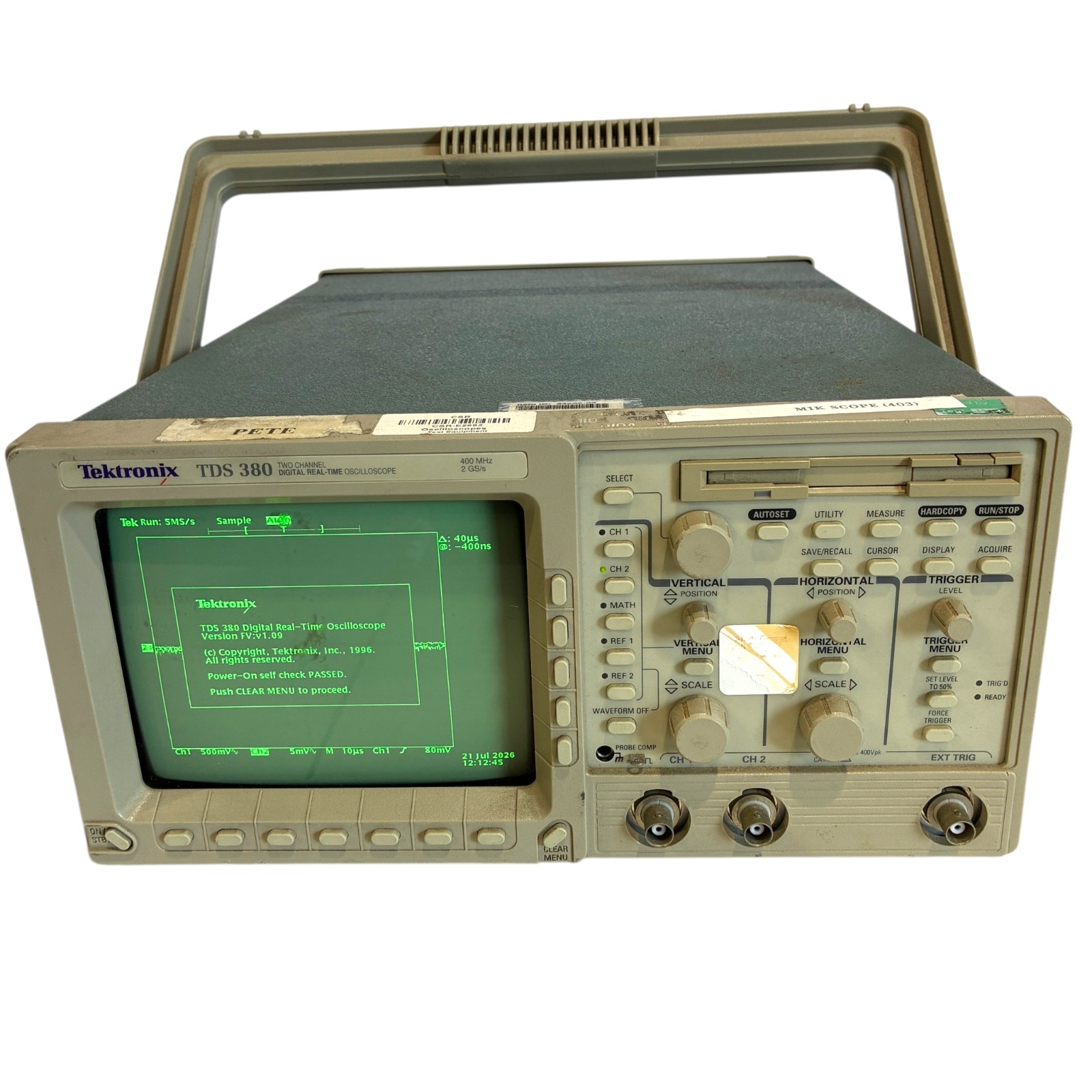
Tektronix oscilloscopes span three distinct eras: legacy analog CRT scopes, early digital real-time (DSO) models, and modern mixed-signal/DPO instruments. The core trade-off is bandwidth and sample rate versus repairability, calibration status, and acquisition age—analog scopes offer unbeatable X-Y and low-noise viewing but no storage, while early DSOs add single-shot capture at the cost of shallow memory and aging capacitors. The decision rule: buy only models with documented calibration or service history and avoid any unit whose CRT or power supply cannot be tested before purchase.

Buying guide image
Environmental & Indoor Air Measurement

Smart Air Quality Monitor

A smart air quality monitor is a networked indoor sensor that tracks particulate matter (PM2.5/PM10), volatile organic compounds (VOCs), CO2, temperature, and humidity, then pushes alerts and history to an app or smart-home hub. The core trade-off is sensor quality versus connectivity: electrochemical and laser-scattering sensors with factory calibration hold accuracy for years, while low-cost MOX VOC sensors drift and need frequent baseline recalibration. The decision rule: buy a monitor with published sensor models, a CO2 NDIR channel if you need ventilation proof, and local API or Matter support if you intend automation — skip anything that hides its sensor suite or locks data to one cloud.

Buying guide image
Spectroscopy, Analysis & Detection Instruments

Water Ph Test Kit

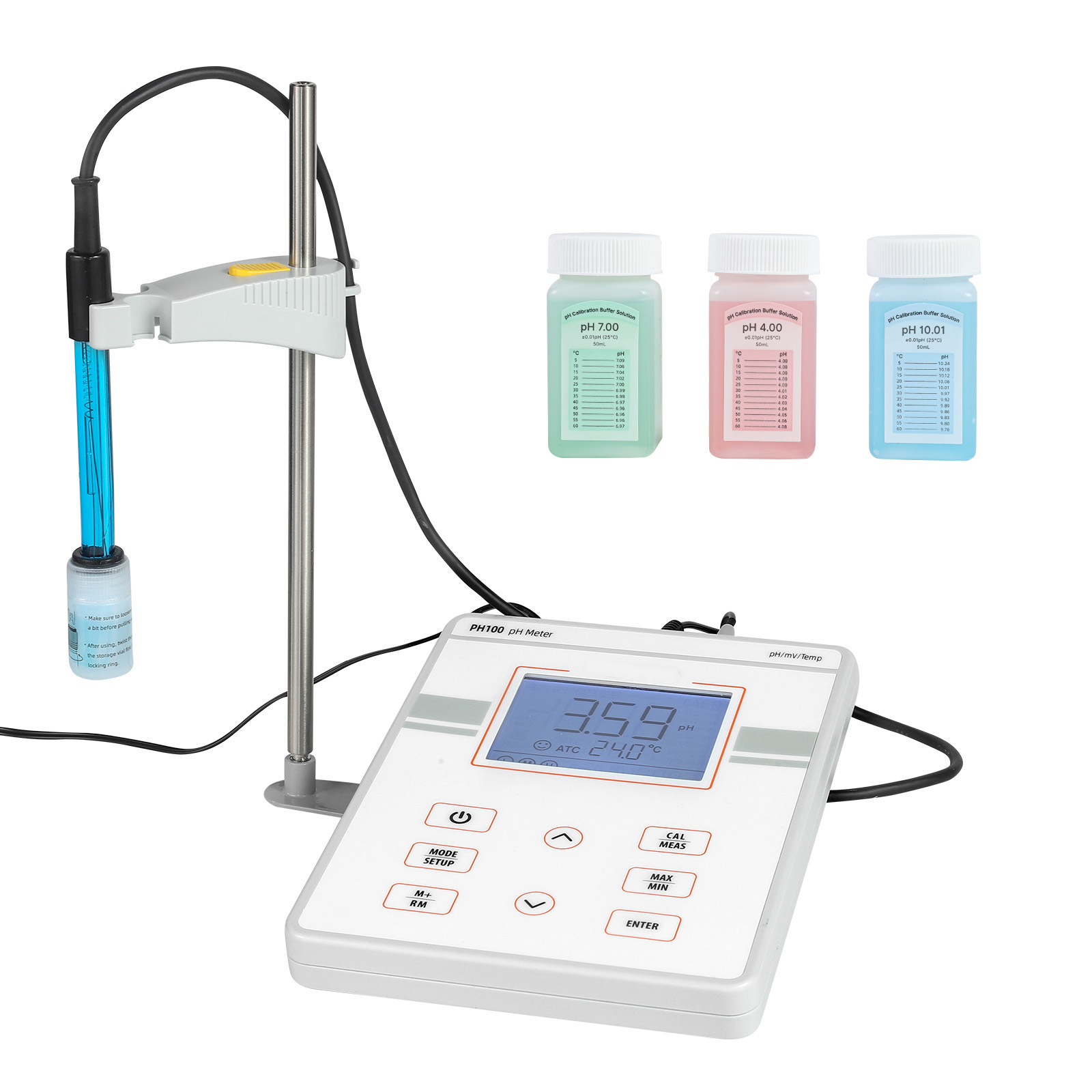
A water pH test kit measures acidity/alkalinity on the 0–14 scale, and the core trade-off is between cheap colorimetric strips/drops (low cost, ±0.5–1.0 pH accuracy, no calibration) and electronic meters (higher cost, ±0.01–0.1 pH, require calibration and probe care). Buy a digital meter with ATC and replaceable electrode for repeated or critical testing; choose strips or drops only for occasional, non-critical screening.

Buying guide image
Test Leads, Probes, Fixtures & Accessories

Multimeter Test Probe

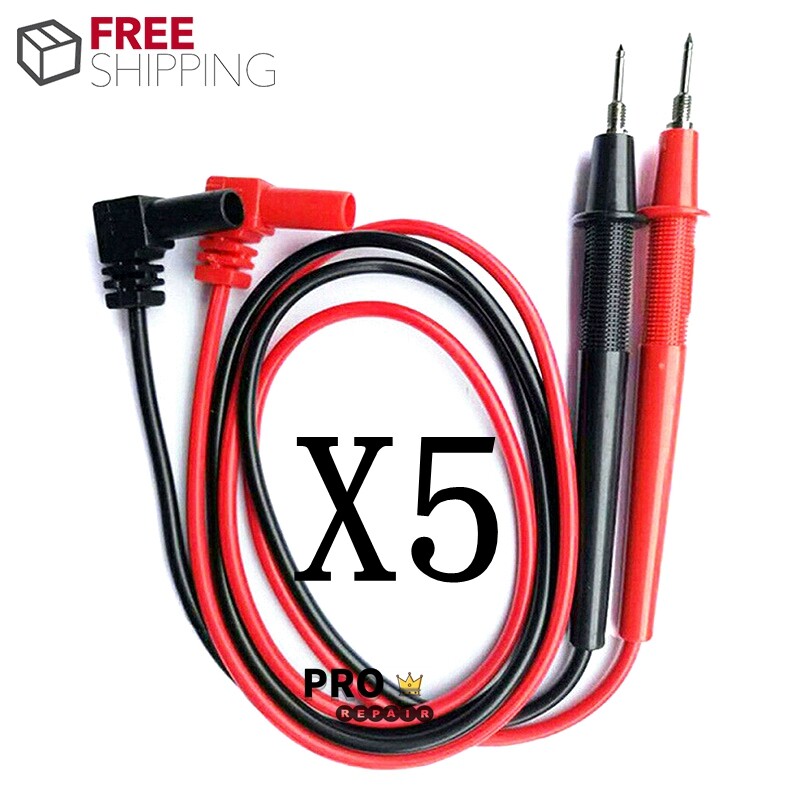
Multimeter test probes are the safety-critical interface between your meter and live circuits, and the primary trade-off is insulation integrity and probe-tip geometry versus cost. Durable probes use silicone insulation rated to 1000V CAT III/IV with fused or shrouded connectors, while compromises use PVC wire that stiffens in cold and cracks at flex points. The decision rule: buy probes whose voltage/current rating meets or exceeds your meter's CAT rating and whose tips match your measurement points (4mm banana jacks, fine-pitch SMD, or alligator clips).

Buying guide image
Environmental & Indoor Air Measurement

Air Quality Sensor

An air quality sensor measures particulate matter (PM2.5/PM10), volatile organic compounds (TVOC), CO2, and formaldehyde to quantify indoor pollution you cannot see or smell. The core trade-off is sensor architecture: low-cost MOS (metal-oxide) sensors drift and need frequent recalibration, while NDIR CO2 and laser-scattering PM sensors hold accuracy over years. The decision rule is simple: buy a unit that names its sensing technology and offers calibration or baseline reset—skip sealed multi-in-one displays that list 12 gases but only one cheap chip.

Buying guide image
RF, Network, Cable & Telecom Test

Underground Cable Locator

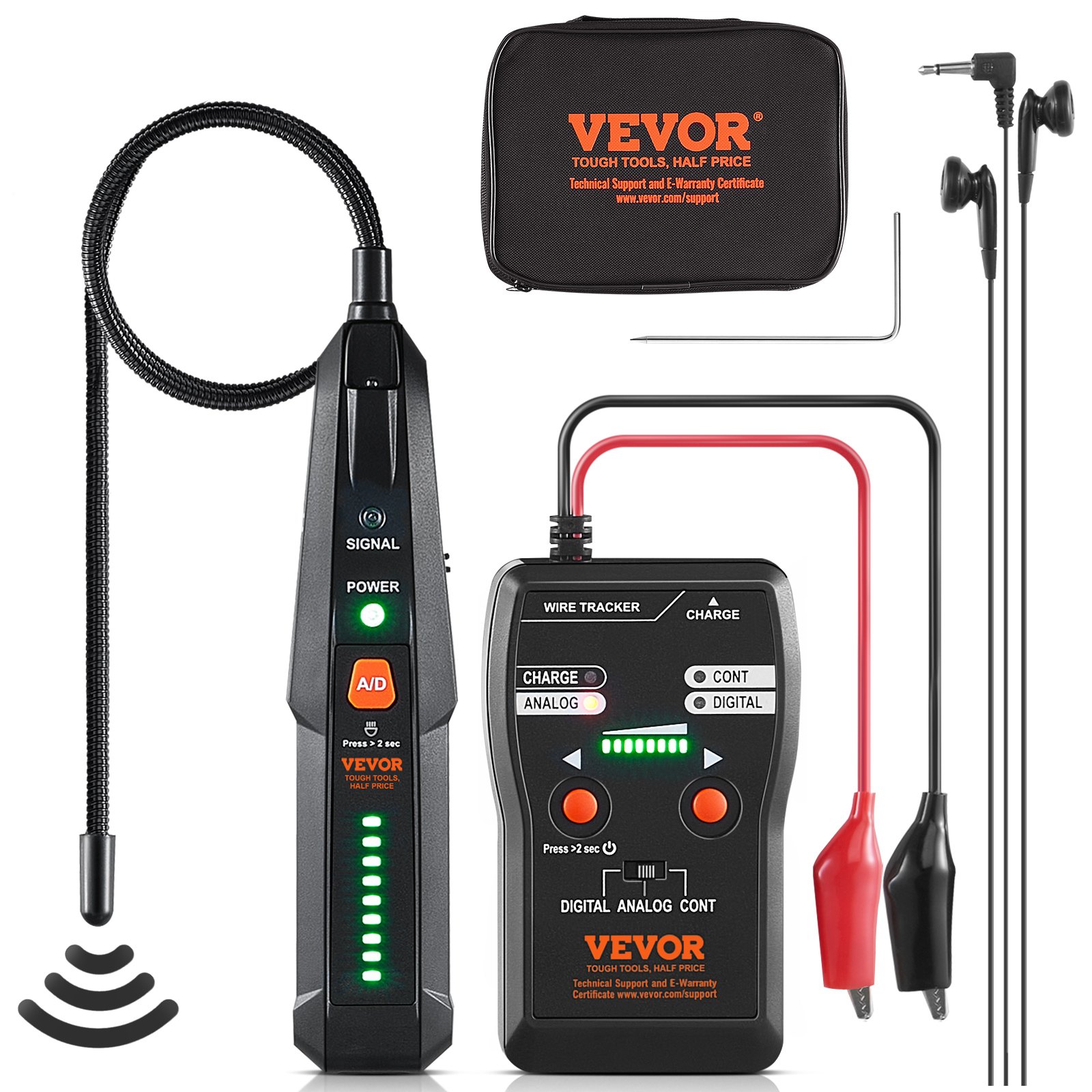
An underground cable locator pairs a transmitter that injects a signal onto a buried conductor with a receiver that picks it up through soil, letting you trace runs and find breaks without digging. The core trade-off is detection depth and length versus interference rejection: cheap single-frequency units work on shallow, isolated lines, while multi-frequency or dual-coil designs hold a trace in wet soil, near metal, or over long runs.

Buying guide image
Industrial Gauges & Meters

Infrared Laser Thermometer

Infrared laser thermometers are non-contact surface-temperature tools that convert emitted IR energy into a reading, with accuracy and durability determined by the detector type, optical resolution (distance-to-spot ratio), and emissivity adjustment. The core trade-off is single-point IR convenience versus the need for contact probes or high-D:S optics on reflective or distant targets. Buy a model with adjustable emissivity and a known D:S ratio for your working distance; skip fixed-emissivity toy guns for metal, glass, or outdoor use.

Buying guide image
Multimeters & Electrical Testers

Voltage Meter Tester

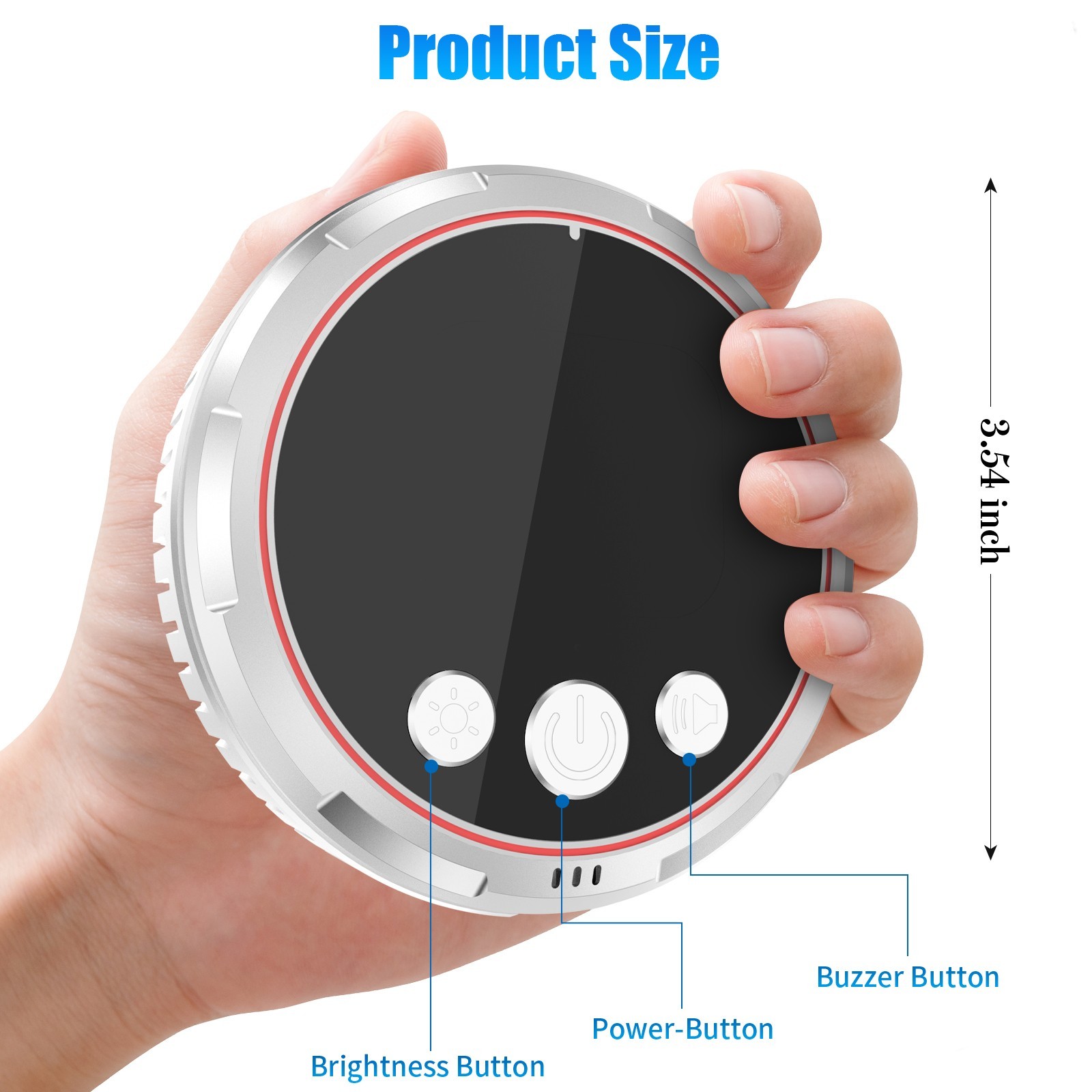
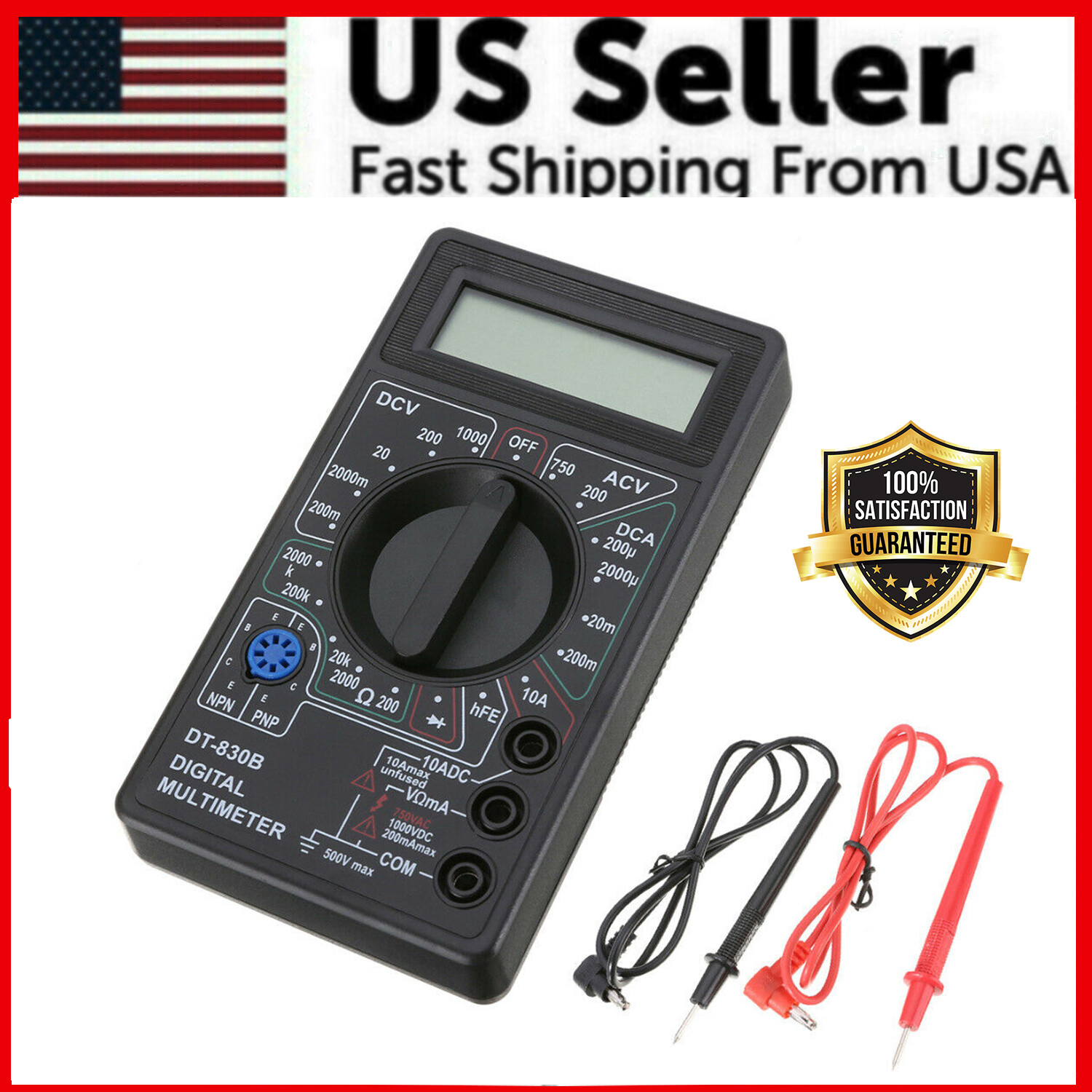
A voltage meter tester spans handheld digital multimeters, clamp meters, and fixed smart power meters that measure AC/DC voltage and often current, resistance, and continuity. The core trade-off is measurement architecture and safety rating: auto-ranging True-RMS units with fused inputs and CAT III/IV protection versus cheap manual-ranging meters with unverified input impedance and no transient protection. Buy a True-RMS auto-ranging meter rated CAT III 600V or better for mains work; skip unrated budget meters for anything beyond low-voltage diagnostics.

Buying guide image
Lab Heating, Cooling & Vacuum Equipment

Manual Vacuum Pump

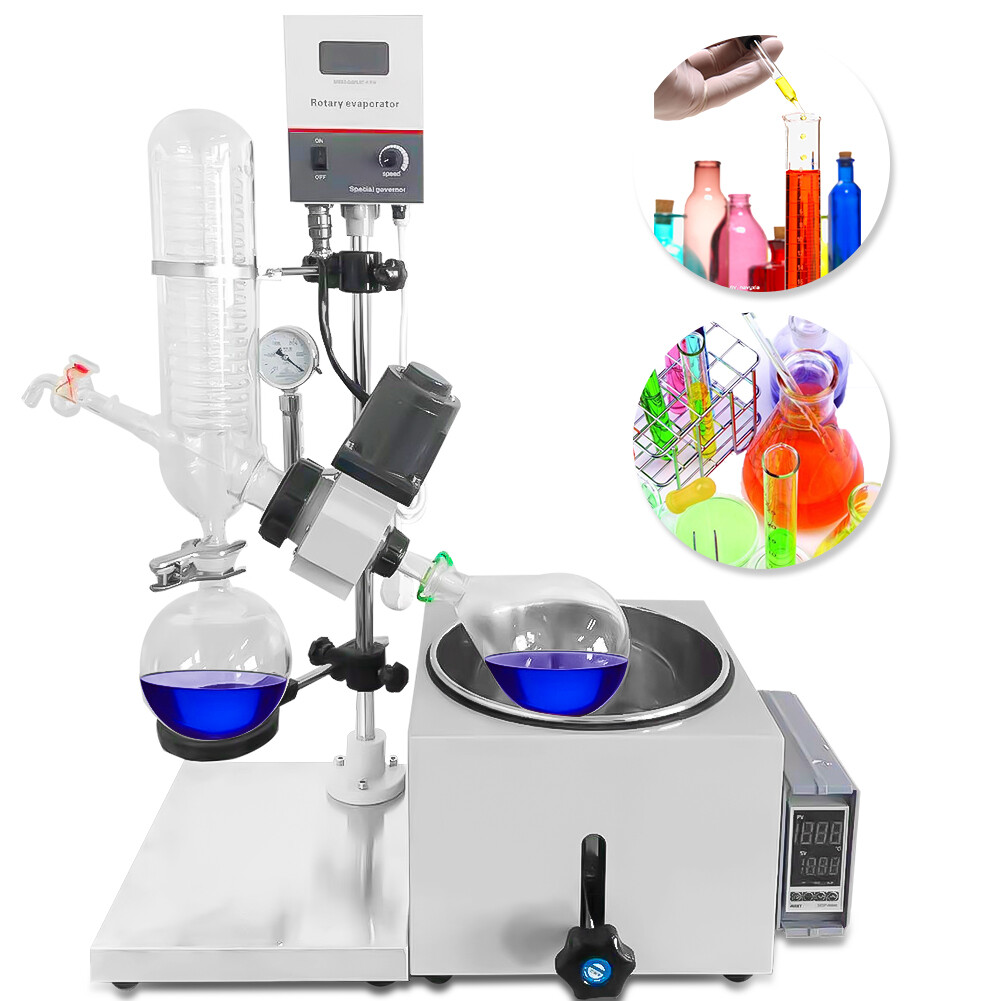
A manual vacuum pump is a hand-operated positive-displacement device that pulls a rough vacuum (typically 10–100 mbar) for filtration, distillation, rotary evaporation, and degassing where a powered pump is unnecessary or unavailable. The primary trade-off is between piston/plunger pumps that reach deeper vacuum but require continuous hand effort and diaphragm/venturi styles that offer lower ultimate vacuum but smoother, oil-free operation. The clear rule: for wet chemistry with rotary evaporators or vacuum filtration, choose a chemical-resistant piston pump rated to ≤50 mbar with PTFE seals; skip any plastic-bodied pump labeled only for automotive fluid transfer.

Buying guide image
Industrial Gauges & Meters

Infrared Cooking Thermometer

Infrared cooking thermometers are non-contact surface-temperature tools that use a thermopile sensor and emissivity calibration to read griddle, oil, pizza-stone, and pan heat without piercing food. The core trade-off is target emissivity accuracy and distance-to-spot ratio versus added probe versatility — cheap units with fixed high emissivity and low D:S ratios misread shiny or distant surfaces. Buy a cooking IR gun only when it specifies adjustable emissivity, a D:S ratio of at least 12:1, and a documented accuracy band; skip anything rated solely for industrial ranges without a food-safe probe.

Buying guide image
Test Leads, Probes, Fixtures & Accessories

Multimeter Probe

Multimeter probes are the insulated test leads and tips that connect your meter to the circuit; the key trade-off is insulation safety and tip ergonomics versus cost. Durable options use silicone insulation rated 1000V CAT III/IV with 20A current capacity and gold-plated or hardened tips, while compromises use PVC wire and loose-fitting tips. The decision rule: buy probes explicitly rated for your meter's maximum voltage and category, with silicone leads and a tip style matched to your work (fine-point for electronics, alligator clips for mains).

Buying guide image
Microscopes & Lab Imaging

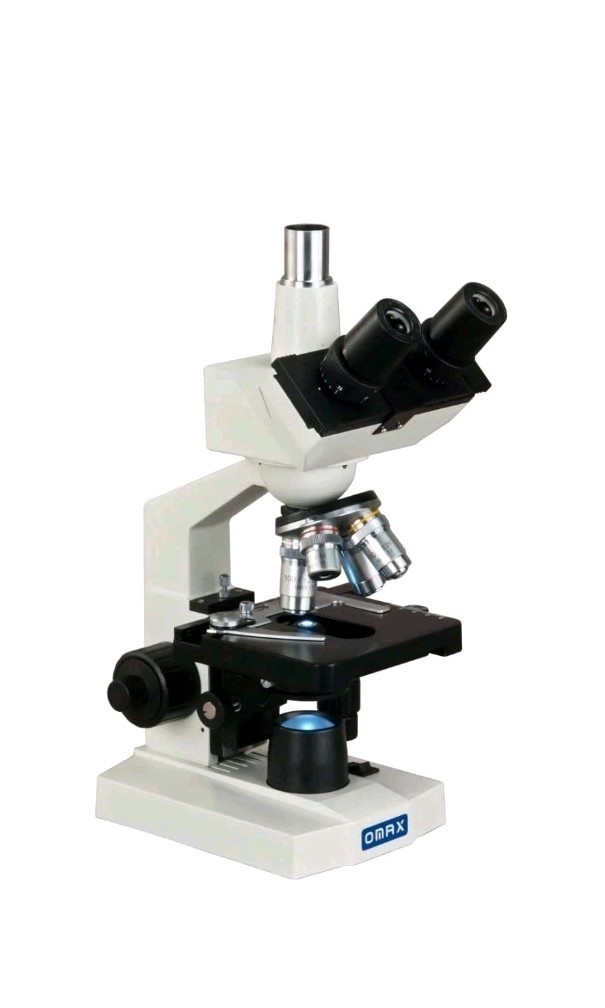
Omax Microscope

OMAX microscopes are affordable compound and stereo microscopes built around achromatic optics and LED illumination, primarily serving students, hobbyists, and small clinics. The core trade-off is optical glass quality and mechanical stage rigidity versus price: entry tiers use plastic gears and single-layer stages, while lab tiers add all-metal racks, double-layer mechanical stages, and trinocular ports. The decision rule: buy the highest mechanical-stage and optics tier you can justify, and skip models with plastic focus gears or fixed single-layer stages if you need repeatable measurements.

Buying guide image
Dimensional Metrology & Machine Inspection

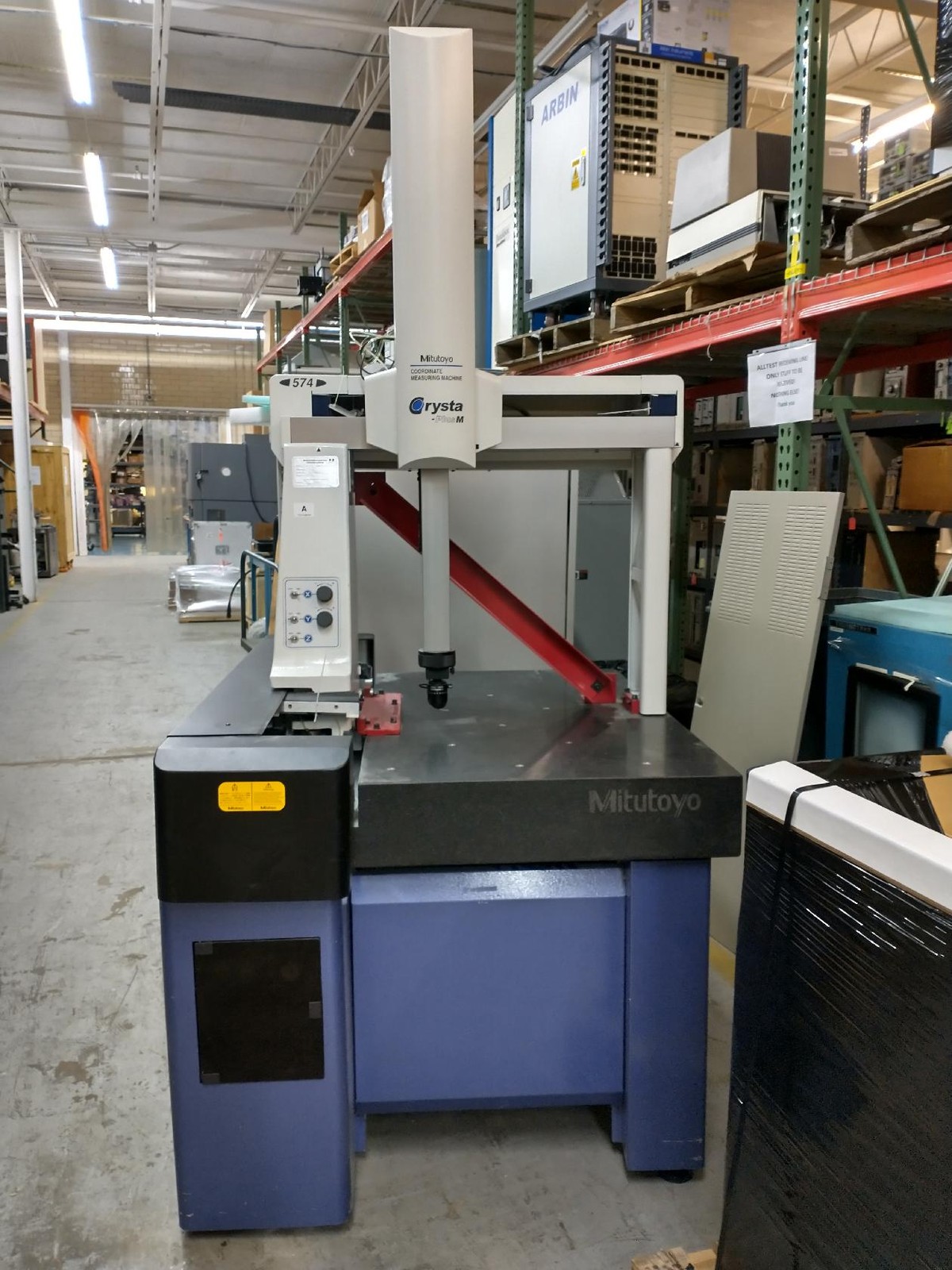
Mitutoyo Cmm Machine

Mitutoyo CMM machines are coordinate measuring systems that pair a rigid granite or cast-iron structure with a precision probe head and motion controller to verify part geometry at micron-level tolerances. The core trade-off is between manual/indexing probe systems (Renishaw PH1-style touch probes on older BHN-series chassis) and motorized scanning heads (PH10, TP20/TP200 modules) that determine both throughput and feature-access capability. The decision rule: if you need repeatable hole-position and form data on prismatic parts, buy a granite-base manual CMM with an indexable probe; skip benchtop articulated-arm or vision-only systems unless your parts are small, flat, and non-contact.

Buying guide image
Thermal Cameras, Borescopes & Visual Inspection

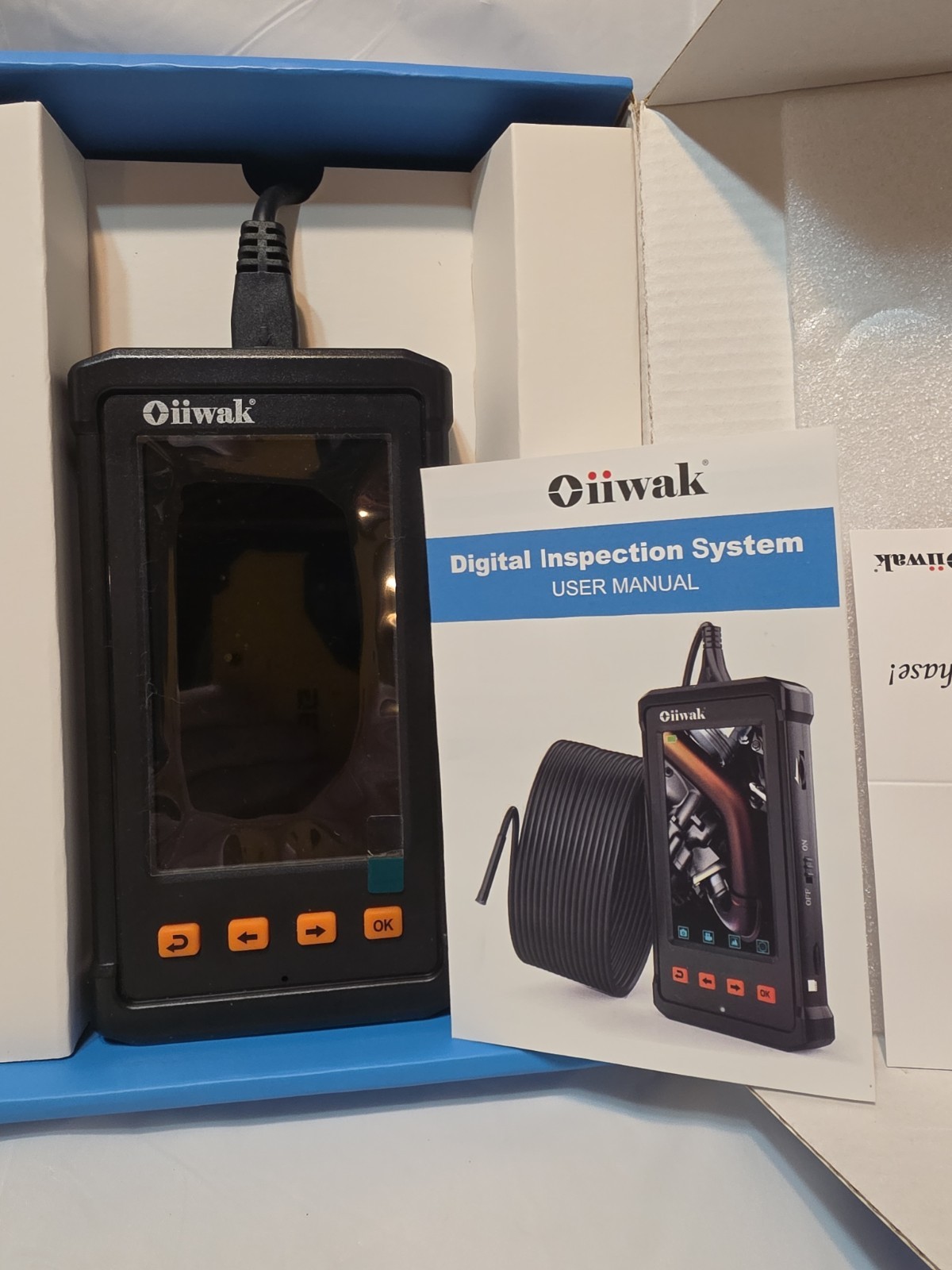
Digital Inspection Camera

A digital inspection camera (borescope/endoscope) combines a tiny camera head, a flexible or rigid probe, and a handheld display to inspect hidden spaces without disassembly. The primary trade-off is image quality and probe durability versus probe diameter and price tier: thinner probes reach tighter spaces but often sacrifice resolution or articulation, while thicker probes deliver sharper optics and better lighting but may not fit narrow openings. The clear decision rule: buy for the smallest opening you must pass through and the longest distance you must illuminate—anything less than a full-metal connector, IP67 probe, and at least 1080p sensor is a compromise that will fail under repeated shop use.

Buying guide image
Pressure, Flow & Process Measurement

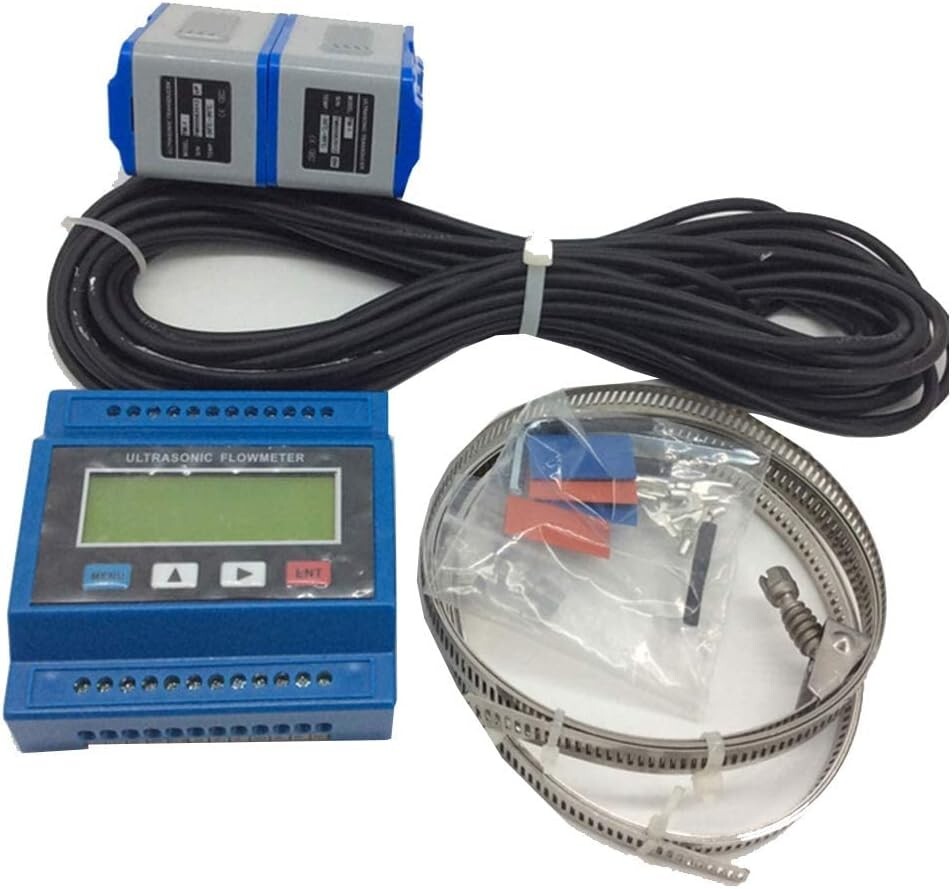
Portable Ultrasonic Flow Meter

A portable ultrasonic flow meter is a clamp-on transit-time or Doppler device used to measure liquid flow non-invasively in existing pipes. The core trade-off is measurement accuracy and pipe-size range versus portability, battery life, and transducer coupling quality. Buy transit-time meters with selectable transducer sets for clean liquids and known pipe schedules; skip low-cost Doppler-only units unless the fluid carries sufficient suspended solids or bubbles.

You may also like

Finding more guides for you…