Bench & Gauge

Bench & Gauge

Test, Measurement & Inspection Reviews & Buying Guides

Compare test, measurement & inspection by use case, features, trade-offs, price, returns, and seller terms before you buy.

Buying guides

Buying guide image
Oscilloscopes, Signal & Spectrum Analyzers

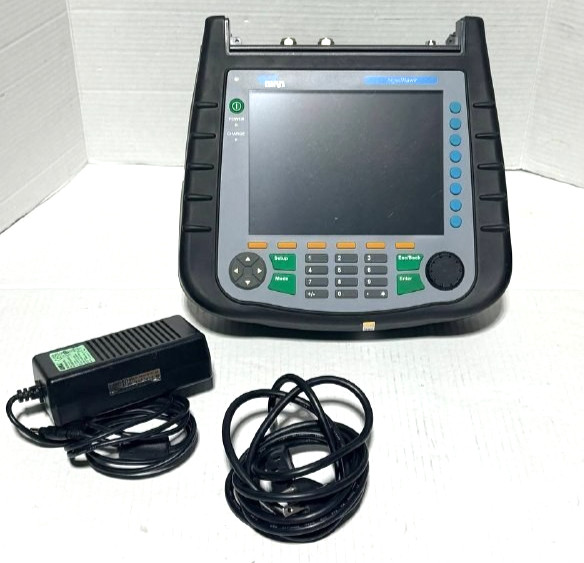
Portable Network Analyzer

A portable network analyzer is a handheld or battery-capable instrument for measuring RF reflection (VSWR/return loss) and transmission (S21) from roughly 1 MHz to 6 GHz, used to verify antennas, feedlines, filters, and cable plants in the field. The core trade-off is built-in source detector quality and calibration accuracy versus screen size, battery life, and price tier. Choose a true two-port VNA architecture with factory SOLT calibration for any work where phase or impedance matters; a scalar return-loss bridge is only acceptable for go/no-go antenna sweeps.
Buying guide image
Pressure, Flow & Process Measurement

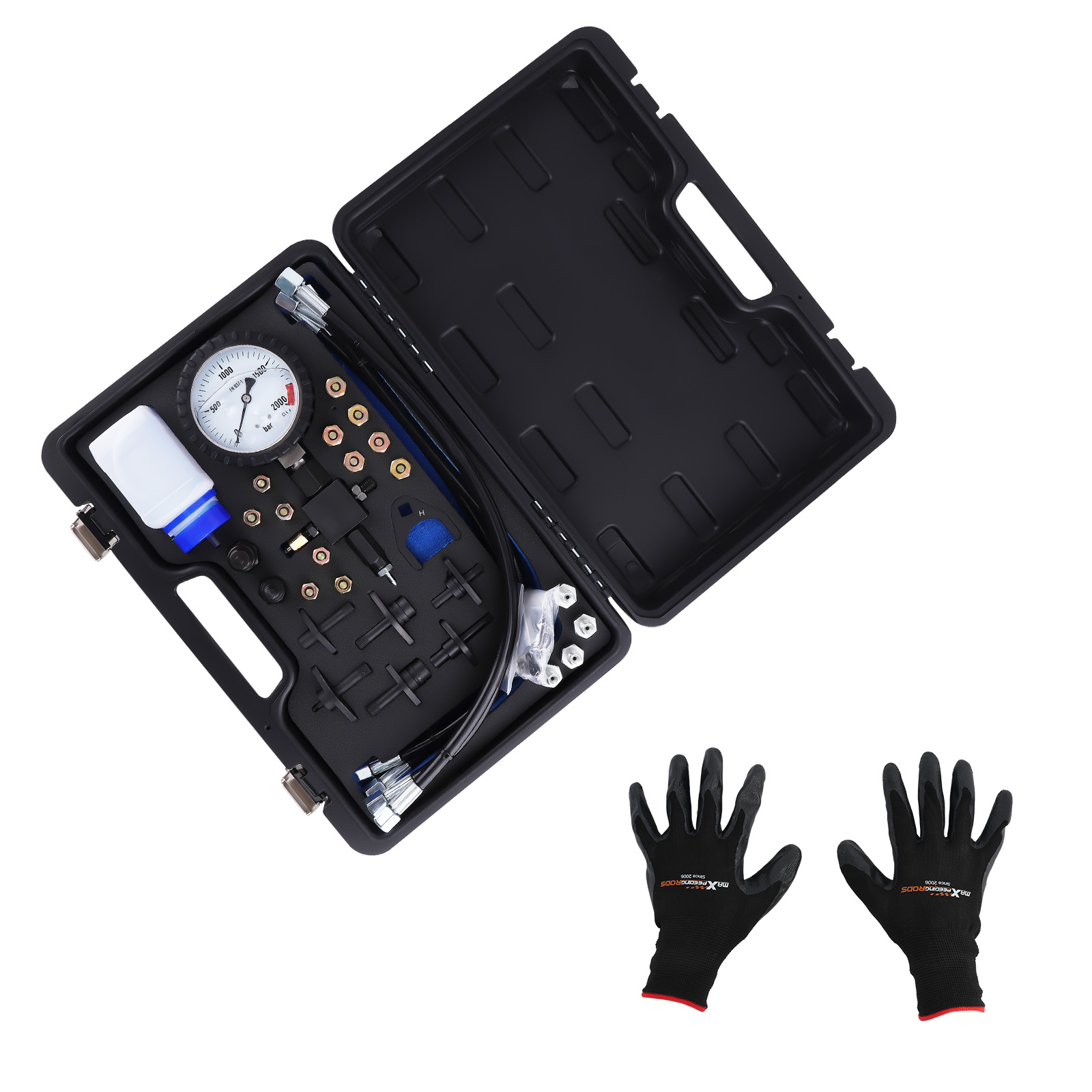
Engine Pressure Test Kit

Engine pressure test kits measure cylinder compression, leak-down rate, or common-rail fuel pressure to diagnose ring, valve, and injector health. The core trade-off is gauge range and adapter thread compatibility versus build quality: plastic-bodied gauges and generic adapters suit occasional DIY checks, while metal gauges and hardened steel adapters with correct thread pitches are required for repeatable, leak-free results. The decision rule is simple: match the gauge range and adapter set to your engine type first, then demand a metal gauge body and correct thread pitch or skip the kit.

Buying guide image
RF, Network, Cable & Telecom Test

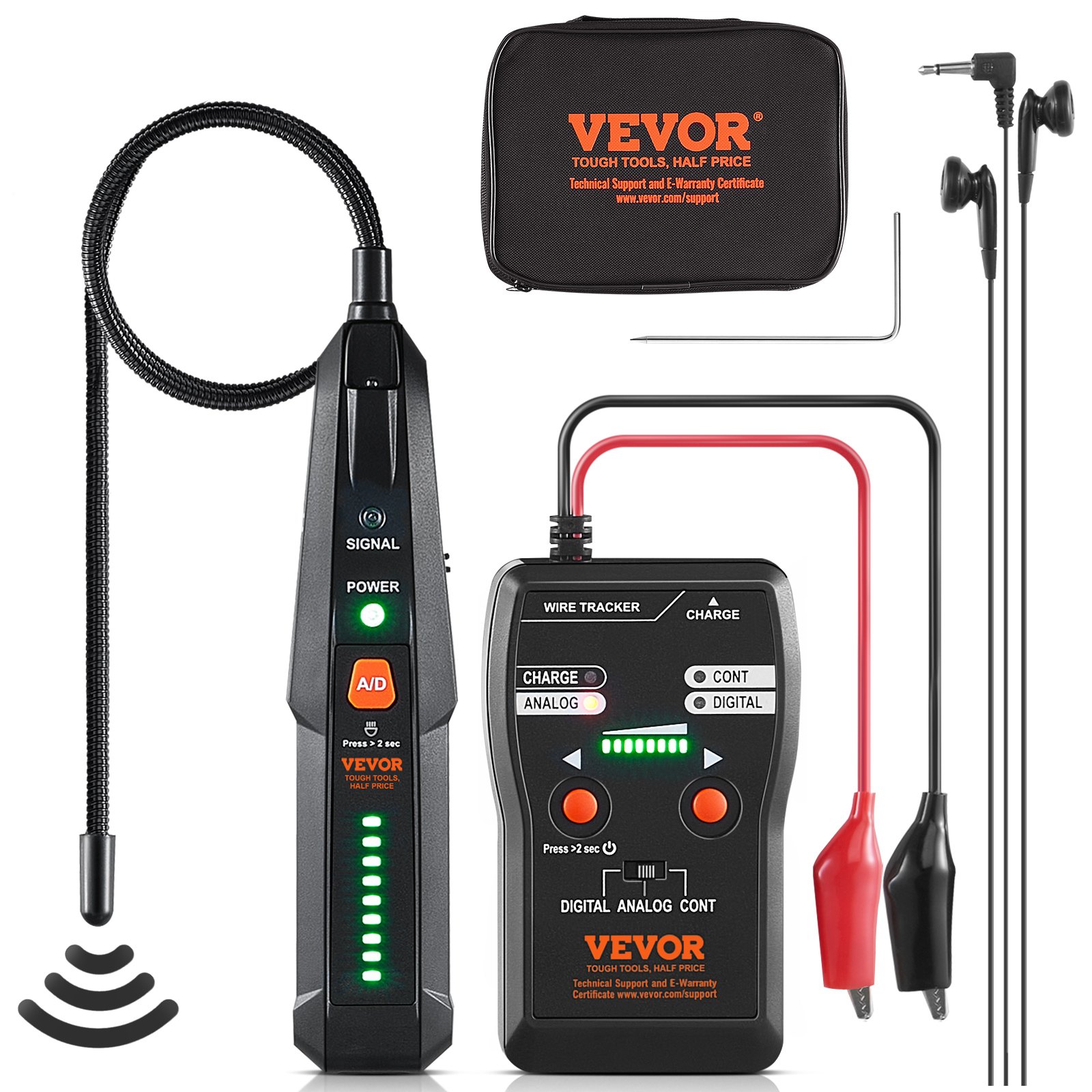
Irrigation Wire Tracer

An irrigation wire tracer is a tone-and-probe or signal-generator locator used to map buried sprinkler control wires, find solenoid valve runs, and pinpoint insulation breaks without excavation. The core trade-off is detection depth/length versus noise immunity and probe sensitivity: cheap single-coil units max out around 3 ft depth and 1,000 ft runs, while proper dual-mode locators reach 6–7 ft and 3,000+ ft with selectable tone frequencies. Buy a locator rated at least 1.5× your deepest burial depth and your longest zone run; anything less is a toy for shallow, short-run residential work only.

Buying guide image
RF, Network, Cable & Telecom Test

Underground Wire Detector

An underground wire detector is a two-part locator system—a transmitter that injects a tone onto a buried conductor and a receiver that picks up the signal—used to trace cable runs, find breaks, and avoid digging into live lines. The core trade-off is detection depth and length versus signal discrimination: shallow, short-run units are cheap but lose tone on long or deep runs, while higher-power transmitters and shielded receivers hold signal through soil and interference. Buy a unit whose rated depth and length exceed your deepest and longest actual run by a clear margin (roughly double for depth), or you will be guessing with a toy.

Buying guide image
RF, Network, Cable & Telecom Test

Wire Finder Tool

A wire finder tool (cable locator/tracer) injects a signal onto a conductor and detects it above ground or through walls to trace runs, find breaks, and identify breakers. The core trade-off is detection depth and length versus signal clarity and noise rejection: cheap units use low-frequency single-tone transmitters with weak receivers, while durable units add selectable frequencies, adjustable gain, and shielded earphones. Choose a locator rated at least 2x your deepest burial depth with a detection length that exceeds your longest run; skip anything below 3 FT depth for irrigation or pet fence work.

Buying guide image
Environmental & Indoor Air Measurement

Home Air Quality Monitor

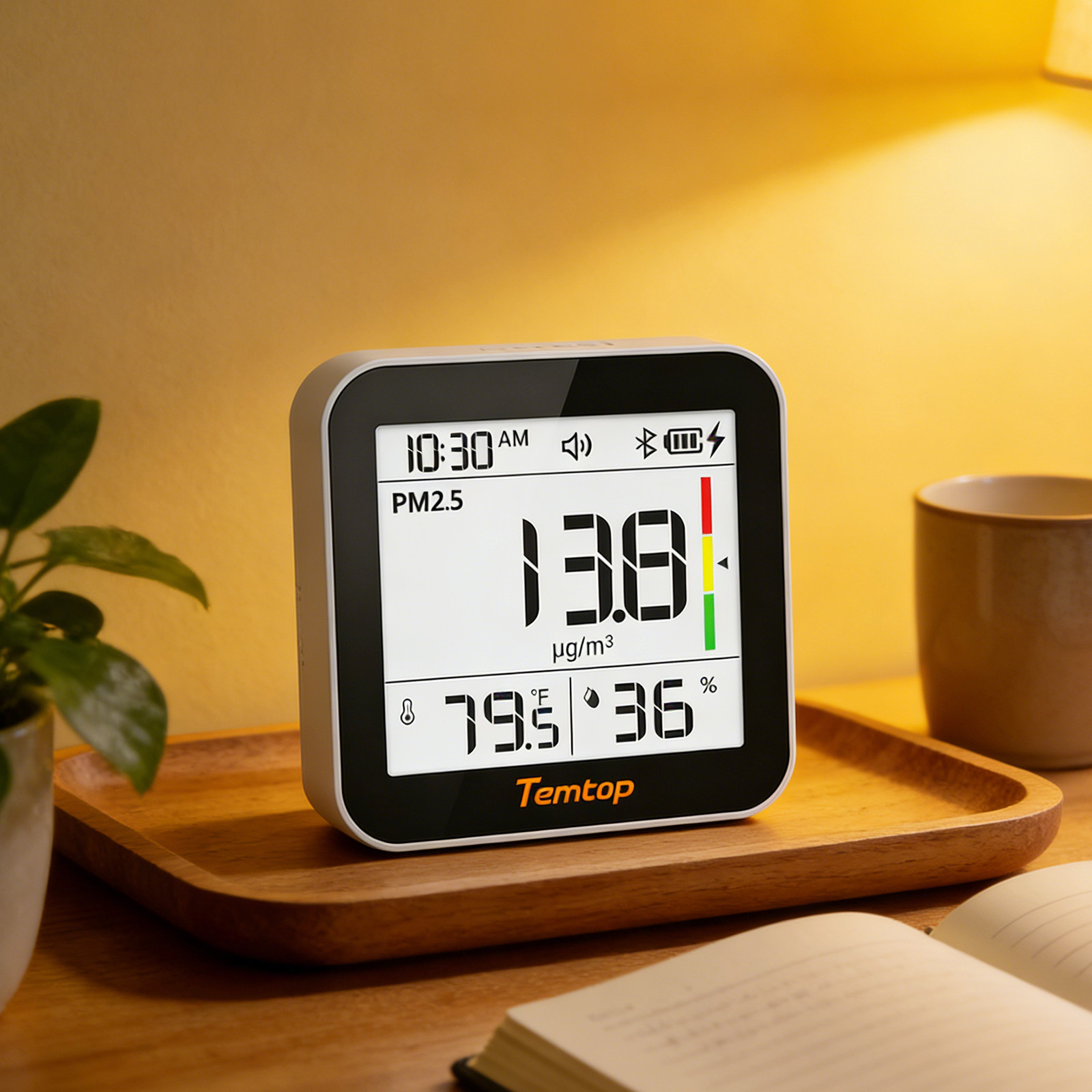
A home air quality monitor combines particulate (PM2.5/PM10) and gas/VOC sensing with CO2 and climate readouts to turn invisible indoor pollution into actionable numbers. The core trade-off is sensor architecture: low-cost VOC sensors estimate rather than measure, while true NDIR CO2 and laser-scattering particulate sensors deliver defensible data at a higher tier. The decision rule: buy only units that specify the sensing method for each metric, and treat any monitor that aggregates all readings into a single proprietary 'score' as a novelty, not a measurement tool.

Buying guide image
Lab Heating, Cooling & Vacuum Equipment

Essential Oil Distillation Equipment

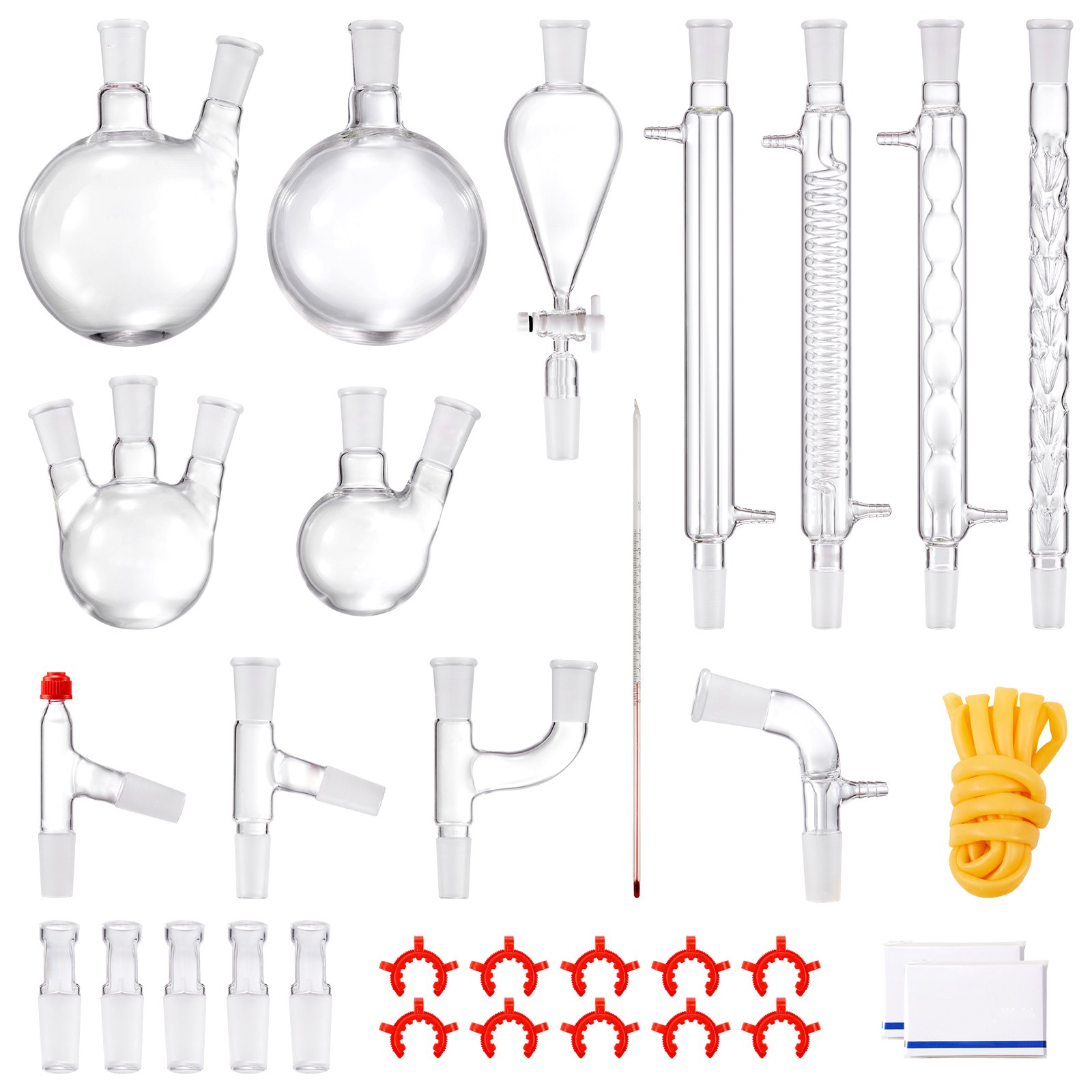
Essential oil distillation equipment for home use centers on borosilicate glassware kits that separate volatile oils from botanical material via steam or hydrodistillation. The primary trade-off is between small 500ml kits with alcohol lamps for occasional batches and larger 1000–2000ml kits with electric heating mantles or plates for sustained runs. The clear decision rule: choose 3.3 borosilicate glass with standard 24/40 ground joints and a matched heat source; skip any kit using soda-lime glass or non-standard joints, which crack under thermal cycling and cannot be expanded.

Buying guide image
Centrifuges, Mixers & Shakers

Blood Centrifuge

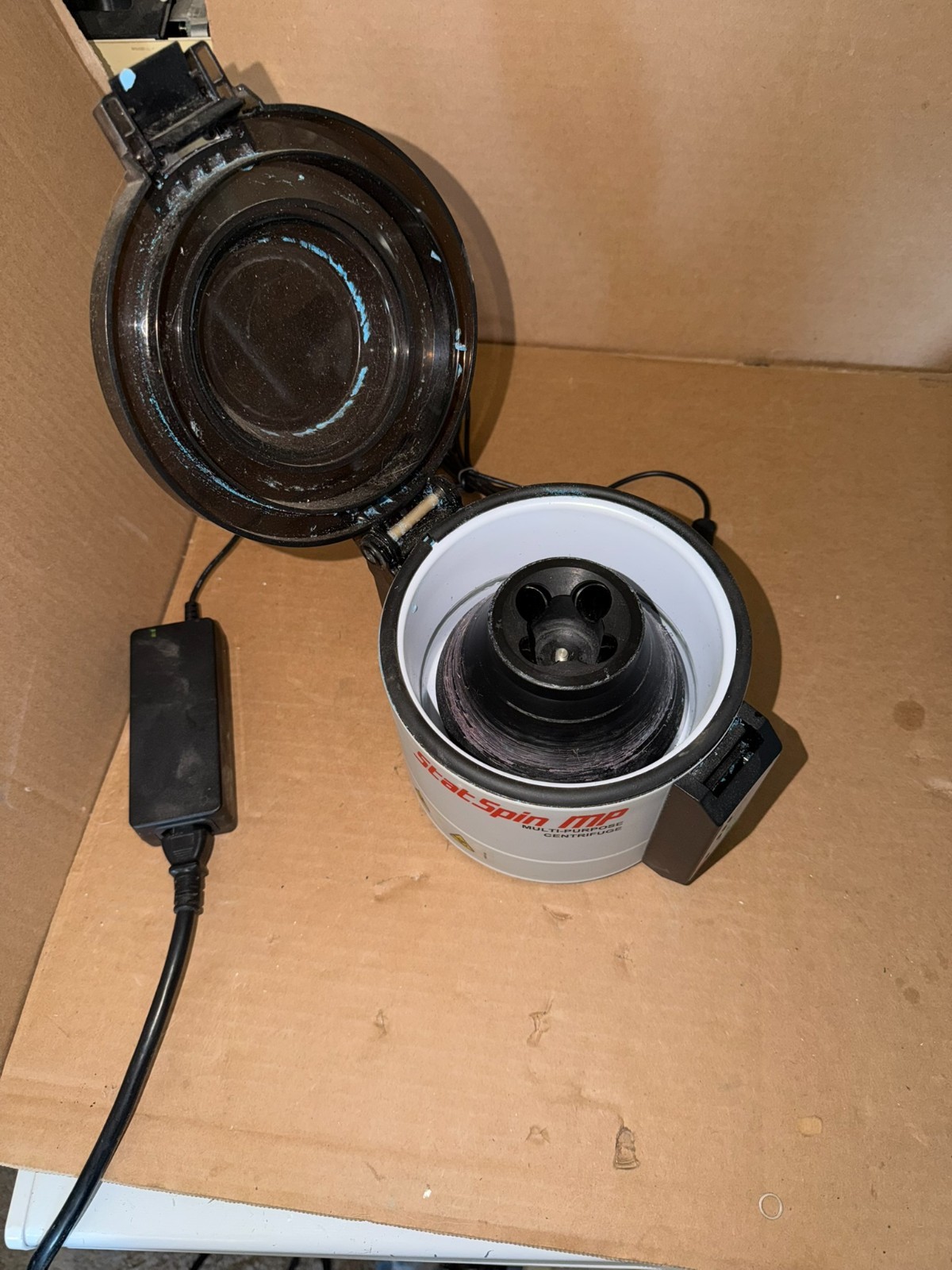
A blood centrifuge is laboratory equipment that separates whole blood into plasma, buffy coat, and red cells using controlled centrifugal force. The key trade-off is between fixed-angle/bench-top units for high-throughput clinical labs and compact stat/spin-down models for point-of-care PRP or microhematocrit work. Buy a unit rated for your tube volume and required RCF (relative centrifugal force), not just one that lists 'blood centrifuge' on the box.

Buying guide image
Oscilloscopes, Signal & Spectrum Analyzers

HP Oscilloscope

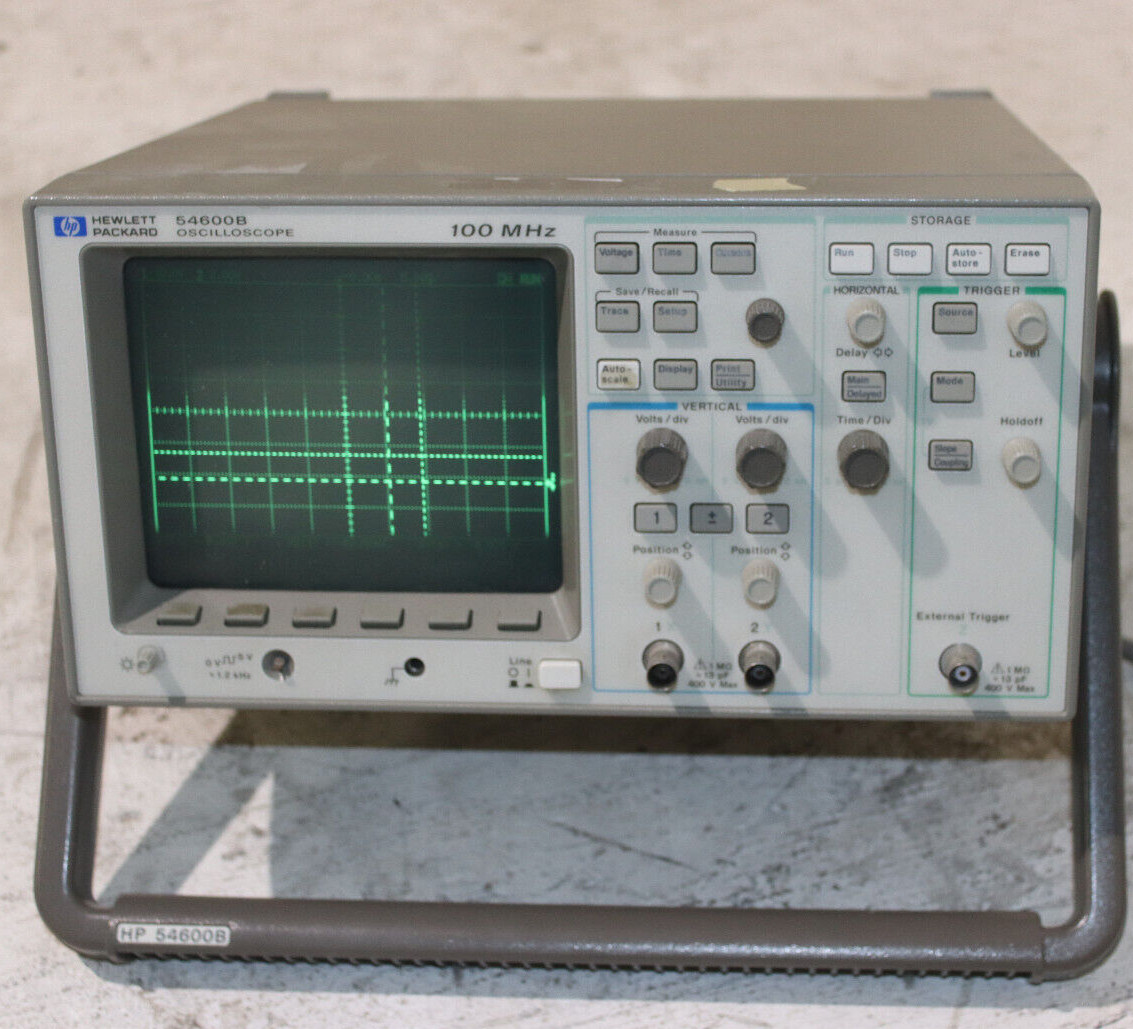
HP oscilloscopes (now sold as Keysight after the 2014 rebrand) are legacy digital and analog instruments prized for repairable construction and stable front ends. The core trade-off is buying a 1980s-90s analog CRT scope for waveform fidelity versus a 1990s-2000s digital scope for capture, math, and PC connectivity. Buy a digital HP/Keysight if you need single-shot capture and automated measurements; buy analog only if you specifically want real-time CRT intensity gradation for signal-integrity work.

Buying guide image
Industrial Gauges & Meters

Meter Counter

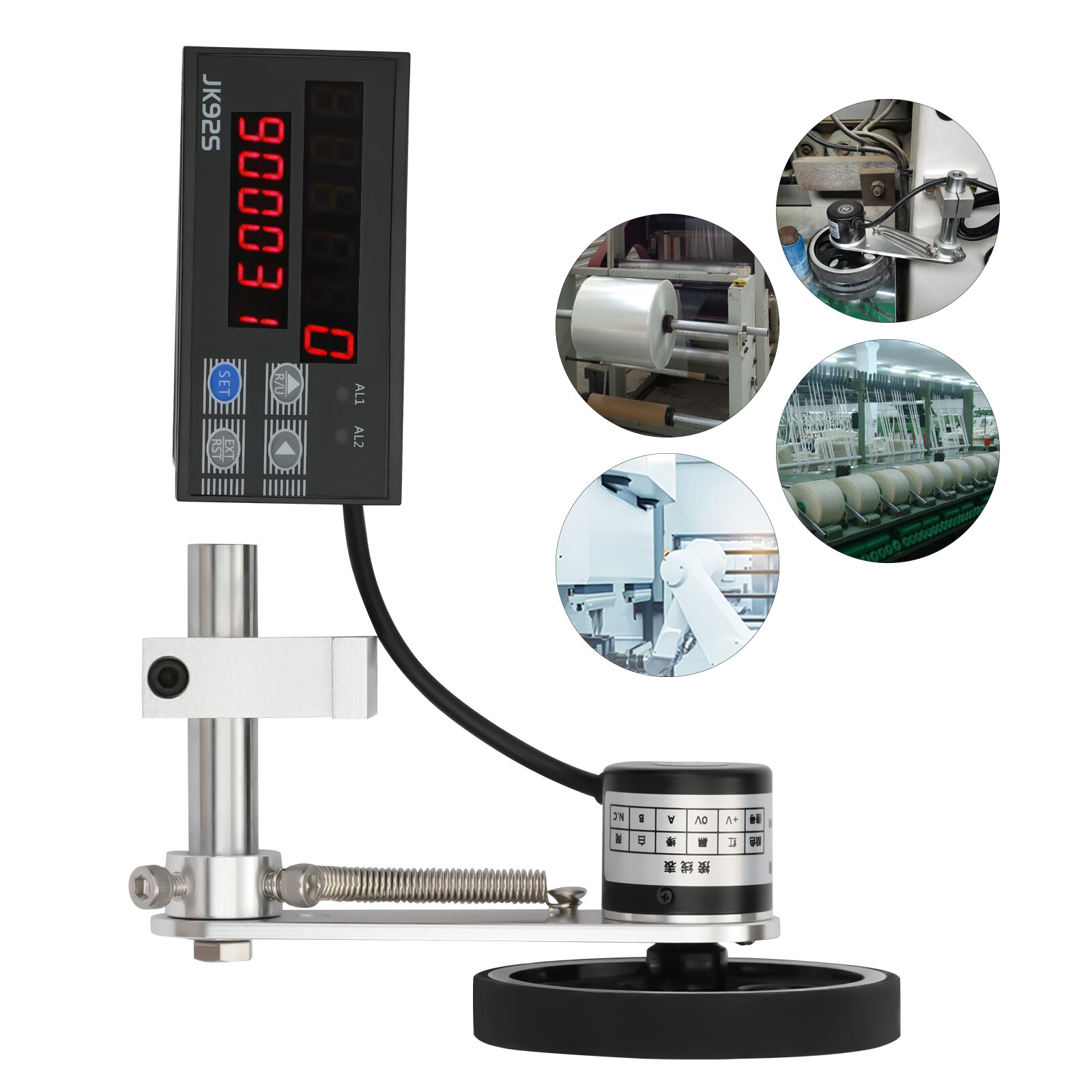
A meter counter is an industrial length-measurement device that pairs a rotary encoder with a digital display to tally linear distance from a moving wheel or cable. The core trade-off is encoder resolution and mechanical coupling quality versus display/control convenience: 300 PPR incremental encoders with proper quadrature counting outperform low-cost magnetic or single-channel units for accuracy. Choose a mechanically bracketed encoder wheel kit for permanent machine mounting; choose a handheld rolling counter only for intermittent spot checks.

Buying guide image
Test Leads, Probes, Fixtures & Accessories

10x Oscilloscope Probe

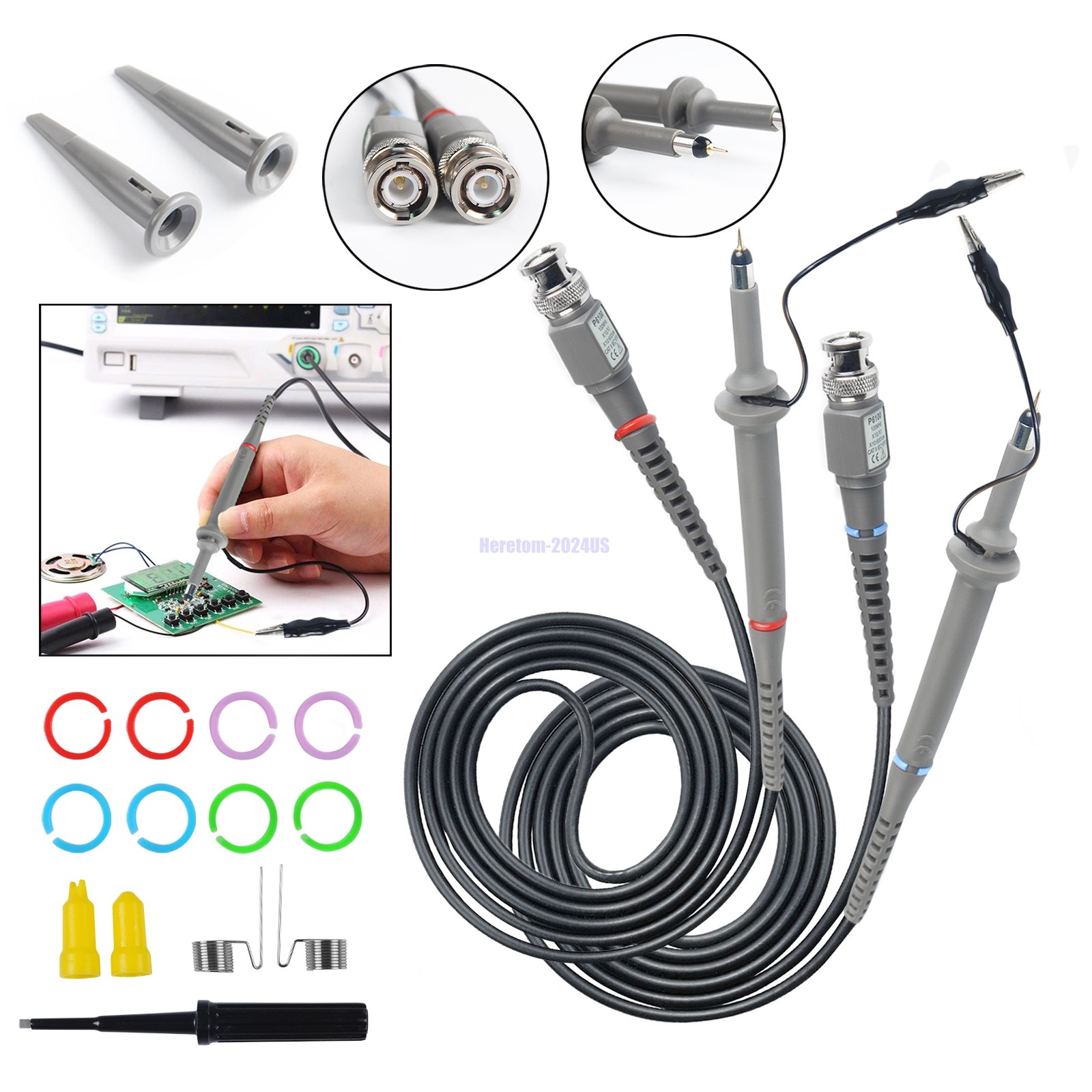
A 10x oscilloscope probe is a switchable or fixed 10:1 attenuation probe that divides the signal by ten to raise impedance and extend the measurable voltage range of a scope. The core trade-off is bandwidth versus input capacitance and compensation range: higher-bandwidth probes load the circuit more and demand matching compensation, while low-bandwidth probes are more forgiving but limit fidelity. The decision rule is to match probe bandwidth to at least the scope's analog bandwidth and ensure the compensation range covers the scope's input capacitance—anything less is a compromise.

Buying guide image
Pressure, Flow & Process Measurement

Fuel Flow Meter

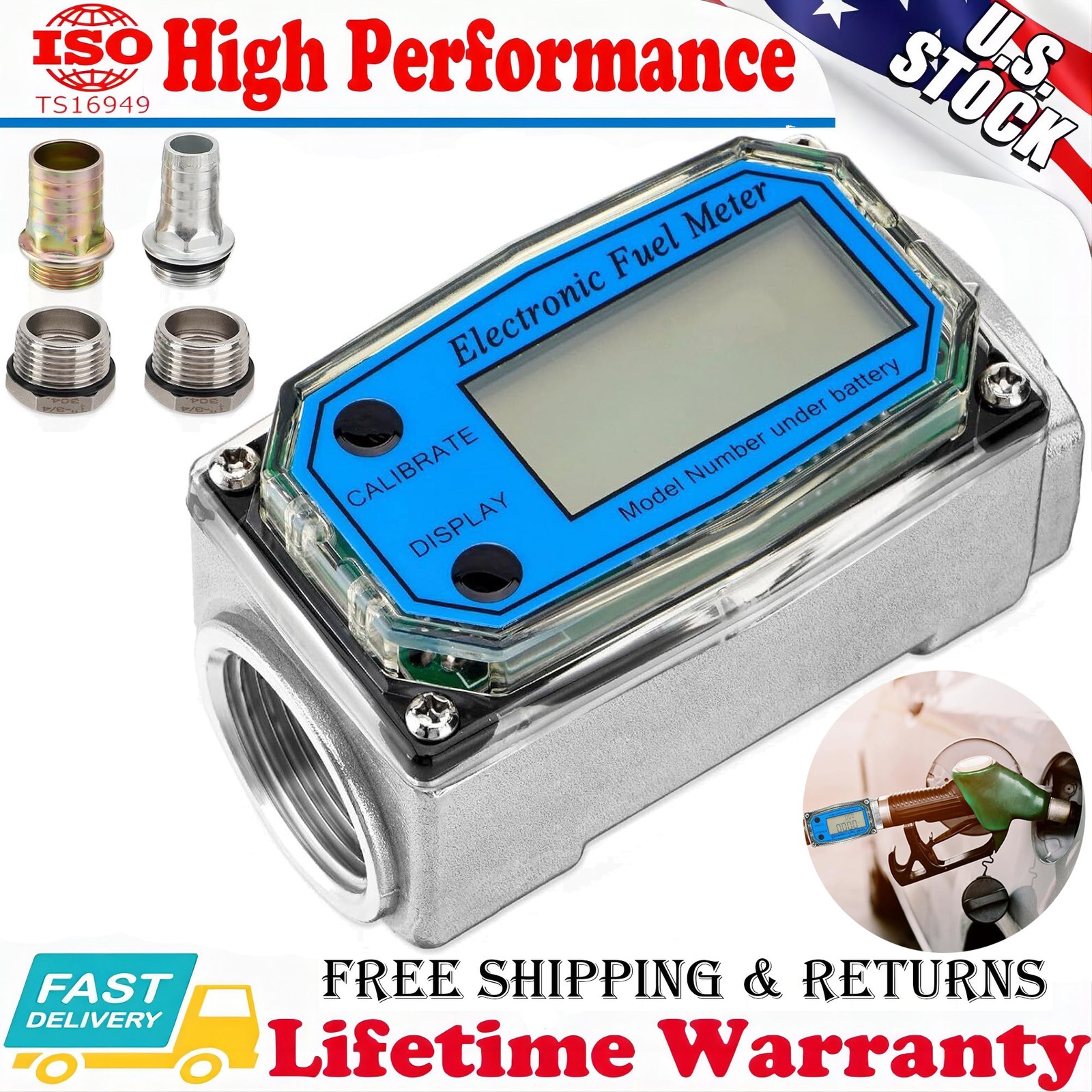
A fuel flow meter is an inline or paddlewheel-style sensor that converts diesel, gasoline, or kerosene movement into a digital rate and cumulative total for boats, generators, and transfer pumps. The core trade-off is turbine-material compatibility versus electronic sealing and display durability: nylon-bodied turbine meters suit low-pressure diesel and water-like fuels, while brass or stainless bodies with rated seals are required for gasoline, high-sulfur diesel, and hot return lines. Choose a meter rated for your fuel type, line pressure, and thread standard; skip unrated plastic units on pressurized gasoline or marine return systems.

Buying guide image
Oscilloscopes, Signal & Spectrum Analyzers

Beginner Oscilloscope

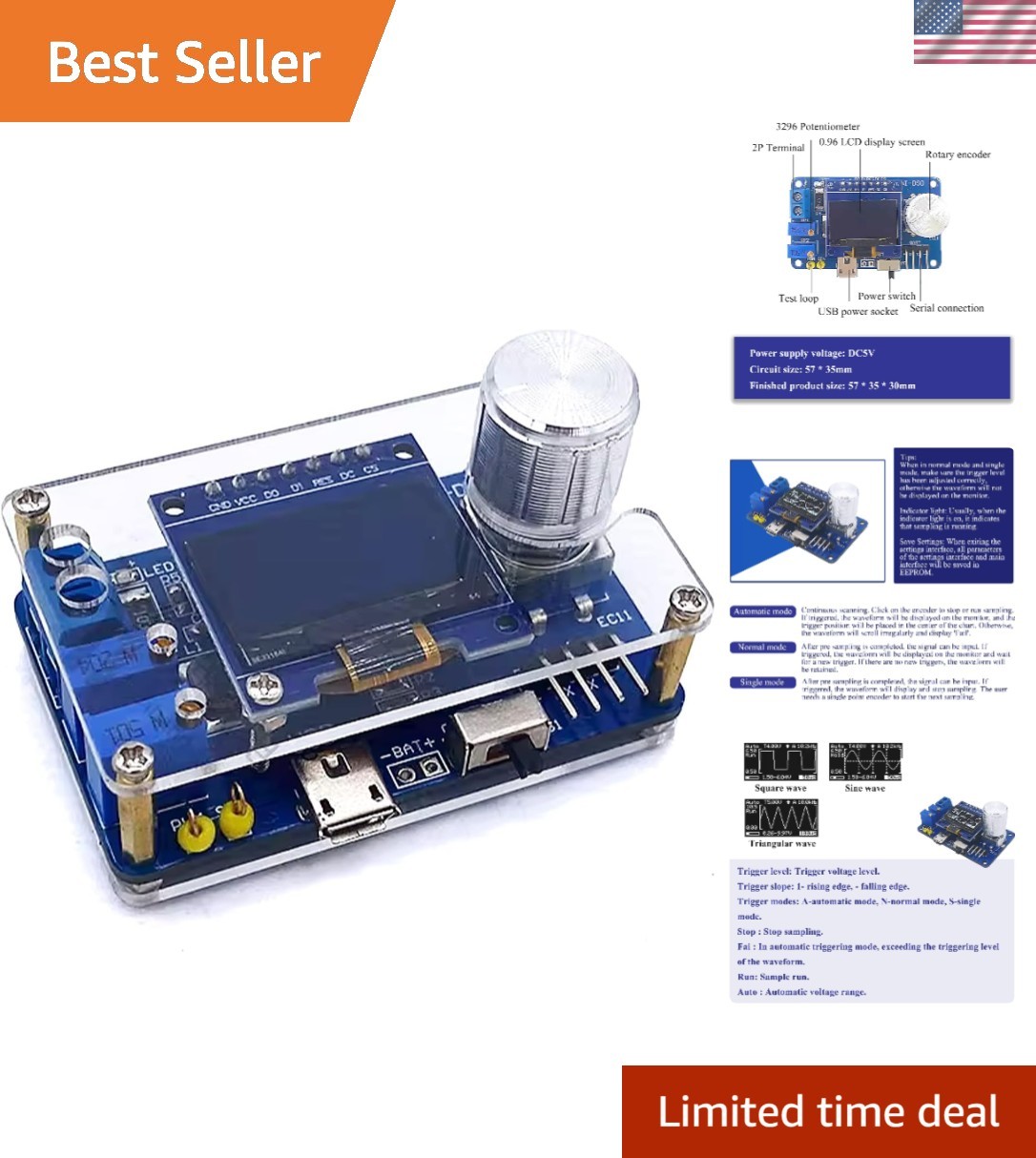
A beginner oscilloscope is a diagnostic instrument for visualizing voltage over time, and the key trade-off is bandwidth versus sample rate and front-end quality: cheap kits often pair a high nominal sample rate with a low-grade ADC, while established entry models deliver honest specs. The decision rule is simple: buy a scope whose analog bandwidth and sample rate are at least 2–4× the fastest signal you intend to measure, and skip any unit that advertises bandwidth without a matching real-time sample rate.

Buying guide image
Industrial Gauges & Meters

Dual Laser Infrared Thermometer

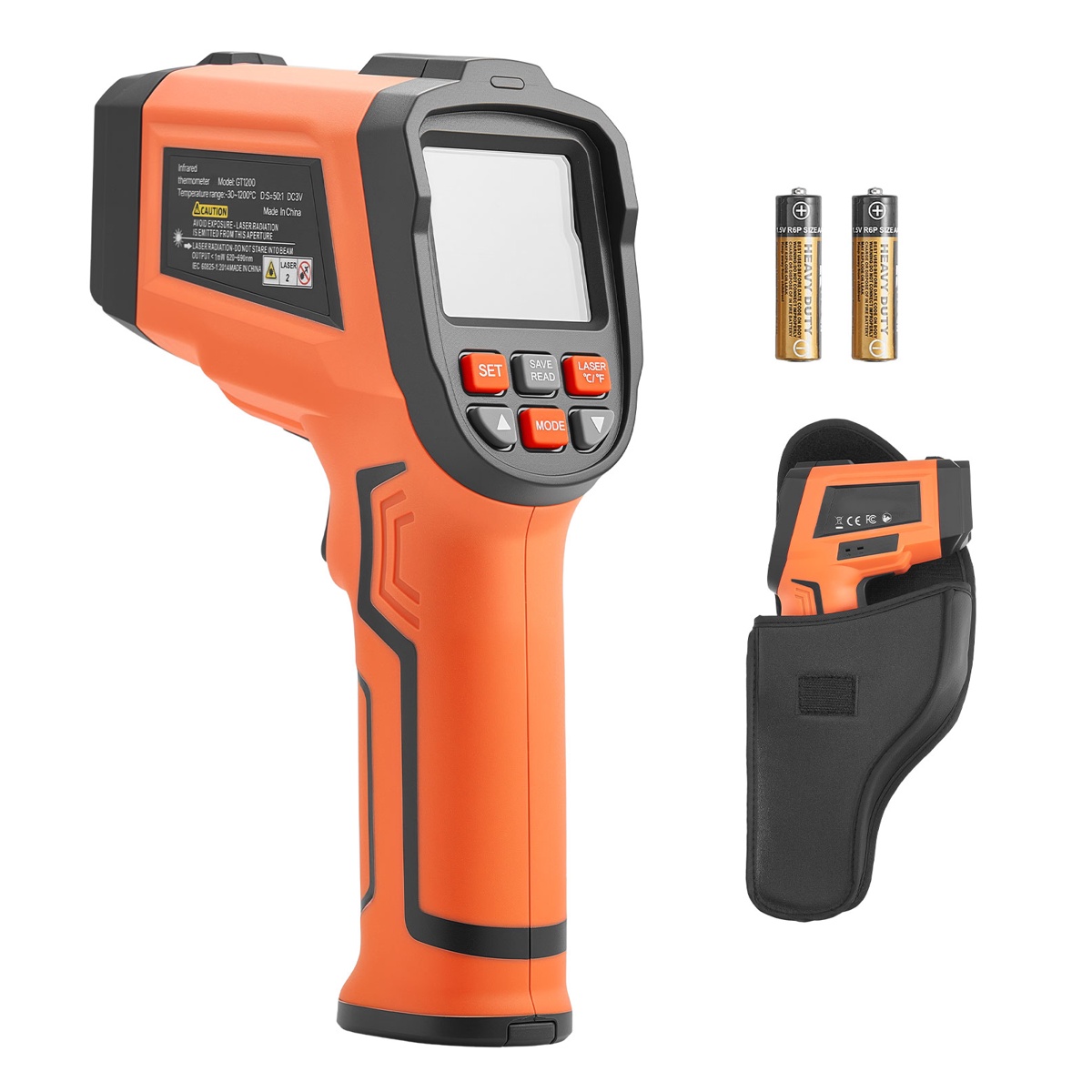
Dual laser infrared thermometers project two aiming beams that converge at the correct spot size, eliminating the guesswork of single-dot IR guns when measuring small or distant targets. The core trade-off is optical resolution (distance-to-spot ratio) versus emissivity control: fixed-emissivity 12:1 guns suit general surfaces, while adjustable-emissivity 30:1+ models with K-type inputs are required for metals, shiny materials, and industrial diagnostics. Buy the highest distance-to-spot ratio and adjustable emissivity you can afford; skip fixed-emissivity single-laser units for any precision or reflective-target work.

Buying guide image
Multimeters & Electrical Testers

Electric Detector Pen

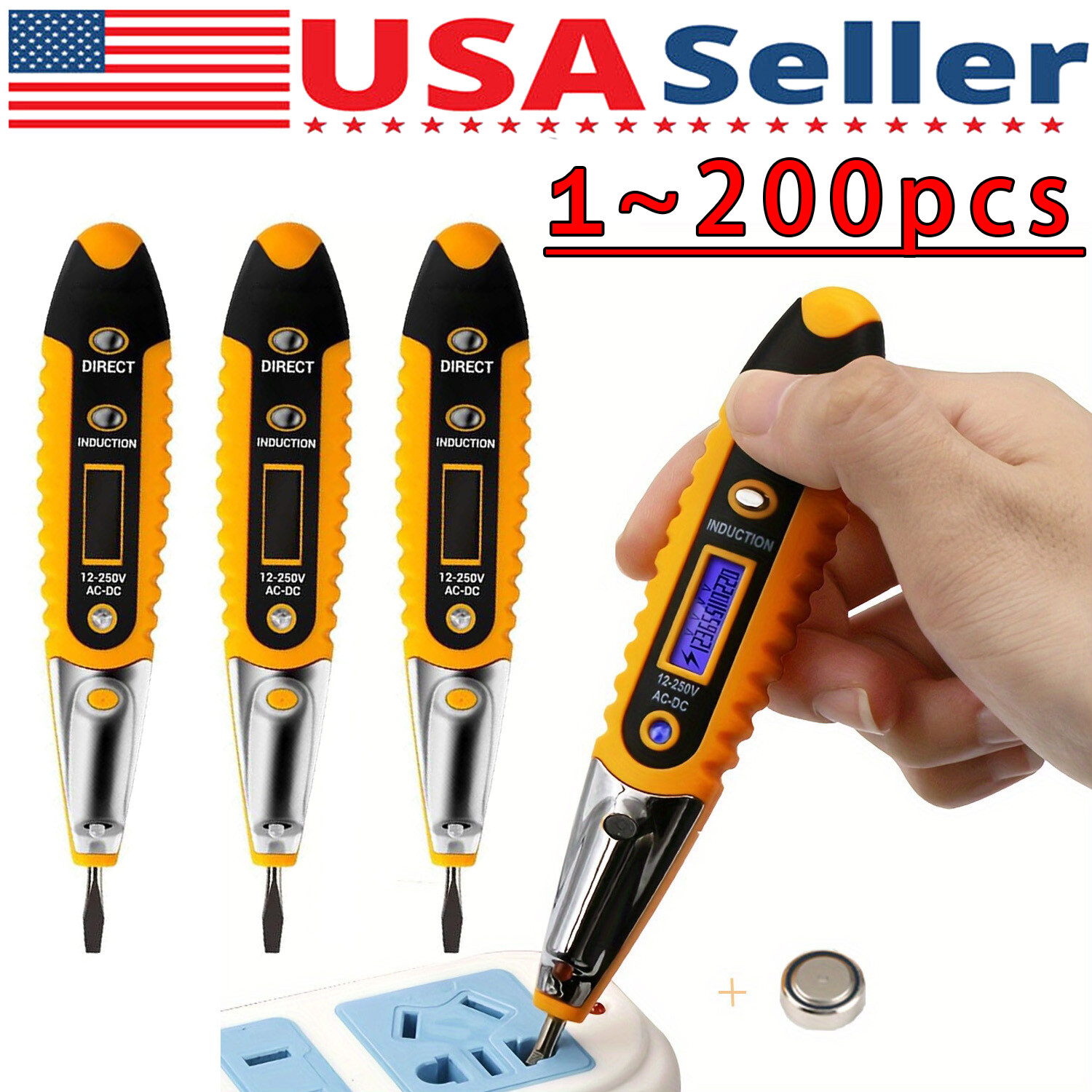
An electric detector pen is a non-contact voltage tester that senses the electric field around live AC wiring without touching conductors, typically covering 12–1000V. The core trade-off is between basic always-on buzzers and auto-ranging pens with adjustable sensitivity and CAT safety ratings; a pen that only flashes without a CAT III/IV rating and a self-test function is a compromise, not a durable tool.

Buying guide image
Dimensional Metrology & Machine Inspection

Dial Caliper

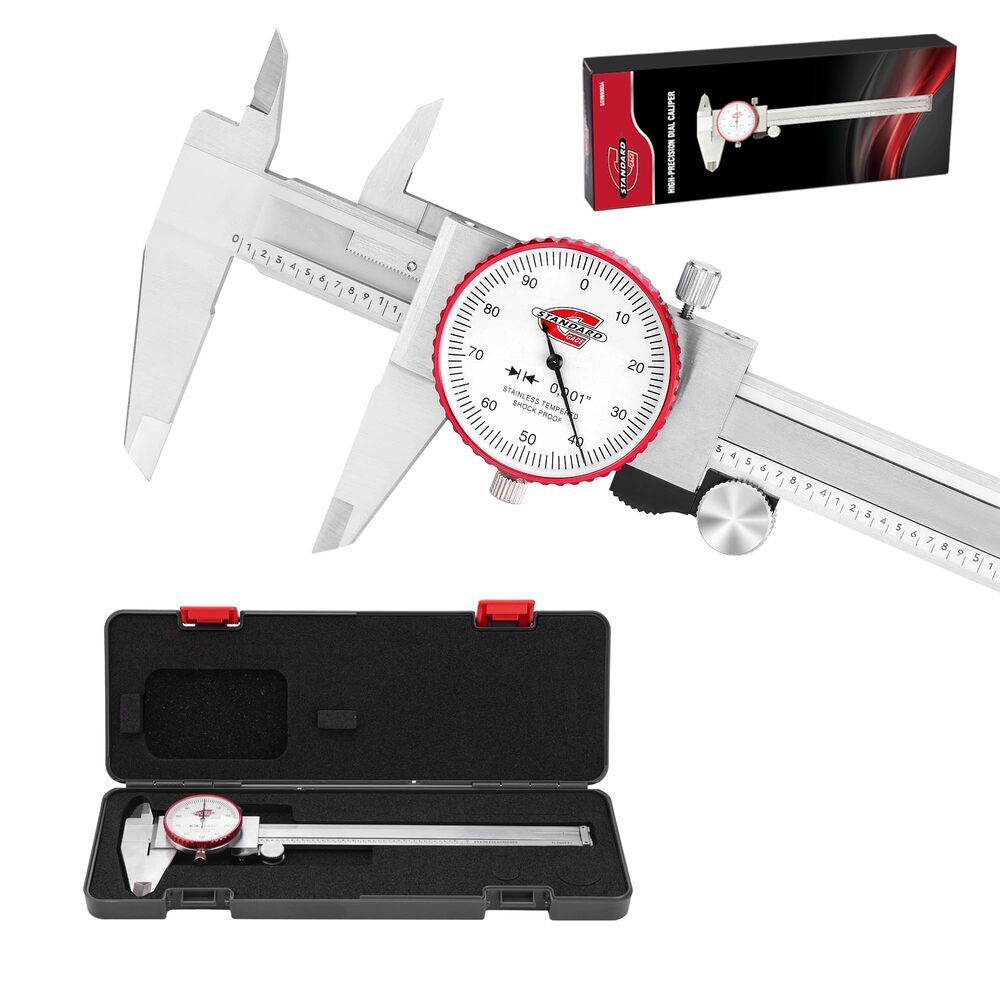
A dial caliper is a mechanical measuring tool with a rack-and-pinion driven needle that reads outside, inside, depth, and step dimensions to 0.001 in or 0.02 mm. The core trade-off is stainless-steel frame rigidity and gear quality versus plastic or stamped-metal construction that flexes and loses zero. Buy a hardened stainless-steel body with a hardened rack and adjustable bezel; skip any plastic-bodied or unhardened-rack unit if you need repeatable ±0.001 in accuracy.

Buying guide image
RF, Network, Cable & Telecom Test

Buried Wire Finder

A buried wire finder (cable locator/tracer) injects a tone onto a conductor and detects it above ground to trace runs, find breaks, and map valves or pet-fence wire. The core trade-off is detection depth and length versus signal coupling: direct-connection kits reach deeper and farther than clamp or inductive-only units. Buy a transmitter-plus-receiver kit rated for your actual depth and run length; skip bare inductive wands for deep or long burials.

Buying guide image
Industrial Gauges & Meters

Infrared Thermometer With Probe

An infrared thermometer with probe combines a non-contact IR sensor for fast surface scans with a contact K-type thermocouple for internal or reflective-target readings. The core trade-off is optical resolution and emissivity adjustment versus probe accuracy and response time—cheap units fix emissivity at 0.95 and ship slow, low-grade probes. Buy a dual-laser unit with adjustable emissivity from 0.10–1.00 and a rated K-type probe; skip fixed-emissivity guns with no probe or unrated thermocouples.

Buying guide image
Data Acquisition & Recorders

Ni Card

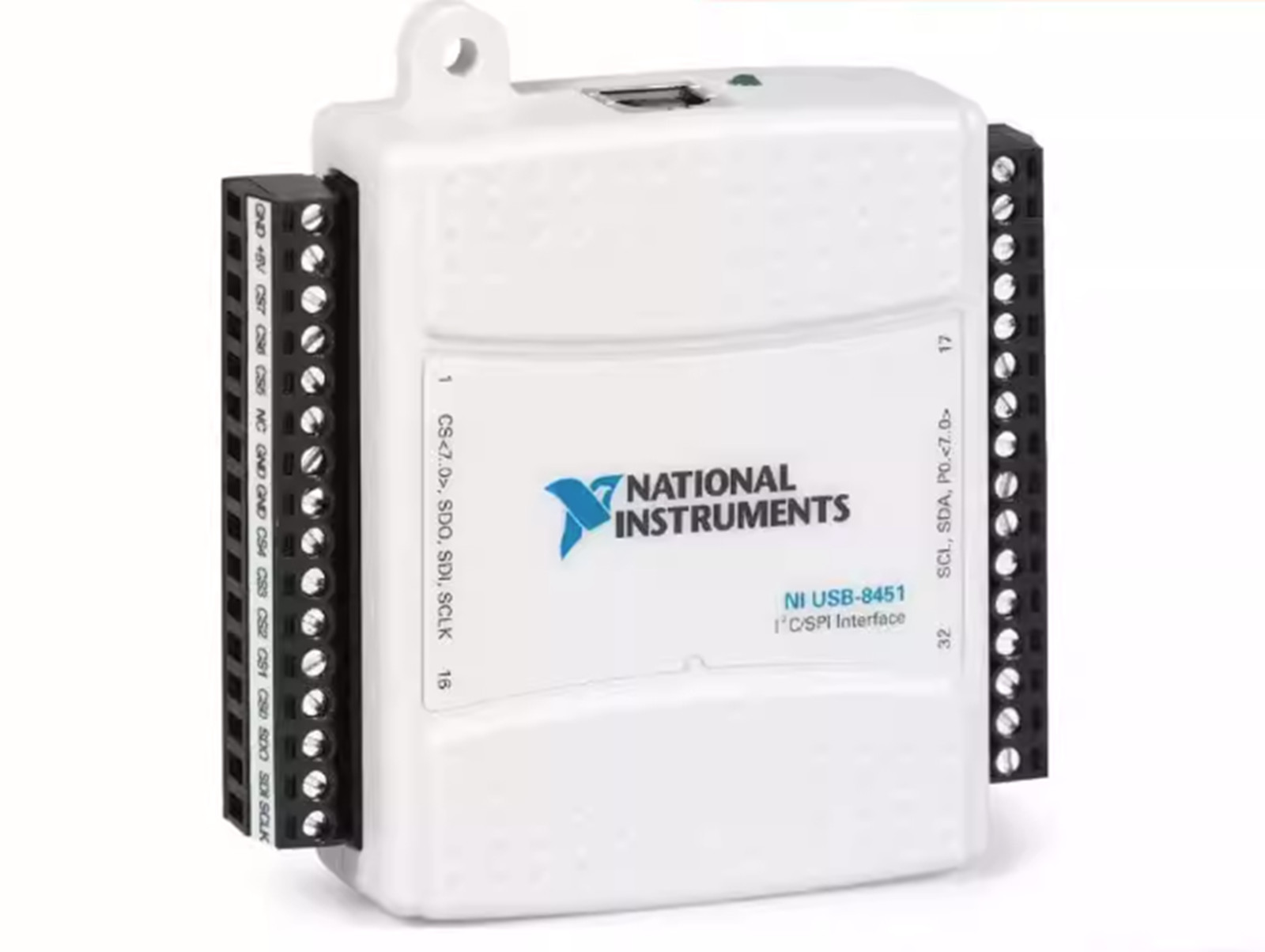
An NI card is a National Instruments data acquisition (DAQ) module—typically a PCIe/PXIe plug-in board or a USB/cDAQ chassis module—that digitizes analog signals, reads digital I/O, or drives counters with lab-grade accuracy. The primary trade-off is bus/chassis architecture and isolated vs. multiplexed front-end design: isolated simultaneous-sampling modules cost more but eliminate cross-channel ghosting and ground loops, while low-cost multiplexed modules share one ADC and cap aggregate throughput. The decision rule: match the card's bus, channel count, resolution, and isolation to your signal type and sampling rate—never buy a multiplexed low-voltage module for high-impedance or floating sources.

Buying guide image
RF, Network, Cable & Telecom Test

Cable Locator Tool

Cable locator tools trace energized or tone-injected wires through walls, soil, and conduit using either direct-connection tone generators or inductive clamp/antenna receivers. The core trade-off is detection depth and length versus signal discrimination: deeper, longer-range units amplify noise and require careful gain control, while shallow units are simpler but blind to buried infrastructure. Buy a dedicated transmitter-plus-receiver kit matched to your deepest expected run; open-ended 'break detector' wands with fixed gain are only for shallow pet-fence or sprinkler tracing.

You may also like

Finding more guides for you…