Bench & Gauge

Bench & Gauge

Test, Measurement & Inspection Reviews & Buying Guides

Compare test, measurement & inspection by use case, features, trade-offs, price, returns, and seller terms before you buy.

Buying guides

Buying guide image
Pressure, Flow & Process Measurement

1 4 Compression Adapter

A 1/4 compression adapter is a tube-fitting transition piece that joins 1/4-inch outside-diameter tubing to a different thread, tube size, or connection style in pressure, flow, and process systems. The core trade-off is between brass and 316 stainless steel bodies and between NPT, SAE, and BSPP thread standards, where a mismatch causes leaks or galvanic corrosion. Choose 316 stainless with the correct thread standard for potable water, hydraulics, and corrosive media; reserve brass for dry air and low-pressure water only.
Buying guide image
Multimeters & Electrical Testers

Klein Voltage Tester

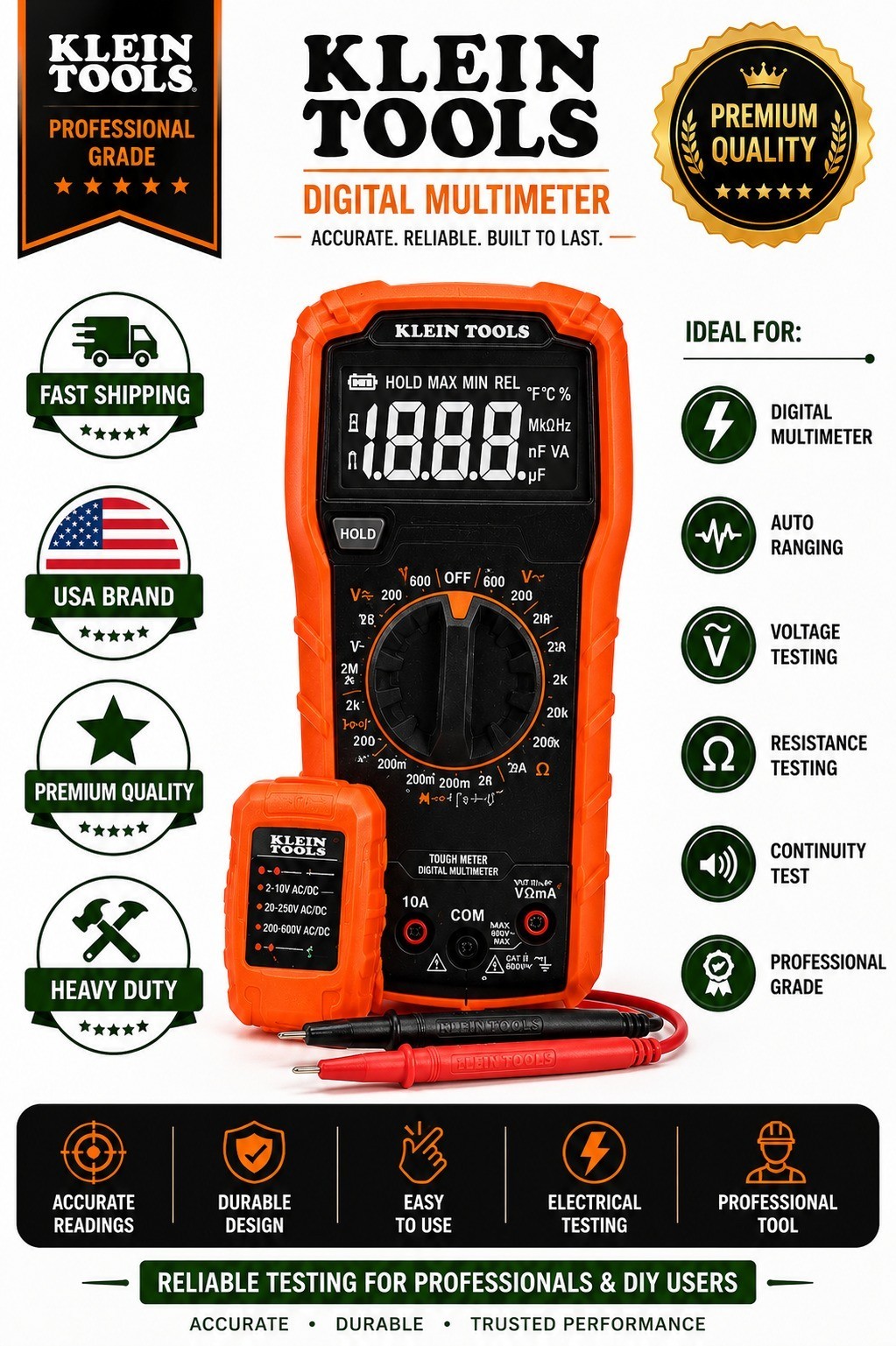
A Klein voltage tester is a non-contact or contact voltage detector (often bundled with a multimeter and outlet tester) used to quickly verify live conductors, identify breakers, and confirm safe isolation before work. The key trade-off is sensitivity and safety rating versus false triggers: basic non-contact pens are fast but can ghost on capacitive coupling, while CAT III/IV rated units with load-mode testing are decisive but cost more. The rule: choose a tester whose CAT safety rating and voltage range match your panel and environment, and skip any unit without a self-test or load-check function.

Buying guide image
Spectroscopy, Analysis & Detection Instruments

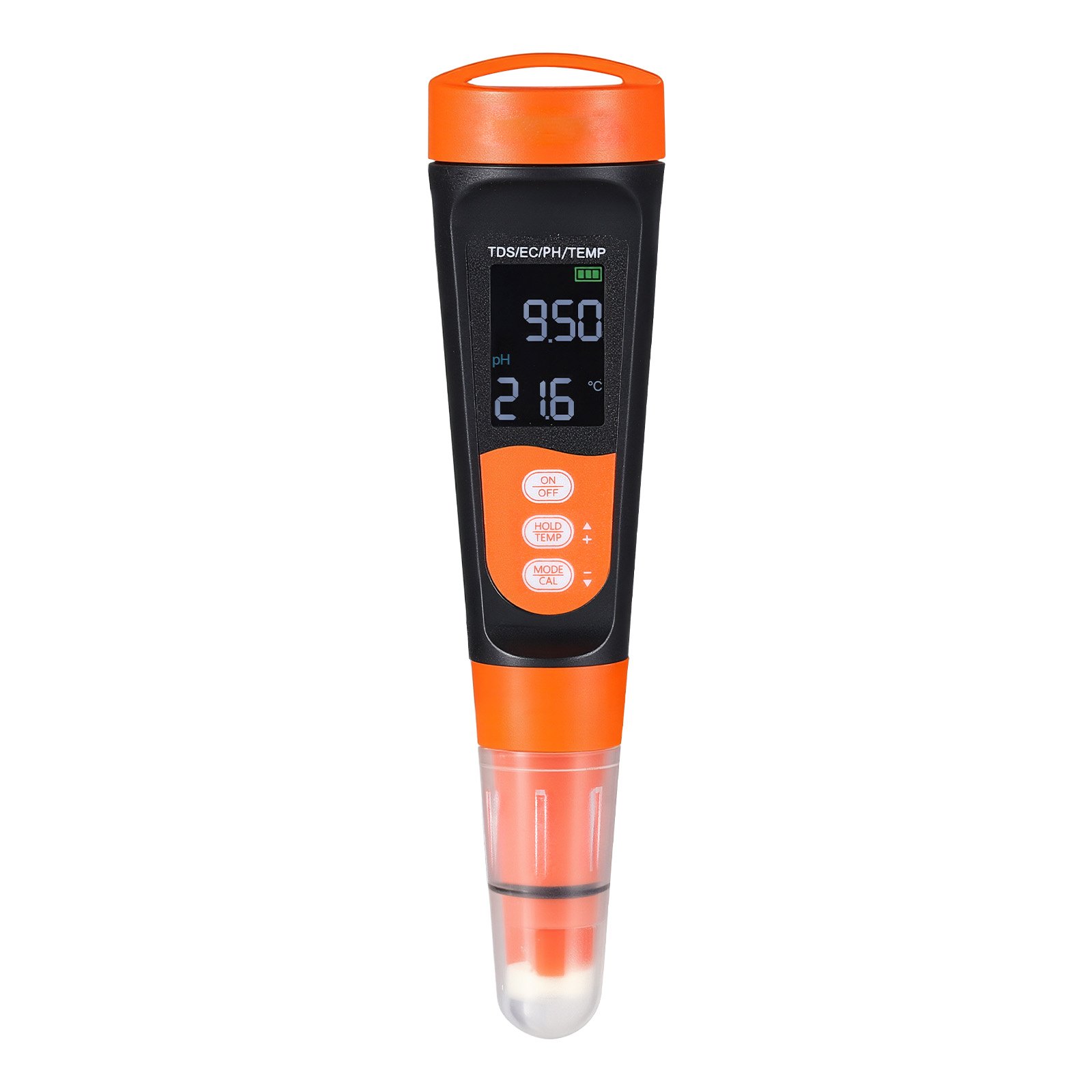
Digital Ph Tester

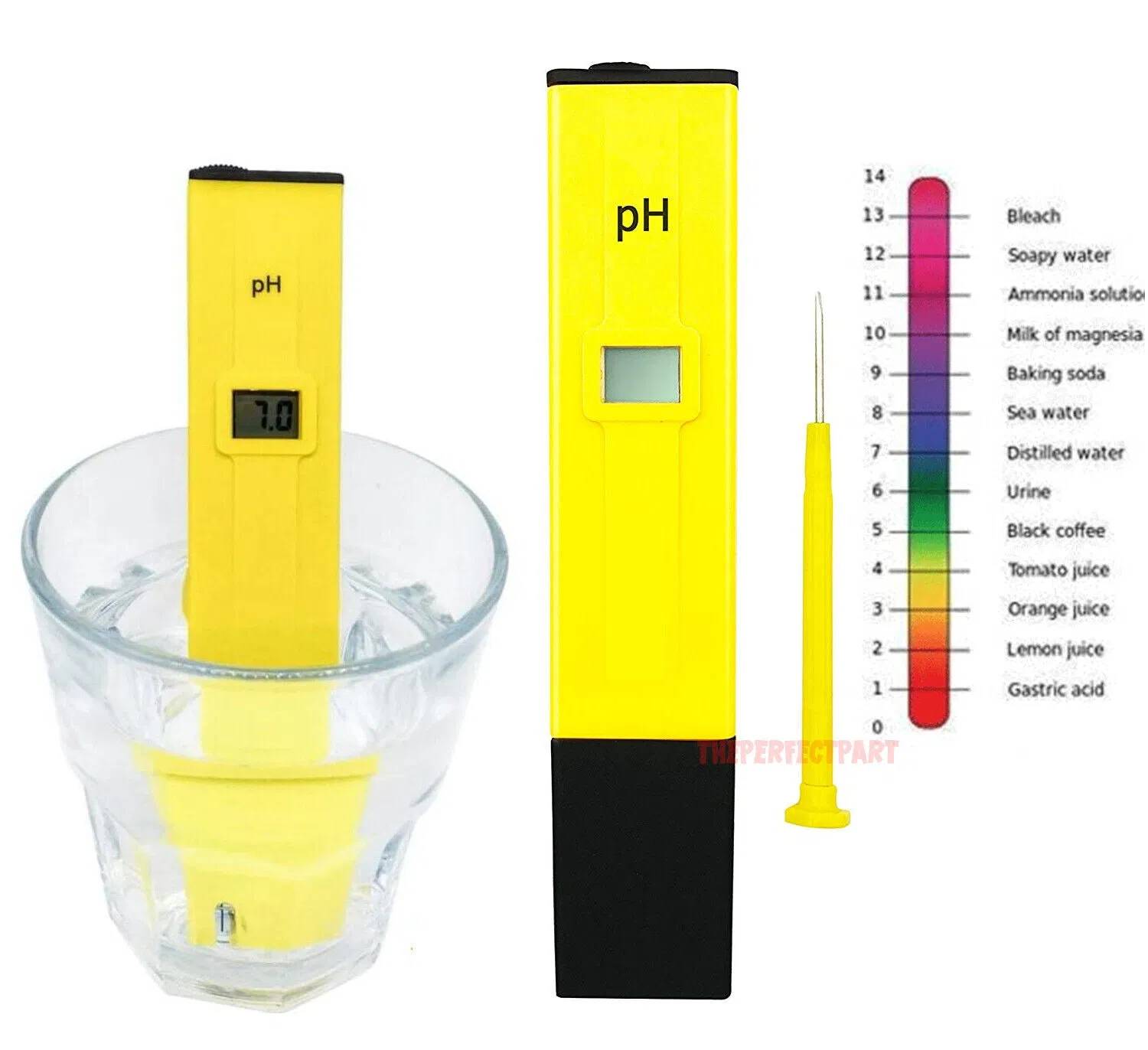
A digital pH tester is a handheld electrochemical meter that converts hydrogen-ion activity into a numeric pH reading via a glass electrode and a high-impedance amplifier. The core trade-off is electrode quality and calibration stability versus cost: lab-grade glass bulbs and temperature compensation hold accuracy to ±0.01–0.02 pH, while cheap pen-style units drift to ±0.1 or worse within weeks. The decision rule is simple—buy a meter with automatic temperature compensation (ATC) and at least two-point calibration; skip any pen that lacks ATC or uses a non-replaceable sealed electrode for regular testing.

Buying guide image
Multimeters & Electrical Testers

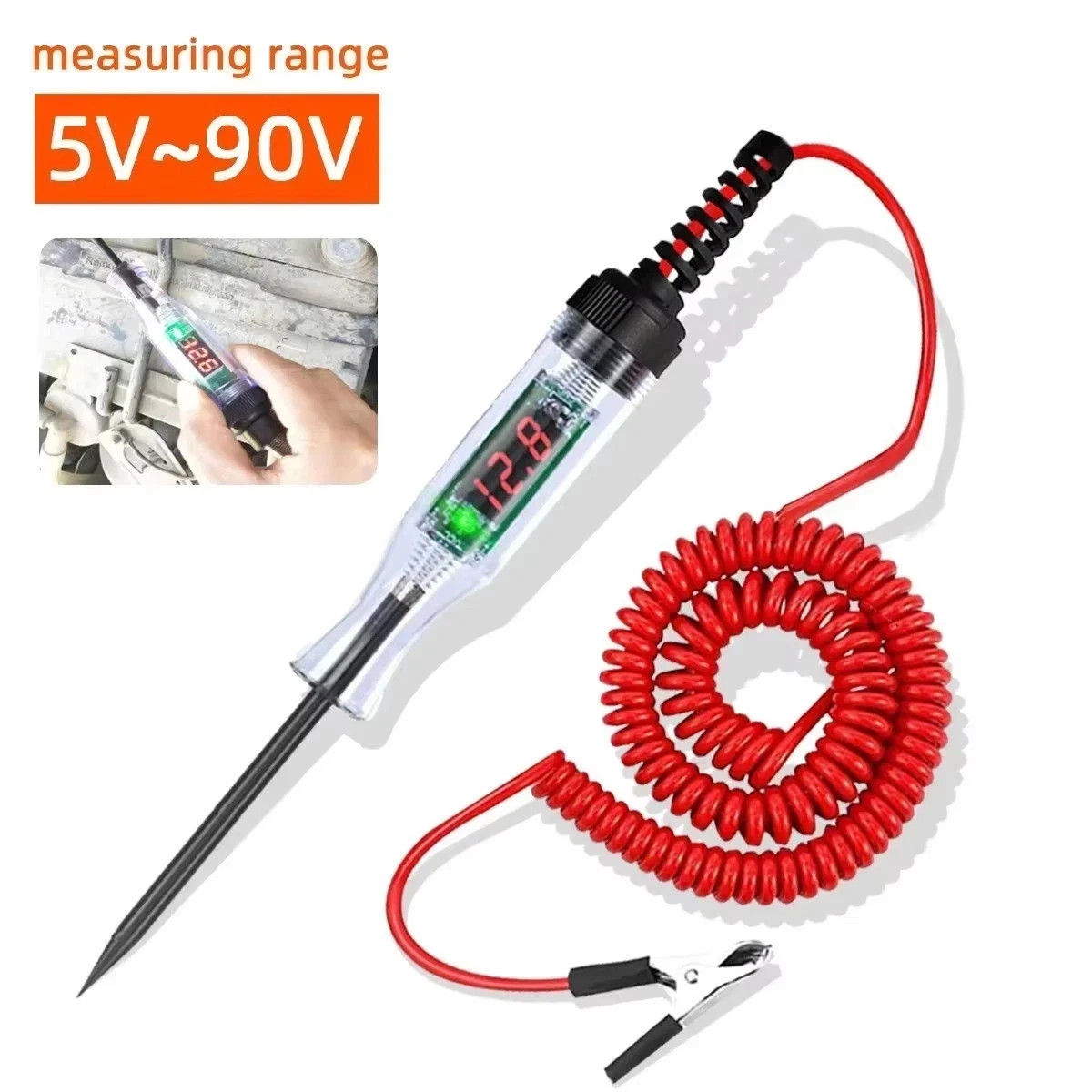
Electric Circuit Tester

An electric circuit tester is a handheld diagnostic tool that verifies voltage presence, continuity, and breaker/outlet wiring, ranging from simple non-contact voltage pens to automotive test lights and dedicated breaker finders. The core trade-off is between a single-function tester with a fixed voltage range and a multi-function unit with auto-ranging or selectable ranges that covers both household and automotive circuits. Buy a tester rated explicitly for the voltage and system you work on; skip universal-looking pens that lack category ratings or a defined voltage ceiling.

Buying guide image
Multimeters & Electrical Testers

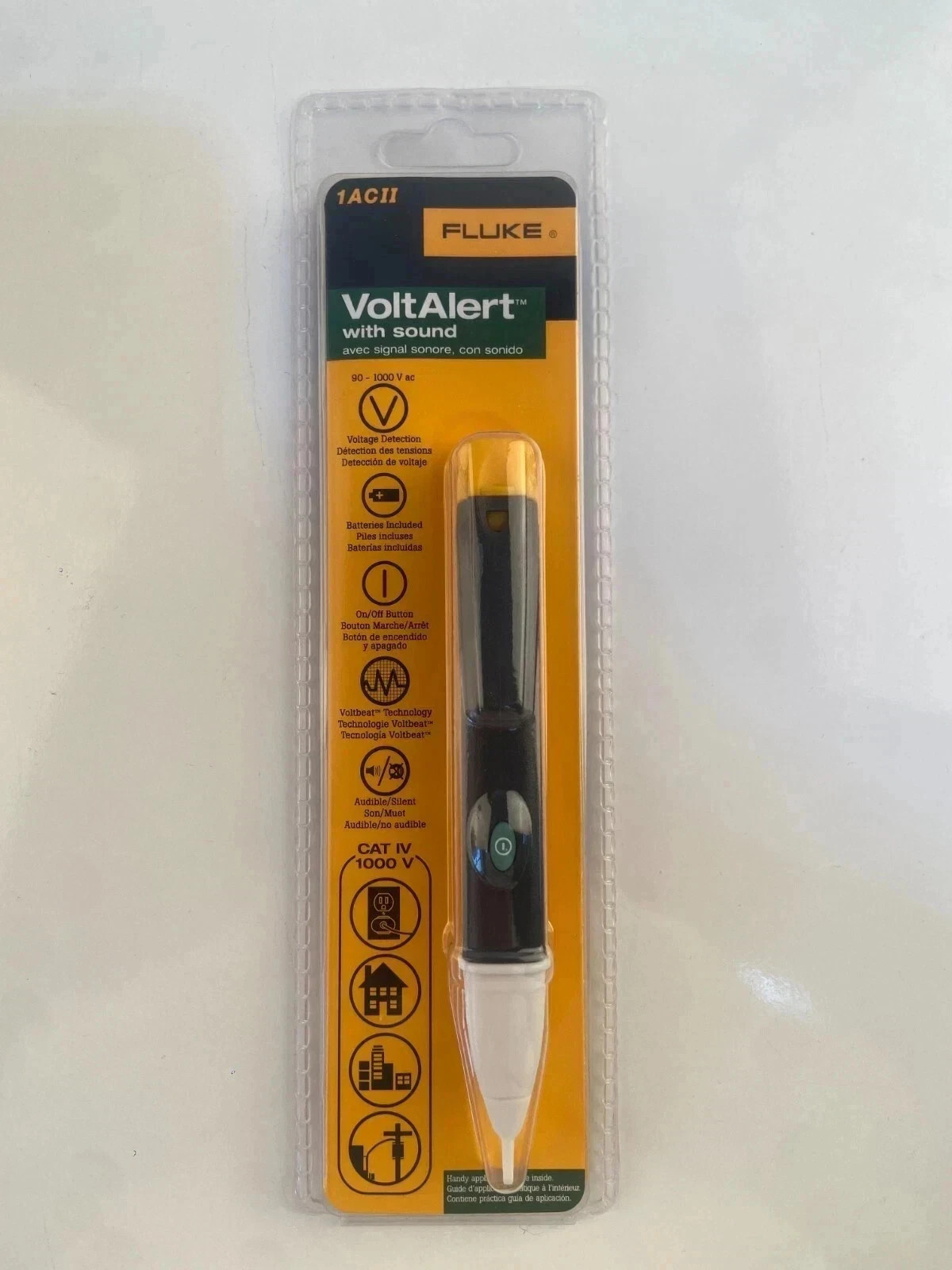
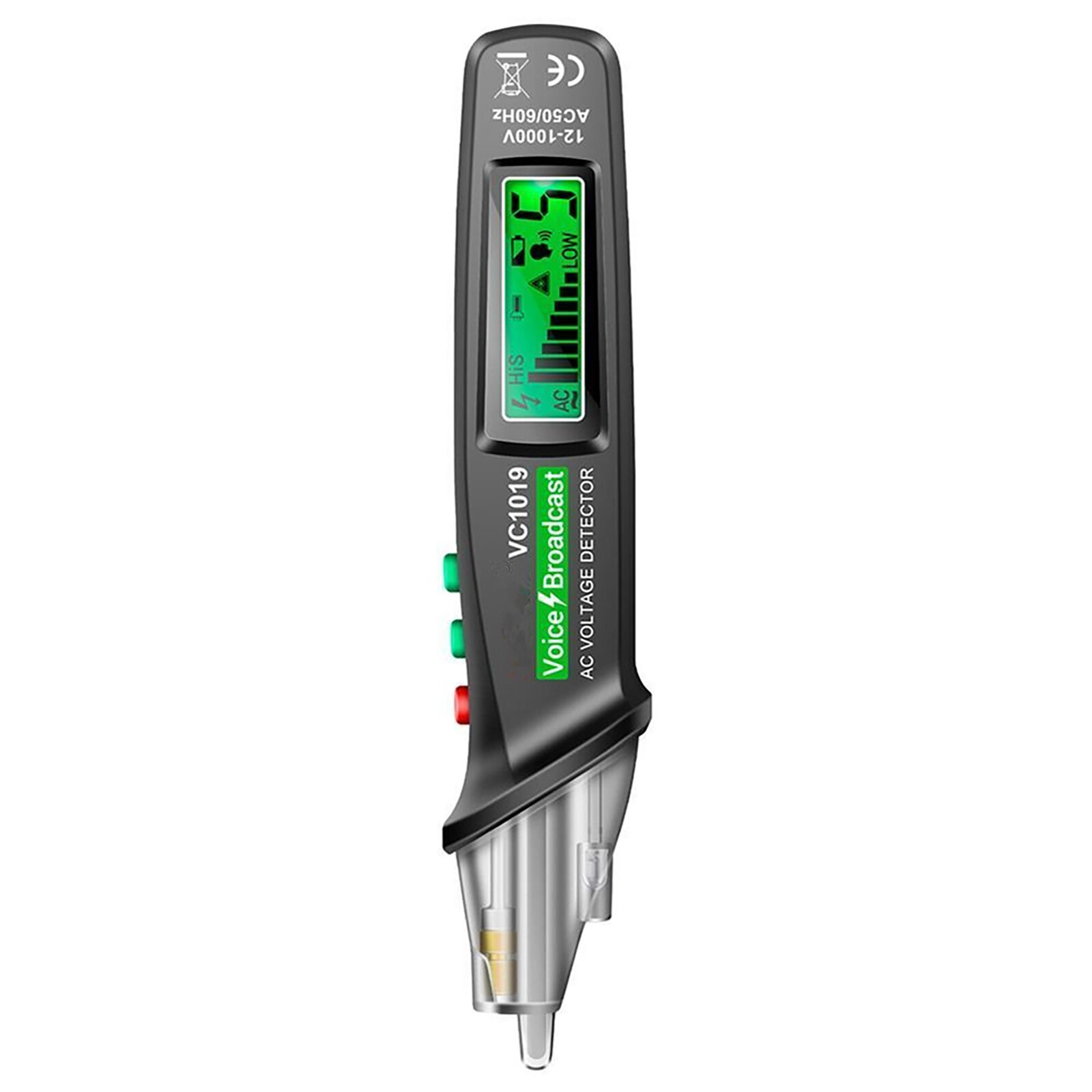
Fluke Non Contact Voltage Tester

A non-contact voltage tester detects AC live conductors without metal-to-metal contact, and the key trade-off is sensitivity/voltage range versus false-positive rejection and CAT safety rating. The Fluke VoltAlert line splits into the pocket 1AC II (90–1000V AC, always-on) and the 2AC (90–1000V AC, dual sensitivity with silent mode), while CAT IV 1000V rating distinguishes it from generic pens. Buy the 1AC II for fast outlet/switch checks; step to the 2AC only when you need adjustable sensitivity near bundled wiring.

Buying guide image
Multimeters & Electrical Testers

Klein Outlet Tester

A Klein outlet tester is a receptacle-wiring diagnostic tool that plugs into a standard 120V outlet and uses LED/GFCI circuitry to reveal open grounds, reversed polarity, and trip faults. The real trade-off is between a basic 3-light tester and a combination kit adding a multimeter and circuit-breaker finder—the latter costs more but eliminates guesswork in panel mapping. Buy the basic tester only for quick pass/fail checks; step up to a kit whenever you need voltage readouts or breaker identification.

Buying guide image
Spectroscopy, Analysis & Detection Instruments

Ec Meter

An EC meter measures electrical conductivity to quantify dissolved nutrient salts in water, and the core trade-off is between a sealed waterproof probe with replaceable electrodes versus a non-replaceable budget pen. Choose a meter with a detachable or replaceable probe, automatic temperature compensation (ATC), and ±2% full-scale accuracy for hydroponics; skip sealed pens with no calibration or probe replacement path for anything beyond casual spot checks.

Buying guide image
Microscopes & Lab Imaging

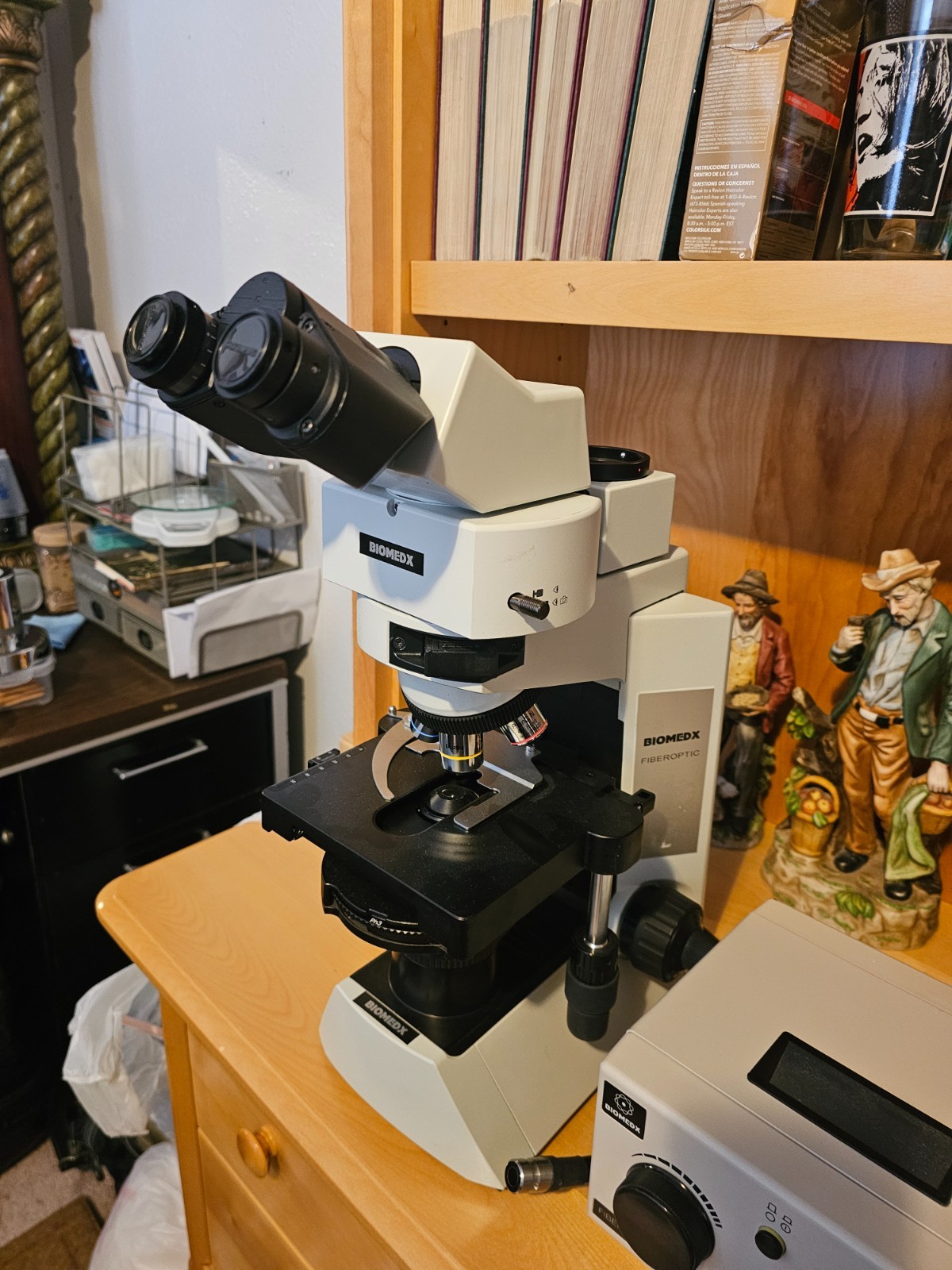
Microscope Light

A microscope light is the illumination module or built-in LED array that determines image brightness, color accuracy, and contrast for any stereo, compound, or digital microscope. The core trade-off is between simple fixed-brightness LED rings and dimmable, color-corrected, or transmitted-light systems that match the specimen and camera sensor. Buy a dimmable, high-CRI LED module with the correct mount for your microscope type; skip fixed-brightness plastic rings or mirror-only illuminators for serious imaging.

Buying guide image
Multimeters & Electrical Testers

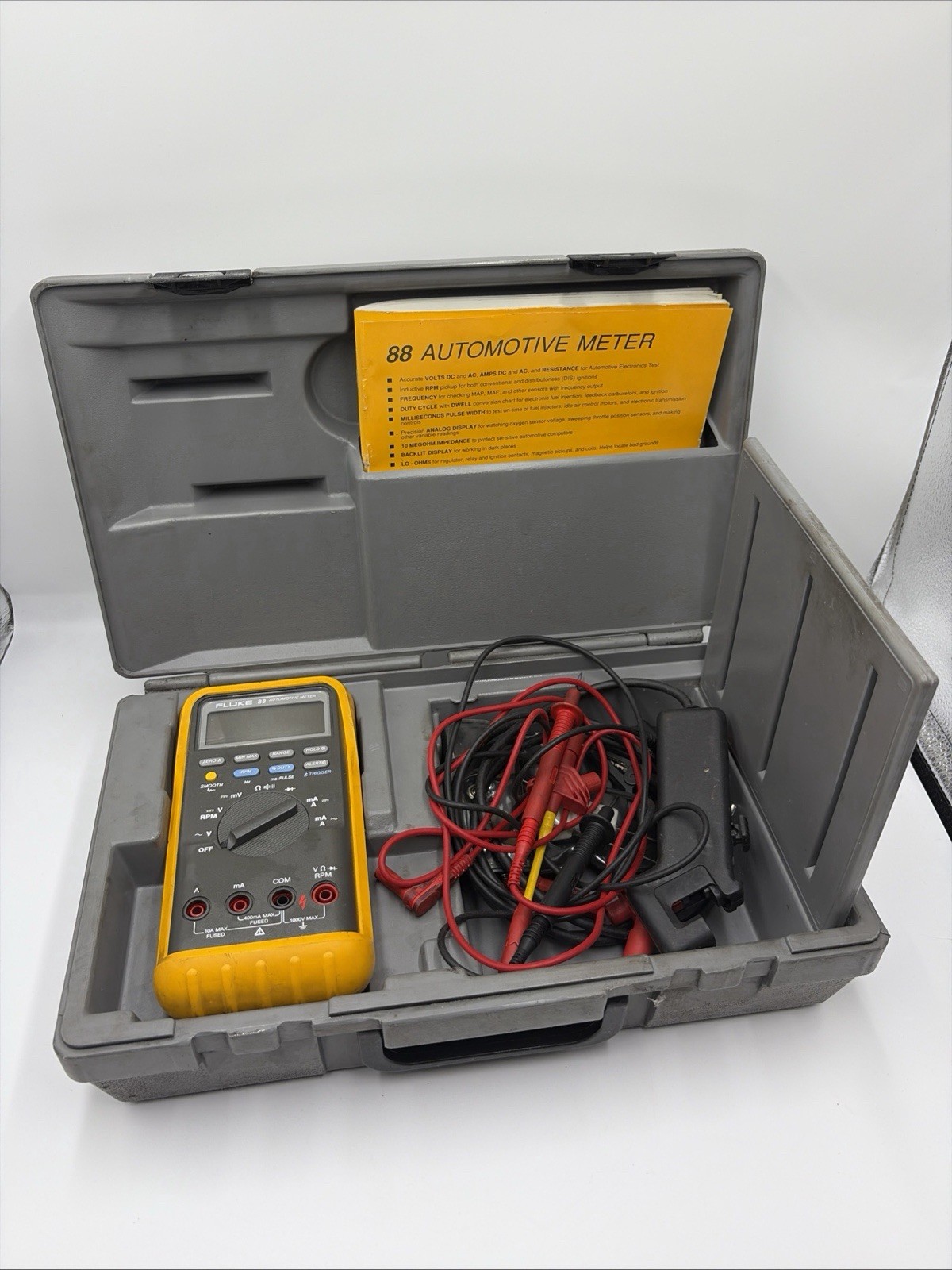
Fluke Automotive Multimeter

A Fluke automotive multimeter is a handheld digital multimeter (DMM) built for vehicle diagnostics, adding functions like duty cycle, RPM, millivolt DC, and pulse width beyond basic voltage/resistance. The core trade-off is between a rugged true-RMS safety-rated meter with automotive-specific modes and a cheaper basic DMM that lacks low-voltage resolution and protected inputs. Choose a true-RMS, CAT III 600 V rated meter with dedicated automotive functions if you diagnose modern vehicles; skip generic meters with unfused low-impedance modes.

Buying guide image
Multimeters & Electrical Testers

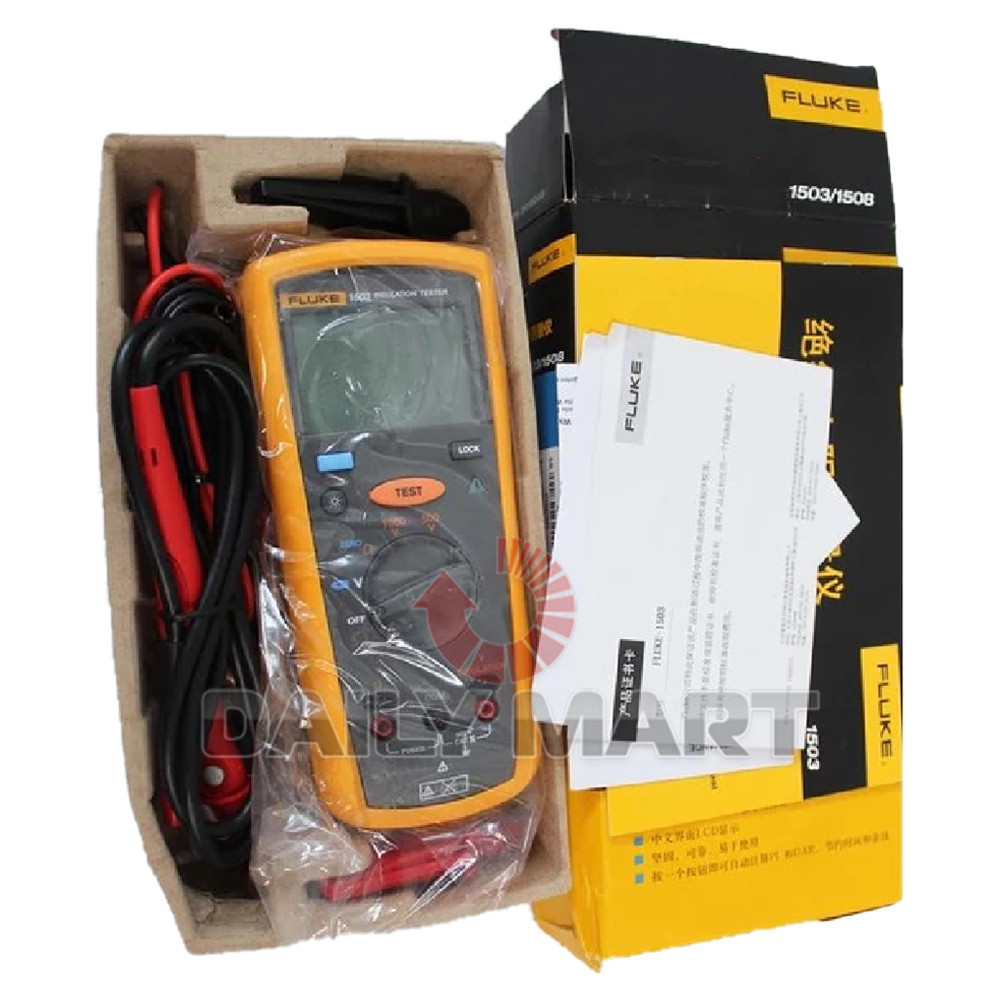
Fluke Meter

Fluke meters are professional-grade electrical test instruments defined by true-RMS measurement, CAT III/IV safety ratings, and long-term calibration stability. The core trade-off is between handheld multimeters (117, 87V) for general diagnostics and specialty testers (insulation, power quality, clamp) for dedicated tasks. Buy a Fluke only if you need IEC 61010 safety certification and lifetime accuracy; otherwise a mid-tier CAT III meter covers basic residential work at lower cost.

Buying guide image
Pressure, Flow & Process Measurement

Radiator Cap Pressure Tester

A radiator cap pressure tester is a hand-pump gauge assembly that pressurizes a cap on a bench to verify its relief-valve opening pressure and sealing integrity. The core trade-off is between a universal kit with a broad adapter set and a dedicated OEM-style tester with a matched cap adapter and finer gauge resolution. Buyers should choose a kit only when its adapter range explicitly covers their cap neck diameter and its gauge reads to at least 30 psi (2 bar) with 1 psi graduations.

Buying guide image
Multimeters & Electrical Testers

Electric Wire Tester

An electric wire tester covers two distinct tools: non-contact voltage pens that detect live AC wiring through insulation, and continuity/toner testers that trace and verify dead circuits. The core trade-off is safety-rated CAT voltage protection versus convenience—pens must meet CAT III/IV standards for panel work, while simple continuity testers are for de-energized circuits only. The decision rule: buy a properly rated non-contact pen for live-wire safety checks, and a separate multimeter or toner for dead-circuit tracing and continuity.

Buying guide image
Pressure, Flow & Process Measurement

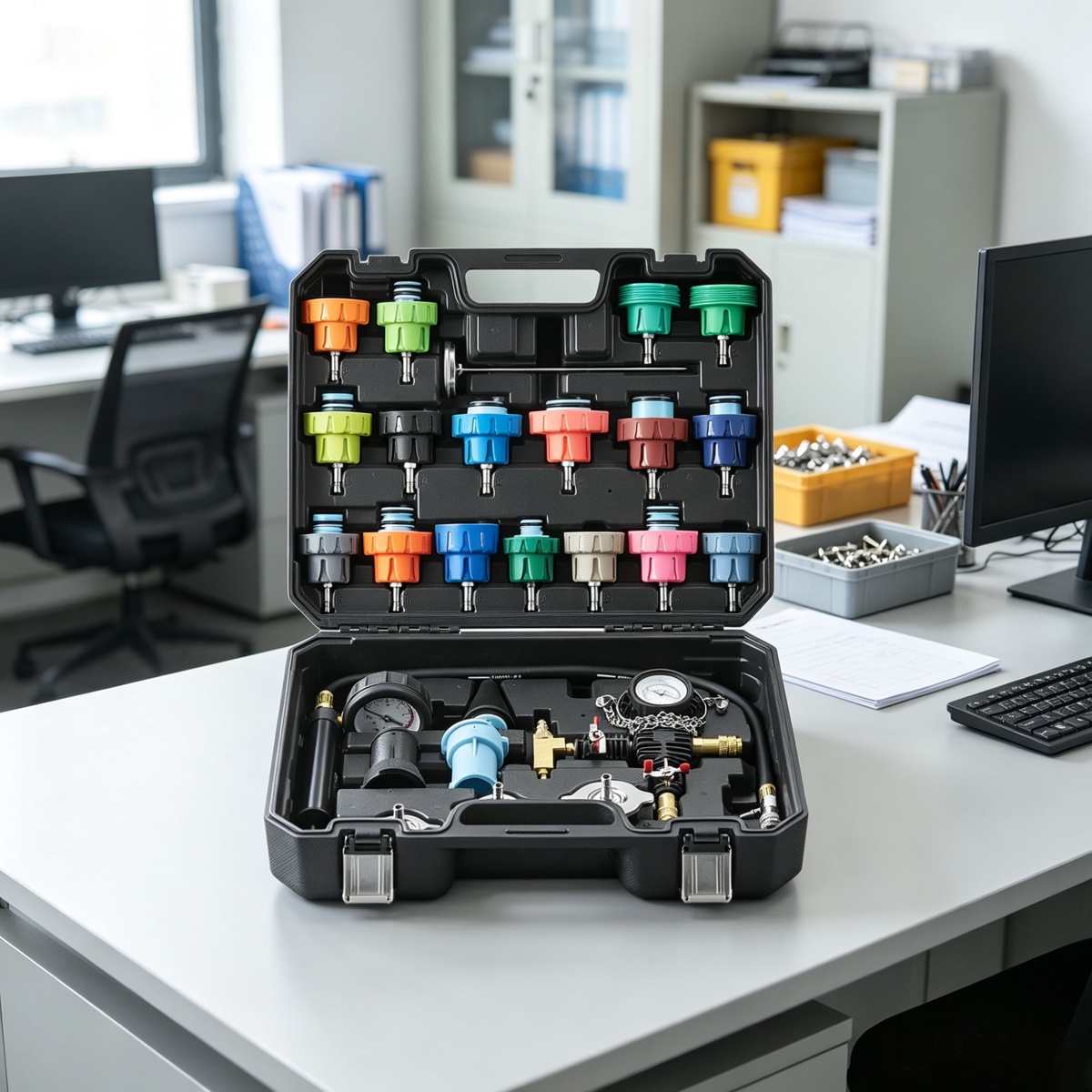
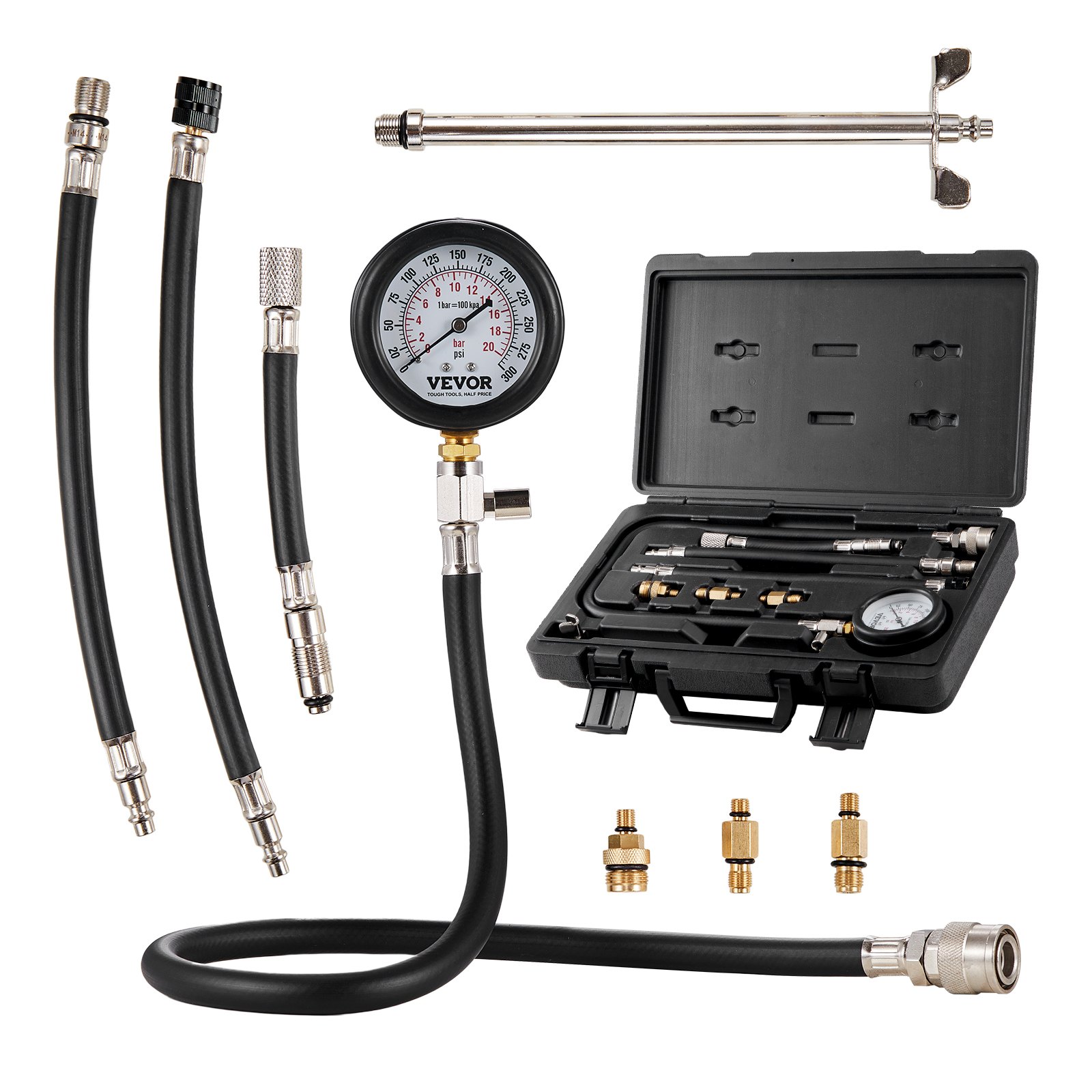
Radiator Tester Kit

A radiator tester kit is a pressurized leak-detection set that clamps onto a radiator or cooling-system port to reveal cracks, failed seams, and head-gasket leaks without running the engine. The core trade-off is between a universal cone-adapter kit with a hand pump and a vehicle-specific cap-adapter kit that matches your expansion-tank thread; the decision rule is to buy the kit whose adapter set explicitly lists your cap thread and whose gauge covers at least 30 psi.

Buying guide image
Industrial Gauges & Meters

Laser Cooking Thermometer

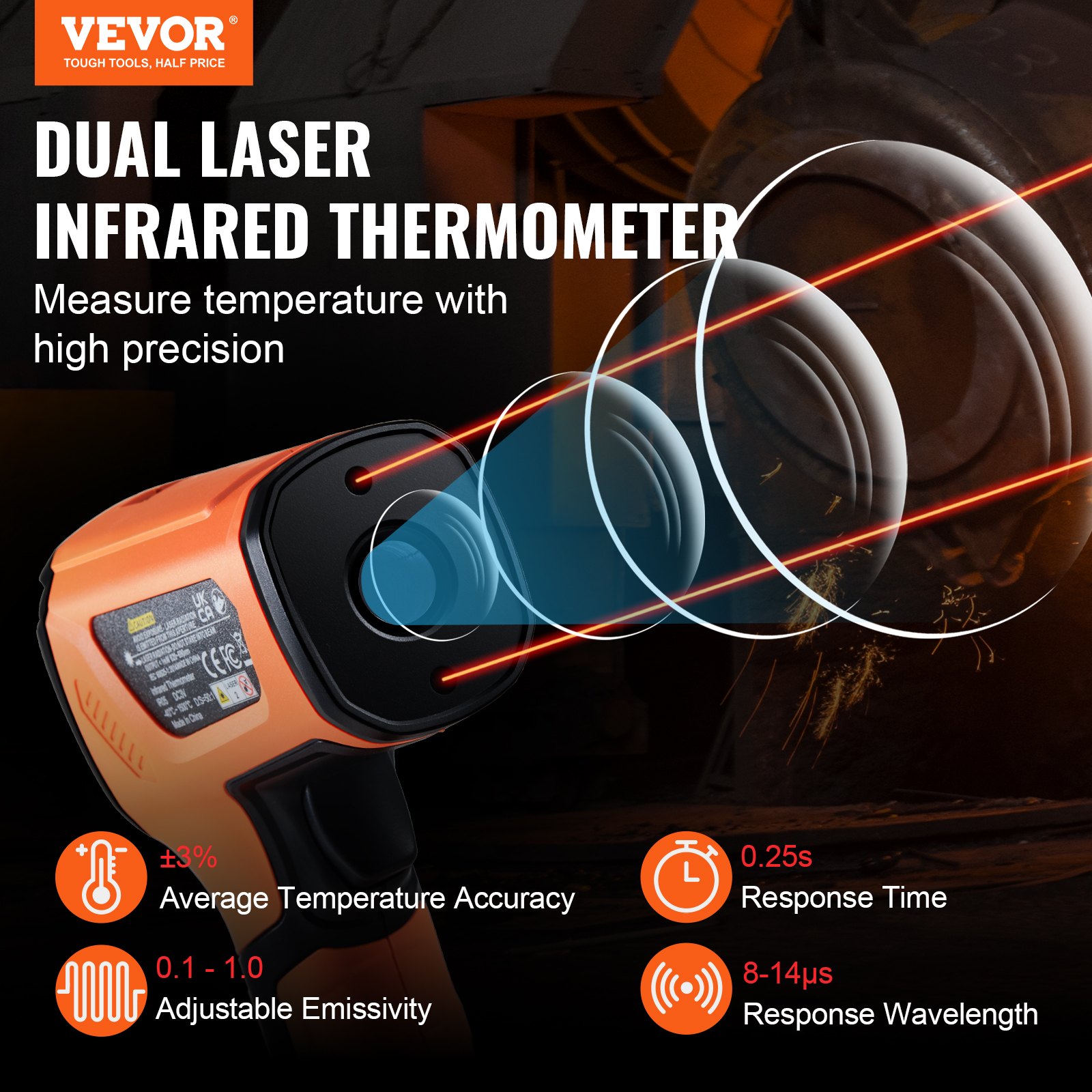
A laser cooking thermometer is an infrared thermometer with a laser aiming dot that reads surface temperature without contact—the laser only targets, it does not measure. The core trade-off is emissivity accuracy and spot-size math versus rugged build and probe versatility: fixed-emissivity, wide-ratio spot guns read shiny metal poorly, while adjustable-emissivity and thermocouple-input models handle both pan surfaces and internal food temps. The decision rule is simple: buy adjustable emissivity plus a K-type probe input if you cook on cast iron, stainless, or grill metal; a fixed-emissivity, 12:1 or better spot gun is fine for non-shiny surfaces only.

Buying guide image
Multimeters & Electrical Testers

Klein Electrical Tester

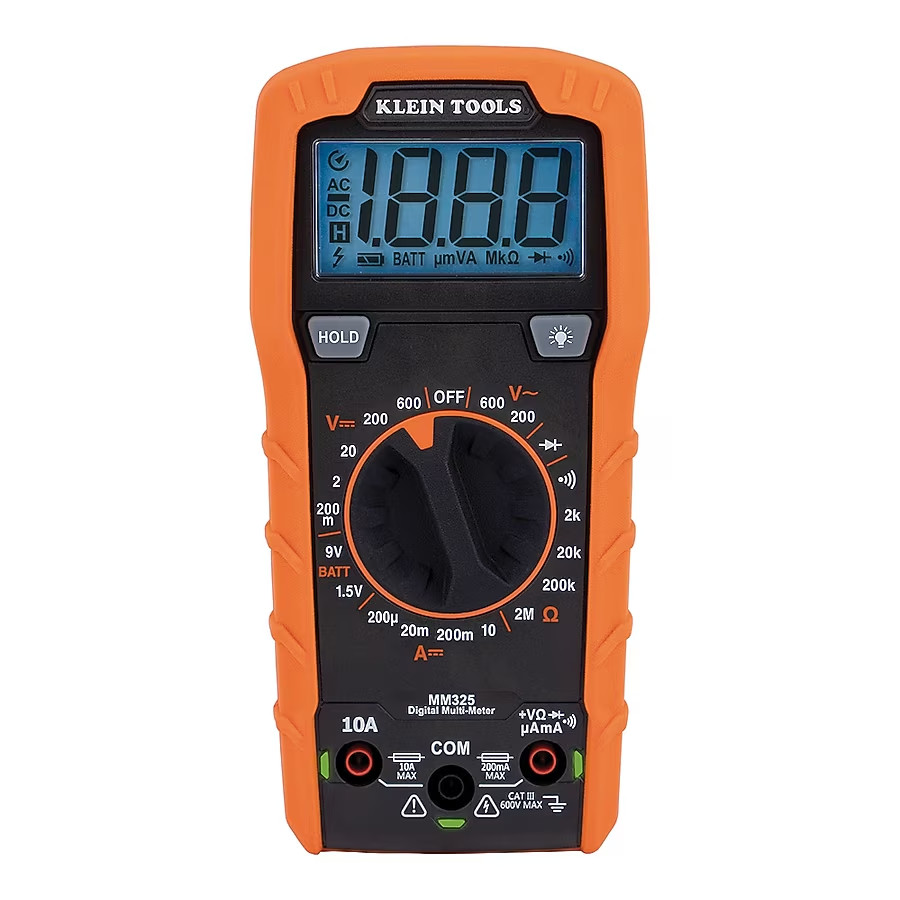
Klein Electrical Testers are professional-grade voltage and continuity instruments split into two architectures: manual-ranging digital multimeters and non-contact voltage testers. The core trade-off is measurement resolution and safety rating versus speed and convenience—durable options carry CAT III/IV ratings and True RMS, while compromises skip category ratings or use un-fused inputs. The decision rule: buy a CAT III 600V-or-higher tester for any panel or feeder work, and reserve CAT II or non-contact pens for branch-circuit and receptacle checks.

Buying guide image
RF, Network, Cable & Telecom Test

Ham Radio Swr Meter

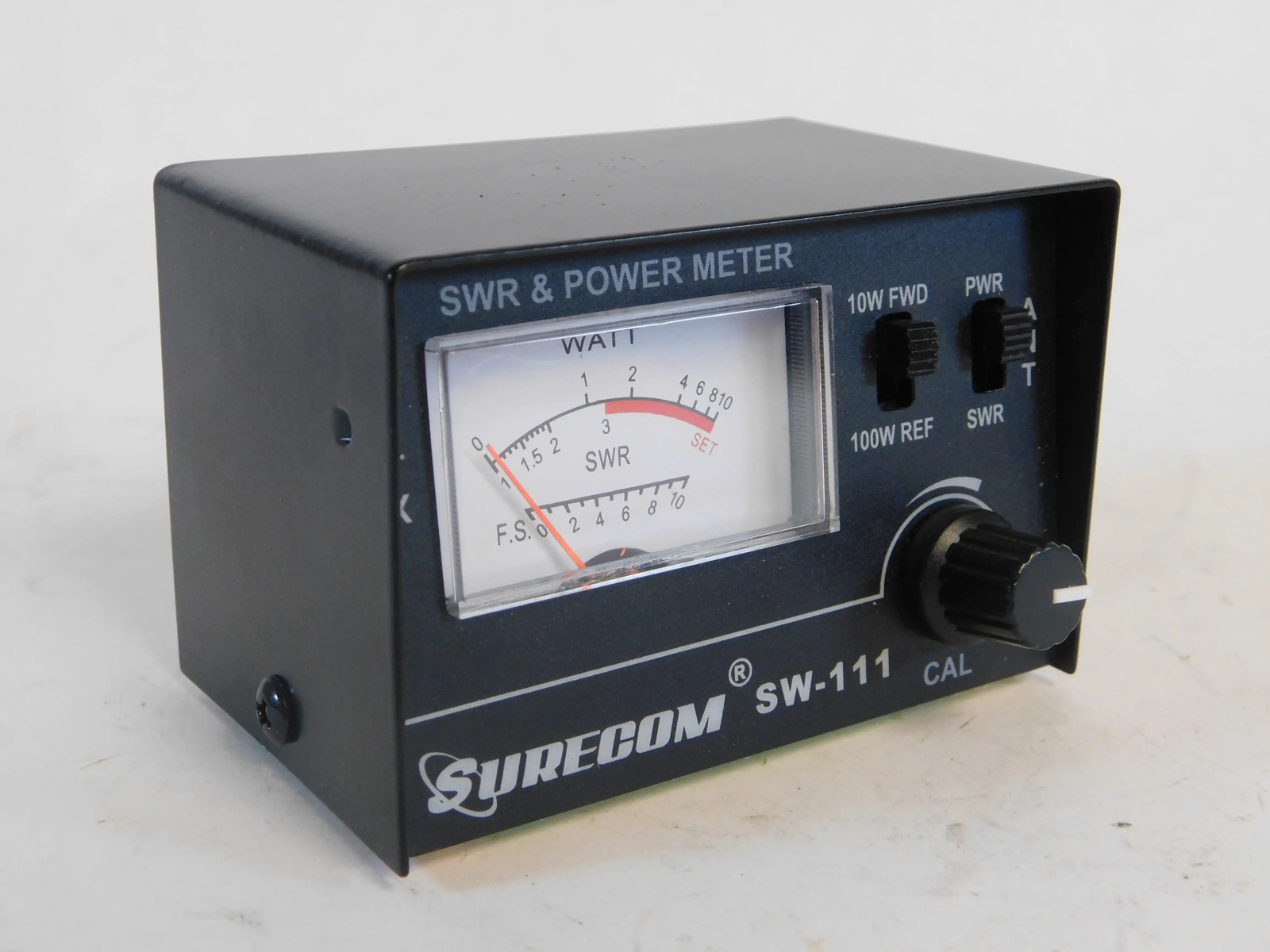
An SWR meter measures the standing wave ratio between a transmitter and antenna, revealing mismatch that wastes power and stresses the radio's final amplifier. The key trade-off is analog cross-needle simplicity versus digital precision and band coverage — cheap meters often have poor calibration and limited frequency range. Choose a meter rated for your exact bands and power level from a brand with published accuracy specs; skip unbranded units with no calibration data.

Buying guide image
Dimensional Metrology & Machine Inspection

Telescoping Gauge Set

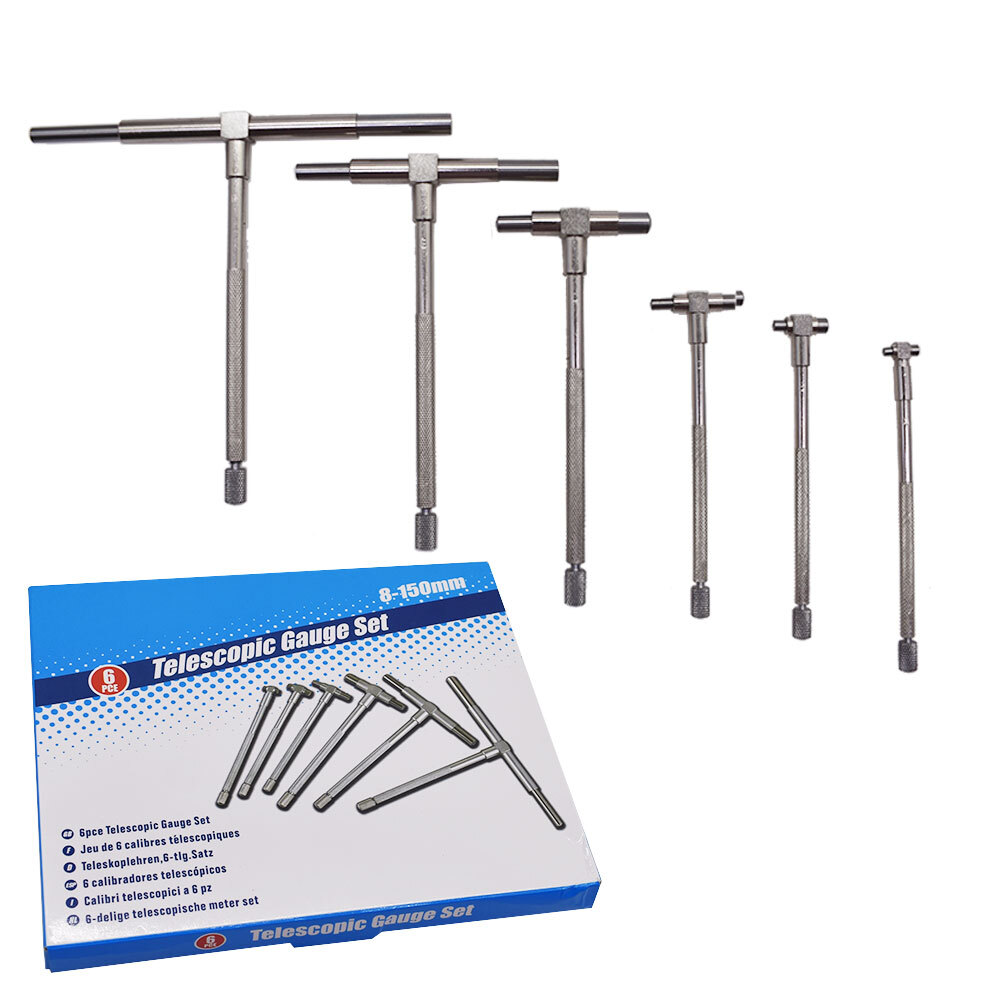
A telescoping gauge set is a precision hand tool for transferring internal bore diameters to an outside micrometer, using spring-loaded plungers that expand and lock against hole walls. The primary trade-off is plunger contact geometry and lock rigidity versus cost: hardened, correctly radiused plungers with a firm knurl lock hold tenths; soft, flat or loosely locking plungers introduce measurement error. The decision rule is simple: buy a set with hardened steel contact points, a crisp cam or screw lock, and a full range in 1/8-inch or 0.5-mm increments—skip any set that flexes or loses lock under light finger pressure.

Buying guide image
Multimeters & Electrical Testers

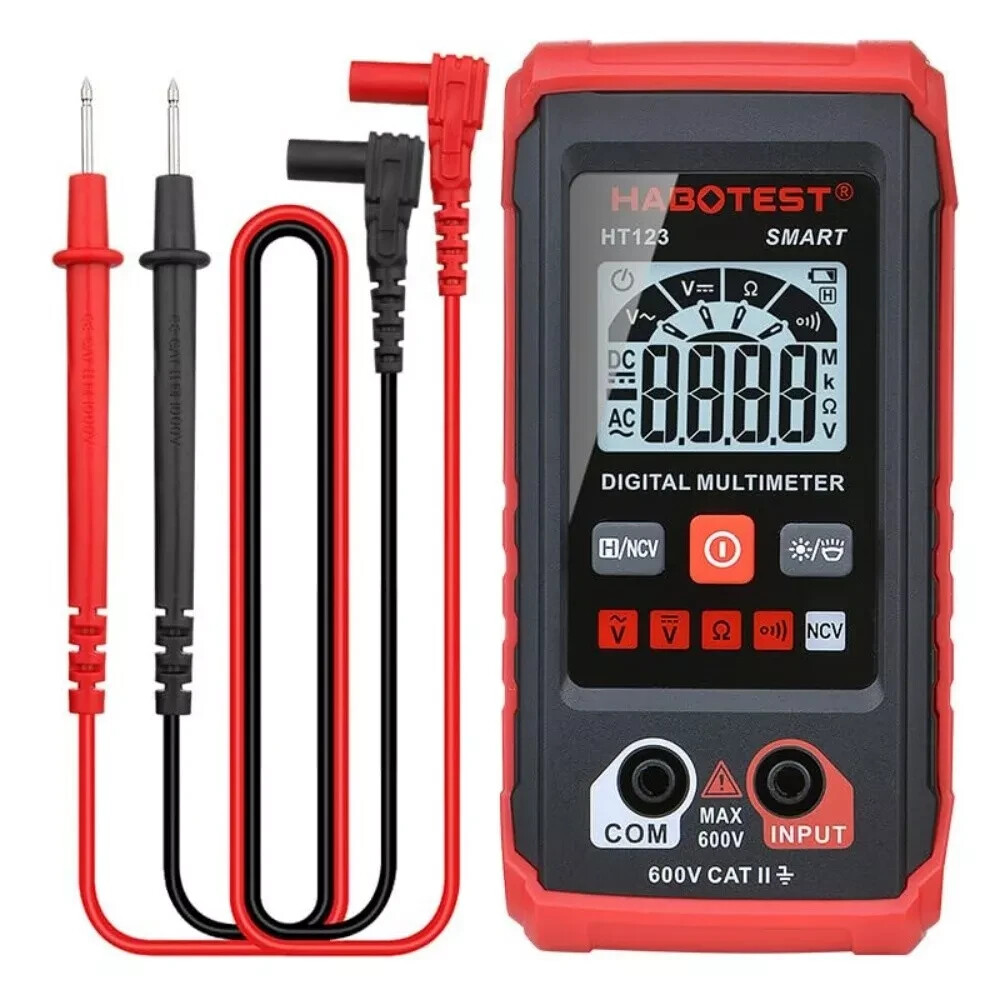
Smart Digital Multimeter

Smart digital multimeters combine auto-ranging measurement with Bluetooth/app logging, voice alerts, or auto-hold, trading ultimate bench accuracy for convenience and safety features. The key decision is measurement category (CAT II vs CAT III/IV) and true-RMS capability, which separate safe, reliable tools from hobby-grade compromises. Choose a CAT III true-RMS model for any panel or fixed-wiring work; pick a CAT II auto-ranging unit only for low-voltage electronics and bench diagnostics.

Buying guide image
Centrifuges, Mixers & Shakers

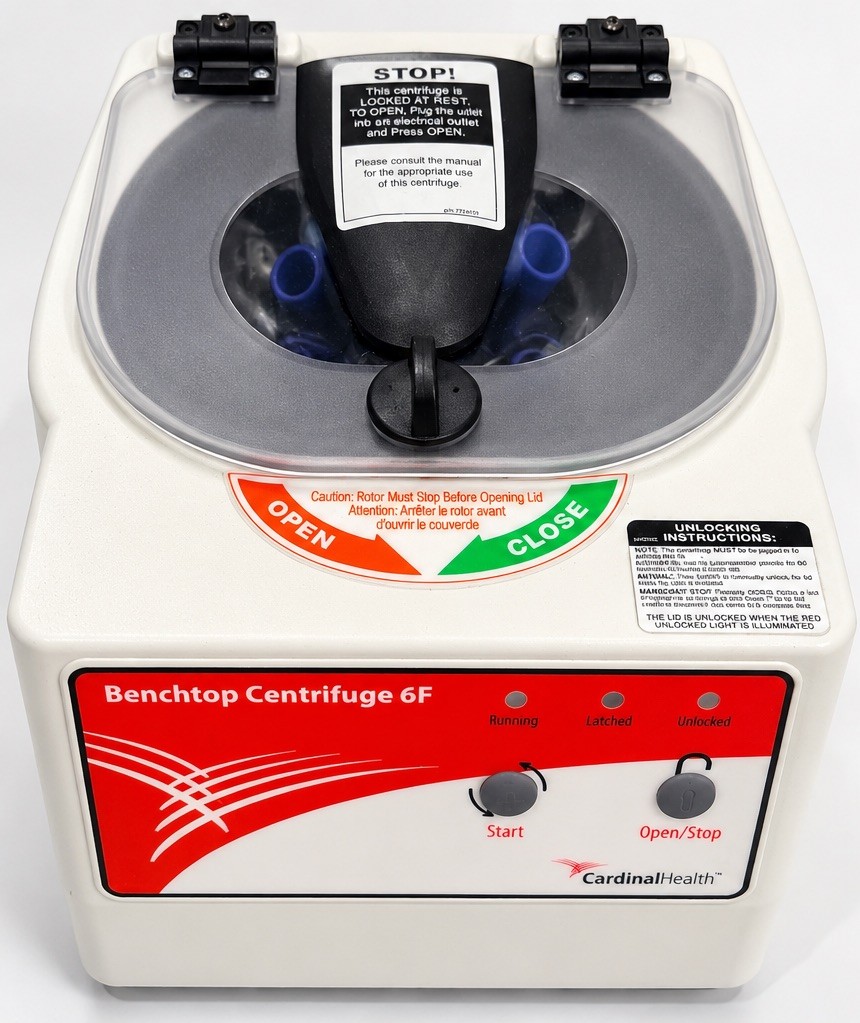
Centrifuge Rotor

A centrifuge rotor is the interchangeable spinning assembly that holds sample tubes and converts motor speed (RPM) into the actual separating force (RCF) your protocol requires. The core trade-off is rotor material and tube-format compatibility: fixed-angle aluminum or polypropylene rotors hold calibration and resist imbalance, while thin generic swing-bucket or press-fit rotors flex and wear out. The decision rule is simple: buy the rotor that exactly matches your tube diameter and RCF target from a seller that publishes the rotor's material, max RCF, and tube capacity—skip anything that lists only RPM.

Buying guide image
Microscopes & Lab Imaging

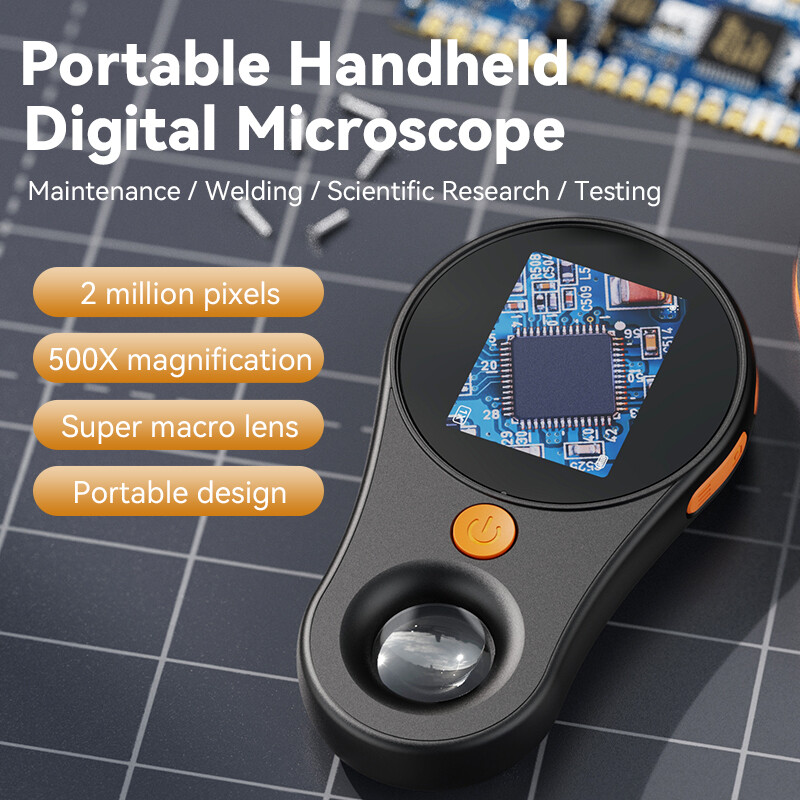
Portable Microscope

A portable microscope is a compact optical or digital imaging tool built for field use, classroom demos, or bench-side inspection where a full-size lab scope is impractical. The core trade-off is between optical clarity (glass lenses, mechanical stage) and digital convenience (USB/Wi-Fi sensor, screen, capture). Choose optical for fine detail and true color; choose digital for shared viewing, recording, and coin/PCB inspection—skip hybrids that promise both without a quality lens or sensor.

You may also like

Finding more guides for you…