Bench & Gauge

Bench & Gauge

Test, Measurement & Inspection Reviews & Buying Guides

Compare test, measurement & inspection by use case, features, trade-offs, price, returns, and seller terms before you buy.

Buying guides

Buying guide image
Thermal Cameras, Borescopes & Visual Inspection

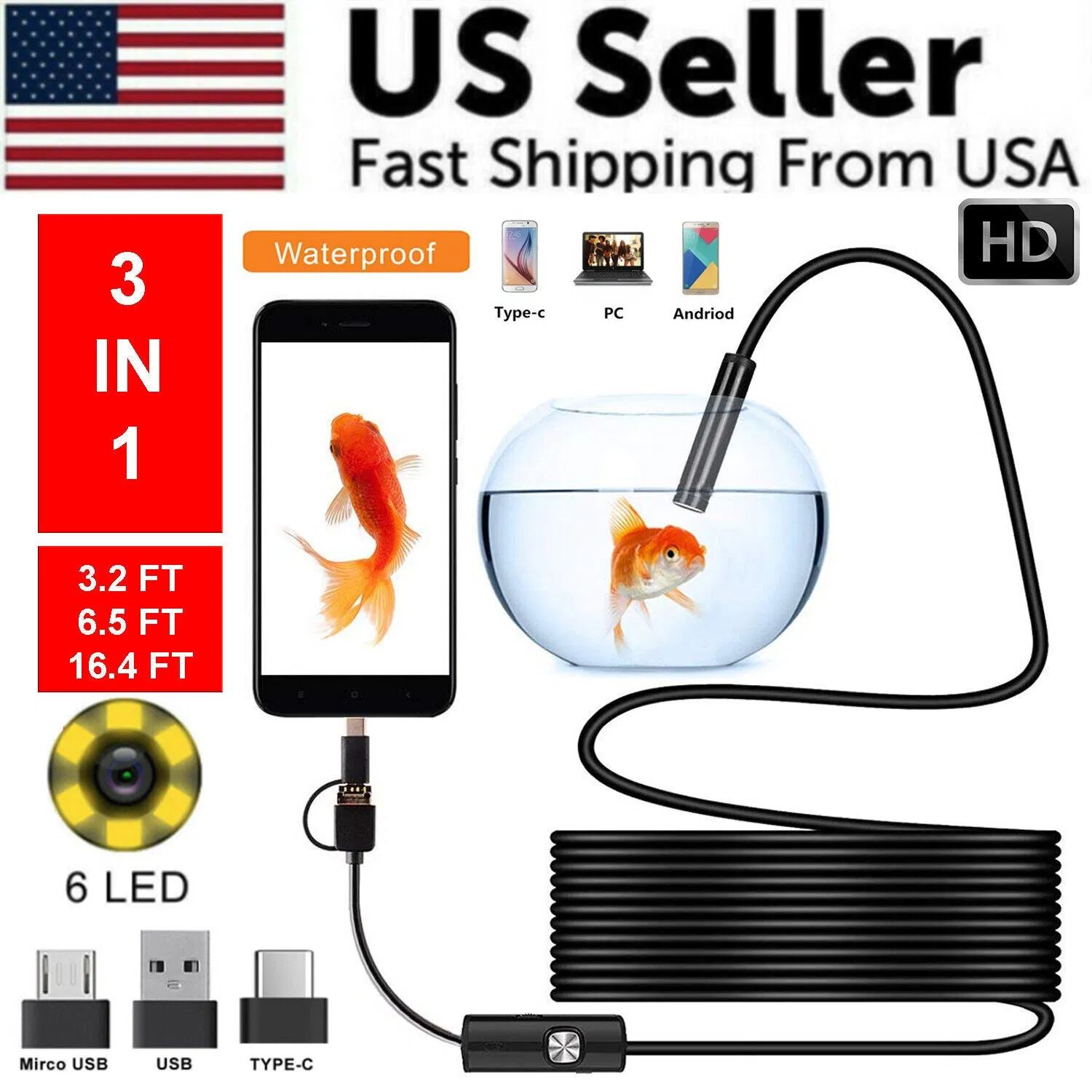
USB Inspection Camera

USB inspection cameras are cabled or wireless cameras that plug into a phone, tablet, or laptop to inspect drains, engine cylinders, wall cavities, and other hidden spaces. The core trade-off is lens/light quality and cable durability versus connector compatibility (USB-C, Lightning, USB-A) and waterproofing depth. Buy a camera with a 5.5–8mm lens, IP67+ rating, and metal-bodied connector for real work; skip thin 5mm unsealed units with plastic plugs for anything beyond occasional hobby use.
Buying guide image
Environmental & Indoor Air Measurement

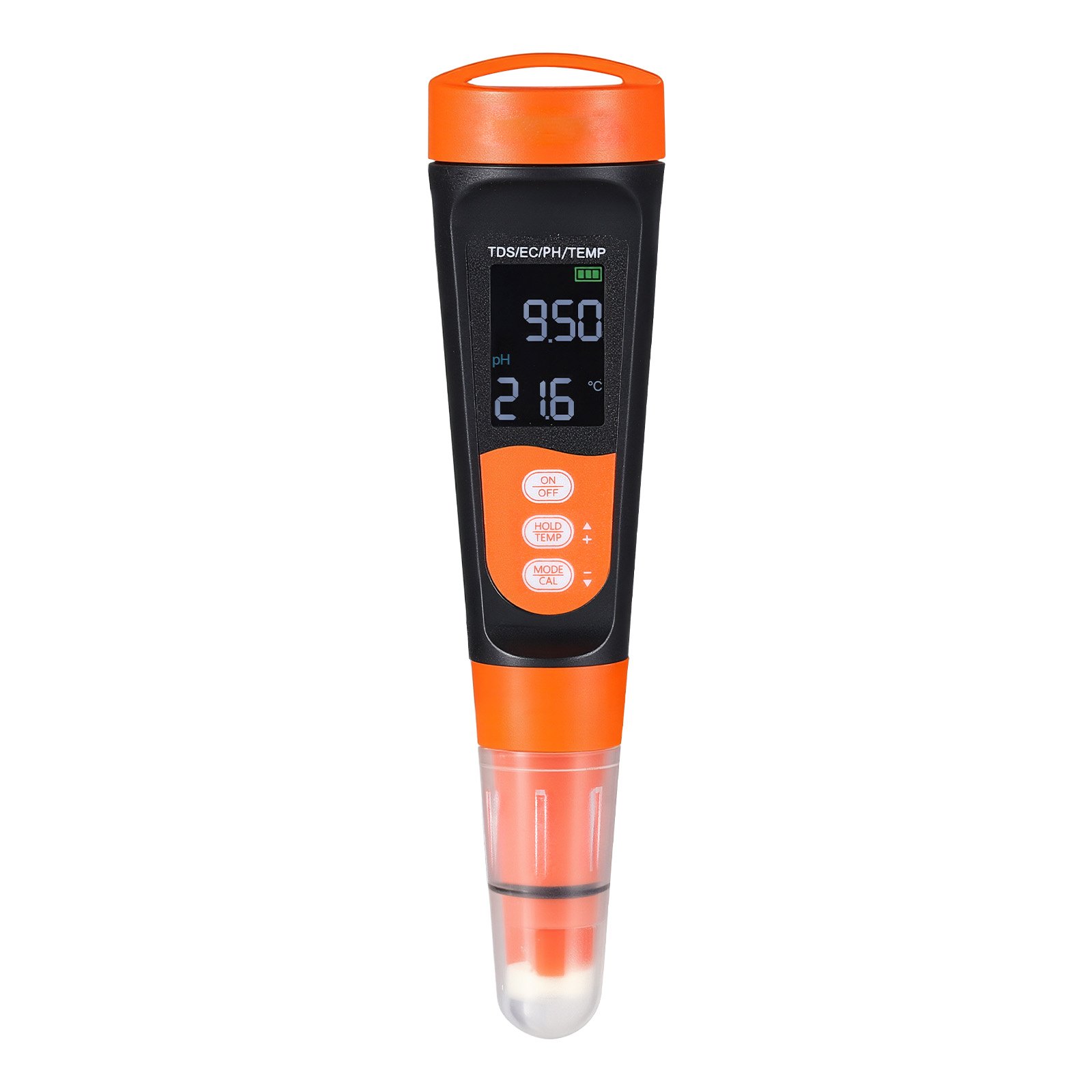
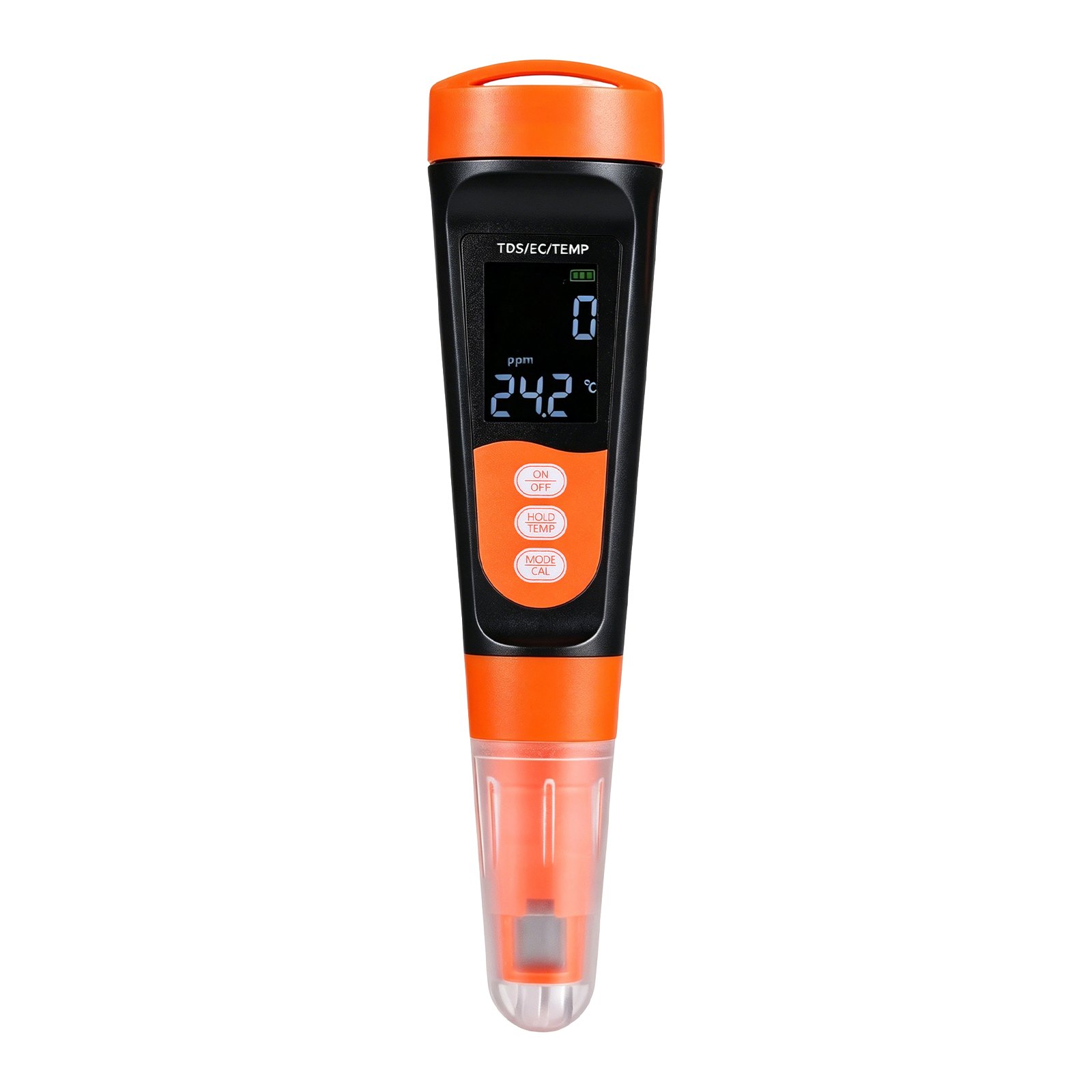
Tds Meter

A TDS meter is a handheld conductivity probe that estimates total dissolved solids in water, with accuracy and durability determined by electrode material, temperature compensation, and calibration design. The core trade-off is between basic two-electrode units with ±2% full-scale accuracy and lab-grade four-electrode or glass-body probes with replaceable sensors. Buy a meter with automatic temperature compensation (ATC) and a stated accuracy of ±2% or better; skip any unit without ATC or a replaceable electrode.

Buying guide image
Multimeters & Electrical Testers

Auto Electrical Tester

An auto electrical tester is a handheld diagnostic tool for checking voltage, continuity, polarity, and circuit integrity on 12V/24V vehicle systems; the core trade-off is between a simple non-contact voltage pen and a full digital multimeter with load-testing capability. Durable options use fused inputs, CAT III safety ratings, and true-RMS sensing, while compromises omit fusing and rely on non-contact-only detection that cannot measure actual voltage or current.

Buying guide image
Thermal Cameras, Borescopes & Visual Inspection

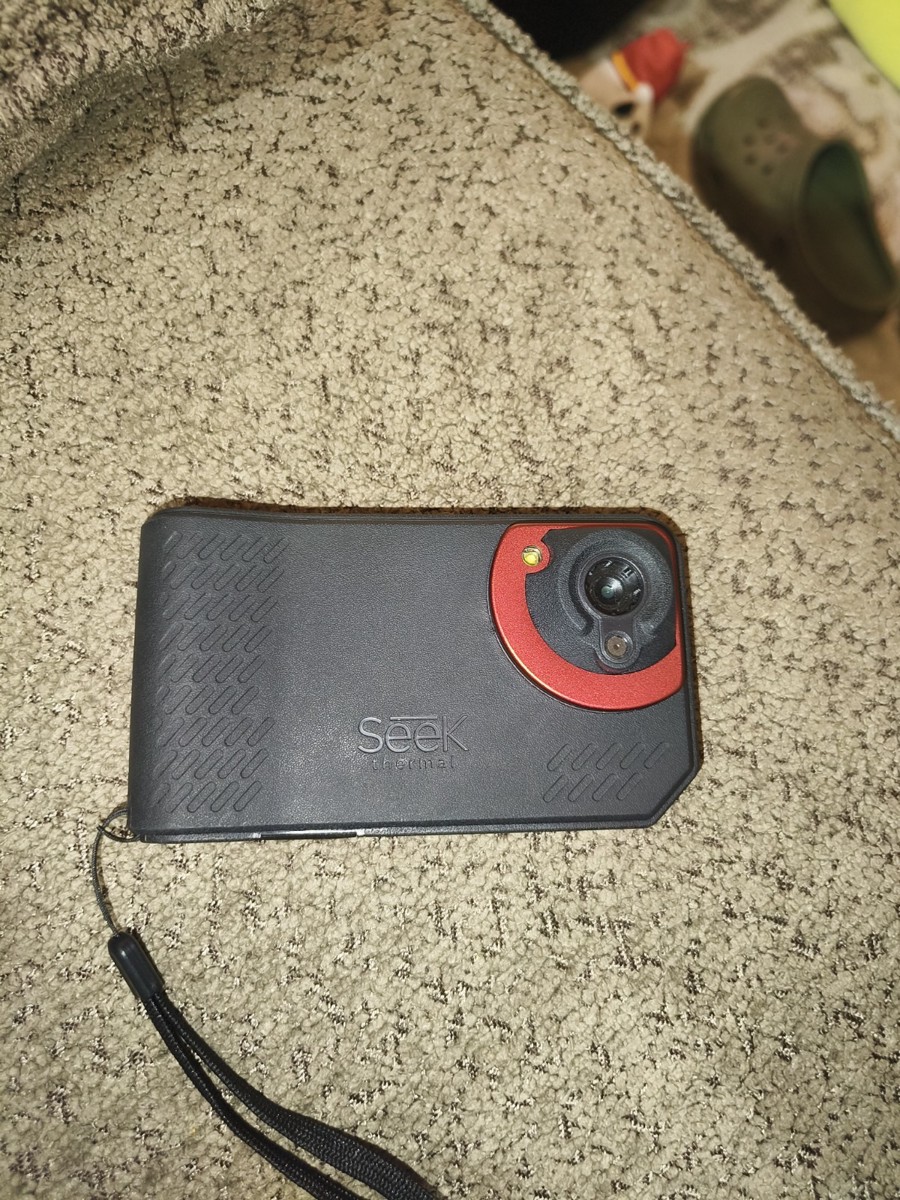
Seek Thermal Compact

The Seek Thermal Compact is a smartphone-attached thermal camera module that turns an iOS or Android device into a basic thermal imager for diagnostics, inspection, and outdoor use. The primary trade-off is resolution and thermal sensitivity versus price: the standard Compact uses a 206x156 microbolometer with 20° field of view, while the CompactXR extends range with a narrower 8° lens and the CompactPro adds a higher-resolution 320x240 sensor and wider 32° lens. The decision rule is simple: buy the standard Compact for close-range general inspection, the XR for distant targets, and the Pro only when you need finer detail and wider coverage; skip any model if you need radiometric temperature measurement or onboard recording.

Buying guide image
Environmental & Indoor Air Measurement

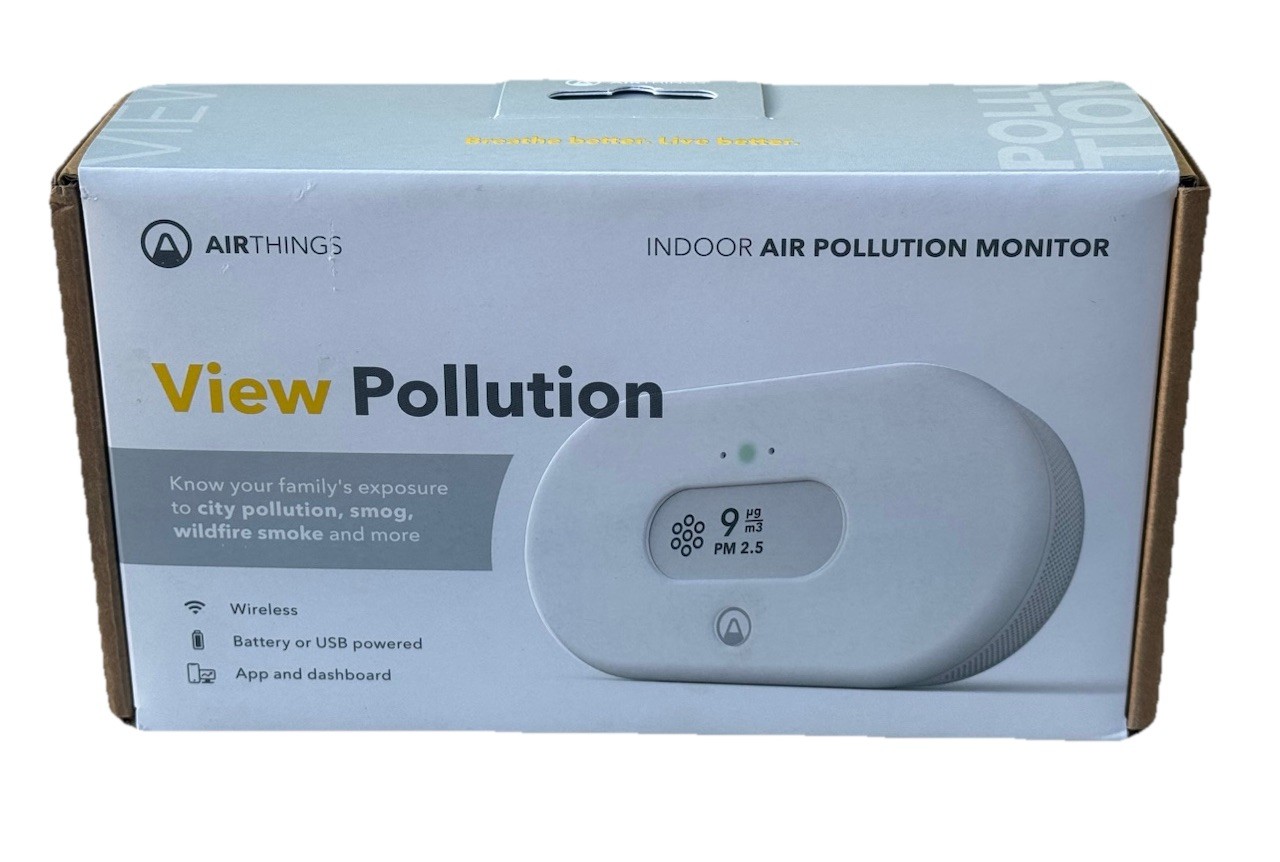
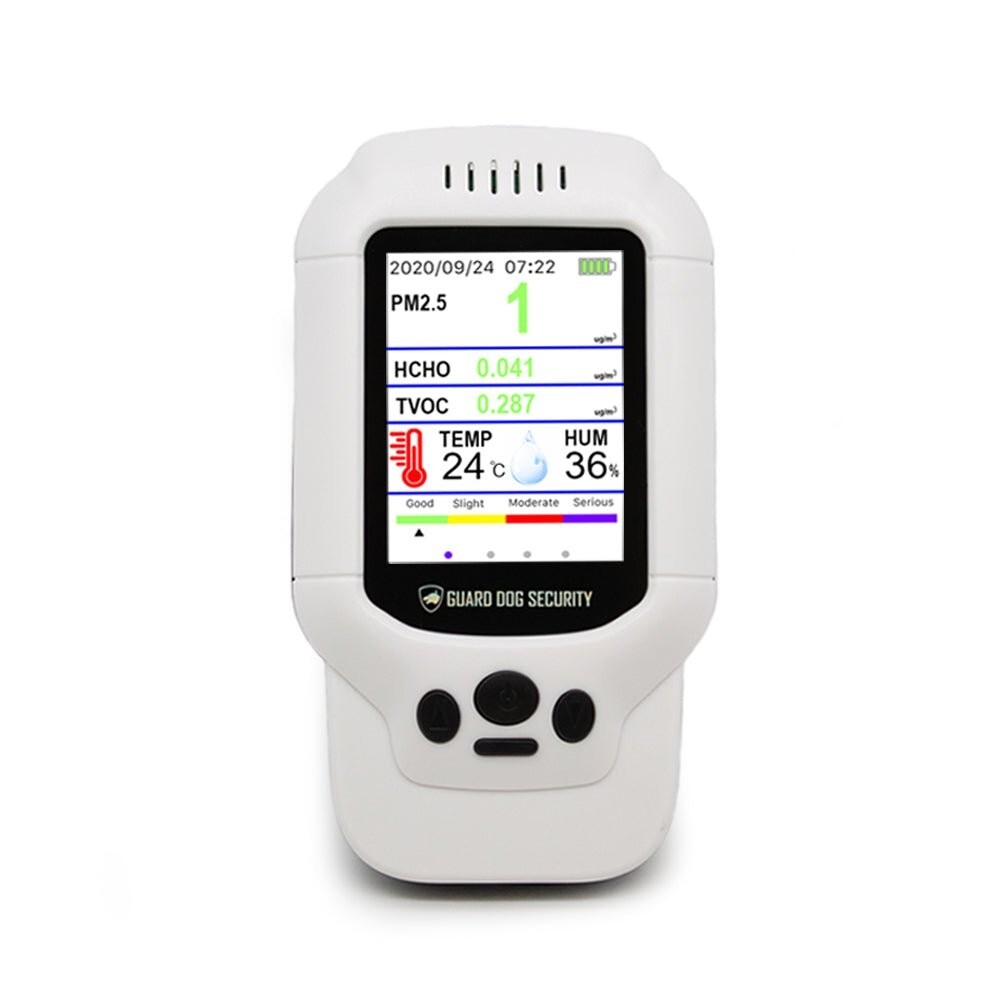
Air Pollution Measurement

Air pollution measurement covers handheld and indoor monitors that quantify particulate matter (PM1/PM2.5/PM10), volatile organic compounds (VOCs), and combustion gases using optical particle counters and electrochemical or metal-oxide sensors. The core trade-off is sensor architecture: low-cost optical particle counters drift without calibration and respond poorly to humidity, while laser-scattering PM sensors with temperature/humidity compensation and electrochemical gas cells deliver defensible readings across seasons. The decision rule is simple: buy a unit with published PM2.5 accuracy against a reference and at least one electrochemical gas channel; skip anything that reports only a single uncalibrated 'air quality index' with no raw PM or VOC number.

Buying guide image
Environmental & Indoor Air Measurement

Outdoor Air Quality Sensor

An outdoor air quality sensor measures particulate matter (PM2.5/PM10) and often gases like ozone or nitrogen dioxide to tell you what you're actually breathing outside. The core trade-off is between optical particle counters with true laser scattering versus low-cost VOC-index sensors that cannot distinguish pollutant types or sizes. Choose a laser-scattering PM sensor with published accuracy (e.g., ±10% or ±5 µg/m³) and weather-rated housing; skip anything that only reports a generic "air quality index" without PM2.5 and PM10 raw values.

Buying guide image
Spectroscopy, Analysis & Detection Instruments

Water Tester

Water testers split into two engineering classes: pocket pen-style meters with sealed electrodes and benchtop units with replaceable probes and lab-grade calibration. The core trade-off is electrode durability and calibration stability—cheap pens drift after weeks, while units with replaceable electrodes and ATC hold accuracy for years. Buy a pen only for spot checks; buy a benchtop or replaceable-probe pen for repeated measurement and record-keeping.

Buying guide image
Data Acquisition & Recorders

Dickson Data Logger

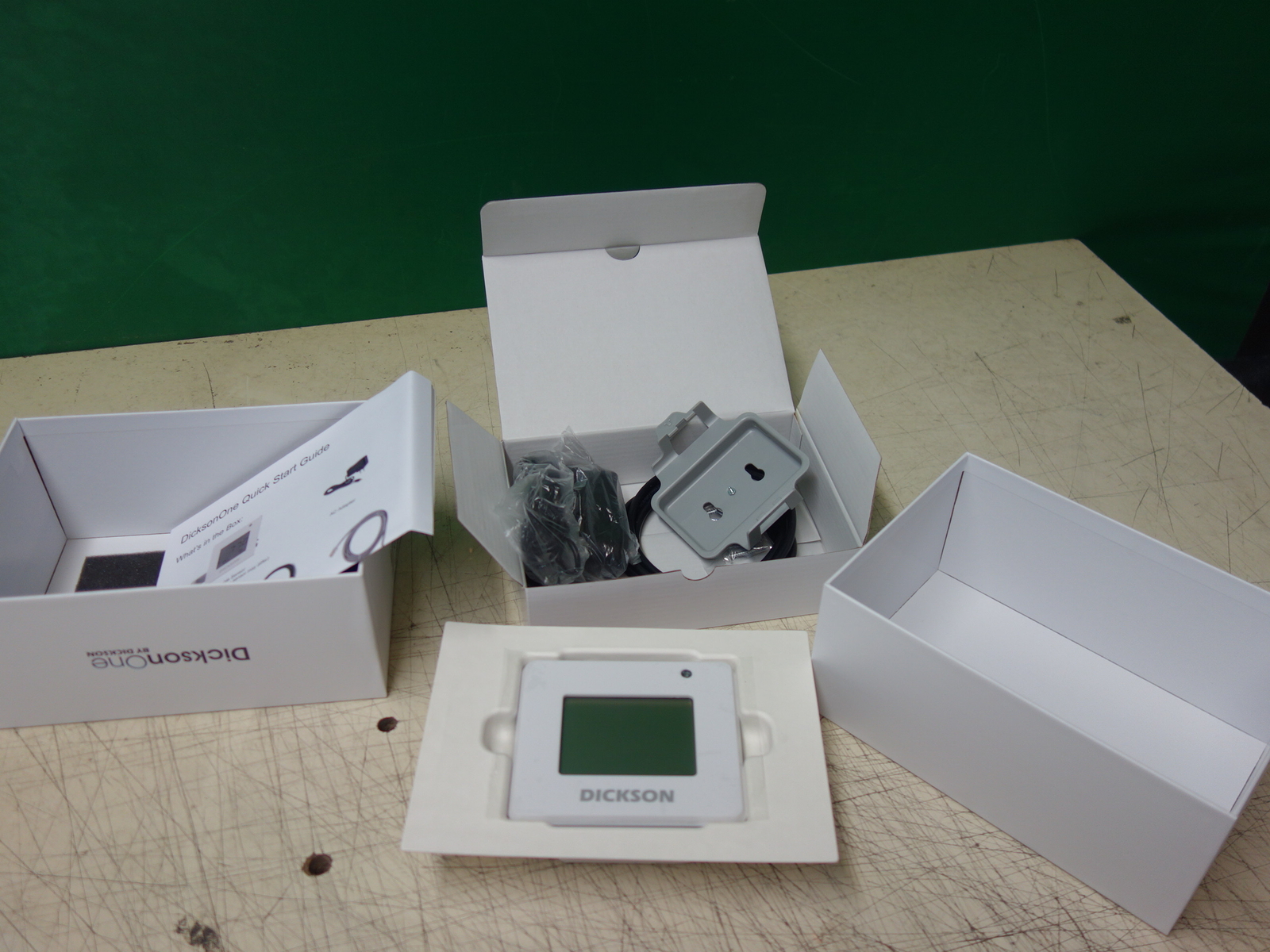
Dickson data loggers are dedicated temperature, humidity, and pressure recording instruments used for cold-chain, laboratory, and facility monitoring. The core trade-off is between standalone USB-stick loggers (manual download) and networked or cloud-connected models (real-time alarms and audit trails). Choose a networked logger when compliance or alarm response matters; choose a USB logger only for simple, periodic record-keeping.

Buying guide image
Spectroscopy, Analysis & Detection Instruments

Aquarium Ph Meter

An aquarium pH meter is a digital pen or benchtop instrument that measures hydrogen-ion concentration in fresh or salt water to keep fish, plants, and invertebrates within safe ranges. The core trade-off is between inexpensive glass-bulb pocket pens with ±0.1 pH accuracy and user-replaceable electrodes versus sealed, non-replaceable units that drift and fail once the junction clogs. Buy a meter with a replaceable probe, two-point or three-point calibration, and a stated accuracy of ±0.01 to ±0.1 pH; skip any sealed pen that offers only one-point calibration and no electrode replacement path.

Buying guide image
Test Leads, Probes, Fixtures & Accessories

10x Scope Probe

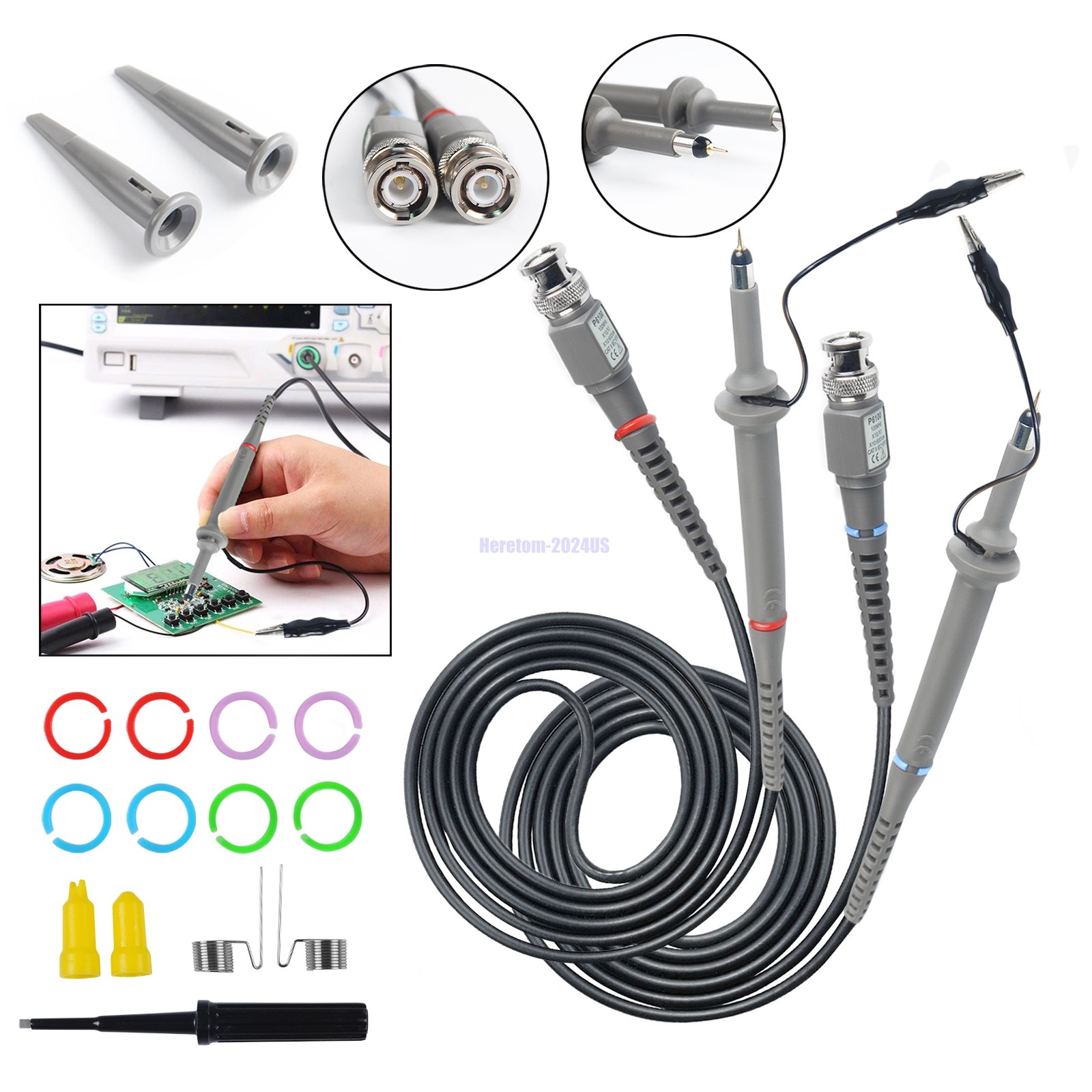
A 10x scope probe is a passive voltage divider that attenuates the signal by 10:1 before it reaches the oscilloscope, trading sensitivity for higher input impedance and wider bandwidth. The primary trade-off is between switchable 1x/10x convenience and fixed-10x durability and signal fidelity. Buy a fixed-10x probe rated at or above your scope's bandwidth for critical measurements; choose a switchable 1x/10x only for low-frequency, general-purpose troubleshooting.

Buying guide image
Multimeters & Electrical Testers

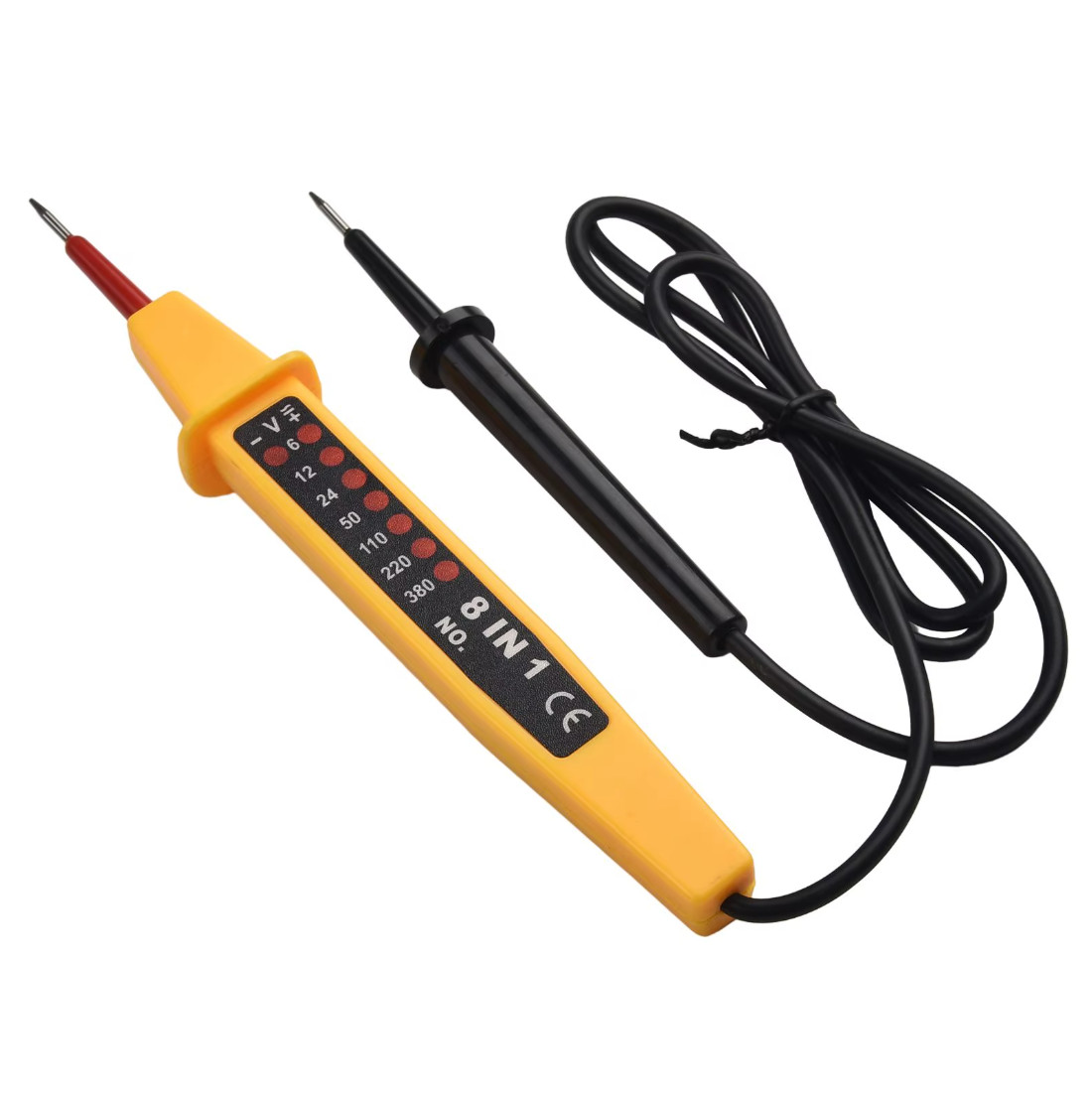
Electrical Probe Tester

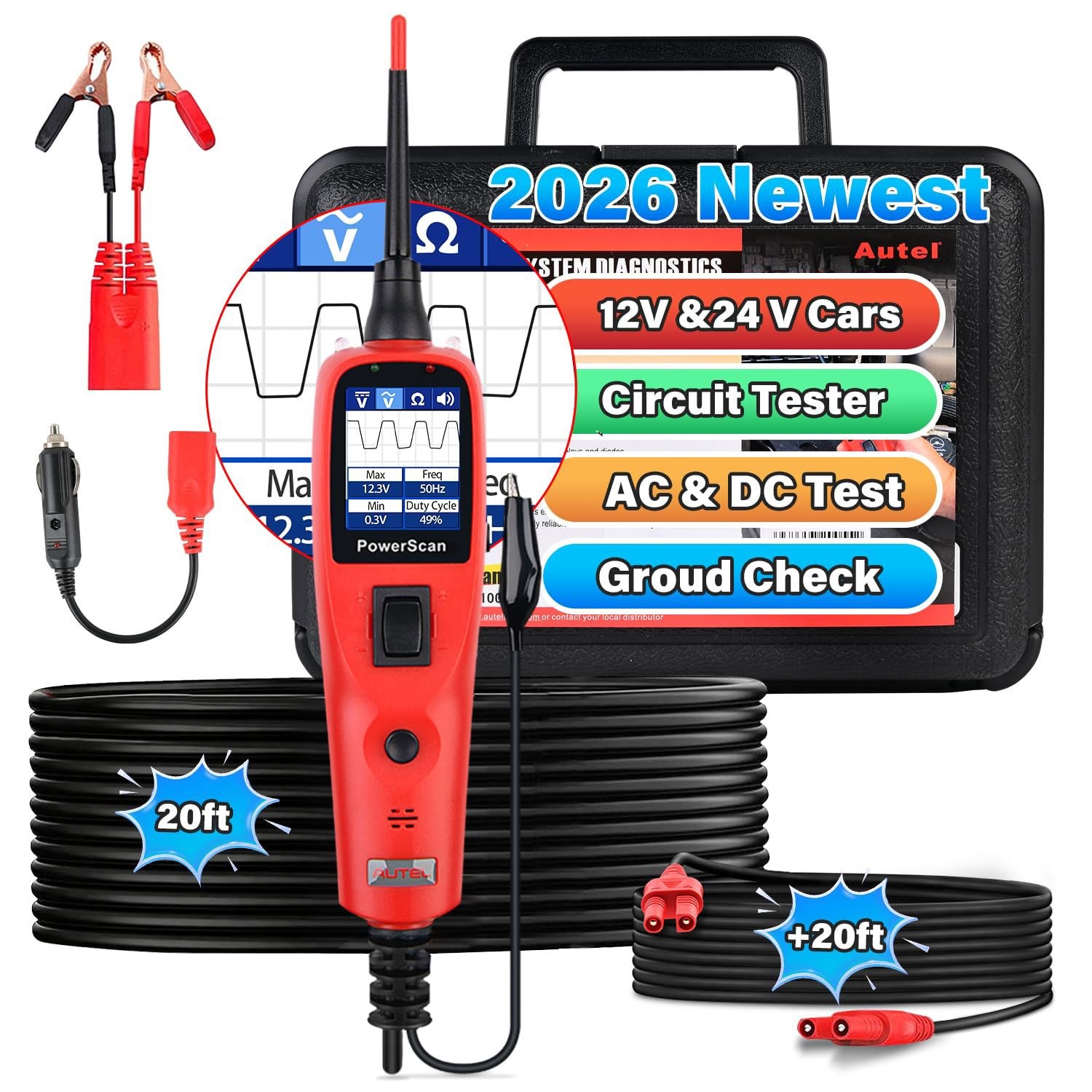
An electrical probe tester (often called a power probe or circuit tester) injects voltage and ground into automotive and low-voltage circuits to trace faults, test components, and verify continuity. The primary trade-off is between basic voltage-only testers and powered probes with built-in circuit protection, display, and long cable reach. Buy a powered probe with reverse-polarity and overload protection for diagnostic work; a simple voltage tester is only acceptable for quick 12V presence checks.

Buying guide image
Thermal Cameras, Borescopes & Visual Inspection

Waterproof Snake Camera

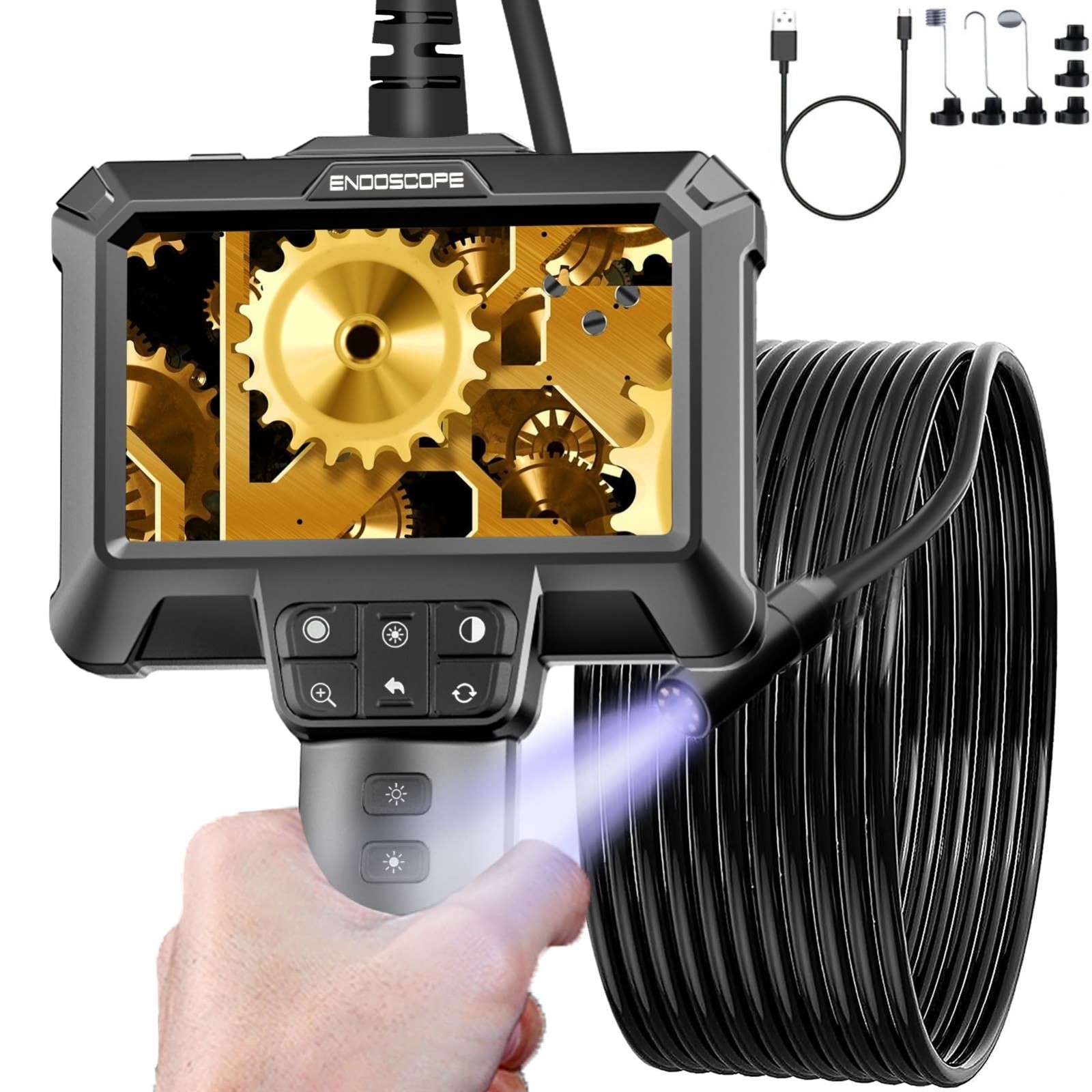
A waterproof snake camera is a flexible or semi-rigid inspection borescope with an IP-rated camera head designed to probe drains, engine cylinders, ductwork, and wall cavities. The core trade-off is cable rigidity versus maneuverability and camera-head diameter versus lens capability: thin 5.5–8 mm heads reach tight bends but cap resolution, while 8–10 mm multi-lens heads deliver detail but demand larger access ports. Choose IP67 or better with a semi-rigid cable for real plumbing and auto work; skip unrated 'water-resistant' plastic units that fail at the first wet trap.

Buying guide image
Environmental & Indoor Air Measurement

Ppm Meter Water

A ppm meter for water measures total dissolved solids (TDS) via electrical conductivity, giving a fast estimate of water purity for drinking, brewing, aquariums, and hydroponics. The core trade-off is between basic 2-electrode pen-style meters with ±2% accuracy and laboratory-grade 4-electrode or benchtop units that resist electrode polarization and drift. Buy a meter with automatic temperature compensation (ATC) and a stated accuracy of ±2% or better; skip any unit that lacks ATC or publishes no accuracy figure.

Buying guide image
Spectroscopy, Analysis & Detection Instruments

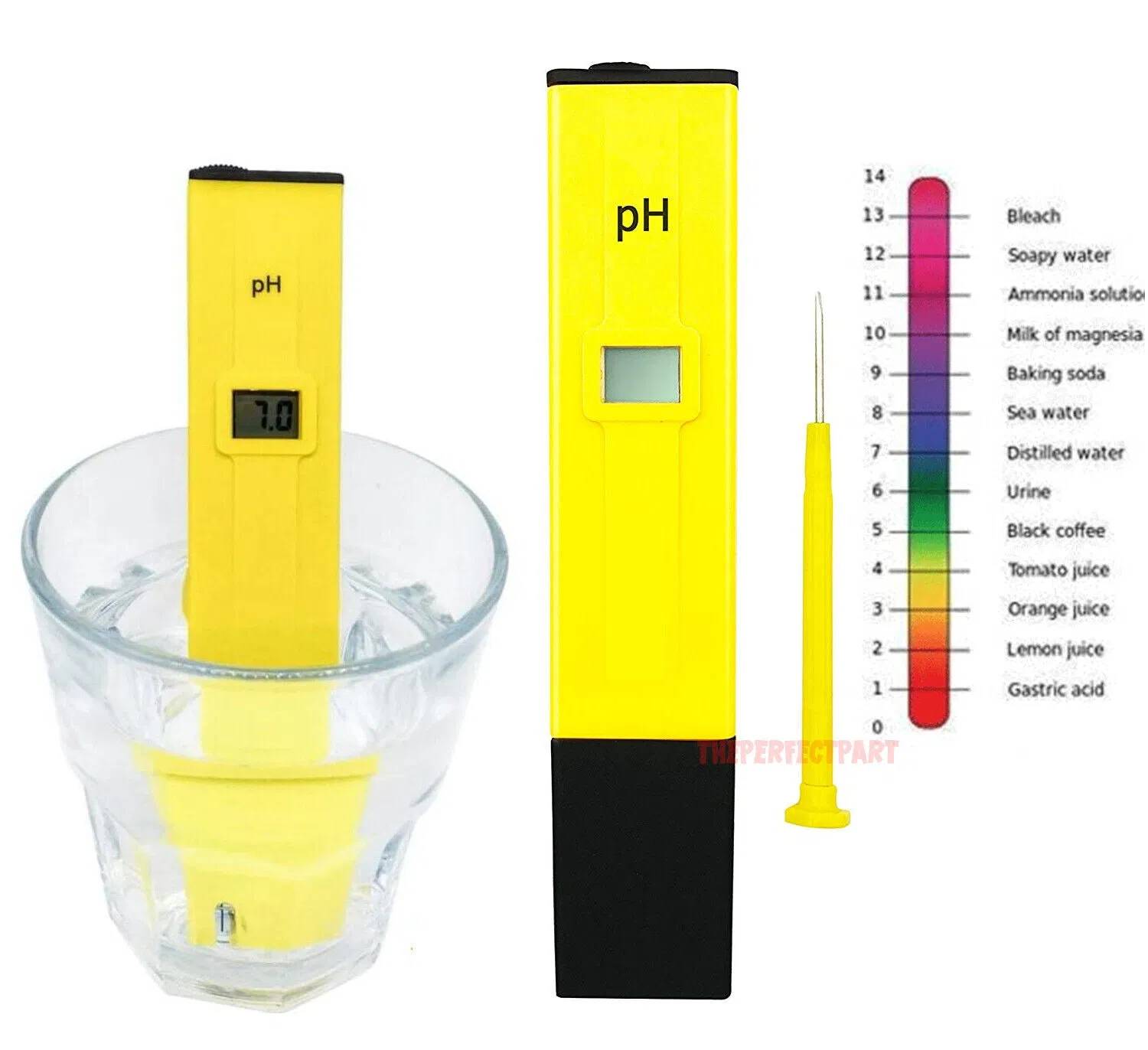
Electric Ph Tester

An electric pH tester is a pocket or benchtop meter that converts hydrogen-ion activity into a digital reading via a glass or ISFET electrode. The core trade-off is electrode quality and calibration stability: budget pens use sealed gel probes that drift and cannot be replaced, while serious meters use refillable or replaceable electrodes and two- or three-point calibration. Buy a replaceable-electrode meter with at least two-point calibration if you need repeatable readings; treat sealed, single-point pens as short-life convenience tools only.

Buying guide image
Spectroscopy, Analysis & Detection Instruments

Hydroponic Ph Tester

A hydroponic pH tester is a pocket meter or pen that measures nutrient solution acidity to keep roots in the 5.5–6.5 absorption window. The critical trade-off is between glass-bulb accuracy with replaceable probes versus sealed low-cost pens that drift and die. Buy a model with a replaceable electrode and two-point calibration if you run continuous hydroponics; skip sealed pens for anything beyond spot checks.

Buying guide image
Spectroscopy, Analysis & Detection Instruments

Ph And Tds Meter

A pH and TDS meter is a dual-purpose water-quality instrument that pairs a glass-bulb pH electrode with a conductivity cell to read acidity/alkalinity and total dissolved solids in one handheld unit. The core trade-off is electrode quality and calibration method versus price: lab-grade replaceable probes with multi-point buffers hold accuracy for years, while sealed economy pens drift and need frequent re-calibration. The clear decision rule: buy a meter with a replaceable probe, at least two-point pH calibration, and separate EC/TDS conversion—skip sealed units that cannot be recalibrated with standard buffer powders.

Buying guide image
Spectroscopy, Analysis & Detection Instruments

Ph Ec Meter

A pH/EC meter is a dual-parameter water-testing instrument combining a glass-bulb pH electrode with a conductivity cell to measure acidity and nutrient concentration in one handheld or benchtop device. The core trade-off is between lab-grade replaceable probes with temperature compensation and sealed pen-style units that drift once the electrode degrades. Choose a meter with user-replaceable probes and ATC for long-term accuracy; treat sealed non-replaceable pens as short-life convenience tools.

Buying guide image
Spectroscopy, Analysis & Detection Instruments

Ph Ec Tester

A pH/EC tester is a handheld or pen-style instrument combining a glass-bulb or ISFET pH electrode with a conductivity cell to measure acidity and nutrient strength in water. The core trade-off is electrode quality and calibration stability: lab-grade replaceable probes hold calibration for weeks, while sealed budget pens drift within days and cannot be repaired. Buy a tester with a replaceable probe, at least two-point pH calibration, and temperature compensation if you need readings you can trust across seasons.

Buying guide image
Spectroscopy, Analysis & Detection Instruments

Ph Pen Tester

A pH pen tester is a handheld digital meter combining a glass-bulb or ISFET electrode with a high-impedance millivolt amplifier to read liquid pH in seconds. The core trade-off is electrode quality versus calibration stability: budget pens use porous glass bulbs and single-point trim, while durable pens offer replaceable probes, ATC, and two-point calibration. The decision rule is simple: buy any pen with ATC and user-replaceable electrodes; skip sealed, non-calibratable pens with no temperature compensation.

Buying guide image
Spectroscopy, Analysis & Detection Instruments

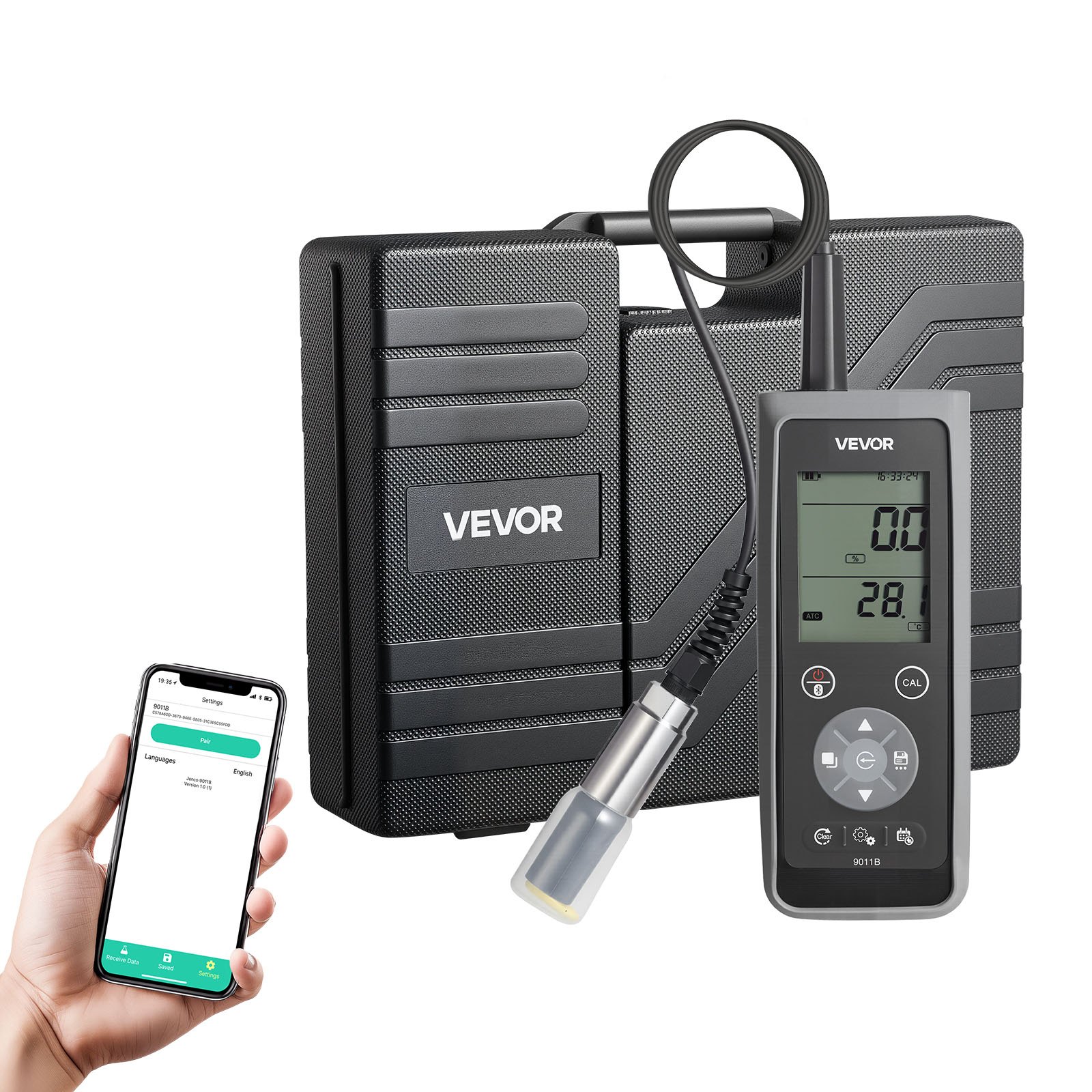
Portable Oxygen Meter

A portable oxygen meter measures dissolved oxygen (DO) in water or oxygen concentration in gas, and the core trade-off is sensor architecture: polarographic/ galvanic electrochemical cells versus optical luminescent probes. Buy electrochemical for lowest cost on spot checks; buy optical for low-maintenance long-term monitoring where fouling and membrane servicing would dominate.

You may also like

Finding more guides for you…