Bench & Gauge

Bench & Gauge

Test, Measurement & Inspection Reviews & Buying Guides

Compare test, measurement & inspection by use case, features, trade-offs, price, returns, and seller terms before you buy.

Buying guides

Buying guide image
Lab Balances & Scales

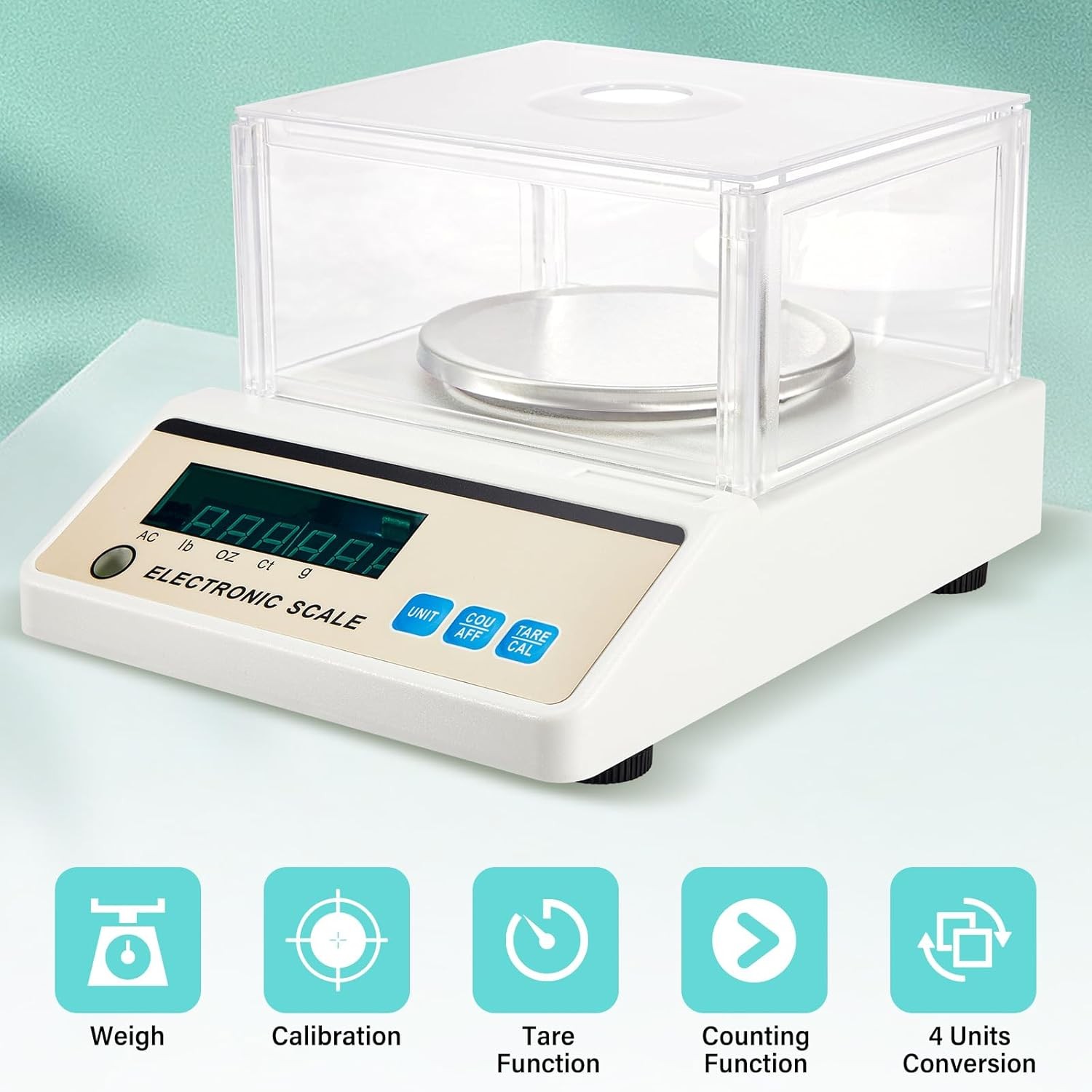
Portable Electronic Scale

Portable electronic scales are compact battery-powered instruments that convert load-cell deflection into a digital mass readout, spanning pocket jewelry scales to bench-top lab units. The core trade-off is resolution versus capacity and stability: higher readability (0.001 g) demands tighter temperature compensation and draft shielding, while higher capacity (5 kg+) sacrifices precision. Decide by your heaviest single sample and the smallest increment you must trust—never buy a scale whose capacity you exceed or whose resolution you don't need.
Buying guide image
Pressure, Flow & Process Measurement

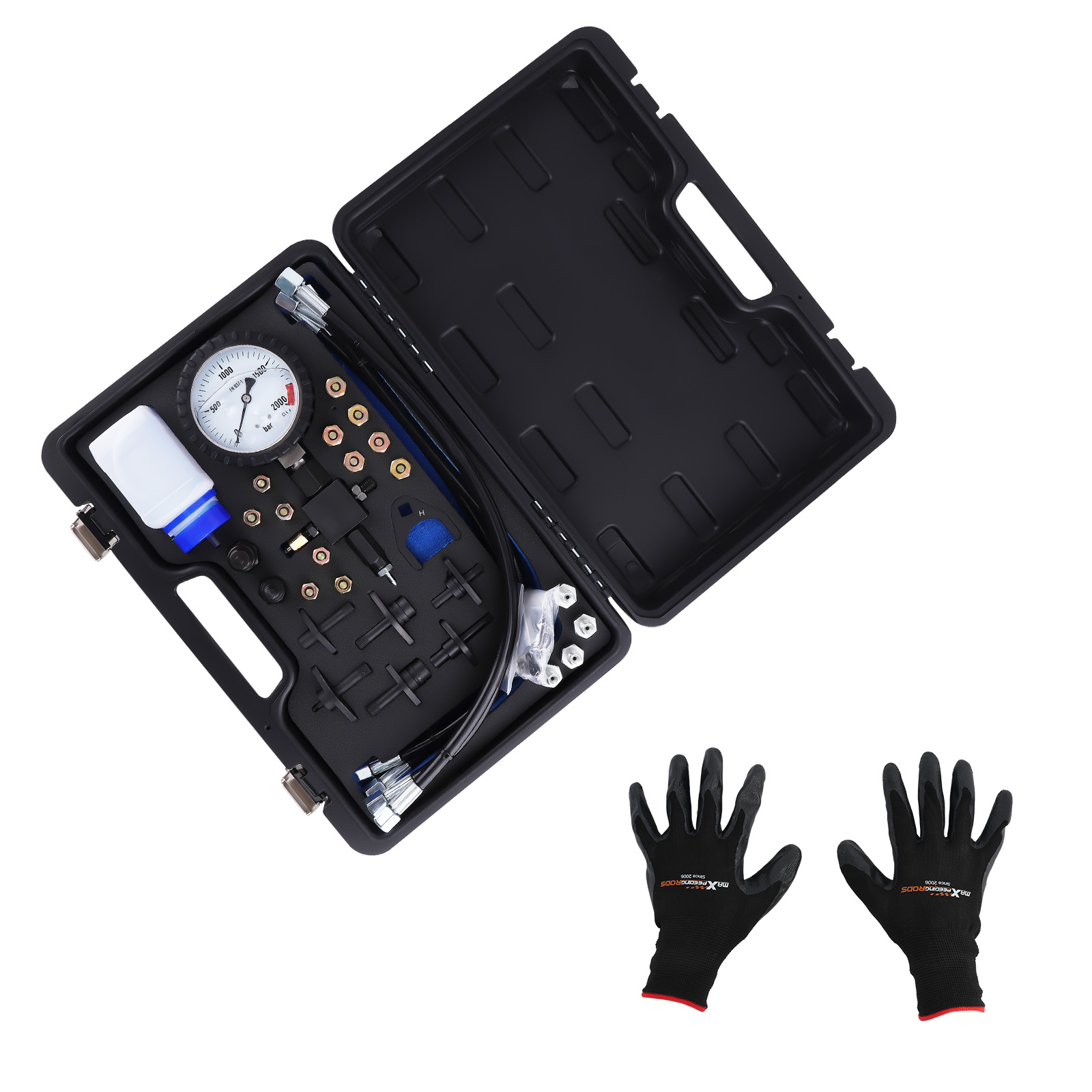
Engine Pressure Tester

An engine pressure tester measures cylinder compression, leak-down rate, or fuel-rail pressure to diagnose combustion sealing and injection faults. The decisive trade-off is gauge range and adapter thread compatibility versus build quality: analog bourdon-tube gauges with metal adapters hold calibration, while plastic-bodied kits with generic threads leak and misread. Buy by engine type first—gasoline, diesel, or common-rail—then by gauge range, adapter thread standards, and valve/hose construction.

Buying guide image
Pressure, Flow & Process Measurement

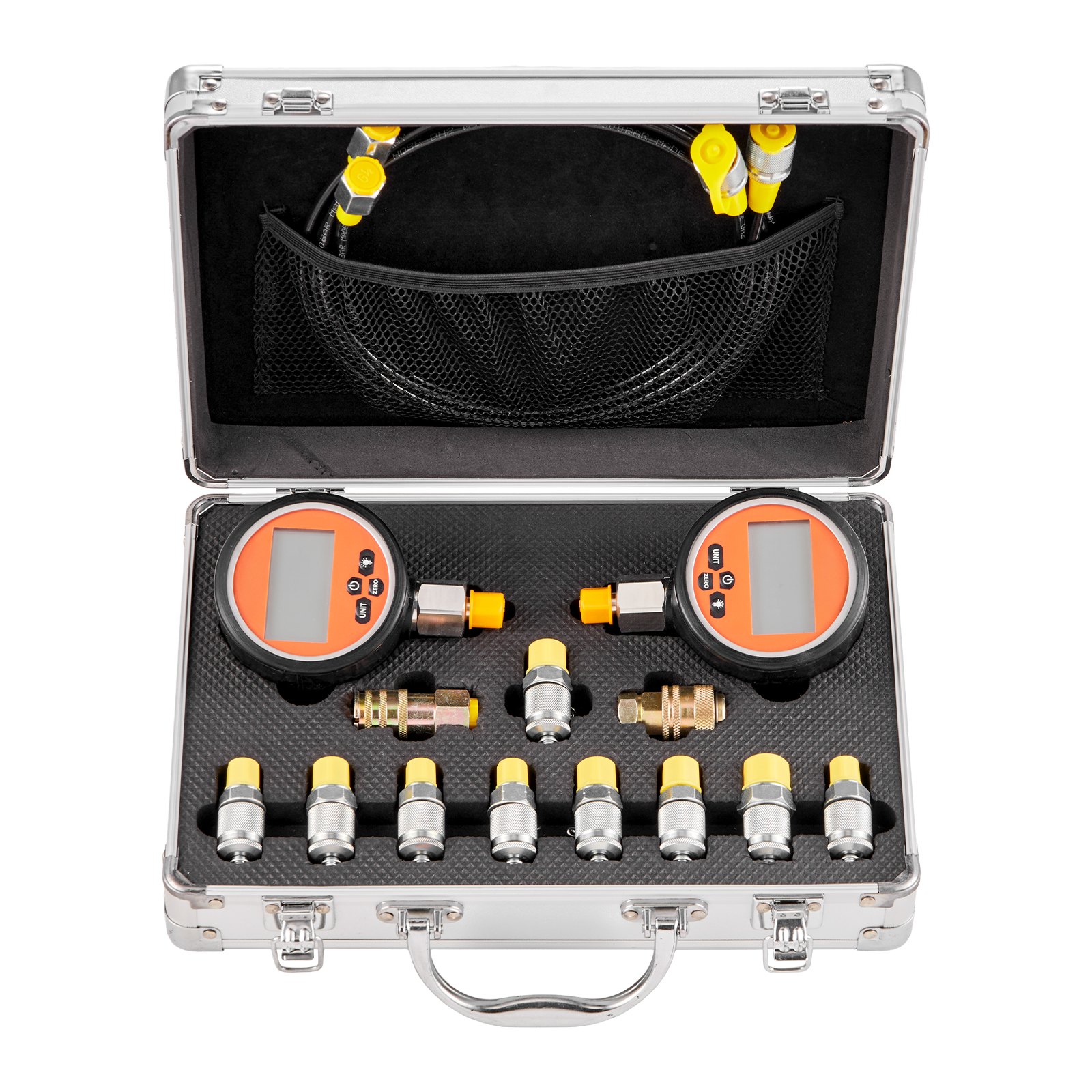
Digital Hydraulic Pressure Gauge Kit

A digital hydraulic pressure gauge kit pairs a battery-powered electronic gauge with quick-release test couplings, hoses, and adapters for diagnosing excavators and construction machinery. The core trade-off is gauge accuracy and pressure rating versus coupling compatibility with your machine's test ports. Buy a kit rated at least 1.5× your system's relief pressure and matched to your coupler standard; anything less is a diagnostic compromise.

Buying guide image
Data Acquisition & Recorders

Temperature And Humidity Data Logger

A temperature and humidity data logger is a self-contained sensor that records ambient conditions over time for later analysis, used everywhere from server rooms to greenhouses. The primary trade-off is between calibration accuracy and logging capacity versus wireless convenience and cloud integration. Choose a unit with documented accuracy (±0.5°C/±3% RH or better) and the right logging interval; avoid uncalibrated toys for any compliance or process-control use.

Buying guide image
Test Leads, Probes, Fixtures & Accessories

Fluke Lead Set

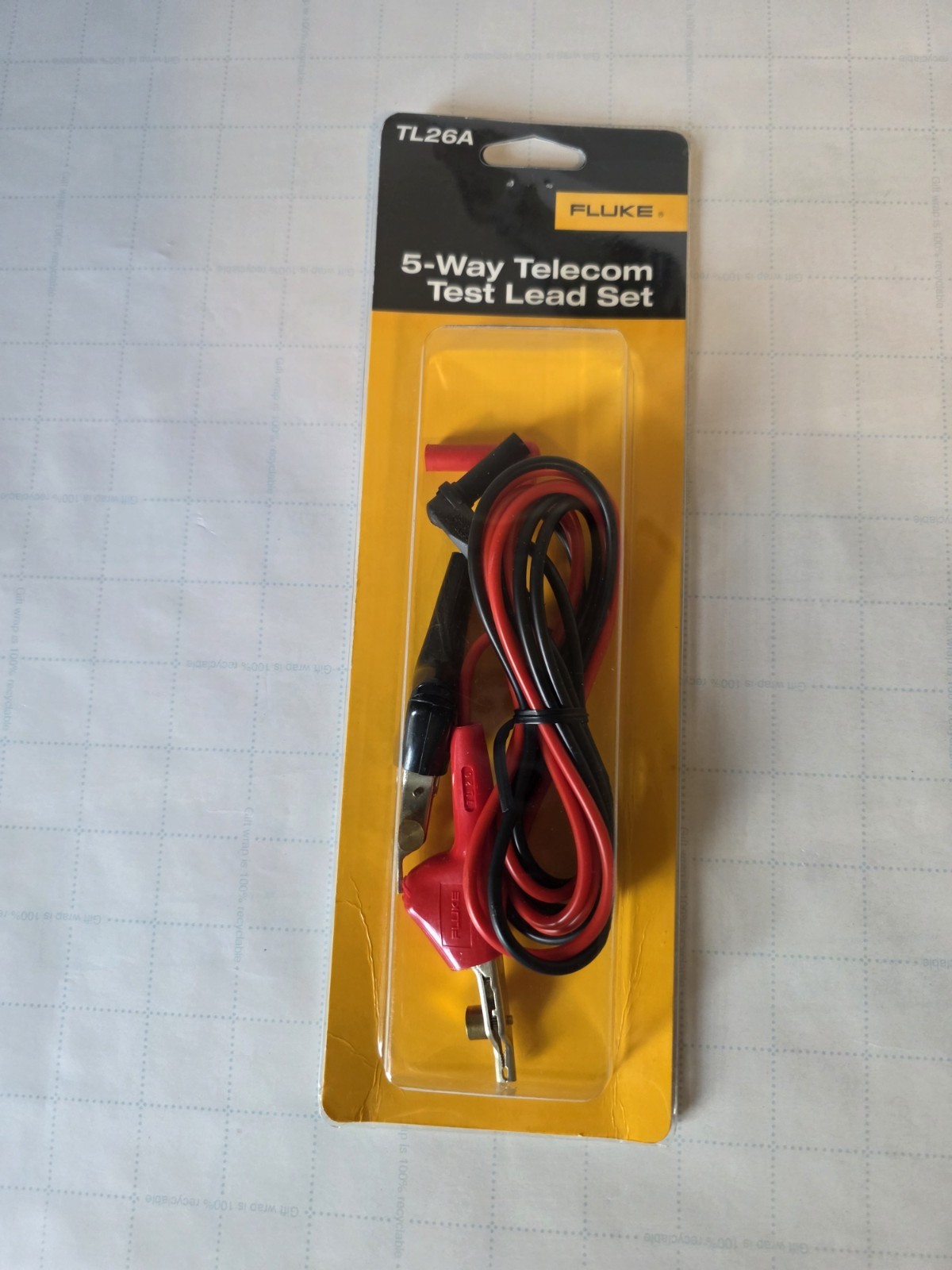
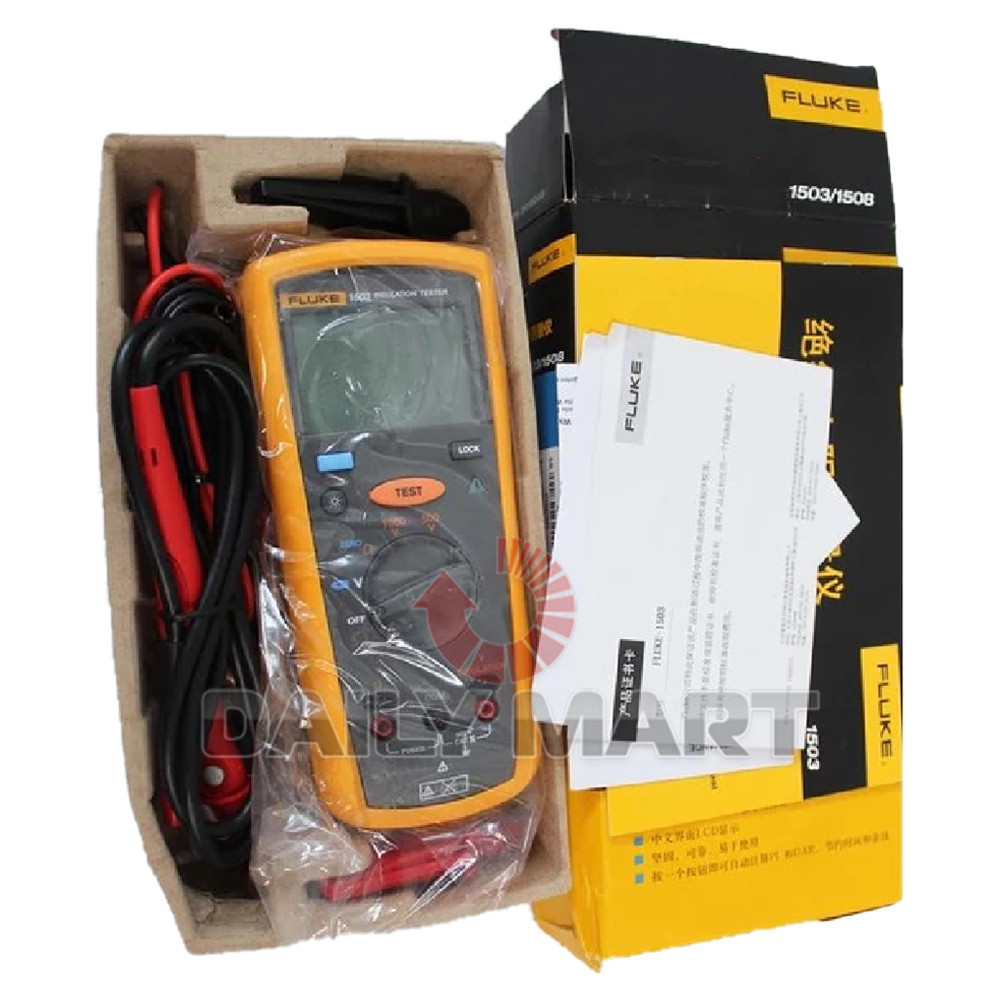
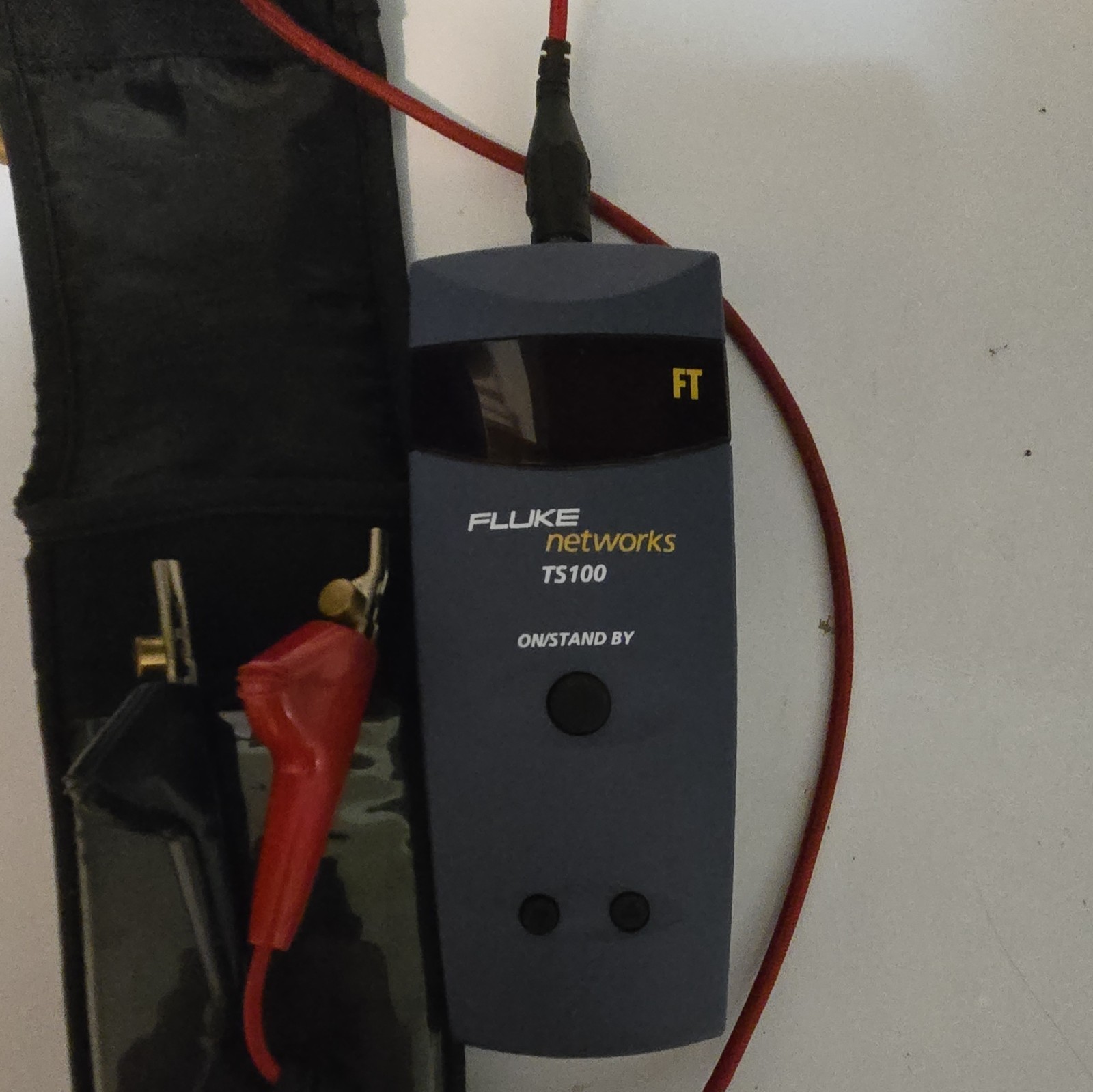
Fluke lead sets are the interchangeable test leads, probes, and clips that connect a Fluke meter to a circuit. The core trade-off is insulation rating and connector architecture: silicone leads stay flexible and survive high voltage, while PVC leads stiffen in cold and degrade faster. Buy a silicone-insulated set rated to your meter's CAT safety level if you test mains or industrial power; skip budget PVC sets for anything beyond low-voltage bench work.

Buying guide image
RF, Network, Cable & Telecom Test

Underground Cable Finder

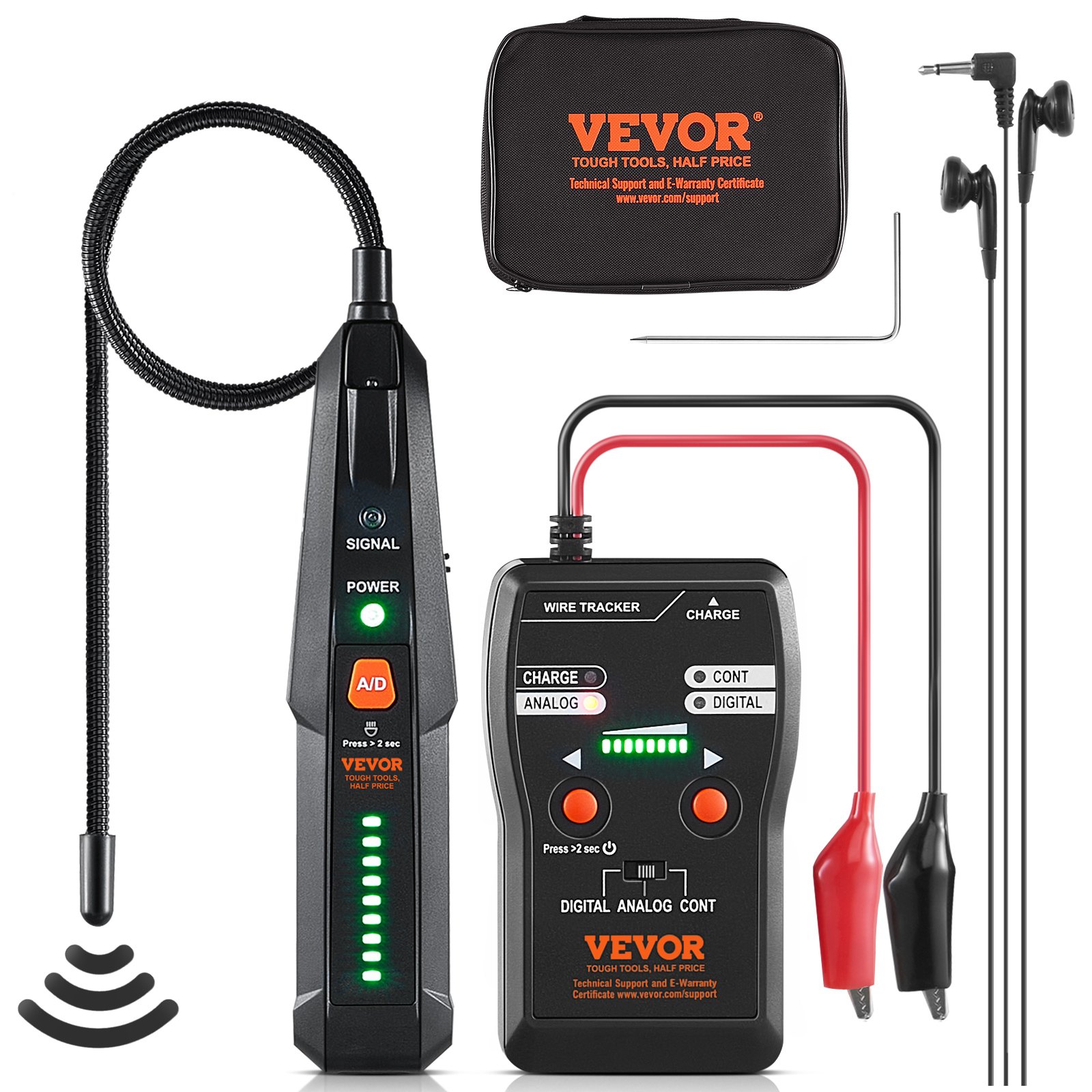
An underground cable finder is a tone-and-probe or signal-generator locator set used to trace buried wire paths, find breaks, and identify valves or sprinkler lines without digging. The core trade-off is detection depth and injected-signal power versus receiver sensitivity and noise rejection: shallow pet-fence and irrigation work runs on low-power direct-connect tone sets, while deep or long-run utility tracing demands higher output voltage and a grounded return path. The decision rule is simple: buy a locator rated for at least 1.5x your deepest bury depth and for at least 1.2x your longest run, and skip any set whose transmitter lacks both direct-connect clips and an inductive clamp.

Buying guide image
Multimeters & Electrical Testers

HP 34401a Multimeter

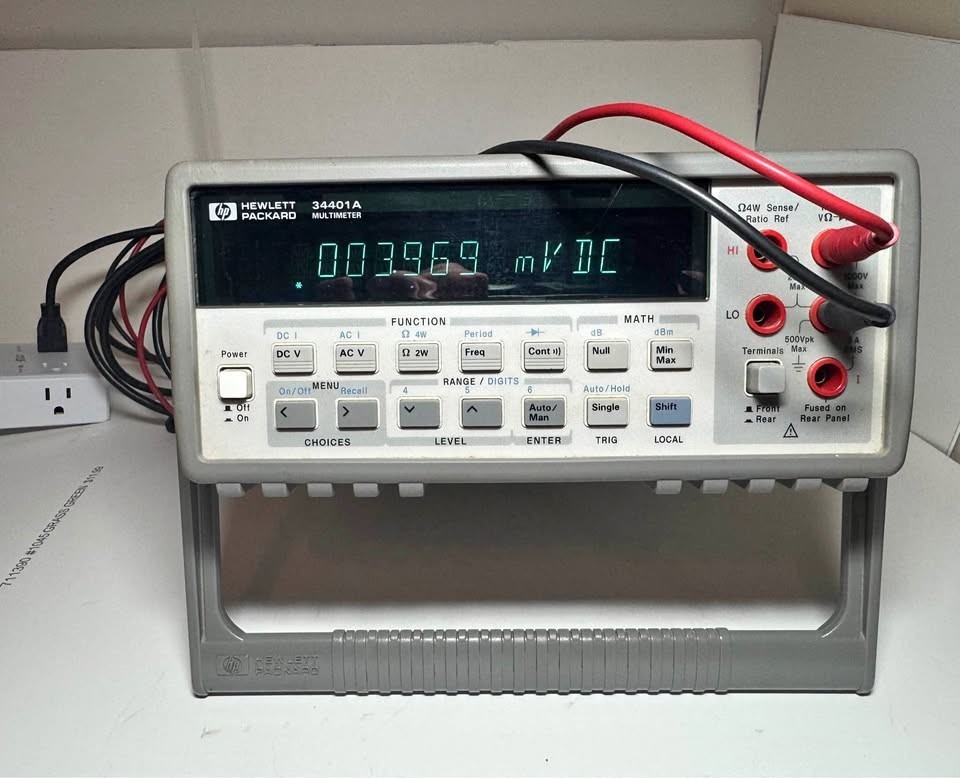
The HP 34401A is a legendary 6.5-digit bench multimeter prized for its stability, 4-wire resistance accuracy, and deep serviceability—but its age means every unit is a repair risk. Buyers must distinguish a clean, calibrated instrument from a parts-unit survivor, because missing trim, dead VFD displays, and tired input relays are common on the used market.

Buying guide image
Environmental & Indoor Air Measurement

Home Weather Station

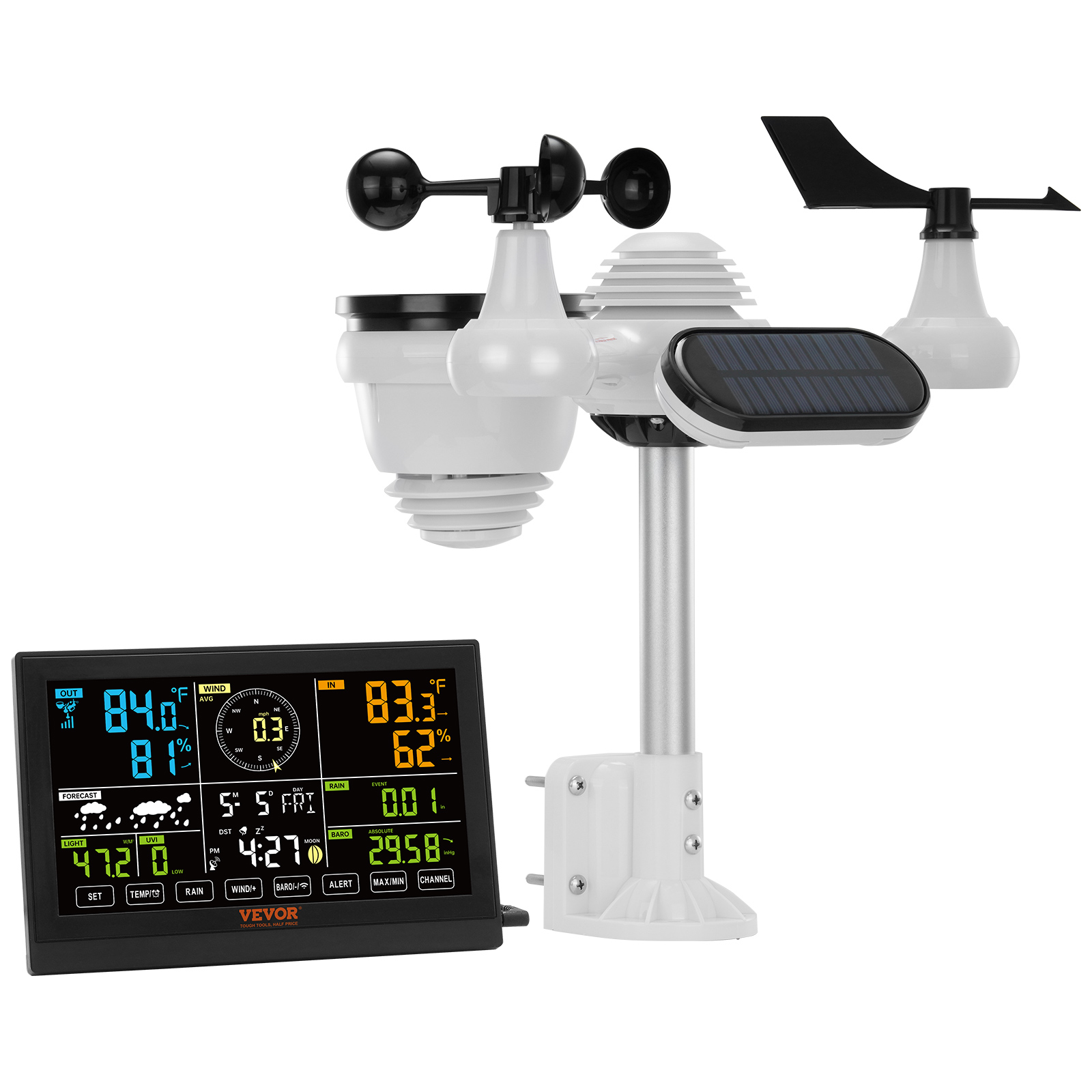
A home weather station is a sensor-to-display system that measures outdoor wind speed/direction, rain, UV, temperature and humidity, then transmits data to an indoor console and often a phone app. The primary trade-off is sensor architecture: ultrasonic or mechanical anemometers with dedicated solar shields and tipping-bucket rain gauges deliver reliable, long-life data, while all-in-one plastic sensor clusters with unshielded thermistors drift and fail within a season or two. The decision rule: buy a station whose outdoor sensor suite uses a radiation shield, a serviceable rain bucket, and a wired or long-range RF link rated for your roof-to-console distance—skip any unit that hides its sensor specs behind a single '7-in-1' label.

Buying guide image
Pressure, Flow & Process Measurement

Radiator Pressure Test Kit

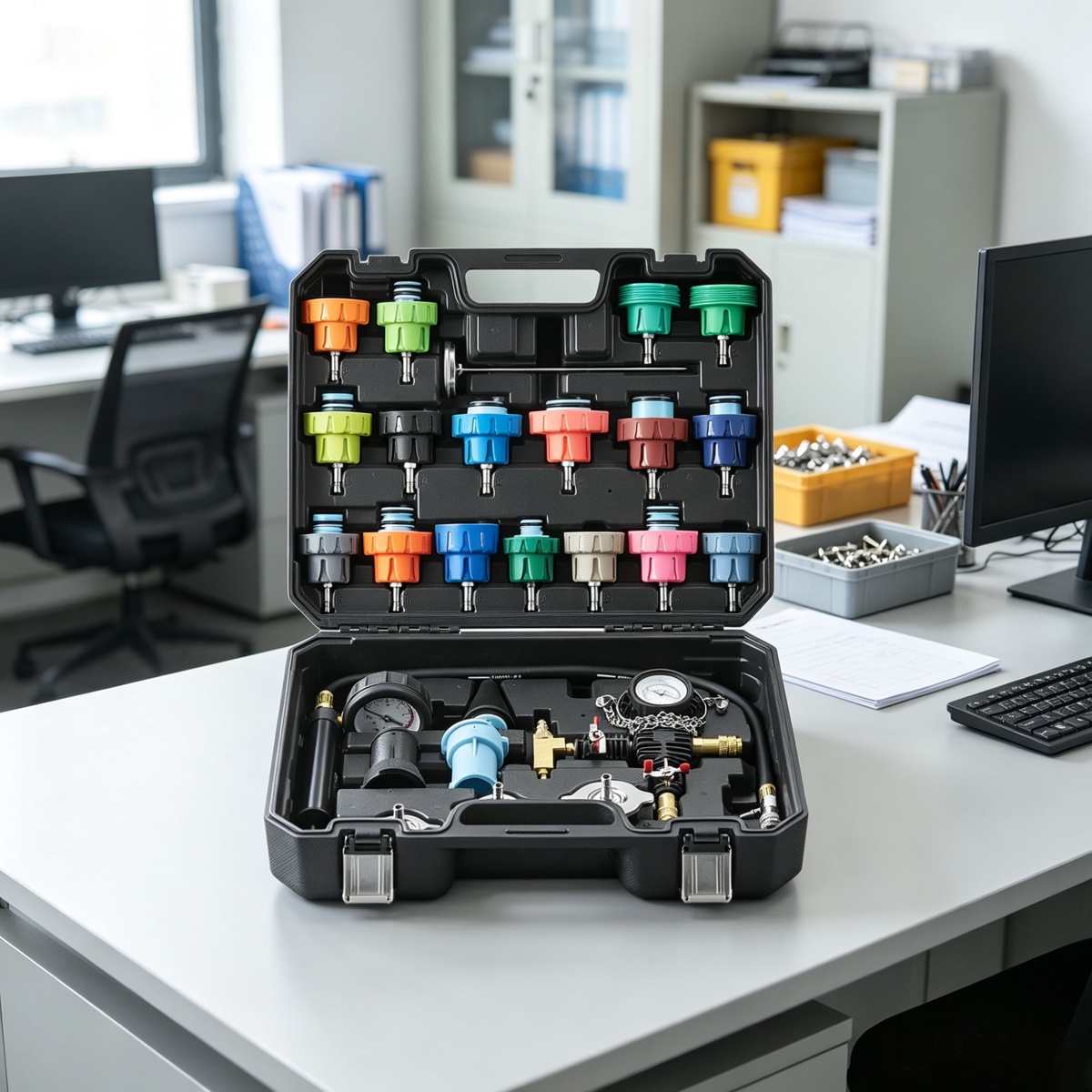
A radiator pressure test kit is a hand-pump-and-gauge system that pressurizes a cooling system to locate leaks without running the engine. The core trade-off is between a universal cone-adapter kit that fits most radiator necks and a vehicle-specific cap-adapter kit that seals reliably on modern sealed systems. Buy the kit whose adapter range matches your cap standard and whose gauge reads at least 30 psi; anything less is a compromise for diagnostic work.

Buying guide image
Environmental & Indoor Air Measurement

Indoor Air Pollution Monitor

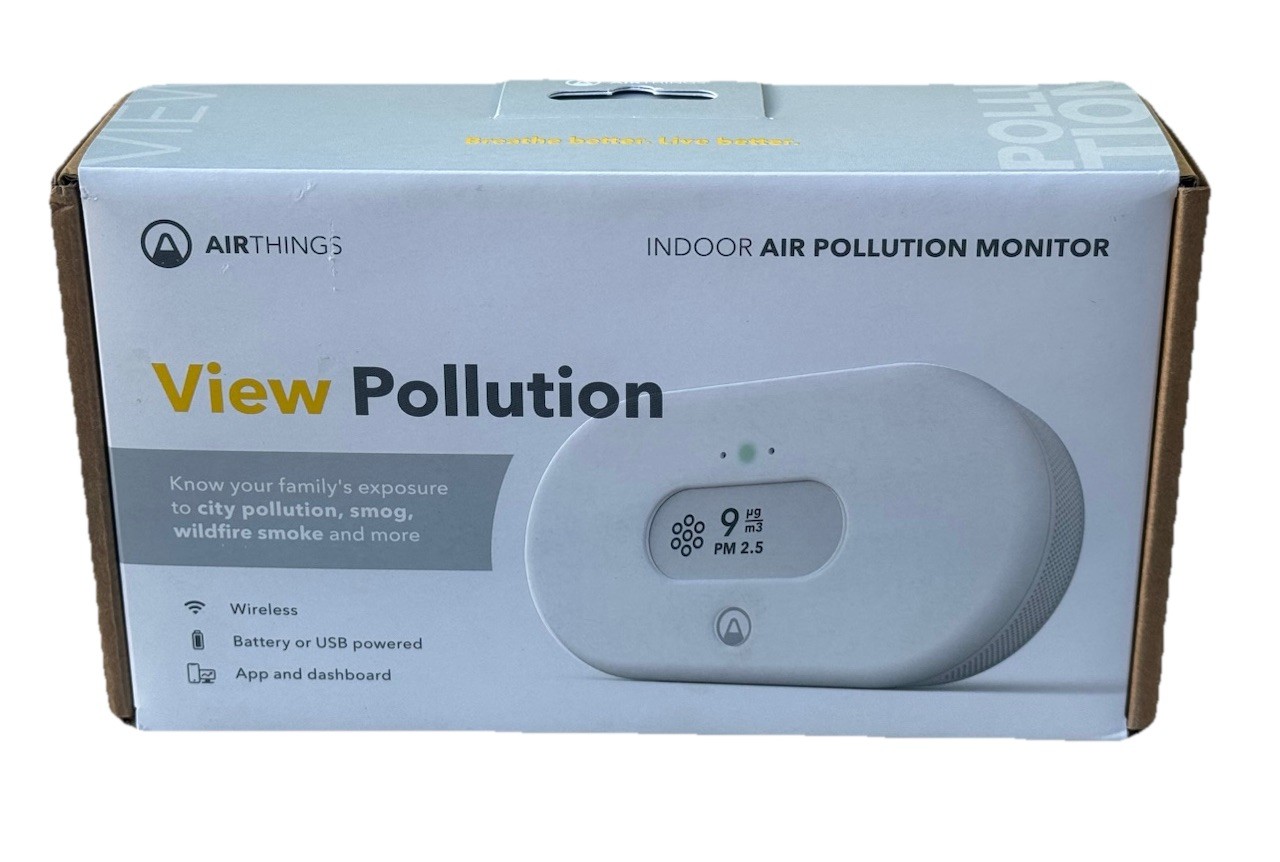
An indoor air pollution monitor measures particulate matter (PM2.5/PM10), volatile organic compounds (VOCs), and often CO2 or radon to quantify what you are breathing. The core trade-off is sensor architecture: low-cost resistance-based VOC sensors and single-beam optical particle counters drift over months, while laser-scattering PM sensors, electrochemical cells, and dual-beam optics hold calibration. Buy a unit with a replaceable or field-calibratable sensor and published accuracy tolerances; skip sealed, uncalibrated gizmos with no PM2.5 or CO2 channel.

Buying guide image
Multimeters & Electrical Testers

Fluke 117 Meter

The Fluke 117 is a true-RMS digital multimeter built for electricians working in commercial and residential settings, combining standard DMM functions with non-contact voltage detection and VoltAlert. The key trade-off is between the 117's electrician-focused feature set and the 115/116's specialized HVAC or general-purpose capabilities, all sharing the same rugged Fluke 170-series-class build. The decision rule is simple: buy the 117 if you need non-contact voltage and low-impedance mode for diagnosing ghost voltage; choose the 115 for basic electronics or the 116 for HVAC temperature and microamp work.

Buying guide image
Spectroscopy, Analysis & Detection Instruments

Digital Ph Meter

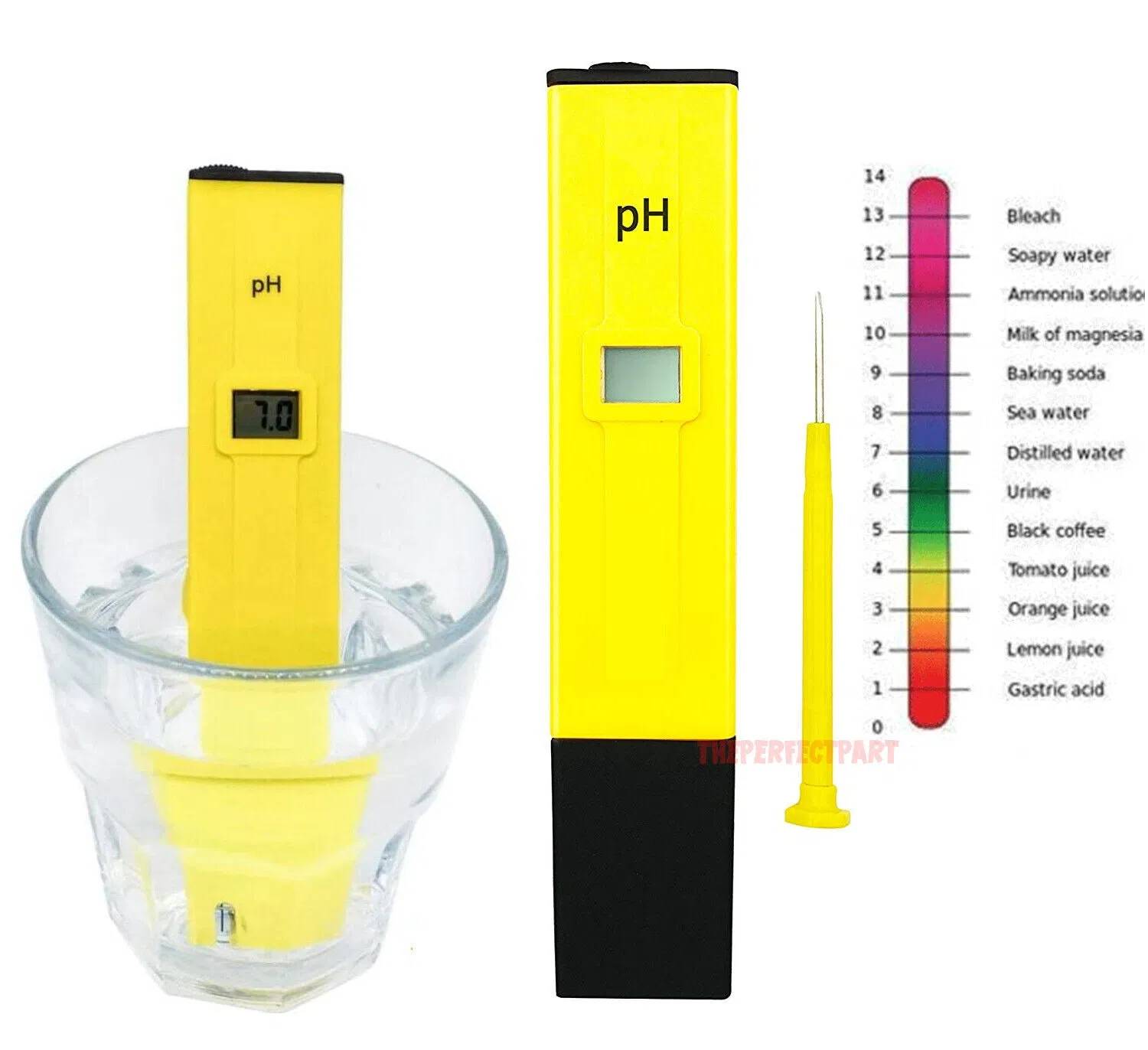
A digital pH meter is an electronic sensor that converts hydrogen-ion activity into a numeric readout, and the core trade-off is between a replaceable glass-bulb electrode with proper calibration and a sealed disposable probe with fixed accuracy. Buy a meter with at least two-point calibration, a replaceable electrode, and specified ±0.01–0.05 pH accuracy; skip sealed pens with no calibration or replacement path for anything beyond casual spot checks.

Buying guide image
Pressure, Flow & Process Measurement

Radiator Pressure Tester

A radiator pressure tester is a hand-pump and gauge kit that pressurizes a cooling system to reveal leaks without running the engine. The core trade-off is between a universal adapter set with a basic pump and a vehicle-specific cap adapter matched to your exact bayonet or thread standard. Buy a kit whose adapter matches your cap type and whose gauge holds pressure for 10+ minutes; skip generic cone adapters if you need a leak-proof seal on a plastic or threaded neck.

Buying guide image
Multimeters & Electrical Testers

Load Tester

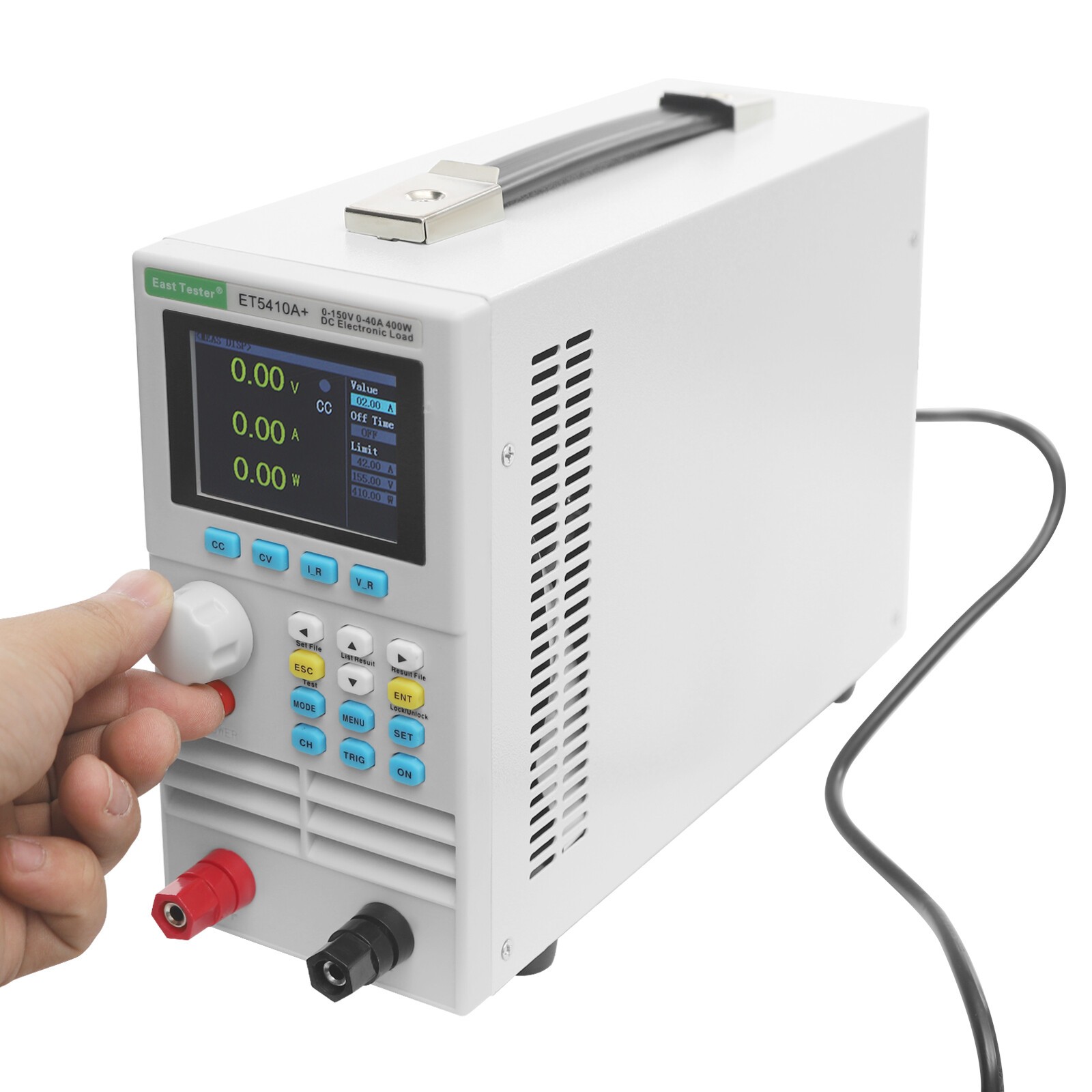
A load tester is the only way to verify real battery capacity, power-supply stability, and USB-C cable resistance under controlled current. Buyers often ruin cells or misread results by choosing a tester whose voltage, current, or interface cannot match the device under test. Select by load type (resistive vs electronic), maximum discharge power, and the measurement resolution you actually need.

Buying guide image
RF, Network, Cable & Telecom Test

LAN Cable

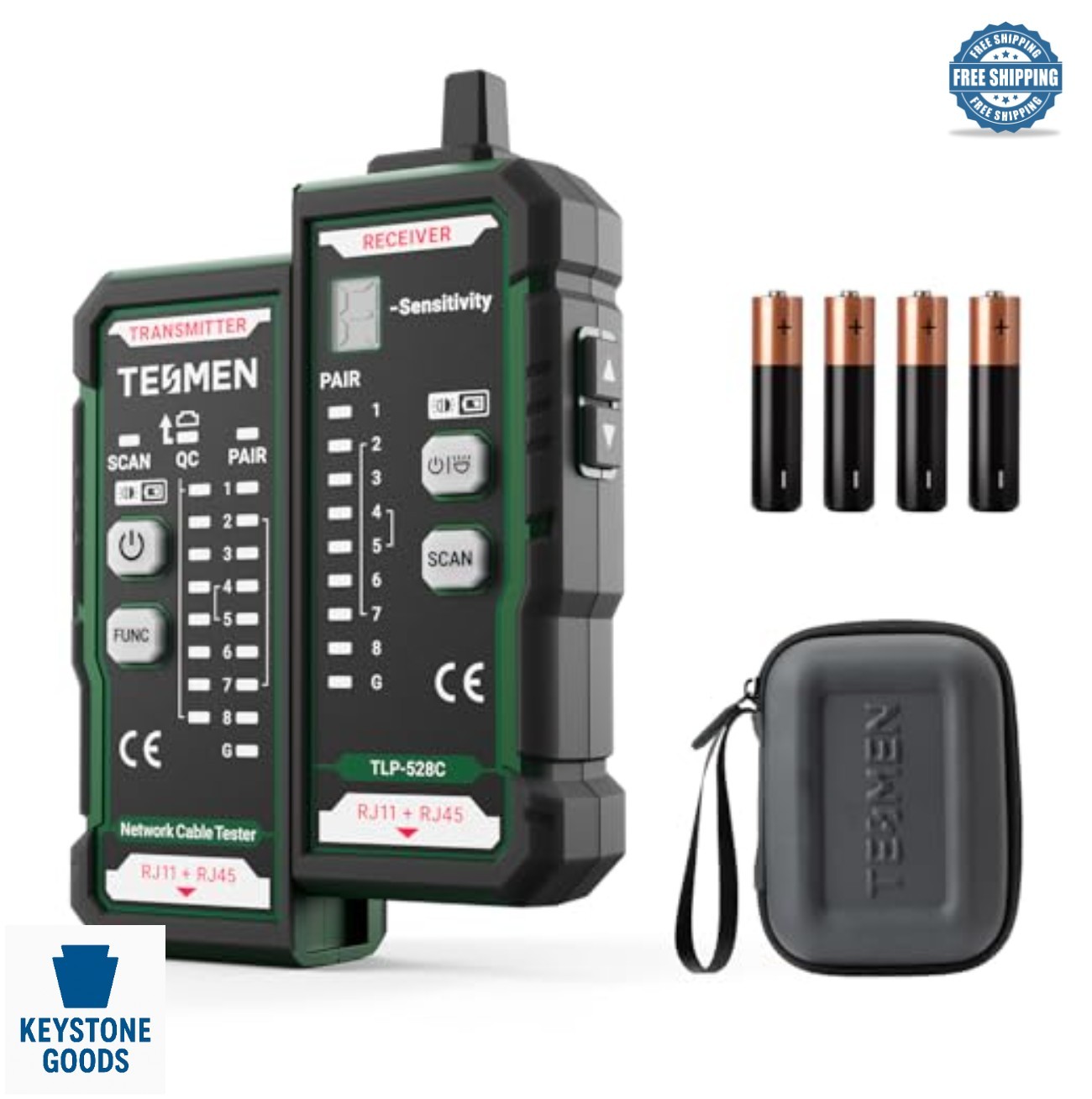
A LAN cable tester verifies continuity, pinout, and fault location on twisted-pair Ethernet and telephone cabling. The core trade-off is basic LED continuity testing versus advanced TDR length/POE diagnostics. Choose a simple known-good verifier for pass/fail termination checks; step up to TDR or POE-capable units only when you must locate breaks or validate powered links.

Buying guide image
RF, Network, Cable & Telecom Test

Network Cable

Network cable testers split into basic continuity/wire-map units and advanced tools with length (TDR), PoE, tone generation, and optical options. The trade-off is pin-mapping simplicity versus diagnostic depth: basic testers reliably catch opens/shorts, while length/PoE-capable models resolve intermittent faults and power issues. Buy basic if you only terminate and verify patch leads; step up to a length/PoE tester if you troubleshoot installed cabling or PoE devices.

Buying guide image
Multimeters & Electrical Testers

Klein Tool Voltage Tester

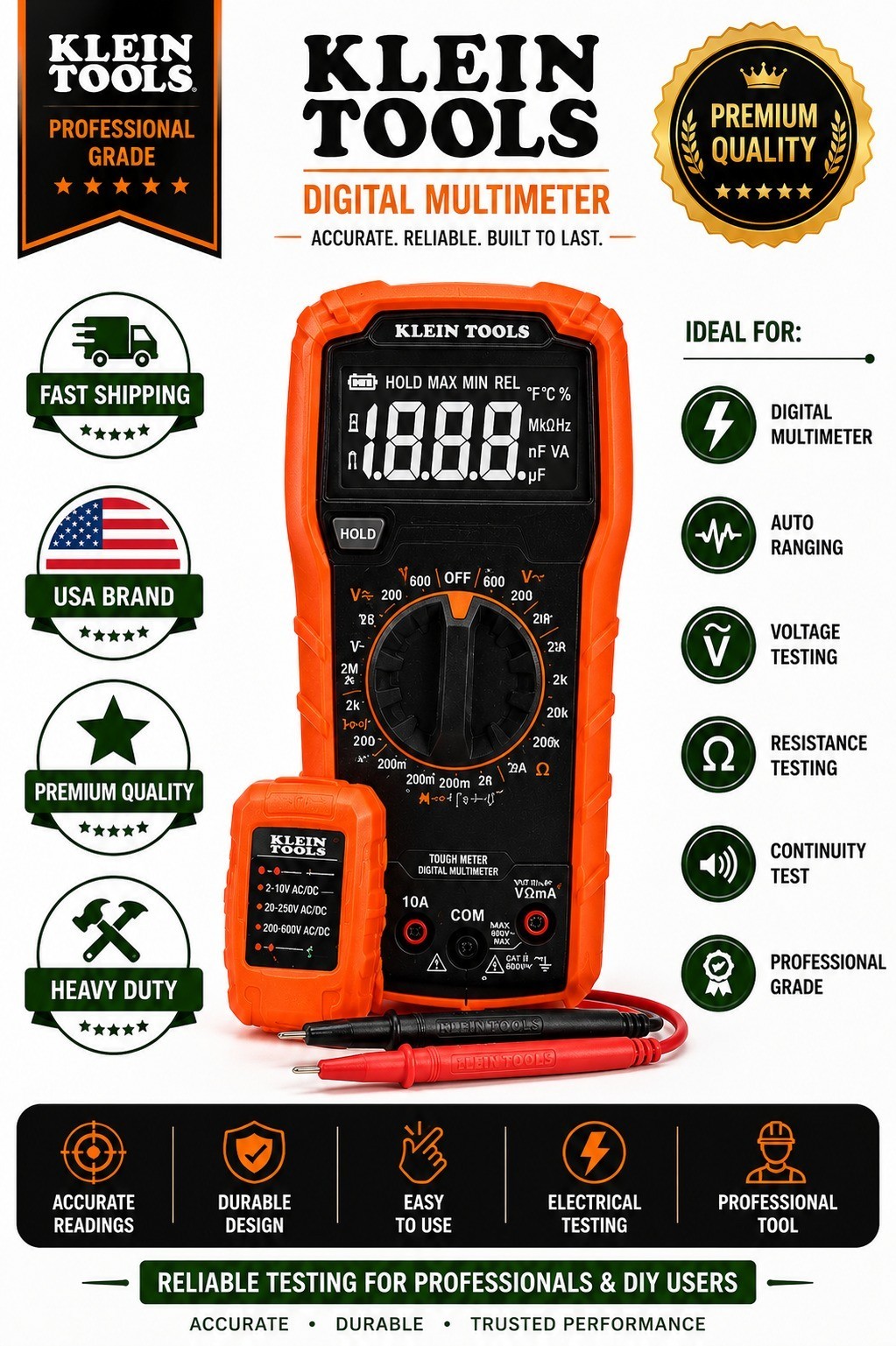
Klein Tools voltage testers are non-contact and contact voltage detection tools built for electricians and serious DIYers who need reliable safety verification before touching a circuit. The core trade-off is between basic non-contact pens with fixed sensitivity and dual-range or combo kits that add GFCI testing, load checks, and CAT safety ratings. Buy the highest CAT III/IV rating and widest voltage range you will actually work near—anything less is a compromise on arc-flash safety.

Buying guide image
Multimeters & Electrical Testers

Auto Circuit Tester

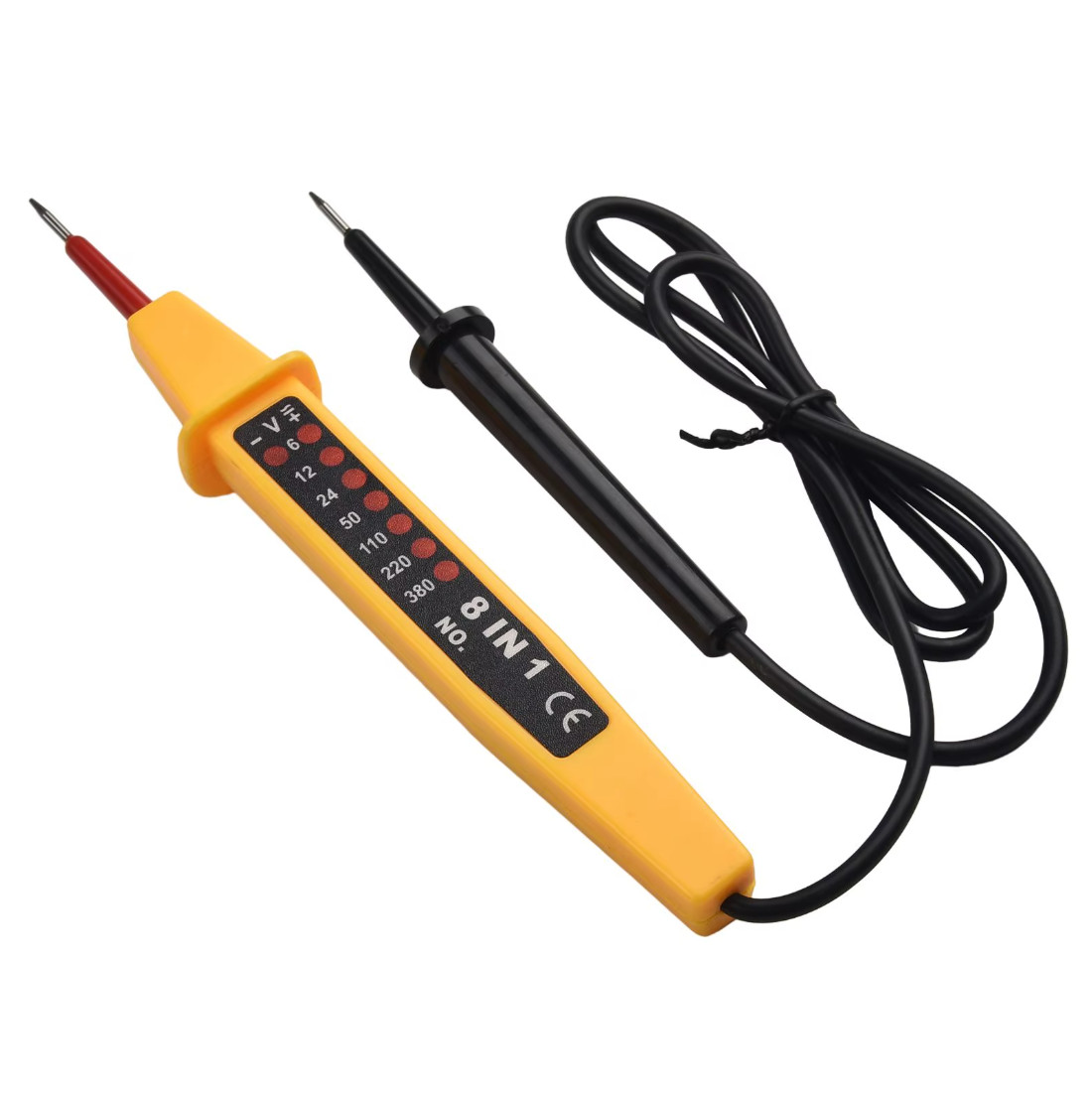
An auto circuit tester is a handheld diagnostic tool for checking voltage, continuity, and circuit integrity on 12–24V vehicle electrical systems. The primary trade-off is between simple voltage-only pens and feature-rich multi-function testers with load testing, polarity, and component activation. Choose a tester rated for your vehicle's voltage and with a load-test capability for reliable results; skip basic non-load pens if you need to diagnose high-resistance faults.

Buying guide image
Multimeters & Electrical Testers

Fluke Voltage Tester

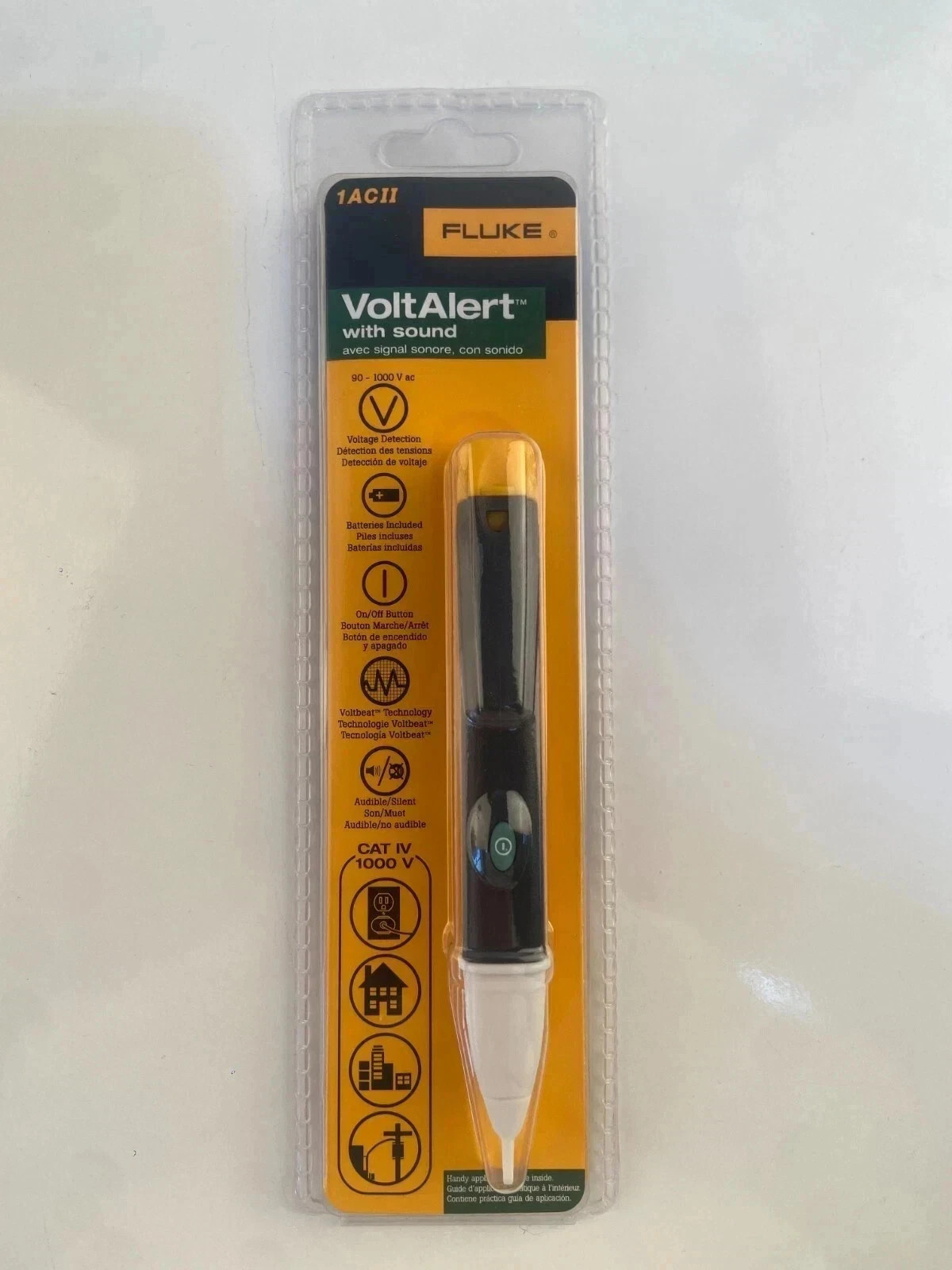
A Fluke voltage tester is a non-contact or contact voltage detection tool used to verify live AC circuits before work; the segment splits into pocket pen-style non-contact detectors and full multimeter-style testers. The primary trade-off is detection reliability and safety rating versus convenience and price. The decision rule: choose a true Fluke VoltAlert or T-series tester with a CAT safety rating and self-test for daily electrical work; avoid unrated pocket pens for anything beyond quick presence checks.

Buying guide image
Pressure, Flow & Process Measurement

Compression Tester

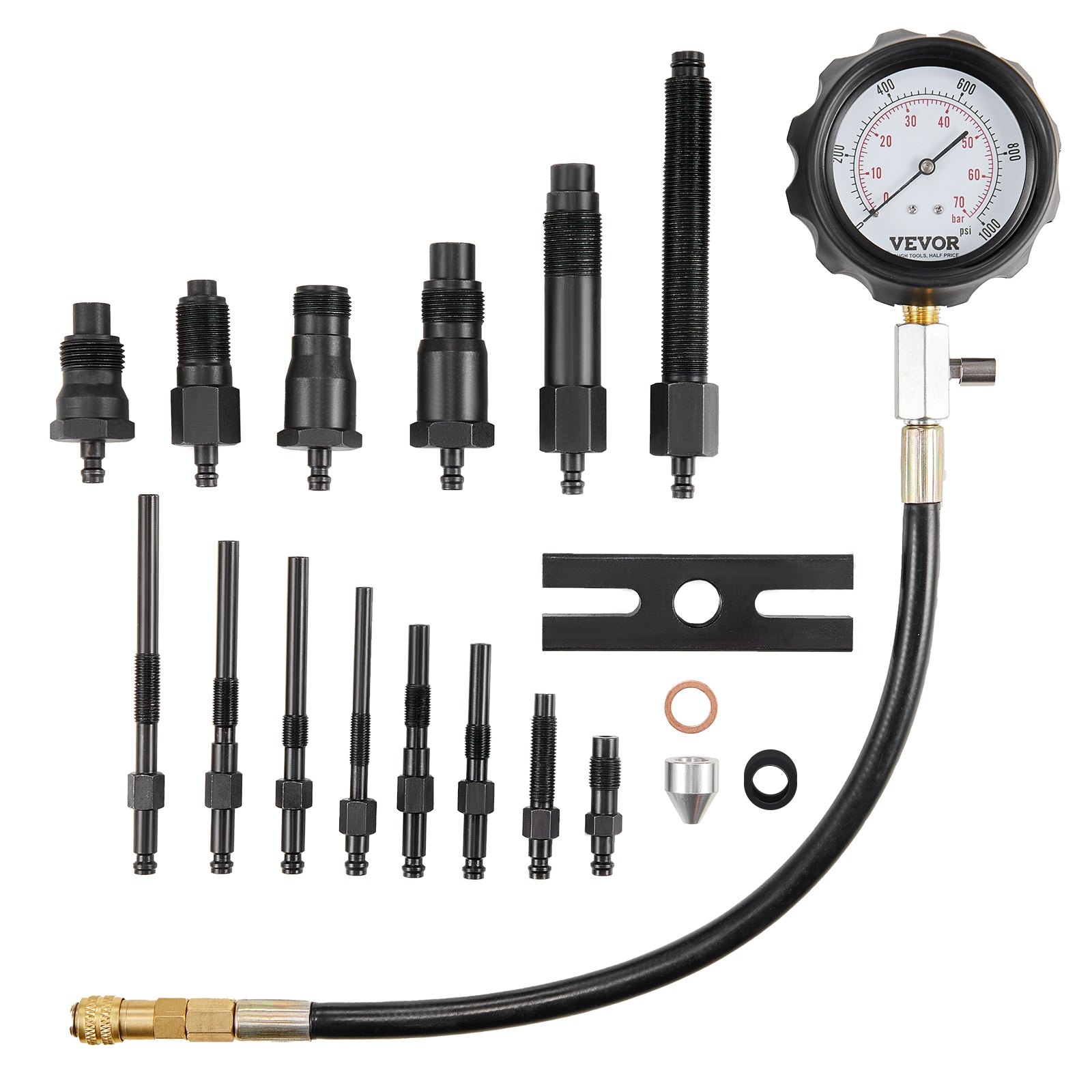
A compression tester measures cylinder sealing pressure to diagnose engine health, with the core trade-off being gauge accuracy and adapter compatibility versus price. Durable kits use brass-bodied gauges with relief valves and hardened steel adapters, while compromises rely on plastic fittings and uncalibrated gauges. The decision rule: match the gauge range and thread adapters to your engine family, and never buy a kit without a pressure-hold relief valve.

You may also like

Finding more guides for you…