Bench & Gauge

Bench & Gauge

Test, Measurement & Inspection Reviews & Buying Guides

Compare test, measurement & inspection by use case, features, trade-offs, price, returns, and seller terms before you buy.

Buying guides

Buying guide image
Thermal Cameras, Borescopes & Visual Inspection

Pipe Inspection Camera

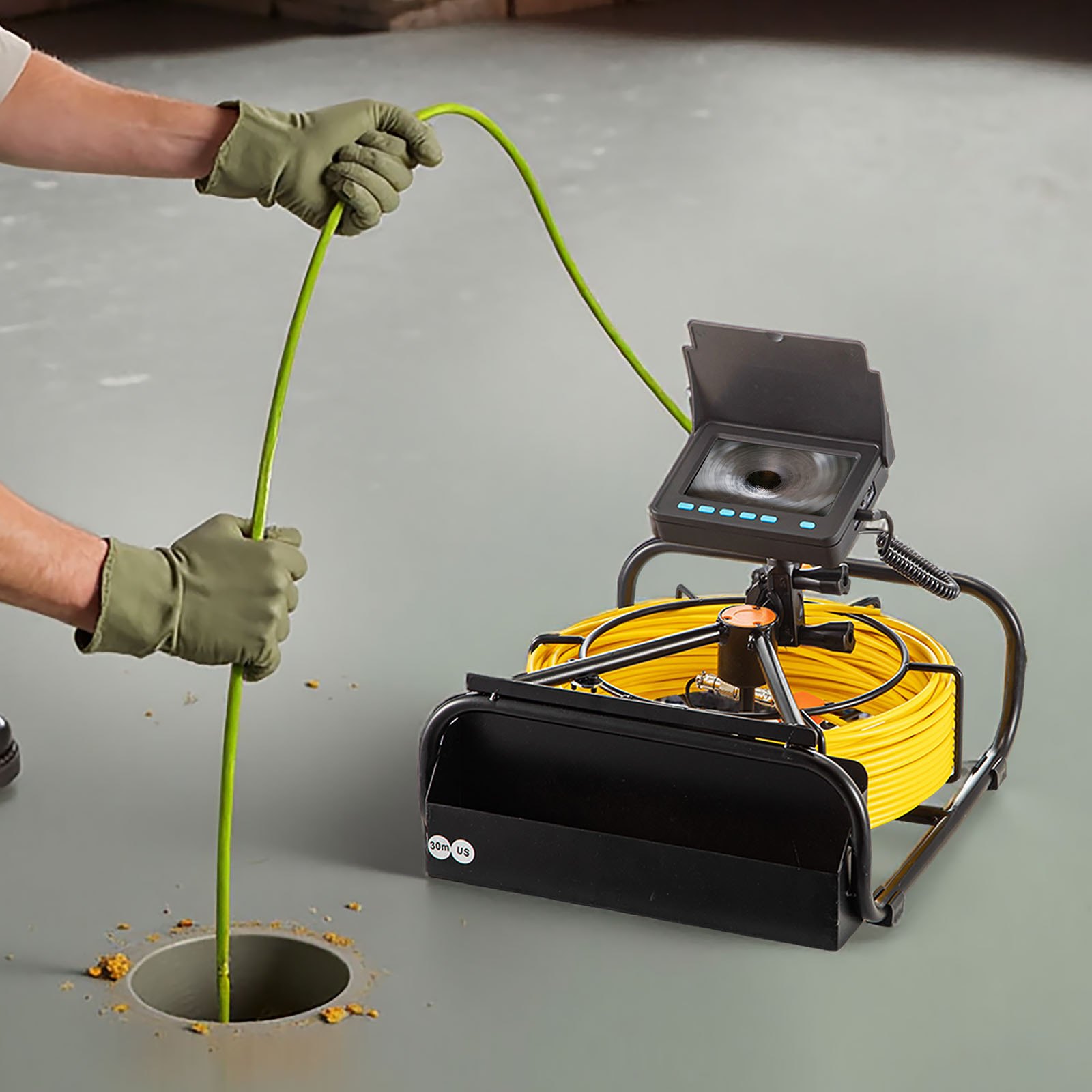
A pipe inspection camera is a waterproof camera head on a push rod (usually fiberglass) feeding a monitor, used to see inside drains, sewers, ducts, and walls. The decisive trade-off is cable length and reel rigidity versus screen size, self-leveling, and recording quality: short 20–30 m reels suit household drains, while 50 m+ requires a stiff, durable rod to push around bends. Buy the shortest reel that reaches your farthest cleanout and step up to self-leveling and a larger monitor only when you need documented, orientable footage.
Buying guide image
Multimeters & Electrical Testers

Electrical Tester

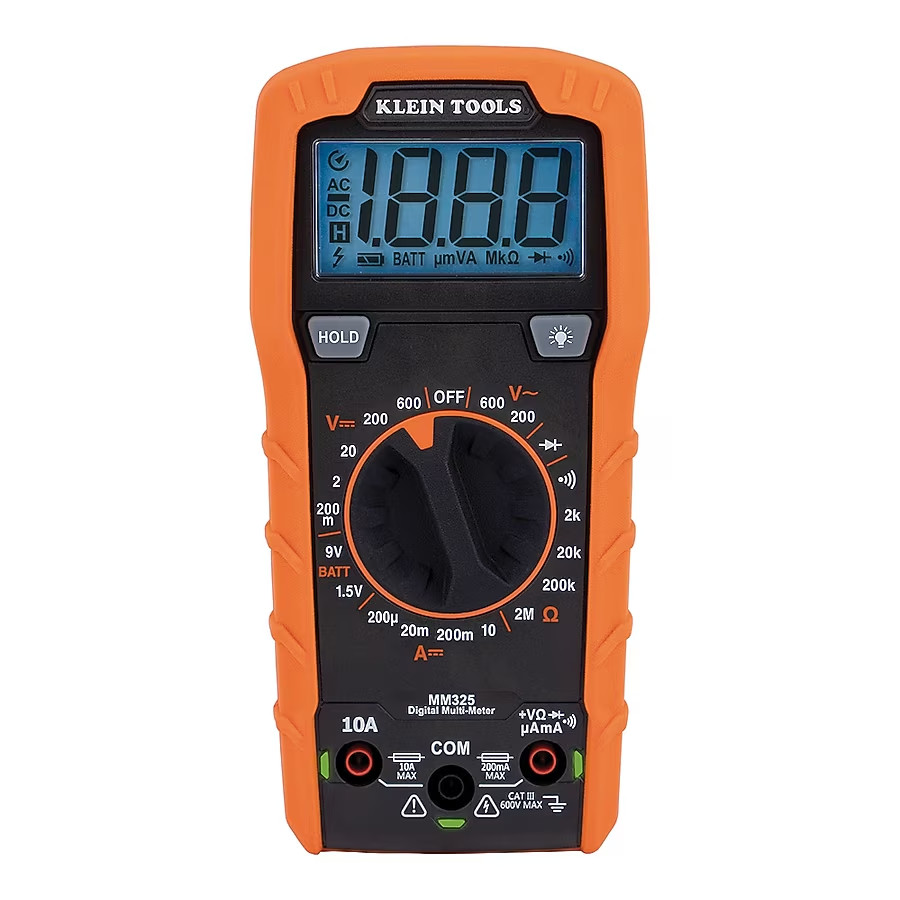
Electrical testers span non-contact voltage pens, outlet/GFCI testers, digital multimeters, and automotive power-probe circuit testers, each defined by its safety rating and measurement architecture. The key trade-off is CAT safety rating and true-RMS accuracy versus basic continuity-only checking, and the decision rule is simple: match the tester's CAT rating and voltage range to the circuit's live fault energy, not to the lowest price.

Buying guide image
Calibration Equipment & Standards

Fluke 62

The Fluke 62 Max is a handheld infrared thermometer line built for non-contact surface temperature measurement in industrial, electrical, and HVAC settings. The key trade-off is spot-size (distance-to-target) resolution versus emissivity control: the basic 62 Max uses a fixed 0.95 emissivity and a 10:1 optical ratio, while the 62 Max+ adds dual lasers and a 12:1 ratio for more precise aiming on small targets. Buy the 62 Max for fast general surface checks; step up to the 62 Max+ or a model with adjustable emissivity when measuring low-emissivity metals or targets smaller than the spot at your working distance.

Buying guide image
Multimeters & Electrical Testers

Electric Voltage Tester

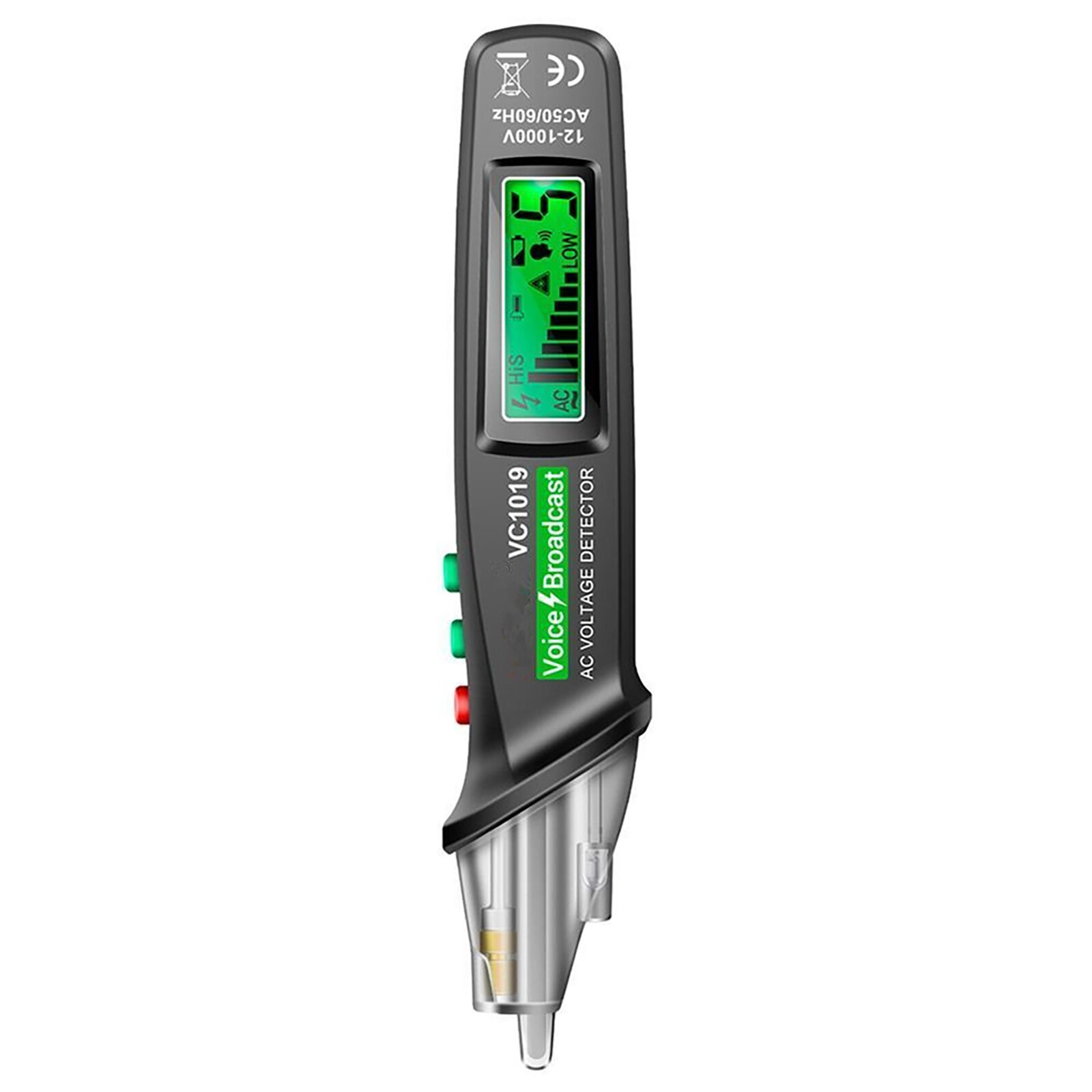
An electric voltage tester is a safety instrument that detects live AC/DC conductors or verifies outlet wiring, ranging from non-contact pens to solenoid test lights and GFCI outlet testers. The core trade-off is between true CAT-rated safety circuitry and uncertified novelty pens that may not alert on hazardous voltage. Choose a tester with a declared CAT III/IV rating and correct voltage range for your environment; skip unrated units for mains or industrial work.

Buying guide image
Environmental & Indoor Air Measurement

Outdoor Air Quality Monitor

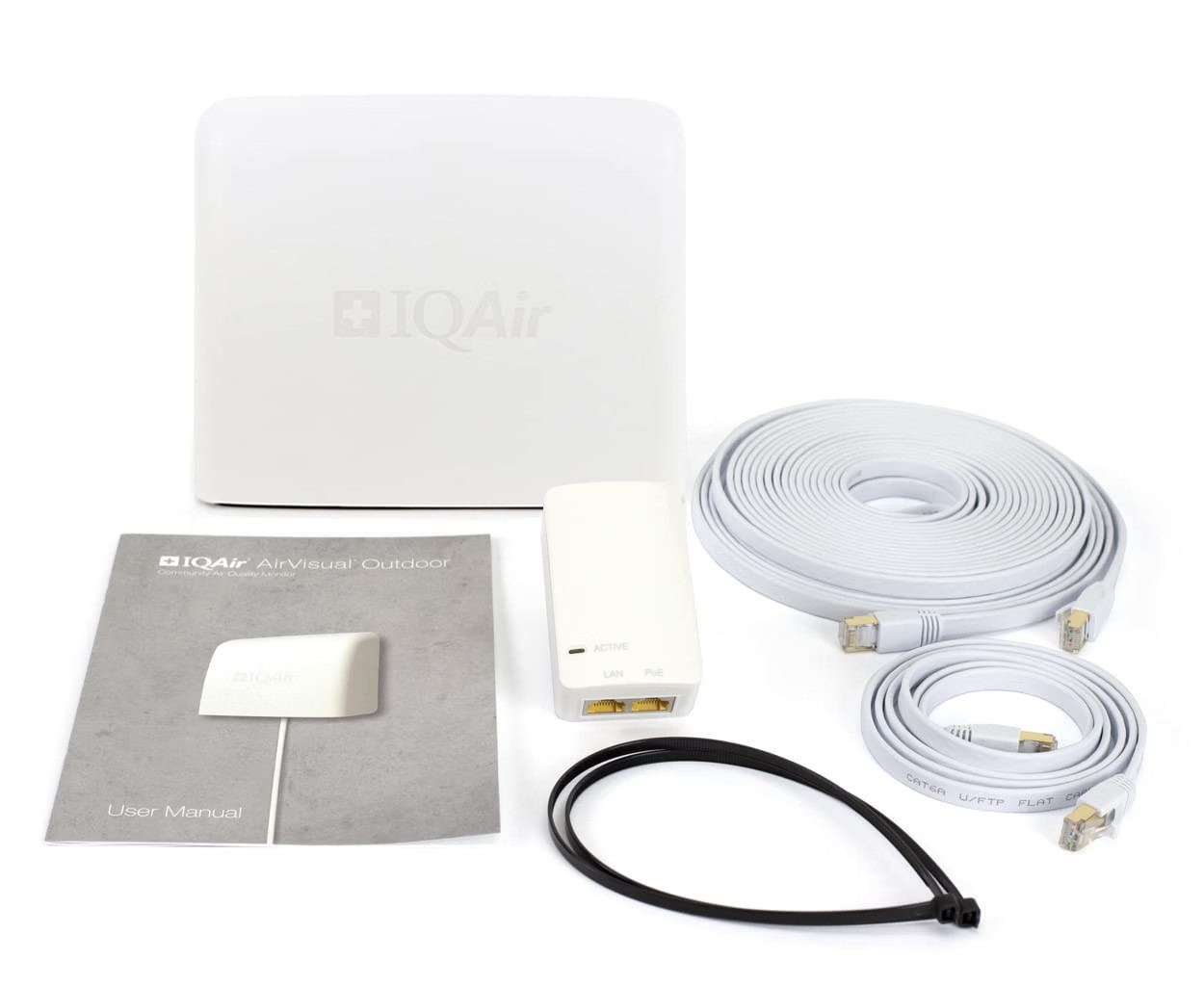
Outdoor air quality monitors are portable or fixed sensors that measure PM2.5, PM10, and sometimes gases like ozone or NO2 to track pollution exposure. The core trade-off is optical particulate sensor grade and weather sealing versus connectivity and power independence. Choose a unit with a laser-scattering PM sensor rated for continuous outdoor use and an IP54+ housing; skip indoor-only VOC meters or unsealed USB dongles for permanent outdoor placement.

Buying guide image
Calibration Equipment & Standards

Calibration Equipment

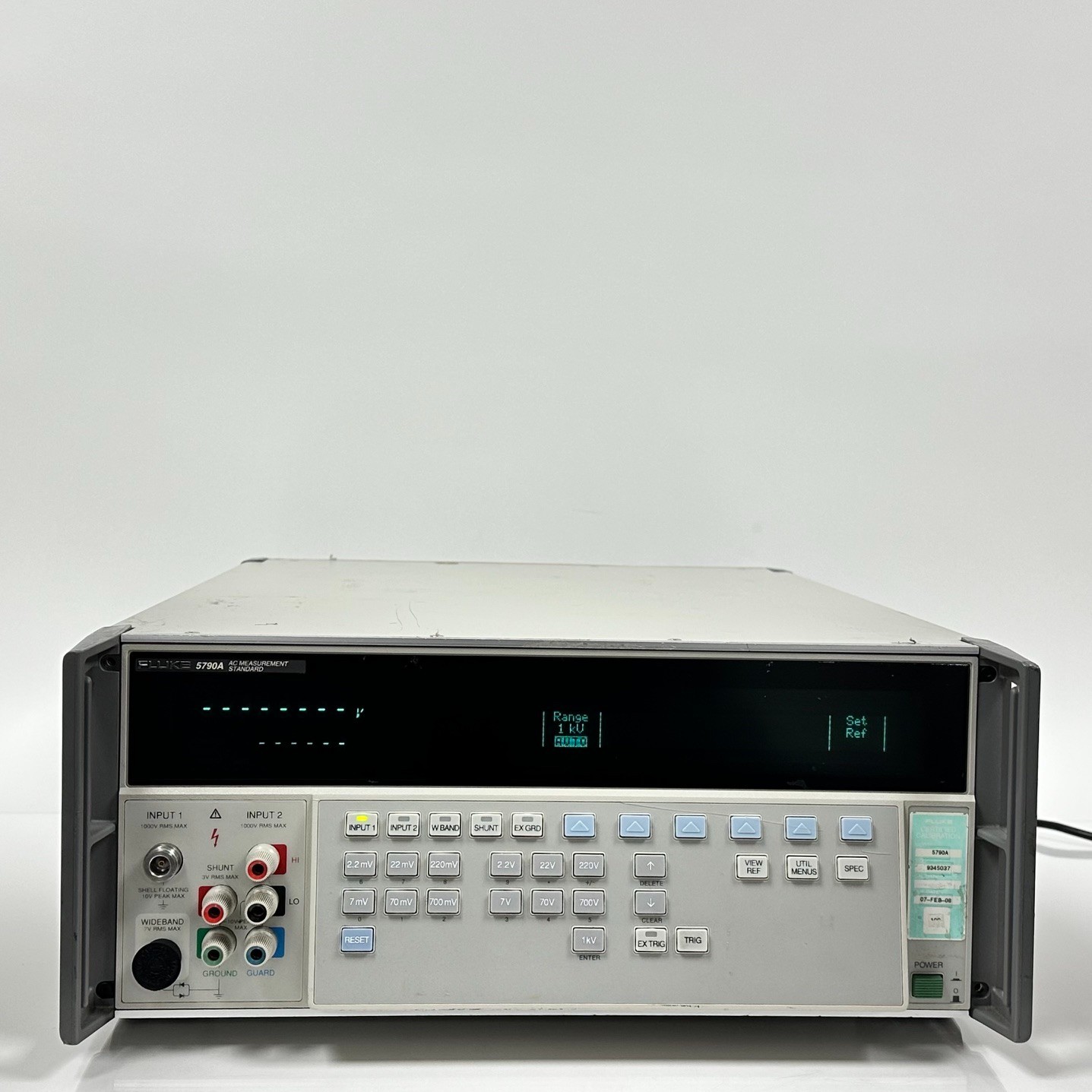
Calibration equipment covers the reference standards, test instruments, and certified weights used to verify and adjust measurement accuracy in scales, watches, electronics, and lab instruments. The primary trade-off is between traceable certified references with documented tolerances and uncertified or vintage gear whose accuracy is unknown. Buy certified weights and calibrators with stated ASTM/OIML classes and valid certificates for any regulated or safety-critical work; skip uncertified lots only for rough shop-floor checks.

Buying guide image
Lab Balances & Scales

Portable Weight Scale

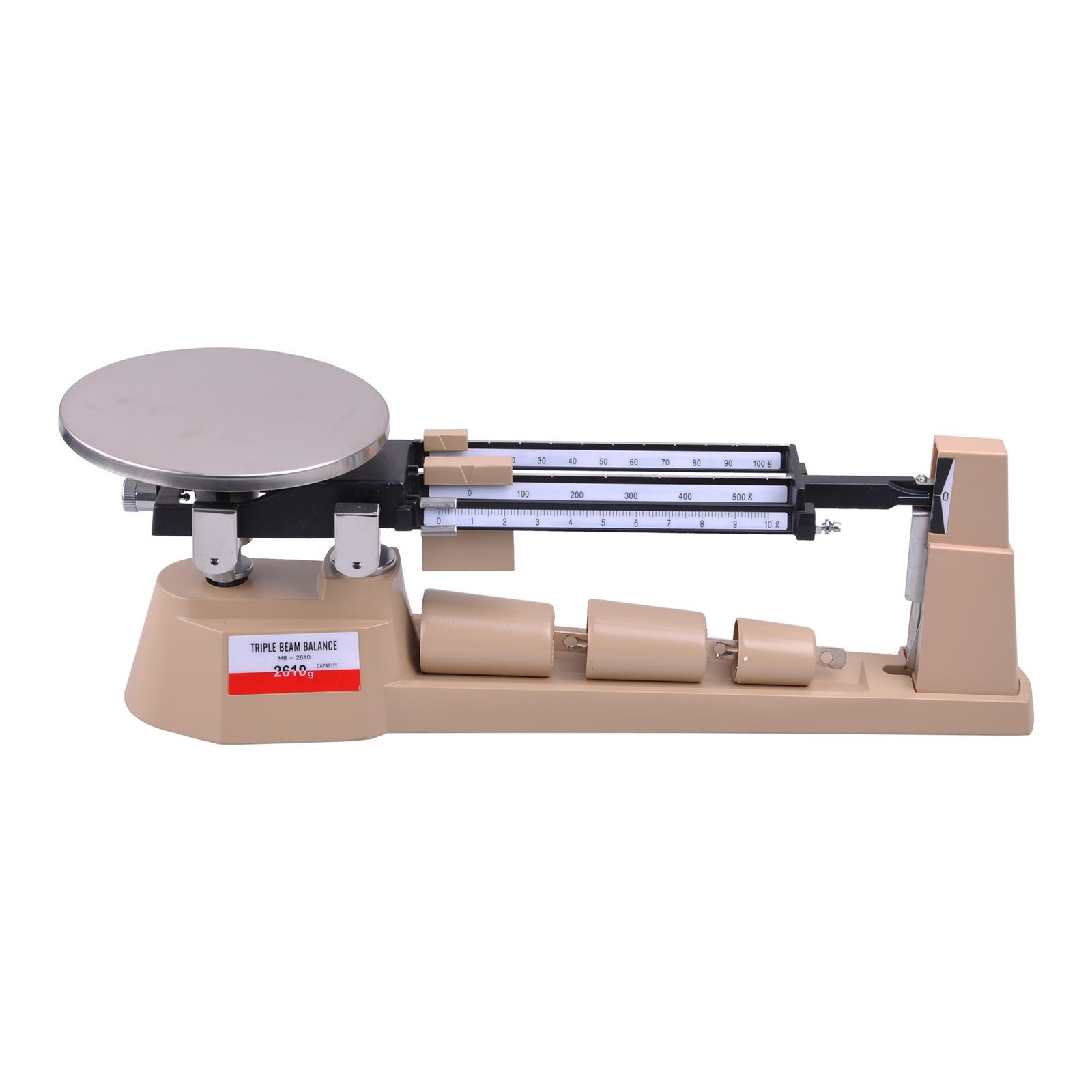
A portable weight scale is a compact, battery-powered digital scale used to weigh luggage, parcels, produce, or small goods away from a bench. The core trade-off is load-cell quality versus portability: cheap strain-gauge sensors drift under repeated loads, while a metal-body scale with a genuine 1 g or 0.1 g resolution and a backlit display delivers repeatable results across years of use. Buy a scale whose rated capacity exceeds your heaviest item by roughly 20% and whose resolution matches the smallest increment you actually need; skip any listing that omits capacity, resolution, or calibration method.

Buying guide image
Data Acquisition & Recorders

Data Acquisition Card

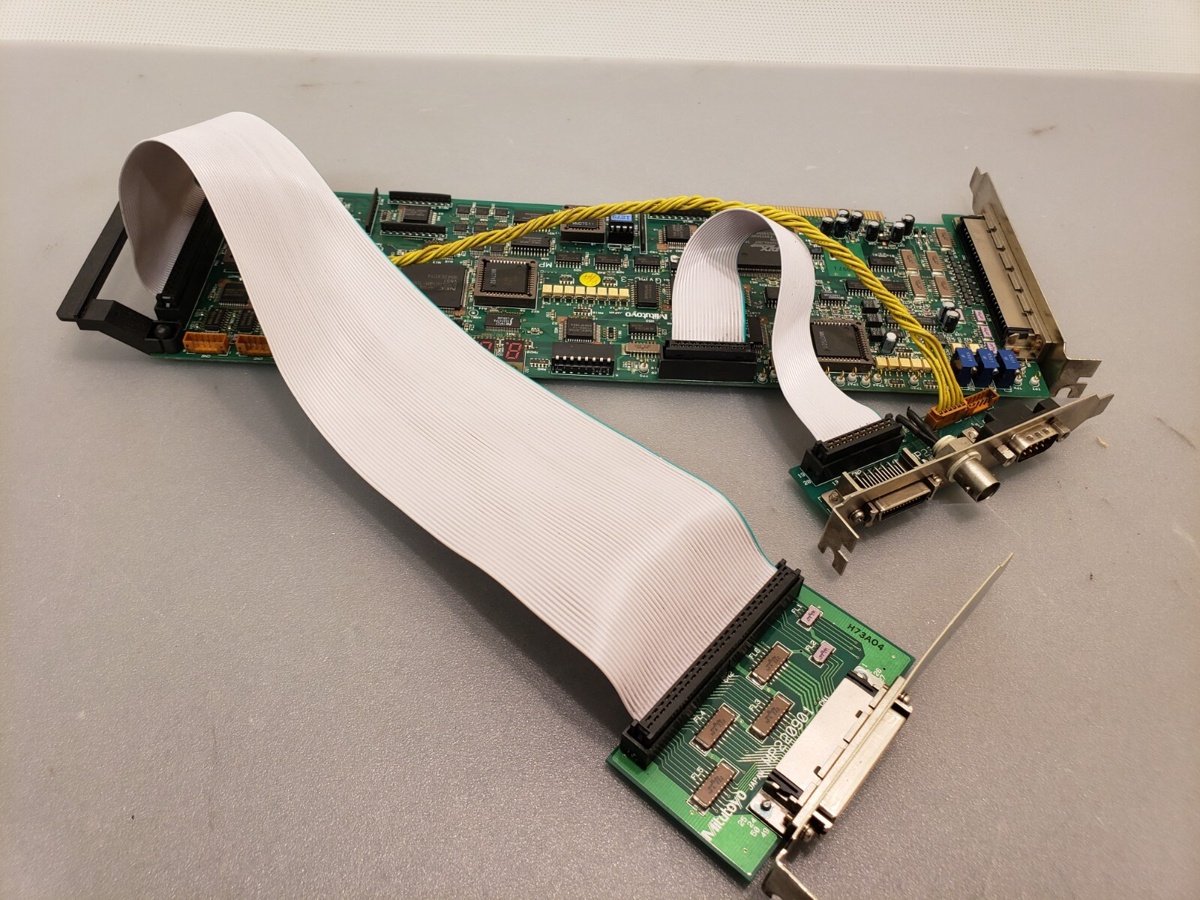
A data acquisition (DAQ) card is the interface module that converts real-world analog and digital signals into a digital stream a PC or chassis can log, and its defining trade-off is sample rate versus resolution: high-throughput cards trade bit depth and channel count, while high-resolution cards cap bandwidth. Choose a card whose front-end architecture, bus, and isolation match your signal types and channel count; skip general-purpose multifunction cards only when you need dedicated high-voltage isolation or simultaneous per-channel sampling.

Buying guide image
Oscilloscopes, Signal & Spectrum Analyzers

Portable Oscilloscope

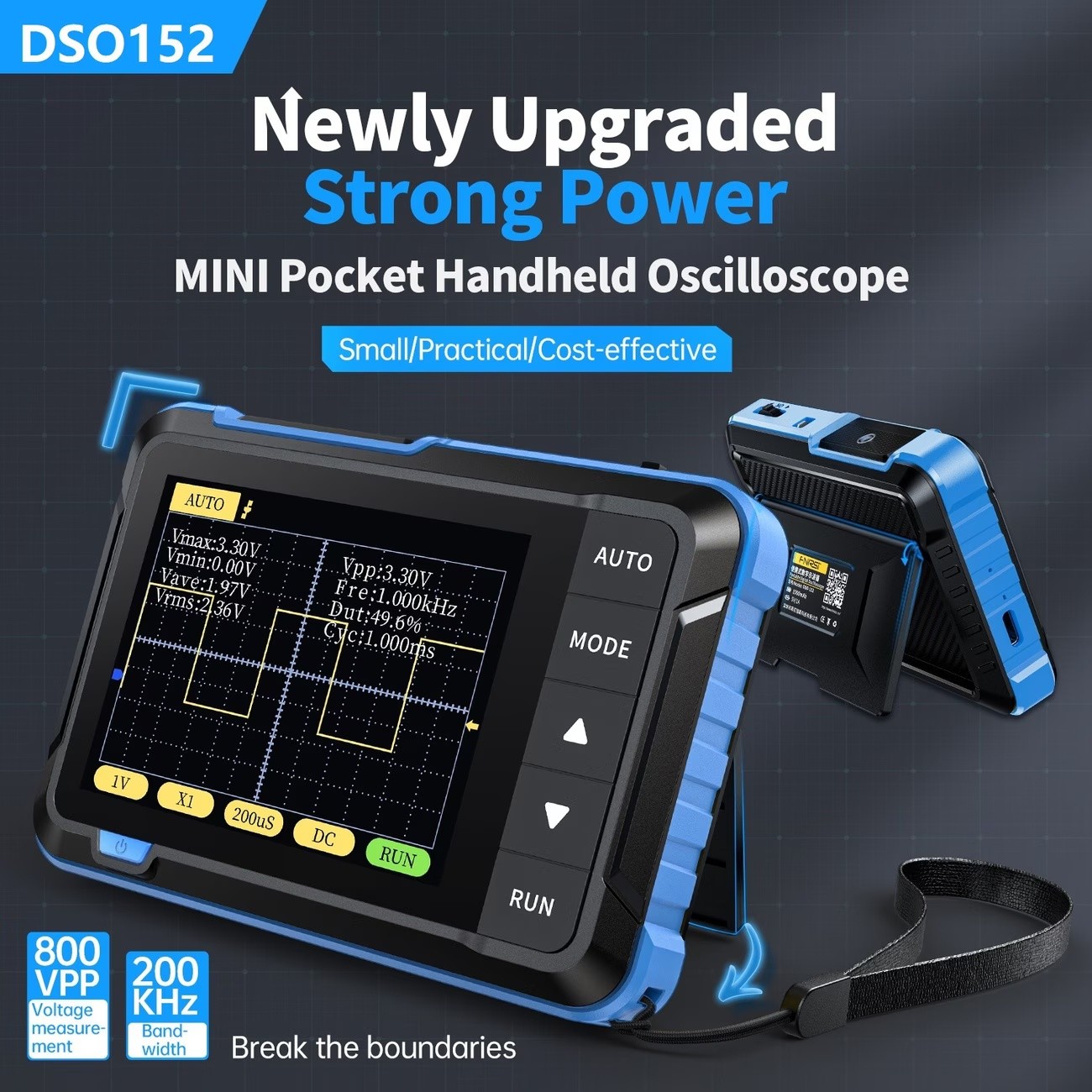
Portable oscilloscopes split into handheld battery-powered DSOs for field troubleshooting and compact benchtop/tablet units that trade portability for channel count and sample rate. The core trade-off is sample rate and front-end quality versus battery life and input isolation. Buy a handheld only if you need floating measurements away from mains; buy a tablet/benchtop portable when 100 MHz+ bandwidth and two channels matter more than pocketability.

Buying guide image
Calibration Equipment & Standards

Calibration Weight Set

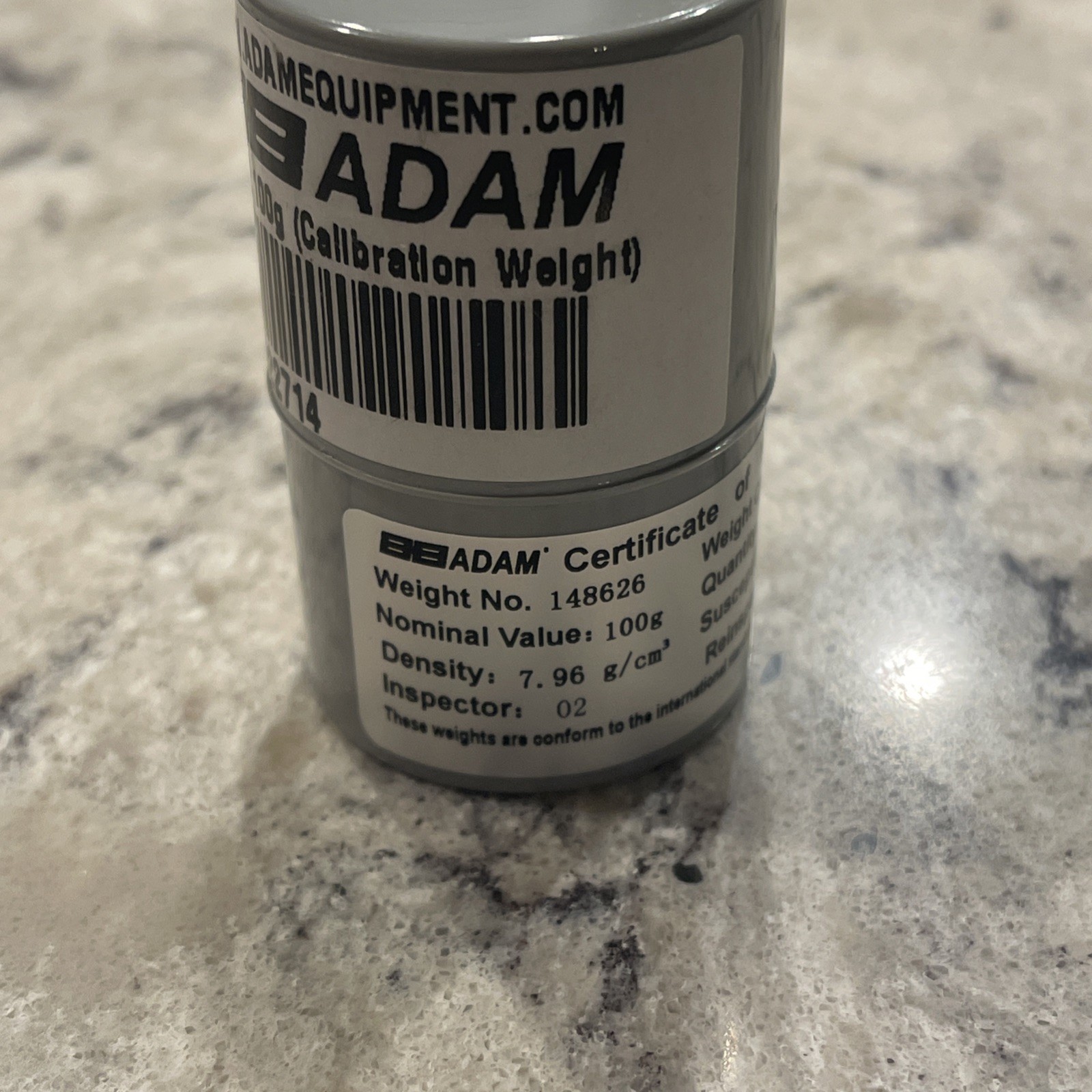
A calibration weight set is a certified mass reference used to verify and adjust digital scales, balances, and force instruments. The decisive trade-off is weight class accuracy (OIML/ASTM) versus cost: lower classes are fine for routine checks, while higher classes demand tighter tolerances and certified calibration. Buy the lowest class that meets your scale resolution, and always match weight material to corrosion environment.

Buying guide image
Data Acquisition & Recorders

Temperature Data Logger With Probe

A temperature data logger with probe is a standalone recording instrument that captures time-stamped temperature readings via an external sensor, used for cold-chain, HVAC, lab, and terrarium monitoring. The core trade-off is internal-sensor convenience versus external-probe accuracy and placement flexibility, and the decisive rule is whether the unit logs autonomously with downloadable history versus merely displaying live readings over Bluetooth.

Buying guide image
Data Acquisition & Recorders

Temperature Logger With Probe

A temperature logger with probe pairs a sealed sensor on a cable or rigid stem with a standalone recording unit, letting you monitor air, liquid, or surface temperatures where the electronics can't go. The core trade-off is sensor accuracy/stability versus logger memory and interface: thermistor probes dominate for tight low-range accuracy, while thermocouple loggers trade absolute accuracy for wide range and fast response. Buy a logger only if it stores timestamped data internally, not just streams; streaming-only Bluetooth units are compromises for any record that must stand up later.

Buying guide image
Spectroscopy, Analysis & Detection Instruments

Water Ph Tester

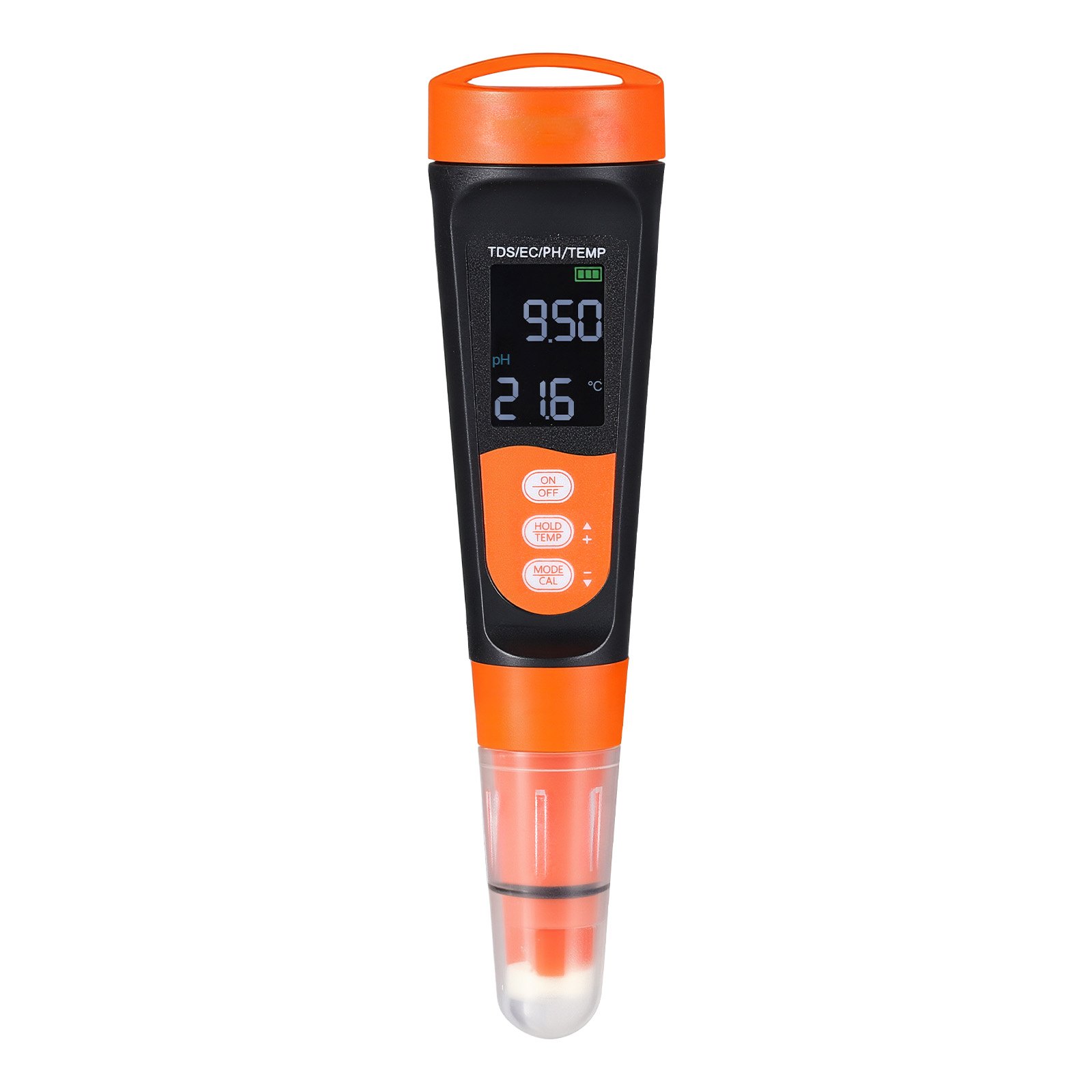
A water pH tester is a handheld or benchtop instrument that measures hydrogen-ion activity in liquids, spanning cheap pen-style units, replaceable-probe pens, and lab-grade meters. The core trade-off is electrode quality versus price: glass-bulb probes with replaceable cartridges hold calibration and last years, while sealed plastic-bulb pens drift and die. Buy a replaceable-probe meter with 2-point calibration if you need reliable readings; skip sealed pens if accuracy matters.

Buying guide image
Centrifuges, Mixers & Shakers

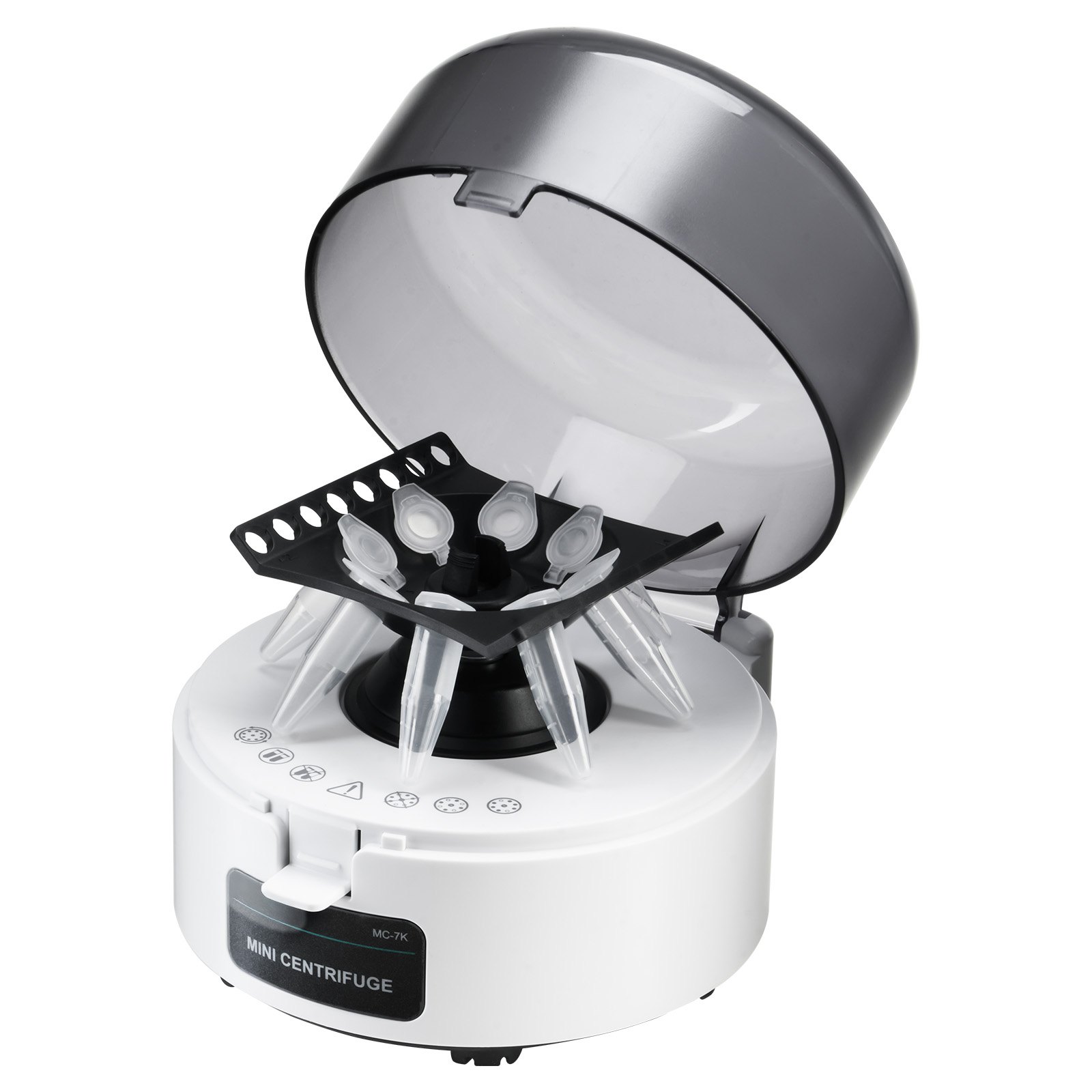
Mini Centrifuge Machine

A mini centrifuge is a compact benchtop device for spinning small micro-tubes (0.2–2.0 mL) at fixed high speed, used for quick pelleting, cell separation, and spin-downs. The core trade-off is between a fixed-speed 7000 rpm 2-in-1 rotor design and a variable-speed unit with interchangeable rotors and safety interlocks. Buy the 2-in-1 fixed-speed tier only for routine micro-work; step up to variable speed with a locking lid if you need protocol flexibility or work with hazardous samples.

Buying guide image
Pressure, Flow & Process Measurement

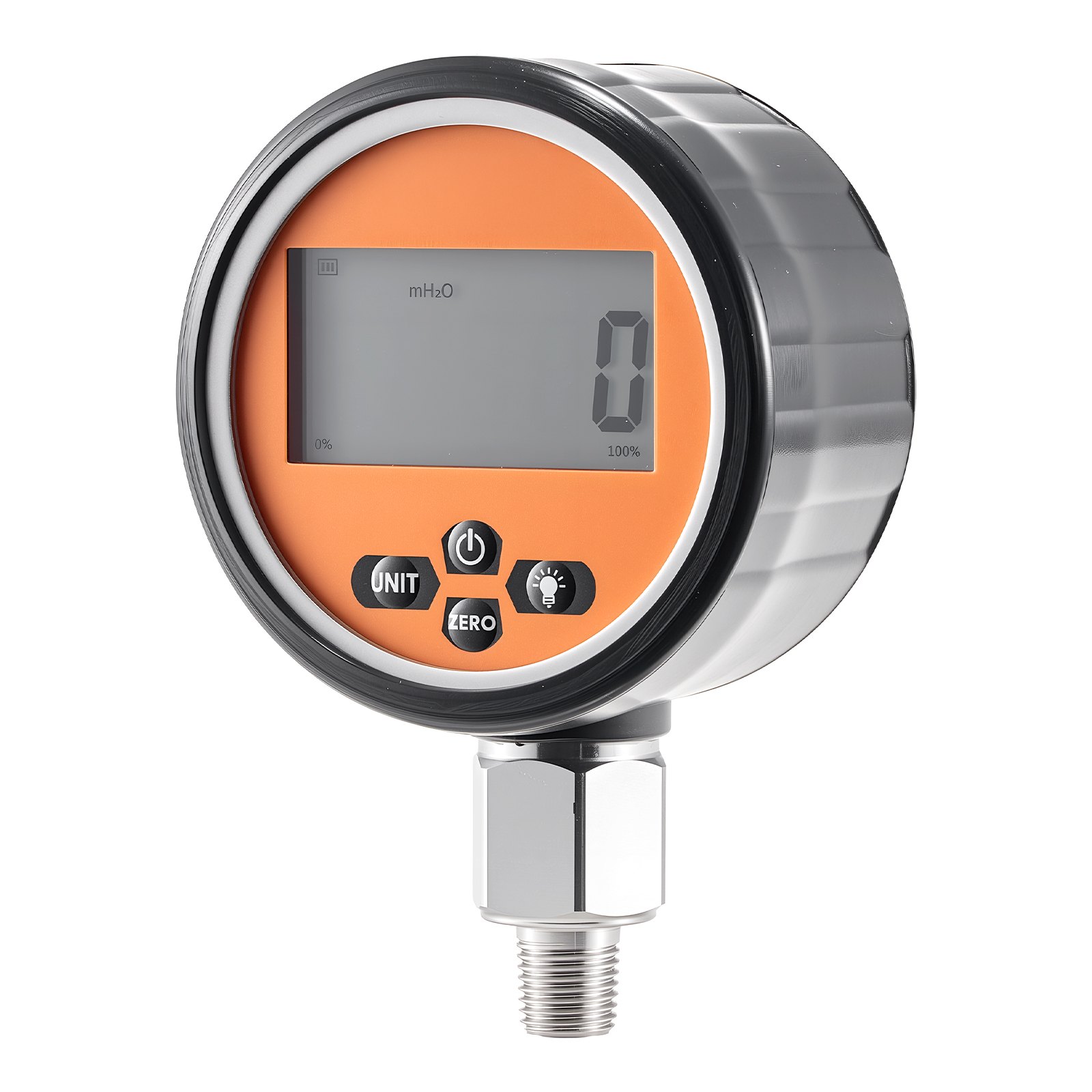
Pressure Gauge

A pressure gauge is a mechanical or digital instrument that converts fluid or gas pressure into a readable dial or display value. The core trade-off is analog Bourne-tube simplicity versus digital sensor accuracy, and the decisive rule is matching the gauge's pressure range, connection standard, and wetted-material grade to the system it will monitor—oversized ranges and mismatched threads are the most common compromise.

Buying guide image
Data Acquisition & Recorders

Portable Temperature Data Logger

A portable temperature data logger is a self-contained, battery-powered sensor that records time-stamped temperature at fixed intervals for later download and analysis. The core trade-off is measurement accuracy and probe durability versus battery life and software friction: throwaway USB-stick models cut cost but sacrifice sensor precision and fail in condensing or sub-zero environments. The decision rule is simple: buy a logger rated to your exact temperature range with a verified accuracy spec, a replaceable battery, and a downloadable CSV or PDF export path; skip anything advertising only a single point accuracy with no logging capacity spec.

Buying guide image
Test Leads, Probes, Fixtures & Accessories

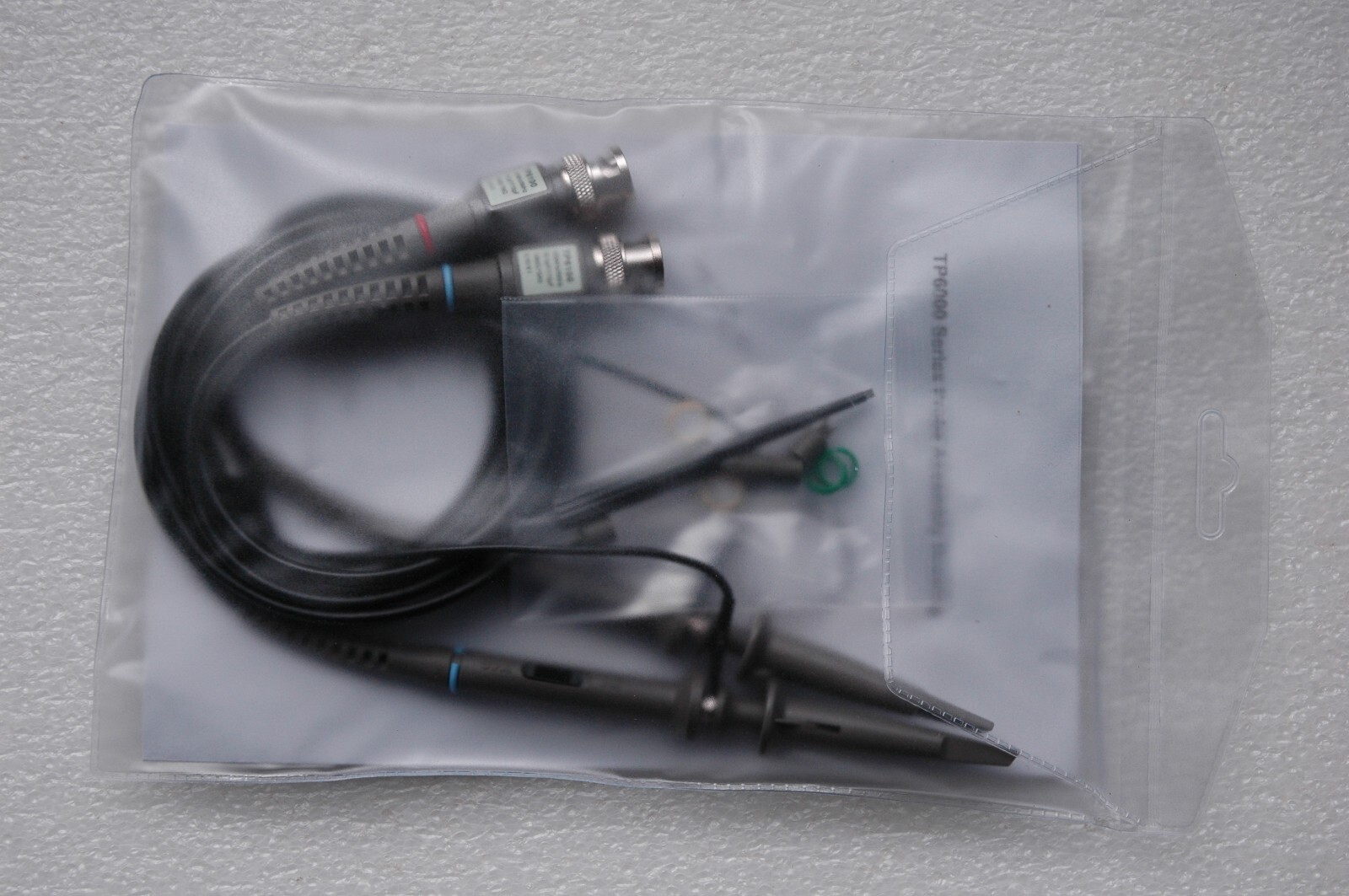
Test Probe Kit

A test probe kit bundles the probes, leads, clips, and tips that connect your instrument to the circuit under test. The core trade-off is between bandwidth and compensation accuracy for scopes versus insulation rating and contact quality for multimeters and bench supplies. Buy a kit rated for your instrument's bandwidth and CAT safety level; skip generic kits with no compensation adjustment or unmarked insulation.

Buying guide image
Multimeters & Electrical Testers

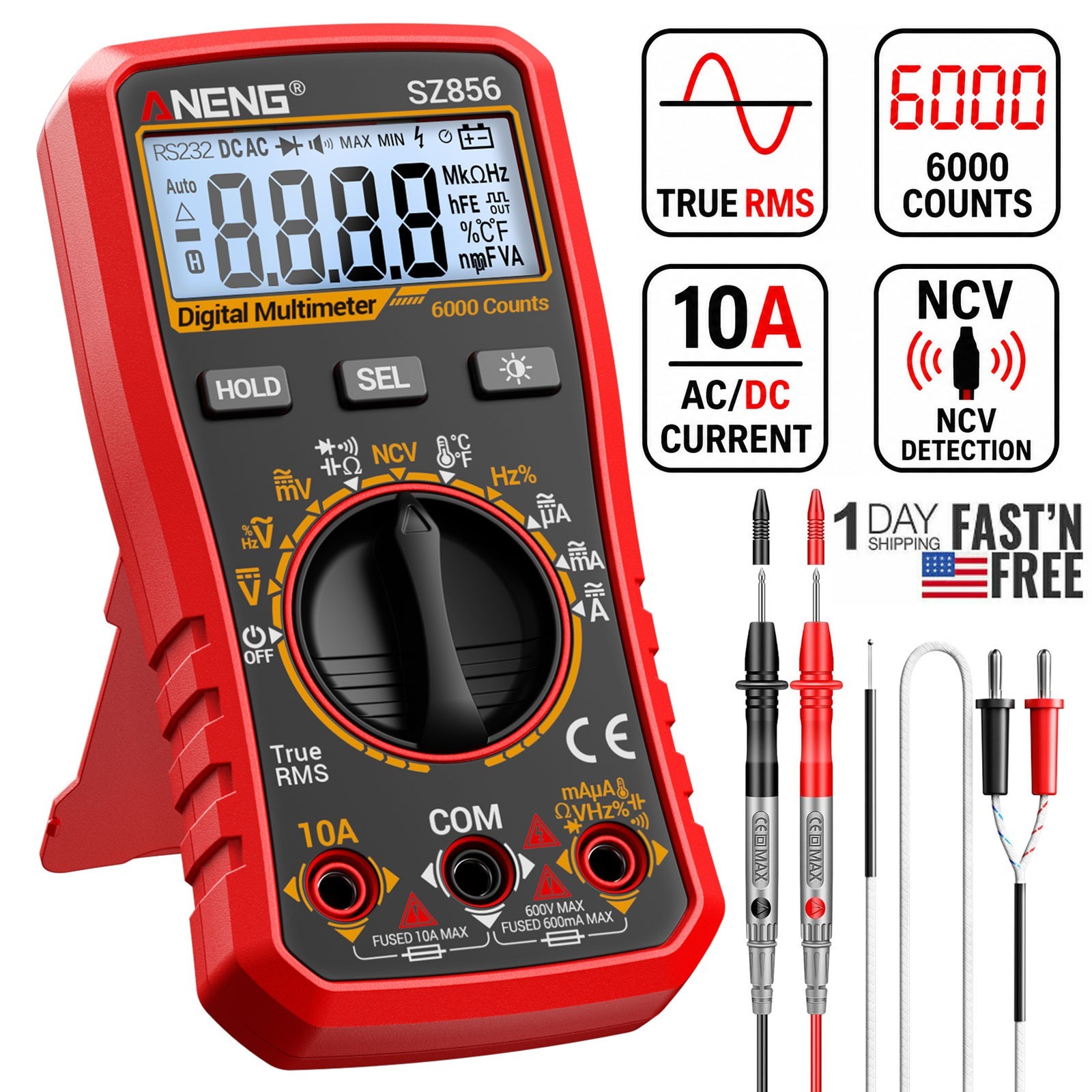
Aneng Digital Multimeter

Aneng digital multimeters are budget-friendly handheld testers that span basic 2000-count models to true-RMS 6000-count units with rechargeable touchscreen interfaces. The primary trade-off is between low cost and safety/accuracy: cheaper models often lack true RMS, proper CAT ratings, and fused input protection. The decision rule is simple: buy an Aneng only if it explicitly lists true RMS, a CAT III 600V (or better) safety rating, and a 6000-count display—skip models that omit these, as they are hobby-grade compromises.

Buying guide image
Data Acquisition & Recorders

Temperature Data Logger

Temperature data loggers are stand-alone recording instruments that capture time-stamped temperature (often with humidity) for cold chain, HVAC, laboratory, and environmental monitoring. The core trade-off is sensor accuracy and calibration traceability versus interface convenience and cost: USB download and fixed internal sensors are the durable baseline, while Bluetooth app-based units trade long-term calibration stability for setup speed. Choose a logger with a documented accuracy spec, a sealed or replaceable sensor, and a download method that fits your compliance workflow; skip any unit that lists no accuracy or logging capacity figures.

Buying guide image
Microscopes & Lab Imaging

Black Microscope

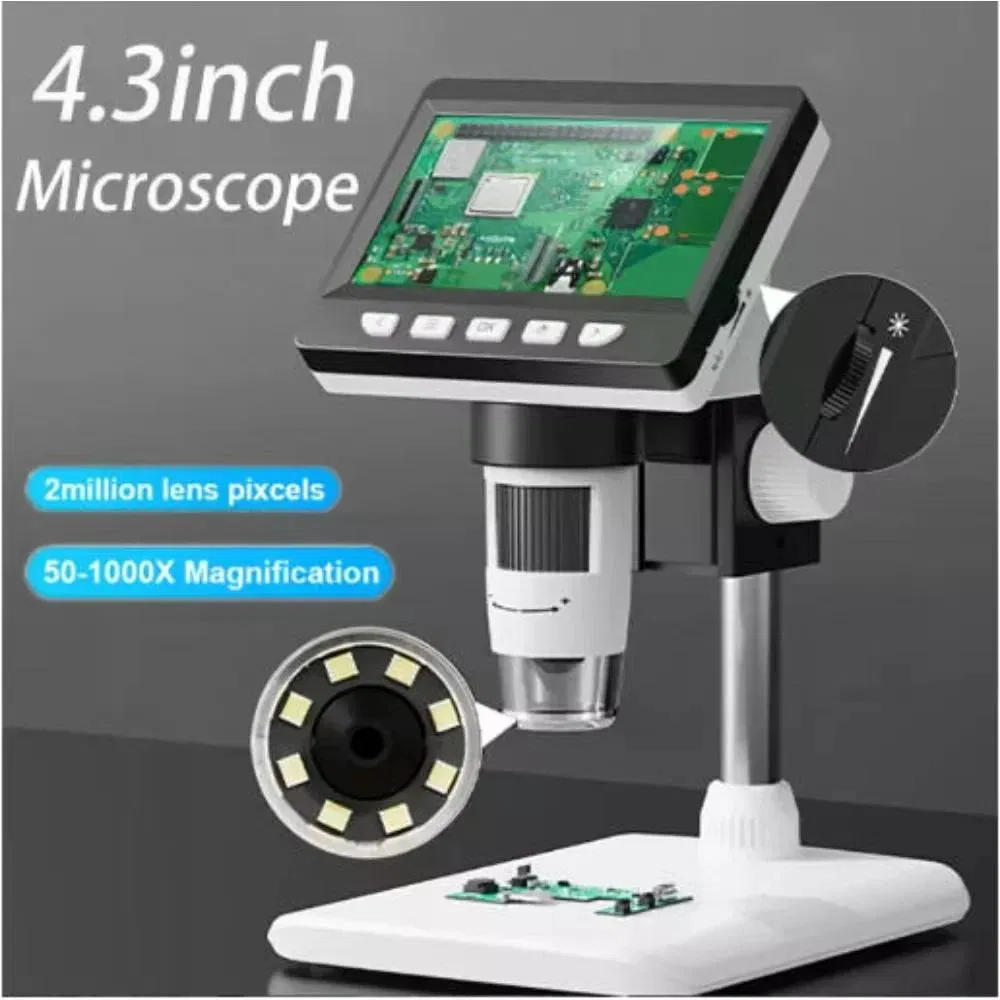
Black microscopes span three distinct architectures—optical compound, stereo inspection, and digital USB/standalone—where the primary trade-off is lens quality and real magnification versus convenient digital capture. Durable options use all-glass achromatic optics, metal rack-and-pinion focus, and defined numerical aperture; compromises substitute plastic lenses, empty magnification claims, and fragile stands. The decision rule: buy for the magnification and stand stability your task demands, and treat color as cosmetic—black finish changes nothing optical or mechanical.

You may also like

Finding more guides for you…