Bench & Gauge

Bench & Gauge

Test, Measurement & Inspection Reviews & Buying Guides

Compare test, measurement & inspection by use case, features, trade-offs, price, returns, and seller terms before you buy.

Buying guides

Buying guide image
Spectroscopy, Analysis & Detection Instruments

Ph Meter Fermentation

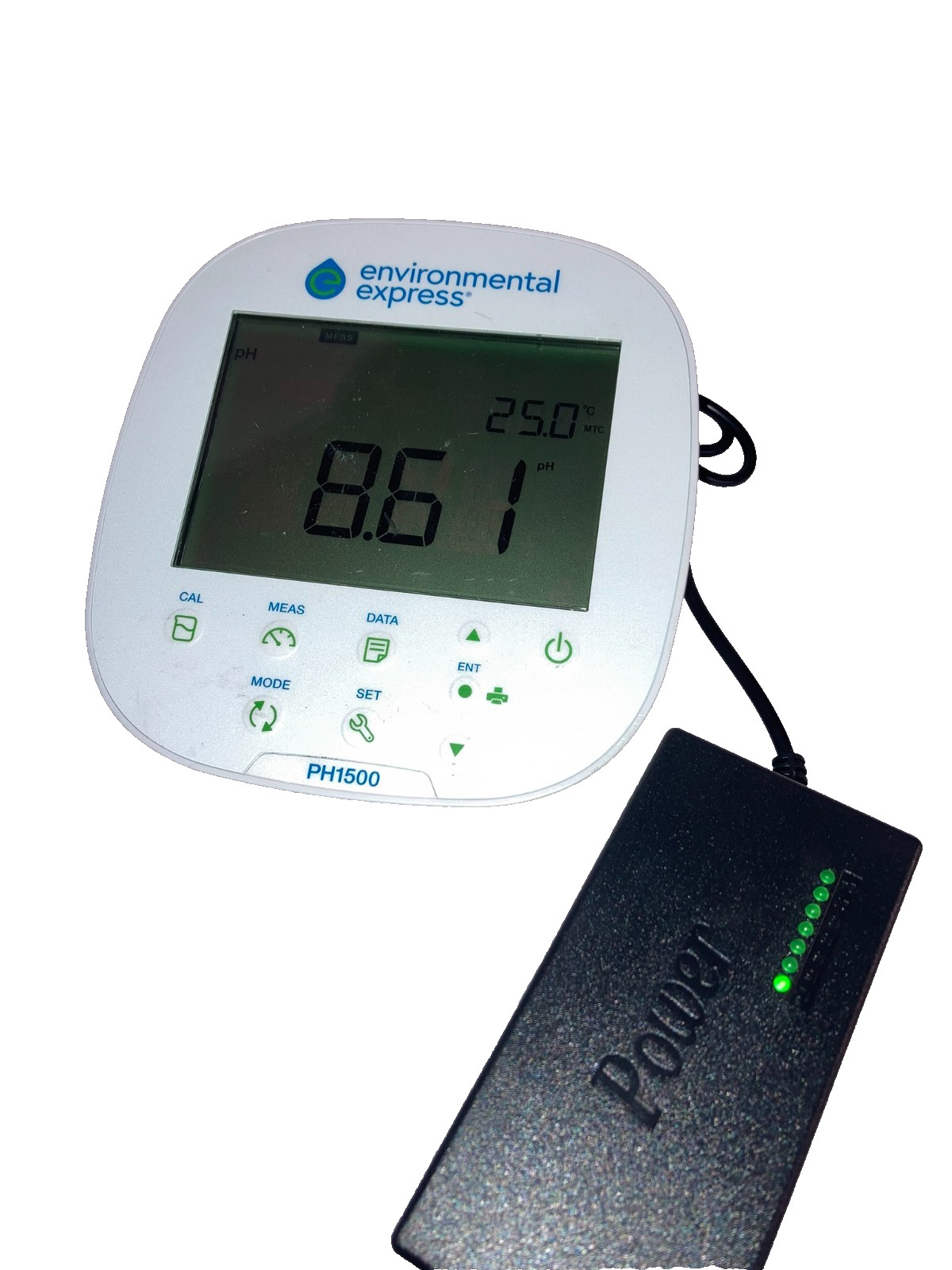
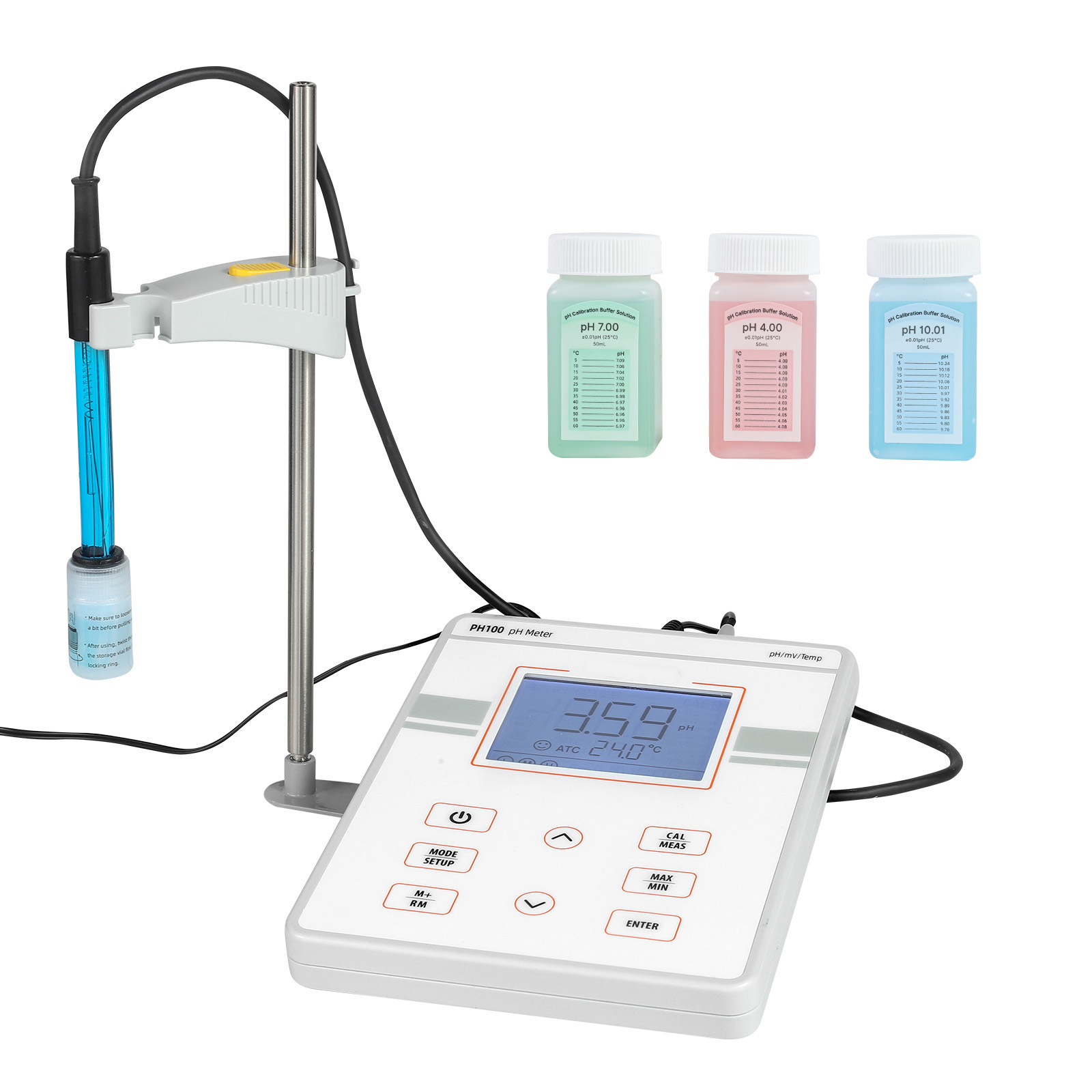
A fermentation pH meter is a food-safe, often spear-probe instrument that measures acidity in mash, brine, yogurt, and cultured solids where glass bulbs and lab-only electrodes fail. The core trade-off is probe architecture: a sealed gel lab electrode is accurate but fragile and slow in semi-solids, while a replaceable, open-junction spear probe survives thick matrices and can be reconditioned. Buy a meter with a detachable or replaceable food probe and ATC if you ferment regularly; skip permanently sealed pen meters for anything thicker than a liquid.
Buying guide image
Spectroscopy, Analysis & Detection Instruments

Ph Meter Food Testing

Food pH meters are ruggedized potentiometric instruments with spear or flat-surface electrodes designed to pierce solids, semi-solids, and slurries without clogging. The primary trade-off is electrode junction design and temperature compensation: glass-bulb lab electrodes deliver ±0.01 accuracy but fracture in dense food, while ISFET or durable epoxy-body spear electrodes survive meat and dough at ±0.1 to ±0.2 pH. Buy a meter rated for food-solids contact with automatic temperature compensation (ATC) and a replaceable electrode; skip open-junction lab pens and non-replaceable sealed units for routine food work.

Buying guide image
Spectroscopy, Analysis & Detection Instruments

Ph Meter Hydroponic

A hydroponic pH meter is a precision electrochemical tool that measures nutrient solution acidity to keep plant roots in the 5.5–6.5 absorption window. The core trade-off is between cheap analog pen testers with non-replaceable electrodes and modular digital meters with ATC and user-replaceable probes. Buy a meter with a replaceable electrode and two-point calibration; skip sealed, non-serviceable pens for anything beyond casual reservoir checks.

Buying guide image
RF, Network, Cable & Telecom Test

Telecom Test Equipment

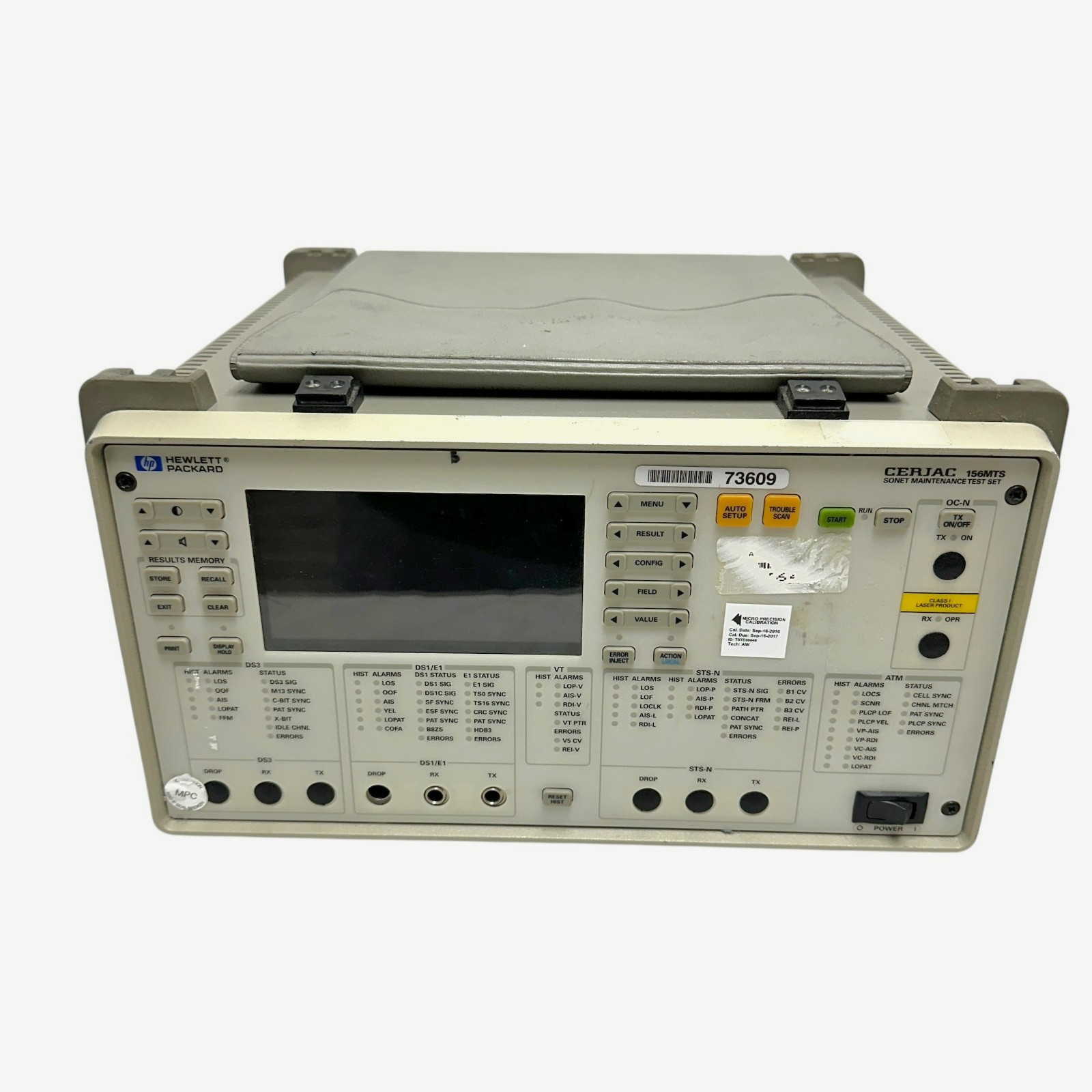
Telecom test equipment covers butt sets, loop analyzers, transmission testers, and protocol analyzers used to install, maintain, and troubleshoot copper, T1/ISDN, SONET, and fiber networks. The core trade-off is protocol and interface coverage versus portability and cost: a butt set tests POTS lines, while a transmission set handles T1/DS0 and a SONET analyzer handles OC-N rates. Buy by the exact interface and protocol you must test, not by brand nostalgia—obsolete modules without adapters are dead weight.

Buying guide image
Environmental & Indoor Air Measurement

Temtop Air Quality Detector

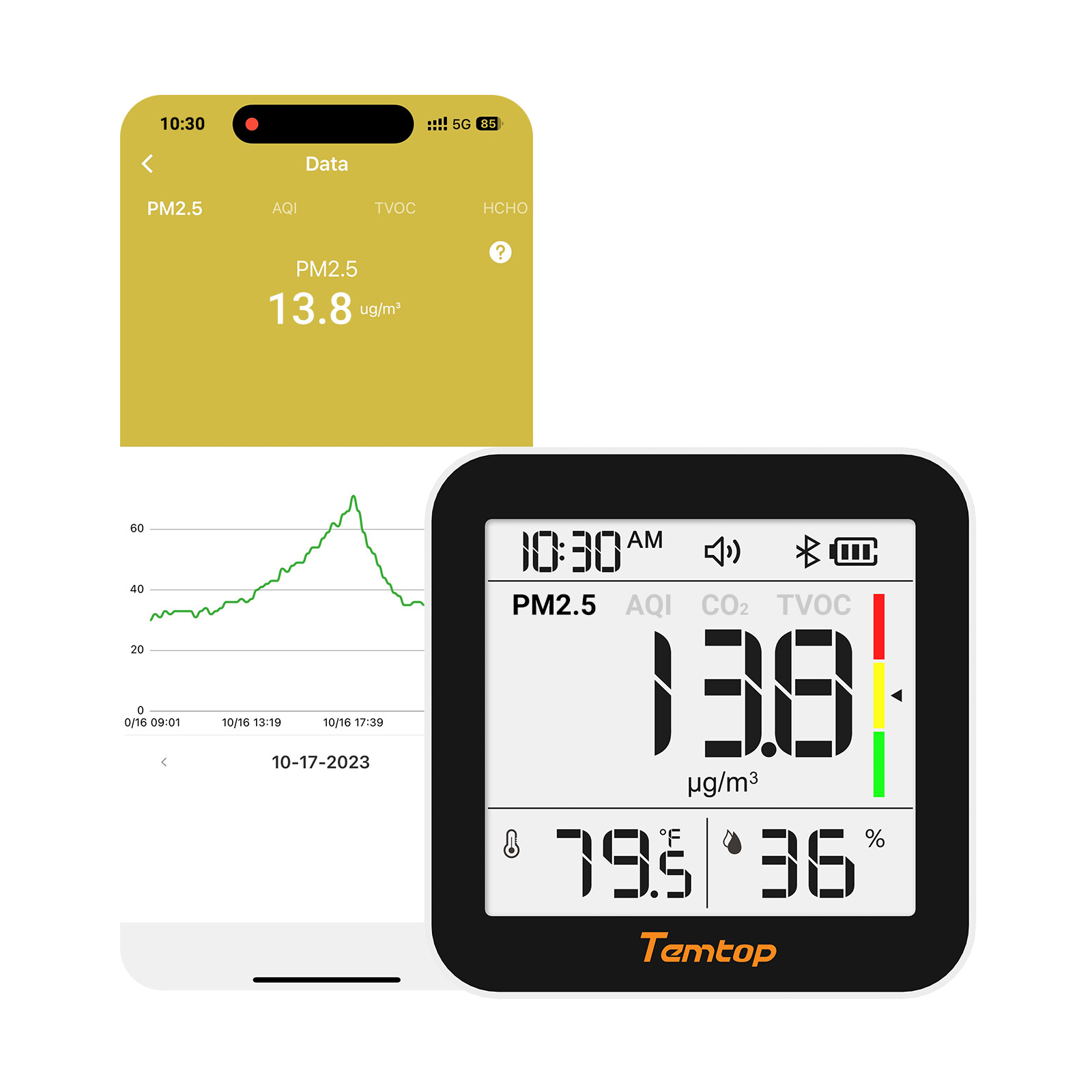
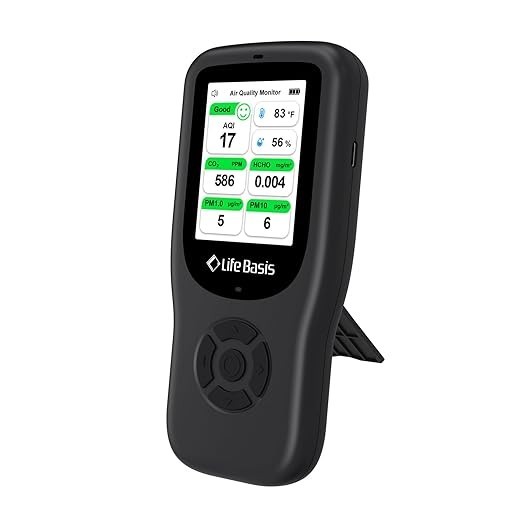
Temtop air quality detectors are handheld and desktop monitors built around optical particle counters, NDIR CO2 cells, and electrochemical or MOS gas sensors. The defining trade-off is sensor complement versus calibration stability: particle-plus-CO2 units give reliable core readings, while added formaldehyde or VOC channels vary sharply by sensor grade. Choose a model whose sensor set matches your specific concern; skip multi-gas budget tiers if you need lab-grade formaldehyde accuracy.

Buying guide image
Thermal Cameras, Borescopes & Visual Inspection

Infrared Camera

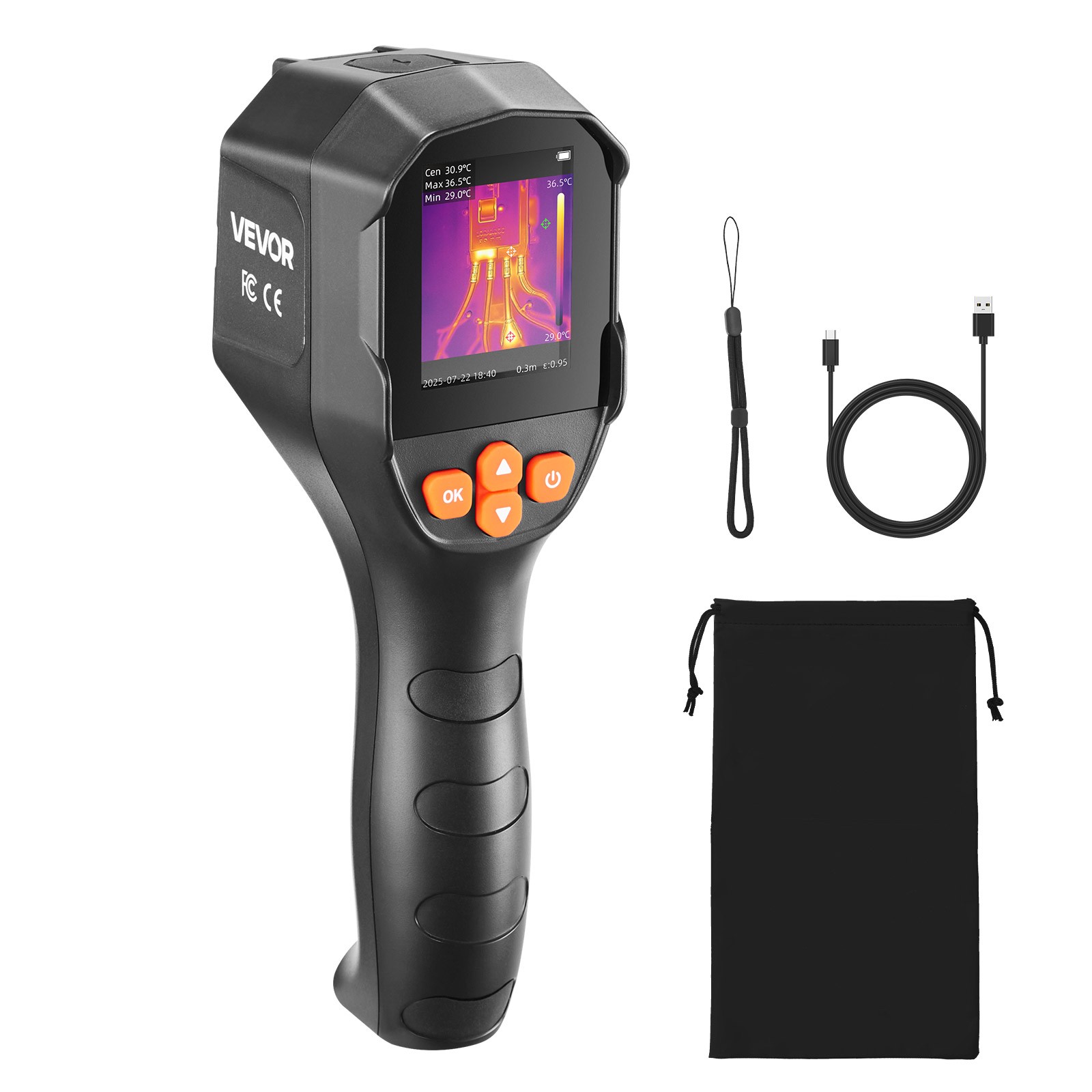
An infrared camera converts surface heat into a pixel grid, and the decisive trade-off is native IR detector resolution versus the price you pay for it. Native 256x192 sensors with 25Hz refresh and ±2°C accuracy are the durability and usefulness floor for diagnostics; 160x120 and interpolated-only units are casual tools, while 320x240-class detectors are the serious inspection tier.

Buying guide image
Multimeters & Electrical Testers

Automotive Circuit Tester

Automotive circuit testers split into two families: a dumb incandescent/LED test light that only shows presence of voltage, and a powered probe (often called a power probe) that can also inject 12V power and ground to actuate components. The decisive trade-off is voltage-range breadth and cable reach versus the ability to supply load current; test lights are passive and cheap, powered probes are active diagnostic tools. Buy a powered probe if you need to test relays, motors, and injectors; buy a simple test light only for fast presence/continuity checks on 6–24V systems.

Buying guide image
Multimeters & Electrical Testers

Fluke Digital Multimeter

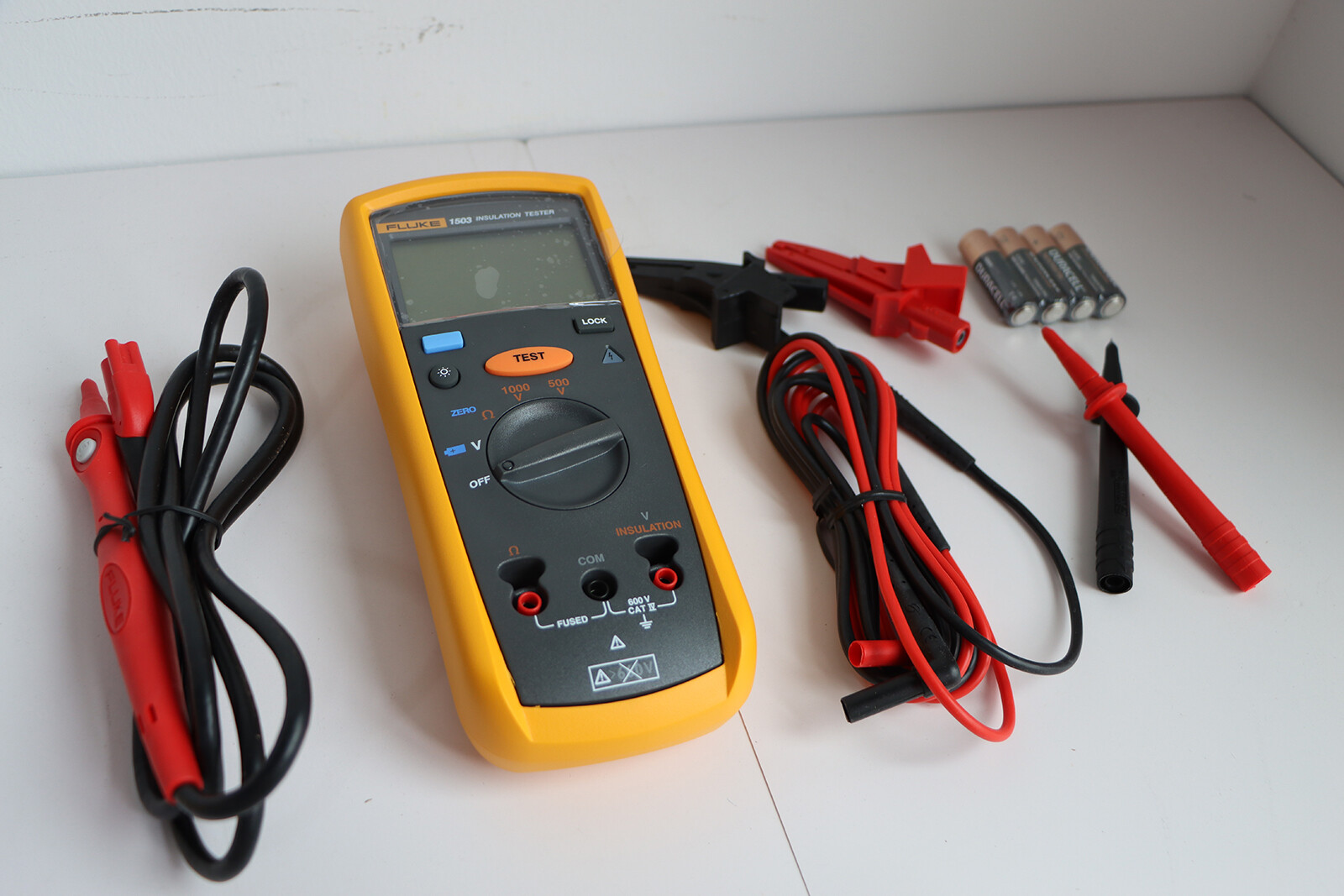
Fluke digital multimeters are professional-grade test instruments defined by CAT safety ratings, True-RMS accuracy, and long-term calibration stability. The core trade-off is between rugged, safety-certified models (Fluke 117, 87V) and cheaper lookalikes that lack independent CAT III/IV validation. Buy a Fluke when you need reliable high-energy-circuit safety and repeatable low-voltage measurements; skip it only for low-voltage hobby work where a basic CAT II meter suffices.

Buying guide image
Test Leads, Probes, Fixtures & Accessories

Oscilloscope Probe

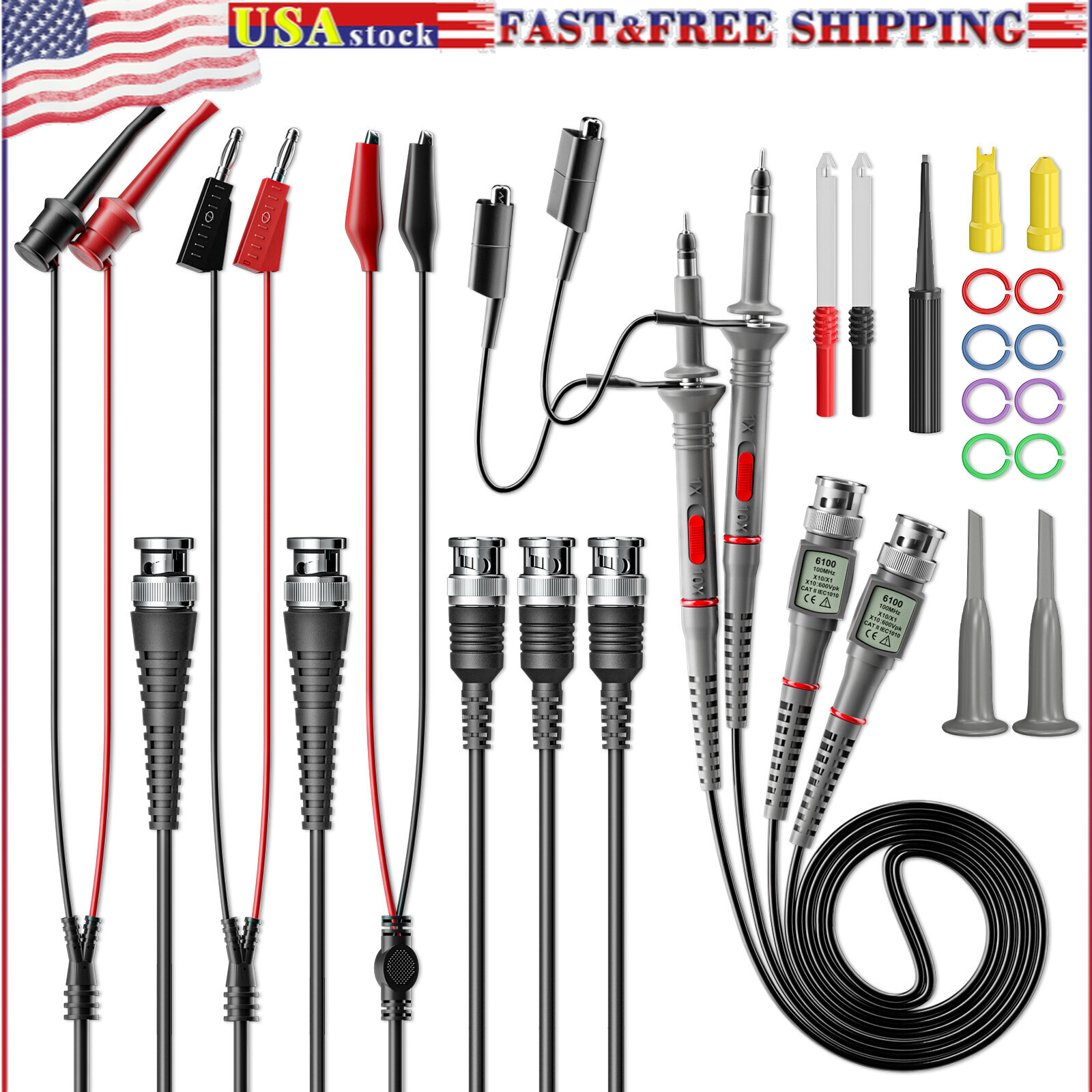
Oscilloscope probes are the critical interface between a circuit and your scope, and the primary trade-off is bandwidth and compensation quality versus cost. A probe must have at least the bandwidth of your scope and proper 10X attenuation with compensation, or you lose signal fidelity. Buy a passive 10X probe rated above your scope's bandwidth from a known brand; skip no-name 1X/10X switchable kits if you need accurate high-frequency measurements.

Buying guide image
Multimeters & Electrical Testers

Amp Clamp Multimeter

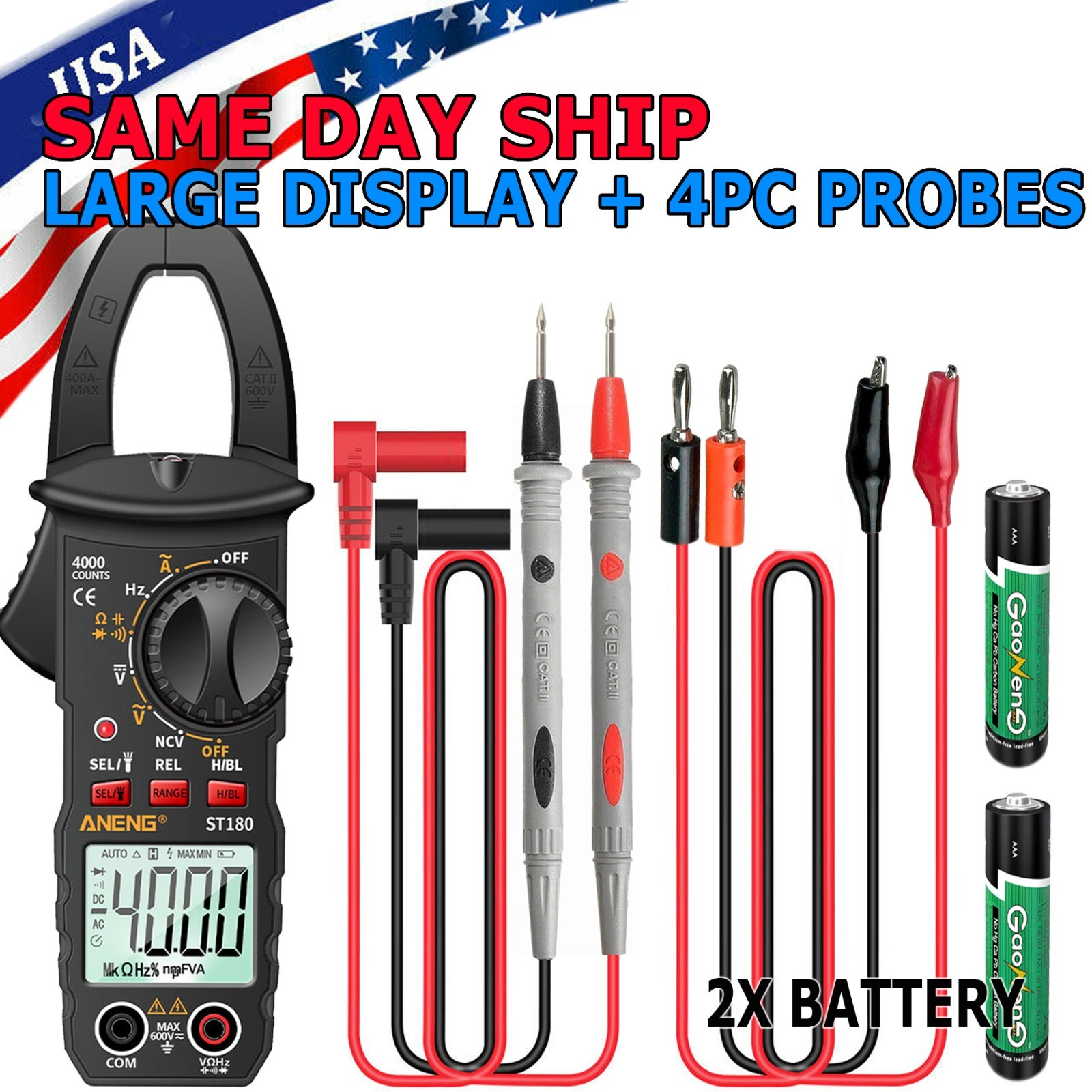
An amp clamp multimeter combines a hinged current transformer jaw with standard DMM functions to measure AC/DC current without breaking the circuit. The decisive trade-off is jaw size and measurement architecture: large-jaw true-RMS models with dedicated DC Hall-effect sensing handle thick conductors and non-sinusoidal loads, while slim AC-only budget clamps suit residential branch circuits only. Buy a true-RMS clamp rated for the conductor diameter and current type you actually service, and skip any clamp whose jaw cannot fully enclose your largest cable.

Buying guide image
Multimeters & Electrical Testers

Clamp Amp Meter

A clamp amp meter is a current-measuring tester that encircles a conductor to read amperage without breaking the circuit, typically combining a split-core jaw with a digital multimeter for voltage, resistance, and continuity. The core trade-off is measurement architecture: Hall-effect sensors enable DC and AC current but cost more and drift with temperature, while AC-only current transformers are cheaper and rock-stable but blind to DC. Buy a true-RMS Hall-effect clamp if you work on DC systems or non-linear loads; choose an AC-only transformer clamp only for basic branch-circuit or motor-load checks.

Buying guide image
Multimeters & Electrical Testers

DC Clamp Amp Meter

A DC clamp amp meter measures current by sensing the magnetic field around a conductor, so its core value is Hall-effect or fluxgate sensing that reads DC amps without breaking the circuit. The defining trade-off is sensor type and jaw quality: Hall-effect sensors drift with temperature and need zeroing, while AC-only current transformers cannot read DC at all. Choose a true-RMS Hall-effect clamp rated for your peak DC current with a separate zero button; skip AC-only transformer clamps and any meter without DC zeroing.

Buying guide image
Test Leads, Probes, Fixtures & Accessories

Fluke Meter Lead

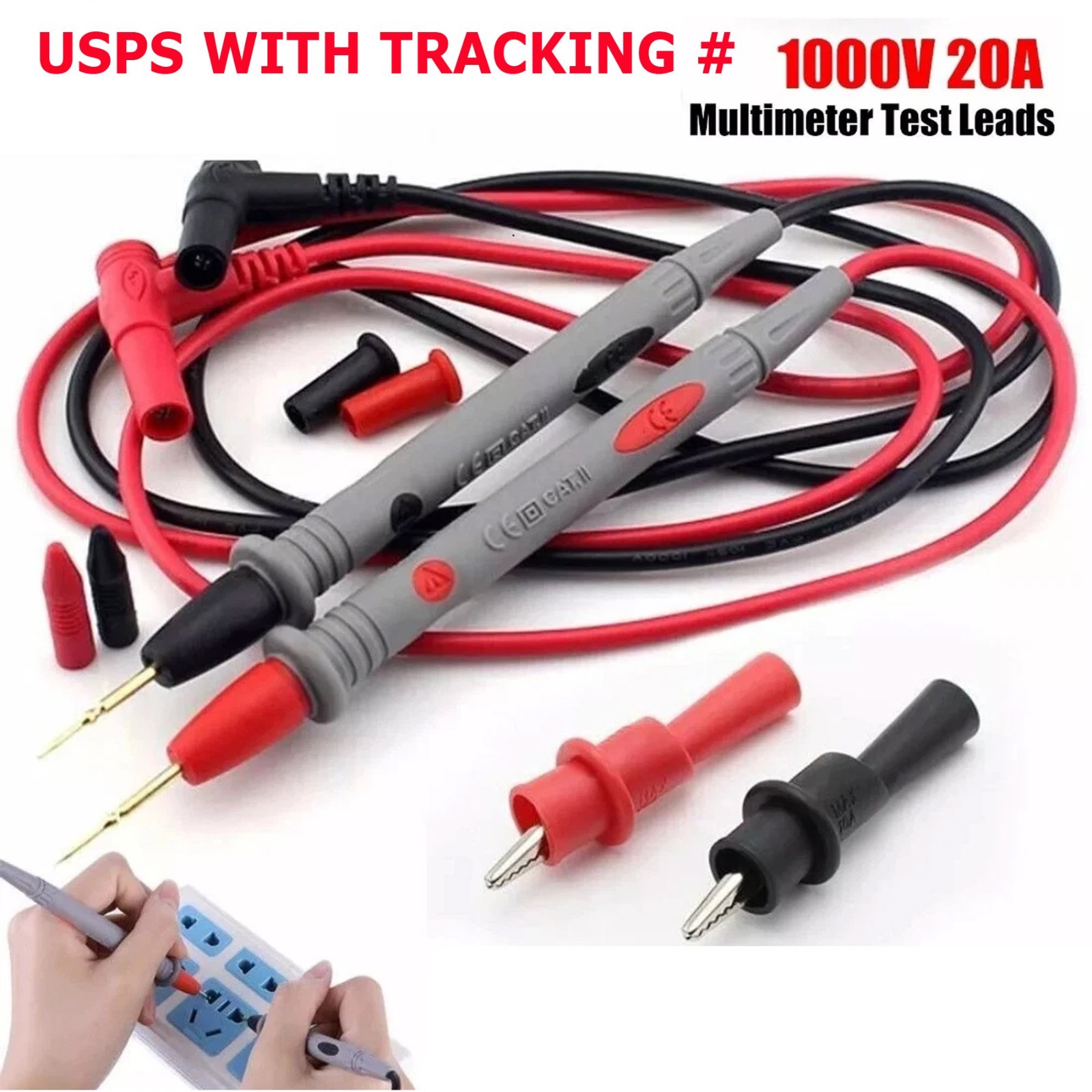
Fluke meter leads are the test-lead sets, probes, and clip accessories that connect a Fluke multimeter to the circuit under test, and the decisive trade-off is electrical safety rating versus copper quality and connector fit. Genuine Fluke leads carry CAT III/IV voltage ratings and 600V-rated silicone insulation with low-resistance copper; generic 'for Fluke' leads routinely claim 1000V/20A on the listing but ship PVC insulation and thin copper that fail at real fault currents. The rule: buy leads with an explicit CAT III 1000V / CAT IV 600V rating and silicone insulation, and treat any lead sold only on a 20A current claim as a bench-only compromise.

Buying guide image
Multimeters & Electrical Testers

Auto Ranging Multimeter

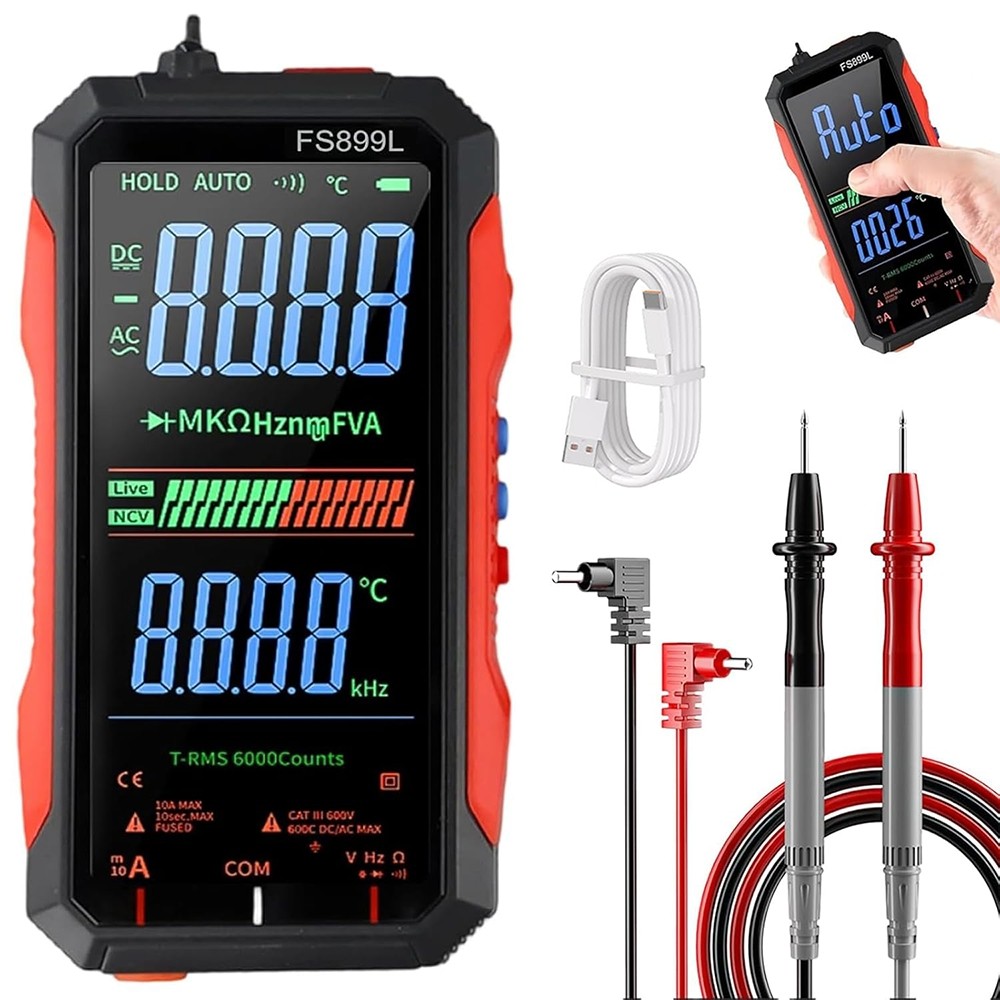
An auto-ranging multimeter eliminates manual range selection, trading a rotary dial for microprocessor-controlled measurement scaling—but the real decision hinges on count resolution, True RMS architecture, and input protection. Choose a True RMS meter with at least 6000 counts and CAT III 600V rating for mains and electronics work; skip 2000-count non-TRMS models unless you only probe low-voltage DC circuits.

Buying guide image
Multimeters & Electrical Testers

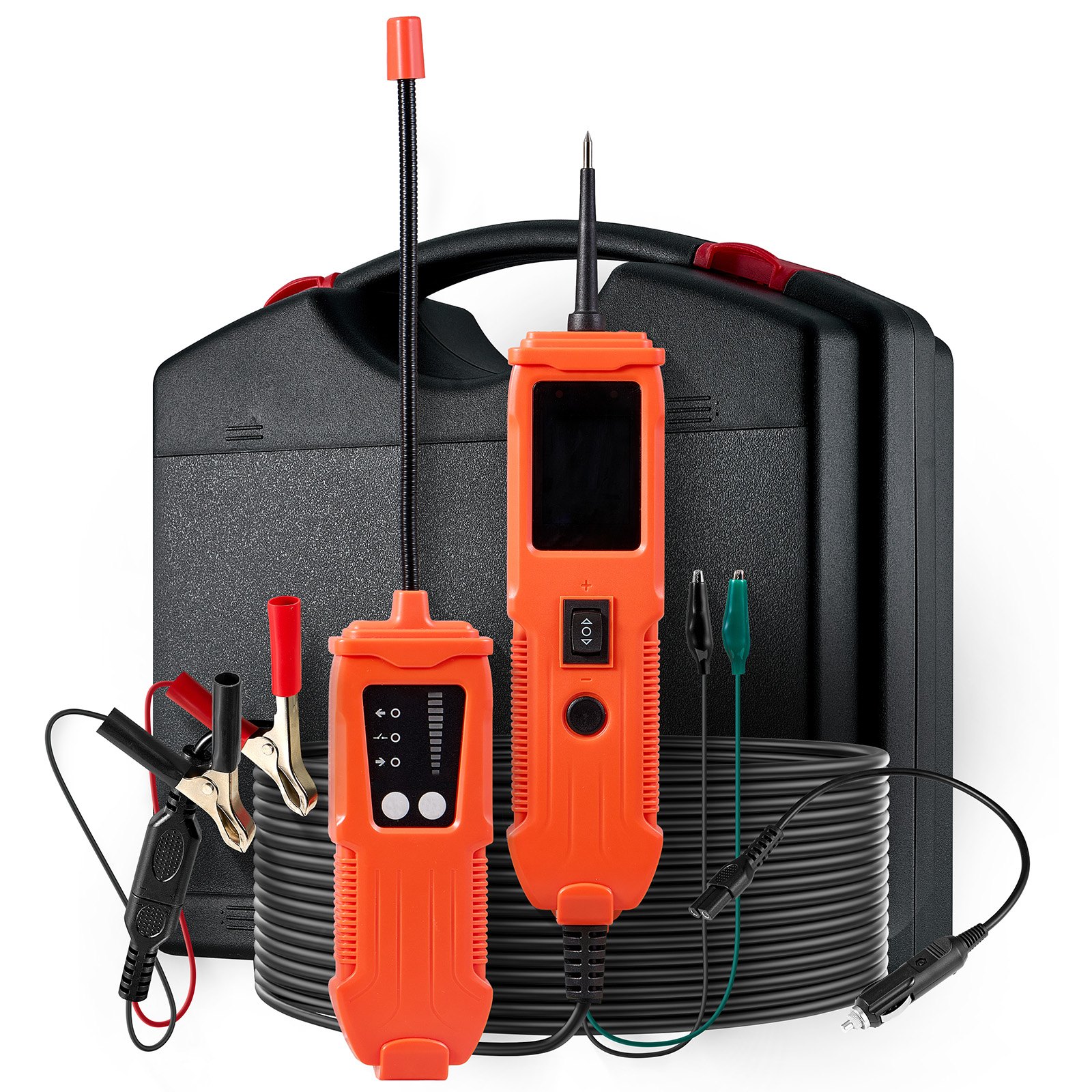
Power Probe Circuit Tester

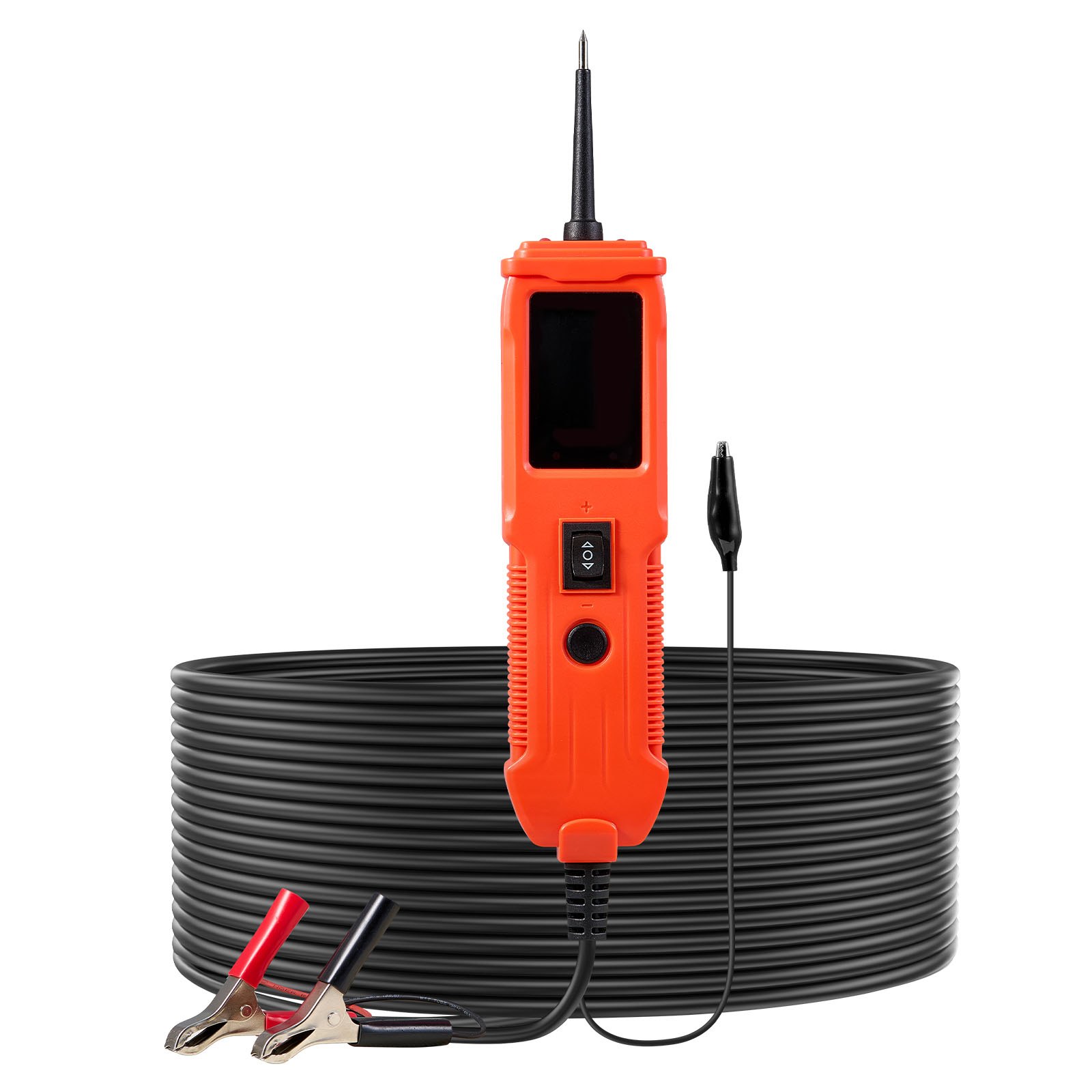
A Power Probe-style circuit tester is a handheld bidirectional electrical diagnostic tool that injects battery voltage or ground into a circuit to test components, find shorts, and verify wiring without a separate multimeter. The core trade-off is between basic power/ground injection tools and full diagnostic units with voltage readout, component activation, and short-circuit protection. Buy a tester with bidirectional injection, a resettable circuit breaker, and a clear voltage display; skip simple continuity-only probes that cannot power a circuit.

Buying guide image
Environmental & Indoor Air Measurement

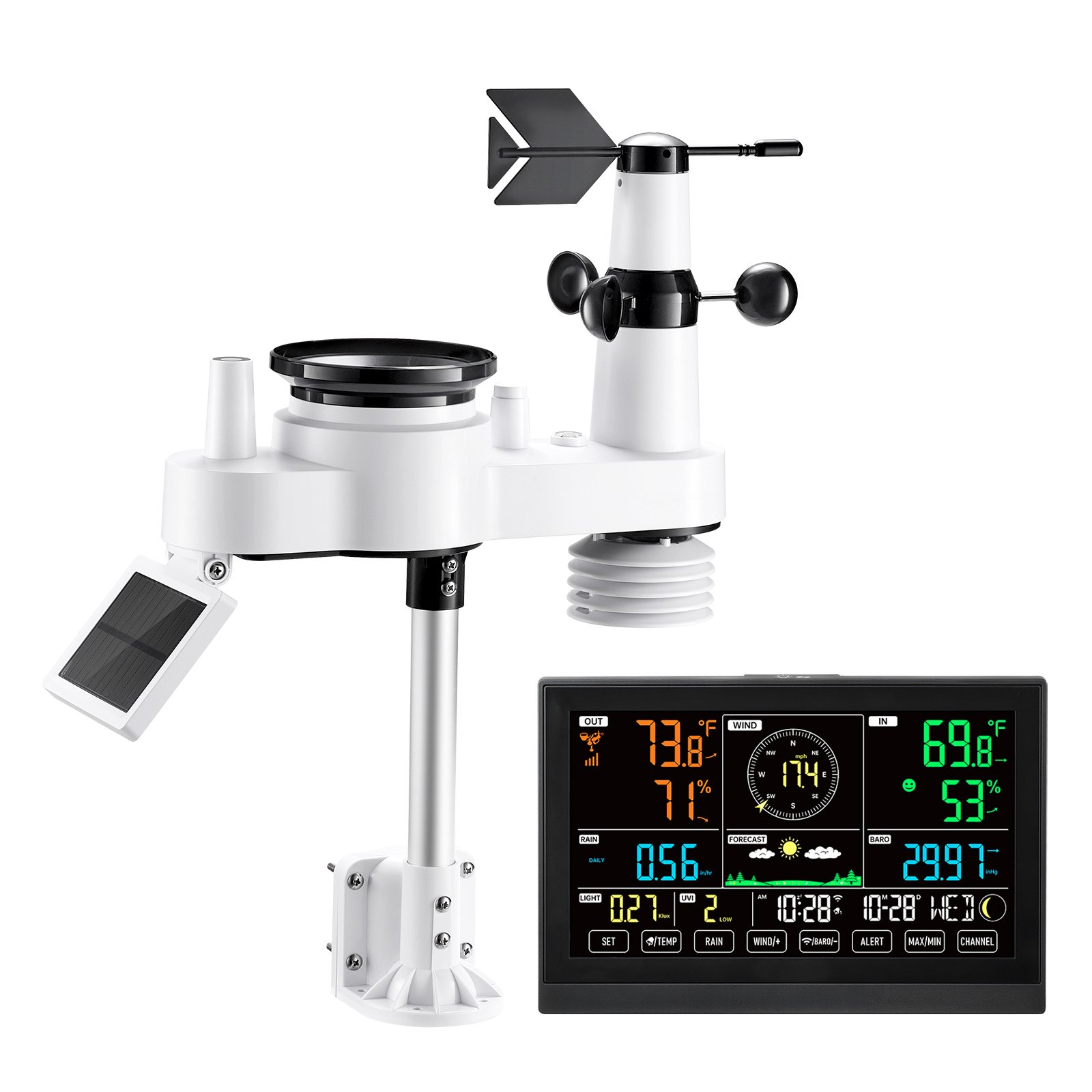
Weather Station With Rain Gauge

A weather station with a rain gauge combines outdoor sensors (anemometer, wind vane, thermo-hygrometer, and a tipping-bucket or ultrasonic rain collector) with an indoor display or app to track hyperlocal conditions. The core trade-off is sensor construction and wireless protocol: cheap all-in-one units use unshielded thermistors and fragile tipping buckets that drift or jam, while modular or ultrasonic stations use shielded radiation shields and solid-state rain sensing for long-term accuracy. The decision rule is simple: buy a station with a separate radiation shield and a user-serviceable rain bucket if you need reliable rainfall totals; skip sealed all-in-one pods if you plan to rely on rain data for irrigation or records.

Buying guide image
Test Leads, Probes, Fixtures & Accessories

Fluke Multimeter Lead

Fluke multimeter leads are the test-lead sets and probe accessories built to mate with Fluke handheld DMMs, and the core trade-off is genuine Fluke silicone leads versus third-party PVC or silicone lookalikes. Genuine leads use 1000 V CAT III/IV-rated silicone insulation, double-crimp strain reliefs, and safety shrouds; cheap generics often skimp on the silicone jacket, the crimp, or the CAT rating. The decision rule: if you work on live mains or industrial panels, buy genuine Fluke or a certified CAT III/IV set; for low-voltage bench and hobby work, a quality silicone aftermarket set is acceptable.

Buying guide image
Microscopes & Lab Imaging

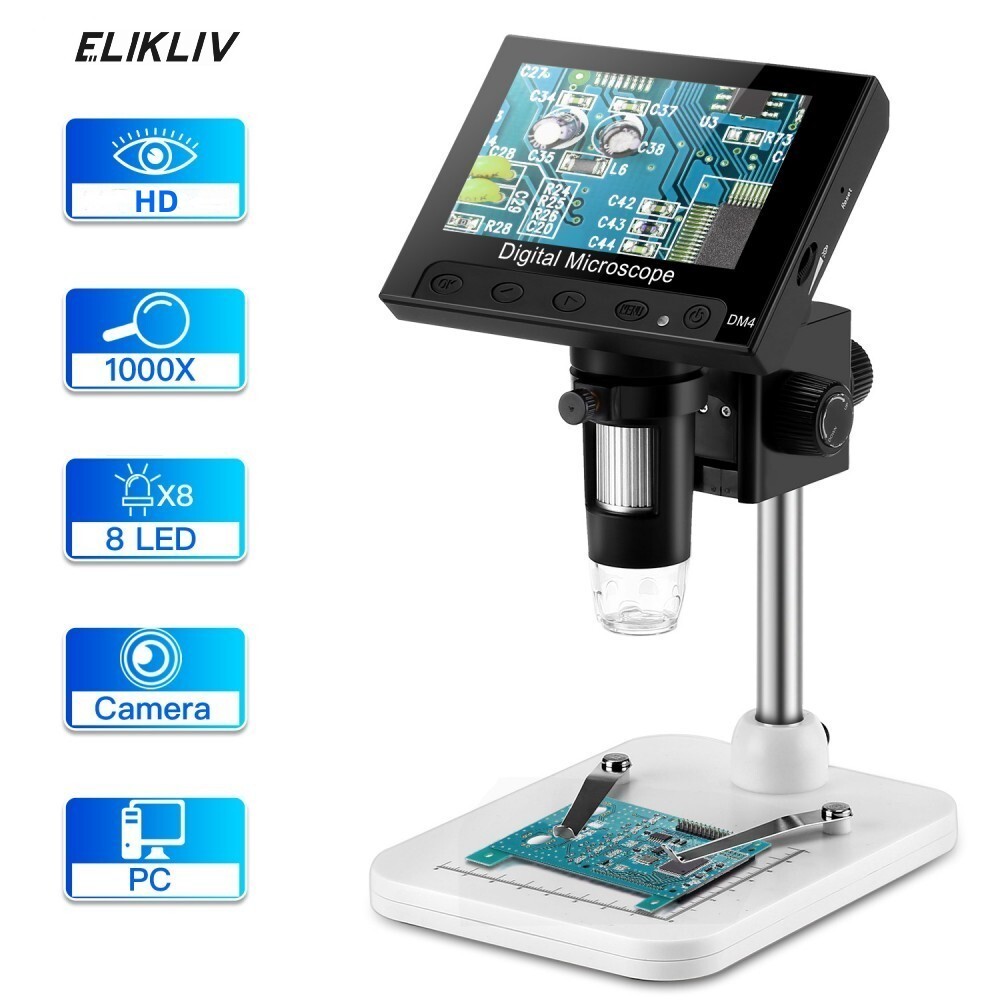
Elikliv Microscope

Elikliv microscopes are digital imaging systems built around a camera sensor and LCD screen rather than optical eyepieces, aimed at PCB repair, coin inspection, and hobbyist magnification. The critical trade-off is between screen size/resolution and true optical magnification: larger 7–10-inch screens with higher megapixel sensors improve viewing comfort but add bulk and cost, while compact 4.3-inch models prioritize portability at lower resolution. The clear decision rule is to match the screen and sensor tier to your inspection task—4.3-inch 1000X units for quick solder work, 7–10-inch 12MP+ units for detailed coin or biological study—and avoid any model that claims extreme magnification without a quality lens and stable stand.

Buying guide image
Thermal Cameras, Borescopes & Visual Inspection

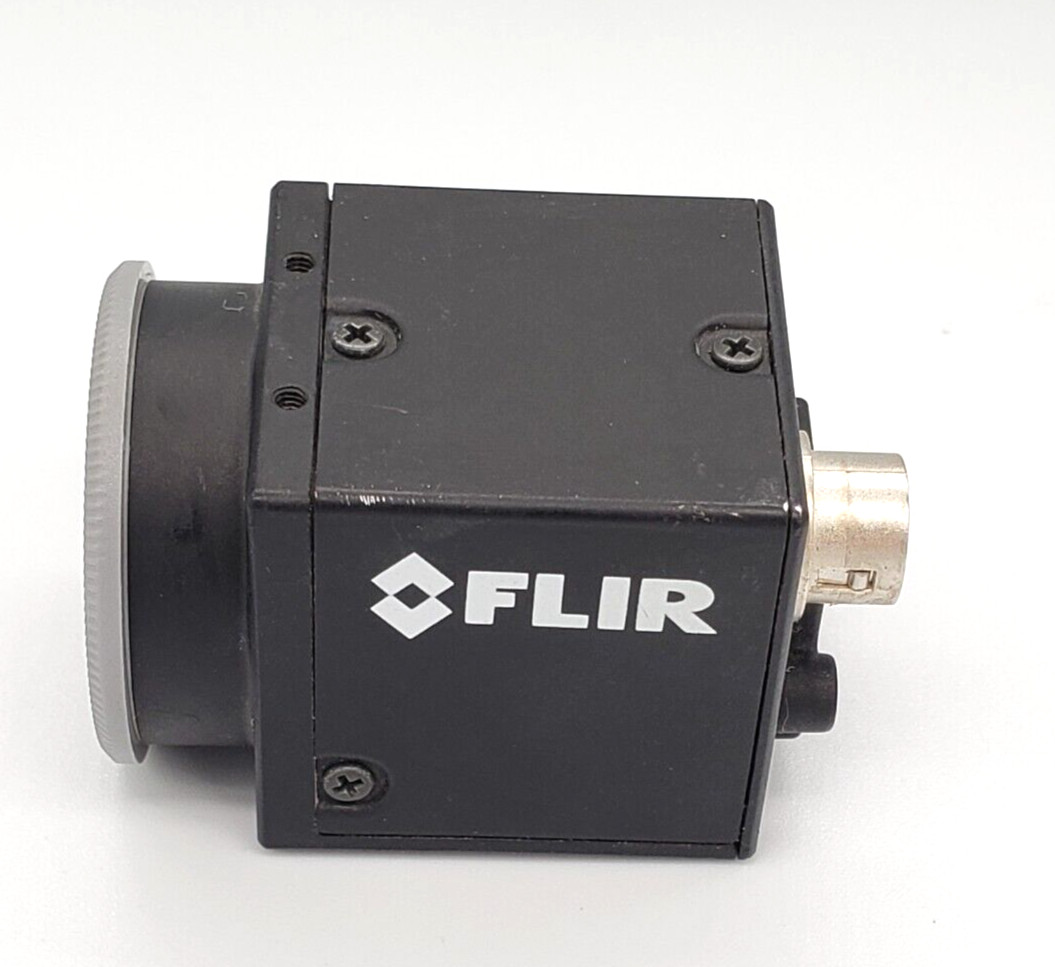
Machine Vision Camera

Machine vision cameras are the imaging front-end of automated inspection, metrology, and robotic guidance, distinguished from CCTV or consumer cameras by deterministic triggering, industrial I/O, and sensor-level control. The primary trade-off is interface lane width and sensor architecture: GigE at ~1 Gbps forces binning/ROI tricks above 2MP, while USB3 and 10GigE carry full-resolution streams but demand host-side bandwidth planning and shorter cable runs. The decision rule: buy sensor size, pixel pitch, and interface tier to match your field of view and line speed first, then choose global vs rolling shutter; color-only cameras with no external trigger path are consumer-grade compromises, not machine vision.

Buying guide image
Environmental & Indoor Air Measurement

Indoor Air Quality Detector

An indoor air quality detector combines multiple sensors (CO2, PM2.5, VOCs, temperature, humidity) into a single display or app-connected unit; the key trade-off is sensor quality and calibration stability versus the number of features and connectivity. Durable, accurate options use NDIR CO2 sensors and laser-scattering particulate sensors with published accuracy specs, while budget compromises rely on inferred or uncalibrated readings and short-lived electrochemical cells.

You may also like

Finding more guides for you…