Bench & Gauge

Bench & Gauge

Test, Measurement & Inspection Reviews & Buying Guides

Compare test, measurement & inspection by use case, features, trade-offs, price, returns, and seller terms before you buy.

Buying guides

Buying guide image
Thermal Cameras, Borescopes & Visual Inspection

Waterproof Endoscope Camera

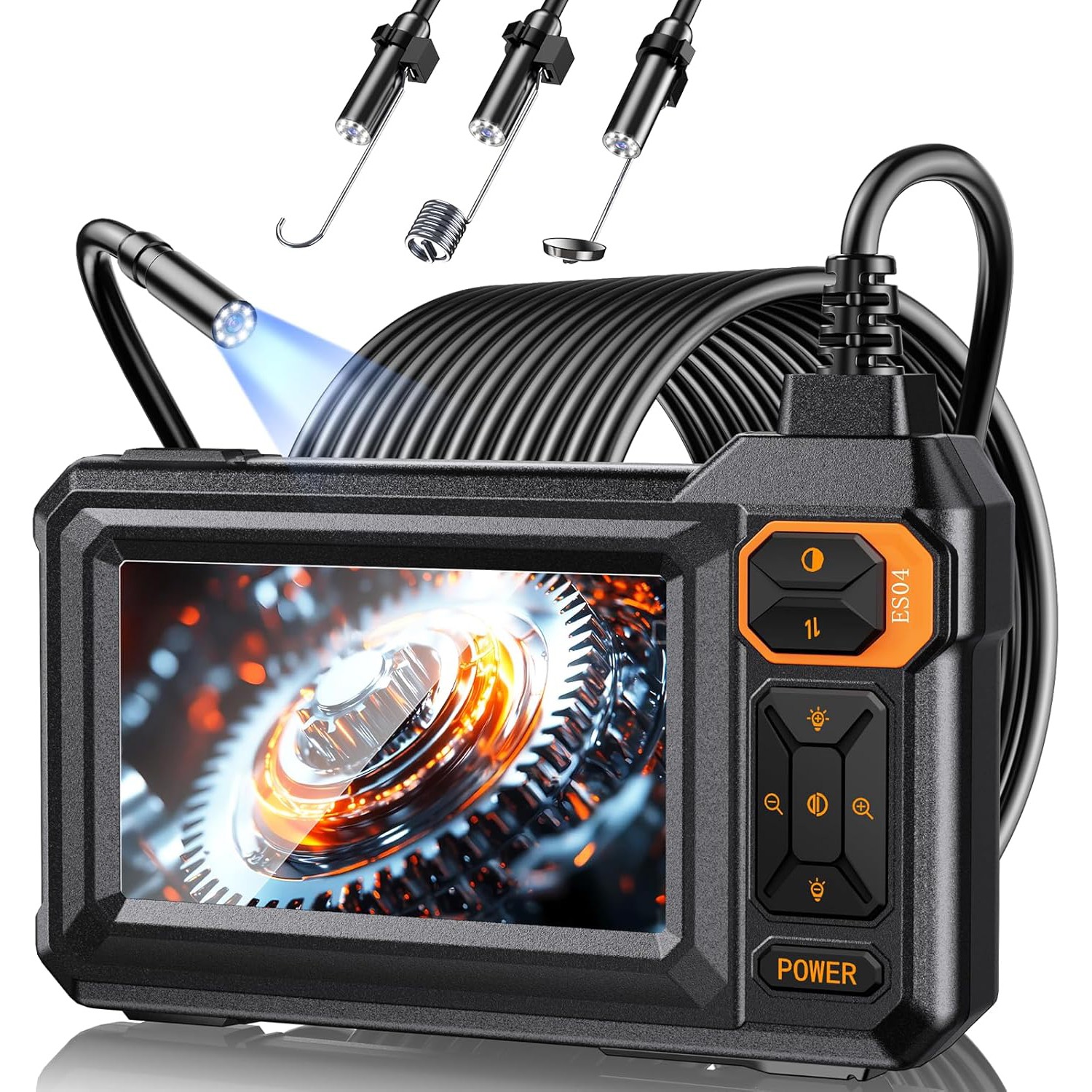
A waterproof endoscope camera is a sealed inspection snake that pairs a tiny lens with integrated LEDs, feeding video to a handheld screen or a phone over USB/Wi-Fi. The core trade-off is lens/screen resolution and articulation versus cable diameter, stiffness, and true ingress rating: IP67 seals and semi-rigid cables survive wet plumbing and engine bays, while unrated plastic-bodied USB pinholes are fair-weather tools. The decision rule is simple: match cable diameter to the narrowest passage you must inspect, demand an explicit IP67 or IP68 rating for wet work, and buy native screen or app support only for the phones you actually own.
Buying guide image
Test Leads, Probes, Fixtures & Accessories

Electrical Test Lead

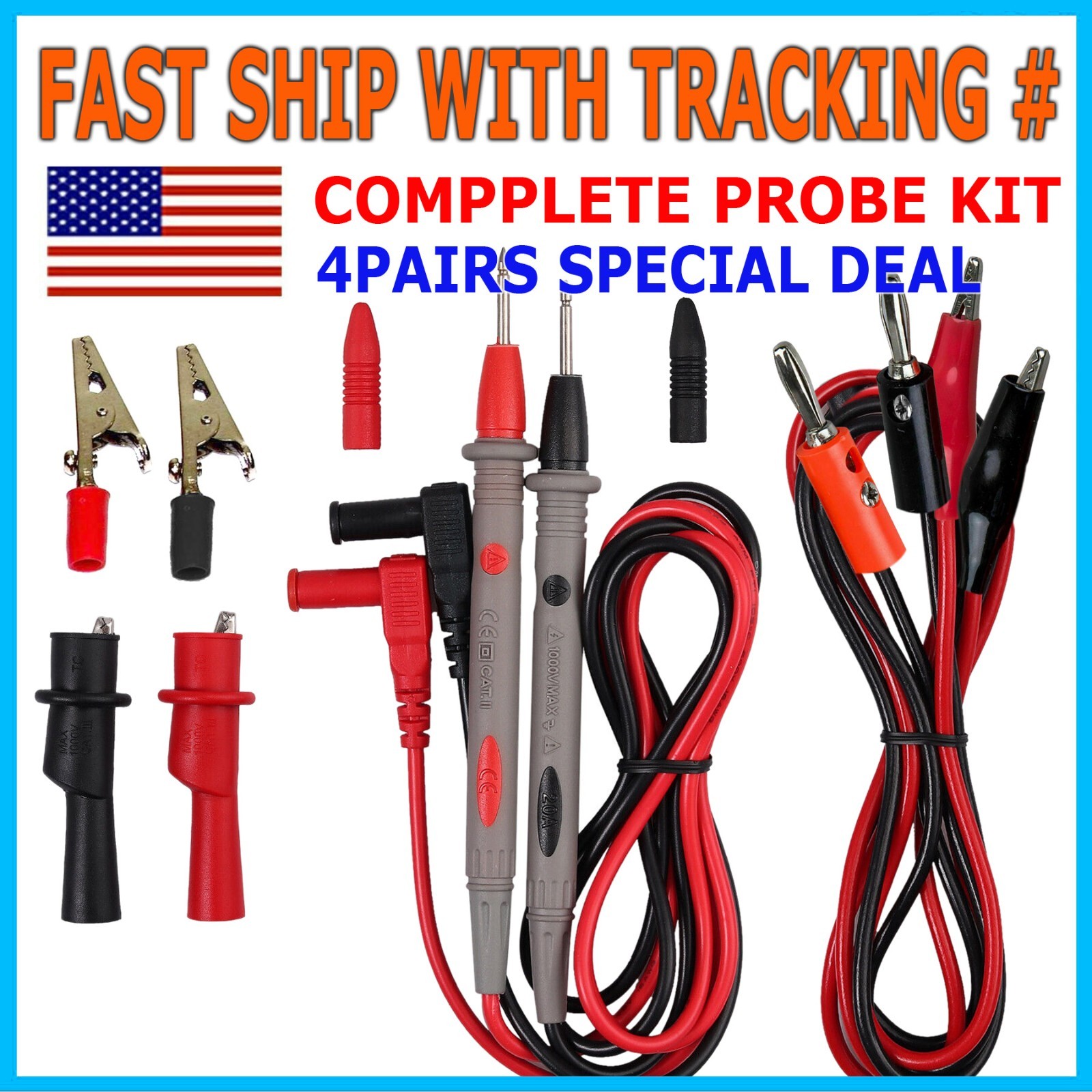
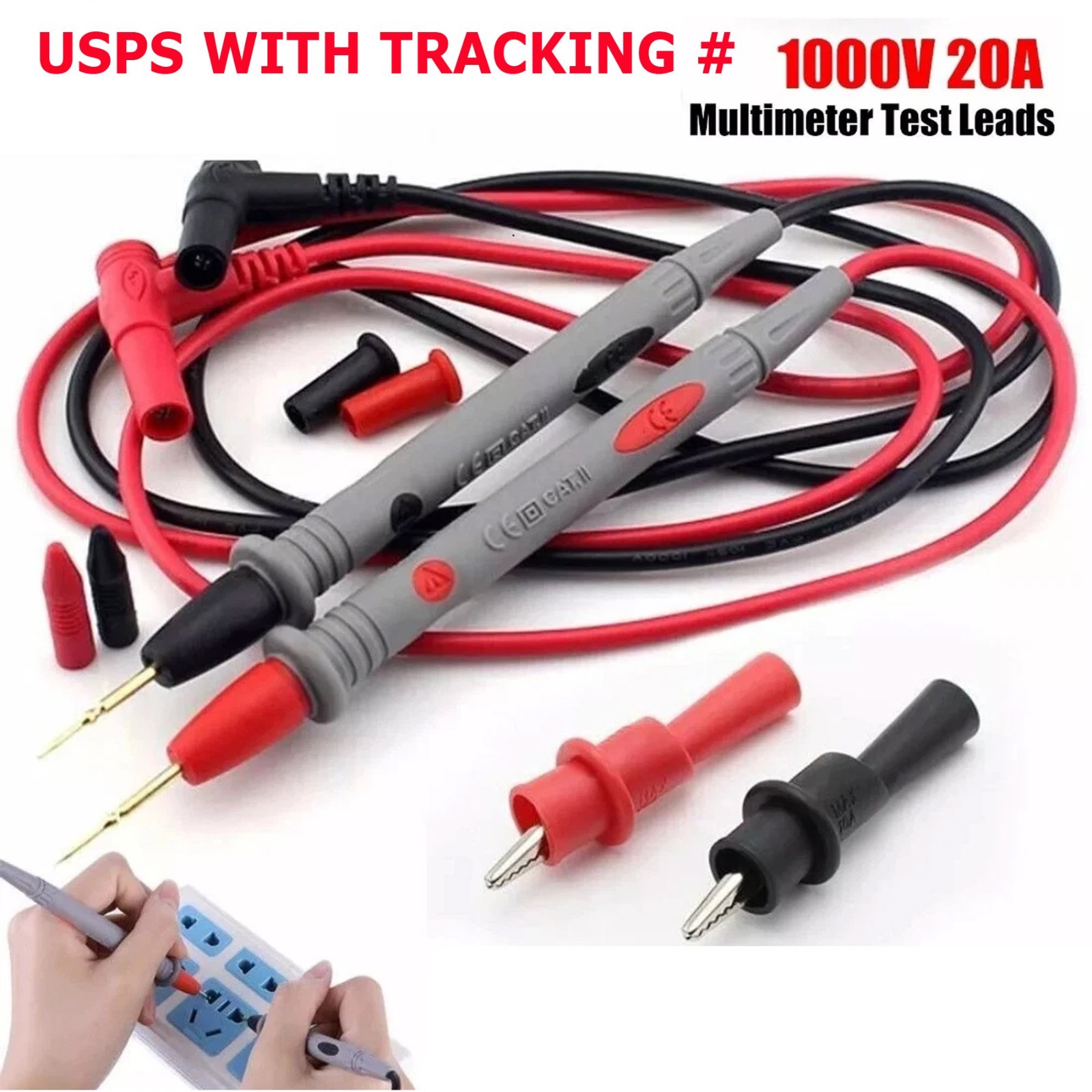
Electrical test leads are the insulated conductors and connector terminations that carry a measurement signal from a circuit to a meter, probe, or fixture, and their safety and accuracy are governed by voltage/current ratings and CAT safety classifications rather than by brand or length alone. The core trade-off is between thin, high-flexibility silicone wire with proper double insulation and molded strain relief versus cheap PVC wire with soldered or crimped joints that fail open or arc under load. The decision rule: buy leads explicitly rated for your meter's highest CAT environment and current range — typically CAT III 1000V/10A or CAT IV 600V for mains work — and skip any listing that advertises only a bare '1000V 20A' number without a CAT rating or a stated wire gauge.

Buying guide image
Test Leads, Probes, Fixtures & Accessories

Multimeter Lead

Multimeter leads are the insulated probes, wires, and connectors that carry voltage and current from a circuit to your meter, and their safety and accuracy depend on silicone vs PVC insulation, CAT safety ratings, and probe tip construction. The core trade-off is between cheap universal leads with unverified ratings and correctly rated silicone leads that match your meter's CAT environment. Buy silicone-insulated leads with a CAT III or CAT IV rating and a current rating at or above your meter's fuse rating; skip unbranded PVC leads for anything beyond low-voltage bench work.

Buying guide image
Environmental & Indoor Air Measurement

Weather Gauge

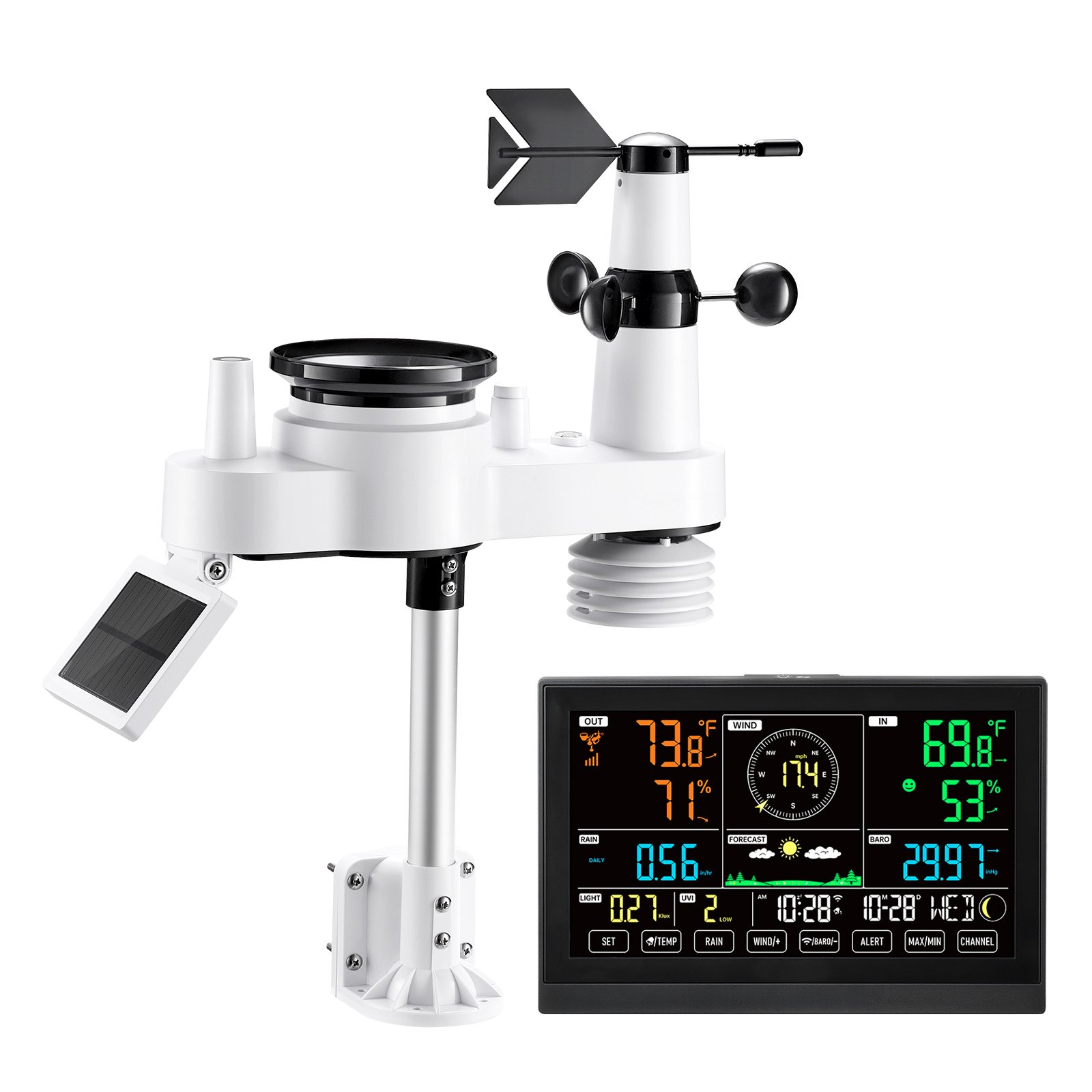
A weather gauge for home spans simple indoor/outdoor thermometer-hygrometer pairs to full 7-in-1 wireless stations that add wind, rain, UV, and pressure. The split is sensor architecture and wireless range versus a usable display: entry units are single-channel 433 MHz with basic LCDs, while 7-in-1 stations use multi-sensor arrays and color consoles with 100 m+ line-of-sight range. Buy the sensor suite you'll actually use—temperature and humidity are household essentials, but wind and rain require outdoor mounting reach and calibration you must plan for.

Buying guide image
Centrifuges, Mixers & Shakers

Lab Centrifuge Machine

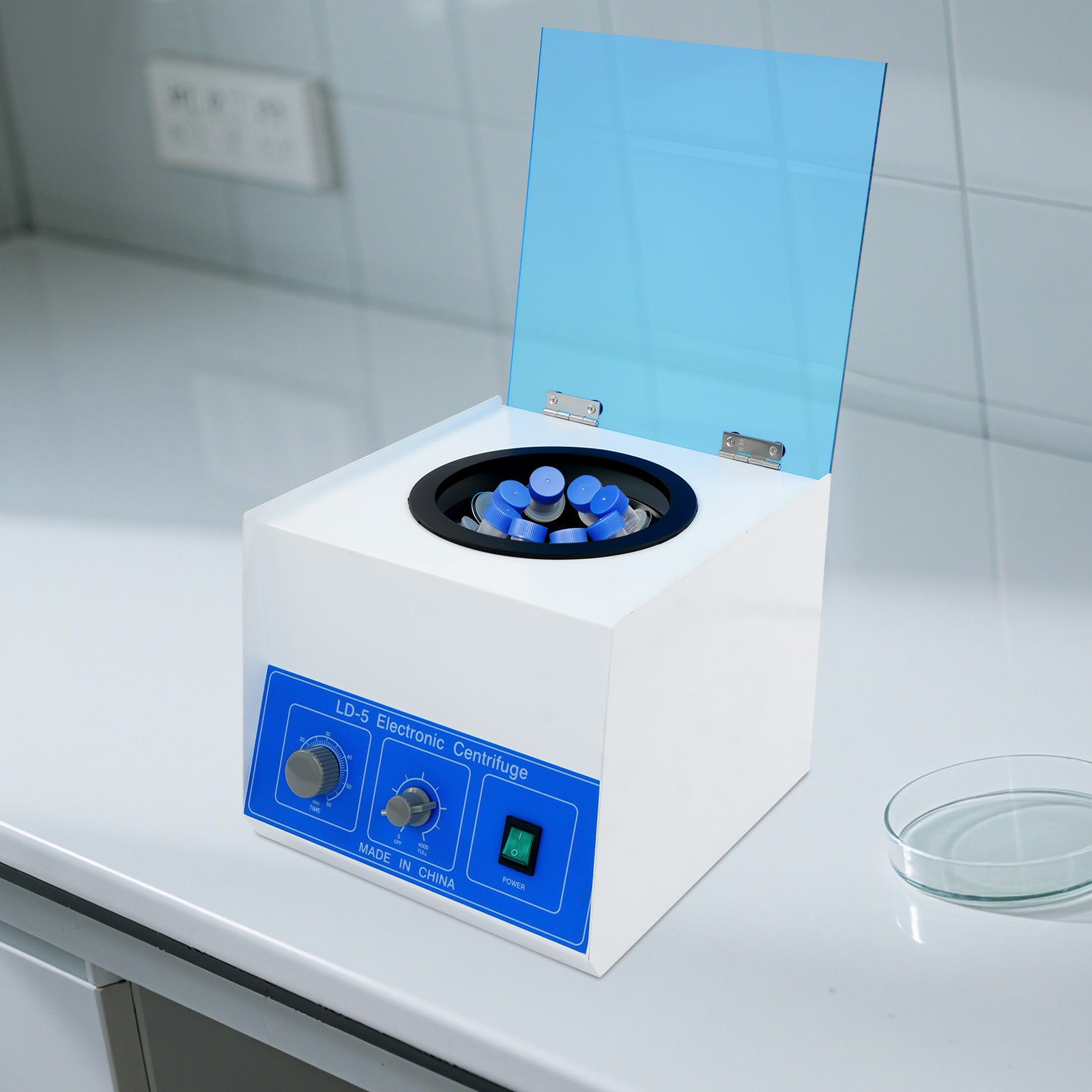
A lab centrifuge machine separates liquids and solids by density using centrifugal force, defined by rotor capacity, speed, and control precision. The core trade-off is between fixed-speed, low-capacity benchtop units and variable-speed models with interchangeable rotors and safety interlocks. Buy a variable-speed unit with a brushless motor and sealed rotor for repeatable separations; skip single-speed, unsealed units unless your protocol is fixed and non-hazardous.

Buying guide image
Spectroscopy, Analysis & Detection Instruments

Ph Pen

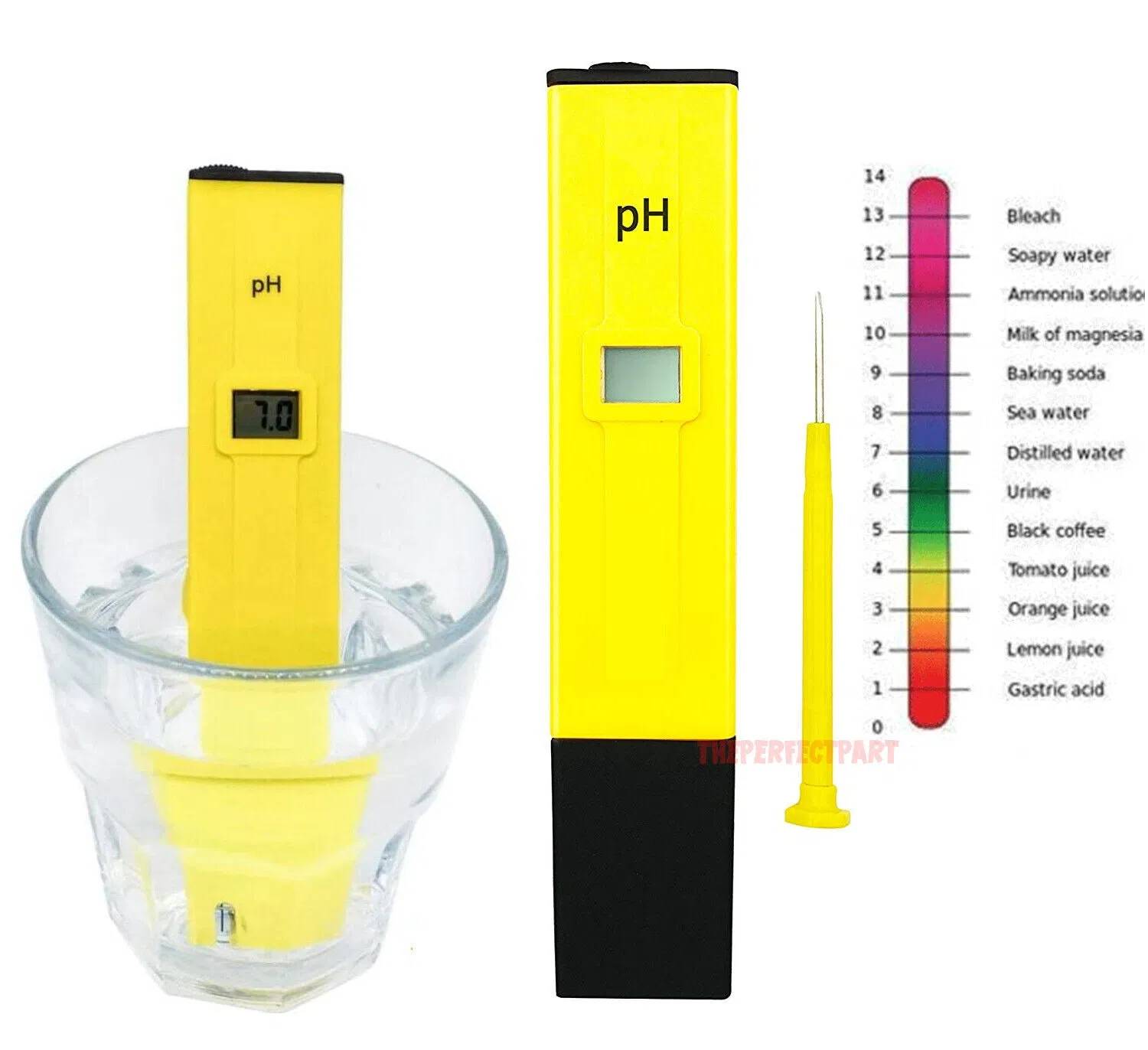
A pH pen is a pocket-size digital meter combining a glass-bulb or ISFET electrode with a high-impedance amplifier to read water acidity to 0.01 pH. The core trade-off is electrode quality and calibration stability: cheap pens use sealed gel probes that drift and die in months, while serious units use replaceable glass bulbs or solid-state ISFET sensors with two- or three-point calibration. Buy a pen with replaceable electrode and ATC if you test regularly; treat sealed non-replaceable pens as short-life consumables for occasional spot checks.

Buying guide image
Centrifuges, Mixers & Shakers

Prp Machine

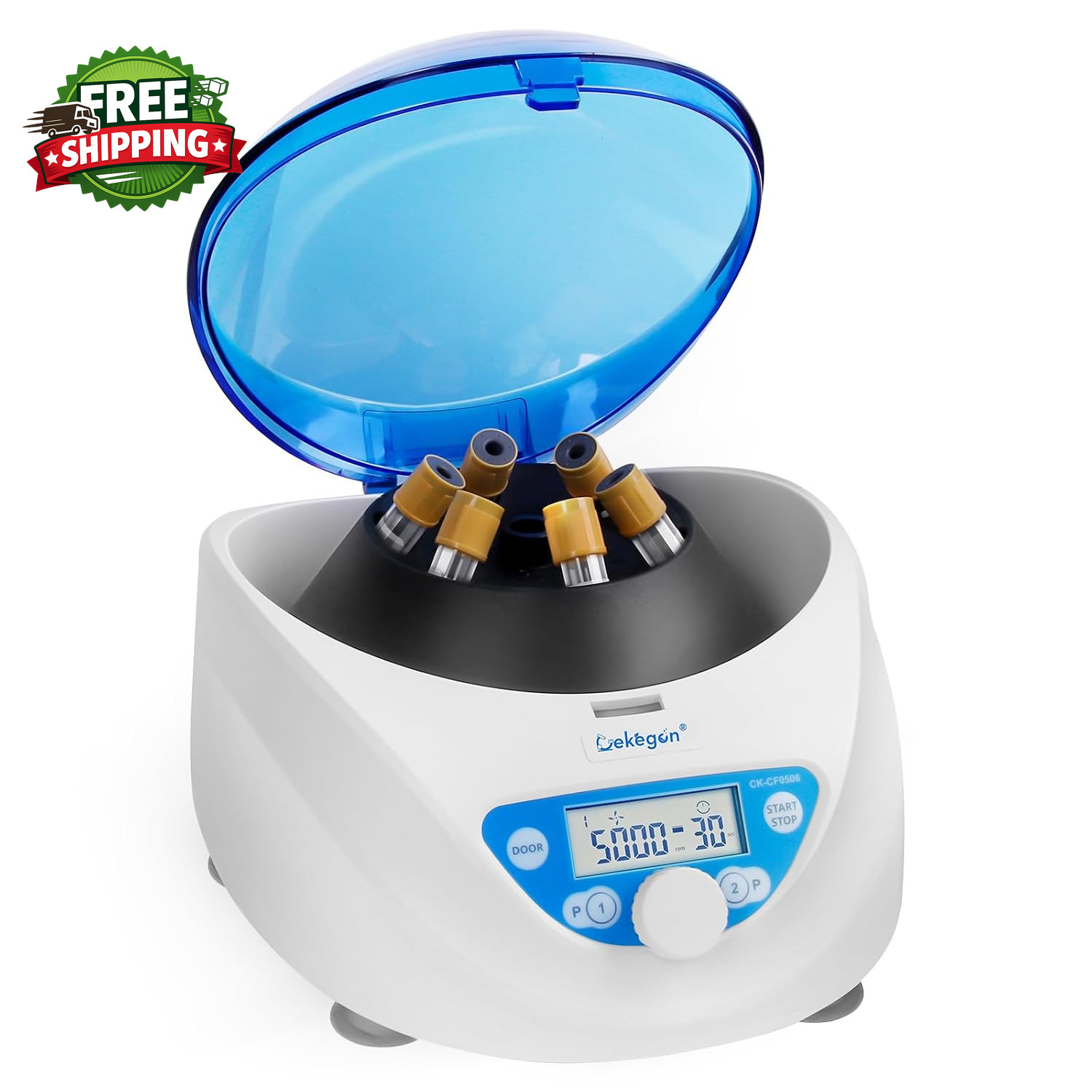
A PRP machine is a benchtop centrifuge configured for platelet-rich plasma separation, where the key trade-off is rotor capacity and speed control versus portability and cost. Durable units use brushless motors, balanced rotors, and digital RPM/RCF control; compromises rely on brushed motors, fixed-speed operation, and plastic rotors that wear out.

Buying guide image
Oscilloscopes, Signal & Spectrum Analyzers

Spectrum Analyzer

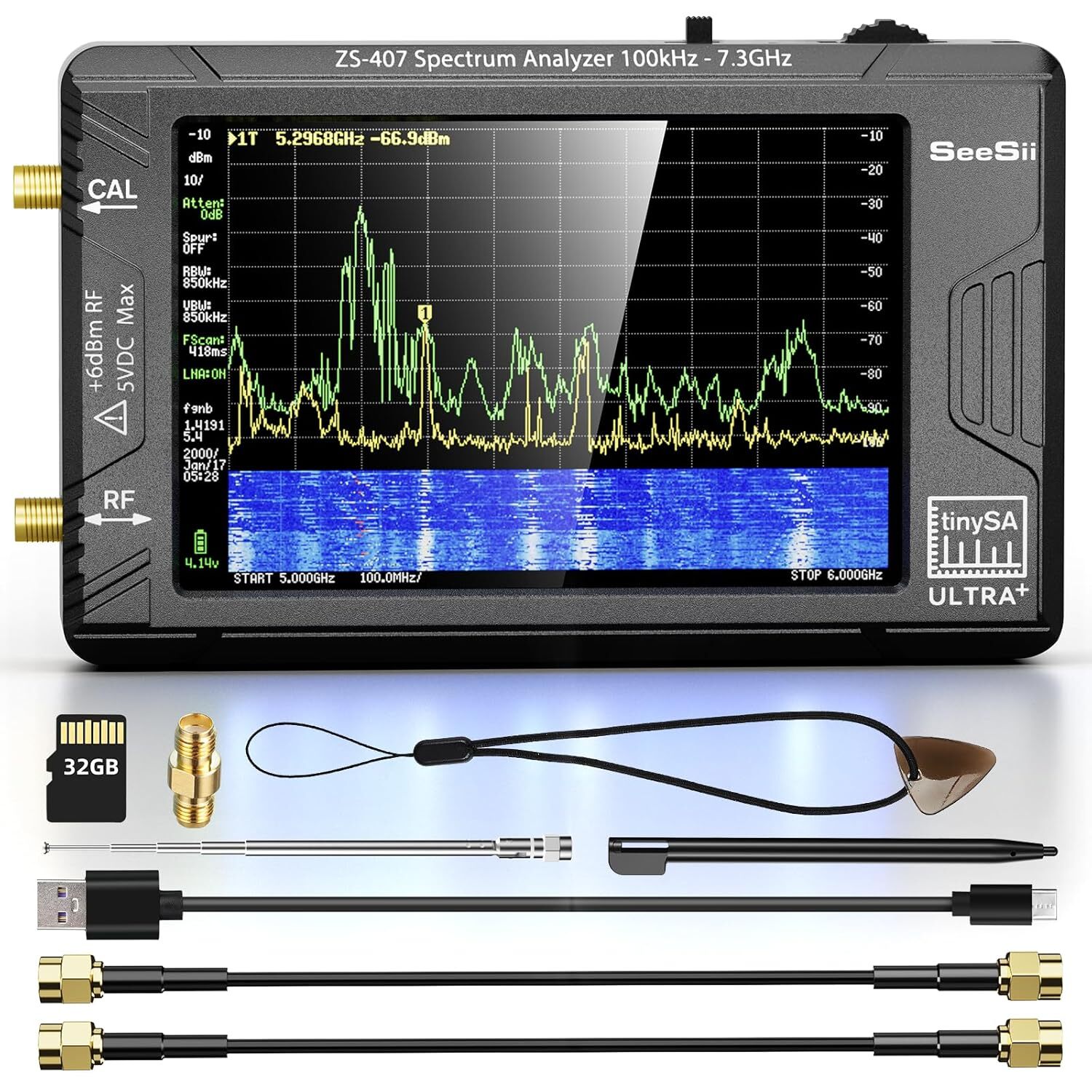
A spectrum analyzer visualizes signal amplitude across frequency, letting you locate carriers, harmonics, and interference. The core trade-off is frequency range versus resolution bandwidth (RBW) and dynamic range: wider coverage usually means coarser RBW and slower sweeps, while narrow RBW requires a more stable local oscillator and deeper memory. The decision rule is simple: buy for the highest frequency you must measure, then confirm RBW, DANL, and tracking generator support before considering portability or price.

Buying guide image
Test Leads, Probes, Fixtures & Accessories

Multimeter Lead With Alligator Clip

A multimeter lead with alligator clip is a test accessory that clamps onto terminals, wires, or busbars for hands-free voltage, current, or continuity measurements. The core trade-off is between clip bite and insulation safety: cheap vinyl boots and thin 18 AWG wire degrade at high current, while silicone-insulated 1000V CAT III/IV leads with copper jaws maintain grip and arc protection. Buy silicone-insulated, CAT-rated leads with fully shrouded banana plugs and nickel-plated copper clips; skip PVC-insulated, unrated clip sets for anything beyond low-voltage bench work.

Buying guide image
Lab Balances & Scales

Lab Balance

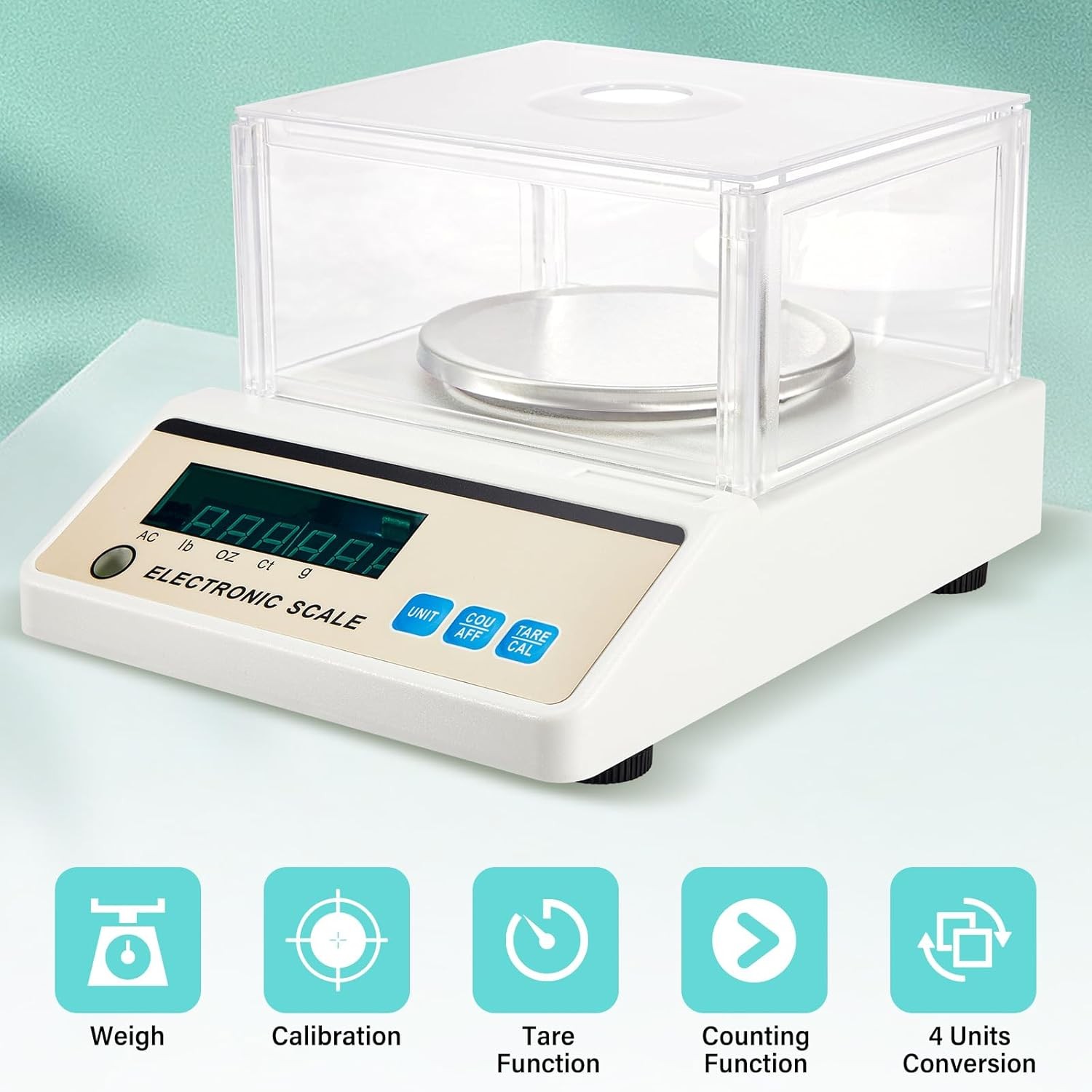
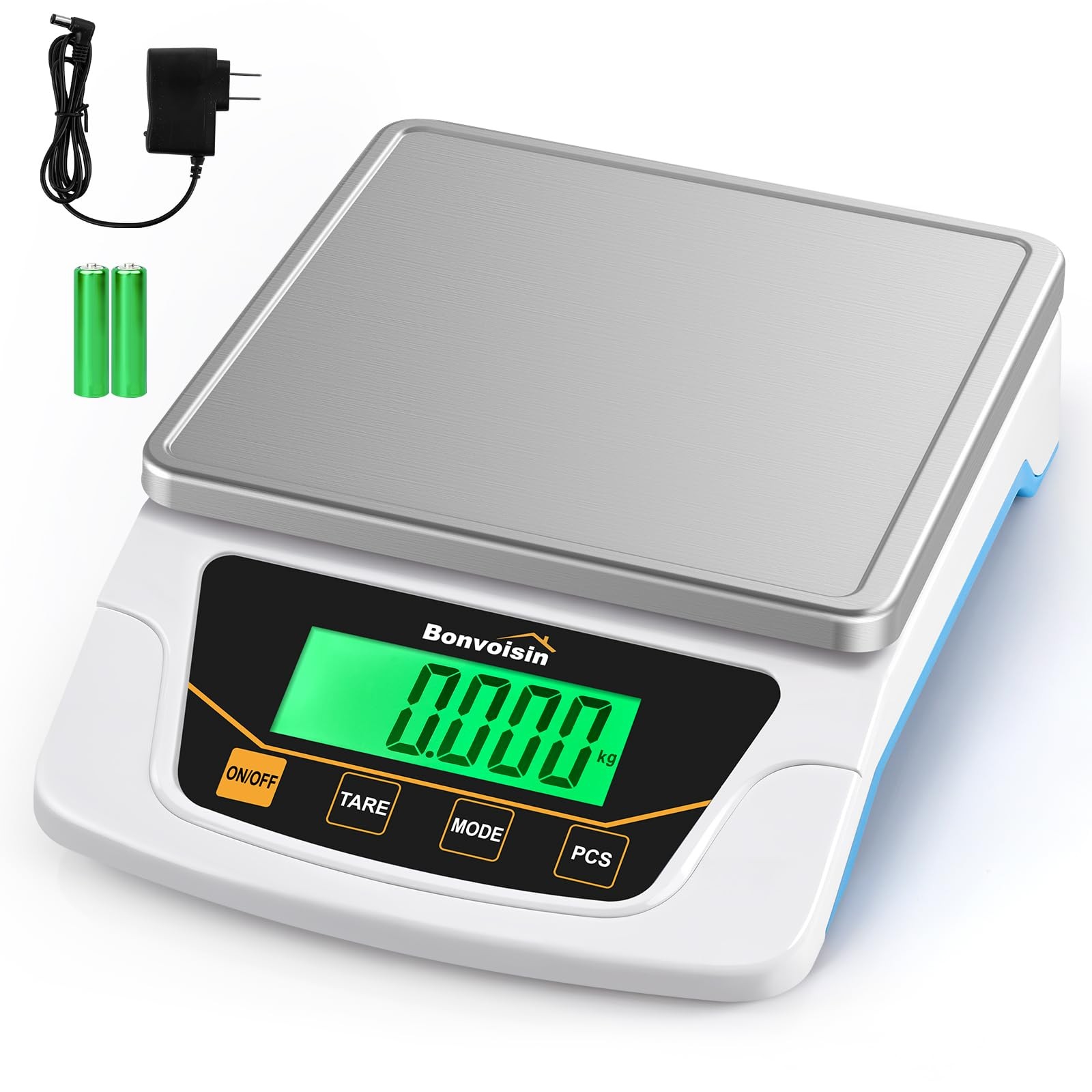
A lab balance is a precision weighing instrument defined by its readability (resolution) and capacity; the core trade-off is that higher resolution (lower readability) forces lower capacity and demands a more stable environment. Durable, accurate balances use electromagnetic force restoration or strain-gauge sensors with stainless-steel pans and internal calibration, while compromises rely on unshielded load cells, ABS housings, and external calibration only. The decision rule: match readability to your tolerance (0.1 g for bulk/coarse, 0.01 g for general lab prep, 0.001 g for semi-micro, 0.1 mg for analytical) and never buy a balance whose capacity is less than 120% of your heaviest container plus sample.

Buying guide image
Test Leads, Probes, Fixtures & Accessories

Fluke Test Lead

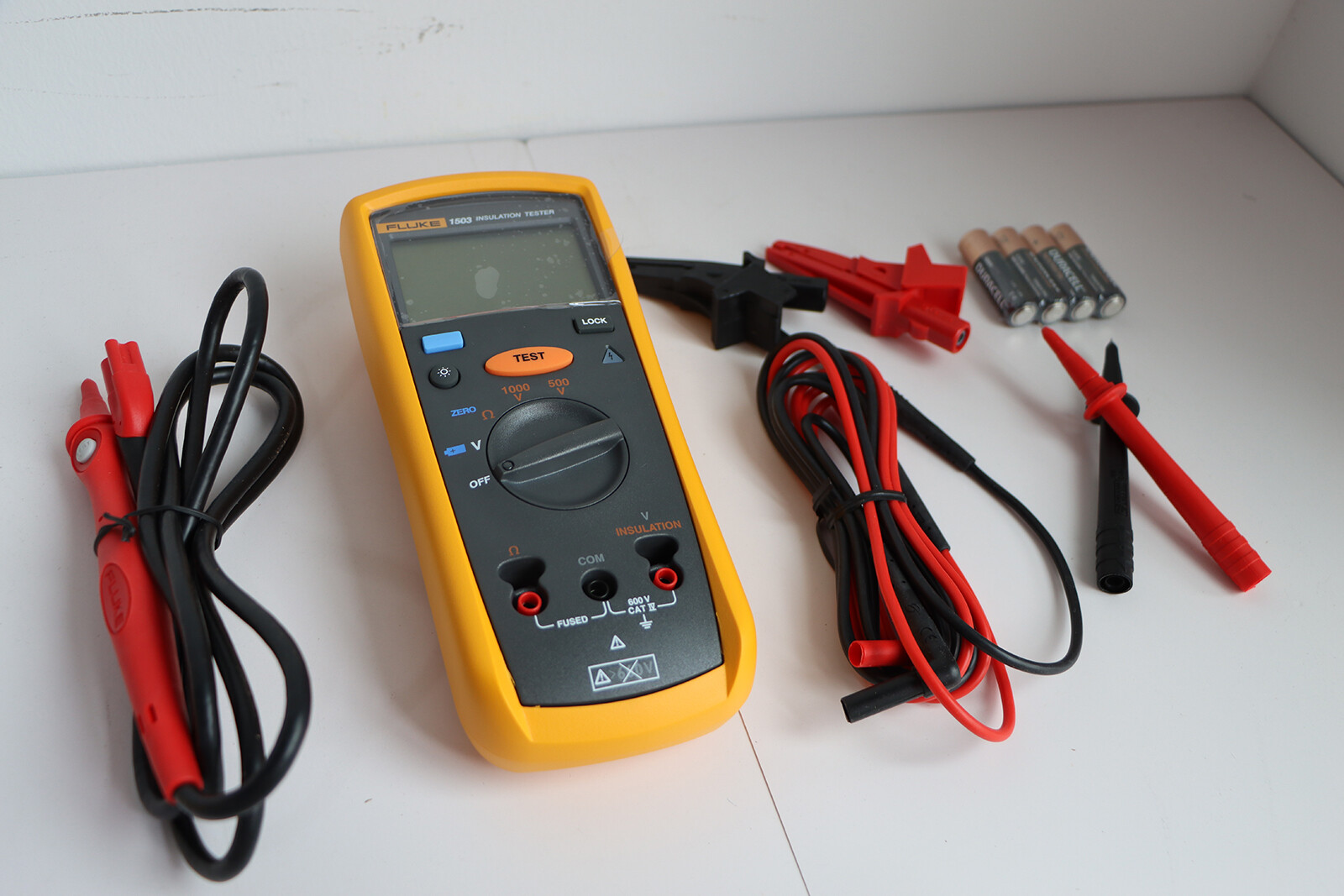
Fluke test leads are the interface between your meter and the circuit, and the primary trade-off is genuine Fluke silicone insulation with safety-rated CAT III/IV construction versus generic PVC leads that may not survive high voltage or flex cycles. The decision rule is simple: buy leads whose CAT rating meets or exceeds your meter's CAT rating and whose connector type matches your meter's input jacks; anything less is a safety compromise.

Buying guide image
Lab Balances & Scales

Lab Scale

Lab scales span a wide accuracy spectrum, from 0.1 mg analytical balances to 0.5 g counting scales, and the core trade-off is readability versus capacity: higher resolution demands a fragile force-motor sensor, while durability and speed come from strain-gauge or mechanical designs. The decision rule is to match readability to your smallest critical mass and capacity to your heaviest container, never accepting a scale whose minimum weight falls above your lightest sample.

Buying guide image
Multimeters & Electrical Testers

Fluke Multimeter

Fluke multimeters are professional-grade test instruments defined by true-RMS measurement, CAT III/IV safety ratings, and long-term calibration stability. The core trade-off is price versus safety margin and feature depth: industrial electricians need high-energy CAT ratings and non-contact voltage detection, while bench electronics work favors resolution, capacitance, and data logging. The decision rule is simple: buy the lowest CAT III/IV rated Fluke that covers your highest-energy environment, then add only the features you will actually use daily.

Buying guide image
Dimensional Metrology & Machine Inspection

Roughness Tester

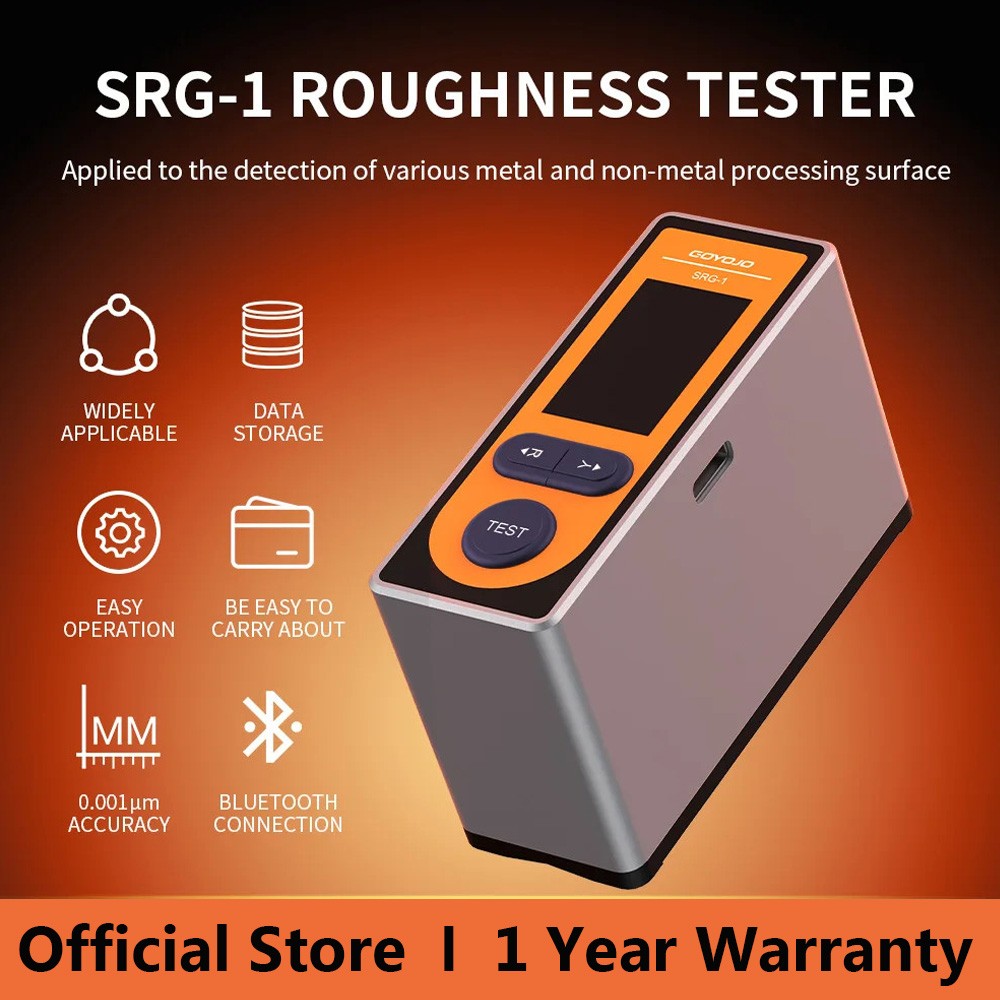
A roughness tester (profilometer) measures surface finish parameters like Ra and Rz to verify machined parts meet print tolerances. The core trade-off is between a skid-type handheld with limited cutoff vs a skidless/closed-loop drive unit with full ISO 4287/4288 compliance and PC connectivity. Buy a calibrated unit with at least Ra/Rz and adjustable cutoff if inspection matters; skip fixed-cutoff toys for anything beyond rough shop-floor screening.

Buying guide image
Oscilloscopes, Signal & Spectrum Analyzers

Portable Spectrum Analyzer

A portable spectrum analyzer is a handheld RF instrument that visualizes signal amplitude across frequency, from entry-level 100 kHz–960 MHz USB-powered units to professional 100 kHz–3 GHz calibrated analyzers. The core trade-off is frequency coverage and amplitude accuracy versus size and cost: wideband professional receivers deliver trusted dBm readings and tracking generators, while budget SDR-style analyzers trade absolute accuracy for affordability and compactness. The decision rule: buy a calibrated, spec-backed analyzer for compliance or interference work, and a budget analyzer only for relative signal hunting and educational use.

Buying guide image
Test Leads, Probes, Fixtures & Accessories

Test Lead With Alligator Clip

A test lead with alligator clip is a flexible insulated conductor terminated with a spring-loaded jaw that clamps to terminals, buses, and component legs for hands-free multimeter or bench testing. The primary trade-off is safety-rated insulation and jaw grip strength versus thin hobby-grade wire and loose sleeves that slip under load. Buy only leads with a printed voltage/current rating, silicone insulation, and shrouded banana plugs; skip unrated PVC leads with exposed metal.

Buying guide image
Spectroscopy, Analysis & Detection Instruments

Food Metal Detector

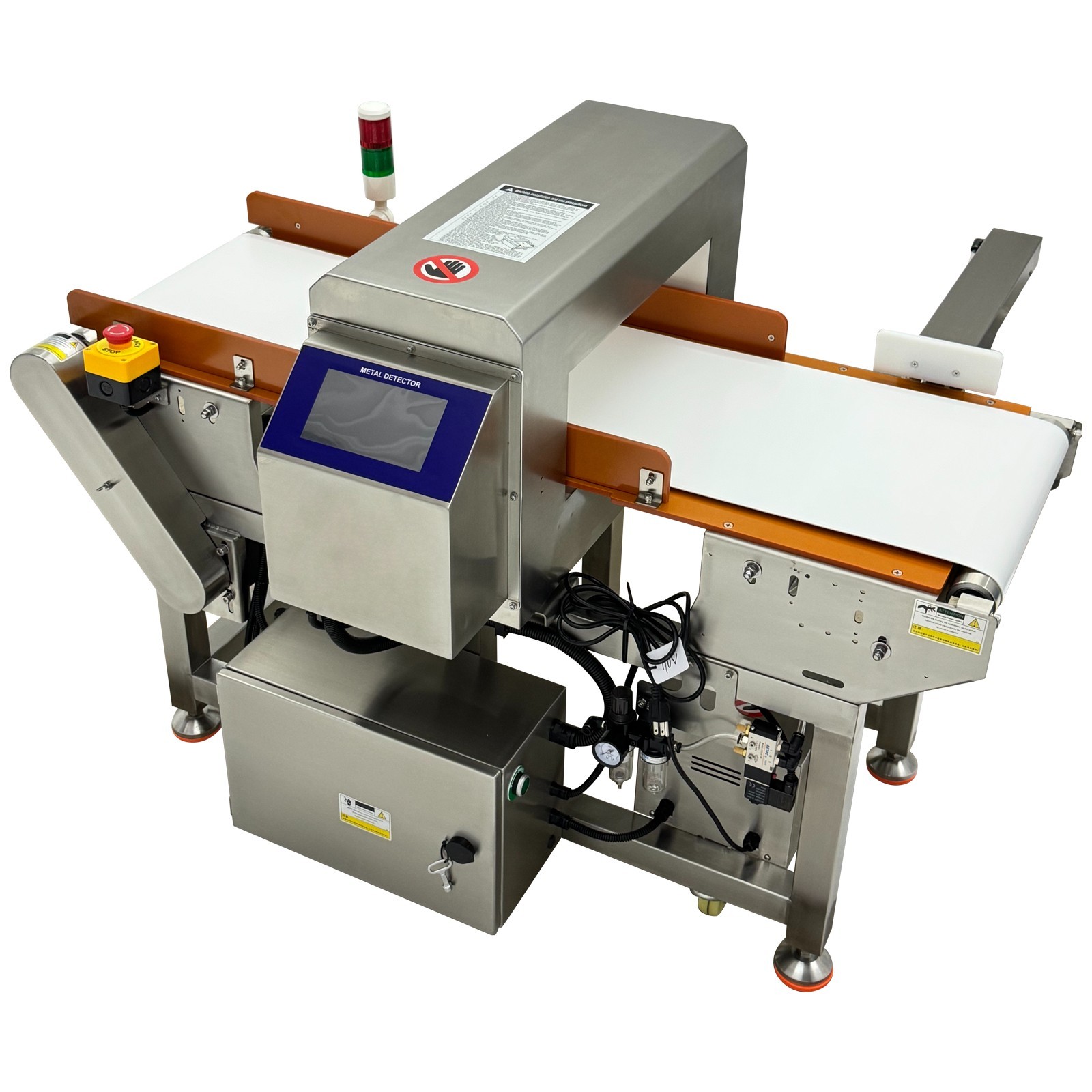
A food metal detector is an inline inspection system that rejects product contaminated with ferrous, non-ferrous, or stainless-steel fragments before packaging or shipment. The core trade-off is aperture size and sensitivity versus conveyor throughput: wider belts and taller apertures raise detection limits, while higher belt speeds reduce dwell time and sensitivity. The decision rule is simple: buy a conveyor unit rated to at least 1.5× your widest product and specify Fe Φ1.0–1.5 mm detection as the minimum acceptable baseline; anything without published aperture, speed, and sensitivity specs is a compromise.

Buying guide image
Oscilloscopes, Signal & Spectrum Analyzers

R S Spectrum Analyzer

A spectrum analyzer visualizes signal amplitude across frequency, and the R&S (Rohde & Schwarz) line spans handheld field units, benchtop lab instruments, and USB-powered modules. The core trade-off is frequency range and phase-noise performance versus portability and cost, with architecture (swept-tuned vs FFT vs real-time) determining what signals you can actually capture. The decision rule: buy a real-time or FFT analyzer for intermittent or wideband signals, a swept analyzer only for steady narrowband work, and never accept a handheld with less than 10 Hz RBW if you need close-in measurements.

Buying guide image
Data Acquisition & Recorders

Portable Data Logger

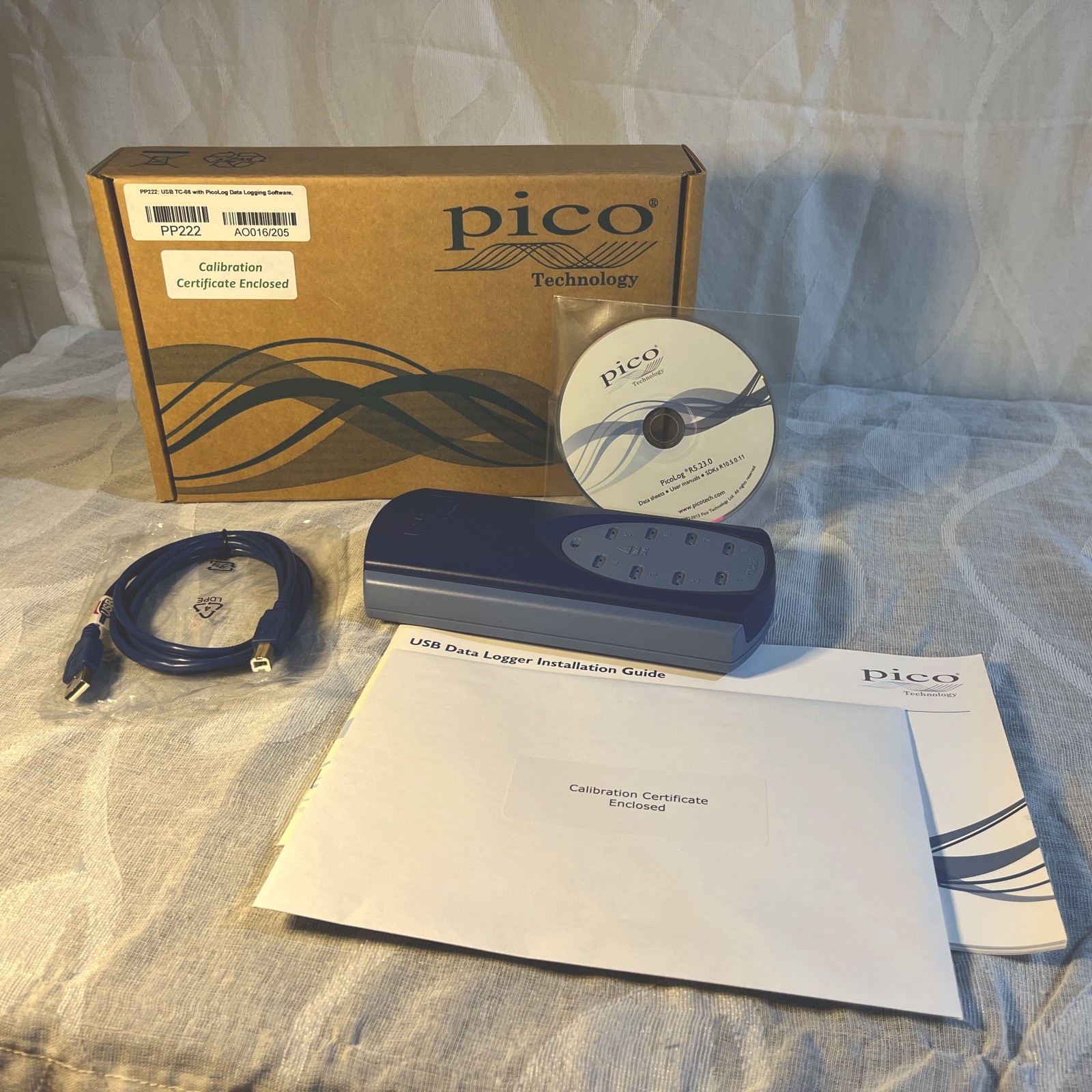
A portable data logger is a self-contained, battery-powered instrument that records sensor or electrical signals over time for later download and analysis. The core trade-off is channel count and sample rate versus battery life and environmental sealing, since high-speed multi-channel logging drains power and demands robust enclosures. Choose a logger with the exact input type, isolation, and sample interval your sensors require; skip generic voltage-only units if you need thermocouples, RTDs, or 4–20 mA loops.

Buying guide image
Test Leads, Probes, Fixtures & Accessories

Alligator Test Lead

Alligator test leads are flexible insulated wires terminated with spring-loaded crocodile clips, used to make temporary, hands-free electrical connections for multimeters, bench supplies, and low-voltage prototyping. The core trade-off is between safety-rated current/voltage capacity and clip/wire build quality—cheap leads use thin PVC wire, loose zinc-plated jaws, and unrated insulation. The decision rule: buy leads whose CAT safety rating, wire gauge, and clip material are explicitly stated; skip any listing that only gives a voltage number with no CAT rating or wire spec.

You may also like

Finding more guides for you…