Bench & Gauge

Bench & Gauge

Test, Measurement & Inspection Reviews & Buying Guides

Compare test, measurement & inspection by use case, features, trade-offs, price, returns, and seller terms before you buy.

Buying guides

Buying guide image
Environmental & Indoor Air Measurement

Portable CO2 Detector

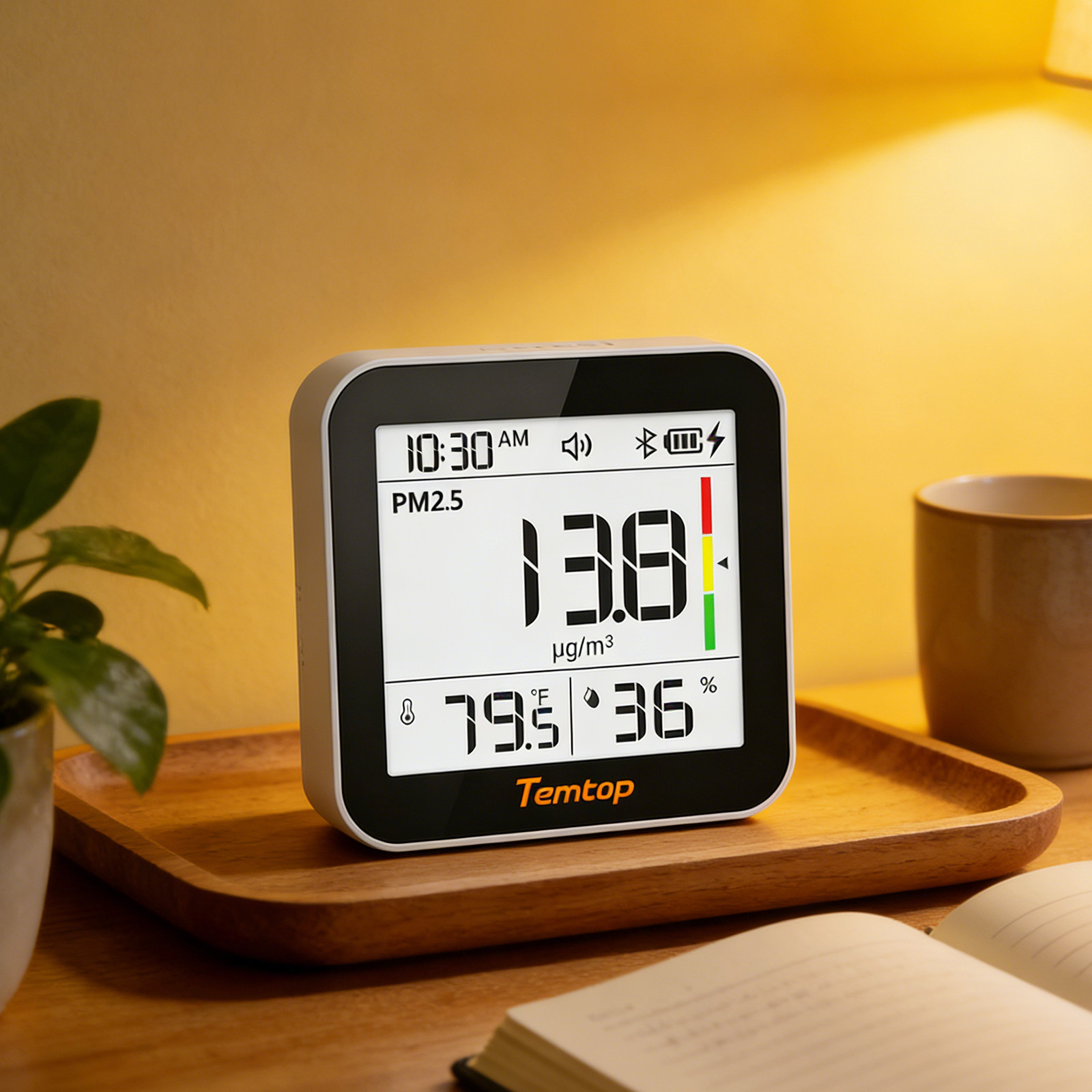
Portable CO2 detectors are battery-powered indoor air monitors that use non-dispersive infrared (NDIR) sensing to warn you when exhaled CO2 accumulates past ventilation-safe thresholds. The core trade-off is sensor quality and calibration stability versus display gimmicks: true NDIR optical benches hold accuracy for years, while low-cost 'eCO2' sensors infer CO2 from VOC proxies and drift badly. Buy NDIR or skip it; anything without a specified NDIR wavelength and a stated accuracy tolerance is a compromise, not a measurement instrument.
Buying guide image
Lab Heating, Cooling & Vacuum Equipment

Vacuum Chamber

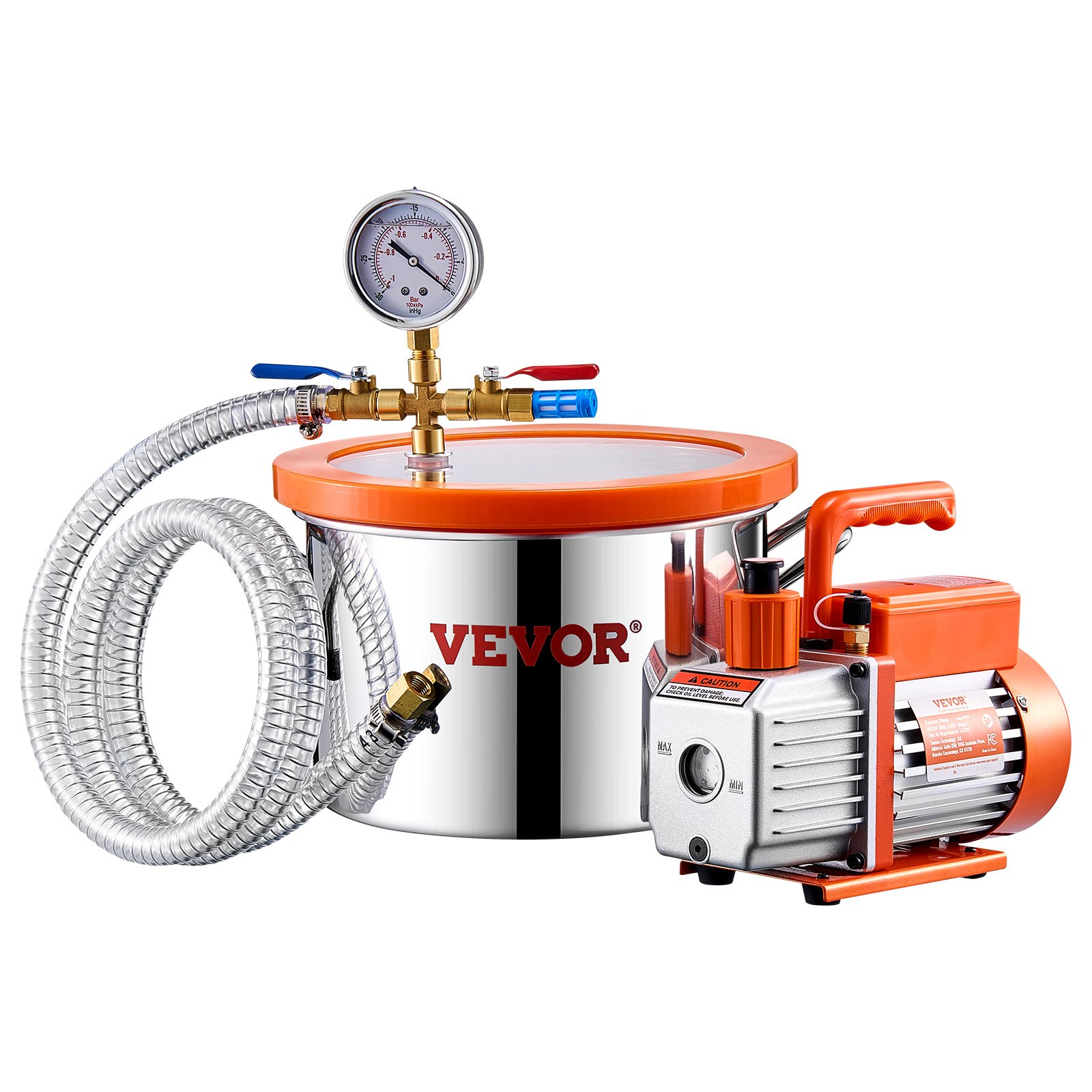
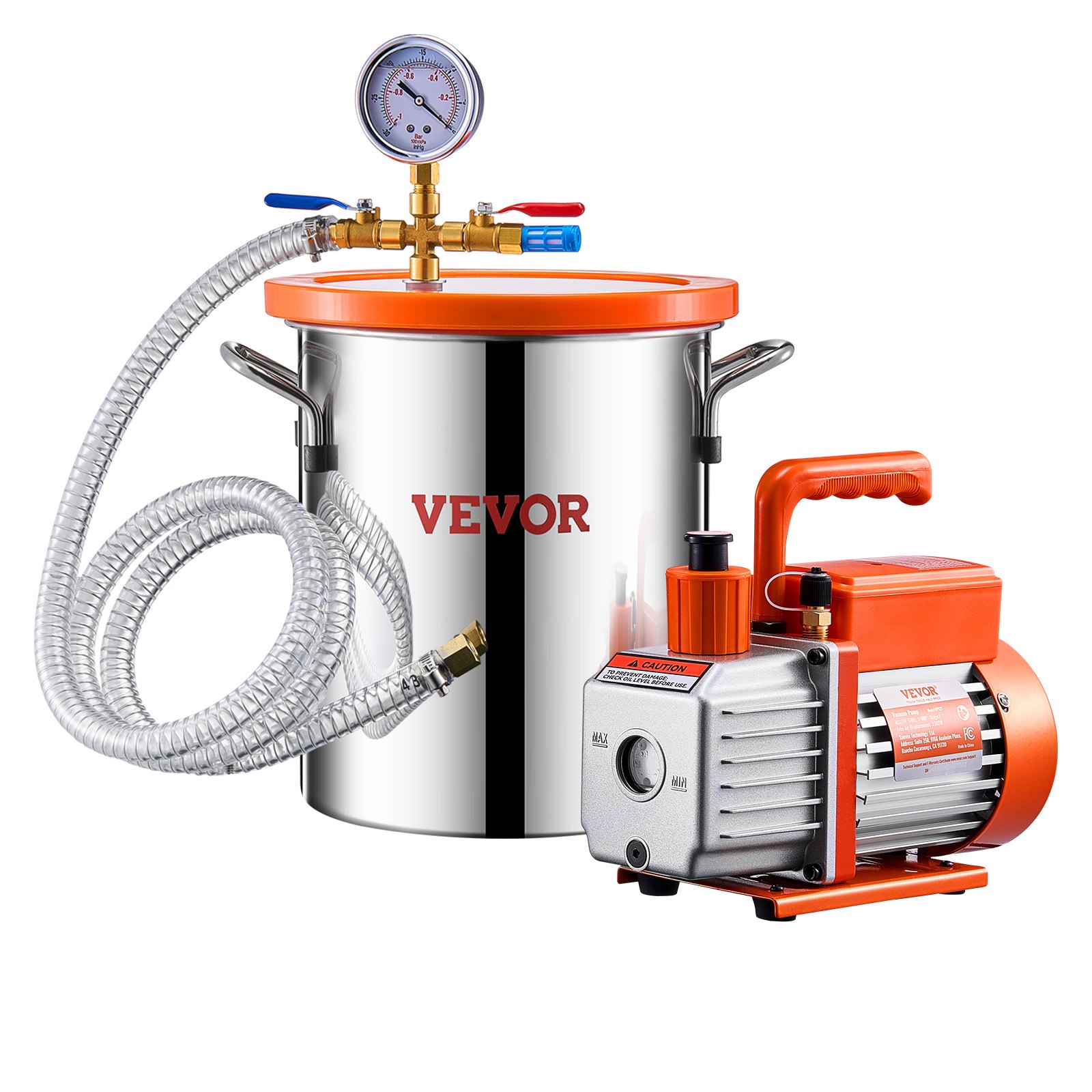
A vacuum chamber is a sealed vessel paired with a vacuum pump to remove air from resin, silicone, wood stabilizer, or degassing processes; the main trade-off is between thin, small-capacity budget pots and thick-walled stainless vessels with correctly matched pump flow. Buyers should separate durable options (304 stainless bodies, tempered-glass or polycarbonate lids, rated vacuum depth, and a pump sized to chamber volume) from compromises (painted steel, acrylic lids, undersized single-stage pumps, and vague depth ratings).

Buying guide image
Lab Heating, Cooling & Vacuum Equipment

Vacuum Chamber With Pump

A vacuum chamber with pump is a sealed vessel plus a vacuum source used for degassing resin/silicone, stabilizing wood, and vacuum casting. The core trade-off is chamber volume versus pump throughput and lid sealing: a small chamber with a fast single-stage pump outperforms a large chamber with a slow pump for most resin work. Buy only kits that pair a tempered-glass or acrylic lid with a matched CFM pump and include a hose, fittings, and gasket; skip bare chambers sold without a pump unless you already own a correctly sized vacuum source.

Buying guide image
Lab Heating, Cooling & Vacuum Equipment

Portable Vacuum Pump

A portable vacuum pump is a compact, transportable vacuum source for lab filtration, rotary evaporation, vacuum drying, and degassing—trade-offs center on ultimate vacuum depth (roughing vs high-vacuum), chemical resistance of wetted materials, and heat management during extended runs. The decisive rule: buy a chemically resistant dry (oil-free) diaphragm or scroll pump rated for continuous duty at your required vacuum level; skip oil-lubricated or single-stage economy pumps only if you pull solvent vapors or run long protocols.

Buying guide image
Microscopes & Lab Imaging

LCD Digital Microscope

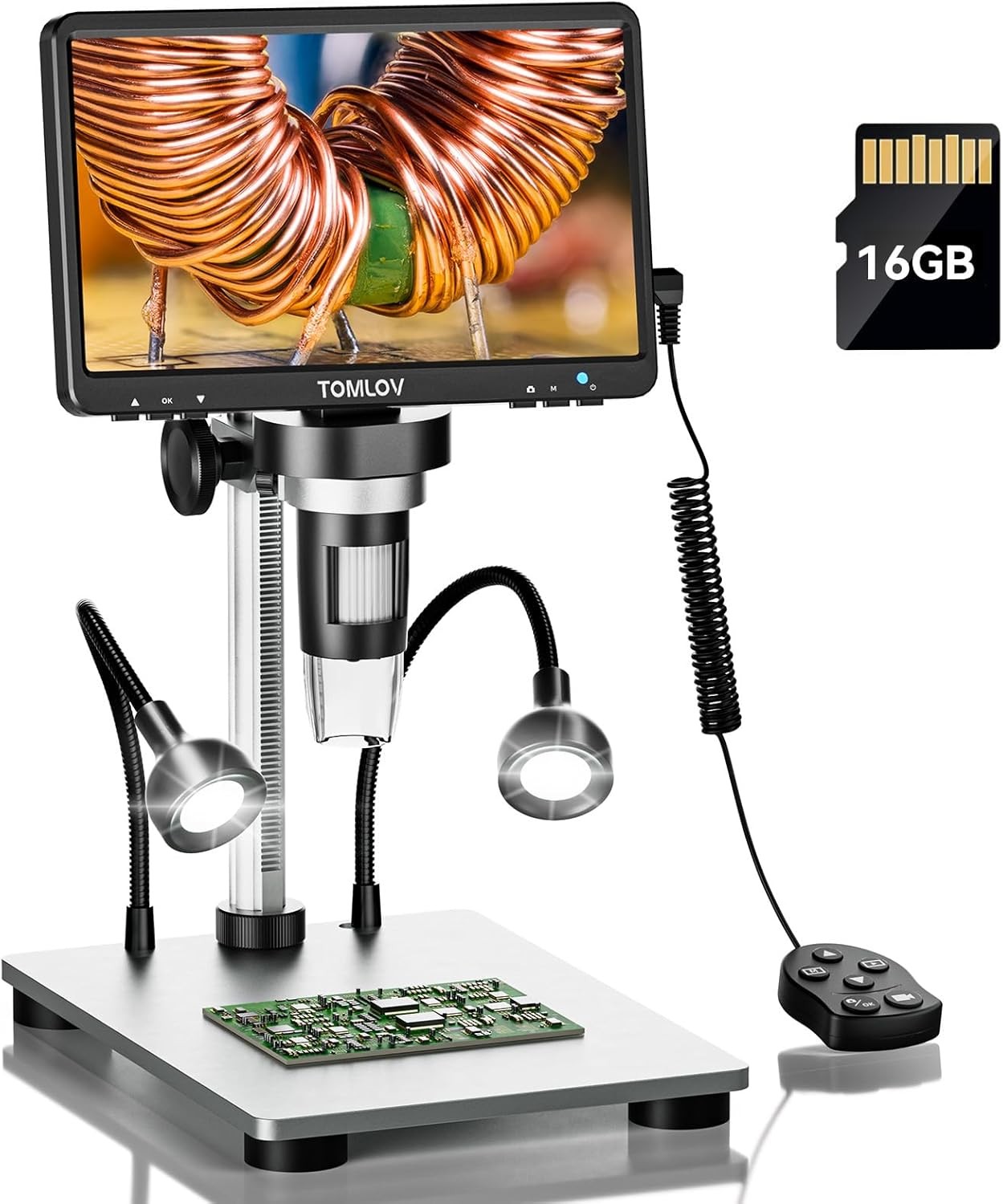
LCD digital microscopes combine a camera sensor, an integrated screen, and a stand into a single inspection tool for coins, PCBs, and small parts. The key trade-off is sensor resolution versus optical magnification: higher pixel counts enable digital zoom but true detail depends on lens quality and lighting. Choose a model with a 1080p-or-better sensor and a 7-inch screen for serious work; 4.3-inch 720p-class units are light-duty compromises.

Buying guide image
Microscopes & Lab Imaging

LCD Microscope

LCD microscopes are standalone digital magnification tools with a built-in screen, bridging the gap between traditional optical microscopes and USB-only cameras. The primary trade-off is sensor/optics quality versus screen size and battery life, with cheap models often inflating magnification digitally. A clear decision rule: buy a model with a native optical magnification of at least 50x and a screen of 4.3 inches or larger; skip anything advertising '1000x' without a large sensor and solid stand.

Buying guide image
Microscopes & Lab Imaging

Microscope With LCD Screen

A microscope with an LCD screen is a standalone digital imaging system that replaces eyepieces with a built-in display, typically pairing a CMOS sensor with a fixed lens and LED ring light. The core trade-off is between optical resolution (true magnification and clarity) and digital convenience (screen size, capture, and portability). Buyers should prioritize sensor resolution and lens quality over inflated digital zoom claims, because beyond about 200x optical, digital interpolation adds pixels but not detail.

Buying guide image
Spectroscopy, Analysis & Detection Instruments

Ph Meter

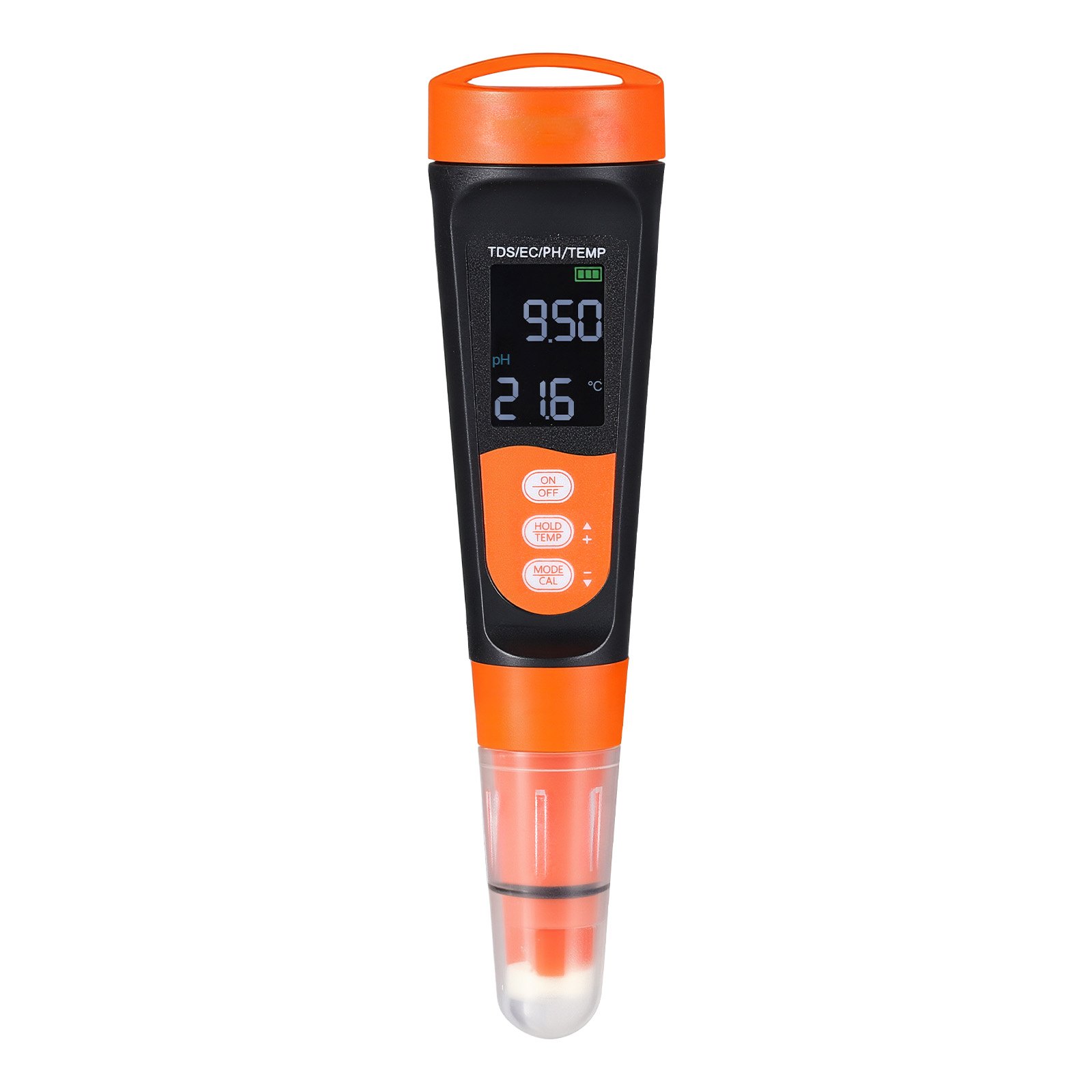
A pH meter measures acidity/alkalinity via a glass electrode and reference junction, with accuracy and lifespan dictated by electrode quality, calibration buffer set, and temperature compensation. The critical trade-off is between inexpensive pen-style units with sealed gel electrodes (short life, ±0.1 pH) and modular meters with replaceable probes and ATC (±0.01 pH) that survive real-world use. Choose a replaceable-electrode design with at least two-point calibration and automatic temperature compensation for any application where a 0.1 pH error matters; treat sealed, non-replaceable pens as disposable convenience tools only.

Buying guide image
Spectroscopy, Analysis & Detection Instruments

Ph Tester

A pH tester converts hydrogen-ion activity into a digital reading, and the critical trade-off is electrode quality versus price: lab-grade glass bulbs with replaceable junctions hold calibration, while sealed low-cost pens drift and die. Buy a model with at least two-point calibration and a replaceable probe for any repeated use; treat sealed, non-replaceable pens as one-season consumables.

Buying guide image
Test Leads, Probes, Fixtures & Accessories

Multimeter Test Lead

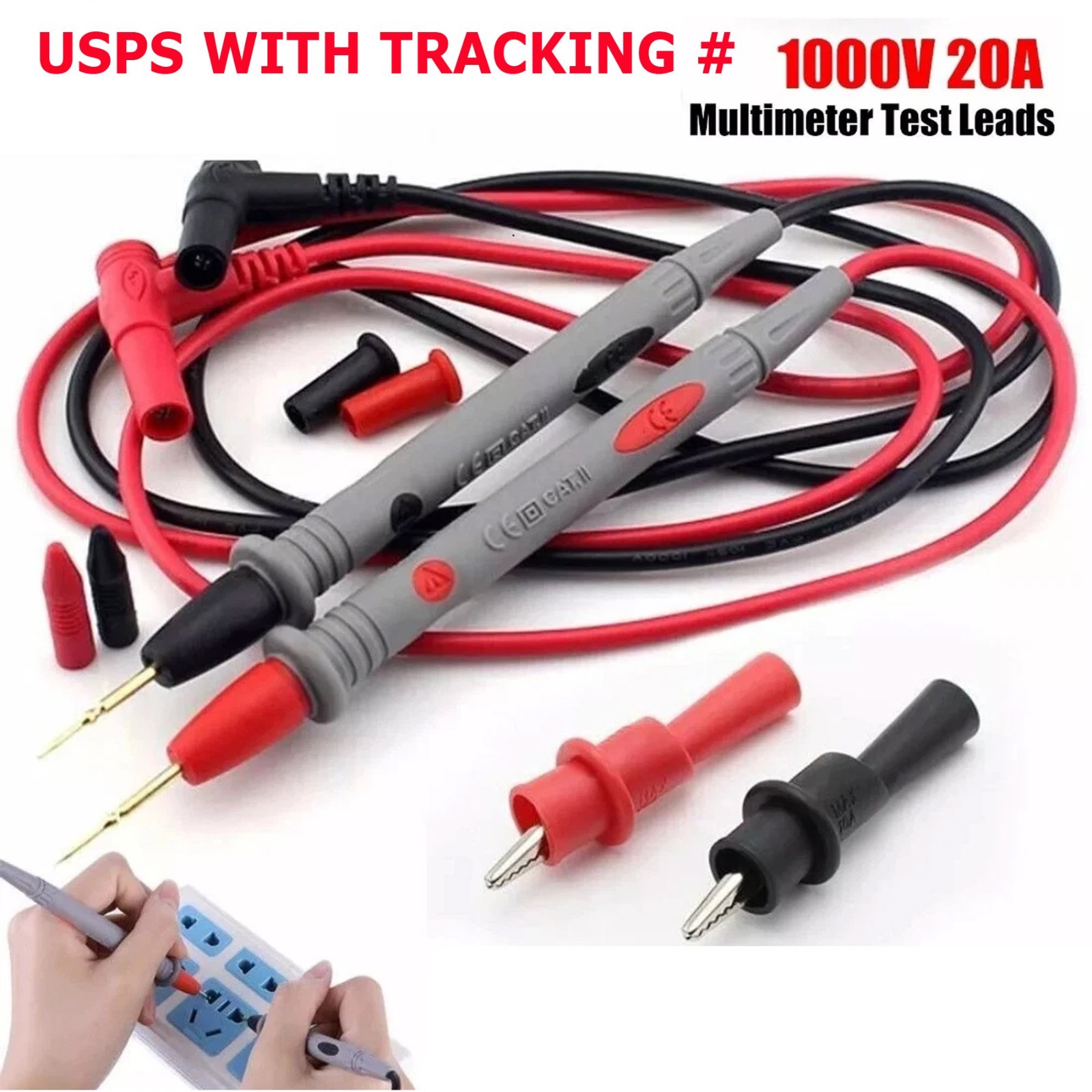
Multimeter test leads are the critical interface between your meter and the circuit, and their safety and accuracy depend on voltage/current ratings, probe tip geometry, and wire gauge. The primary trade-off is between universal low-cost leads with vague safety claims and properly rated leads (CAT III/IV) with silicone insulation and secure connectors. Choose leads that meet or exceed your meter's CAT safety rating and have the right connector type (4mm banana) and tip style for your work; avoid unbranded leads with no agency markings for anything beyond low-voltage electronics.

Buying guide image
Oscilloscopes, Signal & Spectrum Analyzers

Fnirsi Oscilloscope

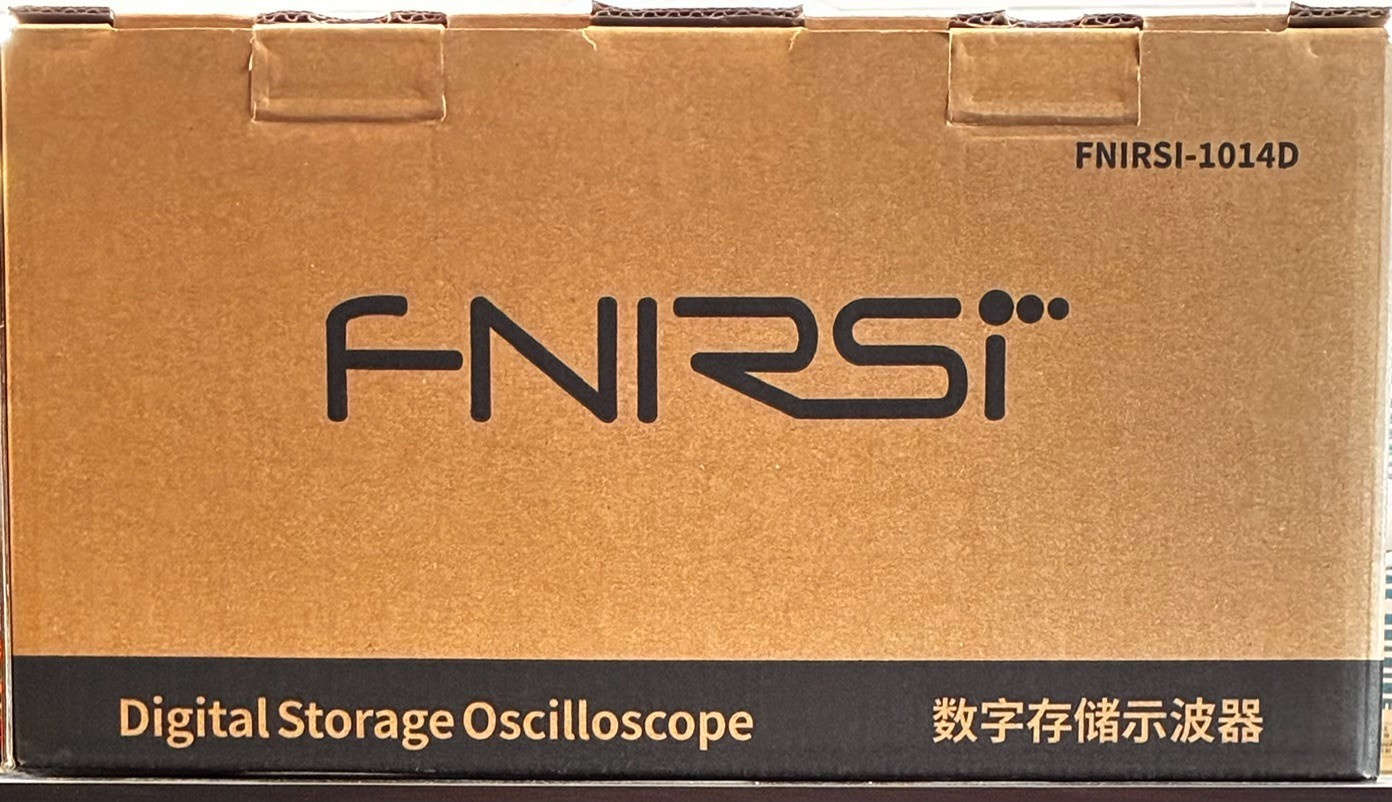
FNIRSI oscilloscopes are portable, budget-focused digital scopes and multi-function testers that trade benchtop-grade isolation and sampling depth for handheld convenience. The core trade-off is sample rate and front-end architecture: high-speed 1 GSa/s models (1014D) suit repetitive signal viewing, while compact 2-in-1/3-in-1 units (DSO-TC3, 2C53T) prioritize portability and built-in multimeter/signal-generator functions. Buy the 1014D tier for real waveform work; treat pocket 3-in-1 units as field diagnostic tools, not lab scopes.

Buying guide image
Environmental & Indoor Air Measurement

Weather Station Home Use

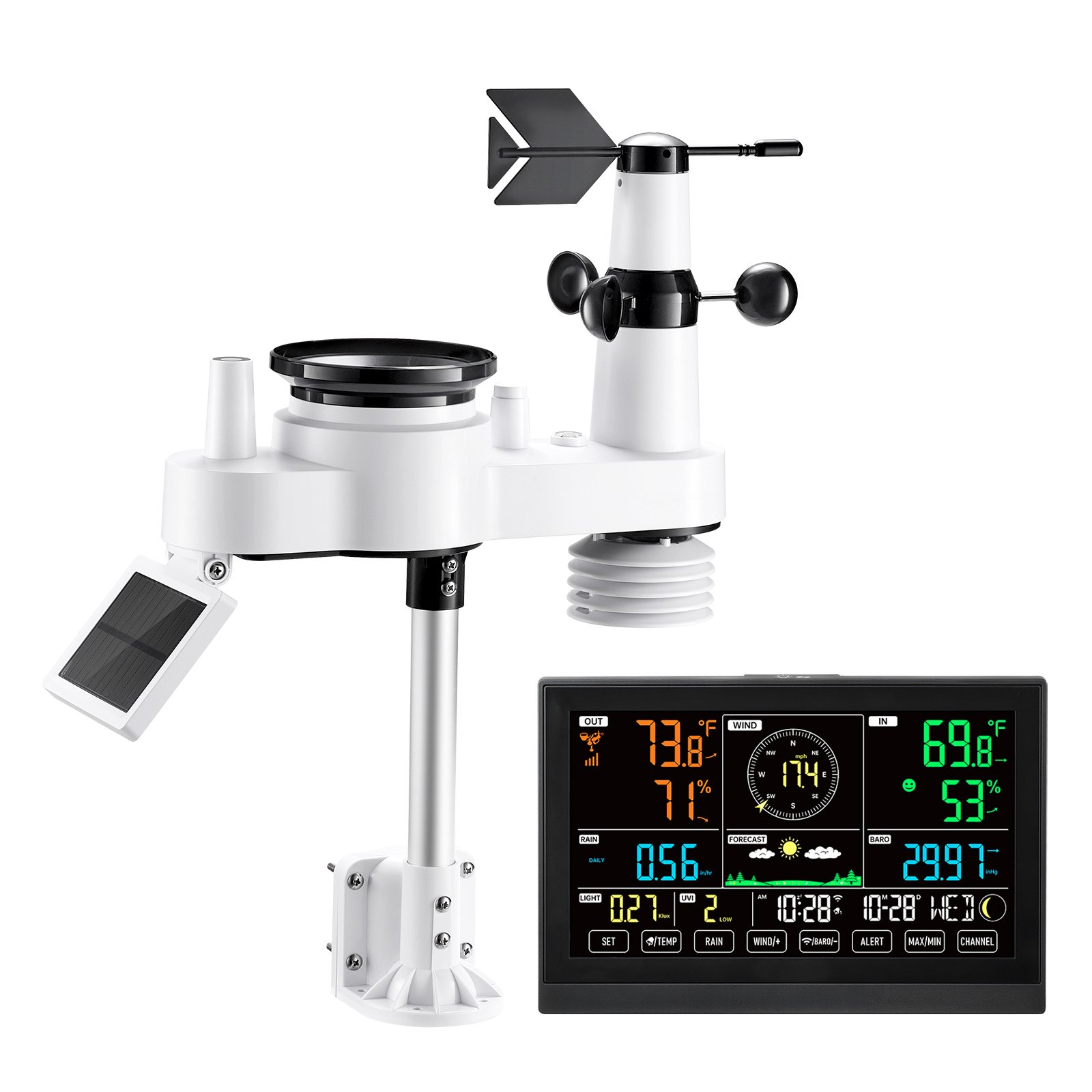
A home weather station pairs an outdoor sensor array with an indoor display to report temperature, humidity, wind, rain, and pressure. The core trade-off is sensor completeness and wireless range versus display size and smart connectivity. Choose a 7-in-1 array with a color console for full local weather data, or a basic thermo-hygrometer for indoor/outdoor temperature only.

Buying guide image
Pressure, Flow & Process Measurement

Hydraulic Pressure Test Kit

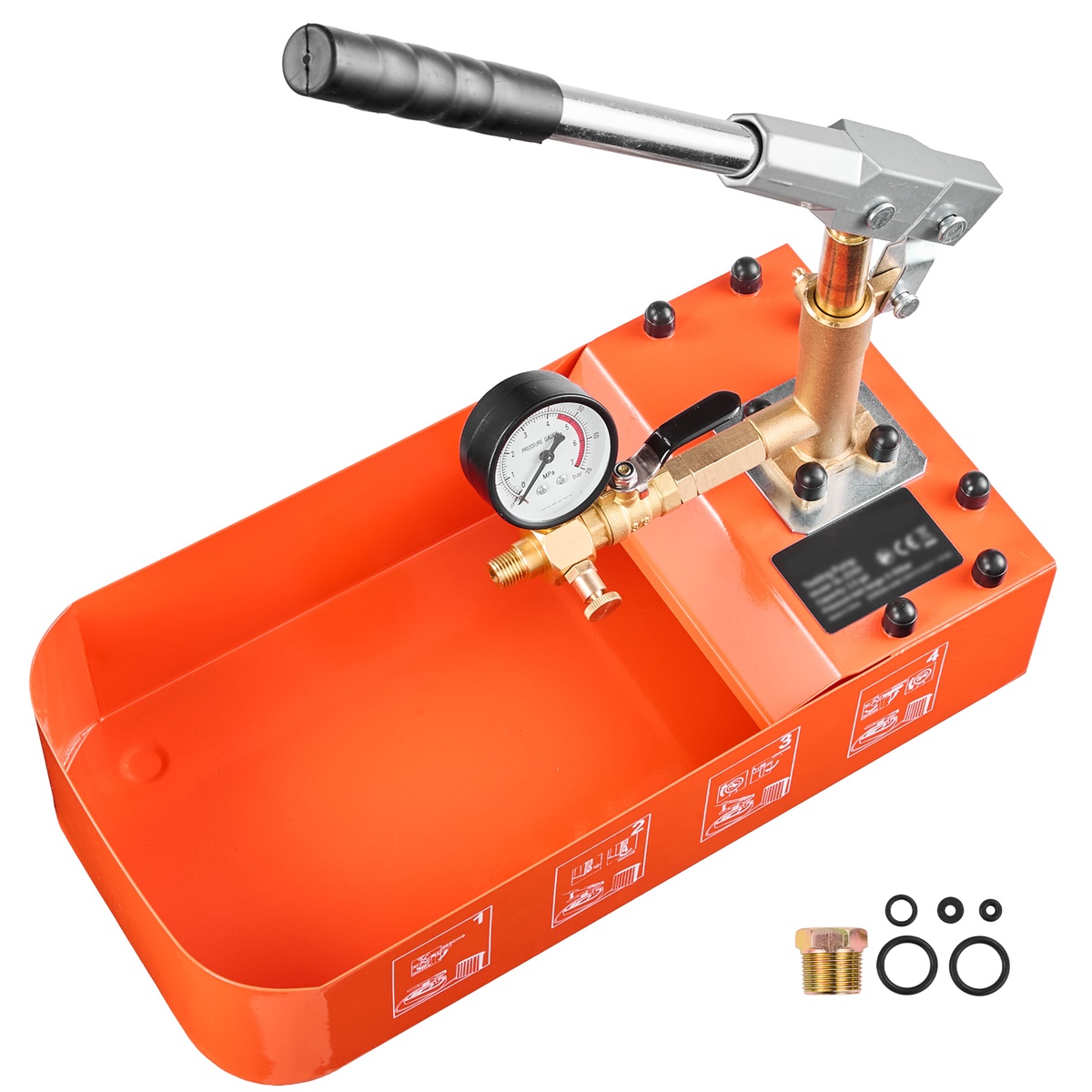
A hydraulic pressure test kit is a portable diagnostic set of gauges, hoses, and quick-release couplings used to measure working pressure in excavators, tractors, and process lines. The core trade-off is analog glycerin-filled gauges (rugged, no battery, lower resolution) versus digital gauges (peak-hold, logging, but battery and sensor dependent), plus coupling compatibility. Buy analog multi-gauge kits for field diagnostics across several pressure ranges; choose digital only when you need peak-hold or data capture.

Buying guide image
Pressure, Flow & Process Measurement

Hydraulic Test Kit

A hydraulic test kit is a portable diagnostic set—pressure gauges, hoses, and quick-release couplings—used to measure pressure and flow in machinery hydraulic circuits. The core trade-off is gauge accuracy and coupling compatibility versus kit completeness: analog glycerin-filled gauges survive shock and vibration, while digital sensors offer peak-hold and logging but need battery care. Buy a kit whose coupling set matches your machine's test ports; a bargain kit with the wrong couplers is unusable regardless of gauge quality.

Buying guide image
Environmental & Indoor Air Measurement

Indoor Outdoor Weather Station

An indoor-outdoor weather station pairs a wireless outdoor sensor array with an indoor display console, turning hyperlocal temperature, humidity, wind, rain, and UV data into an at-a-glance forecast. The core trade-off is sensor completeness and wireless range versus display clarity and power simplicity: budget units stop at temp/humidity, while 7-in-1 arrays add wind, rain, and UV at the cost of stricter siting and battery maintenance. The decision rule is simple—buy the sensor suite your climate actually needs, and reject any unit whose transmission range or sensor grade cannot span your yard-to-console distance reliably.

Buying guide image
Environmental & Indoor Air Measurement

Portable Weather Station

A portable weather station is a compact, battery-powered sensor cluster that measures wind, temperature, humidity, and pressure for on-the-go or temporary deployment—not a fixed home weather station. The core trade-off is between all-in-one handheld anemometers with basic sensors and modular tripod-mounted units with external wind cups and solar radiation shields; the latter costs more but delivers stable, calibrated readings in sustained outdoor use. The decision rule: choose a sealed, IP-rated unit with replaceable batteries and a wired or Bluetooth external wind sensor for any deployment beyond casual spot checks; skip pocket-only devices with integrated spinning vanes if you need continuous logging or multi-day accuracy.

Buying guide image
Environmental & Indoor Air Measurement

Weather Station

A weather station is a sensor-plus-display system that measures indoor/outdoor temperature, humidity, wind, rain, UV, and pressure, with the primary trade-off being sensor integration and transmission reliability versus display features. Durable systems use a single integrated outdoor sensor array with solar assist and a dedicated 433/868 MHz radio link; compromises split sensors across separate battery-only units with marginal range. The decision rule: buy an all-in-one sensor array with solar charging and a color console if you want reliable multi-variable data, and skip modular thermometer-only kits unless you only need temp/humidity.

Buying guide image
Microscopes & Lab Imaging

Tomlov Coin Microscope

Tomlov coin microscopes are digital LCD magnifiers built for coin graders, jewelers, and electronics inspectors who need live imaging without eyepieces. The core trade-off is sensor/optics quality versus screen size and stand stability: small 2.4–4.3-inch handheld units are inspection toys, while 7–10.1-inch HDMI models with metal stands are genuine bench instruments. Buy by display size and mounting architecture, not by the inflated digital zoom number printed on the box.

Buying guide image
Environmental & Indoor Air Measurement

Indoor Weather Station

An indoor weather station pairs a base display with wireless outdoor sensors to track temperature, humidity, and often wind, rain, and UV from inside the home. The core trade-off is sensor architecture and RF reliability versus display features: cheap units use fixed-code 433 MHz links and uncalibrated sensors, while durable models use 868/915 MHz frequency-hopping, shielded sensor housings, and solar or lithium backup. The decision rule: buy only if the listing states a named sensor protocol, sensor operating range, and RF range with line-of-sight math — otherwise you are buying a disposable display, not a measurement instrument.
Buying guide image
Centrifuges, Mixers & Shakers

Prp Centrifuge

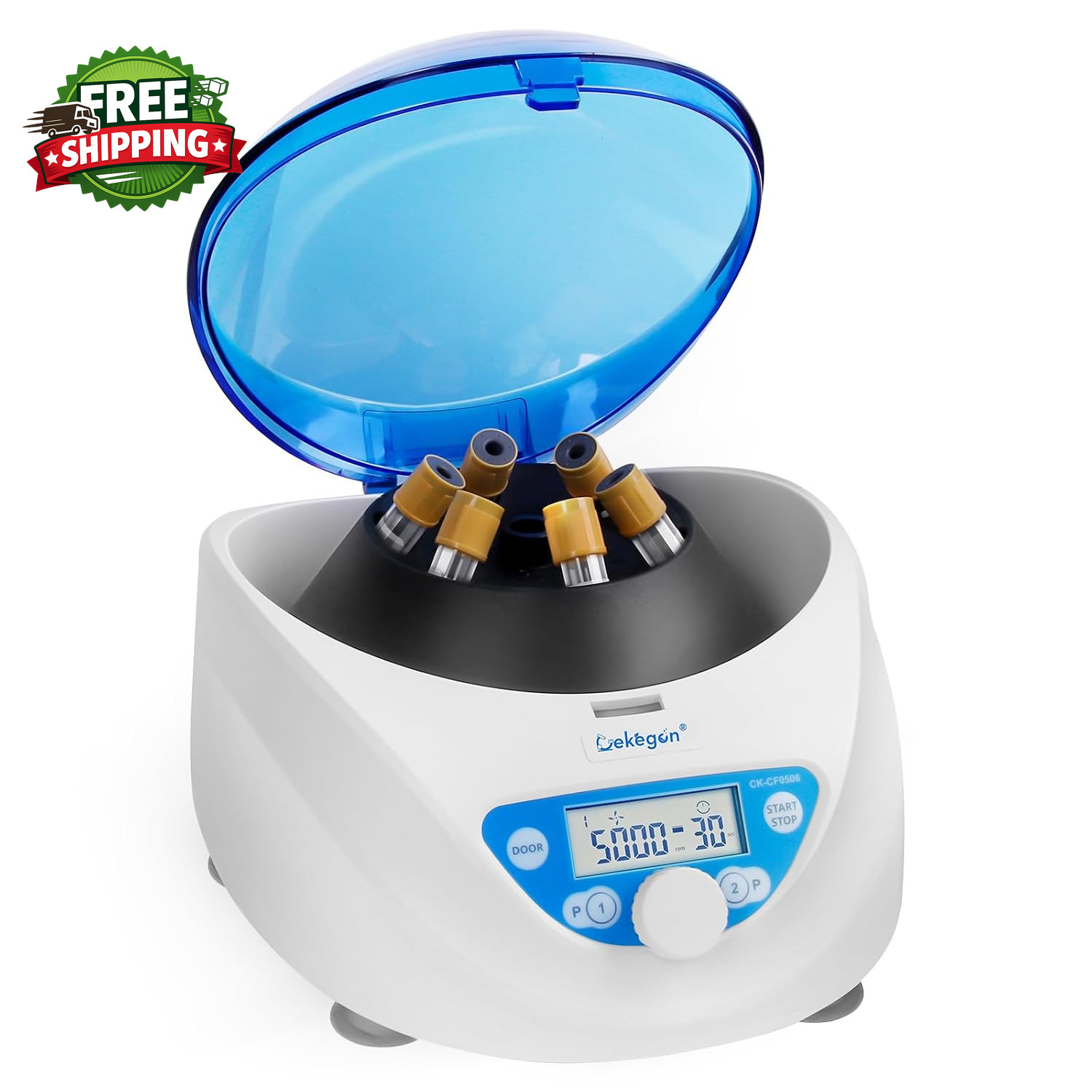
A PRP centrifuge is a benchtop or portable lab centrifuge sized for platelet-rich-plasma separation, where rotor capacity, speed control, and build quality determine whether you get clean plasma layers or a shaky compromise. The core trade-off is between fixed-speed low-cost units and variable-speed or dual-rotor machines with real balance and timer control. Decide by matching tube volume and rotor count to your protocol, then demand digital speed/timer control and a metal rotor for repeatable results.

You may also like

Finding more guides for you…