Bench & Gauge

Bench & Gauge

Test, Measurement & Inspection Reviews & Buying Guides

Compare test, measurement & inspection by use case, features, trade-offs, price, returns, and seller terms before you buy.

Buying guides

Buying guide image
Multimeters & Electrical Testers

Voltmeter

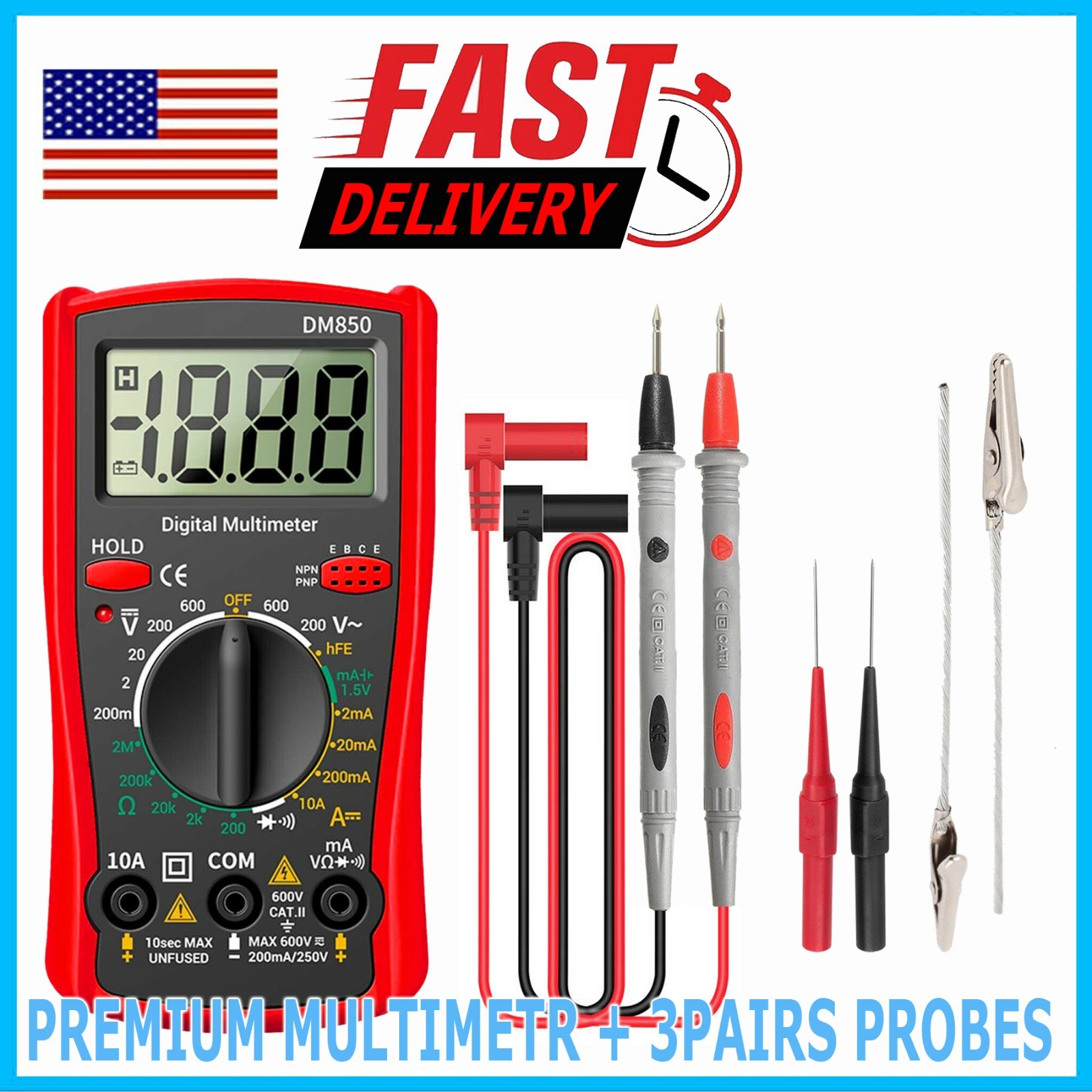
Buying a voltmeter means choosing the right voltage-sensing tool for your actual electrical work, not just the cheapest handheld on the shelf. The category splits into simple two-lead voltage testers, pen-style non-contact voltage detectors, and full digital multimeters that add current, resistance, and continuity. Getting the input safety rating, display resolution, and probe compatibility right matters more than the badge on the case.
Buying guide image
Test Leads, Probes, Fixtures & Accessories

Test Lead

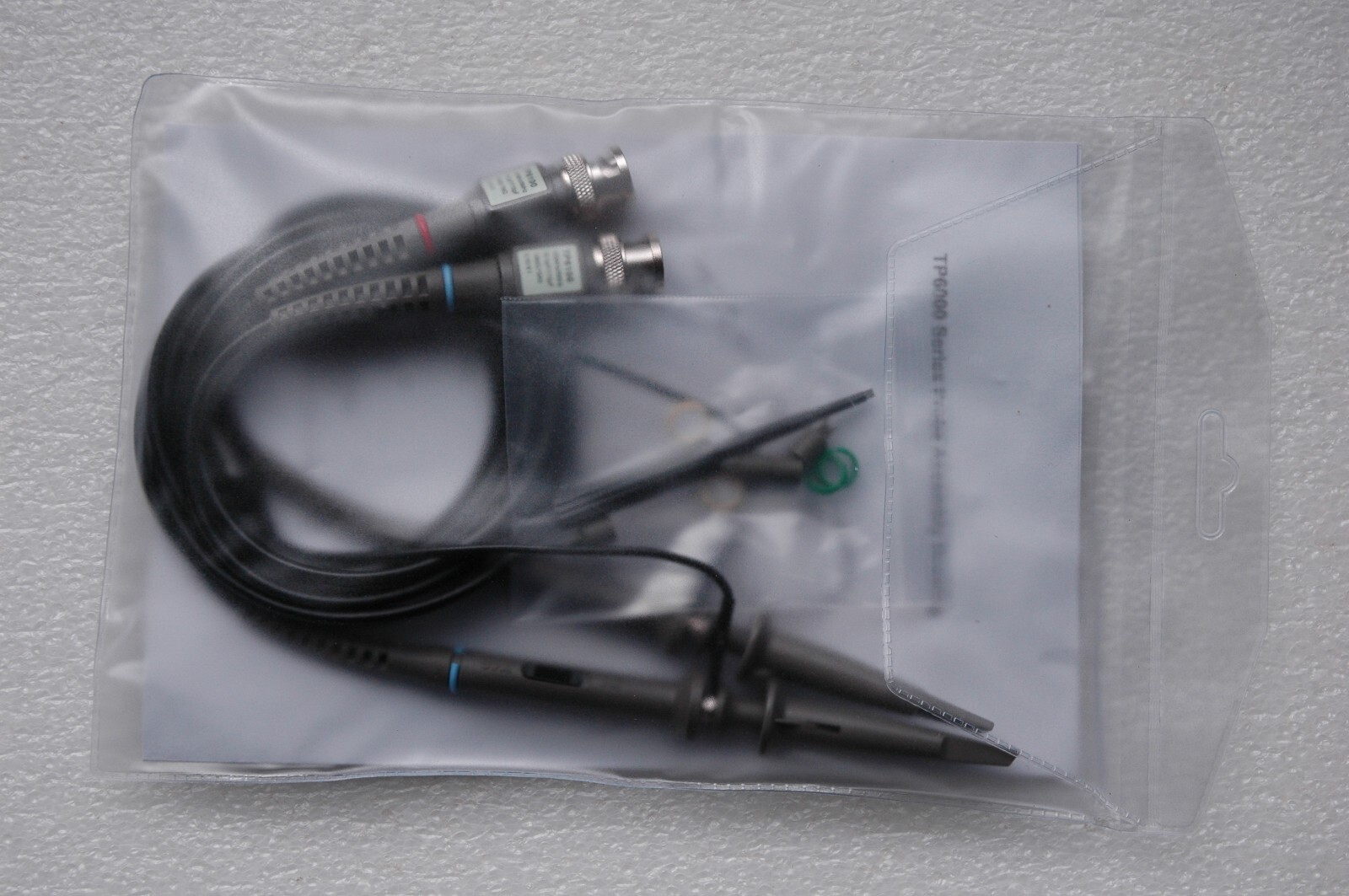
Test leads are the insulated conductors and probe/clip terminations that connect a meter to a circuit. The core trade-off is safety-rated insulation and current capacity versus flexibility and price: silicone leads stay supple and resist heat, while cheap PVC stiffens and cracks, exposing you to live voltage. Buy leads whose CAT safety rating and current rating meet or exceed your meter's highest-energy measurement environment, and treat unrated or mislabeled leads as disposable.

Buying guide image
Thermal Cameras, Borescopes & Visual Inspection

Sewer Camera

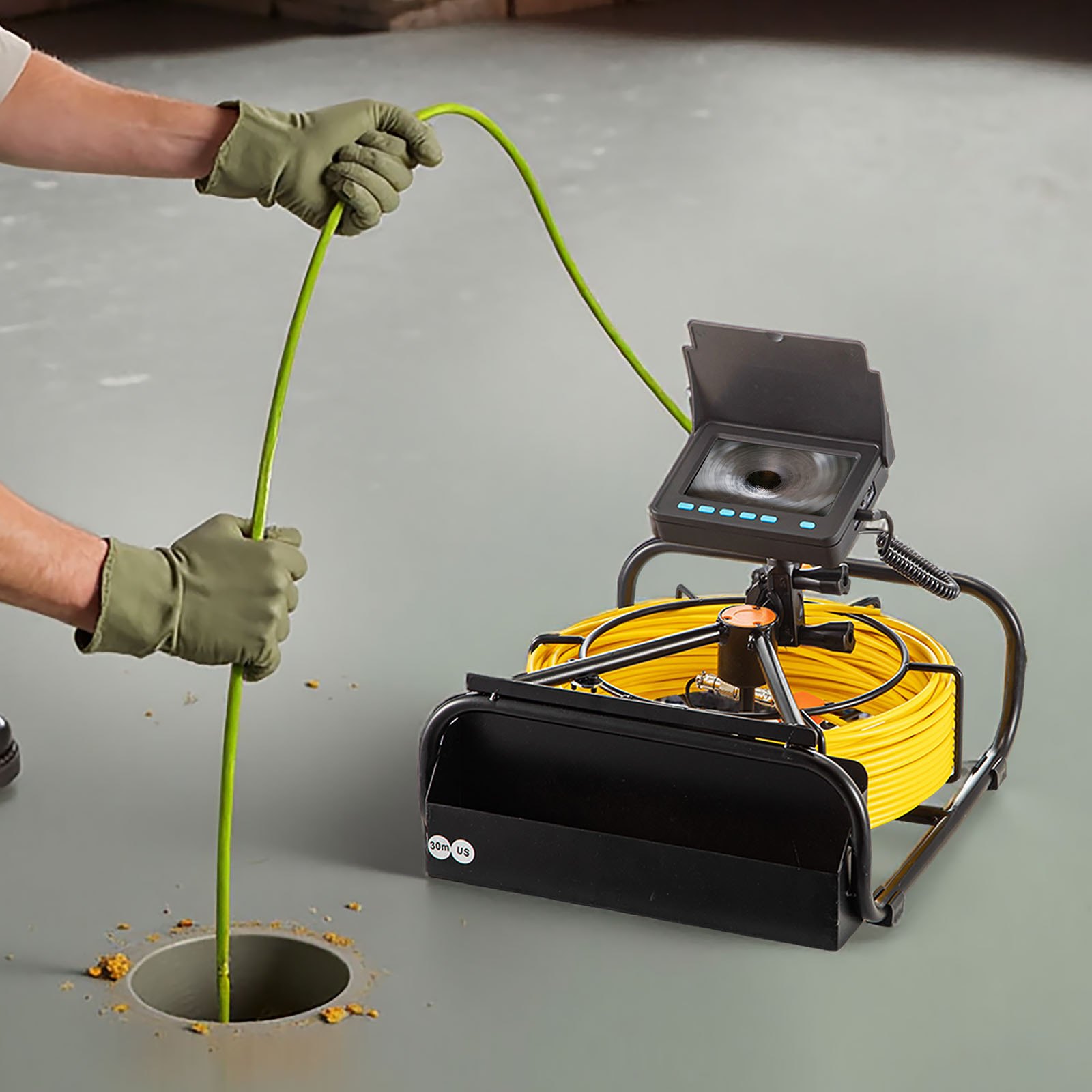
Sewer cameras are push-rod inspection systems that combine a waterproof camera head, a flexible cable reel, and a monitor to diagnose drain lines without excavation. The core trade-off is cable length and camera articulation versus portability and cost: short rigid rods suit sink/toilet traps, while long self-leveling reels handle main lines. Buy a self-leveling head with a steel-core push rod and IP68 rating for real drain work; skip fixed-head, plastic-cable units that kink and lose orientation.

Buying guide image
Multimeters & Electrical Testers

Voltage Tester

Voltage testers split into non-contact pens (safety-first AC presence checks), receptacle/outlet testers (wiring and GFCI verification), and full multimeters (quantitative AC/DC measurement). The core trade-off is measurement speed and safety isolation versus quantitative accuracy and load testing. Buy a CAT-rated non-contact pen for quick AC presence checks; step up to a TRMS multimeter when you need volts, ohms, and continuity numbers.

Buying guide image
Microscopes & Lab Imaging

Coin Microscope

A coin microscope is a close-focus imaging tool for inspecting mint marks, varieties, errors, and surface condition on coins, and the segment splits into fixed-lens digital LCD scopes versus optical stereo microscopes. The core trade-off is magnification versus working distance and depth of field: high claimed zoom (1000X) on small-sensor digital scopes delivers empty digital enlargement, while true optical resolution at 10-50X with long working distance reveals actual coin detail. The decision rule: buy an LCD digital scope with a glass lens, adjustable stand, and 4.3-7 inch screen for casual grading and error hunting; step up to a stereo optical microscope or a large-sensor digital scope only when you need measurable, repeatable inspection.

Buying guide image
Multimeters & Electrical Testers

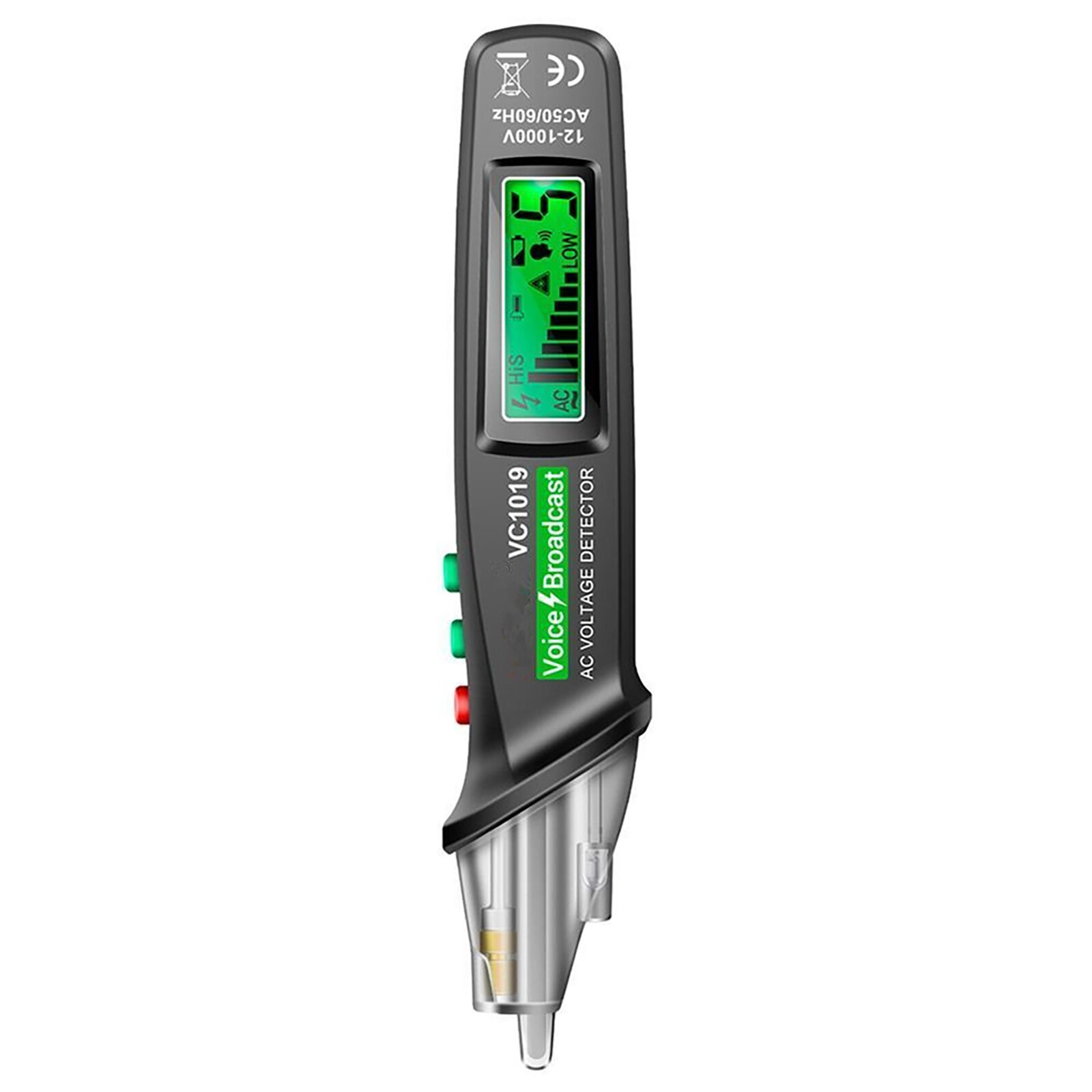
Voltage Tester Pen

A voltage tester pen is a handheld non-contact or contact voltage detector used to quickly check for live AC wiring, often with additional functions like continuity or NCV sensitivity. The key trade-off is between a simple, safety-rated non-contact pen and a multi-function tester that adds DC voltage, continuity, or outlet testing at the cost of complexity and slower response. Buy a CAT III or CAT IV rated pen from a known brand for any household or professional use; skip unrated generic pens for anything beyond basic presence checks.

Buying guide image
Thermal Cameras, Borescopes & Visual Inspection

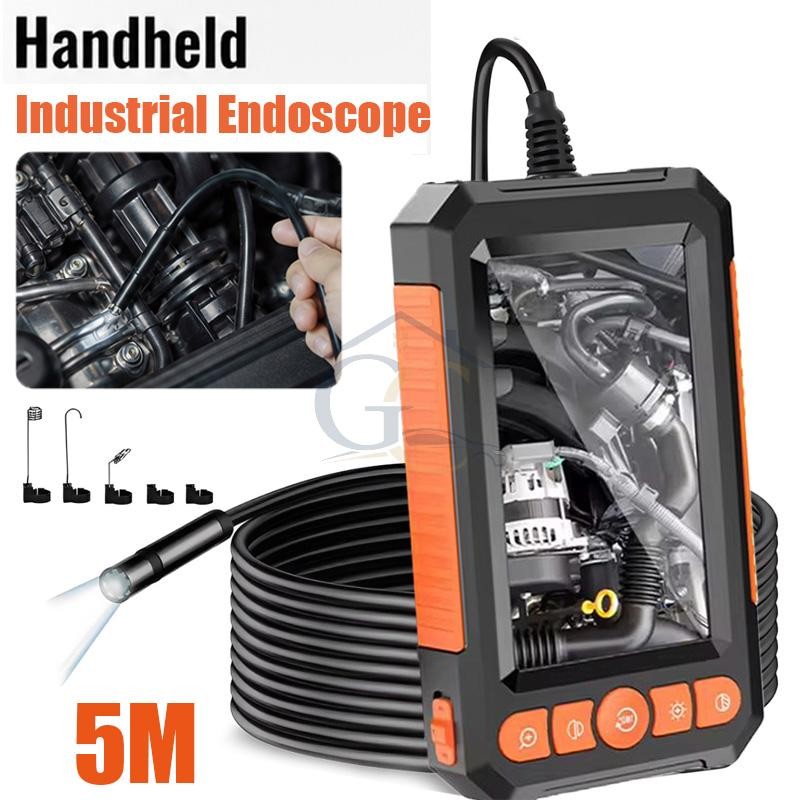
Snake Camera With Light

A snake camera with light is a flexible or semi-rigid borescope that pairs a tiny image sensor with built-in LED illumination to inspect cavities, drains, engines, and walls. The decisive trade-off is cable architecture—semi-rigid push rods hold shape for long horizontal runs, while thin flexible cables navigate tight bends but cannot be pushed far. Buy the camera diameter and cable length your actual opening and reach demand, and reject any unit lacking IP67 sealing or adjustable brightness.

Buying guide image
Thermal Cameras, Borescopes & Visual Inspection

Snake Camera iPhone

A snake camera for iPhone is a USB or Wi-Fi borescope that turns your phone into the display for inspecting pipes, engine cylinders, walls, and drains. The core trade-off is between a Wi-Fi/USB-C connection with app-controlled lighting versus a Lightning-based model that avoids pairing lag but limits you to older iPhones. Choose a wired Lightning or USB-C camera if you need zero-latency live view; choose Wi-Fi only if you need cable-length freedom and can tolerate app pairing.

Buying guide image
Thermal Cameras, Borescopes & Visual Inspection

Snake Camera

Snake cameras (borescopes/endoscopes) are flexible inspection tools that feed a camera down drains, walls, or engine cylinders. The core trade-off is cable architecture: semi-rigid push cables with a standalone LCD screen offer stand-alone convenience, while USB-C/Lightning phone-tethered models give higher resolution on a familiar display but depend on your device. Buy a semi-rigid 8mm or thinner probe with IP67 sealing and a dedicated screen for professional or frequent use; choose a phone-tethered USB model for occasional household checks.

Buying guide image
Dimensional Metrology & Machine Inspection

Coordinate Measuring Machine

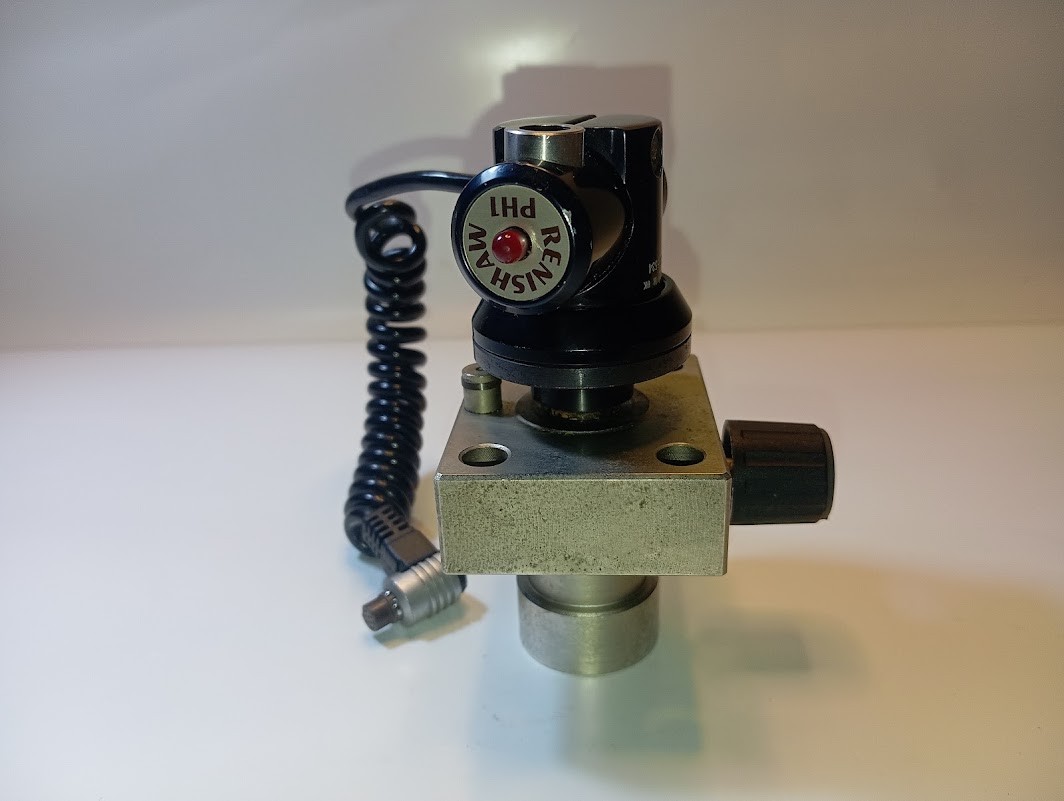
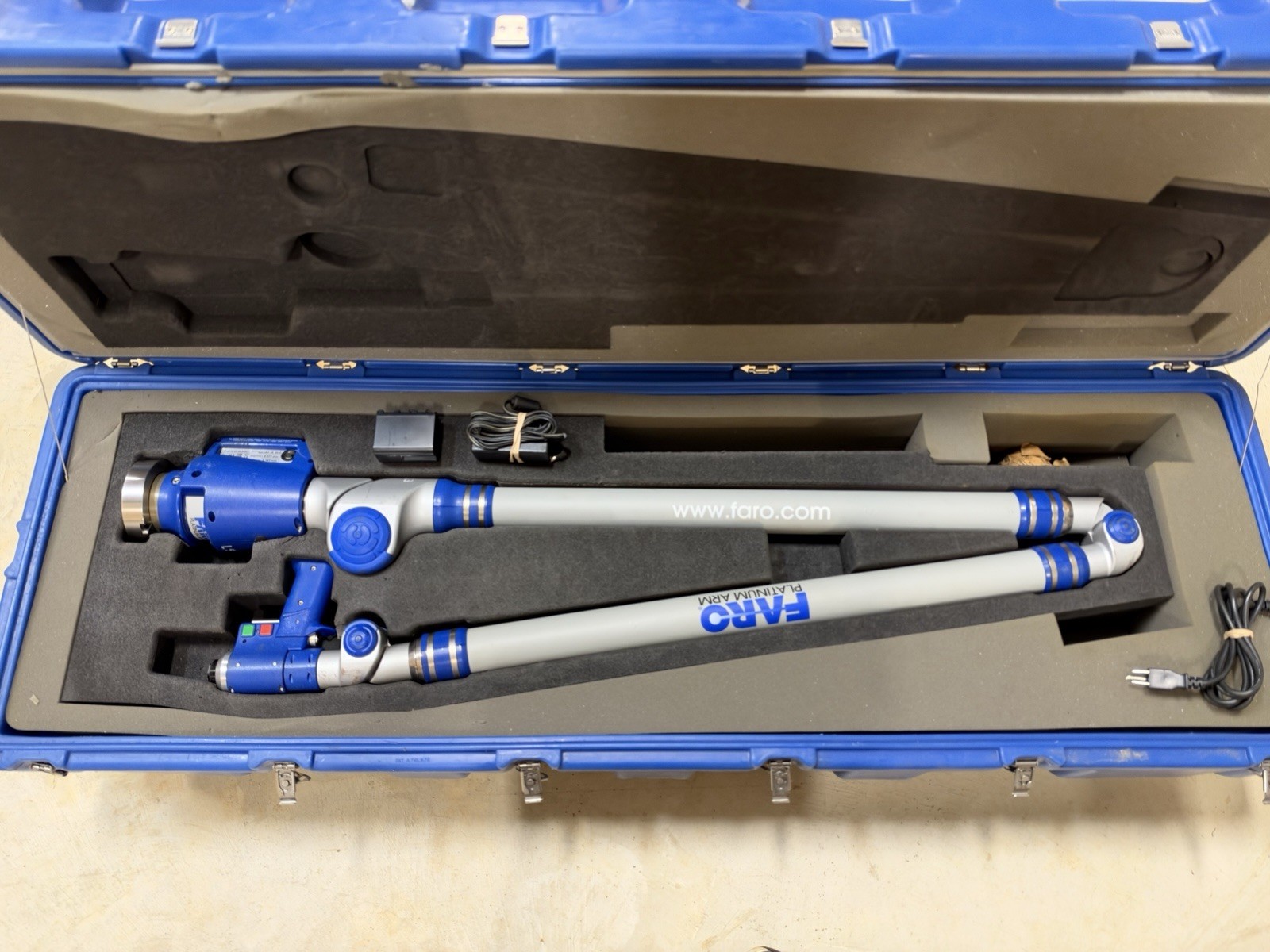
A coordinate measuring machine (CMM) is a precision metrology system that captures 3D geometry via a probe, typically using bridge, gantry, or articulated-arm architectures. The core trade-off is between volumetric accuracy (MPE values) and environmental robustness: benchtop CNC CMMs demand stable 20°C labs, while portable arms trade absolute accuracy for shop-floor versatility. The decision rule: buy a CMM only if its specified MPE and probing system match your tightest tolerance, and budget for a climate-controlled room and certified styli; otherwise choose a portable arm or optical comparator.

Buying guide image
Microscopes & Lab Imaging

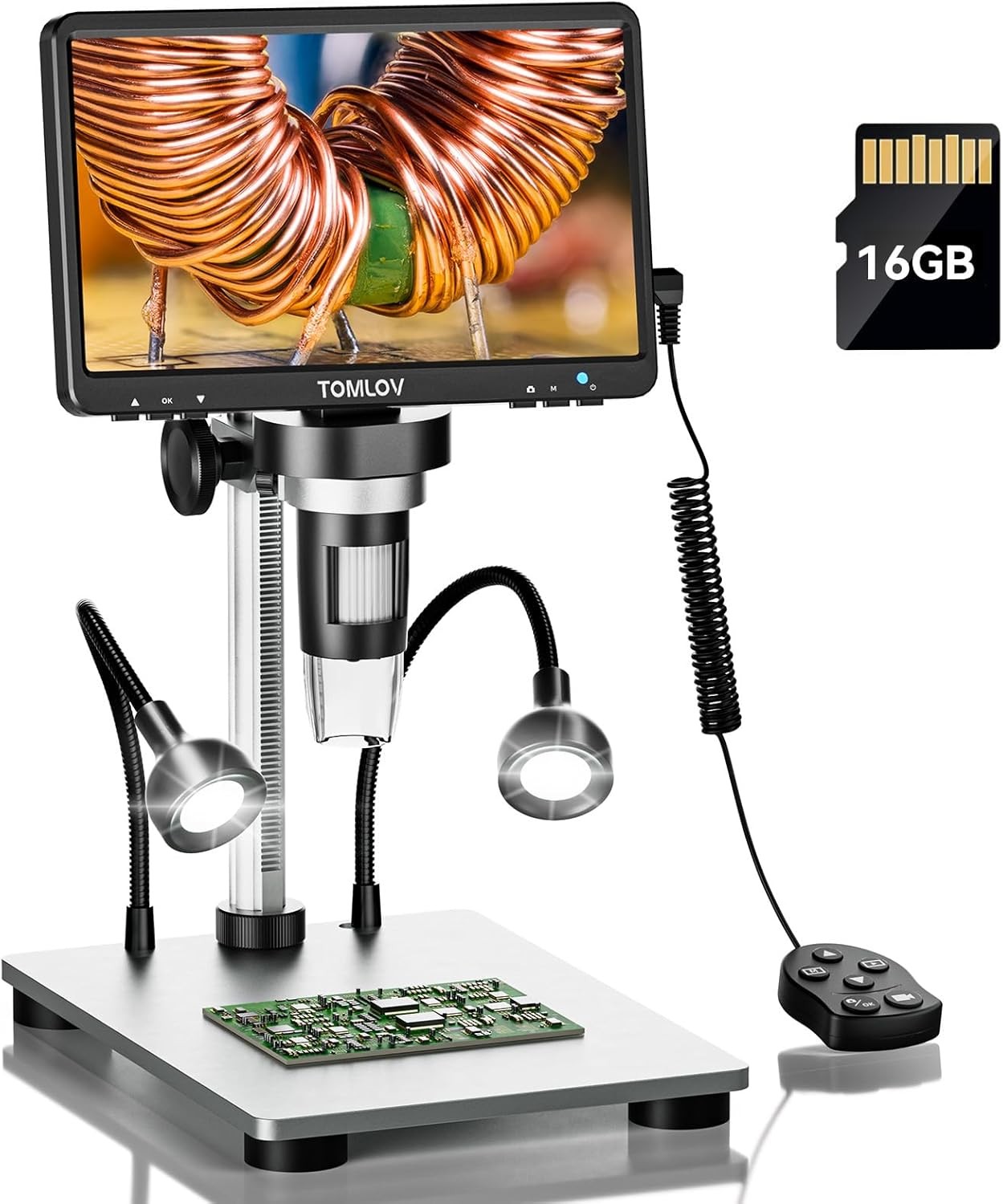
Tomlov Digital Microscope

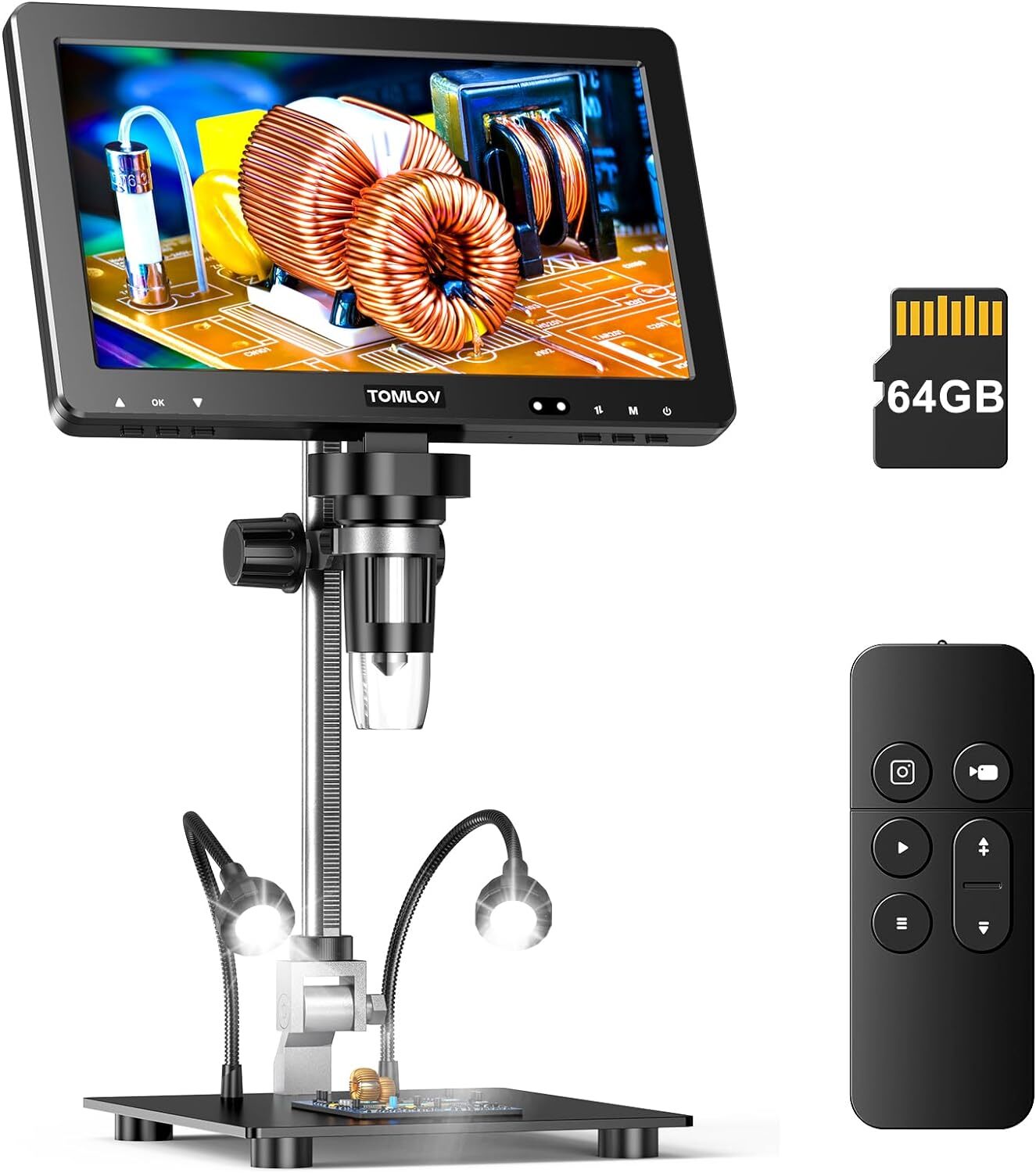
Tomlov digital microscopes are LCD/HDMI inspection cameras built for coins, PCB soldering, and trichome/jewelry work, not laboratory research optics. The core trade-off is sensor resolution and screen size versus lens/stand rigidity: larger screens and higher magnification tiers demand a sturdier boom stand and HDMI output to stay usable. Buy the tier that matches your working distance and output standard, not the highest printed magnification.

Buying guide image
Multimeters & Electrical Testers

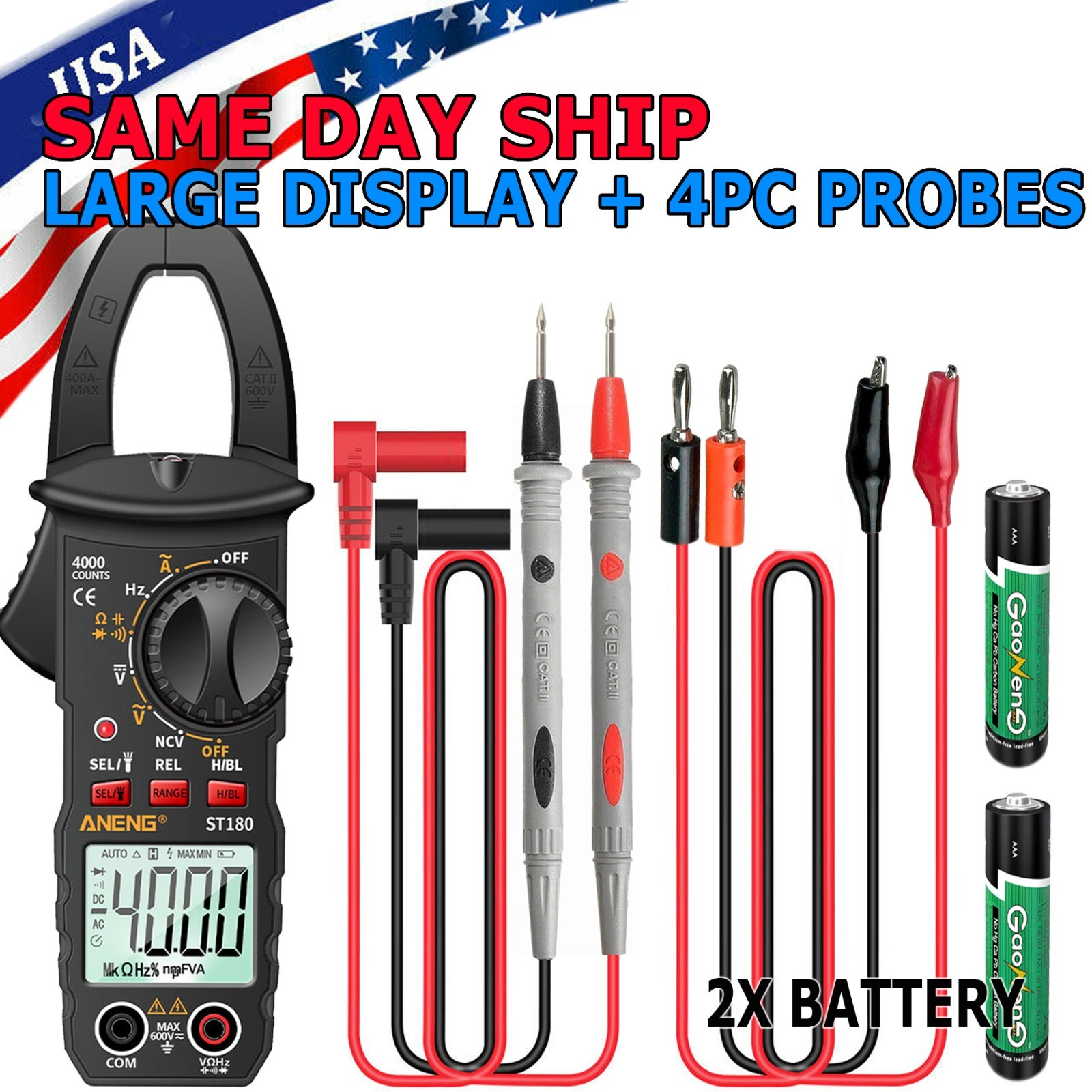
True Rms Multimeter

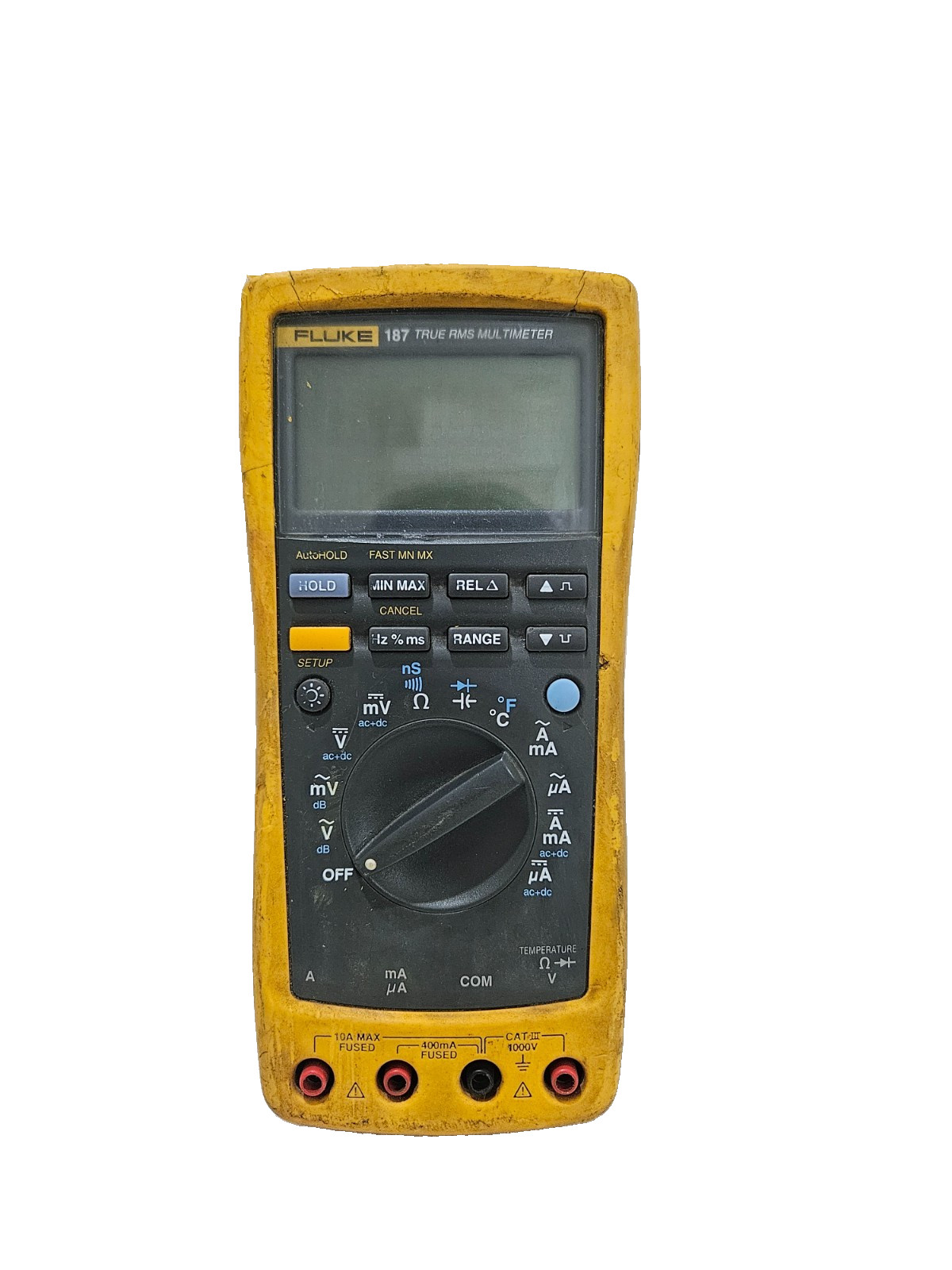
A true-RMS multimeter measures AC current and voltage as the equivalent heating value of the waveform, avoiding the 10-40% under-reading a averaging meter shows on non-sinusoidal loads like inverters, VFDs, and switch-mode supplies. The core trade-off is count resolution and True-RMS bandwidth versus input protection and safety-category rating: 2000-4000 count meters suit hobby and automotive 12-48V work, while 6000-10000 count units with CAT III 600V/1000V fuses are the minimum for panel and industrial diagnostics.

Buying guide image
Microscopes & Lab Imaging

Tomlov Microscope

Tomlov microscopes are LCD-screen digital microscopes built around a camera sensor and a built-in display, not optical eyepiece microscopes, so image quality and stand rigidity matter more than lens brand. The core trade-off is screen size and sensor resolution versus stand stability and working distance—budget 4.3-inch units flex and lack HDMI, while 7-inch and 10.1-inch models add metal stands, HDMI output, and higher magnification. Buy a 7-inch-or-larger metal-stand model with HDMI for soldering, coins, and trichome work; skip 2.4-inch handhelds unless portability is the only requirement.

Buying guide image
Lab Balances & Scales

Digital Scale

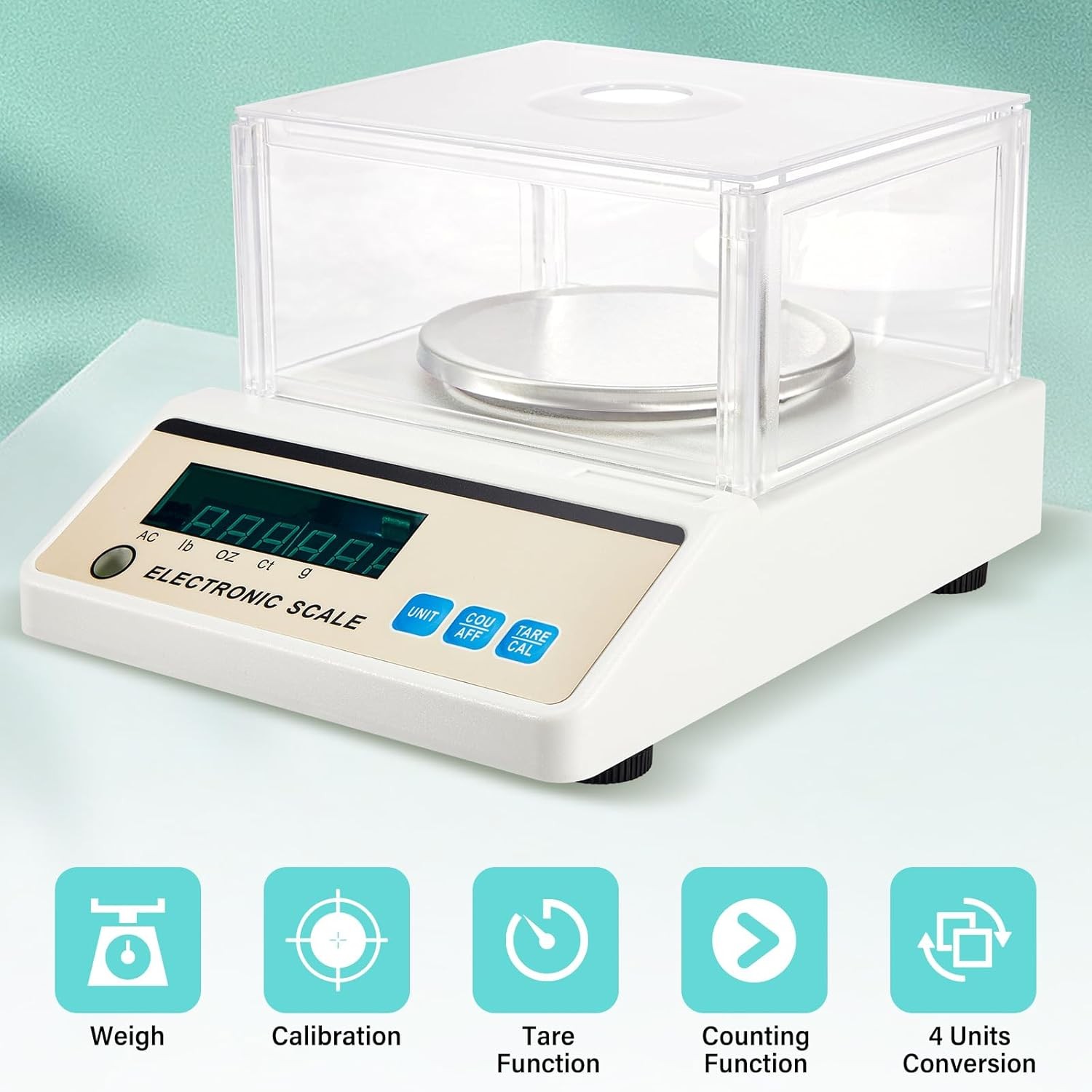
A digital scale converts load into a digital readout; the core trade-off is between resolution (smallest readable increment) and capacity (maximum load) — precision and range are inversely related and cost rises steeply as you demand both. The decision rule: match resolution to your smallest measurement and capacity to your heaviest load, then confirm the load cell type and calibration method, because a scale rated finer than 1:10,000 of capacity without a certified load cell is a compromise, not a precision instrument.

Buying guide image
Environmental & Indoor Air Measurement

Indoor CO2 Monitor

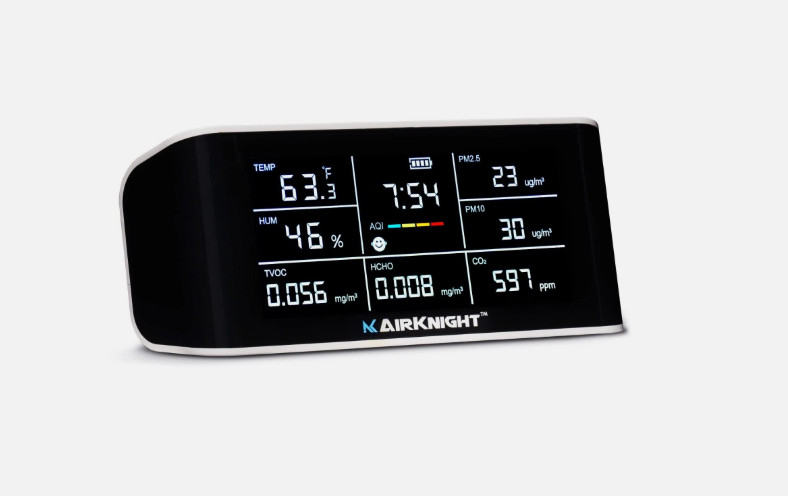
An indoor CO2 monitor is a sensor device that measures carbon dioxide concentration to gauge ventilation and air freshness, with NDIR sensors being the only reliable technology for accurate CO2 readings. The core trade-off is sensor quality versus multi-sensor gimmicks: cheap units often use inferred CO2 from VOC sensors, while true monitors use NDIR and display CO2 in ppm. Choose an NDIR-based monitor with a clear ppm readout; skip any unit that only shows an AQI color and cannot display CO2 numerically.

Buying guide image
Pressure, Flow & Process Measurement

Pressure

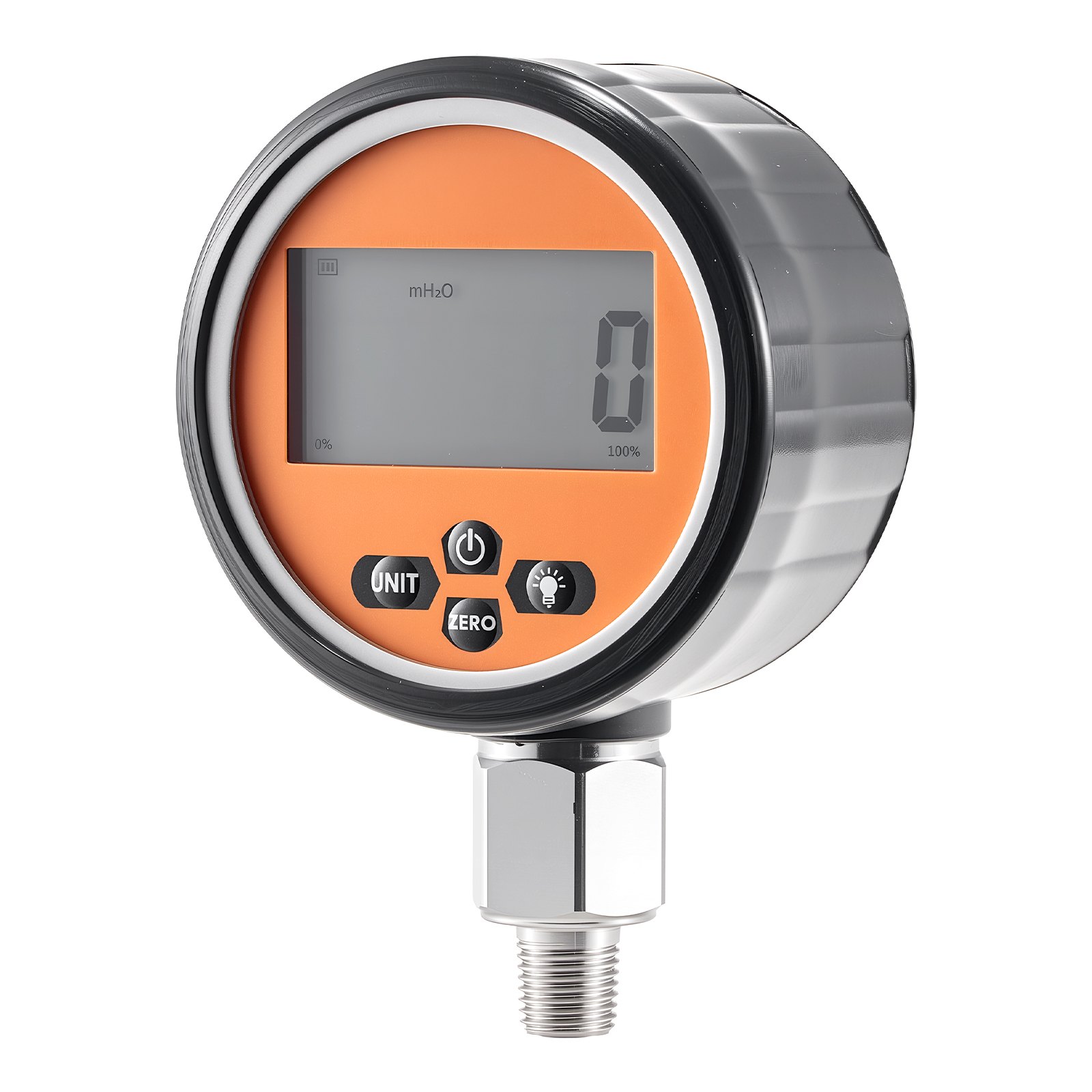
Pressure measurement covers mechanical gauges, digital indicators, and test kits that verify compression, hydraulics, or line pressure. The decisive trade-off is between analog bourdon-tube simplicity and digital sensor accuracy, each tied to a specific pressure range and medium compatibility. Buy by matching gauge range, connection standard, and medium (gas, water, hydraulic oil) to the task, not by brand name alone.

Buying guide image
Lab Heating, Cooling & Vacuum Equipment

Vacuum Pump

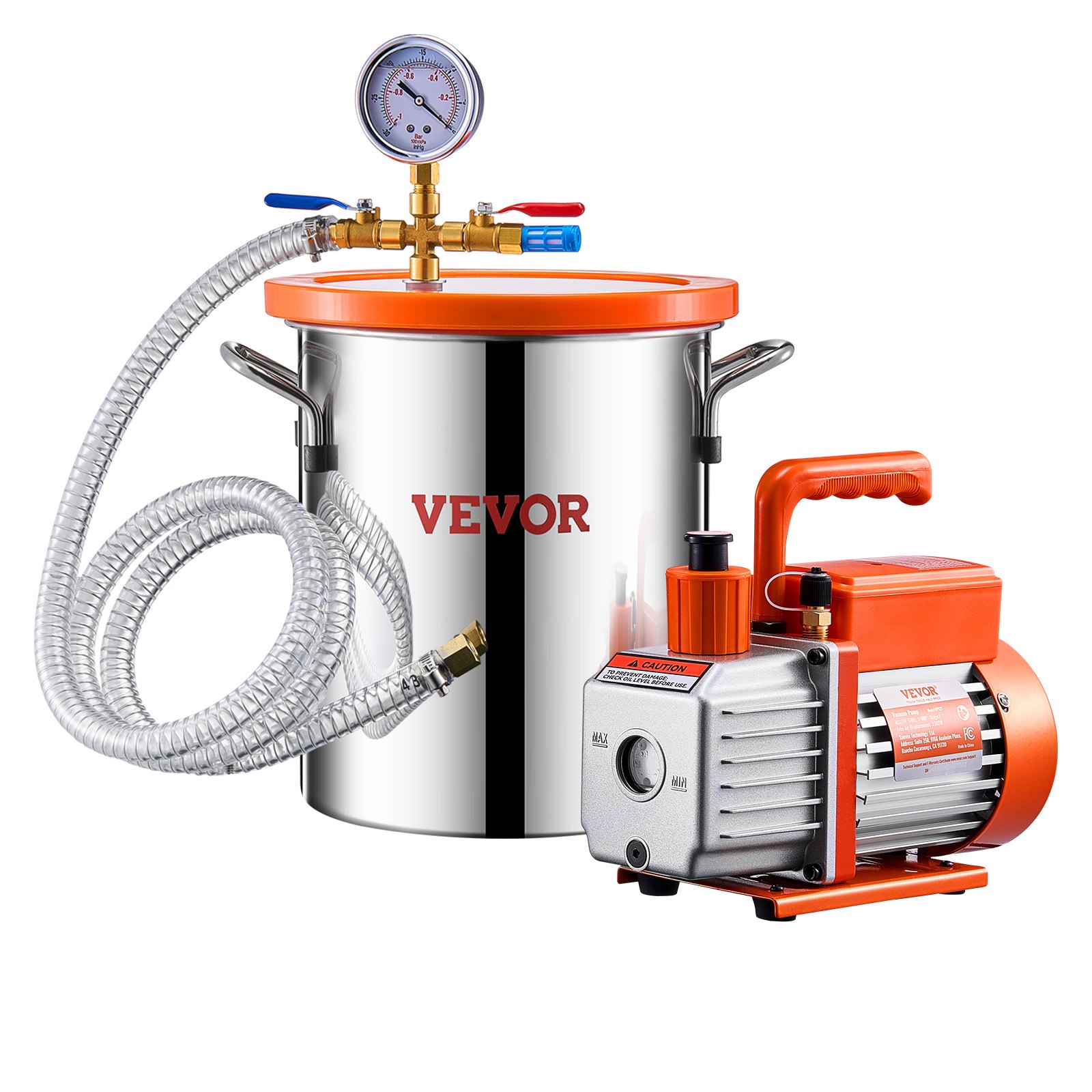
A vacuum pump removes gas from a sealed volume to create negative pressure for HVAC evacuation, lab filtration/rotovap, degassing, or vacuum chucking. The core trade-off is ultimate vacuum depth versus oil maintenance: two-stage oil-sealed rotary vane pumps reach deep micron levels for refrigeration and distillation, while oil-free diaphragm pumps deliver clean, low-vibration flow at shallower vacuums. Choose two-stage oil-sealed when you need to pull below 100 microns for moisture removal, and oil-free when solvent or sample contamination is unacceptable or the duty cycle is short.

Buying guide image
Oscilloscopes, Signal & Spectrum Analyzers

Vector Signal Analyzer

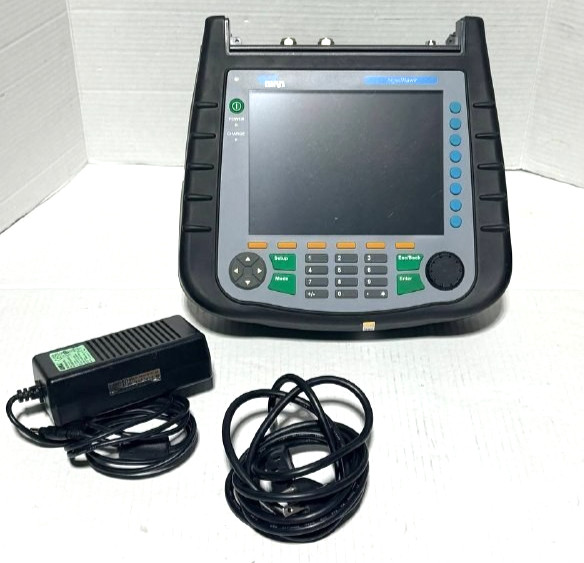
A vector signal analyzer (VSA) is a measurement instrument that demodulates and characterizes digitally modulated signals by capturing both magnitude and phase, unlike a scalar spectrum analyzer that only shows amplitude versus frequency. The core trade-off is between instantaneous analysis bandwidth and EVM/phase-noise performance: wider bandwidth captures more of a modern wideband signal, but higher phase noise and lower dynamic range degrade modulation accuracy. Choose a VSA with analysis bandwidth at least 1.5× your widest modulation bandwidth and phase noise below -110 dBc/Hz at 10 kHz offset for credible 5G/Wi-Fi 6E work; compromise tiers sacrifice EVM floor and real-time capture for cost.

Buying guide image
Dimensional Metrology & Machine Inspection

Cmm Measuring Machine

A CMM (Coordinate Measuring Machine) is a precision metrology system that touches or scans a workpiece to capture 3D geometry at micron-level accuracy. The core trade-off is between granite/ceramic bridge stability and probing/software architecture: manual vs. motorized vs. DCC drives repeatability, while touch-trigger vs. scanning heads define feature complexity. Buy a DCC CMM with granite base and Renishaw or Zeiss probing when tolerances fall below ±5 µm; accept manual or portable arms only for shop-floor go/no-go checks.

Buying guide image
Microscopes & Lab Imaging

Dark Field Microscope

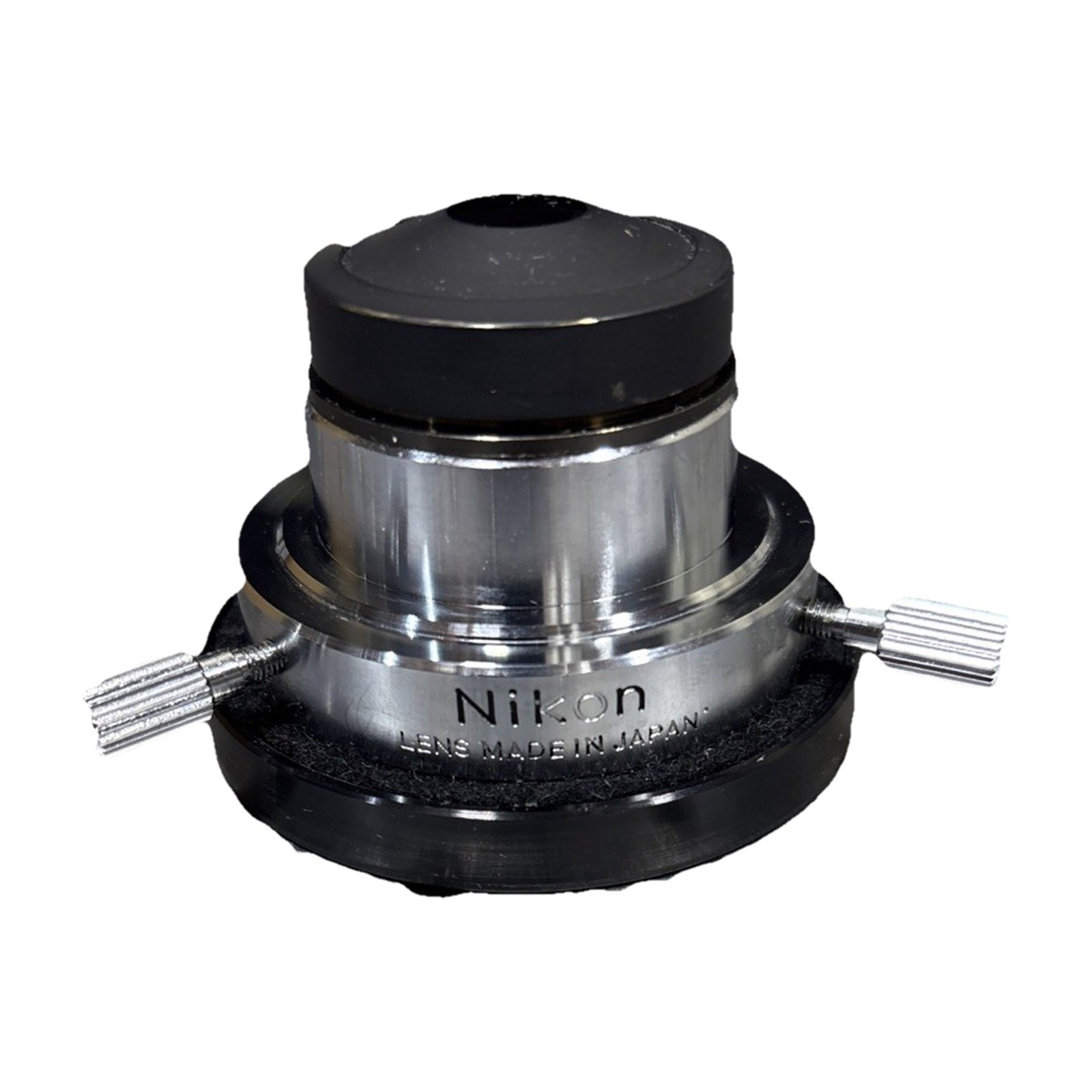
A dark field microscope is a light microscope configured to illuminate the specimen with a hollow cone of light so that only scattered light enters the objective, producing bright objects against a black background. The primary trade-off is between a dedicated dark field condenser (or a dark field stop insert) and a standard brightfield condenser that can be adapted; pure dark field demands a condenser with an opaque central stop and a numerical aperture higher than the objective's. The decision rule: for live unstained cells, thin smears, or nanoparticles, choose a microscope with a dedicated oil-immersion dark field condenser (NA ≥1.2) and matched low-NA objectives; for occasional dark field viewing with existing brightfield gear, a drop-in dark field stop matched to the objective NA is sufficient.

You may also like

Finding more guides for you…