Bench & Gauge

Bench & Gauge

Test, Measurement & Inspection Reviews & Buying Guides

Compare test, measurement & inspection by use case, features, trade-offs, price, returns, and seller terms before you buy.

Buying guides

Buying guide image
Thermal Cameras, Borescopes & Visual Inspection

Endoscope

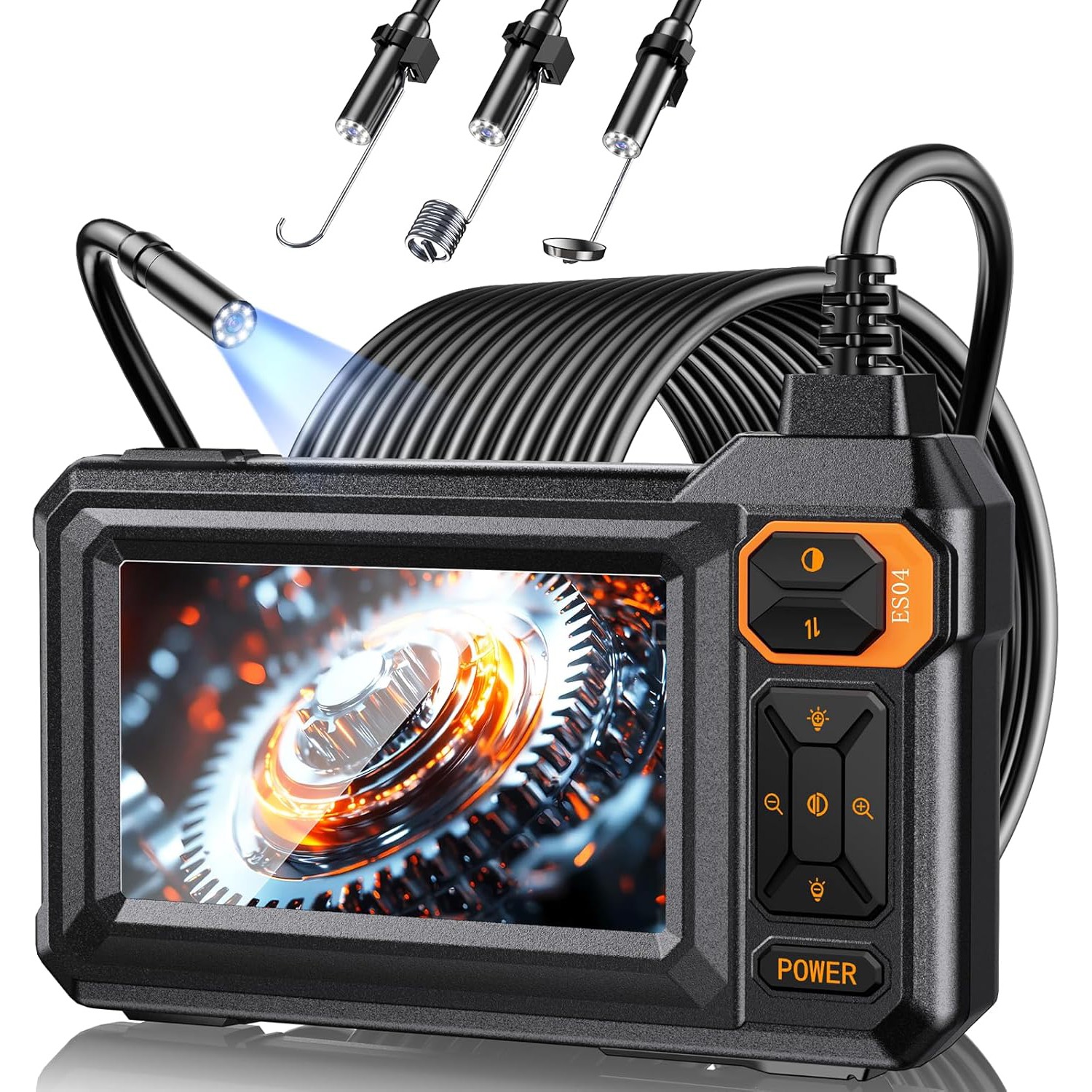
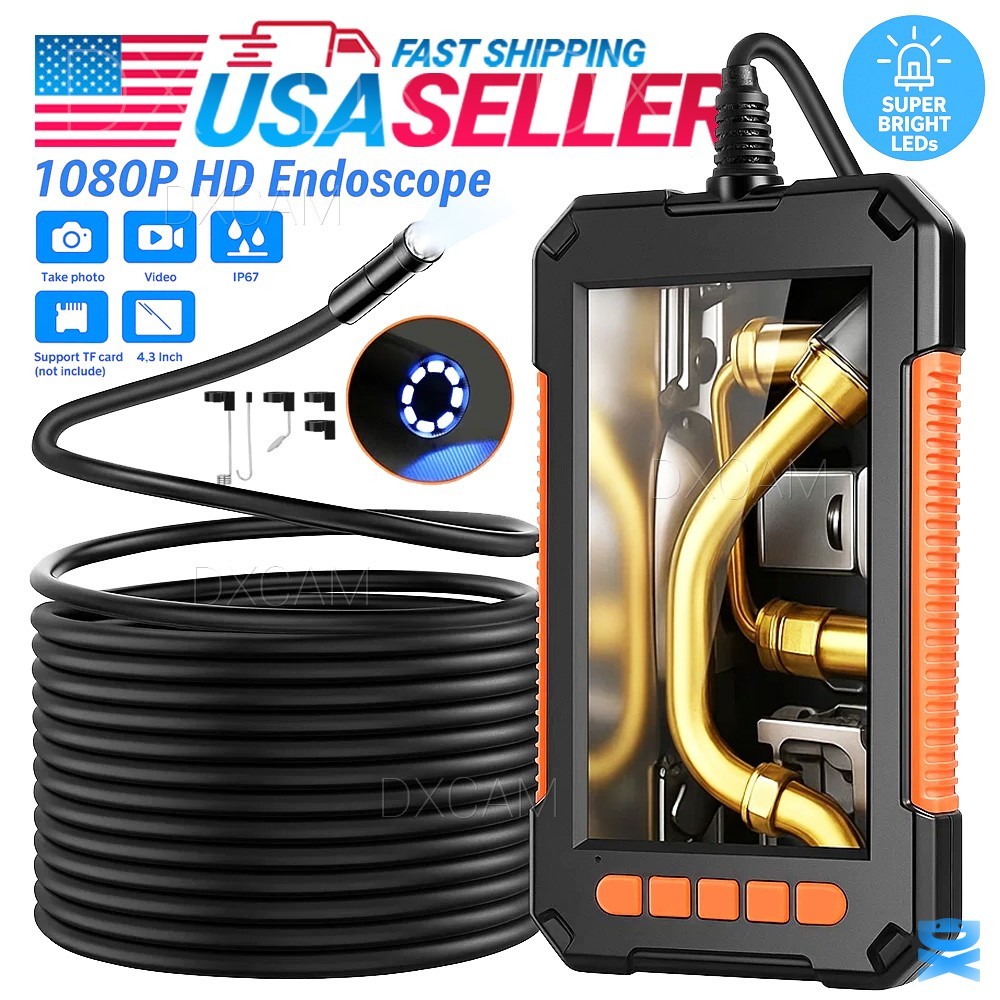
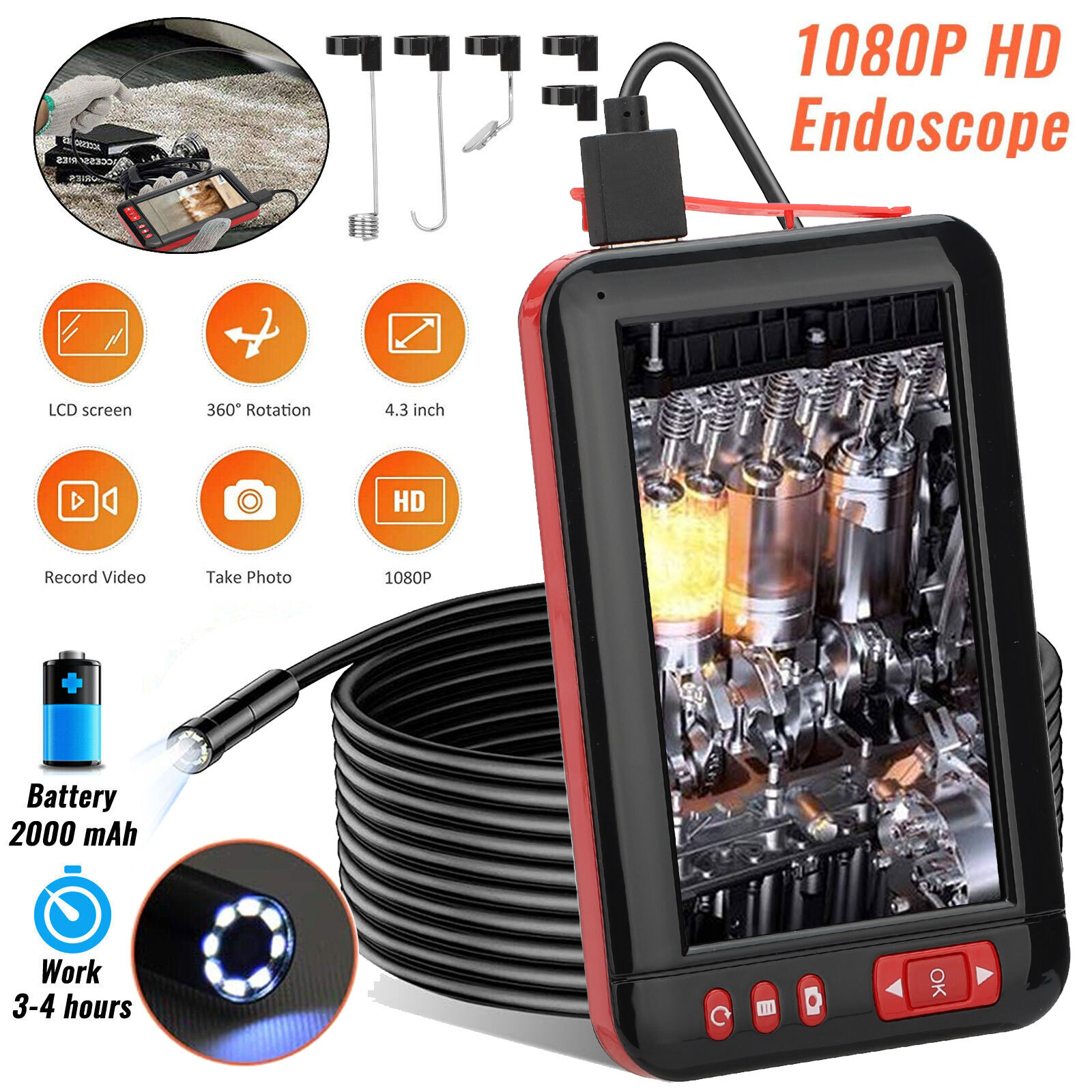
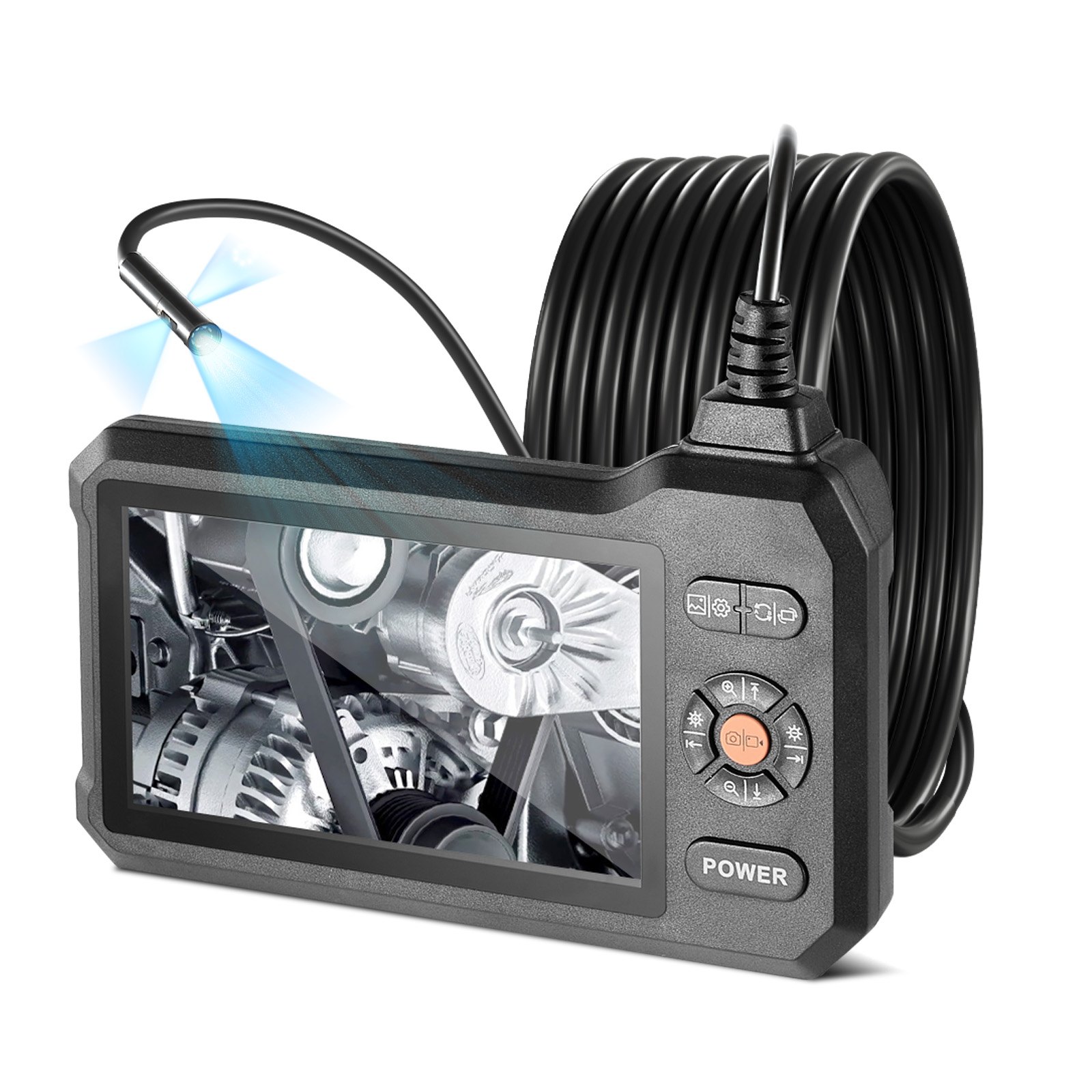
An endoscope (borescope) is a slim camera on a semi-rigid cable for inspecting pipes, engine cylinders, walls, and drains. The core trade-off is between a self-contained LCD unit and a phone-tethered USB/Wi-Fi model, where cable diameter, lens count, and articulation determine real-world reach and clarity. Buy a dedicated LCD-screen unit for one-handed field work, and a phone-tethered unit only when portability and app-control outweigh screen dependence.
Buying guide image
Microscopes & Lab Imaging

Microscope With Screen

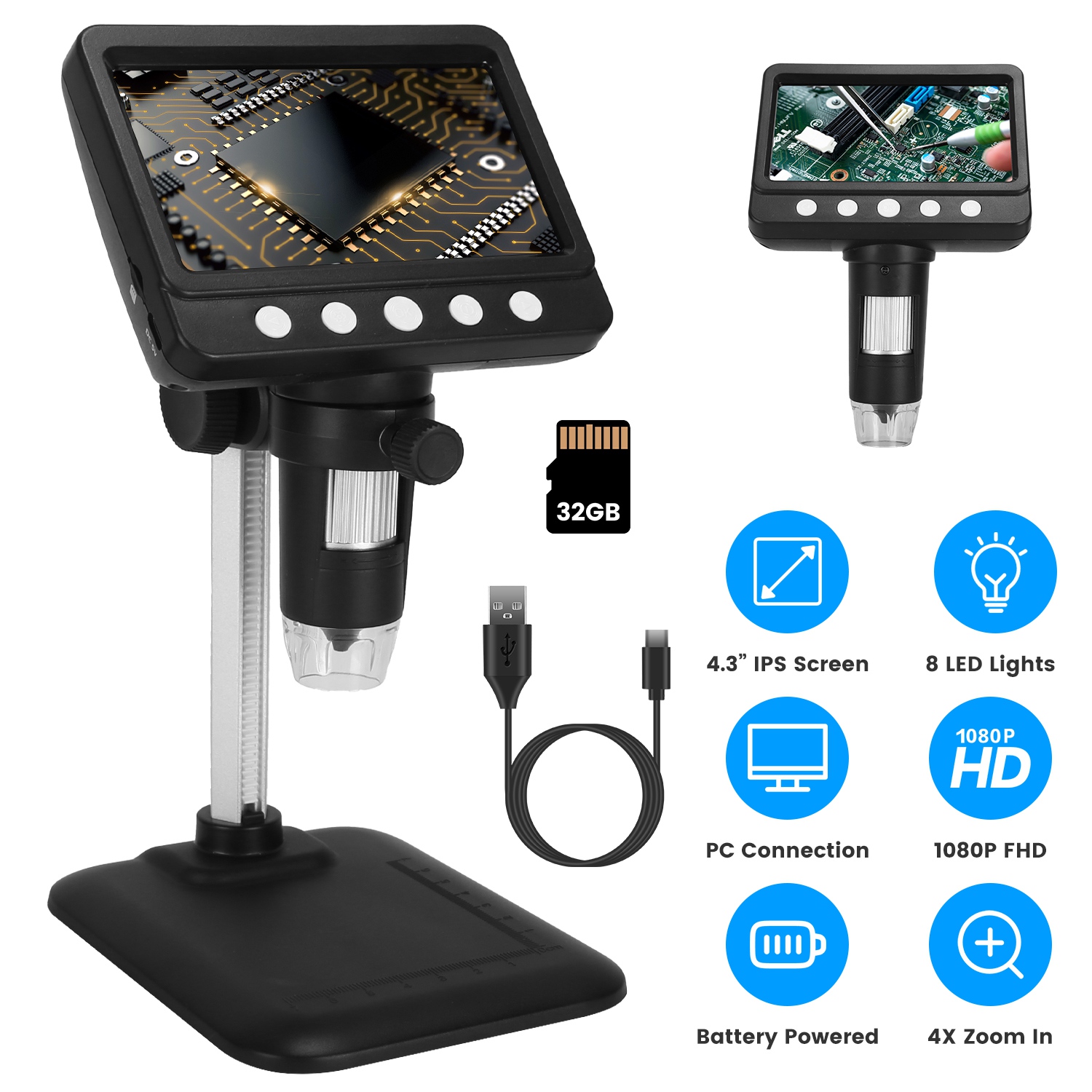
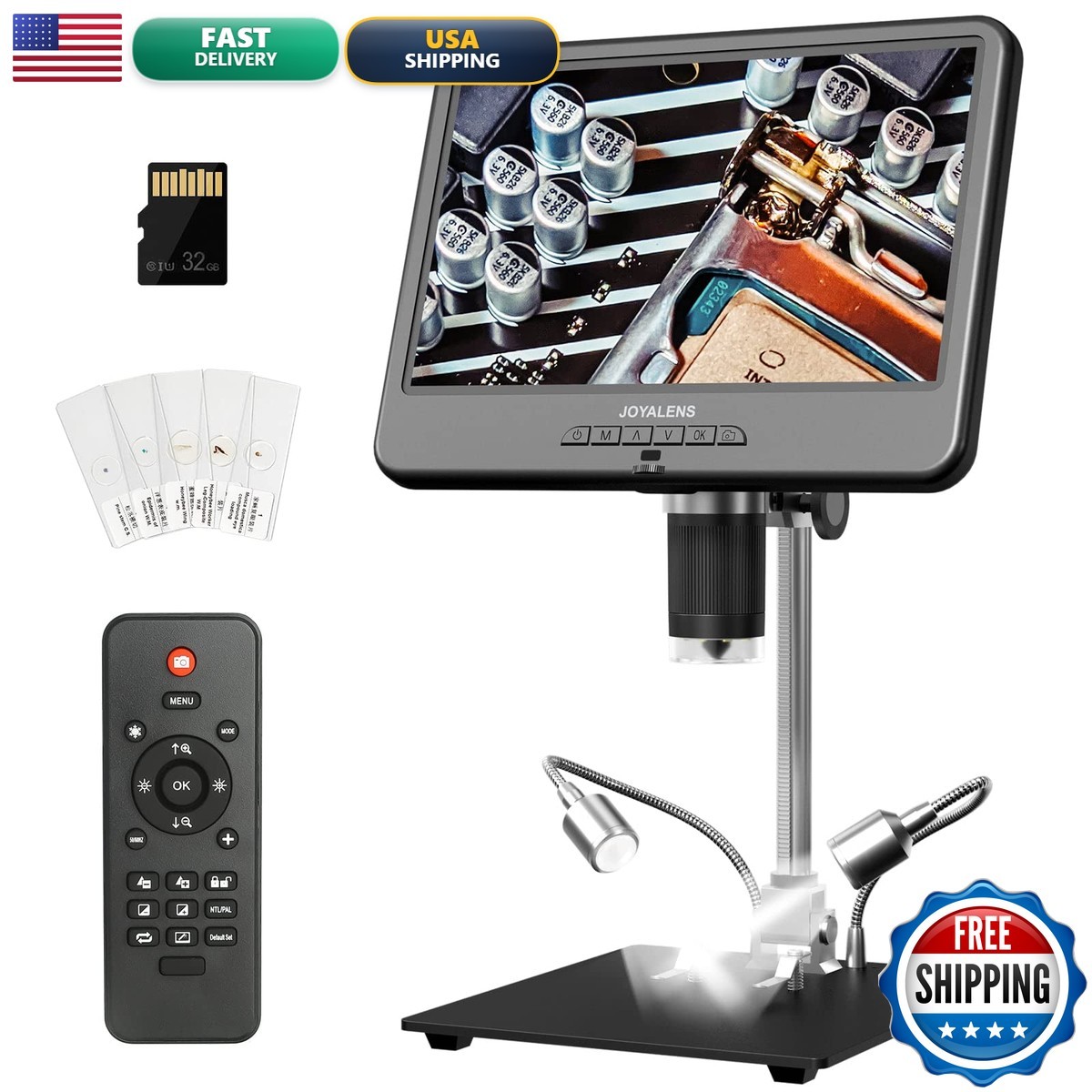
A microscope with screen integrates the imaging sensor and display into one self-contained unit, eliminating the eyepiece and allowing real-time viewing, capture, and sharing. The core trade-off is between optical resolution (true magnification via lens and sensor) and digital convenience (screen size, stand stability, lighting control). Durable options use metal-bodied stands, glass optics, and stable LED illumination; compromises rely on plastic stands, interpolated magnification claims, and weak fixed lighting.

Buying guide image
Environmental & Indoor Air Measurement

Air Quality Meter

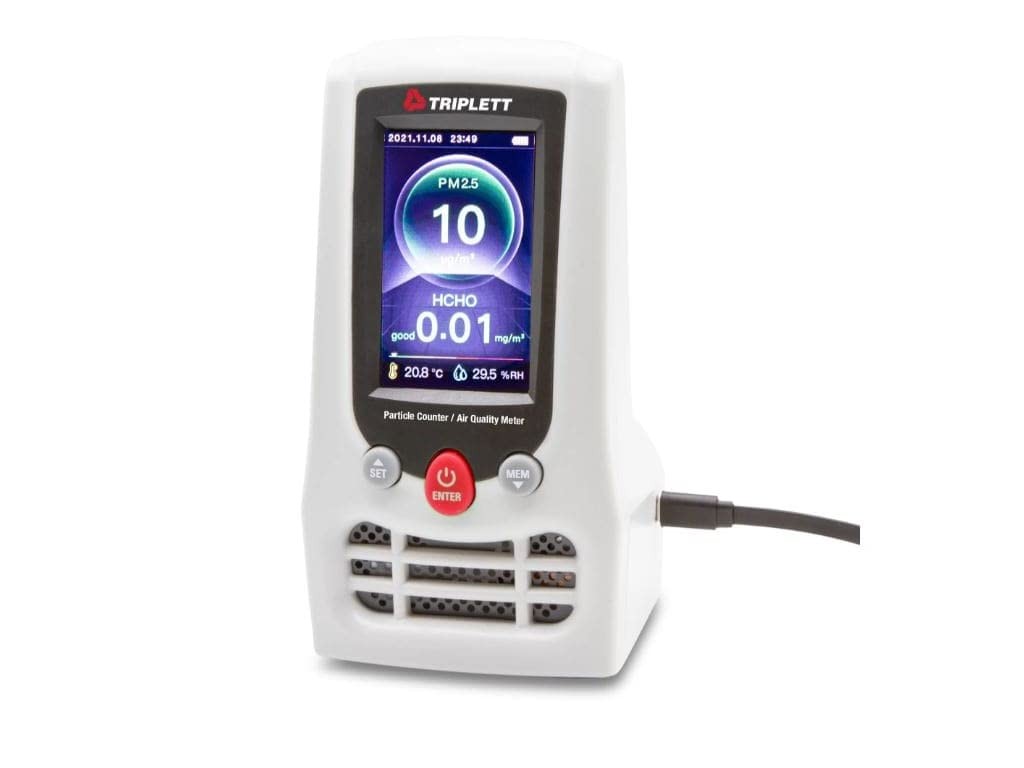
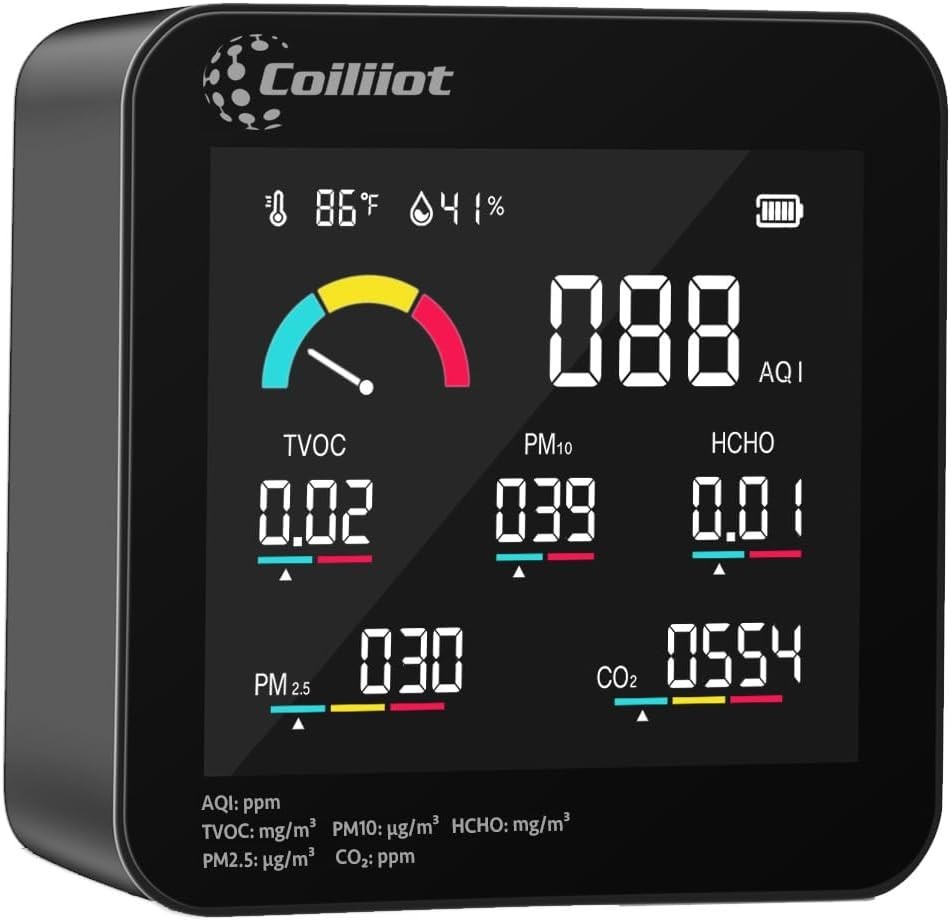
An air quality meter is a sensor-based device that quantifies indoor pollutants—particulates (PM2.5/PM10), gases (CO2, TVOC, formaldehyde), and comfort metrics (temperature, humidity)—to guide ventilation, filtration, and mitigation decisions. The core trade-off is sensor quality and calibration versus feature count: electrochemical and NDIR sensors provide accurate, stable readings, while low-cost semiconductor or uncalibrated sensors drift and mislead. Choose a meter with a documented sensor type, calibration method, and appropriate range for your primary concern; skip multi-parameter units that list many gases without specifying sensor technology or accuracy tolerances.

Buying guide image
Environmental & Indoor Air Measurement

Air Quality Monitor

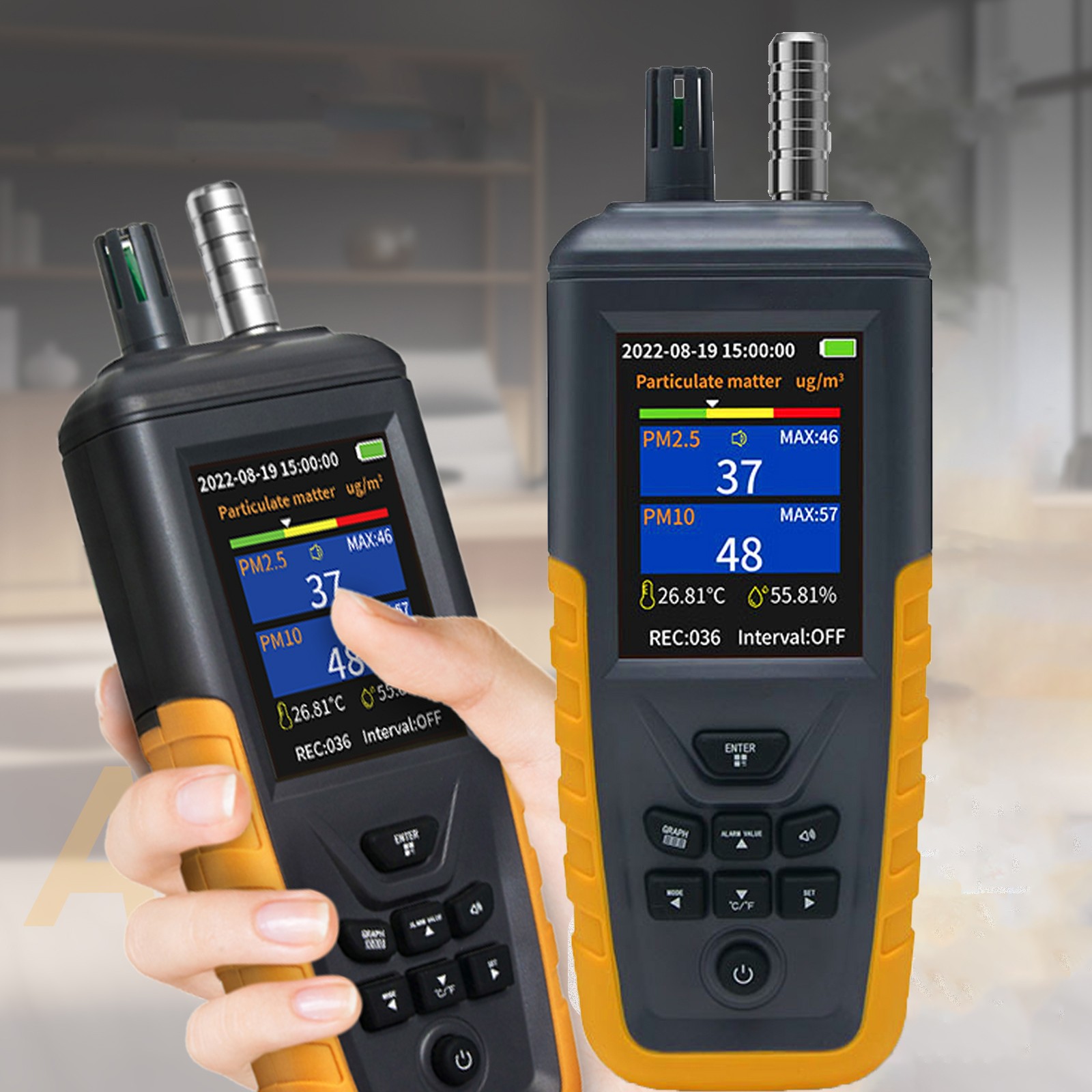
An air quality monitor is a sensor-based device that tracks pollutants and comfort metrics like PM2.5, CO2, TVOC, formaldehyde, temperature, and humidity, with the core trade-off being sensor quality and calibration versus feature count. Durable, decision-grade units use dedicated electrochemical or NDIR cells with published accuracy tolerances; compromised units inflate 'in-1' counts by bundling cheap MOS sensors that drift. The rule: buy a monitor whose primary sensor (PM2.5 or CO2) has a stated accuracy spec and replaceable calibration path, and skip any unit that lists sensor count as its main performance claim.

Buying guide image
Environmental & Indoor Air Measurement

Air Quality Detector

Air quality detectors are sensor-based meters that quantify indoor pollutants (PM2.5, PM10, CO2, TVOC, formaldehyde) and comfort metrics (temperature, humidity). The core trade-off is sensor type and calibration: optical particle counters with laser scattering outperform cheap VOC-only sensors, while NDIR CO2 sensors are essential for ventilation tracking. Buy for the specific pollutant you need to monitor; multi-in-one units with 9+ 'AQI' metrics often conflate algorithms and cannot be trusted for formaldehyde or radon without dedicated electrochemical or radon sensors.

Buying guide image
Environmental & Indoor Air Measurement

Portable Air Quality Monitor

Portable air quality monitors are handheld or tabletop devices that measure indoor pollutants like PM2.5, CO2, VOCs, and sometimes HCHO, temperature, and humidity. The key trade-off is between true sensor accuracy (NDIR CO2, laser-scattering PM) and low-cost e-waste sensors that estimate rather than measure. Choose a monitor with at least an NDIR CO2 sensor and a laser particle counter; skip any unit that lists 'AQI' without disclosing sensor type.

Buying guide image
Thermal Cameras, Borescopes & Visual Inspection

Thermal Camera

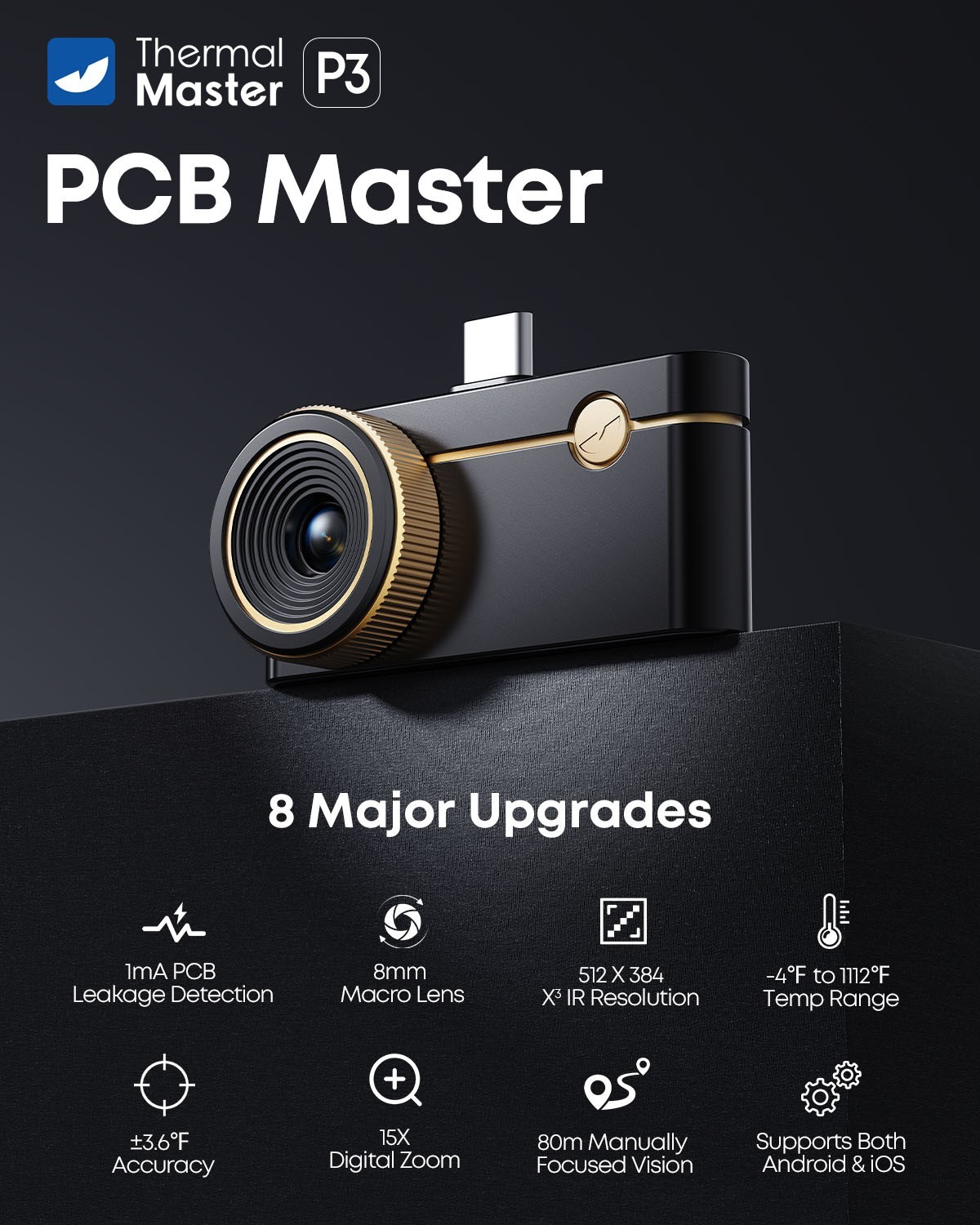
A thermal camera converts infrared radiance into a false-color temperature map, and the single biggest decision is native IR sensor resolution versus price. Native 256×192 or 320×240 sensors resolve real diagnostic detail; 96×96 or 160×120 sensors with digital super-resolution produce soft images that hide small anomalies. Buy native resolution first, then lens field of view, and treat smartphone dongles as the best value path for Android and iPhone users.

Buying guide image
Thermal Cameras, Borescopes & Visual Inspection

Thermal Imager

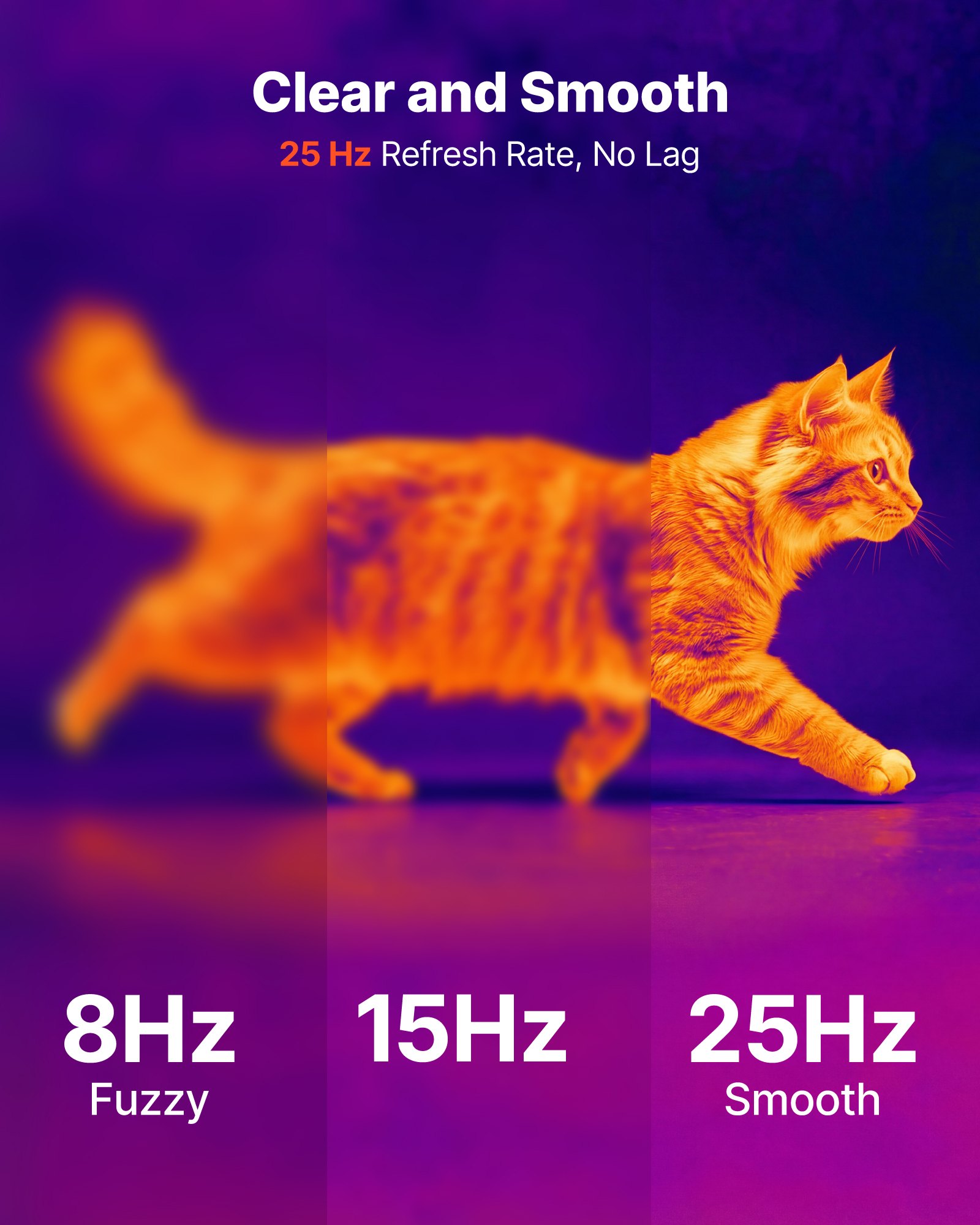
A thermal imager converts infrared radiance into a temperature map, and the core trade-off is native IR sensor resolution versus lens quality and calibration accuracy—not marketing 'super resolution' multipliers. Buy a native-resolution sensor with a known NETD and a fixed-focus lens matched to your distance; skip pixel-boosted models and toy sensors with vague accuracy claims.

Buying guide image
Thermal Cameras, Borescopes & Visual Inspection

Thermal Scanner

A thermal scanner (thermal imaging camera) converts infrared radiation into a visible heat map, letting you inspect electrical panels, building envelopes, and mechanical systems without contact. The core trade-off is sensor resolution and thermal sensitivity versus cost: low-resolution microbolometers blur small anomalies, while high-resolution units resolve fine temperature differences. The decision rule: buy the highest native IR resolution and lowest NETD your budget allows, and skip any model that inflates display resolution without stating native sensor pixels.

Buying guide image
Thermal Cameras, Borescopes & Visual Inspection

Borescope

A borescope is a flexible or semi-rigid inspection camera built to see inside engines, walls, drains, and pipes without disassembly. The core trade-off is camera diameter and lighting versus resolution and cable stiffness: smaller probes reach tighter spaces, but larger probes and dual/triple lenses deliver better focus and zoom. Choose a wired USB-C/Lightning or Wi-Fi model for phone-first portability, or a self-contained IPS-screen unit when you need standalone use and a live view without a handset.

Buying guide image
Thermal Cameras, Borescopes & Visual Inspection

Borescope iPhone

An iPhone borescope is a slim, semi-rigid camera probe that connects via Lightning or USB-C (or Wi-Fi) to turn your phone into a pipe, wall, or engine inspection tool. The core trade-off is between single fixed-focus lenses that save space and articulating dual/triple-lens probes that give depth and side coverage, while cable rigidity, IP67 sealing, and LED brightness define real-world durability. Buy a hard-wired Lightning/USB-C probe for predictable latency and no battery anxiety; skip Wi-Fi-only toys if you need continuous live video in tight cavities.

Buying guide image
Microscopes & Lab Imaging

Digital Microscope LCD

A digital LCD microscope integrates the lens, sensor, and display into one self-contained unit, replacing eyepieces with a screen for real-time viewing and capture. The core trade-off is between true optical resolution and digital magnification claims: models with small sensors and plastic lenses inflate magnification numerically, while better units use larger sensors, glass optics, and metal stands for stable, detailed imaging. The decision rule is simple: buy for sensor size, stand rigidity, and display quality—not the advertised zoom number—if you need repeatable inspection or documentation.

Buying guide image
Microscopes & Lab Imaging

Portable Digital Microscope

A portable digital microscope replaces the eyepiece with an image sensor and screen, trading optical resolution for instant capture and mobility. The key trade-off is sensor resolution and magnification range versus stand stability and lighting quality; models with metal stands and adjustable LED rings beat clip-on or flimsy plastic bases for inspection work. The clear decision rule: buy a standalone unit with a rigid metal stand, manual focus, and at least 1080p capture if you need repeatable inspection; skip pocket clip-ons for anything beyond quick curiosity shots.

Buying guide image
Microscopes & Lab Imaging

Digital Microscope With Screen

A digital microscope with a screen integrates the optics, sensor, and display into one standalone unit, eliminating the need for a PC or eyepiece. The primary trade-off is between the convenience of an all-in-one LCD screen versus the image quality and flexibility of a traditional optical microscope or a USB camera. The clear decision rule: choose a screen-equipped model only if you need untethered operation in the field or at a bench, and prioritize sensor resolution and screen size over inflated magnification claims.

Buying guide image
Microscopes & Lab Imaging

Digital Microscope With Display

A digital microscope with display integrates the optics, sensor, and a built-in LCD screen into a standalone inspection tool, eliminating the need for a separate PC or eyepiece. The primary trade-off is between true optical resolution—governed by sensor size, lens quality, and magnification type—and inflated digital zoom claims that only crop and pixelate the image. Buyers should prioritize a screen size of at least 4.3 inches, a glass lens with adjustable magnification, and a rechargeable battery over any model advertising extreme digital zoom with a plastic lens and tiny screen.

Buying guide image
Thermal Cameras, Borescopes & Visual Inspection

Endoscope Camera With Light

Endoscope cameras with light combine a tiny image sensor, LED illumination, and a semi-rigid cable to inspect pipes, engines, walls, and drains. The core trade-off is between handheld units with built-in screens (standalone, bulkier) and USB/phone-tethered models (compact, depend on your device). Choose a standalone 4.3–5" IPS unit with IP67 water resistance and a semi-rigid cable for solo field work; pick a USB-C/Lightning model only if you always have a phone and need extreme portability.

Buying guide image
Thermal Cameras, Borescopes & Visual Inspection

Endoscope Camera iPhone

An endoscope camera for iPhone is a USB or Wi-Fi inspection snake that turns your phone into a display for peering into pipes, engines, walls, and drains. The core trade-off is lens/sensor quality and cable rigidity versus plug-and-play iPhone compatibility, since Lightning and USB-C iPhones require different connectors or a Wi-Fi bridge. Buy a native Lightning or USB-C camera with a rigid semi-rigid snake and IP67 sealing; skip generic USB-A scopes that need a powered adapter and flimsy all-plastic cables.

Buying guide image
Thermal Cameras, Borescopes & Visual Inspection

Endoscope Camera

An endoscope camera (borescope) pairs a tiny image sensor on a semi-rigid cable with either a standalone monitor or a phone/laptop link to inspect pipes, walls, engines, and voids. The core trade-off is cable architecture and camera head diameter versus image quality and light output: thicker multi-lens heads with larger screens see more but won't pass tight bends, while slim USB-C/Lightning heads fit 8mm bores but depend on your phone. Buy a dedicated monitor unit with a rigid 5-8mm head for plumbing and auto work, and a slim phone-linked unit only for tight, dry, close-range inspection.

Buying guide image
Thermal Cameras, Borescopes & Visual Inspection

Endoscope Camera Android

Android endoscope cameras are USB or Wi-Fi inspection probes that turn a phone into a live borescope for pipes, engines, and walls. The defining trade-off is wired USB-C/Micro-USB versus Wi-Fi and camera-head diameter versus light output: slim 5.5-8mm heads fit tight bends but capture less light. Buy a wired USB 2.0 UVC camera with a 5.5-8mm head, IP67 sealing, and adjustable LEDs; skip anything that needs a proprietary app to display live video.

Buying guide image
Thermal Cameras, Borescopes & Visual Inspection

Endoscope Camera Phone

An endoscope camera phone is a USB or Wi-Fi borescope that turns your smartphone into a visual inspection tool for pipes, engines, walls, and drains. The decisive trade-off is lens diameter and cable rigidity versus image resolution and lighting: 5.5-8mm heads fit most domestic drains and engine cylinders, while 3.9-5.5mm slim heads are required for narrow orifices. Buy a wired USB-C or Lightning model with a semi-rigid cable and adjustable LED ring for reliability; avoid fixed-focus Wi-Fi units with micro-USB charging as your primary tool.

You may also like

Finding more guides for you…