Bench & Gauge

Bench & Gauge

Test, Measurement & Inspection Reviews & Buying Guides

Compare test, measurement & inspection by use case, features, trade-offs, price, returns, and seller terms before you buy.

Buying guides

Buying guide image
Thermal Cameras, Borescopes & Visual Inspection

Endoscope Camera Android Phone

An Android endoscope camera turns your phone into a flexible inspection tool, but the segment splits sharply between Wi-Fi and USB-C/Micro-USB direct-connect architectures. The core trade-off is camera resolution and lens count versus cable rigidity, waterproof rating, and app compatibility; USB-C wired units avoid battery and pairing issues, while Wi-Fi units demand a stable 2.4GHz link.
Buying guide image
Thermal Cameras, Borescopes & Visual Inspection

Borescope Camera

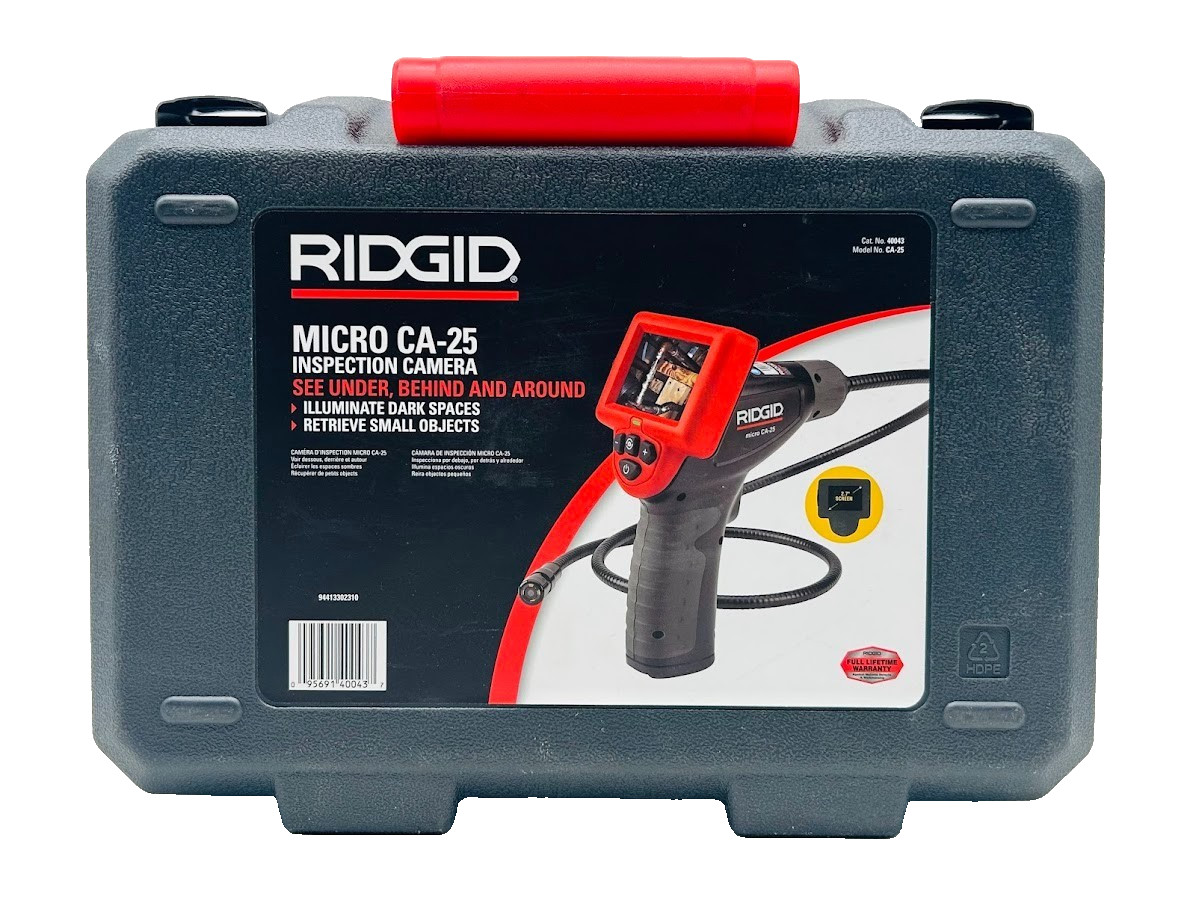
A borescope camera is a flexible or rigid inspection scope pairing a tiny lens with a cable and either a built-in screen or a phone link. The core trade-off is lens diameter and articulation versus resolution and cable stiffness: slimmer lenses reach tighter spaces but gather less light, while larger multi-lens heads improve clarity at the cost of access. Buy a dedicated-screen unit for one-handed field use, or a USB-C/Lightning phone model only when portability outweighs screen reliability.

Buying guide image
Thermal Cameras, Borescopes & Visual Inspection

Inspection Camera

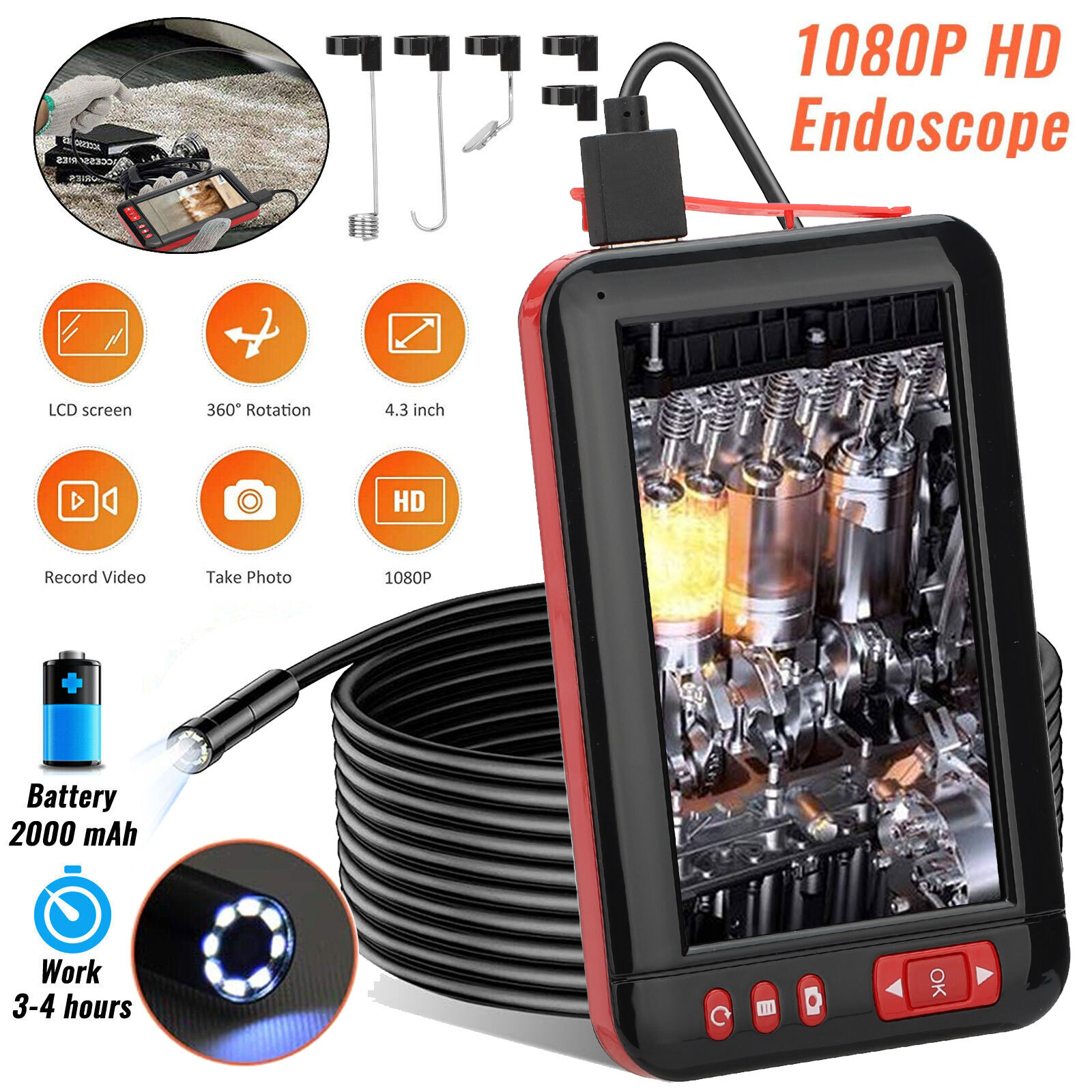
An inspection camera (borescope/endoscope) pairs a tiny lens on a flexible or rigid probe with a handheld screen or your phone to see inside walls, engines, and drains. The core trade-off is probe diameter versus image quality: 3.9-5.5 mm probes enter spark plug holes and narrow pipes but lose light and resolution, while 8-10 mm probes deliver 1080P clarity but only fit drains and cavities. Buy a dedicated-screen unit with a metal-cored probe when you need one-hand operation, and choose a phone-connected unit only when portability and cost outweigh the hassle of a tether.

Buying guide image
Thermal Cameras, Borescopes & Visual Inspection

Inspection Camera With Light

An inspection camera with light combines a tiny image sensor, built-in LED illumination, and a semi-rigid or flexible cable to let you see inside engines, walls, drains, and ducts. The primary trade-off is lens diameter (access) versus resolution and light output (clarity) — smaller probes need fewer, dimmer LEDs. Durable options use IP67-rated metal housings, glass lenses instead of plastic, and a screen or USB interface that matches your phone or PC; skip non-waterproof plastic probes and fixed-focus single-lens units with weak illumination.

Buying guide image
Thermal Cameras, Borescopes & Visual Inspection

Portable Inspection Camera

A portable inspection camera is a handheld or phone-linked imaging tool combining a small camera head, a flexible or rigid probe, and a light source to visually inspect cavities, pipes, engines, and walls. The core trade-off is probe articulation and optical clarity versus probe diameter and cable ruggedness—thin 3.9–5.5 mm probes reach tight spaces but lack articulation, while 8–10 mm articulated units see around bends at the cost of insertion flexibility. The decision rule: buy a known sensor format (1/4" or 1/3" CMOS) with user-replaceable probe and a 3.5–5" IPS display for standalone work; skip no-name units with sealed non-replaceable probes and 2.4" low-res TFT screens unless the job is one-off and shallow.

Buying guide image
Thermal Cameras, Borescopes & Visual Inspection

Inspection Camera Android Phone

Inspection cameras for Android phones split into USB-C/micro-USB tethered borescopes that use your phone as the display and standalone LCD units that work without a phone. The core trade-off is camera head diameter (8mm standard vs 5.5mm slim) versus articulation and resolution claims, with waterproofing and cable stiffness determining real-world reach. Choose a tethered USB model with a 5.5mm head if you need deep, tight-space access and already carry a phone; skip standalone LCD units unless you need untethered operation.

Buying guide image
Centrifuges, Mixers & Shakers

Centrifuge

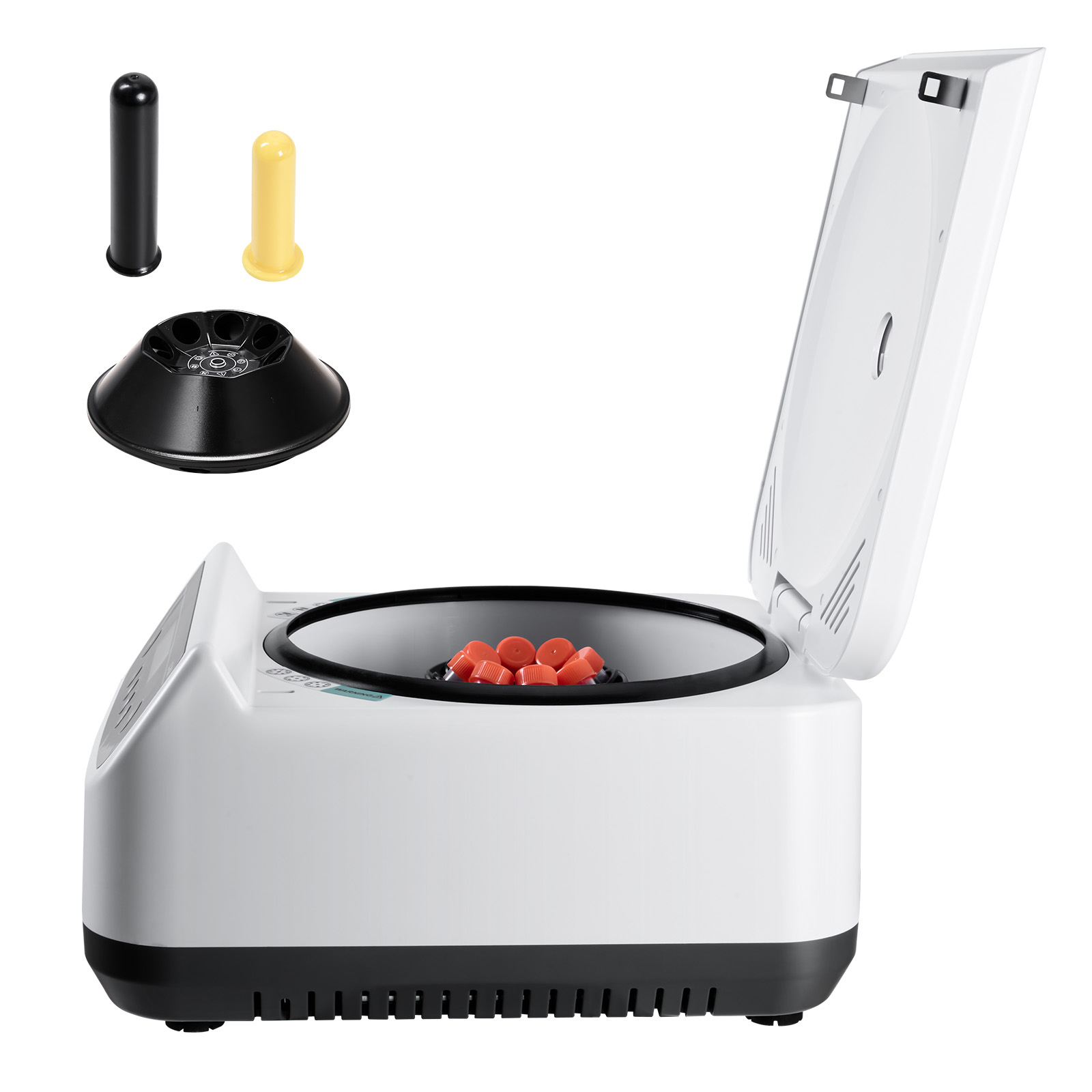
A centrifuge separates liquids and solids by density using centrifugal force, and the key trade-off is between fixed-speed budget units and variable-speed, rotor-compatible models that handle multiple tube sizes and protocols. The decisive rule: choose a model whose rotor, speed (RPM/RCF), and tube capacity match your exact application; a cheap fixed-speed unit is fine for single-protocol use, but multi-application labs need adjustable speed and interchangeable rotors.

Buying guide image
Centrifuges, Mixers & Shakers

Centrifuge Machine

A centrifuge machine separates liquids and solids by density using centrifugal force, and the primary trade-off is between fixed-speed mini units and variable-speed lab centrifuges with interchangeable rotors. Durable options specify RCF (relative centrifugal force), rotor material, and tube compatibility; compromises hide these behind vague RPM claims. The decision rule: match the RCF and rotor capacity to your application (PRP/medical, lab research, or industrial oil), and skip any unit that does not state both tube size and maximum RCF.

Buying guide image
Thermal Cameras, Borescopes & Visual Inspection

Borescope Inspection Camera

A borescope inspection camera pairs a tiny camera on a flexible or articulating probe with a handheld screen or phone link to see inside walls, engines, drains, and ducts. The core trade-off is optical/articulation quality versus probe diameter and cable length—thicker probes are brighter and sharper, but only slim sub-6mm probes enter spark-plug holes and narrow pipes. Buy a probe that physically reaches and articulates where you need it, then step up image sensor and lighting only as far as that geometry allows.

Buying guide image
Thermal Cameras, Borescopes & Visual Inspection

Endoscope Inspection Camera

Endoscope inspection cameras pair a tiny camera head on a flexible or semi-rigid cable with a phone app or dedicated display to visually inspect engines, walls, drains, and machinery. The core trade-off is articulation versus simplicity: two-way/360° steering reaches around bends but costs more and demands practice, while fixed-lens snakes are cheaper and faster for straight runs. Choose articulated only if you must look behind obstructions; otherwise pick a fixed snake with the right diameter, lens count, and cable length for your job.

Buying guide image
Environmental & Indoor Air Measurement

Indoor Air Quality Monitor

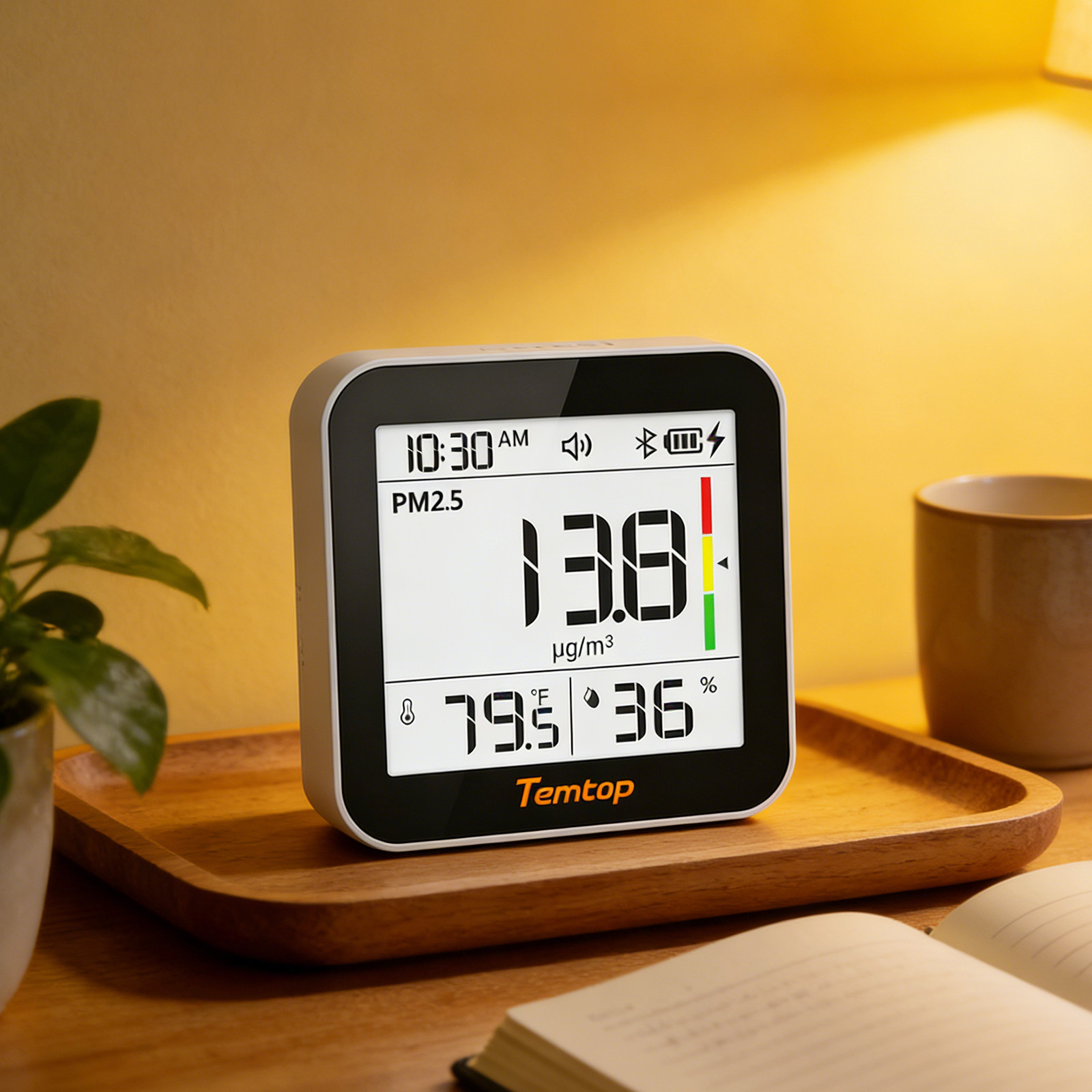
Indoor air quality monitors are multi-sensor instruments that track PM2.5/PM10 particulates, CO2, TVOCs, formaldehyde, temperature, and humidity, with performance hinging on sensor grade (NDIR CO2 vs. estimated eCO2, laser particle counters vs. VOC-only inference) and calibration durability. The decisive rule: buy a unit with an NDIR CO2 sensor, a laser-scattering PM sensor, and published accuracy tolerances; skip any monitor that infers particulates or CO2 from TVOC/mixed-gas readings or lacks calibration documentation.

Buying guide image
Environmental & Indoor Air Measurement

Indoor Air Monitor

An indoor air monitor is a sensor package that translates invisible pollutants—CO2, PM2.5, TVOC, formaldehyde—into an actionable display, app, or alarm. The decisive trade-off is sensor grade: NDIR CO2 and laser-scattering particulate sensors track real trends, while low-cost VOC index and 'formaldehyde' channels are calibrated estimates, not lab measurements. Buy a monitor with NDIR CO2 plus laser PM2.5 if you want trend data you can act on; skip sealed units with no calibration path or alarm-only designs that hide raw numbers.

Buying guide image
Oscilloscopes, Signal & Spectrum Analyzers

Oscilloscope

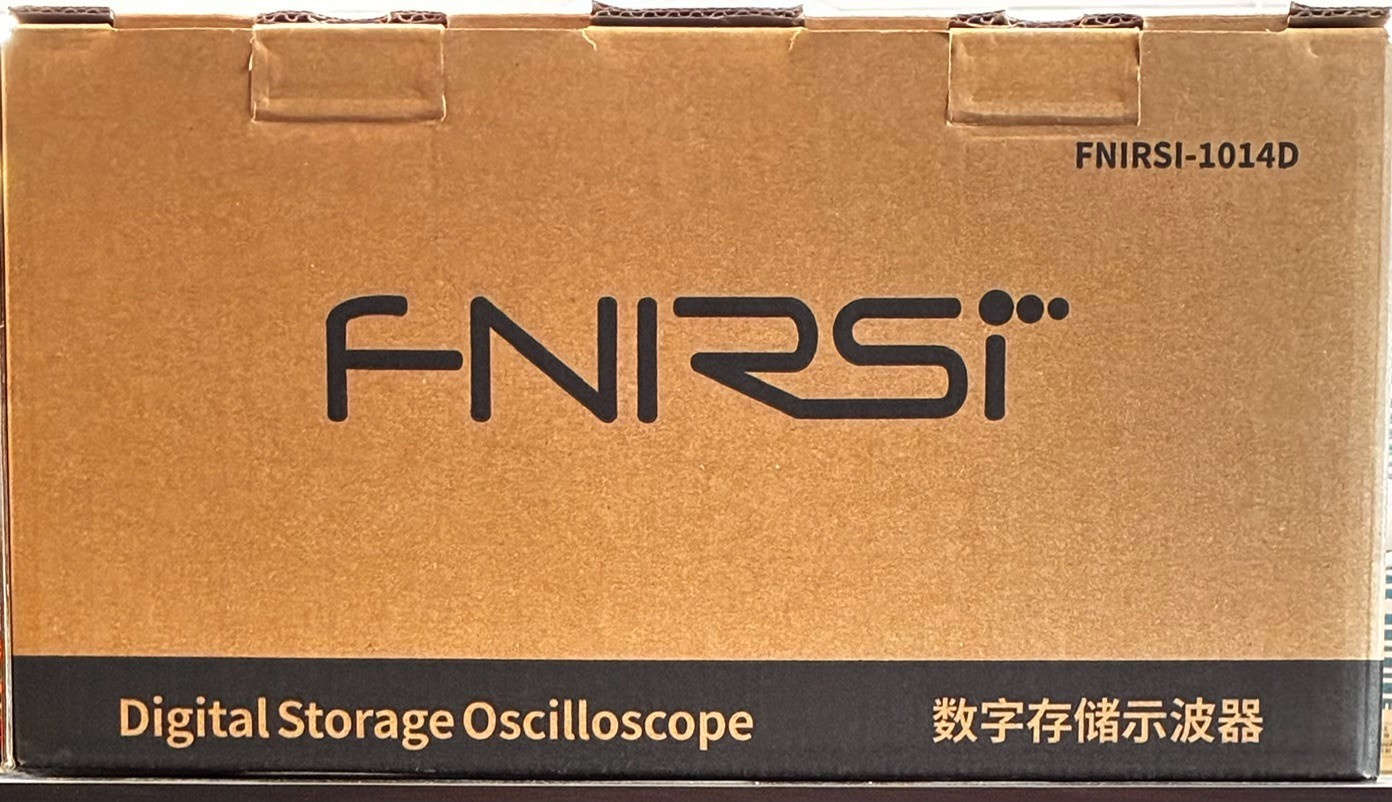
An oscilloscope is a voltage-versus-time measurement instrument whose usefulness hinges on analog bandwidth, sample rate, and memory depth—not screen size or 'DIY kit' features. The core trade-off is between low-cost handheld DSOs with limited front-end fidelity and bench scopes that meet their bandwidth spec with genuine trigger systems. Buyers should treat any instrument under 50 MHz with less than 100 MS/s real-time sampling as a teaching or audio-only tool, and reserve bench-grade measurement for scopes with proper input attenuation, triggering, and documented sample-rate-to-bandwidth ratios.

Buying guide image
Thermal Cameras, Borescopes & Visual Inspection

Industrial Endoscope Camera

Industrial endoscope cameras are articulated inspection snakes built around a camera head, a semi-rigid cable, and either a standalone LCD handset or a USB/Wi-Fi link to your phone. The core trade-off is cable stiffness versus reach and lens count versus head diameter: a 5.5–8 mm rigid cable reaches around pipe bends but cannot pass a 0.2-inch orifice. Buy a self-contained IPS-screen unit with IP67 head, adjustable LED ring, and a cable matched to your pipe run; skip thin USB-only snakes with fixed focus for real industrial work.

Buying guide image
Data Acquisition & Recorders

Data Acquisition

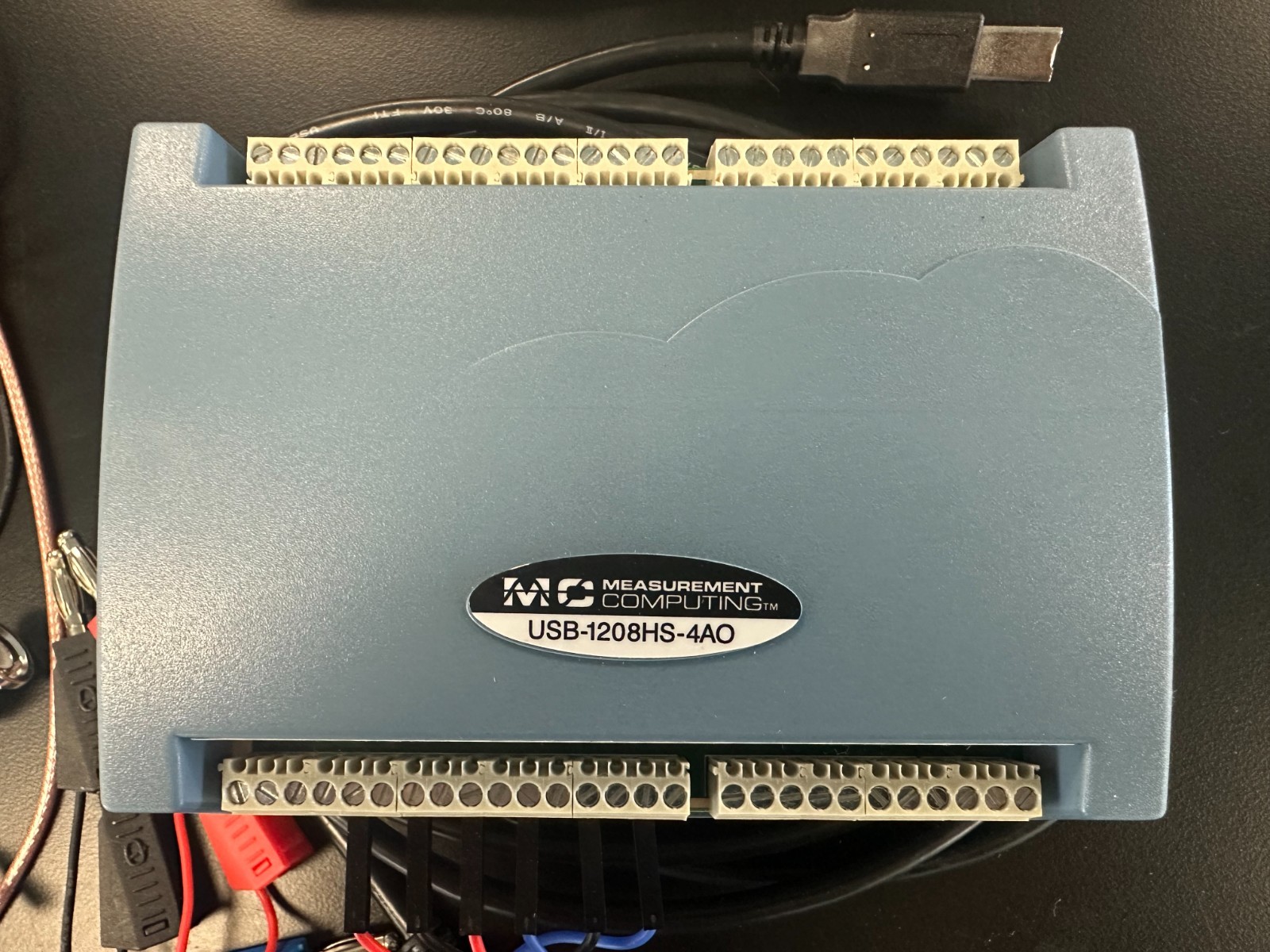
Data acquisition (DAQ) systems convert real-world analog and digital signals into usable digital data, defined by resolution, sample rate, channel count, and interface. The core trade-off is between high-resolution isolated front ends with robust software and low-cost multiplexed chips that need external conditioning. Choose a branded, documented system with per-channel isolation and supported software for reliable measurements; skip bare ADC chips and legacy SCSI boxes unless you can test and maintain them.

Buying guide image
Multimeters & Electrical Testers

Digital Volt Meter

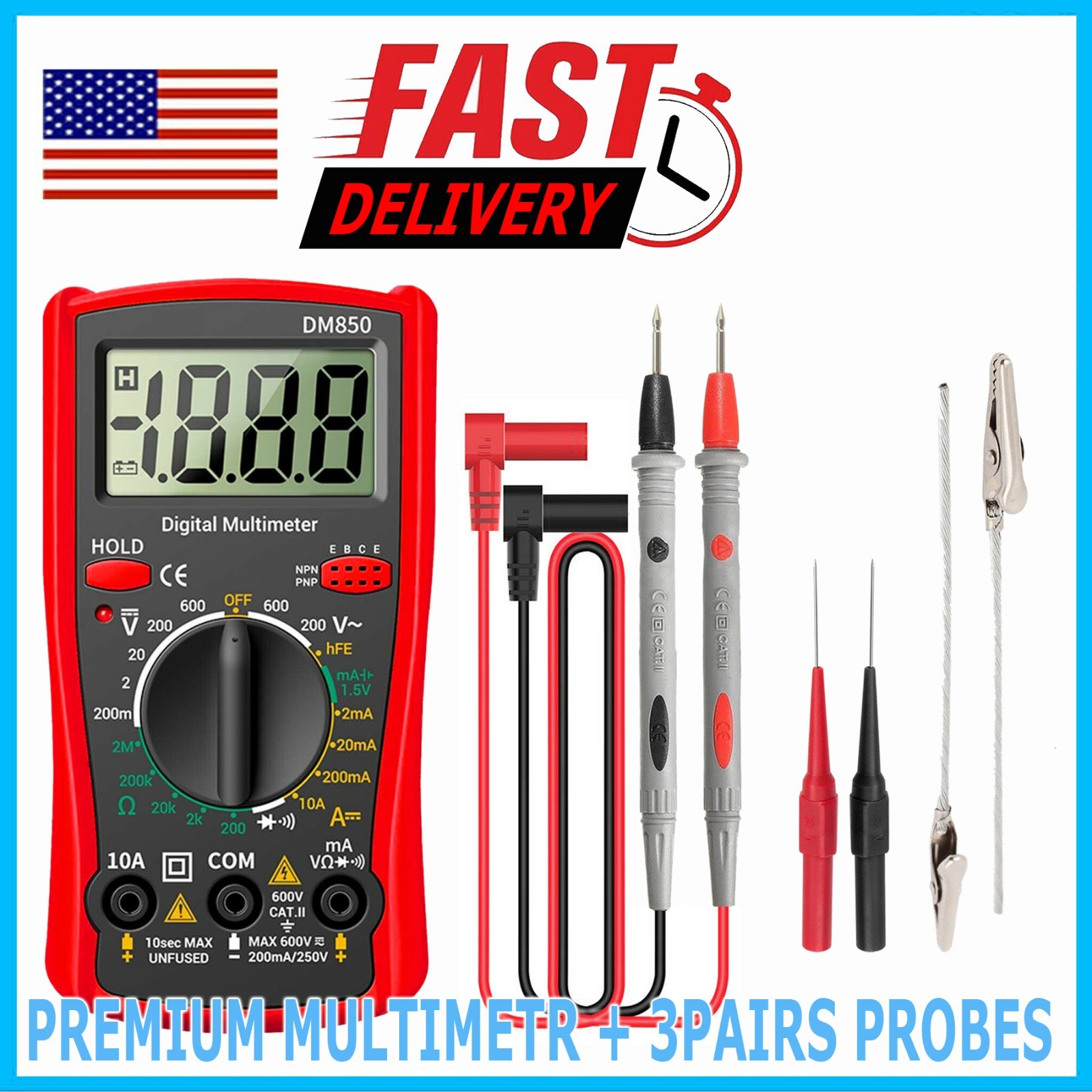
A digital volt meter (DVM) — usually sold as a handheld digital multimeter — measures AC/DC voltage plus resistance, continuity, and often current, with accuracy and safety determined by its count resolution, True-RMS capability, and CAT safety rating. The core trade-off is between low-cost 3.5-digit manual-ranging meters with limited input protection and auto-ranging True-RMS meters rated for CAT III/IV work. Buy a True-RMS, auto-ranging meter with a genuine CAT III rating for anything near mains or panels; treat basic 2000-count manual meters as battery-and-outlet checkers only.

Buying guide image
Dimensional Metrology & Machine Inspection

Vernier Caliper

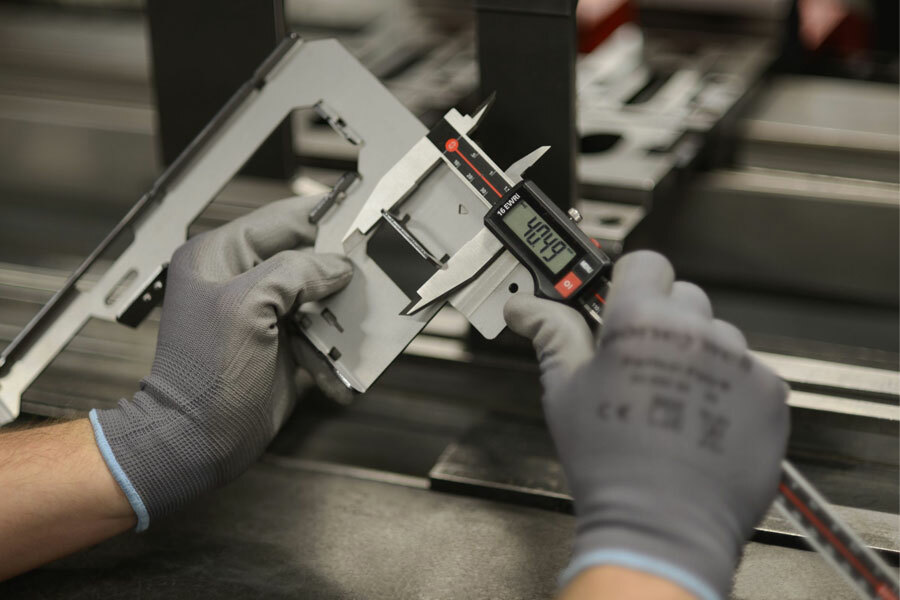
A vernier caliper is a precision measuring tool with a main scale and sliding vernier or digital readout for outside, inside, depth, and step measurements. The primary trade-off is between low-cost stainless or plastic digital calipers with ±0.02–0.03 mm accuracy and hardened stainless steel analog or name-brand digital calipers with ±0.01–0.02 mm accuracy and repeatable absolute encoders. The decision rule: choose a hardened stainless steel caliper with a defined accuracy spec and a known measurement standard if you need reliable, repeatable results; treat generic plastic or unrated digital calipers as light-duty reference tools only.

Buying guide image
Thermal Cameras, Borescopes & Visual Inspection

Thermal Imaging Camera

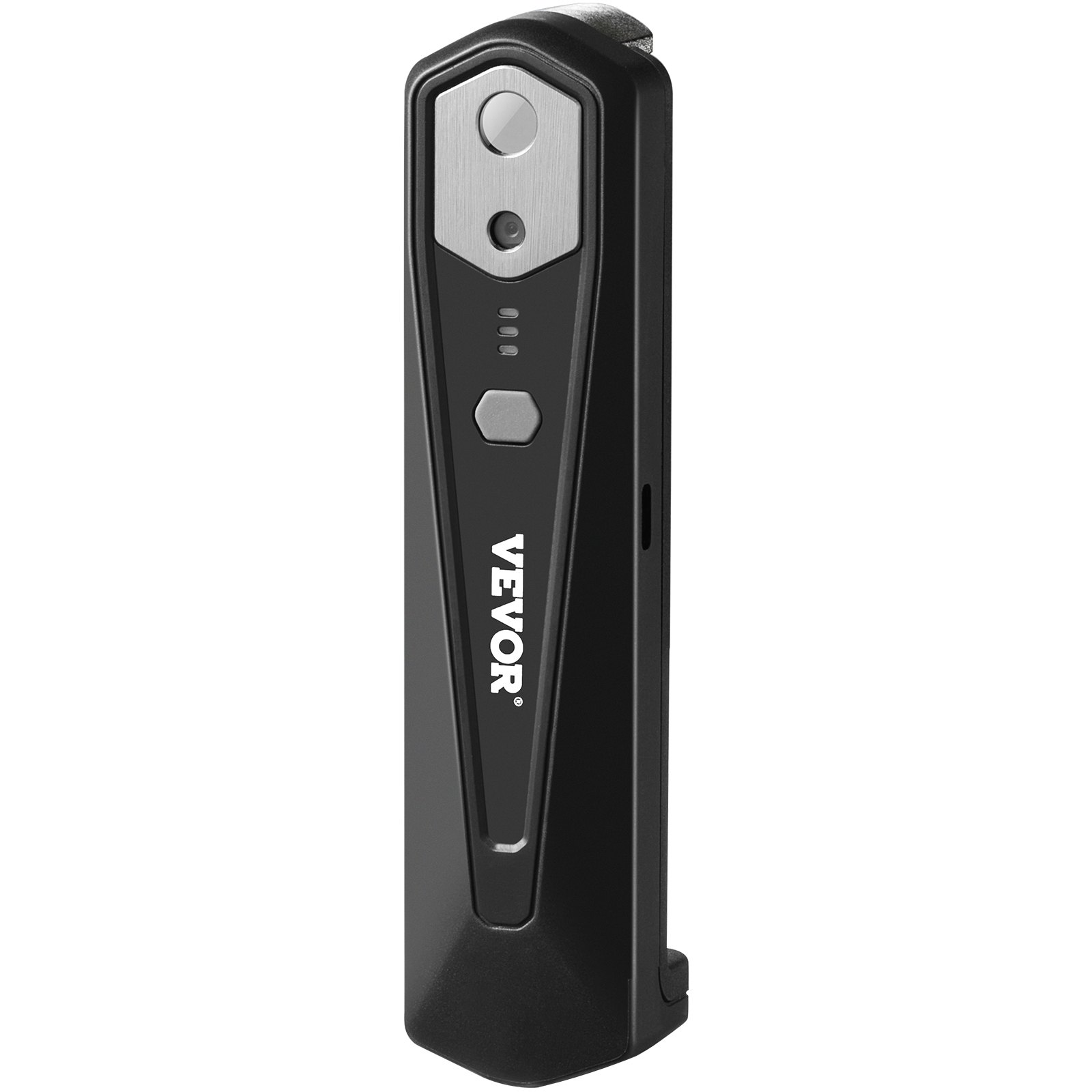
Thermal imaging cameras convert infrared radiance into temperature-mapped images, and the decisive split is sensor resolution (the true IR pixel grid) versus marketed 'super resolution' interpolation. Buyers must also choose between standalone handheld units with built-in LCD and smartphone dongles that rely on your phone's screen and battery. The clear rule: prioritize native IR resolution of at least 256x192 for diagnostic work, and accept 120x90 or 160x120 only for coarse hot-spot scanning.

Buying guide image
Thermal Cameras, Borescopes & Visual Inspection

Industrial Inspection Camera

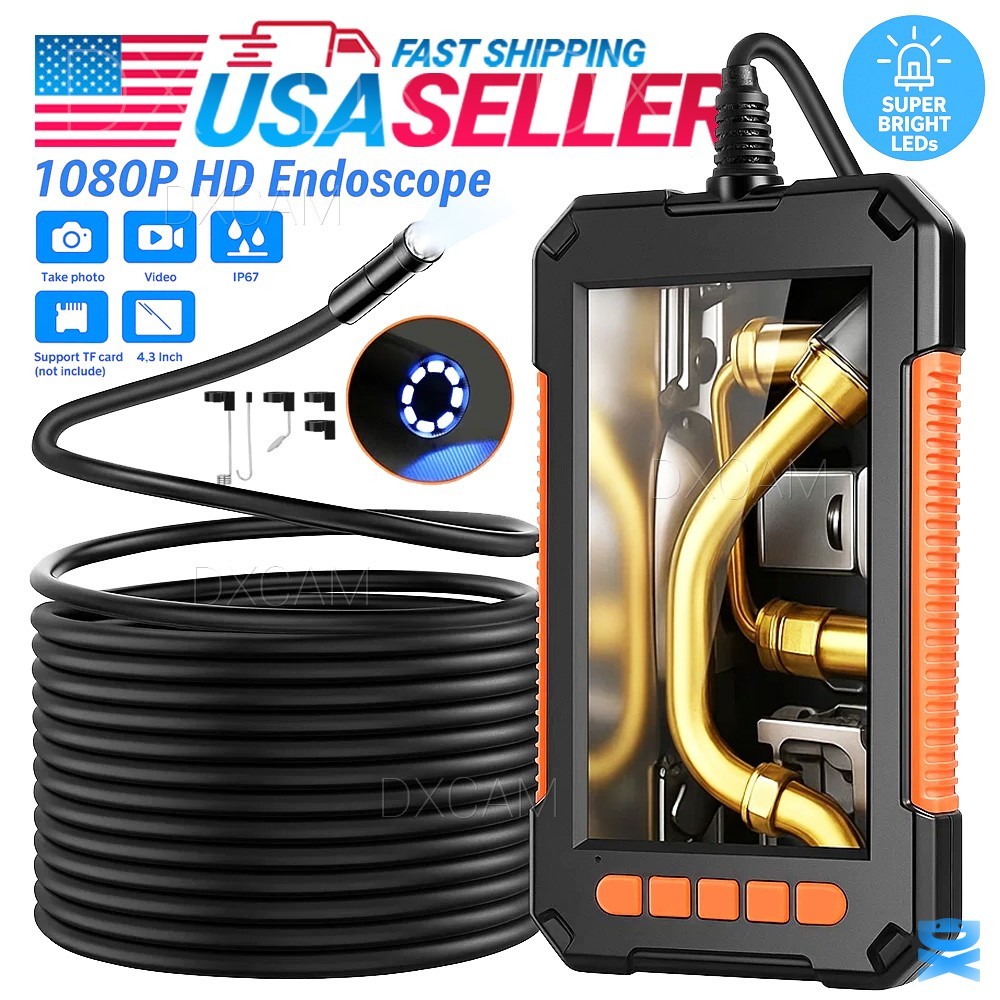
An industrial inspection camera is a handheld borescope system combining a slim camera probe, fixed or articulating, with a dedicated LCD/IPS screen for visual inspection of engines, walls, drains, and machinery. The core trade-off is probe diameter versus optical capability: 8mm-class probes fit most automotive and plumbing ports but limit lens count and articulation, while 3.9–5.5mm slim probes reach tighter voids at the cost of light gathering and durability. Buy a dedicated-screen unit with an IP67-rated metal-tipped probe and 1080P or higher sensor if the tool will see weekly trade use; a plastic-bodied 720P unit is a reasonable occasional-use compromise.

Buying guide image
Thermal Cameras, Borescopes & Visual Inspection

Compact Thermal Imaging Camera

A compact thermal imaging camera is a pocket-sized radiometric sensor that converts infrared radiation into temperature-mapped images for diagnostics, not just night vision. The core trade-off is sensor resolution and thermal sensitivity versus price and field-of-view: 80×60-class sensors give coarse blobs, while 160×120 and up resolve loose connections and water intrusion. Buy a radiometric model with ≥160×120 resolution and ≤60 mK NETD for real inspection work; skip sub-100-pixel novelty units and non-radiometric 'thermal color' cameras.

You may also like

Finding more guides for you…